

The DOI matches its Crossref record; 560 of the 561 references it cites were found in a registry or an index.
PROTACs: great opportunities for academia and industry (an update from 2020 to 2021)
Open accessAbstract
PROteolysis TArgeting Chimeras (PROTACs) technology is a new protein-degradation strategy that has emerged in recent years. It uses bifunctional small molecules to induce the ubiquitination and degradation of target proteins through the ubiquitin–proteasome system. PROTACs can not only be used as potential clinical treatments for diseases such as cancer, immune disorders, viral infections, and neurodegenerative diseases, but also provide unique chemical knockdown tools for biological research in a catalytic, reversible, and rapid manner. In 2019, our group published a review article “PROTACs: great opportunities for academia and industry” in the journal, summarizing the representative compounds of PROTACs reported before the end of 2019. In the past 2 years, the entire field of protein degradation has experienced rapid development, including not only a large increase in the number of research papers on protein-degradation technology but also a rapid increase in the number of small-molecule degraders that have entered the clinical and will enter the clinical stage. In addition to PROTAC and molecular glue technology, other new degradation technologies are also developing rapidly. In this article, we mainly summarize and review the representative PROTACs of related targets published in 2020–2021 to present to researchers the exciting developments in the field of protein degradation. The problems that need to be solved in this field will also be briefly introduced.
Overview
The claims and statistics of this paper haven’t been checked yet.
Run the check — free, no account needed. It reads the open-access text and checks the sources it cites.
Integrity signals
Registry
Cites
Statistics
Figures
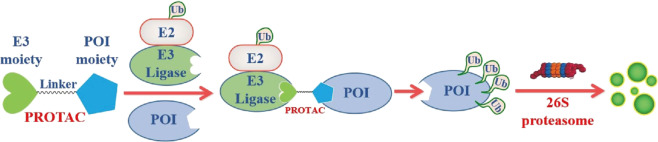
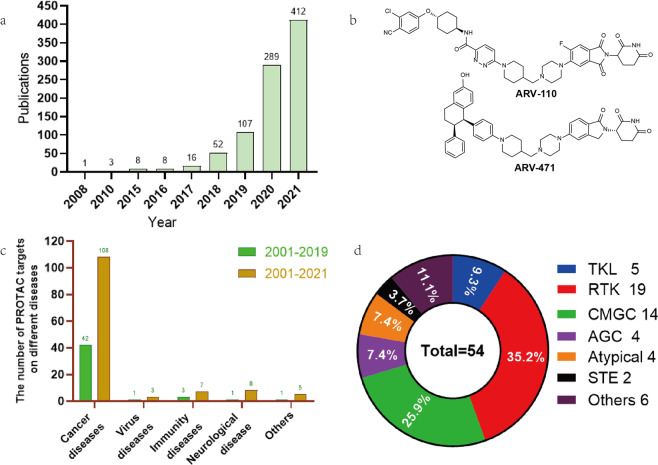
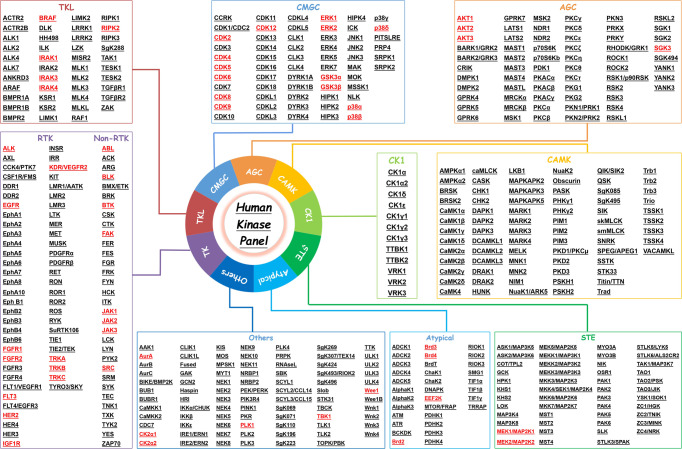
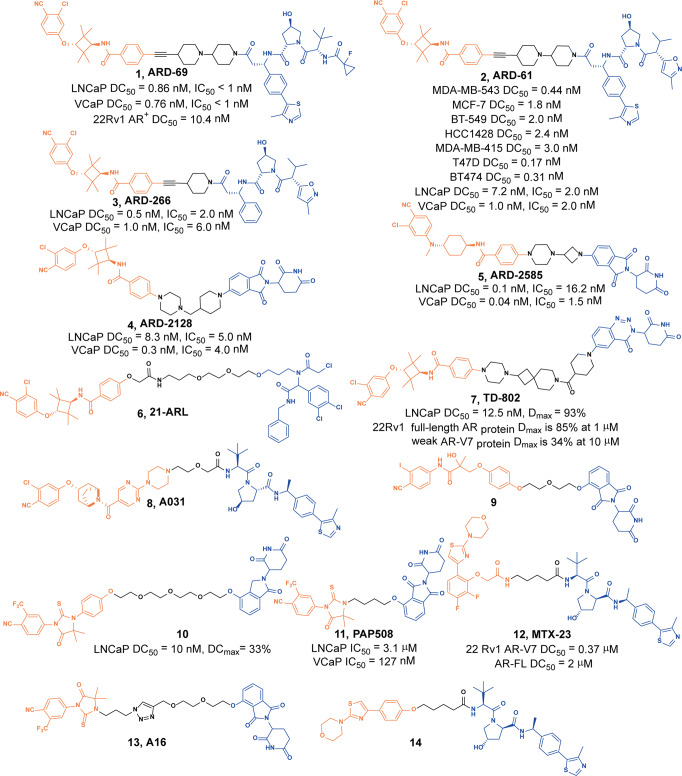
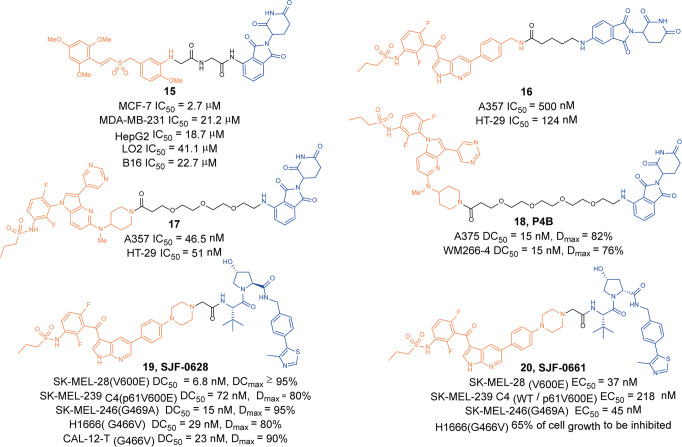
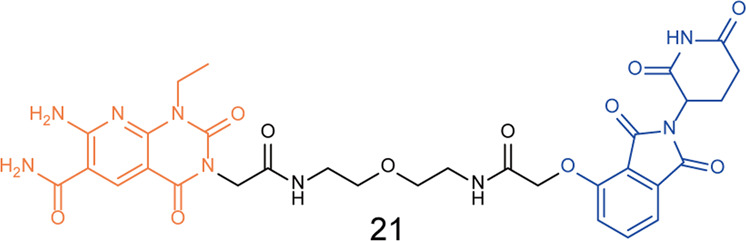
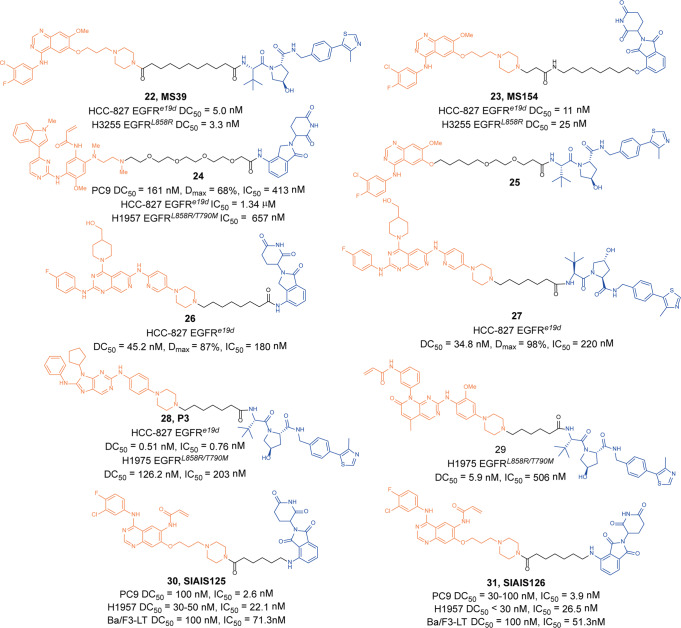
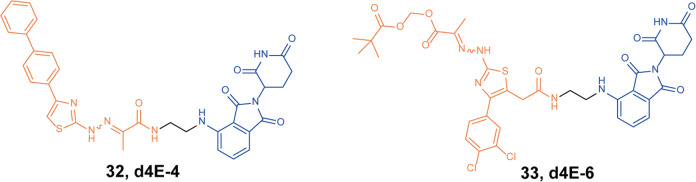
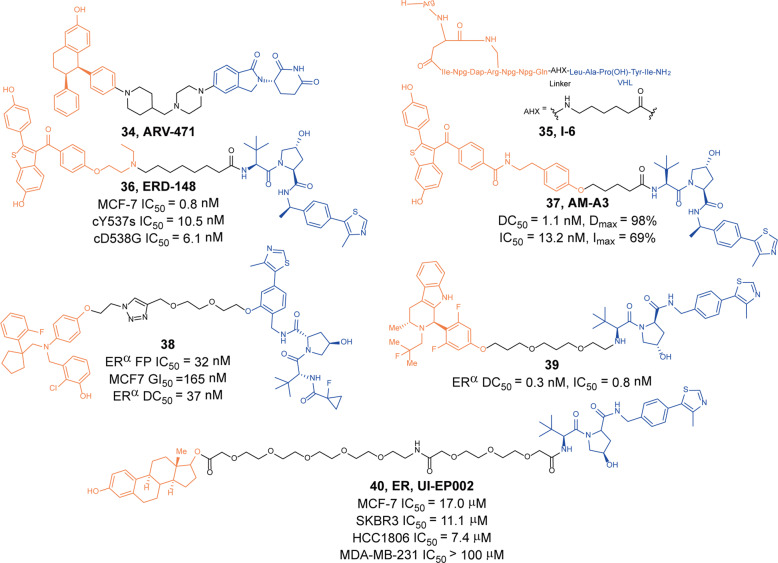
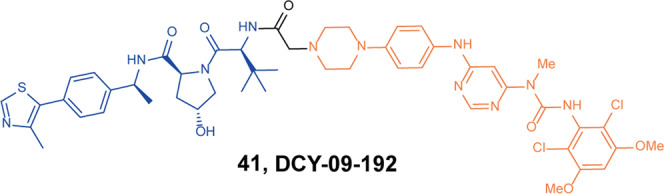
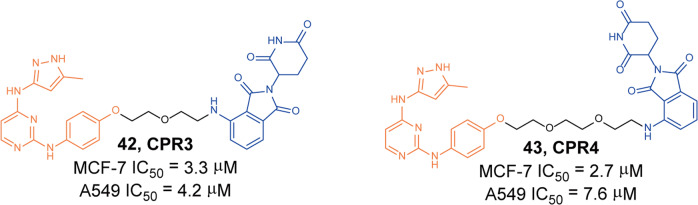
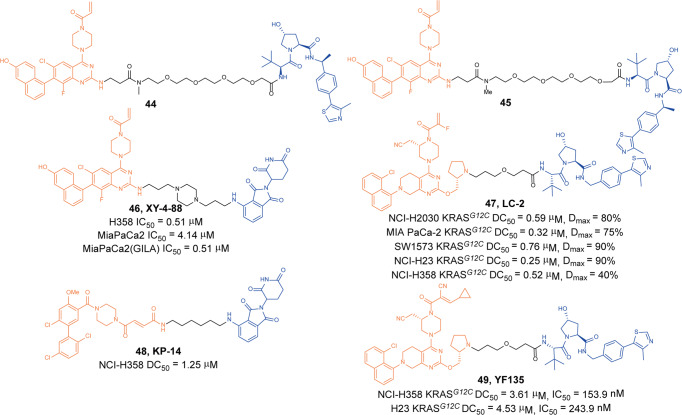
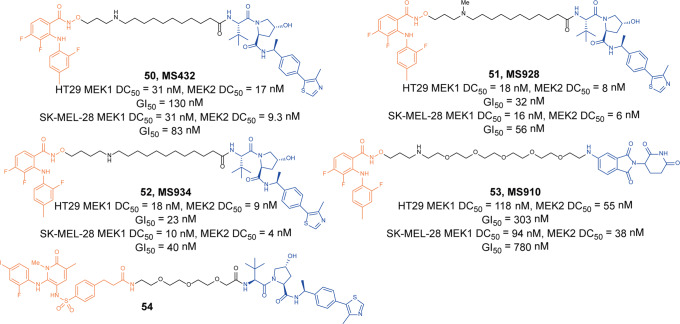
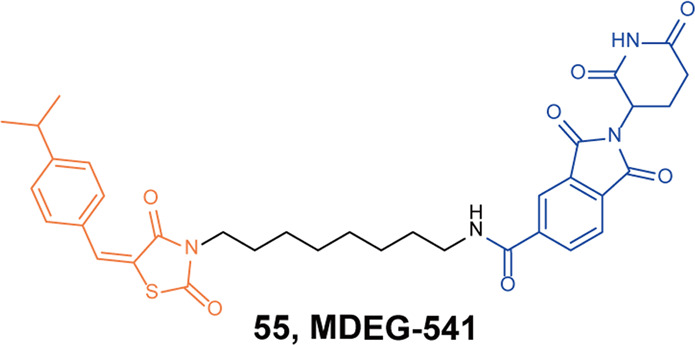


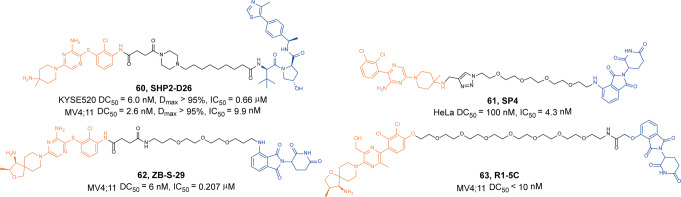
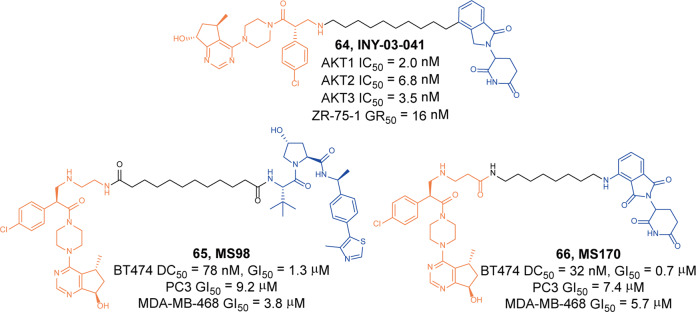

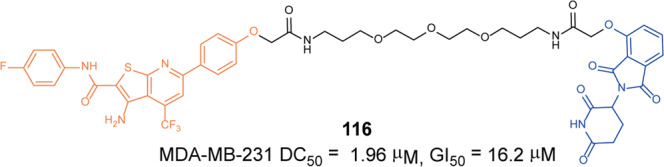
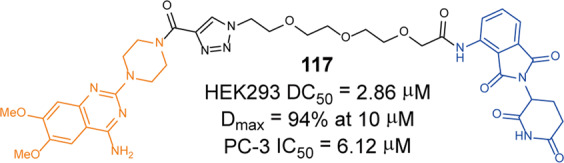
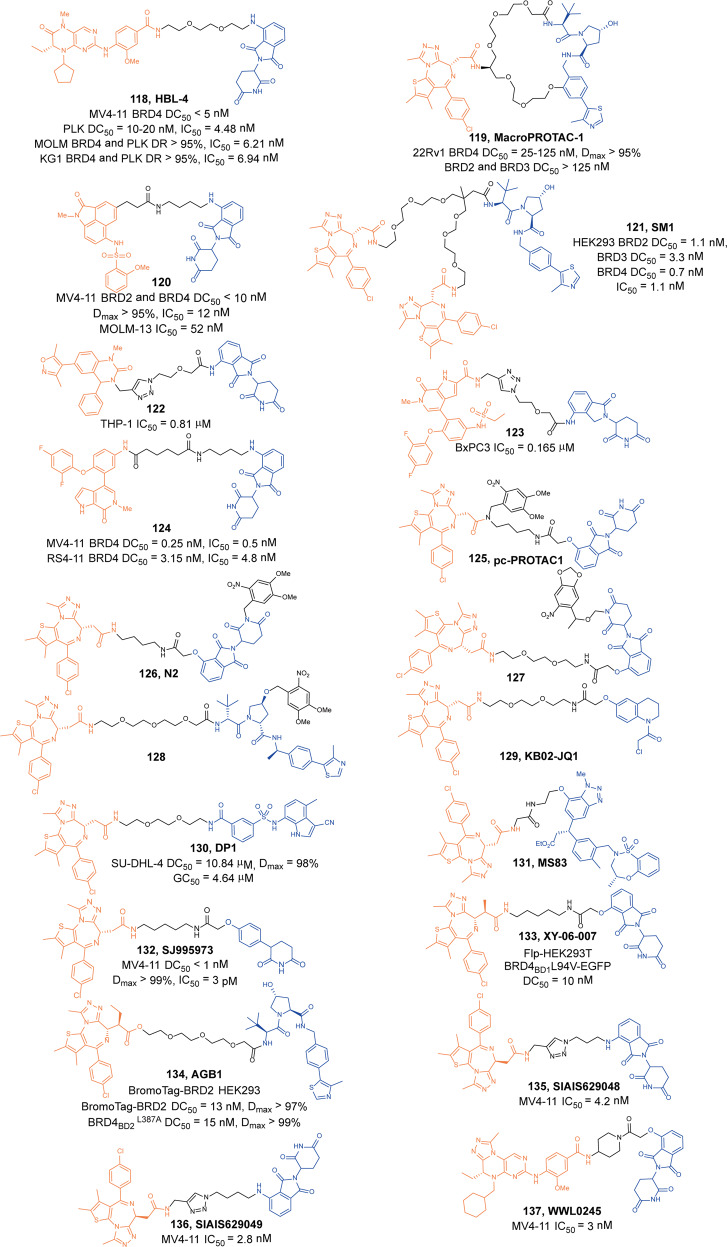
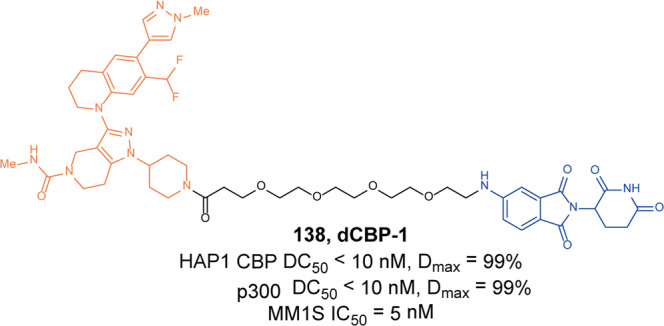

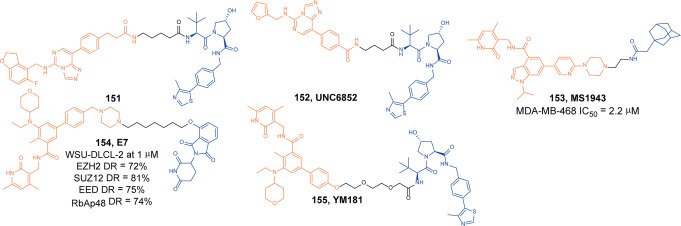

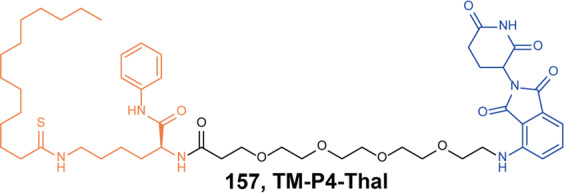
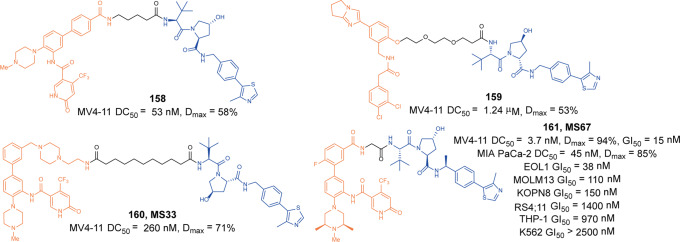
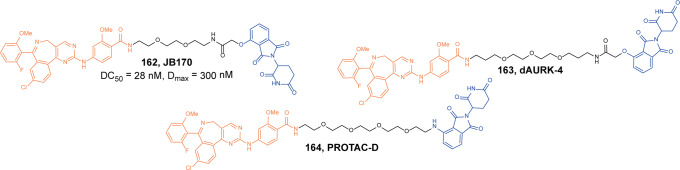
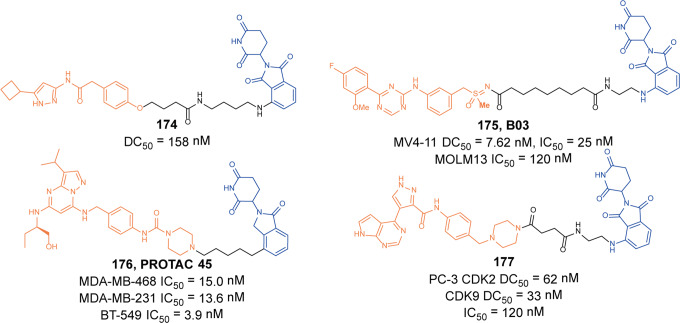

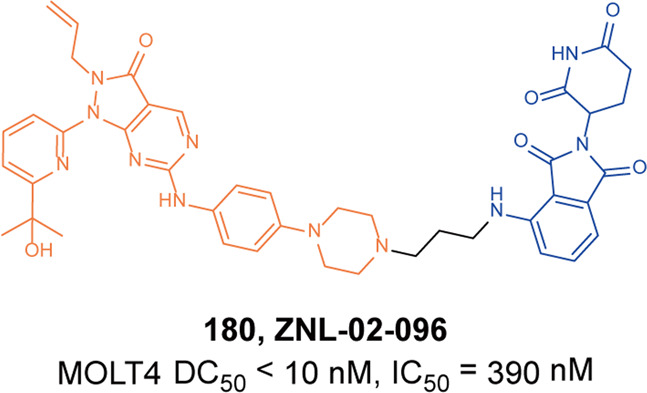
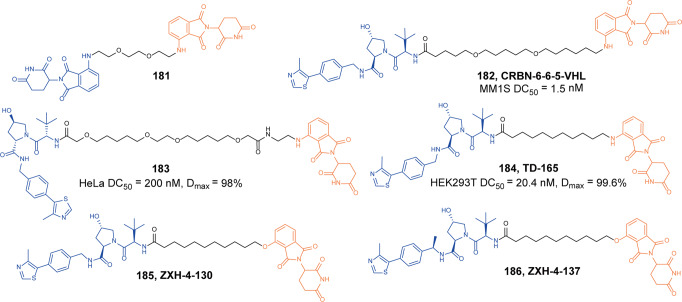
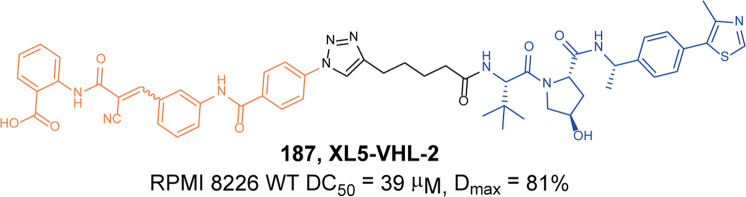



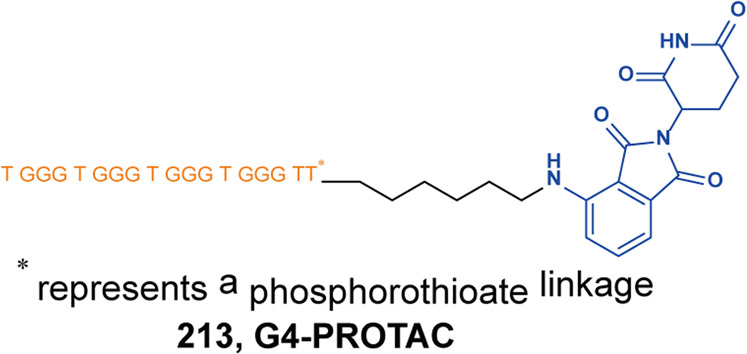
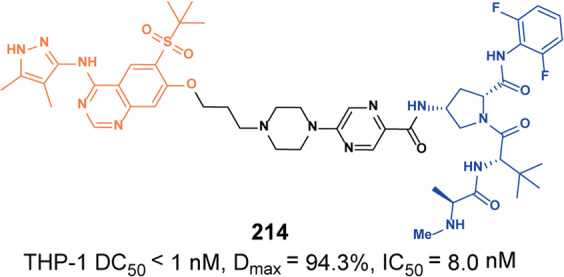
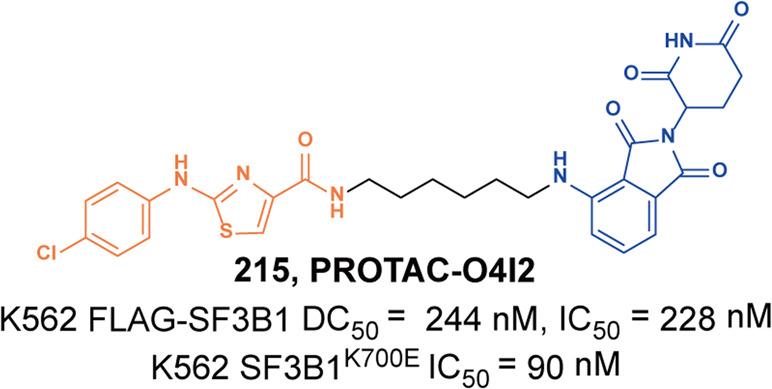
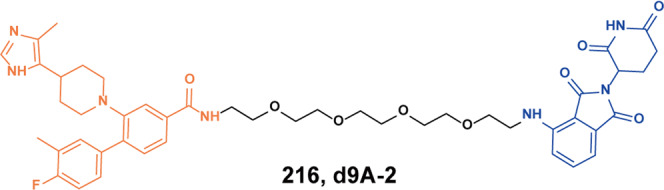
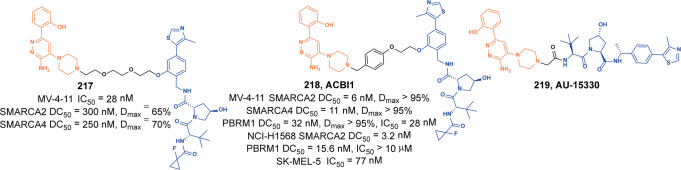
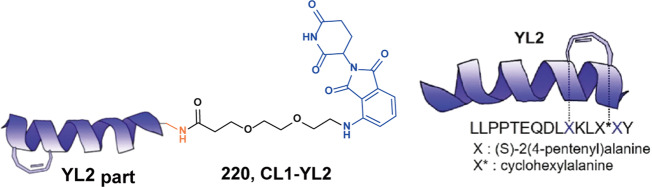
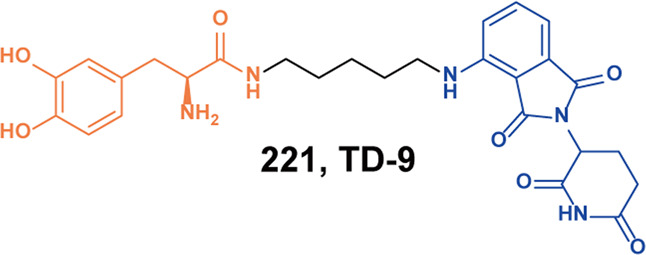
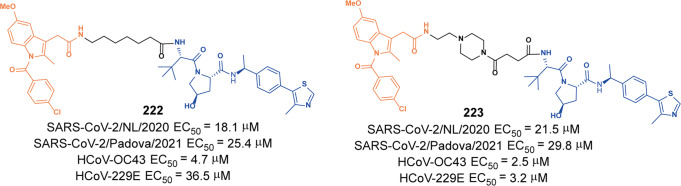

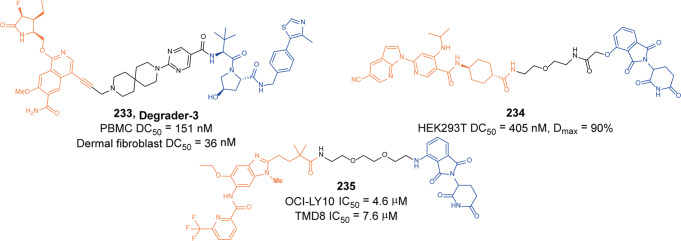
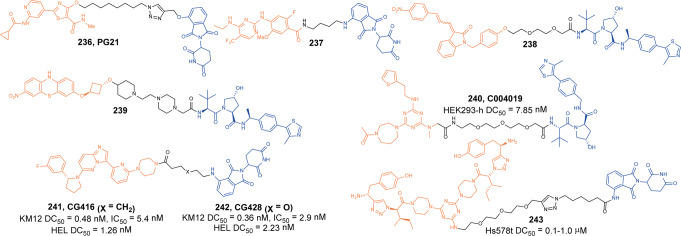
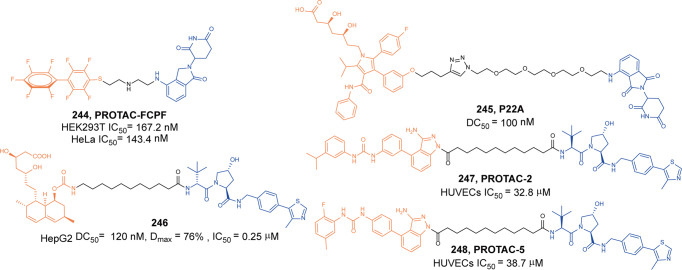
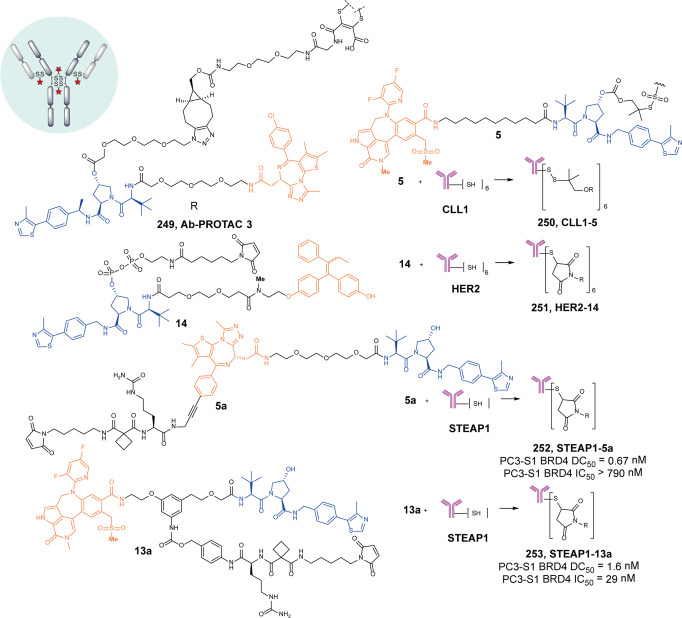
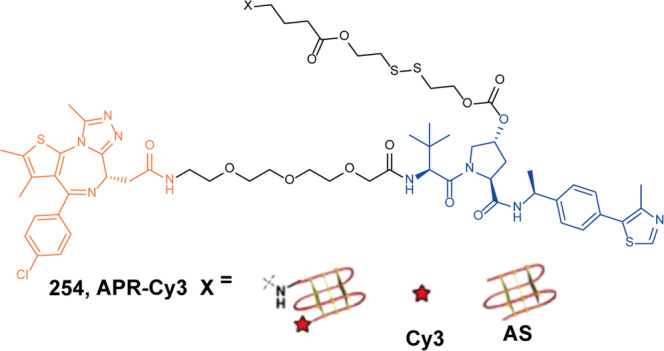
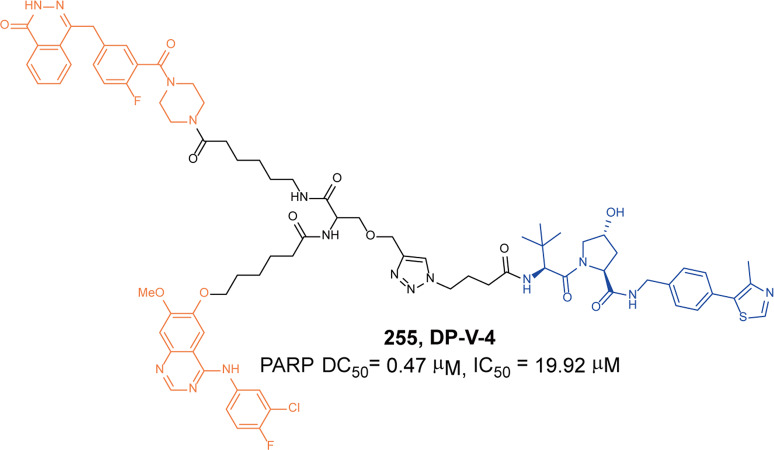
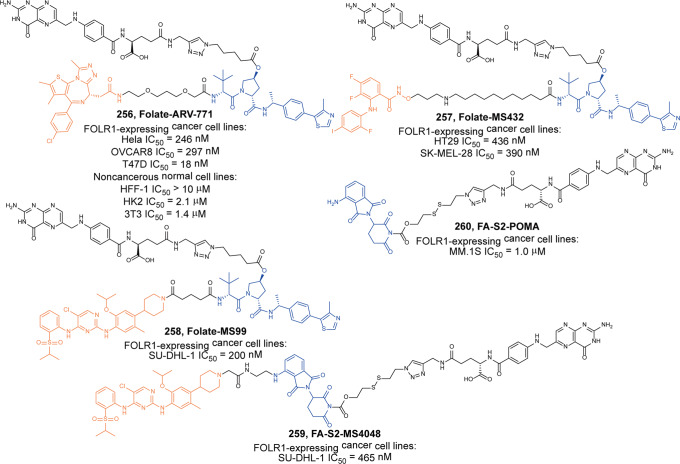
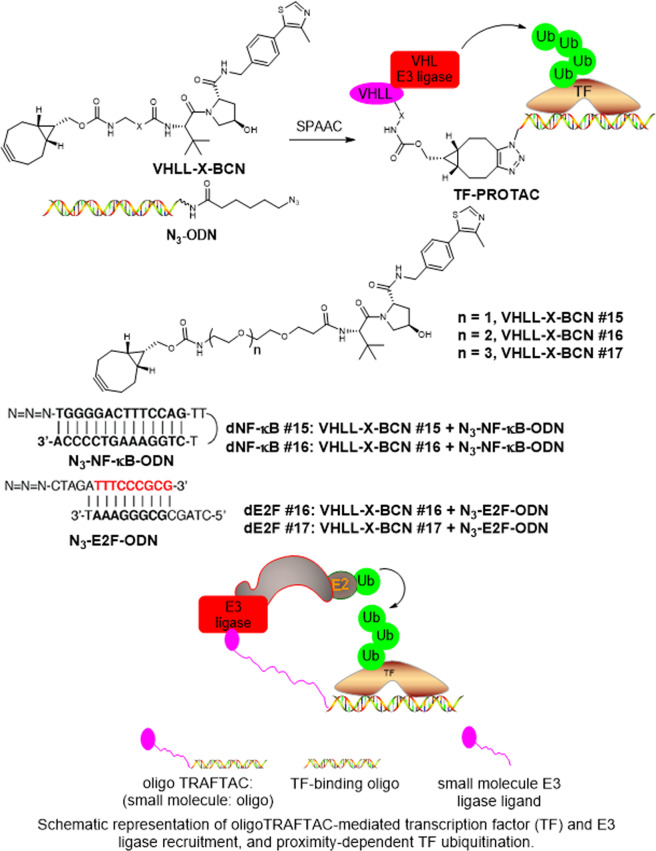
Verification
Claims the paper makes
The claims and statistics of this paper haven’t been checked yet.
Run the check — free, no account needed. It reads the open-access text and checks the sources it cites.
Claims other papers make about this one
Each is checked against this paper’s own text: does it say what the citing paper says it does?
In the citing paper
“Protein regulation can be categorized into two primary classes based on the disease mechanism: protein degradation and protein stabilization.476”
From Recent advances in targeting the “undruggable” proteins: from drug discovery to clinical trials (2023) · cites this paper as [476]
Self-check
Percentages, sums and reported differences re-computed from the paper’s own numbers.
The self-check needs the paper’s full text.
Citations
Cites
Items 201–400 of 561
ARV-110: An oral androgen receptor PROTAC degrader for prostate cancer.
Neklesa, T. K., Snyder, L. B., Willard, R. R., Vitale, N., Pizzano, J., Gordon, D., Bookbinder, M., Macaluso, J., Dong, H., Ferraro, C., et al. (2019) · Journal of Clinical Oncology · doi:10.1200/jco.2019.37.7_suppl.259 · Cited by 219
PROTAC-DB: an online database of PROTACs
Weng, G., Shen, C., Cao, D., Gao, J., Dong, X., He, Q., Yang, B., Li, D., Wu, J., & Hou, T. (2021) · Nucleic Acids Research · doi:10.1093/nar/gkaa807 · Cited by 219
Nairn, A. C., Bhagat, B., & Palfrey, H. C. (1985) · Proceedings of the National Academy of Sciences · doi:10.1073/pnas.82.23.7939 · Cited by 218
Antibody Conjugation of a Chimeric BET Degrader Enables in vivo Activity
Pillow, T. H., Adhikari, P., Blake, R. A., Chen, J., Del Rosario, G., Deshmukh, G., Figueroa, I., Gascoigne, K. E., Kamath, A. V., Kaufman, S., et al. (2020) · ChemMedChem · doi:10.1002/cmdc.201900497 · Cited by 216
Efficient targeted degradation via reversible and irreversible covalent PROTACs
Gabizon, R., Shraga, A., Gehrtz, P., Livnah, E., Gurwicz, N., Avram, L., Unger, T., Albeck, S., Shulman, Z., & London, N. (2020) · doi:10.26434/chemrxiv.11494398.v1 · Cited by 213
Folate-Based Near-Infrared Fluorescent Theranostic Gemcitabine Delivery
Yang, Z., Lee, J., Jeon, H. M., Han, J. H., Park, N., He, Y., Lee, H.-S., Hong, K. S., Kang, C., & Kim, J. S. (2013) · Journal of the American Chemical Society · doi:10.1021/ja405372k · Cited by 212
Self-citationTargeting BCR-ABL1 in Chronic Myeloid Leukemia by PROTAC-Mediated Targeted Protein Degradation
Burslem, G. M., Schultz, A. R., Bondeson, D. P., Eide, C. A., Savage Stevens, S. L., Druker, B. J., & Crews, C. M. (2019) · Cancer Research · doi:10.1158/0008-5472.can-19-1236 · Cited by 212
Macrophage Migration Inhibitory Factor: A Probable Link between Inflammation and Cancer
Bucala, R., & Donnelly, S. C. (2007) · Immunity · doi:10.1016/j.immuni.2007.03.005 · Cited by 210
Potent and Preferential Degradation of CDK6 via Proteolysis Targeting Chimera Degraders
Su, S., Yang, Z., Gao, H., Yang, H., Zhu, S., An, Z., Wang, J., Li, Q., Chandarlapaty, S., Deng, H., et al. (2019) · Journal of Medicinal Chemistry · doi:10.1021/acs.jmedchem.9b00871 · Cited by 210
Self-citationHeat Shock Protein 90 Inhibitors: An Update on Achievements, Challenges, and Future Directions
Li, L., Wang, L., You, Q., & Xu, X. (2019) · Journal of Medicinal Chemistry · doi:10.1021/acs.jmedchem.9b00940 · Cited by 209
Rational Design and Synthesis of Novel Dual PROTACs for Simultaneous Degradation of EGFR and PARP
Zheng, M., Huo, J., Gu, X., Wang, Y., Wu, C., Zhang, Q., Wang, W., Liu, Y., Liu, Y., Zhou, X., et al. (2021) · Journal of Medicinal Chemistry · doi:10.1021/acs.jmedchem.1c00649 · Cited by 206
Self-citationCreacy, S. D., Routh, E. D., Iwamoto, F., Nagamine, Y., Akman, S. A., & Vaughn, J. P. (2008) · Journal of Biological Chemistry · doi:10.1074/jbc.m806277200 · Cited by 203
EED-Targeted PROTACs Degrade EED, EZH2, and SUZ12 in the PRC2 Complex
Hsu, J. H.-R., Rasmusson, T., Robinson, J., Pachl, F., Read, J., Kawatkar, S., O’ Donovan, D. H., Bagal, S., Code, E., Rawlins, P., et al. (2020) · Cell Chemical Biology · doi:10.1016/j.chembiol.2019.11.004 · Cited by 202
Evolution of androgen receptor targeted therapy for advanced prostate cancer
Wong, Y. N. S., Ferraldeschi, R., Attard, G., & Bono, J. S. D. (2014) · Nature Reviews Clinical Oncology · doi:10.1038/nrclinonc.2014.72 · Cited by 201
Targeted Degradation of BET Proteins in Triple-Negative Breast Cancer
Bai, L., Zhou, B., Yang, C.-Y., Ji, J., McEachern, D., Przybranowski, S., Jiang, H., Hu, J., Xu, F., Zhao, Y., et al. (2017) · Cancer Research · doi:10.1158/0008-5472.can-16-2622 · Cited by 199
DCAF11 Supports Targeted Protein Degradation by Electrophilic Proteolysis-Targeting Chimeras
Zhang, X., Luukkonen, L. M., Eissler, C. L., Crowley, V. M., Yamashita, Y., Schafroth, M. A., Kikuchi, S., Weinstein, D. S., Symons, K. T., Nordin, B. E., et al. (2021) · Journal of the American Chemical Society · doi:10.1021/jacs.1c00990 · Cited by 199
Ras-Mediated Activation of the Raf Family KinasesPreprint
Terrell, E. M., & Morrison, D. K. (2018) · Cold Spring Harbor Perspectives in Medicine · doi:10.1101/cshperspect.a033746 · Cited by 197
Cheng, M., Yu, X., Lu, K. J., Xie, L., Wang, L., Meng, F., Han, X., Chen, X., Liu, J., Xiong, Y., et al. (2020) · Journal of Medicinal Chemistry · doi:10.1021/acs.jmedchem.9b01566 · Cited by 197
RNA‐PROTACs: Degraders of RNA‐Binding Proteins
Ghidini, A., Cléry, A., Halloy, F., Allain, F. H. T., & Hall, J. (2021) · Angewandte Chemie International Edition · doi:10.1002/anie.202012330 · Cited by 197
STAT inhibitors for cancer therapy
Furqan, M., Akinleye, A., Mukhi, N., Mittal, V., Chen, Y., & Liu, D. (2013) · Journal of Hematology & Oncology · doi:10.1186/1756-8722-6-90 · Cited by 191
van der Veeken, J., Oliveira, S., Schiffelers, R. M., Storm, G., Henegouwen, P. M. P. V. B. E., & Roovers, R. C. (2009) · Current Cancer Drug Targets · doi:10.2174/156800909789271495 · Cited by 190
Yang, J., Li, Y., Aguilar, A., Liu, Z., Yang, C.-Y., & Wang, S. (2019) · Journal of Medicinal Chemistry · doi:10.1021/acs.jmedchem.9b00846 · Cited by 190
Azo-PROTAC: Novel Light-Controlled Small-Molecule Tool for Protein Knockdown
Jin, Y., Lu, M., Wang, Y., Shan, W.-X., Wang, X.-Y., You, Q., & Jiang, Z. (2020) · Journal of Medicinal Chemistry · doi:10.1021/acs.jmedchem.9b02058 · Cited by 189
Saenz, D. T., Fiskus, W. C., Qian, Y., Manshouri, T., Rajapakshe, K., Raina, K., Coleman, K. G., Crew, A. P. A., Shen, A., Mill, C. P., et al. (2017) · Leukemia · doi:10.1038/leu.2016.393 · Cited by 187
The TLR and IL-1 signalling network at a glance
Cohen, P. (2014) · Journal of Cell Science · doi:10.1242/jcs.149831 · Cited by 186
Simple Methods and Rational Design for Enhancing Aptamer Sensitivity and Specificity
Kalra, P., Dhiman, A., Cho, W. C. S., Bruno, J. G., & Sharma, T. K. (2018) · Frontiers in Molecular Biosciences · doi:10.3389/fmolb.2018.00041 · Cited by 184
Xu, B., Zhang, Q., Zhang, P., Hu, X., Li, W., Tong, Z., Sun, T., Teng, Y., Wu, X., Ouyang, Q., et al. (2021) · Nature Medicine · doi:10.1038/s41591-021-01562-9 · Cited by 183
Self-citationDegradation of Polycomb Repressive Complex 2 with an EED-Targeted Bivalent Chemical Degrader
Potjewyd, F., Turner, A. W., Beri, J., Rectenwald, J. M., Norris-Drouin, J. L., Cholensky, S. H., Margolis, D. M., Pearce, K. H., Herring, L. E., & James, L. I. (2019) · Cell chemical biology · doi:10.1016/j.chembiol.2019.11.006 · Cited by 181
Phenyl‐Glutarimides: Alternative Cereblon Binders for the Design of PROTACs
Min, J., Mayasundari, A., Keramatnia, F., Jonchère, B., Yang, S. W., Jarusiewicz, J., Actis, M., Das, S., Young, B. M., Slavish, J., et al. (2021) · Angewandte Chemie International Edition · doi:10.1002/anie.202108848 · Cited by 181
PROTAC-mediated degradation reveals a non-catalytic function of AURORA-A kinase
Adhikari, B., Božilović, J., Diebold, M., Schwarz, J. D., Hofstetter, J., Schröder, M., Wanior, M., Narain, A., Vogt, M., Stanković, N. D., et al. (2020) · Nature Chemical Biology · doi:10.1038/s41589-020-00652-y · Cited by 180
The proto‐oncogene/translation factor eIF4E: A survey of its expression in breast carcinomas
Kerekatte, V., Smiley, K., Hu, B., Smith, A., Gelder, F. B., & Benedetti, A. D. (1995) · International Journal of Cancer · doi:10.1002/ijc.2910640107 · Cited by 178
Targeted degradation of the enhancer lysine acetyltransferases CBP and p300
Vannam, R., Sayilgan, J., Ojeda, S., Karakyriakou, B., Hu, E., Kreuzer, J., Morris, R., Herrera Lopez, X. I., Rai, S., Haas, W., et al. (2021) · Cell Chemical Biology · doi:10.1016/j.chembiol.2020.12.004 · Cited by 177
Rhyasen, G. W., & Starczynowski, D. T. (2014) · British Journal of Cancer · doi:10.1038/bjc.2014.513 · Cited by 175
Dragovich, P. S., Pillow, T. H., Blake, R. A., Sadowsky, J. D., Adaligil, E., Adhikari, P., Chen, J., Corr, N., dela Cruz-Chuh, J., Del Rosario, G., et al. (2021) · Journal of Medicinal Chemistry · doi:10.1021/acs.jmedchem.0c01846 · Cited by 174
EWS/FLI confers tumor cell synthetic lethality to CDK12 inhibition in Ewing sarcoma
Iniguez, A. B., Stolte, B., Wang, E. J., Conway, A. S., Alexe, G., Dharia, N. V., Kwiatkowski, N., Zhang, T., Abraham, B. J., Mora, J., et al. (2018) · Cancer Cell · doi:10.1016/j.ccell.2017.12.009 · Cited by 173
Schug, T. T., Berry, D. C., Toshkov, I. A., Cheng, L., Nikitin, A. Y., & Noy, N. (2008) · Proceedings of the National Academy of Sciences · doi:10.1073/pnas.0709981105 · Cited by 172
Discovery of SHP2-D26 as a First, Potent, and Effective PROTAC Degrader of SHP2 Protein
Wang, M., Lu, J., Wang, M., Yang, C.-Y., & Wang, S. (2020) · Journal of Medicinal Chemistry · doi:10.1021/acs.jmedchem.0c00471 · Cited by 172
Subtypes of functional α1-adrenoceptor
Docherty, J. R. (2009) · Cellular and Molecular Life Sciences · doi:10.1007/s00018-009-0174-4 · Cited by 171
Lim, S., Khoo, R., Peh, K. M., Teo, J., Chang, S. C., Ng, S., Beilhartz, G. L., Melnyk, R. A., Johannes, C. W., Brown, C. J., et al. (2020) · Proceedings of the National Academy of Sciences · doi:10.1073/pnas.1920251117 · Cited by 170
Han, X., Zhao, L., Xiang, W., Qin, C., Miao, B., McEachern, D., Wang, Y., Metwally, H., Wang, L., Matvekas, A., et al. (2021) · Journal of Medicinal Chemistry · doi:10.1021/acs.jmedchem.1c00882 · Cited by 170
Crystal structure of a BRAF kinase domain monomer explains basis for allosteric regulation
Thevakumaran, N., Lavoie, H., Critton, D., Tebben, A. J., Marinier, A., Sicheri, F., & Therrien, M. (2014) · Nature Structural & Molecular Biology · doi:10.1038/nsmb.2924 · Cited by 169
Xiang, W., Zhao, L., Han, X., Qin, C., Miao, B., McEachern, D., Wang, Y., Metwally, H., Kirchhoff, P. D., Wang, L., et al. (2021) · Journal of Medicinal Chemistry · doi:10.1021/acs.jmedchem.1c00900 · Cited by 168
Self-citationIs β-Catenin a Druggable Target for Cancer Therapy?
Cui, C., Zhou, X., Zhang, W., Qu, Y., & Ke, X. (2018) · Trends in Biochemical Sciences · doi:10.1016/j.tibs.2018.06.003 · Cited by 168
Schulze-Hentrich, J. M., Wang, A. Y., & Kobor, M. S. (2009) · Biochemistry and Cell Biology · doi:10.1139/o08-111 · Cited by 167
Structure, Expression and Receptor-Binding Properties of Novel Vascular Endothelial Growth Factors
Eriksson, U., & Alitalo, K. K. (1999) · Current topics in microbiology and immunology · doi:10.1007/978-3-642-59953-8_3 · Cited by 165
Mammalian SWI/SNF complexes in cancer: emerging therapeutic opportunities
Pierre, R. S., & Kadoch, C. (2017) · Current Opinion in Genetics & Development · doi:10.1016/j.gde.2017.02.004 · Cited by 165
The Steroid Receptor Coactivator-1 Regulates Twist Expression and Promotes Breast Cancer Metastasis
Qin, L., Liu, Z., Chen, H.-W., & Xu, J. (2009) · Cancer Research · doi:10.1158/0008-5472.can-08-4389 · Cited by 164
Regional Polysterism in the GTP-Bound Form of the Human c-Ha-Ras Protein,
Ito, Y., Yamasaki, K., Iwahara, J., Terada, T., Kamiya, A., Shirouzu, M., Muto, Y., Kawai, G., Yokoyama, S., Laue, E. D., et al. (1997) · Biochemistry · doi:10.1021/bi970296u · Cited by 163
Cereblon versus VHL: Hijacking E3 ligases against each other using PROTACs
Girardini, M., Maniaci, C., Hughes, S. J., Testa, A., & Ciulli, A. (2019) · Bioorganic & Medicinal Chemistry · doi:10.1016/j.bmc.2019.02.048 · Cited by 163
Kaefer, A., Yang, J., Noertersheuser, P., Mensing, S., Humerickhouse, R., Awni, W., & Xiong, H. (2014) · Cancer Chemotherapy and Pharmacology · doi:10.1007/s00280-014-2530-9 · Cited by 161
Discovery of a first-in-class CDK2 selective degrader for AML differentiation therapy
Wang, L., Shao, X., Zhong, T., Wu, Y., Xu, A., Sun, X., Gao, H., Liu, Y., Lan, T., Tong, Y., et al. (2021) · Nature Chemical Biology · doi:10.1038/s41589-021-00742-5 · Cited by 161
Self-citationMutation Hotspots in the β-Catenin Gene: Lessons from the Human Cancer Genome Databases.
Kim, S., & Jeong-Yu, S. (2019) · Europe PMC (PubMed Central) · doi:10.14348/molcells.2018.0436 · Cited by 161
Homo-PROTACs for the Chemical Knockdown of Cereblon
Steinebach, C., Lindner, S., Udeshi, N. D., Mani, D. R., Kehm, H., Köpff, S., Carr, S. A., Gütschow, M., & Krönke, J. (2018) · ACS Chemical Biology · doi:10.1021/acschembio.8b00693 · Cited by 160
Development of a BCL-xL and BCL-2 dual degrader with improved anti-leukemic activity,
Lv, D., Pal, P., Liu, X., Jia, Y., Thummuri, D., Zhang, P., Hu, W., Pei, J., Zhang, Q., Zhou, S., et al. (2021) · Nature Communications · doi:10.1038/s41467-021-27210-x · Cited by 158
Liao, H., Li, X., Zhao, L., Wang, Y., Wang, X., Wu, Y., Zhou, X., Fu, W., Liu, L., Hu, H.-G., et al. (2020) · Cell Discovery · doi:10.1038/s41421-020-0171-1 · Cited by 156
G protein-coupled receptor kinases as therapeutic targets in the heart
Pfleger, J. M., Gresham, K. S., & Koch, W. J. (2019) · Nature Reviews Cardiology · doi:10.1038/s41569-019-0220-3 · Cited by 154
Harnessing the E3 Ligase KEAP1 for Targeted Protein Degradation
Wei, J., Meng, F., Park, K.-S., Yim, H., Velez, J., Kumar, P., Wang, L., Xie, L., Chen, H., Shen, Y., et al. (2021) · Journal of the American Chemical Society · doi:10.1021/jacs.1c04841 · Cited by 154
Dragovich, P. S., Pillow, T. H., Blake, R. A., Sadowsky, J. D., Adaligil, E., Adhikari, P., Bhakta, S., Blaquiere, N., Chen, J., dela Cruz-Chuh, J., et al. (2021) · Journal of Medicinal Chemistry · doi:10.1021/acs.jmedchem.0c01845 · Cited by 152
Self-citationMutant-selective degradation by BRAF-targeting PROTACs
Alabi, S., Jaime-Figueroa, S., Yao, Z., Gao, Y., Hines, J., Samarasinghe, K. T. G., Vogt, L., Rosen, N., & Crews, C. M. (2021) · Nature Communications · doi:10.1038/s41467-021-21159-7 · Cited by 152
Kyprianou, N., & Benning, C. M. (2000) · PubMed · Cited by 151
Discovery and resistance mechanism of a selective CDK12 degrader
Jiang, B., Gao, Y., Che, J., Lu, W., Kaltheuner, I. H., Dries, R., Kalocsay, M., Berberich, M. J., Jiang, J., You, I., et al. (2021) · Nature Chemical Biology · doi:10.1038/s41589-021-00765-y · Cited by 150
A selective WDR5 degrader inhibits acute myeloid leukemia in patient-derived mouse models
Yu, X., Li, D., Kottur, J., Shen, Y., Kim, H. S., Park, K., Tsai, Y., Gong, W., Wang, J., Suzuki, K., et al. (2021) · Science Translational Medicine · doi:10.1126/scitranslmed.abj1578 · Cited by 149
Sun, Y., Ding, N., Song, Y., Yang, Z., Liu, W., Zhu, J., & Rao, Y. (2019) · Leukemia · doi:10.1038/s41375-019-0440-x · Cited by 148
Self-citationSteinebach, C., Ng, Y. L. D., Sosič, I., Lee, C.-S., Chen, S., Lindner, S., Vu, L. P., Bricelj, A., Haschemi, R., Monschke, M., et al. (2020) · Chemical Science · doi:10.1039/d0sc00167h · Cited by 148
Renner, A. G., Santos, C. D., Récher, C., Bailly, C., Créancier, L., Kruczynski, A., Payrastre, B., & Manenti, S. (2009) · Blood · doi:10.1182/blood-2008-12-195867 · Cited by 147
IRAK4 Dimerization and trans -Autophosphorylation Are Induced by Myddosome Assembly
Ferrao, R., Zhou, H., Shan, Y., Liu, Q., Li, Q., Shaw, D. E., Li, X., & Wu, H. (2014) · Molecular Cell · doi:10.1016/j.molcel.2014.08.006 · Cited by 147
Lysine Demethylases Inhibitors
Suzuki, T., & Miyata, N. (2011) · Journal of Medicinal Chemistry · doi:10.1021/jm201048w · Cited by 146
Endocrine treatment in breast cancer: Cure, resistance and beyond
Tryfonidis, K., Zardavas, D., Katzenellenbogen, B. S., & Piccart, M. J. (2016) · Cancer Treatment Reviews · doi:10.1016/j.ctrv.2016.08.008 · Cited by 145
Shaw, P. J., Barr, M., Lukens, J. R., McGargill, M. A., Chi, H., Mak, T. W., & Kanneganti, T. (2011) · Immunity · doi:10.1016/j.immuni.2010.12.015 · Cited by 144
Chen, H.-H., Wang, Y.-C., & Fann, M. (2006) · Molecular and Cellular Biology · doi:10.1128/mcb.26.7.2736-2745.2006 · Cited by 144
Two decades of research in discovery of anticancer drugs targeting STAT3, how close are we?
Beebe, J., Liu, J., & Zhang, J. (2018) · Pharmacology & Therapeutics · doi:10.1016/j.pharmthera.2018.06.006 · Cited by 144
Design, synthesis and biological evaluation of nuclear receptor-degradation inducers
Itoh, Y., Kitaguchi, R., Ishikawa, M., Naito, M., & Hashimoto, Y. (2011) · Bioorganic & Medicinal Chemistry · doi:10.1016/j.bmc.2011.09.041 · Cited by 143
Vallianou, N. G., Kostantinou, A., Kougias, M. S., & Kazazis, C. E. (2014) · Anti-Cancer Agents in Medicinal Chemistry · doi:10.2174/1871520613666131129105035 · Cited by 138
Insights into APC/C: from cellular function to diseases and therapeutics
Zhou, Z., He, M., Shah, A. A., & Wan, Y. (2016) · Cell Division · doi:10.1186/s13008-016-0021-6 · Cited by 137
Self-citationLi, R., Pourpak, A., & Morris, S. W. (2009) · Journal of Medicinal Chemistry · doi:10.1021/jm9002395 · Cited by 136
The Role of New Tyrosine Kinase Inhibitors in Chronic Myeloid Leukemia
Pophali, P. A., & Patnaik, M. M. (2016) · The Cancer Journal · doi:10.1097/ppo.0000000000000165 · Cited by 136
A caged E3 ligase ligand for PROTAC-mediated protein degradation with light
Kounde, C. S., Shchepinova, M. M., Saunders, C. N., Muelbaier, M., Rackham, M. D., Harling, J. D., & Tate, E. W. (2020) · Chemical Communications · doi:10.1039/d0cc00523a · Cited by 136
Targeting IRAK4 for Degradation with PROTACs
Nunes, J., McGonagle, G. A., Eden, J., Kiritharan, G., Touzet, M., Lewell, X., Emery, J., Eidam, H., Harling, J. D., & Anderson, N. A. (2019) · ACS Medicinal Chemistry Letters · doi:10.1021/acsmedchemlett.9b00219 · Cited by 134
Functional characterization of a PROTAC directed against BRAF mutant V600E
Posternak, G., Tang, X., Maisonneuve, P., Jin, T., Lavoie, H., Daou, S., Orlicky, S. M., de Rugy, T. G., Caldwell, L., Chan, K., et al. (2020) · Nature Chemical Biology · doi:10.1038/s41589-020-0609-7 · Cited by 134
Costales, M. G., Suresh, B. M., Vishnu, K., & Disney, M. D. (2019) · Cell chemical biology · doi:10.1016/j.chembiol.2019.04.008 · Cited by 133
Developing potent PROTACs tools for selective degradation of HDAC6 protein
An, Z., Lv, W., Su, S., Wu, W., & Rao, Y. (2019) · Protein & Cell · doi:10.1007/s13238-018-0602-z · Cited by 133
Self-citationThe NSD Family of Protein Methyltransferases in Human Cancer
Vougiouklakis, T., Hamamoto, R., Nakamura, Y., & Saloura, V. (2015) · Epigenomics · doi:10.2217/epi.15.32 · Cited by 132
Lind, G. E., Sahlberg, K. K., Meling, G. I., Teixeira, M. R., Thiis‐Evensen, E., Rognum, T. O., & Lothe, R. A. (2006) · Analytical Cellular Pathology · doi:10.1155/2006/949506 · Cited by 131
Leus, N. G. J., van der Wouden, P. E., van den Bosch, T., Hooghiemstra, W. T. R., Ourailidou, M. E., Kistemaker, L. E. M., Bischoff, R., Gosens, R., Haisma, H. J., & Dekker, F. J. (2016) · Biochemical Pharmacology · doi:10.1016/j.bcp.2016.03.010 · Cited by 131
Zhang, H., Zhao, H., Xi, X.-X., Liu, Y., Xin, M., Mao, S., Zhang, J., Lu, A., & Zhang, S. (2020) · European Journal of Medicinal Chemistry · doi:10.1016/j.ejmech.2020.112061 · Cited by 131
Self-citationDiscovery of histone deacetylase 3 (HDAC3)-specific PROTACs
Xiao, Y., Wang, J., Zhao, L., Chen, X., Zheng, G., Zhang, X., & Liao, D. (2020) · Chemical Communications · doi:10.1039/d0cc03243c · Cited by 131
Discovery of an AKT Degrader with Prolonged Inhibition of Downstream Signaling
You, I., Erickson, E. C., Donovan, K. A., Eleuteri, N. A., Fischer, E. S., Gray, N. S., & Toker, A. (2019) · Cell chemical biology · doi:10.1016/j.chembiol.2019.11.014 · Cited by 131
PROTACs suppression of CDK4/6, crucial kinases for cell cycle regulation in cancer
Zhao, B., & Burgess, K. (2019) · Chemical Communications · doi:10.1039/c9cc00163h · Cited by 130
Chen, H., Liu, J., Kanıskan, H. Ü., Wei, W., & Jin, J. J. (2021) · Journal of Medicinal Chemistry · doi:10.1021/acs.jmedchem.1c00901 · Cited by 129
Liu, Z., Hu, X., Wang, Q., Wu, X., Zhang, Q., Wei, W., Su, X., He, H., Zhou, S., Hu, R., et al. (2021) · Journal of Medicinal Chemistry · doi:10.1021/acs.jmedchem.0c02234 · Cited by 125
The Ins and Outs of Bcr-Abl Inhibition
Reddy, E. P., & Aggarwal, A. K. (2012) · Genes & Cancer · doi:10.1177/1947601912462126 · Cited by 124
Identification of Anaplastic Lymphoma Kinase as a Potential Therapeutic Target in Ovarian Cancer
Ren, H., Tan, Z., Zhu, X., Crosby, K., Haack, H., Ren, J., Beausoleil, S. A., Moritz, A., Innocenti, G., Rush, A. J., et al. (2012) · Cancer Research · doi:10.1158/0008-5472.can-11-3931 · Cited by 124
Yang, K., Wu, H., Zhang, Z., Leisten, E. D., Nie, X., Liu, B., Wen, Z., Zhang, J., Cunningham, M. D., & Tang, W. (2020) · ACS Medicinal Chemistry Letters · doi:10.1021/acsmedchemlett.0c00046 · Cited by 124
Zhang, X., Thummuri, D., Liu, X., Hu, W., Zhang, P., Khan, S., Yuan, Y., Zhou, D., & Zheng, G. (2020) · European Journal of Medicinal Chemistry · doi:10.1016/j.ejmech.2020.112186 · Cited by 123
Cheng, B., Ren, Y., Cao, H., & Chen, J. (2020) · European Journal of Medicinal Chemistry · doi:10.1016/j.ejmech.2020.112377 · Cited by 123
Molecular mechanisms of thalidomide and its derivatives
Ito, T., & Handa, H. (2020) · Proceedings of the Japan Academy Series B · doi:10.2183/pjab.96.016 · Cited by 123
Facts and New Hopes on Selective FGFR Inhibitors in Solid Tumors
Facchinetti, F., Hollebecque, A., Bahleda, R., Loriot, Y., Olaussen, K. A., Massard, C., & Friboulet, L. (2019) · Clinical Cancer Research · doi:10.1158/1078-0432.ccr-19-2035 · Cited by 122
Discovery and Characterisation of Highly Cooperative FAK‐Degrading PROTACs
Law, R. P., Nunes, J., Chung, C., Bantscheff, M., Buda, K., Dai, H., Evans, J. P., Flinders, A., Klimaszewska, D., Lewis, A. J., et al. (2021) · Angewandte Chemie International Edition · doi:10.1002/anie.202109237 · Cited by 122
PROTAC-mediated degradation of class I histone deacetylase enzymes in corepressor complexes
Smalley, J. P., Adams, G. E., Millard, C. J., Song, Y., Norris, J. K. S., Schwabe, J. W. R., Cowley, S. M., & Hodgkinson, J. T. (2020) · Chemical Communications · doi:10.1039/d0cc01485k · Cited by 121
Qiu, X., Li, Y., Yu, B., Ren, J., Huang, H., Wang, M., Ding, H., Li, Z., Wang, J., & Bian, J. (2020) · European Journal of Medicinal Chemistry · doi:10.1016/j.ejmech.2020.113091 · Cited by 121
Wang, Z., He, N., Guo, Z., Niu, C., Song, T., Guo, Y., Cao, K., Wang, A., Zhu, J., Zhang, X., et al. (2019) · Journal of Medicinal Chemistry · doi:10.1021/acs.jmedchem.9b00919 · Cited by 120
Displacement of WDR5 from Chromatin by a WIN Site Inhibitor with Picomolar Affinity
Aho, E. R., Wang, J., Gogliotti, R. D., Howard, G. C., Phan, J., Acharya, P., Macdonald, J. D., Cheng, K. C.-C., Lorey, S. L., Lu, B., et al. (2019) · Cell Reports · doi:10.1016/j.celrep.2019.02.047 · Cited by 120
Antibody-mediated delivery of chimeric protein degraders which target estrogen receptor alpha (ERα)
Dragovich, P. S., Adhikari, P., Blake, R. A., Blaquiere, N., Chen, J., Cheng, Y.-X., den Besten, W., Han, J., Hartman, S. J., He, J., et al. (2020) · Bioorganic & Medicinal Chemistry Letters · doi:10.1016/j.bmcl.2019.126907 · Cited by 120
Self-citationQu, X., Liu, H., Song, X., Sun, N., Zhong, H., Qiu, X., Yang, X., & Jiang, B. (2021) · European Journal of Medicinal Chemistry · doi:10.1016/j.ejmech.2021.113328 · Cited by 120
Strategies for designing proteolysis targeting chimaeras (PROTACs)
He, S., Dong, G., Cheng, J., Wu, Y., & Sheng, C. (2022) · Medicinal Research Reviews · doi:10.1002/med.21877 · Cited by 120
Development of Small Molecule Chimeras That Recruit AhR E3 Ligase to Target Proteins
Ohoka, N., Tsuji, G., Shoda, T., Fujisato, T., Kurihara, M., Demizu, Y., & Naito, M. (2019) · ACS Chemical Biology · doi:10.1021/acschembio.9b00704 · Cited by 119
Tumor immune escape mediated by indoleamine 2,3-dioxygenase
Ζαμανάκου, Μ., Germenis, A. E., & Karanikas, V. (2007) · Immunology Letters · doi:10.1016/j.imlet.2007.06.001 · Cited by 118
A chemical approach for global protein knockdown from mice to non-human primates
Sun, X., Wang, J., Yao, X., Zheng, W., Mao, Y., Lan, T., Wang, L., Sun, Y., Zhang, X., Zhao, Q., et al. (2019) · Cell Discovery · doi:10.1038/s41421-018-0079-1 · Cited by 118
Self-citationDevelopment of selective mono or dual PROTAC degrader probe of CDK isoforms
Zhou, F., Chen, L., Cao, C.-G., Yu, J., Luo, X., Zhou, P., Zhao, L., Du, W., Cheng, J., Xie, Y., et al. (2019) · European Journal of Medicinal Chemistry · doi:10.1016/j.ejmech.2019.111952 · Cited by 118
Self-citationA Nimbolide-Based Kinase Degrader Preferentially Degrades Oncogenic BCR-ABL
Tong, B., Spradlin, J. N., Novaes, L. F. T., Zhang, E., Hu, X., Moeller, M., Brittain, S. M., McGregor, L. M., McKenna, J. M., Tallarico, J. A., et al. (2020) · ACS Chemical Biology · doi:10.1021/acschembio.0c00348 · Cited by 118
Hu, M., Zhou, W., Wang, Y., Yao, D., Ye, T., Yao, Y., Chen, B., Liu, G., Yang, X., Wang, W., et al. (2020) · Acta Pharmaceutica Sinica B · doi:10.1016/j.apsb.2020.02.010 · Cited by 117
Genetic reduction of eEF2 kinase alleviates pathophysiology in Alzheimer’s disease model mice
Beckelman, B. C., Yang, W., Kasica, N. P., Zimmermann, H. R., Zhou, X., Keene, C. D., Ryazanov, A. G., & Ma, T. (2019) · Journal of Clinical Investigation · doi:10.1172/jci122954 · Cited by 116
Bond, A. G., Craigon, C., Chan, K.-H., Testa, A., Karapetsas, A., Fasimoye, R. Y., Macartney, T., Blow, J. J., Alessi, D. R., & Ciulli, A. (2021) · Journal of Medicinal Chemistry · doi:10.1021/acs.jmedchem.1c01532 · Cited by 116
Tang, C. C., Li, C., Zhang, S., Hu, Z., Wu, J., Dong, C., Huang, J., & Zhou, H. (2015) · Journal of Medicinal Chemistry · doi:10.1021/acs.jmedchem.5b00099 · Cited by 113
Targeted protein knockdown using small molecule degraders
Raina, K., & Crews, C. M. (2017) · Current Opinion in Chemical Biology · doi:10.1016/j.cbpa.2017.05.016 · Cited by 113
The CRISPR /Cas revolution reaches the RNA world: Cas13, a new Swiss Army knife for plant biologists
Wolter, F., & Puchta, H. (2018) · The Plant Journal · doi:10.1111/tpj.13899 · Cited by 113
Snapshots and ensembles of BTK and cIAP1 protein degrader ternary complexes
Schiemer, J., Horst, R., Meng, Y., Montgomery, J. I., Xu, Y., Feng, X., Borzilleri, K., Uccello, D. P., Leverett, C., Brown, S., et al. (2021) · Nature Chemical Biology · doi:10.1038/s41589-020-00686-2 · Cited by 113
Cap‐Dependent Translation Initiation Factor e IF4E : An Emerging Anticancer Drug Target
Jia, Y., Polunovsky, V. A., Bitterman, P. B., & Wagner, C. R. (2012) · Medicinal Research Reviews · doi:10.1002/med.21260 · Cited by 111
Biology of Aurora A kinase: Implications in cancer manifestation and therapy
Dhanasekaran, K., Prasad, S. B. B., Shandilya, J., Agrawal, S., & Kundu, T. K. (2010) · Medicinal Research Reviews · doi:10.1002/med.20203 · Cited by 111
Fujimoto, T., Anderson, K., Jacobsen, S. E. W., Nishikawa, S.-I., & Nerlov, C. (2007) · The EMBO Journal · doi:10.1038/sj.emboj.7601675 · Cited by 111
Design and synthesis of selective degraders of EGFRL858R/T790M mutant
Zhang, X., Xu, F., Tong, L., Zhang, T., Xie, H., Lu, X., Ren, X., & Ding, K. (2020) · European Journal of Medicinal Chemistry · doi:10.1016/j.ejmech.2020.112199 · Cited by 110
Chaudhary, D., Robinson, S. D., & Romero, D. L. (2014) · Journal of Medicinal Chemistry · doi:10.1021/jm5016044 · Cited by 109
Protein degradation through covalent inhibitor-based PROTACs
Xue, G., Chen, J., Liu, L., Zhou, D., Zuo, Y., Fu, T., & Pan, Z. (2020) · Chemical Communications · doi:10.1039/c9cc08238g · Cited by 109
Efficient targeted oncogenic KRASG12C degradation via first reversible-covalent PROTAC
Yang, F., Wen, Y., Wang, C., Zhou, Y., Zhou, Y., Zhang, Z.-M., Liu, T., & Lu, X. (2022) · European Journal of Medicinal Chemistry · doi:10.1016/j.ejmech.2021.114088 · Cited by 109
Mechanisms of resistance to BCR–ABL TKIs and the therapeutic strategies: A review
Yang, K., & Fu, L. (2014) · Critical Reviews in Oncology/Hematology · doi:10.1016/j.critrevonc.2014.11.001 · Cited by 108
Plasticity in designing PROTACs for selective and potent degradation of HDAC6
Yang, H., Lv, W., He, M., Deng, H., Li, H., Wu, W., & Rao, Y. (2019) · Chemical Communications · doi:10.1039/c9cc08509b · Cited by 108
Self-citationWei, M., Zhao, R., Cao, Y., Wei, Y., Li, M., Dong, Z., Liu, Y., Ruan, H., Li, Y., Cao, S., et al. (2020) · European Journal of Medicinal Chemistry · doi:10.1016/j.ejmech.2020.112903 · Cited by 108
Self-citationDiscovery of First-in-Class Protein Arginine Methyltransferase 5 (PRMT5) Degraders
Shen, Y., Gao, G., Yu, X., Kim, H., Wang, L., Xie, L., Schwarz, M. C., Chen, X., Guccione, E., Liu, J., et al. (2020) · Journal of Medicinal Chemistry · doi:10.1021/acs.jmedchem.0c01111 · Cited by 107
Discovery of potent small molecule PROTACs targeting mutant EGFR
Zhao, H., Yang, X., Lei, H., Xi, X.-X., Lu, S., Zhang, J., Xin, M., & Zhang, S. (2020) · European Journal of Medicinal Chemistry · doi:10.1016/j.ejmech.2020.112781 · Cited by 107
Cereblon modulators: Low molecular weight inducers of protein degradation
Chamberlain, P. P., & Cathers, B. E. (2019) · Drug Discovery Today: Technologies · doi:10.1016/j.ddtec.2019.02.004 · Cited by 106
IRAK family in inflammatory autoimmune diseases
Su, L., Xu, W., & Huang, A. (2020) · Autoimmunity Reviews · doi:10.1016/j.autrev.2020.102461 · Cited by 106
Ying, M., Shao, X., Jing, H., Liu, Y., Qi, X., Cao, J., Chen, Y., Xiang, S., Song, H., Hu, R., et al. (2018) · Blood · doi:10.1182/blood-2017-10-813139 · Cited by 105
Self-citationDevelopment and Characterization of a Wee1 Kinase Degrader
Li, Z., Pinch, B. J., Olson, C. M., Donovan, K. A., Nowak, R. P., Mills, C. E., Scott, D. A., Doctor, Z. M., Eleuteri, N. A., Chung, M., et al. (2019) · Cell chemical biology · doi:10.1016/j.chembiol.2019.10.013 · Cited by 105
Nonsteroidal Anti-Inflammatory Drugs (NSAIDs): Progress in Small Molecule Drug Development
Rao, P. P. N., Kabir, S. N., & Mohamed, T. (2010) · Pharmaceuticals · doi:10.3390/ph3051530 · Cited by 104
Uncoupling of PARP1 trapping and inhibition using selective PARP1 degradation
Wang, S., Han, L., Han, J., Li, P., Ding, Q., Zhang, Q.-J., Liu, Z., Chen, C., & Yu, Y. (2019) · Nature Chemical Biology · doi:10.1038/s41589-019-0379-2 · Cited by 104
Tu, Y., Sun, Y., Qiao, S., Luo, Y., Liu, P., Jiang, Z., Hu, Y., Wang, Z., Huang, P., & Wen, S. (2021) · Journal of Medicinal Chemistry · doi:10.1021/acs.jmedchem.1c00460 · Cited by 103
The SIRT2 Deacetylase Stabilizes Slug to Control Malignancy of Basal-like Breast Cancer
Zhou, W., Ni, T. K., Wronski, A., Glass, B., Skibinski, A., Beck, A. H., & Kuperwasser, C. (2016) · Cell Reports · doi:10.1016/j.celrep.2016.10.006 · Cited by 102
Bensimon, A., Pizzagalli, M. D., Kartnig, F., Dvorak, V., Essletzbichler, P., Winter, G. E., & Superti-Furga, G. (2020) · Cell Chemical Biology · doi:10.1016/j.chembiol.2020.04.003 · Cited by 102
In vivo target protein degradation induced by PROTACs based on E3 ligase DCAF15
Li, L., Mi, D., Pei, H., Duan, Q., Wang, X., Zhou, W., Jin, J., Li, D., Liu, M., & Chen, Y. (2020) · Signal Transduction and Targeted Therapy · doi:10.1038/s41392-020-00245-0 · Cited by 102
PROTAC-mediated crosstalk between E3 ligases
Steinebach, C., Kehm, H., Lindner, S., Vu, L. P., Köpff, S., Mármol, Á. L., Weiler, C., Wagner, K. G., Reichenzeller, M., Krönke, J., et al. (2019) · Chemical Communications · doi:10.1039/c8cc09541h · Cited by 101
Immunotherapy for Parkinson’s disease
Schwab, A. D., Thurston, M. J., Machhi, J., Olson, K. E., Namminga, K. L., Gendelman, H. E., & Mosley, R. L. (2020) · Neurobiology of Disease · doi:10.1016/j.nbd.2020.104760 · Cited by 101
Global PROTAC Toolbox for Degrading BCR–ABL Overcomes Drug-Resistant Mutants and Adverse Effects
Yang, Y., Gao, H., Sun, X., Sun, Y., Qiu, Y., Weng, Q., & Rao, Y. (2020) · Journal of Medicinal Chemistry · doi:10.1021/acs.jmedchem.0c00967 · Cited by 100
Self-citationIndomethacin-based PROTACs as pan-coronavirus antiviral agents
Desantis, J., Mercorelli, B., Celegato, M., Croci, F., Bazzacco, A., Baroni, M., Siragusa, L., Cruciani, G., Loregian, A., & Goracci, L. (2021) · European Journal of Medicinal Chemistry · doi:10.1016/j.ejmech.2021.113814 · Cited by 100
Disrupting the Scaffold to Improve Focal Adhesion Kinase–Targeted Cancer Therapeutics
Cance, W. G., Kurenova, E., Marlowe, T. A., & Golubovskaya, V. (2013) · Science Signaling · doi:10.1126/scisignal.2004021 · Cited by 98
Chemical Inhibition of ENL/AF9 YEATS Domains in Acute Leukemia
Garnar-Wortzel, L., Bishop, T. R., Kitamura, S., Milosevich, N., Asiaban, J. N., Zhang, X., Zheng, Q., Chen, E., Ramos, A. R., Ackerman, C. J., et al. (2021) · ACS Central Science · doi:10.1021/acscentsci.0c01550 · Cited by 98
Wu, Y., Pu, C., Fu, Y., Dong, G., Huang, M., & Sheng, C. (2021) · Acta Pharmaceutica Sinica B · doi:10.1016/j.apsb.2021.12.017 · Cited by 97
Leamon, C. P., Reddy, J. A., Vetzel, M., Dorton, R., Westrick, E. M., Parker, N. L., Wang, Y., & Vlahov, I. R. (2008) · Cancer Research · doi:10.1158/0008-5472.can-08-2341 · Cited by 96
Cao, F., de Weerd, S., Chen, D., Zwinderman, M. R. H., van der Wouden, P. E., & Dekker, F. J. (2020) · European Journal of Medicinal Chemistry · doi:10.1016/j.ejmech.2020.112800 · Cited by 96
Lee, G. T., Nagaya, N., Desantis, J., Madura, K., Sabaawy, H. E., Kim, W.-J., Vaz, R. J., Cruciani, G., & Kim, I. Y. (2020) · Molecular Cancer Therapeutics · doi:10.1158/1535-7163.mct-20-0417 · Cited by 96
Wang, Y., Zhou, Y., Cao, S., Sun, Y., Dong, Z., Li, C., Wang, H., Yao, Y., Yu, H., Song, X., et al. (2021) · Bioorganic Chemistry · doi:10.1016/j.bioorg.2021.104833 · Cited by 96
Therapeutic Potential of Hematopoietic Prostaglandin D2 Synthase in Allergic Inflammation
Rittchen, S., & Heinemann, Á. (2019) · Cells · doi:10.3390/cells8060619 · Cited by 95
Jin, X., Jin, H. R., Jung, H. S., Lee, S. J., Lee, J.-H., & Lee, J. J. (2010) · Journal of Biological Chemistry · doi:10.1074/jbc.m110.129551 · Cited by 94
De Dominici, M., Porazzi, P., Xiao, Y., Chao, A., Tang, H.-Y., Kumar, G., Fortina, P., Spinelli, O., Rambaldi, A., Peterson, L. F., et al. (2020) · Blood · doi:10.1182/blood.2019003604 · Cited by 94
Niu, T., Li, K., Li, J., Zhou, Z., Hong, J.-E., Chen, X., Dong, X., He, Q., Cao, J., Yang, B., et al. (2021) · European Journal of Medicinal Chemistry · doi:10.1016/j.ejmech.2021.114012 · Cited by 93
Discovery of an MLLT1/3 YEATS Domain Chemical Probe
Moustakim, M., Christott, T., Monteiro, O., Bennett, J. M., Giroud, C., Ward, J., Rogers, C. M., Smith, P., Panagakou, I., Saez, L. D., et al. (2018) · Angewandte Chemie International Edition · doi:10.1002/anie.201810617 · Cited by 93
Homo-PROTAC mediated suicide of MDM2 to treat non-small cell lung cancer
He, S., Ma, J., Fang, Y., Liu, Y., Wu, S., Dong, G., Wang, W., & Sheng, C. (2021) · Acta Pharmaceutica Sinica B · doi:10.1016/j.apsb.2020.11.022 · Cited by 91
Self-citationMerging PROTAC and molecular glue for degrading BTK and GSPT1 proteins concurrently
Yang, Z., Sun, Y., Ni, Z., Yang, C., Tong, Y., Liu, Y., Li, H., & Rao, Y. (2021) · Cell Research · doi:10.1038/s41422-021-00533-6 · Cited by 90
Self-citationRecent progress in alpha1-adrenergic receptor research
Chen, Z., & Minneman, K. P. (2005) · Acta Pharmacologica Sinica · doi:10.1111/j.1745-7254.2005.00224.x · Cited by 89
Aurora B: A New Prognostic Marker and Therapeutic Target in Cancer
Portella, G., Passaro, C., & Chieffi, P. (2011) · Current Medicinal Chemistry · doi:10.2174/092986711794480203 · Cited by 89
Jaime-Figueroa, S., Buhimschi, A. D., Toure, M., Hines, J., & Crews, C. M. (2020) · Bioorganic & Medicinal Chemistry Letters · doi:10.1016/j.bmcl.2019.126877 · Cited by 88
Kargbo, R. B. (2020) · ACS Medicinal Chemistry Letters · doi:10.1021/acsmedchemlett.0c00192 · Cited by 88
Cao, C.-G., Yang, J., Chen, Y. X., Zhou, P., Wang, Y., Du, W., Zhao, L., & Chen, Y. (2020) · Journal of Medicinal Chemistry · doi:10.1021/acs.jmedchem.0c00821 · Cited by 88
Self-citationTakada, M., Zhang, W., Suzuki, A., Kuroda, T. S., Yu, Z., Inuzuka, H., Gao, D., Wan, L., Zhuang, M., Hu, L., et al. (2017) · Cancer Research · doi:10.1158/0008-5472.can-17-1240 · Cited by 86
Zhang, X., Thummuri, D., He, Y., Liu, X., Zhang, P., Zhou, D., & Zheng, G. (2019) · Chemical Communications · doi:10.1039/c9cc07217a · Cited by 86
Self-citationStructural Insights into PROTAC-Mediated Degradation of Bcl-xL
Chung, C., Dai, H., Fernández, E., Tinworth, C. P., Churcher, I., Cryan, J., Denyer, J. C., Harling, J. D., Konopacka, A., Queisser, M. A., et al. (2020) · ACS Chemical Biology · doi:10.1021/acschembio.0c00266 · Cited by 86
Design, Synthesis, and Evaluation of WD-Repeat-Containing Protein 5 (WDR5) Degraders
Dölle, A., Adhikari, B., Krämer, A., Weckesser, J., Berner, N., Berger, L. M., Diebold, M., Szewczyk, M. M., Baršytė-Lovejoy, D., Arrowsmith, C. H., et al. (2021) · Journal of Medicinal Chemistry · doi:10.1021/acs.jmedchem.1c00146 · Cited by 86
Rydén, M., Sehgal, R., Dominici, C., Fh, S., Ibáñez, C. F., & Kogner, P. (1996) · British Journal of Cancer · doi:10.1038/bjc.1996.435 · Cited by 85
Molecular architectures and mechanisms of Class 2 CRISPR-associated nucleases
Garcia‐Doval, C., & Jínek, M. (2017) · Current Opinion in Structural Biology · doi:10.1016/j.sbi.2017.10.015 · Cited by 85
Discovery of thalidomide-based PROTAC small molecules as the highly efficient SHP2 degraders
Yang, X., Wang, Z., Pei, Y., Song, N., Xu, L., Feng, B., Wang, H., Luo, X., Hu, X., Qiu, X., et al. (2021) · European Journal of Medicinal Chemistry · doi:10.1016/j.ejmech.2021.113341 · Cited by 85
Sun, N., Ren, C., Kong, Y., Zhong, H., Chen, J., Li, Y., Zhang, J., Zhou, Y., Qiu, X., Lin, H., et al. (2020) · European Journal of Medicinal Chemistry · doi:10.1016/j.ejmech.2020.112190 · Cited by 85
Kesselring, R., Gläsner, J., Hiergeist, A., Naschberger, E., Neumann, H., Brunner, S. M., Wege, A. K., Seebauer, C. T., Köhl, G., Merkl, S., et al. (2016) · Cancer Cell · doi:10.1016/j.ccell.2016.03.014 · Cited by 84
Luo, G., Li, Z., Lin, X., Li, X., Chen, Y., Xi, K., Xiao, M., Wei, H., Zhu, L., & Xiang, H. (2020) · Acta Pharmaceutica Sinica B · doi:10.1016/j.apsb.2020.11.001 · Cited by 84
Trempolec, N., Dave-Coll, N., & Nebreda, Á. R. (2013) · Cell · doi:10.1016/j.cell.2013.01.047 · Cited by 83
Wang, Y., Han, L., Liu, F., Yang, F., Jiang, X., Sun, H., Feng, F., Xue, J., & Liu, W. (2020) · Colloids and Surfaces B Biointerfaces · doi:10.1016/j.colsurfb.2020.110795 · Cited by 82
Numasawa, K., Hanaoka, K., Saito, N., Yamaguchi, Y., Ikeno, T., Echizen, H., Yasunaga, M., Komatsu, T., Ueno, T., Miura, M., et al. (2020) · Angewandte Chemie International Edition · doi:10.1002/anie.201914826 · Cited by 82
Development of CDK2 and CDK5 Dual Degrader TMX‐2172
Teng, M., Jiang, J., He, Z., Kwiatkowski, N. P., Donovan, K. A., Mills, C. E., Victor, C., Hatcher, J. M., Fischer, E. S., Sorger, P. K., et al. (2020) · Angewandte Chemie International Edition · doi:10.1002/anie.202004087 · Cited by 82
Donoghue, C., Cubillos‐Rojas, M., Gutiérrez, N. M., Sánchez, C., Verdaguer, X., Riéra, A., & Nebreda, Á. R. (2020) · European Journal of Medicinal Chemistry · doi:10.1016/j.ejmech.2020.112451 · Cited by 82
Design and characterization of cereblon-mediated androgen receptor proteolysis-targeting chimeras
Takwale, A. D., Jo, S.-H., Jeon, Y. U., Kim, H. S., Shin, C. H., Lee, H. K., Ahn, S., Lee, C. O., Ha, J. D., Kim, J., et al. (2020) · European Journal of Medicinal Chemistry · doi:10.1016/j.ejmech.2020.112769 · Cited by 82
Novel PROTACs for degradation of SHP2 protein
Zheng, M., Liu, Y., Wu, C., Yang, K., Wang, Q., Zhou, Y., Chen, L., & Li, H. (2021) · Bioorganic Chemistry · doi:10.1016/j.bioorg.2021.104788 · Cited by 81
Self-citationDevelopment of Alectinib-Based PROTACs as Novel Potent Degraders of Anaplastic Lymphoma Kinase (ALK)
Xie, S., Sun, Y., Liu, Y., Li, X., Li, X., Zhong, W., Zhan, F., Zhu, J., Yao, H., Yang, D., et al. (2021) · Journal of Medicinal Chemistry · doi:10.1021/acs.jmedchem.1c00270 · Cited by 81
Self-citationYang, K., Zhao, Y., Nie, X., Wu, H., Wang, B., Almodóvar‐Rivera, C. M., Xie, H., & Tang, W. (2020) · Cell chemical biology · doi:10.1016/j.chembiol.2020.04.008 · Cited by 80
Systematic Investigation of the Permeability of Androgen Receptor PROTACs
Scott, D. E., Rooney, T. P. C., Bayle, E. D., Mirza, T., Willems, H. M. G., Clarke, J. H., Andrews, S. P., & Skidmore, J. (2020) · ACS Medicinal Chemistry Letters · doi:10.1021/acsmedchemlett.0c00194 · Cited by 80
Zhao, L., Han, X., Lü, J., McEachern, D., & Wang, S. (2020) · Neoplasia · doi:10.1016/j.neo.2020.07.002 · Cited by 80
Degradation of Janus kinases in CRLF2-rearranged acute lymphoblastic leukemia
Chang, Y., Min, J., Jarusiewicz, J., Actis, M., Bradford, S. Y. C., Mayasundari, A., Yang, L., Chepyala, D., Alcock, L. J., Roberts, K. G., et al. (2021) · Blood · doi:10.1182/blood.2020006846 · Cited by 80
Intracellular Delivery of RNA-based Therapeutics Using Aptamers
Thiel, K. W., & Giangrande, P. H. (2010) · Therapeutic Delivery · doi:10.4155/tde.10.61 · Cited by 78
Development of selective small molecule MDM2 degraders based on nutlin
Wang, B., Wu, S., Liu, J., Yang, K., Xie, H., & Tang, W. (2019) · European Journal of Medicinal Chemistry · doi:10.1016/j.ejmech.2019.05.046 · Cited by 77
CCR9 antagonism: potential in the treatment of Inflammatory Bowel Disease
Keshav, S., & Wendt, E. (2015) · Clinical and Experimental Gastroenterology · doi:10.2147/ceg.s48305 · Cited by 76
Chacón Simon, S., Wang, F., Thomas, L. R., Phan, J., Zhao, B., Olejniczak, E. T., Macdonald, J. D., Shaw, J. G., Schlund, C., Payne, W., et al. (2020) · Journal of Medicinal Chemistry · doi:10.1021/acs.jmedchem.0c00224 · Cited by 76
CDK12: A Potent Target and Biomarker for Human Cancer Therapy
Liang, S., Hu, L., Wu, Z., Chen, Z., Liu, S., Xu, X., & Qian, A. (2020) · Cells · doi:10.3390/cells9061483 · Cited by 76
Hi-JAK-ing the ubiquitin system: The design and physicochemical optimisation of JAK PROTACs
Shah, R. R., Redmond, J. M., Mihut, A., Menon, M. R., Evans, J. P., Murphy, J. A., Bartholomew, M. A., & Coe, D. M. (2020) · Bioorganic & Medicinal Chemistry · doi:10.1016/j.bmc.2020.115326 · Cited by 75
Chemical and biochemical approaches in the study of histone methylation and demethylation
Li, K. K., Luo, C., Wang, D., Jiang, H., & Zheng, Y. G. (2010) · Medicinal Research Reviews · doi:10.1002/mrr.20228 · Cited by 73
Dithiocarbamate-inspired side chain stapling chemistry for peptide drug design
Li, X., Tolbert, W. D., Hu, H., Gohain, N., Zou, Y., Niu, F., He, W., Yuan, W., Su, J., Pazgier, M., et al. (2018) · Chemical Science · doi:10.1039/c8sc03275k · Cited by 73
Roberts, B. L., Ma, Z., Gao, A., Leisten, E. D., Yin, D., Xu, W., & Tang, W. (2020) · ACS Chemical Biology · doi:10.1021/acschembio.0c00140 · Cited by 73
Chen, J., Qiu, M., Ma, F., Yang, L., Glass, Z., & Xu, Q. (2020) · Journal of Controlled Release · doi:10.1016/j.jconrel.2020.11.032 · Cited by 73
Sinatra, L., Bandolik, J. J., Roatsch, M., Sönnichsen, M., Schoeder, C. T., Hamacher, A., Schöler, A., Borkhardt, A., Meiler, J., Bhatia, S., et al. (2020) · Angewandte Chemie International Edition · doi:10.1002/anie.202006725 · Cited by 73
A NSD3-targeted PROTAC suppresses NSD3 and cMyc oncogenic nodes in cancer cells
Xu, C., Meng, F., Park, K., Storey, A. J., Gong, W., Tsai, Y., Gibson, E., Byrum, S. D., Li, D., Edmondson, R. D., et al. (2021) · Cell chemical biology · doi:10.1016/j.chembiol.2021.08.004 · Cited by 73
Disch, J. S., Duffy, J. M., Lee, E. C. Y., Gikunju, D., Chan, B., Levin, B. D., Monteiro, M. I., Talcott, S. A., Lau, A. C., Zhou, F., et al. (2021) · Journal of Medicinal Chemistry · doi:10.1021/acs.jmedchem.1c00127 · Cited by 72
Self-citationA novel cereblon modulator for targeted protein degradation
Kim, S. A., Go, A., Jo, S.-H., Park, S. J., Jeon, Y. U., Kim, J. E., Lee, H. K., Park, C. H., Lee, C.-O., Park, S. G., et al. (2019) · European Journal of Medicinal Chemistry · doi:10.1016/j.ejmech.2019.01.023 · Cited by 72
Wei, D., Wang, H., Zeng, Q., Wang, W., Hao, B., Feng, X., Wang, P., Song, N., Kan, W., Huang, G., et al. (2021) · Journal of Medicinal Chemistry · doi:10.1021/acs.jmedchem.1c01350 · Cited by 72
CDK4/6 Inhibition in Breast Cancer: Mechanisms of Response and Treatment Failure
Garrido-Castro, A. C., & Goel, S. (2017) · Current Breast Cancer Reports · doi:10.1007/s12609-017-0232-0 · Cited by 71
Research works printed but not linked: 5
- Georg, E. W. et al. Phthalimide conjugation as a strategy for in vivo target protein degradation. Science 348, 1376–1381 (2015). · DOI · Paper page
- Yang, C. et al. Acquired CDK6 amplification promotes breast cancer resistance to CDK4/6 inhibitors and loss of ER signaling and dependence. Oncogene 36, 2255–2264 (2016). · DOI
- Zhou, B. et al. Discovery of a small-molecule degrader of bromodomain and extra-terminal(BET) proteins with picomolar cellular potencies and capable of achieving tumor regression. J. Med. Chem. 61, 462–481 (2018). · DOI
- Raina, K. et al. PROTAC-induced BET protein degradation as a therapy for castration-resistant prostate cancer. Proc. Natl Acad. Sci. USA 113, 7124–7129 (2016). · DOI · Paper page
- Mu, X. P., Bai, L. T., Xu, Y. J., Wang, J. Y. & Lu, H. B. Protein targeting chimeric molecules specific for dual bromodomain 4(BRD4) and Polo-like kinase 1(PLK1) proteins in acute myeloidleukemia cells. Biochem. Biophys. Res. Commun. 521, 833–839 (2019). · DOI
Cited by
Sorted by citations
Zhang, J., Zhang, Y., Wang, J., Xia, Y., Zhang, J., & Chen, L. (2024) · Signal Transduction and Targeted Therapy · doi:10.1038/s41392-024-01911-3 · Cited by 1,138
“…such as selective inhibitors, 67 dual-target inhibitors, 68,69 allosteric modulators, 70,71 covalent inhibitors, 72 proteolysis-targeting chimeras (PROTACs) 73 and protein-protein interaction (PPI) modulators, 74,75 aiming for more effective clinical translation from outcomes of research.”
BackgroundRecent advances in targeting the “undruggable” proteins: from drug discovery to clinical trials
Xie, X., Yu, T., Li, X., Zhang, N., Foster, L. J., Peng, C., Huang, W., & He, G. (2023) · Signal Transduction and Targeted Therapy · doi:10.1038/s41392-023-01589-z · Cited by 396
Chemistries of bifunctional PROTAC degraders
Cao, C., He, M., Wang, L., He, Y., & Rao, Y. (2022) · Chemical Society Reviews · doi:10.1039/d2cs00220e · Cited by 313
Self-citationFGFR-targeted therapeutics: clinical activity, mechanisms of resistance and new directions
Katoh, M., Loriot, Y., Brandi, G., Tavolari, S., Wainberg, Z. A., & Katoh, M. (2024) · Nature Reviews Clinical Oncology · doi:10.1038/s41571-024-00869-z · Cited by 218
New-generation advanced PROTACs as potential therapeutic agents in cancer therapy
Wang, C., Zhang, Y., Chen, W., Wu, Y., & Xing, D. (2024) · Molecular Cancer · doi:10.1186/s12943-024-02024-9 · Cited by 222
Metadata
- Authors
- He, M., Cao, C., Ni, Z., Liu, Y., Song, P., Hao, S., He, Y., Sun, X., & Rao, Y.
- Affiliations
- Tsinghua University (CN)
- Zhengzhou University (CN)
- Corresponding author
- Rao, Yu
- Venue
- Signal Transduction and Targeted Therapy
- Published
- 2022-06-09
- Volume
- 7
- Issue
- 1
- Pages
- 181-181
- ISSN
- 2059-3635 (ISSN-L)
- PMC
- PMC9178337
- OpenAlex
- W4281795388
- Cited by
- 283
- References
- 559
- Citations by year
- 2026: 50 · 2025: 82 · 2024: 84 · 2023: 50 · 2022: 17
- FWCI
- 6.14
- Type
- journal article
- Language
- en
- Open access
- gold
- doi.org
- Locations
- Signal Transduction and Targeted Therapy (publishedVersion, cc-by)
- PubMed Central (publishedVersion, cc-by)
- PubMed (publishedVersion)
- DOAJ (DOAJ: Directory of Open Access Journals) (submittedVersion)
- Funders
- National Natural Science Foundation of China (#82125034, #81773567, 2021YFA1302100, 2020YFE0202200)
- China Postdoctoral Science Foundation
- Topics
- Life Sciences › Biochemistry, Genetics and Molecular Biology › Molecular Biology › Protein Degradation and Inhibitors
- Life Sciences › Biochemistry, Genetics and Molecular Biology › Molecular Biology › Ubiquitin and proteasome pathways
- Physical Sciences › Chemistry › Organic Chemistry › Chemical Synthesis and Analysis
- Keywords
- PROTACs, protein degradation, bifunctional small molecules, ubiquitination, ubiquitin-proteasome system, molecular glues, small-molecule degraders, clinical development, cancer therapy
- MeSH terms
- Ubiquitin-Protein Ligases, Proteasome Endopeptidase Complex, Proteolysis
About these checks
Registry, retraction, Cites and statistics results are computed, not judged, with one exception: a printed reference that no index lists is read once by a model before it counts as a citation error. Claims are extracted by a model and kept only when their quote appears verbatim in the text; each cited source is then checked, with a model’s help, for whether it says what the claim relies on. Those verdicts can be wrong — read the claim’s quote and the cited source before relying on one.
Statistics and arithmetic are recomputed, not judged.
Confidence bands are shown only for fields calibrated on our annotated test set. None is calibrated yet, so no band is shown.
What counts as a claim ›How we measure confidence ›How we check this ›
Are you an author, or do you see a problem with this page? Request a review
