

The DOI matches its Crossref record; 560 of the 561 references it cites were found in a registry or an index.
PROTACs: great opportunities for academia and industry (an update from 2020 to 2021)
Open accessAbstract
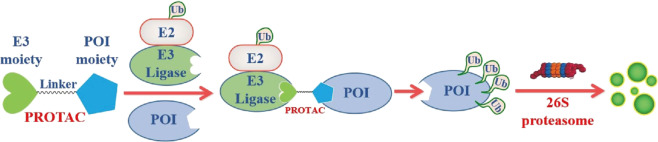
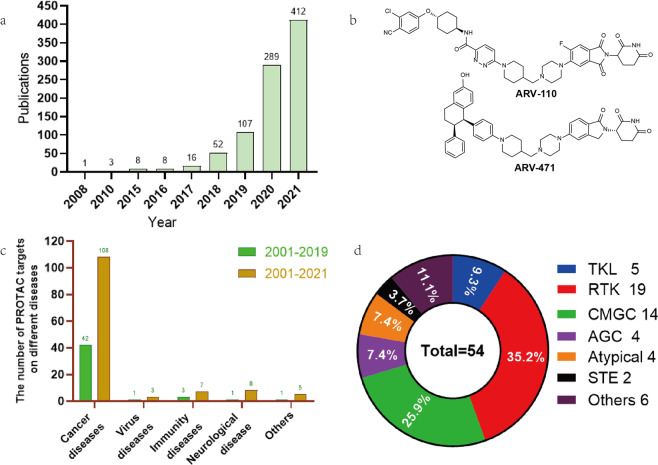
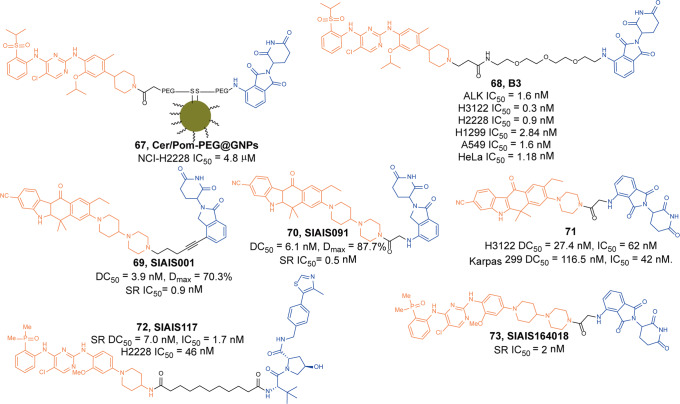
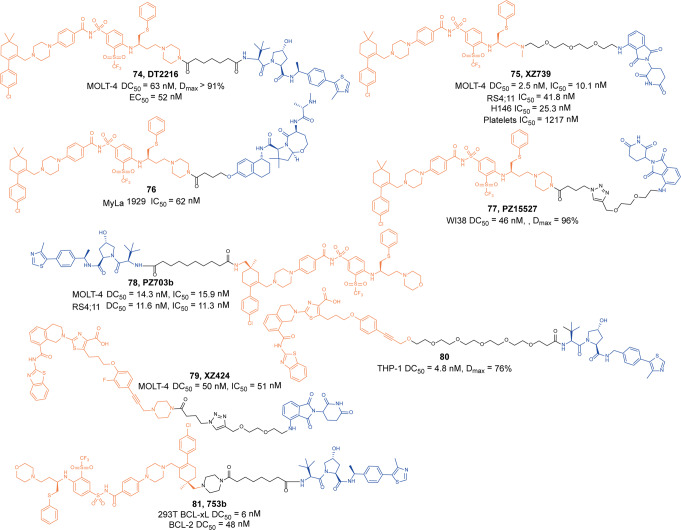
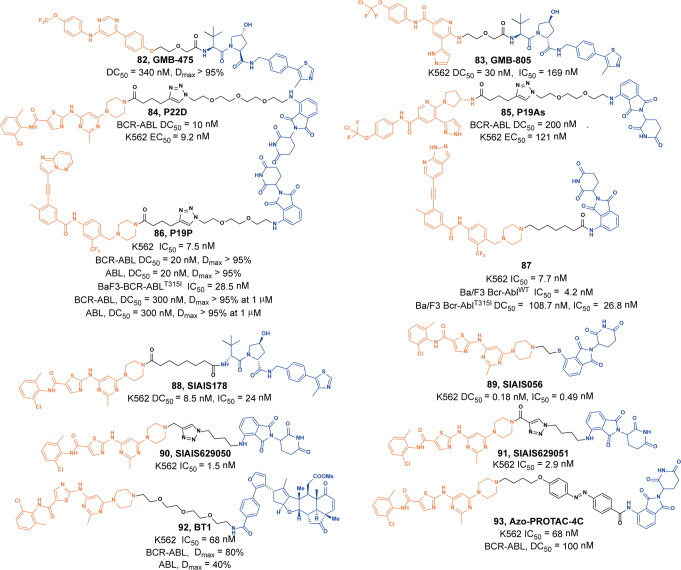
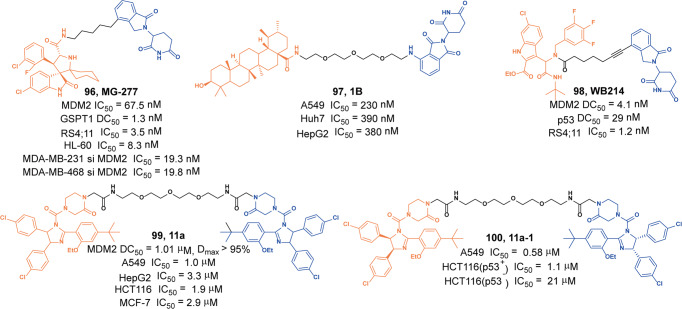
PROteolysis TArgeting Chimeras (PROTACs) technology is a new protein-degradation strategy that has emerged in recent years. It uses bifunctional small molecules to induce the ubiquitination and degradation of target proteins through the ubiquitin–proteasome system. PROTACs can not only be used as potential clinical treatments for diseases such as cancer, immune disorders, viral infections, and neurodegenerative diseases, but also provide unique chemical knockdown tools for biological research in a catalytic, reversible, and rapid manner. In 2019, our group published a review article “PROTACs: great opportunities for academia and industry” in the journal, summarizing the representative compounds of PROTACs reported before the end of 2019. In the past 2 years, the entire field of protein degradation has experienced rapid development, including not only a large increase in the number of research papers on protein-degradation technology but also a rapid increase in the number of small-molecule degraders that have entered the clinical and will enter the clinical stage. In addition to PROTAC and molecular glue technology, other new degradation technologies are also developing rapidly. In this article, we mainly summarize and review the representative PROTACs of related targets published in 2020–2021 to present to researchers the exciting developments in the field of protein degradation. The problems that need to be solved in this field will also be briefly introduced.
Overview
The claims and statistics of this paper haven’t been checked yet.
Run the check — free, no account needed. It reads the open-access text and checks the sources it cites.
Integrity signals
Registry
Cites
Statistics
Figures
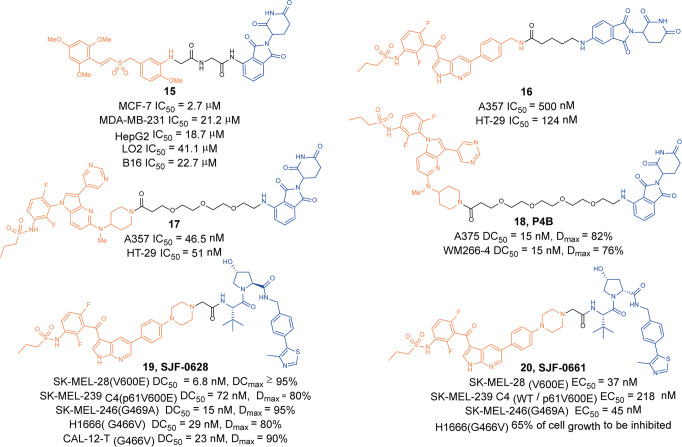
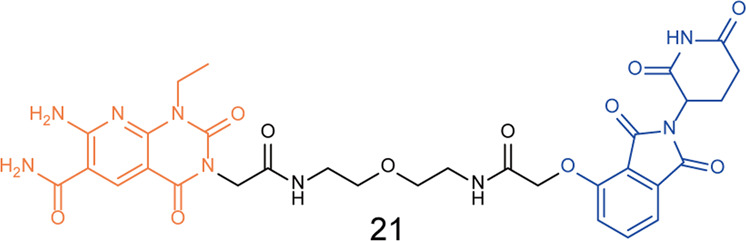
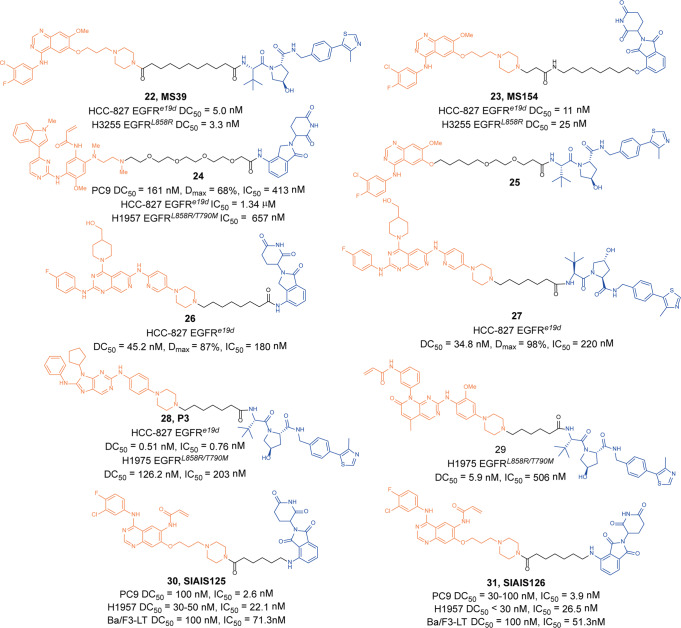
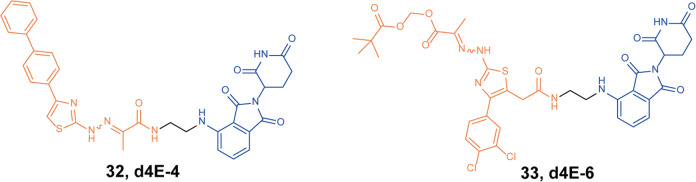
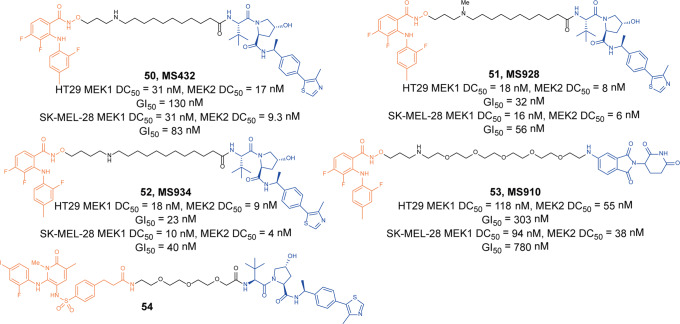
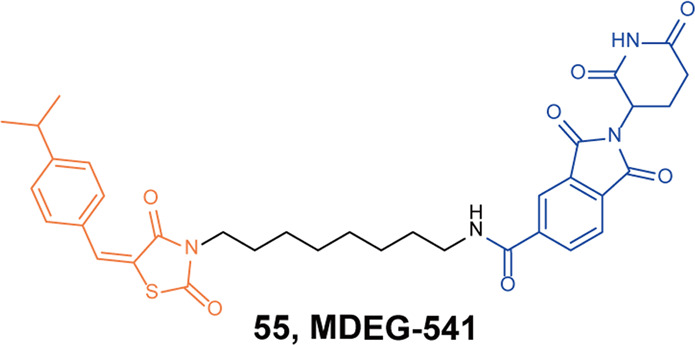


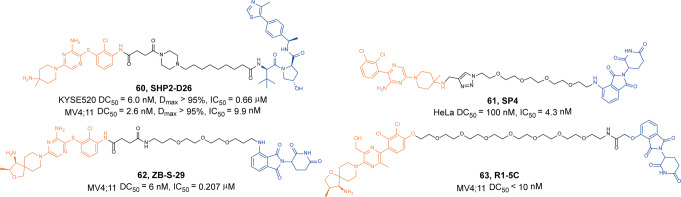
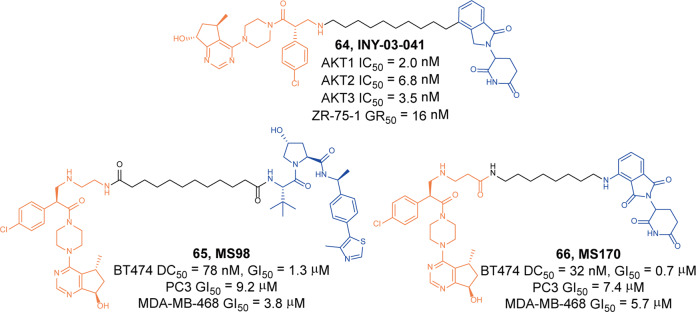

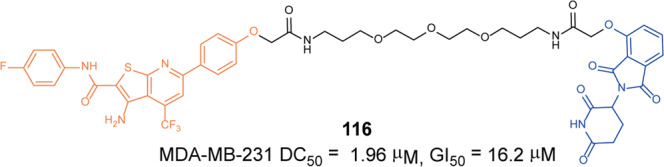
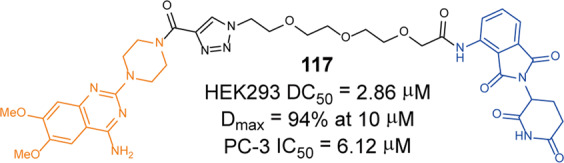
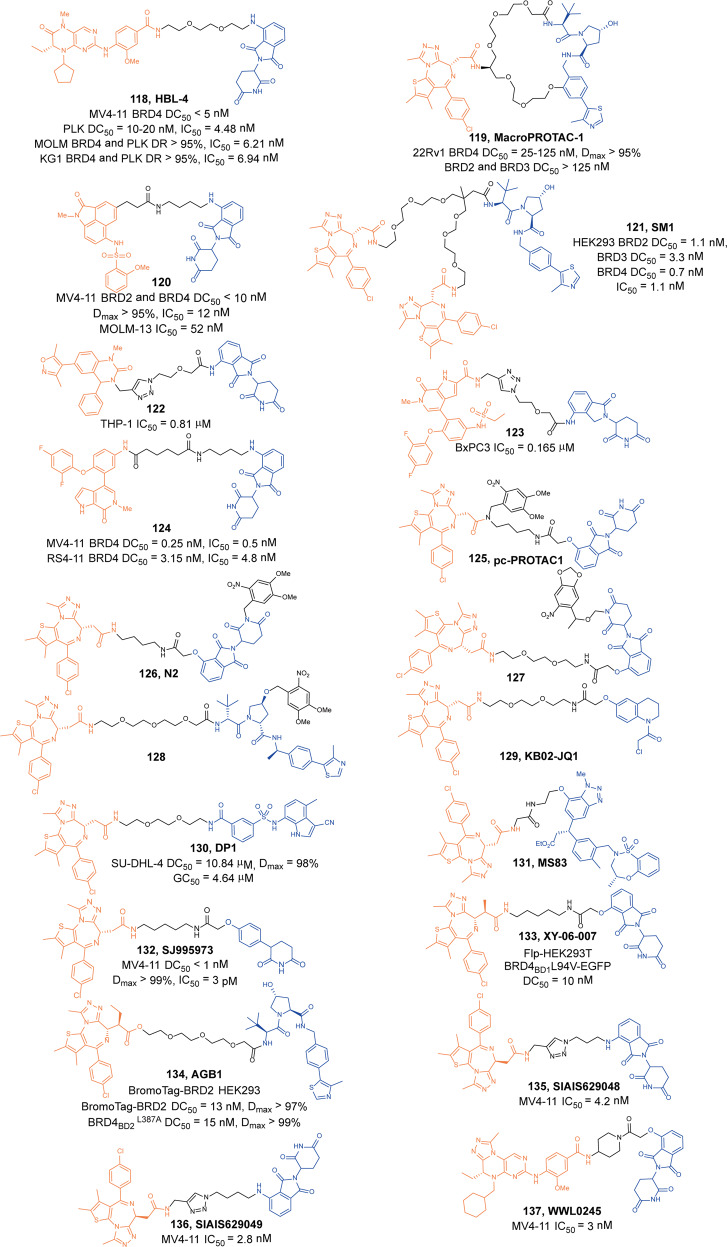
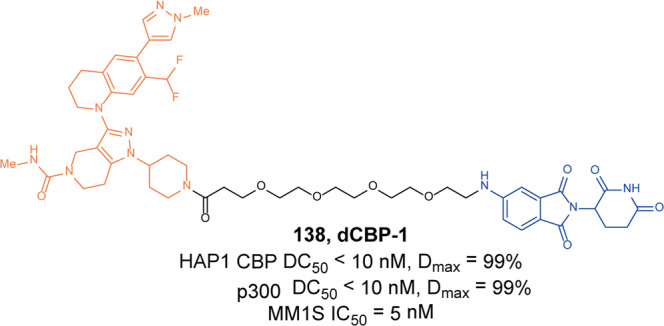


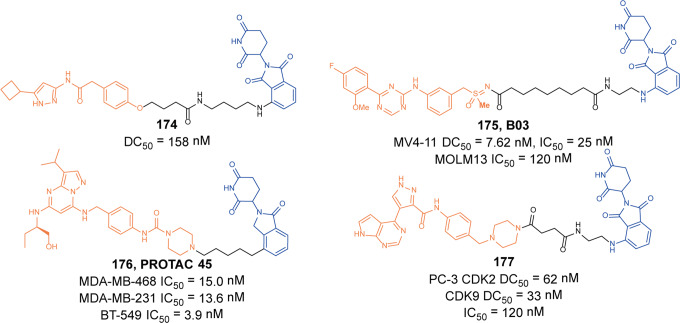

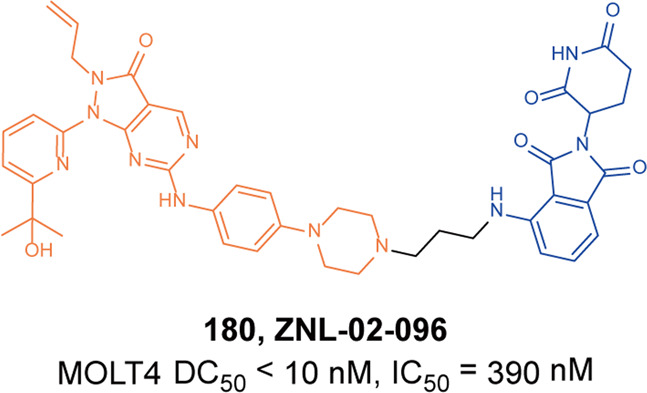
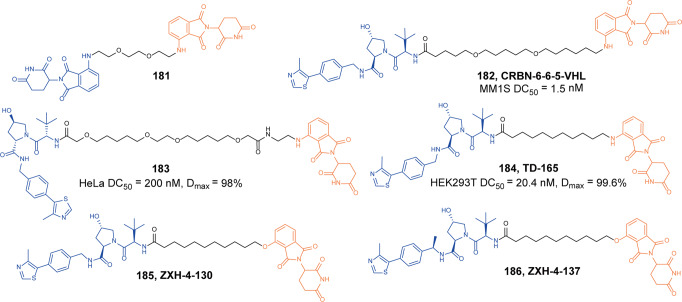
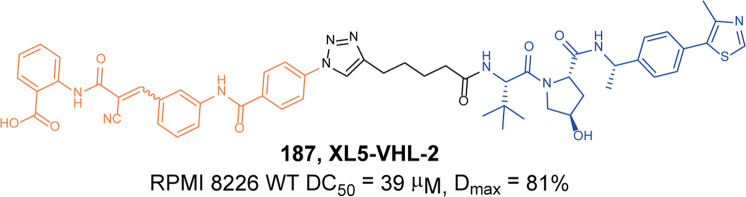

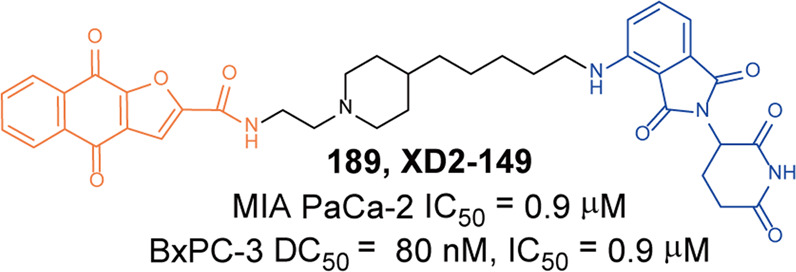
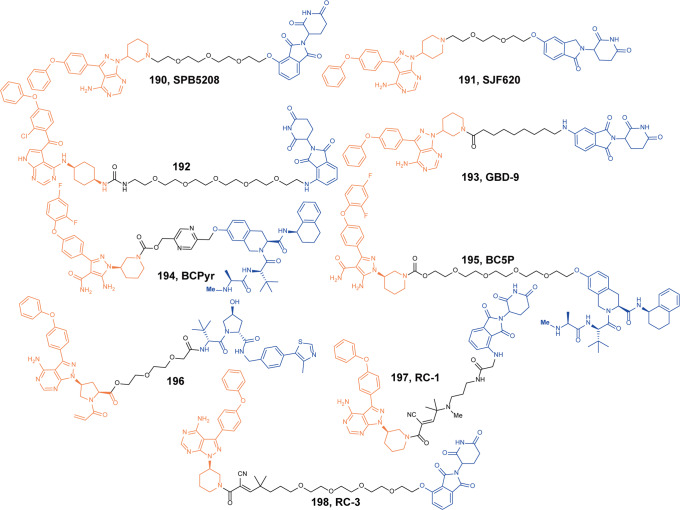
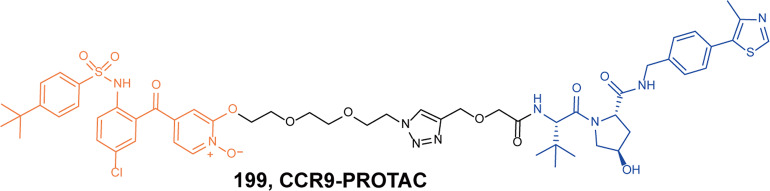
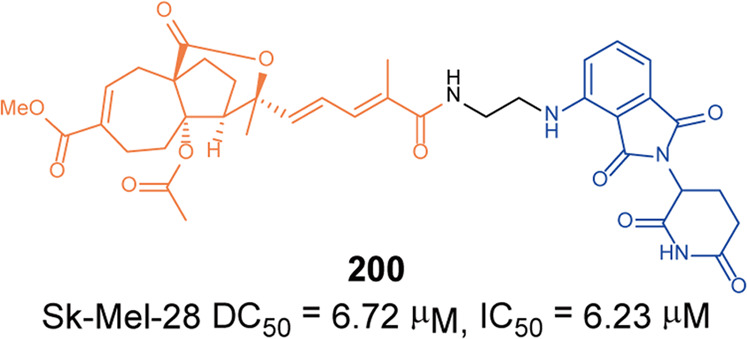


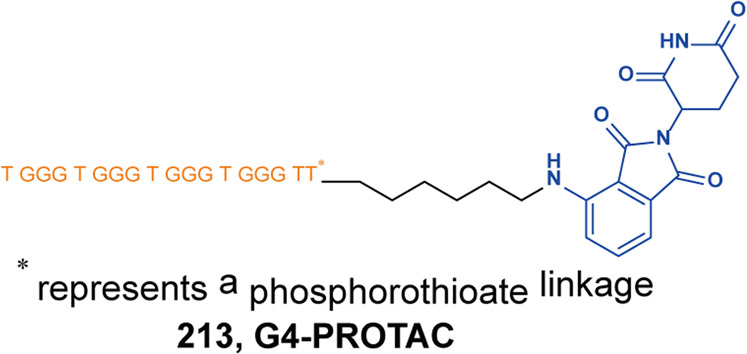
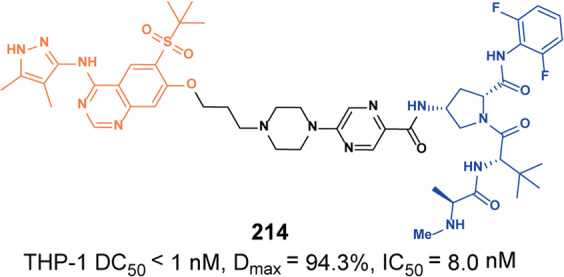
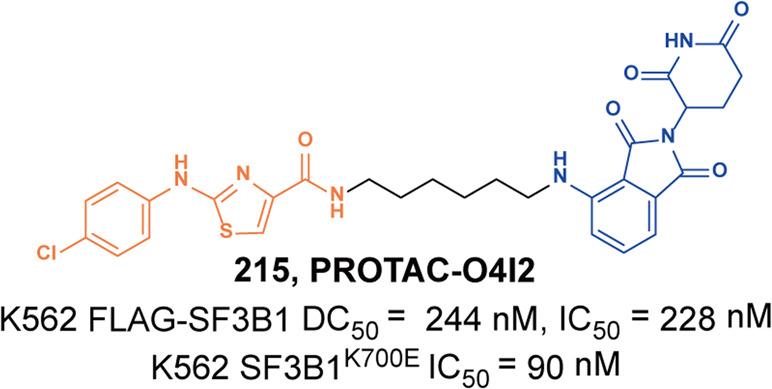
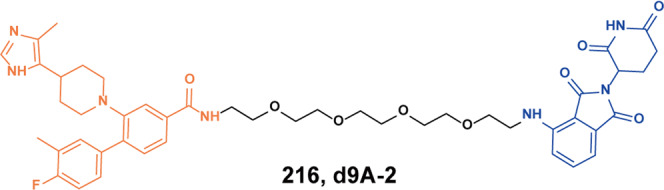
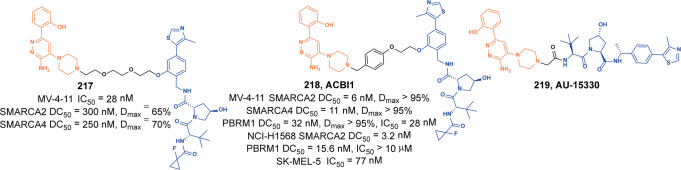
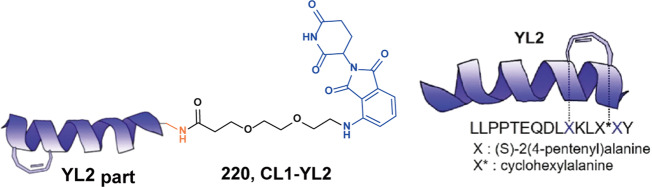
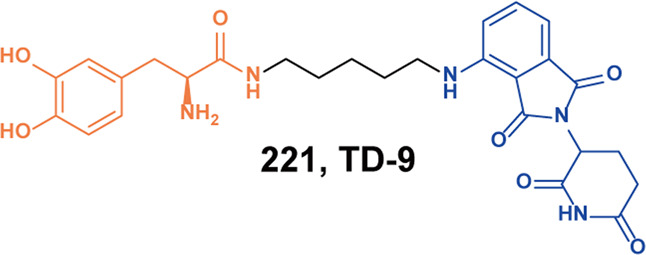
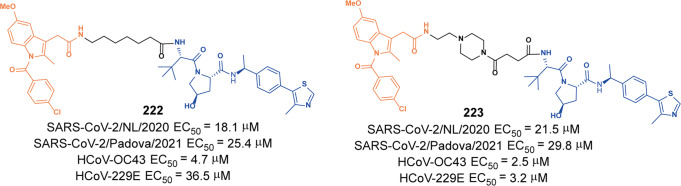

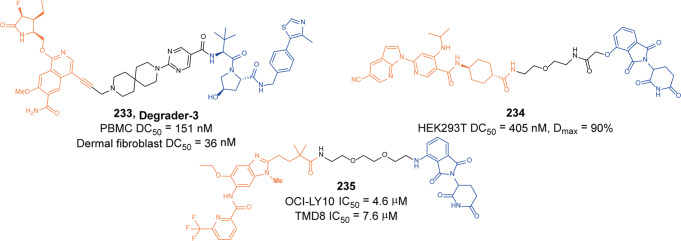
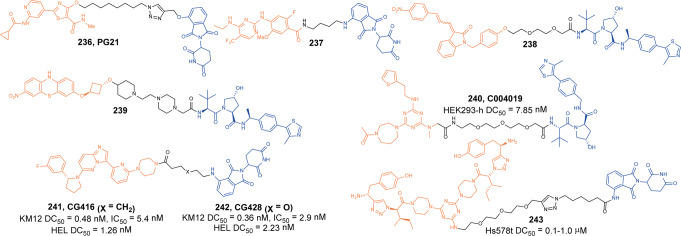
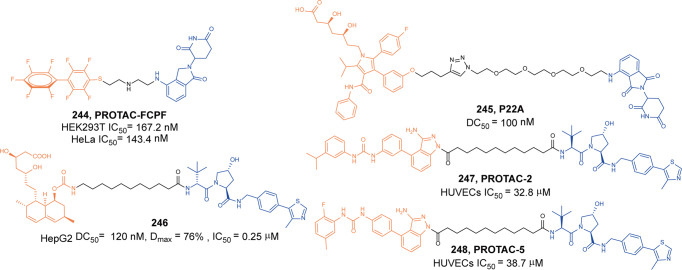
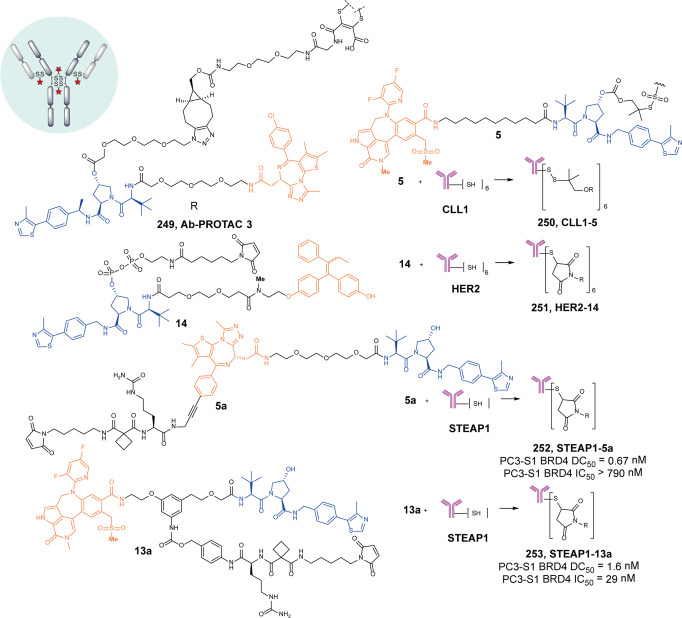
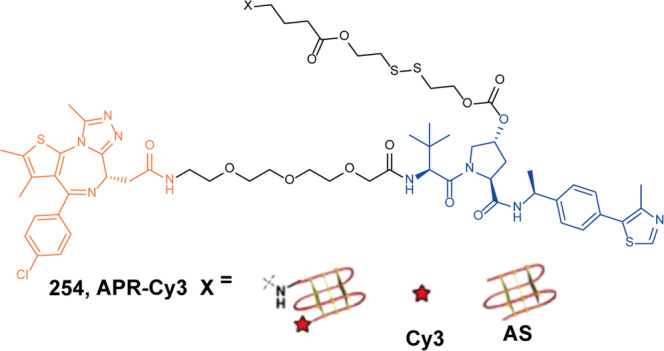
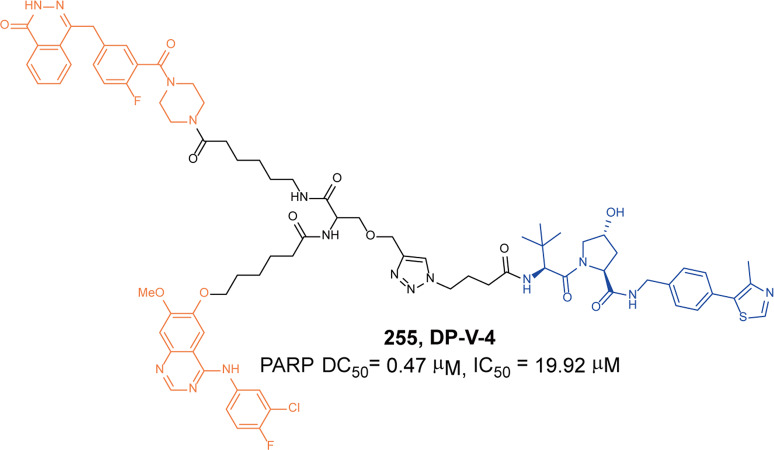
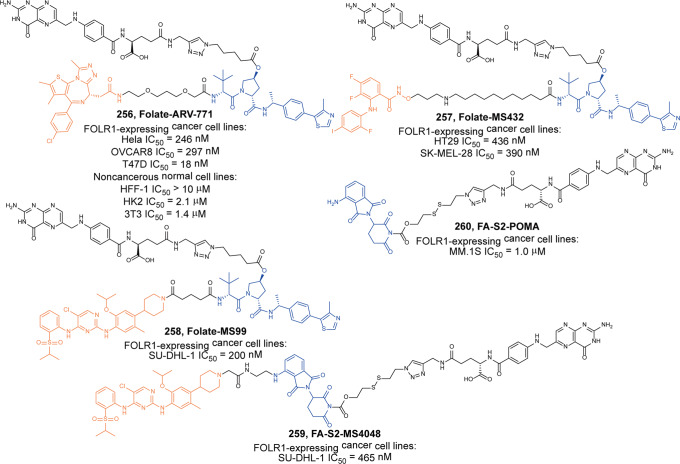
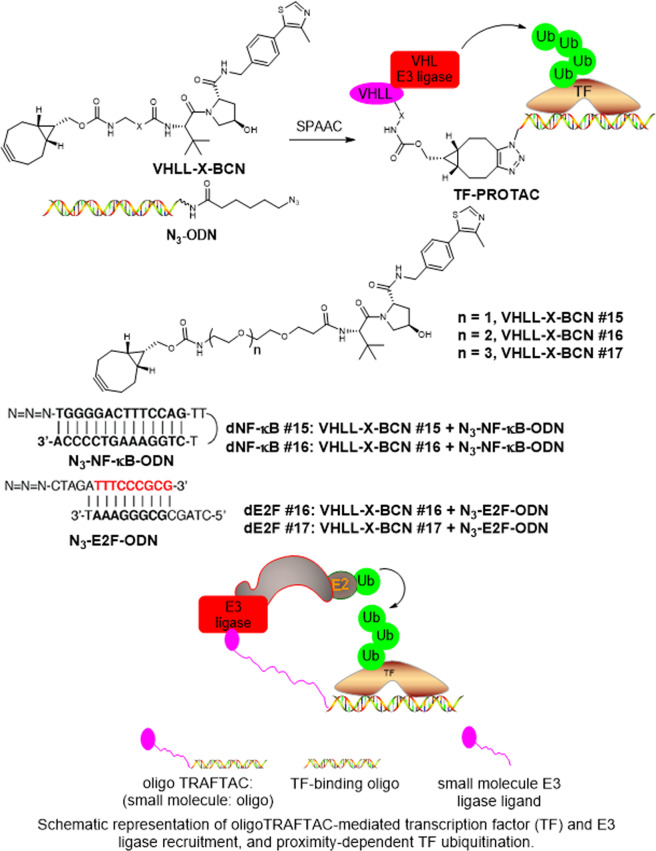
Verification
Claims the paper makes
The claims and statistics of this paper haven’t been checked yet.
Run the check — free, no account needed. It reads the open-access text and checks the sources it cites.
Claims other papers make about this one
Each is checked against this paper’s own text: does it say what the citing paper says it does?
In the citing paper
“Protein regulation can be categorized into two primary classes based on the disease mechanism: protein degradation and protein stabilization.476”
From Recent advances in targeting the “undruggable” proteins: from drug discovery to clinical trials (2023) · cites this paper as [476]
Self-check
Percentages, sums and reported differences re-computed from the paper’s own numbers.
The self-check needs the paper’s full text.
Citations
Cites
The protein kinase complement of the human genome
Manning, G., Whyte, D. B., Martinez, R., Hunter, T., & Sudarsanam, S. (2002) · Science · doi:10.1126/science.1075762 · Cited by 8,145
The new frontier of genome engineering with CRISPR-Cas9
Doudna, J. A., & Charpentier, E. (2014) · Science · doi:10.1126/science.1258096 · Cited by 7,062
Wnt/β-catenin signaling and disease
Clevers, H., & Nusse, R. (2012) · Cell · doi:10.1016/j.cell.2012.05.012 · Cited by 5,554
Cell cycle, CDKs and cancer: a changing paradigm
Malumbres, M., & Barbacid, M. (2009) · Nature Reviews Cancer · doi:10.1038/nrc2602 · Cited by 3,957
Failure of blood-island formation and vasculogenesis in Flk-1-deficient mice
Shalaby, F., Rossant, J., Yamaguchi, T. P., Gertsenstein, M., Wu, X.-F., Breitman, M. L., & Schuh, A. C. (1995) · Nature · doi:10.1038/376062a0 · Cited by 3,931
Tumour heterogeneity and resistance to cancer therapies
Dagogo-Jack, I., & Shaw, A. T. (2018) · Nature Reviews Clinical Oncology · doi:10.1038/nrclinonc.2017.166 · Cited by 3,846
Blume-Jensen, P., & Hunter, T. (2001) · Nature · doi:10.1038/35077225 · Cited by 3,738
Vascular-specific growth factors and blood vessel formation
Yancopoulos, G. D., Davis, S., Gale, N. W., Rudge, J. S., Wiegand, S. J., & Holash, J. (2000) · Nature · doi:10.1038/35025215 · Cited by 3,699
Transcriptional silencing and longevity protein Sir2 is an NAD-dependent histone deacetylase
Imai, S.-I., Armstrong, C. M., Kaeberlein, M., & Guarente, L. (2000) · Nature · doi:10.1038/35001622 · Cited by 3,510
Intensive Lipid Lowering with Atorvastatin in Patients with Stable Coronary Disease
LaRosa, J. C., Grundy, S. M., Waters, D. D., Shear, C., Barter, P., Fruchart, J.-C., Gotto, A. M., Greten, H., Kastelein, J. J. P., Shepherd, J., et al. (2005) · New England Journal of Medicine · doi:10.1056/nejmoa050461 · Cited by 3,489
The Human Transcription Factors
Lambert, S. A., Jolma, A., Campitelli, L. F., Das, P. K., Yin, Y., Albu, M., Chen, X., Taipale, J., Hughes, T. R., & Weirauch, M. T. (2018) · Cell · doi:10.1016/j.cell.2018.01.029 · Cited by 3,399
PROTAC targeted protein degraders: the past is prologue
Békés, M., Langley, D. R., & Crews, C. M. (2022) · Nature Reviews Drug Discovery · doi:10.1038/s41573-021-00371-6 · Cited by 3,395
Defining a Cancer Dependency Map
Tsherniak, A., Vazquez, F., Montgomery, P. G., Weir, B. A., Kryukov, G., Cowley, G. S., Gill, S., Harrington, W. F., Pantel, S., Krill-Burger, J. M., et al. (2017) · Cell · doi:10.1016/j.cell.2017.06.010 · Cited by 3,276
Epidermal growth factor receptor mutations in lung cancer
Sharma, S. V., Bell, D. W., Settleman, J., & Haber, D. A. (2007) · Nature Reviews Cancer · doi:10.1038/nrc2088 · Cited by 3,170
Targeting the IL-6/JAK/STAT3 signalling axis in cancer
Johnson, D. E., O'Keefe, R. A., & Grandis, J. R. (2018) · Nature Reviews Clinical Oncology · doi:10.1038/nrclinonc.2018.8 · Cited by 3,110
ABT-199, a potent and selective BCL-2 inhibitor, achieves antitumor activity while sparing platelets
Souers, A. J., Leverson, J. D., Boghaert, E. R., Ackler, S. L., Catron, N. D., Chen, J., Dayton, B. D., Ding, H., Enschede, S. H., Fairbrother, W. J., et al. (2013) · Nature Medicine · doi:10.1038/nm.3048 · Cited by 3,058
Transcriptional Regulation in Mammalian Cells by Sequence-Specific DNA Binding Proteins
Mitchell, P. J., & Tjian, R. (1989) · Science · doi:10.1126/science.2667136 · Cited by 3,046
Sakamoto, K. M., Kim, K. B., Kumagai, A., Mercurio, F., Crews, C. M., & Deshaies, R. J. (2001) · Proceedings of the National Academy of Sciences · doi:10.1073/pnas.141230798 · Cited by 2,609
Prevention of Allogeneic Fetal Rejection by Tryptophan Catabolism
Munn, D. H., Zhou, M., Attwood, J. T., Bondarev, I. E., Conway, S. J., Marshall, B., Brown, C. C., & Mellor, A. L. (1998) · Science · doi:10.1126/science.281.5380.1191 · Cited by 2,589
An updated evolutionary classification of CRISPR–Cas systems
Makarova, K. S., Wolf, Y. I., Alkhnbashi, O. S., Costa, F., Shah, S. A., Saunders, S. J., Barrangou, R., Brouns, S. J. J., Charpentier, E., Haft, D. H., et al. (2015) · Nature Reviews Microbiology · doi:10.1038/nrmicro3569 · Cited by 2,480
Nod2 Is a General Sensor of Peptidoglycan through Muramyl Dipeptide (MDP) Detection
Girardin, S. E., Boneca, I. G., Viala, J., Chamaillard, M., Labigne-Roussel, A., Thomas, G. D., Philpott, D. J., & Sansonetti, P. J. (2003) · Journal of Biological Chemistry · doi:10.1074/jbc.c200651200 · Cited by 2,397
Aptamers as targeted therapeutics: current potential and challenges
Zhou, J., & Rossi, J. J. (2016) · Nature Reviews Drug Discovery · doi:10.1038/nrd.2016.199 · Cited by 2,285
Identification of a Primary Target of Thalidomide Teratogenicity
Ito, T., Ando, H., Suzuki, T., Ogura, T., Hotta, K., Imamura, Y., Yamaguchi, Y., & Handa, H. (2010) · Science · doi:10.1126/science.1177319 · Cited by 2,136
Nicholson, R., Gee, J., & Harper, M. (2001) · European Journal of Cancer · doi:10.1016/s0959-8049(01)00231-3 · Cited by 2,132
Cantley, L. C., & Neel, B. G. (1999) · Proceedings of the National Academy of Sciences · doi:10.1073/pnas.96.8.4240 · Cited by 2,018
The FGF family: biology, pathophysiology and therapy
Beenken, A., & Mohammadi, M. (2009) · Nature Reviews Drug Discovery · doi:10.1038/nrd2792 · Cited by 1,945
RAS Proteins and Their Regulators in Human Disease
Simanshu, D. K., Nissley, D. V., & McCormick, F. (2017) · Cell · doi:10.1016/j.cell.2017.06.009 · Cited by 1,943
Cell cycle proteins as promising targets in cancer therapy
Otto, T., & Siciński, P. (2017) · Nature reviews. Cancer · doi:10.1038/nrc.2016.138 · Cited by 1,931
Clinical efficacy of a RAF inhibitor needs broad target blockade in BRAF-mutant melanoma
Bollag, G. E., Hirth, P., Tsai, J. Y., Zhang, J., Ibrahim, P. N., Cho, H., Spevak, W. R., Zhang, C., Zhang, Y., Habets, G. G. M., et al. (2010) · Nature · doi:10.1038/nature09454 · Cited by 1,875
The cell cycle: a review of regulation, deregulation and therapeutic targets in cancer
Vermeulen, K., Bockstaele, D. R. V., & Berneman, Z. N. (2003) · Cell Proliferation · doi:10.1046/j.1365-2184.2003.00266.x · Cited by 1,766
Phthalimide conjugation as a strategy for in vivo target protein degradation
Winter, G. E., Buckley, D. L., Paulk, J., Roberts, J. M., Souza, A., Dhe-Paganon, S., & Bradner, J. E. (2015) · Science · doi:10.1126/science.aab1433 · Cited by 1,760
Dasatinib in imatinib-resistant Philadelphia chromosome-positive leukemias
Talpaz, M., Shah, N. P., Kantarjian, H., Donato, N., Nicoll, J., Paquette, R., Cortes, J., O'Brien, S., Nicaise, C., Bleickardt, E., et al. (2006) · New England Journal of Medicine · doi:10.1056/nejmoa055229 · Cited by 1,760
Sirtuins in mammals: insights into their biological function
Michán, S., & Sinclair, D. A. (2007) · Biochemical Journal · doi:10.1042/bj20070140 · Cited by 1,750
Structure and ligand of a histone acetyltransferase bromodomain
Dhalluin, C., Carlson, J. E., Zeng, L., He, C., Aggarwal, A. K., Zhou, M.-M., & Zhou, M.-M. (1999) · Nature · doi:10.1038/20974 · Cited by 1,732
Mechanisms and functions of p38 MAPK signalling
Cuadrado, A., & Nebreda, Á. R. (2010) · Biochemical Journal · doi:10.1042/bj20100323 · Cited by 1,720
The JAK-STAT Pathway: Impact on Human Disease and Therapeutic Intervention
O’Shea, J. J., Schwartz, D. M., Villarino, A. V., Gadina, M., McInnes, I. B., & Laurence, A. D. J. (2015) · Annual Review of Medicine · doi:10.1146/annurev-med-051113-024537 · Cited by 1,670
G‐Quartets 40 Years Later: From 5′‐GMP to Molecular Biology and Supramolecular Chemistry
Davis, J. T. (2004) · Angewandte Chemie International Edition · doi:10.1002/anie.200300589 · Cited by 1,640
The function of programmed cell death 1 and its ligands in regulating autoimmunity and infection
Sharpe, A. H., Wherry, E. J., Ahmed, R., & Freeman, G. J. (2007) · Nature Immunology · doi:10.1038/ni1443 · Cited by 1,559
The Ras-RasGAP Complex: Structural Basis for GTPase Activation and Its Loss in Oncogenic Ras Mutants
Scheffzek, K., Ahmadian, M. R., Kabsch, W., Wiesmüller, L., Lautwein, A., Schmitz, F., & Wittinghofer, A. (1997) · Science · doi:10.1126/science.277.5324.333 · Cited by 1,543
Emerging mechanisms of resistance to androgen receptor inhibitors in prostate cancer
Watson, P. A., Arora, V. K., & Sawyers, C. L. (2015) · Nature Reviews Cancer · doi:10.1038/nrc4016 · Cited by 1,536
The Sir2 Family of Protein Deacetylases
Blander, G., & Guarente, L. (2004) · Annual Review of Biochemistry · doi:10.1146/annurev.biochem.73.011303.073651 · Cited by 1,497
CRISPR-engineered T cells in patients with refractory cancer
Stadtmauer, E. A., Fraietta, J. A., Davis, M. M., Cohen, A. D., Weber, K. L., Lancaster, E., Mangan, P. A., Kulikovskaya, I., Gupta, M., Chen, F., et al. (2020) · Science · doi:10.1126/science.aba7365 · Cited by 1,478
Kim, K. H., & Roberts, C. W. M. (2016) · Nature Medicine · doi:10.1038/nm.4036 · Cited by 1,471
Identification of ALK as a major familial neuroblastoma predisposition gene
Mossé, Y. P., Laudenslager, M., Longo, L., Cole, K. A., Wood, A., Attiyeh, E. F., Laquaglia, M. J., Sennett, R., Lynch, J. E., Perri, P., et al. (2008) · Nature · doi:10.1038/nature07261 · Cited by 1,407
Tyrosine Kinases as Targets for Cancer Therapy
Krause, D. S., & Etten, R. A. V. (2005) · New England Journal of Medicine · doi:10.1056/nejmra044389 · Cited by 1,402
Preiss, D. (2011) · JAMA · doi:10.1001/jama.2011.860 · Cited by 1,390
An integral program for tissue renewal and regeneration: Wnt signaling and stem cell control
Clevers, H. C., Loh, K. M., & Nusse, R. (2014) · Science · doi:10.1126/science.1248012 · Cited by 1,386
FAK in cancer: mechanistic findings and clinical applications
Sulzmaier, F. J., Jean, C., & Schlaepfer, D. D. (2014) · Nature Reviews Cancer · doi:10.1038/nrc3792 · Cited by 1,381
A high-affinity conformation of Hsp90 confers tumour selectivity on Hsp90 inhibitors
Kamal, A., Thao, L., Sensintaffar, J., Zhang, L., Boehm, M. F., Fritz, L. C., & Burrows, F. J. (2003) · Nature · doi:10.1038/nature01913 · Cited by 1,380
IRAK-M Is a Negative Regulator of Toll-like Receptor Signaling
Kobayashi, K. S., Hernandez, L. D., Galán, J. E., Janeway, C. A., Medzhitov, R. M., & Flavell, R. A. (2002) · Cell · doi:10.1016/s0092-8674(02)00827-9 · Cited by 1,310
PARP inhibition: PARP1 and beyond
Rouleau, M., Patel, A., Hendzel, M. J., Kaufmann, S. H., & Poirier, G. G. (2010) · Nature Reviews Cancer · doi:10.1038/nrc2812 · Cited by 1,298
Resistance Mechanisms for the Bruton's Tyrosine Kinase Inhibitor Ibrutinib
Woyach, J. A., Furman, R. R., Liu, T.-M., Ozer, H. G., Zapatka, M., Ruppert, A. S., Xue, L., Li, D. H.-H., Steggerda, S. M., Versele, M., et al. (2014) · New England Journal of Medicine · doi:10.1056/nejmoa1400029 · Cited by 1,275
Toll-Like Receptor Signaling Pathways
Barton, G. M., & Medzhitov, R. M. (2003) · Science · doi:10.1126/science.1085536 · Cited by 1,270
New insights into the molecular and cellular functions of poly(ADP-ribose) and PARPs
Gibson, B. A., & Kraus, W. L. (2012) · Nature Reviews Molecular Cell Biology · doi:10.1038/nrm3376 · Cited by 1,226
Discovery and Functional Characterization of Diverse Class 2 CRISPR-Cas Systems
Shmakov, S., Abudayyeh, O. O., Makarova, K. S., Wolf, Y. I., Gootenberg, J. S., Semenova, E., Minakhin, L., Joung, J., Konermann, S., Severinov, K., et al. (2015) · Molecular Cell · doi:10.1016/j.molcel.2015.10.008 · Cited by 1,209
Histone Deacetylase Inhibitors: Overview and Perspectives
Dokmanovic, M., Clarke, C., & Marks, P. A. (2007) · Molecular Cancer Research · doi:10.1158/1541-7786.mcr-07-0324 · Cited by 1,194
EML4-ALK Mutations in Lung Cancer That Confer Resistance to ALK Inhibitors
Choi, Y. L., Soda, M., Yamashita, Y., Ueno, T., Takashima, J., Nakajima, T., Yatabe, Y., Takeuchi, K., Hamada, T., Haruta, H., et al. (2010) · New England Journal of Medicine · doi:10.1056/nejmoa1007478 · Cited by 1,186
Polypharmacology: Challenges and Opportunities in Drug Discovery: Miniperspective
Anighoro, A., Bajorath, J., & Rastelli, G. (2014) · Journal of Medicinal Chemistry · doi:10.1021/jm5006463 · Cited by 1,131
(ADP-ribose)n participates in DNA excision repair
Durkacz, B. W., Omidiji, O., Gray, D. A., & Shall, S. (1980) · Nature · doi:10.1038/283593a0 · Cited by 1,123
Protein arginine methyltransferases and cancer
Yang, Y., & Bedford, M. T. (2012) · Nature reviews. Cancer · doi:10.1038/nrc3409 · Cited by 1,120
Yeatman, T. J. (2004) · Nature Reviews Cancer · doi:10.1038/nrc1366 · Cited by 1,113
Tau-targeting therapies for Alzheimer disease
Congdon, E. E., & Sigurdsson, E. M. (2018) · Nature Reviews Neurology · doi:10.1038/s41582-018-0013-z · Cited by 1,113
Helical Assembly in the MyD88-IRAK4-IRAK2 Complex in TLR/IL-1R Signalling
Lin, S.-C., Lo, Y.-C., & Wu, H. (2010) · Nature · doi:10.1038/nature09121 · Cited by 1,111
Targeting FLT3 mutations in AML: review of current knowledge and evidence
Daver, N. G., Schlenk, R. F., Russell, N. H., & Levis, M. J. (2019) · Leukemia · doi:10.1038/s41375-018-0357-9 · Cited by 1,106
Stattic: a small-molecule inhibitor of STAT3 activation and dimerization
Schust, J., Sperl, B., Hollis, A., Mayer, T. U., & Berg, T. (2006) · Chemistry & Biology · doi:10.1016/j.chembiol.2006.09.018 · Cited by 1,105
Milburn, M. V., Tong, L., deVos, A. M., Brünger, A. T., Yamaizumi, Z., Nishimura, S., & Kim, S. (1990) · Science · doi:10.1126/science.2406906 · Cited by 1,062
Selective Small Molecule Induced Degradation of the BET Bromodomain Protein BRD4
Zengerle, M., Chan, K.-H., & Ciulli, A. (2015) · ACS Chemical Biology · doi:10.1021/acschembio.5b00216 · Cited by 1,056
The MYC oncogene — the grand orchestrator of cancer growth and immune evasion
Dhanasekaran, R., Deutzmann, A., Mahauad‐Fernandez, W. D., Hansen, A. S., Gouw, A. M., & Felsher, D. W. (2021) · Nature Reviews Clinical Oncology · doi:10.1038/s41571-021-00549-2 · Cited by 1,044
Haft, D. H., Selengut, J., Mongodin, E. F., & Nelson, K. E. (2005) · PLoS Computational Biology · doi:10.1371/journal.pcbi.0010060 · Cited by 1,014
p53 and Human Cancer: The First Ten Thousand Mutations
Hainaut, P. L., & Hollstein, M. C. (1999) · Advances in cancer research · doi:10.1016/s0065-230x(08)60785-x · Cited by 999
Selective Estrogen-Receptor Modulators — Mechanisms of Action and Application to Clinical Practice
Riggs, B. L., & Hartmann, L. C. (2003) · New England Journal of Medicine · doi:10.1056/nejmra022219 · Cited by 984
Malignant transformation by a eukaryotic initiation factor subunit that binds to mRNA 5' cap
Lazaris-Karatzas, A., Montine, K. S., & Sonenberg, N. (1990) · Nature · doi:10.1038/345544a0 · Cited by 971
Skin whitening agents: medicinal chemistry perspective of tyrosinase inhibitors
Pillaiyar, T., Manickam, M., & Namasivayam, V. (2017) · Journal of Enzyme Inhibition and Medicinal Chemistry · doi:10.1080/14756366.2016.1256882 · Cited by 932
CRISPR/Cas Systems towards Next-Generation Biosensing
Li, Y., Li, S., Wang, J., & Liu, G. (2019) · Trends in biotechnology · doi:10.1016/j.tibtech.2018.12.005 · Cited by 928
FGF/FGFR signaling in health and disease
Xie, Y., Su, N., Yang, J., Tan, Q., Huang, S., Jin, M., Ni, Z., Zhang, B., Zhang, D., Luo, F., et al. (2020) · Signal Transduction and Targeted Therapy · doi:10.1038/s41392-020-00222-7 · Cited by 904
Self-citationFrom basic apoptosis discoveries to advanced selective BCL-2 family inhibitors
Ashkenazi, A., Fairbrother, W. J., Leverson, J. D., & Souers, A. J. (2017) · Nature Reviews Drug Discovery · doi:10.1038/nrd.2016.253 · Cited by 903
CRISPR-Cas immunity in prokaryotes
Marraffini, L. A. (2015) · Nature · doi:10.1038/nature15386 · Cited by 860
Discovery of a selective catalytic p300/CBP inhibitor that targets lineage-specific tumours
Lasko, L. M., Jakob, C. G., Edalji, R. P., Qiu, W., Montgomery, D., Digiammarino, E. L., Hansen, T. M., Risi, R. M., Frey, R., Manaves, V., et al. (2017) · Nature · doi:10.1038/nature24028 · Cited by 858
PROTAC-induced BET protein degradation as a therapy for castration-resistant prostate cancer
Raina, K., Lu, J., Qian, Y., Altieri, M., Gordon, D., Rossi, A. M. K., Wang, J., Chen, X., Dong, H., Siu, K., et al. (2016) · Proceedings of the National Academy of Sciences · doi:10.1073/pnas.1521738113 · Cited by 852
SLC Transporters as Therapeutic Targets: Emerging Opportunities
Lin, L., Yee, S. W., Kim, R. B., & Giacomini, K. M. (2015) · Nature Reviews Drug Discovery · doi:10.1038/nrd4626 · Cited by 835
Advances and challenges in targeting FGFR signalling in cancer
Babina, I. S., & Turner, N. C. (2017) · Nature reviews. Cancer · doi:10.1038/nrc.2017.8 · Cited by 820
A human oncogene formed by the fusion of truncated tropomyosin and protein tyrosine kinase sequences
Martı́n-Zanca, D., Hughes, S. H., & Barbacid, M. (1986) · Nature · doi:10.1038/319743a0 · Cited by 812
Orthogonal Cas9 proteins for RNA-guided gene regulation and editing
Esvelt, K. M., Mali, P., Braff, J. L., Moosburner, M., Yaung, S. J., & Church, G. M. (2013) · Nature Methods · doi:10.1038/nmeth.2681 · Cited by 786
A selective inhibitor of EZH2 blocks H3K27 methylation and kills mutant lymphoma cells
Knutson, S. K., Wigle, T. J., Warholic, N. M., Sneeringer, C. J., Allain, C. J., Klaus, C. R., Sacks, J. D., Raimondi, A., Majer, C. R., Song, J., et al. (2012) · Nature Chemical Biology · doi:10.1038/nchembio.1084 · Cited by 776
Regulation of MLL1 H3K4 methyltransferase activity by its core components
Dou, Y., Milne, T. A., Ruthenburg, A. J., Lee, S., Lee, J. W., Verdine, G. L., Allis, C. D., & Roeder, R. G. (2006) · Nature Structural & Molecular Biology · doi:10.1038/nsmb1128 · Cited by 770
Three proteins define a class of human histone deacetylases related to yeast Hda1p
Grozinger, C. M., Hassig, C. A., & Schreiber, S. L. (1999) · Proceedings of the National Academy of Sciences · doi:10.1073/pnas.96.9.4868 · Cited by 770
Inhibiting NF-κB activation by small molecules as a therapeutic strategy
Gupta, S. C., Sundaram, C., Reuter, S., & Aggarwal, B. B. (2010) · Biochimica et Biophysica Acta (BBA) - Gene Regulatory Mechanisms · doi:10.1016/j.bbagrm.2010.05.004 · Cited by 762
HDAC6 Modulates Cell Motility by Altering the Acetylation Level of Cortactin
Zhang, X. M., Yuan, Z., Zhang, Y., Yong, S., Salas-Burgos, A., Koomen, J. M., Olashaw, N., Parsons, J. T., Yang, X., Dent, S., et al. (2007) · Molecular Cell · doi:10.1016/j.molcel.2007.05.033 · Cited by 731
Metabolic targets for cancer therapy
Galluzzi, L., Kepp, O., Heiden, M. G. V., & Kroemer, G. (2013) · Nature Reviews Drug Discovery · doi:10.1038/nrd4145 · Cited by 731
Tryptophan Catabolism in Cancer: Beyond IDO and Tryptophan Depletion
Platten, M., Wick, W., & den Eynde, B. J. V. (2012) · Cancer Research · doi:10.1158/0008-5472.can-12-0569 · Cited by 725
Regulation of RAF protein kinases in ERK signalling
Lavoie, H., & Therrien, M. (2015) · Nature Reviews Molecular Cell Biology · doi:10.1038/nrm3979 · Cited by 702
Aurora-A — A guardian of poles
Marumoto, T., Zhang, D., & Saya, H. (2005) · Nature reviews. Cancer · doi:10.1038/nrc1526 · Cited by 698
Advancing targeted protein degradation for cancer therapy
Dale, B., Cheng, M., Park, K., Kanıskan, H. Ü., Xiong, Y., & Jin, J. J. (2021) · Nature reviews. Cancer · doi:10.1038/s41568-021-00365-x · Cited by 697
Aptamers come of age – at last
Bunka, D. H. J., & Stockley, P. G. (2006) · Nature Reviews Microbiology · doi:10.1038/nrmicro1458 · Cited by 695
A selective BCL-XL PROTAC degrader achieves safe and potent antitumor activity
Khan, S., Zhang, X., Lv, D., Zhang, Q., He, Y., Zhang, P., Liu, X., Thummuri, D., Yuan, Y., Wiegand, J. S., et al. (2019) · Nature Medicine · doi:10.1038/s41591-019-0668-z · Cited by 688
Self-citationForkhead box proteins: tuning forks for transcriptional harmony.
Lam, E. W.-F., Brosens, J. J., Gomes, A. R., & Koo, C.-Y. (2013) · Nature Reviews Cancer · doi:10.1038/nrc3539 · Cited by 684
Guo, Z., Li, C., Gao, M., Han, X., Zhang, Y., Zhang, W., & Li, W. (2021) · Angewandte Chemie International Edition · doi:10.1002/anie.202014556 · Cited by 680
Berthet, C., Aleem, E. A., Coppola, V., Tessarollo, L., & Kaldis, P. (2003) · Current Biology · doi:10.1016/j.cub.2003.09.024 · Cited by 665
PROTACs: great opportunities for academia and industry
Sun, X., Gao, H., Yang, Y., He, M., Wu, Y., Song, Y.-G., Tong, Y., & Rao, Y. (2019) · Signal Transduction and Targeted Therapy · doi:10.1038/s41392-019-0101-6 · Cited by 663
Self-citationDirect small-molecule inhibitors of KRAS: from structural insights to mechanism-based design
Ostrem, J. M. L., & Shokat, K. M. (2016) · Nature Reviews Drug Discovery · doi:10.1038/nrd.2016.139 · Cited by 641
Modular PROTAC design for the degradation of oncogenic BCR-ABL
Lai, A. C., Toure, M., Hellerschmied, D., Salami, J., Jaime‐Figueroa, S., Ko, E., Hines, J., & Crews, C. M. (2016) · Angewandte Chemie International Edition · doi:10.1002/anie.201507634 · Cited by 618
Histone lysine demethylases: emerging roles in development, physiology and disease
Shi, Y. (2007) · Nature Reviews Genetics · doi:10.1038/nrg2218 · Cited by 615
Exploiting the folate receptor α in oncology
Scaranti, M., Cojocaru, E., Banerjee, S. N., & Banerji, U. (2020) · Nature Reviews Clinical Oncology · doi:10.1038/s41571-020-0339-5 · Cited by 601
Targeted protein degradation by PROTACs
Neklesa, T. K., Winkler, J. D., & Crews, C. M. (2017) · Pharmacology & Therapeutics · doi:10.1016/j.pharmthera.2017.02.027 · Cited by 599
Small molecule inhibition of the KRAS–PDEδ interaction impairs oncogenic KRAS signalling
Zimmermann, G., Papke, B., Ismail, S., Vartak, N., Chandra, A., Hoffmann, M., Hahn, S. A., Triola, G., Wittinghofer, A., Bastiaens, P. I. H., et al. (2013) · Nature · doi:10.1038/nature12205 · Cited by 596
A Call for Systematic Research on Solute Carriers
César‐Razquin, A., Snijder, B., Frappier‐Brinton, T., Isserlin, R., Gyimesi, G., Bai, X., Reithmeier, R. A., Hepworth, D., Hediger, M. A., Edwards, A. M., et al. (2015) · Cell · doi:10.1016/j.cell.2015.07.022 · Cited by 593
Folate-targeted therapeutic and imaging agents for cancer
Low, P. S., & Kularatne, S. A. (2009) · Current Opinion in Chemical Biology · doi:10.1016/j.cbpa.2009.03.022 · Cited by 586
Targeting Bruton's tyrosine kinase in B cell malignancies
Hendriks, R. W., Yuvaraj, S., & Kil, L. P. (2014) · Nature reviews. Cancer · doi:10.1038/nrc3702 · Cited by 580
Moerke, N. J., Aktaş, H., Chen, H., Cantel, S., Reibarkh, M., Fahmy, A., Gross, J. D., Degterev, A., Yuan, J., Chorev, M., et al. (2007) · Cell · doi:10.1016/j.cell.2006.11.046 · Cited by 580
Inhibitors of NF-κB signaling: 785 and counting
Gilmore, T. D., & Herscovitch, M. (2006) · Oncogene · doi:10.1038/sj.onc.1209982 · Cited by 576
Sprouty1 and Sprouty2 provide a control mechanism for the Ras/MAPK signalling pathway
Hanafusa, H., Torii, S., Yasunaga, T., & Nishida, E. (2002) · Nature Cell Biology · doi:10.1038/ncb867 · Cited by 566
BAF complex vulnerabilities in cancer demonstrated via structure-based PROTAC design
Farnaby, W., Koegl, M., Roy, M. J., Whitworth, C., Diers, E., Trainor, N., Zollman, D., Steurer, S., Karolyi-Oezguer, J., Riedmueller, C., et al. (2019) · Nature Chemical Biology · doi:10.1038/s41589-019-0294-6 · Cited by 562
Leamon, C. P. (2004) · Advanced Drug Delivery Reviews · doi:10.1016/j.addr.2004.01.008 · Cited by 559
MYC as a target for cancer treatment
Duffy, M. J., O’Grady, S., Tang, M., & Crown, J. P. (2021) · Cancer Treatment Reviews · doi:10.1016/j.ctrv.2021.102154 · Cited by 533
Targeting ALK: Precision Medicine Takes on Drug Resistance
Lin, J. J., Riely, G. J., & Shaw, A. T. (2017) · Cancer Discovery · doi:10.1158/2159-8290.cd-16-1123 · Cited by 532
The PRMT5 arginine methyltransferase: many roles in development, cancer and beyond
Stopa, N., Krebs, J. E., & Shechter, D. (2015) · Cellular and Molecular Life Sciences · doi:10.1007/s00018-015-1847-9 · Cited by 529
Lorenzo, A. D., & Bedford, M. T. (2010) · FEBS Letters · doi:10.1016/j.febslet.2010.11.010 · Cited by 511
A dimerization-dependent mechanism drives RAF catalytic activation
Rajakulendran, T., Sahmi, M., Lefrançois, M., Sicheri, F., & Therrien, M. (2009) · Nature · doi:10.1038/nature08314 · Cited by 505
Song, H., Wang, R., Wang, S., & Lin, J. (2005) · Proceedings of the National Academy of Sciences · doi:10.1073/pnas.0409894102 · Cited by 504
Normal and cancer-related functions of the p160 steroid receptor co-activator (SRC) family
Xu, J., Wu, R., & O’Malley, B. W. (2009) · Nature reviews. Cancer · doi:10.1038/nrc2695 · Cited by 487
Electrophilic PROTACs that degrade nuclear proteins by engaging DCAF16
Zhang, X., Crowley, V. M., Wucherpfennig, T. G., Dix, M. M., & Cravatt, B. F. (2019) · Nature Chemical Biology · doi:10.1038/s41589-019-0279-5 · Cited by 487
Morishita, R., Gibbons, G. H., Horiuchi, M., Ellison, K., Nakama, M., Zhang, L., Kaneda, Y., Ogihara, T., & Dzau, V. J. (1995) · Proceedings of the National Academy of Sciences · doi:10.1073/pnas.92.13.5855 · Cited by 479
Small-Molecule MYC Inhibitors Suppress Tumor Growth and Enhance Immunotherapy
Han, H., Jain, A. D., Truica, M. I., Izquierdo-Ferrer, J., Anker, J. F., Lysy, B., Sagar, V., Luan, Y., Chalmers, Z. R., Unno, K., et al. (2019) · Cancer Cell · doi:10.1016/j.ccell.2019.10.001 · Cited by 479
Role of SWI/SNF in acute leukemia maintenance and enhancer-mediated Myc regulation
Shi, J., Whyte, W. A., Zepeda-Mendoza, C. J., Milazzo, J. P., Shen, C., Roe, J.-S., Minder, J. L., Mercan, F., Wang, E., Eckersley-Maslin, M. A., et al. (2013) · Genes & Development · doi:10.1101/gad.232710.113 · Cited by 463
Genetic screening for a single common LRRK2 mutation in familial Parkinson's disease
Nichols, W. C., Pankratz, N., Hernandez, D., Paisán-Ruíz, C., Jain, S., Halter, C. A., Michaels, V. E., Reed, T., Rudolph, A., Shults, C. W., et al. (2005) · The Lancet · doi:10.1016/s0140-6736(05)17828-3 · Cited by 457
Targeted Degradation of Oncogenic KRAS G12C by VHL-Recruiting PROTACs
Bond, M. J., Chu, L., Nalawansha, D. A., Li, K., & Crews, C. M. (2020) · ACS Central Science · doi:10.1021/acscentsci.0c00411 · Cited by 450
L‐tyrosine and L‐dihydroxyphenylalanine as hormone‐like regulators of melanocyte functions
Slominski, A. T., Zmijewski, M. A., & Pawelek, J. M. (2011) · Pigment Cell & Melanoma Research · doi:10.1111/j.1755-148x.2011.00898.x · Cited by 449
Semiconducting polymer nano-PROTACs for activatable photo-immunometabolic cancer therapy
Zhang, C., Zeng, Z., Cui, D. M., He, S., Jiang, Y., Li, J., Huang, J., & Pu, K. (2021) · Nature Communications · doi:10.1038/s41467-021-23194-w · Cited by 439
A Chemoproteomic Approach to Query the Degradable Kinome Using a Multi-kinase Degrader
Huang, H.-T., Dobrovolsky, D., Paulk, J., Yang, G., Weisberg, E. L., Doctor, Z. M., Buckley, D. L., Cho, J.-H., Ko, E., Jang, J., et al. (2018) · Cell Chemical Biology · doi:10.1016/j.chembiol.2017.10.005 · Cited by 437
The eEF2 Kinase Confers Resistance to Nutrient Deprivation by Blocking Translation Elongation
Leprivier, G., Remke, M., Rotblat, B., Dubuc, A. M., Mateo, A.-R. F., Kool, M., Agnihotri, S., El-Naggar, A. M., Yu, B., Somasekharan, S. P., et al. (2013) · Cell · doi:10.1016/j.cell.2013.04.055 · Cited by 428
Low molecular weight inhibitors of Myc–Max interaction and function
Yin, X., Giap, C., Lazo, J. S., & Prochownik, E. V. (2003) · Oncogene · doi:10.1038/sj.onc.1206641 · Cited by 426
Yang, C., Li, Z., Bhatt, T., Dickler, M. N., Giri, D. D., Scaltriti, M., Baselga, J. M., Rosen, N. X., & Chandarlapaty, S. (2016) · Oncogene · doi:10.1038/onc.2016.379 · Cited by 420
Delineating the role of cooperativity in the design of potent PROTACs for BTK
Zorba, A., Nguyen, C., Xu, Y., Starr, J., Borzilleri, K., Smith, J., Zhu, H., Farley, K. A., Ding, W., Schiemer, J., et al. (2018) · Proceedings of the National Academy of Sciences · doi:10.1073/pnas.1803662115 · Cited by 419
Han, X., Wang, C., Qin, C., Xiang, W., Fernández‐Salas, E., Yang, C., Wang, M., Zhao, L., Xu, T., Chinnaswamy, K., et al. (2019) · Journal of Medicinal Chemistry · doi:10.1021/acs.jmedchem.8b01631 · Cited by 405
Itoh, Y., Ishikawa, M., Naito, M., & Hashimoto, Y. (2010) · Journal of the American Chemical Society · doi:10.1021/ja100691p · Cited by 404
HDAC6, at the crossroads between cytoskeleton and cell signaling by acetylation and ubiquitination
Boyault, C., Sadoul, K., Pabion, M., & Khochbin, S. (2007) · Oncogene · doi:10.1038/sj.onc.1210614 · Cited by 397
Buhimschi, A. D., Armstrong, H. A., Toure, M., Jaime-Figueroa, S., Chen, T. L., Lehman, A. M., Woyach, J. A., Johnson, A. J., Byrd, J. C., & Crews, C. M. (2018) · Biochemistry · doi:10.1021/acs.biochem.8b00391 · Cited by 394
BAREing it all: the adoption of LXR and FXR and their roles in lipid homeostasis
Edwards, P. A., Kast-Woelbern, H. R., & Anisfeld, A. M. (2002) · Journal of Lipid Research · doi:10.1016/s0022-2275(20)30180-2 · Cited by 387
The FERM domain: organizing the structure and function of FAK
Frame, M. C., Patel, H., Serrels, B., Lietha, D., & Eck, M. J. (2010) · Nature Reviews Molecular Cell Biology · doi:10.1038/nrm2996 · Cited by 387
S ELECTIVITY IN N EUROTROPHIN S IGNALING : Theme and Variations
Segal, R. A. (2003) · Annual Review of Neuroscience · doi:10.1146/annurev.neuro.26.041002.131421 · Cited by 383
Krook, M. A., Reeser, J. W., Ernst, G., Barker, H. D., Wilberding, M., Li, G., Chen, H., & Roychowdhury, S. (2020) · British Journal of Cancer · doi:10.1038/s41416-020-01157-0 · Cited by 383
Light-Induced Protein Degradation with Photocaged PROTACs
Xue, G., Wang, K., Zhou, D., Zhong, H., & Pan, Z. (2019) · Journal of the American Chemical Society · doi:10.1021/jacs.9b06422 · Cited by 377
Zhou, B. N., Hu, J., Xu, F., Chen, Z., Bai, L., Fernández‐Salas, E., Lin, M., Liu, L., Yang, C., Zhao, Y., et al. (2017) · Journal of Medicinal Chemistry · doi:10.1021/acs.jmedchem.6b01816 · Cited by 376
Covalent targeting of remote cysteine residues to develop CDK12 and CDK13 inhibitors
Zhang, T., Kwiatkowski, N., Olson, C. M., Dixon-Clarke, S. E., Abraham, B. J., Greifenberg, A. K., Ficarro, S. B., Elkins, J. M., Liang, Y., Hannett, N. M., et al. (2016) · Nature Chemical Biology · doi:10.1038/nchembio.2166 · Cited by 374
Fibroblast growth factor receptors as treatment targets in clinical oncology
Katoh, M. (2018) · Nature Reviews Clinical Oncology · doi:10.1038/s41571-018-0115-y · Cited by 362
Mapping the Degradable Kinome Provides a Resource for Expedited Degrader Development
Donovan, K. A., Ferguson, F. M., Bushman, J. W., Eleuteri, N. A., Bhunia, D., Ryu, S., Tan, L., Shi, K., Yue, H., Liu, X., et al. (2020) · Cell · doi:10.1016/j.cell.2020.10.038 · Cited by 359
Antibody–PROTAC Conjugates Enable HER2-Dependent Targeted Protein Degradation of BRD4
Maneiro, M., Forte, N., Shchepinova, M. M., Kounde, C. S., Chudasama, V., Baker, J. R., & Tate, E. W. (2020) · ACS Chemical Biology · doi:10.1021/acschembio.0c00285 · Cited by 350
Ubiquitin docking at the proteasome through a novel pleckstrin-homology domain interaction
Schreiner, P., Chen, X., Husnjak, K., Randles, L., Zhang, N., Elsasser, S., Finley, D. J., Đikić, I., Walters, K. J., & Groll, M. (2008) · Nature · doi:10.1038/nature06924 · Cited by 349
SCF ubiquitin ligase-targeted therapies
Skaar, J. R., Pagan, J. K., & Pagano, M. (2014) · Nature Reviews Drug Discovery · doi:10.1038/nrd4432 · Cited by 344
Substrate-Assisted Catalysis by PARP10 Limits Its Activity to Mono-ADP-Ribosylation
Kleine, H., Poręba, E., Leśniewicz, K., Hassa, P. O., Hottiger, M. O., Litchfield, D. W., Shilton, B. H., & Lüscher, B. (2008) · Molecular Cell · doi:10.1016/j.molcel.2008.08.009 · Cited by 340
PTPN11 (Shp2) Mutations in LEOPARD Syndrome Have Dominant Negative, Not Activating, Effects
Kontaridis, M. I., Swanson, K. D., David, F. S., Barford, D., & Neel, B. G. (2005) · Journal of Biological Chemistry · doi:10.1074/jbc.m513068200 · Cited by 340
Zoppi, V., Hughes, S. J., Maniaci, C., Testa, A., Gmaschitz, T., Wieshofer, C., Koegl, M., Riching, K. M., Daniels, D. L., Spallarossa, A., et al. (2019) · Journal of Medicinal Chemistry · doi:10.1021/acs.jmedchem.8b01413 · Cited by 336
Pilarsky, C. P., Wenzig, M., Specht, T., Saeger, H. D., & Grützmann, R. (2004) · Neoplasia · doi:10.1593/neo.04277 · Cited by 330
Chandra, A., Grecco, H. E., Pisupati, V., Perera, D., Cassidy, L., Skoulidis, F., Ismail, S. A., Hedberg, C., Hanzal-Bayer, M., Venkitaraman, A. R., et al. (2012) · Nature Cell Biology · doi:10.1038/ncb2394 · Cited by 325
Targeting SWI/SNF ATPases in enhancer-addicted prostate cancer
Xiao, L., Parolia, A., Qiao, Y., Bawa, P., Eyunni, S., Mannan, R., Carson, S. E., Chang, Y., Wang, X., Zhang, Y., et al. (2021) · Nature · doi:10.1038/s41586-021-04246-z · Cited by 324
Autoregulatory Mechanisms in Protein-tyrosine Kinases
Hubbard, S. R., Mohammadi, M., & Schlessinger, J. (1998) · Journal of Biological Chemistry · doi:10.1074/jbc.273.20.11987 · Cited by 323
CDK12 regulates DNA repair genes by suppressing intronic polyadenylation
Dubbury, S. J., Boutz, P. L., & Sharp, P. A. (2018) · Nature · doi:10.1038/s41586-018-0758-y · Cited by 318
Aptamer‐PROTAC Conjugates (APCs) for Tumor‐Specific Targeting in Breast Cancer
He, S., Gao, F., Ma, J., Ma, H., Dong, G., & Sheng, C. (2021) · Angewandte Chemie International Edition · doi:10.1002/anie.202107347 · Cited by 318
Cancer Selective Target Degradation by Folate-Caged PROTACs
Liu, J., Chen, H., Liu, Y., Shen, Y., Meng, F., Kanıskan, H. Ü., Jin, J. J., & Wei, W. (2021) · Journal of the American Chemical Society · doi:10.1021/jacs.1c00451 · Cited by 314
Self-citationKita, T., Brown, M. S., & Goldstein, J. L. (1980) · Journal of Clinical Investigation · doi:10.1172/jci109938 · Cited by 306
Jeremic, D., Jiménez-Díaz, L., & Navarro-López, J. D. (2021) · Ageing Research Reviews · doi:10.1016/j.arr.2021.101496 · Cited by 306
Fibroblast Growth Factor Receptors (FGFRs): Structures and Small Molecule Inhibitors
Dai, S., Zhou, Z. M., Chen, Z., Xu, G., & Chen, Y. (2019) · Cells · doi:10.3390/cells8060614 · Cited by 303
Tumor detection using folate receptor-targeted imaging agents
Sega, E. I., & Low, P. S. (2008) · Cancer and Metastasis Reviews · doi:10.1007/s10555-008-9155-6 · Cited by 300
Sun, Y., Zhao, X., Ding, N., Gao, H., Wu, Y., Yang, Y., Zhao, M., Hwang, J., Song, Y., Liu, W., et al. (2018) · Cell Research · doi:10.1038/s41422-018-0055-1 · Cited by 295
Self-citationBasigin (CD147), a multifunctional transmembrane glycoprotein with various binding partners
Muramatsu, T. (2015) · The Journal of Biochemistry · doi:10.1093/jb/mvv127 · Cited by 289
Cyclin-Dependent Kinase 2 Inhibitors in Cancer Therapy: An Update
Tadesse, S., Caldon, C. E., Tilley, W. D., & Wang, S. (2018) · Journal of Medicinal Chemistry · doi:10.1021/acs.jmedchem.8b01469 · Cited by 285
Qin, C., Hu, Y., Zhou, B., Fernandez-Salas, E., Yang, C.-Y., Liu, L., McEachern, D., Przybranowski, S., Wang, M., Stuckey, J., et al. (2018) · Journal of Medicinal Chemistry · doi:10.1021/acs.jmedchem.8b00506 · Cited by 281
Feeding induces cholesterol biosynthesis via the mTORC1–USP20–HMGCR axis
Lu, X.-Y., Shi, X., Hu, A., Wang, J.-Q., Ding, Y., Jiang, W., Sun, M., Zhao, X., Luo, J., Qi, W., et al. (2020) · Nature · doi:10.1038/s41586-020-2928-y · Cited by 281
He, Y., Zhang, X., Chang, J., Kim, H.-N., Zhang, P., Wang, Y., Khan, S., Liu, X., Zhang, X., Lv, D., et al. (2020) · Nature Communications · doi:10.1038/s41467-020-15838-0 · Cited by 280
Self-citationRellos, P., Pike, A. C. W., Niesen, F. H., Salah, E., Lee, W. H., von Delft, F., & Knapp, S. (2010) · PLoS Biology · doi:10.1371/journal.pbio.1000426 · Cited by 279
Molecular Architecture of the Multiprotein Splicing Factor SF3b
Golas, M. M., Sander, B. O., Will, C. L., Lührmann, R., & Stark, H. (2003) · Science · doi:10.1126/science.1084155 · Cited by 277
Exploring Targeted Degradation Strategy for Oncogenic KRASG12C
Zeng, M., Xiong, Y., Safaee, N., Nowak, R. P., Donovan, K. A., Yuan, C. J., Nabet, B., Gero, T. W., Feru, F., Li, L., et al. (2020) · Cell Chemical Biology · doi:10.1016/j.chembiol.2019.12.006 · Cited by 275
Development of dual and selective degraders of cyclin-dependent kinases 4 and 6
Jiang, B., Wang, E. S., Donovan, K. A., Liang, Y., Fischer, E. S., Zhang, T., & Gray, N. S. (2019) · Angewandte Chemie International Edition · doi:10.1002/anie.201901336 · Cited by 272
Intracellular allosteric antagonism of the CCR9 receptor
Oswald, C., Rappas, M., Kean, J., Dore, A. S., Errey, J. C., Bennett, K. A., Deflorian, F., Christopher, J. A., Jazayeri, A., Mason, J. S., et al. (2016) · Nature · doi:10.1038/nature20606 · Cited by 267
Eskens, F. A. L. M., Ramos, F. J., Burger, H., O’Brien, J. P., Piera, A., de Jonge, M. J. A., Mizui, Y., Wiemer, E. A. C., Carreras, M. J., Baselga, J. M., et al. (2013) · Clinical Cancer Research · doi:10.1158/1078-0432.ccr-13-0485 · Cited by 263
Homolog-Selective Degradation as a Strategy to Probe the Function of CDK6 in AML
Brand, M., Jiang, B., Bauer, S., Donovan, K. A., Liang, Y., Wang, E. S., Nowak, R. P., Yuan, J. C., Zhang, T., Kwiatkowski, N., et al. (2019) · Cell Chemical Biology · doi:10.1016/j.chembiol.2018.11.006 · Cited by 258
Arl2-GTP and Arl3-GTP regulate a GDI-like transport system for farnesylated cargo
Ismail, S. A., Chen, Y.-X., Rusinova, A., Chandra, A., Bierbaum, M., Gremer, L., Triola, G., Waldmann, H., Bastiaens, P. I. H., & Wittinghofer, A. (2011) · Nature Chemical Biology · doi:10.1038/nchembio.686 · Cited by 252
Targeting Cdc20 as a novel cancer therapeutic strategy
Wang, L., Zhang, J., Wan, L., Zhou, X., Wang, Z. P., & Wei, W. (2015) · Pharmacology & Therapeutics · doi:10.1016/j.pharmthera.2015.04.002 · Cited by 251
DNA and RNA Quadruplex-Binding Proteins
Brázda, V., Hároníková, L., Liao, J. C. C., & Fojta, M. (2014) · International Journal of Molecular Sciences · doi:10.3390/ijms151017493 · Cited by 251
Trivalent PROTACs enhance protein degradation via combined avidity and cooperativity
Imaide, S., Riching, K. M., Makukhin, N., Vetma, V., Whitworth, C., Hughes, S. J., Trainor, N., Mahan, S. D., Murphy, N., Cowan, A. D., et al. (2021) · Nature Chemical Biology · doi:10.1038/s41589-021-00878-4 · Cited by 251
Structure‐Based Design of a Macrocyclic PROTAC
Testa, A., Hughes, S. J., Lucas, X., Wright, J. E., & Ciulli, A. (2019) · Angewandte Chemie International Edition · doi:10.1002/anie.201914396 · Cited by 250
A Positive Feedback Loop of lncRNA- PVT1 and FOXM1 Facilitates Gastric Cancer Growth and Invasion
Xu, M., Wang, Y., Weng, W., Wei, P., Qi, P., Zhang, Q., Tan, C., Ni, S., Dong, L., Yang, Y., et al. (2016) · Clinical Cancer Research · doi:10.1158/1078-0432.ccr-16-0742 · Cited by 249
TF-PROTACs Enable Targeted Degradation of Transcription Factors
Liu, J., Chen, H., Kaniskan, H. Ü., Xie, L., Chen, X., Jin, J., & Wei, W. (2021) · Journal of the American Chemical Society · doi:10.1021/jacs.1c03852 · Cited by 247
Maniaci, C., Hughes, S. J., Testa, A., Chen, W., Lamont, D. J., Rocha, S., Alessi, D. R., Romeo, R., & Ciulli, A. (2017) · Nature Communications · doi:10.1038/s41467-017-00954-1 · Cited by 245
Discovery of a first-in-class EZH2 selective degrader
Ma, A., Στρατικόπουλος, Η., Park, K., Wei, J., Martin, T. C., Yang, X., Schwarz, M. C., Leshchenko, V. V., Rialdi, A., Dale, B., et al. (2019) · Nature Chemical Biology · doi:10.1038/s41589-019-0421-4 · Cited by 245
Papillon, J. P. N., Nakajima, K., Adair, C. D., Hempel, J., Jouk, A. O., Karki, R. G., Mathieu, S., Möbitz, H., Ntaganda, R., Smith, T., et al. (2018) · Journal of Medicinal Chemistry · doi:10.1021/acs.jmedchem.8b01318 · Cited by 244
Wang, W., Zhou, Q., Jiang, T., Li, S., Ye, J., Zheng, J., Wang, X., Liu, Y., Deng, M., Ke, D., et al. (2021) · Theranostics · doi:10.7150/thno.55680 · Cited by 242
Self-citationBulatov, E., & Ciulli, A. (2015) · Biochemical Journal · doi:10.1042/bj20141450 · Cited by 237
Exploitation of EP300 and CREBBP Lysine Acetyltransferases by CancerPreprint
Attar, N., & Kurdistani, S. K. (2016) · Cold Spring Harbor Perspectives in Medicine · doi:10.1101/cshperspect.a026534 · Cited by 237
Zhou, H., Bai, L., Xu, R., Zhao, Y., Chen, J., McEachern, D., Chinnaswamy, K., Wen, B., Dai, L., Kumar, P., et al. (2019) · Journal of Medicinal Chemistry · doi:10.1021/acs.jmedchem.9b01530 · Cited by 233
Extended pharmacodynamic responses observed upon PROTAC-mediated degradation of RIPK2
Mares, A., Miah, A. H., Smith, I. E. D., Rackham, M., Thawani, A. R., Cryan, J., Haile, P. A., Votta, B. J., Beal, A. M., Capriotti, C., et al. (2020) · Communications Biology · doi:10.1038/s42003-020-0868-6 · Cited by 232
Zur, A. A., & Brandeis, M. (2001) · The EMBO Journal · doi:10.1093/emboj/20.4.792 · Cited by 231
Guo, W., Qi, X., Yu, X., Liu, Y., Chung, C.-I., Bai, F., Lin, X., Lu, D., Wang, L., Chen, J., et al. (2020) · Nature Communications · doi:10.1038/s41467-020-17997-6 · Cited by 228
Self-citationOptical Control of Small Molecule-Induced Protein Degradation
Naro, Y., Darrah, K. E., & Deiters, A. (2020) · Journal of the American Chemical Society · doi:10.1021/jacs.9b12718 · Cited by 226
Structural underpinnings of oestrogen receptor mutations in endocrine therapy resistance
Katzenellenbogen, J. A., Mayne, C. G., Katzenellenbogen, B. S., Greene, G. L., & Chandarlapaty, S. (2018) · Nature reviews. Cancer · doi:10.1038/s41568-018-0001-z · Cited by 225
Han, X., Zhao, L., Xiang, W., Qin, C., Miao, B., Xu, T., Wang, M., Yang, C., Chinnaswamy, K., Stuckey, J. A., et al. (2019) · Journal of Medicinal Chemistry · doi:10.1021/acs.jmedchem.9b01393 · Cited by 225
Chemically induced degradation of CDK9 by a proteolysis targeting chimera (PROTAC)
Robb, C. M., Contreras, J. I., Kour, S., Taylor, M., Abid, M., Sonawane, Y. A., Zahid, M., Murry, D. J., Natarajan, A., & Rana, S. (2017) · Chemical Communications · doi:10.1039/c7cc03879h · Cited by 223
MYC: a multipurpose oncogene with prognostic and therapeutic implications in blood malignancies
Ahmadi, S. E., Rahimi, S., Zarandi, B., Chegeni, R., & Safa, M. (2021) · Journal of Hematology & Oncology · doi:10.1186/s13045-021-01111-4 · Cited by 223
VEGFR-1 and VEGFR-2: two non-identical twins with a unique physiognomy
Rahimi, N. (2006) · Frontiers in bioscience · doi:10.2741/1839 · Cited by 222
Regulation of G2/M Transition by Inhibition of WEE1 and PKMYT1 Kinases
Schmidt, M., Rohe, A., Platzer, C., Najjar, A., Erdmann, F., & Sippl, W. (2017) · Molecules · doi:10.3390/molecules22122045 · Cited by 221
Research works printed but not linked: 5
- Georg, E. W. et al. Phthalimide conjugation as a strategy for in vivo target protein degradation. Science 348, 1376–1381 (2015). · DOI · Paper page
- Yang, C. et al. Acquired CDK6 amplification promotes breast cancer resistance to CDK4/6 inhibitors and loss of ER signaling and dependence. Oncogene 36, 2255–2264 (2016). · DOI
- Zhou, B. et al. Discovery of a small-molecule degrader of bromodomain and extra-terminal(BET) proteins with picomolar cellular potencies and capable of achieving tumor regression. J. Med. Chem. 61, 462–481 (2018). · DOI
- Raina, K. et al. PROTAC-induced BET protein degradation as a therapy for castration-resistant prostate cancer. Proc. Natl Acad. Sci. USA 113, 7124–7129 (2016). · DOI · Paper page
- Mu, X. P., Bai, L. T., Xu, Y. J., Wang, J. Y. & Lu, H. B. Protein targeting chimeric molecules specific for dual bromodomain 4(BRD4) and Polo-like kinase 1(PLK1) proteins in acute myeloidleukemia cells. Biochem. Biophys. Res. Commun. 521, 833–839 (2019). · DOI
Cited by
Sorted by citations
Zhang, J., Zhang, Y., Wang, J., Xia, Y., Zhang, J., & Chen, L. (2024) · Signal Transduction and Targeted Therapy · doi:10.1038/s41392-024-01911-3 · Cited by 1,138
“…such as selective inhibitors, 67 dual-target inhibitors, 68,69 allosteric modulators, 70,71 covalent inhibitors, 72 proteolysis-targeting chimeras (PROTACs) 73 and protein-protein interaction (PPI) modulators, 74,75 aiming for more effective clinical translation from outcomes of research.”
BackgroundRecent advances in targeting the “undruggable” proteins: from drug discovery to clinical trials
Xie, X., Yu, T., Li, X., Zhang, N., Foster, L. J., Peng, C., Huang, W., & He, G. (2023) · Signal Transduction and Targeted Therapy · doi:10.1038/s41392-023-01589-z · Cited by 396
Chemistries of bifunctional PROTAC degraders
Cao, C., He, M., Wang, L., He, Y., & Rao, Y. (2022) · Chemical Society Reviews · doi:10.1039/d2cs00220e · Cited by 313
Self-citationFGFR-targeted therapeutics: clinical activity, mechanisms of resistance and new directions
Katoh, M., Loriot, Y., Brandi, G., Tavolari, S., Wainberg, Z. A., & Katoh, M. (2024) · Nature Reviews Clinical Oncology · doi:10.1038/s41571-024-00869-z · Cited by 218
New-generation advanced PROTACs as potential therapeutic agents in cancer therapy
Wang, C., Zhang, Y., Chen, W., Wu, Y., & Xing, D. (2024) · Molecular Cancer · doi:10.1186/s12943-024-02024-9 · Cited by 222
Metadata
- Authors
- He, M., Cao, C., Ni, Z., Liu, Y., Song, P., Hao, S., He, Y., Sun, X., & Rao, Y.
- Affiliations
- Tsinghua University (CN)
- Zhengzhou University (CN)
- Corresponding author
- Rao, Yu
- Venue
- Signal Transduction and Targeted Therapy
- Published
- 2022-06-09
- Volume
- 7
- Issue
- 1
- Pages
- 181-181
- ISSN
- 2059-3635 (ISSN-L)
- PMC
- PMC9178337
- OpenAlex
- W4281795388
- Cited by
- 283
- References
- 559
- Citations by year
- 2026: 50 · 2025: 82 · 2024: 84 · 2023: 50 · 2022: 17
- FWCI
- 6.14
- Type
- journal article
- Language
- en
- Open access
- gold
- doi.org
- Locations
- Signal Transduction and Targeted Therapy (publishedVersion, cc-by)
- PubMed Central (publishedVersion, cc-by)
- PubMed (publishedVersion)
- DOAJ (DOAJ: Directory of Open Access Journals) (submittedVersion)
- Funders
- National Natural Science Foundation of China (#82125034, #81773567, 2021YFA1302100, 2020YFE0202200)
- China Postdoctoral Science Foundation
- Topics
- Life Sciences › Biochemistry, Genetics and Molecular Biology › Molecular Biology › Protein Degradation and Inhibitors
- Life Sciences › Biochemistry, Genetics and Molecular Biology › Molecular Biology › Ubiquitin and proteasome pathways
- Physical Sciences › Chemistry › Organic Chemistry › Chemical Synthesis and Analysis
- Keywords
- PROTACs, protein degradation, bifunctional small molecules, ubiquitination, ubiquitin-proteasome system, molecular glues, small-molecule degraders, clinical development, cancer therapy
- MeSH terms
- Ubiquitin-Protein Ligases, Proteasome Endopeptidase Complex, Proteolysis
About these checks
Registry, retraction, Cites and statistics results are computed, not judged, with one exception: a printed reference that no index lists is read once by a model before it counts as a citation error. Claims are extracted by a model and kept only when their quote appears verbatim in the text; each cited source is then checked, with a model’s help, for whether it says what the claim relies on. Those verdicts can be wrong — read the claim’s quote and the cited source before relying on one.
Statistics and arithmetic are recomputed, not judged.
Confidence bands are shown only for fields calibrated on our annotated test set. None is calibrated yet, so no band is shown.
What counts as a claim ›How we measure confidence ›How we check this ›
Are you an author, or do you see a problem with this page? Request a review
