

The DOI matches its Crossref record; 235 of the 235 references it cites were found in a registry or an index.
Therapeutic cancer vaccines: Advancements, challenges, and prospects
Open accessAbstract
With the development and regulatory approval of immune checkpoint inhibitors and adoptive cell therapies, cancer immunotherapy has undergone a profound transformation over the past decades. Recently, therapeutic cancer vaccines have shown promise by eliciting de novo T cell responses targeting tumor antigens, including tumor-associated antigens and tumor-specific antigens. The objective was to amplify and diversify the intrinsic repertoire of tumor-specific T cells. However, the complete realization of these capabilities remains an ongoing pursuit. Therefore, we provide an overview of the current landscape of cancer vaccines in this review. The range of antigen selection, antigen delivery systems development the strategic nuances underlying effective antigen presentation have pioneered cancer vaccine design. Furthermore, this review addresses the current status of clinical trials and discusses their strategies, focusing on tumor-specific immunogenicity and anti-tumor efficacy assessment. However, current clinical attempts toward developing cancer vaccines have not yielded breakthrough clinical outcomes due to significant challenges, including tumor immune microenvironment suppression, optimal candidate identification, immune response evaluation, and vaccine manufacturing acceleration. Therefore, the field is poised to overcome hurdles and improve patient outcomes in the future by acknowledging these clinical complexities and persistently striving to surmount inherent constraints.
Overview
The claims and statistics of this paper haven’t been checked yet.
Run the check — free, no account needed. It reads the open-access text and checks the sources it cites.
Integrity signals
Registry
Cites
Statistics
Figures
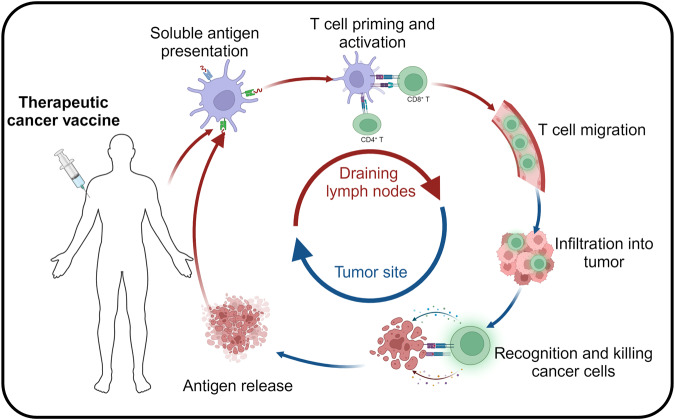
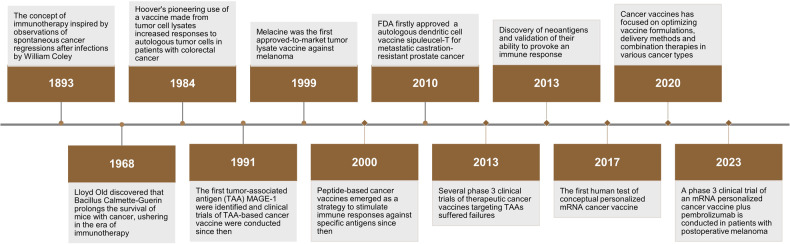
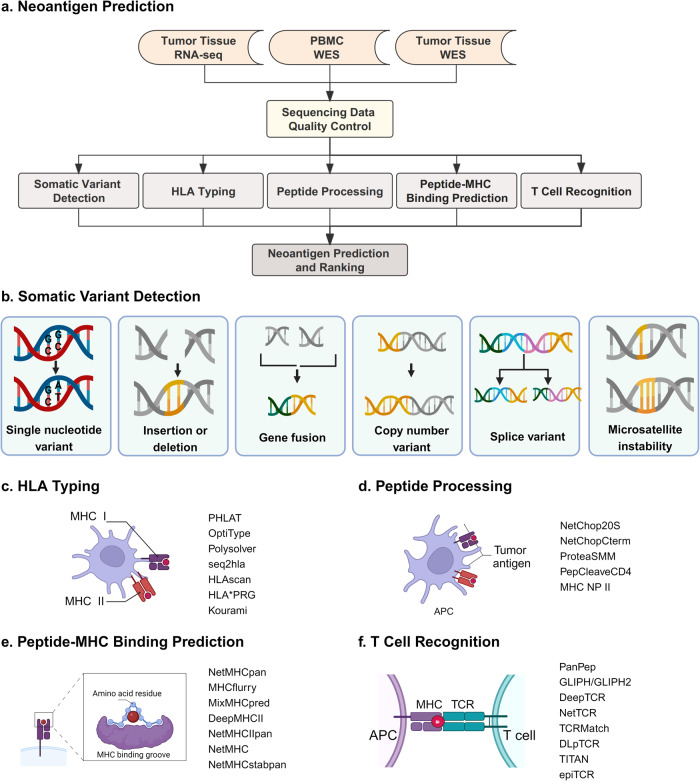
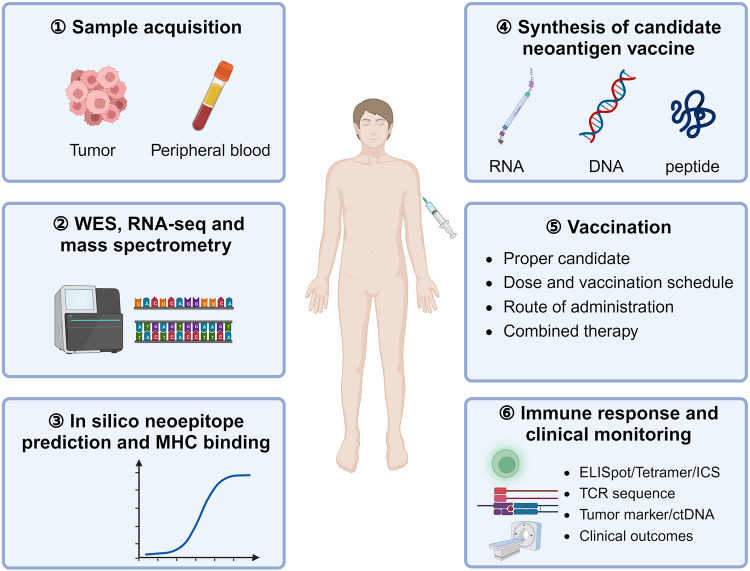
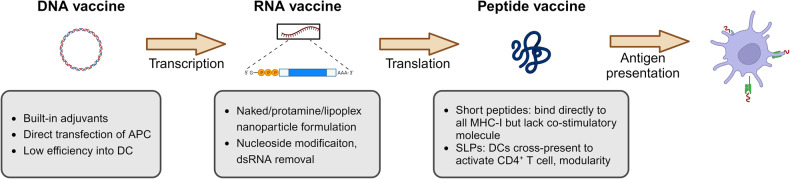
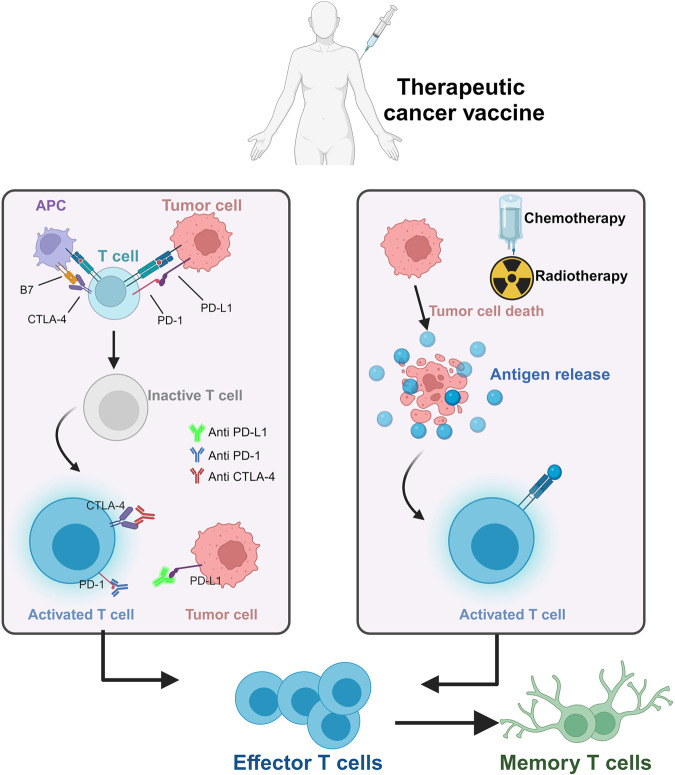
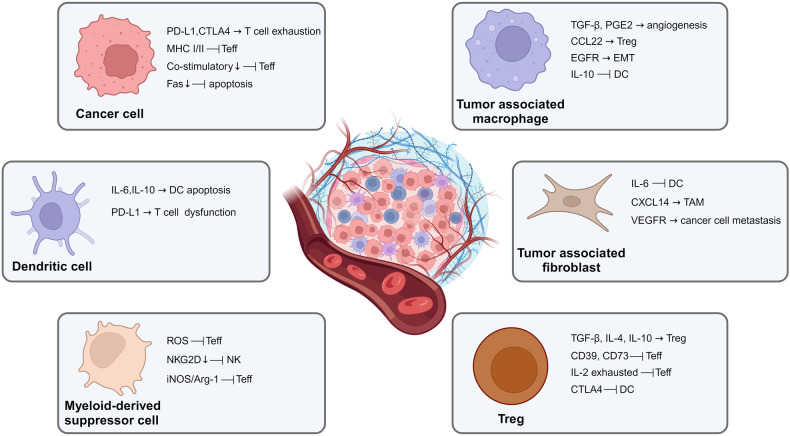
Verification
Claims the paper makes
The claims and statistics of this paper haven’t been checked yet.
Run the check — free, no account needed. It reads the open-access text and checks the sources it cites.
Claims other papers make about this one
Each is checked against this paper’s own text: does it say what the citing paper says it does?
In the citing paper
“Up until now, Up until now, four main platforms of anti-tumor vaccines have been studied: those utilizing dendritic cells (DCs), peptide antigens, viral or bacterial vectors and those utilizing ehole tumor antigens [145].”
From Current and Future Trends of Colorectal Cancer Treatment: Exploring Advances in Immunotherapy (2024) · cites this paper as [145]
Self-check
Percentages, sums and reported differences re-computed from the paper’s own numbers.
The self-check needs the paper’s full text.
Citations
Cites
Sung, H., Ferlay, J., Siegel, R. L., Laversanne, M., Soerjomataram, I., Jemal, A., & Bray, F. (2021) · CA: A Cancer Journal for Clinicians · doi:10.3322/caac.21660 · Cited by 108,699
Cancer Immunoediting: Integrating Immunity’s Roles in Cancer Suppression and Promotion
Schreiber, R. D., Old, L. J., & Smyth, M. J. (2011) · Science · doi:10.1126/science.1203486 · Cited by 6,474
Sipuleucel-T Immunotherapy for Castration-Resistant Prostate Cancer
Kantoff, P. W., Higano, C. S., Shore, N. D., Berger, E. R., Small, E. J., Penson, D. F., Redfern, C. H., Ferrari, A. C., Dreicer, R., Sims, R. B., et al. (2010) · New England Journal of Medicine · doi:10.1056/nejmoa1001294 · Cited by 5,572
mRNA vaccines — a new era in vaccinology
Pardi, N., Hogan, M. J., Porter, F. W., & Weissman, D. (2018) · Nature Reviews Drug Discovery · doi:10.1038/nrd.2017.243 · Cited by 4,667
Accessories to the Crime: Functions of Cells Recruited to the Tumor Microenvironment
Hanahan, D., & Coussens, L. M. (2012) · Cancer Cell · doi:10.1016/j.ccr.2012.02.022 · Cited by 4,632 · cited 1×
“206 These cells in the TME release abundant immunosuppressive signals, including PD-L1, transforming growth factor-beta (TGF-β ), and vascular endothelial growth factor, into the microenvironment and act directly or indirectly on effector T cells to suppress tumor immunity.”
Lipid nanoparticles for mRNA delivery
Hou, X., Zaks, T., Langer, R., & Dong, Y. (2021) · Nature Reviews Materials · doi:10.1038/s41578-021-00358-0 · Cited by 4,076
Mutations Associated with Acquired Resistance to PD-1 Blockade in Melanoma
Zaretsky, J. M., Garcia-Diaz, A., Shin, D. S., Escuin-Ordinas, H., Hugo, W., Hu-Lieskovan, S., Torrejon, D. Y., Abril-Rodriguez, G., Sandoval, S., Barthly, L., et al. (2016) · New England Journal of Medicine · doi:10.1056/nejmoa1604958 · Cited by 3,237
An immunogenic personal neoantigen vaccine for patients with melanoma
Ott, P. A., Hu, Z., Keskin, D. B., Shukla, S. A., Sun, J., Bozym, D. J., Zhang, W., Luoma, A., Giobbie-Hurder, A., Peter, L., et al. (2017) · Nature · doi:10.1038/nature22991 · Cited by 2,936
Zhang, Y., & Zhang, Z. (2020) · Cellular and Molecular Immunology · doi:10.1038/s41423-020-0488-6 · Cited by 2,906
Personalized RNA mutanome vaccines mobilize poly-specific therapeutic immunity against cancer
Sahin, U., Derhovanessian, E., Miller, M., Kloke, B.-P., Simon, P., Löwer, M., Bukur, V., Tadmor, A. D., Luxemburger, U., Schrörs, B., et al. (2017) · Nature · doi:10.1038/nature23003 · Cited by 2,488
Research works printed but not linked: 1
- Ott, P. et al. A Phase Ib Trial of Personalized Neoantigen Therapy Plus Anti-PD-1 in Patients with Advanced Melanoma, Non-small Cell Lung. Cancer, or Bladder. Cancer 183, 347–362 (2020).
Cited by
Sorted by citations
Current and future immunotherapeutic approaches in pancreatic cancer treatment
Farhangnia, P., Khorramdelazad, H., Nickho, H., & Delbandi, A. (2024) · Journal of Hematology & Oncology · doi:10.1186/s13045-024-01561-6 · Cited by 265
Transforming Medicine: Cutting-Edge Applications of Nanoscale Materials in Drug Delivery
Tenchov, R., Hughes, K. J., Ganesan, M., Iyer, K. A., Ralhan, K., Diaz, L. M. L., Bird, R. E., Ivanov, J. M., & Zhou, Q. A. (2025) · ACS Nano · doi:10.1021/acsnano.4c09566 · Cited by 153
Clinical advances of mRNA vaccines for cancer immunotherapy
Yaremenko, A. V., Khan, M. M., Zhen, X., Tang, Y., & Tao, W. (2025) · Med · doi:10.1016/j.medj.2024.11.015 · Cited by 133
Next-Generation Immunotherapy: Advancing Clinical Applications in Cancer Treatment
Garg, P. K., Pareek, S., Kulkarni, P., Horne, D., Salgia, R., & Singhal, S. S. (2024) · Journal of Clinical Medicine · doi:10.3390/jcm13216537 · Cited by 131
mRNA delivery systems for cancer immunotherapy: Lipid nanoparticles and beyond
Sentí, M. E., del Valle, L. G., & Schiffelers, R. M. (2024) · Advanced Drug Delivery Reviews · doi:10.1016/j.addr.2024.115190 · Cited by 124
Frontiers in pancreatic cancer on biomarkers, microenvironment, and immunotherapy
Yu, B., Shao, S., & Ma, W. (2024) · Cancer Letters · doi:10.1016/j.canlet.2024.217350 · Cited by 119
Resident memory T cells and cancer
Gavil, N. V., Cheng, K., & Masopust, D. (2024) · Immunity · doi:10.1016/j.immuni.2024.06.017 · Cited by 104
Sun, S., Liu, L., Zhang, J., Sun, L., Shu, W., Yang, Z., Yao, H., & Zhang, Z. (2025) · Journal of Hematology & Oncology · doi:10.1186/s13045-025-01732-z · Cited by 101
Ying, X., Chen, Q., Yang, Y., Wu, Z., Zeng, W., Miao, C., Huang, Q., & Ai, K. (2024) · Molecular Cancer · doi:10.1186/s12943-024-02186-6 · Cited by 87
Jia, W., Wu, Y., Xie, Y., Yu, M., & Chen, Y. (2025) · Advanced Materials · doi:10.1002/adma.202413603 · Cited by 77
Yin, N., Li, X., Zhang, X., Xue, S., Cao, Y., Niedermann, G., Lu, Y., & Xue, J. (2024) · Signal Transduction and Targeted Therapy · doi:10.1038/s41392-024-01826-z · Cited by 74
Cancer vaccines: Target antigens, vaccine platforms and preclinical models
Ruzzi, F., Riccardo, F., Conti, L., Tarone, L., Semprini, M. S., Bolli, E., Barutello, G., Quaglino, E., Lollini, P., & Cavallo, F. (2024) · Molecular Aspects of Medicine · doi:10.1016/j.mam.2024.101324 · Cited by 75
Immunotherapy in microsatellite-stable colorectal cancer: Strategies to overcome resistance
Chen, E., & Zhou, W. (2025) · Critical Reviews in Oncology/Hematology · doi:10.1016/j.critrevonc.2025.104775 · Cited by 68
Revitalizing T cells: breakthroughs and challenges in overcoming T cell exhaustion
Wu, Y., Wu, Y., Gao, Z., Yu, W., Zhang, L., & Zhou, F. (2026) · Signal Transduction and Targeted Therapy · doi:10.1038/s41392-025-02327-3 · Cited by 78
Fan, T., Xu, C., Wu, J., Cai, Y., Cao, W., Shen, H., Zhang, M., Zhu, H., Yang, J., Zhu, Z., et al. (2024) · Science Advances · doi:10.1126/sciadv.adn9961 · Cited by 62
Self-citationExtracellular vesicles-based vaccines: Emerging immunotherapies against cancer
Meng, Y., Yao, Z., Ke, X., Hu, M., Ren, H., Gao, S., & Zhang, H. (2024) · Journal of Controlled Release · doi:10.1016/j.jconrel.2024.12.010 · Cited by 56
Clinical development of immuno-oncology therapeutics
Wang, J., Chen, Q., Shan, Q., Liang, T., Forde, P. M., & Zheng, L. (2025) · Cancer Letters · doi:10.1016/j.canlet.2025.217616 · Cited by 60
Nanomaterial-Driven Precision Immunomodulation: A New Paradigm in Therapeutic Interventions
Aljabali, A. A. A., Obeid, M. A., Gammoh, O., El‐Tanani, M., Mishra, V. K., Mishra, Y., Kapre, S., Palakurthi, S. S., Hassan, S. S., Nawn, D., et al. (2024) · Cancers · doi:10.3390/cancers16112030 · Cited by 62
mRNA vaccines: a new era in vaccine development
Chandra, S., Wilson, J. C., Good, D. M., & Wei, M. Q. (2024) · Oncology Research Featuring Preclinical and Clinical Cancer Therapeutics · doi:10.32604/or.2024.043987 · Cited by 58
Treatment of NSCLC after chemoimmunotherapy — are we making headway?
Reck, M., Frost, N., Peters, S., Fox, B. A., Ferrara, R., Savai, R., & Barlési, F. (2025) · Nature Reviews Clinical Oncology · doi:10.1038/s41571-025-01061-7 · Cited by 62
Immunotherapy in Prostate Cancer: From a “Cold” Tumor to a “Hot” Prospect
Kwon, W., & Joung, J. Y. (2025) · Cancers · doi:10.3390/cancers17071064 · Cited by 47
The Platform Technology Approach to mRNA Product Development and Regulation
Skerritt, J. H., Tucek, C. L., Sutton, B. A., & Nolan, T. M. (2024) · Vaccines · doi:10.3390/vaccines12050528 · Cited by 49
Overcoming Cancer Drug Resistance with Nanoparticle Strategies for Key Protein Inhibition
Yoo, H., Kim, Y., Kim, J., Cho, H., & Kim, K. (2024) · Molecules · doi:10.3390/molecules29173994 · Cited by 50
Park, W., Choi, J., Hwang, J., Kim, S. H., Kim, Y., Shim, M. K., Park, W., Yu, S., Jung, S., Yang, Y., et al. (2025) · ACS Nano · doi:10.1021/acsnano.4c16562 · Cited by 47
Zhou, Z., Mai, Y., Zhang, G., Wang, Y., Sun, P., Jing, Z., Li, Z., Xu, Y., Han, B. R., & Liu, J. (2024) · Cancer Letters · doi:10.1016/j.canlet.2024.217079 · Cited by 45
Advances in nucleic acid-based cancer vaccines
Liao, H., & Liu, S. (2025) · Journal of Biomedical Science · doi:10.1186/s12929-024-01102-w · Cited by 46
Current and Future Trends of Colorectal Cancer Treatment: Exploring Advances in Immunotherapy
Nikolouzakis, T. K., Chrysos, E., Docea, A. O., Fragkiadaki, P., Souglakos, J., Tsiaoussis, J., & Tsatsakis, A. (2024) · Cancers · doi:10.3390/cancers16111995 · Cited by 37
Recent progress in cancer vaccines and nanovaccines
Poudel, K., Vithiananthan, T., Kim, J. O., & Tsao, H. (2024) · Biomaterials · doi:10.1016/j.biomaterials.2024.122856 · Cited by 40
Boosting CAR-T cell therapy through vaccine synergy
Li, Y.-R., Lyu, Z., Shen, X., Fang, Y., & Yang, L. (2025) · Trends in Pharmacological Sciences · doi:10.1016/j.tips.2024.12.004 · Cited by 40
An OMV‐Based Nanovaccine as Antigen Presentation Signal Enhancer for Cancer Immunotherapy
Lu, Y., Ma, N., Cheng, K., Liu, G., Liang, J., Chen, X., Li, D., Cao, C., Gao, X., Chen, L., et al. (2025) · Advanced Materials · doi:10.1002/adma.202413392 · Cited by 39
mRNA vaccine platforms: linking infectious disease prevention and cancer immunotherapy
Haghmorad, D., Eslami, M., Orooji, N., Halabitska, I., Kamyshna, I. I., Kamyshnyi, O., & Oksenych, V. (2025) · Frontiers in Bioengineering and Biotechnology · doi:10.3389/fbioe.2025.1547025 · Cited by 42
Lnc-H19-derived protein shapes the immunosuppressive microenvironment of glioblastoma
Chen, J., Gao, Y., Zhong, J., Wu, X., Leng, Z., Liu, M., Wang, Y., Wang, Y., Yang, X., Huang, N., et al. (2024) · Cell Reports Medicine · doi:10.1016/j.xcrm.2024.101806 · Cited by 37
Self-citationUnraveling molecular aberrations and pioneering therapeutic strategies in osteosarcoma
Yan, P., Wang, J., Yue, B., & Wang, X. (2024) · Biochimica et Biophysica Acta (BBA) - Reviews on Cancer · doi:10.1016/j.bbcan.2024.189171 · Cited by 31
Nanobiotechnology boosts ferroptosis: opportunities and challenges
Han, S., Zou, J., Xiao, F., Xian, J., Liu, Z., Li, M., Luo, W., Feng, C., & Kong, N. (2024) · Journal of Nanobiotechnology · doi:10.1186/s12951-024-02842-5 · Cited by 34
Cui, Z., Shi, C., An, R., Tang, Y., Li, Y., Cao, X., Jiang, X., Liu, C., Xiao, M., & Xu, L. (2025) · ACS Nano · doi:10.1021/acsnano.4c08898 · Cited by 29
Arecco, L., Leite, L. D. M., Gentile, G., Janković, K., Stana, M., Ottonello, S., Scavone, G., Spinaci, S., & Lambertini, M. (2025) · Human Reproduction · doi:10.1093/humrep/deaf096 · Cited by 33
Zahid, A., Ismail, H., Wilson, J. C., & Grice, I. D. (2025) · Vaccines · doi:10.3390/vaccines13070767 · Cited by 31
Boosting vaccine effectiveness: The groundbreaking role of probiotics
Abavisani, M., Ebadpour, N., Khoshrou, A., & Sahebkar, A. (2024) · Journal of Agriculture and Food Research · doi:10.1016/j.jafr.2024.101189 · Cited by 29
Chen, M., Ji, S., Liu, X.-X., Zheng, X., Zhou, M.-J., & Wang, W.-Q. (2025) · Molecular Pharmaceutics · doi:10.1021/acs.molpharmaceut.4c01359 · Cited by 27
Miao, H., Yuan, F., Pan, C.-X., Yang, H., Wang, Z., Qi, Y., Wu, Y. Z., Zhang, Y., Liu, F., Huang, H., et al. (2025) · Medicine Plus · doi:10.1016/j.medp.2025.100087 · Cited by 33
Chen, E., Zeng, Z., & Zhou, W. (2024) · Biochimica et Biophysica Acta (BBA) - Reviews on Cancer · doi:10.1016/j.bbcan.2024.189198 · Cited by 30
Skaličková, M., Vanova, K. H., Uher, O., Fialová, J. L., Petrláková, K., Masařík, M., Kejík, Z., Pavel Martasek, E., Pacák, K., & Jakubek, M. (2025) · Frontiers in Immunology · doi:10.3389/fimmu.2024.1479483 · Cited by 28
Harnessing phytochemicals: Innovative strategies to enhance cancer immunotherapy
Zhu, Q., Zhang, R., Zhao, Z., Xie, T., & Sui, X. (2025) · Drug Resistance Updates · doi:10.1016/j.drup.2025.101206 · Cited by 31
Reprogramming cancer immunity with next-generation combination therapies
Kyriakidis, N. C., Echeverría, C. E., Bautista, J., Rivera-Orellana, S., Ramos-Medina, M. J., Salazar-Santoliva, C., Izquierdo‐Condoy, J. S., Ortiz‐Prado, E., Guerrero, S. X., & López‐Cortés, A. (2025) · Frontiers in Cell and Developmental Biology · doi:10.3389/fcell.2025.1652047 · Cited by 29
Merlin, J. P. J., Crous, A., & Abrahamse, H. (2024) · International Journal of Molecular Sciences · doi:10.3390/ijms251910796 · Cited by 25
Chi, W.-Y., Hu, Y., Huang, H., Kuo, H., Lin, S., Kuo, C.-T. J., Tao, J., Fan, D., Huang, Y.-M., Wu, A. A., et al. (2024) · Journal of Biomedical Science · doi:10.1186/s12929-024-01082-x · Cited by 27
Translational Advances in Oncogene and Tumor-Suppressor Gene Research
Stojchevski, R., Sutanto, E. A., Sutanto, R., Hadzi‐Petrushev, N., Mladenov, M. I., Singh, S. P., Sinha, J. K., Ghosh, S., Yarlagadda, B., Singh, D. K. K., et al. (2025) · Cancers · doi:10.3390/cancers17061008 · Cited by 34
State-Of-The-Art Advancements on Cancer Vaccines and Biomarkers
Strum, S. W., Andersen, M. H., Svane, I. M., Siu, L. L., & Weber, J. S. (2024) · American Society of Clinical Oncology Educational Book · doi:10.1200/edbk_438592 · Cited by 25
Luo, Y., Linghu, M., Luo, X., Li, D., Wang, J., Peng, S., & Ma, Y. (2024) · Acta Pharmaceutica Sinica B · doi:10.1016/j.apsb.2024.12.014 · Cited by 24
Hussain, Z. B., Zhang, Y., Qiu, L., Gou, S., & Liu, K. (2025) · npj Vaccines · doi:10.1038/s41541-025-01084-2 · Cited by 26
Nguyen, C. M., Vu, T. T., Nguyen, M. N., Tran-Nguyen, T.-S., Huynh, C. T., Ha, Q. T., Nguyen, H., & Tran, L. S. (2025) · Cancer Immunology Immunotherapy · doi:10.1007/s00262-025-03992-7 · Cited by 24
Xu, S., Yang, H., Minev, B., & Ma, W. (2026) · Journal of Advanced Research · doi:10.1016/j.jare.2026.01.070 · Cited by 32
Advancing the Fight Against Cervical Cancer: The Promise of Therapeutic HPV Vaccines
Zheng, Q., He, M., Mao, Z., Huang, Y., Li, X., Long, L., Guo, M., & Zou, D. (2025) · Vaccines · doi:10.3390/vaccines13010092 · Cited by 24
Lucia, A. D., Mazzotti, L., Gaimari, A., Zurlo, M., Maltoni, R., Cerchione, C., Bravaccini, S., Delmonte, A., Crinò, L., de Souza, P. B., et al. (2025) · Frontiers in Immunology · doi:10.3389/fimmu.2025.1515748 · Cited by 25
The Future of Personalized Cancer Vaccines
Martini, D. J., & Wu, C. J. (2025) · Cancer Discovery · doi:10.1158/2159-8290.cd-25-0300 · Cited by 25
Aptamers as target-specific recognition elements in drug delivery
Vydaline, A. O. E., Rozhkov, S., Sosa, G., & Mallikaratchy, P. R. (2025) · Advanced Drug Delivery Reviews · doi:10.1016/j.addr.2025.115685 · Cited by 23
Chen, F., Zhang, H., Li, S. L., Ren, S., Huang, L., Cai, Z., Yin, L., Zheng, M., Liu, X., Xu, Z., et al. (2025) · Nature Communications · doi:10.1038/s41467-025-60927-7 · Cited by 22
Recent research progress and clinical status of immunotherapy for colorectal cancer
Huo, Z., Liu, G., & Li, J. (2025) · Journal of Advanced Research · doi:10.1016/j.jare.2025.06.089 · Cited by 27
Nanomaterial-assisted delivery of CpG oligodeoxynucleotides for boosting cancer immunotherapy
Zhang, Z., Yu, L., Liu, W., & Huang, Y. (2024) · Journal of Controlled Release · doi:10.1016/j.jconrel.2024.09.044 · Cited by 21
Li, N., Mu, W., Xia, Z., Ma, Q., Feng, R., Gu, P., Yang, Q., Gao, S., Zhang, W., Wei, S., et al. (2025) · Journal of Controlled Release · doi:10.1016/j.jconrel.2025.113726 · Cited by 21
Cancer mRNA vaccines: clinical application progress and challenges
Li, H., Min, L., Du, H., Wei, X., & Tong, A. (2025) · Cancer Letters · doi:10.1016/j.canlet.2025.217752 · Cited by 26
Targeting metastasis with nanomedicine
Pallares, R. M., Consolino, L., Wang, A., Lorenzi, F. D., Kiessling, F. M., Schroeder, A., & Lammers, T. (2025) · Nature Reviews Bioengineering · doi:10.1038/s44222-025-00358-7 · Cited by 28
Next-Generation mRNA Vaccines in Melanoma: Advances in Delivery and Combination Strategies
Zoroddu, S., & Bagella, L. (2025) · Cells · doi:10.3390/cells14181476 · Cited by 28
Recent Findings on Therapeutic Cancer Vaccines: An Updated Review
Sheikhlary, S., Lopez, D. H., Moghimi, S., & Sun, B. (2024) · Biomolecules · doi:10.3390/biom14040503 · Cited by 22
Shi, Y., Sun, Y., Zhao, S., Sun, Z., Xia, M., Zhong, Z., & Meng, F. (2025) · Advanced Materials · doi:10.1002/adma.202420630 · Cited by 20
Rota, M., Torresan, I., Palmerio, S., Tasselli, E., Rossi, A., Zivi, A., & Zacchi, F. (2025) · Critical Reviews in Oncology/Hematology · doi:10.1016/j.critrevonc.2025.105068 · Cited by 21
Shao, S., Cao, Z., Xiao, Z., Yu, B., Hu, L., Du, X., & Yang, X. (2024) · Nano Letters · doi:10.1021/acs.nanolett.4c02113 · Cited by 20
Zhang, Y., Li, Y., Xu, L., Xu, L., Wang, Y., Li, N., Solek, N. C., Wang, Y., Li, B., & Liu, H. (2024) · Biomaterials · doi:10.1016/j.biomaterials.2024.123032 · Cited by 19
Beyond Needles: Immunomodulatory Hydrogel-Guided Vaccine Delivery Systems
Rana, M. M., Demirkaya, C., & Siegler, H. D. L. H. (2024) · Gels · doi:10.3390/gels11010007 · Cited by 19
Exploring the immuno-nano nexus: A paradigm shift in tumor vaccines
Li, Y., Xu, Y., Su, W., Xu, J., Ye, Z., Wang, Z., Liu, Q., & Chen, F. (2025) · Biomedicine & Pharmacotherapy · doi:10.1016/j.biopha.2025.117897 · Cited by 18
Yang, Y., & Wu, Y. (2025) · Essays in Biochemistry · doi:10.1042/ebc20253004 · Cited by 18
Naffaa, M. M., Al-Ewaidat, O. A., Gogia, S., & Begiashvili, V. (2025) · Exploration of Targeted Anti-tumor Therapy · doi:10.37349/etat.2025.1002313 · Cited by 21
Biomaterials nanoplatform-based tumor vaccines for immunotherapy
Li, Z., Zhang, H., Gong, Q., & Luo, K. (2025) · Bioactive Materials · doi:10.1016/j.bioactmat.2025.06.038 · Cited by 18
Metal-organic frameworks activate the cGAS-STING pathway for cancer immunotherapy
Zhu, S., Xu, W., Li, H., Sun, Z., Zhu, Y., Liu, W., & Chu, H. (2025) · Journal of Nanobiotechnology · doi:10.1186/s12951-025-03669-4 · Cited by 23
Guo, N., Niu, Z., Yan, Z., Liu, W., Shi, L., Li, C., Yao, Y., & Shi, L. (2024) · Vaccines · doi:10.3390/vaccines12040392 · Cited by 24
Strategies to Overcome Hurdles in Cancer Immunotherapy
Kim, J. H., Lee, B. J., Moon, S., Lee, H., Lee, J., Kim, B., Jung, K., Seo, H., & Chung, Y. (2024) · Biomaterials Research · doi:10.34133/bmr.0080 · Cited by 19
Neoantigen sequestrated autophagosomes as therapeutic cancer vaccines
Zhang, J., Cao, J., Wang, L., Li, S., Meng, F., Liang, X., Jiang, H., Luo, R., Zhu, D., Zhang, F., et al. (2024) · Journal of Controlled Release · doi:10.1016/j.jconrel.2024.10.019 · Cited by 18
The role of telomere and telomerase in cancer and novel therapeutic target: narrative review
Baylie, T., Jemal, M., Baye, G., Getinet, M., Amare, G. A., Adugna, A., Abebaw, D., Teffera, Z. H., Tegegne, B. A., Gugsa, E., et al. (2025) · Frontiers in Oncology · doi:10.3389/fonc.2025.1542930 · Cited by 17
Tuyết, N. T., & Youn, Y. S. (2025) · Advanced Functional Materials · doi:10.1002/adfm.202426047 · Cited by 17
Wang, Z., Gu, Y., Sun, X., & Huang, H. (2025) · Biomarker Research · doi:10.1186/s40364-025-00808-9 · Cited by 21
Li, X., Kaboli, P. J., Roozitalab, G., Salahi, S., Qian, H., Zhang, X., Chen, K., & İmani, S. (2026) · Cellular Oncology · doi:10.1007/s13402-026-01199-1 · Cited by 19
Zhao, L., Zhao, X., Zhang, W., Miao, Y., Wang, X., & Deng, D. (2024) · Advanced Functional Materials · doi:10.1002/adfm.202404789 · Cited by 17
Liu, L., Huang, Z., Zhu, Z., Sun, A., Zhao, J., Xu, Y., Song, W., Tang, Z., & Chen, X. (2025) · Advanced Materials · doi:10.1002/adma.202504909 · Cited by 16
Self-citationProgress in cancer vaccines enabled by nanotechnology
Kim, B., Abdelfattah, N. S., Hostetler, A., & Irvine, D. J. (2025) · Nature Nanotechnology · doi:10.1038/s41565-025-02021-z · Cited by 22
Andersen, M. H. (2026) · Signal Transduction and Targeted Therapy · doi:10.1038/s41392-026-02710-8 · Cited by 16
Xia, J., Chen, X., Dong, M., Liu, S., Zhang, L., Pan, J., & Wang, J. (2024) · Biomaterials · doi:10.1016/j.biomaterials.2024.122998 · Cited by 18
Telomerase-based vaccines: a promising frontier in cancer immunotherapy
Vahidi, S., & Touchaei, A. Z. (2024) · Cancer Cell International · doi:10.1186/s12935-024-03624-7 · Cited by 16
Chen, X., Lei, L., Yan, J., Wang, X., Li, L., Liu, Q., Wang, Y., Chen, T., Shao, J., Yu, L., et al. (2025) · ACS Nano · doi:10.1021/acsnano.4c14513 · Cited by 16
Cui, R., Luo, Z., Zhang, X., Yu, X., Yuan, G., Li, X., Xie, F., & Jiang, O. (2025) · Vaccines · doi:10.3390/vaccines13030292 · Cited by 16
Singer, M., Valerin, J. B., Zhang, Z., Zhang, Z., Dayyani, F., Yaghmai, V., Choi, A., Imagawa, D. K., & Abi‐Jaoudeh, N. (2025) · Cells · doi:10.3390/cells14030166 · Cited by 17
Hushmandi, K., Fooladi, A. A. I., Reiter, R. J., Farahani, N., Liang, L., Aref, A. R., Nabavi, N., Alimohammadi, M., Liu, L., & Sethi, G. (2025) · Experimental Hematology and Oncology · doi:10.1186/s40164-025-00662-3 · Cited by 16
Vatsavai, N., Bhinder, S. K., Shaik, R., Mahira, S., Kapoor, S. S., Ali, M. S., Verma, D., Singh, J., Gari, S. B. V., Upadhyay, P., et al. (2025) · Frontiers in Pharmacology · doi:10.3389/fphar.2025.1602529 · Cited by 17
Cancer vaccines: Discovery, development, and challenges for clinical translation
Zhang, Z., Yao, S., Wang, Y., Luo, K., Amiji, M. M., & Anderson, K. C. (2025) · Biomaterials · doi:10.1016/j.biomaterials.2025.123615 · Cited by 15
Gao, Z., Miao, Z., Jia, S., Zhang, D., Zhang, H., Tian, J., Zhao, J., Xin, J., & Ding, D. (2025) · Journal of the American Chemical Society · doi:10.1021/jacs.5c09791 · Cited by 15
mRNA delivery systems 2.0: Engineering extrahepatic delivery for non-vaccine therapeutics
Dalabehera, M., Ghosh, A., Mohanty, S., Chellappan, D. K., Chaudhari, S., Ale, Y., Poonia, N., Subudhi, R. N., Khanna, M., & Lim, H. G. (2025) · Materials Today Bio · doi:10.1016/j.mtbio.2025.102584 · Cited by 22
Tapescu, I., Madsen, P. J., Lowenstein, P. R., Castro, M. G., Bagley, S. J., Fan, Y., & Brem, S. S. (2024) · Frontiers in Oncology · doi:10.3389/fonc.2024.1454370 · Cited by 16
Revolutionizing cancer treatment: the rise of personalized immunotherapies
Fayyaz, A., Haqqi, A., Khan, R., Irfan, M., Khan, K., Reiner, Ž., Sharifi‐Rad, J., & Călina, D. C. (2024) · Discover Oncology · doi:10.1007/s12672-024-01638-1 · Cited by 18
Kedar, P., Bhattacharya, S., Kanugo, A., & Prajapati, B. G. (2025) · Current Medicinal Chemistry · doi:10.2174/0109298673347323241119184648 · Cited by 15
An in-depth review of AI-powered advancements in cancer drug discovery
Le, M. H. N., Nguyen, P. K., Nguyen, T. P. T., Nguyen, H. Q., Tam, D. N. H., Huynh, H. H., Huynh, P. K., & Le, N. Q. K. (2025) · Biochimica et Biophysica Acta (BBA) - Molecular Basis of Disease · doi:10.1016/j.bbadis.2025.167680 · Cited by 15
mRNA vaccines as cancer therapies
Huang, S., Que, H., Wang, M., & Wei, X. (2024) · Chinese Medical Journal · doi:10.1097/cm9.0000000000003455 · Cited by 14
Metadata
- Authors
- Fan, T., Zhang, M., Yang, J., Zhu, Z., Cao, W., & Dong, C.
- Affiliations
- Tongji University (CN)
- Shanghai East Hospital (CN)
- Corresponding author
- Cao, Wanlu
- Dong, Chunyan
- Venue
- Signal Transduction and Targeted Therapy
- Published
- 2023-12-13
- Volume
- 8
- Issue
- 1
- Pages
- 450-450
- ISSN
- 2059-3635 (ISSN-L)
- PMC
- PMC10716479
- OpenAlex
- W4389639889
- Cited by
- 597
- References
- 235
- Citations by year
- 2026: 187 · 2025: 292 · 2024: 116 · 2023: 2
- FWCI
- 16.60
- Type
- journal article
- Language
- en
- Open access
- gold
- doi.org
- Locations
- Signal Transduction and Targeted Therapy (publishedVersion, cc-by)
- PubMed Central (publishedVersion, cc-by)
- PubMed (publishedVersion)
- DOAJ (DOAJ: Directory of Open Access Journals) (submittedVersion, cc-by-sa)
- Funders
- National Natural Science Foundation of China (81573008, 81860547, 82203861)
- Topics
- Life Sciences › Immunology and Microbiology › Immunology › Immunotherapy and Immune Responses
- Health Sciences › Medicine › Oncology › Cancer Immunotherapy and Biomarkers
- Life Sciences › Immunology and Microbiology › Immunology › T-cell and B-cell Immunology
- Keywords
- therapeutic cancer vaccines, cancer immunotherapy, tumor-associated antigens, tumor-specific antigens, antigen delivery systems, antigen presentation, tumor immune microenvironment, vaccine production, clinical trials, antitumor efficacy, T cell response
- MeSH terms
- Antigens, Neoplasm, Humans, Immunity, Immunotherapy, Neoplasms, Cancer Vaccines, Tumor Microenvironment
About these checks
Registry, retraction, Cites and statistics results are computed, not judged, with one exception: a printed reference that no index lists is read once by a model before it counts as a citation error. Claims are extracted by a model and kept only when their quote appears verbatim in the text; each cited source is then checked, with a model’s help, for whether it says what the claim relies on. Those verdicts can be wrong — read the claim’s quote and the cited source before relying on one.
Statistics and arithmetic are recomputed, not judged.
Confidence bands are shown only for fields calibrated on our annotated test set. None is calibrated yet, so no band is shown.
What counts as a claim ›How we measure confidence ›How we check this ›
Are you an author, or do you see a problem with this page? Request a review
