

Butyrate enhances mitochondrial function during oxidative stress in cell lines from boys with autism
Open accessThe DOI matches its Crossref record; 112 of the 112 references it cites were found in a registry or an index.
Abstract
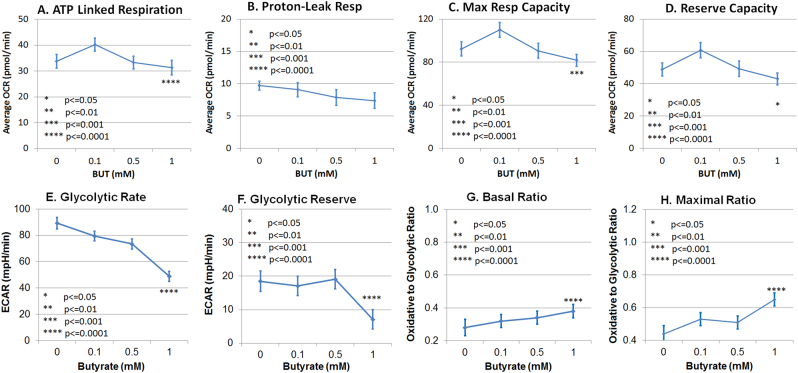
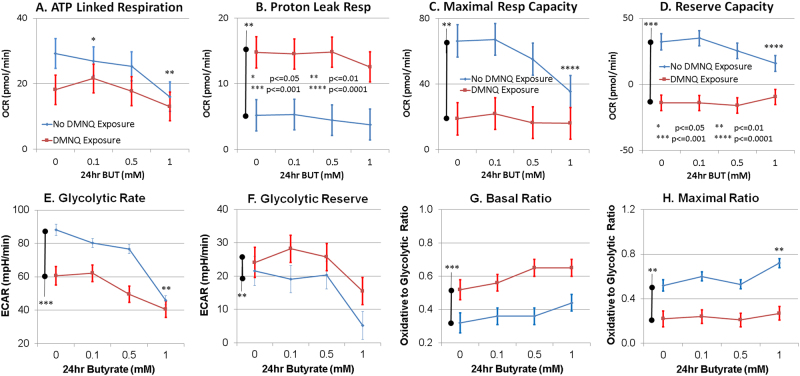
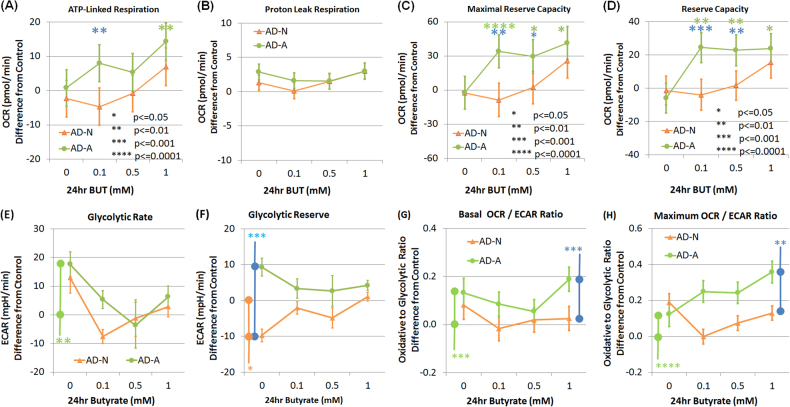
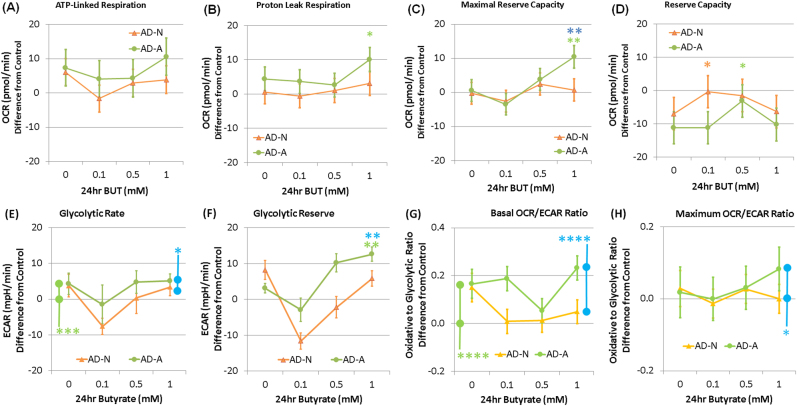
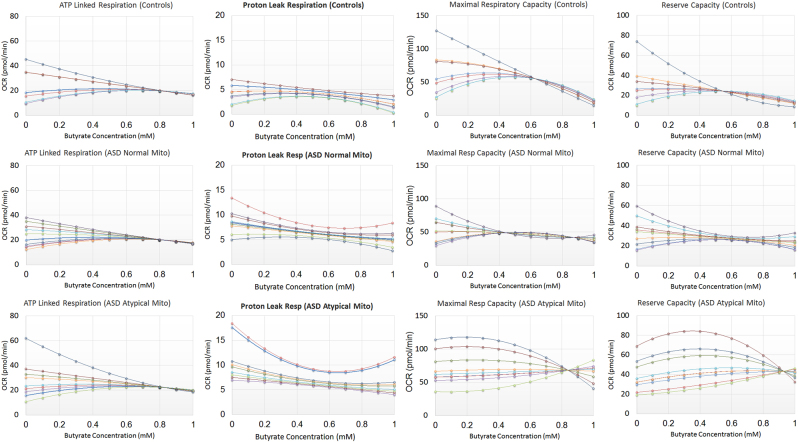
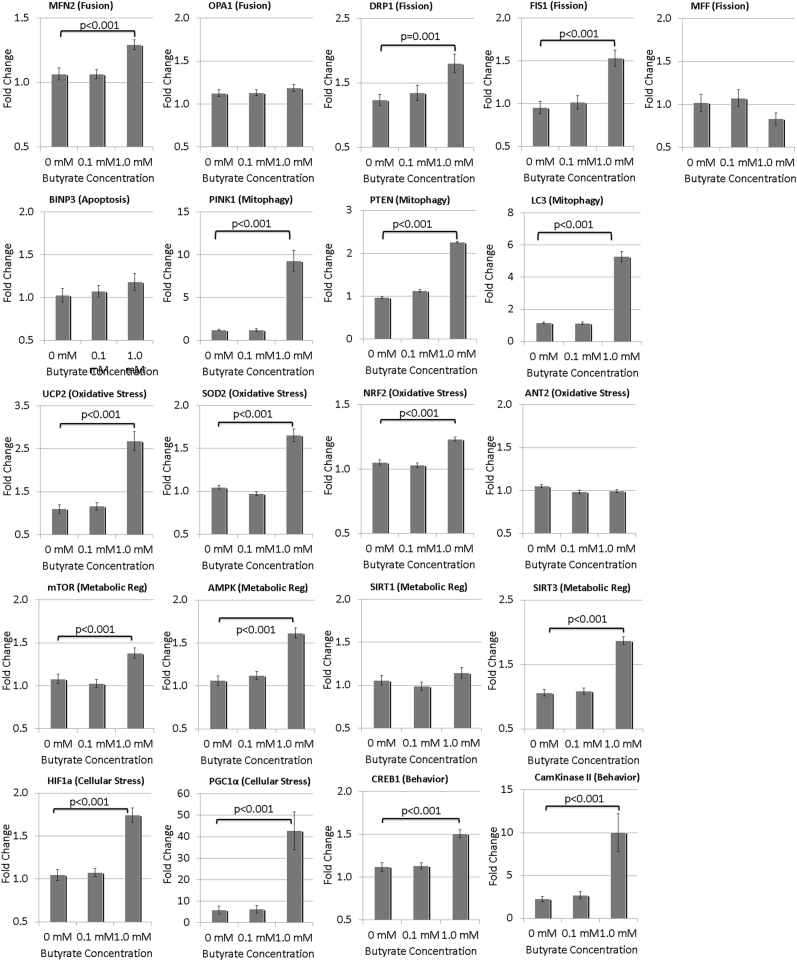
Butyrate (BT) is a ubiquitous short-chain fatty acid (SCFA) principally derived from the enteric microbiome. BT positively modulates mitochondrial function, including enhancing oxidative phosphorylation and beta-oxidation and has been proposed as a neuroprotectant. BT and other SCFAs have also been associated with autism spectrum disorders (ASD), a condition associated with mitochondrial dysfunction. We have developed a lymphoblastoid cell line (LCL) model of ASD, with a subset of LCLs demonstrating mitochondrial dysfunction (AD-A) and another subset of LCLs demonstrating normal mitochondrial function (AD-N). Given the positive modulation of BT on mitochondrial function, we hypothesized that BT would have a preferential positive effect on AD-A LCLs. To this end, we measured mitochondrial function in ASD and age-matched control (CNT) LCLs, all derived from boys, following 24 and 48 h exposure to BT (0, 0.1, 0.5, and 1 mM) both with and without an in vitro increase in reactive oxygen species (ROS). We also examined the expression of key genes involved in cellular and mitochondrial response to stress. In CNT LCLs, respiratory parameters linked to adenosine triphosphate (ATP) production were attenuated by 1 mM BT. In contrast, BT significantly increased respiratory parameters linked to ATP production in AD-A LCLs but not in AD-N LCLs. In the context of ROS exposure, BT increased respiratory parameters linked to ATP production for all groups. BT was found to modulate individual LCL mitochondrial respiration to a common set-point, with this set-point slightly higher for the AD-A LCLs as compared to the other groups. The highest concentration of BT (1 mM) increased the expression of genes involved in mitochondrial fission (PINK1, DRP1, FIS1) and physiological stress (UCP2, mTOR, HIF1α, PGC1α) as well as genes thought to be linked to cognition and behavior (CREB1, CamKinase II). These data show that the enteric microbiome-derived SCFA BT modulates mitochondrial activity, with this modulation dependent on concentration, microenvironment redox state, and the underlying mitochondrial function of the cell. In general, these data suggest that BT can enhance mitochondrial function in the context of physiological stress and/or mitochondrial dysfunction, and may be an important metabolite that can help rescue energy metabolism during disease states. Thus, insight into this metabolic modulator may have wide applications for both health and disease since BT has been implicated in a wide variety of conditions including ASD. However, future clinical studies in humans are needed to help define the practical implications of these physiological findings.
Overview
The claims and statistics of this paper haven’t been checked yet.
Free: it reads the open-access text and checks the first 5 claims that cite a source we can check. Create a free account to check every claim.
Integrity signals
Registry
Cites
Statistics
Figures
Verification
Claims the paper makes
The claims and statistics of this paper haven’t been checked yet.
Free: it reads the open-access text and checks the first 5 claims that cite a source we can check. Create a free account to check every claim.
Claims other papers make about this one
Each is checked against this paper’s own text: does it say what the citing paper says it does?
The cited source says what the claim attributes to it.
In the citing paper
“Furthermore, gut microbiota-derived short-chain fatty acids (SCFAs), such as propionic acid [69, 70] and butyric acid [71, 72], produced by bacterial fermentation of carbohydrates have immunomodulatory properties”
From Gut microbiota changes in children with autism spectrum disorder: a systematic review (2020) · cites this paper as [71]
In the citing paper
“Though it seems that dysbiosis is not dependent on the manifestation of GI symptoms in autistic children [212]”
From The Role of Microbiota-Gut-Brain Axis in Neuropsychiatric and Neurological Disorders (2021) · cites this paper as [212]
Self-check
Percentages, sums and reported differences re-computed from the paper’s own numbers.
The self-check needs the paper’s full text.
Citations
Cites
den Besten, G., van Eunen, K., Groen, A. K., Venema, K., Reijngoud, D.-J., & Bakker, B. M. (2013) · Journal of Lipid Research · doi:10.1194/jlr.r036012 · Cited by 5,048
Host-gut microbiota metabolic interactions
Nicholson, J. K., Holmes, E., Kinross, J., Burcelin, R., Gibson, G., Jia, W., & Pettersson, S. (2012) · Science · doi:10.1126/science.1223813 · Cited by 4,760
Normal gut microbiota modulates brain development and behavior
Heijtz, R. D., Wang, S., Anuar, F., Qian, Y., Björkholm, B., Samuelsson, A., Hibberd, M. L., Forssberg, H., & Pettersson, S. (2011) · Proceedings of the National Academy of Sciences · doi:10.1073/pnas.1010529108 · Cited by 3,228
Short chain fatty acids in human large intestine, portal, hepatic and venous blood
Cummings, J. H., Pomare, E. W., Branch, W. J., Naylor, C. P., & Macfarlane, G. T. (1987) · Gut · doi:10.1136/gut.28.10.1221 · Cited by 3,119
Butyrate improves insulin sensitivity and increases energy expenditure in mice
Gao, Z., Yin, J., Zhang, J., Ward, R. E., Martin, R. J., Lefevre, M., Cefalu, W. T., & Ye, J. (2009) · Diabetes · doi:10.2337/db08-1637 · Cited by 2,204
The microbiome and butyrate regulate energy metabolism and autophagy in the mammalian colon
Donohoe, D. R., Garge, N., Zhang, X., Sun, W., O'Connell, T. M., Bunger, M. K., & Bultman, S. J. (2011) · Cell Metabolism · doi:10.1016/j.cmet.2011.02.018 · Cited by 2,003
Le Poul, E., Loison, C., Struyf, S., Springael, J.-Y., Lannoy, V., Decobecq, M.-E., Brezillon, S., Dupriez, V., Vassart, G., Van Damme, J., et al. (2003) · Journal of Biological Chemistry · doi:10.1074/jbc.m301403200 · Cited by 1,651
The core gut microbiome, energy balance and obesity
Turnbaugh, P. J., & Gordon, J. I. (2009) · The Journal of Physiology · doi:10.1113/jphysiol.2009.174136 · Cited by 993
Mitochondrial dysfunction in autism spectrum disorders: a systematic review and meta-analysis
Rossignol, D. A., & Frye, R. E. (2012) · Molecular Psychiatry · doi:10.1038/mp.2010.136 · Cited by 907
Self-citationThe neuropharmacology of butyrate: the bread and butter of the microbiota-gut-brain axis
Stilling, R. M., van de Wouw, M., Clarke, G., Stanton, C., Dinan, T. G., & Cryan, J. F. (2016) · Neurochemistry International · doi:10.1016/j.neuint.2016.06.011 · Cited by 891
Research works printed but not linked: 1
- Frye RE Biomarkers of Abnormal Energy Metabolism in Children with Autism Spectrum Disorder North Am. J. Med. Sci. 2012 5 141 147 10.7156/v5i3p141 · DOI · Paper page
Cited by
Items 101–200 of 245
Hawrysh, P. J., Gao, J., Tan, S., Oh, A., Nodwell, J. R., Tompkins, T. A., & McQuibban, G. A. (2023) · Autophagy · doi:10.1080/15548627.2023.2172873 · Cited by 24
Lu, J., Xiao, M., Guo, X., Liang, Y., Wang, M., Xu, J., Liu, L., Wang, Z., Zeng, G., Liu, K., et al. (2020) · Frontiers in Psychiatry · doi:10.3389/fpsyt.2020.576367 · Cited by 24
“We conclude that maternal diabetes induces immune dysfunction in autistic offspring through oxidative stress in HSC (36) and that SOD2 suppression in PBMC can be a sensitive biomarker for ASD diagnosis.”
BackgroundLi, X., Zhang, Y., Wang, L., Lin, Y., Gao, Z., Zhan, X., Huang, Y., Sun, C., Wang, D., Liang, S., et al. (2019) · Frontiers in Psychiatry · doi:10.3389/fpsyt.2019.00706 · Cited by 23
“CREB1, down-regulated at PFC, can regulate CC-M4, -M9, and PFC-M8, assumed to be linked to cognition and behavior related to butyrate dysregulation in ASD (42).”
BackgroundNutraceuticals and Physical Activity as Antidepressants: The Central Role of the Gut Microbiota
Zeppa, S. D., Ferrini, F., Agostini, D., Amatori, S., Barbieri, E., Piccoli, G., Sestili, P., & Stocchi, V. (2022) · Antioxidants · doi:10.3390/antiox11020236 · Cited by 22
“Butyrate, principally derived from the enteric microbiome, is known to modulate mitochondrial function, and has been proposed as a neuroprotectant in pathologies involving mitochondrial dysfunction, such as autism spectrum disorders [71].”
BackgroundMicrobiota mitochondria disorders as hubs for early age-related macular degeneration
Fehér, J., Élő, Á., István, L., Nagy, Z. Z., Radak, Z. O., Scuderi, G., Artico, M., & Kovács, I. (2022) · GeroScience · doi:10.1007/s11357-022-00620-5 · Cited by 22
Yu, J. Q., Xiang, J., Xiang, H., & Xie, Q. (2020) · ACS Omega · doi:10.1021/acsomega.0c01566 · Cited by 22
El‐Esawy, R. O., El‐Deeb, O. S., Eltokhy, A. K., Arakeep, H. M., Ali, D. A., El-Kholy, S. S., & Kabel, A. M. (2022) · Biomedicine & Pharmacotherapy · doi:10.1016/j.biopha.2022.112960 · Cited by 22
Ahmad, S., Ali, S., Rehman, A. U., Haq, I. U., Liaqat, I., Aftab, M. N., & Shume, T. (2026) · Journal of Medical Microbiology · doi:10.1099/jmm.0.002117 · Cited by 22
“…metabolites on cancerous cells and autistic brain cells, many studies have been conducted on various cell lines where SCFAs, especially butyrate, increase mitochondrial ROS production and oxidative stress milieu, leading to proliferative, apoptotic and inflammatory gene expression [106–110].”
Inheritance of HLA-Cw7 Associated With Autism Spectrum Disorder (ASD)
Harville, T., Rhodes-Clark, B. S., Bennuri, S. C., Delhey, L. M., Slattery, J. M., Tippett, M., Wynne, R. A., Rose, S., Kahler, S. G., & Frye, R. E. (2019) · Frontiers in Psychiatry · doi:10.3389/fpsyt.2019.00612 · Cited by 21
Self-citationTrifonova, E. A., Мустафин, З. С., Lashin, S. A., & Kochetov, A. V. (2022) · International Journal of Molecular Sciences · doi:10.3390/ijms23020967 · Cited by 22
“These data suggest that microbiome-derived BA can enhance mitochondrial function under physiological stress conditions or mitochondrial dysfunction and modulate the mTOR pathway [62].”
BackgroundSodium butyrate reverses lipopolysaccharide‐induced mitochondrial dysfunction in lymphoblasts
Weiss, S. L., Zhang, D. “., Farooqi, S., & Wallace, D. C. (2022) · Journal of Cellular and Molecular Medicine · doi:10.1111/jcmm.17342 · Cited by 20
Ortí, J. E. D. L. R., Moneti, C., Serrano-Ballesteros, P., Castellano, G., Bayona-Babiloni, R., Carriquí-Suárez, A. B., Motos-Muñoz, M., Proaño, B., & Benlloch, M. (2023) · Nutrients · doi:10.3390/nu15143265 · Cited by 20
Gîlcă-Blanariu, G.-E., Șchiopu, C. G., Ștefănescu, G., Mihai, C., Diaconescu, S., Afrăsânie, V. A., Lupu, V. V., Lupu, A., Boloș, A., & Ștefănescu, C. (2023) · Microorganisms · doi:10.3390/microorganisms11092268 · Cited by 20
“Still, more clinical data should be required in order to formulate an extensive hypothesis [24,25].”
Wu, X., Mu, B., Li, G., Du, R., & Park, S. (2026) · Antioxidants · doi:10.3390/antiox15020175 · Cited by 19
“Their metabolic functions enhance cellular bioenergetics by elevating oxidative phosphorylation capacity and sparing respiratory reserve, thereby strengthening energy and redox buffering capabilities under stress conditions and reducing ROS-related cellular injury [75,76].”
Yu, J. Q., Xiang, H., & Xie, Q. (2020) · Food Science & Nutrition · doi:10.1002/fsn3.2012 · Cited by 19
“They can bring many metabolic benefits to obese individuals, perhaps because SCFA can promote oxidative phosphorylation of the host (Rose et al., 2018).”
BackgroundZulfiqar, Z., Huang, S., & Shi, Y. (2025) · Animal nutrition · doi:10.1016/j.aninu.2025.05.002 · Cited by 19
Hypoxia-inducible factor-driven glycolytic adaptations in host-microbe interactions
DeMichele, E., Buret, A. G., & Taylor, C. T. (2024) · Pflügers Archiv - European Journal of Physiology · doi:10.1007/s00424-024-02953-w · Cited by 19
Gupta, P., Dutta, S., Dutta, K., Bhattacharjee, P., Hazra, A., & Jash, R. (2025) · Molecular and Cellular Biochemistry · doi:10.1007/s11010-025-05397-7 · Cited by 17
Gut Microbiota: An Ally in the Mechanisms and Interventions of Healthy Aging
Chatterjee, S. S., Hebbani, A. V., & Syed, K. (2025) · Gastrointestinal Disorders · doi:10.3390/gidisord7040068 · Cited by 17
Weiss, S. L., Bittinger, K. L., Lee, J., Friedman, E. S., Mattei, L. M., Graham, K., Zhang, D. “., Bush, J., Balamuth, F., McGowan, F. X. J., et al. (2021) · Critical Care Explorations · doi:10.1097/cce.0000000000000360 · Cited by 19
“In contrast, butyrate supplementation augmented mitochondrial respiration in lymphoblastoid cell lines from children with autism (36).”
BackgroundCross-species metabolomic analysis of tau- and DDT-related toxicity
Kalia, V., Niedzwiecki, M. M., Bradner, J. M., Lau, F. K., Anderson, F. L., Bucher, M. L., Manz, K. E., Schlotter, A. P., Fuentes, Z. C., Pennell, K. D., et al. (2022) · PNAS Nexus · doi:10.1093/pnasnexus/pgac050 · Cited by 17
“The CSF-derived metabolites associated with p-tau levels are related to butanoate metabolism and carnitine shuttle pathways, both of which are associated with mitochondrial function (68, 69).”
BackgroundMolecular Landscape of Tourette’s Disorder
Widomska, J., Witte, W. D., Buitelaar, J. K., Glennon, J. C., & Poelmans, G. (2023) · International Journal of Molecular Sciences · doi:10.3390/ijms24021428 · Cited by 16
Bioenergetic signatures of neurodevelopmental regression
Frye, R. E., McCarty, P. J., Werner, B. A., Rose, S., & Scheck, A. C. (2024) · Frontiers in Physiology · doi:10.3389/fphys.2024.1306038 · Cited by 16
Self-citationMamun, A. A., Geng, P., Wang, S., Shao, C., & Xiao, J. (2024) · Pharmacological Research · doi:10.1016/j.phrs.2024.107559 · Cited by 16
Li, C., Li, X., Liu, K., Xu, J., Yu, J., Liu, Z., Mach, N., Ni, W., Liu, C., Zhou, P., et al. (2025) · npj Biofilms and Microbiomes · doi:10.1038/s41522-025-00730-w · Cited by 16
“This fi nding is consistent with studies showing that butyrate increases mitochondrial biogenesis, function, and energy expenditure 72,73 .”
Werner, B. A., McCarty, P. J., Lane, A. L., Singh, I. N., Karim, M. A., Rose, S., & Frye, R. E. (2022) · PubMed · Cited by 16
Self-citationGao, Q., Bi, D., Li, B., Ni, M., Pang, D., Li, X., Zhang, X., Xu, Y., Zhao, Q., & Zhu, C. (2024) · Molecular Neurobiology · doi:10.1007/s12035-024-03965-4 · Cited by 16
Sun, Y., Deng, G., Fan, J., Feng, F., Ge, Q., Song, Y., & Kang, X. (2022) · Environmental Research · doi:10.1016/j.envres.2022.114123 · Cited by 15
Meng, Y., Xu, D., Zhang, W., Meng, W., Lan, X., Wang, X., Li, M., Zhang, X., Zhao, Y., Yang, H., et al. (2022) · Neuropsychiatric Disease and Treatment · doi:10.2147/ndt.s357338 · Cited by 15
“We used the cluster Profiler R package to determine the statistical enrichment of differentially expressed genes in KEGG pathways.(41,42)”
MethodKimono, D. A. (2021) · Military Medical Research · doi:10.1186/s40779-021-00341-4 · Cited by 14
“Since the enteric nervous system shares a lot of similarities with the central nervous system, it is not surprising that in neurodegenerative disorders such as Alzheimer’s [57] and PD [4, 28, 58] studies report similar neurodegenerative pathology in the ENS nerves as in the CNS of affected patients.”
BackgroundPeters, V. B. M., Arulkumaran, N., Melis, M. J., Gaupp, C., Roger, T., Shankar‐Hari, M., & Singer, M. (2022) · Life · doi:10.3390/life12122034 · Cited by 14
“Another consideration is dose dependency, since butyrate may have variable effects on respiration depending on the dose [43].”
BackgroundThe link between gut microbiota and multiple sclerosis from the perspective of barrier function
Ren, J., Niu, Z., Wang, J., Guo, J., Hao, H.-J., Gao, F., Liu, R., & Wang, Z. (2025) · Frontiers in Immunology · doi:10.3389/fimmu.2025.1652796 · Cited by 15
“SCFAs are also known to support mitochondrial function (281, 282), as they protect against mitochondrial disruption in brain endothelial cell treated with LPS (279).”
Systematic Review: Autism Spectrum Disorder and the Gut Microbiota
Korteniemi, J., Karlsson, L., & Aatsinki, A. (2024) · FOCUS The Journal of Lifelong Learning in Psychiatry · doi:10.1176/appi.focus.24022008 · Cited by 13
Panisi, C., & Marini, M. (2022) · Brain Sciences · doi:10.3390/brainsci12020250 · Cited by 12
Ma, M., Li, Y., He, Y., Li, D., Niu, H., Sun, M., Miao, X., Su, Y., Zhang, H., Hua, M., et al. (2024) · Journal of Microbiology and Biotechnology · doi:10.4014/jmb.2402.02027 · Cited by 10
“It is a major source of energy for colon cells [35], reduces colonic oxidative stress [36], inhibits pro-inflammatory cytokine release [37], and favors intestinal barrier function [38].”
Mycotoxins, gut microbiota alterations and liver disease in animals: A scoping review
Lázaro, Á., Frangiamone, M., Heras, M. D. L., & JosÉ, M. (2026) · Cell Biology and Toxicology · doi:10.1007/s10565-026-10156-5 · Cited by 12
“SCFAs—particularly butyrate—have been shown to limit endotoxin translocation and suppress hepatic inflammation, while YCWE reduces mycotoxin bioavailability through toxin binding (Albillos et al. 2020; Kim et al. 2019; Kim & Yang 2024; Rose et al. 2018).”
Wang, Z., Zhang, G., Sun, C., Ning, S.-X., Zhou, D., & Song, L. (2023) · Food & Function · doi:10.1039/d3fo03598k · Cited by 10
Gevezova, M., Ivanov, Z., Pacheva, I., Timova, E., Kazakova, M., Kovacheva, E., Ivanov, I. S., & Sarafian, V. S. (2024) · International Journal of Molecular Sciences · doi:10.3390/ijms25158211 · Cited by 10
“Many studies have reported that up to 80% of individuals with ASD have unique changes in mitochondrial function other than those of classical mitochondrial disease [10,11].”
BackgroundFrye, R. E., Cakir, J., McCarty, P. J., Rose, S., Delhey, L. M., Palmer, R. F., Austin, C. E., Curtin, P. C. P., Yitshak‐Sade, M., & Arora, M. (2022) · Journal of Personalized Medicine · doi:10.3390/jpm12111809 · Cited by 10
“and enteric short-chain fatty acids propionate [34] and butyrate [50].”
BackgroundSelf-citationZhu, F., Wang, W., Ma, Q., Yang, Z., Fan, Y., Ju, Y., Guo, R., Wang, Q., Mu, X., Zhao, B., et al. (2020) · bioRxiv (Cold Spring Harbor Laboratory) · doi:10.1101/2020.04.11.021915 · Cited by 10
Li, S., He, M., He, Y., Jin, T., Chen, J., Peng, J., Hu, W., & He, F. (2025) · Journal of Agricultural and Food Chemistry · doi:10.1021/acs.jafc.5c02024 · Cited by 9
Microbiota-Derived SCFAs in Multiple Sclerosis: From Immune Priming to Neurodegeneration
Sharma, V. (2025) · Molecular Neurobiology · doi:10.1007/s12035-025-05348-9 · Cited by 9
“Emerging evidence highlights that SCFAs, particularly butyrate and propionate, support mitochondrial function by acting as substrates for the tricarboxylic acid (TCA) cycle and enhancing oxidative phosphorylation efficiency [147].”
Gut Microbiome and Diet Interaction
Ogidi, O. I., & Felagha, I. (2024) · Advances in medical diagnosis, treatment, and care (AMDTC) book series · doi:10.4018/979-8-3693-5528-2.ch012 · Cited by 10
The neuroprotective effect of short-chain fatty acids against hypoxia-reperfusion injury
Harijan, A. K., Kalaiarasan, R., Ghosh, A. K., Jain, R. P., & Bera, A. K. (2024) · Molecular and Cellular Neuroscience · doi:10.1016/j.mcn.2024.103972 · Cited by 9
Xu, Q., Zou, Z., Lin, T., Guo, C., & Lin, D. (2025) · Biotechnology and Bioengineering · doi:10.1002/bit.28972 · Cited by 9
“Notably, butyrate has been reported to attenuate muscle wasting by modulating inflammatory pathways and enhancing mitochondrial function in skeletal muscle tissue (Rose et al. 2018).”
Melatonin: A hypothesis regarding its use to treat Wilson disease
Sharma, R., Reiter, R. J., & Ma, Q. (2019) · Medical Hypotheses · doi:10.1016/j.mehy.2019.109408 · Cited by 9
“Gut bacteria are known to release short chain fatty acids (SCFA) such as butyrate, propionate and acetate that play an important role in reducing inflammation and enhancing mitochondrial function during oxidative stress [50].”
BackgroundKhan, M., Farooqi, S., Mitchell, K. L., Chowdhury, S. R., Cabrera‐Ayala, M., Huang, J. Y., Wallace, D. C., & Weiss, S. L. (2024) · The FASEB Journal · doi:10.1096/fj.202401379rr · Cited by 8
“30,35,36 For example, butyrate supplementation increased mitochondrial respiration in lymphoblastoid cell lines from children with autism 37 and stimulated mitochondrial biogenesis to increase mitochondrial content in a diabetes mouse model.”
Li, W., Jing, Q., Liu, Q., Yang, Y., & Wu, J. (2026) · Advances in Redox Research · doi:10.1016/j.arres.2026.100156 · Cited by 8
Health risk analysis of micro-and nanoplastic exposure via the microbiota-gut-brain axis
Wang, X., Yu, H., Li, J., Han, S., & Chi, Y. (2026) · Frontiers in Immunology · doi:10.3389/fimmu.2026.1762813 · Cited by 8
“Furthermore, butyrate can upregulate uncoupling protein 2 (UCP2) to reduce mitochondrial reactive oxygen species (ROS), while UCP2 promotes M2 phenotype polarization of microglia, thereby suppressing in fl ammatory responses (58, 59).”
Areloegbe, S. E. J., & Olaniyi, K. S. (2023) · Biochemical and Biophysical Research Communications · doi:10.1016/j.bbrc.2023.09.061 · Cited by 8
Gulnaz, A., Lew, L.-C., Park, Y.-H., Sabir, J. S. M., Albiheyri, R. S., Rather, I. A., & Hor, Y.-Y. (2024) · Pharmaceuticals · doi:10.3390/ph17060676 · Cited by 8
“These SCFAs act at various levels to decrease inflammatory conditions, reduce insulin resistance, improve insulin discharge and glucagon-like peptide (GLP-1) excretion, and enhance β -cell function [39–41].”
BackgroundSun, Y.-D., Zhang, H., Gong, X.-L., Li, Y., Han, R., Zhou, C., & Han, J. (2025) · Scientific Reports · doi:10.1038/s41598-025-07557-7 · Cited by 9
“Furthermore, butyrate enhances the clearance and oxidation of fatty acids, and influences the expression of genes linked to inflammation and tissue remodeling 57,58 .”
Li, Q., Wang, G., Zhao, J., Chen, W., & Tian, P. (2025) · Microbiological Research · doi:10.1016/j.micres.2025.128286 · Cited by 7
Bouelkhair, M., Kacimi, F. E., Azzaoui, F.-Z., Ramchoun, M., Berrougui, H., & Boulbaroud, S. (2026) · Journal of Neuroimmunology · doi:10.1016/j.jneuroim.2026.578914 · Cited by 7
Pérez-Hernández, C. A., Moreno‐Altamirano, M. M. B., López‐Villegas, E. O., Butkevičiūtė, E., Ali, M., Kronsteiner, B., Dunachie, S. J., Dockrell, H. M., Smith, S. G., & Sánchez‐García, F. J. (2022) · Biology · doi:10.3390/biology11081132 · Cited by 7
“In the present study, monocytes were exposed to succinate in the absence of any pathological stimuli and, thus, mitochondrial fission in monocytes may signal for a different outcome, such as monocyte/macrophage polarization [55]; butyrate-induced mitochondrial fission in monocytes appears to be in contrast to previous…”
ResultLi, S., Yang, P., Cai, X., He, M. L., He, Y., & He, F. (2025) · European Journal of Pharmacology · doi:10.1016/j.ejphar.2025.177787 · Cited by 7
Teixeira, F. S., Costa, P. T., Soares, A. M. S., Fontes, A. L., Pintado, M., Vidigal, S. S. M. P., Pimentel, L. L., & Rodríguez-Alcalá, L. M. (2023) · Foods · doi:10.3390/foods12132576 · Cited by 6
Impact of Diquat on the Intestinal Health and the Composition and Function of the Gut Microbiome
He, J., Tang, Q., Liu, Y., Wang, L., & Chai, Y. (2025) · Antioxidants · doi:10.3390/antiox14060721 · Cited by 6
“Furthermore, previous studies have demonstrated that elevated butyrate concentrations upregulated mitophagy-related genes in cell lines from autistic boys under OS [131].”
Wen, J., Liang, H., Zhao, M., Xuan, B., Meng, X., Liu, Y., Wang, L., He, L., Zhou, T., Tao, Y., et al. (2025) · Frontiers in Immunology · doi:10.3389/fimmu.2025.1703964 · Cited by 6
“In terms of mitochondrial regulation, butyrate enhances oxidative phosphorylation and b -oxidation and improves mitochondrial ef fi ciency through activation of the PGC-1 a signaling pathway, collectively reducing ROS production and inhibiting ferroptosis (57 – 59).”
Ashrafi, F., Advani, S., Pinto‐Tomás, A. A., & Jeste, D. V. (2025) · Cells · doi:10.3390/cells15010003 · Cited by 6
“…has also been shown to improve mitochondrial function (oxidative phospho-https rylation and β -oxidation) during OS in cell lines from boys with autism and, therefore, may be considered a promising therapeutic agent to rescue impaired social interactions by mitigating epigenetic aberrations [110].”
Protachevicz, A. P., Boldt, A. B. W., & Pileggi, M. (2026) · Biogerontology · doi:10.1007/s10522-025-10373-1 · Cited by 6
“Additionally, butyrate is known to reduce the levels of reactive oxygen species and enhance mitochondrial function (Rose et al. 2018; Tang et al. 2022).”
Molecular Dialogues in the Mitochondria–Microbiome Crosstalk: Metabolites, Signaling, and Immunity
Tenchov, R. (2026) · Comprehensive physiology · doi:10.1002/cph4.70164 · Cited by 6
“…increases in LPS (a component of Gram-negative bacteria) can trigger mitochondrial dysfunction by activating Toll-like receptor 4 (TLR4) signaling, leading to chronic inflammation and metabolic endotoxemia (Pires et al. 2024; Rose et al. 2018; Rinninella et al. 2019; Sasso et al. 2023).”
Blagonravova, A. S., Zhilyaeva, T. V., & Kvashnina, D. V. (2021) · Journal of microbiology epidemiology immunobiology · doi:10.36233/0372-9311-83 · Cited by 6
Liu, G., Lin, J., Zhang, L., Qiang, G., Wang, Z., Chang, Z., Gao, Y., Ma, D., & Han, Z. (2022) · Evidence-based Complementary and Alternative Medicine · doi:10.1155/2022/5886698 · Cited by 6
“For example, butyrate is converted into acetylCoA, which is then utilized in the citric cycle for NADH production, and NADH is an important substance for mitochondrial function [57].”
BackgroundXue, D. Q., Hu, X., Li, R., Sun, T., Qian, S., Chu, F., Huawu, G., Li, F., & Cai, B. (2026) · Phytomedicine · doi:10.1016/j.phymed.2026.157919 · Cited by 6
Yang, Z., Chen, X., Li, Y., Feng, Y., Lin, L., & Hou, X. (2026) · Brain Behavior & Immunity - Health · doi:10.1016/j.bbih.2026.101189 · Cited by 5
“In vitro and in vivo models, such as those developed by Rose et al. to study butyrate's effects on mitochondrial function in ASD (Rose et al., 2018c), could be valuable in this regard.”
Cannon, M. L., Toma, R., Ganeshan, S., Varela, E. Á., Vuyisich, M., & Banavar, G. S. (2024) · NeuroSci · doi:10.3390/neurosci5030022 · Cited by 5
“In addition, propionic acid exposure to human lymphoblastoid cell lines initiated atypical immunological responses [28,29].”
BackgroundGreen, E. M., Harishchandra, A., Lickwar, C. R., Kim, Y. J., Rawls, J. F., Giulio, R. T. D., & Jayasundara, N. (2025) · Molecular Ecology · doi:10.1111/mec.70168 · Cited by 5
“…during post-embryonic development show microbial products influence mitochondrial respiration, bio-genesis, oxidative phosphorylation, the TCA cycle, ATP production, proton leak and AMPK activity (Ribeiro et al. 2020; Clark and Mach 2017; Donohoe et al. 2011; Frye et al. 2016; Rose et al. 2018).”
Bibliometric analysis of the S24-7 family and its association with health
Gao, F., Wang, F., Wang, D., Du, G., & Gao, F. (2025) · Frontiers in Microbiology · doi:10.3389/fmicb.2025.1571883 · Cited by 5
Kyrgiafini, M.-A., Giannoulis, T., Moutou, K. A., & Mamuris, Z. (2022) · Genes · doi:10.3390/genes13112151 · Cited by 6
Lin, J., Liu, G., Han, Z., Qiang, G., Wang, Z., Chang, Z., Gao, Y., & Ma, D. (2020) · bioRxiv (Cold Spring Harbor Laboratory) · doi:10.1101/2020.11.05.370528 · Cited by 5
“function[38].”
BackgroundChambers, P. W. (2024) · Qeios · doi:10.32388/x0tq1d.6 · Cited by 5
Bai, R., Ma, L., Li, F., Pan, L., Bao, Y., Li, X., Wang, S., Yue, H., & Zheng, F. Y. (2025) · Journal of Chromatography B · doi:10.1016/j.jchromb.2025.124554 · Cited by 5
Cai, W., Stiernborg, M., Wolthon, A., Landberg, R., Manzouri, A., Furmark, T., Lavebratt, C., & Månsson, K. N. T. (2026) · Translational Psychiatry · doi:10.1038/s41398-026-04134-y · Cited by 4
“Supporting this, butyrate supplementation has been shown to improve behavioral and physiological abnormalities in individuals with autism spectrum disorder [51, 52].”
Sterrett, J. D., Andersen, N. D., & Lowry, C. A. (2022) · Progress in inflammation research · doi:10.1007/978-3-030-91051-8_10 · Cited by 4
Effect of Butyrate on Food-Grade Titanium Dioxide Toxicity in Different Intestinal In Vitro Models
Becht, J. M., Kohlleppel, H., Schins, R. P. F., & Kämpfer, A. A. M. (2024) · Chemical Research in Toxicology · doi:10.1021/acs.chemrestox.4c00086 · Cited by 3
Biomaterials as kinetic translators of microbial metabolite signaling in cardiovascular disease
Maboudi, A., Ashabi, A., & Tavakolifar, M. (2026) · Materials Today Communications · doi:10.1016/j.mtcomm.2026.114815 · Cited by 3
Zhou, Q., Zhou, Y., Li, L., Fu, K., Liu, S., Li, P., & Gu, Q. (2026) · Food Bioscience · doi:10.1016/j.fbio.2026.108605 · Cited by 3
Lu, X., Sun, W. W., Zhang, D., Hou, B., Tai, H., Yu, W., & Pu, X. (2026) · Frontiers in Cellular and Infection Microbiology · doi:10.3389/fcimb.2026.1866924 · Cited by 3
“…evidence suggests that microbial function and metabolite production may be more informative than taxonomic composition alone in predicting immune and metabolic outcomes (Mollica et al., 2017; Rose et al., 2018; Paparo et al., 2021; Cavaliere et al., 2022; Nicese et al., 2023; Zachos et al., 2024).”
Paradigm Shift: New Approaches to Understanding Autism Spectrum Disorders
Ustinova, N. V., Namazova-Baranova, L. S., Aa, B., Vishneva, Е. A., Kaytukovа, E. V., Turti, T. V., Albitskiy, V. Y., Selimzianova, L. R., Gorbunova, E. A., & Efendieva, K. E. (2024) · Annals of the Russian academy of medical sciences · doi:10.15690/vramn12996 · Cited by 4
The Utility of Biomarkers for Assessment and Intervention in Neurodevelopmental Disorders
Guldner, S., Ernst, J., Nees, F., & Holz, N. E. (2024) · Integrated science · doi:10.1007/978-3-031-76414-1_3 · Cited by 3
Frye, R. E., Hill, Z. R., Rose, S., McCullough, S. S., Porter-Gill, P. A., & Gill, P. S. (2025) · Genes · doi:10.3390/genes16091065 · Cited by 3
“N LCLs, failed to upregulate key regulators of mitochondrial biogenesis and homeostasis—specially PINK1, MFN2, SIRT1, SIRT3 DNM1L, HIF1z and PGC1a [12].”
Self-citationPsychobiotics: Biotherapeutics for Positive Mental Health
Mörkl, S., Butler, M., Cichini, F., Cryan, J. F., & Dinan, T. G. (2020) · Oxford University Press eBooks · doi:10.1093/oxfordhb/9780190931544.013.7 · Cited by 3
Habibi, G. S., Kabat, B., Cannon, M. L., Gashkoff, M., & Zurek, R. (2020) · Edelweiss Journal of Biomedical Research and Review · doi:10.33805/2690-2613.112 · Cited by 3
Chambers, P. W. (2024) · Qeios · doi:10.20944/preprints202401.2110.v2 · Cited by 3
Neurotoxic effects of 4-hydroxy-4′-isopropoxydiphenylsulfone exposure on zebrafish embryos
Zhang, S., Hu, K., Jin, Z.-X., Shen, J., Xia, J., Chen, Y., Wang, C., Hayat, K., Qian, M., & Liu, W. (2025) · Environmental Pollution · doi:10.1016/j.envpol.2025.127081 · Cited by 2
Chen, K., Zhang, X., Zeng, K., Zhong, J., Jin, S., Nie, Y., Yang, P., He, N., Chen, H., Cao, Y., et al. (2025) · Korean Journal of Pediatrics · doi:10.3345/cep.2025.01256 · Cited by 2
“Based on a similar study that used probiotics to prevent eczema in young children, 27) the incidence of eczema was 4.2% in the IG and 11.2% in the CG after 6 months of intervention, which was considered clinically significance.”
InfluentialShort‐Chain Fatty Acid–Dependent Neuroimmune Regulation in Autism Spectrum Disorder Pathogenesis
Dhungel, A., & Bora, R. (2026) · European Journal of Neuroscience · doi:10.1111/ejn.70637 · Cited by 3
“This dual mechanism feature of butyrate that combines energy supply with epigenetic changes allows the amelioration of the metabolic bottleneck in immune cells observed in ASD (Rose et al. 2018).”
Frye, R. E., & Rossignol, D. A. (2026) · Gut Microbes · doi:10.1080/19490976.2026.2694140 · Cited by 3
Self-citationShah, F., & Dwivedi, M. (2022) · Springer eBooks · doi:10.1007/978-981-16-6760-2_4 · Cited by 2
The Prevention and Treatment of Neural Arterial Gingival Simplex
Mark, C. L., & John, P. N. J. (2019) · Dental Research and Management · doi:10.33805/2572-6978.123 · Cited by 2
Pan, H., & Liu, Z. (2022) · Elsevier eBooks · doi:10.1016/b978-0-323-90256-4.00024-2 · Cited by 2
Immune Modulation by Microbiota Sources: Effects of Aloe vera gel and Butyrate
Yagi, A., & Yu, B. P. (2018) · Journal of Gastroenterology and Hepatology Research · doi:10.17554/j.issn.2224-3992.2018.07.791 · Cited by 2
Wang, M. (2023) · The Atrium (University of Guelph) · Cited by 2
Roussin, L. (2023) · theses.fr (ABES) · doi:10.70675/998d3bd1z4618z400dz998cz89e524b35aef · Cited by 2
Liu, A.-B., Shen, Y., Yang, L., Ma, L., & Zhang, J. (2026) · Frontiers in Cell and Developmental Biology · doi:10.3389/fcell.2026.1820625 · Cited by 1
“Further investigations have demonstrated that butyrate can enhance mitochondrial function under physiological stress and/or mitochondrial dysfunction, positioning it as a potentially critical metabolite that aids in the restoration of energy metabolism in disease contexts (Rose et al., 2018).”
Inhibition of Autism Spectrum Disorder Associated Bacteria and C. difficile by Polyols
Ml, C., Merchant, M., Kabat, W., Unruh, B., & Ramones, A. (2020) · Edelweiss Applied Science and Technology · doi:10.33805/2576-8484.176 · Cited by 1
Human Gut Microbiome Metabolism and Autism Spectrum Disorder
Noguera, M. (2020) · Journal of Agriculture & Life Sciences · doi:10.30845/jals.v7n2a3 · Cited by 1
Chambers, P. (2024) · Preprints.org · doi:10.20944/preprints202401.2110.v1 · Cited by 1
The Mitochondria-Microbiome Crosstalk: A Bidirectional Dialogue in Health and DiseasePreprint
Tenchov, R. (2026) · ChemRxiv · doi:10.26434/chemrxiv-2026-x0zjd · Cited by 1
Metadata
- Authors
- Rose, S., Bennuri, S. C., Davis, J. E., Wynne, R., Slattery, J. C., Tippett, M., Delhey, L., Melnyk, S., Kahler, S. G., MacFabe, D. F., & Frye, R. E.
- Affiliations
- Arkansas Children's Research Institute (US)
- Alberta Children's Hospital Research Institute (CA)
- Barrow Neurological Institute (US)
- Corresponding author
- Frye, Richard E.
- Venue
- Translational Psychiatry
- Published
- 2018-02-02
- Volume
- 8
- Issue
- 1
- Pages
- 42-42
- ISSN
- 2158-3188 (ISSN-L)
- PMC
- PMC5804031
- OpenAlex
- W2802398839
- Semantic Scholar
- 1561e7fddaa3ecab90904c7713d06fb0b0b7e2e4
- Cited by
- 226
- References
- 112
- Citations by year
- 2026: 27 · 2025: 24 · 2024: 31 · 2023: 20 · 2022: 40 · 2021: 26 · 2020: 29 · 2019: 18 · 2018: 11
- FWCI
- 7.47
- Type
- journal article
- Language
- en
- Open access
- gold
- doi.org
- Licence
- cc-by
- creativecommons.org/licenses/by/4.0 (tdm)
- creativecommons.org/licenses/by/4.0 (vor)
- Locations
- Translational Psychiatry (publishedVersion, cc-by)
- PubMed Central (publishedVersion, cc-by)
- PubMed (publishedVersion)
- DOAJ (DOAJ: Directory of Open Access Journals) (submittedVersion)
- Topics
- Life Sciences › Biochemistry, Genetics and Molecular Biology › Molecular Biology › Mitochondrial Function and Pathology
- Life Sciences › Neuroscience › Cognitive Neuroscience › Autism Spectrum Disorder Research
- Life Sciences › Biochemistry, Genetics and Molecular Biology › Molecular Biology › Gut microbiota and health
- Keywords
- butyrate, short-chain fatty acids, autism spectrum disorder, mitochondrial dysfunction, oxidative stress, reactive oxygen species, lymphoblastoid cell lines, mitochondrial respiration, ATP production, PINK1, Drp1, Fis1, PGC-1α, mTOR, HIF-1α, UCP2, CREB1, CaMKII
- MeSH terms
- Autism Spectrum Disorder, Gastrointestinal Microbiome, Butyrates, Cell Line, Child, Humans, Lymphocytes, Male, Mitochondria, Reactive Oxygen Species, Oxidative Stress, Mitochondrial Diseases
About these checks
Registry, retraction, Cites and statistics results are computed, not judged, with one exception: a printed reference that no index lists is read once by a model before it counts as a citation error. Claims are extracted by a model and kept only when their quote appears verbatim in the text; each cited source is then checked, with a model’s help, for whether it says what the claim relies on. Those verdicts can be wrong — read the claim’s quote and the cited source before relying on one.
Statistics and arithmetic are recomputed, not judged.
Confidence bands are shown only for fields calibrated on our annotated test set. None is calibrated yet, so no band is shown.
What counts as a claim ›How we measure confidence ›How we check this ›
Are you an author, or do you see a problem with this page? Request a review
Data sources
Bibliographic data: Semantic Scholar, OpenAlex, Crossref.
Contains information from the Semantic Scholar Academic Graph Datasets, made available under the ODC Attribution License (ODC-BY 1.0).
Semantic Scholar’s data is described in: Kinney, R., et al. (2023). The Semantic Scholar Open Data Platform. arXiv:2301.10140.
