

Butyrate enhances mitochondrial function during oxidative stress in cell lines from boys with autism
Open accessThe DOI matches its Crossref record; 112 of the 112 references it cites were found in a registry or an index.
Abstract
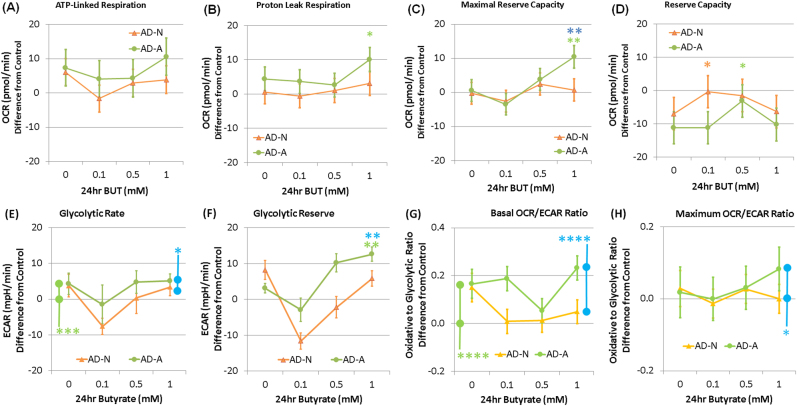
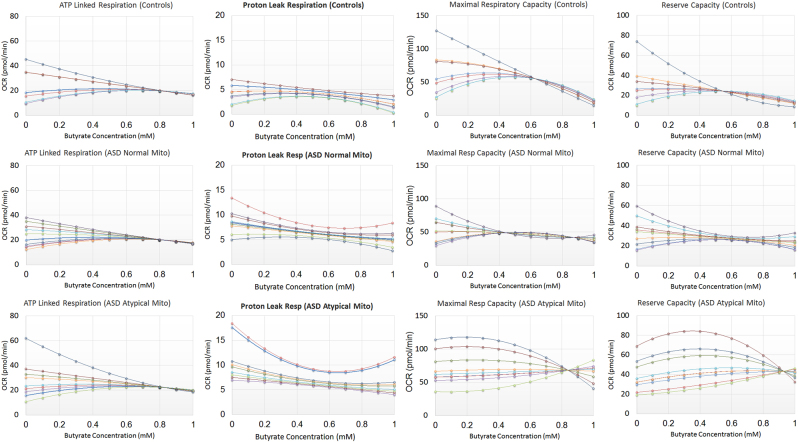
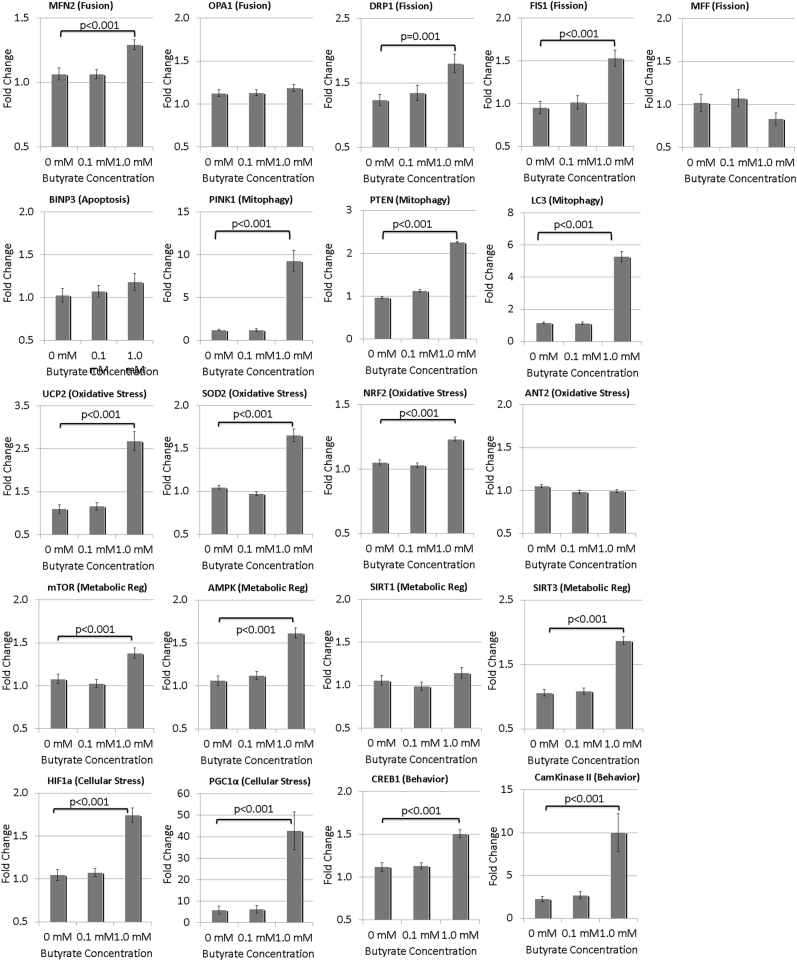
Butyrate (BT) is a ubiquitous short-chain fatty acid (SCFA) principally derived from the enteric microbiome. BT positively modulates mitochondrial function, including enhancing oxidative phosphorylation and beta-oxidation and has been proposed as a neuroprotectant. BT and other SCFAs have also been associated with autism spectrum disorders (ASD), a condition associated with mitochondrial dysfunction. We have developed a lymphoblastoid cell line (LCL) model of ASD, with a subset of LCLs demonstrating mitochondrial dysfunction (AD-A) and another subset of LCLs demonstrating normal mitochondrial function (AD-N). Given the positive modulation of BT on mitochondrial function, we hypothesized that BT would have a preferential positive effect on AD-A LCLs. To this end, we measured mitochondrial function in ASD and age-matched control (CNT) LCLs, all derived from boys, following 24 and 48 h exposure to BT (0, 0.1, 0.5, and 1 mM) both with and without an in vitro increase in reactive oxygen species (ROS). We also examined the expression of key genes involved in cellular and mitochondrial response to stress. In CNT LCLs, respiratory parameters linked to adenosine triphosphate (ATP) production were attenuated by 1 mM BT. In contrast, BT significantly increased respiratory parameters linked to ATP production in AD-A LCLs but not in AD-N LCLs. In the context of ROS exposure, BT increased respiratory parameters linked to ATP production for all groups. BT was found to modulate individual LCL mitochondrial respiration to a common set-point, with this set-point slightly higher for the AD-A LCLs as compared to the other groups. The highest concentration of BT (1 mM) increased the expression of genes involved in mitochondrial fission (PINK1, DRP1, FIS1) and physiological stress (UCP2, mTOR, HIF1α, PGC1α) as well as genes thought to be linked to cognition and behavior (CREB1, CamKinase II). These data show that the enteric microbiome-derived SCFA BT modulates mitochondrial activity, with this modulation dependent on concentration, microenvironment redox state, and the underlying mitochondrial function of the cell. In general, these data suggest that BT can enhance mitochondrial function in the context of physiological stress and/or mitochondrial dysfunction, and may be an important metabolite that can help rescue energy metabolism during disease states. Thus, insight into this metabolic modulator may have wide applications for both health and disease since BT has been implicated in a wide variety of conditions including ASD. However, future clinical studies in humans are needed to help define the practical implications of these physiological findings.
Overview
The claims and statistics of this paper haven’t been checked yet.
Free: it reads the open-access text and checks the first 5 claims that cite a source we can check. Create a free account to check every claim.
Integrity signals
Registry
Cites
Statistics
Figures
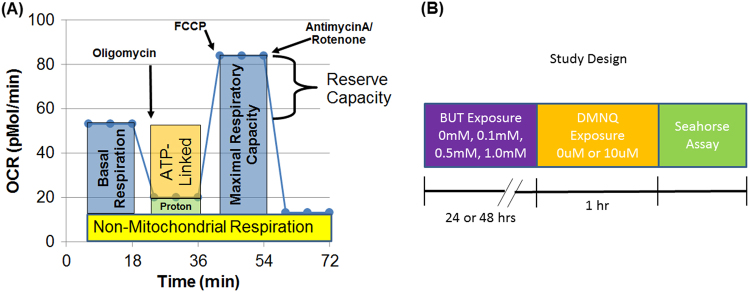
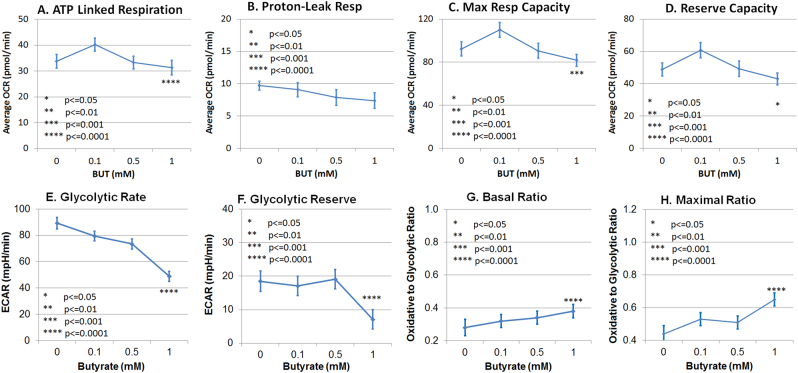
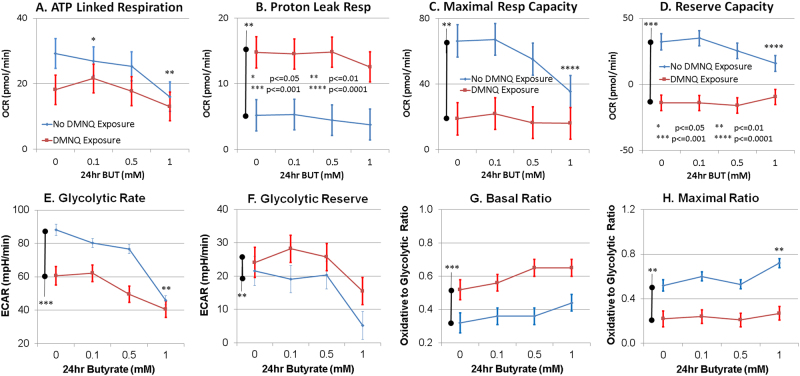
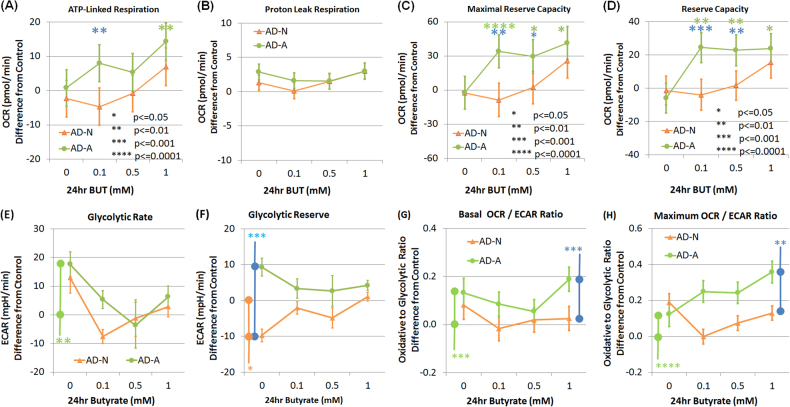
Verification
Claims the paper makes
The claims and statistics of this paper haven’t been checked yet.
Free: it reads the open-access text and checks the first 5 claims that cite a source we can check. Create a free account to check every claim.
Claims other papers make about this one
Each is checked against this paper’s own text: does it say what the citing paper says it does?
The cited source says what the claim attributes to it.
In the citing paper
“Furthermore, gut microbiota-derived short-chain fatty acids (SCFAs), such as propionic acid [69, 70] and butyric acid [71, 72], produced by bacterial fermentation of carbohydrates have immunomodulatory properties”
From Gut microbiota changes in children with autism spectrum disorder: a systematic review (2020) · cites this paper as [71]
In the citing paper
“Though it seems that dysbiosis is not dependent on the manifestation of GI symptoms in autistic children [212]”
From The Role of Microbiota-Gut-Brain Axis in Neuropsychiatric and Neurological Disorders (2021) · cites this paper as [212]
Self-check
Percentages, sums and reported differences re-computed from the paper’s own numbers.
The self-check needs the paper’s full text.
Citations
Cites
den Besten, G., van Eunen, K., Groen, A. K., Venema, K., Reijngoud, D.-J., & Bakker, B. M. (2013) · Journal of Lipid Research · doi:10.1194/jlr.r036012 · Cited by 5,048
Host-gut microbiota metabolic interactions
Nicholson, J. K., Holmes, E., Kinross, J., Burcelin, R., Gibson, G., Jia, W., & Pettersson, S. (2012) · Science · doi:10.1126/science.1223813 · Cited by 4,760
Normal gut microbiota modulates brain development and behavior
Heijtz, R. D., Wang, S., Anuar, F., Qian, Y., Björkholm, B., Samuelsson, A., Hibberd, M. L., Forssberg, H., & Pettersson, S. (2011) · Proceedings of the National Academy of Sciences · doi:10.1073/pnas.1010529108 · Cited by 3,228
Short chain fatty acids in human large intestine, portal, hepatic and venous blood
Cummings, J. H., Pomare, E. W., Branch, W. J., Naylor, C. P., & Macfarlane, G. T. (1987) · Gut · doi:10.1136/gut.28.10.1221 · Cited by 3,119
Butyrate improves insulin sensitivity and increases energy expenditure in mice
Gao, Z., Yin, J., Zhang, J., Ward, R. E., Martin, R. J., Lefevre, M., Cefalu, W. T., & Ye, J. (2009) · Diabetes · doi:10.2337/db08-1637 · Cited by 2,204
The microbiome and butyrate regulate energy metabolism and autophagy in the mammalian colon
Donohoe, D. R., Garge, N., Zhang, X., Sun, W., O'Connell, T. M., Bunger, M. K., & Bultman, S. J. (2011) · Cell Metabolism · doi:10.1016/j.cmet.2011.02.018 · Cited by 2,003
Le Poul, E., Loison, C., Struyf, S., Springael, J.-Y., Lannoy, V., Decobecq, M.-E., Brezillon, S., Dupriez, V., Vassart, G., Van Damme, J., et al. (2003) · Journal of Biological Chemistry · doi:10.1074/jbc.m301403200 · Cited by 1,651
The core gut microbiome, energy balance and obesity
Turnbaugh, P. J., & Gordon, J. I. (2009) · The Journal of Physiology · doi:10.1113/jphysiol.2009.174136 · Cited by 993
Mitochondrial dysfunction in autism spectrum disorders: a systematic review and meta-analysis
Rossignol, D. A., & Frye, R. E. (2012) · Molecular Psychiatry · doi:10.1038/mp.2010.136 · Cited by 907
Self-citationThe neuropharmacology of butyrate: the bread and butter of the microbiota-gut-brain axis
Stilling, R. M., van de Wouw, M., Clarke, G., Stanton, C., Dinan, T. G., & Cryan, J. F. (2016) · Neurochemistry International · doi:10.1016/j.neuint.2016.06.011 · Cited by 891
De Angelis, M., Piccolo, M., Vannini, L., Siragusa, S., De Giacomo, A., Serrazzanetti, D. I., Cristofori, F., Guerzoni, M. E., Gobbetti, M., & Francavilla, R. (2013) · PLoS ONE · doi:10.1371/journal.pone.0076993 · Cited by 887
Parracho, H. M., Bingham, M. O., Gibson, G. R., & McCartney, A. L. (2005) · Journal of Medical Microbiology · doi:10.1099/jmm.0.46101-0 · Cited by 784
Brown, C. T., Davis-Richardson, A. G., Giongo, A., Gano, K. A., Crabb, D. B., Mukherjee, N., Casella, G., Drew, J. C., Ilonen, J., Knip, M., et al. (2011) · PLoS ONE · doi:10.1371/journal.pone.0025792 · Cited by 778
Gastrointestinal Microflora Studies in Late‐Onset Autism
Finegold, S. M., Molitoris, D., Song, Y., Liu, C., Vaisanen, M., Bolte, E., McTeague, M., Sandler, R., Wexler, H., Marlowe, E. M., et al. (2002) · Clinical Infectious Diseases · doi:10.1086/341914 · Cited by 742
Ferrante, R. J., Kubilus, J. K., Lee, J., Ryu, H., Beesen, A., Zucker, B., Smith, K., Kowall, N. W., Ratan, R. R., Luthi-Carter, R., et al. (2003) · The Journal of Neuroscience · doi:10.1523/jneurosci.23-28-09418.2003 · Cited by 693
Butyrate, neuroepigenetics and the gut microbiome: Can a high fiber diet improve brain health?
Bourassa, M. W., Alim, I., Bultman, S. J., & Ratan, R. R. (2016) · Neuroscience Letters · doi:10.1016/j.neulet.2016.02.009 · Cited by 632
Al-Lahham, S. H., Peppelenbosch, M. P., Roelofsen, H., Vonk, R. J., & Venema, K. (2010) · Biochimica et Biophysica Acta (BBA) - Molecular and Cell Biology of Lipids · doi:10.1016/j.bbalip.2010.07.007 · Cited by 614
Short-Term Benefit From Oral Vancomycin Treatment of Regressive-Onset Autism
Sandler, R. H., Finegold, S. M., Bolte, E. R., Buchanan, C. P., Maxwell, A. P., Väisänen, M.-L., Nelson, M. N., & Wexler, H. M. (2000) · Journal of Child Neurology · doi:10.1177/088307380001500701 · Cited by 614
Real-Time PCR Quantitation of Clostridia in Feces of Autistic Children
Song, Y., Liu, C., & Finegold, S. M. (2004) · Applied and Environmental Microbiology · doi:10.1128/aem.70.11.6459-6465.2004 · Cited by 556
Rossignol, D. A., & Frye, R. E. (2012) · Molecular Psychiatry · doi:10.1038/mp.2011.165 · Cited by 543
Self-citationWilliams, B. L., Hornig, M., Buie, T., Bauman, M. L., Cho Paik, M., Wick, I., Bennett, A., Jabado, O., Hirschberg, D. L., & Lipkin, W. I. (2011) · PLoS ONE · doi:10.1371/journal.pone.0024585 · Cited by 492
Rose, S., Melnyk, S., Pavliv, O., Bai, S., Nick, T. G., Frye, R. E., & James, S. J. (2012) · Translational Psychiatry · doi:10.1038/tp.2012.61 · Cited by 480
Self-citationMacFabe, D. F. (2012) · Microbial Ecology in Health & Disease · doi:10.3402/mehd.v23i0.19260 · Cited by 422
Self-citationGovindarajan, N., Agis-Balboa, R. C., Walter, J., Sananbenesi, F., & Fischer, A. (2011) · Journal of Alzheimer's Disease · doi:10.3233/jad-2011-110080 · Cited by 405
Treatment of spinal muscular atrophy by sodium butyrate
Chang, J.-G., Hsieh-Li, H.-M., Jong, Y.-J., Wang, N. M., Tsai, C.-H., & Li, H. (2001) · Proceedings of the National Academy of Sciences · doi:10.1073/pnas.171105098 · Cited by 404
The Impact of Microbiota on Brain and Behavior: Mechanisms & Therapeutic Potential
Borre, Y. E., Moloney, R. D., Clarke, G., Dinan, T. G., & Cryan, J. F. (2014) · Advances in Experimental Medicine and Biology · doi:10.1007/978-1-4939-0897-4_17 · Cited by 329
Parikh, S., Goldstein, A., Karaa, A., Koenig, M. K., Anselm, I., Brunel-Guitton, C., Christodoulou, J., Cohen, B. H., Dimmock, D., Enns, G. M., et al. (2017) · Genetics in Medicine · doi:10.1038/gim.2017.107 · Cited by 297
Self-citationNankova, B. B., Agarwal, R., MacFabe, D. F., & La Gamma, E. F. (2014) · PLoS ONE · doi:10.1371/journal.pone.0103740 · Cited by 294
Self-citationRole of PGC-1α Signaling in Skeletal Muscle Health and Disease
Kang, C., & Li Ji, L. (2012) · Annals of the New York Academy of Sciences · doi:10.1111/j.1749-6632.2012.06738.x · Cited by 291
Hersoug, L. ‐., Møller, P., & Loft, S. (2016) · Obesity Reviews · doi:10.1111/obr.12370 · Cited by 291
Whiteley, P., Haracopos, D., Knivsberg, A.-M., Reichelt, K. L., Parlar, S., Jacobsen, J., Seim, A., Pedersen, L., Schondel, M., & Shattock, P. (2010) · Nutritional Neuroscience · doi:10.1179/147683010x12611460763922 · Cited by 266
MacFabe, D. F. (2015) · Microbial Ecology in Health & Disease · doi:10.3402/mehd.v26.28177 · Cited by 259
Self-citationKratsman, N., Getselter, D., & Elliott, E. (2016) · Neuropharmacology · doi:10.1016/j.neuropharm.2015.11.003 · Cited by 239
Frye, R. E., Melnyk, S., & MacFabe, D. F. (2013) · Translational Psychiatry · doi:10.1038/tp.2012.143 · Cited by 236
Self-citationPropionic acid affects immune status and metabolism in adipose tissue from overweight subjects
Al‐Lahham, S., Roelofsen, H., Rezaee, F., Weening, D., Hoek, A., Vonk, R., & Venema, K. (2012) · European Journal of Clinical Investigation · doi:10.1111/j.1365-2362.2011.02590.x · Cited by 234
Hong, J., Jia, Y., Pan, S., Jia, L., Li, H., Han, Z., Cai, D., & Zhao, R. (2016) · Oncotarget · doi:10.18632/oncotarget.11267 · Cited by 233
Metabolic features of the cell danger response
Naviaux, R. K. (2014) · Mitochondrion · doi:10.1016/j.mito.2013.08.006 · Cited by 232
Microbiome disturbances and autism spectrum disorders
Rosenfeld, C. S. (2015) · Drug Metabolism and Disposition · doi:10.1124/dmd.115.063826 · Cited by 229
Microbiology of regressive autism
Finegold, S. M., Downes, J., & Summanen, P. H. (2012) · Anaerobe · doi:10.1016/j.anaerobe.2011.12.018 · Cited by 211
Towards a multidisciplinary approach to understand and manage obesity and related diseases
Bischoff, S. C., Boirie, Y., Cederholm, T., Chourdakis, M., Cuerda, C., Delzenne, N. M., Deutz, N. E., Fouque, D., Genton, L., Gil, C., et al. (2017) · Clinical Nutrition · doi:10.1016/j.clnu.2016.11.007 · Cited by 206
Thomas, R. H., Meeking, M. M., Mepham, J. R., Tichenoff, L., Possmayer, F., Liu, S., & MacFabe, D. F. (2012) · Journal of Neuroinflammation · doi:10.1186/1742-2094-9-153 · Cited by 200
Self-citationSun, J., Wang, F., Hong, G., Pang, M., Xu, H., Li, H., Tian, F., Fang, R., Yao, Y., & Liu, J. (2016) · Neuroscience Letters · doi:10.1016/j.neulet.2016.03.003 · Cited by 184
Henagan, T. M., Stefanska, B., Fang, Z., Navard, A. M., Ye, J., Lenard, N. R., & Devarshi, P. P. (2015) · British Journal of Pharmacology · doi:10.1111/bph.13058 · Cited by 171
Rose, S., Frye, R. E., Slattery, J., Wynne, R., Tippett, M., Pavliv, O., Melnyk, S., & James, S. J. (2014) · PLoS ONE · doi:10.1371/journal.pone.0085436 · Cited by 168
Self-citationGSK3β, CREB, and BDNF in peripheral blood of patients with Alzheimer's disease and depression
Pláteník, J., Fišar, Z., Buchal, R., Jirák, R., Kitzlerová, E., Zvěřová, M., & Raboch, J. (2014) · Progress in Neuro-Psychopharmacology and Biological Psychiatry · doi:10.1016/j.pnpbp.2013.12.001 · Cited by 161
Li, H., Sun, J., Wang, F., Ding, G., Chen, W., Fang, R., Yao, Y., Pang, M., Lu, Z.-Q., & Liu, J. (2016) · Brain Research · doi:10.1016/j.brainres.2016.03.031 · Cited by 152
DeCastro, M., Nankova, B. B., Shah, P., Patel, P., Mally, P. V., Mishra, R., & La Gamma, E. F. (2005) · Molecular Brain Research · doi:10.1016/j.molbrainres.2005.09.002 · Cited by 149
Roles of the gut in the metabolic syndrome: an overview
Fändriks, L. (2017) · Journal of Internal Medicine · doi:10.1111/joim.12584 · Cited by 144
Frye, R. E., Rose, S., Slattery, J., & MacFabe, D. F. (2015) · Microbial Ecology in Health & Disease · doi:10.3402/mehd.v26.27458 · Cited by 142
Self-citationUncoupling Protein-2 Participates in Cellular Defense against Oxidative Stress in Clonal β-Cells
Li, L., Skorpen, F., Egeberg, K. W., Jørgensen, I. H., & Grill, V. (2001) · Biochemical and Biophysical Research Communications · doi:10.1006/bbrc.2001.4577 · Cited by 139
Takuma, K., Hara, Y., Kataoka, S., Kawanai, T., Maeda, Y., Watanabe, R., Takano, E., Hayata‐Takano, A., Hashimoto, H., Ago, Y., et al. (2014) · Pharmacology Biochemistry and Behavior · doi:10.1016/j.pbb.2014.08.013 · Cited by 138
Therapy and epidemiology of autism–clostridial spores as key elements
Finegold, S. M. (2007) · Medical Hypotheses · doi:10.1016/j.mehy.2007.07.019 · Cited by 135
Autism: Metabolism, Mitochondria, and the Microbiome
Macfabe, D. (2013) · Global Advances in Health and Medicine · doi:10.7453/gahmj.2013.089 · Cited by 131
Self-citationFoley, K. A., Ossenkopp, K.-P., Kavaliers, M., & MacFabe, D. F. (2014) · PLoS ONE · doi:10.1371/journal.pone.0087072 · Cited by 130
Self-citationFrye, R. E., Rose, S., Chacko, J., Wynne, R., Bennuri, S. C., Slattery, J. C., Tippett, M., Delhey, L., Melnyk, S., Kahler, S. G., et al. (2016) · Translational Psychiatry · doi:10.1038/tp.2016.189 · Cited by 130
Self-citationThe Influence of the Microbiome on Type 1 Diabetes
Paun, A., Yau, C., & Danska, J. S. (2017) · The Journal of Immunology · doi:10.4049/jimmunol.1601519 · Cited by 125
Thomas, R. H., Foley, K. A., Mepham, J. R., Tichenoff, L. J., Possmayer, F., & MacFabe, D. F. (2010) · Journal of Neurochemistry · doi:10.1111/j.1471-4159.2010.06614.x · Cited by 117
Self-citationFoley, K. A., MacFabe, D. F., Vaz, A., Ossenkopp, K., & Kavaliers, M. (2014) · International Journal of Developmental Neuroscience · doi:10.1016/j.ijdevneu.2014.04.001 · Cited by 116
Self-citationKim, J.-W., Seung, H., Kwon, K. J., Ko, M. J., Lee, E. J., Oh, H. A., Choi, C. S., Kim, K. C., Gonzales, E. L., You, J. S., et al. (2014) · PLoS ONE · doi:10.1371/journal.pone.0104927 · Cited by 115
Han, J., Kim, I., Jung, S., Lee, S.-G., Son, H., & Myung, C. (2014) · PLoS ONE · doi:10.1371/journal.pone.0095268 · Cited by 107
Foley, K. A., MacFabe, D. F., Kavaliers, M., & Ossenkopp, K. (2014) · Behavioural Brain Research · doi:10.1016/j.bbr.2014.09.032 · Cited by 107
Self-citationRörig, B., Klausa, G., & Sutor, B. (1996) · The Journal of Physiology · doi:10.1113/jphysiol.1996.sp021125 · Cited by 107
Levison, M. E. (1973) · Infection and Immunity · doi:10.1128/iai.8.1.30-35.1973 · Cited by 104
Tailor, D., Hahm, E., Kale, R. K., Singh, S. V., & Singh, R. P. (2013) · Mitochondrion · doi:10.1016/j.mito.2013.10.004 · Cited by 101
Microbiota abnormalities in inflammatory airway diseases — Potential for therapy
Gollwitzer, E. S., & Marsland, B. J. (2014) · Pharmacology & Therapeutics · doi:10.1016/j.pharmthera.2013.08.002 · Cited by 100
Host–microbiota interactions: epigenomic regulation
Woo, V., & Alenghat, T. (2017) · Current Opinion in Immunology · doi:10.1016/j.coi.2016.12.001 · Cited by 99
Pimentel, M., Mathur, R., & Chang, C. C.-C. (2013) · Current Gastroenterology Reports · doi:10.1007/s11894-013-0356-y · Cited by 98
Frye, R. E., & Rossignol, D. A. (2016) · Clinical Medicine Insights Pediatrics · doi:10.4137/cmped.s38337 · Cited by 96
Self-citationAttenuation of vascular dementia by sodium butyrate in streptozotocin diabetic rats
Sharma, B., & Singh, N. (2011) · Psychopharmacology · doi:10.1007/s00213-011-2164-0 · Cited by 92
Natoni, F., Diolordi, L., Santoni, C., & Montani, M. S. G. (2005) · Biochimica et Biophysica Acta (BBA) - Molecular Cell Research · doi:10.1016/j.bbamcr.2005.07.003 · Cited by 90
Giardina, T. M., Steer, J. H., Lo, S. Z. Y., & Joyce, D. A. (2007) · Biochimica et Biophysica Acta (BBA) - Bioenergetics · doi:10.1016/j.bbabio.2007.11.006 · Cited by 85
Short-Chain Fatty Acids Induce Colonic Mucosal Injury in Rats with Various Postnatal Ages
Nafday, S. M., Chen, W., Peng, L., Babyatsky, M. W., Holzman, I. R., & Lin, J. (2004) · Pediatric Research · doi:10.1203/01.pdr.0000150721.83224.89 · Cited by 84
Patterson, E., Marques, T. M., O’Sullivan, O., Fitzgerald, P., Fitzgerald, G. F., Cotter, P. D., Dinan, T. G., Cryan, J. F., Stanton, C., & Ross, R. P. (2015) · Microbiology · doi:10.1099/mic.0.082610-0 · Cited by 83
Sodium butyrate modulates cell cycle‐related proteins in HT29 human colonic adenocarcinoma cells
Coradini, D., Pellizzaro, C., Marimpietri, D., Abolafio, G., & Daidone, M. G. (2000) · Cell Proliferation · doi:10.1046/j.1365-2184.2000.00173.x · Cited by 83
Dworkin, J. (2014) · Annual Review of Microbiology · doi:10.1146/annurev-micro-091213-112844 · Cited by 81
Selective cellular acidification and toxicity of weak organic acids in an acidic microenvironment
Karuri, A., Dobrowsky, E., & Tannock, I. (1993) · British Journal of Cancer · doi:10.1038/bjc.1993.485 · Cited by 79
Rane, P., Shields, J., Heffernan, M., Guo, Y., Akbarian, S., & King, J. A. (2012) · Neuropharmacology · doi:10.1016/j.neuropharm.2012.01.026 · Cited by 78
Rose, S., Frye, R. E., Slattery, J., Wynne, R., Tippett, M., Melnyk, S., & James, S. J. (2015) · Translational Psychiatry · doi:10.1038/tp.2015.29 · Cited by 78
Self-citationMitochondrial and redox abnormalities in autism lymphoblastoid cells: a sibling control study
Rose, S., Bennuri, S. C., Wynne, R., Melnyk, S., James, S. J., & Frye, R. E. (2017) · The FASEB Journal · doi:10.1096/fj.201601004r · Cited by 77
Self-citationApproaches to studying and manipulating the enteric microbiome to improve autism symptoms
Frye, R. E., Slattery, J., MacFabe, D. F., Allen-Vercoe, E., Parker, W., Rodakis, J., Adams, J. B., Krajmalnik-Brown, R., Bolte, E., Kahler, S., et al. (2015) · Microbial Ecology in Health & Disease · doi:10.3402/mehd.v26.26878 · Cited by 73
Self-citationSlattery, J., Macfabe, D. F., & Frye, R. E. (2016) · Clinical Medicine Insights: Pediatrics · doi:10.4137/cmped.s38338 · Cited by 71
Self-citationCunningham, M. W., & Cox, C. J. (2016) · Acta Physiologica · doi:10.1111/apha.12614 · Cited by 69
Oxidative stress induces mitochondrial dysfunction in a subset of autistic lymphoblastoid cell lines
Rose, S., Frye, R. E., Slattery, J., Wynne, R., Tippett, M., Melnyk, S., & James, S. J. (2014) · Translational Psychiatry · doi:10.1038/tp.2014.15 · Cited by 69
Self-citationNguyen, N. H. T., Morland, C., Gonzalez, S. V., Rise, F., Storm‐Mathisen, J., Gundersen, V., & Hassel, B. (2007) · Journal of Neurochemistry · doi:10.1111/j.1471-4159.2006.04397.x · Cited by 67
Characterization of alpha-keto acid transport across blood-brain barrier in rats
Conn, A. R., Fell, D. I., & Steele, R. D. (1983) · American Journal of Physiology-Endocrinology and Metabolism · doi:10.1152/ajpendo.1983.245.3.e253 · Cited by 65
PROPIONIC ACID STIMULATES SUPEROXIDE GENERATION IN HUMAN NEUTROPHILS
NAKAO, S., MORIYA, Y., FURUYAMA, S., NIEDERMAN, R., & SUGIYA, H. (1998) · Cell Biology International · doi:10.1006/cbir.1998.0263 · Cited by 64
Pellizzaro, C. (2002) · Carcinogenesis · doi:10.1093/carcin/23.5.735 · Cited by 63
Biomarkers of Abnormal Energy Metabolism in Children with Autism Spectrum Disorder
Frye, R. E., & Division of Autism Research, D. O. P. A. C. H. R. I. (2012) · American Chinese Journal of Medicine and Science · doi:10.7156/v5i3p141 · Cited by 60
Self-citationSodium Butyrate Induces Human Colon Carcinoma HT-29 Cell Apoptosis through a Mitochondrial Pathway
Wang, L., Luo, H.-S., & Xia, H. (2009) · Journal of International Medical Research · doi:10.1177/147323000903700323 · Cited by 56
Part 2: Treatments for Chronic Gastrointestinal Disease and Gut Dysbiosis.
Bull, M. J., & Plummer, N. T. (2015) · PubMed Central · Cited by 56
Rodrigues, M. F., Carvalho, É., Pezzuto, P., Rumjanek, F. D., & Amoêdo, N. D. (2015) · Journal of Cellular Biochemistry · doi:10.1002/jcb.25036 · Cited by 50
Palacios, T., Vitetta, L., Coulson, S., Madigan, C. D., Denyer, G. S., & Caterson, I. D. (2017) · Trials · doi:10.1186/s13063-016-1762-x · Cited by 49 · cited 1×
“63; maximum respiratory capacity: F(13,400)= 76.”
The emerging pharmacology and function of GPR35 in the nervous system
Mackenzie, A. E., & Milligan, G. (2017) · Neuropharmacology · doi:10.1016/j.neuropharm.2015.07.035 · Cited by 48
Trichloroethylene-Induced Gene Expression and DNA Methylation Changes in B6C3F1 Mouse Liver
Jiang, Y., Chen, J., Tong, J., & Chen, T. (2014) · PLoS ONE · doi:10.1371/journal.pone.0116179 · Cited by 46
Jose, C., Melser, S., Benard, G., & Rossignol, R. (2013) · Antioxidants & Redox Signaling · doi:10.1089/ars.2011.4357 · Cited by 46
Rose, S., Wynne, R., Frye, R. E., Melnyk, S., & James, S. J. (2015) · Journal of Toxicology · doi:10.1155/2015/573701 · Cited by 46
Self-citationEffect of sodium butyrate on autophagy and apoptosis in Chinese hamster ovary cells
Seong Lee, J., & Lee, G. M. (2012) · Biotechnology Progress · doi:10.1002/btpr.1512 · Cited by 45
Johnson, C. C., & Ownby, D. R. (2016) · Expert Review of Clinical Immunology · doi:10.1586/1744666x.2016.1139452 · Cited by 45
Davis, L. M., Rho, J. M., & Sullivan, P. G. (2008) · Epilepsia · doi:10.1111/j.1528-1167.2008.01854.x · Cited by 42
Keşli, R., Gökçen, C., Buluğ, U., & Terzi, Y. (2014) · Journal of Immunoassay and Immunochemistry · doi:10.1080/15321819.2013.792834 · Cited by 39
Re-discovering periodontal butyric acid: New insights on an old metabolite
Cueno, M. E., & Ochiai, K. (2015) · Microbial Pathogenesis · doi:10.1016/j.micpath.2015.10.006 · Cited by 35
Sodium butyrate-induced apoptosis and ultrastructural changes in MCF-7 breast cancer cells
Wang, Y., Hu, P., Ma, Y., Fan, R., Gao, F., Zhang, J., & Wei, L. (2016) · Ultrastructural Pathology · doi:10.3109/01913123.2016.1170083 · Cited by 34
Protective effects of butyrate-based compounds on a mouse model for spinal muscular atrophy
Butchbach, M. E. R., Lumpkin, C. J., Harris, A. W., Saieva, L., Edwards, J. D., Workman, E., Simard, L. R., Pellizzoni, L., & Burghes, A. H. M. (2016) · Experimental Neurology · doi:10.1016/j.expneurol.2016.02.009 · Cited by 33
Cyclic-AMP response element binding protein (CREB) in the neutrophils of depressed patients
Ren, X., Dwivedi, Y., Mondal, A. C., & Pandey, G. N. (2010) · Psychiatry Research · doi:10.1016/j.psychres.2010.04.013 · Cited by 28
Frye, R. E., Rose, S., Wynne, R. A., Bennuri, S. C., Blossom, S. J., Gilbert, K. M., Heilbrun, L. P., & Palmer, R. F. (2017) · Scientific Reports · doi:10.1038/s41598-017-04821-3 · Cited by 28
Self-citationButyric Acid Induces Apoptosis via Oxidative Stress in Jurkat T-cells
Kurita‐Ochiai, T., & Ochiai, K. (2010) · Journal of Dental Research · doi:10.1177/0022034510365456 · Cited by 25
Slattery, J., MacFabe, D., Kahler, S., & Frye, R. (2016) · Current Pharmaceutical Design · doi:10.2174/1381612822666160905123953 · Cited by 20
Self-citationThe role of intestinal microbiota in the pathogenesis of metabolic diseases
Węgielska, I., & Suliburska, J. (2016) · Acta Scientiarum Polonorum Technologia Alimentaria · doi:10.17306/j.afs.2016.2.20 · Cited by 18
Korf, B. R., Blitzer, M. G., Demmer, L. A., Feldman, G. L., & Watson, M. S. (2017) · Genetics in Medicine · doi:10.1038/gim.2017.38 · Cited by 16
Frye, R. E., Fisher, J. M., Witzel, T., Ahlfors, S. P., Swank, P. R., Liederman, J., & Halgren, E. (2008) · NeuroImage · doi:10.1016/j.neuroimage.2008.01.048 · Cited by 13
Self-citationCureau, N., Aljahdali, N. H., Vo, N., & Carbonero, F. G. (2016) · Epigenomics · doi:10.2217/epi-2016-0057 · Cited by 13
Štefaniková, A., Kliková, K., Hatok, J., & Račay, P. (2013) · General Physiology and Biophysics · doi:10.4149/gpb_2013053 · Cited by 7
Research works printed but not linked: 1
- Frye RE Biomarkers of Abnormal Energy Metabolism in Children with Autism Spectrum Disorder North Am. J. Med. Sci. 2012 5 141 147 10.7156/v5i3p141 · DOI · Paper page
Cited by
The Role of Microbiota-Gut-Brain Axis in Neuropsychiatric and Neurological Disorders
Socała, K., Doboszewska, U., Szopa, A., Serefko, A., Włodarczyk, M., Zielińska, A., Poleszak, E., Fichna, J., & Wlaź, P. (2021) · Pharmacological Research · doi:10.1016/j.phrs.2021.105840 · Cited by 857
Gut microbiota mediates intermittent-fasting alleviation of diabetes-induced cognitive impairment
Liu, Z., Dai, X., Zhang, H., Shi, R., Hui, Y., Jin, X., Zhang, W., Wang, L., Wang, Q., Wang, D., et al. (2020) · Nature Communications · doi:10.1038/s41467-020-14676-4 · Cited by 549
Autism Spectrum Disorders and the Gut Microbiota
Fattorusso, A., Di Genova, L., Dell’Isola, G., Mencaroni, E., & Esposito, S. (2019) · Nutrients · doi:10.3390/nu11030521 · Cited by 484
Microbiota-derived metabolites as drivers of gut–brain communication
Ahmed, H., Leyrolle, Q., Koistinen, V., Kärkkäinen, O., Layé, S., Delzenne, N., & Hanhineva, K. (2022) · Gut Microbes · doi:10.1080/19490976.2022.2102878 · Cited by 462
“On the contrary, butyric or propionic acid treatments have been associated with disturbed mitochondrial fatty acid metabolism in a rat model of ASD(111) but butyric acid alone improved mitochondrial function in lymphoblastoid cell line derived from ASD boys.(112) Recently, Hulme et al.”
BackgroundAburto, M. R., & Cryan, J. F. (2024) · Nature Reviews Gastroenterology & Hepatology · doi:10.1038/s41575-023-00890-0 · Cited by 359
Metadata
- Authors
- Rose, S., Bennuri, S. C., Davis, J. E., Wynne, R., Slattery, J. C., Tippett, M., Delhey, L., Melnyk, S., Kahler, S. G., MacFabe, D. F., & Frye, R. E.
- Affiliations
- Arkansas Children's Research Institute (US)
- Alberta Children's Hospital Research Institute (CA)
- Barrow Neurological Institute (US)
- Corresponding author
- Frye, Richard E.
- Venue
- Translational Psychiatry
- Published
- 2018-02-02
- Volume
- 8
- Issue
- 1
- Pages
- 42-42
- ISSN
- 2158-3188 (ISSN-L)
- PMC
- PMC5804031
- OpenAlex
- W2802398839
- Cited by
- 226
- References
- 112
- Citations by year
- 2026: 27 · 2025: 24 · 2024: 31 · 2023: 20 · 2022: 40 · 2021: 26 · 2020: 29 · 2019: 18 · 2018: 11
- FWCI
- 7.47
- Type
- journal article
- Language
- en
- Open access
- gold
- doi.org
- Licence
- cc-by
- creativecommons.org/licenses/by/4.0 (tdm)
- creativecommons.org/licenses/by/4.0 (vor)
- Locations
- Translational Psychiatry (publishedVersion, cc-by)
- PubMed Central (publishedVersion, cc-by)
- PubMed (publishedVersion)
- DOAJ (DOAJ: Directory of Open Access Journals) (submittedVersion)
- Topics
- Life Sciences › Biochemistry, Genetics and Molecular Biology › Molecular Biology › Mitochondrial Function and Pathology
- Life Sciences › Neuroscience › Cognitive Neuroscience › Autism Spectrum Disorder Research
- Life Sciences › Biochemistry, Genetics and Molecular Biology › Molecular Biology › Gut microbiota and health
- Keywords
- butyrate, short-chain fatty acids, autism spectrum disorder, mitochondrial dysfunction, oxidative stress, reactive oxygen species, lymphoblastoid cell lines, mitochondrial respiration, ATP production, PINK1, Drp1, Fis1, PGC-1α, mTOR, HIF-1α, UCP2, CREB1, CaMKII
- MeSH terms
- Autism Spectrum Disorder, Gastrointestinal Microbiome, Butyrates, Cell Line, Child, Humans, Lymphocytes, Male, Mitochondria, Reactive Oxygen Species, Oxidative Stress, Mitochondrial Diseases
About these checks
Registry, retraction, Cites and statistics results are computed, not judged, with one exception: a printed reference that no index lists is read once by a model before it counts as a citation error. Claims are extracted by a model and kept only when their quote appears verbatim in the text; each cited source is then checked, with a model’s help, for whether it says what the claim relies on. Those verdicts can be wrong — read the claim’s quote and the cited source before relying on one.
Statistics and arithmetic are recomputed, not judged.
Confidence bands are shown only for fields calibrated on our annotated test set. None is calibrated yet, so no band is shown.
What counts as a claim ›How we measure confidence ›How we check this ›
Are you an author, or do you see a problem with this page? Request a review
Data sources
Bibliographic data: Semantic Scholar, OpenAlex, Crossref.
Contains information from the Semantic Scholar Academic Graph Datasets, made available under the ODC Attribution License (ODC-BY 1.0).
Semantic Scholar’s data is described in: Kinney, R., et al. (2023). The Semantic Scholar Open Data Platform. arXiv:2301.10140.
