

Cytotoxic CD8+ T cells in cancer and cancer immunotherapy
Open accessThe DOI matches its Crossref record; 104 of the 106 references it cites were found in a registry or an index.
Abstract
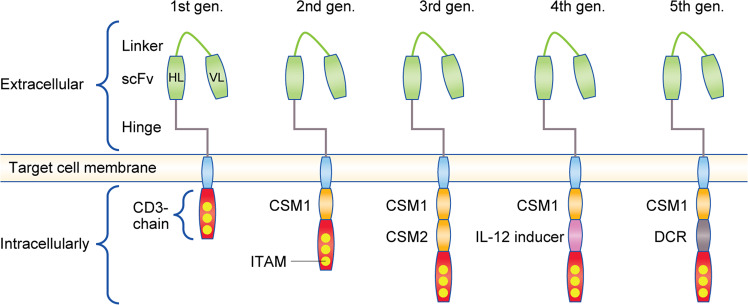
The functions of, and interactions between, the innate and adaptive immune systems are vital for anticancer immunity. Cytotoxic T cells expressing cell-surface CD8 are the most powerful effectors in the anticancer immune response and form the backbone of current successful cancer immunotherapies. Immune-checkpoint inhibitors are designed to target immune-inhibitory receptors that function to regulate the immune response, whereas adoptive cell-transfer therapies use CD8 + T cells with genetically modified receptors—chimaeric antigen receptors—to specify and enhance CD8 + T-cell functionality. New generations of cytotoxic T cells with genetically modified or synthetic receptors are being developed and evaluated in clinical trials. Furthermore, combinatory regimens might optimise treatment effects and reduce adverse events. This review summarises advances in research on the most prominent immune effectors in cancer and cancer immunotherapy, cytotoxic T cells, and discusses possible implications for future cancer treatment.
Overview
The claims and statistics of this paper haven’t been checked yet.
Free: it reads the open-access text and checks the first 5 claims that cite a source we can check. Create a free account to check every claim.
Integrity signals
Registry
Cites
Statistics
Figures
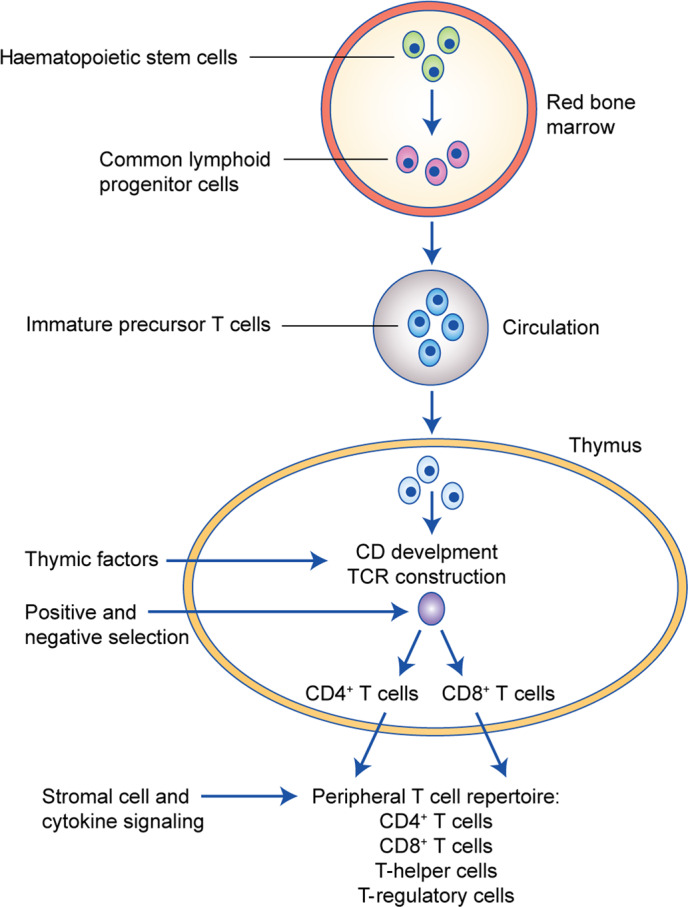
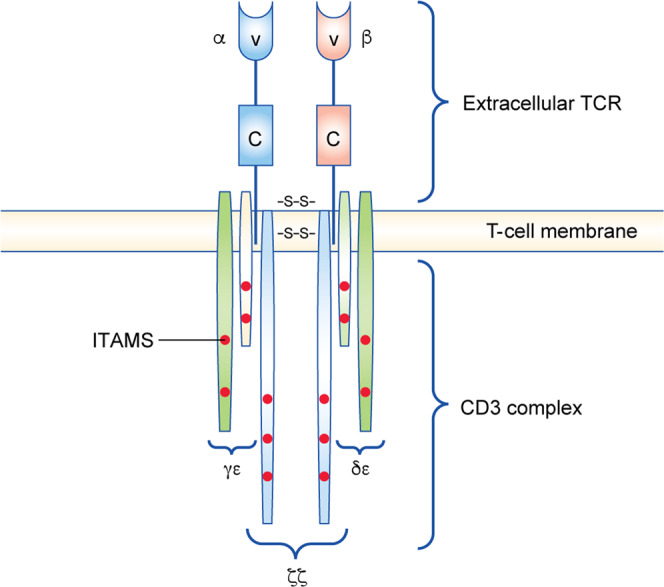
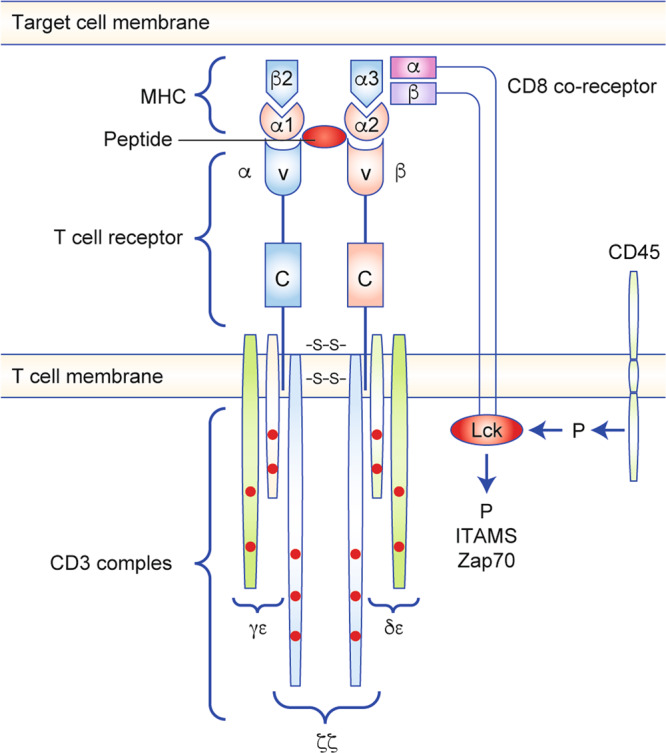
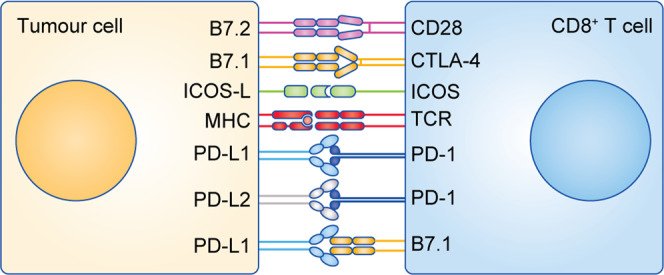
Verification
Claims the paper makes
The claims and statistics of this paper haven’t been checked yet.
Free: it reads the open-access text and checks the first 5 claims that cite a source we can check. Create a free account to check every claim.
Claims other papers make about this one
Each is checked against this paper’s own text: does it say what the citing paper says it does?
The source backs part of the claim, not all of it — or backs it for a different population, condition or comparison.
In the citing paper
“A robust expansion of proliferating CD8+ T cells is a critical response to immune-checkpoint inhibition leading to an enhanced adaptive immune response, specifically due to the activation of exhausted T cells (18).”
From Phase I/II, open-label, multicenter study of durvalumab in combination with tremelimumab in pediatric patients with advanced solid tumors (2026) · cites this paper as [18]
Experimental — accuracy not yet measuredThe cited source says what the claim attributes to it.
In the citing paper
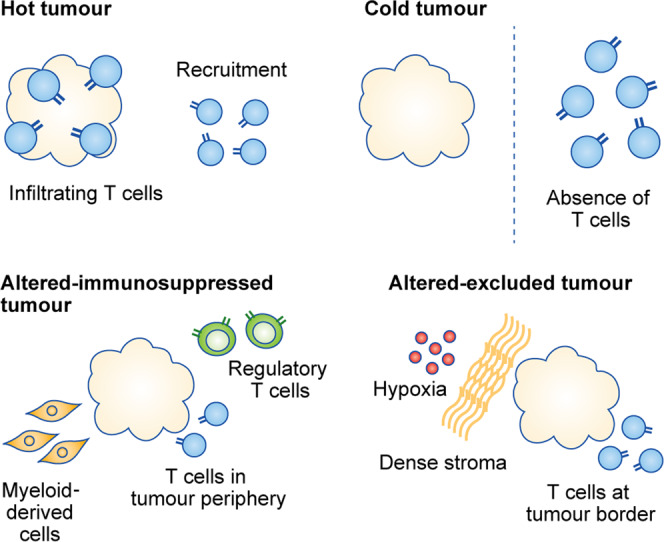
“The effectiveness of the CD8+ response is highly dependent on conditions within the tumor microenvironment and the presence of adverse conditions such as abnormal vasculature, high interstitial pressure, and hypoxia—which are generally considered unfavorable for CD8+ cells, may explain the lack of a clinical response to an ICI regimen.”
From Phase I/II, open-label, multicenter study of durvalumab in combination with tremelimumab in pediatric patients with advanced solid tumors (2026) · cites this paper as [18]
Self-check
Percentages, sums and reported differences re-computed from the paper’s own numbers.
The self-check needs the paper’s full text.
Citations
Cites
Pembrolizumab plus chemotherapy in metastatic non–small-cell lung cancer
Gandhi, L., Rodríguez-Abreu, D., Gadgeel, S., Esteban, E., Felip, E., De Angelis, F., Domine, M., Clingan, P., Hochmair, M. J., Powell, S. F., et al. (2018) · New England Journal of Medicine · doi:10.1056/nejmoa1801005 · Cited by 6,607 · cited 1×
“In addition, the combination of pembrolizumab with cytotoxic chemotherapy demonstrated clinical benefit, and was approved by the US Food and Drug Administration (FDA) for first-line treatment of metastatic nonsmall-cell lung cancer (NSCLC).(46) The FDA has also approved pembrolizumab or avelumab in combination with ax…”
BackgroundAtezolizumab and nab-paclitaxel in advanced triple-negative breast cancer
Schmid, P., Adams, S., Rugo, H. S., Schneeweiss, A., Barrios, C. H., Iwata, H., Diéras, V., Hegg, R., Im, S.-A., Shaw Wright, G., et al. (2018) · New England Journal of Medicine · doi:10.1056/nejmoa1809615 · Cited by 4,350
Innate and adaptive immune cells in the tumor microenvironment
Gajewski, T. F., Schreiber, H., & Fu, Y.-X. (2013) · Nature Immunology · doi:10.1038/ni.2703 · Cited by 4,148
First-line atezolizumab plus chemotherapy in extensive-stage small-cell lung cancer
Horn, L., Mansfield, A. S., Szczęsna, A., Havel, L., Krzakowski, M., Hochmair, M. J., Huemer, F., Losonczy, G., Johnson, M. L., Nishio, M., et al. (2018) · New England Journal of Medicine · doi:10.1056/nejmoa1809064 · Cited by 3,586
Approaches to treat immune hot, altered and cold tumours with combination immunotherapies
Galon, J., & Bruni, D. (2019) · Nature Reviews Drug Discovery · doi:10.1038/s41573-018-0007-y · Cited by 3,409 · cited 8×
“The WNT/β-catenin signalling pathway participates in the regulation of the NF-κB and TGF-β pathways and downregulates the expression of interferon regulatory factor 3, a transcription factor essential for the differentiation and maturation of immune cells, and is therefore instrumental for the exclusion of CD8+ T cell…”
BackgroundInfluentialSafety and Tumor Responses with Lambrolizumab (Anti–PD-1) in Melanoma
Hamid, O., Robert, C., Daud, A., Hodi, F. S., Hwu, W.-J., Kefford, R., Wolchok, J. D., Hersey, P., Joseph, R. W., Weber, J. S., et al. (2013) · New England Journal of Medicine · doi:10.1056/nejmoa1305133 · Cited by 3,392 · cited 1×
“For patients with complete responses, anti-PD-1 treatment has been shown to be able to induce a complete response in as few as 80 days.(39) However, predicting tumour responses to PD-1 blockade is challenging.”
BackgroundAvelumab plus Axitinib versus Sunitinib for Advanced Renal-Cell Carcinoma
Motzer, R. J., Penkov, K., Haanen, J., Rini, B., Albiges, L., Campbell, M. T., Venugopal, B., Kollmannsberger, C., Negrier, S., Uemura, M., et al. (2019) · New England Journal of Medicine · doi:10.1056/nejmoa1816047 · Cited by 2,503 · cited 2×
“The combination of PD-1/PD-L1 inhibitors with a CTLA-4 inhibitor has shown promise, as evidenced by the approval of nivolumab in combination with ipilimumab for the treatment of metastatic melanoma, advanced renal cell carcinoma and mismatch repair-deficient (dMMR) colorectal cancer.(44,45) In addition, the combinatio…”
BackgroundT cell exclusion, immune privilege, and the tumor microenvironment
Joyce, J. A., & Fearon, D. T. (2015) · Science · doi:10.1126/science.aaa6204 · Cited by 2,473 · cited 1×
“Furthermore, within the bulk of a tumour, CD8 T cells need to actively navigate and seek out cancer cells—direct contact between T cells and cancer cells is decisive in determining the outcomes.(81) Inadequate CD8 T-cell navigation within a tumour represents a serious resistance mechanism: the amount and density of fi…”
BackgroundThe evolving landscape of biomarkers for checkpoint inhibitor immunotherapy
Havel, J. J., Chowell, D., & Chan, T. A. (2019) · Nature Reviews Cancer · doi:10.1038/s41568-019-0116-x · Cited by 2,286 · cited 1×
“IMMUNE-CHECKPOINT INHIBITOR THERAPY The introduction of monoclonal antibodies that target immuneinhibitory receptors, known as checkpoint inhibitors, has been an immense breakthrough in immuno-oncology, and has greatly improved the clinical outcomes of several cancers.(36) This therapeutic strategy can enhance the eff…”
BackgroundOverman, M. J., Lonardi, S., Wong, K. Y. M., Lenz, H.-J., Gelsomino, F., Aglietta, M., Morse, M. A., Van Cutsem, E., McDermott, R., Hill, A., et al. (2018) · Journal of Clinical Oncology · doi:10.1200/jco.2017.76.9901 · Cited by 2,079 · cited 1×
“The combination of PD-1/PD-L1 inhibitors with a CTLA-4 inhibitor has shown promise, as evidenced by the approval of nivolumab in combination with ipilimumab for the treatment of metastatic melanoma, advanced renal cell carcinoma and mismatch repair-deficient (dMMR) colorectal cancer.(44,45) In addition, the combinatio…”
Background
Cited by
Items 901–1,000 of 1,001
Yang, Q., Han, Y., Xu, L., Xue, L., Ji, Z., & Ye, H. (2025) · Translational Andrology and Urology · doi:10.21037/tau-2024-741 · Cited by 6
“• Our findings will most likely infer a useful biomarker for the prognostic evaluation and will facilitate the personalized management of this disease in patients. demonstrated to correlate with favorable prognostic outcomes (17).”
Myeloperoxidase promotes a tumorigenic microenvironment in non-small cell lung cancer
Valadez-Cosmes, P., Maitz, K. S., Lueger, A., Kindler, O., Mujkanović, N. Ć., Raftopoulou, S., Kienzl, M., Juvan, Z. N., Santiso, A., Brčić, L., et al. (2026) · Redox Biology · doi:10.1016/j.redox.2026.104399 · Cited by 6
Xu, Y., Li, Z., Shi, H., & Zhu, M. (2022) · International Immunopharmacology · doi:10.1016/j.intimp.2022.109157 · Cited by 6
Highly expressed CENPL is correlated with breast cancer cell proliferation and immune infiltration
Gui, Z., Tian, Y., Liu, S., Yu, T., Liu, C., & Zhang, L. (2023) · Frontiers in Oncology · doi:10.3389/fonc.2023.1046774 · Cited by 6
“The accumulation of regulatory T cells (Tregs), tumor-associated macrophages, and other formidable lymphocytes that play important anti-tumor roles have all been found to be directly related to tumor progression in the previous (19, 20).”
BackgroundHiraga, T., Nishida, D., & Horibe, K. (2023) · Bone · doi:10.1016/j.bone.2023.116944 · Cited by 6
Collery, P., Prunier, C., Dosda, E., Viallet, J. P., Harikrishnan, A., Veena, V., & Desmaële, D. (2024) · Anticancer Research · doi:10.21873/anticanres.16889 · Cited by 6
“CD8 + cytotoxic T cells mediate effective anti-tumor immunity and are the most powerful effectors in the anticancer immune response (32).”
BackgroundEst-Witte, S. E., Shannon, S. R., Gong, D. H., Calabresi, K. G., Harris, J. J., Storm, K., Yoo, E., Isser, A., Jani, V., Livingston, N. K., et al. (2024) · Nano Research · doi:10.1007/s12274-024-6589-2 · Cited by 6
Nikmanesh, N., Hosseini, S., Mirbagheri, F., Asadsangabi, K., Fattahi, M. R., Safarpour, A. R., Fallahzadeh, E., Moravej, A., Shamsdin, S. A., Akrami, H., et al. (2024) · Viral Immunology · doi:10.1089/vim.2023.0144 · Cited by 7
Optimized dithranol-imiquimod-based transcutaneous immunization enables tumor rejection
Hartmann, A., Bartneck, J., Pielenhofer, J., Meiser, S. L., Arnold-Schild, D., Klein, M., Stassen, M., Schild, H., Muth, S., Probst, H. C., et al. (2023) · Frontiers in Immunology · doi:10.3389/fimmu.2023.1238861 · Cited by 6
Li, W., Yang, G., Dong, H., Zhu, J., & Liu, T. (2022) · Frontiers in Medicine · doi:10.3389/fmed.2022.1055785 · Cited by 6
“CD8 + T cells are the most efficient immune cells against cancer (36).”
BackgroundMinott, J. A., van Vloten, J. P., Yates, J. G. E., Chan, L., Wood, G. A., Viloria‐Petit, A., Karimi, K., Petrik, J., Wootton, S. K., & Bridle, B. W. (2022) · Frontiers in Immunology · doi:10.3389/fimmu.2022.1038340 · Cited by 6
Justesen, T. F., Gögenür, I., Tarpgaard, L. S., Pfeiffer, P., & Qvortrup, C. (2023) · BMJ Open · doi:10.1136/bmjopen-2023-073372 · Cited by 6
Honigsberg, R., Cruz, T., Yoffe, L., Tang, M. S., Dicle, O., Markowitz, G. J., Michael, M. M., Singh, A., Altorki, N. K., Elemento, O., et al. (2025) · bioRxiv (Cold Spring Harbor Laboratory) · doi:10.1101/2025.04.27.650862 · Cited by 6
Nguyen, T.-A., Le, M., Nguyen, P.-T., Tran, N. Q. V., Kondo, T., & Nakao, A. (2023) · Translational Lung Cancer Research · doi:10.21037/tlcr-23-334 · Cited by 5
“T-cell subpopulations, including CD8 + T-cells, Th1, Tem, Tcm, Tgd, and Tfh, as well as other tumor-infiltrating lymphocytes such as NK cells, B-cells, and DCs, are commonly known to have tumor-protective properties (30-36).”
Feng, S., Wang, Z., Zhang, H., Hou, B., Xu, Y., Hao, S., & Lu, Y. (2023) · The Journal of Gene Medicine · doi:10.1002/jgm.3643 · Cited by 5
“47 Regulatory T cells play a dual role in TME by inhibiting T cell activation to suppress their anti-tumor immune effects, as well as regulating the balance of immune cells in TME to reduce immune-related adverse events.”
BackgroundMetastasis Models: Thermodynamics and Complexity
Guerra, A., Betancourt-Mar, J. A., Llanos-Pérez, J. A., Mansilla, R., & Nieto-Villar, J. M. (2023) · Methods in molecular biology · doi:10.1007/978-1-0716-3577-3_4 · Cited by 5
Decoding cell death signalling: Impact on the response of breast cancer cells to approved therapies
Lozon, L., Ramadan, W. S. H., Kawaf, R. R., Al-Shihabi, A. M., & El‐Awady, R. (2024) · Life Sciences · doi:10.1016/j.lfs.2024.122525 · Cited by 5
Comprehensive analysis of PSMG3 in pan-cancer and validation of its role in hepatocellular carcinoma
Zheng, M., Chen, X., Xu, Z., Ye, Z., Zhong, L., Chen, Z., Chen, G., & Cai, B. (2024) · Clinical & Translational Oncology · doi:10.1007/s12094-024-03580-8 · Cited by 5
Tsang, A. P., Krishnan, S., Eliason, J., McGue, J. J., Qin, A., Frankel, T. L., & Rao, A. U. K. (2024) · Laboratory Investigation · doi:10.1016/j.labinv.2024.102148 · Cited by 5
Zhao, T., & Dhillon, S. K. (2024) · Folia Biologica · doi:10.14712/fb2024070040196 · Cited by 5
Vaccines targeting p53 mutants elicit anti-tumor immunity
Chai, D., Wang, X., Fan, C., Wang, J., Lim, J. M., Yu, X., Young, K. H., & Li, Y. (2024) · Cancer Letters · doi:10.1016/j.canlet.2024.217421 · Cited by 5
Rezaeifar, M., Shahbaz, S., Peters, A., Gibson, S. B., & Elahi, S. (2025) · Molecular Oncology · doi:10.1002/1878-0261.13793 · Cited by 5
“CD8 + T cells play an essential role in eliminating tumor cells [10], and their cytotoxic capabilities have been determining the progression of various solid and hematological malignancies [11,22,58].”
Mochida, Y., Ohuchida, K., Zhang, B., Yamada, Y., Tsutsumi, C., Kubo, A., Oyama, K., Shinkawa, T., Iwamoto, C., Torata, N., et al. (2025) · Journal of Cancer Research and Clinical Oncology · doi:10.1007/s00432-025-06095-z · Cited by 6
“Studies have shown that low infiltration of T-cells correlates with a poor prognosis in PDAC(Ajina and Weiner 2020); Goulart et al. 2021); Raskov et al. 2021), and converting the TIME from cold to hot (high infiltration of T-cells) increased the sensitivity to ICB in a mouse cancer…”
Wang, C., Dong, Z., Hao, Y., Zhu, Y., Chen, M., Yan, Y., Gao, J., Zhang, S., Ding, H., Zheng, J., et al. (2025) · Nano Today · doi:10.1016/j.nantod.2025.102672 · Cited by 5
Obeagu, E. I., & Obeagu, G. U. (2025) · Medicine · doi:10.1097/md.0000000000042187 · Cited by 5
“[30] Cancer Immunotherapies harness the immune system to target cancer cells, including adoptive cell transfer (CAR-T cell therapy), tumor-infiltrating lymphocytes, and therapeutic vaccines.”
InfluentialIntravital Imaging of Immune Responses in the Cancer Microenvironment
Hirao, H., Honda, M., Tomita, M., Li, L., Adawy, A., Xue, W., & Hibi, T. (2025) · Cancer Medicine · doi:10.1002/cam4.70899 · Cited by 5
“CTLs eliminate target cells through pore formation by mechanical stress or perforin, apoptosis-inducing factors including granzyme, and the activation of the death domain via FAS ligand [114].”
Guan, H., Xiong, Q., Xiong, J., Liu, Y., & Zhang, W. (2025) · Frontiers in Immunology · doi:10.3389/fimmu.2025.1542669 · Cited by 5
“Multiple research efforts have underscored the importance of cytotoxic CD8+ T cells in controlling tumor progression (17, 18).”
The interplay between the immune response and neoadjuvant therapy in breast cancer
Thomas, N., Foukakis, T., & Willard-Gallo, K. E. (2025) · Frontiers in Oncology · doi:10.3389/fonc.2025.1469982 · Cited by 5
Kim, S., Han, I., Lee, S., Park, D.-H., Lee, H.-J., Kim, J., Kim, J., Jeon, J.-W., & Bae, H. (2025) · International Journal of Molecular Sciences · doi:10.3390/ijms26115045 · Cited by 5
“CD8+ T cells mediate antitumor immunity by recognizing and killing tumor cells through MHC class I-restricted antigen presentation, as well as releasing cytotoxic molecules such as Perforin and Granzyme B [17,18].”
Heimer, M. M., Cimic, A., Kloiber-Langhorst, S., Antons, M. J., Stueckl, J., Hirner-Eppeneder, H., Kunz, W. G., Dietrich, O., Ricke, J., Herr, F. L., et al. (2025) · European Radiology Experimental · doi:10.1186/s41747-025-00597-8 · Cited by 5
Sialic acid-functionalized nanomaterials for targeted cancer therapy, diagnosis, and theranostics
Vatankhah, A., Moghaddam, S. H., Oroojalian, F., Kesharwani, P., & Sahebkar, A. (2025) · International Journal of Pharmaceutics · doi:10.1016/j.ijpharm.2025.125901 · Cited by 5
Smith, O. P., Lintern, N., Tian, J., Mesquita, B. S., Oliveira, S., Vymetalkova, V. P., Prakash, J., Smith, A. M., Jayne, D. G., Heger, M., et al. (2025) · International Journal of Molecular Sciences · doi:10.3390/ijms26136388 · Cited by 5
Grecea-Balaj, A. M., Şoriţău, O., Brie, I. C., Perde‐Schrepler, M., Virág, P., Todor, N., Ciuleanu, T., & Cismaru, C. A. (2025) · Immuno · doi:10.3390/immuno5030029 · Cited by 5
“With a 20-fold higher level of affinity for CD80/CD86 ligands compared to CD28, CTLA-4 destabilizes the immunological synapse and suppresses early T cell activation [2,5,7].”
Pinho, M. P., Antoun, E., Sandhar, B. S., Shu, T., Gao, F., Yang, X., Bates, A., Cerundolo, L., Hamid, M. A., Maldonado‐Pérez, D., et al. (2025) · Cell Reports Medicine · doi:10.1016/j.xcrm.2025.102252 · Cited by 5
Hawi, G., Kim, P., & Lee, P. P. (2025) · Journal of Theoretical Biology · doi:10.1016/j.jtbi.2025.112231 · Cited by 5
Yang, J., Zhao, X., Xing, P., Kong, Y., Xu, M., & Zhang, L. (2025) · Cancer Immunology Immunotherapy · doi:10.1007/s00262-025-04185-y · Cited by 5
Wang, L., Zhou, X., Yu, W., & Lin, J. (2025) · Frontiers in Immunology · doi:10.3389/fimmu.2025.1649091 · Cited by 5
“In this study, we engineered a multi-TABLE (45).”
Inflammation-driven prognostic model and immune landscape profiling in osteosarcoma
Zhang, R., Zhou, X., & Shen, C. (2025) · Discover Oncology · doi:10.1007/s12672-025-03691-w · Cited by 5
Tan, Q., Li, Y., Liu, C., Xu, J., Tong, J., Yu, J., Huang, Y., Hu, X., Qin, S., Xiao, F., et al. (2025) · Signal Transduction and Targeted Therapy · doi:10.1038/s41392-025-02488-1 · Cited by 5
Vaquero‐Yuste, C., Juárez, I., Molina-Alejandre, M., Gutiérrez-Calvo, A., López-García, A., Lasa, I., Gómez, R., Arnaiz‐Villena, A., & Martín‐Villa, J. M. (2025) · Gastric Cancer · doi:10.1007/s10120-025-01689-5 · Cited by 5
“Restoring the host’s anti-tumor immune response [4 ], such as the CD8 + cytotoxic T cells (Tc) lymphocytes functionality, one of the main cells participating in the tumor elimination, has been the main focus of this therapy [5 ].”
Li, Y., Di, X., Chen, J., Wei, J., Li, T., Wang, K., Liao, B., & Luo, D. (2025) · MedComm – Oncology · doi:10.1002/mog2.70048 · Cited by 6
Rana, I., Zhang, Z., Yoon, S., Han, K., Moon, J. J., Son, S., & Nam, J. (2025) · Journal of Controlled Release · doi:10.1016/j.jconrel.2025.114588 · Cited by 5
Immunotherapeutic Strategies for Prostate Cancer: A Comprehensive Review
Flores-Islas, A. K., Rico-Fuentes, C., Díaz, E. S., García‐Chagollán, M., Pereira-Suárez, A. L., Nuño, J., Moreno-Ortíz, J. M., & Ramírez-de-Arellano, A. (2026) · Cancers · doi:10.3390/cancers18020255 · Cited by 5
The safety and efficacy of bispecific T-cell engagers (TCEs) in patients with glioma
Robat-Jazi, B., Lorestani, P., Nejati, N., Ebrahimi, E., Habibi, M. A., Ahmadpour, M., Jokar-Derisi, A., Karimizadeh, Z., Bagheri, K., & Ahmadpour, S. (2026) · Clinical and Experimental Medicine · doi:10.1007/s10238-026-02057-y · Cited by 5
Iglesias, M., Badia-Ramentol, J., Martínez‐Ciarpaglini, C., Linares, J., Tarazona, N., Mulet-Margalef, N., Tornero-Piñero, P., Sallent-Aragay, A., Recort-Bascuas, A., Gibert, J., et al. (2026) · Gut · doi:10.1136/gutjnl-2025-336804 · Cited by 6
“49 Therefore, we distinguished between intra-epithelial CD8(+) TILs ( IE TILs), which infiltrate the cancer cell compartment, and extraepithelial CD8(+) TILs ( EE TILs), which are confined to the surrounding TME.”
The formation and function of tertiary lymphoid structures
Zhang, C., Lv, P., Hou, Y., Yao, Z., Jiang, S., Chen, K., Liu, Z., & Liu, L. (2026) · Biomarker Research · doi:10.1186/s40364-026-00939-7 · Cited by 5
“Upon activation by antigen stimulation, sparsely distributed CD8 + T cells surrounding TLSs can directly kill tumor cells by releasing granzymes, perforin, and cytokines [54].”
Kaľavská, K., Šestáková, Z., Mlcakova, A., Gronesova, P., Miskovska, V., Rejleková, K., Světlovská, D., Syčová-Milá, Z., Obertová, J., Palacka, P., et al. (2022) · Life · doi:10.3390/life12050678 · Cited by 5
“Cytotoxic T lymphocytes are considered to be the most powerful immune cells in the anticancer immune response [93].”
BackgroundWang, Z., Zhang, Y., Wu, L., Chen, J., Xie, S., He, J., Zhang, Q., Chen, H., Chen, F., Liu, Y., et al. (2023) · Angewandte Chemie · doi:10.1002/ange.202307656 · Cited by 5
Lei, Y., He, J., & Tang, Y. (2023) · Critical Reviews in Oncology/Hematology · doi:10.1016/j.critrevonc.2023.104102 · Cited by 6
Prostate Cancer in Transplant Receivers—A Narrative Review on Oncological Outcomes
Hanusz, K., Domański, P., Strojec, K., Zapała, P., Zapała, Ł., & Radziszewski, P. (2023) · Biomedicines · doi:10.3390/biomedicines11112941 · Cited by 5
“The most potent effectors in the immune response against cancer are CD8+ cytotoxic T lymphocytes (CTLs) [2].”
BackgroundShao, L., Srivastava, R., Delgoffe, G. M., Thorne, S. H., & Sarkar, S. N. (2024) · Cancer Immunology Research · doi:10.1158/2326-6066.cir-23-0573 · Cited by 5
Singh, A., Liu, H., & El-Shennawy, L. (2024) · International review of cytology · doi:10.1016/bs.ircmb.2024.03.009 · Cited by 5
Kushwaha, A. C., Boddu, M., Malhotra, P., & Choudhury, S. R. (2024) · Nanoscale · doi:10.1039/d4nr02692f · Cited by 5
Treatment of immune checkpoint inhibitor-related colitis: a narrative review
Wang, S., & Wang, H. (2024) · Translational Cancer Research · doi:10.21037/tcr-24-2150 · Cited by 5
“Immune checkpoint inhibitors (ICIs) are a type of immunotherapy that consist of monoclonal antibodies that attempt to strengthen and revitalize the immune system by binding to coinhibitory receptors, prompting immune-mediated tumoral cell death (1).”
Targeting T helper 17 cells: emerging strategies for overcoming transplant rejection
Lee, Y. J., & Cho, M. (2024) · Clinical Transplantation and Research · doi:10.4285/ctr.24.0058 · Cited by 5
Liu, W., Su, H. L., Guo, P., Hong, L., Hao, X., & Li, X. (2025) · Frontiers in Immunology · doi:10.3389/fimmu.2025.1537947 · Cited by 5
The Microbiome Connection: A Common Pathway Linking Cancer and Heart Failure
PARASKEVAIDIS, I. A., Tsougos, E., & Kourek, C. (2025) · Biomedicines · doi:10.3390/biomedicines13061297 · Cited by 5
“Commensal bacteria also stimulate the expansion of cytotoxic CD8+ T cells, which possess anti-tumor activity, while preserving mucosal immune homeostasis [74,75].”
Li, D., Fan, Y., He, B., Tang, Y., Deng, G., Guo, R., Deng, M., & Tang, D. (2025) · Journal of Inflammation Research · doi:10.2147/jir.s523194 · Cited by 5
“48,49 The body activates peripheral or paratumoral T cells to infiltrate the tumor tissues, exerting cytotoxic effects and achieving significant anti-tumor immunity.”
Yoon, J. H., Yeon, G., Lee, H., An, H., Oh, J., Kang, S.-J., Park, I.-B., Lim, S. A., Hwang, S. S., Kim, D., et al. (2025) · Biomedicine & Pharmacotherapy · doi:10.1016/j.biopha.2025.118579 · Cited by 5
Fan, J., Chen, J., Wang, R., Peng, Y., Tan, S., Zhang, X., Tang, H., Chen, M., Li, B., & Yang, X. (2025) · Frontiers in Immunology · doi:10.3389/fimmu.2025.1599252 · Cited by 5
Integrating metabolic engineering and immunotherapy
Elia, I. (2021) · Current Opinion in Systems Biology · doi:10.1016/j.coisb.2021.100361 · Cited by 5
Huang, Z.-L., Xu, B., Li, T., Xu, Y., Huang, X., & Huang, X.-Y. (2022) · Frontiers in Oncology · doi:10.3389/fonc.2022.878923 · Cited by 5
Guo, X., Li, H., Meng, X., Zhao, Z., Zhang, R., Wang, L., & Li, J. (2023) · Molecular Immunology · doi:10.1016/j.molimm.2023.06.004 · Cited by 5
Current Clinical Landscape of Immunotherapeutic Approaches in Pancreatic Cancer Treatment
Farhangnia, P., Ghomi, S. M., Mollazadehghomi, S., & Delbandi, A. (2023) · Interdisciplinary cancer research · doi:10.1007/16833_2023_163 · Cited by 5
The role of long non-coding RNAs in breast cancer microenvironment
Yao, W., Wang, L., Liu, F., & Xia, L. (2023) · Pathology - Research and Practice · doi:10.1016/j.prp.2023.154707 · Cited by 5
The Potential Role of Immunotherapy in Wilms’ Tumor: Opportunities and Challenges
Sanatkar, S. A., Heidari, A., Arya, S., Ghasemi, M., & Rezaei, N. (2023) · Current Pharmaceutical Design · doi:10.2174/1381612829666230721122011 · Cited by 5
Mathematical Model of Leukemia Treatment with Chimeric Antigen Receptor (CAR) T Cell Therapy
Khumaeroh, M. S., Shalehah, M. A., & Ilahi, F. (2023) · Mathline Jurnal Matematika dan Pendidikan Matematika · doi:10.31943/mathline.v8i3.415 · Cited by 5
Rodrigues, C., Laranjeira, P., Pinho, A. C. O., Silva, I., Silva, S., Coucelo, M., Oliveira, A. C., Simões, A. T., Damásio, I. L., Silva, H. M., et al. (2024) · Frontiers in Oncology · doi:10.3389/fonc.2024.1380648 · Cited by 5
Jeyapriya, S. M., Mohan, A. M., Kumar, M. S., & Nirmal, R. M. (2024) · Cureus · doi:10.7759/cureus.58748 · Cited by 5
CSE1L as a prognostic biomarker associated with pan cancer immune infiltration and drug sensitivity
Li, H., Wang, L., Ruan, Z., Li, X., Yang, Y., Fang, J., & Wang, R. (2024) · Expert Review of Clinical Immunology · doi:10.1080/1744666x.2024.2356747 · Cited by 5
“CD8+ T cells are known to produce cytotoxic molecules like granzymes and perforins, which play a crucial role in tumor cell eradication [39].”
Daneels, W., Parys, A. V., Huyghe, L., Rogge, E., de Rouck, S., Christiaen, R., Zabeau, L., Taveirne, S., Dorpe, J. V., Kley, N., et al. (2024) · Experimental Hematology and Oncology · doi:10.1186/s40164-024-00524-4 · Cited by 6
“The most powerful effectors in the anticancer immune response are presumed to be CD8 + cytotoxic T cells [51].”
BackgroundChoi, E. H., Son, S., & Shin, K. (2024) · Food Science and Biotechnology · doi:10.1007/s10068-024-01595-z · Cited by 6
“The CTL carefully navigate and survey most parts of the body to effectively identify substances interfering with the maintenance of homeostasis (Raskov et al., 2021).”
Jensen, G. L., Wang, X., Kuempel, J., Chen, Z., Yu, W., Palaskas, N. L., Sobieski, M. M., Nguyen, N. C., Powell, R. T., STEPHAN, C. C., et al. (2024) · Journal of Molecular and Cellular Cardiology Plus · doi:10.1016/j.jmccpl.2024.100122 · Cited by 5
Immune Checkpoints and Their Inhibition in T-Cell Lymphomas
Seňavová, J., Rajmonová, A., Heřman, V., Jura, F., Velasova, A., Hamová, I., Tkachenko, A. S., Kupcová, K., & Havránek, O. (2024) · Folia Biologica · doi:10.14712/fb2024070030123 · Cited by 5
Super-Charged Natural Killer Cells: A Promising Immunotherapeutic Strategy for Oral Cancer
Kaur, K., & Jewett, A. (2025) · Immuno · doi:10.3390/immuno5010008 · Cited by 5
“+ T cells [71,72].”
Ni, P., Li, L., Du, K., Nov, P., Wang, D., Wang, C., Kou, Q., Li, Y., Zhang, Y., Zheng, C., et al. (2025) · Discover Oncology · doi:10.1007/s12672-025-02250-7 · Cited by 5
“CD8 + cytotoxic T lymphocytes are crucial for mediating antitumor immunity [13, 14].”
Siemiątkowska, A., Bryl, M., Kosicka, K., Tvrdoň, J., Gołda-Gocka, I., & Główka, F. K. (2023) · Cancer Immunology Immunotherapy · doi:10.1007/s00262-023-03377-8 · Cited by 5
“* Anna Siemiątkowska asiemiatkowska@ump.edu.pl Maciej Bryl mbryl@wcpit.org Katarzyna Kosicka-Noworzyń kasiakosicka@ump.edu.pl Jakub Tvrdoň jakub.tvrdon.pl@gmail.com Iwona Gołda-Gocka agocki@wp.pl Franciszek K. Główka glowka@ump.edu.pl 1 Department of Physical Pharmacy and Pharmacokinetics, Poznan University of Medical…”
BackgroundInfluentialChen, P., Bi, F., Tan, W., Jian, L., & Yu, X. (2023) · Frontiers in Oncology · doi:10.3389/fonc.2023.1127448 · Cited by 5
“CD8 T effectors in the adaptive immune system exert a potent anti-tumor immune response and form the cornerstone of tumor immunotherapy (75).”
BackgroundShimonov, S., Cunningham, J. M., Talmon, R., Aizenbud, L., Desai, S. J., Rimm, D. L., Schalper, K. A., Kluger, H. M., & Kluger, Y. (2024) · bioRxiv (Cold Spring Harbor Laboratory) · doi:10.1101/2023.12.30.573739 · Cited by 5
Li, Z., Wu, Y., Yang, W., Wang, W., Li, J., Huang, X., Yang, Y., Zhang, X., & Ye, X. (2024) · Frontiers in Cell and Developmental Biology · doi:10.3389/fcell.2024.1331759 · Cited by 4
“However, the CD8 + T cells exerting an anti-tumor immune response relied on their normal cellular function (Raskov et al., 2020).”
BackgroundA Primer on Proteomic Characterization of Intercellular Communication in a Virus Microenvironment
Kostas, J. C., Brainard, C. S., & Cristea, I. M. (2025) · Molecular & Cellular Proteomics · doi:10.1016/j.mcpro.2025.100913 · Cited by 4
“Similarly, inhibiting the secretion of viral proteins like hepatitis B surface antigen in HBV infections could enhance the effectiveness of antiviral therapies by allowing the immune system to better recognize and clear infected cells (113, 114).”
Asymmetric Dimethylarginine Disrupts Tumor Antigen Presentation in Breast Cancer
Li, M., Chen, Y.-L., Pearce, L. M., Hammett, A., Sharma, F. H., Miller, D. S., & Chen, K. E. (2025) · International Journal of Molecular Sciences · doi:10.3390/ijms26104482 · Cited by 4
“Macrophages have been reported to make up approximately 50% of tumor-infiltrating immune cells in both human and mouse studies [25,26], while T cells are among the most potent anti-tumor effectors [27,28].”
Pancatalytic Tumor Therapy by Ultrasound Activation of Inorganic Sonosensitizers
Cheng, F., Tian, Y., & Chen, Y. (2025) · ChemBioChem · doi:10.1002/cbic.202500440 · Cited by 4
Text Mining Strategy Identifies Gene Networks Under Control of miR ‐21 in Breast Cancer Development
Hong, Y., Wu, Y., Tran, R., & Wang, J. (2025) · Cancer Medicine · doi:10.1002/cam4.70986 · Cited by 4
“This immune response is pivotal for effectively controlling tumor growth and thwarting the onset of metastasis [119].”
Macrophages foster anti-tumor immunity by ZEB1-dependent cytotoxic T cell chemoattraction
Fuchs, K., D’Avanzo, E., Armstark, I., van Roey, R., Ezquerra, A. C., Bindel, N., Siebenkäs, K., Hajjaj, Y., Liguori, R., Ferrazzi, F., et al. (2025) · Communications Biology · doi:10.1038/s42003-025-08339-7 · Cited by 4
“Data wasacquired and analyzed by full spectrum fl owcytometry as described above.”
InfluentialGalectin-4 potentiates CD8+ T cell immunity by enhancing MHC-I expression on dendritic cells
Lee, I.-G., Lee, J., Kim, H.-R., Lim, Y., Yu, H.-W., Kim, T.-H., Hahm, B., Kang, H. A., Hong, S., & Seo, Y.-J. (2025) · Molecular Therapy · doi:10.1016/j.ymthe.2025.06.040 · Cited by 4
Zhang, Y., Li, C., Wang, B., & Lei, J. (2026) · Mathematical Biosciences & Engineering · doi:10.3934/mbe.2026052 · Cited by 4
“As the key immune cells responsible for tumor recognition and elimination, CTLs exhibit functional heterogeneity primarily manifested in their cytotoxic levels [34, 35, 36, 37, 38].”
Pathomic immune biomarkers define recurrence risk in early-stage melanoma
Aung, T. N., Singh, A. K., Espinoza, G., Zhang, C., Jiang, T., Kenchappa, D., Bracero, Y., Rakhade, S., Sultana, S., Shukla, S., et al. (2025) · The Oncologist · doi:10.1093/oncolo/oyaf327 · Cited by 4
A meta-analysis of experimentally validated neo-epitopes: patterns, biases, and opportunities
Sette, A., Carri, I., Marrama, D., Frentzen, A., Mahita, J., Blazeska, N., Vita, R., Nielsen, M., Wan, Y.-T. R., Carter, H. K., et al. (2025) · Cancer Immunology Immunotherapy · doi:10.1007/s00262-025-04209-7 · Cited by 4
Dymanowska-Dyjak, I., Frankowska, K., Cencelewicz, K., Kusaj, A., Bździuch, P., Stachurski, P., & Polak, G. (2026) · Medical Science Monitor · doi:10.12659/msm.949643 · Cited by 4
“T Cytotoxic (Tc) Cells CD8(+) cytotoxic T (Tc) cells play a pivotal role in the destruction of pathological cells and various pathogens [45].”
Huang, S., Yan, J., Liu, W., & Li, B. (2026) · APOPTOSIS · doi:10.1007/s10495-025-02256-0 · Cited by 4
“…measured using a microplate reader (Nikon, Japan), with the concentrations of TNF-α and IFN-γ calcu - lated based on the standard curve. initiating a cascade of immune responses, such as cytotoxic release, apoptosis induction, and lysosome-mediated cytotoxicity to exert antitumor effects [ 46, 47].”
Xue, L., Li, J., Hao, M., Zhou, S., Yang, Y., Liu, T., Zhang, L., Liang, B., Zhang, Y., & Xing, D. (2026) · Stem Cell Reviews and Reports · doi:10.1007/s12015-026-11076-x · Cited by 4
Exercise and CD8+ T cells: mechanisms of immune modulation in antitumor responses
Liu, L., Deng, Z., Fang, R., Zou, M., Ren, J., Gao, Y., Peng, J., & Hao, L. (2026) · Journal of Molecular Medicine · doi:10.1007/s00109-026-02659-9 · Cited by 5
Tang, Y., Ding, Y., Wang, L., Yang, Y., Han, Y., Zhou, P., Qu, H., Deng, K., & Xia, J. (2026) · Cancer Medicine · doi:10.1002/cam4.71769 · Cited by 4
Liu, J., Nanayakkara, G., Lu, Y., Saaoud, F., Xu, K., Shao, Y., Yuan, B., Hung, S., Xiang, H., Wang, X., et al. (2026) · iNew Medicine · doi:10.1002/inm3.70050 · Cited by 4
Chen, M., Li, R., Cheng, Z., Wei, Y., Liu, H., Zhou, X., Zhao, J., Zhang, L., Zhong, W., Huang, B., et al. (2026) · Clinical Cancer Research · doi:10.1158/1078-0432.ccr-25-4222 · Cited by 4
Take Five: harmonization in personalized cancer vaccines for cancer immunotherapy
Cho, S., Lee, J., Lee, Y.-M., & Nam, J. (2026) · Experimental & Molecular Medicine · doi:10.1038/s12276-026-01807-y · Cited by 4
Wu, J., Mao, X., Liu, X., Mao, J., Yang, X., zhou, X., Lu, T., Ji, Y., Zhao, L., & Xu, H. (2024) · Hereditas · doi:10.1186/s41065-023-00307-7 · Cited by 4
Immunological landscape of solid cancer: Interplay between tumor and autoimmunity
Singh, A. K., Duddempudi, P. K., Kenchappa, D., Srivastava, N., & Amdare, N. P. (2024) · International review of cytology · doi:10.1016/bs.ircmb.2024.04.002 · Cited by 4
Wei, X., Tang, Y., Zheng, M., Xu, Y., & Wang, Z. (2024) · Frontiers in Medicine · doi:10.3389/fmed.2024.1391843 · Cited by 4
Metadata
- Authors
- Raskov, H., Orhan, A., Christensen, J. P., & Gögenur, I.
- Affiliations
- Zealand University Hospital Køge (DK)
- University of Copenhagen (DK)
- Corresponding author
- Raskov, Hans
- Venue
- British Journal of Cancer
- Published
- 2020-09-15
- Volume
- 124
- Issue
- 2
- Pages
- 359-367
- ISSN
- 0007-0920 (ISSN-L)
- 1532-1827
- PMC
- PMC7853123
- OpenAlex
- W3087683890
- Cited by
- 1,687
- References
- 106
- Citations by year
- 2026: 265 · 2025: 400 · 2024: 451 · 2023: 316 · 2022: 204 · 2021: 49 · 2020: 2
- FWCI
- 16.07
- Type
- journal article
- Language
- en
- Open access
- hybrid
- doi.org
- Licence
- cc-by
- creativecommons.org/licenses/by/4.0 (tdm)
- creativecommons.org/licenses/by/4.0 (vor)
- Locations
- British Journal of Cancer (publishedVersion, cc-by)
- Europe PMC (PubMed Central) (publishedVersion, cc-by)
- PubMed Central (publishedVersion, cc-by)
- PubMed (publishedVersion)
- Research at the University of Copenhagen (University of Copenhagen) (publishedVersion, cc-by)
- Topics
- Health Sciences › Medicine › Oncology › Cancer Immunotherapy and Biomarkers
- Life Sciences › Immunology and Microbiology › Immunology › Immunotherapy and Immune Responses
- Life Sciences › Immunology and Microbiology › Immunology › T-cell and B-cell Immunology
- Keywords
- CD8+ T cells, cytotoxic T lymphocytes, cancer immunotherapy, immune checkpoint inhibitors, chimeric antigen receptor, adoptive cell transfer, innate-adaptive immune interaction, antitumor immunity, combination therapy
- MeSH terms
- Animals, Humans, Immunotherapy, Neoplasms, T-Lymphocytes, Cytotoxic
About these checks
Registry, retraction, Cites and statistics results are computed, not judged, with one exception: a printed reference that no index lists is read once by a model before it counts as a citation error. Claims are extracted by a model and kept only when their quote appears verbatim in the text; each cited source is then checked, with a model’s help, for whether it says what the claim relies on. Those verdicts can be wrong — read the claim’s quote and the cited source before relying on one.
Statistics and arithmetic are recomputed, not judged.
Confidence bands are shown only for fields calibrated on our annotated test set. None is calibrated yet, so no band is shown.
What counts as a claim ›How we measure confidence ›How we check this ›
Are you an author, or do you see a problem with this page? Request a review
Data sources
Bibliographic data: Semantic Scholar, OpenAlex, Crossref.
Contains information from the Semantic Scholar Academic Graph Datasets, made available under the ODC Attribution License (ODC-BY 1.0).
Semantic Scholar’s data is described in: Kinney, R., et al. (2023). The Semantic Scholar Open Data Platform. arXiv:2301.10140.
