

Cytotoxic CD8+ T cells in cancer and cancer immunotherapy
Open accessThe DOI matches its Crossref record; 104 of the 106 references it cites were found in a registry or an index.
Abstract
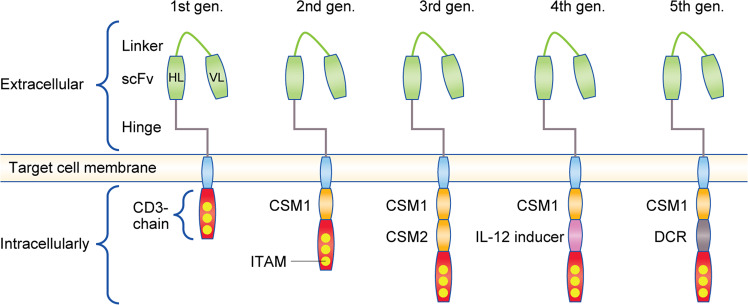
The functions of, and interactions between, the innate and adaptive immune systems are vital for anticancer immunity. Cytotoxic T cells expressing cell-surface CD8 are the most powerful effectors in the anticancer immune response and form the backbone of current successful cancer immunotherapies. Immune-checkpoint inhibitors are designed to target immune-inhibitory receptors that function to regulate the immune response, whereas adoptive cell-transfer therapies use CD8 + T cells with genetically modified receptors—chimaeric antigen receptors—to specify and enhance CD8 + T-cell functionality. New generations of cytotoxic T cells with genetically modified or synthetic receptors are being developed and evaluated in clinical trials. Furthermore, combinatory regimens might optimise treatment effects and reduce adverse events. This review summarises advances in research on the most prominent immune effectors in cancer and cancer immunotherapy, cytotoxic T cells, and discusses possible implications for future cancer treatment.
Overview
The claims and statistics of this paper haven’t been checked yet.
Free: it reads the open-access text and checks the first 5 claims that cite a source we can check. Create a free account to check every claim.
Integrity signals
Registry
Cites
Statistics
Figures
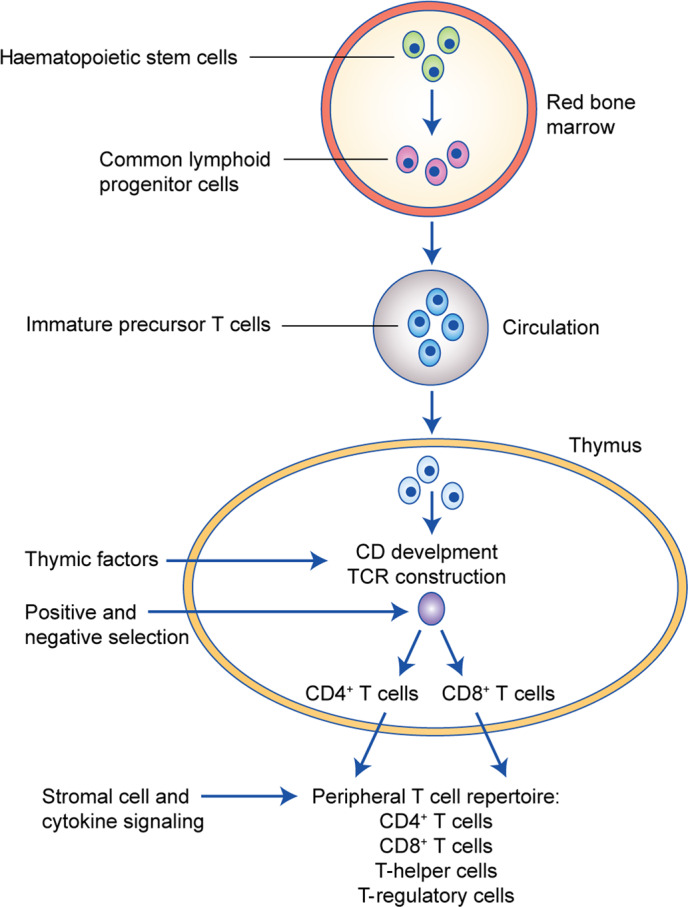
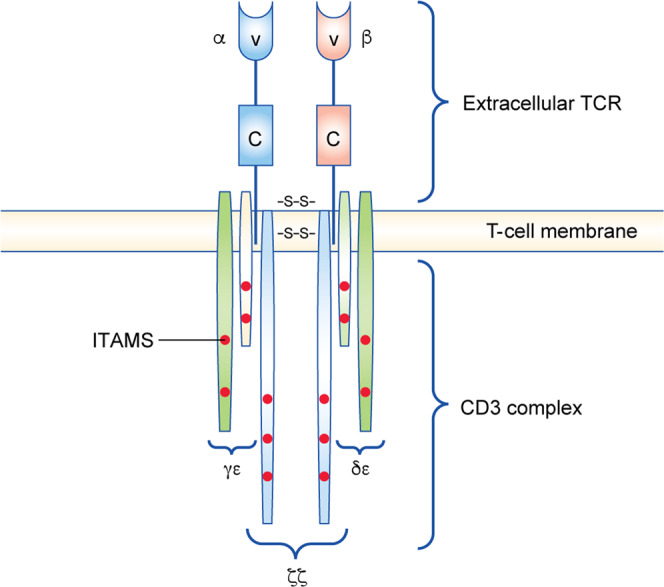
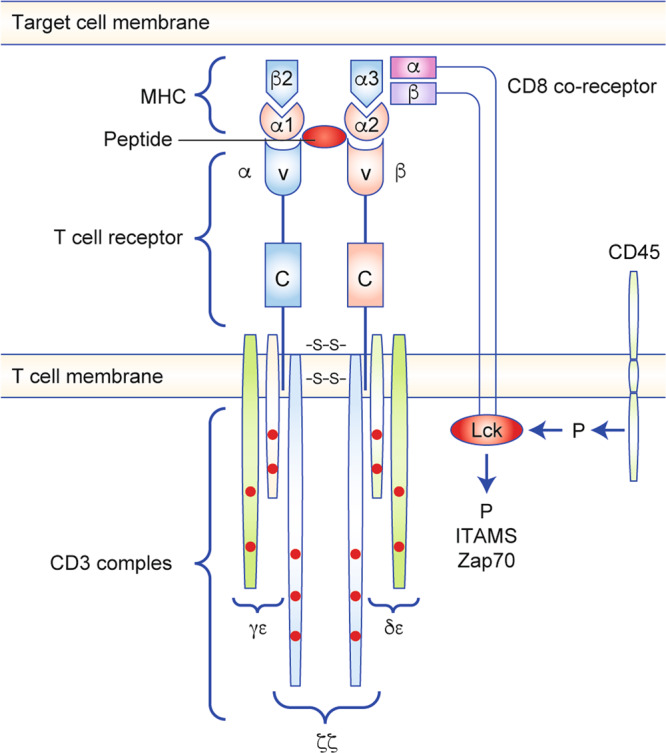
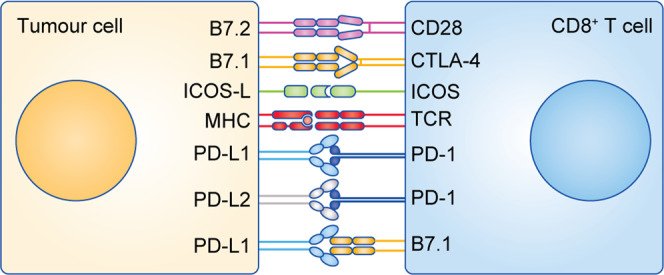
Verification
Claims the paper makes
The claims and statistics of this paper haven’t been checked yet.
Free: it reads the open-access text and checks the first 5 claims that cite a source we can check. Create a free account to check every claim.
Claims other papers make about this one
Each is checked against this paper’s own text: does it say what the citing paper says it does?
The source backs part of the claim, not all of it — or backs it for a different population, condition or comparison.
In the citing paper
“A robust expansion of proliferating CD8+ T cells is a critical response to immune-checkpoint inhibition leading to an enhanced adaptive immune response, specifically due to the activation of exhausted T cells (18).”
From Phase I/II, open-label, multicenter study of durvalumab in combination with tremelimumab in pediatric patients with advanced solid tumors (2026) · cites this paper as [18]
Experimental — accuracy not yet measuredThe cited source says what the claim attributes to it.
In the citing paper
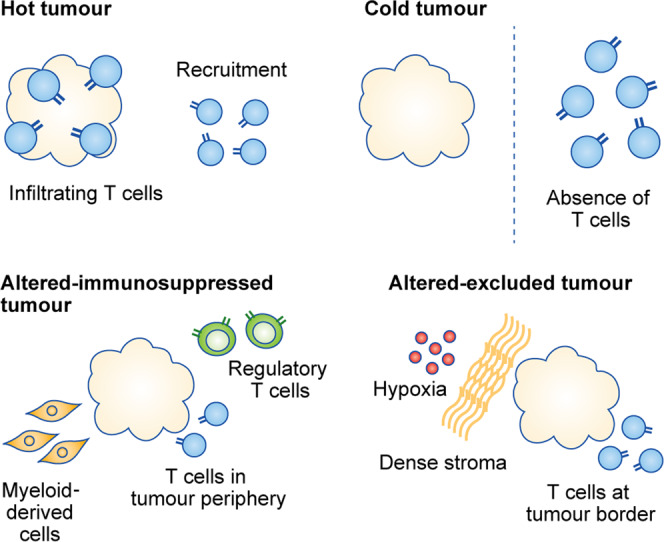
“The effectiveness of the CD8+ response is highly dependent on conditions within the tumor microenvironment and the presence of adverse conditions such as abnormal vasculature, high interstitial pressure, and hypoxia—which are generally considered unfavorable for CD8+ cells, may explain the lack of a clinical response to an ICI regimen.”
From Phase I/II, open-label, multicenter study of durvalumab in combination with tremelimumab in pediatric patients with advanced solid tumors (2026) · cites this paper as [18]
Self-check
Percentages, sums and reported differences re-computed from the paper’s own numbers.
The self-check needs the paper’s full text.
Citations
Cites
Pembrolizumab plus chemotherapy in metastatic non–small-cell lung cancer
Gandhi, L., Rodríguez-Abreu, D., Gadgeel, S., Esteban, E., Felip, E., De Angelis, F., Domine, M., Clingan, P., Hochmair, M. J., Powell, S. F., et al. (2018) · New England Journal of Medicine · doi:10.1056/nejmoa1801005 · Cited by 6,607 · cited 1×
“In addition, the combination of pembrolizumab with cytotoxic chemotherapy demonstrated clinical benefit, and was approved by the US Food and Drug Administration (FDA) for first-line treatment of metastatic nonsmall-cell lung cancer (NSCLC).(46) The FDA has also approved pembrolizumab or avelumab in combination with ax…”
BackgroundAtezolizumab and nab-paclitaxel in advanced triple-negative breast cancer
Schmid, P., Adams, S., Rugo, H. S., Schneeweiss, A., Barrios, C. H., Iwata, H., Diéras, V., Hegg, R., Im, S.-A., Shaw Wright, G., et al. (2018) · New England Journal of Medicine · doi:10.1056/nejmoa1809615 · Cited by 4,350
Innate and adaptive immune cells in the tumor microenvironment
Gajewski, T. F., Schreiber, H., & Fu, Y.-X. (2013) · Nature Immunology · doi:10.1038/ni.2703 · Cited by 4,148
First-line atezolizumab plus chemotherapy in extensive-stage small-cell lung cancer
Horn, L., Mansfield, A. S., Szczęsna, A., Havel, L., Krzakowski, M., Hochmair, M. J., Huemer, F., Losonczy, G., Johnson, M. L., Nishio, M., et al. (2018) · New England Journal of Medicine · doi:10.1056/nejmoa1809064 · Cited by 3,586
Approaches to treat immune hot, altered and cold tumours with combination immunotherapies
Galon, J., & Bruni, D. (2019) · Nature Reviews Drug Discovery · doi:10.1038/s41573-018-0007-y · Cited by 3,409 · cited 8×
“The WNT/β-catenin signalling pathway participates in the regulation of the NF-κB and TGF-β pathways and downregulates the expression of interferon regulatory factor 3, a transcription factor essential for the differentiation and maturation of immune cells, and is therefore instrumental for the exclusion of CD8+ T cell…”
BackgroundInfluentialSafety and Tumor Responses with Lambrolizumab (Anti–PD-1) in Melanoma
Hamid, O., Robert, C., Daud, A., Hodi, F. S., Hwu, W.-J., Kefford, R., Wolchok, J. D., Hersey, P., Joseph, R. W., Weber, J. S., et al. (2013) · New England Journal of Medicine · doi:10.1056/nejmoa1305133 · Cited by 3,392 · cited 1×
“For patients with complete responses, anti-PD-1 treatment has been shown to be able to induce a complete response in as few as 80 days.(39) However, predicting tumour responses to PD-1 blockade is challenging.”
BackgroundAvelumab plus Axitinib versus Sunitinib for Advanced Renal-Cell Carcinoma
Motzer, R. J., Penkov, K., Haanen, J., Rini, B., Albiges, L., Campbell, M. T., Venugopal, B., Kollmannsberger, C., Negrier, S., Uemura, M., et al. (2019) · New England Journal of Medicine · doi:10.1056/nejmoa1816047 · Cited by 2,503 · cited 2×
“The combination of PD-1/PD-L1 inhibitors with a CTLA-4 inhibitor has shown promise, as evidenced by the approval of nivolumab in combination with ipilimumab for the treatment of metastatic melanoma, advanced renal cell carcinoma and mismatch repair-deficient (dMMR) colorectal cancer.(44,45) In addition, the combinatio…”
BackgroundT cell exclusion, immune privilege, and the tumor microenvironment
Joyce, J. A., & Fearon, D. T. (2015) · Science · doi:10.1126/science.aaa6204 · Cited by 2,473 · cited 1×
“Furthermore, within the bulk of a tumour, CD8 T cells need to actively navigate and seek out cancer cells—direct contact between T cells and cancer cells is decisive in determining the outcomes.(81) Inadequate CD8 T-cell navigation within a tumour represents a serious resistance mechanism: the amount and density of fi…”
BackgroundThe evolving landscape of biomarkers for checkpoint inhibitor immunotherapy
Havel, J. J., Chowell, D., & Chan, T. A. (2019) · Nature Reviews Cancer · doi:10.1038/s41568-019-0116-x · Cited by 2,286 · cited 1×
“IMMUNE-CHECKPOINT INHIBITOR THERAPY The introduction of monoclonal antibodies that target immuneinhibitory receptors, known as checkpoint inhibitors, has been an immense breakthrough in immuno-oncology, and has greatly improved the clinical outcomes of several cancers.(36) This therapeutic strategy can enhance the eff…”
BackgroundOverman, M. J., Lonardi, S., Wong, K. Y. M., Lenz, H.-J., Gelsomino, F., Aglietta, M., Morse, M. A., Van Cutsem, E., McDermott, R., Hill, A., et al. (2018) · Journal of Clinical Oncology · doi:10.1200/jco.2017.76.9901 · Cited by 2,079 · cited 1×
“The combination of PD-1/PD-L1 inhibitors with a CTLA-4 inhibitor has shown promise, as evidenced by the approval of nivolumab in combination with ipilimumab for the treatment of metastatic melanoma, advanced renal cell carcinoma and mismatch repair-deficient (dMMR) colorectal cancer.(44,45) In addition, the combinatio…”
Background
Cited by
Items 301–400 of 1,001
Hasan, N., Aftab, M., Ikram, S., Mustofa, A. Z., Sriwidodo, S., Darusman, H. S., Amir, M. N., Tockary, T. A., & Uchida, S. (2026) · International Journal of Pharmaceutics X · doi:10.1016/j.ijpx.2026.100484 · Cited by 28
“The presentation of MHC I molecules is essential for CD8 + T cell activation, which is necessary for the destruction of sick or cancerous cells (Raskov et al., 2021).”
Obesity modulates the immune macroenvironment associated with breast cancer development
Núñez-Ruiz, A., Sánchez-Brena, F., López-Pacheco, C. P., Acevedo-Dominguez, N. A., & Soldevila, G. (2022) · PLoS ONE · doi:10.1371/journal.pone.0266827 · Cited by 27
“In this context, it is known that CD8+ T lymphocytes [46, 47] play a key role in anti-tumoral responses and promote tumor progression [48, 49].”
BackgroundImmunotherapy for Pediatric Acute Lymphoblastic Leukemia: Recent Advances and Future Perspectives
Lv, M., Liu, Y., Liu, W., Xing, Y., & Zhang, S. (2022) · Frontiers in Immunology · doi:10.3389/fimmu.2022.921894 · Cited by 28
BTN3A: A Promising Immune Checkpoint for Cancer Prognosis and Treatment
Kone, A.-S., Ssi, S. A., Sahraoui, S., & Badou, A. (2022) · International Journal of Molecular Sciences · doi:10.3390/ijms232113424 · Cited by 27
Role of DAMPs and cell death in autoimmune diseases: the example of multiple sclerosis
Land, W. G. (2023) · Genes and Immunity · doi:10.1038/s41435-023-00198-8 · Cited by 27
Ou, D., Liao, Z.-X., Kempson, I. M., Li, L., Yang, P., & Tseng, S. ‐. (2024) · Journal of Biomedical Science · doi:10.1186/s12929-023-00989-1 · Cited by 27
“Furthermore, the CD8 + T cells can destroy virus-infected cells and cancer cells, and produce proinflammatory cytokines such as IFN-γ [31].”
BackgroundWang, H., Yang, R., Liu, D., & Li, W. (2024) · International Immunopharmacology · doi:10.1016/j.intimp.2024.111936 · Cited by 27
Ferrari, D. P., Ramos‐Gomes, F., Alves, F., & Markus, M. A. (2024) · Scientific Reports · doi:10.1038/s41598-024-64053-0 · Cited by 28
“It is well-known that cytotoxic CD8 + T cells are the most powerful effectors in the anticancer immune response 32 .”
BackgroundMethodInfluentialDualistic role of ZEB1 and ZEB2 in tumor progression
Parfenyev, S. E., Daks, A. A., Shuvalov, O. Y., Fedorova, O., Pestov, N. B., Korneenko, T. V., & Barlev, N. A. (2025) · Biology Direct · doi:10.1186/s13062-025-00604-3 · Cited by 27
“In solid cancer, the tumor microenvironment is formed by the extracellular matrix, fibroblasts, endothelial and immune cells [116].”
The role of CD8+ T-cells in colorectal cancer immunotherapy
He, T., Hu, C., Li, S., Fan, Y., Xie, F., Sun, X., Jiang, Q., Chen, W., Jia, Y., & Li, W. (2024) · Heliyon · doi:10.1016/j.heliyon.2024.e33144 · Cited by 26
“Thus, T cells with TCRs affinity for MHC-1 turn into CD8 + T-cells, while T cells with TCRs affinity for MHC-2 turn into CD4 + T-cells [50,51].”
BackgroundYadav, S., Anbalagan, M., Khatun, S., Prabhakaran, D., Matsunaga, Y., Manges, J., McLachlan, J. B., Lasky, J. A., Kolls, J. K., & Thannickal, V. J. (2025) · Journal of Clinical Investigation · doi:10.1172/jci181775 · Cited by 26
Chronic Inflammation to Cancer: The Impact of Oxidative Stress on DNA Methylation
Damiano, O. M., Stevens, A. J., Kenwright, D., & Seddon, A. R. (2025) · Frontiers in Bioscience-Landmark · doi:10.31083/fbl26142 · Cited by 26
“Continuous signalling within the tumor microenvironment exacerbates growth, angiogenesis, and metastasis [37,38].”
Cai, Y., Kang, X., Zhou, L., Wu, S., Wang, C., Wu, S., Huang, C.-H., Wang, Q., Chang, Y., Babu, R. J., et al. (2025) · Advanced Functional Materials · doi:10.1002/adfm.202425286 · Cited by 26
The Hallmarks of Cancer as Eco-Evolutionary Processes
Bhattacharya, R., Avdieiev, S. S., Bukkuri, A., Whelan, C. J., Gatenby, R. A., Tsai, K. Y., & Brown, J. S. (2025) · Cancer Discovery · doi:10.1158/2159-8290.cd-24-0861 · Cited by 26
Zhang, J., Chen, W., Zhang, C., He, Q., Wang, X., Han, J., Gao, P., Wang, K., Xie, H., Gao, F., et al. (2025) · Cancer Research · doi:10.1158/0008-5472.can-24-3748 · Cited by 26
A PDE Model of Breast Tumor Progression in MMTV-PyMT Mice
Mirzaei, N. M., Tatárová, Z., Hao, W., Changizi, N., Asadpoure, A., Zervantonakis, I. K., Hu, Y., Chang, Y. H., & Shahriyari, L. (2022) · Journal of Personalized Medicine · doi:10.3390/jpm12050807 · Cited by 26
Construction of ceRNA Networks Associated With CD8 T Cells in Breast Cancer
Chen, Z., Feng, R., Kahlert, U. D., Chen, Z., Roche, L. A. T.-D., Soliman, A. S., Chen, M., Wilde, R. L. D., & Shi, W. (2022) · Frontiers in Oncology · doi:10.3389/fonc.2022.883197 · Cited by 26
“CD8 T cells are the most potent effectors in the anticancer immune response, and they are the foundation of cancer immunotherapy (9).”
BackgroundCD8+ T-cell immunity orchestrated by iNKT cells
Qin, Y., Bao, X., & Zheng, M. (2023) · Frontiers in Immunology · doi:10.3389/fimmu.2022.1109347 · Cited by 26
Controlling Antigen Fate in Therapeutic Cancer Vaccines by Targeting Dendritic Cell Receptors
Wijfjes, Z., van Dalen, F. J., Gall, C. M. L., & Verdoes, M. (2023) · Molecular Pharmaceutics · doi:10.1021/acs.molpharmaceut.3c00330 · Cited by 27
Abascal, J. W., Oh, M. S., Liclican, E. L., Dubinett, S. M., Salehi‐Rad, R., & Liu, B. (2023) · Cells · doi:10.3390/cells12192404 · Cited by 26
“Cytotoxic CD8 + T cells are critical mediators of anti-tumor adaptive immunity [29].”
Zhang, Z., Song, B., Wei, H., Liu, Y., Zhang, W., Yang, Y., & Sun, B. (2024) · Drug Resistance Updates · doi:10.1016/j.drup.2023.101040 · Cited by 26
Pandey, R., Chiu, C., & Wang, L. (2024) · Molecular Pharmaceutics · doi:10.1021/acs.molpharmaceut.3c01040 · Cited by 26
Zhang, S., Gong, L., Sun, Y., Zhang, F., & Gao, W. (2024) · Biomaterials · doi:10.1016/j.biomaterials.2024.122740 · Cited by 25
Chen, D., Xu, L., Xuan, M., Chu, Q., & Xue, C. (2024) · Clinical and Translational Medicine · doi:10.1002/ctm2.1802 · Cited by 25
“110,111 The amino acid oxidase IL-4-induced-1 (IL-4I1) has recently been identified as a pro-tumourigenic factor.”
BackgroundKim, J., Kim, M., Han, H., Kim, S., Lahiji, S. F., & Kim, Y. H. (2025) · Journal of Controlled Release · doi:10.1016/j.jconrel.2025.02.065 · Cited by 25
Tumor-derived vesicles in immune modulation: focus on signaling pathways
Yin, F., He, Y., Qiao, Y., & Yan, Y. (2025) · Frontiers in Immunology · doi:10.3389/fimmu.2025.1581964 · Cited by 25
“Inhibition of TDEV release can potentially suppress immune suppression in the TME, enhance CD8 + T cell survival, and increase the ef fi cacy of checkpoint blockade therapies (225, 226).”
Cancer stem cell antigen nanodisc cocktail elicits anti-tumor immune responses in melanoma
Aikins, M. E., Qin, Y., Dobson, H. E., Najafabadi, A. H., Lyu, K., Xu, Y., Xin, Y., Schwendeman, A. A., Wicha, M. S., Chang, A. E., et al. (2022) · Journal of Controlled Release · doi:10.1016/j.jconrel.2022.09.061 · Cited by 25
“In particular, CD8 + T cells are considered the primary immune cell population responsible for cytotoxicity against tumor cells [54,55], whereas regulatory CD4 + T cells (Tregs) suppress pro-inflammatory immune responses and are recruited to the TME by tumor cells as part of their immune escape…”
BackgroundGlobal Impact of Monoclonal Antibodies (mAbs) in Children: A Focus on Anti-GD2
Larrosa, C., Mora, J., & Cheung, N. V. (2023) · Cancers · doi:10.3390/cancers15143729 · Cited by 25
“For classic T cell targets (neo-antigen peptides on the MHC), loss or mutation of the peptide, loss of beta-2 microglobulin, and deficiency of the multiple proteins involved in antigen processing will derail antigen presentation to the CD8(+) killer T cells [105].”
BackgroundOckfen, E., Filali, L., Fernandes, D. P., Hoffmann, C., & Thomas, C. (2023) · Frontiers in Immunology · doi:10.3389/fimmu.2023.1276602 · Cited by 26
Piroozkhah, M., Gholinezhad, Y., Piroozkhah, M., Shams, E., & Mojarad, E. N. (2023) · Frontiers in Immunology · doi:10.3389/fimmu.2023.1298891 · Cited by 25
Surface modification of lipid nanoparticles for gene therapy
Tafech, B., Mohabatpour, F., & Hedtrich, S. (2023) · The Journal of Gene Medicine · doi:10.1002/jgm.3642 · Cited by 25
“43 To overcome this limitation, CD3-antibody-coated LNPs were generated using maleimide coupling to deliver RNA to T cells, triggering their activation.”
MethodTargeting the prostate tumor microenvironment by plant-derived natural products
Wu, J., Ji, H., Li, T., Guo, H., Xu, H., Zhu, J., Tian, J., Gao, M., Wang, X., & Zhang, A. (2023) · Cellular Signalling · doi:10.1016/j.cellsig.2023.111011 · Cited by 25
Wang, B., Zhou, B., Chen, J., Sun, X. H., Yang, W., Yang, T., Yu, H., Chen, P., Chen, K., Huang, X., et al. (2024) · Journal for ImmunoTherapy of Cancer · doi:10.1136/jitc-2023-007808 · Cited by 25
“We compared RNA-Seq transcriptome analysis of MB49- If-nl3 OE and MB49-EV tumors 23 days after subcutaneous tumor cells injection to investigate the potential mechanisms underlying the in vivo antitumor effect of IFN-λ 3.”
ResultBreast Cancer Immune Landscape: Interplay Between Systemic and Local Immunity
Gerashchenko, T. S., Frolova, A. A., Patysheva, M. R., Fedorov, A. A., Stakheyeva, M. N., Denisov, E. V., & Чердынцева, Н. В. (2024) · Advanced Biology · doi:10.1002/adbi.202400140 · Cited by 26
Optimizing cancer therapy: a review of the multifaceted effects of metronomic chemotherapy
Basar, O. Y., Mohammed, S. G. A. A., Qoronfleh, M. W., & Acar, A. (2024) · Frontiers in Cell and Developmental Biology · doi:10.3389/fcell.2024.1369597 · Cited by 25
CAFs and T cells interplay: The emergence of a new arena in cancer combat
Chen, M., Chen, F., Gao, Z., Li, X., Hu, L., Yang, S., Zhao, S., & Song, Z. (2024) · Biomedicine & Pharmacotherapy · doi:10.1016/j.biopha.2024.117045 · Cited by 25
The Cellular and Molecular Immunotherapy in Prostate Cancer
Mukherjee, A. G., Wanjari, U. R., Prabakaran, D. S., Ganesan, R., Renu, K., Dey, A., Vellingiri, B., Kandasamy, S., Ramesh, T., & Gopalakrishnan, A. V. (2022) · Vaccines · doi:10.3390/vaccines10081370 · Cited by 25
“The production of perforin and granzyme is further increased by 4-1BB ligation, enhancing TCR signaling and boosting CD8+ T cell cytotoxicity, IFN-release, and cell growth [78].”
BackgroundGiri, S., Lamichhane, G., Pandey, J., Khadayat, R., Sindhu, K. C., Devkota, H. P., & Khadka, D. (2025) · International Journal of Molecular Sciences · doi:10.3390/ijms26072923 · Cited by 26
Zhang, P., Gu, Y., Fang, H., Cao, Y., Wang, J., Liu, H., Zhang, H., He, L., He, H., Li, R., et al. (2022) · Journal for ImmunoTherapy of Cancer · doi:10.1136/jitc-2021-004047 · Cited by 24
Chen, D., Li, Q., Liang, H., Huang, L., Zhou, H., Zheng, X., & Wang, Z. (2022) · Biochemical and Biophysical Research Communications · doi:10.1016/j.bbrc.2022.06.052 · Cited by 24
Characterization of the tumor-infiltrating lymphocyte landscape in sinonasal mucosal melanoma
Ledderose, S., Schulz, H., Paul, T., Ledderose, C., & Ledderose, G. (2022) · Pathology - Research and Practice · doi:10.1016/j.prp.2022.154289 · Cited by 25
Inside PD-1/PD-L1,2 with their inhibitors
Boisgerault, N., & Bertrand, P. (2023) · European Journal of Medicinal Chemistry · doi:10.1016/j.ejmech.2023.115465 · Cited by 24
Wang, Y., Chen, S., Xiao, X., Yang, F., Wang, J., Zong, H., Gao, Y., Huang, C., Xu, X., Fang, M., et al. (2023) · Precision Clinical Medicine · doi:10.1093/pcmedi/pbad021 · Cited by 25
“As the most po w erful effector cells responsible for the anticancer immune response, 28 the increased infiltration of CD8 + T cells in HCC is, in general, considered to be a sign of good prognosis.”
Single cell RNA sequencing – a valuable tool for cancer immunotherapy: a mini review
Kodous, A. S., Meenakumari, B., & Ramanathan, P. (2023) · ONCOLOGIE · doi:10.1515/oncologie-2023-0244 · Cited by 24
Lee, J., Kim, D., Kong, J., Ha, D., Kim, I., Park, M., Lee, K., Im, S., & Kim, S. (2024) · Science Advances · doi:10.1126/sciadv.adj0785 · Cited by 24
Salahlou, R., Farajnia, S., Bargahi, N., Bakhtiyari, N., Elmi, F., Shahgolzari, M., Fiering, S., & Venkataraman, S. (2024) · BMC Infectious Diseases · doi:10.1186/s12879-024-09046-0 · Cited by 25
“This enables them to deliver molecules that destroy the infection [36].”
BackgroundA Wireless, Multicolor Fluorescence Image Sensor Implant for Real-Time Monitoring in Cancer Therapy
Roschelle, M., Rabbani, R., Gweon, S., Kumar, R., Vercruysse, A., Cho, N. W., Spitzer, M. H., Niknejad, A. M., Stojanovic, V. M., & Anwar, M. (2024) · IEEE Journal of Solid-State Circuits · doi:10.1109/jssc.2024.3435736 · Cited by 24
“As the sensor does not have single-cell resolution, the cell density in the sensor images is determined by the fluorescence intensity in the tumor normalized by the area bounded by the white dashed lines in Fig.”
BackgroundThe role of CD8 PET imaging in guiding cancer immunotherapy
Zhang, J., Du, B., Wang, Y., Cui, Y., Wang, S., Zhao, Y., Li, Y., & Li, X. (2024) · Frontiers in Immunology · doi:10.3389/fimmu.2024.1428541 · Cited by 24
“Several studies have established the critical function of CD8 + T cells in anti-tumor immunity (33, 34).”
BackgroundMontoya, M., Collins, S., Chuntova, P., Patel, T. S., Nejo, T., Yamamichi, A., Kasahara, N., & Okada, H. (2024) · Neuro-Oncology · doi:10.1093/neuonc/noae149 · Cited by 24
Beneficial microbiome and diet interplay in early-onset colorectal cancer
Zhou, Z., Kleis, L., Depetris-Chauvin, A., Jaskulski, S., Damerell, V., Michels, K. B., Gigic, B., Nöthlings, U., & Panagiotou, G. (2024) · EMBO Molecular Medicine · doi:10.1038/s44321-024-00177-0 · Cited by 24
Xin, X., Zhao, L., Yan, X., Liu, T., Li, Z., Chen, Z., Yan, X., Zeng, F., Hou, L., & Zhang, J. (2024) · Theranostics · doi:10.7150/thno.97276 · Cited by 23
“CD8 + T cells are the main component of the anti-tumor immune response, eliminating target cells through exocytosis of effector cytokines such as granzyme B (Gzmb), interferon (IFN)- γ and TNF - α [32].”
BackgroundImmune biomarkers and predictive signatures in gastric cancer: Optimizing immunotherapy responses
Sundaram, V. A., Infant, S. S., Manikandan, S., Rani, D. J., Muthu, C. M. M., & Chopra, H. (2024) · Pathology - Research and Practice · doi:10.1016/j.prp.2024.155743 · Cited by 23
Yu, C., Fang, X., Tian, S., & Liu, H. (2025) · Nature Machine Intelligence · doi:10.1038/s42256-024-00973-w · Cited by 23
Bioactive metallic nanoparticles for synergistic cancer immunotherapy
Wang, L., Lin, D., Li, M., Yu, J., Yang, Y., Wang, H., Chu, H., Ye, J., & Liu, Y. (2025) · Acta Pharmaceutica Sinica B · doi:10.1016/j.apsb.2025.02.022 · Cited by 25
“CD8 þ T cells, as key effector cells of the adaptive immune response, can directly recognize and eliminate tumor cells in an antigen-specific manner 31,94 .”
The Impact of T-cell Exhaustion Dynamics on Tumour–Immune Interactions and Tumour Growth
Lai, N., Farman, A., & Byrne, H. M. (2025) · Bulletin of Mathematical Biology · doi:10.1007/s11538-025-01433-1 · Cited by 23
Oh, C., Jung, H. S., Park, J., Awad, J., Jiang, D., Dowling, D. J., & Im, H. (2025) · ACS Nano · doi:10.1021/acsnano.5c04836 · Cited by 23
Advances and Strategies in Enhancing mRNA Cancer Vaccines
Zhang, M., Chen, S., Hu, H.-J., Ong, Y., & Ni, Q. (2025) · Advanced Materials · doi:10.1002/adma.202509880 · Cited by 23
CD4+ T cell dysfunction in cancer
Venkatesh, H., & Fong, L. H. (2025) · The Journal of Experimental Medicine · doi:10.1084/jem.20241417 · Cited by 23
Yun, X., Zhang, Q., Fang, Y., Lv, C., Chen, Q., Chu, Y., Zhu, Y., Wei, Z., Xia, Y., & Dai, Y. (2022) · Biochemical Pharmacology · doi:10.1016/j.bcp.2022.115138 · Cited by 24
Single-intraosseous simvastatin injection suppresses cancers via activating CD8+ T cells
Yuan, W., Ren, X., Zhu, J., Huang, J., Zhang, W., Zhang, C., Guan, Z., Wang, H., Leng, H., & Song, C. (2022) · Biomedicine & Pharmacotherapy · doi:10.1016/j.biopha.2022.113665 · Cited by 23
Jiang, W., Shen, Z., Guo, Z., Wang, Q., Li, Q., Hu, J., & Wang, Y. (2022) · Nano Today · doi:10.1016/j.nantod.2022.101696 · Cited by 23
Akiyoshi, T., Wang, Z., Kaneyasu, T., Gotoh, O., Tanaka, N., Amino, S., Yamamoto, N., Kawachi, H., Mukai, T., Hiyoshi, Y., et al. (2023) · JAMA Network Open · doi:10.1001/jamanetworkopen.2022.52140 · Cited by 23
p38MAPKα Stromal Reprogramming Sensitizes Metastatic Breast Cancer to Immunotherapy
Faget, D. V., Luo, X., Inkman, M. J., Ren, Q., Su, X., Ding, K., Waters, M. R., Raut, G. K., Pandey, G., Dodhiawala, P. B., et al. (2023) · Cancer Discovery · doi:10.1158/2159-8290.cd-22-0907 · Cited by 24
Jou, E. (2023) · Exploration of Targeted Anti-tumor Therapy · doi:10.37349/etat.2023.00146 · Cited by 23
Breast cancer vaccines; A comprehensive and updated review
Al‐Hawary, S. I. S., Saleh, E. A. M., Mamajanov, N. A., Gilmanova, N. S., Alsaab, H. O., Alghamdi, A., Ansari, S. A., Alawady, A. H. R., Alsaalamy, A. H., & Ibrahim, A. J. (2023) · Pathology - Research and Practice · doi:10.1016/j.prp.2023.154735 · Cited by 23
The potential role of gut microbiota outer membrane vesicles in colorectal cancer
Meng, R., Zeng, M., Ji, Y., Huang, X., & Xu, M. (2023) · Frontiers in Microbiology · doi:10.3389/fmicb.2023.1270158 · Cited by 23
Heimdörfer, D., Artamonova, N., Čulig, Z., & Heidegger, I. M. (2024) · Journal of Cancer Research and Clinical Oncology · doi:10.1007/s00432-024-05983-0 · Cited by 23
Ye, Z., Ding, J., Huang, J., Zhao, H., Jin, F., & Wu, K. (2024) · Archives of Pharmacal Research · doi:10.1007/s12272-024-01516-y · Cited by 23
Cancer vaccines: an update on recent achievements and prospects for cancer therapy
Chekaoui, A., Garofalo, M., Gad, B., Staniszewska, M., Chiaro, J., Pancer, K. W., Gryciuk, A., Cerullo, V., Salmaso, S., Caliceti, P., et al. (2024) · Clinical and Experimental Medicine · doi:10.1007/s10238-024-01541-7 · Cited by 23
Extracellular Vesicles as Mediators of Therapy Resistance in the Breast Cancer Microenvironment
Samuels, M., Cilibrasi, C., Papanastasopoulos, P., & Giamas, G. (2022) · Biomolecules · doi:10.3390/biom12010132 · Cited by 24
Ding, J., Wang, T., Chen, Z., Lin, Z., Chen, X., & He, C. (2022) · Journal of Polymer Science · doi:10.1002/pol.20210955 · Cited by 23
Metallic nanomedicine in cancer immunotherapy
Li, S., Wang, X., Han, H., Xiang, S., Li, M., Long, G., Xia, Y., Zhang, Q., & Li, S. (2025) · Acta Pharmaceutica Sinica B · doi:10.1016/j.apsb.2025.07.017 · Cited by 22
Pairing cells of different sizes in a microfluidic device for immunological synapse monitoring
Shaik, F. A., Lewuillon, C., Guillemette, A., Ahmadian, B., Brinster, C., Quesnel, B., Collard, D., Touil, Y. S., Lemonnier, L., & Tarhan, M. C. (2022) · Lab on a Chip · doi:10.1039/d1lc01156a · Cited by 22
Chun, J., Park, S., Yi, J.-M., Ha, I. J., Kang, H. N., & Jeong, M.-K. (2022) · Frontiers in Pharmacology · doi:10.3389/fphar.2022.901563 · Cited by 22
Podojil, J. R., Cogswell, A. C., Chiang, M., Eaton, V. L., Ifergan, I., Neef, T., Xu, D., Meghani, K. A., Yu, Y., Orbach, S. M., et al. (2022) · Frontiers in Immunology · doi:10.3389/fimmu.2022.887649 · Cited by 23
“Numerous studies have shown that tumor-infiltrating immune cells such as antigen-presenting cells (APCs) (1), T cells (2, 3), and natural killer (NK) cells (4, 5) play critical roles in tumor control.”
BackgroundRodrigues, C. F., Fernandes, N. F., de Melo‐Diogo, D., Correia, I. J., & Moreira, A. F. (2022) · Advanced Healthcare Materials · doi:10.1002/adhm.202201214 · Cited by 22
Georgoulias, G., & Zaravinos, A. (2022) · Frontiers in Immunology · doi:10.3389/fimmu.2022.1006665 · Cited by 23
“CD8+ T-cells are the most powerful effectors during an anticancer immune response and constitute the backbone of cancer immunotherapy (90, 91).”
BackgroundCuproptosis regulatory genes greatly contribute to clinical assessments of hepatocellular carcinoma
Ke, C., Dai, S., Xu, F., Yuan, J., Fan, S., Chen, Y., Yang, L., & Li, Y. (2023) · BMC Cancer · doi:10.1186/s12885-022-10461-2 · Cited by 22
Shi, X., Ding, J., Zheng, Y., Wang, J., Sobhani, N., Neeli, P. K., Wang, G., Zheng, J., & Chai, D. (2023) · iScience · doi:10.1016/j.isci.2023.106143 · Cited by 22
“The cytotoxic CD8T cells act as the major executor for implementing anti-tumor response among the distinct immune subpopulations.(42) Unfortunately, the infiltrating CD8T cells can also unexpectedly develop into an immune energy state contributed by the immunosuppressive tumor microenvironment, which can greatly compr…”
BackgroundA polymeric nanocarrier that eradicates breast cancer stem cells and delivers chemotherapeutic drugs
Lv, L., Shi, Y., Deng, Z., Xu, J., Ye, Z., He, J., Chen, G., Yu, X., Wu, J., Huang, X., et al. (2023) · Biomaterials Research · doi:10.1186/s40824-023-00465-9 · Cited by 22
“EPR effect likely contributed to non-specific accumulation in the Besides, CD8 + T cells with anti-tumor functions are the basis of many cancer immunotherapies [84, 85].”
BackgroundQiu, Y., Liu, L., Jiang, W., Xu, Z., Wang, J., Dai, S., Guo, J., & Xu, J. (2024) · Journal for ImmunoTherapy of Cancer · doi:10.1136/jitc-2023-008368 · Cited by 22
Ayass, M. A., Tripathi, T., Griko, N., Okyay, T., Nair, R. R., Zhang, J., Zhu, K., Melendez, K., Pashkov, V., & Abi-Mosleh, L. (2024) · Cancers · doi:10.3390/cancers16051041 · Cited by 22
“The CD8 + T-cell-mediated tumor cell killing [33] assay was conducted following a series of controlled steps.”
BackgroundMethodStem‐like T cells in cancer and autoimmunity
Schnell, A. (2024) · Immunological Reviews · doi:10.1111/imr.13356 · Cited by 22
Revolutionizing cancer treatment: the rise of personalized immunotherapies
Fayyaz, A., Haqqi, A., Khan, R., Irfan, M., Khan, K., Reiner, Ž., Sharifi‐Rad, J., & Călina, D. C. (2024) · Discover Oncology · doi:10.1007/s12672-024-01638-1 · Cited by 22
Razavi, A. S., Mohtashami, M., Razi, S., & Rezaei, N. (2021) · Cytokine · doi:10.1016/j.cyto.2021.155772 · Cited by 22
Lang, C., Egger, F., Hoda, M. A., Querner, A. S., Ferencz, B., Lungu, V., Szegedi, R., Bogyó, L., Török, K., Oberndorfer, F., et al. (2022) · Lung Cancer · doi:10.1016/j.lungcan.2022.05.010 · Cited by 22
CD8+ T Cell Phenotype and Function in Childhood and Adult-Onset Connective Tissue Disease
Radziszewska, A., Moulder, Z., Jury, E. C., & Ciurtin, C. (2022) · International Journal of Molecular Sciences · doi:10.3390/ijms231911431 · Cited by 22
“Immune checkpoint inhibitors are monoclonal antibodies that interfere with the checkpoint protein: receptor interactions, leading to enhanced CD8+ T cell activation and cytotoxic response against malignant cells [200].”
BackgroundCastillo, J. G., Fernandez, S., Campbell, T., Ventura, D. G., Williams, J. T., Ybarra, J., Hernandez, N. F., Wells, E., Portnoy, D. A., & DuPage, M. J. P. (2024) · Immunity · doi:10.1016/j.immuni.2025.05.001 · Cited by 21
Characterization of Clinically Evaluated Small-Molecule Inhibitors of PD-L1 for Immunotherapy
Slota, A., Gołębiowska-Mendroch, K., Kocik-Krol, J., Musielak, B., Stec, M., Węglarczyk, K., Siedlar, M., Skalniak, Ł., Plewka, J., & Magiera‐Mularz, K. (2025) · ACS Medicinal Chemistry Letters · doi:10.1021/acsmedchemlett.5c00245 · Cited by 21
Bai, Z., Xu, F., Feng, X., Wu, Y. S., Lv, J., Shi, Y., & Pei, H. (2022) · Bioengineered · doi:10.1080/21655979.2021.2019873 · Cited by 21
RetractedWang, Y., Rousset, X., Prunier, C., Garcia, P., Dosda, E., Leplus, E., & Viallet, J. P. (2022) · Cancers · doi:10.3390/cancers14133095 · Cited by 21
“Among the different T cell subsets, CD8+ cytotoxic T cells are key effector cells in anti-tumor immunity [29,30].”
BackgroundKe, C., Chiu, Y., Huang, K., & Lin, C. (2022) · International Journal of Molecular Sciences · doi:10.3390/ijms24010147 · Cited by 21
“Helper CD4+ T cells play a prominent role in maintaining CD8+ cytolytic responses and preventing CTL exhaustion [4,23].”
BackgroundChen, M., Yang, P., Xin, Z., Chen, J., Zou, W., Zhou, L., Yang, L., Peng, J., & Peng, H. (2023) · Frontiers in Immunology · doi:10.3389/fimmu.2023.1173379 · Cited by 21
“Cytotoxic CD8 T cells, activated by antigen-presenting cells, are the most vital in anticancer immune responses and constitute the backbone of cancer immunotherapy (46).”
BackgroundRoe, J. M., Seely, K. D., Bussard, C. J., Martin, E. E., Mouw, E. G., Bayles, K. W., Hollingsworth, M. A., Brooks, A. E., & Dailey, K. M. (2023) · Pharmaceutics · doi:10.3390/pharmaceutics15072004 · Cited by 22
Li, P., Du, Y., Qiu, J., Li, D., Li, G., & Shan, G. (2023) · Advanced Healthcare Materials · doi:10.1002/adhm.202301517 · Cited by 21
Zhang, Y., Zhou, X., Zhong, Y., Chen, X. X., Li, Z., Li, R., Qin, P., Wang, S., Yin, J., Liu, S., et al. (2023) · Human Molecular Genetics · doi:10.1093/hmg/ddad187 · Cited by 21
Treatment Options for Hepatocellular Carcinoma Using Immunotherapy: Present and Future
Wei, H., Dong, C., & Li, X. (2024) · Journal of Clinical and Translational Hepatology · doi:10.14218/jcth.2023.00462 · Cited by 21
Tissue adaptation of CD4 T lymphocytes in homeostasis and cancer
Pereira, M. V. A., Galvani, R. G. A., Gonçalves-Silva, T., de Vasconcelos, Z. F. M., & Bonomo, A. C. (2024) · Frontiers in Immunology · doi:10.3389/fimmu.2024.1379376 · Cited by 21
“…investigations into the mechanisms and impacts of this therapy, as they are the cells most studied regarding the phenomenon and (dys)function in the exhausted phenotype and, in addition, these cells are capable of acting directly in the elimination of tumor cells through cytotoxic mechanisms (294).”
Targeting Cancers with oHSV-Based Oncolytic Viral Immunotherapy
Nasar, R. T., Uche, I. K., & Kousoulas, K. G. (2024) · Current Issues in Molecular Biology · doi:10.3390/cimb46060334 · Cited by 21
“Although in some tumors, the immunosuppressive milieu of the TME, which constitute cold tumors, can pose as a barrier and suppress the tumor trafficking of CD8+ T-cells and their effector functions [31].”
BackgroundSelf-assembly of a ruthenium-based cGAS-STING photoactivator for carrier-free cancer immunotherapy
Ling, Y., Li, Z.-Y., Mu, X., Kong, Y.-J., Liang, H., Wang, W., Shen, Q., Zhang, Y.-B., & Tan, C. (2024) · European Journal of Medicinal Chemistry · doi:10.1016/j.ejmech.2024.116638 · Cited by 21
Metadata
- Authors
- Raskov, H., Orhan, A., Christensen, J. P., & Gögenur, I.
- Affiliations
- Zealand University Hospital Køge (DK)
- University of Copenhagen (DK)
- Corresponding author
- Raskov, Hans
- Venue
- British Journal of Cancer
- Published
- 2020-09-15
- Volume
- 124
- Issue
- 2
- Pages
- 359-367
- ISSN
- 0007-0920 (ISSN-L)
- 1532-1827
- PMC
- PMC7853123
- OpenAlex
- W3087683890
- Semantic Scholar
- 3da8010d333b6b14b8e7954ecd2cfbd264b5ba04
- Cited by
- 1,687
- References
- 106
- Citations by year
- 2026: 265 · 2025: 400 · 2024: 451 · 2023: 316 · 2022: 204 · 2021: 49 · 2020: 2
- FWCI
- 16.07
- Type
- journal article
- Language
- en
- Open access
- hybrid
- doi.org
- Licence
- cc-by
- creativecommons.org/licenses/by/4.0 (tdm)
- creativecommons.org/licenses/by/4.0 (vor)
- Locations
- British Journal of Cancer (publishedVersion, cc-by)
- Europe PMC (PubMed Central) (publishedVersion, cc-by)
- PubMed Central (publishedVersion, cc-by)
- PubMed (publishedVersion)
- Research at the University of Copenhagen (University of Copenhagen) (publishedVersion, cc-by)
- Topics
- Health Sciences › Medicine › Oncology › Cancer Immunotherapy and Biomarkers
- Life Sciences › Immunology and Microbiology › Immunology › Immunotherapy and Immune Responses
- Life Sciences › Immunology and Microbiology › Immunology › T-cell and B-cell Immunology
- Keywords
- CD8+ T cells, cytotoxic T lymphocytes, cancer immunotherapy, immune checkpoint inhibitors, chimeric antigen receptor, adoptive cell transfer, innate-adaptive immune interaction, antitumor immunity, combination therapy
- MeSH terms
- Animals, Humans, Immunotherapy, Neoplasms, T-Lymphocytes, Cytotoxic
About these checks
Registry, retraction, Cites and statistics results are computed, not judged, with one exception: a printed reference that no index lists is read once by a model before it counts as a citation error. Claims are extracted by a model and kept only when their quote appears verbatim in the text; each cited source is then checked, with a model’s help, for whether it says what the claim relies on. Those verdicts can be wrong — read the claim’s quote and the cited source before relying on one.
Statistics and arithmetic are recomputed, not judged.
Confidence bands are shown only for fields calibrated on our annotated test set. None is calibrated yet, so no band is shown.
What counts as a claim ›How we measure confidence ›How we check this ›
Are you an author, or do you see a problem with this page? Request a review
Data sources
Bibliographic data: Semantic Scholar, OpenAlex, Crossref.
Contains information from the Semantic Scholar Academic Graph Datasets, made available under the ODC Attribution License (ODC-BY 1.0).
Semantic Scholar’s data is described in: Kinney, R., et al. (2023). The Semantic Scholar Open Data Platform. arXiv:2301.10140.
