

Cytotoxic CD8+ T cells in cancer and cancer immunotherapy
Open accessThe DOI matches its Crossref record; 104 of the 106 references it cites were found in a registry or an index.
Abstract
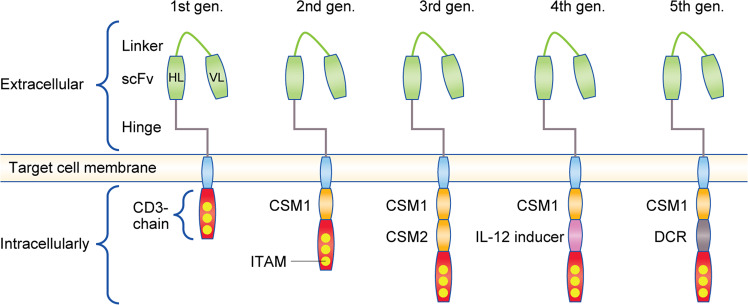
The functions of, and interactions between, the innate and adaptive immune systems are vital for anticancer immunity. Cytotoxic T cells expressing cell-surface CD8 are the most powerful effectors in the anticancer immune response and form the backbone of current successful cancer immunotherapies. Immune-checkpoint inhibitors are designed to target immune-inhibitory receptors that function to regulate the immune response, whereas adoptive cell-transfer therapies use CD8 + T cells with genetically modified receptors—chimaeric antigen receptors—to specify and enhance CD8 + T-cell functionality. New generations of cytotoxic T cells with genetically modified or synthetic receptors are being developed and evaluated in clinical trials. Furthermore, combinatory regimens might optimise treatment effects and reduce adverse events. This review summarises advances in research on the most prominent immune effectors in cancer and cancer immunotherapy, cytotoxic T cells, and discusses possible implications for future cancer treatment.
Overview
The claims and statistics of this paper haven’t been checked yet.
Free: it reads the open-access text and checks the first 5 claims that cite a source we can check. Create a free account to check every claim.
Integrity signals
Registry
Cites
Statistics
Figures
Verification
Claims the paper makes
The claims and statistics of this paper haven’t been checked yet.
Free: it reads the open-access text and checks the first 5 claims that cite a source we can check. Create a free account to check every claim.
Claims other papers make about this one
Each is checked against this paper’s own text: does it say what the citing paper says it does?
The source backs part of the claim, not all of it — or backs it for a different population, condition or comparison.
In the citing paper
“A robust expansion of proliferating CD8+ T cells is a critical response to immune-checkpoint inhibition leading to an enhanced adaptive immune response, specifically due to the activation of exhausted T cells (18).”
From Phase I/II, open-label, multicenter study of durvalumab in combination with tremelimumab in pediatric patients with advanced solid tumors (2026) · cites this paper as [18]
Experimental — accuracy not yet measuredThe cited source says what the claim attributes to it.
In the citing paper
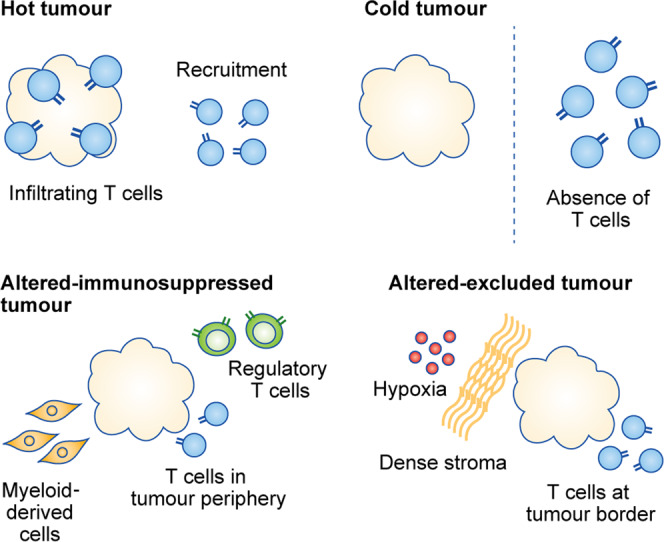
“The effectiveness of the CD8+ response is highly dependent on conditions within the tumor microenvironment and the presence of adverse conditions such as abnormal vasculature, high interstitial pressure, and hypoxia—which are generally considered unfavorable for CD8+ cells, may explain the lack of a clinical response to an ICI regimen.”
From Phase I/II, open-label, multicenter study of durvalumab in combination with tremelimumab in pediatric patients with advanced solid tumors (2026) · cites this paper as [18]
Self-check
Percentages, sums and reported differences re-computed from the paper’s own numbers.
The self-check needs the paper’s full text.
Citations
Cites
Pembrolizumab plus chemotherapy in metastatic non–small-cell lung cancer
Gandhi, L., Rodríguez-Abreu, D., Gadgeel, S., Esteban, E., Felip, E., De Angelis, F., Domine, M., Clingan, P., Hochmair, M. J., Powell, S. F., et al. (2018) · New England Journal of Medicine · doi:10.1056/nejmoa1801005 · Cited by 6,607 · cited 1×
“In addition, the combination of pembrolizumab with cytotoxic chemotherapy demonstrated clinical benefit, and was approved by the US Food and Drug Administration (FDA) for first-line treatment of metastatic nonsmall-cell lung cancer (NSCLC).(46) The FDA has also approved pembrolizumab or avelumab in combination with ax…”
BackgroundAtezolizumab and nab-paclitaxel in advanced triple-negative breast cancer
Schmid, P., Adams, S., Rugo, H. S., Schneeweiss, A., Barrios, C. H., Iwata, H., Diéras, V., Hegg, R., Im, S.-A., Shaw Wright, G., et al. (2018) · New England Journal of Medicine · doi:10.1056/nejmoa1809615 · Cited by 4,350
Innate and adaptive immune cells in the tumor microenvironment
Gajewski, T. F., Schreiber, H., & Fu, Y.-X. (2013) · Nature Immunology · doi:10.1038/ni.2703 · Cited by 4,148
First-line atezolizumab plus chemotherapy in extensive-stage small-cell lung cancer
Horn, L., Mansfield, A. S., Szczęsna, A., Havel, L., Krzakowski, M., Hochmair, M. J., Huemer, F., Losonczy, G., Johnson, M. L., Nishio, M., et al. (2018) · New England Journal of Medicine · doi:10.1056/nejmoa1809064 · Cited by 3,586
Approaches to treat immune hot, altered and cold tumours with combination immunotherapies
Galon, J., & Bruni, D. (2019) · Nature Reviews Drug Discovery · doi:10.1038/s41573-018-0007-y · Cited by 3,409 · cited 8×
“The WNT/β-catenin signalling pathway participates in the regulation of the NF-κB and TGF-β pathways and downregulates the expression of interferon regulatory factor 3, a transcription factor essential for the differentiation and maturation of immune cells, and is therefore instrumental for the exclusion of CD8+ T cell…”
BackgroundInfluentialSafety and Tumor Responses with Lambrolizumab (Anti–PD-1) in Melanoma
Hamid, O., Robert, C., Daud, A., Hodi, F. S., Hwu, W.-J., Kefford, R., Wolchok, J. D., Hersey, P., Joseph, R. W., Weber, J. S., et al. (2013) · New England Journal of Medicine · doi:10.1056/nejmoa1305133 · Cited by 3,392 · cited 1×
“For patients with complete responses, anti-PD-1 treatment has been shown to be able to induce a complete response in as few as 80 days.(39) However, predicting tumour responses to PD-1 blockade is challenging.”
BackgroundAvelumab plus Axitinib versus Sunitinib for Advanced Renal-Cell Carcinoma
Motzer, R. J., Penkov, K., Haanen, J., Rini, B., Albiges, L., Campbell, M. T., Venugopal, B., Kollmannsberger, C., Negrier, S., Uemura, M., et al. (2019) · New England Journal of Medicine · doi:10.1056/nejmoa1816047 · Cited by 2,503 · cited 2×
“The combination of PD-1/PD-L1 inhibitors with a CTLA-4 inhibitor has shown promise, as evidenced by the approval of nivolumab in combination with ipilimumab for the treatment of metastatic melanoma, advanced renal cell carcinoma and mismatch repair-deficient (dMMR) colorectal cancer.(44,45) In addition, the combinatio…”
BackgroundT cell exclusion, immune privilege, and the tumor microenvironment
Joyce, J. A., & Fearon, D. T. (2015) · Science · doi:10.1126/science.aaa6204 · Cited by 2,473 · cited 1×
“Furthermore, within the bulk of a tumour, CD8 T cells need to actively navigate and seek out cancer cells—direct contact between T cells and cancer cells is decisive in determining the outcomes.(81) Inadequate CD8 T-cell navigation within a tumour represents a serious resistance mechanism: the amount and density of fi…”
BackgroundThe evolving landscape of biomarkers for checkpoint inhibitor immunotherapy
Havel, J. J., Chowell, D., & Chan, T. A. (2019) · Nature Reviews Cancer · doi:10.1038/s41568-019-0116-x · Cited by 2,286 · cited 1×
“IMMUNE-CHECKPOINT INHIBITOR THERAPY The introduction of monoclonal antibodies that target immuneinhibitory receptors, known as checkpoint inhibitors, has been an immense breakthrough in immuno-oncology, and has greatly improved the clinical outcomes of several cancers.(36) This therapeutic strategy can enhance the eff…”
BackgroundOverman, M. J., Lonardi, S., Wong, K. Y. M., Lenz, H.-J., Gelsomino, F., Aglietta, M., Morse, M. A., Van Cutsem, E., McDermott, R., Hill, A., et al. (2018) · Journal of Clinical Oncology · doi:10.1200/jco.2017.76.9901 · Cited by 2,079 · cited 1×
“The combination of PD-1/PD-L1 inhibitors with a CTLA-4 inhibitor has shown promise, as evidenced by the approval of nivolumab in combination with ipilimumab for the treatment of metastatic melanoma, advanced renal cell carcinoma and mismatch repair-deficient (dMMR) colorectal cancer.(44,45) In addition, the combinatio…”
Background
Cited by
RNA modifications: importance in immune cell biology and related diseases
Cui, L., Ma, R., Cai, J., Guo, C., Chen, Z., Yao, L., Wang, Y., Fan, R., Wang, X., & Shi, Y. (2022) · Signal Transduction and Targeted Therapy · doi:10.1038/s41392-022-01175-9 · Cited by 405
Major pathways involved in macrophage polarization in cancer
Kerneur, C., Cano, C. E., & Olive, D. (2022) · Frontiers in Immunology · doi:10.3389/fimmu.2022.1026954 · Cited by 337
“These cells are also able to activate CD8+ cytotoxic T cells (35), which are the most potent anticancer immune effectors and constitute the foundation of current effective cancer immunotherapies (36) through the secretion of the chemokines previously listed (CCL2, CCL3, CCL4, CCL5 and CXCL10) (37).”
BackgroundDifferentiation and Regulation of TH Cells: A Balancing Act for Cancer Immunotherapy
Basu, A., Ramamoorthi, G., Albert, G., Gallen, C., Beyer, A., Snyder, C., Koski, G., Disis, M. L., Czerniecki, B. J., & Kodumudi, K. (2021) · Frontiers in Immunology · doi:10.3389/fimmu.2021.669474 · Cited by 321
“While CD8 cytotoxic T lymphocyte (CTL) function has been explored extensively in recent years in the context of immunotherapy (3), research shows the crucial role of CD4 TH cells and its interaction with dendritic cells (DC) to transmit necessary molecular help that stimulates CTL function (4).”
BackgroundCTLA-4 in Regulatory T Cells for Cancer Immunotherapy
Sobhani, N., Tardiel-Cyril, D. R., Davtyan, A., Generali, D., Roudi, R., & Li, Y. (2021) · Cancers · doi:10.3390/cancers13061440 · Cited by 303
“The major killers of tumor cells are cytotoxic CD8+ T cells [8].”
BackgroundThe Role of Inflammation in Cancer: Mechanisms of Tumor Initiation, Progression, and Metastasis
Nishida, A., & Andoh, A. (2025) · Cells · doi:10.3390/cells14070488 · Cited by 270
“In some cases, infiltrating T cells, particularly cytotoxic CD8 + T cells, can recognize and eliminate metastatic cancer cells [139].”
Zhang, M., Liu, C., Tu, J., Tang, M., Ashrafizadeh, M., Nabavi, N., Sethi, G., Zhao, P., & Liu, S. (2025) · Molecular Cancer · doi:10.1186/s12943-025-02305-x · Cited by 259
Peña-Romero, A. C., & Orenes-Piñero, E. (2022) · Cancers · doi:10.3390/cancers14071681 · Cited by 257
Circadian tumor infiltration and function of CD8+ T cells dictate immunotherapy efficacy
Wang, C., Zeng, Q., Gül, Z. M., Wang, S., Pick, R., Cheng, P., Bill, R., Wu, Y., Naulaerts, S., Barnoud, C., et al. (2024) · Cell · doi:10.1016/j.cell.2024.04.015 · Cited by 246
Current and future immunotherapeutic approaches in pancreatic cancer treatment
Farhangnia, P., Khorramdelazad, H., Nickho, H., & Delbandi, A.-A. (2024) · Journal of Hematology & Oncology · doi:10.1186/s13045-024-01561-6 · Cited by 229
Cao, T., Zhang, W., Wang, Q., Wang, C., Ma, W., Zhang, C., Ge, M., Tian, M., Yu, J., Jiao, A., et al. (2024) · Cell · doi:10.1016/j.cell.2024.03.011 · Cited by 227
Tietscher, S., Wagner, J., Anzeneder, T., Langwieder, C., Rees, M., Sobottka, B., de Souza, N., & Bodenmiller, B. (2023) · Nature Communications · doi:10.1038/s41467-022-35238-w · Cited by 221
Szabados, B., Kockx, M., Assaf, Z. J., van Dam, P.-J., Rodriguez-Vida, A., Duran, I., Crabb, S. J., Van Der Heijden, M. S., Pous, A. F., Gravis, G., et al. (2022) · European Urology · doi:10.1016/j.eururo.2022.04.013 · Cited by 209
Spatial biology of cancer evolution
Seferbekova, Z., Lomakin, A., Yates, L. R., & Gerstung, M. (2023) · Nature Reviews Genetics · doi:10.1038/s41576-022-00553-x · Cited by 203
Cyclooxygenase-2-Prostaglandin E2 pathway: A key player in tumor-associated immune cells
Jin, K., Qian, C., Lin, J., & Liu, B. (2023) · Frontiers in Oncology · doi:10.3389/fonc.2023.1099811 · Cited by 182
“CD8 cytotoxic T cells, the primary killer cells of pathogens and tumor cells, are essential for the destruction of intracellular infections and malignant cells, and may provide long-term immune protection (79, 80).”
BackgroundZeng, Y., Guo, Z., Wu, M., Chen, F., & Chen, L. (2024) · Cell Death Discovery · doi:10.1038/s41420-024-01960-1 · Cited by 168
Miao, Y.-R., Xia, M., Luo, M., Luo, T., Yang, M., & Guo, A.-Y. (2022) · Bioinformatics · doi:10.1093/bioinformatics/btab711 · Cited by 168
Interpretable systems biomarkers predict response to immune-checkpoint inhibitors
Lapuente-Santana, Ó., van Genderen, M., Hilbers, P. A. J., Finotello, F., & Eduati, F. (2021) · Patterns · doi:10.1016/j.patter.2021.100293 · Cited by 136
The microbial landscape of colorectal cancer
White, M. T., & Sears, C. L. (2024) · Nature Reviews Microbiology · doi:10.1038/s41579-023-00973-4 · Cited by 161
Role of T cells in cancer immunotherapy: Opportunities and challenges
Ahmed, H., Mahmud, A. R., Siddiquee, M. F. R., Shahriar, A., Biswas, P., Shimul, M. E. K., Ahmed, S. Z., Ema, T. I., Rahman, N., Khan, M. A., et al. (2022) · Cancer Pathogenesis and Therapy · doi:10.1016/j.cpt.2022.12.002 · Cited by 165
Recent advances in therapeutic cancer vaccines
Zaidi, N., Jaffee, E. M., & Yarchoan, M. M. (2025) · Nature reviews. Cancer · doi:10.1038/s41568-025-00820-z · Cited by 163
Li, W., Wu, F., Zhao, S., Shi, P., Wang, S., & Cui, D. (2022) · Cytokine & Growth Factor Reviews · doi:10.1016/j.cytogfr.2022.07.004 · Cited by 158
Hallmarks of cancer resistance
Tufail, M., Hu, J.-J., Liang, J., He, C., Wan, W., Huang, Y., Jiang, C., Wu, H., & Li, N. (2024) · iScience · doi:10.1016/j.isci.2024.109979 · Cited by 151
“44 Their activation and subsequent infiltration into the TME are indispensable for the orchestration of effective anti-tumor immunity.”
BackgroundRecent Advances in Molecular Mechanisms of Cancer Immunotherapy
Kciuk, M., Yahya, E. B., Mohamed, M. M. I., Rashid, S., Iqbal, M. O., Kontek, R., Abdulsamad, M. A., & Allaq, A. A. (2023) · Cancers · doi:10.3390/cancers15102721 · Cited by 148
Cell‐Based Delivery Systems: Emerging Carriers for Immunotherapy
Li, Z., Wang, Y., Ding, Y., Repp, L., Kwon, G. S., & Hu, Q. (2021) · Advanced Functional Materials · doi:10.1002/adfm.202100088 · Cited by 146
Cancer Resistance to Immunotherapy: Comprehensive Insights with Future Perspectives
Said, S. S., & Ibrahim, W. N. (2023) · Pharmaceutics · doi:10.3390/pharmaceutics15041143 · Cited by 146
“Infiltrating cytotoxic T cells (CTLs) initiate the immune attack on cancer cells by releasing granzymes, perforin, interferon γ (IFN-γ), and tumor necrosis factor α (TNF-α) [15].”
BackgroundInfluentialFrom gatekeepers to providers: regulation of immune functions by cancer-associated fibroblasts
Arpinati, L., & Scherz‐Shouval, R. (2023) · Trends in cancer · doi:10.1016/j.trecan.2023.01.007 · Cited by 140
Breast cancer-on-chip for patient-specific efficacy and safety testing of CAR-T cells
Maulana, T. I., Teufel, C., Cipriano, M., Roosz, J., Lazarevski, L., van den Hil, F. E., Scheller, L., Orlova, V. V., Koch, A., Hudecek, M., et al. (2024) · Cell stem cell · doi:10.1016/j.stem.2024.04.018 · Cited by 137
Zheng, Z., Wieder, T., Mauerer, B., Schäfer, L., Kesselring, R., & Braumüller, H. (2023) · International Journal of Molecular Sciences · doi:10.3390/ijms241411673 · Cited by 133
Novel therapeutic agents in clinical trials: emerging approaches in cancer therapy
Joshi, D. C., Sharma, A., Prasad, S., Singh, K., Kumar, M., Sherawat, K., Tuli, H. S., & Gupta, M. (2024) · Discover Oncology · doi:10.1007/s12672-024-01195-7 · Cited by 131
“Moreover, mRNA-based vaccinations have garnered significant interest due to their capacity to elicit powerful immune responses targeting cancer cells [93].”
BackgroundCurrent evidence and therapeutic implication of PANoptosis in cancer
Ocansey, D. K. W., Qian, F., Cai, P., Ocansey, S., Amoah, S., Qian, Y.-C., & Mao, F. (2023) · Theranostics · doi:10.7150/thno.91814 · Cited by 128
“A robust innate immune response can significantly enhance the effectiveness of T cell-mediated anti-tumor immunity by priming, expanding, and promoting the infiltration of tumor-specific T cells into the tumor microenvironment [139].”
METTL1 promotes tumorigenesis through tRNA-derived fragment biogenesis in prostate cancer
García-Vílchez, R., Añazco-Guenkova, A. M., Dietmann, S., López, J., Morón-Calvente, V., D’Ambrosi, S., Nombela, P., Zamacola, K., Mendizabal, I., Garcia‐Longarte, S., et al. (2023) · Molecular Cancer · doi:10.1186/s12943-023-01809-8 · Cited by 126
“Cytotoxic T cells, distinguished by their expression of CD8, possess the remarkable ability to directly recognise and eliminate cancer cells, making them the most potent effectors in the anticancer immune response [90].”
BackgroundZheng, Y., Sun, L., Guo, J., & Ma, J. (2023) · 癌症:英文版 · doi:10.1002/cac2.12487 · Cited by 125
“For example, CD8 T cells and natural killer (NK) cells perform tumor-eliminating functions [29, 30], while dendritic cells (DCs) support this process by presenting antigens to T cells [31].”
Therapeutic targeting of DNA methylation alterations in cancer
Lee, A. V., Nestler, K. A., & Chiappinelli, K. B. (2024) · Pharmacology & Therapeutics · doi:10.1016/j.pharmthera.2024.108640 · Cited by 124
Sabit, H., Adel, A., Abdelfattah, M. M., Ramadan, R. M., Nazih, M., Abdel-Ghany, S. E., El-Hashash, A. H. K., & Arneth, B. M. (2025) · Cancer Letters · doi:10.1016/j.canlet.2025.217865 · Cited by 125
Barnestein, R., Galland, L., Kalfeist, L., Ghiringhelli, F., Ladoire, S., & Limagne, E. (2022) · OncoImmunology · doi:10.1080/2162402x.2022.2120676 · Cited by 124
Hao, F., Chi, X., Liang, Y., Zhang, Y., Xu, R., Guo, H., Terlier, T., Dong, H. R., Zhao, K., Lou, J., et al. (2019) · Joule · doi:10.1016/j.joule.2019.03.017 · Cited by 119
Wang, X., Lamberti, G., Federico, A. D., Alessi, J. V., Ferrara, R., Sholl, M. L., Awad, M. M., Vokes, N. I., & Ricciuti, B. (2024) · Annals of Oncology · doi:10.1016/j.annonc.2024.03.007 · Cited by 115
Package delivered: folate receptor-mediated transporters in cancer therapy and diagnosis
Ahmadi, M., Ritter, C. A., von Woedtke, T., Bekeschus, S., & Wende, K. (2024) · Chemical Science · doi:10.1039/d3sc05539f · Cited by 114
Hydrogen Sulfide Creates a Favorable Immune Microenvironment for Colon Cancer
Yue, T., Li, J., Zhu, J., Zuo, S., Wang, X., Liu, Y., Liu, J., Liu, X., Wang, P., & Chen, S. (2022) · Cancer Research · doi:10.1158/0008-5472.can-22-1837 · Cited by 112
Fang, Q., Stehr, A. M., Naschberger, E., Knopf, J., i, M. H., & Stürzl, M. (2022) · Frontiers in Immunology · doi:10.3389/fimmu.2022.1075260 · Cited by 114
“T cells of the adaptive immune system are the most potent effectors in the anti-cancer immune response and serve as executors of cancer immunotherapies with a large impact on the outcome of many different tumors (77).”
BackgroundNair, R., Somasundaram, V., Kuriakose, A., Krishn, S. R., Raben, D., Salazar, R. L., & Nair, P. (2025) · Frontiers in Immunology · doi:10.3389/fimmu.2025.1548234 · Cited by 114
From thymus to tissues and tumors: A review of T-cell biology
Chopp, L. B., Redmond, C., O’Shea, J. J., & Schwartz, D. M. (2022) · Journal of Allergy and Clinical Immunology · doi:10.1016/j.jaci.2022.10.011 · Cited by 109
Simula, L., Fumagalli, M., Vimeux, L., Rajnpreht, I., Icard, P., Birsen, G., An, D., Pendino, F., Rouault, A., Bercovici, N., et al. (2024) · Nature Communications · doi:10.1038/s41467-024-46377-7 · Cited by 106
“Severalmechanismshavebeenproposedtoexplain the reduced CD8 + T cell function within the tumor microenvironment (TME) 2,3 , including a defective CD8 + T cell intratumoral motility.”
BackgroundThe interactions of paclitaxel with tumour microenvironment
Yu, D., Lou, Z., Ma, F.-Y., & Najafi, M. (2022) · International Immunopharmacology · doi:10.1016/j.intimp.2022.108555 · Cited by 103
Distinct spatiotemporal dynamics of CD8+ T cell-derived cytokines in the tumor microenvironment
Hoekstra, M. E., Slagter, M., Urbanus, J. H. M., Toebes, M., Slingerland, N., de Rink, I., Kluin, R. J. C., Nieuwland, M., Kerkhoven, R. M., Wessels, L. F. A., et al. (2024) · Cancer Cell · doi:10.1016/j.ccell.2023.12.010 · Cited by 105
Madhi, H., Lee, J., Choi, Y. E., Li, Y., Kim, M. H., Choi, Y., & Goh, S. (2022) · Advanced Science · doi:10.1002/advs.202202702 · Cited by 100
Johnson, J., Bergman, D. R., da Rocha, H. L., Zhou, D. L., Cramer, E. M., McLean, I. C., Dance, Y. W., Booth, M. I., Nicholas, Z., Lopez-Vidal, T. Y., et al. (2025) · Cell · doi:10.1016/j.cell.2025.06.048 · Cited by 102
CD38: An important regulator of T cell function
Li, W., Liang, L., Liao, Q., Li, Y., & Zhou, Y. (2022) · Biomedicine & Pharmacotherapy · doi:10.1016/j.biopha.2022.113395 · Cited by 98
Extracellular vesicles as antigen carriers for novel vaccination avenues
Mehanny, M., Lehr, C.-M., & Fuhrmann, G. (2021) · Advanced Drug Delivery Reviews · doi:10.1016/j.addr.2021.03.016 · Cited by 88
“system including antibodies, cells, and proteins in addition recently EVs are promising candidates and it boosted the field of cancer therapy [26, 27].”
BackgroundSu, X., Yan, X., & Zhang, H. (2025) · Molecular Cancer · doi:10.1186/s12943-025-02378-8 · Cited by 98
Immunocyte Membrane-Coated Nanoparticles for Cancer Immunotherapy
Gong, P., Wang, Y., Zhang, P., Yang, Z., Deng, W., Sun, Z., Yang, M., Li, X., Ma, G., Deng, G., et al. (2020) · Cancers · doi:10.3390/cancers13010077 · Cited by 93
Key Players of the Immunosuppressive Tumor Microenvironment and Emerging Therapeutic Strategies
Park, K., Veena, M. S., & Shin, D. S. (2022) · Frontiers in Cell and Developmental Biology · doi:10.3389/fcell.2022.830208 · Cited by 98
The Immune Microenvironment in Prostate Cancer: A Comprehensive Review
Novysedlák, R., Guney, M., Khouri, M. A., Bartolini, R., Foley, L. K., Benešová, I., Ozaniak, A., Novák, V., Veselý, Š., Pacas, P., et al. (2024) · Oncology · doi:10.1159/000541881 · Cited by 91
“CD8 + T cells, once activated, release cytotoxic granules, express death receptor ligands and produce cytotoxic cytokines [22].”
Joo, S., Kim, J., Hong, J., Lahiji, S. F., & Kim, Y. (2023) · Advanced Materials · doi:10.1002/adma.202209966 · Cited by 91
Takahara, T., Nakamura, S., Tsuzuki, T., & Satou, A. (2023) · Cancers · doi:10.3390/cancers15030835 · Cited by 89
“Antigen-specific cytotoxic T lymphocytes (CTL) interact with the MHC-I complex on target cells through a T-cell receptor (TCR) complex and, in the presence of a co-stimulatory signal, CTL are activated and kill the target cells [19].”
BackgroundResveratrol for targeting the tumor microenvironment and its interactions with cancer cells
Qi, M., & Najafi, M. (2021) · International Immunopharmacology · doi:10.1016/j.intimp.2021.107895 · Cited by 87
Modulation of the tumor microenvironment (TME) by melatonin
Qi, M., & Najafi, M. (2021) · European Journal of Pharmacology · doi:10.1016/j.ejphar.2021.174365 · Cited by 85
Immunogenic cell death in cancer immunotherapy
Choi, M., Shin, J., Lee, C.-E., Chung, J.-Y., Kim, M., Yan, X., Yang, W., & Cha, J. (2023) · BMB Reports · doi:10.5483/bmbrep.2023-0024 · Cited by 86
“Recovery of CD8+ cytotoxic T cell function within the TME is a key factor determining responsiveness of cancer immunotherapy (87).”
BackgroundDietary elaidic acid boosts tumoral antigen presentation and cancer immunity via ACSL5
Lai, Y., Gao, Y., Lin, J., Liu, F., Yang, L., Zhou, J. H. S., Xue, Y., Li, Y., Chang, Z., Li, J., et al. (2024) · Cell Metabolism · doi:10.1016/j.cmet.2024.01.012 · Cited by 86
Chen, B., Zhao, Y., Zhang, Y., Pan, Y.-J., Xia, H., Kankala, R. K., Wang, S., Liu, G., & Chen, A. (2022) · Bioactive Materials · doi:10.1016/j.bioactmat.2022.07.023 · Cited by 84
Neoantigen-targeted TCR-engineered T cell immunotherapy: current advances and challenges
Pang, Z., Lu, M., Zhang, Y., Gao, Y., Bai, J. J., Gu, J., Xie, L., & Wu, W. (2023) · Biomarker Research · doi:10.1186/s40364-023-00534-0 · Cited by 83
“Inhibitory receptors such as PD-1, CTLA-4 in activated T cells interact with PD-L1, CD80/86 respectively in tumor cells or stromal cells, transmit immunosuppressive signals, induce T cell apoptosis and inhibit T cell function [148].”
BackgroundUnderstanding initiation and progression of hepatocellular carcinoma through single cell sequencing
Li, X., Shen, Y., Zhang, L., Guo, X., & Wu, J. H. (2022) · Biochimica et Biophysica Acta (BBA) - Reviews on Cancer · doi:10.1016/j.bbcan.2022.188720 · Cited by 82
The Role of miR-155 in Antitumor Immunity
Kalkusova, K., Táborská, P., Stakheev, D., & Smrž, D. (2022) · Cancers · doi:10.3390/cancers14215414 · Cited by 80
Li, D., Cao, D., Sun, Y., Cui, Y., Zhang, Y., Jiang, J., & Cao, X. (2024) · Frontiers in Immunology · doi:10.3389/fimmu.2024.1331641 · Cited by 80
A T Cell‐Engaging Tumor Organoid Platform for Pancreatic Cancer Immunotherapy
Zhou, Z., der Jeught, K. V., Li, Y., Sharma, S., Yu, T., Moulana, I., Liu, S., Wan, J., Territo, P. R., Opyrchal, M., et al. (2023) · Advanced Science · doi:10.1002/advs.202300548 · Cited by 80
CAR T-Cell Therapy for Patients with Multiple Myeloma: Current Evidence and Challenges
Rendo, M. J., Joseph, J. J., Phan, L. M., & DeStefano, C. B. (2022) · Blood and Lymphatic Cancer Targets and Therapy · doi:10.2147/blctt.s327016 · Cited by 78
Li, Y.-W., Dai, L.-J., Wu, X., Zhao, S., Xu, Y.-Z., Jin, X., Xiao, Y., Wang, Y., Lin, C., Zhou, Y.-F., et al. (2024) · Cancer Research · doi:10.1158/0008-5472.can-23-4066 · Cited by 79
Molecular probes for in vivo optical imaging of immune cells
Liu, J., Cheng, P., Xu, C., & Pu, K. (2025) · Nature Biomedical Engineering · doi:10.1038/s41551-024-01275-7 · Cited by 78
SPP1 + macrophages cause exhaustion of tumor-specific T cells in liver metastases
Trehan, R., Huang, P., Zhu, X. B., Wang, X., Soliman, M., Strepay, D., Nur, A., Kedei, N., Arhin, M., Ghabra, S., et al. (2025) · Nature Communications · doi:10.1038/s41467-025-59529-0 · Cited by 74
“1B, C) 19 .”
Huang, M., Chen, Y., Lyu, W.-Y., He, X., Ye, Z.-H., Huang, C.-Y., He, X., Chen, X., Chen, X., Zhang, B., et al. (2023) · Pharmacological Research · doi:10.1016/j.phrs.2023.106988 · Cited by 73
Pei, P., Zhang, Y., Jiang, Y., Shen, W., Chen, H., Yang, S., Zhang, Y., Yi, X., & Yang, K. (2022) · ACS Nano · doi:10.1021/acsnano.2c04982 · Cited by 72
Repurposing nitric oxide donating drugs in cancer therapy through immune modulation
Li, C.-Y., Anuraga, G., Chang, C., Weng, T.-Y., Hsu, H., Ta, H. D. K., Su, P., Chiu, P.-H., Yang, S.-J., Chen, F., et al. (2023) · Journal of Experimental & Clinical Cancer Research · doi:10.1186/s13046-022-02590-0 · Cited by 73
“CD8+ T cells are the most prominent antitumor cells in cancer, and CD4+ T cells play an important role in the maintenance and activation of the CD8+ T cell response [5].”
BackgroundNatural Killer Cells and Cytotoxic T Cells: Complementary Partners against Microorganisms and Cancer
Vojdani, A., Köksoy, S., Vojdani, E., Engelman, M., Benzvi, C., & Lerner, A. (2024) · Microorganisms · doi:10.3390/microorganisms12010230 · Cited by 72
Targeted Nanoparticle-Based Diagnostic and Treatment Options for Pancreatic Cancer
Gu, X., & Minko, T. (2024) · Cancers · doi:10.3390/cancers16081589 · Cited by 72
“• Targeting Immunosuppressive Cell Populations: Strategies for inhibiting or depleting immune suppressive cell populations, such as TAMs, MDSCs, neutrophils, and Tregs, have been developed and verified in clinical trials.”
BackgroundLi, Y., Jiang, M., Aye, L., Luo, L., Zhang, Y., Xu, F., Wei, Y., Peng, D., He, X., Gu, J., et al. (2024) · Nature Communications · doi:10.1038/s41467-024-45340-w · Cited by 71
“Cytotoxic CD8 + T cells areessentialfor the eliminationof cancer cells, and their activity and functionality can signi fi cantly impact the effectiveness of immunotherapies 50 .”
BackgroundKooshki, L., Mahdavi, P., Fakhri, S., Akkol, E. K., & Khan, H. Z. (2021) · BioFactors · doi:10.1002/biof.1799 · Cited by 71
“T lymphocytes as tumor-infiltrating and cytotoxic cells could improve adaptive immunity against infection by eliminating several types of malignance.(77) According to the accumulated studies, tumor-derived lactate exposure inactivates cytotoxic T-lymphocytes proliferation.”
BackgroundBacterial-Based Methods for Cancer Treatment: What We Know and Where We Are
Rommasi, F. (2021) · Oncology and Therapy · doi:10.1007/s40487-021-00177-x · Cited by 70
Tumor-associated Macrophages (TAMs) in Cancer Resistance; Modulation by Natural Products
Lafta, H. A., AbdulHussein, A. H., Al-Shalah, S. A. J., Alnassar, Y. S., Mohammed, N. M., Akram, S. M., Qasim, M. T., & Najafi, M. (2023) · Current Topics in Medicinal Chemistry · doi:10.2174/1568026623666230201145909 · Cited by 69
Xu, Y., Liao, W., Luo, Q., Yang, D., & Pan, M. (2022) · Frontiers in Immunology · doi:10.3389/fimmu.2022.761046 · Cited by 68
“However, activated CD8 T cells, the most powerful effectors in the anticancer immune system (56), along with other important tumor killer cells and gamma delta T cells (57) were both lower in HAcluster B than that in HAcluster_A and HAcluster_C.”
BackgroundThe role of the tumor microenvironment in colorectal cancer and the potential therapeutic approaches
Zafari, N., Khosravi, F., Rezaee, Z., Esfandyari, S., Bahiraei, M., Bahramy, A., Ferns, G. A., & Avan, A. (2022) · Journal of Clinical Laboratory Analysis · doi:10.1002/jcla.24585 · Cited by 69
Bioactive polysaccharides promote gut immunity via different ways
Wu, X., Huang, X., Ma, W., Li, M., Wen, J.-J., Chen, C., Liu, L., & Nie, S. (2023) · Food & Function · doi:10.1039/d2fo03181g · Cited by 68
Dai, D., Pei, Y., Zhu, B., Wang, D., Pei, S., Huang, H., Zhu, Q., Deng, X., Ye, J., Xu, J., et al. (2024) · Cell Reports Medicine · doi:10.1016/j.xcrm.2024.101550 · Cited by 67
“15,33,34 To examine the effect of chemoradiotherapy on the T cell state, we performed reclus-tering and UMAP analyses on CD4 + and CD8 + T cells from 6 individual samples and normalized the results with Harmony (Figures 2A and 2B; Figures S2A–S2E, S3A, and S3B).”
Stepping forward: T-cell redirecting bispecific antibodies in cancer therapy
Qin, X., Ning, W., Liu, H., Liu, X., Luo, W., & Xia, N. (2024) · Acta Pharmaceutica Sinica B · doi:10.1016/j.apsb.2024.03.027 · Cited by 66
“CD8 þ T cells within CTL are the primary effector cells 77 .”
BackgroundMetabolic regulation of T cells in the tumor microenvironment by nutrient availability and diet
Zhao, S., Peralta, R. M., Avina-Ochoa, N., Delgoffe, G. M., & Kaech, S. M. (2021) · Seminars in Immunology · doi:10.1016/j.smim.2021.101485 · Cited by 67
Zhu, H., Xie, D., Wang, Y. X., Huang, R., Chen, X., Yang, Y., Wang, B., Peng, Y., Wang, J., Xiao, D., et al. (2022) · Clinical and Translational Radiation Oncology · doi:10.1016/j.ctro.2022.11.005 · Cited by 64
“Previous studies have reported that radiation induces immunological changes in the TME and induces CD8 + T cell infiltration [27,28], which is considered a good predictor of the efficacy of immunotherapies [25].”
BackgroundLou, J. W. H., Aragaki, M., Bernards, N., Chee, T., Gregor, A., Hiraishi, Y., Ishiwata, T., Leung, C., Ding, L., Kitazawa, S., et al. (2022) · Biomaterials · doi:10.1016/j.biomaterials.2022.121918 · Cited by 65
Gharib, E., & Robichaud, G. A. (2024) · International Journal of Molecular Sciences · doi:10.3390/ijms25179463 · Cited by 65
Chao, C.-J., Zhang, E., & Zhao, Z. (2023) · Advanced Drug Delivery Reviews · doi:10.1016/j.addr.2023.114840 · Cited by 64
FLI1 promotes IFN-γ-induced kynurenine production to impair anti-tumor immunity
Chen, E., Wu, J., Huang, J., Zhu, W., Sun, H., Wang, X., Lin, D., Li, X., Shi, D., Liu, Z.-Q., et al. (2024) · Nature Communications · doi:10.1038/s41467-024-48397-9 · Cited by 63
Feng, Z., Chen, Y., Cai, C., Tan, J., Liu, P., Chen, Y., Shen, H., Zeng, S., & Han, Y. (2022) · Frontiers in Immunology · doi:10.3389/fimmu.2022.916594 · Cited by 62
Wang, B., Tang, M., Chen, Q., Ho, W., Teng, Y., Xiong, X., Jia, Z., Li, X., Xu, X., & Zhang, X. (2024) · ACS Nano · doi:10.1021/acsnano.4c00063 · Cited by 61
The epigenetic hallmarks of immune cells in cancer
Yu, J. H., Xiao, C., Fan, T. T., Deng, Z., Wang, D., Cai, W., Li, J., Liao, T., Li, C., & He, J. (2025) · Molecular Cancer · doi:10.1186/s12943-025-02255-4 · Cited by 62
Advances and challenges in immunotherapy in head and neck cancer
Aboaid, H., Khalid, T., Hussain, A., Myat, Y. M., Nanda, R. K., Srinivasmurthy, R., Nguyen, K., Jones, D. T., Bigcas, J., & Thein, K. Z. (2025) · Frontiers in Immunology · doi:10.3389/fimmu.2025.1596583 · Cited by 62
“CD8+ cells in particular are among the most powerful immune cells and serve as a central focus of successful cancer immunotherapies (16), these cells can kill cancer cells directly by releasing cytotoxic factors such as granulozyme and tumor necrosis factor-a (TNF-a ).”
Hwang, J., Zhang, W., Dhananjay, Y., An, E., Kwak, M., You, S., Lee, P. C.-W., & Jin, J. (2021) · International Journal of Biological Macromolecules · doi:10.1016/j.ijbiomac.2021.05.073 · Cited by 61
Role of CAR T Cell Metabolism for Therapeutic Efficacy
Saborido, J. R., Völkl, S., Aigner, M., Mackensen, A., & Mougiakakos, D. (2022) · Cancers · doi:10.3390/cancers14215442 · Cited by 60
Ferrocene and glucose oxidase-installed multifunctional hydrogel reactors for local cancer therapy
Lee, S. Y., Park, J., Jeong, D. I., Hwang, C., Lee, J., Lee, K., Kim, H., & Cho, H. (2022) · Journal of Controlled Release · doi:10.1016/j.jconrel.2022.07.017 · Cited by 60
Orchestrating NK and T cells via tri-specific nano-antibodies for synergistic antitumor immunity
Ye, Q., Zhu, L., Liang, J., Zhao, D., Tian, T.-Y., Fan, Y.-N., Ye, S.-Y., Liu, H., Huang, X., Cao, Z.-T., et al. (2024) · Nature Communications · doi:10.1038/s41467-024-50474-y · Cited by 59
“Although NK/T cells also express PDL1 and can associate with the Tri-NAb, we did not observe any differences in fratricidal behavior between NK and CD8 + cells when they were cultured with Tri-NAb (Supplementary Video 1 – 3).”
InfluentialRegulatory T cells: masterminds of immune equilibrium and future therapeutic innovations
Ge, J., Yin, X., & Chen, L. (2024) · Frontiers in Immunology · doi:10.3389/fimmu.2024.1457189 · Cited by 59
“CD8 + T cells become activated by recognizing antigen peptides presented on MHC-I molecules and mature into cytotoxic effector T cells, leading to the death of target cells (38).”
BackgroundShi, Y., Wu, Z., Liu, S., Zuo, D., Niu, Y., Qiu, Y., Qiao, L., He, W. A., Qiu, J., Yuan, Y., et al. (2024) · Nature Communications · doi:10.1038/s41467-024-52170-3 · Cited by 59
“16).”
Immunogenic cell death inducers:Current advances and future perspectives
Lv, J., Cai, J., Yuan, K., Wang, J., Xu, Y., Huang, X., Wang, J., Dai, Z., Pan, Y., Zhao, C., et al. (2025) · Coordination Chemistry Reviews · doi:10.1016/j.ccr.2025.216846 · Cited by 60
Metadata
- Authors
- Raskov, H., Orhan, A., Christensen, J. P., & Gögenur, I.
- Affiliations
- Zealand University Hospital Køge (DK)
- University of Copenhagen (DK)
- Corresponding author
- Raskov, Hans
- Venue
- British Journal of Cancer
- Published
- 2020-09-15
- Volume
- 124
- Issue
- 2
- Pages
- 359-367
- ISSN
- 0007-0920 (ISSN-L)
- 1532-1827
- PMC
- PMC7853123
- OpenAlex
- W3087683890
- Semantic Scholar
- 3da8010d333b6b14b8e7954ecd2cfbd264b5ba04
- Cited by
- 1,687
- References
- 106
- Citations by year
- 2026: 265 · 2025: 400 · 2024: 451 · 2023: 316 · 2022: 204 · 2021: 49 · 2020: 2
- FWCI
- 16.07
- Type
- journal article
- Language
- en
- Open access
- hybrid
- doi.org
- Licence
- cc-by
- creativecommons.org/licenses/by/4.0 (tdm)
- creativecommons.org/licenses/by/4.0 (vor)
- Locations
- British Journal of Cancer (publishedVersion, cc-by)
- Europe PMC (PubMed Central) (publishedVersion, cc-by)
- PubMed Central (publishedVersion, cc-by)
- PubMed (publishedVersion)
- Research at the University of Copenhagen (University of Copenhagen) (publishedVersion, cc-by)
- Topics
- Health Sciences › Medicine › Oncology › Cancer Immunotherapy and Biomarkers
- Life Sciences › Immunology and Microbiology › Immunology › Immunotherapy and Immune Responses
- Life Sciences › Immunology and Microbiology › Immunology › T-cell and B-cell Immunology
- Keywords
- CD8+ T cells, cytotoxic T lymphocytes, cancer immunotherapy, immune checkpoint inhibitors, chimeric antigen receptor, adoptive cell transfer, innate-adaptive immune interaction, antitumor immunity, combination therapy
- MeSH terms
- Animals, Humans, Immunotherapy, Neoplasms, T-Lymphocytes, Cytotoxic
About these checks
Registry, retraction, Cites and statistics results are computed, not judged, with one exception: a printed reference that no index lists is read once by a model before it counts as a citation error. Claims are extracted by a model and kept only when their quote appears verbatim in the text; each cited source is then checked, with a model’s help, for whether it says what the claim relies on. Those verdicts can be wrong — read the claim’s quote and the cited source before relying on one.
Statistics and arithmetic are recomputed, not judged.
Confidence bands are shown only for fields calibrated on our annotated test set. None is calibrated yet, so no band is shown.
What counts as a claim ›How we measure confidence ›How we check this ›
Are you an author, or do you see a problem with this page? Request a review
Data sources
Bibliographic data: Semantic Scholar, OpenAlex, Crossref.
Contains information from the Semantic Scholar Academic Graph Datasets, made available under the ODC Attribution License (ODC-BY 1.0).
Semantic Scholar’s data is described in: Kinney, R., et al. (2023). The Semantic Scholar Open Data Platform. arXiv:2301.10140.
