

Cytotoxic CD8+ T cells in cancer and cancer immunotherapy
Open accessThe DOI matches its Crossref record; 104 of the 106 references it cites were found in a registry or an index.
Abstract
The functions of, and interactions between, the innate and adaptive immune systems are vital for anticancer immunity. Cytotoxic T cells expressing cell-surface CD8 are the most powerful effectors in the anticancer immune response and form the backbone of current successful cancer immunotherapies. Immune-checkpoint inhibitors are designed to target immune-inhibitory receptors that function to regulate the immune response, whereas adoptive cell-transfer therapies use CD8 + T cells with genetically modified receptors—chimaeric antigen receptors—to specify and enhance CD8 + T-cell functionality. New generations of cytotoxic T cells with genetically modified or synthetic receptors are being developed and evaluated in clinical trials. Furthermore, combinatory regimens might optimise treatment effects and reduce adverse events. This review summarises advances in research on the most prominent immune effectors in cancer and cancer immunotherapy, cytotoxic T cells, and discusses possible implications for future cancer treatment.
Overview
The claims and statistics of this paper haven’t been checked yet.
Free: it reads the open-access text and checks the first 5 claims that cite a source we can check. Create a free account to check every claim.
Integrity signals
Registry
Cites
Statistics
Figures
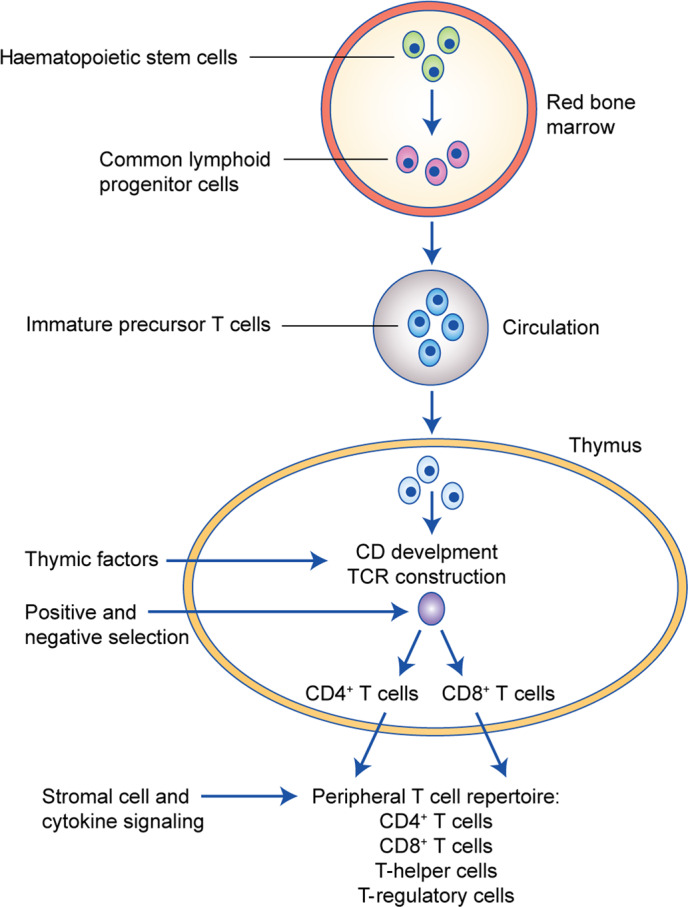
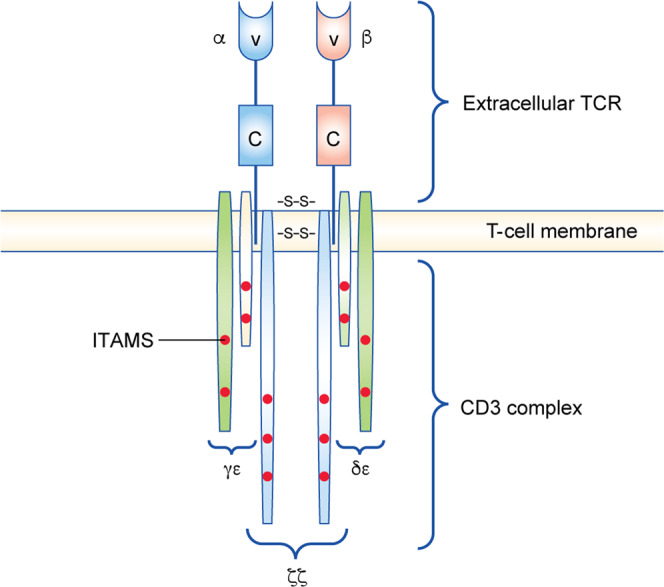
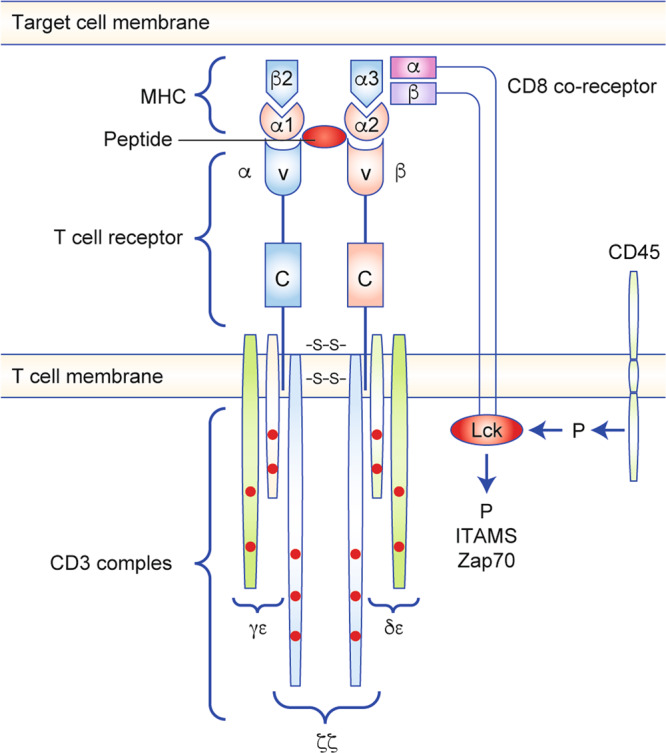
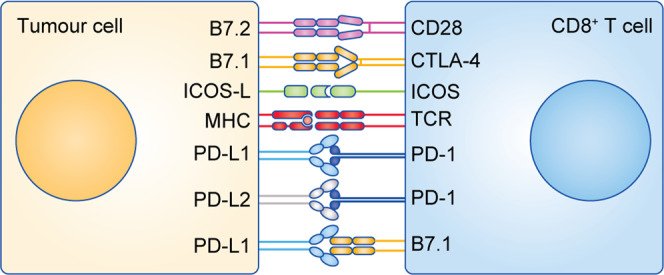
Verification
Claims the paper makes
The claims and statistics of this paper haven’t been checked yet.
Free: it reads the open-access text and checks the first 5 claims that cite a source we can check. Create a free account to check every claim.
Claims other papers make about this one
Each is checked against this paper’s own text: does it say what the citing paper says it does?
The source backs part of the claim, not all of it — or backs it for a different population, condition or comparison.
In the citing paper
“A robust expansion of proliferating CD8+ T cells is a critical response to immune-checkpoint inhibition leading to an enhanced adaptive immune response, specifically due to the activation of exhausted T cells (18).”
From Phase I/II, open-label, multicenter study of durvalumab in combination with tremelimumab in pediatric patients with advanced solid tumors (2026) · cites this paper as [18]
Experimental — accuracy not yet measuredThe cited source says what the claim attributes to it.
In the citing paper
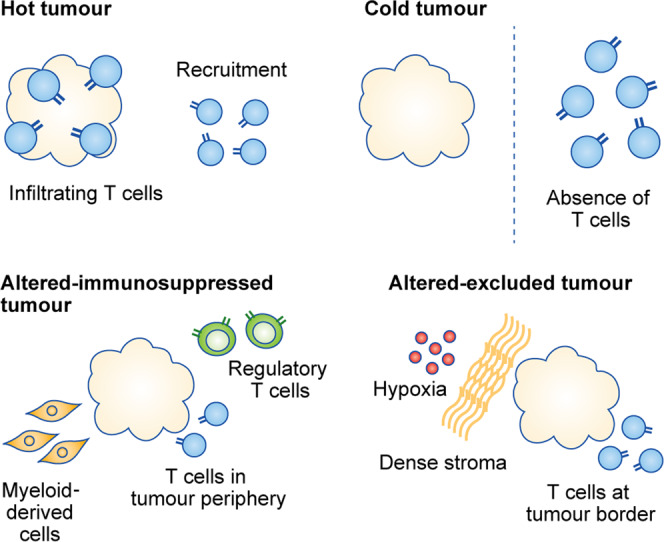
“The effectiveness of the CD8+ response is highly dependent on conditions within the tumor microenvironment and the presence of adverse conditions such as abnormal vasculature, high interstitial pressure, and hypoxia—which are generally considered unfavorable for CD8+ cells, may explain the lack of a clinical response to an ICI regimen.”
From Phase I/II, open-label, multicenter study of durvalumab in combination with tremelimumab in pediatric patients with advanced solid tumors (2026) · cites this paper as [18]
Self-check
Percentages, sums and reported differences re-computed from the paper’s own numbers.
The self-check needs the paper’s full text.
Citations
Cites
Pembrolizumab plus chemotherapy in metastatic non–small-cell lung cancer
Gandhi, L., Rodríguez-Abreu, D., Gadgeel, S., Esteban, E., Felip, E., De Angelis, F., Domine, M., Clingan, P., Hochmair, M. J., Powell, S. F., et al. (2018) · New England Journal of Medicine · doi:10.1056/nejmoa1801005 · Cited by 6,607 · cited 1×
“In addition, the combination of pembrolizumab with cytotoxic chemotherapy demonstrated clinical benefit, and was approved by the US Food and Drug Administration (FDA) for first-line treatment of metastatic nonsmall-cell lung cancer (NSCLC).(46) The FDA has also approved pembrolizumab or avelumab in combination with ax…”
BackgroundAtezolizumab and nab-paclitaxel in advanced triple-negative breast cancer
Schmid, P., Adams, S., Rugo, H. S., Schneeweiss, A., Barrios, C. H., Iwata, H., Diéras, V., Hegg, R., Im, S.-A., Shaw Wright, G., et al. (2018) · New England Journal of Medicine · doi:10.1056/nejmoa1809615 · Cited by 4,350
Innate and adaptive immune cells in the tumor microenvironment
Gajewski, T. F., Schreiber, H., & Fu, Y.-X. (2013) · Nature Immunology · doi:10.1038/ni.2703 · Cited by 4,148
First-line atezolizumab plus chemotherapy in extensive-stage small-cell lung cancer
Horn, L., Mansfield, A. S., Szczęsna, A., Havel, L., Krzakowski, M., Hochmair, M. J., Huemer, F., Losonczy, G., Johnson, M. L., Nishio, M., et al. (2018) · New England Journal of Medicine · doi:10.1056/nejmoa1809064 · Cited by 3,586
Approaches to treat immune hot, altered and cold tumours with combination immunotherapies
Galon, J., & Bruni, D. (2019) · Nature Reviews Drug Discovery · doi:10.1038/s41573-018-0007-y · Cited by 3,409 · cited 8×
“The WNT/β-catenin signalling pathway participates in the regulation of the NF-κB and TGF-β pathways and downregulates the expression of interferon regulatory factor 3, a transcription factor essential for the differentiation and maturation of immune cells, and is therefore instrumental for the exclusion of CD8+ T cell…”
BackgroundInfluentialSafety and Tumor Responses with Lambrolizumab (Anti–PD-1) in Melanoma
Hamid, O., Robert, C., Daud, A., Hodi, F. S., Hwu, W.-J., Kefford, R., Wolchok, J. D., Hersey, P., Joseph, R. W., Weber, J. S., et al. (2013) · New England Journal of Medicine · doi:10.1056/nejmoa1305133 · Cited by 3,392 · cited 1×
“For patients with complete responses, anti-PD-1 treatment has been shown to be able to induce a complete response in as few as 80 days.(39) However, predicting tumour responses to PD-1 blockade is challenging.”
BackgroundAvelumab plus Axitinib versus Sunitinib for Advanced Renal-Cell Carcinoma
Motzer, R. J., Penkov, K., Haanen, J., Rini, B., Albiges, L., Campbell, M. T., Venugopal, B., Kollmannsberger, C., Negrier, S., Uemura, M., et al. (2019) · New England Journal of Medicine · doi:10.1056/nejmoa1816047 · Cited by 2,503 · cited 2×
“The combination of PD-1/PD-L1 inhibitors with a CTLA-4 inhibitor has shown promise, as evidenced by the approval of nivolumab in combination with ipilimumab for the treatment of metastatic melanoma, advanced renal cell carcinoma and mismatch repair-deficient (dMMR) colorectal cancer.(44,45) In addition, the combinatio…”
BackgroundT cell exclusion, immune privilege, and the tumor microenvironment
Joyce, J. A., & Fearon, D. T. (2015) · Science · doi:10.1126/science.aaa6204 · Cited by 2,473 · cited 1×
“Furthermore, within the bulk of a tumour, CD8 T cells need to actively navigate and seek out cancer cells—direct contact between T cells and cancer cells is decisive in determining the outcomes.(81) Inadequate CD8 T-cell navigation within a tumour represents a serious resistance mechanism: the amount and density of fi…”
BackgroundThe evolving landscape of biomarkers for checkpoint inhibitor immunotherapy
Havel, J. J., Chowell, D., & Chan, T. A. (2019) · Nature Reviews Cancer · doi:10.1038/s41568-019-0116-x · Cited by 2,286 · cited 1×
“IMMUNE-CHECKPOINT INHIBITOR THERAPY The introduction of monoclonal antibodies that target immuneinhibitory receptors, known as checkpoint inhibitors, has been an immense breakthrough in immuno-oncology, and has greatly improved the clinical outcomes of several cancers.(36) This therapeutic strategy can enhance the eff…”
BackgroundOverman, M. J., Lonardi, S., Wong, K. Y. M., Lenz, H.-J., Gelsomino, F., Aglietta, M., Morse, M. A., Van Cutsem, E., McDermott, R., Hill, A., et al. (2018) · Journal of Clinical Oncology · doi:10.1200/jco.2017.76.9901 · Cited by 2,079 · cited 1×
“The combination of PD-1/PD-L1 inhibitors with a CTLA-4 inhibitor has shown promise, as evidenced by the approval of nivolumab in combination with ipilimumab for the treatment of metastatic melanoma, advanced renal cell carcinoma and mismatch repair-deficient (dMMR) colorectal cancer.(44,45) In addition, the combinatio…”
Background
Cited by
Items 401–500 of 1,001
Sheng, F., Yang, S., Mi, L., Wang, J., Liu, L., & Zhang, L. (2024) · Molecules · doi:10.3390/molecules29143388 · Cited by 21
“Cytotoxic T cells [136], also known as cytotoxic lymphocytes (CTL), express cell surface markers CD3+, CD4+, and CD8+.”
BackgroundAdvancements in nuclear imaging using radiolabeled nanobody tracers to support cancer immunotherapy
Zeven, K., Lauwers, Y., Mey, L. D., Debacker, J. M., Pauw, T. D., Groof, T. W. M. D., & Devoogdt, N. (2024) · Immunotherapy Advances · doi:10.1093/immadv/ltae006 · Cited by 21
“Numerous T-cell-based immunotherapies have found their way to the clinic [78].”
BackgroundCruz, F. M., Orellano, L. A. A., Chan, A. K. C., & Rock, K. L. (2024) · Cancer Immunology Research · doi:10.1158/2326-6066.cir-24-0320 · Cited by 21
Aptamer based immunotherapy: a potential solid tumor therapeutic
Mathavan, S., Tam, Y., Mustaffa, K. M. F., & Tye, G. J. (2025) · Frontiers in Immunology · doi:10.3389/fimmu.2025.1536569 · Cited by 21
“Treatment enhanced the antitumor response in mice models, both with a cellular vaccine and local radiation therapy (29) by promoting the development of long-lasting memory CD8+ T cells (30).”
Zhou, K., Yang, J., Li, X., Xiong, W., Zhang, P., & Zhang, X. (2022) · Frontiers in Surgery · doi:10.3389/fsurg.2022.893977 · Cited by 21
“As is well known, CD8+ T cells have potent abilities to eradicate tumor cells through the Fas/FasL pathway (33).”
BackgroundLiu, Y., Qin, D., & Fu, J. (2025) · Frontiers in Immunology · doi:10.3389/fimmu.2025.1604310 · Cited by 20
“ICIs restore T cell cytotoxic function by blocking the PD-1/PD-L1 axis while reactivating clonal expansion capabilities of tumor-in fi ltrating CD8 + T cells, thereby re-establishing antitumor immune surveillance networks (79, 80).”
The cGAS-STING axis: a comprehensive review from immune defense to disease pathogenesis
Sood, A. (2025) · Immunologic Research · doi:10.1007/s12026-025-09648-z · Cited by 20
“Additionally, IFNs enhance antitumor responses by enhancing DC survival, antigen presentation, and cross-presentation to CD4 + and CD8 + T cells [159, 160].”
Cells of the tumor microenvironment speak the Wnt language
Katanaev, V. L., Baldin, A. V., Denisenko, T. V., Silachev, D. N., Иванова, А. Е., Sukhikh, G. T., Jia, L., & Ashrafyan, L. A. (2023) · Trends in Molecular Medicine · doi:10.1016/j.molmed.2023.03.006 · Cited by 20
Antitumor mechanism of cannabidiol hidden behind cancer hallmarks
Yan, C., Li, Y., Liu, H., Chen, D., & Wu, J. (2023) · Biochimica et Biophysica Acta (BBA) - Reviews on Cancer · doi:10.1016/j.bbcan.2023.188905 · Cited by 20
Arimura, K., Hiroshima, K., Nagashima, Y., Nakazawa, T., Ogihara, A., Orimo, M., Sato, Y., Katsura, H., Kanzaki, M., Kondo, M., et al. (2023) · BMC Cancer · doi:10.1186/s12885-023-11636-1 · Cited by 20
Gamradt, P., Thierry, K., Masmoudi, M., Wu, Z., Hernández‐Vargas, H., Bachy, S., Antonio, T., Savas, B., Hussain, Z., Tomasini, R., et al. (2023) · PNAS Nexus · doi:10.1093/pnasnexus/pgad405 · Cited by 20
“Moreover, siCAFs prevent an efficient CD8 + T-cell immune response, which is a key for tumor elimination (47 – 49).”
BackgroundFunctional Nucleic Acid-Based Immunomodulation for T Cell-Mediated Cancer Therapy
Wu, H., Lin, J., Ling, N., Zhang, Y., He, Y., Qiu, L., & Tan, W. (2023) · ACS Nano · doi:10.1021/acsnano.3c09861 · Cited by 20
Reviewing the significance of dendritic cell vaccines in interrupting breast cancer development
Gautam, N., Ramamoorthi, G., Champion, N., Han, H. S., & Czerniecki, B. J. (2023) · Molecular Aspects of Medicine · doi:10.1016/j.mam.2023.101239 · Cited by 20
Shen, Y., Qiu, Y., Duan, Z., Li, Y.-X., Wang, Y., Zhang, Y., Zhu, B., Yu, X.-H., Tan, X., Chen, W., et al. (2024) · Pharmacological Research · doi:10.1016/j.phrs.2024.107122 · Cited by 20
Optimising IL-2 for Cancer Immunotherapy
Sprent, J., & Boyman, O. (2024) · Immune Network · doi:10.4110/in.2024.24.e5 · Cited by 20
PLGA-PEI nanoparticle covered with poly(I:C) for personalised cancer immunotherapy
Gonzalez-Melero, L., Santos‐Vizcaíno, E., Varela‐Calviño, R., Gomez-Touriño, I. M., Asumendi, A., Boyano, M. D., Igartua, M., & Hernández, R. M. (2024) · Drug Delivery and Translational Research · doi:10.1007/s13346-024-01557-2 · Cited by 20
“Evidence suggests that poly(I:C) acts primarily on cytotoxic lymphocytes as their activation is greatly enhanced by the addition of the adjuvant to the particle, which is of interest in cancer immunotherapy [61].”
Enzler, T., Shi, J., McGue, J. J., Griffith, B. D., Sun, L., Sahai, V., Nathan, H., & Frankel, T. L. (2024) · International Journal of Molecular Sciences · doi:10.3390/ijms25052953 · Cited by 20
“CD8 + T cells are involved in immune surveillance and anticancer immune reaction [26,27].”
BackgroundTransitioning to a Personalized Approach in Molecularly Subtyped Small-Cell Lung Cancer (SCLC)
Grenda, A., Krawczyk, P. A., Obara, A., Gajek, Ł., Łomża-Łaba, A., & Milanowski, J. (2024) · International Journal of Molecular Sciences · doi:10.3390/ijms25084208 · Cited by 20
Koumpis, E., Papoudou‐Bai, A., Papathanasiou, K., Kolettas, E., Kanavaros, P., & Hatzimichael, E. C. (2024) · Current Issues in Molecular Biology · doi:10.3390/cimb46070420 · Cited by 20
“Upon receiving a co-stimulatory signal, cytotoxic T cells become activated and proceed to eliminate the target cells [104,105].”
BackgroundThe role of extracellular vesicles in cancer
Hurtado, E. C. P., Agudelo, J. S. H., da Silva, R. A., Viração, T. A., & Fernandes, C. J. D. C. (2024) · Current topics in membranes · doi:10.1016/bs.ctm.2024.06.010 · Cited by 20
Advancements and Challenges in Personalized Therapy for BRAF-Mutant Melanoma: A Comprehensive Review
Shebrain, A., Idris, O. A., Jawad, A., Zhang, T., & Xing, Y. (2024) · Journal of Clinical Medicine · doi:10.3390/jcm13185409 · Cited by 20
“Given the supportive role of CD8+ T cells in cancer immunotherapy, a decline in CD8+ T-cell signatures, as found in a cohort of patients with cutaneous metastatic melanoma, whose collective incidence of tumoral BRAF mutations was 21.3%, could independently act as a barrier to immunotherapy [81–85].”
BackgroundInfluentialThe role of cGAS-STING signaling pathway in colorectal cancer immunotherapy: Mechanism and progress
Luo, Y. Q., Liang, G., Zhang, Q., & Luo, B. (2024) · International Immunopharmacology · doi:10.1016/j.intimp.2024.113447 · Cited by 20
Yin, C., Wang, G., Zhang, Q., Li, Q., Dong, T., Li, Q., Wu, N., Hu, Y., Ran, H., Pan, L., et al. (2024) · Journal of Nanobiotechnology · doi:10.1186/s12951-024-03051-w · Cited by 20
Immunotherapy in Recurrent Ovarian Cancer
Chen, K., Wang, J., Yang, M., Deng, S., & Li, S. (2025) · Biomedicines · doi:10.3390/biomedicines13010168 · Cited by 20
Not Only Immune Escape—The Confusing Role of the TRP Metabolic Pathway in Carcinogenesis
Kwiatkowska, I., Hermanowicz, J. M., Przybyszewska-Podstawka, A., & Pawlak, D. (2021) · Cancers · doi:10.3390/cancers13112667 · Cited by 20
“The second mechanism, induced by CD8+ Tcells, which leads to cell apoptosis, is their expression of the Fas ligand, which, after binding to its receptor on the targeted cell, induces caspases and endonucleases leading to DNA impairment [31].”
BackgroundZhou, X., Huang, J., Li, T.-M., Liu, J., Wei, Z., Lan, C., Zhu, G., Liao, X., Ye, X., & Peng, T. (2022) · Frontiers in Genetics · doi:10.3389/fgene.2022.805961 · Cited by 20
“Cytotoxic CD8+T cells play a particularly vital role in anticancer immune response (Vesely et al., 2011; Raskov et al., 2021).”
BackgroundKaghazchi, B., Um, I. H., Elshani, M., Read, O. J., & Harrison, D. J. (2022) · Biomolecules · doi:10.3390/biom12111652 · Cited by 20
“Within the TME, excessive ROS can contribute to immunosuppressive mechanisms utilized by suppressive cells against immune effectors such as CD8+ cytotoxic T-cells, which facilitate the anticancer response and are the cornerstone of modern successful cancer immunotherapies [13].”
BackgroundTumor cell-derived asymmetric dimethylarginine regulates macrophage functions and polarization
Chen, Y., Lowery, A. T., Lin, S., Walker, A. M., & Chen, K. E. (2022) · Cancer Cell International · doi:10.1186/s12935-022-02769-7 · Cited by 20
“Among the tumor infiltrating immune cells, T cells are the most potent anti-cancer immune cells [4].”
BackgroundT cell effects and mechanisms in immunotherapy of head and neck tumors
Xiang, Y., Gong, M., Deng, Y., Wang, H., & Ye, D. (2023) · Cell Communication and Signaling · doi:10.1186/s12964-023-01070-y · Cited by 20
“The role of T cells in HNCs T cells play a key role in the specific immunity of HNCs [24].”
BackgroundKremer, K. N., Khammash, H. A., Miranda, A. M., Rutt, L. N., Twardy, S. M., Anton, P. E., Campbell, M. L., Garza-Ortiz, C., Orlicky, D. J., Pelanda, R., et al. (2025) · Frontiers in Immunology · doi:10.3389/fimmu.2024.1497788 · Cited by 19
Shi, F., Gui, L., Liu, Y., Hai‐Meng, Z. H. O. U., Zhang, Y., Wei, S., Zan, B.-J., Gao, M., Chen, F.-S., Li, B.-X., et al. (2025) · Pharmacological Research · doi:10.1016/j.phrs.2025.107668 · Cited by 19
Oleic acid restores the impaired antitumor immunity of γδ-T cells induced by palmitic acid
Zhang, Y., Xiang, Z., Xu, Y., Cheung, L. S., Wang, X., Wang, M., Wong, H. H. W., Zhu, Z., Zhang, W., Gao, Y., et al. (2025) · Signal Transduction and Targeted Therapy · doi:10.1038/s41392-025-02295-8 · Cited by 19
“Given that αβ T cells are the strongest components in the immune response against tumors and are the foundation of potent cancer immunotherapies, 22 we assessed whether PA or OA affects the proliferation and cell death of CD4 and CD8 T cells.”
Cancer vaccines: Discovery, development, and challenges for clinical translation
Zhang, Z., Yao, S., Wang, Y., Luo, K., Amiji, M. M., & Anderson, K. C. (2025) · Biomaterials · doi:10.1016/j.biomaterials.2025.123615 · Cited by 19
Adaptive Immunity in Reptiles: Conventional Components but Unconventional Strategies
Zimmerman, L. M. (2022) · Integrative and Comparative Biology · doi:10.1093/icb/icac022 · Cited by 19
ACAP1 Deficiency Predicts Inferior Immunotherapy Response in Solid Tumors
Yi, Q., Pu, Y., Chao, F., Bian, P., & Lv, L. (2022) · Cancers · doi:10.3390/cancers14235951 · Cited by 19
“Accumulating evidence suggests that a low level of TILs is often associated with poor cancer progression and survival [3,71].”
BackgroundRuiz‐Malagón, A. J., Hidalgo‐Garcia, L., Rodríguez‐Sojo, M. J., Molina‐Tijeras, J. A., García, F., Diez‐Echave, P., Vezza, T., Becerra, P., Marchal, J. A., Redondo‐Cerezo, E., et al. (2023) · Biomedicine & Pharmacotherapy · doi:10.1016/j.biopha.2023.114760 · Cited by 20
Jiang, L., Wang, X., Raza, F., Zhong, H., Su, J., Yuan, W., & Qiu, M. (2023) · Biomaterials Science · doi:10.1039/d3bm00555k · Cited by 19
Aptamers Targeting the PD-1/PD-L1 Axis: A Perspective
Bertrand, P. (2023) · Journal of Medicinal Chemistry · doi:10.1021/acs.jmedchem.3c00551 · Cited by 19
Recent Advances in Perioperative Immunotherapies in Lung Cancer
Fukuda, S., Suda, K., Hamada, A., & Tsutani, Y. (2023) · Biomolecules · doi:10.3390/biom13091377 · Cited by 19
“Tumor cell killing only takes a few minutes, and a single cytotoxic T cell can carry out serial or simultaneous killing of multiple tumor cells [12].”
BackgroundDiscovery of ICOS‐Targeted Small Molecules Using Pharmacophore‐Based Screening
Calvo‐Barreiro, L., Talagayev, V., Pach, S., Abdel‐Rahman, S. A., Wolber, G., & Gabr, M. T. (2023) · ChemMedChem · doi:10.1002/cmdc.202300305 · Cited by 20
Gallegos, C., Lü, Y., Clements, J. C., Song, P. N., Lynch, S. E., Mascioni, A., Jia, F., Hartman, Y. E., Massicano, A. V. F., Houson, H. A., et al. (2024) · Theranostics · doi:10.7150/thno.89206 · Cited by 19
“Cytotoxic CD8 + T cells, through the release of effector molecules (i.e. cytokines, perforin and granzyme B), play an essential role on anticancer immune response [22].”
BackgroundA large-scale study of peptide features defining immunogenicity of cancer neo-epitopes
Wan, Y.-T. R., Koşaloğlu‐Yalçın, Z., Peters, B., & Nielsen, M. (2024) · NAR Cancer · doi:10.1093/narcan/zcae002 · Cited by 19
“As such, T-cell therapy and cancer vaccines have emerged as promising approaches to treat malignancies by inducing tumour-specific immune responses ( 3 ), and ongoing efforts ( 4–9 ) have demonstrated the clinical efficacy of therapies targeting neo-epitopes.”
BackgroundExtracellular vesicle-mediated communication between CD8+ cytotoxic T cells and tumor cells
Huang, Z., Liu, X., Guo, Q., Zhou, Y., Shi, L., Cai, Q., Tang, S., Ouyang, Q., & Zheng, J. (2024) · Frontiers in Immunology · doi:10.3389/fimmu.2024.1376962 · Cited by 19
“CD8 + T lymphocytes play a critical role in immunotherapy (6, 7), serving as powerful effectors in antitumor immune responses and exhibiting the capacity to recognize and eliminate malignant cells (7 – 9).”
BackgroundRiquelme, M. A., Wang, X., Acosta, F. M., Zhang, J., Chavez, J., Gu, S., Zhao, P., Xiong, W., Zhang, N., Li, G., et al. (2024) · Cell Reports · doi:10.1016/j.celrep.2024.114377 · Cited by 19
Natural killer cells in neuroblastoma: immunological insights and therapeutic perspectives
Radoš, M., Landegger, A., Schmutzler, L., Rabidou, K., Taschner‐Mandl, S., & Fetahu, I. S. (2024) · Cancer and Metastasis Reviews · doi:10.1007/s10555-024-10212-8 · Cited by 19
Chai, D., Qiu, D., Shi, X., Ding, J., Jiang, N., Zhang, Z., Wang, J., Yang, J., Xiao, P., Wang, G., et al. (2021) · Molecular Therapy — Oncolytics · doi:10.1016/j.omto.2021.11.017 · Cited by 19
“The functional CD8 T cells are the main anti-cancer effector cells in the cancer microenvironment.(47) However, the intratumoral CD8 T cells are usually in a state of dysfunction, which suppresses cell proliferation and activation and impairs anti-cancer effects.”
BackgroundNiu, D., Chen, Y., Mi, H., Mo, Z., & Pang, G. (2022) · Frontiers in Genetics · doi:10.3389/fgene.2022.974416 · Cited by 19
“In addition to acting as a preferred immune cell type targeting tumor cells and serving as a frontline defense against tumor progression (Farhood et al., 2019; Raskov et al., 2021), infiltration of CTLs and high levels of IFN-γ”
BackgroundKhadela, A. D., Shah, Y. B., Mistry, P. S., Mansuri, M. M., Sureja, D. K., & Bodiwala, K. B. (2022) · Medical Oncology · doi:10.1007/s12032-022-01939-x · Cited by 19
Wang, K., Kong, F., Han, X., Zhi, Y., Wang, H., Ren, C., & Wang, H. (2025) · Genes and Immunity · doi:10.1038/s41435-025-00336-4 · Cited by 18
Rauber, C., Roberti, M. P., Vehreschild, M. J. G. T., Tsakmaklis, A., Springfeld, C., Teufel, A., Ettrich, T. J., Jochheim, L. S., Kandulski, A., Missios, P., et al. (2025) · BMJ Open · doi:10.1136/bmjopen-2024-097802 · Cited by 18
Nitric oxide-modulating biomaterials for therapeutic Immunoengineering
Boo, Y., Choi, S., Kim, J., & Kim, W. J. (2025) · Advanced Drug Delivery Reviews · doi:10.1016/j.addr.2025.115718 · Cited by 18
Hu, H.-H., Wang, X., Lan, B., Cheng, H., Wen, H., Chen, F., Wu, J., Li, M., Chen, J., Zhang, J., et al. (2025) · Cell Research · doi:10.1038/s41422-025-01195-4 · Cited by 18
‘Off-the-Shelf’ Immunotherapy: Manufacture of CD8+ T Cells Derived from Hematopoietic Stem Cells
Boyd, N. R., Cartledge, K., Cao, H., Evtimov, V. J., Pupovac, A., Trounson, A. O., & Boyd, R. L. (2021) · Cells · doi:10.3390/cells10102631 · Cited by 18
“Given that CD8+ T cells are effective killers of malignant cells and are often used in CAR-based immunotherapies to enhance tumor eradication [52], a key hurdle for the successful in vitro development of cytotoxic T cells is the progression of CD3+/−CD4+CD8+ immature T cells through to TCR+CD3hiCD8+CD4− cells.”
BackgroundZajac, K. K., Malla, S., Babu, R. J., Raman, D., & Tiwari, A. K. (2023) · Cancer Reports · doi:10.1002/cnr2.1779 · Cited by 18
Ho, N. I., Veld, L. G. M. H. I. ‘., van der Sluijs, J. V. E., Heuts, B. M. H., Looman, M. W. G., Kers‐Rebel, E. D., van den Dries, K., Dolstra, H., Martens, J. H. A., Hobo, W. A., et al. (2023) · Journal for ImmunoTherapy of Cancer · doi:10.1136/jitc-2023-007082 · Cited by 18
Zhao, D., Mo, Y., Неганова, М. Е., Aleksandrova, Y. R., Tse, E., Chubarev, V. N., Fan, R., Sukocheva, O. A., & Liu, J. (2023) · Frontiers in Cell and Developmental Biology · doi:10.3389/fcell.2023.1266537 · Cited by 19
“It was further observed that the infiltration of CD8 T cells resulted in a significant decrease in the number of MDSCs in the tumor tissues treated with the combined therapy method (Raskov et al., 2021; Reina-Campos et al., 2021).”
MethodPhosphoinositide Signaling in Immune Cell Migration
Kakar, R., Ghosh, C., & Sun, Y. (2023) · Biomolecules · doi:10.3390/biom13121705 · Cited by 18
“The infiltration of dendritic cells and cytotoxic CD8 + T cells into tumors can mediate an anticancer immune response [83,84].”
BackgroundAnticancer effect of propranolol on diethylnitrosamine‐induced hepatocellular carcinoma rat model
Tamim, Y. M., Nagy, A. A., Abdellah, A. M., Osman, A. H., & Ismail, A. F. M. (2024) · Fundamental and Clinical Pharmacology · doi:10.1111/fcp.12990 · Cited by 19
“35 To suppress tumor growth, neutrophils that manufacture chemokines and pro-inflammatory cytokines can engage to and stimulate CD8 + T cells activation.”
BackgroundHo, M. P., & Bonavida, B. (2024) · Cells · doi:10.3390/cells13100864 · Cited by 18
“…in cancer, CD8+ cells can become exhausted and they CD8+ T cells play a vital role in controlling the growth of tumors and responding to chronic viral infections [45]. progressively lose their ability to carry out their effector functions, resulting in cell apoptosis and dysfunction [11,46].”
BackgroundSaito, S., Cao, D., Maekawa, T., Tsuji, N. M., & Okuno, A. (2024) · Cancers · doi:10.3390/cancers16101928 · Cited by 18
“Since CD8+ T cells are important players in the cytotoxic effect against tumor [24], we decided to characterize the CD8+ T cell activity as well as antigen presenting function in macrophage.”
BackgroundEric, H., Piersiala, K., Lagebro, V., da Silva, P. F. N., Petro, M., Starkhammar, M., Elliot, A., Bark, R., Margolin, G., Georén, S. K., et al. (2024) · Cancer Immunology Immunotherapy · doi:10.1007/s00262-024-03754-x · Cited by 18
Wang, Y., Bergman, D. R., Trujillo, E., Fernald, A. A., Li, L., Pearson, A. T., Sweis, R. F., & Jackson, T. L. (2024) · Cancers · doi:10.3390/cancers16172942 · Cited by 18
A carrier-free nanovaccine combined with cancer immunotherapy overcomes gemcitabine resistance
Pan, W., Wang, Y., Chen, G., Ma, X., & Min, Y. (2024) · Biomaterials · doi:10.1016/j.biomaterials.2024.122788 · Cited by 18
Sang, M., Ge, J., Ge, J., Tang, G., Wang, Q., Wu, J., Mao, L., Ding, X., & Zhou, X. (2025) · Frontiers in Immunology · doi:10.3389/fimmu.2024.1382842 · Cited by 19
“However, various immunosuppressive factors in the TME can cause dysfunction or exhaustion of CTLs and hinder their cytotoxic activity (5, 6).”
InfluentialRamlee, S., Hulse, D., Bernatowicz, K., Pérez-López, R., Sala, E., & Aloj, L. (2022) · Cancers · doi:10.3390/cancers14153656 · Cited by 18
Ma, N., Hua, R., Yang, Y., Liu, Z., Pan, J., Yu, B., Sun, Y., Xie, D., Wang, Y., & Li, Z. (2023) · Journal of Biomedical Science · doi:10.1186/s12929-023-00912-8 · Cited by 19
In Vivo Monitoring and Magnetically‐Enhanced Delivery of CAR T‐Cells to Solid Tumor
Chen, H., Machado, A., An, D., Becharef, S., Autret, G., Ayollo, D., Razafindrakoto, S., Nizard, P., Carn, F., Luo, Y., et al. (2024) · Advanced Functional Materials · doi:10.1002/adfm.202414368 · Cited by 17
Acidic pH can attenuate immune killing through inactivation of perforin
Hodel, A. W., Rudd-Schmidt, J. A., Noori, T., Lupton, C. J., Cheuk, V. C. T., Trapani, J. A., Hoogenboom, B. W., & Voskoboinik, I. (2025) · EMBO Reports · doi:10.1038/s44319-024-00365-6 · Cited by 17
Perez-Medina, M., Benito-Lopez, J. J., Aguilar‐Cázares, D., & López-González, J. S. (2025) · International Journal of Molecular Sciences · doi:10.3390/ijms26104821 · Cited by 17
“This destruction releases additional tumor antigens, perpetuating the cycle and sustaining the antitumor immune response [22].”
Radiation combined with ultrasound and microbubbles: A potential novel strategy for cancer treatment
Sharma, D., Leong, K. X., Moore-Palhares, D., & Czarnota, G. J. (2023) · Zeitschrift für Medizinische Physik · doi:10.1016/j.zemedi.2023.04.007 · Cited by 17
“[125] Raskov H, Orhan A, Christensen JP, Gögenur I.”
Tissue-Resident Memory T Cell: Ontogenetic Cellular Mechanism and Clinical Translation
Xu, H., Zhou, R., & Chen, Z. (2023) · Clinical & Experimental Immunology · doi:10.1093/cei/uxad090 · Cited by 17
Pérez‐Quintero, L., Abidin, B. M., & Tremblay, M. L. (2024) · Frontiers in Medicine · doi:10.3389/fmed.2024.1364778 · Cited by 17
Immunotherapy in the Treatment of Cancer: Today and Tomorrow
Şimşek, G. Ö. (2024) · Current Molecular Biology Reports · doi:10.1007/s40610-024-00161-0 · Cited by 17
“This triggers apoptosis (programmed cell death) of the cancer cell [28].”
Antitumor activity of Z15-0-2, a bispecific nanobody targeting PD-1 and CTLA-4
Zeng, J., Fang, Y., Zhang, Z., Lv, Z., Wang, X., Huang, Q., Tian, Z., Li, J., Xu, W., Zhu, W., et al. (2024) · Oncogene · doi:10.1038/s41388-024-03066-5 · Cited by 17
Intracellular zinc protects tumours from T cell-mediated cytotoxicity
Lelliott, E. J., Naddaf, J., Ganio, K., Michie, J., Wang, S., Liu, L., Silke, N., Ahn, A., Ramsbottom, K. M., Brennan, A. J., et al. (2024) · Cell Death and Differentiation · doi:10.1038/s41418-024-01369-4 · Cited by 17
Nanobodies Outperform Antibodies – Rapid Functionalization with Equal In Vivo Targeting Properties
Jung, C., Fichter, M., Oberländer, J., Schunke, J., Bolduan, V., Schneider, P. M., Kang, J., Koynov, K., Mailänder, V., & Landfester, K. (2024) · Advanced Materials · doi:10.1002/adma.202412563 · Cited by 17
Baek, S., Sung, E., Kim, G., Hong, M. H., Lee, C. Y., Shim, H. S., Park, S. Y., Kim, H. R., & Lee, I. (2025) · 癌症:英文版 · doi:10.1002/cac2.12658 · Cited by 17
Feng, X., Zhang, Y., Lin, W., Li, J., Wu, F., Lu, Q., Song, H., Zhang, H., Lan, F., & Lü, J. (2025) · Small · doi:10.1002/smll.202410214 · Cited by 17
Imaging and therapeutic targeting of the tumor immune microenvironment with biologics
Arnouk, S. M., Groof, T. W. M. D., & Ginderachter, J. A. V. (2022) · Advanced Drug Delivery Reviews · doi:10.1016/j.addr.2022.114239 · Cited by 17
Zhu, G., Yang, K., Xu, C., Feng, R., Li, W., & Ma, J. (2022) · Cancer Medicine · doi:10.1002/cam4.4791 · Cited by 17
Bagherabadi, A., Hooshmand, A., Shekari, N., Singh, P. K., Zolghadri, S., Stanek, A., & Dohare, R. (2022) · Genes · doi:10.3390/genes13050840 · Cited by 17
“However, these are in line with our findings, which show that intermediate TMB in NTRK1 causes low levels of tumor infiltration of immune cells, notably CD8+ T cells, and the role of CD8+ T cells is more established over other immune cells in the killing of cancerous cells and is used in cancer immunotherapy [79].”
ResultChen, W., Wang, M., Gao, Q., Yuan, S., Deng, W., Bie, L., Ma, Y., Zhang, C., Li, S., Luo, S., et al. (2022) · Cancer Immunology Immunotherapy · doi:10.1007/s00262-022-03221-5 · Cited by 17
Gou, Q., Liu, Z., Xie, Y., Deng, Y., Ma, J., Li, J., & Zheng, H. (2022) · Frontiers in Pharmacology · doi:10.3389/fphar.2022.995555 · Cited by 17
“For 20 genes involved in the predictive signature, we found that these 20 genes were highly associated with immune cell infiltrations in the TME, such as DCs, B cells, and T cells, which were comprehensively reported to be associated with immunotherapy efficacy (Wculek et al., 2020; Sabado et al., 2017; Wang et al., 2…”
BackgroundHealth influence of SARS-CoV-2 (COVID-19) on cancer: a review
Parise, R., Li, Y. E., Nadar, R. M., Ramesh, S., Ren, J., Govindarajulu, M., Moore, T. M., & Dhanasekaran, M. (2022) · Acta Biochimica et Biophysica Sinica · doi:10.3724/abbs.2022147 · Cited by 17
“Cytotoxic CD8+ T cells associated with the adaptive immune system are important regulators in the anticancer immune response [6].”
BackgroundVersatile Red Blood Cells for Triple‐Negative Breast Cancer Treatment via Stepwise Photoactivations
Cheng, Y., Chen, Q., Qian, Z., Shan, T., Bai, L., Jiang, X., Li, C., & Wang, Y. (2022) · Advanced Healthcare Materials · doi:10.1002/adhm.202201690 · Cited by 17
Forkhead box M1 recruits FoxP3 + Treg cells to induce immune escape in hilar cholangiocarcinoma
Ma, K., Sun, Z., Li, X., Guo, J., Wang, Q., & Teng, M. (2022) · Immunity Inflammation and Disease · doi:10.1002/iid3.727 · Cited by 17
“CD8 T cells are identified as a prospective option for cancer immunotherapies for their potent killing ability.(27) To figure out the immune escape mechanism of HCCA cells, CD8 T cells were co‐cultured with HCCA cells, and in the co‐culture system, the killing on HCCA cells by CD8 T cells could be reversed by Treg cel…”
BackgroundWlosik, J., Fattori, S., Rochigneux, P., Gonçalvès, A., Olive, D., & Chrétien, A.-S. (2022) · Seminars in Immunopathology · doi:10.1007/s00281-022-00973-1 · Cited by 17
“Cytotoxic CD8+ T cells are thought to be the main drivers of anti-tumor immunity and the cornerstone of cancer immunotherapy response [47].”
BackgroundImmune modulations of the tumor microenvironment in response to phototherapy
Valerio, T. I., Furrer, C. L., Sadeghipour, N., Patrock, S.-J. X., Tillery, S. A., Hoover, A. R., Liu, K., & Chen, W. R. (2023) · Journal of Innovative Optical Health Sciences · doi:10.1142/s1793545823300070 · Cited by 17
“49 The CTLs’ adaptive immune response involves direct tumor cell killing via secretion of cytokines, perforins, and granzymes.”
BackgroundPrognostic and immunological significance of an M1 macrophage-related gene signature in osteosarcoma
Mao, X., Song, F., Jin, J., Zou, B., Dai, P., Sun, M., Xu, W., Wang, L., & Kang, Y. (2023) · Frontiers in Immunology · doi:10.3389/fimmu.2023.1202725 · Cited by 17
“fundamental component of contemporary efficacious cancer immunotherapies (34).”
BackgroundFreitas-Dias, C., Gonçalves, F., Martins, F., Lemos, I., Gonçalves, L. G., & Serpa, J. (2024) · Cells · doi:10.3390/cells13040305 · Cited by 17
Hsu, C., Mustafa, M. A., Kumar, A., Pramanik, A., Sharma, R., Mohammed, F., Jawad, I. A., Mohammed, I. J., Alshahrani, M. Y., Khalil, N. A. M. A., et al. (2024) · Pathology - Research and Practice · doi:10.1016/j.prp.2024.155266 · Cited by 18
Luo, Y., Zong, Y., Hua, H., Gong, M., Peng, Q., Li, C., Neculai, D., & Zeng, X. (2022) · Frontiers in Immunology · doi:10.3389/fimmu.2022.1011590 · Cited by 17
Yu, Z., Xu, Z., Fu, T., Liu, S., Cui, J., Zhang, B., Liang, J., Pang, C., Ke, Y., Wang, R., et al. (2025) · Nature Communications · doi:10.1038/s41467-025-58094-w · Cited by 16
Cytotoxic T Cells: Kill, Memorize, and Mask to Maintain Immune Homeostasis
Kumar, V. (2025) · International Journal of Molecular Sciences · doi:10.3390/ijms26188788 · Cited by 17
Zhang, H., Liu, C., Chen, Q., Shen, L., Xiao, W., Li, J., Wang, Y., Zhu, D., Zhang, Q., & Li, J. (2023) · Journal of Medicinal Chemistry · doi:10.1021/acs.jmedchem.2c01568 · Cited by 16
Cury, S. S., de Moraes, D., Oliveira, J. S., Freire, P. P., Reis, P. P., Júnior, M. L. B., Hasimoto, É. N., & Carvalho, R. F. (2023) · Journal of Translational Medicine · doi:10.1186/s12967-023-03901-5 · Cited by 16
“Although cytotoxic CD8+ T cells infiltrated in TME are frequently associated with intense anticancer activity [35], the CD8+ T cells’ signal in tumor tissues is not always related to better outcomes.”
BackgroundThe Metabolism and Immune Environment in Diffuse Large B-Cell Lymphoma
Wu, J., Meng, F., Ran, D., Song, Y., Dang, Y., Lai, F., Yang, L., Deng, M., Song, Y., & Zhu, J. (2023) · Metabolites · doi:10.3390/metabo13060734 · Cited by 17
“CD8+ effector T (Teff) cells are very powerful in the antitumor immune response and can directly kill tumor cells [53].”
BackgroundLi, C., Zhang, B., Schaafsma, E., Reuben, A., Wang, L., Turk, M. J., Zhang, J., & Cheng, C. (2023) · Cell Reports Medicine · doi:10.1016/j.xcrm.2023.101121 · Cited by 17
Dendritic cell hybrid nanovaccine for mild heat inspired cancer immunotherapy
Shi, C., Chen, J., Wang, L., Gao, C., Yang, T., Fu, Z., & Wu, T. (2023) · Journal of Nanobiotechnology · doi:10.1186/s12951-023-02106-8 · Cited by 16
“As a crucial component of T cells, cytotoxic lymphocytes (CTLs, CD3+CD8+ cells) play an essential role in antitumor immunotherapy [45, 46].”
BackgroundSun, B., Ji, W., Wang, W., Chen, L., Ma, J., Tang, E., Lin, M., & Zhang, X. (2023) · Frontiers in Genetics · doi:10.3389/fgene.2023.1265866 · Cited by 16
Metadata
- Authors
- Raskov, H., Orhan, A., Christensen, J. P., & Gögenur, I.
- Affiliations
- Zealand University Hospital Køge (DK)
- University of Copenhagen (DK)
- Corresponding author
- Raskov, Hans
- Venue
- British Journal of Cancer
- Published
- 2020-09-15
- Volume
- 124
- Issue
- 2
- Pages
- 359-367
- ISSN
- 0007-0920 (ISSN-L)
- 1532-1827
- PMC
- PMC7853123
- OpenAlex
- W3087683890
- Semantic Scholar
- 3da8010d333b6b14b8e7954ecd2cfbd264b5ba04
- Cited by
- 1,687
- References
- 106
- Citations by year
- 2026: 265 · 2025: 400 · 2024: 451 · 2023: 316 · 2022: 204 · 2021: 49 · 2020: 2
- FWCI
- 16.07
- Type
- journal article
- Language
- en
- Open access
- hybrid
- doi.org
- Licence
- cc-by
- creativecommons.org/licenses/by/4.0 (tdm)
- creativecommons.org/licenses/by/4.0 (vor)
- Locations
- British Journal of Cancer (publishedVersion, cc-by)
- Europe PMC (PubMed Central) (publishedVersion, cc-by)
- PubMed Central (publishedVersion, cc-by)
- PubMed (publishedVersion)
- Research at the University of Copenhagen (University of Copenhagen) (publishedVersion, cc-by)
- Topics
- Health Sciences › Medicine › Oncology › Cancer Immunotherapy and Biomarkers
- Life Sciences › Immunology and Microbiology › Immunology › Immunotherapy and Immune Responses
- Life Sciences › Immunology and Microbiology › Immunology › T-cell and B-cell Immunology
- Keywords
- CD8+ T cells, cytotoxic T lymphocytes, cancer immunotherapy, immune checkpoint inhibitors, chimeric antigen receptor, adoptive cell transfer, innate-adaptive immune interaction, antitumor immunity, combination therapy
- MeSH terms
- Animals, Humans, Immunotherapy, Neoplasms, T-Lymphocytes, Cytotoxic
About these checks
Registry, retraction, Cites and statistics results are computed, not judged, with one exception: a printed reference that no index lists is read once by a model before it counts as a citation error. Claims are extracted by a model and kept only when their quote appears verbatim in the text; each cited source is then checked, with a model’s help, for whether it says what the claim relies on. Those verdicts can be wrong — read the claim’s quote and the cited source before relying on one.
Statistics and arithmetic are recomputed, not judged.
Confidence bands are shown only for fields calibrated on our annotated test set. None is calibrated yet, so no band is shown.
What counts as a claim ›How we measure confidence ›How we check this ›
Are you an author, or do you see a problem with this page? Request a review
Data sources
Bibliographic data: Semantic Scholar, OpenAlex, Crossref.
Contains information from the Semantic Scholar Academic Graph Datasets, made available under the ODC Attribution License (ODC-BY 1.0).
Semantic Scholar’s data is described in: Kinney, R., et al. (2023). The Semantic Scholar Open Data Platform. arXiv:2301.10140.
