

A novel HIF-2α targeted inhibitor suppresses hypoxia-induced breast cancer stemness via SOD2-mtROS-PDI/GPR78-UPRER axis
Open accessThe DOI matches its Crossref record; 61 of the 64 references it cites were found in a registry or an index.
Abstract
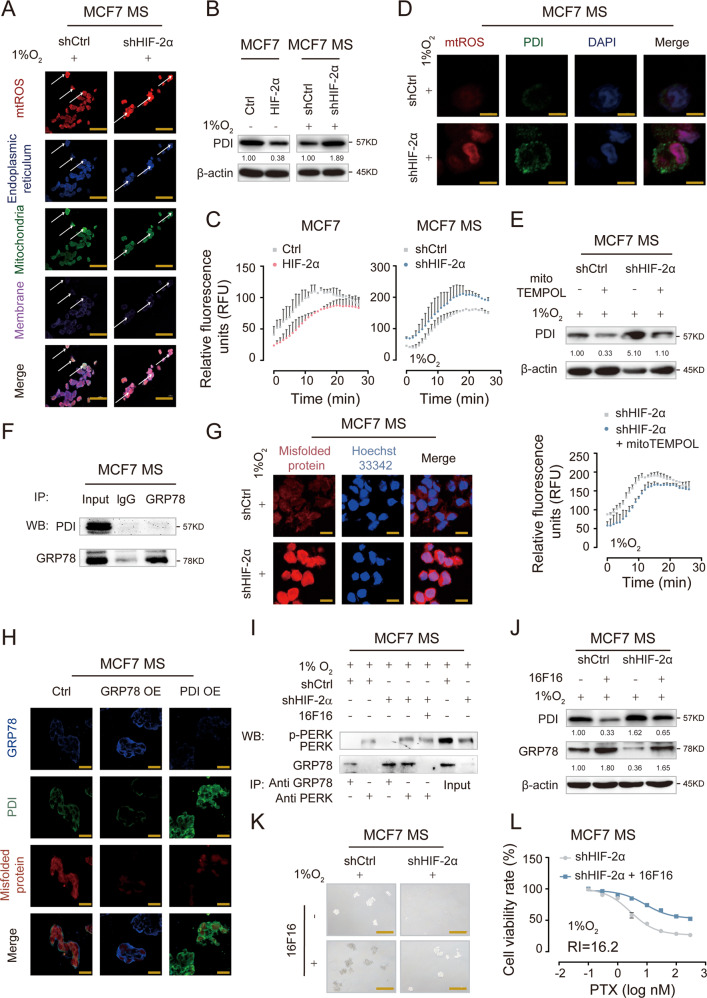
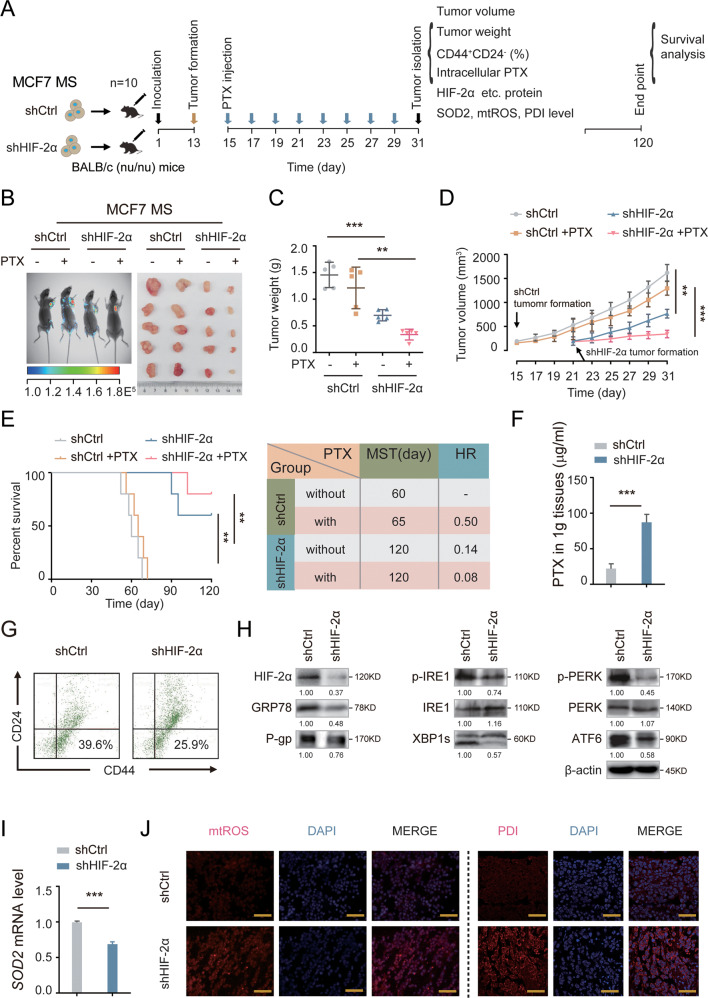
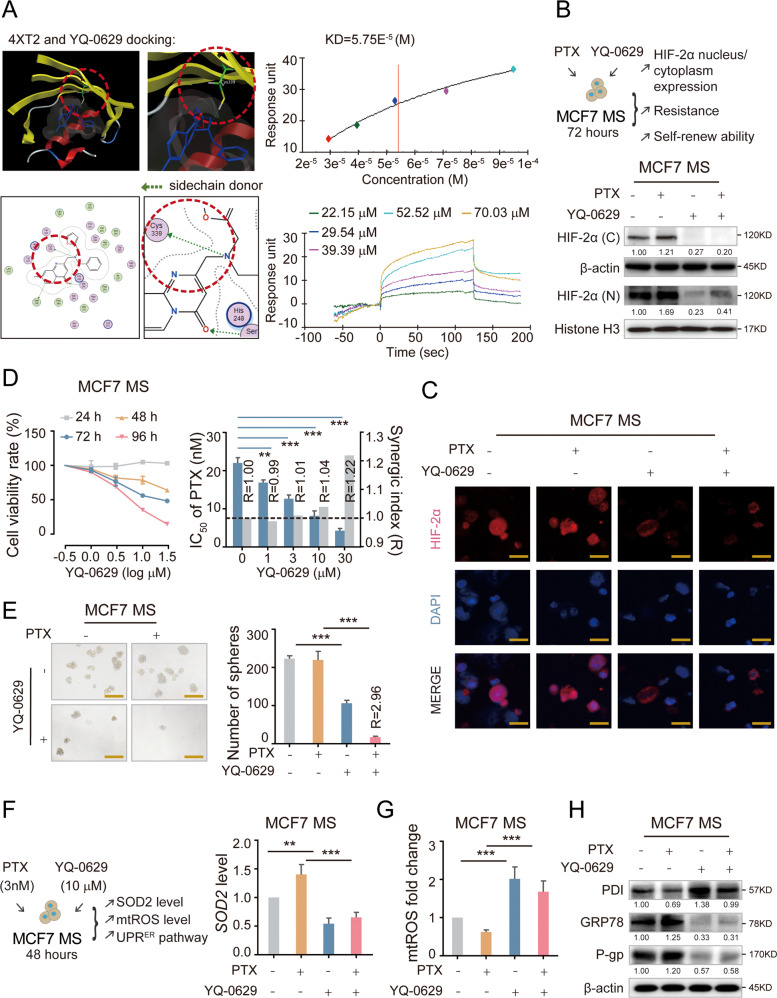
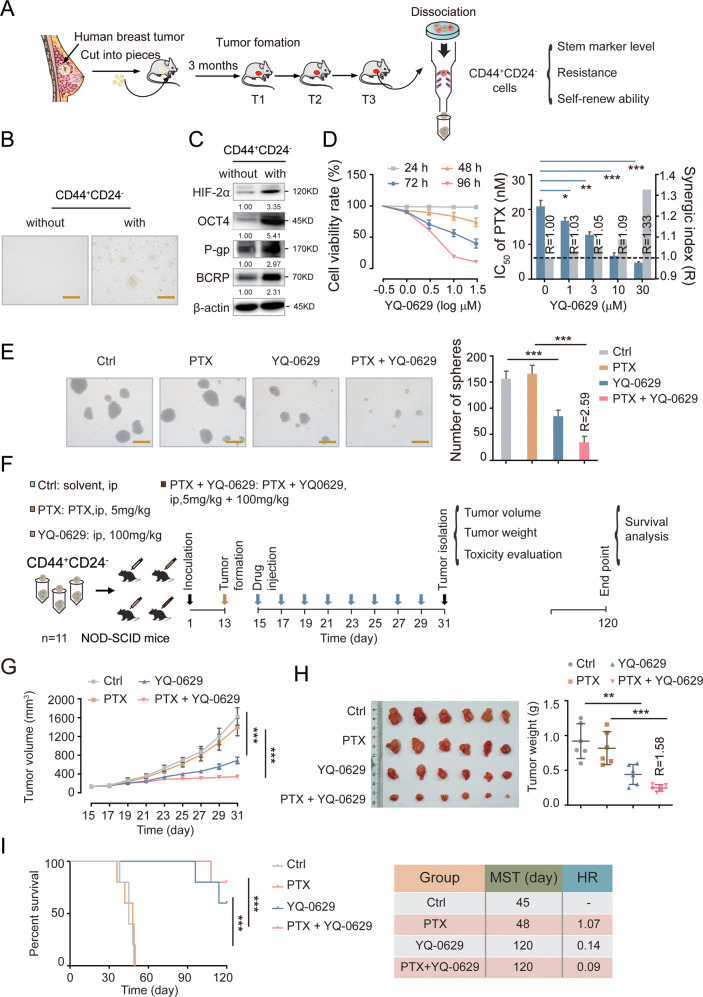
Hypoxic tumor microenvironment (TME) plays critical roles in induction of cancer stem cell-like phenotype in breast cancer and contribute to chemoresistance. However, the mechanism underlying stemness reprogramming of breast cancer cells (BCs) by hypoxic TME remains largely unknown. In the present study, we illustrated that HIF-2α, but not HIF-1α, induces stemness in BCs under hypoxia through SOD2-mtROS-PDI/GRP78-UPR ER pathway, linking mitochondrial metabolic state to endoplasmic reticulum (ER) response via mitochondrial reactive oxygen species (mtROS) level. HIF-2α activates endoplasmic reticulum unfolded protein response (UPR ER) in drug-sensitive MCF7 and T47D cells to induce drug-resistant stem-like phenotype. Genetic depletion or pharmacological inhibition (YQ-0629) of HIF-2α abolished hypoxia-induced stem-like phenotype in vitro and in vivo. Mechanistically, HIF-2α activates transcription of superoxide dismutase 2 (SOD2) under hypoxia and thereby decreases mtROS level. With less mtROS transported to endoplasmic reticulum, the expression and activity of protein disulfide isomerase (PDI) is suppressed, allowing glucose-regulated protein 78 (GRP78) to dissociate from receptor proteins of UPR ER and bind misfolded protein to activate UPR ER, which eventually confer chemoresistance and stem-like properties to BCs. Moreover, the increase in mtROS and PDI levels caused by HIF-2α knockdown and the subsequent UPR ER inhibition could be substantially rescued by mitoTEMPOL (a mtROS scavenger), 16F16 (a PDI inhibitor), or GRP78 overexpression. Overall, we reported the critical roles of HIF-2α-SOD2-mtROS-PDI/GRP78-UPR ER axis in mediating hypoxia-induced stemness in BCs, highlighting the interaction between organelles and providing evidence for further development of targeted HIF-2α inhibitor as a promising therapeutic strategy for chemoresistant breast cancer.
Overview
The claims and statistics of this paper haven’t been checked yet.
Free: it reads the open-access text and checks the first 5 claims that cite a source we can check. Create a free account to check every claim.
Integrity signals
Registry
Cites
Statistics
Figures
Verification
Claims the paper makes
The claims and statistics of this paper haven’t been checked yet.
Free: it reads the open-access text and checks the first 5 claims that cite a source we can check. Create a free account to check every claim.
Claims other papers make about this one
Each is checked against this paper’s own text: does it say what the citing paper says it does?
The source backs part of the claim, not all of it — or backs it for a different population, condition or comparison.
In the citing paper
“Continued efforts are now focused on developing next-generation HIF-2α inhibitors with enhanced selectivity and potency, such as YQ-0629 and casdatifan (AB521), both of which have shown promising preclinical and early clinical activity [[418], [419], [420]].”
From HIF inhibition: Current strategies and clinical challenges (2026) · cites this paper as [418]
Experimental — accuracy not yet measuredThe cited source says what the claim attributes to it.
In the citing paper
“HIF-2α mediated antioxidant gene expression protects pancreatic β-cells against glucotoxicity in the context of obesity, whereas in breast cancer, this HIF-2α mediated reduction in mitochondrial ROS is associated with increased chemoresistance and stem-like properties [50, 51].”
From The HIF Axes in Cancer - Angiogenesis, Metabolism and Immune-Modulation (2025) · cites this paper as [51]
Self-check
Percentages, sums and reported differences re-computed from the paper’s own numbers.
The self-check needs the paper’s full text.
Citations
Cites
1 retracted
Samanta, D., Gilkes, D. M., Chaturvedi, P., Xiang, L., & Semenza, G. L. (2014) · Proceedings of the National Academy of Sciences · doi:10.1073/pnas.1421438111 · Cited by 460
RetractedThe unfolded protein response: controlling cell fate decisions under ER stress and beyond
Hetz, C. (2012) · Nature Reviews Molecular Cell Biology · doi:10.1038/nrm3270 · Cited by 4,093 · cited 2×
“Aggregation of misfolded proteins in ER triggers ERS, and UPR is involved in this event to control cell fate [36].”
BackgroundMitochondrial ROS in cancer: initiators, amplifiers or an Achilles' heel?
Sabharwal, S. S., & Schumacker, P. T. (2014) · Nature Reviews Cancer · doi:10.1038/nrc3803 · Cited by 1,622 · cited 1×
“PDI competitively inhibits the binding of GRP78 to misfolded proteins to prevent UPR activation MtROS are mainly generated during the process of oxidative phosphorylation at the mitochondrial electron transport chain and are transported from mitochondria to multiple intracellular organelles as signaling molecules [31,…”
BackgroundHypoxia-Inducible Factors, Stem Cells, and Cancer
Keith, B., & Simon, M. C. (2007) · Cell · doi:10.1016/j.cell.2007.04.019 · Cited by 1,179
Zhang, C., Samanta, D., Lu, H., Bullen, J. W., Zhang, H., Chen, I., He, X., & Semenza, G. L. (2016) · Proceedings of the National Academy of Sciences · doi:10.1073/pnas.1602883113 · Cited by 971 · cited 1×
“For example, HIF-2α enhances ALKBH5-mediated m(6)A-demethylation of NANOG mRNA to induce the BCSC phenotype [6].”
BackgroundCovello, K. L., Kehler, J., Yu, H., Gordan, J. D., Arsham, A. M., Hu, C.-J., Labosky, P. A., Simon, M. C., & Keith, B. (2006) · Genes & Development · doi:10.1101/gad.1399906 · Cited by 821 · cited 4×
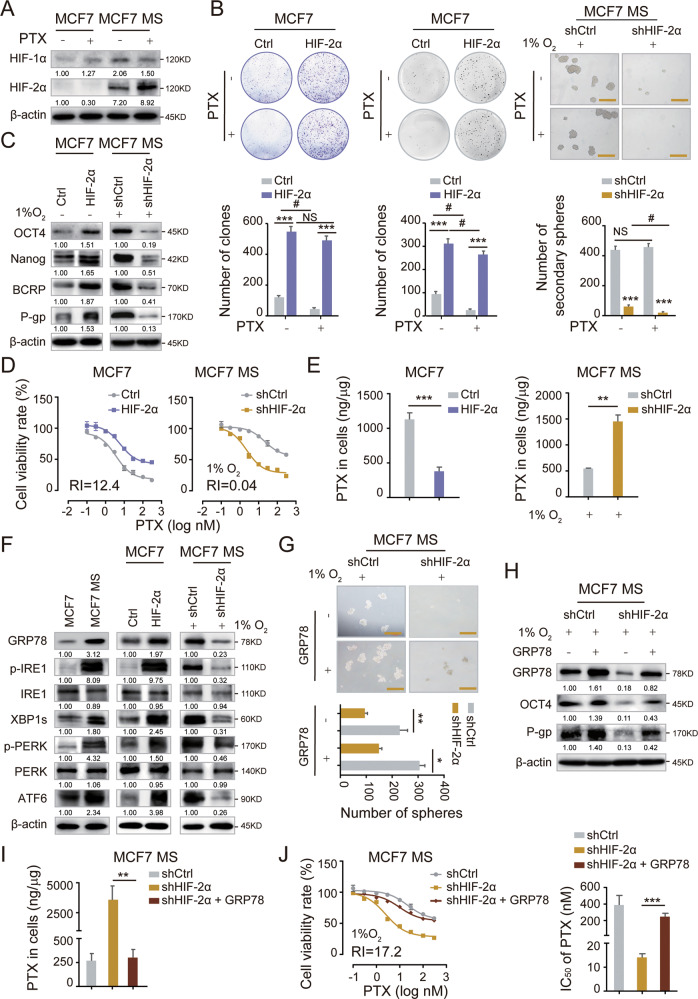
“Additionally, forced expression of GRP78 also abolished HIF-2α-knockdown-induced inhibition of OCT4 and P-gp (Fig.”
ResultInfluentialHIF-2α Promotes Hypoxic Cell Proliferation by Enhancing c-Myc Transcriptional Activity
Gordan, J. D., Bertout, J. A., Hu, C.-J., Diehl, J. A., & Simon, M. C. (2007) · Cancer Cell · doi:10.1016/j.ccr.2007.02.006 · Cited by 781
Metabolic Reprogramming: the Emerging Concept and Associated Therapeutic Strategies
Yoshida, G. J. (2015) · Journal of Experimental & Clinical Cancer Research · doi:10.1186/s13046-015-0221-y · Cited by 716 · cited 1×
“However, current studies mainly focus on changes occurring inside mitochondria, such as impairment of oxidative phosphorylation, promotion of glycolytic activity, and increase in mtROS production [47].”
BackgroundTargeting renal cell carcinoma with a HIF-2 antagonist
Chen, W., Hill, H., Christie, A., Kim, M. S., Holloman, E., Pavia-Jimenez, A., Homayoun, F., Ma, Y., Patel, N., Yell, P., et al. (2016) · Nature · doi:10.1038/nature19796 · Cited by 709
Therapeutic targeting of hypoxia and hypoxia-inducible factors in cancer
Wigerup, C., Påhlman, S., & Bexell, D. (2016) · Pharmacology & Therapeutics · doi:10.1016/j.pharmthera.2016.04.009 · Cited by 687
Koumenis, C., Naczki, C., Koritzinsky, M., Rastani, S., Diehl, A., Sonenberg, N., Koromilas, A., & Wouters, B. G. (2002) · Molecular and Cellular Biology · doi:10.1128/mcb.22.21.7405-7416.2002 · Cited by 686
Lee, K.-M., Giltnane, J. M., Balko, J. M., Schwarz, L. J., Guerrero-Zotano, A. L., Hutchinson, K. E., Nixon, M. J., Estrada, M. V., Sánchez, V., Sanders, M. E., et al. (2017) · Cell Metabolism · doi:10.1016/j.cmet.2017.09.009 · Cited by 650 · cited 1×
“ROS level regulates cancer stemness in a wide variety of cancers [50, 51].”
BackgroundCancer Stem Cells: The Architects of the Tumor Ecosystem
Prager, B. C., Xie, Q., Bao, S., & Rich, J. N. (2019) · Cell Stem Cell · doi:10.1016/j.stem.2018.12.009 · Cited by 587 · cited 19×
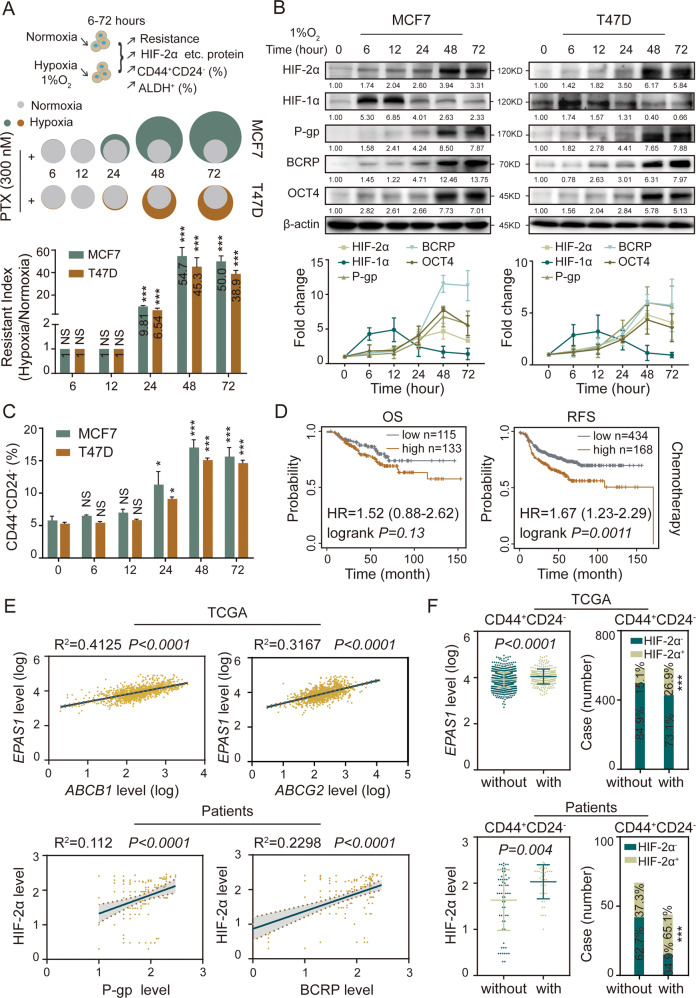
“These results indicated that hypoxia promoted chemoresistance of BCs in a time-dependent manner, and induced their transformation into BCSCs, with a simultaneous and specific increase in HIF-2α expression.”
BackgroundInfluentialScortegagna, M., Ding, K., Oktay, Y., Gaur, A., Thurmond, F., Yan, L.-J., Marck, B. T., Matsumoto, A. M., Shelton, J. M., Richardson, J. A., et al. (2003) · Nature Genetics · doi:10.1038/ng1266 · Cited by 496 · cited 1×
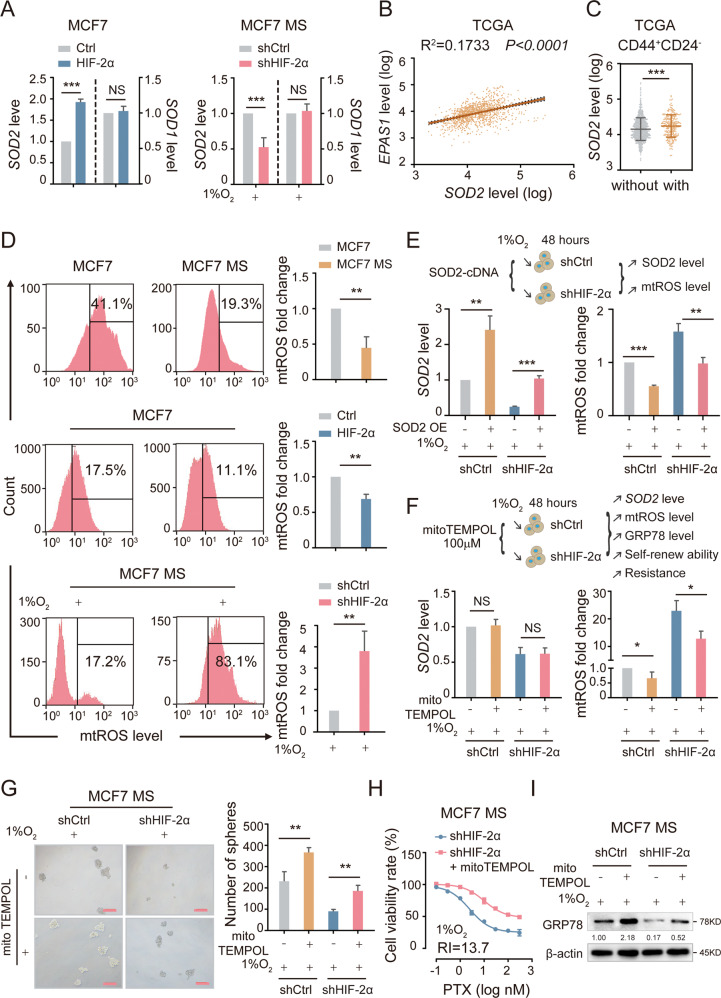
“The antioxidant gene superoxide dismutase 2 (SOD2) has been found to interact with HIF-2α [10, 28, 29].”
BackgroundOn-target efficacy of a HIF-2α antagonist in preclinical kidney cancer models
Cho, H., Du, X., Rizzi, J. P., Liberzon, E., Chakraborty, A. A., Gao, W., Carvo, I., Signoretti, S., Bruick, R. K., Josey, J. A., et al. (2016) · Nature · doi:10.1038/nature19795 · Cited by 451
Yoo, H. C., Park, S. J., Nam, M., Kang, J., Kim, K., Yeo, J. H., Kim, J.-K., Heo, Y., Lee, H. S., Lee, M. Y., et al. (2020) · Cell Metabolism · doi:10.1016/j.cmet.2019.11.020 · Cited by 449 · cited 1×
“Previous studies of the stemness conversion have mainly focused on mitochondria [14, 15], whereas multiple organelles are actually involved in the stemness conversion process and the underlying mechanism remains unclear.”
BackgroundCazet, A. S., Hui, M. N., Elsworth, B. L., Wu, S. Z., Roden, D., Chan, C.-L., Skhinas, J. N., Collot, R., Yang, J., Harvey, K., et al. (2018) · Nature Communications · doi:10.1038/s41467-018-05220-6 · Cited by 437
An Involvement of Oxidative Stress in Endoplasmic Reticulum Stress and Its Associated Diseases
Bhandary, B., Marahatta, A., Kim, H.-R., & Chae, H.-J. (2012) · International Journal of Molecular Sciences · doi:10.3390/ijms14010434 · Cited by 407 · cited 1×
“The enzyme activity of PDI can be increased when the ER environment becomes more oxidative [34, 35].”
BackgroundCao, S. S., & Kaufman, R. J. (2012) · Current Biology · doi:10.1016/j.cub.2012.07.004 · Cited by 365
The unfolded protein response governs integrity of the haematopoietic stem-cell pool during stress
van Galen, P., Kreso, A., Mbong, N., Kent, D. G., Fitzmaurice, T., Chambers, J. E., Xie, S., Laurenti, E., Hermans, K., Eppert, K., et al. (2014) · Nature · doi:10.1038/nature13228 · Cited by 363
Structural integration in hypoxia-inducible factors
Wu, D., Potluri, N., Lu, J., Kim, Y., & Rastinejad, F. (2015) · Nature · doi:10.1038/nature14883 · Cited by 346
Mitochondrial ROS control of cancer
Idelchik, M. D. P. S., Begley, U., Begley, T. J., & Melendez, J. A. (2017) · Seminars in Cancer Biology · doi:10.1016/j.semcancer.2017.04.005 · Cited by 303
MnSOD in Oxidative Stress Response-Potential Regulation via Mitochondrial Protein Influx
Candas, D., & Li, J. J. (2014) · Antioxidants & Redox Signaling · doi:10.1089/ars.2013.5305 · Cited by 286
Oxygen-dependent ATF-4 stability is mediated by the PHD3 oxygen sensor
Köditz, J., Nesper, J., Wottawa, M., Stiehl, D. P., Camenisch, G., Franke, C., Myllyharju, J., Wenger, R. H., & Katschinski, D. M. (2007) · Blood · doi:10.1182/blood-2007-06-094441 · Cited by 214
Protein disulfide–isomerase, a folding catalyst and a redox-regulated chaperone
Wang, L., Wang, X., & Wang, C.-C. (2015) · Free Radical Biology and Medicine · doi:10.1016/j.freeradbiomed.2015.02.007 · Cited by 197 · cited 2×
“The enzyme activity of PDI can be increased when the ER environment becomes more oxidative [34, 35].”
BackgroundRouault-Pierre, K., Lopez-Onieva, L., Foster, K., Anjos-Afonso, F., Lamrissi-Garcia, I., Serrano-Sanchez, M., Mitter, R., Ivanovic, Z., de Verneuil, H., Gribben, J., et al. (2013) · Cell Stem Cell · doi:10.1016/j.stem.2013.08.011 · Cited by 188
Redox controls UPR to control redox
Eletto, D., Chevet, E., Argon, Y., & Appenzeller-Herzog, C. (2014) · Journal of Cell Science · doi:10.1242/jcs.153643 · Cited by 180 · cited 2×
“Although previous studies have shown that lower ROS level regulated by a branch of UPR positive feedback loop played an essential role in stemness maintenance, the specific mechanism for crosstalk between ROS level and UPR remains poorly understood [33, 52].”
BackgroundNiu, Y., Bao, L., Chen, Y., Wang, C., Luo, M., Zhang, B., Zhou, M., Wang, J. E., Fang, Y. V., Kumar, A., et al. (2020) · Cancer Research · doi:10.1158/0008-5472.can-19-1532 · Cited by 177
Self-citationMetabolic and Innate Immune Cues Merge into a Specific Inflammatory Response via the UPR
Mogilenko, D. A., Haas, J. T., L’homme, L., Fleury, S., Quemener, S., Levavasseur, M., Becquart, C., Wartelle, J., Bogomolova, A., Pineau, L., et al. (2019) · Cell · doi:10.1016/j.cell.2019.03.018 · Cited by 167
Yan, Y., Liu, F., Han, L., Zhao, L., Chen, J., Olopade, O. I., He, M., & Wei, M. (2018) · Journal of Experimental & Clinical Cancer Research · doi:10.1186/s13046-018-0925-x · Cited by 160 · cited 1×
“Our previous study showed that HIF-2α promotes the chemoresistant stem-like phenotype in BCs via activation of Wnt and Notch pathways [9].”
BackgroundSelf-citationObacz, J., Avril, T., Reste, P. L., Urra, H., Quillien, V., Hetz, C. A., & Chevet, É. (2017) · Science Signaling · doi:10.1126/scisignal.aal2323 · Cited by 154 · cited 1×
“UPR activation has been reported to involve in pluripotency acquisition and chemotherapy resistance [22, 27].”
BackgroundCancer stem cell niche models and contribution by mesenchymal stroma/stem cells
Melzer, C., von der Ohe, J., Lehnert, H., Ungefroren, H., & Hass, R. (2017) · Molecular Cancer · doi:10.1186/s12943-017-0595-x · Cited by 148
Sleep deprivation and false confessions
Frenda, S. J., Berkowitz, S. R., Loftus, E. F., & Fenn, K. M. (2016) · Proceedings of the National Academy of Sciences · doi:10.1073/pnas.1521518113 · Cited by 138
Zhang, Q., Lou, Y., Zhang, J., Fu, Q., Wei, T., Sun, X., Chen, Q., Yang, J., Bai, X., & Liang, T. (2017) · Molecular Cancer · doi:10.1186/s12943-017-0689-5 · Cited by 128
Johansson, E., Grassi, E. S., Pantazopoulou, V., Tong, B., Lindgren, D., Berg, T. J., Pietras, E. J., Axelson, H., & Pietras, A. (2017) · Cell Reports · doi:10.1016/j.celrep.2017.07.049 · Cited by 121
MTHFD2 links RNA methylation to metabolic reprogramming in renal cell carcinoma
Green, N. H., Galvan, D. L., Badal, S. S., Chang, B. H., LeBleu, V. S., Long, J., Jonasch, E., & Danesh, F. R. (2019) · Oncogene · doi:10.1038/s41388-019-0869-4 · Cited by 116 · cited 1×
“Previous studies of the stemness conversion have mainly focused on mitochondria [14, 15], whereas multiple organelles are actually involved in the stemness conversion process and the underlying mechanism remains unclear.”
BackgroundLiu, L., Zhao, M., Jin, X., Ney, G. M., Yang, K. B., Peng, F., Cao, J., Iwawaki, T., Valle, J. R. D., Chen, X., et al. (2019) · Nature Cell Biology · doi:10.1038/s41556-019-0285-6 · Cited by 115
Chang, C.-W., Chen, Y., Tsay, Y., Han, C., Chen, Y., Yang, C.-C., Hung, K.-F., Lin, C., Huang, T.-Y., Kao, S., et al. (2018) · Cell Death and Disease · doi:10.1038/s41419-017-0250-x · Cited by 112 · cited 1×
“Although previous studies have shown that lower ROS level regulated by a branch of UPR positive feedback loop played an essential role in stemness maintenance, the specific mechanism for crosstalk between ROS level and UPR remains poorly understood [33, 52].”
BackgroundSmall molecule-induced oxidation of protein disulfide isomerase is neuroprotective
Kaplan, A., Gaschler, M. M., Dunn, D. E., Colligan, R., Brown, L. M., Palmer, A. G., Lo, D. C., & Stockwell, B. R. (2015) · Proceedings of the National Academy of Sciences · doi:10.1073/pnas.1500439112 · Cited by 110
Wobma, H., Tamargo, M. A., Goeta, S., Brown, L. M., Duran‐Struuck, R., & Vunjak‐Novakovic, G. (2018) · Biomaterials · doi:10.1016/j.biomaterials.2018.03.027 · Cited by 101
Oktay, Y., Dioum, E., Matsuzaki, S., Ding, K., Yan, L.-J., Haller, R. G., Szweda, L. I., & Garcia, J. A. (2007) · Journal of Biological Chemistry · doi:10.1074/jbc.m611133200 · Cited by 92 · cited 1×
“The antioxidant gene superoxide dismutase 2 (SOD2) has been found to interact with HIF-2α [10, 28, 29].”
BackgroundIsoform-Selective and Stereoselective Inhibition of Hypoxia Inducible Factor-2
Scheuermann, T. H., Stroud, D., Sleet, C. E., Bayeh, L., Shokri, C., Wang, H., Caldwell, C. G., Longgood, J., MacMillan, J. B., Bruick, R. K., et al. (2015) · Journal of Medicinal Chemistry · doi:10.1021/acs.jmedchem.5b00529 · Cited by 87 · cited 1×
“We found the crystal structure of the PAS-B region from Protein Data Bank (PDB ID: 4XT2), and it has already been proved that active small molecule compounds binding this active site can be successfully screened out [39].”
BackgroundSOD2 acetylation on lysine 68 promotes stem cell reprogramming in breast cancer
He, C., Danes, J. M., Hart, P. C., Zhu, Y., Huang, Y., de Abreu, A. L., O’Brien, J., Mathison, A., Tang, B., Frasor, J. M., et al. (2019) · Proceedings of the National Academy of Sciences · doi:10.1073/pnas.1902308116 · Cited by 84 · cited 1×
“The antioxidant gene superoxide dismutase 2 (SOD2) has been found to interact with HIF-2α [10, 28, 29].”
BackgroundSelf-citationFekir, K., Dubois‐Pot‐Schneider, H., Désert, R., Daniel, Y., Glaise, D., Rauch, C., Morel, F., Fromenty, B., Musso, O. C., Cabillic, F., et al. (2019) · Cancer Research · doi:10.1158/0008-5472.can-18-2110 · Cited by 82
Bai, J., Chen, W., Zhang, X., Kang, X.-N., Jin, L., Zhang, H., & Wang, Z. (2019) · World Journal of Stem Cells · doi:10.4252/wjsc.v12.i1.87 · Cited by 81
Hypoxia- and MicroRNA-Induced Metabolic Reprogramming of Tumor-Initiating Cells
Ullmann, P., Nurmik, M., Begaj, R., Haan, S., & Letellier, E. (2019) · Cells · doi:10.3390/cells8060528 · Cited by 77
Targeting Hypoxia-Driven Metabolic Reprogramming to Constrain Tumor Progression and Metastasis
Galvis, M. M., & Teng, Y. (2020) · International Journal of Molecular Sciences · doi:10.3390/ijms21155487 · Cited by 77
He, M., Fu, Y., Yan, Y., Xiao, Q., Wu, H., Yao, W., Zhao, H., Zhao, L., Jiang, Q., Yu, Z., et al. (2015) · Clinical Science · doi:10.1042/cs20140592 · Cited by 61 · cited 3×
“Cell viability assay Cell viability assay was performed as reported previously [25] by first seeding MCF7, T47D cells (2000 cells/well), or MCF7 MS, T47D MS cells (5000 cells/well) into a 96-well cell culture plate for overnight.”
MethodSelf-citationHe, M., Wu, H., Jiang, Q., Liu, Y., Han, L., Yan, Y., Wei, B., Liu, F., Deng, X., Chen, H., et al. (2019) · Molecular Oncology · doi:10.1002/1878-0261.12419 · Cited by 59 · cited 6×
“Consistent with previous studies, we confirmed that HIF-2α was responsible for the elevation of OCT4 [43], P-gp [44], and BCRP [45] under hypoxia.”
MethodResultSelf-citationHif-1α and Hif-2α regulate hemogenic endothelium and hematopoietic stem cell formation in zebrafish
Gerri, C., Marass, M., Rossi, A., & Stainier, D. Y. R. (2018) · Blood · doi:10.1182/blood-2017-07-797795 · Cited by 54
Reactive oxygen species in cancer stem cells of head and neck squamous cancer
Qian, X., Nie, X., Yao, W., Klinghammer, K., Sudhoff, H., Kaufmann, A. M., & Albers, A. E. (2018) · Seminars in Cancer Biology · doi:10.1016/j.semcancer.2018.06.001 · Cited by 53 · cited 1×
“ROS level regulates cancer stemness in a wide variety of cancers [50, 51].”
BackgroundSelf-citationGlucose-regulated protein 78 is essential for cardiac myocyte survival
Wang, X., Bi, X., Zhang, G., Deng, Y., Luo, X., Xu, L., Scherer, P. E., Ferdous, A., Fu, G., Gillette, T. G., et al. (2018) · Cell Death and Differentiation · doi:10.1038/s41418-018-0109-4 · Cited by 47 · cited 1×
“In addition to the mechanism that GRP78 disassociates from ER transmembrane protein sensors and activates UPR via binding to misfolded proteins, misfolded proteins are also regulated by GRP78 via other mechanisms [49].”
BackgroundHIF-2-dependent expression of stem cell factor promotes metastasis in hepatocellular carcinoma
Wang, X., Dong, J., Jia, L., Zhao, T., Lang, M., Li, Z., Lan, C., Li, X., Hao, J., Wang, H., et al. (2017) · Cancer Letters · doi:10.1016/j.canlet.2017.01.032 · Cited by 40
Simic, M., Moehle, E. A., Schinzel, R. T., Lorbeer, F. K., Jullié, D., Halloran, J. J., Heydari, K., Sanchez, M., Hockemeyer, D. F., & Dillin, A. G. (2019) · Science Advances · doi:10.1126/sciadv.aaw0025 · Cited by 40 · cited 1×
“UPR activation has been reported to involve in pluripotency acquisition and chemotherapy resistance [22, 27].”
BackgroundZhang, K., Xu, P., Sowers, J. L., Machuca, D. F., Mirfattah, B., Herring, J. L., Tang, H. R., Chen, Y., Tian, B., Brasier, A. R., et al. (2017) · Molecular & Cellular Proteomics · doi:10.1074/mcp.ra117.000154 · Cited by 39
Madhavan, S., & Nagarajan, S. (2020) · Biochimie · doi:10.1016/j.biochi.2020.05.005 · Cited by 35 · cited 1×
“GRP78 is a sentinel marker of ERS and is widely used as a “switch” for UPR activation [48].”
BackgroundModulation of HIF-2α PAS-B domain contributes to physiological responses
Feng, Z., Zou, X., Chen, Y., Wang, H., Duan, Y., & Bruick, R. K. (2018) · Proceedings of the National Academy of Sciences · doi:10.1073/pnas.1810897115 · Cited by 34
Deng, Y., Huang, G., Chen, F., Testroet, E. D., Li, H., Li, H., Nong, T., Yang, X., Cui, J., Shi, D., et al. (2019) · Journal of Cellular Physiology · doi:10.1002/jcp.28342 · Cited by 28
HIF-2alpha: Achilles' heel of pseudohypoxic subtype paraganglioma and other related conditions
Tella, S. H., Taïeb, D., & Pacák, K. (2017) · European Journal of Cancer · doi:10.1016/j.ejca.2017.08.023 · Cited by 24
Gao, Z., Yuan, W.-D., Yuan, J.-Q., Yuan, K., & Wang, Y. (2018) · Medical Science Monitor · doi:10.12659/msm.906107 · Cited by 15 · cited 9×
“Additionally, HIF-2α overexpression decreased the intracellular accumulation of PTX, which is transported by P-gp, and vice versa (Fig.”
ResultInfluentialSelf-citationGerri, C., Marass, M., Rossi, A., & Stainier, D. Y. R. (2018) · MPG.PuRe (Max Planck Society) · Cited by 2
Cited by
Hypoxia, oxidative stress, and the interplay of HIFs and NRF2 signaling in cancer
Bae, T., Hallis, S. P., & Kwak, M.-K. (2024) · Experimental & Molecular Medicine · doi:10.1038/s12276-024-01180-8 · Cited by 354
“Moreover, evidence suggests that HIF-2 α plays a role in maintaining CSC traits through the activation of WNT and NOTCH signaling 148 by elevating superoxide dismutase (SOD) levels and by reducing mitochondrial reactive oxygen species (ROS) levels 149 .”
BackgroundRedox regulation: mechanisms, biology and therapeutic targets in diseases
Li, B., Ming, H., Qin, S., Nice, E. C., Dong, J., Du, Z., & Huang, C. (2025) · Signal Transduction and Targeted Therapy · doi:10.1038/s41392-024-02095-6 · Cited by 317
Li, G., Wang, D., Zhai, Y., Pan, C., Zhang, J., Wang, C., Huang, R., Yu, M., Li, Y., Liu, X., et al. (2024) · Cell Metabolism · doi:10.1016/j.cmet.2024.07.011 · Cited by 232
Alleviating hypoxia to improve cancer immunotherapy
Fan, P., Zhang, N., Candi, E., Agostini, M., Piacentini, M., Bernassola, F., Bove, P., Alessandro, M., Giuseppe, N., Valentina, R., et al. (2023) · Oncogene · doi:10.1038/s41388-023-02869-2 · Cited by 105
Self-citationp63: a crucial player in epithelial stemness regulation
Li, Y., Giovannini, S., Wang, T., Fang, J., Li, P., Shao, C., Wang, Y., Agostini, M., Bove, P., Mauriello, A., et al. (2023) · Oncogene · doi:10.1038/s41388-023-02859-4 · Cited by 93
Self-citation
Metadata
- Authors
- Yan, Y., He, M., Zhao, L., Wu, H., Zhao, Y., Han, L., Wei, B., Ye, D., Lv, X., Wang, Y., Yao, W., Zhao, H., Chen, B., Jin, Z., Wen, J., Zhu, Y., Yu, T., Jin, F., & Wei, M.
- Affiliations
- China Medical University (CN)
- Liaoning Cancer Hospital & Institute (CN)
- First Hospital of China Medical University (CN)
- Fourth Affiliated Hospital of China Medical University (CN)
- Corresponding author
- Yu, Tao
- Jin, Feng
- Wei, Minjie
- ORCID
- Venue
- Cell Death & Differentiation
- Published
- 2022-03-17
- Volume
- 29
- Issue
- 9
- Pages
- 1769-1789
- ISSN
- 1350-9047 (ISSN-L)
- 1476-5403
- PMC
- PMC9433403
- OpenAlex
- W4220868035
- Cited by
- 101
- References
- 64
- Citations by year
- 2026: 19 · 2025: 35 · 2024: 21 · 2023: 21 · 2022: 5
- FWCI
- 8.62
- Type
- journal article
- Language
- en
- Open access
- hybrid
- doi.org
- Licence
- cc-by
- creativecommons.org/licenses/by/4.0 (tdm)
- creativecommons.org/licenses/by/4.0 (vor)
- Locations
- Cell Death and Differentiation (publishedVersion, cc-by)
- PubMed Central (publishedVersion, cc-by)
- PubMed (publishedVersion)
- Funders
- National Natural Science Foundation of China (81902708, 2019JH8, U20A20413, 81972794, 81373427, 81702616)
- China Medical University
- National Natural Science Foundation of China-Liaoning Joint Fund
- Topics
- Life Sciences › Biochemistry, Genetics and Molecular Biology › Cancer Research › Cancer, Hypoxia, and Metabolism
- Health Sciences › Medicine › Oncology › Cancer Cells and Metastasis
- Life Sciences › Biochemistry, Genetics and Molecular Biology › Cell Biology › Endoplasmic Reticulum Stress and Disease
- Keywords
- HIF-2α, breast cancer stemness, hypoxia, tumor microenvironment, manganese superoxide dismutase, mitochondrial reactive oxygen species, PDI, GRP78, unfolded protein response, chemoresistance, HIF-2α inhibitor, PDI inhibitors
- MeSH terms
- Superoxide Dismutase 2, Hypoxia, Endoplasmic Reticulum, Humans, Neoplasms, Superoxides, Superoxide Dismutase, Protein Disulfide-Isomerases, Basic Helix-Loop-Helix Proteins, Hypoxia-Inducible Factor 1, alpha Subunit
About these checks
Registry, retraction, Cites and statistics results are computed, not judged, with one exception: a printed reference that no index lists is read once by a model before it counts as a citation error. Claims are extracted by a model and kept only when their quote appears verbatim in the text; each cited source is then checked, with a model’s help, for whether it says what the claim relies on. Those verdicts can be wrong — read the claim’s quote and the cited source before relying on one.
Statistics and arithmetic are recomputed, not judged.
Confidence bands are shown only for fields calibrated on our annotated test set. None is calibrated yet, so no band is shown.
What counts as a claim ›How we measure confidence ›How we check this ›
Are you an author, or do you see a problem with this page? Request a review
Data sources
Bibliographic data: Semantic Scholar, OpenAlex, Crossref.
Contains information from the Semantic Scholar Academic Graph Datasets, made available under the ODC Attribution License (ODC-BY 1.0).
Semantic Scholar’s data is described in: Kinney, R., et al. (2023). The Semantic Scholar Open Data Platform. arXiv:2301.10140.
