

SALL4 is a CRL3REN/KCTD11 substrate that drives Sonic Hedgehog-dependent medulloblastoma
Open accessThe DOI matches its Crossref record; 84 of the 90 references it cites were found in a registry or an index; 29 of the 47 sources its claims cite were checked for support.
Abstract
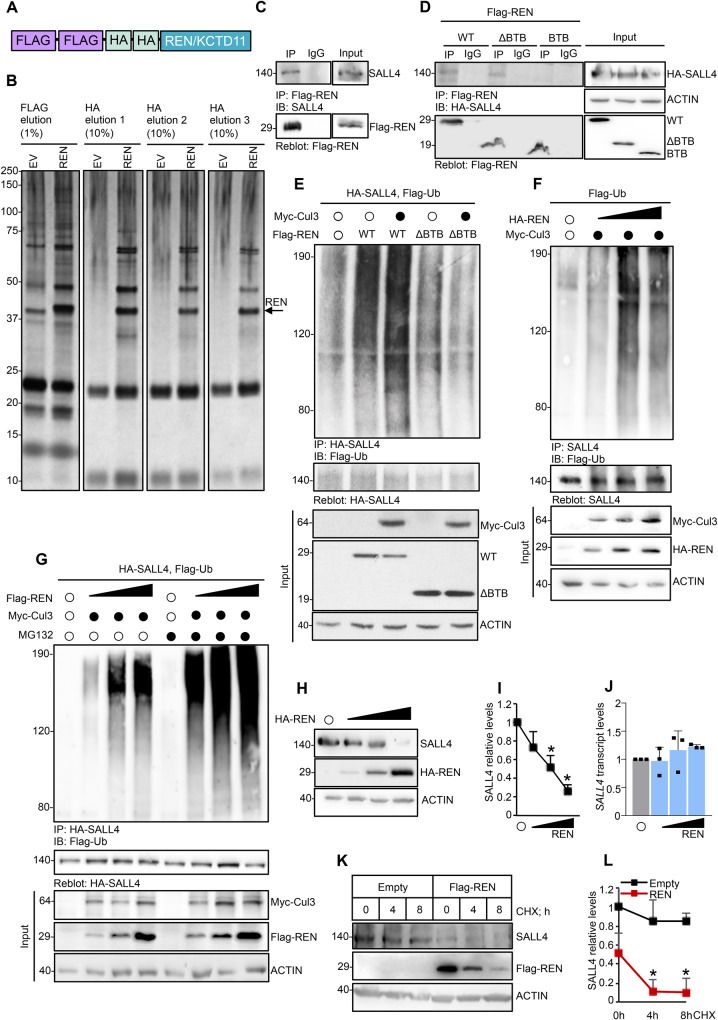
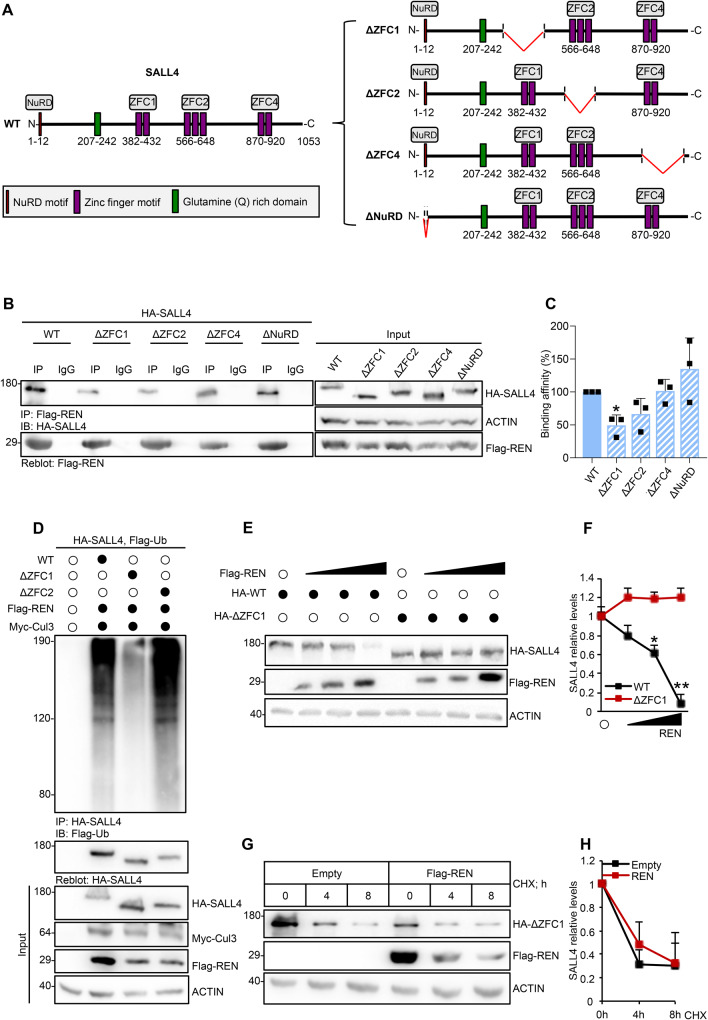
The Sonic Hedgehog (SHH) pathway is crucial regulator of embryonic development and stemness. Its alteration leads to medulloblastoma (MB), the most common malignant pediatric brain tumor. The SHH-MB subgroup is the best genetically characterized, however the molecular mechanisms responsible for its pathogenesis are not fully understood and therapeutic benefits are still limited. Here, we show that the pro-oncogenic stemness regulator Spalt-like transcriptional factor 4 (SALL4) is re-expressed in mouse SHH-MB models, and its high levels correlate with worse overall survival in SHH-MB patients. Proteomic analysis revealed that SALL4 interacts with REN/KCTD11 (here REN), a substrate receptor subunit of the Cullin3-RING ubiquitin ligase complex (CRL3 REN ) and a tumor suppressor lost in ~30% of human SHH-MBs. We demonstrate that CRL3 REN induces polyubiquitylation and degradation of wild type SALL4, but not of a SALL4 mutant lacking zinc finger cluster 1 domain (ΔZFC1). Interestingly, SALL4 binds GLI1 and cooperates with HDAC1 to potentiate GLI1 deacetylation and transcriptional activity. Notably, inhibition of SALL4 suppresses SHH-MB growth both in murine and patient-derived xenograft models. Our findings identify SALL4 as a CRL3 REN substrate and a promising therapeutic target in SHH-dependent cancers.
Overview
CoChat Summary
TL;DR
This study identifies SALL4 as a CRL3REN/KCTD11 substrate in Sonic Hedgehog (SHH)-dependent medulloblastoma and shows that SALL4 promotes tumor growth by cooperating with HDAC1 and GLI1 to enhance SHH signaling. The authors report that SALL4 inhibition suppresses SHH-MB growth in cell culture, mouse models, and patient-derived xenografts.
Key findings
- Proteomic screening of REN/KCTD11 interactors recovered SALL4, and co-immunoprecipitation confirmed REN binds SALL4; CRL3REN promoted SALL4 polyubiquitylation and proteasomal degradation, while the SALL4 ΔZFC1 mutant was resistant to this regulation.
- In Cavalli SHH-MB patient data (GSE85217), high SALL4 expression was associated with worse prognosis in SHH-MB patients; subtype analysis showed lower SALL4 in gamma than in alpha, beta, and delta subtypes.
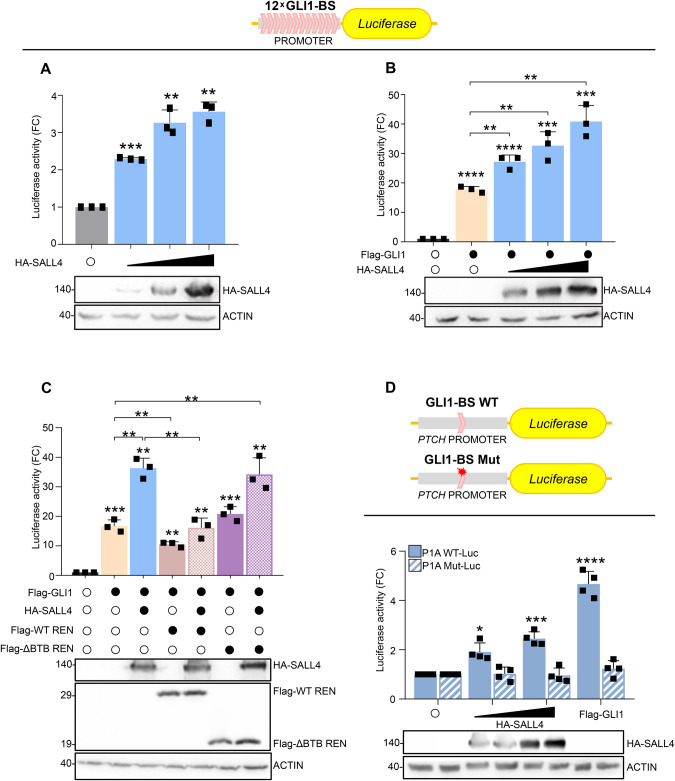
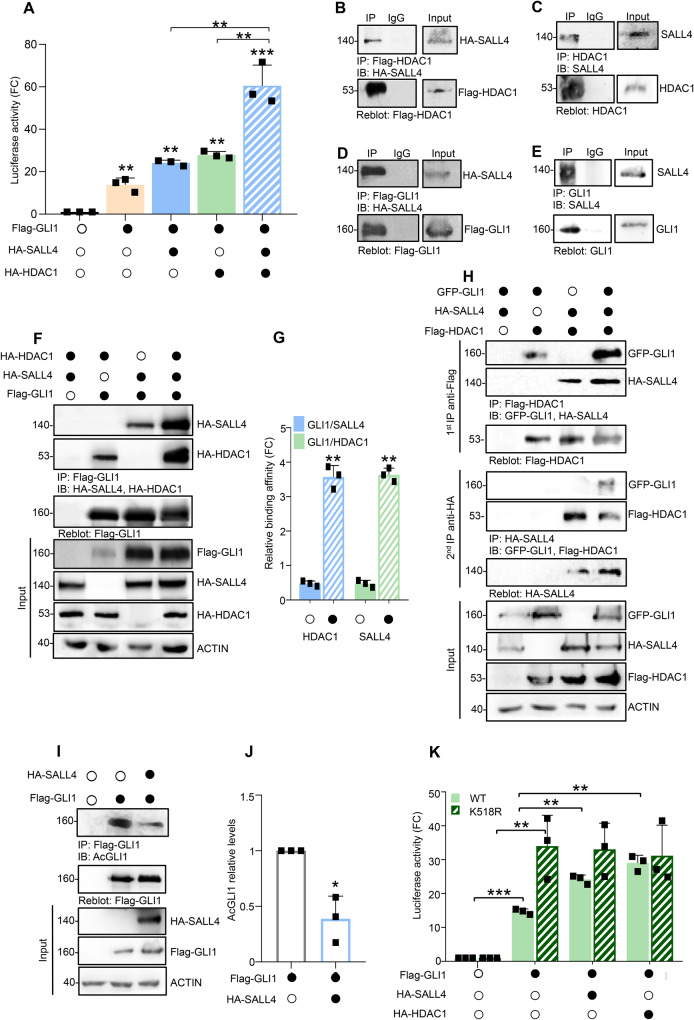
- SALL4 increased GLI1-responsive transcription in a dose-dependent manner, decreased AcGLI1 (acetyl-K518-GLI1), and formed a trimeric complex with GLI1 and HDAC1 to enhance SHH signaling.
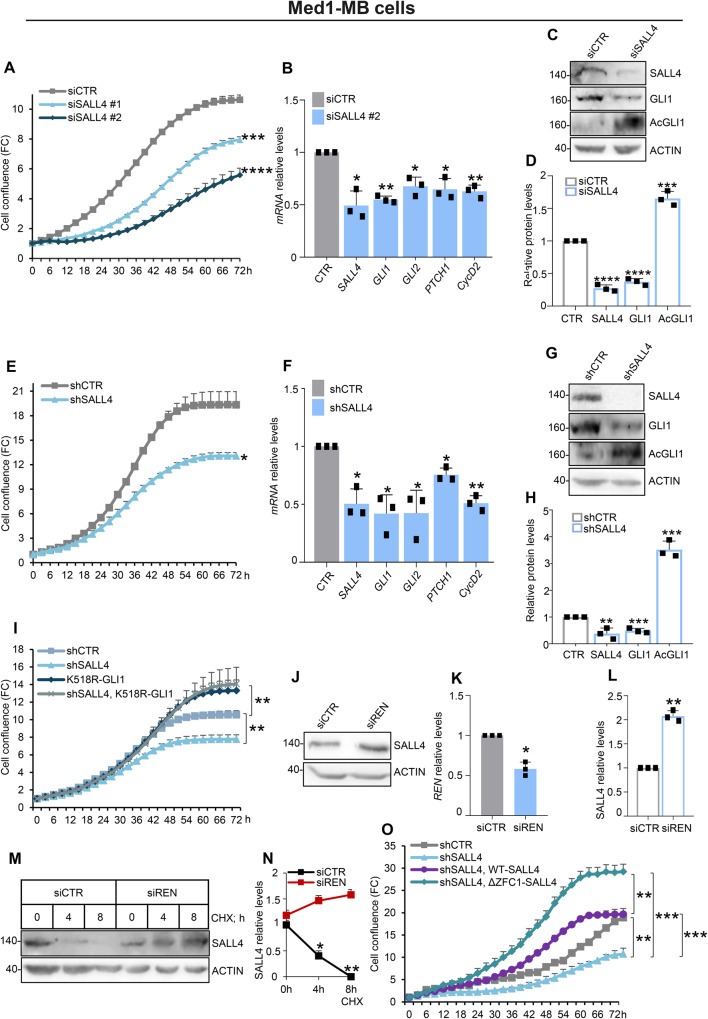
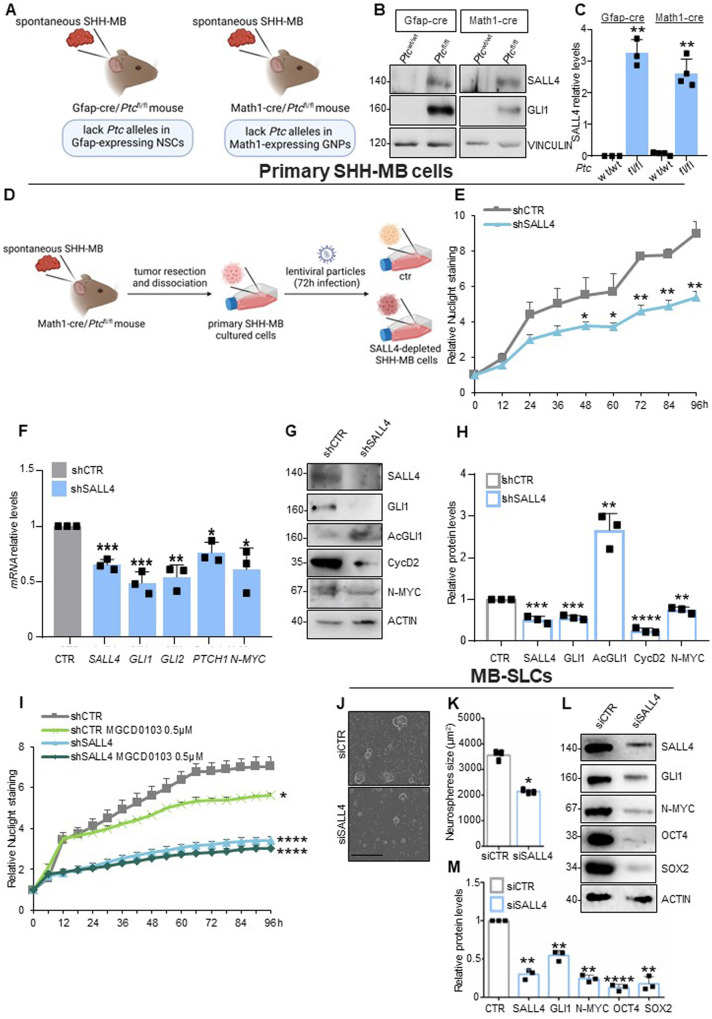
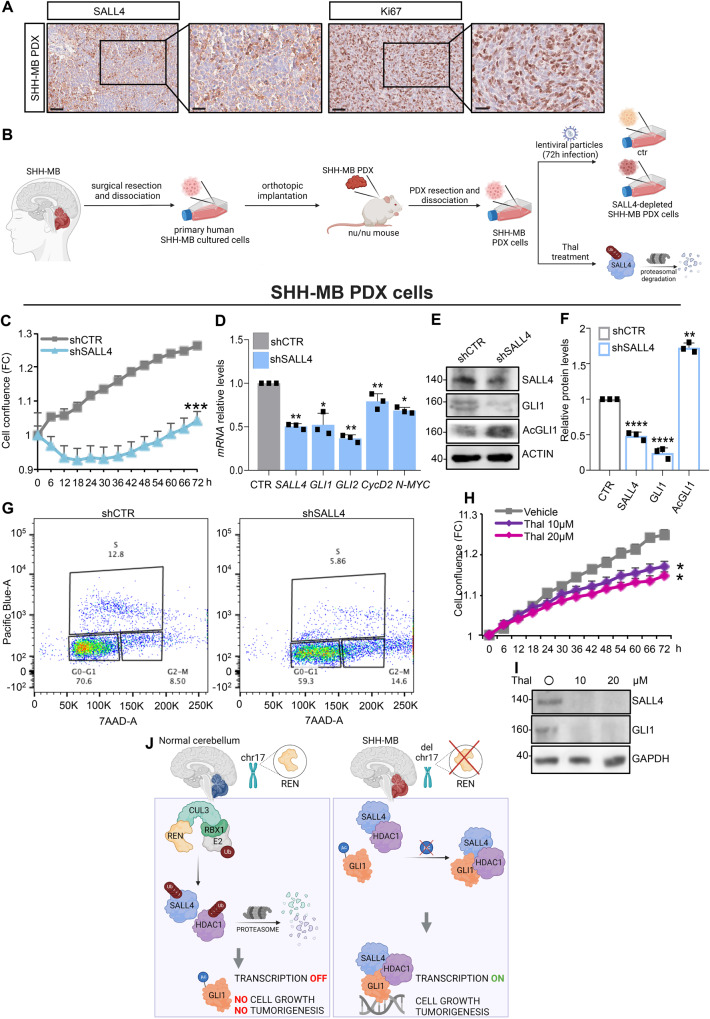
- SALL4 depletion reduced proliferation and SHH transcriptional output in Med1-MB cells and primary SHH-MB cells; in PDX cells, SALL4 depletion lowered the S phase from 12.75% to 4.03% and increased G2 from 6.185% to 13.75%.
Methods
- The study combined immunoaffinity purification/mass spectrometry, co-immunoprecipitation, ubiquitination assays, luciferase reporter assays, qRT-PCR, immunoblotting, and cell proliferation/cell cycle analyses.
- Models included HEK293T cells, Med1-MB cells, primary murine SHH-MB cells from Math1-cre/Ptcfl/fl mice, GNP cultures, and two human SHH-MB PDX models (ICN-MB-PDX12 and Med-1712FH).
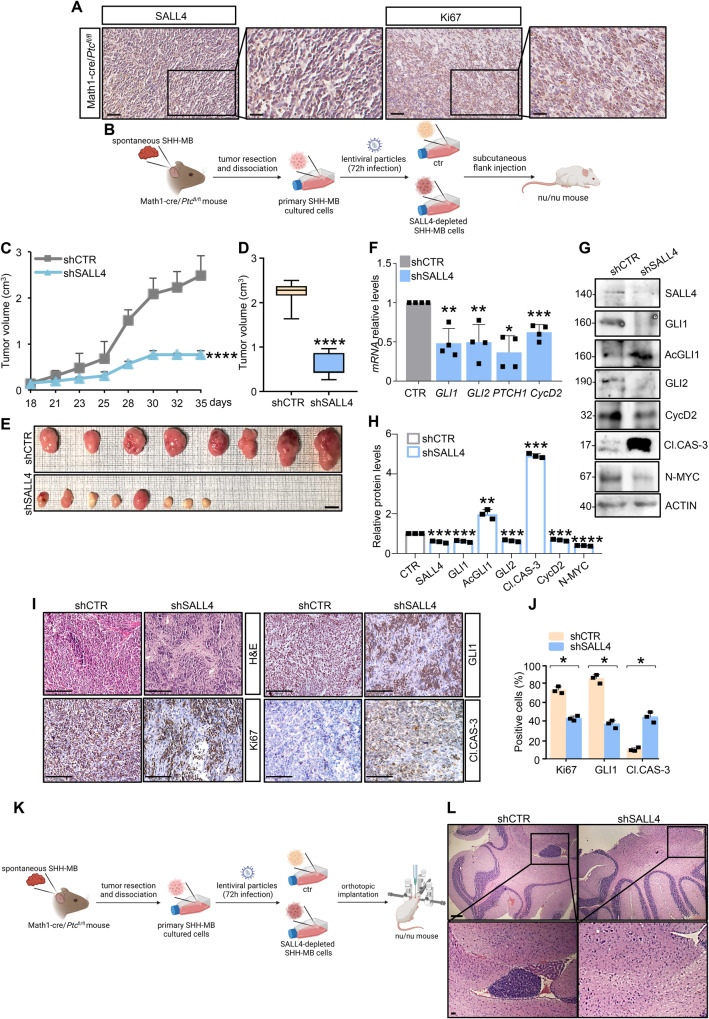
- In vivo work used heterotopic subcutaneous allografts in nu/nu mice (n = 4) and orthotopic cerebellar allografts in nu/nu mice (n = 6 per group), with tumor growth measured after SALL4 knockdown.
Limitations
- The paper does not report detailed quantitative results for several in vivo experiments in the text provided; some outcomes are described qualitatively or refer to figures.
- The study focuses on preclinical models and dataset analysis; no clinical intervention or prospective patient cohort is reported (stated by the text).
- The text does not provide a full breakdown of sample sizes for all assays and datasets used, beyond the explicitly stated animal-group sizes and the two PDX models (evident from the text).
Model-written summary. Check it against the paper before relying on it.
Integrity signals
Registry
Cites
Statistics
Figures
Verification
Claims the paper makes
19 Valid · 1 Not valid · 10 Not checked · 70 Own results and interpretations
The cited sources support only part of this claim — read each source’s verdict below.
In the paper
“while SALL4 genetic depletion or MGCD0103 treatment alone restrains tumor cell proliferation, their combination does not further induce the inhibition of SHH-MB cells proliferative capability”
§ SALL4 is a CRL3REN/KCTD11 substrate that drives Sonic Hedgehog-dependent medulloblastoma > Results > SALL4 genetic depletion inhibits SHH-MB cells growth in vitro
What the sources say
- Partly supportedcites [45] Coni S Mancuso AB Di Magno L Sdruscia G Manni S Serrao SM Selective targeting of HDAC1/2 elicits anticancer effects through Gli1 acetylation in preclinical models of SHH Medulloblastoma Sci Rep 2017 7 44079 28276480 PMC5343431 sourceExperimental — accuracy not yet measured
The Results section on pharmacological blockade of HDAC1/2 reports that MGCD0103 alone significantly reduced proliferation in Med1-MB cells (page unavailable). Our copy does not report SALL4 depletion or compare its combination with MGCD0103 against either treatment alone; searches for SALL4 and combined knockdown did not establish that part of the claim. (LLM, conf=0.85)
plain- Asserted: passes — The authors put it forward as true.
- Checkable: passes — It can be checked against evidence.
- Load-bearing: passes — The paper’s conclusions depend on it.
- Based: passes — The paper gives a reason why it holds.
- Partly supported
The cited sources support only part of this claim — read each source’s verdict below.
In the paper
“Thal efficiently directs SALL4 to Cullin4/Cereblon (CRL4CRBN)-mediated degradation [49, 50] exclusively in humans, primates, and rabbits [48].”
§ SALL4 is a CRL3REN/KCTD11 substrate that drives Sonic Hedgehog-dependent medulloblastoma > Results > SALL4 depletion represses human SHH-MB growth
What the sources say
- Partly supportedcites [48] Donovan KA, An J, Nowak RP, Yuan JC, Fink EC, Berry BC, et al. Thalidomide promotes degradation of SALL4, a transcription factor implicated in Duane Radial Ray syndrome. Elife. 2018;7:e38430. PMC6156078 30067223 sourceExperimental — accuracy not yet measured
The Results section on species-specific teratogenicity links sensitivity to CRBN and SALL4 sequence and says some non-human primates and rabbits resemble the human phenotype. It does not establish that SALL4 degradation occurs exclusively in the listed species; it also identifies the greater bush baby as an insensitive non-human primate. The citation to this paper is attached to the exclusivity clause, rather than the preceding degradation-mechanism clause. No page number is provided in our copy. (LLM, conf=0.85)
- Not checked — no full text of the sourcecites [49] Matyskiela ME Clayton T Zheng X Mayne C Tran E Carpenter A Crystal structure of the SALL4-pomalidomide-cereblon-DDB1 complex Nat Struct Mol Biol 2020 27 319 22 32251415 source
- Could not verifycites [50] Sievers QL, Petzold G, Bunker RD, Renneville A, Słabicki M, Liddicoat BJ, et al. Defining the human C2H2 zinc finger degrome targeted by thalidomide analogs through CRBN. Science 2018;362:eaat0572. PMC6326779 30385546 sourceExperimental — accuracy not yet measured
Citation [48] is attached to the claim that SALL4 degradation occurs exclusively in humans, primates, and rabbits. The section “Different thalidomide analogs target distinct sets of ZFs for degradation” reports mild degradation of SALL4 ZF2 by CC-885, but our copy provides no comparison across those species or evidence for exclusivity (searched: rabbits, primates, SALL4 thalidomide degradation). (LLM, conf=0.76)
plainstates a cause- Asserted: passes — The authors put it forward as true.
- Checkable: passes — It can be checked against evidence.
- Load-bearing: passes — The paper’s conclusions depend on it.
- Based: passes — The paper gives a reason why it holds.
- Partly supported
Every source the paper cites for this claim was checked and supports it.
In the paper
“Interestingly mocetinostat, a selective inhibitor of HDAC1 and HDAC2, drastically reduces SHH-MB growth in mouse models, an effect linked to GLI1 acetylation [45], thereby suggesting the potential of mocetinostat to counteract, at the same time, SALL4 activity.”
§ SALL4 is a CRL3REN/KCTD11 substrate that drives Sonic Hedgehog-dependent medulloblastoma > Discussion
What the sources say
- Supportedcites [45] Coni S Mancuso AB Di Magno L Sdruscia G Manni S Serrao SM Selective targeting of HDAC1/2 elicits anticancer effects through Gli1 acetylation in preclinical models of SHH Medulloblastoma Sci Rep 2017 7 44079 28276480 PMC5343431 source
The Abstract identifies mocetinostat as a selective HDAC1/HDAC2 inhibitor and reports that administering it to mouse models of SHH-MB drastically reduces tumor growth. It also links the drug’s effect to Gli1 acetylation. The sentence’s suggestion about SALL4 is the citing authors’ inference, not a finding attributed to this source. (LLM, conf=0.95)
plainstates a cause- Asserted: passes — The authors put it forward as true.
- Checkable: passes — It can be checked against evidence.
- Load-bearing: unclear — It is unclear whether the paper’s conclusions depend on it.
- Based: passes — The paper gives a reason why it holds.
- Supported
The cited sources support only part of this claim — read each source’s verdict below.
In the paper
“The recent discovery that the small immunomodulatory drug thalidomide induces ubiquitylation and degradation of SALL4 by the CRL4CRBN E3 ubiquitin ligase [50] has demonstrated that this transcription factor can be targeted for cancer therapy [48, 50].”
§ SALL4 is a CRL3REN/KCTD11 substrate that drives Sonic Hedgehog-dependent medulloblastoma > Discussion
What the sources say
- Partly supportedcites [48] Donovan KA, An J, Nowak RP, Yuan JC, Fink EC, Berry BC, et al. Thalidomide promotes degradation of SALL4, a transcription factor implicated in Duane Radial Ray syndrome. Elife. 2018;7:e38430. PMC6156078 30067223 sourceExperimental — accuracy not yet measured
The Results section (page not provided) establishes that thalidomide induces CRL4CRBN-dependent ubiquitylation and degradation of SALL4, including in cultured cells. This demonstrates that SALL4 can be pharmacologically targeted, but the cited paper does not demonstrate that targeting it is effective as cancer therapy. (LLM, conf=0.84)
- Partly supportedcites [50] Sievers QL, Petzold G, Bunker RD, Renneville A, Słabicki M, Liddicoat BJ, et al. Defining the human C2H2 zinc finger degrome targeted by thalidomide analogs through CRBN. Science 2018;362:eaat0572. PMC6326779 30385546 sourceExperimental — accuracy not yet measured
The section on different thalidomide analogs reports mild but significant degradation of a SALL4 zinc-finger reporter by CC-885 and describes such targets as candidates for drug development. The Discussion proposes therapeutic targeting of zinc-finger transcription factors generally, but links SALL4 specifically to development and possible thalidomide-related fetal abnormalities, not to demonstrated cancer therapy. (LLM, conf=0.87)
boostedstates a cause- Asserted: passes — The authors put it forward as true.
- Checkable: passes — It can be checked against evidence.
- Load-bearing: passes — The paper’s conclusions depend on it.
- Based: passes — The paper gives a reason why it holds.
- Partly supported
Every source the paper cites for this claim was checked and supports it.
In the paper
“Interestingly mocetinostat, a selective inhibitor of HDAC1 and HDAC2, drastically reduces SHH-MB growth in mouse models, an effect linked to GLI1 acetylation [45], thereby suggesting the potential of mocetinostat to counteract, at the same time, SALL4 activity.”
§ SALL4 is a CRL3REN/KCTD11 substrate that drives Sonic Hedgehog-dependent medulloblastoma > Discussion
What the sources say
- Supportedcites [45] Coni S Mancuso AB Di Magno L Sdruscia G Manni S Serrao SM Selective targeting of HDAC1/2 elicits anticancer effects through Gli1 acetylation in preclinical models of SHH Medulloblastoma Sci Rep 2017 7 44079 28276480 PMC5343431 source
The Results section reports that mocetinostat inhibited proliferation in medulloblastoma cells expressing wild-type Gli1, but not cells expressing a non-acetylatable Gli1 mutant. The Discussion explicitly links its antitumor effect to Gli acetylation. Page numbers were not supplied. (LLM, conf=0.94)
plainstates an association- Asserted: passes — The authors put it forward as true.
- Checkable: passes — It can be checked against evidence.
- Load-bearing: unclear — It is unclear whether the paper’s conclusions depend on it.
- Based: passes — The paper gives a reason why it holds.
- Supported
65 more claims · 2 with their cited sources checked
Create a free account to see all 100 claims and to verify the 1 reference still open.
- Probably not a substantial claim. 16
- It may state two separate claims as one. 16
- The quote only partly states this claim. 1
Citations
Cites
Cox, J., & Mann, M. (2008) · Nature Biotechnology · doi:10.1038/nbt.1511 · Cited by 14,855
Mass Spectrometric Sequencing of Proteins from Silver-Stained Polyacrylamide Gels
Shevchenko, A., Wilm, M., Vorm, O., & Mann, M. (1996) · Analytical Chemistry · doi:10.1021/ac950914h · Cited by 8,995
Altered Neural Cell Fates and Medulloblastoma in Mouse patched Mutants
Goodrich, L. V., Milenković, L., Higgins, K. M., & Scott, M. P. (1997) · Science · doi:10.1126/science.277.5329.1109 · Cited by 1,696
Intertumoral Heterogeneity within Medulloblastoma Subgroups
Cavalli, F. M. G., Remke, M., Rampasek, L., Peacock, J., Shih, D. J. H., Luu, B., Garzia, L., Torchia, J., Nor, C., Morrissy, A. S., et al. (2017) · Cancer Cell · doi:10.1016/j.ccell.2017.05.005 · Cited by 1,219
Hedgehog Signaling in Development and Cancer
Jiang, J., & Hui, C.-C. (2008) · Developmental Cell · doi:10.1016/j.devcel.2008.11.010 · Cited by 1,063 · cited 1×
“GLI1 is the main downstream effector of the pathway that, by driving its own expression, provides a positive feedback loop and reinforces the signaling strength [5].”
Genome Sequencing of SHH Medulloblastoma Predicts Genotype-Related Response to Smoothened Inhibition
Kool, M., Jones, D. T. W., Jäger, N., Northcott, P. A., Pugh, T. J., Hovestadt, V., Piro, R. M., Esparza, L. A., Markant, S. L., Remke, M., et al. (2014) · Cancer Cell · doi:10.1016/j.ccr.2014.02.004 · Cited by 762
Sasaki, H., Nishizaki, Y., Hui, C.-C., Nakafuku, M., & Kondoh, H. (1999) · Development · doi:10.1242/dev.126.17.3915 · Cited by 715
Determination of the class and isoform selectivity of small-molecule histone deacetylase inhibitors
Khan, N., Jeffers, M., Kumar, S., Hackett, C., Boldog, F., Khramtsov, N., Qian, X., Mills, E., Berghs, S. C., Carey, N., et al. (2008) · Biochemical Journal · doi:10.1042/bj20070779 · Cited by 713 · cited 1×
“…100 μ g/ml up to 8 h; Sigma-Aldrich), mocetinostat (MGCD0103, 0.5 μ M up to 72 h; synthetized in house as a dihydrobromide salt as described in [80]), thalidomide (Thal, 10 – 20 μ M up to 72 h; Tocris Bioscience, Bristol, UK), and Smoothened Agonist (SAG, 200 nM, Alexis Biochemicals,…”
InfluentialYang, Z.-J., Ellis, T., Markant, S. L., Read, T.-A., Kessler, J. D., Bourboulas, M., Schüller, U., Machold, R., Fishell, G., Rowitch, D. H., et al. (2008) · Cancer Cell · doi:10.1016/j.ccr.2008.07.003 · Cited by 698
Zhang, J., Tam, W.-L., Tong, G. Q., Wu, Q., Chan, H.-Y., Soh, B.-S., Lou, Y., Yang, J., Ma, Y., Chai, L., et al. (2006) · Nature Cell Biology · doi:10.1038/ncb1481 · Cited by 568 · cited 1×
“SALL4 is a zinc fi nger transcription factor mainly expressed in embryonic stem cells and implicated in the maintenance of pluripotency by its interaction with NANOG and OCT4, two of the main embryonic stemness markers [13, 14].”
Defining the human C2H2 zinc finger degrome targeted by thalidomide analogs through CRBN
Sievers, Q. L., Petzold, G., Bunker, R. D., Renneville, A., Słabicki, M., Liddicoat, B. J., Abdulrahman, W., Mikkelsen, T., Ebert, B. L., & Thomä, N. H. (2018) · Science · doi:10.1126/science.aat0572 · Cited by 537
Pan, Y., Bai, C. B., Joyner, A. L., & Wang, B. (2006) · Molecular and Cellular Biology · doi:10.1128/mcb.26.9.3365-3377.2006 · Cited by 518
Donovan, K. A., An, J., Nowak, R. P., Yuan, J. C., Fink, E. C., Berry, B. C., Ebert, B. L., & Fischer, E. S. (2018) · eLife · doi:10.7554/elife.38430 · Cited by 509 · cited 4×
“The recent discovery that the small immunomodulatory drug thalidomide induces ubiquitylation and degradation of SALL4 by the CRL4 CRBN E3 ubiquitin ligase [50] has demonstrated that this transcription factor can be targeted for cancer therapy [48, 50].”
InfluentialJia, J., Tong, C., Wang, B., Luo, L., & Jiang, J. (2004) · Nature · doi:10.1038/nature03179 · Cited by 333
Canettieri, G., Di Marcotullio, L., Greco, A., Coni, S., Antonucci, L., Infante, P., Pietrosanti, L., De Smaele, E., Ferretti, E., Miele, E., et al. (2010) · Nature Cell Biology · doi:10.1038/ncb2013 · Cited by 322
Self-citationOkihiro syndrome is caused by SALL4 mutations
Kohlhase, J. (2002) · Human Molecular Genetics · doi:10.1093/hmg/11.23.2979 · Cited by 320 · cited 1×
“In mouse, loss of SALL4 gene leads to embryonic lethality during implantation [61] and heterozygous SALL4 mutant mouse recapitulate human Okihiro syndrome, an autosomal dominant disease with multiple developmental defects [62, 63].”
Al-Baradie, R., Yamada, K., St. Hilaire, C., Chan, W.-M., Andrews, C., McIntosh, N., Nakano, M., Martonyi, E. J., Raymond, W. R., Okumura, S., et al. (2002) · The American Journal of Human Genetics · doi:10.1086/343821 · Cited by 314 · cited 1×
“In mouse, loss of SALL4 gene leads to embryonic lethality during implantation [61] and heterozygous SALL4 mutant mouse recapitulate human Okihiro syndrome, an autosomal dominant disease with multiple developmental defects [62, 63].”
Epigenetic targeting of Hedgehog pathway transcriptional output through BET bromodomain inhibition
Tang, Y., Gholamin, S., Schubert, S., Willardson, M. I., Lee, A., Bandopadhayay, P., Bergthold, G., Masoud, S., Nguyen, B., Vue, N., et al. (2014) · Nature Medicine · doi:10.1038/nm.3613 · Cited by 314 · cited 2×
“HEK293T and Med1-MB cells [29, 45] were cultured in Dulbecco ’ s Modi fi ed Eagle Medium (DMEM, Sigma-Aldrich) supplemented with 10% fetal bovine serum (FBS; Merck, Darmstadt, Germany).”
HDAC and PI3K Antagonists Cooperate to Inhibit Growth of MYC- Driven Medulloblastoma
Pei, Y., Liu, K.-W., Wang, J., Garancher, A., Tao, R., Esparza, L. A., Maier, D. L., Udaka, Y. T., Murad, N., Morrissy, S., et al. (2016) · Cancer Cell · doi:10.1016/j.ccell.2016.02.011 · Cited by 276 · cited 1×
“The SHH-MB PDX Med-1712FH was generated by the Olson lab [78].”
Numb is a suppressor of Hedgehog signalling and targets Gli1 for Itch-dependent ubiquitination
Marcotullio, L. D., Ferretti, E., Greco, A., De Smaele, E., Po, A., Sico, M. A., Alimandi, M., Giannini, G., Maroder, M., Screpanti, I., et al. (2006) · Nature Cell Biology · doi:10.1038/ncb1510 · Cited by 275
Self-citationEvidence for the direct involvement of βTrCP in Gli3 protein processing
Wang, B., & Li, Y. (2006) · Proceedings of the National Academy of Sciences · doi:10.1073/pnas.0509927103 · Cited by 273
Medulloblastomics revisited: biological and clinical insights from thousands of patients
Hovestadt, V., Ayrault, O., Swartling, F. J., Robinson, G. W., Pfister, S. M., & Northcott, P. A. (2020) · Nature Reviews Cancer · doi:10.1038/s41568-019-0223-8 · Cited by 271 · cited 1×
“In the last decade, whole genome sequencing approaches have de fi ned speci fi c mutational spectra and epigenetic pro fi ling leading to the identi fi cation of distinct subgroups, namely Wingless (WNT), Sonic Hedgehog (SHH), and non-WNT/non-SHH, comprising Group 3 (G3) and Group 4 (G4) [2].”
Self-citationSakaki-Yumoto, M., Kobayashi, C., Sato, A., Fujimura, S., Matsumoto, Y., Takasato, M., Kodama, T., Aburatani, H., Asashima, M., Yoshida, N., et al. (2006) · Development · doi:10.1242/dev.02457 · Cited by 264
Oncofetal Gene SALL4 in Aggressive Hepatocellular Carcinoma
Yong, K. J., Gao, C., Lim, J. S. J., Yan, B., Yang, H., Dimitrov, T., Kawasaki, A., Ong, C. W., Wong, K.-F., Lee, S., et al. (2013) · New England Journal of Medicine · doi:10.1056/nejmoa1300297 · Cited by 257 · cited 2×
“Pharmacological peptides that speci fi cally disrupt the interaction between SALL4 and HDAC1 have been tested with success as therapeutic agents both in acute myeloid leukemia and hepatocarcinoma [65, 68].”
Tempé, D., Casas, M., Karaz, S., Blanchet-Tournier, M.-F., & Concordet, J.-P. (2006) · Molecular and Cellular Biology · doi:10.1128/mcb.02183-05 · Cited by 249
A Hedgehog-Induced BTB Protein Modulates Hedgehog Signaling by Degrading Ci/Gli Transcription Factor
Zhang, Q., Zhang, L., Wang, B., Ou, C.-Y., Chien, C.-T., & Jiang, J. (2006) · Developmental Cell · doi:10.1016/j.devcel.2006.05.004 · Cited by 225
Ma, Y., Cui, W., Yang, J., Qu, J., Di, C., Amin, H. M., Lai, R., Ritz, J., Krause, D. S., & Chai, L. (2006) · Blood · doi:10.1182/blood-2006-02-001594 · Cited by 215
Functional Antagonism between Sall4 and Plzf Defines Germline Progenitors
Hobbs, R. M., Fagoonee, S., Papa, A., Webster, K., Altruda, F., Nishinakamura, R., Chai, L., & Pandolfi, P. P. (2012) · Cell Stem Cell · doi:10.1016/j.stem.2012.02.004 · Cited by 190
Dual degradation signals control Gli protein stability and tumor formation
Huntzicker, E. G., Estay, I. S., Zhen, H., Lokteva, L. A., Jackson, P. K., & Oro, A. E. (2006) · Genes & Development · doi:10.1101/gad.1380906 · Cited by 187
Murine inner cell mass-derived lineages depend on Sall4 function
Elling, U., Klasen, C., Eisenberger, T., Anlag, K., & Treier, M. (2006) · Proceedings of the National Academy of Sciences · doi:10.1073/pnas.0607884103 · Cited by 186 · cited 1×
“SALL4 is a zinc fi nger transcription factor belonging to spalt ( sal ) gene family, highly expressed in embryonic stem cells (ESCs) and crucial for the maintenance of pluripotency [11 – 14].”
REN KCTD11 is a suppressor of Hedgehog signaling and is deleted in human medulloblastoma
Di Marcotullio, L., Ferretti, E., De Smaele, E., Argenti, B., Mincione, C., Zazzeroni, F., Gallo, R., Masuelli, L., Napolitano, M., Maroder, M., et al. (2004) · Proceedings of the National Academy of Sciences · doi:10.1073/pnas.0400690101 · Cited by 179
Self-citationLu, J., Jeong, H., Kong, N., Yang, Y., Carroll, J., Luo, H. R., Silberstein, L. E., YupoMa, & Chai, L. (2009) · PLoS ONE · doi:10.1371/journal.pone.0005577 · Cited by 168
Gli1/ DNA interaction is a druggable target for Hedgehog‐dependent tumors
Infante, P., Mori, M., Alfonsi, R., Ghirga, F., Aiello, F., Toscano, S., Ingallina, C., Siler, M., Cucchi, D., Po, A., et al. (2015) · The EMBO Journal · doi:10.15252/embj.201489213 · Cited by 163
Self-citationZhao, X., Ponomaryov, T., Ornell, K. J., Zhou, P., Dabral, S. K., Pak, E., Li, W., Atwood, S. X., Whitson, R. J., Chang, A. L. S., et al. (2015) · Cancer Research · doi:10.1158/0008-5472.can-14-2999-t · Cited by 160 · cited 1×
“To this end, we fi rst cultured tumor cells from spontaneous MB of Math1-cre/ Ptc fl / fl mice as neurospheres (MB Stem-Like Cells, MB-SLCs) in EGF-and bFGF-free cultured medium to retain the characteristic of in vivo SHH-MB [46, 47].”
Sasai, K., Romer, J. T., Lee, Y., Finkelstein, D., Fuller, C., McKinnon, P. J., & Curran, T. (2006) · Cancer Research · doi:10.1158/0008-5472.can-05-4505 · Cited by 155 · cited 1×
“6A) [40 – 44].”
A Novel SALL4/OCT4 Transcriptional Feedback Network for Pluripotency of Embryonic Stem Cells
Yang, J., Gao, C., Chai, L., & Ma, Y. (2010) · PLoS ONE · doi:10.1371/journal.pone.0010766 · Cited by 152 · cited 2×
“SALL4 is a zinc fi nger transcription factor mainly expressed in embryonic stem cells and implicated in the maintenance of pluripotency by its interaction with NANOG and OCT4, two of the main embryonic stemness markers [13, 14].”
Cooperative Action between SALL4A and TET Proteins in Stepwise Oxidation of 5-Methylcytosine
Xiong, J., Zhang, Z., Chen, J., Huang, H., Xu, Y., Ding, X., Zheng, Y., Nishinakamura, R., Xu, G.-L., Wang, H., et al. (2016) · Molecular Cell · doi:10.1016/j.molcel.2016.10.013 · Cited by 143 · cited 1×
“To identify the region of SALL4 ubiquitylated by CRL3 REN , we analysed a set of SALL4 mutants lacking NuRD ( Δ NuRD) [15, 16] or clusters of ZF motifs ( Δ ZFC1, Δ ZFC2, and Δ ZFC4, involved in the binding to DNA and in protein-protein interaction [12, 17, 31 – 33]) (Fig.”
Regulation and function of Spalt proteins during animal development
de Celis, J. F., & Barrio, R. (2009) · The International Journal of Developmental Biology · doi:10.1387/ijdb.072408jd · Cited by 137
Medulloblastoma: From Molecular Subgroups to Molecular Targeted Therapies
Wang, J., Garancher, A., Ramaswamy, V., & Wechsler-Reya, R. J. (2018) · Annual Review of Neuroscience · doi:10.1146/annurev-neuro-070815-013838 · Cited by 113 · cited 2×
“In the cerebellum, SHH stimulates the proliferation of granule neuron precursors (GNPs) and the aberrant activation of the SHH signaling in these cells is responsible for medulloblastoma (MB) onset, the most common malignant pediatric brain tumor [1].”
Crystal structure of the SALL4-pomalidomide-cereblon-DDB1 complex
Matyskiela, M. E., Clayton, T., Zheng, X., Mayne, C., Tran, E., Carpenter, A., Pagarigan, B., McDonald, J., Rolfe, M., Hamann, L. G., et al. (2020) · Nature Structural & Molecular Biology · doi:10.1038/s41594-020-0405-9 · Cited by 103 · cited 1×
“Thal ef fi ciently directs SALL4 to Cullin4/Cereblon (CRL4 CRBN )-mediated degradation [49, 50] exclusively in humans, primates, and rabbits [48].”
De Smaele, E., Di Marcotullio, L., Moretti, M., Pelloni, M., Occhione, M. A., Infante, P., Cucchi, D., Greco, A., Pietrosanti, L., Todorovic, J., et al. (2011) · Neoplasia · doi:10.1593/neo.101630 · Cited by 92
Self-citationOverexpression of SALL4 in lung cancer and its importance in cell proliferation
Watanabe, N. (2011) · Oncology Reports · doi:10.3892/or.2011.1374 · Cited by 78 · cited 2×
“SALL4 is downregulated in most adult tissues, but it is re-expressed in various human malignancies [18 – 24].”
Coni, S., Mancuso, A. B., Di Magno, L., Sdruscia, G., Manni, S., Serrao, S. M., Rotili, D., Spiombi, E., Bufalieri, F., Petroni, M., et al. (2017) · Scientific Reports · doi:10.1038/srep44079 · Cited by 75
Self-citationArgenti, B., Gallo, R., Di Marcotullio, L., Ferretti, E., Napolitano, M., Canterini, S., De Smaele, E., Greco, A., Fiorenza, M. T., Maroder, M., et al. (2005) · The Journal of Neuroscience · doi:10.1523/jneurosci.2438-05.2005 · Cited by 73 · cited 2×
“Herein, we identi fi ed SALL4 as a novel substrate of REN, a CRL3 adaptor involved in the differentiation of GNPs, the cells of origin of SHH-MB [8, 10].”
Self-citationGarancher, A., Lin, C. Y., Morabito, M., Richer, W., Rocques, N., Larcher, M., Bihannic, L., Smith, K., Miquel, C., Leboucher, S., et al. (2018) · Cancer Cell · doi:10.1016/j.ccell.2018.02.006 · Cited by 73
Self-citationConi, S., Antonucci, L., D'Amico, D., Di Magno, L., Infante, P., De Smaele, E., Giannini, G., Di Marcotullio, L., Screpanti, I., Gulino, A., et al. (2013) · PLoS ONE · doi:10.1371/journal.pone.0065718 · Cited by 68 · cited 3×
“4I, J) detected through a speci fi c in-house generated antibody [39].”
InfluentialSelf-citationGao, C., Dimitrov, T., Yong, K. J., Tatetsu, H., Jeong, H.-W., Luo, H. R., Bradner, J. E., Tenen, D. G., & Chai, L. (2013) · Blood · doi:10.1182/blood-2012-04-424275 · Cited by 65 · cited 1×
“Pharmacological peptides that speci fi cally disrupt the interaction between SALL4 and HDAC1 have been tested with success as therapeutic agents both in acute myeloid leukemia and hepatocarcinoma [65, 68].”
SCF (Fbxl17) ubiquitylation of Sufu regulates Hedgehog signaling and medulloblastoma development
Raducu, M., Fung, E., Serres, S., Infante, P., Barberis, A., Fischer, R., Bristow, C., Thézénas, M., Finta, C., Christianson, J. C., et al. (2016) · The EMBO Journal · doi:10.15252/embj.201593374 · Cited by 64
Self-citationThe SHH/GLI signaling pathway: a therapeutic target for medulloblastoma
Lospinoso Severini, L., Ghirga, F., Bufalieri, F., Quaglio, D., Infante, P., & Di Marcotullio, L. (2020) · Expert Opinion on Therapeutic Targets · doi:10.1080/14728222.2020.1823967 · Cited by 61
Self-citationOncofetal Gene SALL4 in Aggressive Hepatocellular Carcinoma
Yong, K. J., Chai, L., & Tenen, D. G. (2013) · New England Journal of Medicine · doi:10.1056/nejmc1308785 · Cited by 59
Zinc finger protein SALL4 functions through an AT-rich motif to regulate gene expression
Kong, N. R., Bassal, M. A., Tan, H. K., Kurland, J. V., Yong, K. J., Young, J. J., Yang, Y., Li, F., Lee, J. D., Liu, Y., et al. (2021) · Cell Reports · doi:10.1016/j.celrep.2020.108574 · Cited by 56
Molecular organization of the cullin E3 ligase adaptor KCTD11
Correale, S., Pirone, L., Marcotullio, L. D., Smaele, E. D., Greco, A., Mazzà, D., Moretti, M., Alterio, V., Vitagliano, L., Gaetano, S. D., et al. (2011) · Biochimie · doi:10.1016/j.biochi.2010.12.014 · Cited by 55 · cited 1×
“REN contains an N-terminal Broad-Complex, Tramtrack and Bric a brac (BTB) domain that is known to mediate the recruitment of Cul3 [28].”
Self-citationInfante, P., Faedda, R., Bernardi, F., Bufalieri, F., Lospinoso Severini, L., Alfonsi, R., Mazzà, D., Siler, M., Coni, S., Po, A., et al. (2018) · Nature Communications · doi:10.1038/s41467-018-03339-0 · Cited by 55 · cited 2×
“Ubiquitylation processes are crucial events by which GLI1 activity is fi nely regulated [38, 51 – 60].”
Self-citationERAP1 promotes Hedgehog-dependent tumorigenesis by controlling USP47-mediated degradation of βTrCP
Bufalieri, F., Infante, P., Bernardi, F., Caimano, M., Romania, P., Moretti, M., Lospinoso Severini, L., Talbot, J., Melaiu, O., Tanori, M., et al. (2019) · Nature Communications · doi:10.1038/s41467-019-11093-0 · Cited by 54
Self-citationMedulloblastoma: Molecular understanding, treatment evolution, and new developments
Liu, X., Ding, C., Tan, W., & Zhang, A. (2020) · Pharmacology & Therapeutics · doi:10.1016/j.pharmthera.2020.107516 · Cited by 54 · cited 1×
“Despite the deep molecular characterization, the current therapies are based on surgery, radio-and chemotherapy; patients treated with the FDA-approved vismodegib, an antagonist of the SMO receptor, showed rapid development of drug resistance and severe side effects [4, 69].”
Slavc, I., Mayr, L., Stepien, N. M., Gojo, J., Lippolis, M. A., Azizi, A. A., Chocholous, M., Baumgartner, A., Hedrich, C., Holm, S., et al. (2022) · Cancers · doi:10.3390/cancers14205128 · Cited by 53 · cited 1×
“In addition, they are now in clinical trial evaluation in brain tumors, including MB (NCT01356290 [72], NCT03257631).”
Chen, M., Li, L., & Zheng, P. (2019) · Cancer Science · doi:10.1111/cas.14140 · Cited by 52
Lee, S. J., Lindsey, S. C., Graves, B., Yoo, S., Olson, J. M., & Langhans, S. A. (2013) · PLoS ONE · doi:10.1371/journal.pone.0071455 · Cited by 51 · cited 1×
“…we reported that GLI1-mediated transcription is controlled by a multiprotein complex including HDAC1, a deacetylase upregulated in SHH-MB [6, 7], and REN/KCTD11 (here REN), the substrate-receptor subunit of the CRL3 REN ubiquitin ligase, encoded by a gene localized on chromosome 17p and…”
Grausam, K. B., Dooyema, S. D. R., Bihannic, L., Premathilake, H., Morrissy, A. S., Forget, A., Schaefer, A. M., Gundelach, J. H., Macura, S. I., Maher, D. M., et al. (2017) · Cancer Research · doi:10.1158/0008-5472.can-16-1836 · Cited by 51 · cited 1×
“Patient-derived xenograft (PDXs) ICN-MB-PDX12 was generated from primary human SHH-MB tumor of patient diagnosed at the Children ’ s Necker Hospital in Paris and transplanted into the subscapular fat pad of immunocompromised NOD/SCID mice [77].”
Self-citationA Smo/Gli Multitarget Hedgehog Pathway Inhibitor Impairs Tumor Growth
Severini, L. L., Quaglio, D., Basili, I., Ghirga, F., Bufalieri, F., Caimano, M., Balducci, S., Moretti, M., Romeo, I., Loricchio, E., et al. (2019) · Cancers · doi:10.3390/cancers11101518 · Cited by 51
Self-citationZinc Finger Protein SALL4 Functions through an AT-Rich Motif to Regulate Gene ExpressionPreprint
Kong, N., Bassal, M., Tan, H.-K., Kurland, J. V., Yong, K. J., Young, J. J., Yang, Y., Li, F.-D., Lee, J. D., Liu, Y. J., et al. (2020) · bioRxiv · doi:10.1101/2020.07.03.186783 · Cited by 51
Druggable glycolytic requirement for Hedgehog-dependent neuronal and medulloblastoma growth
Di Magno, L., Manzi, D., D’Amico, D., Coni, S., Macone, A., Infante, P., Di Marcotullio, L., De Smaele, E., Ferretti, E., Screpanti, I., et al. (2014) · Cell Cycle · doi:10.4161/15384101.2014.952973 · Cited by 47
Self-citationDi Magno, L., Basile, A., Coni, S., Manni, S., Sdruscia, G., D’Amico, D., Antonucci, L., Infante, P., De Smaele, E., Cucchi, D., et al. (2016) · Oncotarget · doi:10.18632/oncotarget.7070 · Cited by 45
Self-citationSALL4 suppresses PTEN expression to promote glioma cell proliferation via PI3K/AKT signaling pathway
Liu, C., Wu, H., Li, Y., Shen, L., Yu, R., Yin, H., Sun, T., Sun, C., Zhou, Y., & Du, Z. (2017) · Journal of Neuro-Oncology · doi:10.1007/s11060-017-2589-3 · Cited by 45 · cited 1×
“It acts as a transcriptional repressor when associated with NuRD complex by inhibiting the expression of pro-apoptotic and tumor suppressor genes [25, 26].”
SALL4 controls cell fate in response to DNA base composition
Pantier, R., Chhatbar, K., Quante, T., Skourti-Stathaki, K., Cholewa-Waclaw, J., Alston, G., Alexander-Howden, B., Lee, H. Y., Cook, A. G., Spruijt, C. G., et al. (2021) · Molecular Cell · doi:10.1016/j.molcel.2020.11.046 · Cited by 45
Tanimura, N., Saito, M., Ebisuya, M., Nishida, E., & Ishikawa, F. (2013) · Journal of Biological Chemistry · doi:10.1074/jbc.m112.411173 · Cited by 43
Targeting SALL4 by entinostat in lung cancer
Yong, K. J., Li, A., Ou, W.-B., Hong, C. K. Y., Zhao, W., Wang, F., Tatetsu, H., Yan, B., Qi, L., Fletcher, J. A., et al. (2016) · Oncotarget · doi:10.18632/oncotarget.12251 · Cited by 41 · cited 1×
“An aberrant SALL4 activity has been reported in acute myeloid leukemia, lung adenocarcinoma, breast cancer, and other aggressive malignancies, and its overexpression is associated with poor prognosis and lower survival rate of patients [64 – 67].”
The NuRD complex cooperates with SALL4 to orchestrate reprogramming
Wang, B., Li, C., Ming, J., Wu, L., Fang, S., Huang, Y., Lin, L., Liu, H., Kuang, J., Zhao, C., et al. (2023) · Nature Communications · doi:10.1038/s41467-023-38543-0 · Cited by 39 · cited 2×
“…presents a conserved motif of 12 amino acids at the N-terminal that interacts with the nucleosome remodeling and histone deacetylase (NuRD) complex [15, 16], and seven zinc fi nger (ZF) motifs organized in three clusters (ZFC1, ZFC2, ZFC4) with an additional single ZF near the N-terminal [17].”
Infante, P., Malfanti, A., Quaglio, D., Balducci, S., Martin, S. D., Bufalieri, F., Mastrotto, F., Basili, I., Garofalo, M., Severini, L. L., et al. (2020) · Cancer Letters · doi:10.1016/j.canlet.2020.11.028 · Cited by 38
Self-citationSALL Proteins; Common and Antagonistic Roles in Cancer
Álvarez, C., Quiroz, A., Benítez-Riquelme, D., Riffo, E., Castro, A. F., & Pincheira, R. (2021) · Cancers · doi:10.3390/cancers13246292 · Cited by 37 · cited 1×
“An aberrant SALL4 activity has been reported in acute myeloid leukemia, lung adenocarcinoma, breast cancer, and other aggressive malignancies, and its overexpression is associated with poor prognosis and lower survival rate of patients [64 – 67].”
Epigenetic control of melanoma cell invasiveness by the stem cell factor SALL4
Diener, J., Baggiolini, A., Pernebrink, M., Dalcher, D., Lerra, L., Cheng, P. F., Varum, S., Häusel, J., Stierli, S., Treier, M., et al. (2021) · Nature Communications · doi:10.1038/s41467-021-25326-8 · Cited by 34 · cited 1×
“Recently, it has been reported that knockdown of SALL4 in human melanoma cells decreases cell proliferation and impairs the expression of genes related to cell cycle, in fl ammation, and developmental processes [22].”
SALL4 promotes tumor progression in breast cancer by targeting EMT
Chen, T., Tsang, J. Y. S., Su, X., Li, P., Sun, W., Wong, I. L. K., Choy, K., Yang, Q., Tse, G. M. K., Chan, T. H., et al. (2020) · Molecular Carcinogenesis · doi:10.1002/mc.23250 · Cited by 32
Antonucci, L., Di Magno, L., D'amico, D., Manni, S., Serrao, S., Di Pastena, F., Bordone, R., Yurtsever, Z., Caimano, M., Petroni, M., et al. (2018) · International Journal of Oncology · doi:10.3892/ijo.2018.4638 · Cited by 31 · cited 1×
“(P1A Mut-Luc) [35] (Fig.”
Self-citationSpiombi, E., Angrisani, A., Fonte, S., Feudis, G. D., Fabretti, F., Cucchi, D., Izzo, M., Infante, P., Miele, E., Pò, A., et al. (2019) · Oncogenesis · doi:10.1038/s41389-019-0175-6 · Cited by 31 · cited 1×
“2A) [6, 27], we recovered various potential REN interactors (Fig.”
Self-citationNS5A Promotes Constitutive Degradation of IP3R3 to Counteract Apoptosis Induced by Hepatitis C Virus
Kuchay, S., Saeed, M., Giorgi, C., Li, J., Hoffmann, H.-H., Pinton, P., Rice, C. M., & Pagano, M. (2018) · Cell Reports · doi:10.1016/j.celrep.2018.09.088 · Cited by 30 · cited 1×
“Furthermore, we expressed epitope tagged SALL4, HDAC1, and GLI1 in HEK293Ts in different combinations [37, 38] and performed two sequential immunopre-cipitations demonstrating that SALL4, HDAC1, and GLI1 are assembled in a trimeric complex (Fig.”
Wilson, R. E., Jaquins‐Gerstl, A., & Weber, S. G. (2018) · Analytical Chemistry · doi:10.1021/acs.analchem.7b04965 · Cited by 27 · cited 1×
“For mass spectrometric analysis, peptides recovered from in-gel digestion were separated with a C18 column and introduced by nano-electrospray into the LTQ Orbitrap XL (Thermo Fisher Scienti fi c, Waltham, MA, USA) with a con fi guration as described [74].”
Yang, Y., Wang, X., Liu, Y., Hu, Y., Li, Z., Li, Z., Bu, Z., Wu, X., Zhang, L., & Ji, J. (2021) · Frontiers in Cell and Developmental Biology · doi:10.3389/fcell.2021.600344 · Cited by 27
Neuropilin-2 contributes to tumorigenicity in a mouse model of Hedgehog pathway medulloblastoma
Hayden Gephart, M. G., Su, Y. S., Bandara, S., Tsai, F.-C., Hong, J., Conley, N., Rayburn, H., Milenkovic, L., Meyer, T., & Scott, M. P. (2013) · Journal of Neuro-Oncology · doi:10.1007/s11060-013-1216-1 · Cited by 26
DUBs Activating the Hedgehog Signaling Pathway: A Promising Therapeutic Target in Cancer
Bufalieri, F., Severini, L. L., Caimano, M., Infante, P., & Marcotullio, L. D. (2020) · Cancers · doi:10.3390/cancers12061518 · Cited by 25
Self-citationWang, H., Kohashi, K., Yoshizumi, T., Okumura, Y., Tanaka, Y., Shimokawa, M., Iwasaki, T., Aishima, S., Maehara, Y., & Oda, Y. (2017) · Human Pathology · doi:10.1016/j.humpath.2017.03.007 · Cited by 24
Leukemic survival factor SALL4 contributes to defective DNA damage repair
Wang, F., Gao, C., Lu, J., Tatetsu, H., Williams, D. A., Müller, L. U., Cui, W., & Chai, L. (2016) · Oncogene · doi:10.1038/onc.2016.146 · Cited by 17
Gli1/DNA interaction is a druggable target for Hedgehog-dependent tumors
Infante, P., Mori, M., Alfonsi, R., Ingallina, C., Botta, B., & Marcotullio, L. D. (2016) · European Journal of Cancer · doi:10.1016/s0959-8049(16)61456-9 · Cited by 9
Self-citationThe Invasion and Metastasis of Colon Adenocarcinoma (COAD) Induced by SALL4
Zhang, W., Hu, Y., Zhang, W., Yi, K., Xu, X., & Chen, Z. (2022) · Journal of Immunology Research · doi:10.1155/2022/9385820 · Cited by 9 · cited 2×
“SALL4 is downregulated in most adult tissues, but it is re-expressed in various human malignancies [18 – 24].”
SALL4 controls cell fate in response to DNA base compositionPreprint
Pantier, R., Chhatbar, K., Quante, T., et al. (2020) · bioRxiv (Cold Spring Harbor Laboratory) · doi:10.1101/2020.06.30.179481 · Cited by 4 · cited 2×
“…presents a conserved motif of 12 amino acids at the N-terminal that interacts with the nucleosome remodeling and histone deacetylase (NuRD) complex [15, 16], and seven zinc fi nger (ZF) motifs organized in three clusters (ZFC1, ZFC2, ZFC4) with an additional single ZF near the N-terminal [17].”
Cited by
A Comprehensive Analysis of the Structural Recognition between KCTD Proteins and Cullin 3
Balasco, N., Esposito, L., Smaldone, G., Salvatore, M., & Vitagliano, L. (2024) · International Journal of Molecular Sciences · doi:10.3390/ijms25031881 · Cited by 18
SALL4 in gastrointestinal tract cancers: upstream and downstream regulatory mechanisms
Wang, T., Jin, Y., Wang, M., Chen, B., Sun, J., Zhang, J., Yang, H., Deng, X., Cao, X., Wang, L., et al. (2024) · Molecular Medicine · doi:10.1186/s10020-024-00812-z · Cited by 9
Mohammed, H. S., Hosny, E. N., Sawie, H. G., & Khadrawy, Y. A. (2023) · Photochemical & Photobiological Sciences · doi:10.1007/s43630-023-00497-z · Cited by 11
Wang, B., Xu, T., Qiu, C., Yu, L., Xu, S., Zhao, X., Xu, C., Tan, F., Sheng, H., & Zhang, N. (2024) · International Immunopharmacology · doi:10.1016/j.intimp.2024.113075 · Cited by 3
SMURF1 and SMURF2 directly target GLI1 for ubiquitination and proteasome-dependent degradation
Bordin, F., Terriaca, G., Apostolico, A., Fiore, A. D., Mir, F. T., Bellardinelli, S., Bufalieri, F., Bordone, R., Belardinilli, F., Giannini, G., et al. (2024) · Cell Death Discovery · doi:10.1038/s41420-024-02260-4 · Cited by 9
“Dimethyl sulfoxide (DMSO) (Sigma) was added in equivalent amounts as a control.”
Self-citation
Metadata
- Authors
- Lospinoso Severini, L., Loricchio, E., Navacci, S., Basili, I., Alfonsi, R., Bernardi, F., Moretti, M., Conenna, M., Cucinotta, A., Coni, S., Petroni, M., De Smaele, E., Giannini, G., Maroder, M., Canettieri, G., Mastronuzzi, A., Guardavaccaro, D., Ayrault, O., Infante, P., Bufalieri, F., & Di Marcotullio, L.
- Affiliations
- Sapienza University of Rome (IT)
- Centre National de la Recherche Scientifique (FR)
- Istituto Superiore di Sanità (IT)
- Université Paris-Sud (FR)
- Istituto Pasteur (IT)
- Bambino Gesù Children's Hospital (IT)
- University of Verona (IT)
- Corresponding author
- Bufalieri, Francesca
- ORCID
- Loricchio, Elena
- Basili, Irene
- Alfonsi, Romina
- Bernardi, Flavia
- Moretti, Marta
- Cucinotta, Antonino
- Coni, Sonia
- Petroni, Marialaura
- De Smaele, Enrico
- Giannini, Giuseppe
- Maroder, Marella
- Canettieri, Gianluca
- Mastronuzzi, Angela
- Guardavaccaro, Daniele
- Ayrault, Olivier
- Infante, Paola
- Bufalieri, Francesca
- Di Marcotullio, Lucia
- Venue
- Cell Death & Differentiation
- Published
- 2023-12-07
- Volume
- 31
- Issue
- 2
- Pages
- 170-187
- ISSN
- 1350-9047 (ISSN-L)
- 1476-5403
- PMC
- PMC10850099
- OpenAlex
- W4389455285
- Semantic Scholar
- 139a9e91813de5660b541879c762000f163f4cd7
- Cited by
- 13
- References
- 90
- Citations by year
- 2026: 4 · 2025: 4 · 2024: 4 · 2023: 1
- FWCI
- 1.15
- Type
- journal article
- Language
- en
- Open access
- hybrid
- doi.org
- Licence
- cc-by
- creativecommons.org/licenses/by/4.0 (tdm)
- creativecommons.org/licenses/by/4.0 (vor)
- Locations
- Cell Death and Differentiation (publishedVersion, cc-by)
- PubMed Central (publishedVersion, cc-by)
- PubMed (publishedVersion)
- IRIS Research product catalog (Sapienza University of Rome) (submittedVersion)
- PubliCatt (Università Cattolica del Sacro Cuore) (submittedVersion, other-oa)
- Funders
- Dipartimenti di Eccellenza (L.232/2016, 232/2016)
- Ministero della Salute (PRIN2017BF3PXZ)
- Istituto Pasteur-Fondazione Cenci Bolognetti
- Associazione Italiana per la Ricerca sul Cancro (MFAG 2021-ID. 26536, 2017BF3PXZ, IG 20801, MFAG 2021, IG 25833, IG-24329)
- NextGenerationEU
- Topics
- Life Sciences › Biochemistry, Genetics and Molecular Biology › Molecular Biology › Hedgehog Signaling Pathway Studies
- Health Sciences › Medicine › Oncology › Glioma Diagnosis and Treatment
- Life Sciences › Biochemistry, Genetics and Molecular Biology › Molecular Biology › Chromatin Remodeling and Cancer
- Keywords
- SALL4, medulloblastoma, sonic hedgehog pathway, ubiquitination, protein degradation, Gli1, HDAC1, transcriptional regulation, cancer stemness, therapeutic target, pediatric brain tumors
- MeSH terms
- Zinc Finger Protein GLI1, Animals, Brain Neoplasms, Cerebellar Neoplasms, DNA-Binding Proteins, Humans, Medulloblastoma, Transcription Factors, Transferases, Cell Cycle Proteins, Proteomics, Mice, Hedgehog Proteins
About these checks
Registry, retraction, Cites and statistics results are computed, not judged, with one exception: a printed reference that no index lists is read once by a model before it counts as a citation error. Claims are extracted by a model and kept only when their quote appears verbatim in the text; each cited source is then checked, with a model’s help, for whether it says what the claim relies on. Those verdicts can be wrong — read the claim’s quote and the cited source before relying on one.
The claim verdicts this report counts are experimental: their accuracy is not yet measured.
A language model drew the claims from the paper on 2026-10-10, under version 3 of the claim definition (model deepseek-v4.1-flash, prompt extract-v3).
A second model labelled each claim on 2026-10-10 (model jev-1.13-20260917, definition revision gold-guideline-v0.2).
Cited sources are checked with a language model’s help (gpt-6-sol).
Statistics and arithmetic are recomputed, not judged.
Confidence bands are shown only for fields calibrated on our annotated test set. None is calibrated yet, so no band is shown.
What counts as a claim ›How we measure confidence ›How we check this ›
Are you an author, or do you see a problem with this page? Request a review
Data sources
Bibliographic data: Semantic Scholar, OpenAlex, Crossref.
Contains information from the Semantic Scholar Academic Graph Datasets, made available under the ODC Attribution License (ODC-BY 1.0).
Semantic Scholar’s data is described in: Kinney, R., et al. (2023). The Semantic Scholar Open Data Platform. arXiv:2301.10140.
