

Ischemic preconditioning attenuates ischemia/reperfusion-induced kidney injury by activating autophagy via the SGK1 signaling pathway
Open accessThe DOI matches its Crossref record; 47 of the 47 references it cites were found in a registry or an index.
Abstract
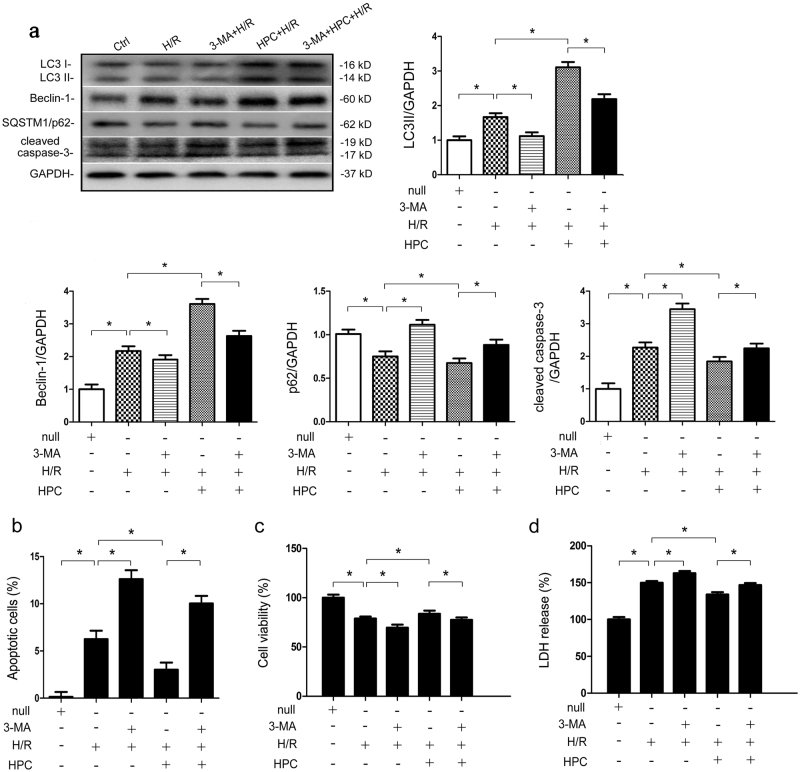
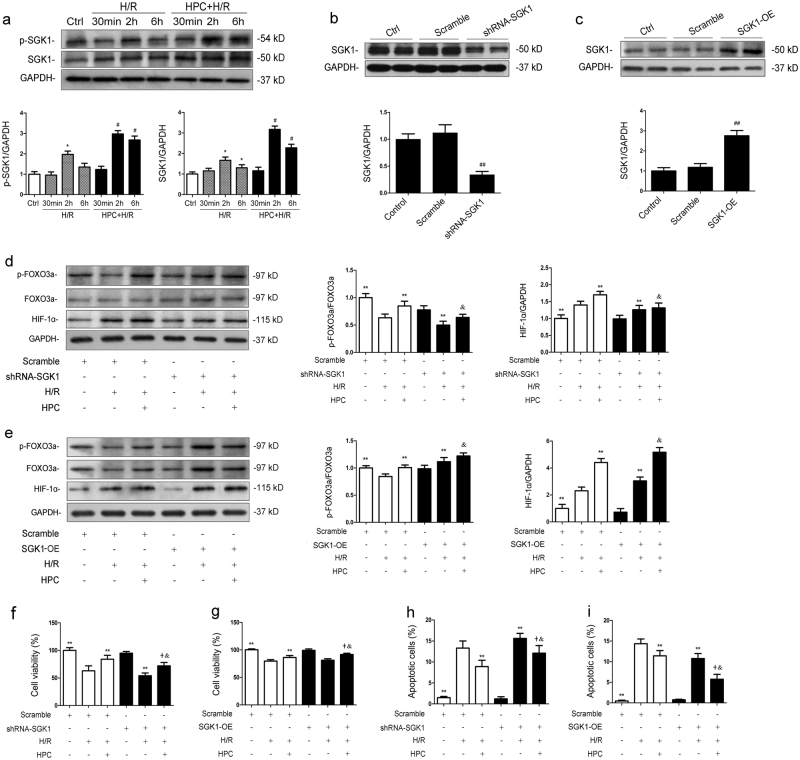
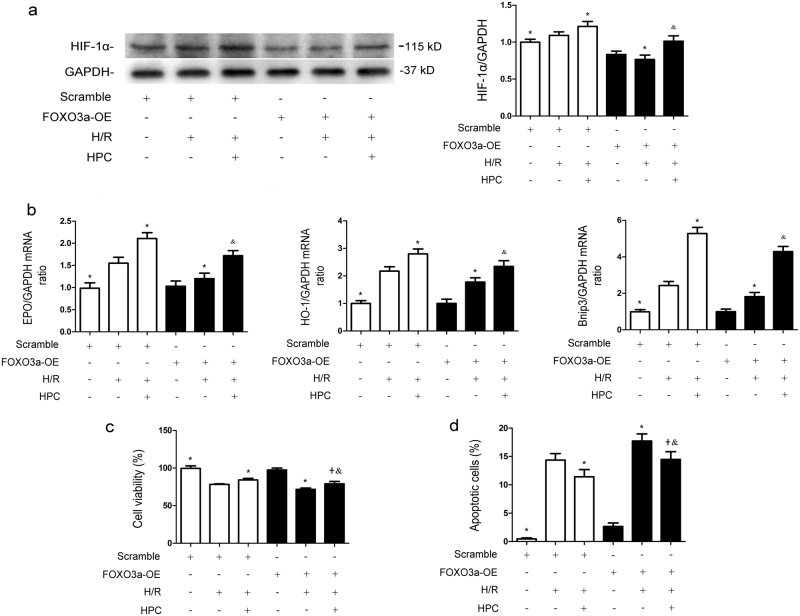
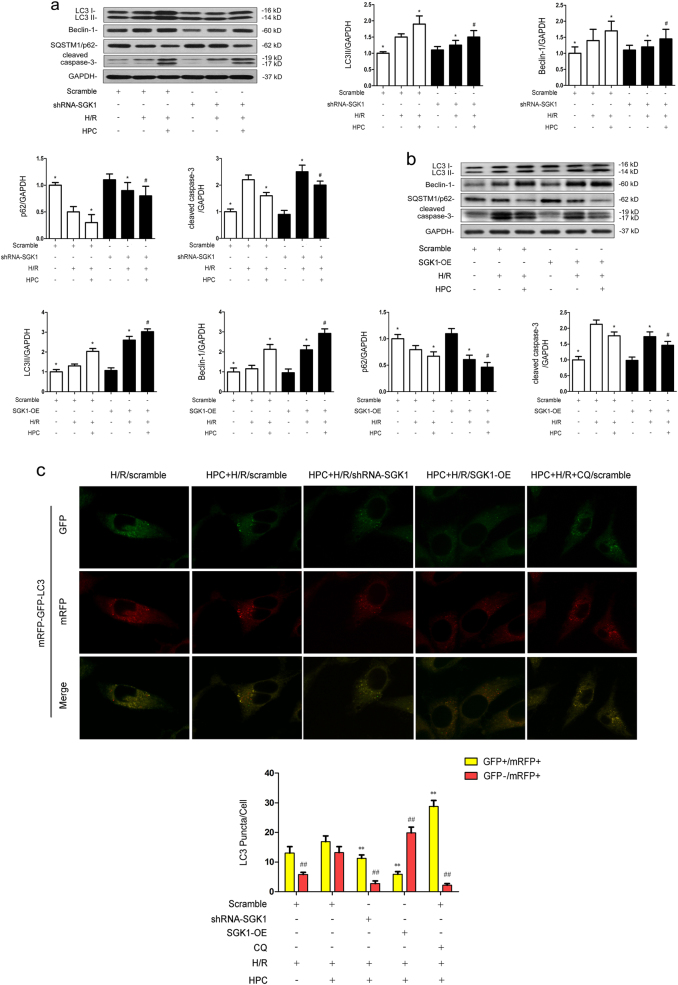
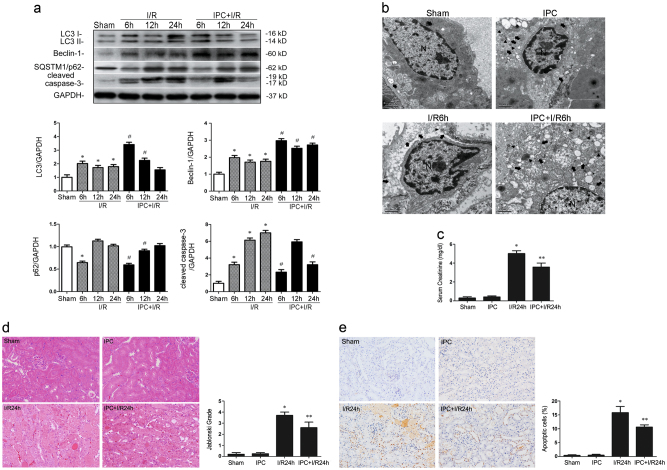
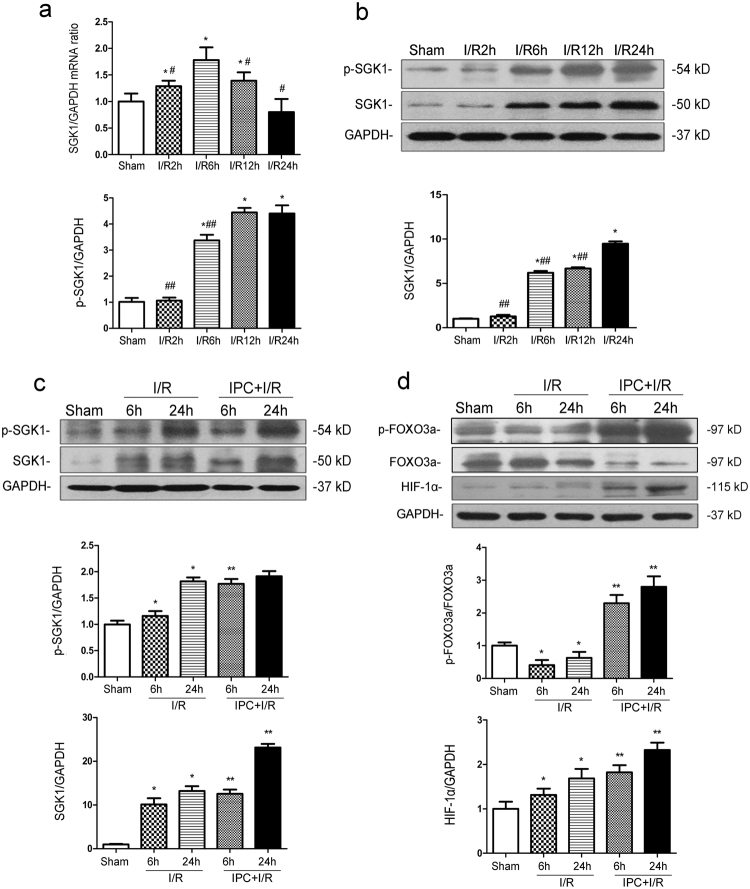
Ischemic preconditioning (IPC) has a strong renoprotective effect during renal ischemia/reperfusion (I/R) injury that is thought to relate to autophagy. However, the role of autophagy during IPC-afforded renoprotection and the precise mechanisms involved are unknown. In this study, an in vitro hypoxia/reoxygenation (H/R) model was established in which oxygen and glucose deprivation (OGD) was applied to renal cells for 15 h followed by reoxygenation under normal conditions for 30 min, 2 h or 6 h; transient OGD and subsequent reoxygenation were implemented before prolonged H/R injury to achieve hypoxic preconditioning (HPC). 3-Methyladenine (3-MA) was used to inhibit autophagy. In a renal I/R injury model, rats were subjected to 40 min of renal ischemia followed by 6 h, 12 h or 24 h of reperfusion. IPC was produced by four cycles of ischemia (8 min each) followed by 5 min of reperfusion prior to sustained ischemia. We found that IPC increased LC3II and Beclin-1 levels and decreased SQSTM/p62 and cleaved caspase-3 levels in a time-dependent manner during renal I/R injury, as well as increased the number of intracellular double-membrane vesicles in injured renal cells. IPC-induced renal protection was efficiently attenuated by pretreatment with 5 mM 3-MA. Pretreatment with IPC also dynamically affected the expression of SGK1/FOXO3a/HIF-1α signaling components. Moreover, knocking down SGK1 expression significantly downregulated phosphorylated-FOXO3a (p-FOXO3a)/FOXO3 and HIF-1α, suppressed LC3II and Beclin-1 levels, increased SQSTM/p62 and cleaved caspase-3 levels, and abolished the protective effect of IPC against I/R-induced renal damage. SGK1 overexpression efficiently increased p-FOXO3a/FOXO3 and HIF-1α levels, promoted the autophagy flux and enhanced the protective effect mediated by HPC. Furthermore, FOXO3a overexpression decreased HIF-1α protein levels, inhibited HIF-1α transcriptional activity and reduced the protective effect of IPC. Our study indicates that IPC can ameliorate renal I/R injury by promoting autophagy through the SGK1 pathway.
Overview
The claims and statistics of this paper haven’t been checked yet.
Free: it reads the open-access text and checks the first 5 claims that cite a source we can check. Create a free account to check every claim.
Integrity signals
Registry
Cites
Statistics
Figures
Verification
Claims the paper makes
The claims and statistics of this paper haven’t been checked yet.
Free: it reads the open-access text and checks the first 5 claims that cite a source we can check. Create a free account to check every claim.
Claims other papers make about this one
Each is checked against this paper’s own text: does it say what the citing paper says it does?
The source backs part of the claim, not all of it — or backs it for a different population, condition or comparison.
In the citing paper
“These findings suggest that autophagy might interact with other defence mechanisms to protect the kidneys from AKI.”
From Autophagy in kidney homeostasis and disease (2020) · cites this paper as [85]
Experimental — accuracy not yet measuredIn the citing paper
“in a rat model of ischaemic AKI, IPC protection was mediated by autophagy and regulated by a signalling pathway that involved a serine/threonine protein kinase SGK1–FOXO3a–hypoxia-inducible factor 1α (HIF1α) signalling axis”
From Autophagy in kidney homeostasis and disease (2020) · cites this paper as [85]
Self-check
Percentages, sums and reported differences re-computed from the paper’s own numbers.
The self-check needs the paper’s full text.
Citations
Cites
1 retracted
Mitochondrial Autophagy Is an HIF-1-dependent Adaptive Metabolic Response to Hypoxia
Zhang, H., Bosch-Marce, M., Shimoda, L. A., Tan, Y. S., Baek, J. H., Wesley, J. B., Gonzalez, F. J., & Semenza, G. L. (2008) · Journal of Biological Chemistry · doi:10.1074/jbc.m800102200 · Cited by 1,601
RetractedRegulation of Mammalian Autophagy in Physiology and Pathophysiology
Ravikumar, B., Sarkar, S., Davies, J. E., Futter, M., Garcia-Arencibia, M., Green-Thompson, Z. W., Jimenez-Sanchez, M., Korolchuk, V. I., Lichtenberg, M., Luo, S., et al. (2010) · Physiological Reviews · doi:10.1152/physrev.00030.2009 · Cited by 1,727
Brunet, A., Park, J., Tran, H., Hu, L. S., Hemmings, B. A., & Greenberg, M. E. (2001) · Molecular and Cellular Biology · doi:10.1128/mcb.21.3.952-965.2001 · Cited by 860 · cited 2×
“Brunet et al.(16) demonstrated that the SGK1/forkhead transcription factor 3a (FOXO3a) pathway promotes cell survival by inhibiting cell cycle arrest and apoptosis.”
Sgk1-Dependent Stimulation of Cardiac Na+/H+Exchanger Nhe1 by Dexamethasone
Voelkl, J., Pasham, V., Ahmed, M. S. E., Walker, B., Szteyn, K., Kuhl, D., Metzler, B., Alesutan, I., & Lang, F. (2013) · Cellular Physiology and Biochemistry · doi:10.1159/000350120 · Cited by 857
Semenza, G. L. (2007) · Science · doi:10.1126/science.1147949 · Cited by 703
(Patho)physiological Significance of the Serum- and Glucocorticoid-Inducible Kinase Isoforms
Lang, F., Böhmer, C., Palmada, M., Seebohm, G., Strutz-Seebohm, N., & Vallon, V. (2006) · Physiological Reviews · doi:10.1152/physrev.00050.2005 · Cited by 689
Response to myocardial ischemia/reperfusion injury involves Bnip3 and autophagy
Hamacher-Brady, A., Brady, N. R., Logue, S. E., Sayen, M. R., Jinno, M., Kirshenbaum, L. A., Gottlieb, R. A., & Gustafsson, Å. B. (2007) · Cell Death & Differentiation · doi:10.1038/sj.cdd.4401936 · Cited by 609
FOXOs, cancer and regulation of apoptosis
Fu, Z., & Tindall, D. J. (2008) · Oncogene · doi:10.1038/onc.2008.24 · Cited by 584
Autophagy in proximal tubules protects against acute kidney injury
Jiang, M., Wei, Q., Dong, G., Komatsu, M., Su, Y., & Dong, Z. (2012) · Kidney International · doi:10.1038/ki.2012.261 · Cited by 477
Autophagy Protects the Proximal Tubule from Degeneration and Acute Ischemic Injury
Kimura, T., Takabatake, Y., Takahashi, A., Kaimori, J.-Y., Matsui, I., Namba, T., Kitamura, H., Niimura, F., Matsusaka, T., Soga, T., et al. (2011) · Journal of the American Society of Nephrology · doi:10.1681/asn.2010070705 · Cited by 461
Cited by
Autophagy in kidney homeostasis and disease
Tang, C., Livingston, M. J., Liu, Z., & Dong, Z. (2020) · Nature Reviews Nephrology · doi:10.1038/s41581-020-0309-2 · Cited by 496
Chen, H., Deng, Y., Gan, X., Li, Y., Huang, W., Lu, L., Wei, L., Su, L., Luo, J., Zou, B., et al. (2020) · Molecular Neurodegeneration · doi:10.1186/s13024-020-00372-w · Cited by 182
ER–Mitochondria Microdomains in Cardiac Ischemia–Reperfusion Injury: A Fresh Perspective
Zhou, H., Wang, S., Hu, S., Chen, Y., & Ren, J. T. (2018) · Frontiers in Physiology · doi:10.3389/fphys.2018.00755 · Cited by 166
“, 2017), although it is significantly upregulated by ischemia preconditioning (Xie et al., 2018).”
BackgroundWen, J., Xu, B., Sun, Y., Lian, M., Li, Y., Lin, Y., Chen, D., Diao, Y.-P., Almoiliqy, M., & Wang, L. (2019) · Pharmacological Research · doi:10.1016/j.phrs.2019.104308 · Cited by 139
Packer, M. (2020) · Journal of the American Society of Nephrology · doi:10.1681/asn.2020010010 · Cited by 123
Autophagy Function and Regulation in Kidney Disease
Kaushal, G. P., Chandrashekar, K., Juncos, L. A., & Shah, S. V. (2020) · Biomolecules · doi:10.3390/biom10010100 · Cited by 119
Pum2-Mff axis fine-tunes mitochondrial quality control in acute ischemic kidney injury
Wang, J., Zhu, P., Toan, S., Li, R., Ren, J. T., & Zhou, H. (2020) · Cell Biology and Toxicology · doi:10.1007/s10565-020-09513-9 · Cited by 82
Han, Y., Xu, Z., Qu, G., Wang, H., Lin, L., Li, X., Xie, X., Lei, Y., He, X., Chen, Y., et al. (2020) · Cellular and Molecular Neurobiology · doi:10.1007/s10571-020-00868-5 · Cited by 59
Zhang, Y.-J., Zhang, M., Zhao, X., Shi, K., Ye, M., Tian, J., Guan, S., Ying, W., & Qu, X. (2020) · Basic Research in Cardiology · doi:10.1007/s00395-020-0817-z · Cited by 58
Hou, Y. H., Wang, J., & Feng, J. (2019) · Drug Design Development and Therapy · doi:10.2147/dddt.s194182 · Cited by 55
“Reportedly, HIF-1α has a close relationship to the activation of autophagy.42 The tolerance of renal cells to ischemia-reperfusion injury is dose-dependently associated with autophagy in HIF-1α; the activation level of autophagy increases with the secretion of HIF-1α.16 However, activation of autophagy was significant…”
BackgroundInfluentialZhao, L., Ling, L., Lu, J., Jiang, F., Sun, J., Zhang, Z., Huang, Y., Liu, X., Zhu, Y., Fu, X., et al. (2022) · Bioengineering & Translational Medicine · doi:10.1002/btm2.10460 · Cited by 53
Self-citationQiu, S., Chen, X., Pang, Y., & Zhang, Z. (2018) · Biomedicine & Pharmacotherapy · doi:10.1016/j.biopha.2018.09.023 · Cited by 49
Self-citationAutophagy in kidney disease: Advances and therapeutic potential
Bhatia, D., & Choi, M. E. (2020) · Progress in molecular biology and translational science · doi:10.1016/bs.pmbts.2020.01.008 · Cited by 53
Lin, C., Tseng, H.-F., Hsieh, P., Chiu, V. J.-Y., Lin, T., Lan, C., Tzeng, I., Chao, H.-N., Hsu, C.-C., & Kuo, C. (2021) · Biomedicines · doi:10.3390/biomedicines9091283 · Cited by 41
“Hypoxia/reoxygenation conditions were created using a previously described method with some modifications [27,28].”
MethodCarloni, S., & Balduini, W. (2019) · Experimental Neurology · doi:10.1016/j.expneurol.2019.113117 · Cited by 41
Tan, R., Tian, H., Yang, B., Zhang, B., Dai, C., Han, Z., Wang, M., Li, Y., Wei, L., Chen, D., et al. (2018) · Scientific Reports · doi:10.1038/s41598-018-33028-3 · Cited by 36
Wang, Q., Song, W., Li, L., Qiu, J., Zhou, S., Shi, C., Shi, Y., Zhou, H., & Lü, L. (2020) · Cell Death Discovery · doi:10.1038/s41420-020-00347-2 · Cited by 36
YAP nuclear translocation induced by HIF-1α prevents DNA damage under hypoxic conditions
Chang, H.-A., Yang, R.-Z. O., Su, J.-M., Nguyen, T. M. H., Sung, J., Tang, M., & Chiu, W. (2023) · Cell Death Discovery · doi:10.1038/s41420-023-01687-5 · Cited by 37
Zhang, J., Wang, L., Gong, D.-J., Yang, Y., Liu, X., & Chen, Z.-Y. (2019) · Molecular Medicine Reports · doi:10.3892/mmr.2019.10893 · Cited by 34
Advances on Cell Autophagy and Its Potential Regulatory Factors in Renal Ischemia-Reperfusion Injury
Hou, J., Rao, M., Zheng, W., Fan, J., & Law, B. Y. K. (2019) · DNA and Cell Biology · doi:10.1089/dna.2019.4767 · Cited by 33
“Consistently, IPC was found to protect against RIRI and upregulate autophagic flux, as well as regulate the levels of serum creatinine (Scr), NGAL, and kidney injury molecule-1 (KIM-1) in renal tissues (Xie et al. , 2018b).”
Jiang, D., Fu, C., Xiao, J., Zhang, Z., Zou, J., Ye, Z., & Zhang, X. (2019) · Oxidative Medicine and Cellular Longevity · doi:10.1155/2019/2013594 · Cited by 31
Self-citationDogon, G., Rigal, E., Potel, E., Josse, M., Rochette, L., Béjot, Y., & Vergely, C. (2024) · Scientific Reports · doi:10.1038/s41598-024-63880-5 · Cited by 30
Chick Embryo: A Preclinical Model for Understanding Ischemia-Reperfusion Mechanism
Fauzia, E., Barbhuyan, T., Shrivastava, A. K., Kumar, M., Garg, P., Khan, M. A., Robertson, A. A. B., & Raza, S. S. (2018) · Frontiers in Pharmacology · doi:10.3389/fphar.2018.01034 · Cited by 34
“Model for Cell Death Mechanisms Ischemia-reperfusion activates autophagy (Chen et al., 2017;Yang et al., 2017; Huang et al., 2018; Peng et al., 2018; Xie et al., 2018).”
BackgroundZhang, X., Cai, J.-H., Yang, Y.-Y., Zeng, Y., Zeng, H., Wang, M., Cheng, X. J., Luo, X., & Ewurum, H. C. (2018) · Sleep And Breathing · doi:10.1007/s11325-018-1720-9 · Cited by 30
Self-citationSilwal, P., Kim, J. K., Jeon, S. M., Lee, J., Kim, Y. J., Kim, Y. S., Seo, Y., Kim, J., Kim, S. Y., Lee, M. J., et al. (2021) · Communications Biology · doi:10.1038/s42003-021-02073-6 · Cited by 30
Ye, F., Zou, L., & He, W. (2021) · International Journal of Molecular Medicine · doi:10.3892/ijmm.2021.4977 · Cited by 28
MAM-mediated mitophagy and endoplasmic reticulum stress: the hidden regulators of ischemic stroke
Jia, Z., Li, H., Xu, K., Li, R., Yang, S., Chen, L., Zhang, Q., Li, S., & Sun, X. (2024) · Frontiers in Cellular Neuroscience · doi:10.3389/fncel.2024.1470144 · Cited by 24
Gheitasi, I., Azizi, A., Omidifar, N., & Doustimotlagh, A. H. (2020) · Evidence-Based Complementary and Alternative Medicine · doi:10.1155/2020/9785932 · Cited by 22
Diao, C., Wang, L., Liu, H., Du, Y., & Xiuheng, L. (2019) · Clinical Interventions in Aging · doi:10.2147/cia.s197444 · Cited by 23
“9–12 Autophagy is an evolutionarily conserved catabolic process characterized by the formation of bilayer membrane structures (autophagosomes).”
Ji, J., Zhou, X., Xu, P., Li, Y., Shi, H., Chen, D., Li, R., & Shi, H. (2019) · Journal of Cellular and Molecular Medicine · doi:10.1111/jcmm.14094 · Cited by 21
“16–19 Xie et al observed that ischemia preconditioning can attenuate renal ischemia reperfusion (I/R) injury by activating autophagy.(20) Melk et al found that the upregulation of autophagy is a prosurvival mechanism of acute tubular cell”
BackgroundMeCP2 inhibits cell functionality through FoxO3a and autophagy in endothelial progenitor cells
Zha, S., Li, Z., Chen, S., Liu, F., & Wang, F. (2019) · Aging · doi:10.18632/aging.102183 · Cited by 24
Repeated Remote Ischemic Conditioning Reduces Doxorubicin-Induced Cardiotoxicity
He, Q., Wang, F., Ryan, T. D., Chalasani, M., & Redington, A. N. (2020) · JACC CardioOncology · doi:10.1016/j.jaccao.2020.01.005 · Cited by 21
Wang, F., He, Q., Gao, Z., & Redington, A. N. (2021) · Basic Research in Cardiology · doi:10.1007/s00395-021-00888-2 · Cited by 22
Zhang, J., Xie, W., Ni, B., Li, Z., Feng, D., Zhang, Y., Han, Q., Zhou, H., Gu, M., & Tan, R. (2024) · Pharmacological Research · doi:10.1016/j.phrs.2023.107051 · Cited by 19
Vincristine leads to colonic myenteric neurons injury via pro-inflammatory macrophages activation
Gao, Y., Tang, Y., Zhang, H., Chu, X., Yan, B., Li, J., & Liu, C. (2021) · Biochemical Pharmacology · doi:10.1016/j.bcp.2021.114479 · Cited by 20
Zhang, L., Ding, F., Wu, X., Wang, R., Wan, Y., Hu, J., Zhang, X., & Wu, Q. (2023) · Ecotoxicology and Environmental Safety · doi:10.1016/j.ecoenv.2023.114719 · Cited by 20
Self-citationHu, Y., Liu, S., Liu, W., Zhang, Z., Liu, Y., Li, S., Sun, D., Zhang, G., & Fang, J. (2022) · Diabetes Metabolic Syndrome and Obesity · doi:10.2147/dmso.s350062 · Cited by 18
Self-citationYu, X., Xu, X., & Zhang, S. (2022) · Cell Biology International · doi:10.1002/cbin.11971 · Cited by 16
“In addition, SGK1 has been shown to act as a switch for autophagy homeostasis, and Xie et al. showed that SGK1 overexpression promoted autophagic flux and enhances the protective effect of hypoxic preconditioning (Xie et al., 2018).”
BackgroundOpioid Preconditioning Modulates Repair Responses to Prevent Renal Ischemia-Reperfusion Injury
Franco-Acevedo, A., Echavarría, R., Moreno-Carranza, B., Ortiz, C.-I., Garcia, D. S., González-González, R., Bitzer-Quintero, O. K., Buen, E. P., & Melo, Z. (2020) · Pharmaceuticals · doi:10.3390/ph13110387 · Cited by 17
Hu, J., Su, B., Li, X., Li, Y., & Zhao, J. (2021) · Experimental and Therapeutic Medicine · doi:10.3892/etm.2021.9917 · Cited by 16
Ischemic preconditioning improved renal ischemia/reperfusion injury and hyperglycemia
Li, J., Ou, Y., Wu, C., Wang, J., Lin, S., Wang, Y., Chen, W., & Chen, C. (2018) · IUBMB Life · doi:10.1002/iub.1972 · Cited by 15
“Autophagy displays dual roles in the regulation of cell death and also represents an alternative way to inhibit renal I/R-induced apoptosis (11).”
BackgroundCaffeine Induces Autophagy and Apoptosis in Auditory Hair Cells via the SGK1/HIF-1α Pathway
Tang, X., Sun, Y., Xu, C., Guo, X., Sun, J., Pan, C., & Sun, J. (2021) · Frontiers in Cell and Developmental Biology · doi:10.3389/fcell.2021.751012 · Cited by 15
“Importantly, a previous study has shown that the SGK1/HIF1α signaling pathway plays a vital role in protecting renal cells from apoptosis by promoting autophagy, indicating that HIF-1α transcriptional activity is regulated by SGK1 (Xie et al., 2018).”
BackgroundZhang, J., Zhang, Y., Feng, D., Zhou, H., Gui, Z., Zheng, M., Zhou, H., Gu, M., & Tan, R. (2023) · Cell Death Discovery · doi:10.1038/s41420-023-01574-z · Cited by 11
Son, M., Oh, S., Choi, C. H., Park, K. Y., Son, K. H., & Byun, K. (2019) · Marine Drugs · doi:10.3390/md17110602 · Cited by 10
Ortega-Trejo, J. A., & Bobadilla, N. A. (2023) · International Journal of Molecular Sciences · doi:10.3390/ijms24098345 · Cited by 11
“In animals undergoing IPC, the induction of Beclin-1 occurs as fast as 6 h post-IR and remains elevated for 24 h [26].”
BackgroundFan, X., Wei, H., Du, J., Lu, X., & Wang, L. (2022) · Human & Experimental Toxicology · doi:10.1177/09603271211066587 · Cited by 9
miR-4463 Regulates Hypoxia-Induced Autophagy and Apoptosis by Targeting ULK1 in Endothelial Cells
He, X., Wu, F., Zhou, Y., Wu, J., Long, Y., & Zhou, X. (2022) · Frontiers in Bioscience-Landmark · doi:10.31083/j.fbl2706175 · Cited by 9
Survival Motor Neuron (SMN) Protein Insufficiency Exacerbates Renal Ischemia/Reperfusion Injury
Qian, X., Du, Y., Jiang, G., Lin, F. F., & Yao, L. (2019) · Frontiers in Physiology · doi:10.3389/fphys.2019.00559 · Cited by 9
The regulatory role of HIF-1 in tubular epithelial cells in response to kidney injury.
Qiu, Y., Huang, X., & He, W. (2020) · PubMed · doi:10.14670/hh-18-182 · Cited by 10
SGK1 promotes the lipid accumulation via regulating the transcriptional activity of FOXO1 in bovine
Lei, Z., Pan, C., Li, F., Wei, D., & Ma, Y. (2024) · BMC Genomics · doi:10.1186/s12864-024-10644-0 · Cited by 8
“The interaction between SGK1 and FOXO3 has been described in several disease contexts [62, 63].”
BackgroundWei, W., Yang, L., Zhu, Y., Yang, B., Wang, B., Li, J., Liu, C., Huang, Y., Ren, J., Zhang, L., et al. (2025) · Cellular Signalling · doi:10.1016/j.cellsig.2025.111662 · Cited by 7
Gao, T., Liu, M., Fu, D., Xue, Y., Liao, J., Yang, P., & Li, X. (2024) · Aging · doi:10.18632/aging.205640 · Cited by 6
Zhang, S., Xia, W., Duan, H., Li, X., Qian, S., & Shen, H. (2022) · Kidney Diseases · doi:10.1159/000521850 · Cited by 6
Discovery of a novel GRPR antagonist for protection against cisplatin-induced acute kidney injury
Yu, M., Li, C., Deng, S., Meng, X., & Yao, R. (2022) · Bioorganic Chemistry · doi:10.1016/j.bioorg.2022.105794 · Cited by 6
Tang, J., Ye, Z., Liu, Y., Zhou, M., Huang, L., Mo, Q., Su, X., & Qin, C. (2020) · International Journal of Neuroscience · doi:10.1080/00207454.2020.1738429 · Cited by 5
Self-citationPutative therapeutic impacts of cardiac CTRP9 in ischaemia/reperfusion injury
Sadat‐Ebrahimi, S., Amini, H., Rahbarghazi, R., Habibollahi, P., Ghaderi, S., Rajabi, H., & Rezabakhsh, A. (2022) · Journal of Cellular and Molecular Medicine · doi:10.1111/jcmm.17355 · Cited by 5
Dynamic changes in lysosome‐related pathways in APP/PS1 mice with aging
Xu, Z., Hu, J., Wei, Z. C., Yu, L., Afewerky, H. K., Gao, Y., Wan, L., Li, L., Ling, L., Liu, Y., et al. (2024) · MedComm · doi:10.1002/mco2.540 · Cited by 4
Sedighi, M., Seidi, H., Asadi, F., Biranvand, H., Banaei, P., Torkashvand, M., Nazari, A., Rafieian‐Kopaei, M., Hashemzadeh, P., Kiani, A. A., et al. (2023) · Acta Endocrinologica (Bucharest) · doi:10.4183/aeb.2023.178 · Cited by 3
Wu, H., Diao, H., Zhang, F., Jiang, W., Pan, T., & Bian, Y. (2025) · Biomedicine & Pharmacotherapy · doi:10.1016/j.biopha.2025.117978 · Cited by 3
Lei, Z., Wei, D., Tang, L., Wang, S., Pan, C., Ma, Y., & Ma, Y. (2022) · Research Square · doi:10.21203/rs.3.rs-1241372/v1 · Cited by 3
Hypertonic solution-induced preconditioning reduces inflammation and mortality rate
Pimentel, R. N., Petroni, R., Barbeiro, H. V., Barbeiro, D. F., de Andrade, M. M. C., Ariga, S. K. K., & Soriano, F. G. (2019) · Journal of Inflammation · doi:10.1186/s12950-019-0220-4 · Cited by 1
Ischemic Preconditioning Contribute to Improving the Static and Dynamic Stability of Male Trained
Oliveira, B. G. D., & Maior, A. S. (2022) · doi:10.33696/rehabilitation.4.025 · Cited by 1
Serum Glucocorticoid-Regulated Kinase-1 in Ischemia-Reperfusion Injury: Blessing or Curse
Mozaffari, M. S. (2023) · Journal of Pharmacology and Experimental Therapeutics · doi:10.1124/jpet.123.001846 · Cited by 1
“A recent study explored the role of SGK-1 in the protection conferred by hypoxic or ischemic preconditioning (HPC and IPC, respectively) in renal injury models and in the context of assessment of autophagy (Xie et al., 2018).”
BackgroundLei, Z., Pan, C., Wei, D., Cai, B., Tang, L., Wang, S., Ma, Y., & Ma, Y. (2022) · Research Square · doi:10.21203/rs.3.rs-2155090/v1 · Cited by 1
Vincristine Leads to Colonic Myenteric Neurons Injury via Stimulating M1 Macrophages PolarizationPreprint
Gao, Y., Tang, Y., Zhang, H., Chu, X., Yan, B., Li, J., & Liu, C. (2020) · Research Square · doi:10.21203/rs.3.rs-89256/v1
Zhang, X., Cai, J.-H., Yang, Y.-Y., Zeng, Y., Zeng, H., Wang, M., Cheng, X. J., Luo, X., & Ewurum, H. C. (2020) · Sleep And Breathing · doi:10.1007/s11325-020-02136-8
Self-citationExploring the Role of SGK1 in Kidney Physiology: Insights from Transcriptomic Analysis
Wu, C.-J., Li, Y., & Chen, H. (2025) · Biocell · doi:10.32604/biocell.2025.064071
“Additionally, the enrichment of genes involved in apoptotic and autophagy-related pathways indicates that SGK1 may exert a protective role in renal epithelial cell survival, aligning with previous studies that have linked SGK1 to stress adaptation in kidney function [18].”
Advances in organ protection: ischemic preconditioning and erythropoietin as protective strategies
Wang, J., Tao, W., Guo, Z., & Liu, J. (2025) · International Urology and Nephrology · doi:10.1007/s11255-025-04586-z
“The protective effects of IPC have been demonstrated across various organs, including heart [1], brain [2], kidneys [3], and liver [4], making it a promising approach to mitigate ischemic injuries commonly encountered in clinical settings, such as myocardial infarction, stroke, organ…”
InfluentialChen, H., Deng, Y., Gan, X., Li, Y., Huang, W., Lu, L., Wei, L., Su, L., Luo, J., Zou, B., et al. (2020) · Figshare · doi:10.6084/m9.figshare.12134238
Chen, H., Deng, Y., Gan, X., Li, Y., Huang, W., Lu, L., Wei, L., Su, L., Luo, J., Zou, B., et al. (2020) · Figshare · doi:10.6084/m9.figshare.12134250
Mediatrice, H., Luo, H., Wang, L.-F., Yao, Y., Liu, Z., Aimable, N., Hu, Y., Zhang, Y., Lin, Z., & Lin, D. (2026) · Biomolecules · doi:10.3390/biom16040610
“Following OGD, cells were returned to normal culture conditions (DMEM/F-12 with 10% FBS, 37 ◦ C, 5% CO 2 ) for 12 h of reoxygenation [24].”
Metadata
- Authors
- Xie, Y., Jiang, D., Xiao, J., Fu, C., Zhang, Z., Ye, Z., & Zhang, X.
- Affiliations
- Fudan University (CN)
- Corresponding author
- Zhang, Xiaoli
- Venue
- Cell Death & Disease
- Published
- 2018-03-01
- Volume
- 9
- Issue
- 3
- Pages
- 338-338
- ISSN
- 2041-4889 (ISSN-L)
- PMC
- PMC5832808
- OpenAlex
- W2791743420
- Cited by
- 73
- References
- 47
- Citations by year
- 2025: 4 · 2024: 6 · 2023: 8 · 2022: 11 · 2021: 9 · 2020: 17 · 2019: 12 · 2018: 6
- FWCI
- 9.02
- Type
- journal article
- Language
- en
- Open access
- gold
- doi.org
- Licence
- cc-by
- creativecommons.org/licenses/by/4.0 (tdm)
- creativecommons.org/licenses/by/4.0 (vor)
- Locations
- Cell Death and Disease (publishedVersion, cc-by)
- Europe PMC (PubMed Central) (publishedVersion, cc-by)
- PubMed Central (publishedVersion, cc-by)
- PubMed (publishedVersion)
- DOAJ (DOAJ: Directory of Open Access Journals) (submittedVersion)
- Funders
- National Natural Science Foundation of China (81200494, 12ZR1409400, 124119a8700)
- Science and Technology Commission of Shanghai Municipality (124119a8700, 12ZR1409400, 81200494)
- Topics
- Health Sciences › Medicine › Nephrology › Acute Kidney Injury Research
- Life Sciences › Biochemistry, Genetics and Molecular Biology › Cell Biology › Autophagy in Disease and Therapy
- Health Sciences › Medicine › Cardiology and Cardiovascular Medicine › Cardiac Ischemia and Reperfusion
- Keywords
- ischemic preconditioning, renal ischemia-reperfusion injury, autophagy, SGK1, FOXO3, HIF-1α, hypoxic preconditioning, 3-methyladenine, LC3-II, Beclin-1, caspase-3, renal protection, oxygen-glucose deprivation, hypoxia/reoxygenation
- MeSH terms
- Beclin-1, Forkhead Box Protein O3, Sequestosome-1 Protein, Serum-Glucocorticoid Regulated Kinases, Animals, Autophagy, Humans, Kidney, Kidney Diseases, Male, Microtubule-Associated Proteins, Signal Transduction, Reperfusion Injury, Rats, Sprague-Dawley, Protein Serine-Threonine Kinases, Immediate-Early Proteins, Ischemic Preconditioning, Rats, Hypoxia-Inducible Factor 1, alpha Subunit
About these checks
Registry, retraction, Cites and statistics results are computed, not judged, with one exception: a printed reference that no index lists is read once by a model before it counts as a citation error. Claims are extracted by a model and kept only when their quote appears verbatim in the text; each cited source is then checked, with a model’s help, for whether it says what the claim relies on. Those verdicts can be wrong — read the claim’s quote and the cited source before relying on one.
Statistics and arithmetic are recomputed, not judged.
Confidence bands are shown only for fields calibrated on our annotated test set. None is calibrated yet, so no band is shown.
What counts as a claim ›How we measure confidence ›How we check this ›
Are you an author, or do you see a problem with this page? Request a review
Data sources
Bibliographic data: Semantic Scholar, OpenAlex, Crossref.
Contains information from the Semantic Scholar Academic Graph Datasets, made available under the ODC Attribution License (ODC-BY 1.0).
Semantic Scholar’s data is described in: Kinney, R., et al. (2023). The Semantic Scholar Open Data Platform. arXiv:2301.10140.
