

The DOI matches its Crossref record; 49 of the 50 references it cites were found in a registry or an index.
Activation of the DNA damage response in vivo in synucleinopathy models of Parkinson’s disease
Open accessAbstract
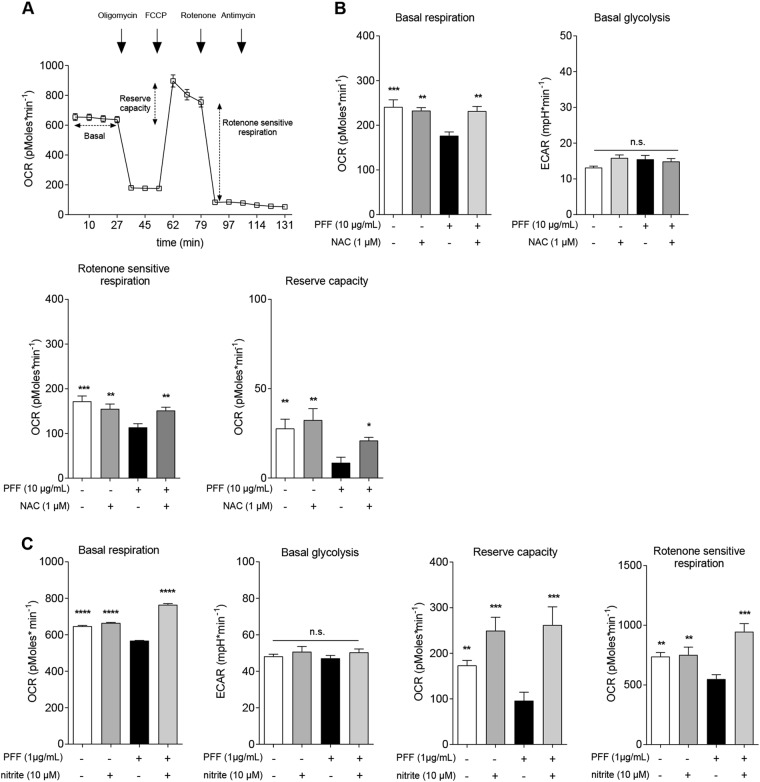
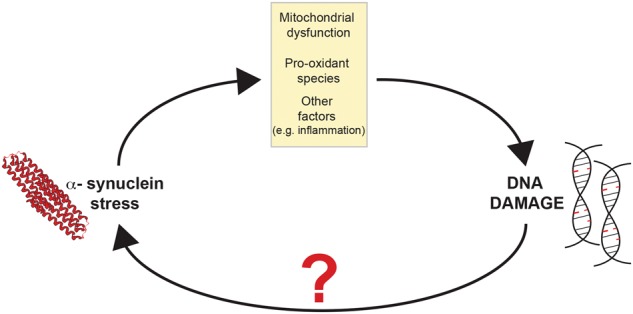
The involvement of DNA damage and repair in aging processes is well established. Aging is an unequivocal risk factor for chronic neurodegenerative diseases, underscoring the relevance of investigations into the role that DNA alterations may have in the pathogenesis of these diseases. Consistently, even moderate impairment of DNA repair systems facilitates the onset of pathological features typical of PD that include derangement of the dopaminergic system, mitochondrial dysfunction, and alpha-synuclein stress. The latter establishes a connection between reduced DNA repair capacity and a cardinal feature of PD, alpha-synuclein pathology. It remains to be determined, however, whether alpha-synuclein stress activates in vivo the canonical signaling cascade associated with DNA damage, which is centered on the kinase ATM and substrates such as γH2Ax and 53BP1. Addressing these issues would shed light on age-related mechanisms impinging upon PD pathogenesis and neurodegeneration in particular. We analyzed two different synucleinopathy PD mouse models based either on intranigral delivery of AAV-expressing human alpha-synuclein, or intrastriatal injection of human alpha-synuclein pre-formed fibrils. In both cases, we detected a significant increase in γH2AX and 53BP1 foci, and in phospho-ATM immunoreactivity in dopaminergic neurons, which collectively indicate DNA damage and activation of the DNA damage response. Mechanistic experiments in cell cultures indicate that activation of the DNA damage response is caused, at least in part, by pro-oxidant species because it is prevented by exogenous or endogenous antioxidants, which also rescue mitochondrial anomalies caused by proteotoxic alpha-synuclein. These in vivo and in vitro findings reveal that the cellular stress mediated by alpha-synuclein—a pathological hallmark in PD—elicits DNA damage and activates the DNA damage response. The toxic cascade leading to DNA damage involves oxidant stress and mitochondrial dysfunction The data underscore the importance of DNA quality control for preservation of neuronal integrity and protection against neurodegenerative processes.
Overview
The claims and statistics of this paper haven’t been checked yet.
Run the check — free, no account needed. It reads the open-access text and checks the sources it cites.
Integrity signals
Registry
Cites
Statistics
Figures
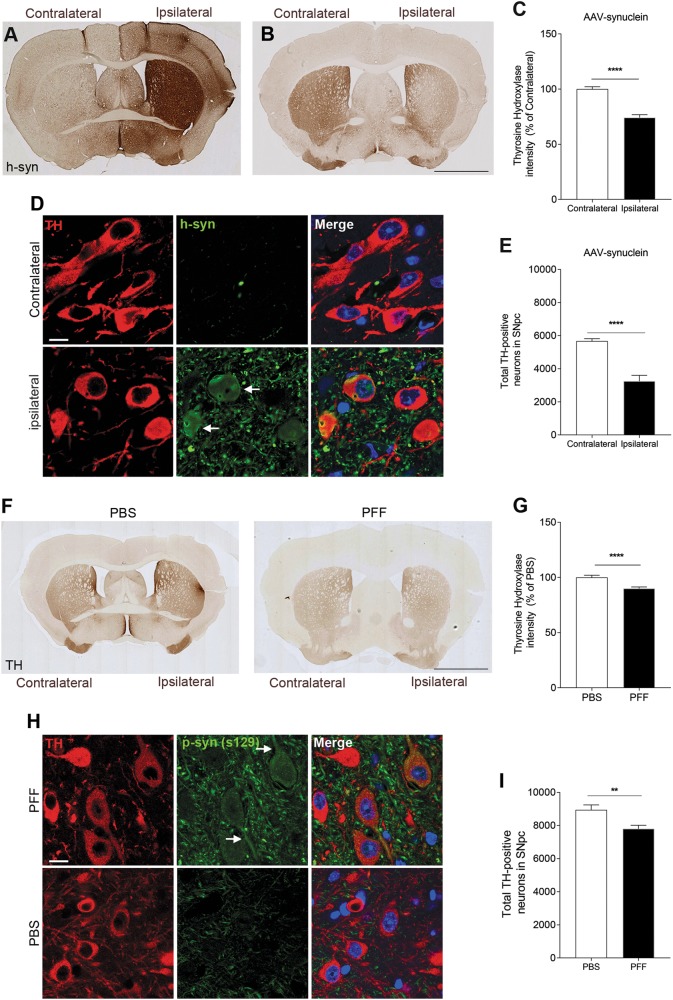
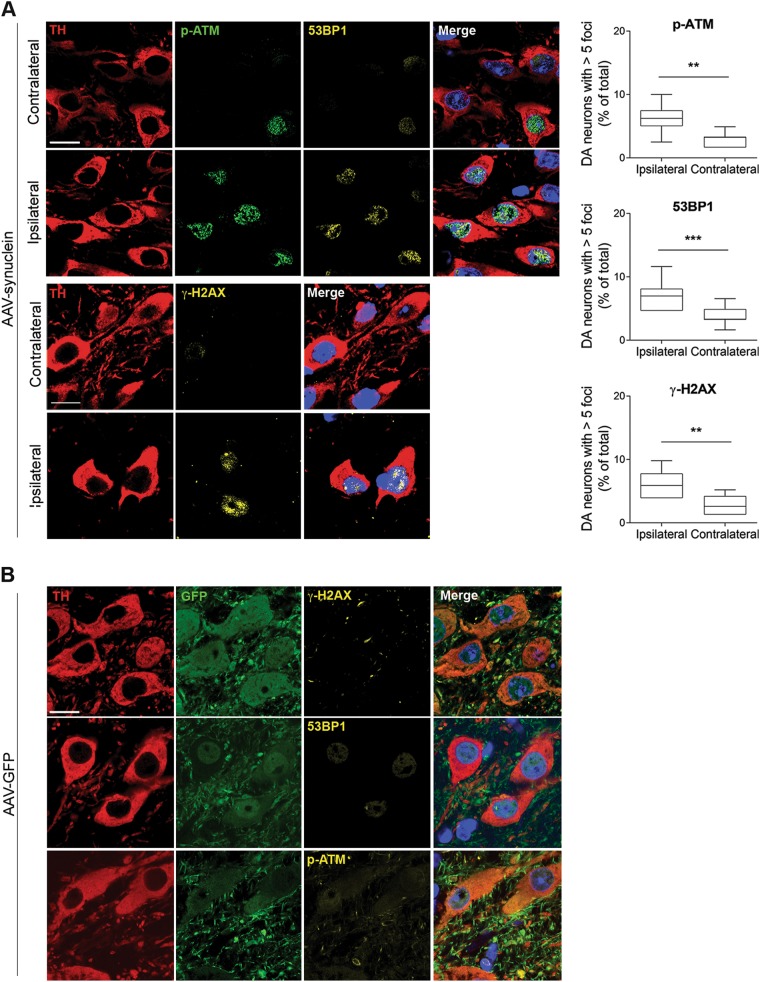
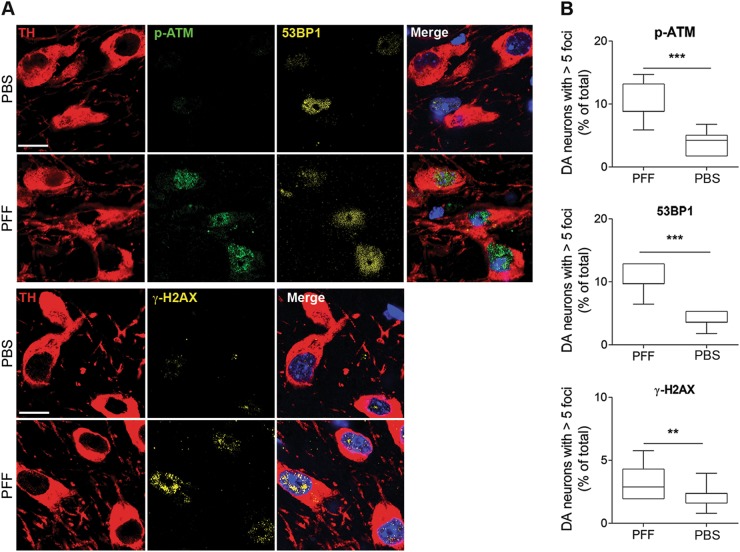
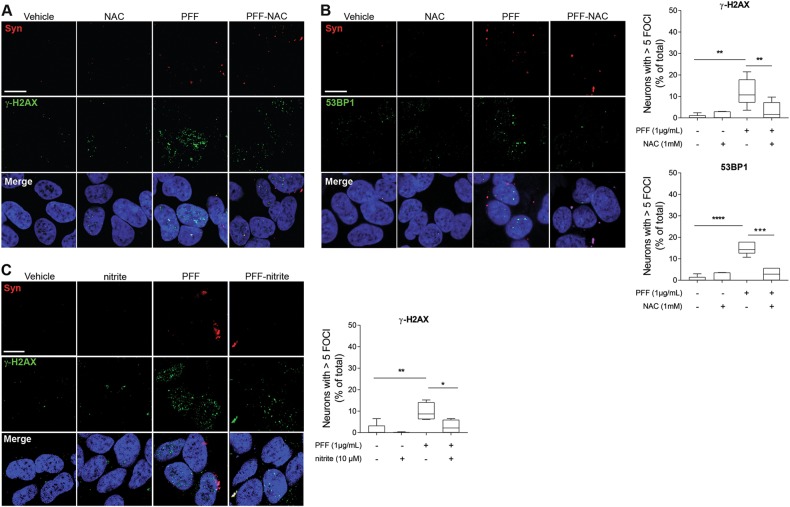
Verification
Claims the paper makes
The claims and statistics of this paper haven’t been checked yet.
Run the check — free, no account needed. It reads the open-access text and checks the sources it cites.
Claims other papers make about this one
Each is checked against this paper’s own text: does it say what the citing paper says it does?
In the citing paper
“However, toxic aggregation of α‐synuclein in the nucleus or cytosol elicits the accumulation of DSBs (Vasquez et al, 2017; Milanese et al, 2018).”
From Mechanisms of DNA damage-mediated neurotoxicity in neurodegenerative disease (2022) · cites this paper as Milanese et al, 2018
Self-check
Percentages, sums and reported differences re-computed from the paper’s own numbers.
The self-check needs the paper’s full text.
Citations
Cites
López-Otín, C., Blasco, M. A., Partridge, L., Serrano, M., & Kroemer, G. (2013) · Cell · doi:10.1016/j.cell.2013.05.039 · Cited by 14,982
The Mouse Brain in Stereotaxic Coordinates
Paxinos, G. (2001) · Cited by 12,859
Staging of brain pathology related to sporadic Parkinson’s disease
Braak, H., Tredici, K. D., Rüb, U., de Vos, R. A. I., Jansen Steur, E. N. H., & Braak, E. (2003) · Neurobiology of Aging · doi:10.1016/s0197-4580(02)00065-9 · Cited by 10,777
Spillantini, M. G., Schmidt, M. L., Lee, V. M.-Y., Trojanowski, J. Q., Jakes, R., & Goedert, M. (1997) · Nature · doi:10.1038/42166 · Cited by 8,382
How mitochondria produce reactive oxygen species
Murphy, M. P. (2009) · Biochemical Journal · doi:10.1042/bj20081386 · Cited by 8,207
Chemistry and biochemistry of 4-hydroxynonenal, malonaldehyde and related aldehydes
Esterbauer, H., Schaur, R. J., & Zollner, H. (1991) · Free Radical Biology and Medicine · doi:10.1016/0891-5849(91)90192-6 · Cited by 6,672
Chronic systemic pesticide exposure reproduces features of Parkinson's disease
Betarbet, R. S., Sherer, T., MacKenzie, G. M., Garcia‐Osuna, M., Panov, A. V., & Greenamyre, J. T. (2000) · Nature Neuroscience · doi:10.1038/81834 · Cited by 3,770
West, M. J., Slomianka, L., & Gundersen, H. J. G. (1991) · The Anatomical Record · doi:10.1002/ar.1092310411 · Cited by 2,994
Luk, K. C., Kehm, V., Carroll, J., Zhang, B., O’Brien, P., Trojanowski, J. Q., & Lee, V. M.-Y. (2012) · Science · doi:10.1126/science.1227157 · Cited by 2,563
Mitochondrial Complex I Deficiency in Parkinson's Disease
Schapira, A. H. V., Cooper, J. M., Dexter, D., Clark, J. B., Jenner, P., & Marsden, C. D. (1990) · Journal of Neurochemistry · doi:10.1111/j.1471-4159.1990.tb02325.x · Cited by 2,283
Cited by
Sorted by citations
Modeling Parkinson’s Disease With the Alpha-Synuclein Protein
Gómez-Benito, M., Granado, N., García‐Sanz, P., Michel, A., Dumoulin, M., & Moratalla, R. (2020) · Frontiers in Pharmacology · doi:10.3389/fphar.2020.00356 · Cited by 472
Schaser, A. J., Osterberg, V. R., Dent, S. E., Stackhouse, T. L., Wakeham, C. M., Boutros, S. W., Weston, L. J., Owen, N., Weissman, T. A., Luna, E., et al. (2019) · Scientific Reports · doi:10.1038/s41598-019-47227-z · Cited by 256
Pathogenesis of SCA3 and implications for other polyglutamine diseases
McLoughlin, H. S., Moore, L. R., & Paulson, H. L. (2019) · Neurobiology of Disease · doi:10.1016/j.nbd.2019.104635 · Cited by 195
α-Synuclein antisense oligonucleotides as a disease-modifying therapy for Parkinson’s disease
Cole, T. A., Zhao, H. T., Collier, T. J., Sandoval, I. M., Sortwell, C. E., Steece‐Collier, K., Daley, B. F., Booms, A., Lipton, J. W., Welch, M., et al. (2021) · JCI Insight · doi:10.1172/jci.insight.135633 · Cited by 171
Redox dysregulation as a driver for DNA damage and its relationship to neurodegenerative diseases
Shadfar, S., Parakh, S., Jamali, M. S., & Atkin, J. D. (2023) · Translational Neurodegeneration · doi:10.1186/s40035-023-00350-4 · Cited by 148
Mechanisms of DNA damage-mediated neurotoxicity in neurodegenerative disease
Welch, G., & Tsai, L. (2022) · The EMBO Reports · doi:10.15252/embr.202154217 · Cited by 129
Modeling α-Synuclein Propagation with Preformed Fibril Injections
Chung, H. K., Ho, H.-A., Pérez-Acuña, D., & Lee, S. (2019) · Journal of Movement Disorders · doi:10.14802/jmd.19046 · Cited by 125
Thadathil, N., Delotterie, D. F., Xiao, J., Hori, R., McDonald, M. P., & Khan, M. M. (2021) · Molecular Neurobiology · doi:10.1007/s12035-020-02109-8 · Cited by 94
Selective vulnerability in α-synucleinopathies
Alegre‐Abarrategui, J., Brimblecombe, K. R., Roberts, R. F., Velentza‐Almpani, E., Tilley, B. S., Bengoa‐Vergniory, N., & Proukakis, C. (2019) · Acta Neuropathologica · doi:10.1007/s00401-019-02010-2 · Cited by 90
Milanese, C., Bombardieri, C. R., Sepe, S., Barnhoorn, S., Payán‐Gómez, C., Caruso, D., Audano, M., Pedretti, S., Vermeij, W. P., Brandt, R. M. C., et al. (2019) · Nature Communications · doi:10.1038/s41467-019-12640-5 · Cited by 82
Self-citationGeng, Y., Long, X., Zhang, Y., Wang, Y., You, G., Guo, W., Zhang, Y., Zhang, Y., Cheng, X., Yuan, Z., et al. (2023) · Journal of Translational Medicine · doi:10.1186/s12967-023-04461-4 · Cited by 83
α-Synuclein Translocates to the Nucleus to Activate Retinoic-Acid-Dependent Gene Transcription
Davidi, D., Schechter, M., Elhadi, S. A., Matatov, A., Nathanson, L., & Sharon, R. (2020) · iScience · doi:10.1016/j.isci.2020.100910 · Cited by 78
DNA damage and repair in Parkinson's disease: Recent advances and new opportunities
González-Hunt, C. P., & Sanders, L. H. (2020) · Journal of Neuroscience Research · doi:10.1002/jnr.24592 · Cited by 80
Singh, E., & Giles, D. (2020) · Molecular Biology Reports · doi:10.1007/s11033-020-05354-1 · Cited by 80
Microglial cGAS drives neuroinflammation in the MPTP mouse models of Parkinson's disease
Ma, C., Liu, Y., Li, S., Ma, C., Huang, J., Wen, S., Yang, S., & Wang, B. (2023) · CNS Neuroscience & Therapeutics · doi:10.1111/cns.14157 · Cited by 76
Senescence and impaired DNA damage responses in alpha-synucleinopathy models
Yoon, Y.-S., You, J. S., Kim, T.-K., Ahn, W. J., Kim, M. J., Son, K. H., Ricarte, D., Ortiz, D. M., Lee, S., & Lee, H.-J. (2022) · Experimental & Molecular Medicine · doi:10.1038/s12276-022-00727-x · Cited by 65
Thomsen, M. B., Ferreira, S. A., Schacht, A. C., Jacobsen, J., Simonsen, M., Betzer, C., Jensen, P. H., Brooks, D. J., Landau, A. M., & Romero‐Ramos, M. (2020) · Neurobiology of Disease · doi:10.1016/j.nbd.2020.105229 · Cited by 67
DNA Damage Triggers a New Phase in Neurodegeneration
Pessina, F., Gioia, U., Brandi, O., Farina, S., Ceccon, M., Francia, S., & di Fagagna, F. D. (2020) · Trends in Genetics · doi:10.1016/j.tig.2020.09.006 · Cited by 62
The Complex Mechanisms by Which Neurons Die Following DNA Damage in Neurodegenerative Diseases
Shadfar, S., Brocardo, M. G., & Atkin, J. D. (2022) · International Journal of Molecular Sciences · doi:10.3390/ijms23052484 · Cited by 60
Somatic mutations in neurodegeneration: An update
Proukakis, C. (2020) · Neurobiology of Disease · doi:10.1016/j.nbd.2020.105021 · Cited by 58
Abugable, A. A., Morris, J. L. M., Palminha, N. M., Zaksauskaite, R., Ray, S., & El‐Khamisy, S. F. (2019) · DNA repair · doi:10.1016/j.dnarep.2019.102669 · Cited by 53
The Phosphorylated Form of the Histone H2AX (γH2AX) in the Brain from Embryonic Life to Old Age
Merighi, A., Gionchiglia, N., Granato, A., & Lossi, L. (2021) · Molecules · doi:10.3390/molecules26237198 · Cited by 50
DNA double-strand breaks: a potential therapeutic target for neurodegenerative diseases
Thadathil, N., Hori, R. T., Xiao, J., & Khan, M. M. (2019) · Chromosome Research · doi:10.1007/s10577-019-09617-x · Cited by 51
Pérez‐Rodríguez, D., Kalyva, M., Leija‐Salazar, M., Lashley, T., Tarabichi, M., Chelban, V., Gentleman, S., Schottlaender, L., Franklin, H., Vasmatzis, G., et al. (2019) · Acta Neuropathologica Communications · doi:10.1186/s40478-019-0873-5 · Cited by 51
A Summary of Phenotypes Observed in the In Vivo Rodent Alpha-Synuclein Preformed Fibril Model
Polinski, N. K. (2021) · Journal of Parkinson s Disease · doi:10.3233/jpd-212847 · Cited by 50
Li, Y., Xie, L., Huang, T., Zhang, Y., Zhou, J., Qi, B., Wang, X., Chen, Z., & Li, P. (2019) · Frontiers in Neuroscience · doi:10.3389/fnins.2019.00778 · Cited by 47
Aging, cellular senescence and Parkinson's disease
Ma, Y., Erb, M. L., & Moore, D. J. (2025) · Journal of Parkinson s Disease · doi:10.1177/1877718x251316552 · Cited by 47
Thadathil, N., Xiao, J., Hori, R. T., Alway, S. E., & Khan, M. M. (2020) · Journal of Neuroimmune Pharmacology · doi:10.1007/s11481-020-09972-1 · Cited by 42
Poly (ADP-ribose) polymerase 1 and neurodegenerative diseases: past, present, and future
Hu, M.-L., Pan, Y.-R., Yong, Y.-Y., Liu, Y., Yu, L., Qin, D.-L., Qiao, G., Law, B. Y.-K., Wu, J.-M., Zhou, X.-G., et al. (2023) · Ageing Research Reviews · doi:10.1016/j.arr.2023.102078 · Cited by 44
Genome instability and loss of protein homeostasis: converging paths to neurodegeneration?
Ainslie, A. P., Huiting, W., Barazzuol, L., & Bergink, S. (2021) · Open Biology · doi:10.1098/rsob.200296 · Cited by 42
Li, S., Nie, K., Zhang, Q., Guo, M., Qiu, Y., Li, Y., Gao, Y., & Wang, L. (2019) · Neuroscience · doi:10.1016/j.neuroscience.2019.05.052 · Cited by 39
DNA Damage-Mediated Neurotoxicity in Parkinson’s Disease
Wang, Z., Li, Y., Pu, J., & Zhang, B. (2023) · International Journal of Molecular Sciences · doi:10.3390/ijms24076313 · Cited by 43
Vasquez, V., Mitra, J., Wang, H., Hegde, P. M., Rao, K. S. J., & Hegde, M. L. (2019) · Progress in Neurobiology · doi:10.1016/j.pneurobio.2019.101729 · Cited by 39
Crosstalk between Different DNA Repair Pathways Contributes to Neurodegenerative Diseases
Gupta, S., You, P., SenGupta, T., Nilsen, H. L., & Sharma, K. (2021) · Biology · doi:10.3390/biology10020163 · Cited by 37
Modeling Parkinson’s Disease Using Induced Pluripotent Stem Cells
Hu, X., Mao, C., Fan, L., Luo, H., Hu, Z., Zhang, S., Yang, Z., Zheng, H., Sun, H., Fan, Y., et al. (2020) · Stem Cells International · doi:10.1155/2020/1061470 · Cited by 36
Cancer and Parkinson's Disease: Common Targets, Emerging Hopes
Filippou, P. S., & Outeiro, T. F. (2020) · Movement Disorders · doi:10.1002/mds.28425 · Cited by 30
DNA Damage Stress: Cui Prodest?
Verma, N., Franchitto, M., Zonfrilli, A., Cialfi, S., Palermo, R., & Talora, C. (2019) · International Journal of Molecular Sciences · doi:10.3390/ijms20051073 · Cited by 32
Pradhan, S., Gao, R., Bush, K. M., Zhang, N., Wairkar, Y. P., & Sarkar, P. S. (2022) · Frontiers in Cellular Neuroscience · doi:10.3389/fncel.2022.837576 · Cited by 34
Tuxworth, R. I., Taylor, M. J., Anduaga, A. M., Hussien-Ali, A., Chatzimatthaiou, S., Longland, J., Thompson, A. M., Almutiri, S., Alifragis, P., Kyriacou, C. P., et al. (2019) · Brain Communications · doi:10.1093/braincomms/fcz005 · Cited by 32
Khan, S., Delotterie, D. F., Xiao, J., Thangavel, R., Hori, R. T., Koprich, J. B., Alway, S. E., McDonald, M. P., & Khan, M. M. (2025) · Brain Behavior and Immunity · doi:10.1016/j.bbi.2025.106065 · Cited by 33
Activated or Impaired: An Overview of DNA Repair in Neurodegenerative Diseases
Qin, N., Geng, A., & Xue, R. (2022) · Aging and Disease · doi:10.14336/ad.2021.1212 · Cited by 31
From Synaptic Protein to Prion: The Long and Controversial Journey of α-Synuclein
Heras‐Garvin, A., & Stefanova, N. (2020) · Frontiers in Synaptic Neuroscience · doi:10.3389/fnsyn.2020.584536 · Cited by 31
Wu, Q., Wang, M., Chen, W., Wang, K., & Wang, Y. (2021) · Journal of Biochemical and Molecular Toxicology · doi:10.1002/jbt.22949 · Cited by 28
Vasquez, V., Kodavati, M. M., Mitra, J., Vedula, I., Hamilton, D. J., Garruto, R. M., Rao, K. S. J., & Hegde, M. L. (2024) · Cell Death and Disease · doi:10.1038/s41419-024-07258-5 · Cited by 31
Gąssowska-Dobrowolska, M., Olech-Kochańczyk, G., Culmsee, C., & Adamczyk, A. (2024) · Journal of Inflammation Research · doi:10.2147/jir.s468609 · Cited by 29
Ru, Q., Xiong, Q., Tian, X., Chen, L., Zhou, M. L., Li, Y., & Li, Z. (2019) · Frontiers in Physiology · doi:10.3389/fphys.2019.01450 · Cited by 25
Progresses in both basic research and clinical trials of NAD+ in Parkinson’s disease
Maria Jose Perez, J., Baden, P., & Deleidi, M. (2021) · Mechanisms of Ageing and Development · doi:10.1016/j.mad.2021.111499 · Cited by 26
Weber, M., Kerr, G., Thangavel, R., Conlon, M., Gumusoglu, S., Gupta, K., Abdelmotilib, H. A., Halhouli, O., Zhang, Q., Geerling, J. C., et al. (2023) · Journal of Parkinson's Disease · doi:10.3233/jpd-230129 · Cited by 17
Yang, J., Chen, W. ‐., Mukda, S., Yang, Y., Sun, S., & Chen, S. (2019) · Neuropathology and Applied Neurobiology · doi:10.1111/nan.12584 · Cited by 26
Genome Integrity and Neurological Disease
Scheijen, E. E. M., & Wilson, D. M. (2022) · International Journal of Molecular Sciences · doi:10.3390/ijms23084142 · Cited by 24
Wang, M.-J., Huang, H., Chiu, T., Chang, H., & Wu, H.-R. (2019) · Cells · doi:10.3390/cells9010022 · Cited by 24
Szegő, É. M., Höfs, L., Antoniou, A., Dinter, E., Bernhardt, N. R., Schneider, A., Monte, D. A. D., & Falkenburger, B. H. (2025) · Nature Communications · doi:10.1038/s41467-025-59249-5 · Cited by 27
Brain iron enrichment attenuates α‐synuclein spreading after injection of preformed fibrils
Joppe, K., Tatenhorst, L., Gomes, L. C., Zhang, S., Parvaz, M., Carboni, E., Roser, A., Eldebakey, H., Bähr, M., Vogel‐Mikuš, K., et al. (2021) · Journal of Neurochemistry · doi:10.1111/jnc.15461 · Cited by 23
Li, X., Cao, G., Liu, X., Tang, T.-S., Guo, C., & Liu, H. (2022) · Frontiers in Cellular Neuroscience · doi:10.3389/fncel.2022.852002 · Cited by 22
D’Errico, M., Parlanti, E., Pascucci, B., Filomeni, G., Mastroberardino, P. G., & Dogliotti, E. (2021) · Archives of Biochemistry and Biophysics · doi:10.1016/j.abb.2021.108977 · Cited by 20
Self-citationSavu, D., & Moisoi, N. (2022) · Biochimica et Biophysica Acta (BBA) - Bioenergetics · doi:10.1016/j.bbabio.2022.148588 · Cited by 20
Pan, Y., Zong, Q., Li, G., Wu, Z., Du, T., Huang, Z., Zhang, Y., & Ma, K. (2022) · Frontiers in Molecular Neuroscience · doi:10.3389/fnmol.2022.1015881 · Cited by 19
Chen, H.-Y., Lin, C., & Teng, S. (2020) · Aging · doi:10.18632/aging.103998 · Cited by 20
Tracing brain genotoxic stress in Parkinson’s disease with a novel single-cell genetic sensor
El-Saadi, M. W., Tian, X., Grames, M. S., Ren, M., Keys, K., Li, H., Knott, E. L., Yin, H., Huang, S., & Lu, X. (2022) · Science Advances · doi:10.1126/sciadv.abd1700 · Cited by 19
Decoding the Role of Familial Parkinson’s Disease-Related Genes in DNA Damage and Repair
Li, Y., Wang, Z., Ying, C.-Z., Zhang, B., & Pu, J. (2022) · Aging and Disease · doi:10.14336/ad.2022.0216 · Cited by 19
Rose, E. P., Osterberg, V. R., Banga, J. S., Gorbunova, V. A., & Unni, V. K. (2024) · Neurobiology of Disease · doi:10.1016/j.nbd.2024.106675 · Cited by 21
Rab7 reduces α-synuclein toxicity in rats and primary neurons
Szegő, É. M., Szegő, É. M., den Haute, C. V., Höfs, L., Baekelandt, V., der Perren, A. V., & Falkenburger, B. H. (2021) · Experimental Neurology · doi:10.1016/j.expneurol.2021.113900 · Cited by 18
Gong, X., Cheng, J., Zhang, K., Wang, Y., Li, S., & Luo, Y. (2021) · Journal of Ethnopharmacology · doi:10.1016/j.jep.2021.114646 · Cited by 17
HMGB1 is a Potential and Challenging Therapeutic Target for Parkinson’s Disease
Tian, Y., Chen, R., & Su, Z. (2021) · Cellular and Molecular Neurobiology · doi:10.1007/s10571-021-01170-8 · Cited by 17
Prdx5 regulates DNA damage response through autophagy-dependent Sirt2-p53 axis
Agborbesong, E., Zhou, J. X., Li, L. X., Harris, P. C., Calvet, J. P., & Li, X. (2022) · Human Molecular Genetics · doi:10.1093/hmg/ddac218 · Cited by 17
Lu, Y., Gao, X., Yang, N., Mohammed, S. A. D., Fu, J., Wang, T., Wang, C., Yuan, C., Lu, F., & Liu, S. (2023) · Heliyon · doi:10.1016/j.heliyon.2023.e18045 · Cited by 17
Basu, S., Song, M., Adams, L., Jeong, I., Je, G., Guhathakurta, S., Jiang, J. B., Boparai, N., Dai, W., Cardozo‐Pelaez, F., et al. (2023) · Acta Neuropathologica · doi:10.1007/s00401-023-02632-7 · Cited by 19
Shadfar, S., Khanal, S., Bohara, G., Kim, G., Sadigh‐Eteghad, S., Ghavami, S., Choi, H., & Choi, D. (2022) · Molecular Neurobiology · doi:10.1007/s12035-022-02943-y · Cited by 17
Miner, K. M., Jamenis, A. S., Bhatia, T. N., Clark, R. N., Rajasundaram, D., Sauvaigo, S., Mason, D. M., Posimo, J. M., Abraham, N., DeMarco, B. A., et al. (2022) · Progress in Neurobiology · doi:10.1016/j.pneurobio.2022.102307 · Cited by 14
Alpha-synuclein regulates nucleolar DNA double-strand break repair in melanoma
Arnold, M. R., Cohn, G. M., Oxe, K. C., Elliott, S. N., Moore, C., Zhou, A. M., Laraia, P. V., Shekoohi, S., Brownell, D., Sears, R. C., et al. (2025) · Science Advances · doi:10.1126/sciadv.adq2519 · Cited by 17
Martínez, M. (2023) · Antioxidants · doi:10.3390/antiox12071373 · Cited by 14
Selective dopaminergic neurotoxicity modulated by inherent cell-type specific neurobiology
Currim, F., Tanwar, R., Brown-Leung, J. M., Paranjape, N., Liu, J., Sanders, L. H., Doorn, J. A., & Cannon, J. R. (2024) · NeuroToxicology · doi:10.1016/j.neuro.2024.06.016 · Cited by 14
Song, M. K., Adams, L., Lee, J. H., & Kim, Y. (2022) · PLoS ONE · doi:10.1371/journal.pone.0272085 · Cited by 13
Enogieru, A. B., Haylett, W. L., Hiss, D. C., & Ekpo, O. E. (2021) · Metabolic Brain Disease · doi:10.1007/s11011-021-00746-z · Cited by 14
Breast cancer type 1 and neurodegeneration: consequences of deficient DNA repair
Leung, E., & Hazrati, L. (2021) · Brain Communications · doi:10.1093/braincomms/fcab117 · Cited by 14
Genome integrity and inflammation in the nervous system
Aditi, A., & McKinnon, P. J. (2022) · DNA repair · doi:10.1016/j.dnarep.2022.103406 · Cited by 13
Yang, J., Kuo, Y., Lee, K.-C., De, S., & Chen, Y. (2024) · Biomaterials Advances · doi:10.1016/j.bioadv.2024.214065 · Cited by 12
Milanese, C., Gabriels, S., Barnhoorn, S., Cerri, S., Ulusoy, A., Gornati, S. V., Wallace, D. F., Blandini, F., Monte, D. A. D., Subramaniam, V. N., et al. (2020) · Cell Death and Differentiation · doi:10.1038/s41418-020-00698-4 · Cited by 14
Self-citationNuclear DJ-1 Regulates DNA Damage Repair via the Regulation of PARP1 Activity
Wang, Z., Liu, Y., Li, Y., Wei, Q., Lin, R.-R., Kang, R., Ruan, Y., Lin, Z., Xue, N., Zhang, B., et al. (2023) · International Journal of Molecular Sciences · doi:10.3390/ijms24108651 · Cited by 11
Tran, V. T. A., Zhu, X., Jamsranjav, A., Lee, L. P., & Cho, H. (2025) · Communications Biology · doi:10.1038/s42003-025-07787-5 · Cited by 10
Replication-Independent ICL Repair: From Chemotherapy to Cell Homeostasis
Ahmed, A., Kato, N., & Gautier, J. (2024) · Journal of Molecular Biology · doi:10.1016/j.jmb.2024.168618 · Cited by 9
Poulidou, V., Liampas, I., Arnaoutoglou, M., Dardiotis, E., & Siokas, V. (2024) · Biomolecules · doi:10.3390/biom14101213 · Cited by 11
Sproviero, D., Payán‐Gómez, C., Milanese, C., Barnhoorn, S., Sun, S., Gyenis, Á., Delia, D., Lashley, T., Hoeijmakers, J. H. J., Vijg, J., et al. (2025) · Nature Aging · doi:10.1038/s43587-025-00926-x · Cited by 12
Self-citationChen, H.-Y., Liao, C.-Y., Li, H., Ke, Y., Lin, C., & Teng, S.-C. (2024) · NAR Molecular Medicine · doi:10.1093/narmme/ugae007 · Cited by 9
Pathological α-synuclein perturbs nuclear integrity
Millett, M., Comite, A., Castosa, E. M., Heuberger, A. J., Wagner, P., Gallardo, I., Reinhardt, J., Chambers, N., Hall, D., Miller, E., et al. (2025) · Neurobiology of Disease · doi:10.1016/j.nbd.2025.107028 · Cited by 10
Beserra‐Filho, J. I. A., Maria‐Macêdo, A., Silva‐Martins, S., Custódio‐Silva, A. C., Soares‐Silva, B., Silva, S. P., Lambertucci, R. H., Araújo, A. A. D. S., Angélica, M., Quintans‐Júnior, L. J., et al. (2022) · Metabolic Brain Disease · doi:10.1007/s11011-022-01032-2 · Cited by 8
DNA Damage Response Regulation Alleviates Neuroinflammation in a Mouse Model of α-Synucleinopathy
Khan, S., Singh, H., Xiao, J., & Khan, M. M. (2025) · Biomolecules · doi:10.3390/biom15070907 · Cited by 7
Upregulated DNA Damage-Linked Biomarkers in Parkinson’s Disease Model Mice
Zeng, F., Parker, K., Zhan, Y., Miller, M. E., & Zhu, M. (2023) · ASN NEURO · doi:10.1177/17590914231152099 · Cited by 7
Mihajlović, K., Malod‐Dognin, N., Ameli, C., Skupin, A., & Pržulj, N. (2024) · NAR Molecular Medicine · doi:10.1093/narmme/ugae012 · Cited by 8
Wu, Z., Xia, C., Zhang, C., Tang, D., Liu, F., Ou, Y., Gao, J., Yi, H., Yang, D., & Ma, K. (2022) · Cancer Gene Therapy · doi:10.1038/s41417-022-00425-w · Cited by 6
Exome-wide association study of levodopa-induced dyskinesia in Parkinson’s disease
König, E., Nicoletti, A. S. Q., Pattaro, C., Annesi, G., Melotti, R., Gialluisi, A., Schwienbacher, C., Picard, A., Blankenburg, H., Pichler, I., et al. (2021) · Scientific Reports · doi:10.1038/s41598-021-99393-8 · Cited by 6
Redhya, M., & Kumar, K. S. (2023) · Biomedical Signal Processing and Control · doi:10.1016/j.bspc.2023.104870 · Cited by 6
Widespread nuclear lamina injuries defeat proteostatic purposes of α-synuclein amyloid inclusions
Mansuri, S., Jain, A., Singh, R., Rawat, S., Mondal, D., & Raychaudhuri, S. (2024) · Journal of Cell Science · doi:10.1242/jcs.261935 · Cited by 5
Nuclear Alpha‐Synuclein: Mechanisms and Implications for Synucleinopathies
Outeiro, T. F., & Koss, D. J. (2025) · Movement Disorders · doi:10.1002/mds.70138 · Cited by 6
Andarawi, S. O., Vodičková, Ľ., Uttarilli, A., Hanák, P., & Vodička, P. (2025) · Mutagenesis · doi:10.1093/mutage/geae029 · Cited by 7
Global Effects of a PD Risk-SNP at the Alpha-Synuclein LocusPreprint
Prahl, J. D., Pierce, S. E., der Schans, E. J. C. V., Coetzee, G. A., & Tyson, T. (2021) · bioRxiv (Cold Spring Harbor Laboratory) · doi:10.1101/2021.07.06.451330 · Cited by 5
Fishing for synucleinopathy models
Noor, S. M., & Norazit, A. (2022) · Fisheries and aquatic sciences · doi:10.47853/fas.2022.e11 · Cited by 4
Novel Techniques for Mapping DNA Damage and Repair in the Brain
Hedlich-Dwyer, J., Allard, J. S., Mulgrave, V. E., Kisby, G. E., Raber, J., & Gassman, N. R. (2024) · International Journal of Molecular Sciences · doi:10.3390/ijms25137021 · Cited by 4
Klæstrup, I. H., Reinert, L. S., Ferreira, S. A., Lauritsen, J., Toft, G. U., Gram, H., Jensen, P. H., Paludan, S. R., & Romero‐Ramos, M. (2025) · npj Parkinson s Disease · doi:10.1038/s41531-025-01228-0 · Cited by 5
Jia, B., Zhao, Y., Ren, X., Zhang, D., Jia, H., Wang, L., Wang, L., & Li, J. (2025) · Neurochemistry International · doi:10.1016/j.neuint.2025.106036 · Cited by 3
Metadata
- Authors
- Milanese, C., Cerri, S., Ulusoy, A., Gornati, S. V., Plat, A., Gabriels, S., Blandini, F., Di Monte, D. A., Hoeijmakers, J. H., & Mastroberardino, P. G.
- Affiliations
- Fondazione Istituto Neurologico Nazionale Casimiro Mondino (IT)
- Erasmus MC (NL)
- University of Cologne (DE)
- Corresponding author
- Mastroberardino, Pier G.
- ORCID
- Venue
- Cell Death & Disease
- Published
- 2018-07-26
- Volume
- 9
- Issue
- 8
- Pages
- 818-818
- ISSN
- 2041-4889 (ISSN-L)
- PMC
- PMC6062587
- OpenAlex
- W2883768767
- Cited by
- 118
- References
- 50
- Citations by year
- 2026: 8 · 2025: 16 · 2024: 14 · 2023: 13 · 2022: 19 · 2021: 16 · 2020: 15 · 2019: 16 · 2018: 1
- FWCI
- 8.15
- Type
- journal article
- Language
- en
- Open access
- gold
- doi.org
- Locations
- Cell Death and Disease (publishedVersion, cc-by)
- Europe PMC (PubMed Central) (publishedVersion, cc-by)
- PubMed Central (publishedVersion, cc-by)
- PubMed (publishedVersion)
- Kölner Universitäts PublikationsServer (Universität zu Köln) (publishedVersion)
- EUR Research Repository (Erasmus University Rotterdam) (publishedVersion, other-oa)
- Archivio Istituzionale della Ricerca - Università degli Studi dell Aquila (submittedVersion, cc-by-nc-nd)
- EUR Research Repository (Erasmus University Rotterdam) (submittedVersion, other-oa)
- RePub (Erasmus University Rotterdam) (submittedVersion, other-oa)
- DOAJ (DOAJ: Directory of Open Access Journals) (submittedVersion)
- DZNE Pub (submittedVersion, cc-by)
- RePub (Erasmus University Rotterdam) (submittedVersion)
- Funders
- Michael J. Fox Foundation for Parkinson's Research (Target Advancement Program)
- Topics
- Health Sciences › Medicine › Clinical Neurology › Parkinson's Disease Mechanisms and Treatments
- Life Sciences › Biochemistry, Genetics and Molecular Biology › Molecular Biology › DNA Repair Mechanisms
- Life Sciences › Biochemistry, Genetics and Molecular Biology › Molecular Biology › Nuclear Receptors and Signaling
- Keywords
- Parkinson's disease, DNA damage response, alpha-synuclein, synucleinopathies, ATM kinase, γH2AX, 53BP1, oxidative stress, mitochondrial dysfunction, dopaminergic neurons, neurodegeneration, DNA repair, antioxidants, mouse model
- MeSH terms
- Tumor Suppressor p53-Binding Protein 1, Animals, Disease Models, Animal, DNA Damage, DNA Repair, Histones, Humans, Mice, Inbred C57BL, Mitochondria, Parkinson Disease, Substantia Nigra, Reactive Oxygen Species, Cell Line, Tumor, Mice, alpha-Synuclein, Dopaminergic Neurons, Ataxia Telangiectasia Mutated Proteins
About these checks
Registry, retraction, Cites and statistics results are computed, not judged, with one exception: a printed reference that no index lists is read once by a model before it counts as a citation error. Claims are extracted by a model and kept only when their quote appears verbatim in the text; each cited source is then checked, with a model’s help, for whether it says what the claim relies on. Those verdicts can be wrong — read the claim’s quote and the cited source before relying on one.
Statistics and arithmetic are recomputed, not judged.
Confidence bands are shown only for fields calibrated on our annotated test set. None is calibrated yet, so no band is shown.
What counts as a claim ›How we measure confidence ›How we check this ›
Are you an author, or do you see a problem with this page? Request a review
