

Neural stem cell-derived small extracellular vesicles attenuate apoptosis and neuroinflammation after traumatic spinal cord injury by activating autophagy
Open accessThe DOI matches its Crossref record; 71 of the 71 references it cites were found in a registry or an index.
Abstract
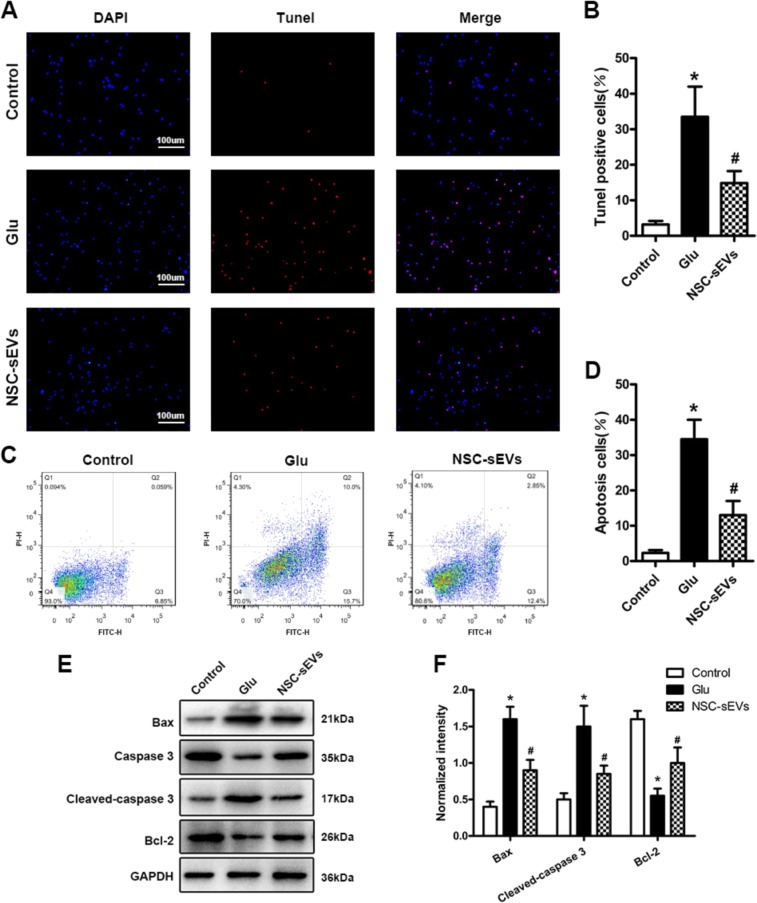
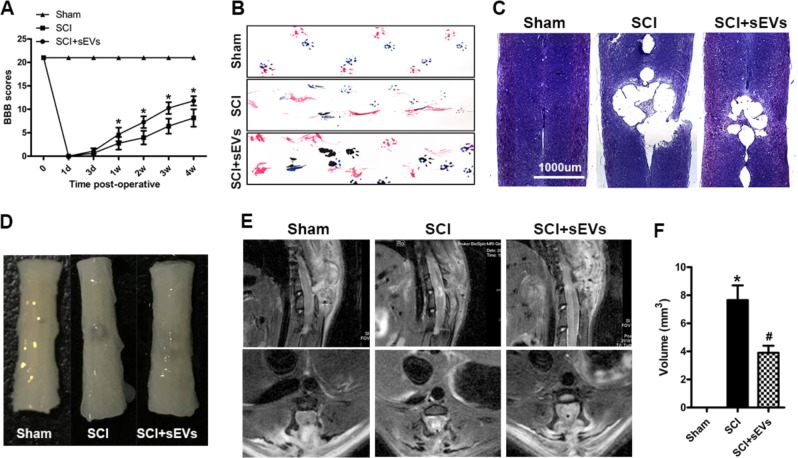
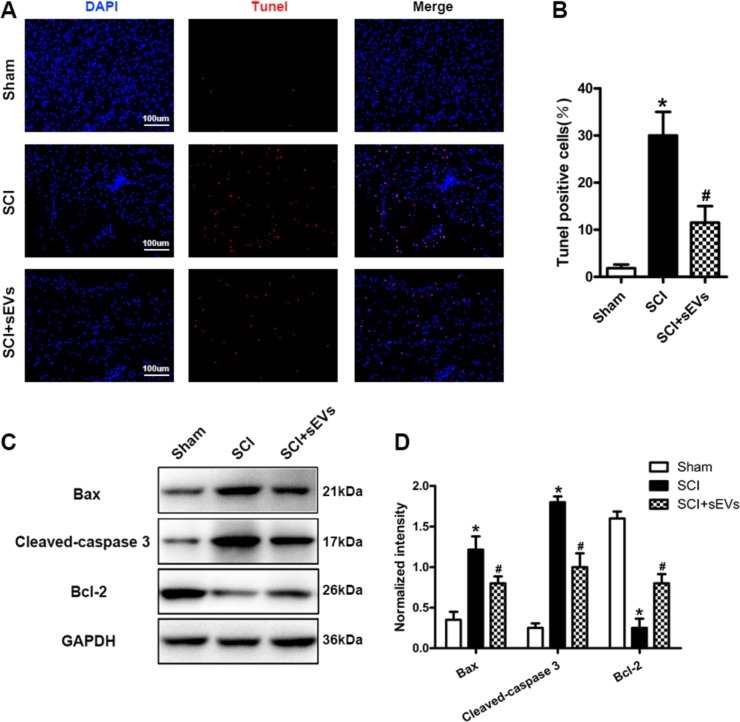
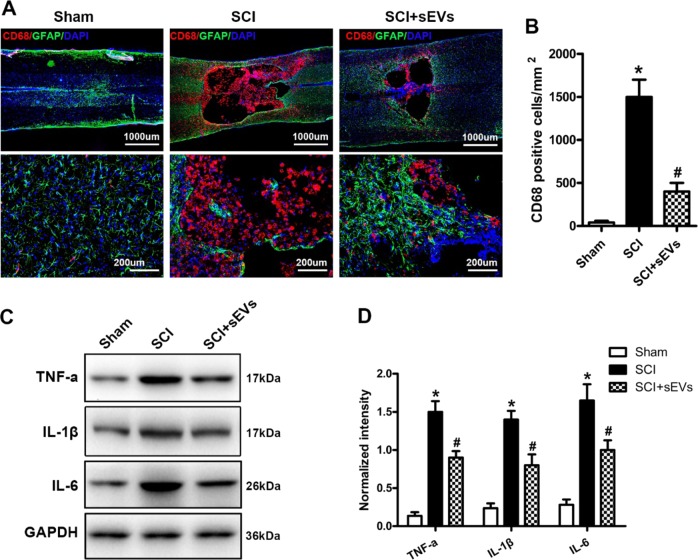
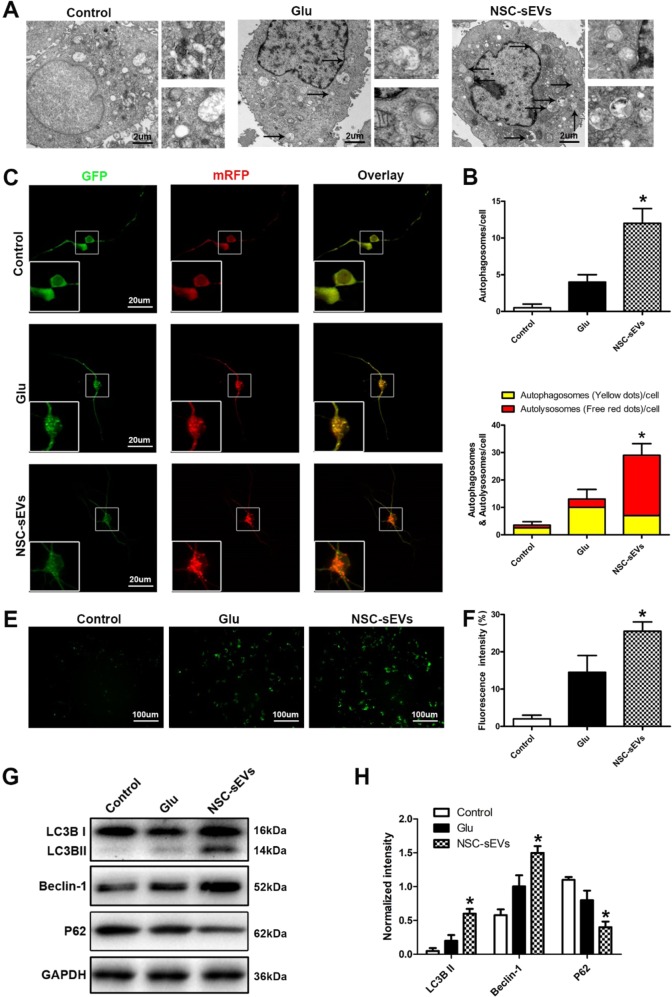
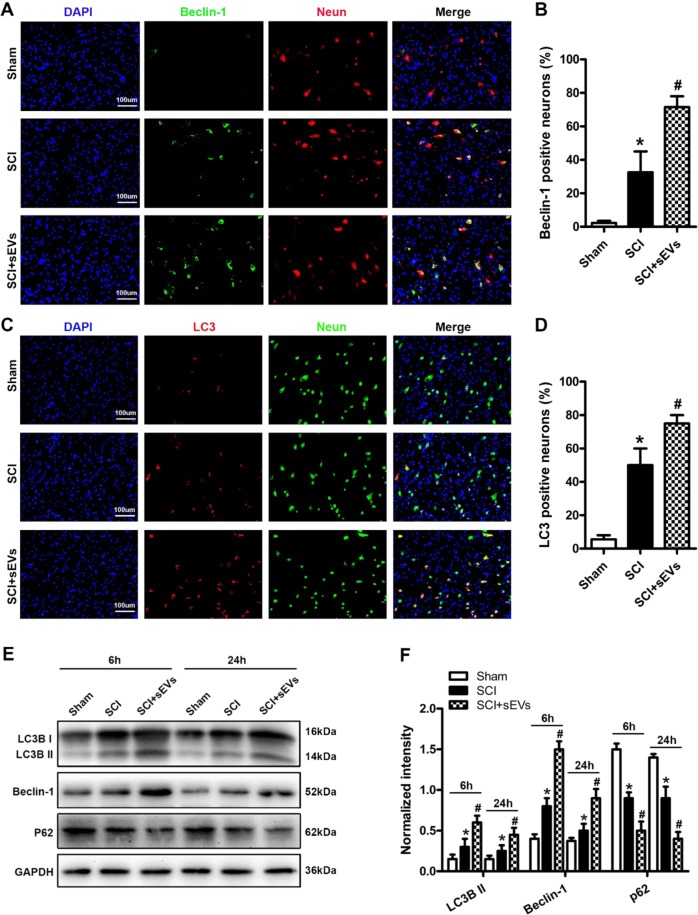
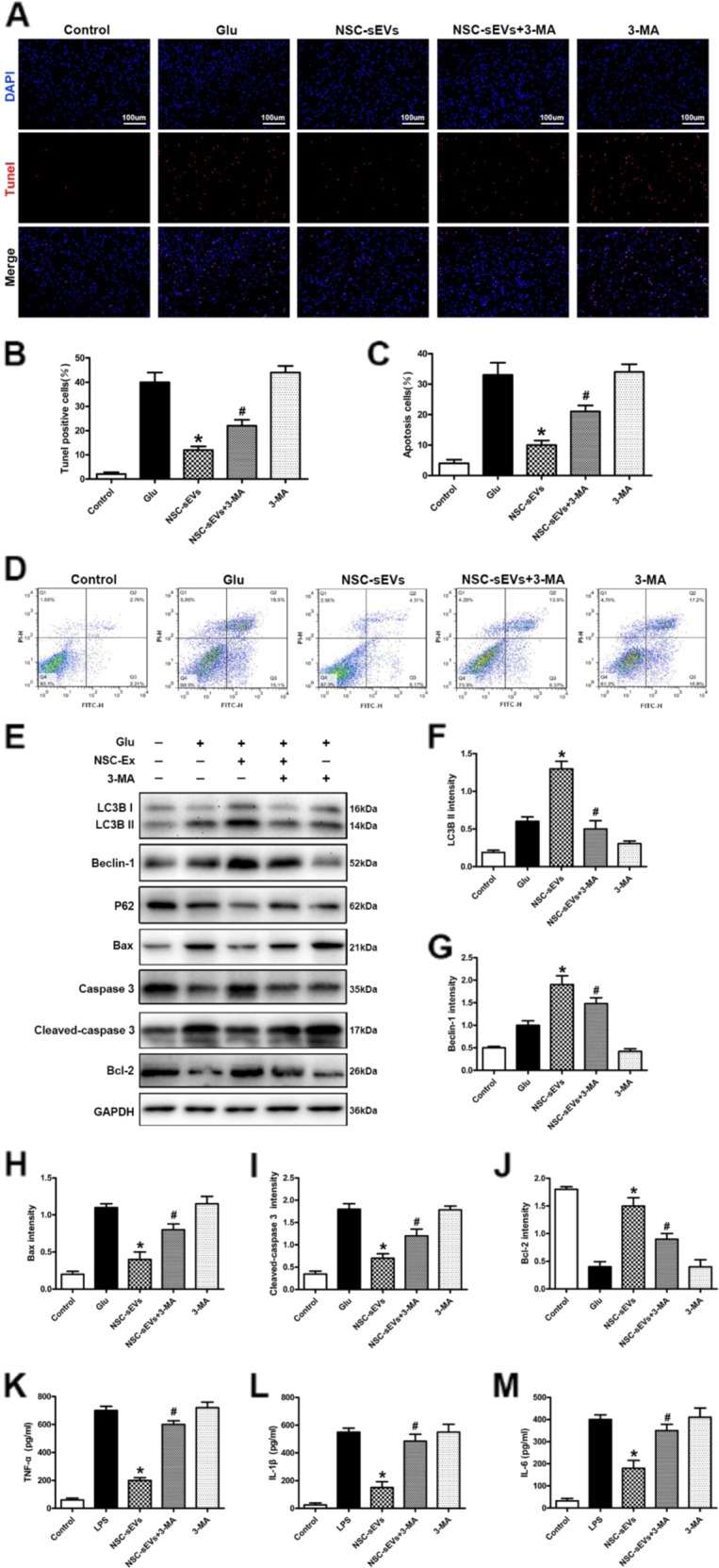
Spinal cord injury (SCI) can cause severe irreversible motor dysfunction and even death. Neural stem cell (NSC) transplantation can promote functional recovery after acute SCI in experimental animals, but numerous issues, including low-transplanted cell survival rate, cell de-differentiation, and tumor formation need to be resolved before routine clinical application is feasible. Recent studies have shown that transplanted stem cells facilitate regeneration through release of paracrine factors. Small extracellular vesicles (sEVs), the smallest known membrane-bound nanovesicles, are involved in complex intercellular communication systems and are an important vehicle for paracrine delivery of therapeutic agents. However, the application of NSC-derived small extracellular vesicles (NSC-sEVs) to SCI treatment has not been reported. We demonstrate that NSC-sEVs can significantly reduce the extent of SCI, improve functional recovery, and reduce neuronal apoptosis, microglia activation, and neuroinflammation in rats. Furthermore, our study suggests that NSC-sEVs can regulate apoptosis and inflammatory processes by inducing autophagy. In brief, NSC-sEVs increased the expression of the autophagy marker proteins LC3B and beclin-1, and promoted autophagosome formation. Following NSC-sEV infusion, the SCI area was significantly reduced, and the expression levels of the proapoptotic protein Bax, the apoptosis effector cleaved caspase-3, and the pro-inflammatory cytokines TNF-α, IL-1β, and IL-6 were significantly reduced, whereas the expression level of the anti-apoptotic protein Bcl-2 was upregulated. In the presence of the autophagy inhibitor 3MA, however, these inhibitory effects of NSC-sEVs on apoptosis and neuroinflammation were significantly reversed. Our results show for the first time that NSC-sEV treatment has the potential to reduce neuronal apoptosis, inhibit neuroinflammation, and promote functional recovery in SCI model rats at an early stage by promoting autophagy.
Overview
The claims and statistics of this paper haven’t been checked yet.
Free: it reads the open-access text and checks the first 5 claims that cite a source we can check. Create a free account to check every claim.
Integrity signals
Registry
Cites
Statistics
Figures

Verification
Claims the paper makes
The claims and statistics of this paper haven’t been checked yet.
Free: it reads the open-access text and checks the first 5 claims that cite a source we can check. Create a free account to check every claim.
Claims other papers make about this one
Each is checked against this paper’s own text: does it say what the citing paper says it does?
The source backs part of the claim, not all of it — or backs it for a different population, condition or comparison.
In the citing paper
“Finally, probes measuring the autophagic flux without requiring transfection or permeabilization have also been developed.Such methods are based on dyes that selectively label autophagic vesicles (autophagosomes and autolysosomes) but not lysosomes, and are used for both primary cells [502,503] and cell lines [504,505] from different species (including nonmammals).”
From Guidelines for the use and interpretation of assays for monitoring autophagy (4th edition) 1 (2021) · cites this paper as [503]
Experimental — accuracy not yet measured
Self-check
Percentages, sums and reported differences re-computed from the paper’s own numbers.
The self-check needs the paper’s full text.
Citations
Cites
1 retracted
Spontaneous Human Adult Stem Cell Transformation
Rubio, D., Garcia-Castro, J., Martín, M. C., de la Fuente, R., Cigudosa, J. C., Lloyd, A. C., & Bernad, A. (2005) · Cancer Research · doi:10.1158/0008-5472.can-04-4194 · Cited by 1,036
RetractedThéry, C., Witwer, K. W., Aikawa, E., Alcaraz, M. J., Anderson, J. D., Andriantsitohaina, R., Antoniou, A., Arab, T., Archer, F., Atkin‐Smith, G. K., et al. (2018) · Journal of Extracellular Vesicles · doi:10.1080/20013078.2018.1535750 · Cited by 11,099
Autophagy in the Pathogenesis of Disease
Levine, B., & Kroemer, G. (2008) · Cell · doi:10.1016/j.cell.2007.12.018 · Cited by 7,069
The Bcl2 family: regulators of the cellular life-or-death switch
Cory, S., & Adams, J. M. (2002) · Nature Reviews Cancer · doi:10.1038/nrc883 · Cited by 4,032
Autophagy in immunity and inflammation
Levine, B., Mizushima, N., & Virgin, H. W. (2011) · Nature · doi:10.1038/nature09782 · Cited by 3,289
The Beclin 1 network regulates autophagy and apoptosis
Kang, R., Zeh, H. J., Lotze, M. T., & Tang, D. (2011) · Cell Death & Differentiation · doi:10.1038/cdd.2010.191 · Cited by 2,485
McDonald, J. W., & Sadowsky, C. (2002) · The Lancet · doi:10.1016/s0140-6736(02)07603-1 · Cited by 1,799
Haematopoietic stem cells adopt mature haematopoietic fates in ischaemic myocardium
Balsam, L. B., Wagers, A. J., Christensen, J. L., Kofidis, T., Weissman, I. L., & Robbins, R. C. (2004) · Nature · doi:10.1038/nature02460 · Cited by 1,736
Autophagy: molecular machinery for self-eating
Yorimitsu, T., & Klionsky, D. J. (2005) · Cell Death & Differentiation · doi:10.1038/sj.cdd.4401765 · Cited by 1,535
Therapeutic interventions after spinal cord injury
Thuret, S., Moon, L. D. F., & Gage, F. H. (2006) · Nature Reviews Neuroscience · doi:10.1038/nrn1955 · Cited by 1,012
Cited by
Items 101–200 of 337
Exosomes combined with biomaterials in the treatment of spinal cord injury
Zhang, X., Jiang, W., Lu, Y., Mao, T., Gu, Y., Ju, D., & Dong, C. (2023) · Frontiers in Bioengineering and Biotechnology · doi:10.3389/fbioe.2023.1077825 · Cited by 32
Hajinejad, M., Ebrahimzadeh, M. H., Ebrahimzadeh‑bideskan, A., Rajabian, A., Gorji, A., & Sahab Negah, S. (2023) · Stem Cell Reviews and Reports · doi:10.1007/s12015-022-10483-0 · Cited by 31
Targeting autophagy to counteract neuroinflammation: A novel antidepressant strategy
Gan, H. T., Ma, Q., Hao, W., Yang, N., Chen, Z., Deng, L., & Chen, J. (2024) · Pharmacological Research · doi:10.1016/j.phrs.2024.107112 · Cited by 32
Self-citationPlatform technologies and human cell lines for the production of therapeutic exosomes
Kim, J., Song, Y., Park, C. H., & Choi, C. (2021) · Extracellular Vesicles and Circulating Nucleic Acids · doi:10.20517/evcna.2020.01 · Cited by 42
Endogenous neural precursor cells in health and disease
Bacigaluppi, M., Sferruzza, G., Butti, E., Ottoboni, L., & Martino, G. (2019) · Brain Research · doi:10.1016/j.brainres.2019.146619 · Cited by 29
Jia, Z., Zhang, S., & Li, W. (2023) · International Journal of Nanomedicine · doi:10.2147/ijn.s424731 · Cited by 29
“As a result, a cascade of events unfolded, leading to the enhancement of autophagosome formation, which in turn contributed to the promotion of functional recovery in individuals with spinal cord injuries.(7) By harnessing the inherent regenerative attributes of stem cells and utilizing the distinctive cargo encapsula…”
BackgroundPeng, J., He, J., Lin, L., Li, Y., & Xia, Y. (2023) · Translational Stroke Research · doi:10.1007/s12975-023-01210-z · Cited by 31
Targeting miR-21 in spinal cord injuries: a game-changer?
Malvandi, A. M., Rastegar-Moghaddam, S. H., Ebrahimzadeh-Bideskan, S., Lombardi, G., Ebrahimzadeh‐Bideskan, A., & Mohammadipour, A. (2022) · Molecular Medicine · doi:10.1186/s10020-022-00546-w · Cited by 29
“The local expression of interleukin (IL)-1, IL-6, IL-8, and tumor necrosis factor (TNF)-α increases following SCI (Rong et al. 2019; Slota and Booth 2019; Lv et al. 2020).”
BackgroundLee, S., Nam, H., Joo, K. M., & Lee, S. (2022) · Neurospine · doi:10.14245/ns.2244658.329 · Cited by 31
Enhancing Cutaneous Wound Healing Based on Human Induced Neural Stem Cell-derived Exosomes
Li, J., Gao, H. Z., Xiong, Y., Wang, L., Zhang, H., He, F., Zhao, J., Liu, S., Gao, L., Guo, Y., et al. (2022) · International Journal of Nanomedicine · doi:10.2147/ijn.s377502 · Cited by 30
Extracellular vesicles as nanotheranostic platforms for targeted neurological disorder interventions
Choi, H. K., Chen, M., Goldston, L. L., & Lee, K.-B. (2024) · Nano Convergence · doi:10.1186/s40580-024-00426-5 · Cited by 26
Chen, C., Chang, Z., Yao, B., Liu, X., Zhang, X., Liang, J., Wang, J., Bao, S., Chen, M., Zhu, P., et al. (2024) · Bioactive Materials · doi:10.1016/j.bioactmat.2024.05.026 · Cited by 60
“…our results also revealed that IFN-Exo could increase the tolerance of primary neurons to OGD/R. Recent studies have shown that NSC-derived extracellular vesicles (NSC-EVs) can significantly improve the activation of microglia and reduce neuronal apoptosis after spinal cord injury in rats [60].”
ResultSelf-citationStem cell-derived exosomes as a cell free therapy against spinal cord injury
Khalatbary, A. R. (2021) · Tissue and Cell · doi:10.1016/j.tice.2021.101559 · Cited by 27
The role of exosomes in adult neurogenesis: implications for neurodegenerative diseases
Yu, Z., Teng, Y., Yang, J., & Yang, L. (2023) · Neural Regeneration Research · doi:10.4103/1673-5374.379036 · Cited by 28
“Different cell types, including NSCs, neurons and glia, have all been shown to release exosomes in the niche and, in turn, exert impact upon complex niche environments (Pardal and Lopez Barneo, 2016; Men et al., 2019; Rong et al., 2019).”
BackgroundGong, L., Lv, Y., Li, S., Feng, T., Zhou, Y., Sun, Y., & Mi, D. (2020) · Annals of Translational Medicine · doi:10.21037/atm-20-6519 · Cited by 27
“As a major mediator of inflammation and a growth promoter for many cell types, IL-1 β might play a deleterious role in SCI, since inhibiting IL-1 β has protective effects on SCI (39,40).”
Li, Z., Wang, Q., Hu, H., Zheng, W., & Gao, C. (2021) · Biomedical Materials · doi:10.1088/1748-605x/ac1d3c · Cited by 31
den Broek, B. V., Wuyts, C., & Irobi, J. (2021) · Advanced Drug Delivery Reviews · doi:10.1016/j.addr.2021.114009 · Cited by 27
Regulation of microglia function by neural stem cells
de Almeida, M. M. A., Goodkey, K., & Voronova, A. (2023) · Frontiers in Cellular Neuroscience · doi:10.3389/fncel.2023.1130205 · Cited by 27
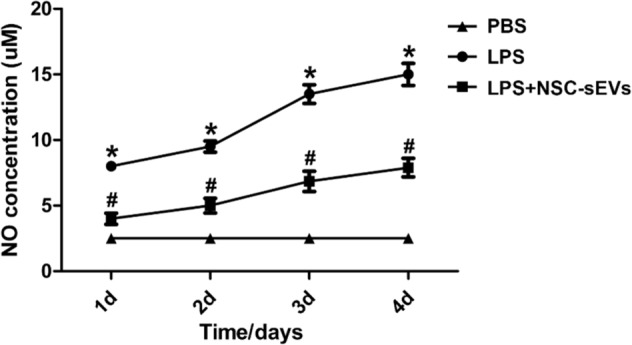
“In vitro experiments demonstrate EVs derived from these NPCs can also reduce the production of nitric oxide (NO) by LPS-stimulated microglia (Rong et al., 2019).”
BackgroundBonetto, V., & Grilli, M. (2023) · Frontiers in Molecular Biosciences · doi:10.3389/fmolb.2023.1187263 · Cited by 27
“These effects could be mediated by EV-associated 14–3-3t, a protein which modulates beclin-1 expression, reduces apoptosis and neuroinflammation, and activates autophagy (Rong et al., 2019a; Rong et al., 2019b).”
BackgroundZhou, Z., & Zhang, P. (2023) · Functional & Integrative Genomics · doi:10.1007/s10142-023-01247-1 · Cited by 25
“Optimal therapeutic mechanisms encompass the facilitation of cellular repair and regeneration, the inhibition of neuronal apoptosis, the enhancement of microcirculation, and the suppression of glial scarring and inflammation (Tran et al. 2022; Rong et al. 2019).”
Hydrogel-encapsulated extracellular vesicles for the regeneration of spinal cord injury
Nazerian, Y., Nazerian, A., Mohamadi-Jahani, F., Sodeifi, P., Jafarian, M., & Javadi, S. A. H. (2023) · Frontiers in Neuroscience · doi:10.3389/fnins.2023.1309172 · Cited by 33
Harnessing stem cell-derived exosomes: a promising cell-free approach for spinal cord injury
Lin, M., Alimerzaloo, F., Wang, X., Alhalabi, O., Krieg, S. M., Skutella, T., & Younsi, A. (2025) · Stem Cell Research & Therapy · doi:10.1186/s13287-025-04296-4 · Cited by 28
“…exosomes can increase the expression of autophagy markers like LC3B and beclin-1, facilitating autophagosome formation, reducing SCI damage, and decreasing pro-apoptotic proteins like Bax and caspase-3, while increasing anti-apoptotic proteins like Bcl-2, further mitigating neuronal apoptosis [33].”
Huang, Y., Zuo, L., Tan, F., Hu, Z., & Lü, M. (2020) · Oxidative Medicine and Cellular Longevity · doi:10.1155/2020/9768713 · Cited by 24
dos Santos, M. F., Roxo, C., & Solá, S. (2021) · Antioxidants · doi:10.3390/antiox10071088 · Cited by 26
Wu, Q., Xiang, Z., Ying, Y., Huang, Z., Tu, Y., Chen, M., Ye, J., Dou, H., Sheng, S., Li, X., et al. (2021) · Cell Death Discovery · doi:10.1038/s41420-021-00701-y · Cited by 24
The neural stem cell secretome across neurodevelopment
Dause, T. J., Denninger, J. K., Smith, B. M., & Kirby, E. D. (2022) · Experimental Neurology · doi:10.1016/j.expneurol.2022.114142 · Cited by 27
Biogenesis, Biologic Function and Clinical Potential of Exosomes in Different Diseases
Beshbishy, A. M., Alghamdi, S. A., Onyiche, T. E., Zahoor, M., Rivero-Pérez, N., Zaragoza-Bastida, A., Ghorab, M. A., Meshaal, A. K., El-Esawi, M. A., Hetta, H. F., et al. (2020) · Applied Sciences · doi:10.3390/app10134428 · Cited by 24
“Neural Stem Cell in vitro and in vivo Spinal cord Reduce neuronal apoptosis, inhibit neuroinflammation, and promote functional recovery in SCI model rats at an early stage by promoting autophagy [28]”
BackgroundThe emerging therapeutic potential of extracellular vesicles in trauma
Alsaadi, N. N., Srinivasan, A. J., Seshadri, A. J., Shiel, M. J., Neal, M. D., & Scott, M. J. (2021) · Journal of Leukocyte Biology · doi:10.1002/jlb.3mir0621-298r · Cited by 27
The Role of Exosomes and Exosomal Noncoding RNAs From Different Cell Sources in Spinal Cord Injury
Yang, Z., Rao, J., Lin, F., Liang, Z., Xu, X., Lin, Y., Chen, X., Wang, C., & Chen, C. (2022) · Frontiers in Cellular Neuroscience · doi:10.3389/fncel.2022.882306 · Cited by 25
“SCI is divided into five stages depending on the pathophysiological process and the time of injury: hyperacute phase (0–2 h), acute phase (2–48 h), subacute phase (2–14 days), intermediate phase (2 weeks to 6 months), and chronic phase (>6 months; Rowland et al., 2008).”
BackgroundYu, L., Yu, Y., Liu, S., & Ge, S. (2022) · Frontiers in Cell and Developmental Biology · doi:10.3389/fcell.2022.898394 · Cited by 24
Wei Min, N. I., Ramalingam, M., Li, Y., Park, J.-H., Dashnyam, K., Lee, J., Bloise, N., Fassina, L., Visai, L., Angelis, M. G. C. D., et al. (2023) · Stem Cell Reviews and Reports · doi:10.1007/s12015-022-10501-1 · Cited by 27
Long, J., Gu, C., Zhang, Q., Liu, J., Huang, J., Li, Y., Zhang, Y., Li, R., Ahmed, W., Zhang, J., et al. (2023) · Frontiers in Cell and Developmental Biology · doi:10.3389/fcell.2023.1096329 · Cited by 23
Zhu, S., Ying, Y., Ye, L., Ying, W., Ye, J., Wu, Q., Chen, M., Zhu, H., Li, X., Dou, H., et al. (2021) · Frontiers in Pharmacology · doi:10.3389/fphar.2020.628369 · Cited by 25
“However, in the pathogenesis of SCI, lysosomal injury and dysfunction could cause defects in autophagy flux, accumulation of autophagosomes and initiation of long-term and excessive-scale autophagic activity, which results in the damage of nerve cells (Rong et al., 2019).”
BackgroundDu, X., Kong, D., Guo, R., Liu, B., He, J., Zhang, J., Amponsah, A. E., Cui, H., & Ma, J. (2024) · Stem Cell Research & Therapy · doi:10.1186/s13287-024-03655-x · Cited by 24
“Similar studies have also shonw that transplantation of NSC can express neuronal [40] and glial markers and restore function in mice with SCI [41–43].”
ResultLosurdo, M., & Grilli, M. (2020) · International Journal of Molecular Sciences · doi:10.3390/ijms21228819 · Cited by 24
A meta-analysis of exosome in the treatment of spinal cord injury
Yi, H., & Wang, Y. (2021) · Open Medicine · doi:10.1515/med-2021-0304 · Cited by 23
“3 Possible mechanism of exosomes Trauma at the lesion site directly leads to apoptosis of neurons [16], activation of cells that support neurons [11] and subsequent activation of neurotoxic signaling cascades [17] in neuronal cells.”
BackgroundDing, L.-L., Chu, W., Xia, Y., Ming, S., Li, T., Zhou, F., & Deng, D. Y. B. (2023) · Cell Death and Disease · doi:10.1038/s41419-023-06003-8 · Cited by 22
Li, N., Lu, C., Zhao, X., Gu, C., Chang, Y., & Feng, S. (2023) · Cell Death Discovery · doi:10.1038/s41420-023-01612-w · Cited by 24
Zhang, Y., Wu, H., Xu, C., Li, S., Hu, Y., Zhang, Z., Wu, G., Liu, Y., Yang, L., Huang, Y. M., et al. (2023) · Food Science & Nutrition · doi:10.1002/fsn3.3761 · Cited by 20
“Antidepressant drugs commonly used in clinical practice are associated with many side effects, such as addiction, headache and sexual dysfunction, and are associated with unsatisfactory efficacy (Liu et al., 2019 ; Tang & Li, 2020 ).”
BackgroundShen, Y.-J., Huang, Y.-C., & Cheng, Y. (2024) · Antioxidants · doi:10.3390/antiox14010017 · Cited by 33
“In a rat SCI model, intravenously delivered NSPC-derived EVs reduced neuronal apoptosis, microglial activation, and neuroinflammation by enhancing autophagy and modulating apoptotic gene expression [258].”
Luo, D., Li, X., Hou, Y., Hou, Y., Luan, J., Weng, J., Zhan, J., & Lin, D. (2021) · Drug Development Research · doi:10.1002/ddr.21898 · Cited by 21
“Any injury to the spinal cord triggers apoptosis around the trauma epi- center (Gao & Li, 2017; Rong et al., 2019; Sakurai et al., 2003).”
BackgroundChen, S., Ye, J., Wu, G., Shi, J., Li, X., Chen, X., & Wu, W. (2023) · Neurorehabilitation and neural repair · doi:10.1177/15459683231183716 · Cited by 21
Chen, G., Tong, K., Li, S., Huang, Z., Liu, S., Zhu, H., Zhong, Y., Zhou, Z., Jiao, G., Wei, F., et al. (2024) · Bioactive Materials · doi:10.1016/j.bioactmat.2024.01.013 · Cited by 34
“Our results indicated that T-EVs had a greater ability than control EVs to promote functional recovery in mice after SCI. Inflammation and apoptosis are the two major processes involved in secondary injury following SCI [50].”
ResultExtracellular vesicles: innovative cell-free solutions for wound repair
Eerdekens, H., Pirlet, E., Willems, S., Bronckaers, A., & Lins, P. M. P. (2025) · Frontiers in Bioengineering and Biotechnology · doi:10.3389/fbioe.2025.1571461 · Cited by 21
Programmed cell death and tissue regeneration: a link that should be resolved
Kopeina, G. S., Efimenko, A. Y., Va, T., & Zhivotovsky, B. (2025) · Physiological Reviews · doi:10.1152/physrev.00036.2024 · Cited by 23
Gu, Y., Chen, D., Zhou, L., Zhao, X., Lin, J., Lin, B., Lin, T., Chen, Z., Chen, Z., Wang, Z., et al. (2021) · Cell Death Discovery · doi:10.1038/s41420-021-00455-7 · Cited by 20
Self-citationYang, Z., Liu, D., Zhou, H., Tao, B., Chang, L., Liu, H., Luo, H., Wang, D., & Liu, W. (2021) · Frontiers in Bioengineering and Biotechnology · doi:10.3389/fbioe.2021.766380 · Cited by 19
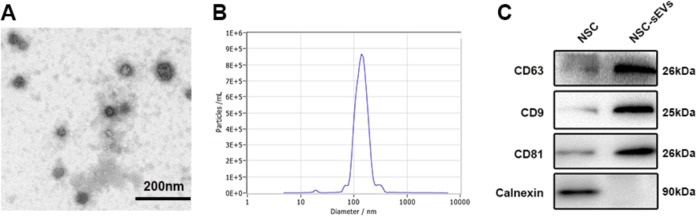
“In this study, EVs were isolated from SCC9 cells, and our data showed that the EVs exhibited the same size and shape in accordance with B16 EVs and neural stem cell EVs (Lara et al., 2020; Rong et al., 2019).”
ResultSelf-citationExosomes in pathogenesis, diagnosis, and therapy of ischemic stroke
Jin, M., Zhang, S., Wang, M., Li, Q., Ren, J., Luo, Y., & Sun, X. (2022) · Frontiers in Bioengineering and Biotechnology · doi:10.3389/fbioe.2022.980548 · Cited by 21
“Recent studies showed that the tissue repair and regenerative functions performed by stem cells are mediated by their paracrine effects at stem cells that are less differentiated and unstable at the site of injury (Rong et al., 2019).”
BackgroundSelf-citationTong, K., Li, S., Chen, G., Ma, C., Liu, X., Liu, S., & Chen, N. (2023) · Molecular Neurobiology · doi:10.1007/s12035-022-03156-z · Cited by 18
“ing neurotrophic factors from the ependyma to the injured area [8, 10].”
BackgroundQiao, L., Tang, Q., An, Z., & Qi, J. (2023) · Journal of Pharmacological Sciences · doi:10.1016/j.jphs.2023.06.002 · Cited by 21
Zhao, X., Zhu, J., Chen, S., Liu, R., & Long, T. (2023) · Journal of Inflammation Research · doi:10.2147/jir.s414121 · Cited by 19
“Recently, exosomes have been identified as a crucial role in intercellular communication by delivering proteins, RNAs and miRNAs to neighboring cells.(10,11) Although some studies show that neural stem cell-derived exosomes (NSC-Exos) are powerful mediators obtained in neuronal protective and immune response under mul…”
BackgroundFrom hope to healing: Exploring the therapeutic potential of exosomes in spinal cord injury
Singh, N., Guha, L., & Kumar, H. (2024) · Extracellular Vesicle · doi:10.1016/j.vesic.2024.100044 · Cited by 22
Cell and Cell Free Therapies in Osteoarthritis
Peláez, P., Damiá, E., Torres-Torrillas, M., Chicharro, D., Cuervo, B., de Miguel, L., Romero, A. D., Carrillo, J. M., Sopena, J. J., & Rubio, M. (2021) · Biomedicines · doi:10.3390/biomedicines9111726 · Cited by 21
“MSCs-derived exosomes isolated from different tissue sources are free of cells and have shown therapeutic potential to treat many diseases [134,135].”
BackgroundWang, X., Zhou, G., Xiong, J., Wu, Y., Gao, Y., Wang, H., Pan, D., Luo, Y., & Zhou, Z. (2025) · CNS Neuroscience & Therapeutics · doi:10.1111/cns.70232 · Cited by 24
“Primary neurons were cultured in a manner consistent with previous descriptions [23].”
Self-citationPopescu-Drigă, M. V., Cătălin, B., Olaru, D. G., Słowik, A., Plesnila, N., Hermann, D. M., & Popa‐Wagner, A. (2021) · Biomedicines · doi:10.3390/biomedicines9091226 · Cited by 21
“Some of the observed effects of microglia-derived EVs are mediated by the C3 complement receptor [102,103].”
BackgroundJin, S., Lv, Z., Kang, L., Wang, J., Tan, C., Shen, L., Wang, L., & Liu, J. (2022) · Asian Journal of Pharmaceutical Sciences · doi:10.1016/j.ajps.2022.10.002 · Cited by 23
“[49] Rong Y , Liu W , Wang J , Fan J , Luo Y , Li L , et al.”
BackgroundSelf-citationXuan, L., Hu, Z., Jiang, Z., Zhang, C., Sun, X., Ming, W., Liu, H., Qiao, R., Shen, L., Liu, S., et al. (2023) · CNS Neuroscience & Therapeutics · doi:10.1111/cns.14279 · Cited by 17
“46,47 As PXR expression reached its minimum at 3 days after SCI, we selected tissues at 3 days after SCI for mechanistic studies.”
BackgroundRajizadeh, M. A., Motamedy, S., Mir, Y., Akhgarandouz, F., Nematollahi, M. H., & Nezhadi, A. (2023) · Journal of Drug Delivery Science and Technology · doi:10.1016/j.jddst.2023.105011 · Cited by 22
Yin-Yang: two sides of extracellular vesicles in inflammatory diseases
Zeng, B., Li, Y., Khan, N., Su, A., Yang, Y., Mi, P., Jiang, B., Liang, Y., & Duan, L. (2024) · Journal of Nanobiotechnology · doi:10.1186/s12951-024-02779-9 · Cited by 18
Hong, H., Xu, G., Bao, G., Zhang, J., Chen, C., Chen, J., Wu, C., Jiang, J., Huang, J., Huang, H., et al. (2023) · CNS Neuroscience & Therapeutics · doi:10.1111/cns.14453 · Cited by 17
Self-citationNeural Stem Cell‐Derived Extracellular Vesicles for Advanced Neural Repair
Moretti, E. H., Lin, A. L. Y., Peruzzotti‐Jametti, L., Pluchino, S., & Mozafari, S. (2025) · Journal of Neurochemistry · doi:10.1111/jnc.70170 · Cited by 16
“In the presence of the auto-phagy inhibitor 3-Methyladenine (3MA), all these protective effects of EVs on spinal neurons and microglia were reversed (Rong et al. 2019), suggesting the therapeutic actions of EVs in modulating neuroinflammation and enhancing neuronal survival are at least partially…”
InfluentialQuercetin Can Improve Spinal Cord Injury by Regulating the mTOR Signaling Pathway
Wang, X., Fu, Y., Botchway, B. O. A., Zhang, Y., Zhang, Y., Jin, T., & Liu, X. (2022) · Frontiers in Neurology · doi:10.3389/fneur.2022.905640 · Cited by 18
Traumatic Human Spinal Cord Injury: Are Single Treatments Enough to Solve the Problem?
Grijalva, I., & Doncel‐Pérez, E. (2023) · Archives of Medical Research · doi:10.1016/j.arcmed.2023.102935 · Cited by 18
Tsai, M., Wu, C.-Y., Wu, C.-H. W., & Chen, C. (2024) · Biomedicines · doi:10.3390/biomedicines12081894 · Cited by 18
“These factors contribute to reducing inflammation and promoting tissue survival [87,88].”
BackgroundThe Function and Mechanisms of Autophagy in Spinal Cord Injury
Luo, C., & Tao, L. (2020) · Advances in experimental medicine and biology · doi:10.1007/978-981-15-4272-5_47 · Cited by 15
Liu, C., Chen, X., Ene, J., Esmonde, C., Kanekiyo, T., Zeng, C., Sun, L. J., & Li, Y. (2025) · ACS Applied Materials & Interfaces · doi:10.1021/acsami.4c22692 · Cited by 20
Exosomes: an innovative therapeutic target for cerebral ischemia-reperfusion injury
Yang, Y., Duan, Y., Yue, J., Yin, Y., Ma, Y., Wan, X., & Shao, J. (2025) · Frontiers in Pharmacology · doi:10.3389/fphar.2025.1552500 · Cited by 19
Extracellular Vesicles in the Crosstalk of Autophagy and Apoptosis: A Role for Lipid Rafts
Longo, A., Manganelli, V., Misasi, R., Riitano, G., Çağlar, T. R., Fasciolo, E., Recalchi, S., Sorice, M., & Garofalo, T. (2025) · Cells · doi:10.3390/cells14100749 · Cited by 16
“Recently it has been reported that small EVs derived from neural stem cells (NSC-sEVs) reduce apoptosis and neuroinflammation in spinal cord injuries by promoting autophagy [151].”
Ghosh, M., Bayat, A., & Pearse, D. D. (2025) · International Journal of Molecular Sciences · doi:10.3390/ijms26157246 · Cited by 20
“Neural-stem-cell-derived sEVs enhance motor recovery, attenuate inflammatory microglial activation, reduce neuronal apoptosis, and promote autophagy in chronic SCI models [120].”
Zhao, C. F., Zheng, X., Zhang, C., Fan, Y., & Liu, H. (2021) · Journal of Materials Chemistry B · doi:10.1039/d0tb02740e · Cited by 17
Du, Y. Z., & Cai, X. (2023) · Biomedicine & Pharmacotherapy · doi:10.1016/j.biopha.2023.114905 · Cited by 15
Liu, C., Sun, L. J., Worden, H., Ene, J., Zeng, O. Z., Bhagu, J., Grant, S. C., Bao, X., Jung, S., & Li, Y. (2024) · Journal of Extracellular Biology · doi:10.1002/jex2.70002 · Cited by 19
Tu, Y., & Hsueh, Y.-H. (2020) · Neurological Research · doi:10.1080/01616412.2020.1794371 · Cited by 16
“Recently, numerous in vitro and in vivo studies demonstrated that EVs derived from stem cells can ameliorate and repair neural damage in traumatic brain injury [32,33] and spinal cord injury [34,35].”
BackgroundZawadzka, M., Kwaśniewska, A., Miazga, K., & Sławińska, U. (2021) · Cells · doi:10.3390/cells10112995 · Cited by 17
“Significant improvement of locomotor functions of treated animals was assessed in behavioral or electrophysiological tests [42,57,65,69].”
BackgroundMethodInfluentialQian, L., Yang, K., Liu, X., Zhang, L., Zhao, H., Qiu, L., Chu, Y., Zhao, Y., Zhuang, Y., Chen, Y., et al. (2023) · Biomaterials Science · doi:10.1039/d2bm01467j · Cited by 16
Extracellular vesicle therapy for traumatic central nervous system disorders
Zhang, J., Shi, W., Qu, D., Yu, T., Qi, C., & Fu, H. (2022) · Stem Cell Research & Therapy · doi:10.1186/s13287-022-03106-5 · Cited by 15
“In an experimental SCI model, neural stem cell exosomes (NSC-EVs) alleviated neuronal apoptosis and neuroinflammation by inducing autophagy [85].”
BackgroundAutophagy regulation combined with stem cell therapy for treatment of spinal cord injury
Shen, Y., Wang, Y.-P., Cheng, X., Yang, X., & Wang, G. (2022) · Neural Regeneration Research · doi:10.4103/1673-5374.363189 · Cited by 18
“…endoplasmic reticulum stress (Zhou et al., 2020a); and transplanted neural stem cell (NSC)derived small extracellular vesicles regulate apoptosis and inflammatory processes after SCI by inducing autophagy (Rong et al., 2019a), indicating that autophagy may be indispensable in the repair of SCI.”
BackgroundDelivery of FGF10 by implantable porous gelatin microspheres for treatment of spinal cord injury
Gu, Y., Wen, G., Zhao, H. L., Qi, H., Yang, Y. L., & Hu, T. (2023) · Molecular Medicine Reports · doi:10.3892/mmr.2023.13024 · Cited by 14
“Apoptosis post‐SCI modulates neuronal degen‐ eration (29,30).”
Hu, J., Huang, K., Bao, F., Zhong, S., Fan, Q., & Li, W. (2023) · PeerJ · doi:10.7717/peerj.15919 · Cited by 14
“Rong et al. (2019) found that exosomes derived from neural stem cells suppressed cell apoptosis and the neuroinflammatory response after SCI by activating autophagy.”
The acute spinal cord injury microenvironment and its impact on the homing of mesenchymal stem cells
Liu, J., Qi, L., Bao, S., Yan, F., Chen, J., Yu, S., & Dong, C. (2024) · Experimental Neurology · doi:10.1016/j.expneurol.2024.114682 · Cited by 15
Self-citationNeurovascular unit in ischemic stroke in older adults: a narrative review
Wang, C., Yang, Y., Xiong, T., & Li, S. (2025) · Aging advances. · doi:10.4103/agingadv.agingadv-d-24-00031 · Cited by 16
REMOVED: Protein kinase inhibitors in traumatic brain injury and repair: New roles of nanomedicine
Sharma, H. S., Sahib, S., Tian, Z. R., Muresanu, D. F., Nozari, A., Lafuente, J. V., Wiklund, L., & Sharma, A. (2020) · Progress in brain research · doi:10.1016/bs.pbr.2020.09.009 · Cited by 17
Extracellular Vesicles from Stem and Progenitor Cells for Cell-Free Regenerative Therapy
Haque, N., Widera, D., Govindasamy, V., Soesilawati, P., & Kasim, N. H. A. (2021) · Current Molecular Medicine · doi:10.2174/1566524021666210125114828 · Cited by 16
Li, R., Hu, Q., Shi, X., Luo, Z., & Dong-hua, S. (2022) · Cell and Tissue Research · doi:10.1007/s00441-022-03699-6 · Cited by 16
Ismaeel, G. L., AlHassani, O. J. M., Alazragi, R. S., Ahmed, A. H., Mohamed, A. H., Jasim, N. Y., Shari, F. H., & Almashhadani, H. A. (2023) · Biotechnology Progress · doi:10.1002/btpr.3363 · Cited by 15
Sintakova, K., & Romanyuk, N. (2024) · Frontiers in Neuroscience · doi:10.3389/fnins.2024.1400413 · Cited by 15
Wang, W., Lu, G., Guo, P., Zhang, H., Wang, Y., Zheng, D.-W., Lyu, C., Wang, D., Li, S., Li, F., et al. (2025) · Cell Reports Medicine · doi:10.1016/j.xcrm.2025.102319 · Cited by 25
Huang, T., Wu, J., Mu, J., & Gao, J. (2022) · Molecular Pharmaceutics · doi:10.1021/acs.molpharmaceut.2c00605 · Cited by 13
Wang, Y., Xu, H., Wang, J., Yi, H., & Song, Y. (2022) · Current Stem Cell Research & Therapy · doi:10.2174/1574888x17666220330005937 · Cited by 14
Self-citationSelected Tetraspanins Functionalized Niosomes as Potential Standards for Exosome Immunoassays
García‐Manrique, P., Serrano‐Pertierra, E., Lozano−Andrés, E., López‐Martín, S., Matos, M., Gutiérrez, G., Yáñez‐Mó, M., & Blanco‐López, M. C. (2020) · Nanomaterials · doi:10.3390/nano10050971 · Cited by 13
“Besides differences in terms of peaks intensities across the distributions (Figure 3b), the size distribution limits are similar for all the particles, and are in agreement with those reported in the literature [31,32,34] especially when ultracentrifugation is used for isolation/enrichment [33], and within the lower l…”
ResultMicroglia and programmed cell death in spinal cord injury: beyond apoptosis
Huang, M., Yao, G., He, B., Zhou, X., Liu, G., & Dong, W. (2025) · Frontiers in Cell and Developmental Biology · doi:10.3389/fcell.2025.1656732 · Cited by 14
Fan, Y., Lou, J., Jin, M., Zhou, C., Shen, H., Fu, C., Mao, X., Chen, Y., Zhong, J., Wang, L., et al. (2024) · Journal of Cellular Physiology · doi:10.1002/jcp.31213 · Cited by 14
“Spinal cord injury (SCI), one severe trauma of the central nervous system (CNS), impairs sensory and autonomic control and motility (Dong et al., 2023; Huang et al., 2022; Rong et al., 2019; Wu et al., 2022).”
BackgroundXuan, Z., Hu, X., Wang, Z., & Lu, S. (2024) · International Immunopharmacology · doi:10.1016/j.intimp.2024.113281 · Cited by 16
Sources, Isolation Strategies and Therapeutic Outcome of Exosomes at a Glance
Banerjee, A., Jain, S. M., Abrar, S. S., Kumar, M. M., Mathew, C., & Pathak, S. (2020) · Regenerative Medicine · doi:10.2217/rme-2020-0077 · Cited by 12
Derkuş, B., Işık, M., Eylem, C. C., Ergin, İ., Camci, C. B., Bilgin, S., Elbüken, Ç., Arslan, Y. E., Akkulak, M., Adalı, O., et al. (2022) · Advanced Biology · doi:10.1002/adbi.202101317 · Cited by 12
Ravichandiran, V., Kesharwani, A., Anupriya, Bhaskaran, M., Parihar, V. K., Bakhshi, S., Velayutham, R., & Kumarasamy, M. (2024) · Precision medicine and engineering. · doi:10.1016/j.preme.2024.100010 · Cited by 11
Spinelli, M., Fusco, S., & Grassi, C. (2024) · Stem Cells · doi:10.1093/stmcls/sxae074 · Cited by 11
“60,88 Furthermore, MSC-derived EVs can impact on autophagy levels in activated microglia through the transfer of miR-99b-3p, highlighting their potential to influence EV release and its impact on neuro-degenerative processes.”
Huang, K., Fang, J. S., Sun, W., Zeng, Y., Shi, B., Ren, B., Bi, H., & Shuai, L. (2024) · Scientific Reports · doi:10.1038/s41598-024-81332-y · Cited by 11
Yuan, F., Zhang, M., Shi, Y., Li, M., Ou, J., Bai, W., & Zhang, M. (2020) · Experimental and Therapeutic Medicine · doi:10.3892/etm.2020.9008 · Cited by 12
“Microglia autophagy serve an important role in the differentiation, survival and homeostasis maintenance of transplanted stem cells (43-46).”
BackgroundZou, P., Zhang, X., Zhang, R., Chai, X., Zhao, Y.-T., Li, E., Zhang, Q., Yan, R., Yang, J.-S., & Liao, B. (2022) · Frontiers in Molecular Biosciences · doi:10.3389/fmolb.2022.853654 · Cited by 11
Metadata
- Authors
- Rong, Y., Liu, W., Wang, J., Fan, J., Luo, Y., Li, L., Kong, F., Chen, J., Tang, P., & Cai, W.
- Affiliations
- Jiangsu Province Hospital (CN)
- Sichuan University (CN)
- Corresponding author
- Cai, Weihua
- ORCID
- Venue
- Cell Death & Disease
- Published
- 2019-04-18
- Volume
- 10
- Issue
- 5
- Pages
- 340-340
- ISSN
- 2041-4889 (ISSN-L)
- PMC
- PMC6472377
- OpenAlex
- W2935822819
- Semantic Scholar
- 75726b26a1e9f8e8c327c85127000de608adb792
- Cited by
- 333
- References
- 71
- Citations by year
- 2026: 17 · 2025: 38 · 2024: 59 · 2023: 69 · 2022: 57 · 2021: 49 · 2020: 32 · 2019: 12
- FWCI
- 27.60
- Type
- journal article
- Language
- en
- Open access
- gold
- doi.org
- Licence
- cc-by
- creativecommons.org/licenses/by/4.0 (tdm)
- creativecommons.org/licenses/by/4.0 (vor)
- Locations
- Cell Death and Disease (publishedVersion, cc-by)
- PubMed Central (publishedVersion, cc-by)
- PubMed (publishedVersion)
- DOAJ (DOAJ: Directory of Open Access Journals) (submittedVersion)
- Topics
- Health Sciences › Medicine › Clinical Neurology › Spinal Cord Injury Research
- Life Sciences › Biochemistry, Genetics and Molecular Biology › Molecular Biology › Extracellular vesicles in disease
- Life Sciences › Neuroscience › Cellular and Molecular Neuroscience › Nerve injury and regeneration
- Keywords
- spinal cord injury, neural stem cells, small extracellular vesicles, autophagy, neuronal apoptosis, neuroinflammation, microglial activation, functional recovery, paracrine signaling, LC3B, Beclin-1, caspase-3, Bax/Bcl-2 ratio, inflammatory cytokines, 3-methyladenine
- MeSH terms
- Extracellular Vesicles, Beclin-1, Animals, Autophagy, Cells, Cultured, Disease Models, Animal, Fetus, Inflammation, Locomotion, Macrophages, Male, Microtubule-Associated Proteins, Neurons, Spinal Cord Injuries, Cytokines, Rats, Sprague-Dawley, Apoptosis, Glutamic Acid, Mice, Neural Stem Cells
About these checks
Registry, retraction, Cites and statistics results are computed, not judged, with one exception: a printed reference that no index lists is read once by a model before it counts as a citation error. Claims are extracted by a model and kept only when their quote appears verbatim in the text; each cited source is then checked, with a model’s help, for whether it says what the claim relies on. Those verdicts can be wrong — read the claim’s quote and the cited source before relying on one.
Statistics and arithmetic are recomputed, not judged.
Confidence bands are shown only for fields calibrated on our annotated test set. None is calibrated yet, so no band is shown.
What counts as a claim ›How we measure confidence ›How we check this ›
Are you an author, or do you see a problem with this page? Request a review
Data sources
Bibliographic data: Semantic Scholar, OpenAlex, Crossref.
Contains information from the Semantic Scholar Academic Graph Datasets, made available under the ODC Attribution License (ODC-BY 1.0).
Semantic Scholar’s data is described in: Kinney, R., et al. (2023). The Semantic Scholar Open Data Platform. arXiv:2301.10140.
