

Neural stem cell-derived small extracellular vesicles attenuate apoptosis and neuroinflammation after traumatic spinal cord injury by activating autophagy
Open accessThe DOI matches its Crossref record; 71 of the 71 references it cites were found in a registry or an index.
Abstract
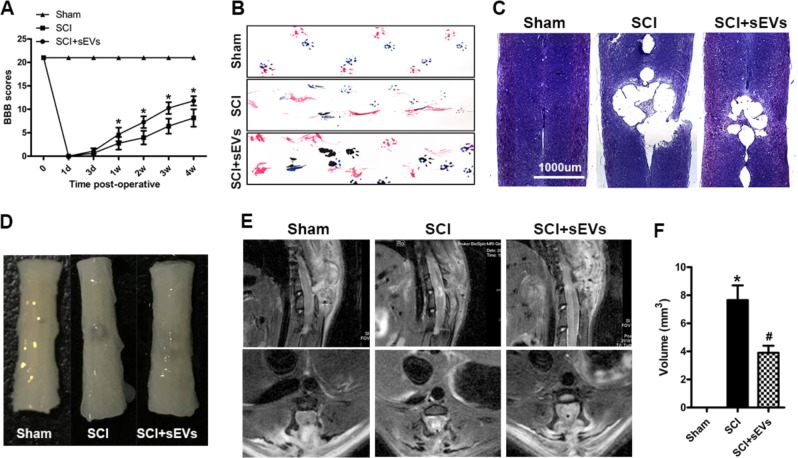
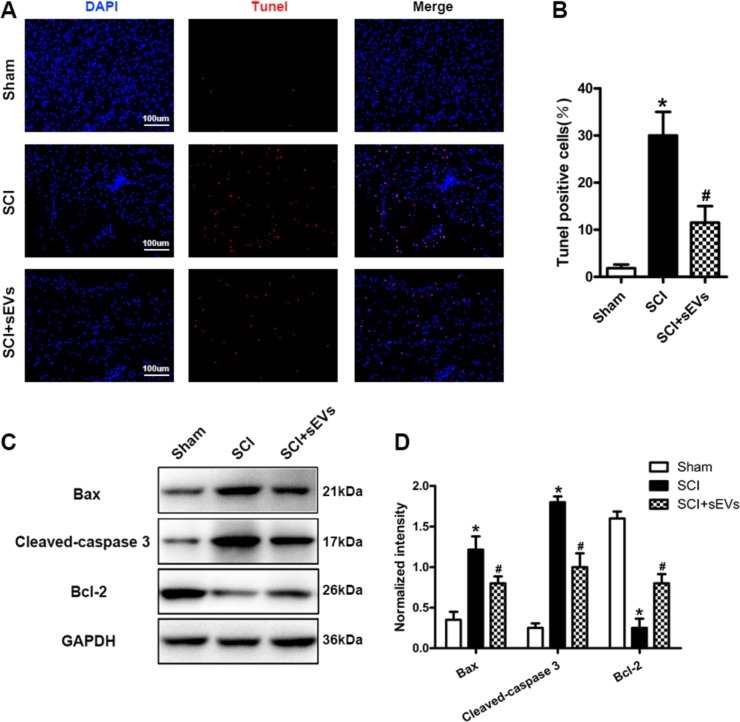
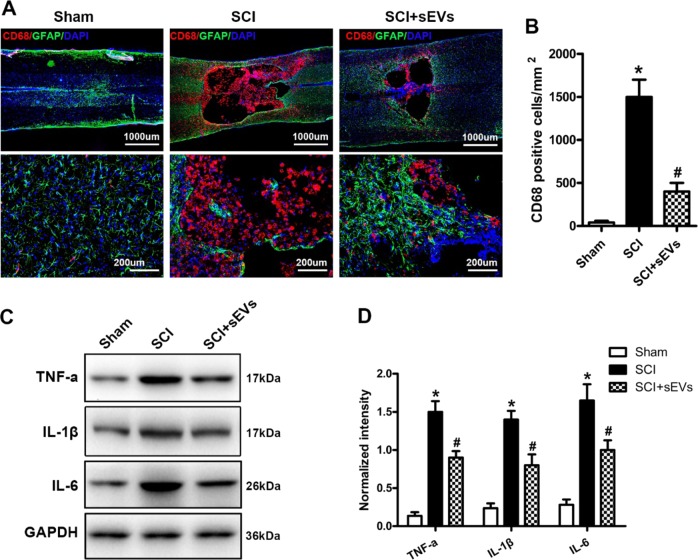
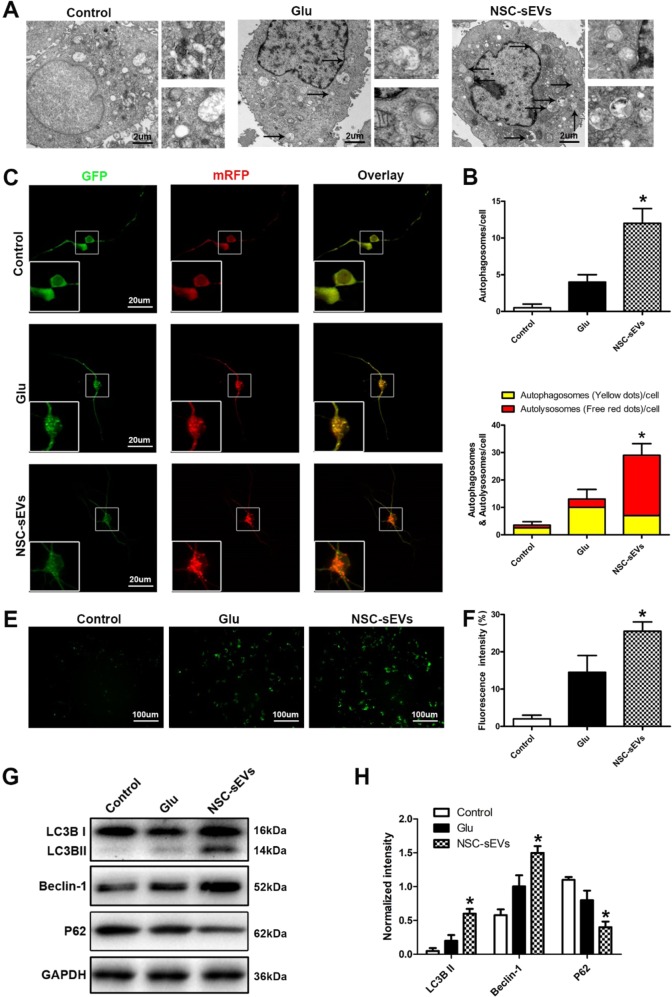
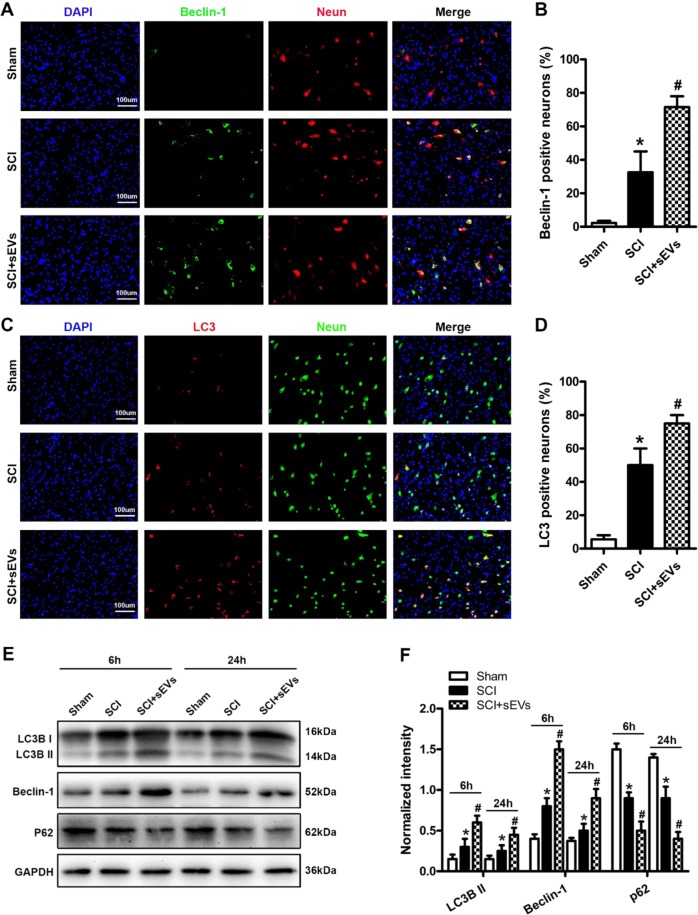
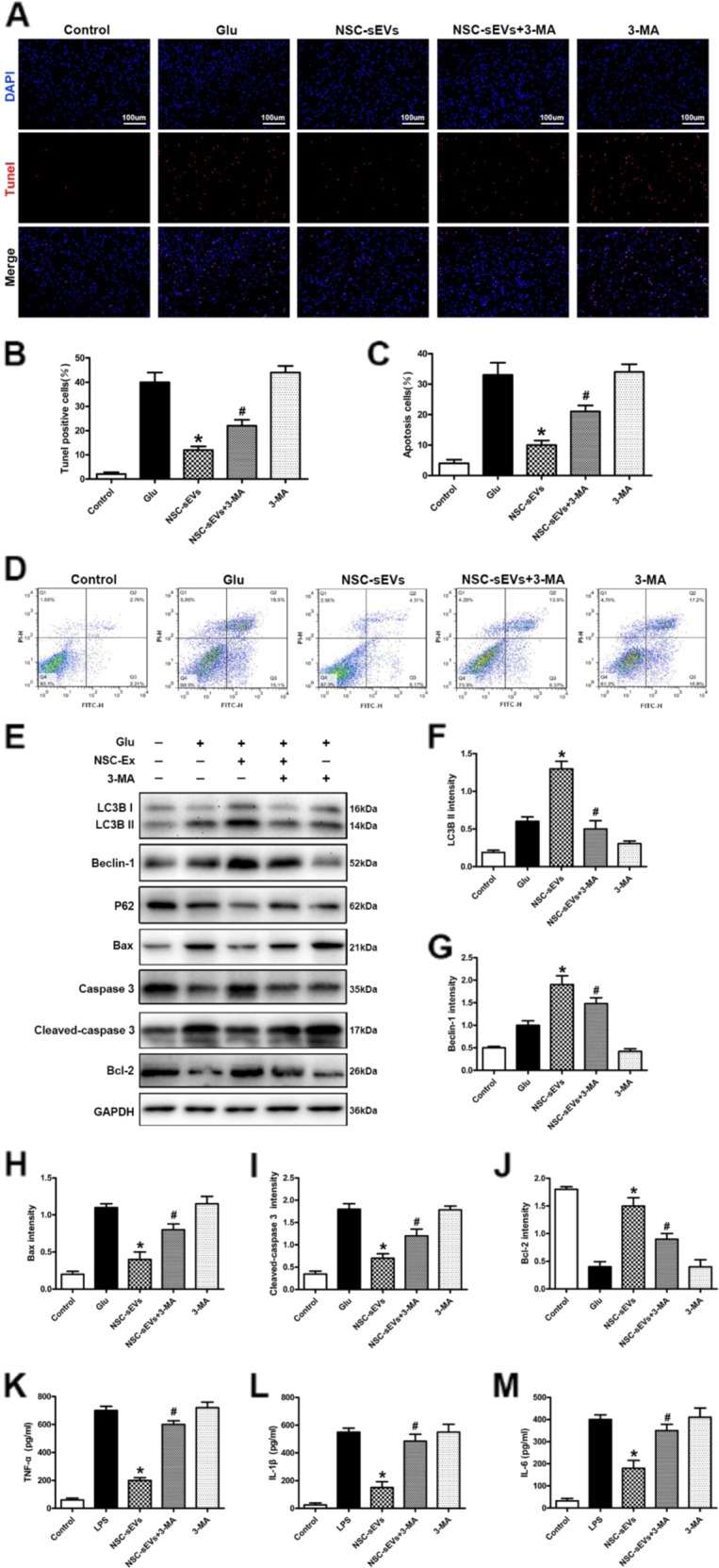
Spinal cord injury (SCI) can cause severe irreversible motor dysfunction and even death. Neural stem cell (NSC) transplantation can promote functional recovery after acute SCI in experimental animals, but numerous issues, including low-transplanted cell survival rate, cell de-differentiation, and tumor formation need to be resolved before routine clinical application is feasible. Recent studies have shown that transplanted stem cells facilitate regeneration through release of paracrine factors. Small extracellular vesicles (sEVs), the smallest known membrane-bound nanovesicles, are involved in complex intercellular communication systems and are an important vehicle for paracrine delivery of therapeutic agents. However, the application of NSC-derived small extracellular vesicles (NSC-sEVs) to SCI treatment has not been reported. We demonstrate that NSC-sEVs can significantly reduce the extent of SCI, improve functional recovery, and reduce neuronal apoptosis, microglia activation, and neuroinflammation in rats. Furthermore, our study suggests that NSC-sEVs can regulate apoptosis and inflammatory processes by inducing autophagy. In brief, NSC-sEVs increased the expression of the autophagy marker proteins LC3B and beclin-1, and promoted autophagosome formation. Following NSC-sEV infusion, the SCI area was significantly reduced, and the expression levels of the proapoptotic protein Bax, the apoptosis effector cleaved caspase-3, and the pro-inflammatory cytokines TNF-α, IL-1β, and IL-6 were significantly reduced, whereas the expression level of the anti-apoptotic protein Bcl-2 was upregulated. In the presence of the autophagy inhibitor 3MA, however, these inhibitory effects of NSC-sEVs on apoptosis and neuroinflammation were significantly reversed. Our results show for the first time that NSC-sEV treatment has the potential to reduce neuronal apoptosis, inhibit neuroinflammation, and promote functional recovery in SCI model rats at an early stage by promoting autophagy.
Overview
The claims and statistics of this paper haven’t been checked yet.
Free: it reads the open-access text and checks the first 5 claims that cite a source we can check. Create a free account to check every claim.
Integrity signals
Registry
Cites
Statistics
Figures

Verification
Claims the paper makes
The claims and statistics of this paper haven’t been checked yet.
Free: it reads the open-access text and checks the first 5 claims that cite a source we can check. Create a free account to check every claim.
Claims other papers make about this one
Each is checked against this paper’s own text: does it say what the citing paper says it does?
The source backs part of the claim, not all of it — or backs it for a different population, condition or comparison.
In the citing paper
“Finally, probes measuring the autophagic flux without requiring transfection or permeabilization have also been developed.Such methods are based on dyes that selectively label autophagic vesicles (autophagosomes and autolysosomes) but not lysosomes, and are used for both primary cells [502,503] and cell lines [504,505] from different species (including nonmammals).”
From Guidelines for the use and interpretation of assays for monitoring autophagy (4th edition) 1 (2021) · cites this paper as [503]
Experimental — accuracy not yet measured
Self-check
Percentages, sums and reported differences re-computed from the paper’s own numbers.
The self-check needs the paper’s full text.
Citations
Cites
1 retracted
Spontaneous Human Adult Stem Cell Transformation
Rubio, D., Garcia-Castro, J., Martín, M. C., de la Fuente, R., Cigudosa, J. C., Lloyd, A. C., & Bernad, A. (2005) · Cancer Research · doi:10.1158/0008-5472.can-04-4194 · Cited by 1,036
RetractedThéry, C., Witwer, K. W., Aikawa, E., Alcaraz, M. J., Anderson, J. D., Andriantsitohaina, R., Antoniou, A., Arab, T., Archer, F., Atkin‐Smith, G. K., et al. (2018) · Journal of Extracellular Vesicles · doi:10.1080/20013078.2018.1535750 · Cited by 11,099
Autophagy in the Pathogenesis of Disease
Levine, B., & Kroemer, G. (2008) · Cell · doi:10.1016/j.cell.2007.12.018 · Cited by 7,069
The Bcl2 family: regulators of the cellular life-or-death switch
Cory, S., & Adams, J. M. (2002) · Nature Reviews Cancer · doi:10.1038/nrc883 · Cited by 4,032
Autophagy in immunity and inflammation
Levine, B., Mizushima, N., & Virgin, H. W. (2011) · Nature · doi:10.1038/nature09782 · Cited by 3,289
The Beclin 1 network regulates autophagy and apoptosis
Kang, R., Zeh, H. J., Lotze, M. T., & Tang, D. (2011) · Cell Death & Differentiation · doi:10.1038/cdd.2010.191 · Cited by 2,485
McDonald, J. W., & Sadowsky, C. (2002) · The Lancet · doi:10.1016/s0140-6736(02)07603-1 · Cited by 1,799
Haematopoietic stem cells adopt mature haematopoietic fates in ischaemic myocardium
Balsam, L. B., Wagers, A. J., Christensen, J. L., Kofidis, T., Weissman, I. L., & Robbins, R. C. (2004) · Nature · doi:10.1038/nature02460 · Cited by 1,736
Autophagy: molecular machinery for self-eating
Yorimitsu, T., & Klionsky, D. J. (2005) · Cell Death & Differentiation · doi:10.1038/sj.cdd.4401765 · Cited by 1,535
Therapeutic interventions after spinal cord injury
Thuret, S., Moon, L. D. F., & Gage, F. H. (2006) · Nature Reviews Neuroscience · doi:10.1038/nrn1955 · Cited by 1,012
Cited by
Guidelines for the use and interpretation of assays for monitoring autophagy (4th edition) 1
Klionsky, D. J., Abdel-Aziz, A. K., Abdelfatah, S., Abdellatif, M., Abdoli, A., Abel, S., Abeliovich, H., Abildgaard, M. H., Abudu, Y. P., Acevedo-Arozena, A., et al. (2021) · Autophagy · doi:10.1080/15548627.2020.1797280 · Cited by 2,897
Self-citationSpinal Cord Injury: Pathophysiology, Multimolecular Interactions, and Underlying Recovery Mechanisms
Anjum, A., Yazid, M. D., Fauzi Daud, M., Idris, J., Ng, A. M. H., Selvi Naicker, A., Ismail, O. H. R., Athi Kumar, R. K., & Lokanathan, Y. (2020) · International Journal of Molecular Sciences · doi:10.3390/ijms21207533 · Cited by 1,270
“Granulocyte colony-stimulating factor (G-CSF) inhibits glutamate excitotoxicity, apoptosis, and activation of TNF-α and IL-1β [112].”
BackgroundLiu, W., Rong, Y., Wang, J., Zhou, Z., Ge, X., Ji, C., Jiang, D., Gong, F., Li, L., Chen, J., et al. (2020) · Journal of Neuroinflammation · doi:10.1186/s12974-020-1726-7 · Cited by 573
Self-citationLiu, W., Li, L., Rong, Y., Qian, D., Chen, J., Zhou, Z., Luo, Y., Jiang, D., Cheng, L., Zhao, S., et al. (2020) · Acta Biomaterialia · doi:10.1016/j.actbio.2019.12.020 · Cited by 466
Self-citationExtracellular vesicles: A bright star of nanomedicine
Wu, P., Zhang, B., Ocansey, D. K. W., Xu, W., & Qian, H. (2021) · Biomaterials · doi:10.1016/j.biomaterials.2020.120467 · Cited by 368
Jiang, D., Gong, F., Ge, X., Lv, C., Huang, C., Feng, S., Zhou, Z., Rong, Y., Wang, J., Ji, C., et al. (2020) · Journal of Nanobiotechnology · doi:10.1186/s12951-020-00665-8 · Cited by 282
Self-citationNeural Stem Cell Transplantation for Neurodegenerative Diseases
De Gioia, R., Biella, F., Citterio, G., Rizzo, F., Abati, E., Nizzardo, M., Bresolin, N., Comi, G. P., & Corti, S. (2020) · International Journal of Molecular Sciences · doi:10.3390/ijms21093103 · Cited by 247
Development of Extracellular Vesicle Therapeutics: Challenges, Considerations, and Opportunities
Claridge, B., Lozano, J., Poh, Q. H., & Greening, D. W. (2021) · Frontiers in Cell and Developmental Biology · doi:10.3389/fcell.2021.734720 · Cited by 227
“…phenotype (Hoshino et al., 2015, 2020; Melo et al., 2015; Kowal et al., 2016; Xu et al., 2016; Figueroa et al., 2017; Greening et al., 2017; Flaherty et al., 2019; Rontogianni et al., 2019; Xu H. et al., 2019; Jung et al., 2020; Bijnsdorp et al., 2021; Kugeratski et al., 2021; Rai et al., 2021).”
Rong, Y., Fan, J., Ji, C., Wang, Z., Ge, X., Wang, J., Ye, W., Yin, G., Cai, W., & Liu, W. (2022) · Cell Death & Differentiation · doi:10.1038/s41418-021-00907-8 · Cited by 213
“Primary neuronal cells were cultured as described previously [20, 21].”
MethodSelf-citationZhang, J., Rong, Y., Luo, C., & Cui, W. (2020) · Aging · doi:10.18632/aging.104110 · Cited by 202
Self-citationZhong, D., Cao, Y., Li, C.-J., Li, M., Rong, Z.-J., Jiang, L., Guo, Z., Lu, H.-B., & Hu, J.-Z. (2020) · Experimental Biology and Medicine · doi:10.1177/1535370219895491 · Cited by 158
“Rong et al.(16) reported that NSC-derived exosomes (NSCs-Exos) attenuated cell apoptosis and neuroinflammation after traumatic SCI by mediating the activation of autophagy.”
BackgroundStem Cell Therapy for Spinal Cord Injury
Huang, L., Fu, C., Xiong, F., He, C., & Wei, Q. (2021) · Cell Transplantation · doi:10.1177/0963689721989266 · Cited by 157
Hosseini, S. M., Borys, B., & Karimi‐Abdolrezaee, S. (2023) · Brain · doi:10.1093/brain/awad392 · Cited by 144
Strategies and prospects of effective neural circuits reconstruction after spinal cord injury
Yang, B., Zhang, F., Cheng, F., Ying, L., Wang, C., Shi, K., Wang, J., Xia, K., Gong, Z., Huang, X., et al. (2020) · Cell Death & Disease · doi:10.1038/s41419-020-2620-z · Cited by 128
Self-citationAllicin, an Antioxidant and Neuroprotective Agent, Ameliorates Cognitive Impairment
Nadeem, M. S., Kazmi, I. A., Ullah, I., Muhammad, K., & Anwar, F. (2021) · Antioxidants · doi:10.3390/antiox11010087 · Cited by 157
Rong, Y., Zhang, J., Jiang, D., Ji, C., liu, W., Wang, J., Ge, X., Tang, P., Yu, S., Cui, W., et al. (2021) · Acta Biomaterialia · doi:10.1016/j.actbio.2020.12.034 · Cited by 120
Self-citationThe neural stem cell secretome and its role in brain repair
Willis, C. M., Nicaise, A. M., Peruzzotti-Jametti, L., & Pluchino, S. (2020) · Brain Research · doi:10.1016/j.brainres.2019.146615 · Cited by 114
“, 2019); some with therapeutic potential (Rong et al., 2019).”
Zhang, G., Zhu, Z., Wang, H., Yu, Y., Chen, W., Waqas, A., Wang, Y., & Chen, L. (2020) · Journal of Advanced Research · doi:10.1016/j.jare.2020.05.017 · Cited by 116
“This suggests that NSC-sEV can repair neural injury and improve the neuro-inflammatory microenvironment [29].”
BackgroundRong, Y., Wang, Z., Tang, P., Wang, J., Ji, C., Chang, J., Zhu, Y., Wu, Y., Bai, J., Liu, W., et al. (2022) · Bioactive Materials · doi:10.1016/j.bioactmat.2022.11.011 · Cited by 142
“Our previous studies in multiple animal models have demonstrated that EVs promote motor function recovery after SCI through different mechanisms of action [18, 48,54,55].”
BackgroundMethodResultSelf-citationDong, J., Wang, X., Xu, C., Gao, M., Wang, S., Zhang, J. C., Tong, H., Wang, L., Han, Y., Cheng, N., et al. (2021) · Cell Death and Disease · doi:10.1038/s41419-021-03397-1 · Cited by 132
Extracellular Vesicles as an Emerging Frontier in Spinal Cord Injury Pathobiology and Therapy
Dutta, D., Khan, N., Wu, J., & Jay, S. M. (2021) · Trends in Neurosciences · doi:10.1016/j.tins.2021.01.003 · Cited by 112
Chang, Q., Hao, Y., Wang, Y., Zhou, Y., Zhuo, H., & Zhao, G. (2021) · Brain Research Bulletin · doi:10.1016/j.brainresbull.2021.02.015 · Cited by 109
Yuan, X., Yuan, W., Ding, L., Ming, S., Luo, L., Wan, Y., Oh, J., Zhou, Y., Bian, L., & Deng, D. Y. B. (2021) · Biomaterials · doi:10.1016/j.biomaterials.2021.121190 · Cited by 114
Current Knowledge of Microglia in Traumatic Spinal Cord Injury
Xu, L., Wang, J., Ding, Y., Wang, L., & Zhu, Y. (2022) · Frontiers in Neurology · doi:10.3389/fneur.2021.796704 · Cited by 125
“Hence, NSC-MVs decrease apoptosis and inflammatory reactions by inducing autophagy (77).”
BackgroundSelf-citationXiong, W., Li, C., Kong, G., Zeng, Q., Wang, S., Yin, G., Gu, J., & Fan, J. (2022) · Journal of Nanobiotechnology · doi:10.1186/s12951-022-01724-y · Cited by 112
“Previous research has indicated that inhibiting the dysregulated neuroinflammatory cascade response following SCI contributes to the improvement of motor function in patients with spinal cord injury [10, 11].”
BackgroundInfluentialSelf-citationExosomal cargos modulate autophagy in recipient cells via different signaling pathways
Hassanpour, M., Rezabakhsh, A., Rezaie, J., Nouri, M., & Rahbarghazi, R. (2020) · Cell & Bioscience · doi:10.1186/s13578-020-00455-7 · Cited by 102
“The similar result were obtained in a rat model of spinal cord injury where authors showed that neural stem cell-derived exosomes suppressed apoptosis and neuro-inflammation, whereas induced autophagy [93].”
BackgroundResultRong, Y., Ji, C., Wang, Z., Ge, X., Wang, J., Wu, Y., Tang, P., Jiang, D., Fan, J., Yin, G., et al. (2021) · Journal of Neuroinflammation · doi:10.1186/s12974-021-02268-y · Cited by 106
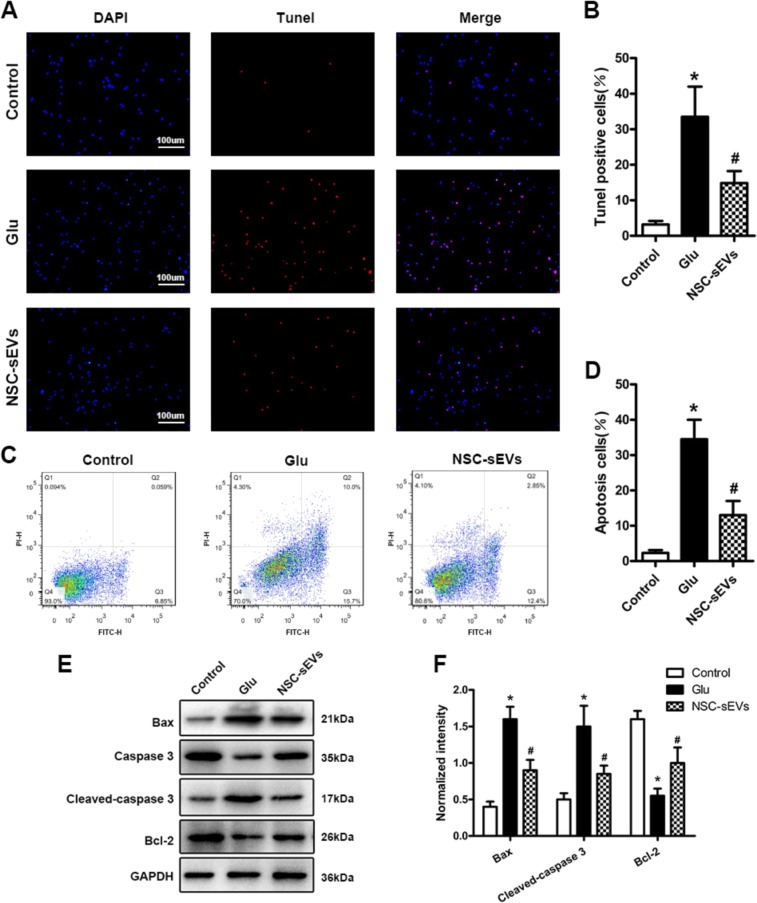
“Our previous study demonstrated that exposure to glutamate (Glu; 100 μM) can be used as an in vitro SCI model [16, 23].”
BackgroundMethodSelf-citationZhao, S., Liu, Y., & Pu, Z. (2019) · Drug Design, Development and Therapy · doi:10.2147/dddt.s220190 · Cited by 96
Therapeutic Application of Exosomes in Inflammatory Diseases
Suh, J. H., Joo, H. S., Hong, E. B., Lee, H. J., & Lee, J. M. (2021) · International Journal of Molecular Sciences · doi:10.3390/ijms22031144 · Cited by 94
“Neural stem cell (NSC)-derived small EVs also exhibited anti-apoptotic and anti-inflammatory effects by inducing autophagy in a traumatic SCI rat model [79].”
BackgroundThe Function of Astrocyte Mediated Extracellular Vesicles in Central Nervous System Diseases
Gharbi, T., Zhang, Z., & Yang, G.-Y. (2020) · Frontiers in Cell and Developmental Biology · doi:10.3389/fcell.2020.568889 · Cited by 85
“NSC applied its anti-inflammatory and neurotrophic effects by secreting EVs (Schindowski et al., 2008; Webb et al., 2018; Rong et al., 2019).”
BackgroundMa, K., Xu, H., Zhang, J., Zhao, F., Liang, H., Sun, H., Li, P., Zhang, S., Wang, R., & Chen, X. (2019) · Aging · doi:10.18632/aging.102568 · Cited by 86
“Although neural stem cell-derived exosomes attenuate apoptosis and neuroinflammation after traumatic spinal cord injury [19], the mechanism underlying this effect remains unknown.”
BackgroundJiang, T., Qin, T., Gao, P., Tao, Z., Wang, X., Wu, M., Gu, J., Chu, B., Zheng, Z., Jiang, Y., et al. (2023) · Redox Biology · doi:10.1016/j.redox.2023.102615 · Cited by 93
Self-citationYuan, F., Peng, W., Yang, Y., Xu, J., Liu, Y., Xie, Y., Huang, T., Shi, C., Ding, Y., Li, C., et al. (2023) · Journal of Neuroinflammation · doi:10.1186/s12974-023-02833-7 · Cited by 91
“Based on these study foundations, an increasing number of scientists are investigating therapeutic strategies at the micro level, including the use of small molecule medicines [64, 65], the manufacturing of 3D biomaterials [66, 67], and the transfer of exogenous stem cells [58], all of which have shown promising resul…”
BackgroundUnderstanding exosomes: Part 2—Emerging leaders in regenerative medicine
Miron, R. J., Estrin, N. E., Sculean, A., & Zhang, Y. (2024) · Periodontology 2000 · doi:10.1111/prd.12561 · Cited by 99
Functional Extracellular Vesicles for Regenerative Medicine
Kim, H. Y., Kwon, S., Um, W., Shin, S., Kim, C. H., Park, J. H., & Kim, B. (2022) · Small · doi:10.1002/smll.202106569 · Cited by 85
Exosome-mediated delivery and regulation in neurological disease progression
Singh, G., Mehra, A., Arora, S., Gugulothu, D. B., Vora, L. K., Prasad, R., & Khatri, D. K. (2024) · International Journal of Biological Macromolecules · doi:10.1016/j.ijbiomac.2024.130728 · Cited by 90
Rong, Y., Liu, W., Lv, C., Wang, J., Luo, Y., Jiang, D., Li, L., Zhou, Z. Y., Zhou, W., Li, Q., et al. (2019) · Aging · doi:10.18632/aging.102283 · Cited by 86
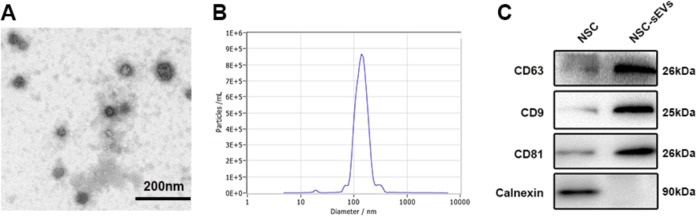
“The characterization of NSC-sEVs was performed by TEM, DLS and western blotting, as previously described [16].”
BackgroundMethodSelf-citationGu, J., Jin, Z., Wang, C. M., Xue, Y., Mao, Y. Q., & Chen, S. (2020) · Drug Design Development and Therapy · doi:10.2147/dddt.s237502 · Cited by 85
Ran, N., Li, W., Zhang, R., Lin, C., Zhang, J., Wei, Z., Li, Z. C., Yuan, Z., Wang, M., Fan, B., et al. (2022) · Bioactive Materials · doi:10.1016/j.bioactmat.2022.07.002 · Cited by 91
Gu, C., Li, Y., Liu, J., Liu, S., Long, J., Zhang, Q., Duan, W., Feng, T., Huang, J., Qiu, Y., et al. (2023) · Experimental Neurology · doi:10.1016/j.expneurol.2023.114547 · Cited by 82
Wang, J., Rong, Y., Ji, C., Lv, C., Jiang, D., Ge, X., Gong, F., Tang, P., Cai, W., Liu, W., et al. (2020) · Journal of Nanobiotechnology · doi:10.1186/s12951-020-00630-5 · Cited by 74
“labeling staining Our previous study indicated that glutamate (Glu, 100 μM) could be used to create an in vitro model of SCI-like cell death [12].”
MethodSelf-citationSaremi, J., Mahmoodi, N., Rasouli, M., Ranjbar, F. E., Mazaheri, E. L., Akbari, M., Hasanzadeh, E., & Azami, M. (2021) · Biomedicine & Pharmacotherapy · doi:10.1016/j.biopha.2021.112529 · Cited by 77
Karnas, E., Dudek, P., & Zuba‐Surma, E. K. (2023) · Frontiers in Immunology · doi:10.3389/fimmu.2023.1120175 · Cited by 83
Advances in lipid-based carriers for cancer therapeutics: Liposomes, exosomes and hybrid exosomes
Moholkar, D. N., Kandimalla, R., Gupta, R. C., & Aqil, F. (2023) · Cancer Letters · doi:10.1016/j.canlet.2023.216220 · Cited by 81
Chen, X., Sun, K., Zhao, S., Geng, T., Fan, X., Sun, S., Zheng, M., & Jin, Q. (2020) · Cytokine · doi:10.1016/j.cyto.2020.155292 · Cited by 70
Exosomes: Innocent Bystanders or Critical Culprits in Neurodegenerative Diseases
Beatriz, M., Vilaça, R., & Lopes, C. (2021) · Frontiers in Cell and Developmental Biology · doi:10.3389/fcell.2021.635104 · Cited by 64
Spinal Cord Repair: From Cells and Tissue Engineering to Extracellular Vesicles
Guo, S., Redenski, I., & Levenberg, S. (2021) · Cells · doi:10.3390/cells10081872 · Cited by 64
Microtubule Organization Is Essential for Maintaining Cellular Morphology and Function
Huang, L., Peng, Y., Tao, X., Ding, X., Li, R., Jiang, Y., & Zuo, W. (2022) · Oxidative Medicine and Cellular Longevity · doi:10.1155/2022/1623181 · Cited by 85
“In addition, recent studies on the relationship between autophagy and MT dynamics revealed that autophagy activation increased the expression of acetylated MT, a key modi fi cation for controlling MT stability and growth, thus attenuating axonal retraction and consequently enhancing locomotor recovery after SCI [104, 1…”
InfluentialLuo, H., Ye, G., Liu, Y., Huang, D., Luo, Q., Chen, W., & Qi, Z. (2022) · Neuroscience Letters · doi:10.1016/j.neulet.2022.136635 · Cited by 65
Shen, K., Li, X., Huang, G., Yuan, Z., Xie, B., Chen, T., & He, L. (2023) · Biomaterials · doi:10.1016/j.biomaterials.2023.122358 · Cited by 68
Recent advances in nanomaterials for the treatment of spinal cord injury
Gong, W., Zhang, T., Che, M., Wang, Y., He, C., Liu, L., Lv, Z., Xiao, C., Wang, H., & Zhang, S. (2022) · Materials Today Bio · doi:10.1016/j.mtbio.2022.100524 · Cited by 72
“[154] confirmed that NSC derived small extracellular vesicles promoted the expression of the autophagy-related proteins LC3B and Beclin-1 when treating SCI in rats, which was beneficial for reducing the occurrence of nerve apoptosis.”
BackgroundDeng, S., Cao, H., Cui, X., Fan, Y., Wang, Q., & Zhang, X. (2023) · Acta Biomaterialia · doi:10.1016/j.actbio.2023.09.023 · Cited by 63
Huang, Y., Liu, W., He, B., Wang, L., Zhang, F., Shu, H., & Sun, L. (2020) · Journal of Bone Oncology · doi:10.1016/j.jbo.2020.100280 · Cited by 55
“Exosome isolation and identification were performed as we previously described [15,16].”
MethodSelf-citationVan den Broek, B., Pintelon, I., Hamad, I., Kessels, S., Haidar, M., Hellings, N., Hendriks, J. J. A., Kleinewietfeld, M., Brône, B., Timmerman, V., et al. (2020) · Journal of Extracellular Vesicles · doi:10.1002/jev2.12022 · Cited by 55
“…role of EVs originating from neurons in regulating microglial activities (Kamentsky et al., 2011; Levine & Kroemer, 2008; Rong et al., 2019), by upregulating the complement molecule C3 to facilitate the removal of degenerating neurites by microglia (Levine & Kroemer, 2008; Rong et al., 2019).”
The pleiotropic of GLP-1/GLP-1R axis in central nervous system diseases
Zhang, L., Zhang, W., & Tian, X. (2023) · International Journal of Neuroscience · doi:10.1080/00207454.2021.1924707 · Cited by 54
“In addition, a few studies have demonstrated that autophagy is a highly conserved mechanism for degradation of cytoplasmic components, which is beneficial to treat SCI [141–143] and autophagy can modulate apoptosis, which is critical for cell death regulation during SCI [144].”
BackgroundInfluentialAulston, B., Liu, Q., Mante, M., Florio, J., Rissman, R. A., & Yuan, S. H. (2019) · Journal of Alzheimer's Disease · doi:10.3233/jad-190656 · Cited by 54
Mao, Y., Du, J., Chen, X., Mamun, A. A., Cao, L., Yang, Y., Mubwandarikwa, J., Zaeem, M., Zhang, W., Chen, Y., et al. (2022) · Oxidative Medicine and Cellular Longevity · doi:10.1155/2022/1337630 · Cited by 55
“Increasing evidence suggests that suppression of the secondary injury-mediated neuronal apoptosis and obstructing the generation of OS deliver a promising therapeutic approach for the treatment and management of SCI [2, 4, 5].”
The roles and applications of neural stem cells in spinal cord injury repair
Guo, W., Zhang, X., Zhai, J., & Xue, J. (2022) · Frontiers in Bioengineering and Biotechnology · doi:10.3389/fbioe.2022.966866 · Cited by 61
“This forms the basis of the therapeutic potential of NSC-EVs.”
BackgroundInfluentialBonilla, P., Hernández, J., Giraldo, E., González-Pérez, M. A., Alastrue‐Agudo, A., Elkhenany, H. A., Vicent, M. J., Navarro, X., Edel, M. J., & Moreno‐Manzano, V. (2021) · International Journal of Molecular Sciences · doi:10.3390/ijms22115966 · Cited by 52
“that NSC can replace lost host cells, bridge lesions [5], recover myelin sheaths to reconstitute neuronal circuitry and lost connectivity [6], provide trophic support [7], and modulate neuroinflammation [8].”
BackgroundNative and engineered exosomes for inflammatory disease
Ma, X., Liu, B., Fan, L., Liu, Y., Zhao, Y., Ren, T., Li, Y., & Li, Y. (2022) · Nano Research · doi:10.1007/s12274-022-5275-5 · Cited by 58
Zhu, S., Ying, Y., Ye, J., Chen, M., Wu, Q., Dou, H., Ni, W., Xu, H., & Xu, J. (2021) · Cell Death and Disease · doi:10.1038/s41419-021-03546-6 · Cited by 52
Qin, T., Li, C., Xu, Y., Qin, Y., Jin, Y., He, R., Luo, Z., Zhao, J., Duan, C., Lü, H., et al. (2023) · Bioactive Materials · doi:10.1016/j.bioactmat.2023.11.013 · Cited by 65
Zhang, Y., Xu, S., Li, K., Li, X., Yin, H., Li, S., & Gao, X. (2023) · Ecotoxicology and Environmental Safety · doi:10.1016/j.ecoenv.2023.114607 · Cited by 48
Li, K., Liu, Z., Wu, P., Chen, S., Wang, M., Liu, W., Zhang, L., Guo, S., Liu, Y., Liu, P., et al. (2023) · Journal of Nanobiotechnology · doi:10.1186/s12951-023-02217-2 · Cited by 53
“It was reported that sEVs could exert antiapoptotic effects, which could provide protection from SCI [41].”
BackgroundSelf-citationBenmelouka, A. Y., Munir, M., Sayed, A., Attia, M. S., Ali, M. M., Negida, A., Alghamdi, B. S. A., Kamal, M. A., Barreto, G. E., Ashraf, G. M., et al. (2021) · International Journal of Molecular Sciences · doi:10.3390/ijms22052258 · Cited by 49
Xu, Y. M., Geng, Y., Wang, H., Zhang, H., Qi, J., Li, F., Hu, X., Chen, Y., Si, H., Li, Y., et al. (2023) · Redox Biology · doi:10.1016/j.redox.2023.102767 · Cited by 53
Exosome Source Matters: A Comprehensive Review from the Perspective of Diverse Cellular Origins
Chen, Y., Qi, W., Wang, Z., & Niu, F. (2025) · Pharmaceutics · doi:10.3390/pharmaceutics17020147 · Cited by 60
“They can also mediate autophagy to inhibit neuroinflammation and promote functional recovery in SCI model rats at an early stage [139].”
Physical and biological engineering of polymer scaffolds to potentiate repair of spinal cord injury
Luo, Y., Xue, F., Liu, K., Li, B., Fu, C., & Ding, J. (2021) · Materials & Design · doi:10.1016/j.matdes.2021.109484 · Cited by 47
Self-citationCha, H., Hong, S., Park, J. H., & Park, H. H. (2020) · Pharmaceutics · doi:10.3390/pharmaceutics12121135 · Cited by 50
“Mouse neural stem cell EVs Murine spinal neuron/rat model of SCI Attenuate apoptosis and neuroinflammation [104]”
BackgroundZhiguo, F., Ji, W., Chen, S., Guoyou, Z., Chen, K., Hui, Q., Xu, W., & Zhai, X. (2023) · Journal of Nanobiotechnology · doi:10.1186/s12951-023-02051-6 · Cited by 50
Deng, C., Dong, K., Liu, Y.-J., Chen, K., Min, C., Cao, Z., Wu, P., Luo, G., Cheng, G., Qing, L., et al. (2023) · Journal of Nanobiotechnology · doi:10.1186/s12951-023-02098-5 · Cited by 48
Li, X., Zhu, Y., Wang, Y., Xia, X., & Zheng, J. (2023) · MedComm · doi:10.1002/mco2.214 · Cited by 52
Chen, T., Xia, Y., Zhang, L., Xu, T., Yi, Y., Chen, J., Liu, Z., Yang, L., Chen, S., Zhou, X., et al. (2023) · Materials Today Bio · doi:10.1016/j.mtbio.2023.100606 · Cited by 42
Self-citationAdult Stem Cell-Derived Extracellular Vesicles in Cancer Treatment: Opportunities and Challenges
Parfejevs, V., Sagini, K., Buss, A., Soboļevska, K., Llorente, A., Riekstiņa, U., & Ābols, A. (2020) · Cells · doi:10.3390/cells9051171 · Cited by 47
“It has been shown that EVs are released by progenitor cells like MSCs [49,50], endothelial progenitor cells (EPCs) [51], neural SCs (NSCs) [52], induced pluripotent SCs (iPSC) [53,54], embryonic SCs (ESCs) [55,56], and cardiomyocyte progenitor cells (CPCs) [57].”
BackgroundWu, P., Tang, Y., Jin, C., Wang, M., Li, L., Liu, Z., Shi, H., Sun, Z., Hou, X., Chen, W., et al. (2022) · Journal of Nanobiotechnology · doi:10.1186/s12951-022-01574-8 · Cited by 49
“sEVs, as an important paracrine component of MSCs, have been shown to play beneficial roles in various diseases, such as cardiac repair [5], liver injury [6], kidney injury [7], wound healing [8], autoimmune and neurodegenerative disorders diseases [9], spinal cord injury [10], diabetes [11], and other diseases [12].”
BackgroundSelf-citationUllah, M., Qiao, Y., Concepcion, W., & Thakor, A. S. (2019) · Stem Cell Research & Therapy · doi:10.1186/s13287-019-1468-6 · Cited by 46
Zhang, E., Phan, P., & Zhao, Z. (2022) · Acta Pharmaceutica Sinica B · doi:10.1016/j.apsb.2022.08.020 · Cited by 42
Poongodi, R., Yang, T.-H., Huang, Y.-H., Yang, K. D., Chen, H.-Z., Chu, T.-Y., Wang, T., Lin, H., & Cheng, J. (2024) · Stem Cell Research & Therapy · doi:10.1186/s13287-024-03758-5 · Cited by 53
“Importantly, after SCI, MSC exosomes can inhibit neuroinflammation and promote axonal regeneration [24, 25].”
BackgroundYao, H., Cai, C., Huang, W., Zhong, C., Zhao, T., Di, J., Tang, J., Wu, D., Pang, M., He, L., et al. (2024) · International Journal of Biological Sciences · doi:10.7150/ijbs.98051 · Cited by 47
“Appropriate autophagy activation could reduce inflammation and inhibit apoptosis [31,84,85], while autophagy inhibition rendered cells unable to cope with stressful situations and led to apoptosis [22,86– 88].”
Harnessing the Neural Stem Cell Secretome for Regenerative Neuroimmunology
Willis, C. M., Nicaise, A. M., Hamel, R., Pappa, V., Peruzzotti‐Jametti, L., & Pluchino, S. (2020) · Frontiers in Cellular Neuroscience · doi:10.3389/fncel.2020.590960 · Cited by 49
DPP-4 inhibitors and type 2 diabetes mellitus in Parkinson’s disease: a mutual relationship
Alrouji, M., Al-Kuraishy, H. M., Albuhadily, A. K., Al-Gareeb, A. I., Elekhnawy, E., & Batiha, G. E. (2023) · Pharmacological Reports · doi:10.1007/s43440-023-00500-5 · Cited by 41
“These observations proposed that sitagliptin and other DPP-4 inhibitors may constrain neuroinflammation-induced degeneration of dopaminergic neurons in the SN by modulation of pro-inflammatory/anti-inflammatory cytokines and enhancement of neuroprotective SDF-1α [64].”
BackgroundInfluentialNeural stem cell-derived extracellular vesicles: The light of central nervous system diseases
Li, Y., & Fang, B. (2023) · Biomedicine & Pharmacotherapy · doi:10.1016/j.biopha.2023.115092 · Cited by 50
Mahdavipour, M., Hassanzadeh, G., Seifali, E., Mortezaee, K., Aligholi, H., Shekari, F., Sarkoohi, P., Zeraatpisheh, Z., Nazari, A., Movassaghi, S., et al. (2019) · Cell Biochemistry and Function · doi:10.1002/cbf.3484 · Cited by 44
He, W., Zhang, X., Li, X., Ju, D., Mao, T., Lu, Y., Gu, Y., Qi, L., Wang, Q., Wu, Q., et al. (2022) · Journal of Materials Chemistry B · doi:10.1039/d2tb00792d · Cited by 40
Xu, Y. M., Hu, X., Li, F., Zhang, H., Lou, J., Wang, X., Wang, H., Yin, L., Ni, W., Kong, J., et al. (2021) · Oxidative Medicine and Cellular Longevity · doi:10.1155/2021/8186877 · Cited by 43
“According to SCI pathogenesis, lysosomal injury and dysfunction can trigger defects within autophagy fluxes and messy environments, triggering an inflammatory response [28].”
BackgroundTargeted Therapy of Spinal Cord Injury: Inhibition of Apoptosis Is a Promising Therapeutic Strategy
He, W., Li, Z., Gu, H.-Y., Pan, Q.-L., & Lin, F.-X. (2023) · Molecular Neurobiology · doi:10.1007/s12035-023-03814-w · Cited by 45
“Among them, apoptosis is considered to be an extremely Wei He is first author. important pathological process in secondary SCI [15].”
Emerging strategies for nerve repair and regeneration in ischemic stroke: neural stem cell therapy
Wang, S., He, Q., Qu, Y., Yin, W., Zhao, R., Wang, X., Yang, Y., & Guo, Z. (2023) · Neural Regeneration Research · doi:10.4103/1673-5374.391313 · Cited by 45
Lu, X., Lv, C., Zhao, Y., Wang, Y., Li, Y., Ji, C., Wang, Z., Wu, Y., Yu, S., Bai, J., et al. (2022) · Stem Cell Research & Therapy · doi:10.1186/s13287-022-02963-4 · Cited by 40
Self-citationThe role of autophagy in the metabolism and differentiation of stem cells
Adelipour, M., Saleth, L. R., Ghavami, S., Alagarsamy, K. N., Dhingra, S., & Allameh, A. (2022) · Biochimica et Biophysica Acta (BBA) - Molecular Basis of Disease · doi:10.1016/j.bbadis.2022.166412 · Cited by 42
Deubiquitinase USP18 regulates reactive astrogliosis by stabilizing SOX9
Liu, W., Ge, X., Zhou, Z., Jiang, D., Rong, Y., Wang, J., Ji, C., Fan, J., Yin, G., & Cai, W. (2021) · Glia · doi:10.1002/glia.23992 · Cited by 41
“Footprint analysis was carried out as previously described (Rong et al., 2019).”
MethodSelf-citationLi, B., Chen, Y., Zhou, Y., Feng, X., Gu, G., Han, S., Cheng, N., Sun, Y., Zhang, Y., Cheng, J., et al. (2023) · Neural Regeneration Research · doi:10.4103/1673-5374.385839 · Cited by 52
“The culture supernatants of NSCs were collected for isolating exosomes, referring to previous protocols (Rong et al., 2019; Li et al., 2020a; Pan et al., 2020).”
MethodSang, Z., Liang, Z., Huang, G. X., Chen, Z., Ren, X., & Mei, X. (2024) · Chemical Engineering Journal · doi:10.1016/j.cej.2024.151343 · Cited by 36
Gao, X., Gao, H., Yue, K., Cao, X., Yang, E., Zhang, Z., Huang, Y., Li, X., Ding, D., Luo, P., et al. (2023) · ACS Nano · doi:10.1021/acsnano.3c05309 · Cited by 36
Ijaz, S., Mohammed, I., Gholaminejhad, M., Mokhtari, T., Akbari, M., & Hassanzadeh, G. (2019) · Journal of Molecular Neuroscience · doi:10.1007/s12031-019-01437-2 · Cited by 38
Wang, M., Wang, C., Chen, M., Luo, M., Chen, Q., & Lei, B. (2022) · Chemical Engineering Journal · doi:10.1016/j.cej.2022.135629 · Cited by 36
Extracellular Vesicle Mimetics: Preparation from Top‐Down Approaches and Biological Functions
Du, Y., Wang, H., Yang, Y., Zhang, J., Huang, Y., Fan, S., Gu, C., Shangguan, L., & Lin, X. (2022) · Advanced Healthcare Materials · doi:10.1002/adhm.202200142 · Cited by 41
Bryk, M., Karnas, E., Mlost, J., Zuba‐Surma, E. K., & Starowicz, K. (2021) · British Journal of Pharmacology · doi:10.1111/bph.15569 · Cited by 35
Tang, Y., Xu, Z., Tang, J., Xu, Y., Li, Z., Wang, W., Wu, L., Xi, K., Gu, Y., & Chen, L. (2023) · Advanced Healthcare Materials · doi:10.1002/adhm.202202658 · Cited by 39
Therapeutic Potential of Extracellular Vesicles in Aging and Age-Related Diseases
Sanz‐Ros, J., Mas‐Bargues, C., Romero-García, N., Huete-Acevedo, J., Dromant, M., & Borrás, C. (2022) · International Journal of Molecular Sciences · doi:10.3390/ijms232314632 · Cited by 37
“A similar effect of improved outcomes due to autophagy activation has been observed in liver fibrosis [48] and spinal cord injury [49].”
BackgroundXia, M., Li, X., Ye, S., Zhang, Q., Zhao, T., Li, R., Zhang, Y., Xian, M., Li, T., Li, H., et al. (2022) · Cell & Bioscience · doi:10.1186/s13578-022-00816-4 · Cited by 35
Metadata
- Authors
- Rong, Y., Liu, W., Wang, J., Fan, J., Luo, Y., Li, L., Kong, F., Chen, J., Tang, P., & Cai, W.
- Affiliations
- Jiangsu Province Hospital (CN)
- Sichuan University (CN)
- Corresponding author
- Cai, Weihua
- ORCID
- Venue
- Cell Death & Disease
- Published
- 2019-04-18
- Volume
- 10
- Issue
- 5
- Pages
- 340-340
- ISSN
- 2041-4889 (ISSN-L)
- PMC
- PMC6472377
- OpenAlex
- W2935822819
- Cited by
- 333
- References
- 71
- Citations by year
- 2026: 17 · 2025: 38 · 2024: 59 · 2023: 69 · 2022: 57 · 2021: 49 · 2020: 32 · 2019: 12
- FWCI
- 27.60
- Type
- journal article
- Language
- en
- Open access
- gold
- doi.org
- Licence
- cc-by
- creativecommons.org/licenses/by/4.0 (tdm)
- creativecommons.org/licenses/by/4.0 (vor)
- Locations
- Cell Death and Disease (publishedVersion, cc-by)
- PubMed Central (publishedVersion, cc-by)
- PubMed (publishedVersion)
- DOAJ (DOAJ: Directory of Open Access Journals) (submittedVersion)
- Topics
- Health Sciences › Medicine › Clinical Neurology › Spinal Cord Injury Research
- Life Sciences › Biochemistry, Genetics and Molecular Biology › Molecular Biology › Extracellular vesicles in disease
- Life Sciences › Neuroscience › Cellular and Molecular Neuroscience › Nerve injury and regeneration
- Keywords
- spinal cord injury, neural stem cells, small extracellular vesicles, autophagy, neuronal apoptosis, neuroinflammation, microglial activation, functional recovery, paracrine signaling, LC3B, Beclin-1, caspase-3, Bax/Bcl-2 ratio, inflammatory cytokines, 3-methyladenine
- MeSH terms
- Extracellular Vesicles, Beclin-1, Animals, Autophagy, Cells, Cultured, Disease Models, Animal, Fetus, Inflammation, Locomotion, Macrophages, Male, Microtubule-Associated Proteins, Neurons, Spinal Cord Injuries, Cytokines, Rats, Sprague-Dawley, Apoptosis, Glutamic Acid, Mice, Neural Stem Cells
About these checks
Registry, retraction, Cites and statistics results are computed, not judged, with one exception: a printed reference that no index lists is read once by a model before it counts as a citation error. Claims are extracted by a model and kept only when their quote appears verbatim in the text; each cited source is then checked, with a model’s help, for whether it says what the claim relies on. Those verdicts can be wrong — read the claim’s quote and the cited source before relying on one.
Statistics and arithmetic are recomputed, not judged.
Confidence bands are shown only for fields calibrated on our annotated test set. None is calibrated yet, so no band is shown.
What counts as a claim ›How we measure confidence ›How we check this ›
Are you an author, or do you see a problem with this page? Request a review
Data sources
Bibliographic data: Semantic Scholar, OpenAlex, Crossref.
Contains information from the Semantic Scholar Academic Graph Datasets, made available under the ODC Attribution License (ODC-BY 1.0).
Semantic Scholar’s data is described in: Kinney, R., et al. (2023). The Semantic Scholar Open Data Platform. arXiv:2301.10140.
