

Neural stem cell-derived small extracellular vesicles attenuate apoptosis and neuroinflammation after traumatic spinal cord injury by activating autophagy
Open accessThe DOI matches its Crossref record; 71 of the 71 references it cites were found in a registry or an index.
Abstract
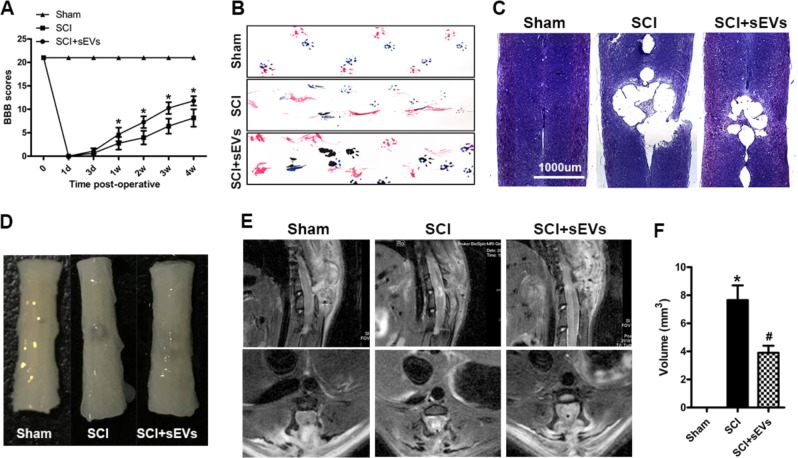
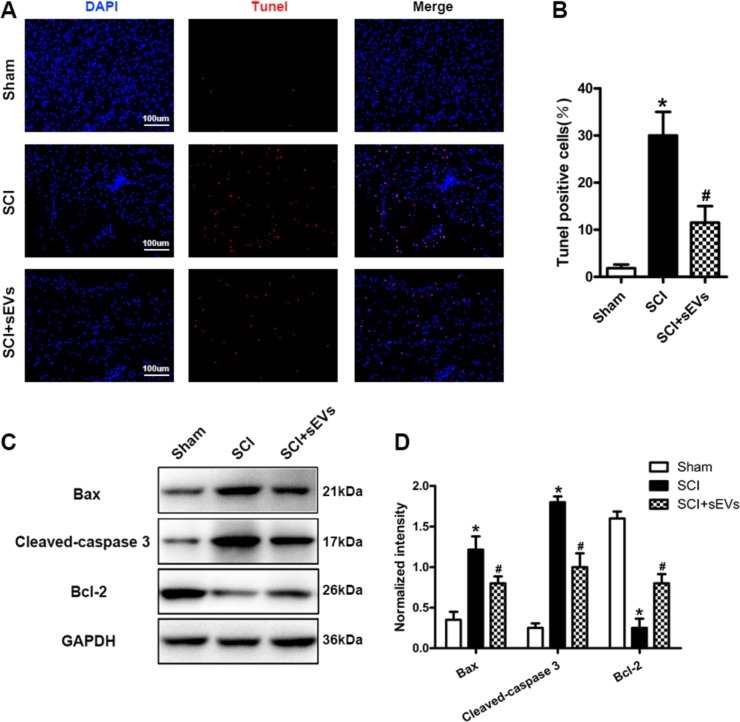
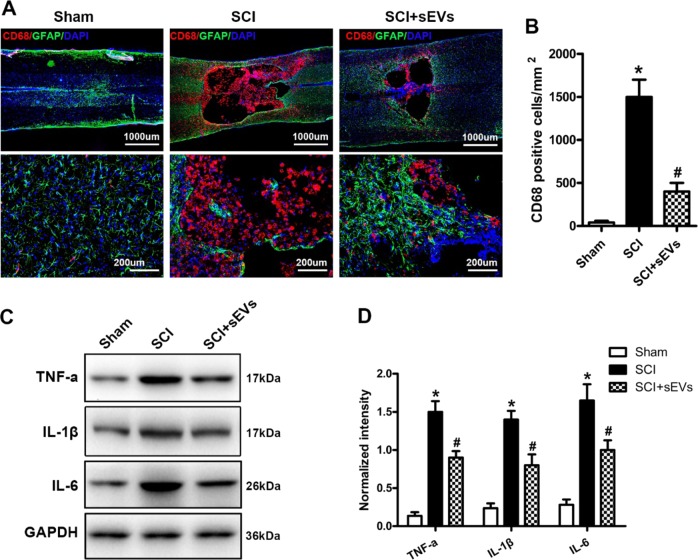
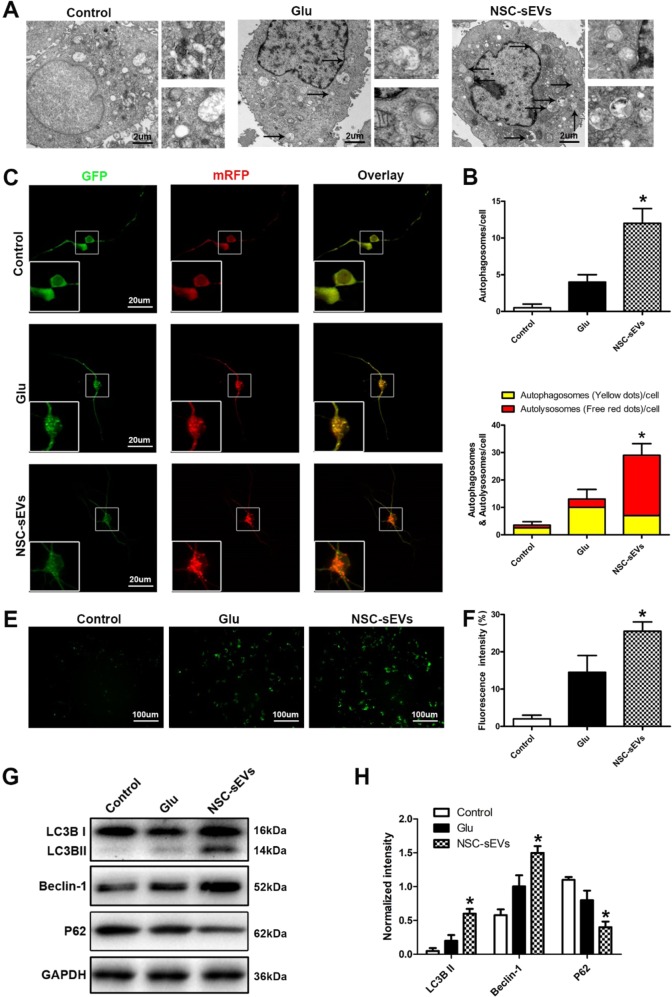
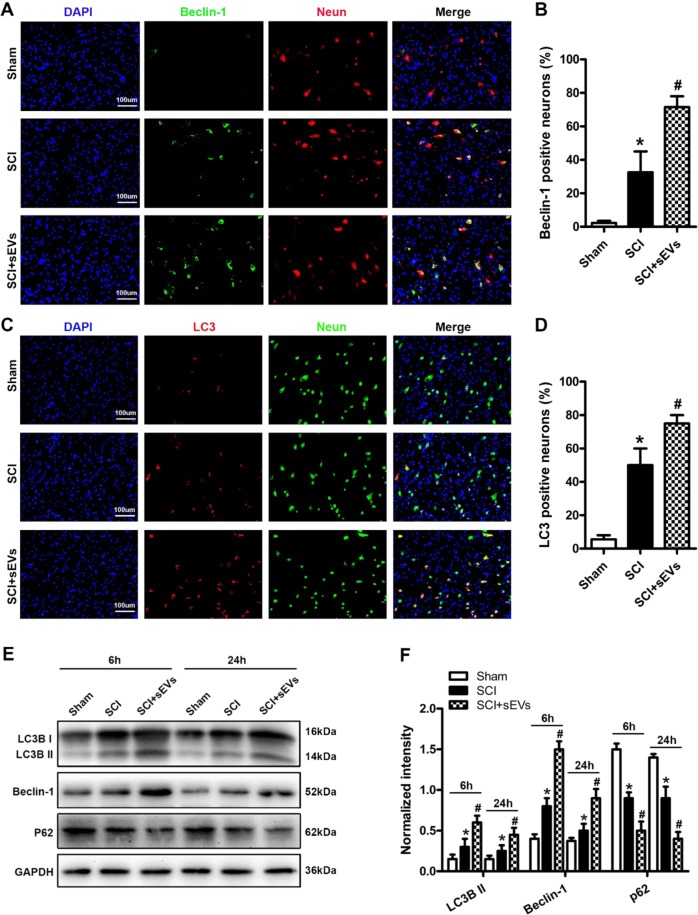
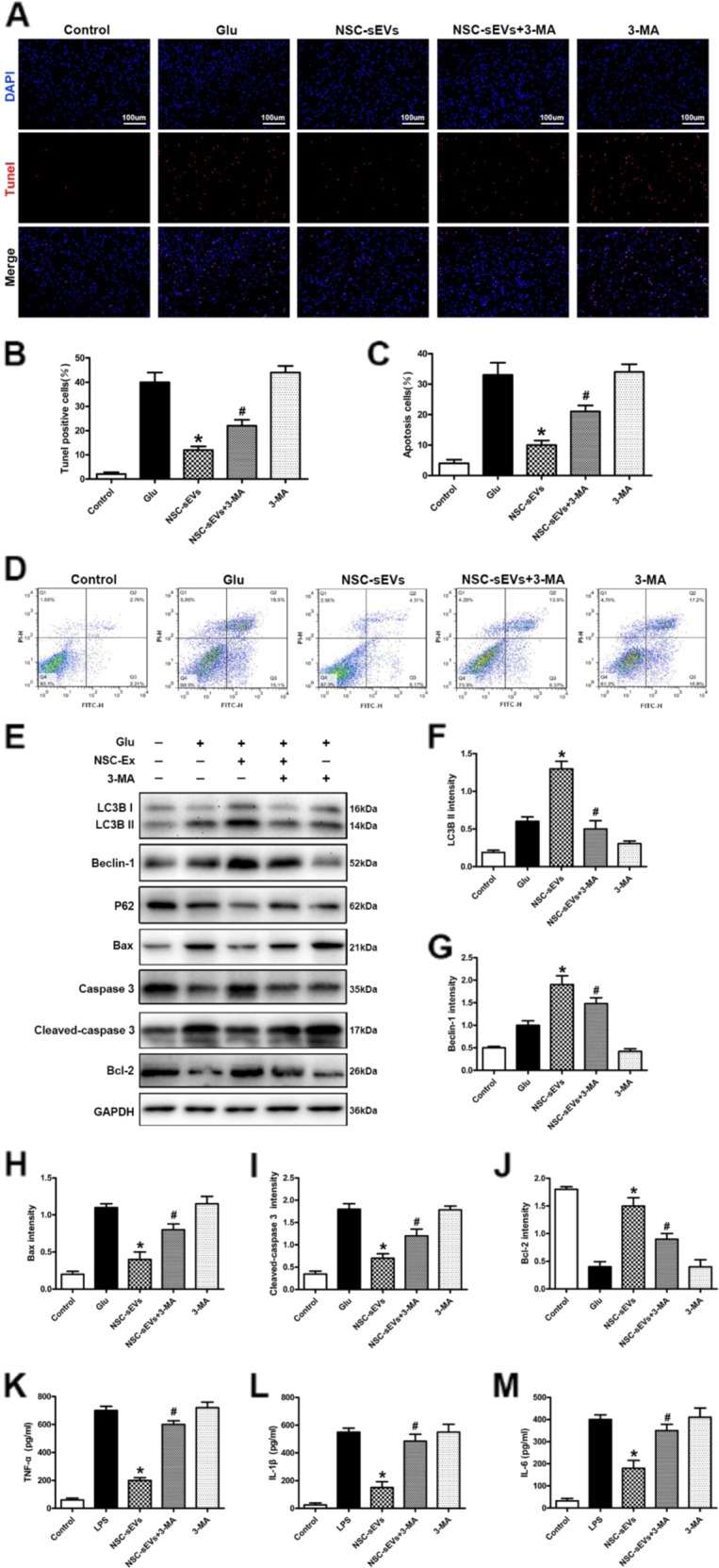
Spinal cord injury (SCI) can cause severe irreversible motor dysfunction and even death. Neural stem cell (NSC) transplantation can promote functional recovery after acute SCI in experimental animals, but numerous issues, including low-transplanted cell survival rate, cell de-differentiation, and tumor formation need to be resolved before routine clinical application is feasible. Recent studies have shown that transplanted stem cells facilitate regeneration through release of paracrine factors. Small extracellular vesicles (sEVs), the smallest known membrane-bound nanovesicles, are involved in complex intercellular communication systems and are an important vehicle for paracrine delivery of therapeutic agents. However, the application of NSC-derived small extracellular vesicles (NSC-sEVs) to SCI treatment has not been reported. We demonstrate that NSC-sEVs can significantly reduce the extent of SCI, improve functional recovery, and reduce neuronal apoptosis, microglia activation, and neuroinflammation in rats. Furthermore, our study suggests that NSC-sEVs can regulate apoptosis and inflammatory processes by inducing autophagy. In brief, NSC-sEVs increased the expression of the autophagy marker proteins LC3B and beclin-1, and promoted autophagosome formation. Following NSC-sEV infusion, the SCI area was significantly reduced, and the expression levels of the proapoptotic protein Bax, the apoptosis effector cleaved caspase-3, and the pro-inflammatory cytokines TNF-α, IL-1β, and IL-6 were significantly reduced, whereas the expression level of the anti-apoptotic protein Bcl-2 was upregulated. In the presence of the autophagy inhibitor 3MA, however, these inhibitory effects of NSC-sEVs on apoptosis and neuroinflammation were significantly reversed. Our results show for the first time that NSC-sEV treatment has the potential to reduce neuronal apoptosis, inhibit neuroinflammation, and promote functional recovery in SCI model rats at an early stage by promoting autophagy.
Overview
The claims and statistics of this paper haven’t been checked yet.
Free: it reads the open-access text and checks the first 5 claims that cite a source we can check. Create a free account to check every claim.
Integrity signals
Registry
Cites
Statistics
Figures
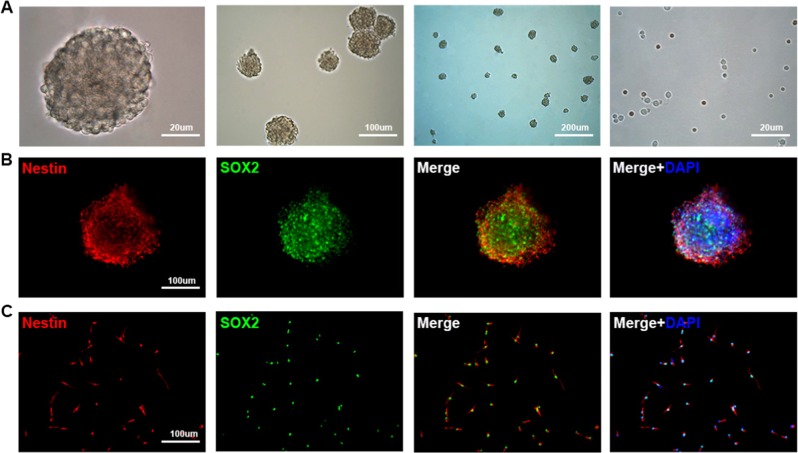
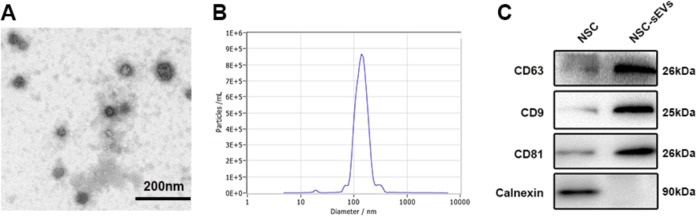

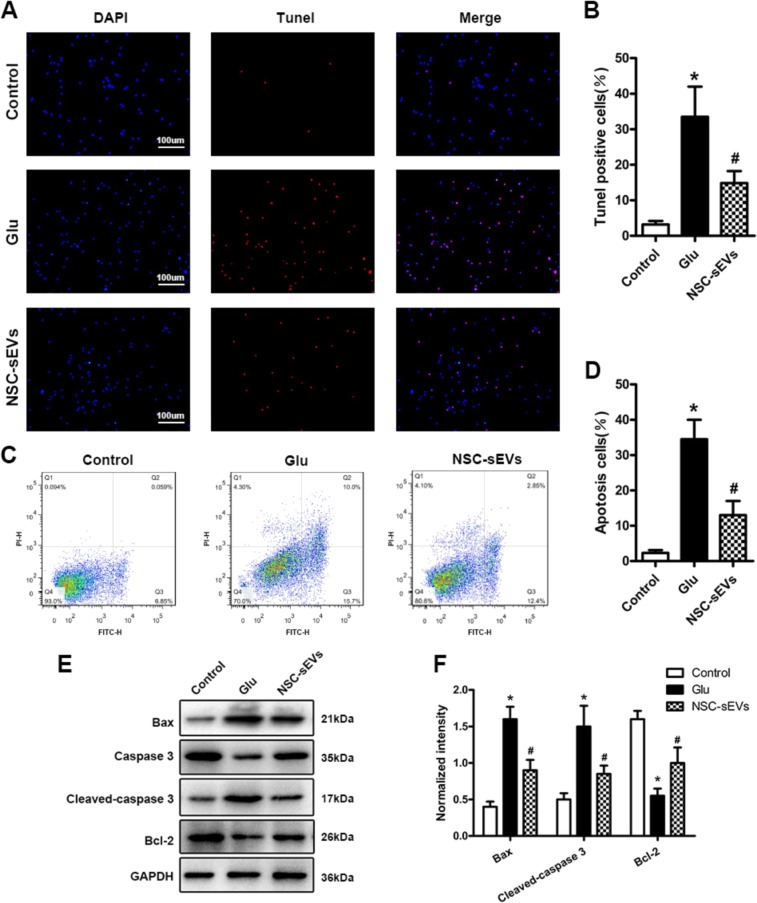
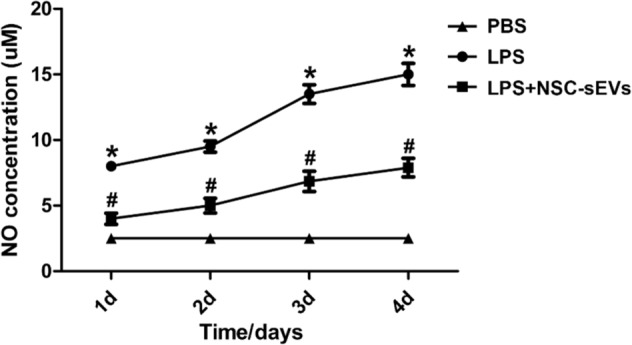
Verification
Claims the paper makes
The claims and statistics of this paper haven’t been checked yet.
Free: it reads the open-access text and checks the first 5 claims that cite a source we can check. Create a free account to check every claim.
Claims other papers make about this one
Each is checked against this paper’s own text: does it say what the citing paper says it does?
The source backs part of the claim, not all of it — or backs it for a different population, condition or comparison.
In the citing paper
“Finally, probes measuring the autophagic flux without requiring transfection or permeabilization have also been developed.Such methods are based on dyes that selectively label autophagic vesicles (autophagosomes and autolysosomes) but not lysosomes, and are used for both primary cells [502,503] and cell lines [504,505] from different species (including nonmammals).”
From Guidelines for the use and interpretation of assays for monitoring autophagy (4th edition) 1 (2021) · cites this paper as [503]
Experimental — accuracy not yet measured
Self-check
Percentages, sums and reported differences re-computed from the paper’s own numbers.
The self-check needs the paper’s full text.
Citations
Cites
1 retracted
Spontaneous Human Adult Stem Cell Transformation
Rubio, D., Garcia-Castro, J., Martín, M. C., de la Fuente, R., Cigudosa, J. C., Lloyd, A. C., & Bernad, A. (2005) · Cancer Research · doi:10.1158/0008-5472.can-04-4194 · Cited by 1,036
RetractedThéry, C., Witwer, K. W., Aikawa, E., Alcaraz, M. J., Anderson, J. D., Andriantsitohaina, R., Antoniou, A., Arab, T., Archer, F., Atkin‐Smith, G. K., et al. (2018) · Journal of Extracellular Vesicles · doi:10.1080/20013078.2018.1535750 · Cited by 11,099
Autophagy in the Pathogenesis of Disease
Levine, B., & Kroemer, G. (2008) · Cell · doi:10.1016/j.cell.2007.12.018 · Cited by 7,069
The Bcl2 family: regulators of the cellular life-or-death switch
Cory, S., & Adams, J. M. (2002) · Nature Reviews Cancer · doi:10.1038/nrc883 · Cited by 4,032
Autophagy in immunity and inflammation
Levine, B., Mizushima, N., & Virgin, H. W. (2011) · Nature · doi:10.1038/nature09782 · Cited by 3,289
The Beclin 1 network regulates autophagy and apoptosis
Kang, R., Zeh, H. J., Lotze, M. T., & Tang, D. (2011) · Cell Death & Differentiation · doi:10.1038/cdd.2010.191 · Cited by 2,485
McDonald, J. W., & Sadowsky, C. (2002) · The Lancet · doi:10.1016/s0140-6736(02)07603-1 · Cited by 1,799
Haematopoietic stem cells adopt mature haematopoietic fates in ischaemic myocardium
Balsam, L. B., Wagers, A. J., Christensen, J. L., Kofidis, T., Weissman, I. L., & Robbins, R. C. (2004) · Nature · doi:10.1038/nature02460 · Cited by 1,736
Autophagy: molecular machinery for self-eating
Yorimitsu, T., & Klionsky, D. J. (2005) · Cell Death & Differentiation · doi:10.1038/sj.cdd.4401765 · Cited by 1,535
Therapeutic interventions after spinal cord injury
Thuret, S., Moon, L. D. F., & Gage, F. H. (2006) · Nature Reviews Neuroscience · doi:10.1038/nrn1955 · Cited by 1,012
Donnelly, D. J., & Popovich, P. G. (2008) · Experimental Neurology · doi:10.1016/j.expneurol.2007.06.009 · Cited by 995
Epidemiology of traumatic spinal cord injury: trends and future implications
DeVivo, M. J. (2012) · Spinal Cord · doi:10.1038/sc.2011.178 · Cited by 903
Autophagy in the Cellular Energetic Balance
Singh, R., & Cuervo, A. M. (2011) · Cell Metabolism · doi:10.1016/j.cmet.2011.04.004 · Cited by 788
Microparticles: Protagonists of a Novel Communication Network for Intercellular Information Exchange
Mause, S. F., & Weber, C. (2010) · Circulation Research · doi:10.1161/circresaha.110.226456 · Cited by 786
Neuronal and Glial Apoptosis after Traumatic Spinal Cord Injury
Liu, X. Z., Xu, X. M., Hu, R., Du, C., Zhang, S. X., McDonald, J. W., Dong, H. X., Wu, Y. J., Fan, G. S., Jacquin, M. F., et al. (1997) · The Journal of Neuroscience · doi:10.1523/jneurosci.17-14-05395.1997 · Cited by 770
Exosome Function: From Tumor Immunology to Pathogen Biology
Schorey, J. S., & Bhatnagar, S. (2008) · Traffic · doi:10.1111/j.1600-0854.2008.00734.x · Cited by 758
Post-traumatic inflammation following spinal cord injury
Hausmann, O. N. (2003) · Spinal Cord · doi:10.1038/sj.sc.3101483 · Cited by 617
Hypothalamic stem cells control ageing speed partly through exosomal miRNAs
Zhang, Y., Kim, M. S., Jia, B., Yan, J., Zuniga-Hertz, J. P., Han, C., & Cai, D. (2017) · Nature · doi:10.1038/nature23282 · Cited by 564
Bramlett, H. M., & Dietrich, W. D. (2015) · Journal of Neurotrauma · doi:10.1089/neu.2014.3352 · Cited by 550
Mesenchymal stem cell secreted vesicles provide novel opportunities in (stem) cell-free therapy
Baglio, S. R., Pegtel, D. M., & Baldini, N. (2012) · Frontiers in Physiology · doi:10.3389/fphys.2012.00359 · Cited by 542
Neural stem cells display an inherent mechanism for rescuing dysfunctional neurons
Ourednik, J., Ourednik, V., Lynch, W. P., Schachner, M., & Snyder, E. Y. (2002) · Nature Biotechnology · doi:10.1038/nbt750 · Cited by 496
Autologous olfactory ensheathing cell transplantation in human spinal cord injury
Féron, F., Perry, C., Cochrane, J., Licina, P., Nowitzke, A., Urquhart, S., Geraghty, T., & Mackay-Sim, A. (2005) · Brain · doi:10.1093/brain/awh657 · Cited by 456
Cellular microparticles: a disseminated storage pool of bioactive vascular effectors
Morel, O., Toti, F., Hugel, B., & Freyssinet, J.-M. (2004) · Current Opinion in Hematology · doi:10.1097/01.moh.0000131441.10020.87 · Cited by 454
Exosomes and Autophagy: Coordinated Mechanisms for the Maintenance of Cellular Fitness
Baixauli, F., López-OtÃn, C., & Mittelbrunn, M. (2014) · Frontiers in Immunology · doi:10.3389/fimmu.2014.00403 · Cited by 443
The therapeutic potential of mesenchymal stem cell‐derived extracellular vesicles
Katsuda, T., Kosaka, N., Takeshita, F., & Ochiya, T. (2013) · PROTEOMICS · doi:10.1002/pmic.201200373 · Cited by 423
Jeong, J.-O., Han, J. W., Kim, J.-M., Cho, H.-J., Park, C., Lee, N., Kim, D.-W., & Yoon, Y.-S. (2011) · Circulation Research · doi:10.1161/circresaha.110.239848 · Cited by 410
Activation of the caspase-3 apoptotic cascade in traumatic spinal cord injury
Springer, J. E., Azbill, R. D., & Knapp, P. E. (1999) · Nature Medicine · doi:10.1038/11387 · Cited by 371
Guidance Molecules in Axon Regeneration
Giger, R. J., Hollis, E. R., & Tuszynski, M. H. (2010) · Cold Spring Harbor Perspectives in Biology · doi:10.1101/cshperspect.a001867 · Cited by 346
Neurotrophic factors in Alzheimer’s disease: role of axonal transport
Schindowski, K., Belarbi, K., & Buée, L. (2008) · Genes, Brain and Behavior · doi:10.1111/j.1601-183x.2007.00378.x · Cited by 335
Role of Endogenous Neural Stem Cells in Spinal Cord Injury and Repair
Stenudd, M., Sabelström, H., & Frisén, J. (2015) · JAMA Neurology · doi:10.1001/jamaneurol.2014.2927 · Cited by 333
Mesenchymal stem cells secretome: a new paradigm for central nervous system regeneration?
Teixeira, F. G., Carvalho, M. M., Sousa, N., & Salgado, A. J. (2013) · Cellular and Molecular Life Sciences · doi:10.1007/s00018-013-1290-8 · Cited by 330
Liu, W., Wang, Y., Gong, F., Rong, Y., Luo, Y., Tang, P., Zhou, Z., Zhou, Z., Xu, T., Jiang, T., et al. (2019) · Journal of Neurotrauma · doi:10.1089/neu.2018.5835 · Cited by 325
Self-citationCossetti, C., Iraci, N., Mercer, T. R., Leonardi, T., Alpi, E., Drago, D., Alfaro-Cervello, C., Saini, H. K., Davis, M. P., Schaeffer, J., et al. (2014) · Molecular Cell · doi:10.1016/j.molcel.2014.08.020 · Cited by 299
Peruzzotti-Jametti, L., Bernstock, J. D., Vicario, N., Costa, A. S. H., Kwok, C. K., Leonardi, T., Booty, L. M., Bicci, I., Balzarotti, B., Volpe, G., et al. (2018) · Cell Stem Cell · doi:10.1016/j.stem.2018.01.020 · Cited by 285
Webb, R. L., Kaiser, E. E., Scoville, S. L., Thompson, T. A., Fatima, S., Pandya, C., Sriram, K., Swetenburg, R. L., Vaibhav, K., Arbab, A. S., et al. (2018) · Translational Stroke Research · doi:10.1007/s12975-017-0599-2 · Cited by 282
Stem cell biology of the central nervous system
Okano, H. (2002) · Journal of Neuroscience Research · doi:10.1002/jnr.10343 · Cited by 280
Advances in stem cell therapy for spinal cord injury
Mothe, A. J., & Tator, C. H. (2012) · Journal of Clinical Investigation · doi:10.1172/jci64124 · Cited by 245
Merino-González, C., Zuñiga, F. A., Escudero, C., Ormazabal, V., Reyes, C., Nova-Lamperti, E., Salomón, C., & Aguayo, C. (2016) · Frontiers in Physiology · doi:10.3389/fphys.2016.00024 · Cited by 238
Function and Mechanisms of Autophagy in Brain and Spinal Cord Trauma
Lipinski, M. M., Wu, J., Faden, A. I., & Sarkar, C. (2015) · Antioxidants & Redox Signaling · doi:10.1089/ars.2015.6306 · Cited by 222
Role of stem-cell-derived microvesicles in the paracrine action of stem cells
Camussi, G., Deregibus, M. C., & Cantaluppi, V. (2013) · Biochemical Society Transactions · doi:10.1042/bst20120192 · Cited by 219
Current progress in the derivation and therapeutic application of neural stem cells
Tang, Y., Yu, P., & Cheng, L. (2017) · Cell Death & Disease · doi:10.1038/cddis.2017.504 · Cited by 211
Disrupted autophagy after spinal cord injury is associated with ER stress and neuronal cell death
Liu, S., Sarkar, C., Dinizo, M., Faden, A. I., Koh, E. Y., Lipinski, M. M., & Wu, J. (2015) · Cell Death & Disease · doi:10.1038/cddis.2014.527 · Cited by 209
Sekiguchi, A., Kanno, H., Ozawa, H., Yamaya, S., & Itoi, E. (2012) · Journal of Neurotrauma · doi:10.1089/neu.2011.1919 · Cited by 200
Identifying an essential role of nuclear LC3 for autophagy
Huang, R., & Liu, W. (2015) · Autophagy · doi:10.1080/15548627.2015.1038016 · Cited by 192
Self-citationVogel, A. D., Upadhya, R., & Shetty, A. K. (2018) · eBioMedicine · doi:10.1016/j.ebiom.2018.11.026 · Cited by 180
Autophagy induction stabilizes microtubules and promotes axon regeneration after spinal cord injury
He, M., Ding, Y., Chu, C., Tang, J., Xiao, Q., & Luo, Z.-G. (2016) · Proceedings of the National Academy of Sciences · doi:10.1073/pnas.1611282113 · Cited by 177
Tang, P., Hou, H., Zhang, L., Lan, X., Mao, Z., Liu, D., He, C., Du, H., & Zhang, L. (2014) · Molecular Neurobiology · doi:10.1007/s12035-013-8518-3 · Cited by 176
Self-citationTransplantation of Adult Rat Spinal Cord Stem/Progenitor Cells for Spinal Cord Injury
Parr, A. M., Kulbatski, I., & Tator, C. H. (2007) · Journal of Neurotrauma · doi:10.1089/neu.2006.3771 · Cited by 170
Wang, B., Jia, H., Zhang, B., Wang, J., Ji, C., Zhu, X., Yan, Y., Yin, L., Yu, J., Qian, H., et al. (2017) · Stem Cell Research & Therapy · doi:10.1186/s13287-016-0463-4 · Cited by 159
Self-citationStevanato, L., Thanabalasundaram, L., Vysokov, N., & Sinden, J. D. (2016) · PLOS ONE · doi:10.1371/journal.pone.0146353 · Cited by 149
Guadagno, J., Xu, X., Karajgikar, M., Brown, A., & Cregan, S. P. (2013) · Cell Death & Disease · doi:10.1038/cddis.2013.59 · Cited by 141
Extracellular vesicles are independent metabolic units with asparaginase activity
Iraci, N., Gaude, E., Leonardi, T., Costa, A. S. H., Cossetti, C., Peruzzotti-Jametti, L., Bernstock, J. D., Saini, H. K., Gelati, M., Vescovi, A. L., et al. (2017) · Nature Chemical Biology · doi:10.1038/nchembio.2422 · Cited by 134
Microvesicles and intercellular communication in the context of parasitism
Barteneva, N. S., Maltsev, N., & Vorobjev, I. A. (2013) · Frontiers in Cellular and Infection Microbiology · doi:10.3389/fcimb.2013.00049 · Cited by 121
Gingras, M., Gagnon, V., Minotti, S., Durham, H. D., & Berthod, F. (2007) · Journal of Neuroscience Methods · doi:10.1016/j.jneumeth.2007.02.024 · Cited by 115
Treatment of experimental necrotizing enterocolitis with stem cell-derived exosomes
McCulloh, C. J., Olson, J. K., Wang, Y., Zhou, Y., Tengberg, N., Deshpande, S., & Besner, G. E. (2018) · Journal of Pediatric Surgery · doi:10.1016/j.jpedsurg.2018.02.086 · Cited by 113
Anti-Inflammatory Mechanism of Neural Stem Cell Transplantation in Spinal Cord Injury
Cheng, Z., Zhu, W., Cao, K., Wu, F., Li, J., Wang, G., Li, H., Lu, M., Ren, Y., & He, X. (2016) · International Journal of Molecular Sciences · doi:10.3390/ijms17091380 · Cited by 112
Neural stem cell therapy aiming at better functional recovery after spinal cord injury
Zhu, Y., Uezono, N., Yasui, T., & Nakashima, K. (2017) · Developmental Dynamics · doi:10.1002/dvdy.24558 · Cited by 104
Neurodegeneration Induces Upregulation of Beclin 1
Erlich, S., Shohami, E., & Pinkas-Kramarski, R. (2006) · Autophagy · doi:10.4161/auto.2156 · Cited by 99
FOXP1 Promotes Embryonic Neural Stem Cell Differentiation by Repressing Jagged1 Expression
Braccioli, L., Vervoort, S. J., Adolfs, Y., Heijnen, C. J., Başak, O., Pasterkamp, R. J., Nijboer, C. H. A., & Coffer, P. J. (2017) · Stem Cell Reports · doi:10.1016/j.stemcr.2017.10.012 · Cited by 88
New advances in stem cell research: practical implications for regenerative medicine
Ratajczak, M. Z., Jadczyk, T., Pędziwiatr, D., & Wojakowski, W. (2014) · Polish Archives of Internal Medicine · doi:10.20452/pamw.2355 · Cited by 87
Blocking Autophagy in Oligodendrocytes Limits Functional Recovery after Spinal Cord Injury
Saraswat Ohri, S., Bankston, A. N., Mullins, S. A., Liu, Y., Andres, K. R., Beare, J. E., Howard, R. M., Burke, D. A., Riegler, A. S., Smith, A. E., et al. (2018) · The Journal of Neuroscience · doi:10.1523/jneurosci.0679-17.2018 · Cited by 70
Glutamate induces autophagy via the two-pore channels in neural cells
Pereira, G. J. S., Antonioli, M., Hirata, H., Ureshino, R. P., Nascimento, A. R., Bincoletto, C., Vescovo, T., Piacentini, M., Fimia, G. M., & Smaili, S. S. (2017) · Oncotarget · doi:10.18632/oncotarget.14404 · Cited by 57
Neural stem cell-derived exosomes mediate viral entry
Sims, B., Gu, L., Krendelchtchikov, A., & Matthews, Q. (2014) · International Journal of Nanomedicine · doi:10.2147/ijn.s70999 · Cited by 53
Shin, T., Ahn, M., Moon, C., Kim, S., & Sim, K. (2013) · Molecular Neurobiology · doi:10.1007/s12035-013-8398-6 · Cited by 52
Koutsoudaki, P. N., Papastefanaki, F., Stamatakis, A., Kouroupi, G., Xingi, E., Stylianopoulou, F., & Matsas, R. (2015) · Glia · doi:10.1002/glia.22959 · Cited by 52
The Use of Stem Cells in Regenerative Medicine for Parkinson's and Huntington's Diseases
Lescaudron, L., Naveilhan, P., & Neveu, I. (2012) · Current Medicinal Chemistry · doi:10.2174/0929867311209066018 · Cited by 41
Chen, N., Cen, J.-S., Wang, J., Qin, G., Long, L., Wang, L., Wei, F., Xiang, Q., Deng, D. Y. B., & Wan, Y. (2015) · Critical Care Medicine · doi:10.1097/ccm.0000000000001351 · Cited by 37
Self-citationStem cell-based treatments for spinal cord injury
Wyatt, L. A., & Keirstead, H. S. (2012) · Progress in brain research · doi:10.1016/b978-0-444-59544-7.00012-3 · Cited by 24
Zhang, G., Chen, L., Chen, W., Li, B., Yu, Y., Lin, F., Guo, X., Wang, H., Wu, G., Gu, B., et al. (2018) · Journal of Biomedical Nanotechnology · doi:10.1166/jbn.2018.2568 · Cited by 23
Ribeiro, L. F., & de Wit, J. (2017) · Neuron · doi:10.1016/j.neuron.2017.04.002 · Cited by 16
Sensors of Succinate: Neural Stem Cell Grafts Fight Neuroinflammation
Kokaia, Z., & Lindvall, O. (2018) · Cell stem cell · doi:10.1016/j.stem.2018.01.019 · Cited by 9
Cited by
Guidelines for the use and interpretation of assays for monitoring autophagy (4th edition) 1
Klionsky, D. J., Abdel-Aziz, A. K., Abdelfatah, S., Abdellatif, M., Abdoli, A., Abel, S., Abeliovich, H., Abildgaard, M. H., Abudu, Y. P., Acevedo-Arozena, A., et al. (2021) · Autophagy · doi:10.1080/15548627.2020.1797280 · Cited by 2,897
Self-citationSpinal Cord Injury: Pathophysiology, Multimolecular Interactions, and Underlying Recovery Mechanisms
Anjum, A., Yazid, M. D., Fauzi Daud, M., Idris, J., Ng, A. M. H., Selvi Naicker, A., Ismail, O. H. R., Athi Kumar, R. K., & Lokanathan, Y. (2020) · International Journal of Molecular Sciences · doi:10.3390/ijms21207533 · Cited by 1,270
“Granulocyte colony-stimulating factor (G-CSF) inhibits glutamate excitotoxicity, apoptosis, and activation of TNF-α and IL-1β [112].”
BackgroundLiu, W., Rong, Y., Wang, J., Zhou, Z., Ge, X., Ji, C., Jiang, D., Gong, F., Li, L., Chen, J., et al. (2020) · Journal of Neuroinflammation · doi:10.1186/s12974-020-1726-7 · Cited by 573
Self-citationLiu, W., Li, L., Rong, Y., Qian, D., Chen, J., Zhou, Z., Luo, Y., Jiang, D., Cheng, L., Zhao, S., et al. (2020) · Acta Biomaterialia · doi:10.1016/j.actbio.2019.12.020 · Cited by 466
Self-citationExtracellular vesicles: A bright star of nanomedicine
Wu, P., Zhang, B., Ocansey, D. K. W., Xu, W., & Qian, H. (2021) · Biomaterials · doi:10.1016/j.biomaterials.2020.120467 · Cited by 368
Metadata
- Authors
- Rong, Y., Liu, W., Wang, J., Fan, J., Luo, Y., Li, L., Kong, F., Chen, J., Tang, P., & Cai, W.
- Affiliations
- Jiangsu Province Hospital (CN)
- Sichuan University (CN)
- Corresponding author
- Cai, Weihua
- ORCID
- Venue
- Cell Death & Disease
- Published
- 2019-04-18
- Volume
- 10
- Issue
- 5
- Pages
- 340-340
- ISSN
- 2041-4889 (ISSN-L)
- PMC
- PMC6472377
- OpenAlex
- W2935822819
- Cited by
- 333
- References
- 71
- Citations by year
- 2026: 17 · 2025: 38 · 2024: 59 · 2023: 69 · 2022: 57 · 2021: 49 · 2020: 32 · 2019: 12
- FWCI
- 27.60
- Type
- journal article
- Language
- en
- Open access
- gold
- doi.org
- Licence
- cc-by
- creativecommons.org/licenses/by/4.0 (tdm)
- creativecommons.org/licenses/by/4.0 (vor)
- Locations
- Cell Death and Disease (publishedVersion, cc-by)
- PubMed Central (publishedVersion, cc-by)
- PubMed (publishedVersion)
- DOAJ (DOAJ: Directory of Open Access Journals) (submittedVersion)
- Topics
- Health Sciences › Medicine › Clinical Neurology › Spinal Cord Injury Research
- Life Sciences › Biochemistry, Genetics and Molecular Biology › Molecular Biology › Extracellular vesicles in disease
- Life Sciences › Neuroscience › Cellular and Molecular Neuroscience › Nerve injury and regeneration
- Keywords
- spinal cord injury, neural stem cells, small extracellular vesicles, autophagy, neuronal apoptosis, neuroinflammation, microglial activation, functional recovery, paracrine signaling, LC3B, Beclin-1, caspase-3, Bax/Bcl-2 ratio, inflammatory cytokines, 3-methyladenine
- MeSH terms
- Extracellular Vesicles, Beclin-1, Animals, Autophagy, Cells, Cultured, Disease Models, Animal, Fetus, Inflammation, Locomotion, Macrophages, Male, Microtubule-Associated Proteins, Neurons, Spinal Cord Injuries, Cytokines, Rats, Sprague-Dawley, Apoptosis, Glutamic Acid, Mice, Neural Stem Cells
About these checks
Registry, retraction, Cites and statistics results are computed, not judged, with one exception: a printed reference that no index lists is read once by a model before it counts as a citation error. Claims are extracted by a model and kept only when their quote appears verbatim in the text; each cited source is then checked, with a model’s help, for whether it says what the claim relies on. Those verdicts can be wrong — read the claim’s quote and the cited source before relying on one.
Statistics and arithmetic are recomputed, not judged.
Confidence bands are shown only for fields calibrated on our annotated test set. None is calibrated yet, so no band is shown.
What counts as a claim ›How we measure confidence ›How we check this ›
Are you an author, or do you see a problem with this page? Request a review
Data sources
Bibliographic data: Semantic Scholar, OpenAlex, Crossref.
Contains information from the Semantic Scholar Academic Graph Datasets, made available under the ODC Attribution License (ODC-BY 1.0).
Semantic Scholar’s data is described in: Kinney, R., et al. (2023). The Semantic Scholar Open Data Platform. arXiv:2301.10140.
