

Neural stem cell-derived small extracellular vesicles attenuate apoptosis and neuroinflammation after traumatic spinal cord injury by activating autophagy
Open accessThe DOI matches its Crossref record; 71 of the 71 references it cites were found in a registry or an index.
Abstract
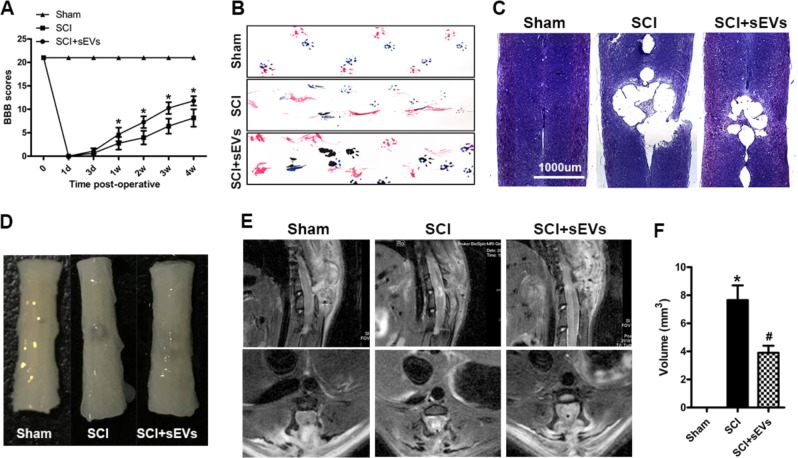
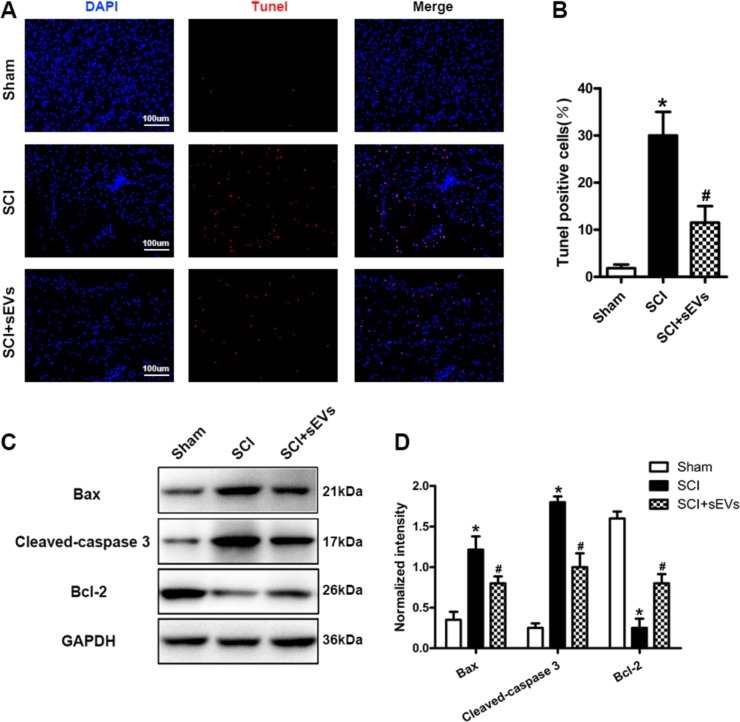
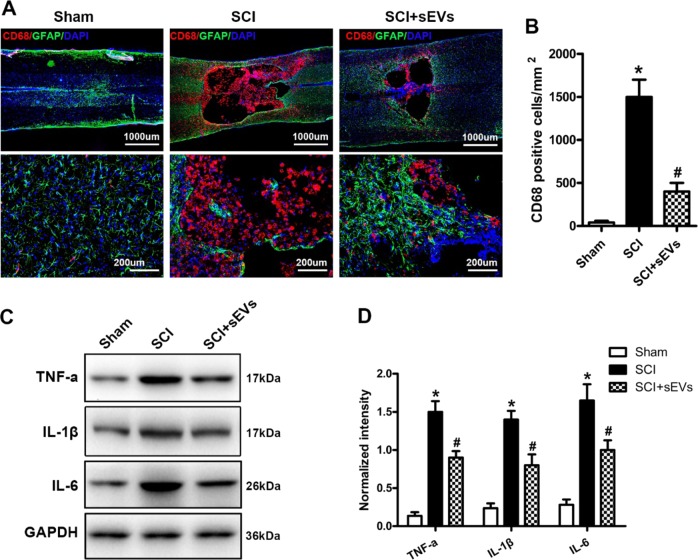
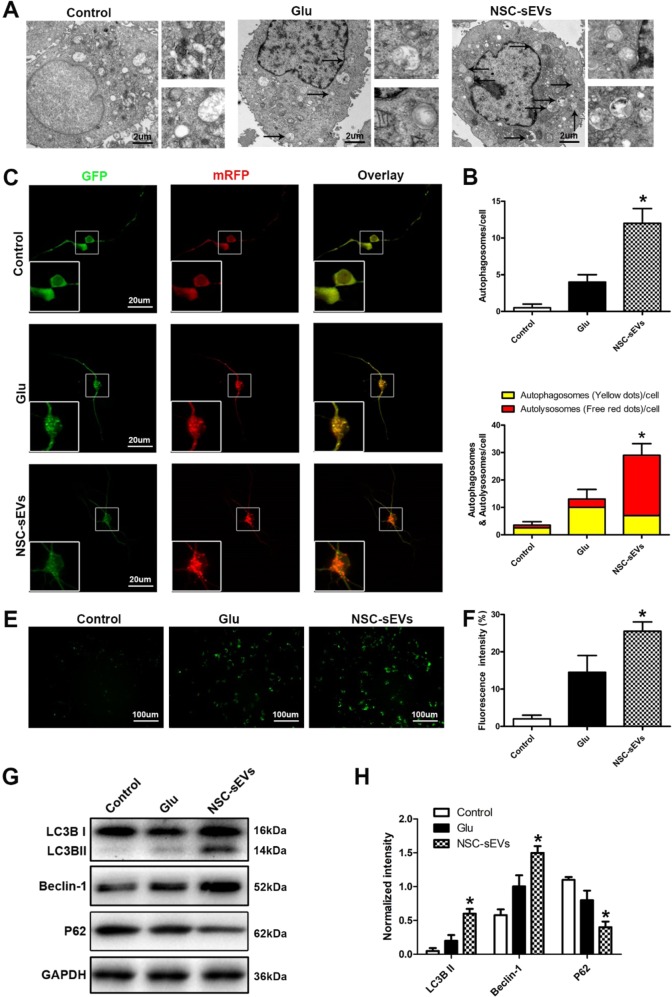
Spinal cord injury (SCI) can cause severe irreversible motor dysfunction and even death. Neural stem cell (NSC) transplantation can promote functional recovery after acute SCI in experimental animals, but numerous issues, including low-transplanted cell survival rate, cell de-differentiation, and tumor formation need to be resolved before routine clinical application is feasible. Recent studies have shown that transplanted stem cells facilitate regeneration through release of paracrine factors. Small extracellular vesicles (sEVs), the smallest known membrane-bound nanovesicles, are involved in complex intercellular communication systems and are an important vehicle for paracrine delivery of therapeutic agents. However, the application of NSC-derived small extracellular vesicles (NSC-sEVs) to SCI treatment has not been reported. We demonstrate that NSC-sEVs can significantly reduce the extent of SCI, improve functional recovery, and reduce neuronal apoptosis, microglia activation, and neuroinflammation in rats. Furthermore, our study suggests that NSC-sEVs can regulate apoptosis and inflammatory processes by inducing autophagy. In brief, NSC-sEVs increased the expression of the autophagy marker proteins LC3B and beclin-1, and promoted autophagosome formation. Following NSC-sEV infusion, the SCI area was significantly reduced, and the expression levels of the proapoptotic protein Bax, the apoptosis effector cleaved caspase-3, and the pro-inflammatory cytokines TNF-α, IL-1β, and IL-6 were significantly reduced, whereas the expression level of the anti-apoptotic protein Bcl-2 was upregulated. In the presence of the autophagy inhibitor 3MA, however, these inhibitory effects of NSC-sEVs on apoptosis and neuroinflammation were significantly reversed. Our results show for the first time that NSC-sEV treatment has the potential to reduce neuronal apoptosis, inhibit neuroinflammation, and promote functional recovery in SCI model rats at an early stage by promoting autophagy.
Overview
The claims and statistics of this paper haven’t been checked yet.
Free: it reads the open-access text and checks the first 5 claims that cite a source we can check. Create a free account to check every claim.
Integrity signals
Registry
Cites
Statistics
Figures

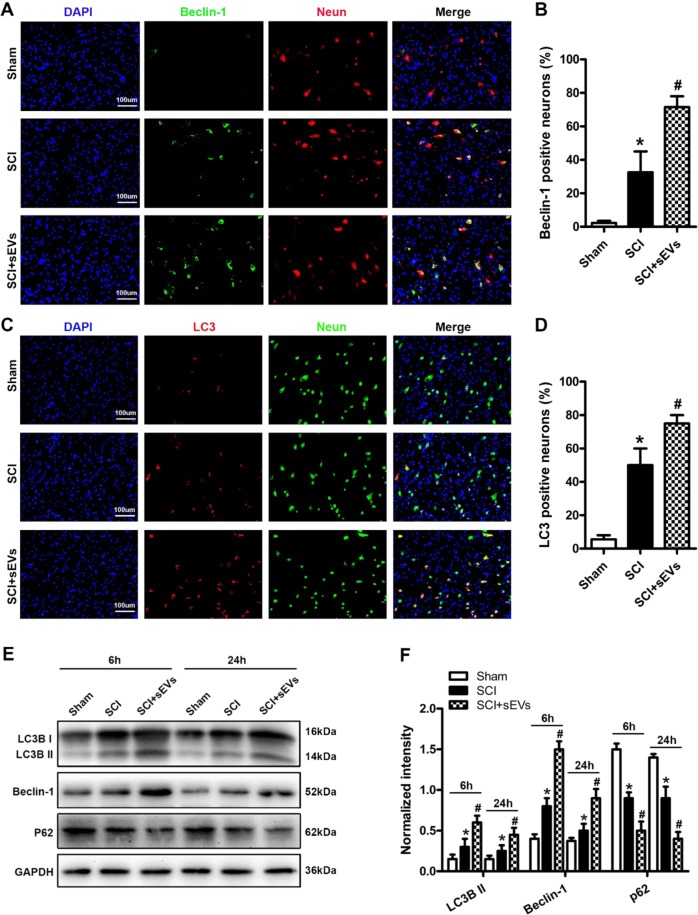
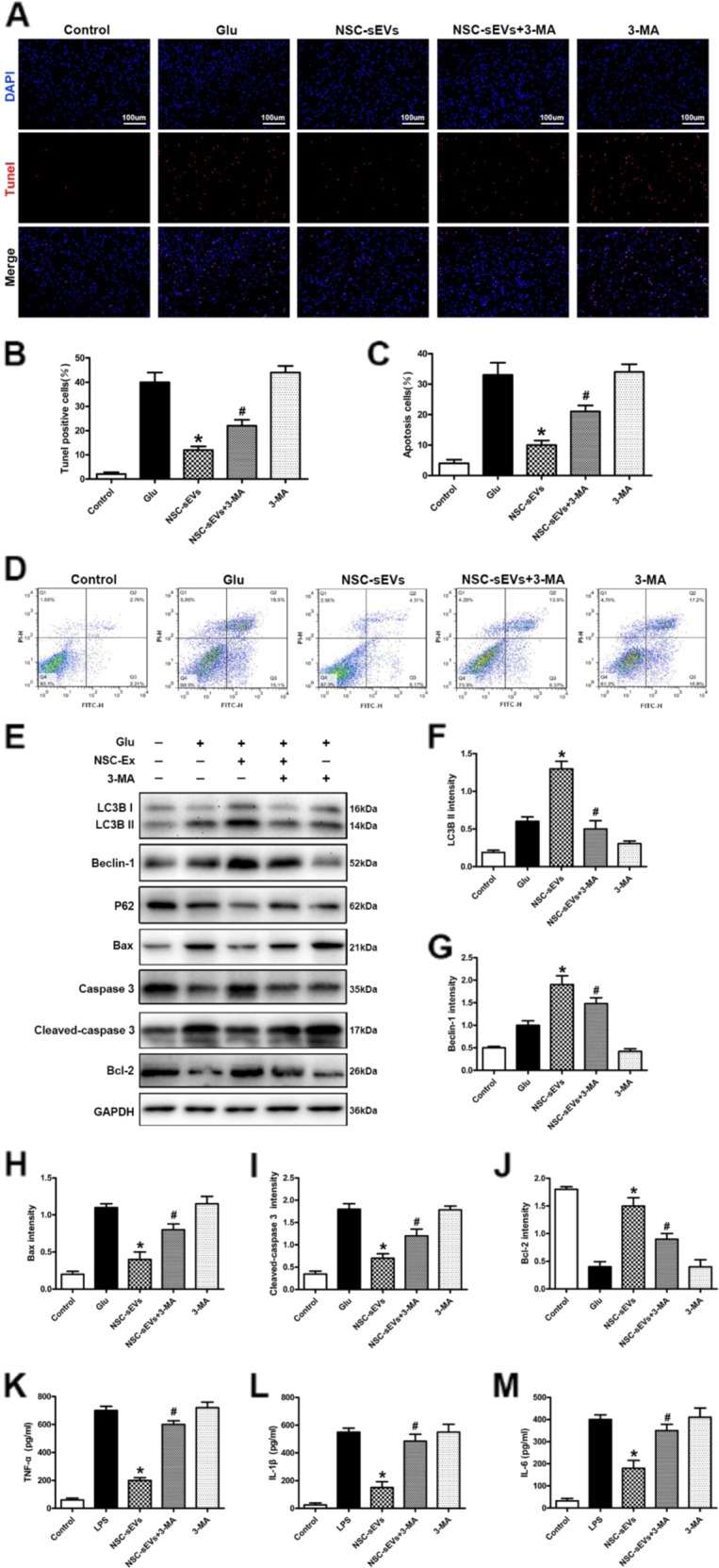
Verification
Claims the paper makes
The claims and statistics of this paper haven’t been checked yet.
Free: it reads the open-access text and checks the first 5 claims that cite a source we can check. Create a free account to check every claim.
Claims other papers make about this one
Each is checked against this paper’s own text: does it say what the citing paper says it does?
The source backs part of the claim, not all of it — or backs it for a different population, condition or comparison.
In the citing paper
“Finally, probes measuring the autophagic flux without requiring transfection or permeabilization have also been developed.Such methods are based on dyes that selectively label autophagic vesicles (autophagosomes and autolysosomes) but not lysosomes, and are used for both primary cells [502,503] and cell lines [504,505] from different species (including nonmammals).”
From Guidelines for the use and interpretation of assays for monitoring autophagy (4th edition) 1 (2021) · cites this paper as [503]
Experimental — accuracy not yet measured
Self-check
Percentages, sums and reported differences re-computed from the paper’s own numbers.
The self-check needs the paper’s full text.
Citations
Cites
1 retracted
Spontaneous Human Adult Stem Cell Transformation
Rubio, D., Garcia-Castro, J., Martín, M. C., de la Fuente, R., Cigudosa, J. C., Lloyd, A. C., & Bernad, A. (2005) · Cancer Research · doi:10.1158/0008-5472.can-04-4194 · Cited by 1,036
RetractedThéry, C., Witwer, K. W., Aikawa, E., Alcaraz, M. J., Anderson, J. D., Andriantsitohaina, R., Antoniou, A., Arab, T., Archer, F., Atkin‐Smith, G. K., et al. (2018) · Journal of Extracellular Vesicles · doi:10.1080/20013078.2018.1535750 · Cited by 11,099
Autophagy in the Pathogenesis of Disease
Levine, B., & Kroemer, G. (2008) · Cell · doi:10.1016/j.cell.2007.12.018 · Cited by 7,069
The Bcl2 family: regulators of the cellular life-or-death switch
Cory, S., & Adams, J. M. (2002) · Nature Reviews Cancer · doi:10.1038/nrc883 · Cited by 4,032
Autophagy in immunity and inflammation
Levine, B., Mizushima, N., & Virgin, H. W. (2011) · Nature · doi:10.1038/nature09782 · Cited by 3,289
The Beclin 1 network regulates autophagy and apoptosis
Kang, R., Zeh, H. J., Lotze, M. T., & Tang, D. (2011) · Cell Death & Differentiation · doi:10.1038/cdd.2010.191 · Cited by 2,485
McDonald, J. W., & Sadowsky, C. (2002) · The Lancet · doi:10.1016/s0140-6736(02)07603-1 · Cited by 1,799
Haematopoietic stem cells adopt mature haematopoietic fates in ischaemic myocardium
Balsam, L. B., Wagers, A. J., Christensen, J. L., Kofidis, T., Weissman, I. L., & Robbins, R. C. (2004) · Nature · doi:10.1038/nature02460 · Cited by 1,736
Autophagy: molecular machinery for self-eating
Yorimitsu, T., & Klionsky, D. J. (2005) · Cell Death & Differentiation · doi:10.1038/sj.cdd.4401765 · Cited by 1,535
Therapeutic interventions after spinal cord injury
Thuret, S., Moon, L. D. F., & Gage, F. H. (2006) · Nature Reviews Neuroscience · doi:10.1038/nrn1955 · Cited by 1,012
Cited by
Items 201–300 of 337
Chen, Y., Zhang, H., Hu, X., Cai, W., Jiang, L., Wang, Y., Wu, Y., Wang, X., Ni, W., & Zhou, K. (2023) · Molecular Neurobiology · doi:10.1007/s12035-023-03501-w · Cited by 13
“Therefore, researchers have focused on EVs secreted from NSCs, and NSC exosomes are capable of protecting neuronal function and accelerating neurocognitive impairment and repair of SCI [153, 170].”
Self-citationTu, Y., Hsueh, Y.-H., & Huang, H.-C. (2021) · Current Neurovascular Research · doi:10.2174/1567202618666211012162111 · Cited by 10
Wang, C., Zhang, X., Zhu, X., Chen, R., & Lian, N. (2023) · Neuroscience · doi:10.1016/j.neuroscience.2023.04.026 · Cited by 10
Extracellular Vesicles as Emerging Therapeutic Strategies in Spinal Cord Injury: Ready to Go
Jiang, J., Wang, Z., Bao, Q., Chen, S., Xu, W., & Jiang, J. (2025) · Biomedicines · doi:10.3390/biomedicines13051262 · Cited by 12
“EVs from various cell sources, such as neural stem cells (NSCs) and mesenchymal stem cells (MSCs), such as human umbilical cord MSCs (hucMSCs) and adipose-derived stem cells (ADSCs), have demonstrated immunomodulation, anti-inflammation, tissue repair, and regeneration properties [16,64,65].”
Li, Q., Zhang, W., & Xiao, E. (2021) · Molecular Medicine Reports · doi:10.3892/mmr.2021.12310 · Cited by 11
“BM‐MSCs have a strong self‐replication ability and multi‐ differentiation potential, which are based on their pluripotency and the secretion of beneficial molecules; therefore, these cells are widely used in basic and clinical trials (6,13).”
BackgroundAfsartala, Z., Hadjighassem, M., Shirian, S., Ebrahimi‐Barough, S., Gholami, L., Hussain, M. F., Yaghoobi, M., & Ai, J. (2022) · Basic and Clinical Neuroscience Journal · doi:10.32598/bcn.2022.3430.2 · Cited by 11
“However, the low survival rate owing to ischemia and immune rejection has been addressed through the clinical application of direct NSC for the treatment of SCI (Rong et al., 2019).”
BackgroundInfluentialYin, T., Shao, P., Chen, K., Lin, K., Chiang, J. Y., Sung, P., Wu, S., Li, Y., Yip, H., & Lee, M. S.-S. (2022) · Cell Transplantation · doi:10.1177/09636897221133821 · Cited by 10
Peng, J., Yu, Z., Xiao, R., Hu, X., & Xia, Y. (2023) · Neurochemical Research · doi:10.1007/s11064-023-03866-3 · Cited by 16
Kim, C. K., Won, J.-S., An, J. Y., Lee, H. J., Nam, A.-J., Nam, H., Lee, J. Y., Lee, K.-H., Lee, S., & Joo, K. M. (2022) · International Journal of Molecular Sciences · doi:10.3390/ijms23084267 · Cited by 10
Targeting autophagy process in center nervous trauma
Wei, S., Leng, B., & Yan, G. (2023) · Frontiers in Neuroscience · doi:10.3389/fnins.2023.1128087 · Cited by 11
“Neural stem cell-derived small extracellular vesicles treatment can regulate apoptosis and inflammatory processes by inducing autophagy to promote functional recovery in damage model of spinal cord (Rong et al., 2019).”
BackgroundHasan, A., Repici, A., Capra, A. P., Mannino, D., Bova, V., Catalfamo, A., Campolo, M., Paterniti, I., Esposito, E., & Ardizzone, A. (2024) · Neuropharmacology · doi:10.1016/j.neuropharm.2024.110239 · Cited by 12
Current advances in stem cell therapy in the treatment of multiple sclerosis
Baghbadorani, P. Z., Damavandi, A. R., Moradi, S., Ahmadi, M., Bemani, P., Aria, H., Motedayyen, H., Damavandi, A. R., Eskandari, N., & Fathi, F. (2022) · Reviews in the Neurosciences · doi:10.1515/revneuro-2022-0102 · Cited by 11
Deng, Q., Ma, L., Yang, Y., Chen, T., Zhan, L., He, Q., Jiang, Y., & Ma, L. (2023) · Molecular Neurobiology · doi:10.1007/s12035-023-03577-4 · Cited by 9
García, E., Buzoianu-Anguiano, V., Silva‐García, R., Salazar, F. E., Arriero-Cabañero, A., Escandon, A., Doncel‐Pérez, E., & Ibarra, A. (2023) · International Journal of Molecular Sciences · doi:10.3390/ijms241813946 · Cited by 9
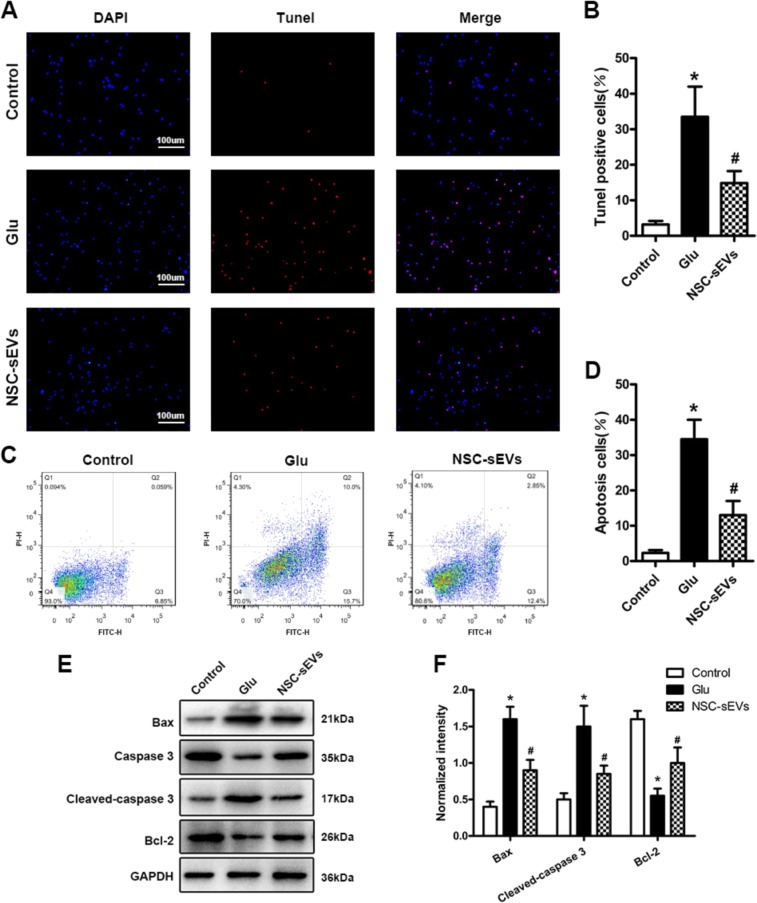
“They have also been found to affect neuronal apoptosis by reducing glutamate exposure, decreasing levels of pro-apoptotic markers, and increasing levels of anti-apoptotic markers, such as B-cell lymphoma 2 (Bcl-2) [63].”
BackgroundTherapeutic and diagnostic potential of extracellular vesicles in amyotrophic lateral sclerosis
Ellison, T. J., Stice, S. L., & Yao, Y. (2022) · Extracellular Vesicle · doi:10.1016/j.vesic.2022.100019 · Cited by 8
Babaei, A., Tiraihi, T., Ai, J., & Baheiraei, N. (2023) · Bioimpacts · doi:10.34172/bi.2023.24266 · Cited by 8
Extracellular vesicles promote autophagy in human microglia through lipid raft‐dependent mechanisms
Romenskaja-Avgul, D., Jonavičė, U., & Pivoriūnas, A. (2024) · FEBS Journal · doi:10.1111/febs.17192 · Cited by 11
“Neural stem cell-derived EVs attenuated apoptosis and neuroin-flammation after traumatic spinal cord injury by activating autophagy [27].”
Shao, M., Jin, M., Lv, F., Ma, X., & Wei, Z. (2025) · International Immunopharmacology · doi:10.1016/j.intimp.2025.114324 · Cited by 8
Zuo, X., Ju, C., Zhang, Z., Wei, X., Ma, Y., Song, Z., Zhang, J., Luo, L., Zhu, Z., Wang, Z., et al. (2025) · Molecular Immunology · doi:10.1016/j.molimm.2025.03.014 · Cited by 8
Upregulation of UBR1 m6A Methylation by METTL14 Inhibits Autophagy in Spinal Cord Injury
Wang, C., Zhu, X., Chen, R., Zhang, X., & Lian, N. (2023) · eNeuro · doi:10.1523/eneuro.0338-22.2023 · Cited by 9
“In SCI, the repair of autophagic flux or activation of autophagy reduces neuronal inflammation, apoptosis, and pyroptosis (Rong et al., 2019; Zhou et al., 2020; Wu et al., 2021; Huang et al., 2022).”
BackgroundHuman PSC-derived cardiac cells and their products: therapies for cardiac repair
Menasché, P. (2023) · Journal of Molecular and Cellular Cardiology · doi:10.1016/j.yjmcc.2023.08.002 · Cited by 11
Exosome-based therapy for spinal cord injury: a narrative review
Zha, X. (2025) · Advanced technology in neuroscience . · doi:10.4103/atn.atn-d-25-00001 · Cited by 15
Yang, Z., Rao, J., Liang, Z., Xu, X., Lin, F., Lin, Y., Wang, C., & Chen, C. (2022) · Frontiers in Neuroscience · doi:10.3389/fnins.2022.989295 · Cited by 9
Semita, I. N., Utomo, D. N., & Suroto, H. (2023) · World Journal of Orthopedics · doi:10.5312/wjo.v14.i2.64 · Cited by 10
Elucidating the Pivotal Neuroimmunomodulation of Stem Cells in Spinal Cord Injury Repair
Richard, S. A., & Sackey, M. (2021) · Stem Cells International · doi:10.1155/2021/9230866 · Cited by 9
“Thus, the antiapoptotic and anti-inflammatory actions of NSC-sEVs were directly dependent on the stimulation of autophagy (Figure 2) [233].”
BackgroundInfluentialLi, S., Chen, G., Tong, K., Che, Y., Xie, Y., Shi, W., Huang, A., Wang, Y., Li, J., Jiao, G., et al. (2025) · Bioactive Materials · doi:10.1016/j.bioactmat.2025.06.042 · Cited by 12
“The aforementioned findings highlight the positive role of exosomes in SCI repair; however, the role of NSC-derived exosomes (NSC-Exos) in SCI repair has yet to be systematically and thoroughly evaluated [19 – 21].”
Sánchez-Martín, M. D. M., Giraldo, E., Alastrue‐Agudo, A., Mocholi, E. L., Pérez, S. M., Mannino, L., Paniagua, G., Sánchez, A. I. F., Monreal-Trigo, J., Haro, J. M. T., et al. (2025) · Molecular Therapy · doi:10.1016/j.ymthe.2025.07.041 · Cited by 9
“…cell (NPC) transplantation for SCI treatment has garnered considerable attention due to several benefits including the remyelination of injured axons, 2 the provision of trophic support, 3 and neuroprotection, 4 which attenuates non-permissive scar formation 5 or modulates immune responses.”
Yan, L., Li, Z., Li, C., Chen, J., Zhou, X. C., Cui, J., Liu, P., Shen, C., Chen, C., Hong, H., et al. (2024) · PLoS ONE · doi:10.1371/journal.pone.0303235 · Cited by 7
Self-citationHuang, J., Wang, W., Lin, W., CAI, H., ZHU, Z., Waqas, A., Zhang, Q. Y., LIU, J., Zhang, Y., Li, R., et al. (2024) · Biocell · doi:10.32604/biocell.2024.053148 · Cited by 7
“The overexpression of 14-3-3T protein enhanced the anti-apoptotic and anti-in fl ammatory effects of NSC-derived exosomes and further promoted the recovery of functional behavior after SCI [22,80].”
BackgroundKong, J., Zhang, Q., Zheng, H., Tang, D., Li, F., An, S., Li, J., & Fan, Z. (2024) · Experimental Neurology · doi:10.1016/j.expneurol.2024.114975 · Cited by 8
Stem Cell Implants: Emerging Innovation for Stroke Recovery.
Colliander, R., Alleman, K., Diaz, M. J., Jimenez, M. J. D., King, P., Mirpuri, P., Cutler, C. B., & Lucke-Wold, B. P. (2023) · PubMed · Cited by 8
Interactions Between Extracellular Vesicles and Autophagy in Neuroimmune Disorders
Ai, X., Yu, H., Cai, Y. C., & Guan, Y. (2024) · Neuroscience Bulletin · doi:10.1007/s12264-024-01183-5 · Cited by 7
“In a study by Rong et al. , it was found that EVs produced by neural stem cells are able to inhibit apoptosis and neuroinflammation through the activation of autophagy [43].”
MiR-10b-5p Regulates Neuronal Autophagy and Apoptosis Induced by Spinal Cord Injury Through UBR7
Liu, S., Liu, H., Gong, C., Li, G., Li, Q., Pan, Z., He, X., Jiang, Z., Li, H., & Zhang, C. (2024) · Neuroscience · doi:10.1016/j.neuroscience.2024.02.013 · Cited by 7
“The regulation of Beclin1, a key regulator of autophagy, may be an important mechanism for controlling autophagy (Rong et al., 2022).”
BackgroundShao, R., Zhang, L., Yang, H., Wang, Y., Zhang, Z., Yue, J., Chen, Y., Pan, H., Zhou, H. F., & Quan, R. (2021) · Tissue and Cell · doi:10.1016/j.tice.2021.101596 · Cited by 7
Liu, M., Zhong, W., Li, C., & Su, W. (2022) · Bioengineered · doi:10.1080/21655979.2022.2037227 · Cited by 7
“TUNEL staining was done as described elsewhere [25].”
MethodCunningham, C. J., Enrich, M. V., Pickford, M. M., MacIntosh-Smith, W., & Huang, W. (2020) · OBM Neurobiology · doi:10.21926/obm.neurobiol.2004080 · Cited by 6
Dutta, D., Pirolli, N. H., Levy, D. H., Tsao, J., Seecharan, N., Wang, Z., Xu, X., Jia, X., & Jay, S. M. (2023) · Biomaterials Science · doi:10.1039/d3bm00340j · Cited by 5
Liu, R., Ye, J., & Huang, S. (2025) · Non-coding RNA Research · doi:10.1016/j.ncrna.2025.05.013 · Cited by 7
“Conversely, autophagy can also alleviate neuronal death in central nervous system diseases by effectively suppressing apoptosis through clearing damaged organelles [63].”
Li, D., Zhu, B., Wei, J., Chen, W., Zhang, X., Li, D. D., Zhao, W., Ding, Y., Zheng, G., Zhao, S., et al. (2025) · Free Radical Biology and Medicine · doi:10.1016/j.freeradbiomed.2025.10.270 · Cited by 5
Self-citationWang, J. J., Ge, X., Lang, C., Xu, W., Hu, T., Wang, L., Hu, F., Sun, Y., Zhang, F., Cai, W., et al. (2025) · Science Advances · doi:10.1126/sciadv.adx7695 · Cited by 9
“To further clarify the function of plasma EV–associated RNF216, neural stem cell–derived EVs (NEVs) were selected for RNF216 loading in vitro, in accordance with previous studies ( 27 , 28 ).”
Self-citationMesenchymal Stem Cell-Derived Exosomes: A Promising Therapeutic Strategy for Spinal Cord Injury
Li, X., Wang, C., Du, K., Wang, J., Lin, J., & Yang, C. (2025) · International Journal of Nanomedicine · doi:10.2147/ijn.s573168 · Cited by 8
“161 Studies have shown that hUC-MSC -derived exosomes improve ovarian function during natural aging by inhibiting apoptosis.”
Self-citationCell Therapy for Spinal Cord Injury: Mechanistic Insights and Translational Challenges
Bach, D., Giang, B. V., & Nguyen, L. L. (2026) · Cellular and Molecular Neurobiology · doi:10.1007/s10571-026-01720-y · Cited by 5
“…a means to reinforce pro-repair glial states and support synaptic and myelin stability, consistent with observations that EVs influence astro - cyte and microglial polarization and enhance neurite and synaptic markers in preclinical systems (Ocaña et al. 2023; Feng et al. 2021; Rong et al. 2019).”
Holghoomi, R., Rahdar, A., Kadkhoda, J., Mohammadzadeh, V., Shirzad, M., Salehi, B., Ebrahimi, M.-S., & Pandey, S. (2026) · Nano LIFE · doi:10.1142/s179398442630013x · Cited by 6
Xu, M., Chen, G., Dong, Y., Xiang, S., Xue, M., Liu, Y., Song, H., Song, H., & Wang, Y. (2022) · Stem Cell Research & Therapy · doi:10.1186/s13287-022-03131-4 · Cited by 5
A New Paradigm in Spinal Cord Injury Therapy: from Cell-free Treatment to Engineering Modifications
Qin, B., Hu, X., Huang, Y., Yang, R.-H., & Xiong, K. (2023) · CNS & Neurological Disorders - Drug Targets · doi:10.2174/1871527322666230418090857 · Cited by 5
Proteomic characterization of extracellular vesicles in programmed cell death
Xue, V. W., Wong, S. C. C., Zhao, H., & Cho, W. C. S. (2024) · PROTEOMICS · doi:10.1002/pmic.202300024 · Cited by 5
Neuromodulation as a basic platform for neuroprotection and repair after spinal cord injury
Biktimirov, A., Pak, O., Bryukhovetskiy, I., Sharma, A., & Sharma, H. S. (2021) · Progress in brain research · doi:10.1016/bs.pbr.2021.06.012 · Cited by 4
Ma, W., Chu, S., Ma, Y., Wang, S., & Ma, X. (2025) · Current Neuropharmacology · doi:10.2174/011570159x386374250623095520 · Cited by 6
“Extracellular vesicles derived from neural stem cells can effectively suppress microglial activation and neuroinflammation by stimulating autophagy, ultimately leading to decreased spinal cord injury, enhanced neuronal recovery, and reduced cell death [102].”
Stem Cell Therapy in Spinal Cord Injury-Induced Neurogenic Lower Urinary Tract Dysfunction
Ou, Y., Huang, C.-C., Kao, Y., Ho, P., & Tsai, K. (2023) · Stem Cell Reviews and Reports · doi:10.1007/s12015-023-10547-9 · Cited by 4
Vimentin Inhibits Neuronal Apoptosis After Spinal Cord Injury by Enhancing Autophagy
Zhao, J., Chen, K., Wang, T., Qiu, X., Zhang, X., He, T., Chen, L., Chen, J., Cui, X., & Wu, H. (2025) · CNS Neuroscience & Therapeutics · doi:10.1111/cns.70200 · Cited by 5
Self-citationIntracellular and intercellular crosstalk between exosomes and autophagy
Li, Q., Chen, S., Yin, Y., Han, M., Shi, H., Gong, Y. L., Duan, X., Wang, Y., Guo, Q., Duan, Y., et al. (2025) · The Innovation Life · doi:10.59717/j.xinn-life.2025.100132 · Cited by 4
Ling, L. A., Boukhalfa, A., Kung, A. H., Yang, V. K., & Chen, H. H. (2025) · Pharmaceuticals · doi:10.3390/ph18050671 · Cited by 3
“Similar results were obtained in a rat model of spinal cord injury where the authors showed that neural stem cell-derived exosomes suppressed apoptosis and neuro-inflammation by inducing autophagy while reducing pro-inflammatory cytokine expression [130].”
The New Approach to Treating Erectile Dysfunction: Stem Cell-Derived Extracellular Vesicles
Ping, X., Zhou, H., Zhang, Y., Liu, X., Tao, T., Liu, Q., Feng, S., & Lou, K. (2025) · International Journal of Nanomedicine · doi:10.2147/ijn.s547834 · Cited by 6
Wang, J., Zhu, Q., Chan, P., Zhu, Z., Zheng, M., Mao, Z., Gu, M., Ren, Z., Cui, M., Liu, J., et al. (2025) · Molecular Neurobiology · doi:10.1007/s12035-025-05410-6 · Cited by 3
“For example, sEVs from NSCs lower cell death and inflammation after SCI [33].”
Self-citationDeshetty, U. M., Singh, S., Martínez-Cuevas, F. L., Jain, S., Buch, S. J., & Periyasamy, P. (2026) · Immuno · doi:10.3390/immuno6010012 · Cited by 5
“In additional models, NSC-and iPSC-derived EVs protected against oxidative stress-induced apoptosis and regulated disease-associated microglia, thereby diminishing neuroinflammatory cascades and contributing to neuroprotection in AD and PD models [196–198].”
Xi, X., Chen, Z., Wang, C., Wang, F., & Sun, X. (2026) · CNS Neuroscience & Therapeutics · doi:10.1002/cns.70783 · Cited by 3
Zafarjonovna, A. Z., Aysulu, E., Matlyuba, S., Hamroyev, R., Azamatovich, J. B., Ahmadjon, A., Barno, A., Kurbanovna, A. M., ugli, M. R. M., Shaxodat, I., et al. (2026) · Clinica Chimica Acta · doi:10.1016/j.cca.2026.120932 · Cited by 5
Ding, Q., Gao, H., Hu, X., & Gao, W. (2023) · Advances in Clinical and Experimental Medicine · doi:10.17219/acem/174004 · Cited by 4
“Extensive pathological hallmarks, inflammation responses and neuronal apoptosis represent the major characteristics of SCI. 4,5 The phosphoinositide 3-kinase (PI3K)/AKT signaling pathway is closely re-lated to the pathological process of SCI, and the activation of the PI3K/AKT pathway delays the…”
BackgroundResultPal, P., Sharma, M., Gupta, S. K., Potdar, M. B., & Belgamwar, A. V. (2024) · Biochemical and Biophysical Research Communications · doi:10.1016/j.bbrc.2024.150778 · Cited by 3
Biomaterial-Assisted Senescence-Targeting Treatment Strategy for Central Nervous System Injury
Zhao, Y., Luo, Y., Yang, J., Wu, J. C., & Wang, X. (2025) · Tissue Engineering Part B Reviews · doi:10.1177/19373341251359272 · Cited by 4
Self-citationmiR-107-5p mitigates spinal cord injury by targeting the PLOD2/HK2 axis
Deng, M., Jiang, G., Huang, K., Li, S., Xia, Y., Cao, Z., Chen, W. J., & Ding, R. (2026) · International Immunopharmacology · doi:10.1016/j.intimp.2026.116355 · Cited by 2
Ardah, M. T., Abdulsahib, W. K., Abdal-Wahab, S. T., Malathi, H., Senapati, J. N., Samikan, K., Mukherjee, G., Sinha, A., & Rizaev, J. (2026) · Molecular Neurobiology · doi:10.1007/s12035-026-05819-7 · Cited by 2
Koopaei, N. N., Schmittgen, T. D., Reynolds, B. A., & Azari, H. (2021) · Methods in molecular biology · doi:10.1007/978-1-0716-1783-0_8 · Cited by 3
Hong, X., Xia, M., Zhang, Q., Zhao, T., Zhang, Y., Qian, Z., Bao, J.-P., & Li, H. (2022) · Neuroscience Letters · doi:10.1016/j.neulet.2022.136914 · Cited by 2
The application of human Wharton's jelly mesenchymal stem cells in wound healing: A narrative review
Rezaee, R., Verdi, J., Sadeghi, M., Soleymanha, M., Mirzaei, M., Mobayen, M., & Kianoush, A. (2022) · Journal of Current Biomedical Reports · doi:10.52547/jcbior.3.1.1 · Cited by 2
Alawad, A. O., Alagrafi, F., Alfahad, A. J., Alamari, H. A., Alghamdi, F. O., Fallatah, H., Aodah, A. H., Alyousef, S. S., Bakhrebah, M. A., Alanazi, I. O., et al. (2023) · PLoS ONE · doi:10.1371/journal.pone.0288032 · Cited by 2
Wang, Z., Li, J., Xu, T., Guo, B., Xie, Z., & Li, M. (2024) · Cellular and Molecular Neurobiology · doi:10.1007/s10571-024-01465-6 · Cited by 2
“Several preclinical studies demonstrated that stem cells transplanted in SCI animal models could restore synaptic connections and neural networks through direct neuronal regeneration or paracrine effects (Rong et al. 2019; Li et al. 2020; Deng et al. 2015).”
BackgroundQin, X., Zhang, X., He, X., Xu, H., Yao, Q., Li, Z., Feng, Y., Zhong, Y., Li, Z., Lv, G., et al. (2024) · Heliyon · doi:10.1016/j.heliyon.2024.e37388 · Cited by 2
“BAX and Bcl-2 as classic pro-apoptotic and anti-apoptotic proteins, directly influence cell apoptosis and indirectly affect functional recovery after SCI [39,40].”
BackgroundExtracellular Vesicles: Therapeutic Delivery
Ma, R., Chen, L., & Hu, G. (2024) · Springer eBooks · doi:10.1007/978-3-031-68237-7_47 · Cited by 2
Zhang, L., Chen, G., Pang, J., Tian, H., Guo, K., He, J., Shang, G., Wang, C., Yang, L., Rao, X., et al. (2025) · Chemical Engineering Journal · doi:10.1016/j.cej.2025.167836 · Cited by 4
Induction of ligustrazine apoptosis of A549 cells through activation of death receptor pathway
Zheng, W., Yang, J., Wen, J., Sun, J., Wang, J., Zhang, X., Zhang, X., Zhao, X., Fang, H., Zhu, Q., et al. (2022) · Translational Cancer Research · doi:10.21037/tcr-22-455 · Cited by 1
“The activation of caspase 3 is a sign that apoptosis has entered an irreversible stage (30).”
BackgroundSelf-citationNSPCs-ES: mechanisms and functional impact on central nervous system diseases
Si, Y., Hayat, M. A., & Hu, J. (2024) · Biomedical Materials · doi:10.1088/1748-605x/ad5819 · Cited by 2
Zheng, Y., Chen, X., Bu, P., Xue, H., Kim, D., Zhou, H., Xia, X., Liu, Y., & Cao, Q. (2025) · International Journal of Molecular Sciences · doi:10.3390/ijms26188940 · Cited by 2
“Grafted NPCs may further mitigate tissue damage and promote recovery by modulating immune responses through the releasing of various chemokines and cytokines to regulate macrophage and microglial phenotypes and inhibit antigen presentation by dendritic cells [61,62].”
Galactin-3 regulation of CDC42 promotes neuronal autophagy following spinal cord injury
Yan, L., Zhou, X. C., Li, Q., Hong, H., Wu, C., Gao, Y., Cui, Z., & Xu, G. (2025) · Frontiers in Cellular Neuroscience · doi:10.3389/fncel.2025.1622825 · Cited by 1
Application of neural stem cells in the treatment of intracerebral hemorrhage: a systematic review
Song, P., Shafiq, Z., Jiang, H., & Cai, Q. (2025) · Frontiers in Pharmacology · doi:10.3389/fphar.2025.1660614 · Cited by 2
Tong, K., Li, S., Chen, G., He, D., Lin, C., Li, Y., & Chen, N. X. (2025) · Neural Regeneration Research · doi:10.4103/nrr.nrr-d-25-00544 · Cited by 2
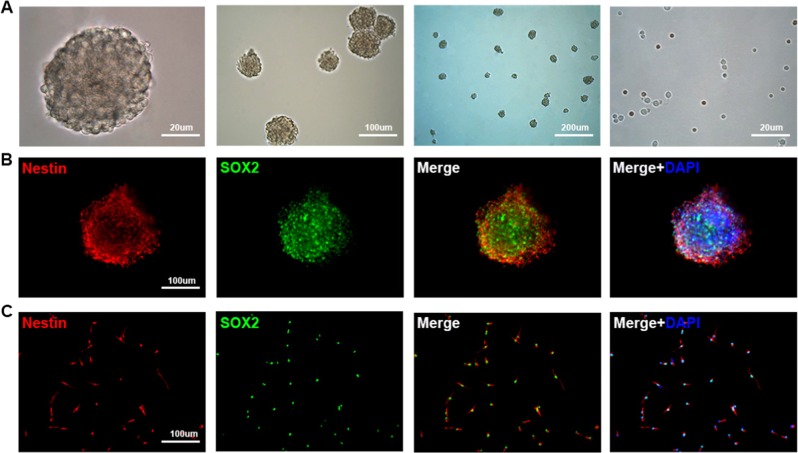
“A rapid increase in the expression of the eNSC marker nestin after SCI indicates that these cells are activated (Grégoire et al., 2015; Rong et al., 2019).”
InfluentialExosomal Cargoes Derived from Neural Stem Cell: A New Strategy of Parkinson's Disease Treatment
Tarbali, S., Dadkhah, M., & Payandeh, Z. (2026) · Molecular Neurobiology · doi:10.1007/s12035-025-05637-3 · Cited by 2
“Also, Rong et al. reported that NSC-derived exosomes increased autophagosome formation, and in this way can decrease cell apoptosis [138].”
Tan, M., Ma, C., Min, L., Cheng, C., Wang, J., Feng, Z., & Hou, J. (2026) · Molecular Neurobiology · doi:10.1007/s12035-026-05662-w · Cited by 1
“The paw prints were then digitally captured and analyzed to quantify locomotor coordination [24].”
Self-citationNatale, F., Dellaria, A., Sarrapochiello, I. N., Leone, L., Spinelli, M., Rinaudo, M., Garofalo, N., Grassi, C., & Fusco, S. (2026) · Alzheimer s Research & Therapy · doi:10.1186/s13195-026-02014-7 · Cited by 1
“Moreover, NSC-EV have been shown to reduce apoptosis and neuroinflammation by activating autophagy in the central nervous system [71].”
Microglia Reprogramming in Glioblastoma: Stem Cell-Derived Factors as Emerging Immunomodulators
Amiri, Z., Tremonti, B. F., Corsaro, A., Pattarozzi, A., Bajetto, A., Barbieri, F., Thellung, S., & Florio, T. (2026) · Cells · doi:10.3390/cells15090840 · Cited by 2
“NSC-EV treatment after spinal cord injury reduced microglia activation and neuroinflammation, with these effects related to autophagy induction [144].”
Zhang, C., Liu, X., Zhao, B., Luo, J., Liu, W., Hao, Y., 胡付恒, Li, S., Jin, L., Huang, W., et al. (2026) · Journal of Materials Chemistry B · doi:10.1039/d6tb01356b · Cited by 2
Self-citationYang, B., & Yang, X. (2023) · Folia Morphologica · doi:10.5603/fm.a2023.0036 · Cited by 1
“All these findings in our study supported the protective role of autophagy in SCI, which was in accordance with previous reports [32].”
ResultTrends in Neuroprotective Strategies after Spinal Cord Injury: State of the Art
Rodríguez‐Barrera, R., Garibay-López, M., & Ibarra, A. (2019) · IntechOpen eBooks · doi:10.5772/intechopen.89539 · Cited by 1
The research progress of miRNA/lncRNA associated with spinal cord injury
Yuan, H., Hu, Y., Jiang, L., & Wang, T. (2019) · Ibrain · doi:10.1002/j.2769-2795.2019.tb00042.x · Cited by 1
Culturing Mouse Fetal Neural Precursor Cells in a Free-Floating Serum-Free Condition
Azari, H. (2021) · Methods in molecular biology · doi:10.1007/978-1-0716-1783-0_1
Dause, T. J., Denninger, J. K., Smith, B. M., & Kirby, E. D. (2021) · Cited by 1
Sánchez-Petidier, M. (2022) · RiuNet (Universitat Politècnica de València) · doi:10.4995/thesis/10251/180753
Ibrahim, M. A. (2022) · FUDMA Journal of Sciences · doi:10.33003/fjs-2022-0601-889
“Research conducted by Rong et al., 2019 revealed that NSC-sEVs can successfully decrease neuroinflammation and neuronal apoptosis, thereby enhancing functional recovery in SCI injured rats model (Rong et al., 2019).”
MethodИвановна, К. А., Лісяний, М. І., & Бєльська, Л. М. (2023) · Immunology and Allergy Science and Practice · doi:10.37321/immunology.2022.3-4-02
Villamil, P. B. (2022) · RiuNet (Universitat Politècnica de València) · doi:10.4995/thesis/10251/191500
Li, W., Shi, T., Zhou, L., Chen, Z., & Liu, W. (2023) · Research Square · doi:10.21203/rs.3.rs-3301436/v1
Self-citationLi, L., Yan, J., Sun, J., Zhang, J., & Liao, B. (2024) · Frontiers in Pharmacology · doi:10.3389/fphar.2024.1339956
Self-citationHajisoltani, R., Taghizadeh, M., Hamblin, M. R., & Ramezani, F. (2024) · Current Stem Cell Research & Therapy · doi:10.2174/011574888x283713240129095031
Sambur, D. B., Kalinina, O., Aquino, A. D., Tirikova, P. V., Koroleva, E. E., Trulioff, A. S., Rubinstein, A., Murashova, L. A., Kudryavtsev, I. V., & Головкин, А. С. (2024) · Journal of Evolutionary Biochemistry and Physiology · doi:10.1134/s0022093024010071
“The potential of neural stem cell-derived EVs to reduce neuronal apoptosis, inhibit neuroinflam(cid:2) mation, and promote functional recovery of rats with a model of spinal cord injury (SCI) through autophagy activation has been demonstrated previ(cid:2) ously [17].”
Sun, Y., Zhang, J., Hong, H., & Chen, L. (2024) · Research Square · doi:10.21203/rs.3.rs-4177689/v1
Katana, Z., Sianidou, K., Kaiopoulos, G., Deligianni, F., Tsetsakos, S., Kouvatsi, A., Sakellari, I., Κritis, A., Touraki, M., Sotiropoulos, D., et al. (2024) · Blood Cells Molecules and Diseases · doi:10.1016/j.bcmd.2024.102871
Sambur, D. B., Kalinina, O. V., Aquino, A. D., Tirikova, P. V., Koroleva, E. E., Trulioff, A. S., Rubinstein, A., Murashova, L. A., Kudryavtsev, I. V., & Головкин, А. С. (2024) · Журнал эволюционной биохимии и физиологии · doi:10.31857/s0044452924010072
The Role of Extracellular Vesicles in the Regulation of Autophagy
Yakovlev, A. A. (2025) · Neurochemical Journal · doi:10.1134/s1819712425700035
Unlocking the therapeutic potential of exosomes for ischemic stroke
Shen, M.-L., Zhu, Y. Y., Chen, Q., & Yang, H. (2025) · Biomaterials Science · doi:10.1039/d5bm01007a · Cited by 1
Metadata
- Authors
- Rong, Y., Liu, W., Wang, J., Fan, J., Luo, Y., Li, L., Kong, F., Chen, J., Tang, P., & Cai, W.
- Affiliations
- Jiangsu Province Hospital (CN)
- Sichuan University (CN)
- Corresponding author
- Cai, Weihua
- ORCID
- Venue
- Cell Death & Disease
- Published
- 2019-04-18
- Volume
- 10
- Issue
- 5
- Pages
- 340-340
- ISSN
- 2041-4889 (ISSN-L)
- PMC
- PMC6472377
- OpenAlex
- W2935822819
- Semantic Scholar
- 75726b26a1e9f8e8c327c85127000de608adb792
- Cited by
- 333
- References
- 71
- Citations by year
- 2026: 17 · 2025: 38 · 2024: 59 · 2023: 69 · 2022: 57 · 2021: 49 · 2020: 32 · 2019: 12
- FWCI
- 27.60
- Type
- journal article
- Language
- en
- Open access
- gold
- doi.org
- Licence
- cc-by
- creativecommons.org/licenses/by/4.0 (tdm)
- creativecommons.org/licenses/by/4.0 (vor)
- Locations
- Cell Death and Disease (publishedVersion, cc-by)
- PubMed Central (publishedVersion, cc-by)
- PubMed (publishedVersion)
- DOAJ (DOAJ: Directory of Open Access Journals) (submittedVersion)
- Topics
- Health Sciences › Medicine › Clinical Neurology › Spinal Cord Injury Research
- Life Sciences › Biochemistry, Genetics and Molecular Biology › Molecular Biology › Extracellular vesicles in disease
- Life Sciences › Neuroscience › Cellular and Molecular Neuroscience › Nerve injury and regeneration
- Keywords
- spinal cord injury, neural stem cells, small extracellular vesicles, autophagy, neuronal apoptosis, neuroinflammation, microglial activation, functional recovery, paracrine signaling, LC3B, Beclin-1, caspase-3, Bax/Bcl-2 ratio, inflammatory cytokines, 3-methyladenine
- MeSH terms
- Extracellular Vesicles, Beclin-1, Animals, Autophagy, Cells, Cultured, Disease Models, Animal, Fetus, Inflammation, Locomotion, Macrophages, Male, Microtubule-Associated Proteins, Neurons, Spinal Cord Injuries, Cytokines, Rats, Sprague-Dawley, Apoptosis, Glutamic Acid, Mice, Neural Stem Cells
About these checks
Registry, retraction, Cites and statistics results are computed, not judged, with one exception: a printed reference that no index lists is read once by a model before it counts as a citation error. Claims are extracted by a model and kept only when their quote appears verbatim in the text; each cited source is then checked, with a model’s help, for whether it says what the claim relies on. Those verdicts can be wrong — read the claim’s quote and the cited source before relying on one.
Statistics and arithmetic are recomputed, not judged.
Confidence bands are shown only for fields calibrated on our annotated test set. None is calibrated yet, so no band is shown.
What counts as a claim ›How we measure confidence ›How we check this ›
Are you an author, or do you see a problem with this page? Request a review
Data sources
Bibliographic data: Semantic Scholar, OpenAlex, Crossref.
Contains information from the Semantic Scholar Academic Graph Datasets, made available under the ODC Attribution License (ODC-BY 1.0).
Semantic Scholar’s data is described in: Kinney, R., et al. (2023). The Semantic Scholar Open Data Platform. arXiv:2301.10140.
