

Activation of BNIP3-mediated mitophagy protects against renal ischemia–reperfusion injury
Open accessThe DOI matches its Crossref record; 40 of the 40 references it cites were found in a registry or an index.
Abstract
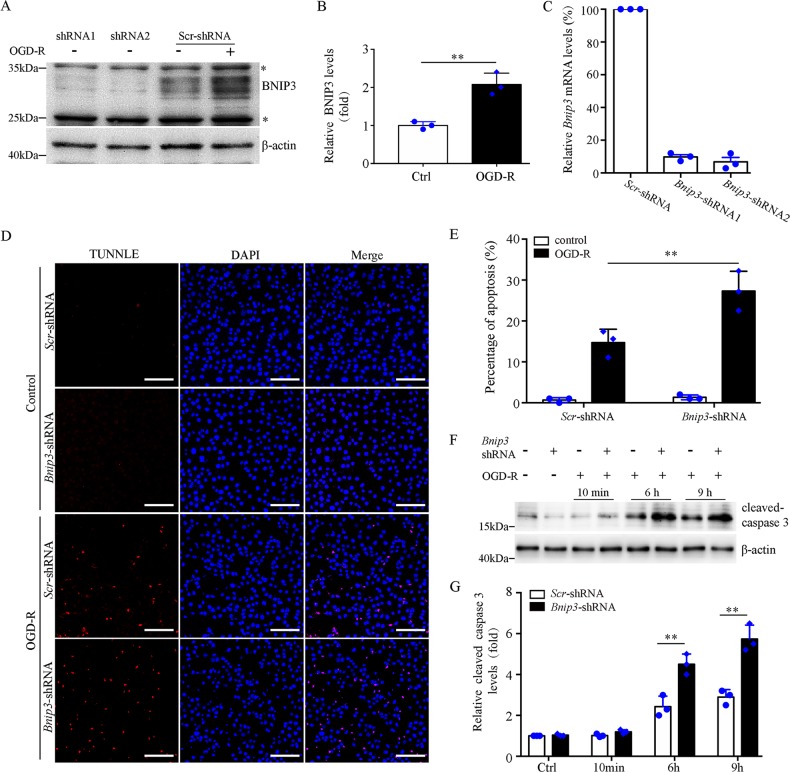
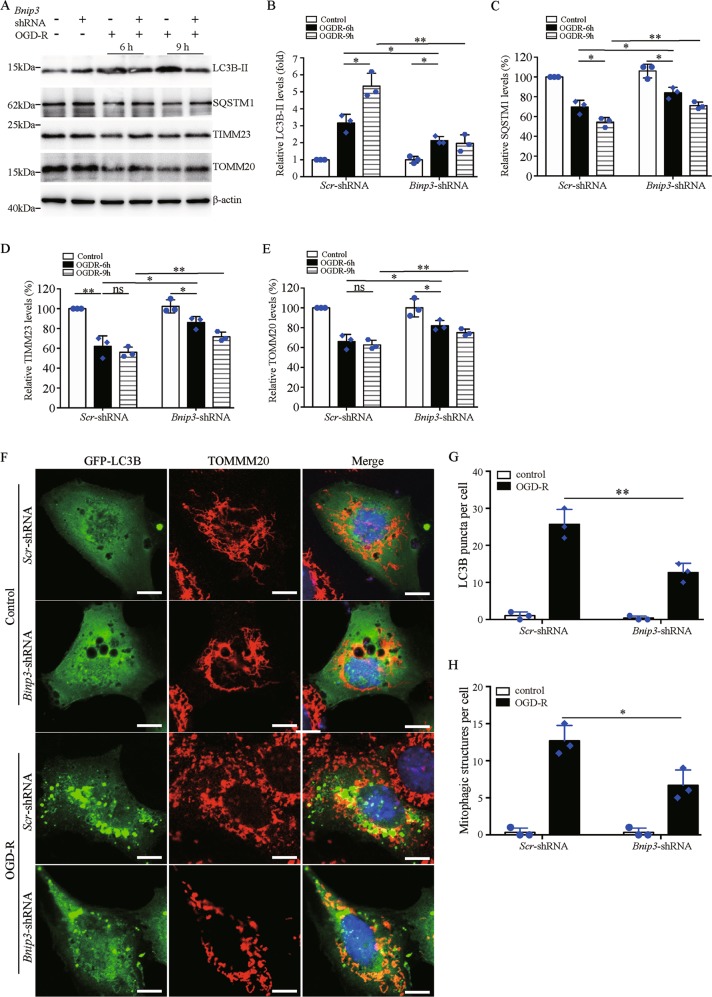
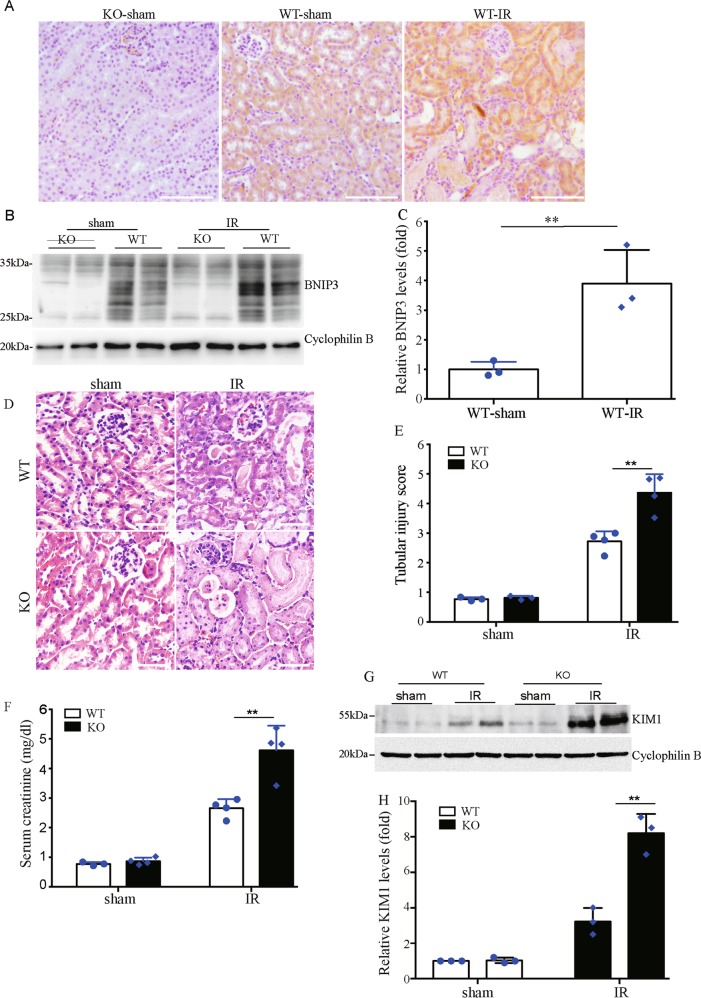
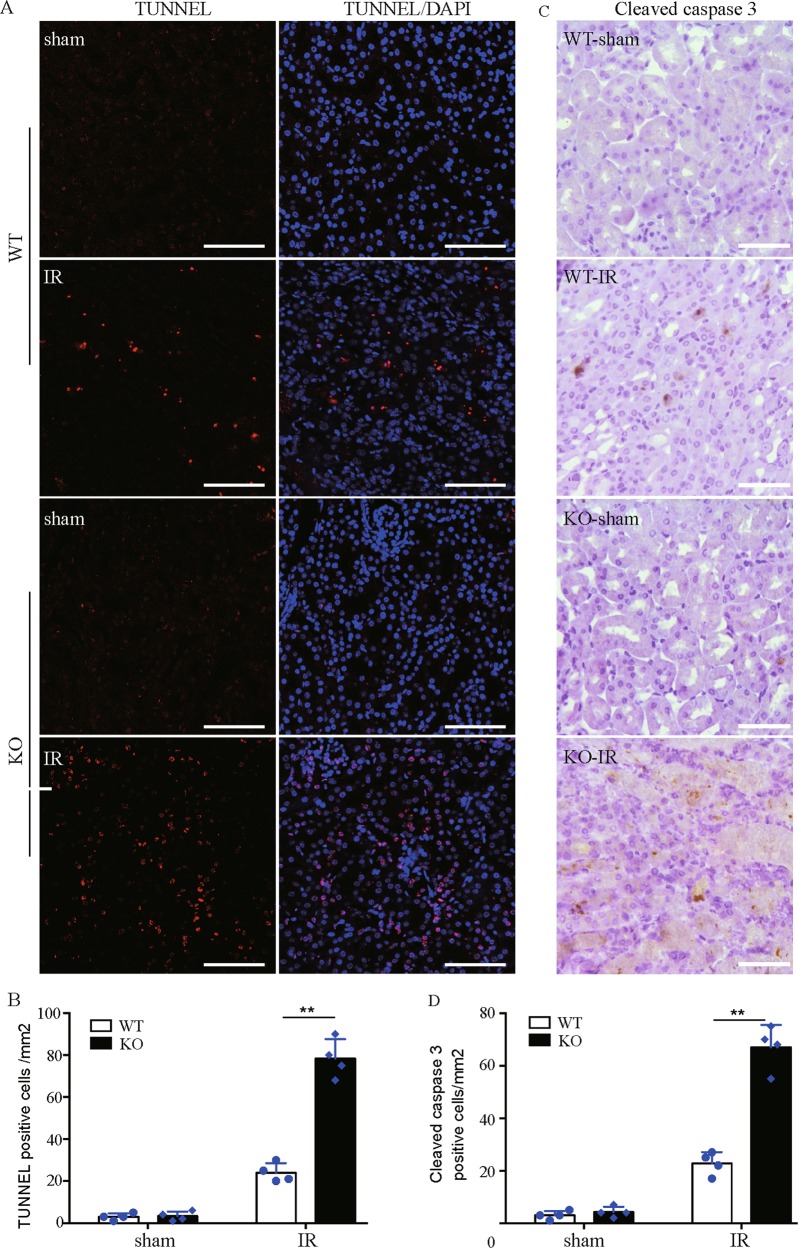
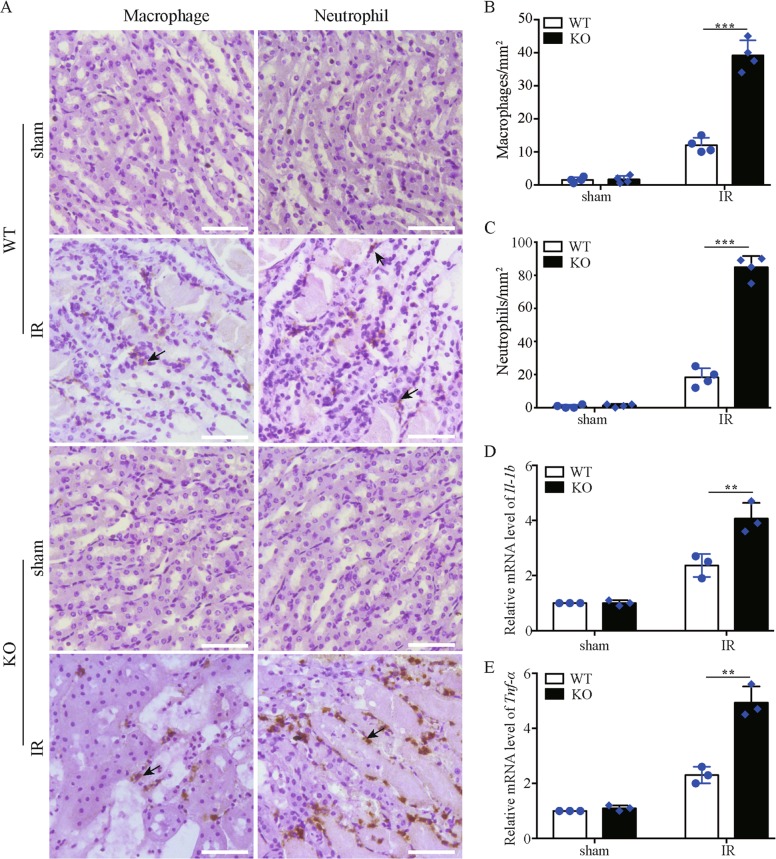
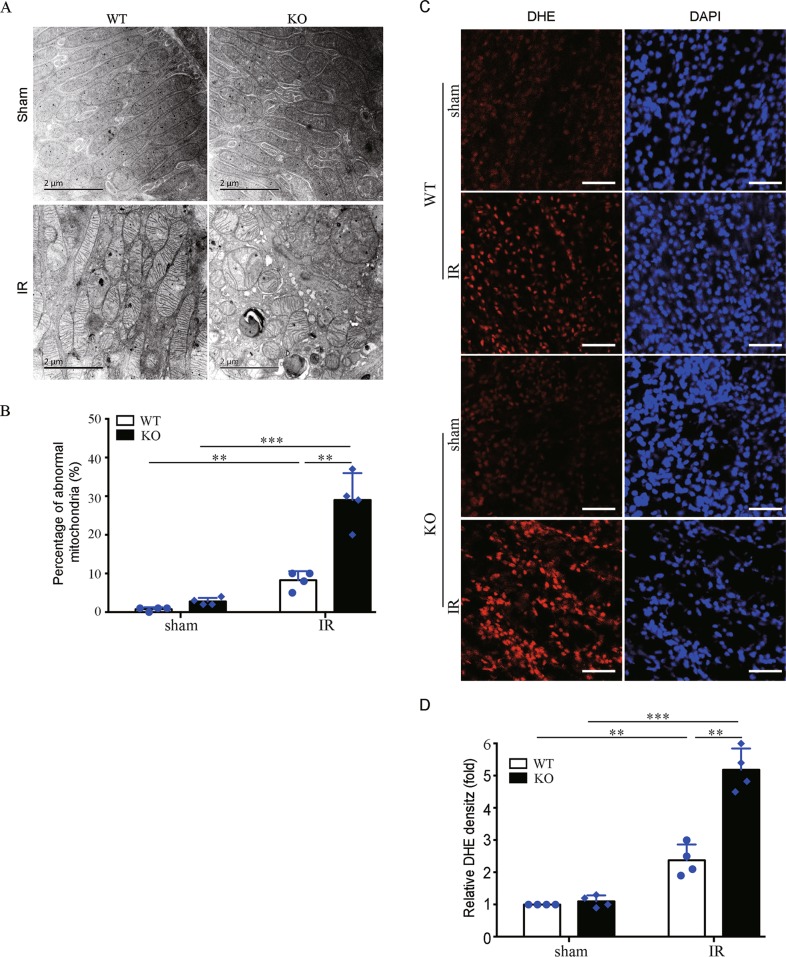
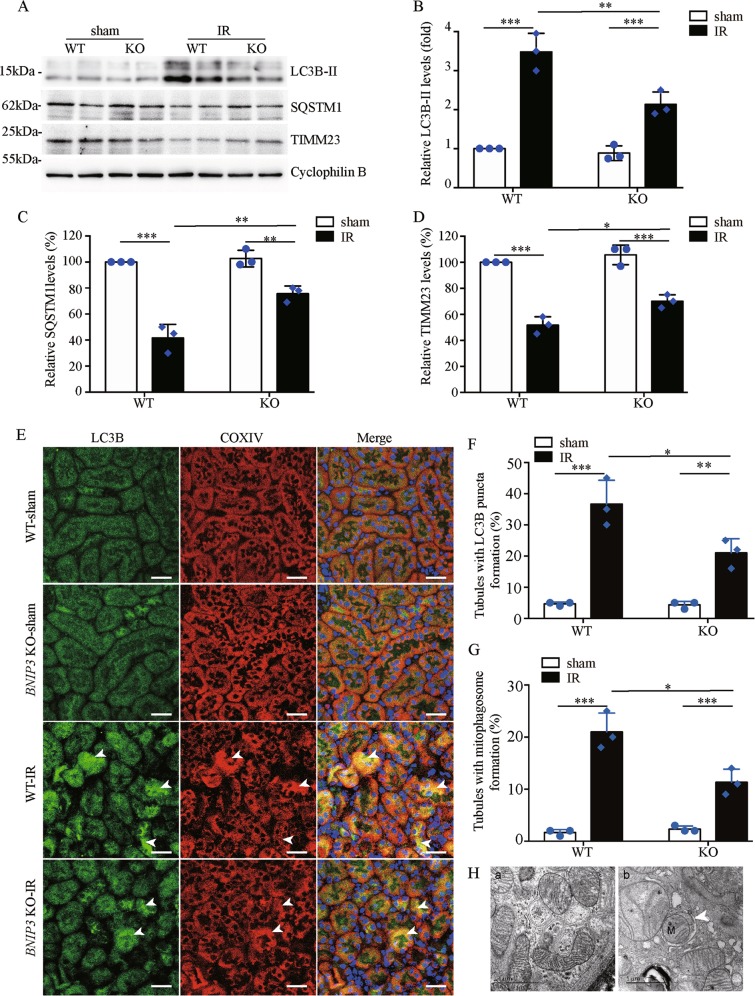
Acute kidney injury (AKI) is a syndrome of abrupt loss of renal functions. The underlying pathological mechanisms of AKI remain largely unknown. BCL2-interacting protein 3 (BNIP3) has dual functions of regulating cell death and mitophagy, but its pathophysiological role in AKI remains unclear. Here, we demonstrated an increase of BNIP3 expression in cultured renal proximal tubular epithelial cells following oxygen-glucose deprivation-reperfusion (OGD-R) and in renal tubules after renal ischemia–reperfusion (IR)-induced injury in mice. Functionally, silencing Bnip3 by specific short hairpin RNAs in cultured renal tubular cells reduced OGD-R-induced mitophagy, and potentiated OGD-R-induced cell death. In vivo, Bnip3 knockout worsened renal IR injury, as manifested by more severe renal dysfunction and tissue injury. We further showed that Bnip3 knockout reduced mitophagy, which resulted in the accumulation of damaged mitochondria, increased production of reactive oxygen species, and enhanced cell death and inflammatory response in kidneys following renal IR. Taken together, these findings suggest that BNIP3-mediated mitophagy has a critical role in mitochondrial quality control and tubular cell survival during AKI.
Overview
The claims and statistics of this paper haven’t been checked yet.
Free: it reads the open-access text and checks the first 5 claims that cite a source we can check. Create a free account to check every claim.
Integrity signals
Registry
Cites
Statistics
Figures
Verification
Claims the paper makes
The claims and statistics of this paper haven’t been checked yet.
Free: it reads the open-access text and checks the first 5 claims that cite a source we can check. Create a free account to check every claim.
Claims other papers make about this one
Each is checked against this paper’s own text: does it say what the citing paper says it does?
The cited source says what the claim attributes to it.
In the citing paper
“We subsequently demonstrated that induction of BCL-2/adenovirus E1B 19 kDa protein-interacting protein 3 (BNIP3)-mediated mitophagy also provided renoprotection during ischaemic AKI”
From Autophagy in kidney homeostasis and disease (2020) · cites this paper as [89]
Self-check
Percentages, sums and reported differences re-computed from the paper’s own numbers.
The self-check needs the paper’s full text.
Citations
Cites
BCL-2 family proteins: changing partners in the dance towards death
Kale, J., Osterlund, E. J., & Andrews, D. W. (2018) · Cell Death & Differentiation · doi:10.1038/cdd.2017.186 · Cited by 1,574
Mitochondrial energetics in the kidney
Bhargava, P., & Schnellmann, R. G. (2017) · Nature Reviews Nephrology · doi:10.1038/nrneph.2017.107 · Cited by 1,334
Failed Tubule Recovery, AKI-CKD Transition, and Kidney Disease Progression
Venkatachalam, M. A., Weinberg, J. M., Kriz, W., & Bidani, A. K. (2015) · Journal of the American Society of Nephrology · doi:10.1681/asn.2015010006 · Cited by 744
Zuk, A., & Bonventre, J. V. (2016) · Annual Review of Medicine · doi:10.1146/annurev-med-050214-013407 · Cited by 739
Regulation of mitochondrial dynamics in acute kidney injury in cell culture and rodent models
Brooks, C., Wei, Q., Cho, S.-G., & Dong, Z. (2009) · Journal of Clinical Investigation · doi:10.1172/jci37829 · Cited by 735
Self-citationDeciphering the Molecular Signals of PINK1/Parkin Mitophagy
Nguyen, T. N., Padman, B. S., & Lazarou, M. (2016) · Trends in Cell Biology · doi:10.1016/j.tcb.2016.05.008 · Cited by 732
Response to myocardial ischemia/reperfusion injury involves Bnip3 and autophagy
Hamacher-Brady, A., Brady, N. R., Logue, S. E., Sayen, M. R., Jinno, M., Kirshenbaum, L. A., Gottlieb, R. A., & Gustafsson, Å. B. (2007) · Cell Death & Differentiation · doi:10.1038/sj.cdd.4401936 · Cited by 609
PGC1α drives NAD biosynthesis linking oxidative metabolism to renal protection
Tran, M. T., Zsengeller, Z. K., Berg, A. H., Khankin, E. V., Bhasin, M. K., Kim, W., Clish, C. B., Stillman, I. E., Karumanchi, S. A., Rhee, E. P., et al. (2016) · Nature · doi:10.1038/nature17184 · Cited by 541
Mediators of Inflammation in Acute Kidney Injury
Akcay, A., Nguyen, Q., & Edelstein, C. L. (2009) · Mediators of Inflammation · doi:10.1155/2009/137072 · Cited by 518
Zhang, X., Yan, H., Yuan, Y., Gao, J., Shen, Z., Cheng, Y., Shen, Y., Wang, R.-R., Wang, X., Hu, W.-W., et al. (2013) · Autophagy · doi:10.4161/auto.25132 · Cited by 510
Cited by
Items 101–200 of 219
Wang, X., Luo, T., Yang, L., Yang, L., Liu, M., Zou, Q., Wang, D., Yang, C.-R., Xue, Q., Liu, S., et al. (2024) · Free Radical Biology and Medicine · doi:10.1016/j.freeradbiomed.2024.09.012 · Cited by 19
Shen, L., Zhang, Q., Tu, S., & Qin, W. (2021) · Experimental Cell Research · doi:10.1016/j.yexcr.2021.112861 · Cited by 22
Wei, X., Wang, Y., Lao, Y., Weng, J., Deng, R., Li, S., Lu, J., Yang, S., & Liu, X. (2023) · Molecular Biology Reports · doi:10.1007/s11033-023-08592-1 · Cited by 25
“In the kidney, abnormal BNIP3/ NIX and FUNDC1-related mitophagy were demonstrated to be linked with renal apoptosis, inflammation and fibrosis in diabetic nephropathy [23] and I/R-AKI [24].”
BackgroundKim, M., Oh, C. J., Hong, C.-W., & Jeon, J. (2024) · Journal of Yeungnam Medical Science · doi:10.12701/jyms.2023.01347 · Cited by 22
“Bcl-2 interacting protein 3 (BNIP3), a non-canonical regulator of mitophagy, has also been implicated in kidney IR injury [44].”
BackgroundZhu, Y., Lv, C., Qiao, Y., Yang, H., Lin, W., Wang, X., Zhang, Y., & Yang, B. (2025) · Frontiers in Molecular Biosciences · doi:10.3389/fmolb.2025.1643829 · Cited by 19
“However, following renal ischemia (Tang et al., 2019), these knockout mice demonstrated significantly higher creatinine levels.”
Regulation of Mitochondrial Homeostasis and Nrf2 in Kidney Disease: Timing Is Critical
Zhuang, Y., Hu, L., Wu, Y. F., Yang, C., Li, S., Jing, K., & Liu, H. (2022) · Oxidative Medicine and Cellular Longevity · doi:10.1155/2022/9275056 · Cited by 17
“Secondly, Tang et al. [55] have shown a renal protective e ff ect of BNIP3-mediated mitoph-agy in mouse models of renal ischemia/reperfusion injury.”
Jiang, M., Lai, X., Zhang, Y., Shen, M., Ma, H., Liu, A., Wu, J., & Yan, J. (2022) · Oxidative Medicine and Cellular Longevity · doi:10.1155/2022/6568748 · Cited by 20
“Free radicals that cerebral ischemia/ reperfusion injury generated can directly damage mitochondria, and the damaged mitochondria produce a large number of free radicals [2], which is a vicious circle that aggravates the oxidative stress damage and eventually leading to nerve cells death [3, 4].”
Liu, J., Livingston, M. J., Dong, G., Wei, Q., Zhang, M., Mei, S., Zhu, J., Zhang, C., & Dong, Z. (2024) · American Journal of Physiology-Cell Physiology · doi:10.1152/ajpcell.00458.2023 · Cited by 19
Self-citationRegulation of mitophagy through HIF‐1α/miR‐140‐5p/PARKIN axis in acute kidney injury
Zhang, Q., Bian, Z., Song, Y., Wang, X., Zhang, H., Ren, Q., & Chen, S. (2022) · Environmental Toxicology · doi:10.1002/tox.23523 · Cited by 17
“The significant impact of HIF-1α/BNIP3 and PINK1/PARKIN pathway of mitophagy activation in protection against renal ischemia– reperfusion have been reported.(9,25,26) Further, the role of PINK1/ PARKIN protein in mitophagy regulation has been demonstrated in cisplatin, sepsis, and contrast-induced AKI models.”
BackgroundLv, X., He, Z.-F., Zhu, P., Qin, Q.-Y., Han, Y.-X., & tong-tong, X. (2021) · Inflammation Research · doi:10.1007/s00011-021-01508-4 · Cited by 19
Chotinaruemol, K., Leurcharusmee, P., Chattipakorn, S. C., Chattipakorn, N., & Apaijai, N. (2025) · British Journal of Anaesthesia · doi:10.1016/j.bja.2025.02.006 · Cited by 16
Zhang, J., Chen, S., Li, Y., Xiao, W., & An, W. (2021) · Experimental Cell Research · doi:10.1016/j.yexcr.2021.112866 · Cited by 16
The role of mitophagy in the development of chronic kidney disease
Yang, K., Li, T., Geng, Y., Zou, X., Peng, F., & Gao, W. (2024) · PeerJ · doi:10.7717/peerj.17260 · Cited by 20
“…Nix, is a kind of contains only BH3 domain and promote apoptosis of protein structure ( Chen et al., 1999 ), mainly locates in the mitochondrial outer membrane, and play a key role in mitochondrial quality control ( Chourasia et al., 2015 ; Lee et al., 2017 ; Tang et al., 2019 ; Fu et al., 2020 ).”
Pan, C., Zhao, H., Cai, X., Wu, M., Qin, B., & Li, J. (2024) · Renal Failure · doi:10.1080/0886022x.2024.2379601 · Cited by 17
“Similar results have been reported in sepsis-induced AKi and contrast-induced AKi, where mitophagy has shown a protective role against these stimuli [88–90].”
ResultLo, S., Blaszak, R. T., & Parajuli, N. (2020) · International Journal of Molecular Sciences · doi:10.3390/ijms21103506 · Cited by 16
Yu, S., Palanisamy, K., Sun, K., Li, X., Wang, Y., Lin, F., Chen, K., Wang, I., Yu, T., & Li, C. (2021) · Journal of Cellular and Molecular Medicine · doi:10.1111/jcmm.16301 · Cited by 15
Wang, Y., Han, K., Li, Z., Tang, X., Wang, C., Zhao, Y., Zhang, H., Geng, Z., Kong, J., Luan, X., et al. (2022) · Experimental and Therapeutic Medicine · doi:10.3892/etm.2022.11677 · Cited by 16
“And further lead to the increase of inflammatory response, DNA damage, and endoplasmic reticulum stress, and finally induce renal cell apop‐ tosis (4,5).”
BackgroundLi, Z., & Xing, J. (2023) · Biomedicine & Pharmacotherapy · doi:10.1016/j.biopha.2023.115492 · Cited by 17
Liu, M., Chen, J., Sun, M., Zhang, L., Yu, Y., Mi, W., Ma, Y., & Wang, G. (2024) · Chinese Medical Journal · doi:10.1097/cm9.0000000000002957 · Cited by 15
“20] Ndrg2 can regulate autophagy, and its downregulation can directly increase autophagy and cell viability while decreasing apoptosis under hypoxic conditions.”
Zhang, Y., Pang, Y., Liu, D., Hu, H., Xie, R., & Cui, W. (2021) · The Kaohsiung Journal of Medical Sciences · doi:10.1002/kjm2.12434 · Cited by 17
“Activation of BNIP3-mediated mitophagy has been shown to ameliorate renal ischemia/reperfusion injury.(28) HIF-1α activates BNIP3 to promote autophagic cell survival and alleviate cerebral ischemia/ reperfusion injury,(29) and HIF-1α/BNIP3-mediated mitophagy showed protective effect against renal(30) and myocardial(31…”
Tang, M., Outissint, I., Chen, Y., & Gong, X. (2025) · Journal of Cellular Biochemistry · doi:10.1002/jcb.70056 · Cited by 16
“A parallel study confirmed that BNIP3 ‐ dependent mitophagy also preserves mitochondrial integrity and renal function following ischemic AKI, reinforcing BNIP3 as a cross ‐ tissue mitophagy effector [174].”
Bai, H., Fang, Y., Cao, H., Xing, C., Zhang, C., Zhuang, Y., Guo, X., Li, G., Hu, M., Hu, G., et al. (2022) · Environmental Toxicology · doi:10.1002/tox.23704 · Cited by 15
“In addition, BNIP3/NIX interacts with LC3 to accelerate mitophagy and degradation.(33) LC3 is a specific marker of mitophagy.”
BackgroundHurtado, K. A., Janda, J., & Schnellmann, R. G. (2023) · Biochemical Pharmacology · doi:10.1016/j.bcp.2023.115855 · Cited by 13
Guo, S., Fang, Q., Chen, L., Yu, M., Chen, Y., Li, N., Han, C., & Hu, X. (2021) · Life Sciences · doi:10.1016/j.lfs.2021.119095 · Cited by 15
Yuan, Y., Chen, H., Ou, S., Cai, B., Zhang, R., Qin, Y., Pan, M., Cao, S., Pei, D., & Hou, F. F. (2022) · Cell & Bioscience · doi:10.1186/s13578-022-00909-0 · Cited by 14
Wang, L., Song, Y., Zhang, P., Chen, W., Xiao, F., Zhou, P., Yang, X., & Dai, H. (2024) · The FASEB Journal · doi:10.1096/fj.202400047r · Cited by 16
“35 BNIP3 deficiency significantly reduced mitophagy, and also markedly ag-gravated apoptosis and renal injury.”
BackgroundFoxG1/BNIP3 axis promotes mitophagy and blunts cisplatin resistance in osteosarcoma
Pan, B., Li, Y., Han, H., Zhang, L., Hu, X., Pan, Y., & Peng, Z. (2024) · Cancer Science · doi:10.1111/cas.16242 · Cited by 13
“37 There is evidence that BNIP3 contributes to CDDP-induced apoptosis in cancer cells.”
BackgroundSelf-citationLi, Z., Liu, Z., Lu, H., Dai, W., Chen, J., & He, L. (2021) · Frontiers in Physiology · doi:10.3389/fphys.2021.651645 · Cited by 11
Self-citationLi, Y., Dong, B., Wang, Y., Bi, H., Zhang, J., Ding, C., Wang, C., Ding, X., & Xue, W. (2024) · Translational research · doi:10.1016/j.trsl.2024.04.002 · Cited by 15
Probing the viscosity changes of acute kidney injury by fluorescence imaging
Lu, B., Yin, J., Liu, C., & Lin, W. (2022) · Journal of Molecular Liquids · doi:10.1016/j.molliq.2022.119458 · Cited by 12
Li, A., Zhao, M., Yang, Z., Fang, Z., Qi, W., Zhang, C., Zhou, M., Guo, J., Li, S., Wang, X., et al. (2023) · Frontiers in Pharmacology · doi:10.3389/fphar.2023.1243734 · Cited by 10
“BNIP3 (BCL2 and adenovirus E1B 19-kDa-interacting protein 3) is involved in the receptor-dependent mitophagy pathway, serving as an inducible receptor in response to hypoxia and other stimuli (Tang et al., 2019; Vara-Pérez et al., 2021).”
BackgroundChen, J., Chen, C., Lv, C., Feng, R., Zhong, W., Liu, Y., Zhou, S., & Zhao, M. (2025) · Renal Failure · doi:10.1080/0886022x.2025.2463572 · Cited by 18
Self-citationAdvances in understanding the role of mitochondria in renal ischemia–reperfusion injury
Li, H., Wang, X., Deng, D., Lv, S., Huang, L., & Wang, X. (2025) · Clinical and Experimental Nephrology · doi:10.1007/s10157-025-02727-3 · Cited by 14
“The deletion of proteins such as PINK1, PARK2, and BINP3 impedes mitochondrial autophagy and exacerbates ROS accumulation, which, in turn, results in mitochondrial accumulation and TEC damage, ultimately aggravating renal injury [44, 53].”
The Intersection of Acute Kidney Injury and Non-Coding RNAs: Inflammation
Li, B., Lin, F., Xia, Y., Ye, Z., Yan, X., Song, B., Yuan, T., Li, L., Zhou, X., Yu, W., et al. (2022) · Frontiers in Physiology · doi:10.3389/fphys.2022.923239 · Cited by 12
Mitophagy and its regulatory mechanisms in the biological effects of nanomaterials
Zhang, R., Yang, H., Guo, M., Niu, S., & Xue, Y. (2024) · Journal of Applied Toxicology · doi:10.1002/jat.4609 · Cited by 9
“Furthermore, overexpression of BNIP3 reversed the suppression of mitophagy in a mouse model (Tang et al., 2019).”
Mitophagy Regulates Kidney Diseases
Fan, X., Wu, L., Wang, F., Liu, D., Cen, X., & Xia, H. (2024) · Kidney Diseases · doi:10.1159/000541486 · Cited by 23
Zhang, Z., Yang, D., Yan, X., Qiu, Q., Guo, J., & Qiu, L. (2024) · Cellular & Molecular Biology Letters · doi:10.1186/s11658-024-00664-9 · Cited by 11
Self-citationRole of mitophagy in spinal cord ischemia-reperfusion injury
Duan, Y., Yang, F., Zhang, Y., Zhang, M., Shi, Y., Lang, Y., Sun, H., Wang, X., Jin, H., & Kang, X. (2024) · Neural Regeneration Research · doi:10.4103/nrr.nrr-d-24-00668 · Cited by 8
“Similarly, BNIP3-mediated mitophagy activation exerts a protective effect in renal and cardiac ischemia-reperfusion injury (Tang et al., 2019; Zhang et al., 2019).”
Liu, R., Xiao, Y., Huang, S., Wu, H., Dong, J., Zeng, S., Li, Y., Ye, J., Wu, W., Wang, M., et al. (2025) · Molecular Immunology · doi:10.1016/j.molimm.2025.03.016 · Cited by 9
Li, L., Wang, S., & Wang, W. (2023) · BMC Molecular and Cell Biology · doi:10.1186/s12860-023-00485-2 · Cited by 8
“Background As a major kidney disease, acute kidney injury (AKI) is a clinical syndrome characterized by sudden loss of renal function with sublethal renal tubular injury [1].”
BackgroundTao, J., Rao, Y., Wang, J., Tan, S., Zhao, J., Cao, Z., He, L., Meng, J., Wu, P., & Wang, Z. (2024) · Journal of obstetrics and gynaecology research · doi:10.1111/jog.16050 · Cited by 9
“47 We also report that the inhibition of BNIP3 by HG leads to decreased autophagy.”
Self-citationDong, Q., Li, X., & Cheng, K. (2025) · Transplant Immunology · doi:10.1016/j.trim.2025.102177 · Cited by 9
Han, Y. M., Liu, T., Wei, R., Dai, C., Huang, X., & Hu, D. (2025) · iScience · doi:10.1016/j.isci.2025.112318 · Cited by 7
“28 BNIP3couldcompetewithBeclin-1forthebinding site of the BH3 domain of Bcl-2, which destabilizes the binding between Bcl-2 and Beclin-1, freeing Beclin-1 and initiating auto-phagy.”
Targeting mitochondrial dysfunction: an innovative strategy for treating renal fibrosis
Wu, Y.-J., Yang, Y., Yan, Y.-L., Yang, H.-Y., & Du, J. (2025) · Molecular and Cellular Biochemistry · doi:10.1007/s11010-025-05297-w · Cited by 11
“Further studies have shown that knockdown of Mfn2 in myeloid macrophages leads to enhanced polarization toward a pro-fibrotic M2 phenotype and greater recruitment to the kidney, exacerbating the fibrotic response of the kidney and ultimately leading to deterioration of renal function [33].”
InfluentialZhang, X., Liu, Y., Yi, R., Sun, X., Li, J., Wang, N., Yao, X., Zhang, C., Deng, H., Wang, S., et al. (2025) · Ecotoxicology and Environmental Safety · doi:10.1016/j.ecoenv.2025.118933 · Cited by 8
Self-citationMa, L., Li, J., Zhang, X., Zhang, W., Chen, J., Yang, B. W., & Yang, H. (2024) · Frontiers in Pharmacology · doi:10.3389/fphar.2024.1360179 · Cited by 10
“At the same time, similar to Nix, BNIP3 regulates both mitophagy and cell death (Tang et al., 2019).”
BackgroundFu, Y., Yuan, P., Wang, M., Zheng, Y., Zhang, Y., Zhao, L., Ma, Q., Wang, P., Sun, X., Zheng, X., et al. (2024) · International Journal of Nanomedicine · doi:10.2147/ijn.s494056 · Cited by 7
“32 LC3 is a specific marker of mitophagy.”
Shuster-Hyman, H., Siddiqui, F., Gallagher, D., Gauthier-Fisher, A., & Librach, C. L. (2022) · Cytotherapy · doi:10.1016/j.jcyt.2022.10.014 · Cited by 7
Liu, J., Ning, C., Zhang, J., Xu, S., Wu, J., Tao, C., Ma, F., Chen, Q., & Pan, Z. (2023) · Frontiers in Genetics · doi:10.3389/fgene.2023.1338411 · Cited by 6
Sarkar, S., Chattopadhyay, A., & Bandyopadhyay, D. (2025) · Life Sciences · doi:10.1016/j.lfs.2025.123890 · Cited by 8
Zhao, H., Yang, M., Han, Y., Jiang, N., Liu, Y., Li, C., Yang, J., Luo, S., Liu, C., Sun, L., et al. (2024) · Antioxidants and Redox Signaling · doi:10.1089/ars.2023.0467 · Cited by 11
Self-citation3-O-Methyl-D-Glucose Blunts Cold Ischemia Damage in Kidney via Inhibiting Ferroptosis
Zou, X.-F., Wu, S.-H., Ma, J., Yin, Z., Hu, Z., Wang, Y., Yang, J., & Guo, R. (2024) · Biomedicine & Pharmacotherapy · doi:10.1016/j.biopha.2024.116262 · Cited by 7
Ubiquitin-independent mitophagy: mechanisms and pathophysiological functions
Tang, C., & Dong, Z. (2024) · Elsevier eBooks · doi:10.1016/b978-0-443-15260-3.00012-0 · Cited by 6
Self-citationZhang, S., Xu, W., Wang, L., Wang, Z., Cao, Y., Fang, Y., Liu, Y., Li, S., Zhu, Y., Guo, L., et al. (2025) · Advanced Functional Materials · doi:10.1002/adfm.202520624 · Cited by 10
Self-citationYu, S., Liu, L., Wei, Q., Sun, H., Tang, L., Zhang, S., Zhang, S., Zhang, J., Liu, Y., & He, S. (2025) · American Journal of Physiology-Cell Physiology · doi:10.1152/ajpcell.00636.2023 · Cited by 5
Self-citationDeng, X., Leng, Y., Xiong, Y., Li, W., Wu, C., Yang, Y., Wang, B., Gong, S., Wang, Y., Yang, B., et al. (2025) · Scientific Reports · doi:10.1038/s41598-025-03515-5 · Cited by 6
“Conversely, overexpression of BNIP3 increases mitochondrial autophagy levels and mitigates kidney I/RI damage, indicating that BNIP3 plays a renal protective role by regulating mitochondrial autophagy in renal tubular cells 38 .”
Zhang, L., Ye, J., & Qiu, C. (2025) · Human Cell · doi:10.1007/s13577-025-01177-z · Cited by 5
“Researchers found that Bnip3 has a pro-mitophagy role in renal proximal tubular epithelial cells [52].”
InfluentialSelective Autophagy in Kidney Diseases: The Tip of the Iceberg
Zhang, Q., Zhang, X., Su, H.-Y., An, N., Gong, S., Chen, X., Khazaeli, M., Liu, H., & Yang, C. (2025) · Integrative Medicine in Nephrology and Andrology · doi:10.1097/imna-d-24-00036 · Cited by 8
Jin, C., Ye, Y., Gao, L., Zhong, Z., Zhou, C., Wu, X., Li, X., Zhou, G., Chen, S., Wei, Y. Q., et al. (2025) · Cell & Bioscience · doi:10.1186/s13578-025-01408-8 · Cited by 5
“Bcl-2 19-kDa interacting protein 3 (BNIP3) mediates mitochondrial autophagy, which benefits reducing mitochondrial damage and avoiding ROS accumulation [104, 105].”
Zhao, N., Zhu, D., Wang, Y., & Zhang, M. (2025) · Journal of Ethnopharmacology · doi:10.1016/j.jep.2025.120832 · Cited by 7
Feng, Y., Huo, Q., Li, B., & Yokota, H. (2023) · Proteomes · doi:10.3390/proteomes12010001 · Cited by 4
“Dual-Faced Functionality: Recognizing the dual roles of urinary proteins—whether they act as oncogenic agents or antioncogenic factors like tumor-suppressing proteins from iTSCs—requires meticulous examination [128].”
BackgroundChien, M., Li, S., Wong, S.-C., Chiang, C.-H., Lin, Y., Mersmann, H. J., & Chen, C. (2021) · Archives of Physiology and Biochemistry · doi:10.1080/13813455.2021.1949022 · Cited by 4
Tang, K., Sun, L., Chen, L., Feng, X., Wu, J., Guo, H., & Zheng, Y. (2024) · International Journal of General Medicine · doi:10.2147/ijgm.s444847 · Cited by 3
“32 BNIP3 induced mitochondrial dysfunction mainly by activating Bax/Bak and the mitochondrial permeability transition pore (mPTP).”
BackgroundLiu, S., Xiao, L., Cheng, Q., Liao, Q., Huang, Y., Li, X., Zhang, Z., Xiao, Y., Luo, Z., Pan, T., et al. (2025) · Frontiers in Nutrition · doi:10.3389/fnut.2025.1662882 · Cited by 6
Self-citationHu, Z.-Y., Sun, Q.-H., Ma, Y., Wang, Y.-K., Chen, C., Liu, X., Ma, X.-H., & Liu, X. (2025) · Biochemical Pharmacology · doi:10.1016/j.bcp.2025.117440 · Cited by 4
Duan, Y., Zhang, Y., Yang, F., Zhang, M., Shi, Y., Ma, Z., Huang, X., Li, W., Lang, Y., Hu, X., et al. (2025) · Cell Death Discovery · doi:10.1038/s41420-025-02831-z · Cited by 3
Xiang, Y., Duan, X., Shao, Y., & Sun, L. (2023) · Fish & Shellfish Immunology · doi:10.1016/j.fsi.2023.109037 · Cited by 3
Lipophagy and Mitophagy in Renal Pathophysiology
Dupont, N., & Terzi, F. (2024) · The Nephron journals/Nephron journals · doi:10.1159/000540688 · Cited by 6
Mitophagy in kidney transplantation ischemia–reperfusion injury
Wang, X., Li, R., Zhu, B., Zhu, X., & Lou, B. (2025) · International Urology and Nephrology · doi:10.1007/s11255-025-04761-2 · Cited by 4
“This is consistent with the results of previous studies in the renal IRI model, which showed that the level of mitophagy was significantly increased after 48 h reperfusion compared with that in the renal tissue of mice experiencing 30 min ischemia [35, 114].”
Yan, R., Zhang, Y., Li, Z., Li, K., Man, J., & Yang, L. (2025) · Frontiers in Physiology · doi:10.3389/fphys.2025.1705821 · Cited by 3
“Silencing BNIP3 in renal tubular cells reduced IRI-induced mitophagy and aggravated H/R-induced cell death (Tang et al., 2019).”
Mitochondrial Dysfunction in Renal Aging: A Vicious Cycle Driving Kidney Disease Progression
Yu, W., Ouyang, Q., Liu, W., Jia, L., & Wang, B. (2026) · Antioxidants and Redox Signaling · doi:10.1177/15230864251410936 · Cited by 4
“Speci fi cally, impaired mitophagy promotes the accumulation of damaged mitochondria, leading to increased ROS production, in fl ammation, and cell death in renal IRI models, as demonstrated in both in vivo and in vitro experiments (Tang et al., 2019).”
Hou, X., Zhang, D., Sang, X., Peng, C., Chen, W., Xu, J., Ye, Y., Guo, Y., Shi, H., Yang, C., et al. (2026) · Autophagy · doi:10.1080/15548627.2026.2693261 · Cited by 2
“Bnip3 is an important target gene downstream of Hif1a , interacting with proteins like LC3 to mediate the selective clearance of damaged and dysfunctional mitochondria [53,54].”
Młynarska, E., Bojdo, K., Hossa, K., Lisińska, W., Krawiranda, K., Krupińska, N., Kustosik, N., Wieczorek, A., Rysz, J., & Franczyk, B. (2026) · Biomolecules · doi:10.3390/biom16081148 · Cited by 5
“This leaves fragmented, dysfunctional mitochondria to continuously leak electrons and release immunogenic mtDNA into the cytosol, transforming an acute metabolic insult into a chronic, localized inflammatory driver [59].”
Lu, Y., Piao, Z., Li, J., Li, L., & Li, R. (2022) · PubMed Central · doi:10.11817/j.issn.1672-7347.2022.210602 · Cited by 2
Li, H., Xu, P. W., Zhang, X., Ye, N., Fang, X., & Liang, B. (2024) · Frontiers in Medicine · doi:10.3389/fmed.2024.1454506 · Cited by 2
Exploring Mitochondrial Quality in Aging and Neurodegenerative Diseases
Jiao, X., Li, M., Na, D., Meng, M., Zhang, G., & Guo, Y. (2024) · Neurochemical Journal · doi:10.1134/s1819712424700016 · Cited by 2
Moghadam, E. R., Hosseini, S. Z., Naserzadeh, R., Alizamani, E., Ahmadvand, H., Eslamifar, Z., & Jafaripour, L. (2025) · Journal of Reports in Pharmaceutical Sciences · doi:10.5812/jrps-150336 · Cited by 2
Zhang, X., Chen, G., Huang, M.-H., Chen, X.-X., Zhan, F.-F., He, X., Cai, L., & Zeng, H. (2022) · Medical Science Monitor · doi:10.12659/msm.936760 · Cited by 2
“BNIP3 is an important mediated molecule of mitophagy [15,16,23].”
BackgroundInfluentialSelf-citationRetractedQuan, W. A. N. G., Fu, S., Huanlan, W. A. N. G., Hongbo, L. I., Hu, T., & Cheng, L. (2022) · Food Science and Technology · doi:10.1590/fst.25622 · Cited by 2
Attenuated PINK1 autophosphorylation play neuroprotective and anti-seizure roles in neonatal hypoxia
Yuan, Y., Wang, X., Cui, Y., Zhou, H., Li, W., Teng, Q., Wang, H., Sun, B., Wang, Q., Sun, H., et al. (2025) · Scientific Reports · doi:10.1038/s41598-025-99915-8 · Cited by 2
Zhou, S., Wang, X., Zhu, J., Zheng, J., Song, X., Huang, B., & Chen, Y. (2026) · Nano Today · doi:10.1016/j.nantod.2026.103005 · Cited by 3
Li, J., Ma, Y., Hu, M., Zhang, Q., Wang, A., Tang, Q., Guo, Q., & Huang, B. (2026) · Genetics Research · doi:10.1155/genr/8903808 · Cited by 1
“Loss of BNIP3 function inhibits mitophagy, resulting in inefcient clearance of damaged mitochondria, excessive accumulation of reactive oxygen species (ROS), and aggravated cell death [38].”
Cañizares, S., Guaillas, A., Velarde, F., de Vaca, V. C., Terán, F., & Caicedo, A. (2022) · Pharmacological Research · doi:10.1016/j.phrs.2022.106488 · Cited by 1
Peng, Y., Li, S., Xi, H., Luo, Y., Wang, X., Pang, J., Yang, S., Liang, C., Tang, C., & Wang, H. (2020) · doi:10.21203/rs.3.rs-135776/v1 · Cited by 1
“Immuno uorescence staining was performed as previously described[18].”
MethodSelf-citationНаучный менеджмент: Международный и Российский опыт (учебник)
Зарецкий, А. Д., & Ivanova, T. (2013) · Международный журнал экспериментального образования
Mutagenesis and Mitochondrial-Associated Pathologies
Fasullo, M., & Catalá, Á. (2021) · IntechOpen eBooks · doi:10.5772/intechopen.98146 · Cited by 1
Deng, R., Wang, Y., Bu, Y., & Wu, H. (2021) · Research Square · doi:10.21203/rs.3.rs-1130141/v1
Mitochondrial Cytopathies of the Renal System
Nigam, L. K., Vanikar, A. V., Patel, R. D., Kanodia, K. V., Suthar, K. S., & Thakkar, U. G. (2022) · IntechOpen eBooks · doi:10.5772/intechopen.96850
Guo, S., Fang, Q., Chen, L., Yu, M., Chen, Y., Li, N., Han, C., & Hu, X. (2020) · SSRN Electronic Journal · doi:10.2139/ssrn.3667621
MANF stimulates autophagy and restores mitochondrial homeostasis to treat toxic proteinopathyPreprint
Kim, Y., Li, C., Gu, C., Tycksen, E., Puri, A., Pietka, T., Sivapackiam, J., Fang, Y., Kidd, K. O., Park, S.-J., et al. (2023) · bioRxiv (Cold Spring Harbor Laboratory) · doi:10.1101/2023.01.10.523171
Yu, S., Liu, L., Wei, Q., Sun, H., Tang, L., Zhang, S., Chang, S., Zhang, J., Liu, Y., & He, S. (2023) · Research Square · doi:10.21203/rs.3.rs-2530806/v1
Self-citationDelgado, J. M., Shepard, L. W., Lamson, S. W., Liu, S. L., & Shoemaker, C. J. (2023) · bioRxiv (Cold Spring Harbor Laboratory) · doi:10.1101/2023.03.22.533681
Dugbartey, G. J. (2024) · Springer eBooks · doi:10.1007/978-3-031-48067-6_11
Chen, Z., Wang, J., Jianyu, Z., Yu, H., Zheng, L., Chen, Y., Wan, X., & Zhang, W. (2024) · Frontiers in Chemistry · doi:10.3389/fchem.2024.1427670
“At present, most epidemiological studies in high-income countries are multi-center and large-sample studies, and most of the data come from large databases, but prospective studies are rare (Tang et al., 2019; Weng et al., 2021).”
BackgroundAdvances in the Study of Mitophagy in Renal Ischemia–Reperfusion Injury
Li, R., Zhu, X., Lou, B., & Wang, X. (2025) · Engineering Reports · doi:10.1002/eng2.70115
“Tang and colleagues [50] discovered that BNIP3 expression was raised and mitophagy was enhanced in both in vitro and in vivo renal IRI models.”
Tang, J., Yang, L., Chen, X., Yin, K., & Wang, C. (2025) · Journal of Molecular Histology · doi:10.1007/s10735-025-10526-z
“Existing studies demonstrate the ability of BNIP3 to control mitochondrial dysfunction and mitophagy homeostasis through multiple cellular pathways (Gao et al. 2020; Tang et al. 2019 ).”
Kamegai, R., Uenosono, A., Ikeda, F., Ohta, K., & Yanagitani, K. (2025) · bioRxiv (Cold Spring Harbor Laboratory) · doi:10.1101/2025.08.01.667885
“HR activation and BNIP3/NIX-dependent mitophagy reportedly occur not only under pathological hypoxic conditions, such as ischemia ( 24, 25 ), but also during physiologic conditions such as oocyte maturation ( 26, 27 ), cellular differentiation ( 28-34 ), and metabolic perturbations like succinate…”
Tan, J., Zhang, H., Chen, Q., Wang, X., Li, J., Zhong, L., Zhang, Y., Zheng, X., Du, R., & Zhang, Z. (2025) · Research Square · doi:10.21203/rs.3.rs-7221153/v1
Self-citationMitochondria mitophagy and autophagy
Yavari, B., & Aziz, S. G. (2025) · Elsevier eBooks · doi:10.1016/b978-0-443-24836-8.00001-8
The role of Slfn4 in myocardial infarction: mechanisms and implications
Tong, Y., Huang, X., Qian, W., & Liu, L. (2025) · Journal of Physiology and Biochemistry · doi:10.1007/s13105-025-01131-5
“In addition, aberrant expression of BNIP3 is associated with the development and progression of some diseases, such as myocardial infarction, tumours and neuro-degenerative diseases [23–25].”
Metadata
- Authors
- Tang, C., Han, H., Liu, Z., Liu, Y., Yin, L., Cai, J., He, L., Liu, Y., Chen, G., Zhang, Z., Yin, X.-M., & Dong, Z.
- Affiliations
- Central South University (CN)
- Indiana University School of Medicine (US)
- Corresponding author
- Tang, Chengyuan
- Dong, Zheng
- ORCID
- Venue
- Cell Death & Disease
- Published
- 2019-09-12
- Volume
- 10
- Issue
- 9
- Pages
- 677-677
- ISSN
- 2041-4889 (ISSN-L)
- PMC
- PMC6742651
- OpenAlex
- W2972636836
- Semantic Scholar
- d332c55f7b4d62f1738509251706ba0532d3eef0
- Cited by
- 219
- References
- 39
- Citations by year
- 2026: 20 · 2025: 36 · 2024: 39 · 2023: 36 · 2022: 35 · 2021: 26 · 2020: 25 · 2019: 1
- FWCI
- 16.80
- Type
- journal article
- Language
- en
- Open access
- gold
- doi.org
- Licence
- cc-by
- creativecommons.org/licenses/by/4.0 (tdm)
- creativecommons.org/licenses/by/4.0 (vor)
- Locations
- Cell Death and Disease (publishedVersion, cc-by)
- PubMed Central (publishedVersion, cc-by)
- PubMed (publishedVersion)
- DOAJ (DOAJ: Directory of Open Access Journals) (submittedVersion)
- IUScholarWorks (Indiana University) (submittedVersion, cc-by)
- Purdue University Indianapolis (Indiana University) (submittedVersion, cc-by)
- Funders
- National Science Foundation
- School of Medicine, Boston University
- National Natural Science Foundation of China (81870474, 81720108008, 2018YFC1312700, 81570622)
- Natural Science Foundation of Hunan Province
- Key Research and Development Program of Hunan Province of China
- Topics
- Health Sciences › Medicine › Nephrology › Acute Kidney Injury Research
- Life Sciences › Biochemistry, Genetics and Molecular Biology › Cell Biology › Autophagy in Disease and Therapy
- Life Sciences › Biochemistry, Genetics and Molecular Biology › Molecular Biology › Cell death mechanisms and regulation
- Keywords
- BNIP3, mitophagy, acute kidney injury, renal ischemia-reperfusion injury, mitochondrial quality control, proximal tubular epithelial cells, oxygen-glucose deprivation/reoxygenation, reactive oxygen species, cell death, inflammation
- MeSH terms
- Animals, Kidney, Kidney Tubules, Male, Mice, Inbred C57BL, Mitochondria, Signal Transduction, Reperfusion Injury, Apoptosis, Reactive Oxygen Species, Mice, Knockout, Mice, Acute Kidney Injury, Mitophagy
About these checks
Registry, retraction, Cites and statistics results are computed, not judged, with one exception: a printed reference that no index lists is read once by a model before it counts as a citation error. Claims are extracted by a model and kept only when their quote appears verbatim in the text; each cited source is then checked, with a model’s help, for whether it says what the claim relies on. Those verdicts can be wrong — read the claim’s quote and the cited source before relying on one.
Statistics and arithmetic are recomputed, not judged.
Confidence bands are shown only for fields calibrated on our annotated test set. None is calibrated yet, so no band is shown.
What counts as a claim ›How we measure confidence ›How we check this ›
Are you an author, or do you see a problem with this page? Request a review
Data sources
Bibliographic data: Semantic Scholar, OpenAlex, Crossref.
Contains information from the Semantic Scholar Academic Graph Datasets, made available under the ODC Attribution License (ODC-BY 1.0).
Semantic Scholar’s data is described in: Kinney, R., et al. (2023). The Semantic Scholar Open Data Platform. arXiv:2301.10140.
