

Activation of BNIP3-mediated mitophagy protects against renal ischemia–reperfusion injury
Open accessThe DOI matches its Crossref record; 40 of the 40 references it cites were found in a registry or an index.
Abstract
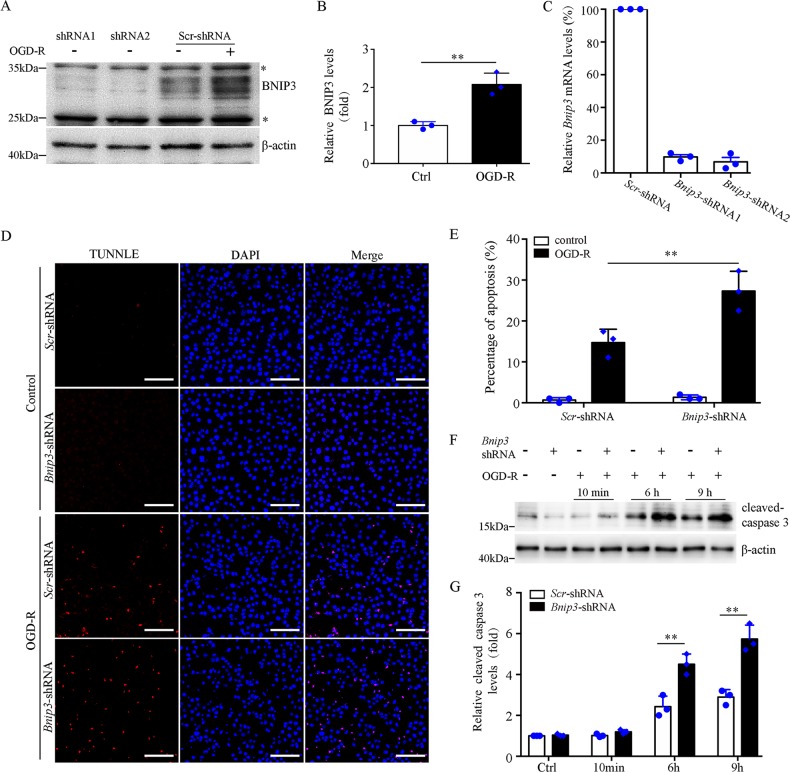
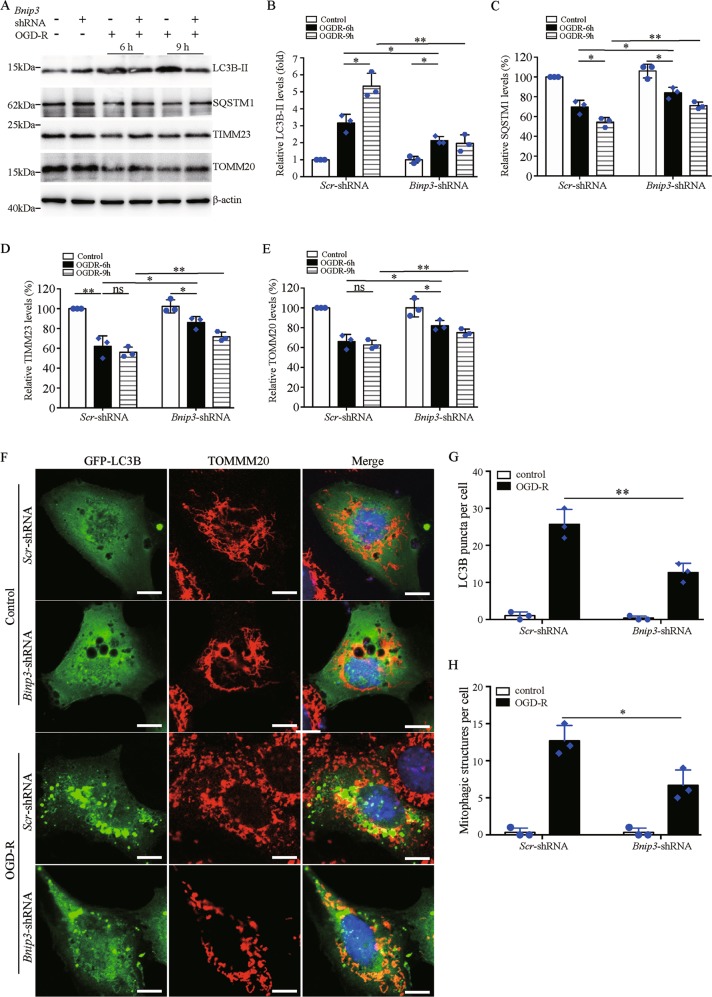
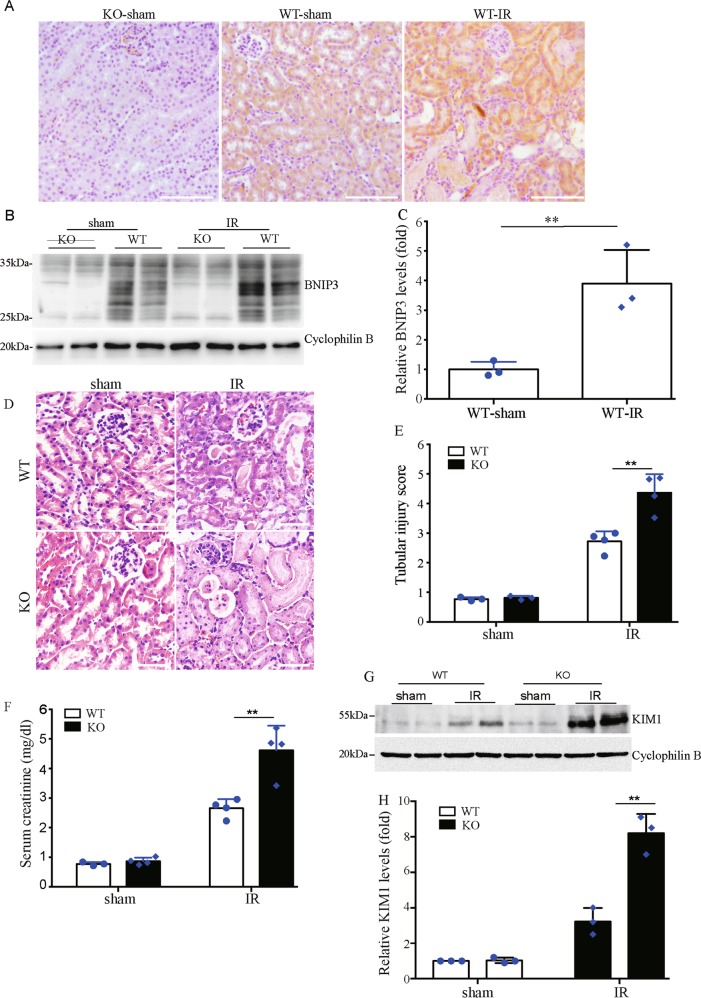
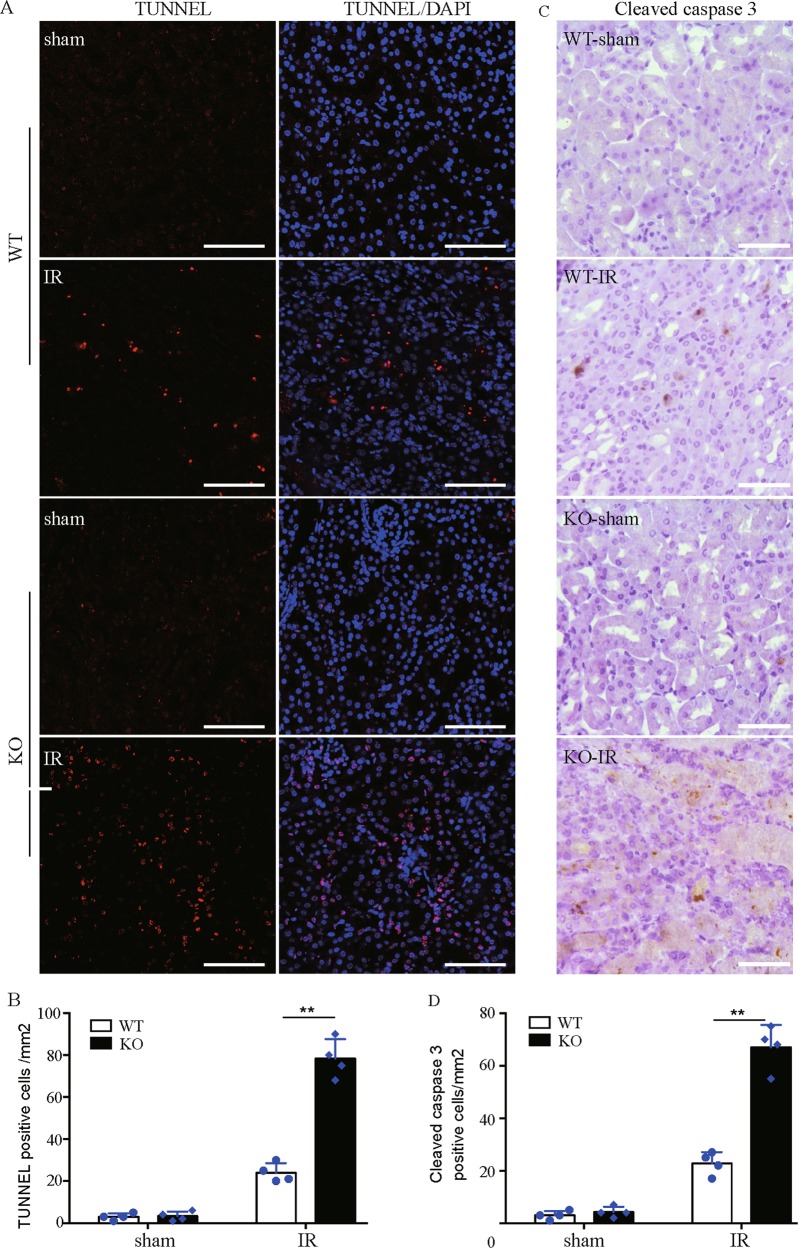
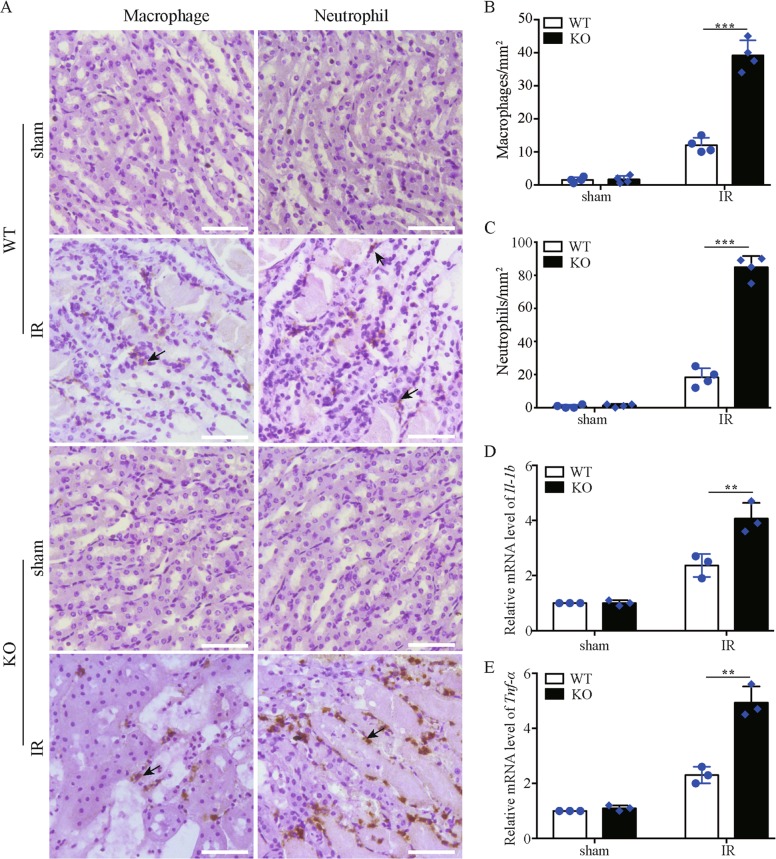
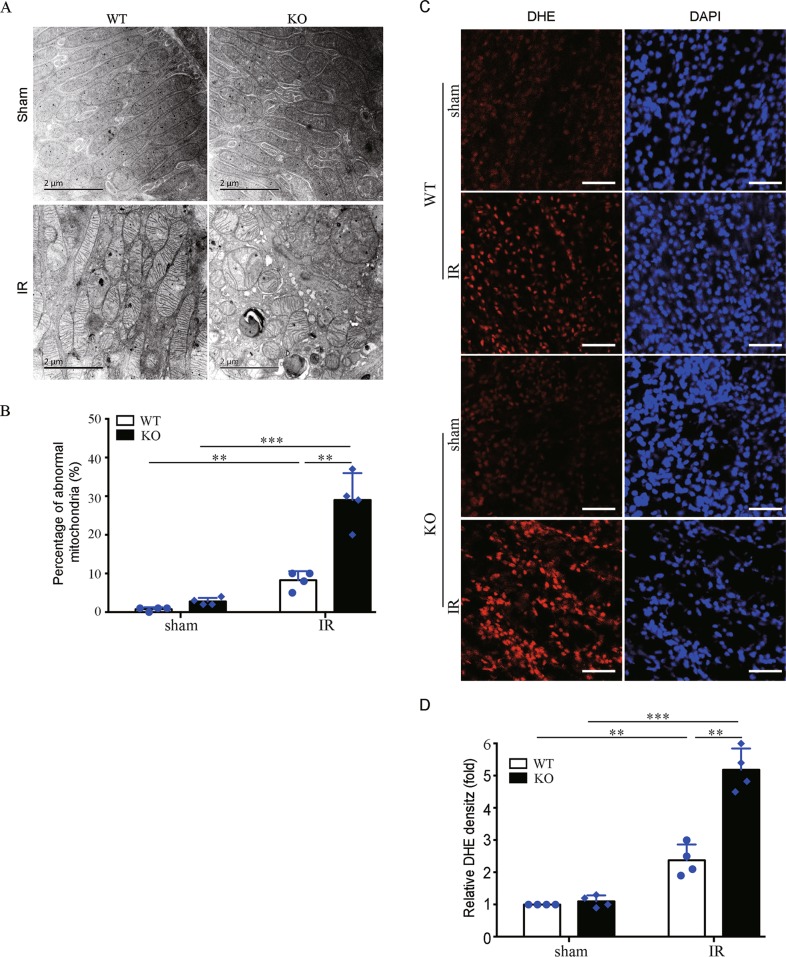
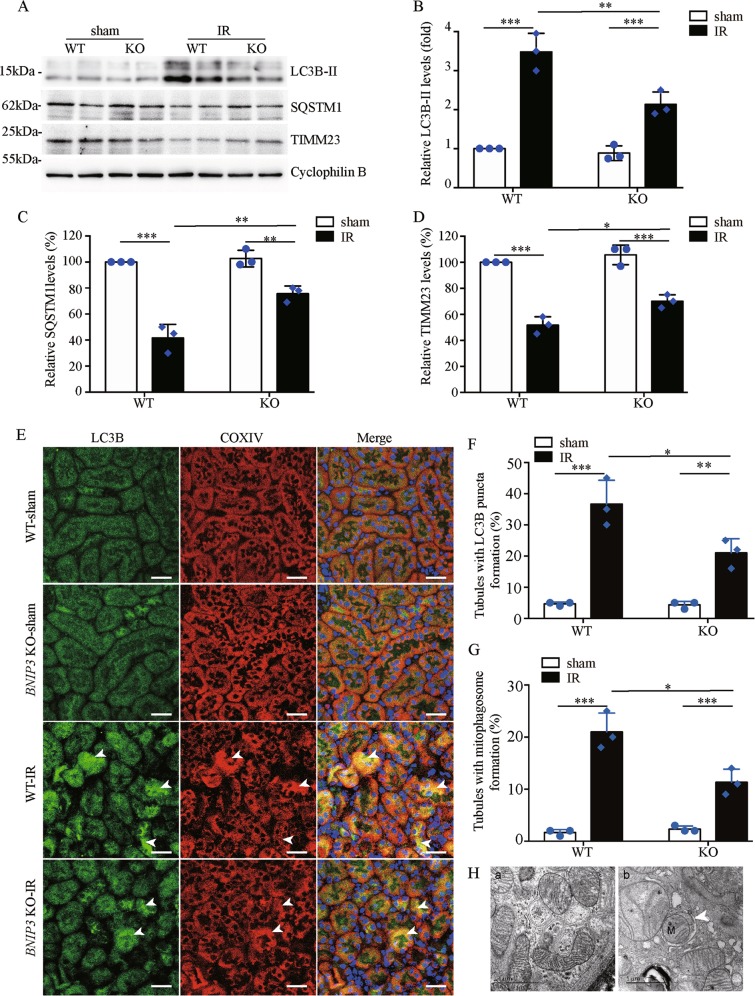
Acute kidney injury (AKI) is a syndrome of abrupt loss of renal functions. The underlying pathological mechanisms of AKI remain largely unknown. BCL2-interacting protein 3 (BNIP3) has dual functions of regulating cell death and mitophagy, but its pathophysiological role in AKI remains unclear. Here, we demonstrated an increase of BNIP3 expression in cultured renal proximal tubular epithelial cells following oxygen-glucose deprivation-reperfusion (OGD-R) and in renal tubules after renal ischemia–reperfusion (IR)-induced injury in mice. Functionally, silencing Bnip3 by specific short hairpin RNAs in cultured renal tubular cells reduced OGD-R-induced mitophagy, and potentiated OGD-R-induced cell death. In vivo, Bnip3 knockout worsened renal IR injury, as manifested by more severe renal dysfunction and tissue injury. We further showed that Bnip3 knockout reduced mitophagy, which resulted in the accumulation of damaged mitochondria, increased production of reactive oxygen species, and enhanced cell death and inflammatory response in kidneys following renal IR. Taken together, these findings suggest that BNIP3-mediated mitophagy has a critical role in mitochondrial quality control and tubular cell survival during AKI.
Overview
The claims and statistics of this paper haven’t been checked yet.
Free: it reads the open-access text and checks the first 5 claims that cite a source we can check. Create a free account to check every claim.
Integrity signals
Registry
Cites
Statistics
Figures
Verification
Claims the paper makes
The claims and statistics of this paper haven’t been checked yet.
Free: it reads the open-access text and checks the first 5 claims that cite a source we can check. Create a free account to check every claim.
Claims other papers make about this one
Each is checked against this paper’s own text: does it say what the citing paper says it does?
The cited source says what the claim attributes to it.
In the citing paper
“We subsequently demonstrated that induction of BCL-2/adenovirus E1B 19 kDa protein-interacting protein 3 (BNIP3)-mediated mitophagy also provided renoprotection during ischaemic AKI”
From Autophagy in kidney homeostasis and disease (2020) · cites this paper as [89]
Self-check
Percentages, sums and reported differences re-computed from the paper’s own numbers.
The self-check needs the paper’s full text.
Citations
Cites
BCL-2 family proteins: changing partners in the dance towards death
Kale, J., Osterlund, E. J., & Andrews, D. W. (2018) · Cell Death & Differentiation · doi:10.1038/cdd.2017.186 · Cited by 1,574
Mitochondrial energetics in the kidney
Bhargava, P., & Schnellmann, R. G. (2017) · Nature Reviews Nephrology · doi:10.1038/nrneph.2017.107 · Cited by 1,334
Failed Tubule Recovery, AKI-CKD Transition, and Kidney Disease Progression
Venkatachalam, M. A., Weinberg, J. M., Kriz, W., & Bidani, A. K. (2015) · Journal of the American Society of Nephrology · doi:10.1681/asn.2015010006 · Cited by 744
Zuk, A., & Bonventre, J. V. (2016) · Annual Review of Medicine · doi:10.1146/annurev-med-050214-013407 · Cited by 739
Regulation of mitochondrial dynamics in acute kidney injury in cell culture and rodent models
Brooks, C., Wei, Q., Cho, S.-G., & Dong, Z. (2009) · Journal of Clinical Investigation · doi:10.1172/jci37829 · Cited by 735
Self-citationDeciphering the Molecular Signals of PINK1/Parkin Mitophagy
Nguyen, T. N., Padman, B. S., & Lazarou, M. (2016) · Trends in Cell Biology · doi:10.1016/j.tcb.2016.05.008 · Cited by 732
Response to myocardial ischemia/reperfusion injury involves Bnip3 and autophagy
Hamacher-Brady, A., Brady, N. R., Logue, S. E., Sayen, M. R., Jinno, M., Kirshenbaum, L. A., Gottlieb, R. A., & Gustafsson, Å. B. (2007) · Cell Death & Differentiation · doi:10.1038/sj.cdd.4401936 · Cited by 609
PGC1α drives NAD biosynthesis linking oxidative metabolism to renal protection
Tran, M. T., Zsengeller, Z. K., Berg, A. H., Khankin, E. V., Bhasin, M. K., Kim, W., Clish, C. B., Stillman, I. E., Karumanchi, S. A., Rhee, E. P., et al. (2016) · Nature · doi:10.1038/nature17184 · Cited by 541
Mediators of Inflammation in Acute Kidney Injury
Akcay, A., Nguyen, Q., & Edelstein, C. L. (2009) · Mediators of Inflammation · doi:10.1155/2009/137072 · Cited by 518
Zhang, X., Yan, H., Yuan, Y., Gao, J., Shen, Z., Cheng, Y., Shen, Y., Wang, R.-R., Wang, X., Hu, W.-W., et al. (2013) · Autophagy · doi:10.4161/auto.25132 · Cited by 510
Cited by
Mitochondria ROS and mitophagy in acute kidney injury
Su, L., Zhang, J., Gomez, H., Kellum, J. A., & Peng, Z. (2023) · Autophagy · doi:10.1080/15548627.2022.2084862 · Cited by 790
“mitophagy resulting in the accumulation of damaged mitochondria, increasing production of reactive oxygen species, cell death and inflammation in oxygen-glucose deprivationreperfusion (OGD-R) and IRI model [64].”
BackgroundMitochondrial quality control in kidney injury and repair
Tang, C., Cai, J., Yin, X.-M., Weinberg, J. M., Venkatachalam, M. A., & Dong, Z. (2021) · Nature Reviews Nephrology · doi:10.1038/s41581-020-00369-0 · Cited by 513
Self-citationAutophagy in kidney homeostasis and disease
Tang, C., Livingston, M. J., Liu, Z., & Dong, Z. (2020) · Nature Reviews Nephrology · doi:10.1038/s41581-020-0309-2 · Cited by 496
Self-citationLin, Q., Li, S., Jiang, N., Jin, H., Shao, X., Zhu, X., Wu, J., Zhang, M., Zhang, Z., Shen, J., et al. (2021) · Autophagy · doi:10.1080/15548627.2020.1848971 · Cited by 391
“reported that BNIP3 deficiency suppresses mitophagy and that BNIP3-mediated mitophagy is involved in maintaining mitochondrial quality control and tubular cell survival during ischemia-reperfusion-induced injury [21].”
BackgroundSelf-citationHIF-1α-BNIP3-mediated mitophagy in tubular cells protects against renal ischemia/reperfusion injury
Fu, Z.-J., Wang, Z.-Y., Xu, L., Chen, X.-H., Li, X.-X., Liao, W.-T., Ma, H.-K., Jiang, M.-D., Xu, T.-T., Xu, J., et al. (2020) · Redox Biology · doi:10.1016/j.redox.2020.101671 · Cited by 382
Lin, Q., Li, S., Jin, H., Cai, H., Zhu, X., Yang, Y., Wu, J., Qi, C., Shao, X., Li, J., et al. (2023) · International Journal of Biological Sciences · doi:10.7150/ijbs.80775 · Cited by 250
“[42, 43] showed the protective roles of the PINK1-PARK2 and BNIP3 pathways in ischemia reperfusion-induced acute kidney injury.”
BackgroundDoblado, L., Lueck, C., Rey, C., Samhan-Arias, A. K., Prieto, I., Stacchiotti, A., & Monsalve, M. (2021) · International Journal of Molecular Sciences · doi:10.3390/ijms22083903 · Cited by 228
“BNIP3 is able to interact directly with PINK1, stabilizing it and promoting its ability to recruit Parkin, and its activity involves Drp1mediated mitochondrial fission [63].”
BackgroundMitochondrial dysfunction and the AKI-to-CKD transition
Jiang, M., Bai, M., Lei, J., Xie, Y., Xu, S., Jia, Z., & Zhang, A. (2020) · American Journal of Physiology-Renal Physiology · doi:10.1152/ajprenal.00285.2020 · Cited by 213
The multifaceted regulation of mitophagy by endogenous metabolites
Zhang, T., Liu, Q., Gao, W., Sehgal, S. A., & Wu, H. (2022) · Autophagy · doi:10.1080/15548627.2021.1975914 · Cited by 197
“and kidney [129,130] against ischemia-reperfusion injury.”
Transition of acute kidney injury to chronic kidney disease: role of metabolic reprogramming
Zhu, Z., Hu, J., Chen, Z., Feng, J., Yang, X., Liang, W., & Ding, G. (2022) · Metabolism · doi:10.1016/j.metabol.2022.155194 · Cited by 196
Wang, Y., Zhu, J., Liu, Z., Shu, S., Fu, Y., Liu, Y., Cai, J., Tang, C., Liu, Y., Yin, X., et al. (2021) · Redox Biology · doi:10.1016/j.redox.2020.101767 · Cited by 185
Self-citationMitochondrial quality control in human health and disease
Liu, B.-H., Xu, C.-Z., Liu, Y., Lu, Z.-L., Fu, T.-L., Li, G.-R., Deng, Y., Luo, G.-Q., Ding, S., Li, N., et al. (2024) · Military Medical Research · doi:10.1186/s40779-024-00536-5 · Cited by 171
Self-citationRedox homeostasis, oxidative stress and mitophagy
Garza-Lombó, C., Pappa, A., Panayiotidis, M. I., & Franco, R. (2020) · Mitochondrion · doi:10.1016/j.mito.2020.01.002 · Cited by 160
Liang, X., Wang, S., Wang, L., Ceylan, A. F., Ren, J., & Zhang, Y. (2020) · Pharmacological Research · doi:10.1016/j.phrs.2020.104846 · Cited by 158
Miao, Z., Miao, Z., Wang, S., Wu, H., & Xu, S. (2022) · Fish & Shellfish Immunology · doi:10.1016/j.fsi.2021.12.017 · Cited by 160
Alzheimer’s Disease Pathogenesis: Role of Autophagy and Mitophagy Focusing in Microglia
Eshraghi, M., Adlimoghaddam, A., Mahmoodzadeh, A., Sharifzad, F., Yasavoli-Sharahi, H., Lorzadeh, S., Albensi, B. C., & Ghavami, S. (2021) · International Journal of Molecular Sciences · doi:10.3390/ijms22073330 · Cited by 158
Granata, S., Votrico, V., Spadaccino, F., Catalano, V., Netti, G. S., Ranieri, E., Stallone, G., & Zaza, G. (2022) · Antioxidants · doi:10.3390/antiox11040769 · Cited by 177
Mitophagy in Acute Kidney Injury and Kidney Repair
Wang, Y., Cai, J., Tang, C., & Dong, Z. (2020) · Cells · doi:10.3390/cells9020338 · Cited by 130
Self-citationZhang, F., Peng, W., Zhang, J., Dong, W., Wu, J., Wang, T., & Xie, Z. (2020) · Cell Death and Disease · doi:10.1038/s41419-020-2238-1 · Cited by 130
Li, J., Lin, Q., Shao, X., Li, S., Zhu, X., Wu, J., Mou, S., Gu, L., Wang, Q., Zhang, M., et al. (2023) · Cell Death and Disease · doi:10.1038/s41419-023-05587-5 · Cited by 146
“The loss of BNIP3 resulted in the accumulation of damaged mitochondrial fragments, mitochondrial ROS and inflammatory responses after renal IR [28].”
BackgroundDeng, Z., Ou, H., Ren, F., Guan, Y., Ye, H., Cai, H., & Sun, B. (2020) · Biological Research · doi:10.1186/s40659-020-00304-4 · Cited by 117
Mitochondrial Quality Control in Cerebral Ischemia–Reperfusion Injury
Wu, M., Gu, X., & Ma, Z.-L. (2021) · Molecular Neurobiology · doi:10.1007/s12035-021-02494-8 · Cited by 120
Madhu, V., Hernandez-Meadows, M., Boneski, P. K., Qiu, Y., Guntur, A. R., Kurland, I. J., Barve, R. A., & Risbud, M. V. (2023) · Autophagy · doi:10.1080/15548627.2022.2162245 · Cited by 104
Mitochondrial metabolism and targeted treatment strategies in ischemic-induced acute kidney injury
Chen, Y., Li, Z., Zhang, H., Chen, H.-X., Hao, J., Liu, H.-F., & Li, X. (2024) · Cell Death Discovery · doi:10.1038/s41420-024-01843-5 · Cited by 128
“…priming mechanisms have been proposed that rely on the PTEN-induced kinase 1 (PINK1)-parkin RBR E3 ubiquitin-protein ligase (PARK2/PRKN) pathway [15], and mitophagy receptors, BCL2-interacting protein 3 (BNIP3L/NIX), BCL2-interacting protein 3 (BNIP3), or FUN14 domain-containing 1 [16, 31].”
BackgroundInfluentialThe role of lipotoxicity in kidney disease: From molecular mechanisms to therapeutic prospects
Ren, L., Cui, H., Wang, Y., Ju, F., Cai, Y., Gang, X., & Wang, G. (2023) · Biomedicine & Pharmacotherapy · doi:10.1016/j.biopha.2023.114465 · Cited by 110
Role of mitochondrial quality control in the pathogenesis of nonalcoholic fatty liver disease
Li, R., Toan, S., & Zhou, H. (2020) · Aging · doi:10.18632/aging.102972 · Cited by 87
Yeh, T.-H., Tu, K.-C., Wang, H., & Chen, J. (2024) · International Journal of Molecular Sciences · doi:10.3390/ijms25031755 · Cited by 120
“Animal studies have demonstrated that adjusting these genes involved in the process of mitochondria homeostasis influences the process of kidney inflammation, kidney fibrosis, and tubular epithelial cell apoptosis [79,158–160].”
BackgroundMitochondria bridge HIF signaling and ferroptosis blockage in acute kidney injury
Li, W., Xiang, Z., Xing, Y., Shen, L., & Shi, S. (2022) · Cell Death and Disease · doi:10.1038/s41419-022-04770-4 · Cited by 93
“BNIP3 or BNIP3L deficiency was found to restrain ischemia-related mitophagy, demonstrating their crucial role in mitochondrial hypoxic adaptation [58, 59].”
BackgroundPathway from Acute Kidney Injury to Chronic Kidney Disease: Molecules Involved in Renal Fibrosis
Niculae, A., Gherghina, M.-E., Peride, I., Ţigliş, M., Nechita, A.-M., & Checheriţă, I. A. (2023) · International Journal of Molecular Sciences · doi:10.3390/ijms241814019 · Cited by 102
“A reduced mitophagy with accumulation of ROS, damaged mitochondria and upregulation of inflammatory renal response following IRI mouse models was revealed using the BNIP3 knockout gene [92].”
ER-Phagy: A New Regulator of ER Homeostasis
Yang, M., Luo, S., Wang, X., Li, C., Yang, J., Zhu, X., Xiao, L., & Sun, L. (2021) · Frontiers in Cell and Developmental Biology · doi:10.3389/fcell.2021.684526 · Cited by 98
Mitochondrial dysfunction and oxidative stress: Role in chronic kidney disease
Srivastava, A., Tomar, B., Sharma, D., & Rath, S. K. (2023) · Life Sciences · doi:10.1016/j.lfs.2023.121432 · Cited by 94
Ischemia-reperfusion injury in kidney transplantation: mechanisms and potential therapeutic targets
Lasorsa, F., Rutigliano, M., Milella, M., d’Amati, A., Crocetto, F., Pandolfo, S. D., Barone, B., Ferro, M., Spilotros, M., Battaglia, M., et al. (2024) · International Journal of Molecular Sciences · doi:10.3390/ijms25084332 · Cited by 74
“Increased ROS production, apoptosis, and tubulointerstitial inflammation were noted in mice models of IRI with deficient BNIP3, PINK1, and/or PRKN [22,23].”
BackgroundNeuronal induction of BNIP3-mediated mitophagy slows systemic aging in Drosophila
Schmid, E. T., Pyo, J.-H., & Walker, D. W. (2022) · Nature Aging · doi:10.1038/s43587-022-00214-y · Cited by 78
Autophagy: a double-edged sword in ischemia–reperfusion injury
Tang, L., Zhang, W., Yan, L., Wang, W., Deng, X., Wang, C., & Shi, W. (2025) · Cellular & Molecular Biology Letters · doi:10.1186/s11658-025-00713-x · Cited by 96
Role of mitochondria in renal ischemia-reperfusion injury
Huang, R., Zhang, C., Xiang, Z., Lin, T., Ling, J., & Hu, H. (2024) · The FEBS Journal · doi:10.1111/febs.17130 · Cited by 72
“Increased formation of autophagosomes is accompanied by the increase of mitochondria engulfment and mitochondrial-related protein degeneration [56,65].”
Mitochondrial Dysfunction in Kidney Disease and Uremic Sarcopenia
Takemura, K., Nishi, H., & Inagi, R. (2020) · Frontiers in Physiology · doi:10.3389/fphys.2020.565023 · Cited by 72
Dugbartey, G. J. (2024) · Molecular Biology Reports · doi:10.1007/s11033-024-09261-7 · Cited by 83
Mechanism of Mitophagy and Its Role in Sepsis Induced Organ Dysfunction: A Review
Zhu, C., Yao, R.-Q., Li, L.-X., Li, P., Xie, J., Wang, J., & Deng, X. (2021) · Frontiers in Cell and Developmental Biology · doi:10.3389/fcell.2021.664896 · Cited by 87
Pei, J., Peng, J., Wu, M., Zhan, X., Wang, D., Zhu, G., Wang, W., An, N., & Pan, X. (2024) · The Science of The Total Environment · doi:10.1016/j.scitotenv.2024.177980 · Cited by 73
Glucose Metabolism in Acute Kidney Injury and Kidney Repair
Wen, L., Li, Y., Li, S., Hu, X., Wei, Q., & Dong, Z. (2021) · Frontiers in Medicine · doi:10.3389/fmed.2021.744122 · Cited by 72
Self-citationMechanisms and Functions of Mitophagy and Potential Roles in Renal Disease
Zuo, Z., Jing, K., Wu, H.-L., Wang, S., Ye, L., Li, Z., Yang, C., Pan, Q., Liu, W. J., & Liu, H. (2020) · Frontiers in Physiology · doi:10.3389/fphys.2020.00935 · Cited by 65
The Role of Mitophagy in Ischemic Stroke
Shao, Z., Dou, S., Zhu, J., Wang, H., Xu, D., Wang, C., Cheng, B., & Bai, B. (2020) · Frontiers in Neurology · doi:10.3389/fneur.2020.608610 · Cited by 67
“Similarly, in ischemia and reperfusion, Bnip3 could clear damaged mitochondria by activating mitophagy (49, 50).”
BackgroundDisease‐specific phenotypes in iPSC‐derived neural stem cells with POLG mutations
Liang, K. X., Kristiansen, C. K., Mostafavi, S., Vatne, G. H., Zantingh, G. A., Kianian, A., Tzoulis, C., Høyland, L. E., Ziegler, M., Pérez, R., et al. (2020) · EMBO Molecular Medicine · doi:10.15252/emmm.202012146 · Cited by 66
“In mammals, more than 20 proteins have been associated with this process, including PTENinduced kinase 1 (PINK1), parkin, serine/threonine-protein kinase ULK1 (ULK1), BCL2/adenovirus E1B 19 kDa protein-interacting protein 3-like (BNIP3L/NIX), and serine/threonine-protein kinase TBK1 (TBK1) (Kerr et al, 2017).”
BackgroundInfluentialSelf-citationLi, Z., Liu, Z., Luo, M.-N., Li, X., Chen, H., Gong, S., Zhang, Y., Zhang, Y., Liu, H., & Li, X. (2022) · Cell Death Discovery · doi:10.1038/s41420-022-01034-0 · Cited by 62
Self-citationMitochondrial Dysfunction and Mitophagy in Type 2 Diabetes: Pathophysiology and Therapeutic Targets
Apostolova, N., Vezza, T., Muntane, J., Rocha, M., & Víctor, V. M. (2023) · Antioxidants & Redox Signaling · doi:10.1089/ars.2022.0016 · Cited by 58
“Similarly, BNIP3 can interact directly with PINK1, stabilizing it and promoting Parkin recruitment through DRP1-mediated mitochondrial fission (Tang et al, 2019).”
Kim, Y., Li, C., Gu, C., Fang, Y., Tycksen, E., Puri, A., Pietka, T., Sivapackiam, J., Kidd, K. O., Park, S.-J., et al. (2023) · Nature Communications · doi:10.1038/s41467-023-42154-0 · Cited by 65
Liao, J., He, W., Li, L., Wang, J., Gong, L., Zhang, Q., & Lin, Z. (2025) · Cell Biomaterials · doi:10.1016/j.celbio.2025.100016 · Cited by 77
Jin, L., Yu, B., Liu, G., Nie, W., Wang, J., Chen, J., Xiao, L., Xia, H., Han, F., & Yang, Y. (2022) · The FASEB Journal · doi:10.1096/fj.202200199rr · Cited by 58
Xiao, J., Liu, Q., Li, Y., Peng, F.-F., Wang, S., Zhang, Z., Liu, H., Yu, H., Tao, S., & Zhang, B. (2022) · Cell Death and Disease · doi:10.1038/s41419-022-05220-x · Cited by 60
“In addition, BNIP3 can also interact with LC3 family proteins via its LIR motifs facing the cytosol, thereby mediating mitophagy [36].”
BackgroundSelf-citationMammalian Mitophagosome Formation: A Focus on the Early Signals and Steps
Zachari, M., & Ktistakis, N. T. (2020) · Frontiers in Cell and Developmental Biology · doi:10.3389/fcell.2020.00171 · Cited by 56
Mitochondrial Quality Control in Health and Disease
Ye, L., Fu, X., & Li, Q. (2025) · MedComm · doi:10.1002/mco2.70319 · Cited by 85
He, C. H., Lu, S., Wang, X., Wang, C., Wang, L., Liang, S.-P., Luo, T., Wang, Z.-C., Piao, M., Chi, G., et al. (2021) · Acta Pharmacologica Sinica · doi:10.1038/s41401-021-00663-y · Cited by 67
Autophagy and mitophagy: physiological implications in kidney inflammation and diseases
Bhatia, D., & Choi, M. E. (2023) · American Journal of Physiology-Renal Physiology · doi:10.1152/ajprenal.00012.2023 · Cited by 57
The Emerging Role of Mitophagy in Kidney Diseases
Bhatia, D., & Choi, M. E. (2019) · JoLS Journal of Life Sciences · doi:10.36069/jols/20191203 · Cited by 55
“Bnip3 knockout mice after IRI displayed severe renal injury, higher oxidative stress, and accumulation of damaged mitochondria 19 .”
BackgroundExtracellular vesicles for renal therapeutics: State of the art and future perspective
Tang, T., Wang, B., Lv, L., Dong, Z., & Liu, B. (2022) · Journal of Controlled Release · doi:10.1016/j.jconrel.2022.06.049 · Cited by 52
Self-citationMetabolic control of mitophagy
Zimmermann, A., Madeo, F., Diwan, A., Sadoshima, J., Sedej, S., Kroemer, G., & Abdellatif, M. (2023) · European Journal of Clinical Investigation · doi:10.1111/eci.14138 · Cited by 52
“40 Like NIX, BNIP3 forms dimers in the OMM to recruit LC3 proteins via a LIR motif.”
BackgroundPhysiological functions of ULK1/2
Pareek, G., & Kundu, M. (2024) · Journal of Molecular Biology · doi:10.1016/j.jmb.2024.168472 · Cited by 57
Ionizing radiation triggers mitophagy to enhance DNA damage in cancer cells
Ren, Y., Yang, P., Li, C., Wang, W.-A., Zhang, T., Li, J., Li, H., Dong, C., Meng, W., & Zhou, H. (2023) · Cell Death Discovery · doi:10.1038/s41420-023-01573-0 · Cited by 48
“BNIP3 gene knockout in the ischemic-reperfusion renal proximal tubular epithelial cell model inhibits mitophagy and protects tubular cells from injury [21].”
BackgroundMao, S., Tian, S., Luo, X., Zhou, M., Cao, Z., & Li, J. (2021) · Bioengineered · doi:10.1080/21655979.2021.1938500 · Cited by 49
“Studies have also shown that proper mitophagy will protect the organism from ischemia-reperfusion injury [6,7].”
BackgroundAdvances in energy metabolism in renal fibrosis
Wei, X. S., Hou, Y., Long, M., Jiang, L., & Du, Y. (2022) · Life Sciences · doi:10.1016/j.lfs.2022.121033 · Cited by 45
Mitophagy in neurodegenerative disease pathogenesis
Yang, K., Yan, Y., Yu, A., Zhang, R., Zhang, Y., Qiu, Z., Li, Z., Zhang, Q., Wu, S., & Li, F. (2023) · Neural Regeneration Research · doi:10.4103/1673-5374.385281 · Cited by 48
“When mitochondria generate energy, they store electrochemical potential energy on the mitochondrial membrane, and the asymmetric distribution of protons and other ions on both sides of the membrane forms the mitochondrial membrane potential (Tang et al., 2019).”
BackgroundShosha, E., Fouda, A. Y., Lemtalsi, T., Haigh, S. B., Fulton, D. J., Ibrahim, A. S., Al‐Shabrawey, M., Caldwell, R. W., & Caldwell, R. B. (2021) · Molecular Metabolism · doi:10.1016/j.molmet.2021.101273 · Cited by 42
Sun, Z., Gao, Z., Wu, J., Zheng, X., Jing, S., & Wang, W. (2022) · Stem Cells International · doi:10.1155/2022/6852661 · Cited by 53
“have revealed that BNIP3mediated mitophagy protected the kidney against IRI [7].”
BackgroundLi, M., Zhao, Y., Dai, X., Talukder, M., & Li, J. (2023) · The Journal of Nutritional Biochemistry · doi:10.1016/j.jnutbio.2022.109266 · Cited by 44
Paricalcitol Attenuates Contrast-Induced Acute Kidney Injury by Regulating Mitophagy and Senescence
Bae, E., Kim, J. H., Jung, M. H., Jang, S. J., Lee, T. W., Jung, S., Lee, S., Jang, H. N., Chang, S., & Park, D. J. (2020) · Oxidative Medicine and Cellular Longevity · doi:10.1155/2020/7627934 · Cited by 39
“Mitophagy modulates cell apoptosis [6] and ROS removal, eliminates damaged mitochondria, relieves inflammatory responses [7], and inhibits NLRP3 inflammasome activation in AKI [8, 9].”
BackgroundAutophagy in Cisplatin Nephrotoxicity during Cancer Therapy
Hu, X., Ma, Z., Wen, L., Li, S., & Dong, Z. (2021) · Cancers · doi:10.3390/cancers13225618 · Cited by 38
Self-citationMechanism and role of mitophagy in the development of severe infection
Ma, L., Han, T., & Zhan, Y. M. (2024) · Cell Death Discovery · doi:10.1038/s41420-024-01844-4 · Cited by 41
“PINK1-Parkin-OPTN axis and BNIP3-mediated mitophagy also promote tubular cell survival [36, 143].”
BackgroundReceptor-mediated mitophagy: An emerging therapeutic target in acute kidney injury
Dagar, N., Kale, A., Steiger, S., Anders, H., & Gaikwad, A. B. (2022) · Mitochondrion · doi:10.1016/j.mito.2022.08.004 · Cited by 41
Autophagy in acute kidney injury and maladaptive kidney repair
Yu, X., Fu, Y., Wu, W., Tang, C., & Dong, Z. (2023) · Burns & Trauma · doi:10.1093/burnst/tkac059 · Cited by 41
“In this regard, we reported that Bnip3-deficincey reduced mitophagy in both in vivo and in vitro models of ischemic AKI, which resulted in the accumulation of damaged mitochondria and increased production of ROS, accompanied by exaggerated kidney damage [61].”
BackgroundSelf-citationQin, S., Liu, C., Chen, Y., Yao, M., Liao, S., Xin, W., Gong, S., Guan, X., Li, Y., Xiong, J., et al. (2023) · Kidney International · doi:10.1016/j.kint.2023.01.025 · Cited by 43
Self-citationLipocalin-2 induces mitochondrial dysfunction in renal tubular cells via mTOR pathway activation
Marques, E., Teixeira, M. A., Nguyen, C., Terzi, F., & Gallazzini, M. (2023) · Cell Reports · doi:10.1016/j.celrep.2023.113032 · Cited by 42
FUNDC1-induced mitophagy protects spinal cord neurons against ischemic injury
Chen, D., Zhou, L., Chen, G., Lin, T., Lin, J., Zhao, X., Li, W., Guo, S., Wu, R., Wang, Z., et al. (2024) · Cell Death Discovery · doi:10.1038/s41420-023-01780-9 · Cited by 39
“Tang et al. [33] also suggested that activation of BNIP3-mediated mitophagy can inhibit apoptosis and protect against renal ischemia-reperfusion injury.”
BackgroundSelf-citationTao, G., Wang, X., Wang, J., Ye, Y., Zhang, M., Yan, L., & Ding, S. (2024) · British Journal of Pharmacology · doi:10.1111/bph.17373 · Cited by 39
“Bnip3-mediated mitophagy has important role in mitochondrial quality control (Tang et al., 2019).”
Liu, J.-X., Yang, C., Liu, Z.-J., Su, H.-Y., Zhang, W., Pan, Q., & Liu, J. (2020) · Aging · doi:10.18632/aging.103726 · Cited by 37
Self-citationChen, M., Lin, S., Tang, B., Tian, T., Leng, Y., Liu, D., Wang, K., Geng, Y., Luo, Z., Li, S., et al. (2024) · Analytica Chimica Acta · doi:10.1016/j.aca.2024.342611 · Cited by 32
Mechanistic Insights into Selective Autophagy Subtypes in Alzheimer’s Disease
Guan, X., Iyaswamy, A., Sreenivasmurthy, S. G., Su, C.-F., Zhu, Z., Liu, J., Kan, Y., Cheung, K., Lu, J., Tan, J., et al. (2022) · International Journal of Molecular Sciences · doi:10.3390/ijms23073609 · Cited by 36
Li, Z., Ding, L., Ma, R., Zhang, Y., Zhang, Y., Ni, W., Tang, T., Wang, G., Wang, B., Lv, L., et al. (2023) · Cell Death and Disease · doi:10.1038/s41419-023-05854-5 · Cited by 31
“These were consistent with the results of earlier studies that activation of mitophagy prevents renal ischemic/hypoxic injury [33, 34].”
The Mitochondrion: A Promising Target for Kidney Disease
Tanrıöver, C., Çöpür, S., Uçku, D., Cakir, A. B., Hasbal, N. B., Soler, M. J., & Kanbay, M. (2023) · Pharmaceutics · doi:10.3390/pharmaceutics15020570 · Cited by 32
Li, H., Wang, F., Guo, X., & Jiang, Y. (2021) · Frontiers in Neuroscience · doi:10.3389/fnins.2021.682247 · Cited by 34
Song, J., Zhao, Y., Zhen, Y.-Q., Yang, X., Chen, Q., An, J., & Ji, E. (2022) · Pharmaceutical Biology · doi:10.1080/13880209.2022.2043392 · Cited by 30
“Once Parkin is recruited or activated, some mitochondrial proteins will be ubiquitinated, conjugate p62, and then recruit the autophagosome membrane via LC3, eventually resulting in autophagy (Gottlieb and Thomas 2017; Tang et al. 2019) (Figure 8).”
BackgroundZhou, Y., Wang, Y., Wu, S., Yan, Y., Hu, Y., Zheng, Z., Li, J., & Wu, W. (2020) · Cell Death and Disease · doi:10.1038/s41419-020-03024-5 · Cited by 31
Mitochondria as mediators of systemic inflammation and organ cross talk in acute kidney injury
Hepokoski, M., & Singh, P. (2022) · American Journal of Physiology-Renal Physiology · doi:10.1152/ajprenal.00372.2021 · Cited by 29
Shi, H., Qi, H., Xie, D., Zhuang, J., Qi, H., Dai, Y., & Wu, J. (2023) · Free Radical Biology and Medicine · doi:10.1016/j.freeradbiomed.2023.02.003 · Cited by 32
Xu, D., Zhang, X., Pang, J., Li, Y., & Peng, Z. (2025) · Biomolecules · doi:10.3390/biom15060794 · Cited by 35
“Animal studies have demonstrated that regulating the genes associated with mitochondrial homeostasis influences renal inflammation, kidney fibrosis, and apoptosis [40].”
Yin, L., Li, H., Liu, Z., Wu, W., Cai, J., Tang, C., & Dong, Z. (2021) · Frontiers in Immunology · doi:10.3389/fimmu.2021.690697 · Cited by 27
“ROS in kidney tissues was measured by dihydroethidium (Thermo Fisher Scientific, D11347) staining as previously described (26).”
MethodSelf-citationLiu, M., & Wu, Y. (2022) · Frontiers in Cardiovascular Medicine · doi:10.3389/fcvm.2022.819454 · Cited by 30
“Functional regulation of BNIP3 regulates mitochondrial energy metabolism, mitochondrial dysfunction, mitophagy homeostasis disorder, and mitochondrial structural damage (108).”
BackgroundShang, J., Lin, N., Peng, R., Jiang, N., Wu, B., Xing, B., Lin, S., Xu, X., & Lu, H. (2023) · Molecules · doi:10.3390/molecules28030924 · Cited by 27
Zhang, L., Miao, M., Xu, X., Bai, M., Wu, M., & Zhang, A. (2023) · Kidney Diseases · doi:10.1159/000530485 · Cited by 30
Yao, M., Qin, S., Xiong, J., Xin, W., Guan, X., Gong, S., Chen, J., Liu, Y., Zhang, B., Zhao, J., et al. (2022) · Frontiers in Pharmacology · doi:10.3389/fphar.2022.935937 · Cited by 28
“BNIP3 is localized in the mitochondrial outer membrane, playing a vital role in mitochondrial quality control (Chourasia et al., 2015; Lee et al., 2017; Tang et al., 2019; Fu et al., 2020).”
BackgroundSelf-citationCai, X., Zou, P., Hong, L., Chen, Y., Zhan, Y., Liu, Y., & Shao, L. (2023) · Human Cell · doi:10.1007/s13577-023-00956-w · Cited by 28
“For example, BNIP3 knockdown reduced mitophagy, which contributed to mitochondria damage, production of reactive oxygen species (ROS), cell death, and inflammation in kidneys following renal IR [10].”
BackgroundInfluentialSelf-citationThe ER membrane protein complex restricts mitophagy by controlling BNIP3 turnover
Delgado, J. M., Shepard, L. W., Lamson, S. W., Liu, S. L., & Shoemaker, C. J. (2023) · The EMBO Journal · doi:10.1038/s44318-023-00006-z · Cited by 30
“We note that BNIP3-mediated mitophagy is commonly associated with stress conditions, particularly where hypoxia is a factor as in ischemia/reperfusion injury (Tang et al, 2019; Li et al, 2020; Wrighton et al, 2021).”
KCa3.1 Mediates Dysregulation of Mitochondrial Quality Control in Diabetic Kidney Disease
Huang, C., Yi, H., Shi, Y., Cao, Q., Shi, Y., Cheng, D., Braet, F., Chen, X., & Pollock, C. A. (2021) · Frontiers in Cell and Developmental Biology · doi:10.3389/fcell.2021.573814 · Cited by 26
Deng, R., Wang, Y., Bu, Y., & Wu, H. (2022) · Molecular Medicine · doi:10.1186/s10020-022-00490-9 · Cited by 30
Gao, L., Yang, T., Zhang, J.-S., Liu, H., Cai, D.-C., Wang, L., Wang, J., Li, X., Gao, K., Zhang, S.-Y., et al. (2021) · Frontiers in Cell and Developmental Biology · doi:10.3389/fcell.2020.601521 · Cited by 23
Self-citationNakamura, E., Aoki, T., Endo, Y., Kazmi, J. S., Hagiwara, J., Kuschner, C. E., Yin, T., Kim, J. H., Becker, L. B., & Hayashida, K. (2024) · Life · doi:10.3390/life14040477 · Cited by 31
Zhu, X., Lin, Q., Yang, Y., Li, S., Shao, X., Zhang, W., Cai, H., Li, J., Wu, J., Zhang, K., et al. (2024) · Cellular and Molecular Life Sciences · doi:10.1007/s00018-024-05473-z · Cited by 25
“Mitophagy has been generally recognized as a potential therapeutic target of AKI [ 10, 13, 26].”
Jin, L., Zheng, D., Yang, G., Li, W., Yang, H., Jiang, Q., Chen, Y., Zhang, Y., & Xie, X. S. (2020) · Marine Drugs · doi:10.3390/md18070363 · Cited by 24
“Bnip3 is a mitophagy receptor and plays a role in promoting survival in certain pathological conditions [47].”
BackgroundPan, J., Zhao, J., Feng, L., Xu, X., He, Z., & Liang, W. Y. (2022) · Cell Biochemistry and Biophysics · doi:10.1007/s12013-022-01107-y · Cited by 20
“I/R injury induced functional and structural damage of renal tubules by causing tubular cell death, which in turn triggers an injury response [3, 4].”
BackgroundMitochondrial quality control in hepatic ischemia-reperfusion injury
Wang, L., Feng, Z. J., Ma, X., Li, K., Li, X. Y., Tang, Y., & Peng, C. (2023) · Heliyon · doi:10.1016/j.heliyon.2023.e17702 · Cited by 26
Zhao, H., Han, Q., Ding, X., Yan, J.-Y., Li, Q., Zhang, D., & Zhu, H. (2020) · Chinese Medical Journal · doi:10.1097/cm9.0000000000001091 · Cited by 20
“Tang et al([62]) demonstrated that functionally silencing Bnip3 by specific short hairpin RNAs in cultured renal tubular cells could reduce oxygen-glucose deprivation/ reoxygenation (OGD-R)-induced mitochondrial phagocy-”
Background
Metadata
- Authors
- Tang, C., Han, H., Liu, Z., Liu, Y., Yin, L., Cai, J., He, L., Liu, Y., Chen, G., Zhang, Z., Yin, X.-M., & Dong, Z.
- Affiliations
- Central South University (CN)
- Indiana University School of Medicine (US)
- Corresponding author
- Tang, Chengyuan
- Dong, Zheng
- ORCID
- Venue
- Cell Death & Disease
- Published
- 2019-09-12
- Volume
- 10
- Issue
- 9
- Pages
- 677-677
- ISSN
- 2041-4889 (ISSN-L)
- PMC
- PMC6742651
- OpenAlex
- W2972636836
- Cited by
- 219
- References
- 39
- Citations by year
- 2026: 20 · 2025: 36 · 2024: 39 · 2023: 36 · 2022: 35 · 2021: 26 · 2020: 25 · 2019: 1
- FWCI
- 16.80
- Type
- journal article
- Language
- en
- Open access
- gold
- doi.org
- Licence
- cc-by
- creativecommons.org/licenses/by/4.0 (tdm)
- creativecommons.org/licenses/by/4.0 (vor)
- Locations
- Cell Death and Disease (publishedVersion, cc-by)
- PubMed Central (publishedVersion, cc-by)
- PubMed (publishedVersion)
- DOAJ (DOAJ: Directory of Open Access Journals) (submittedVersion)
- IUScholarWorks (Indiana University) (submittedVersion, cc-by)
- Purdue University Indianapolis (Indiana University) (submittedVersion, cc-by)
- Funders
- National Science Foundation
- School of Medicine, Boston University
- National Natural Science Foundation of China (81870474, 81720108008, 2018YFC1312700, 81570622)
- Natural Science Foundation of Hunan Province
- Key Research and Development Program of Hunan Province of China
- Topics
- Health Sciences › Medicine › Nephrology › Acute Kidney Injury Research
- Life Sciences › Biochemistry, Genetics and Molecular Biology › Cell Biology › Autophagy in Disease and Therapy
- Life Sciences › Biochemistry, Genetics and Molecular Biology › Molecular Biology › Cell death mechanisms and regulation
- Keywords
- BNIP3, mitophagy, acute kidney injury, renal ischemia-reperfusion injury, mitochondrial quality control, proximal tubular epithelial cells, oxygen-glucose deprivation/reoxygenation, reactive oxygen species, cell death, inflammation
- MeSH terms
- Animals, Kidney, Kidney Tubules, Male, Mice, Inbred C57BL, Mitochondria, Signal Transduction, Reperfusion Injury, Apoptosis, Reactive Oxygen Species, Mice, Knockout, Mice, Acute Kidney Injury, Mitophagy
About these checks
Registry, retraction, Cites and statistics results are computed, not judged, with one exception: a printed reference that no index lists is read once by a model before it counts as a citation error. Claims are extracted by a model and kept only when their quote appears verbatim in the text; each cited source is then checked, with a model’s help, for whether it says what the claim relies on. Those verdicts can be wrong — read the claim’s quote and the cited source before relying on one.
Statistics and arithmetic are recomputed, not judged.
Confidence bands are shown only for fields calibrated on our annotated test set. None is calibrated yet, so no band is shown.
What counts as a claim ›How we measure confidence ›How we check this ›
Are you an author, or do you see a problem with this page? Request a review
Data sources
Bibliographic data: Semantic Scholar, OpenAlex, Crossref.
Contains information from the Semantic Scholar Academic Graph Datasets, made available under the ODC Attribution License (ODC-BY 1.0).
Semantic Scholar’s data is described in: Kinney, R., et al. (2023). The Semantic Scholar Open Data Platform. arXiv:2301.10140.
