

Hypoxia regulates the mitochondrial activity of hepatocellular carcinoma cells through HIF/HEY1/PINK1 pathway
Open accessThe DOI matches its Crossref record; 53 of the 53 references it cites were found in a registry or an index.
Abstract
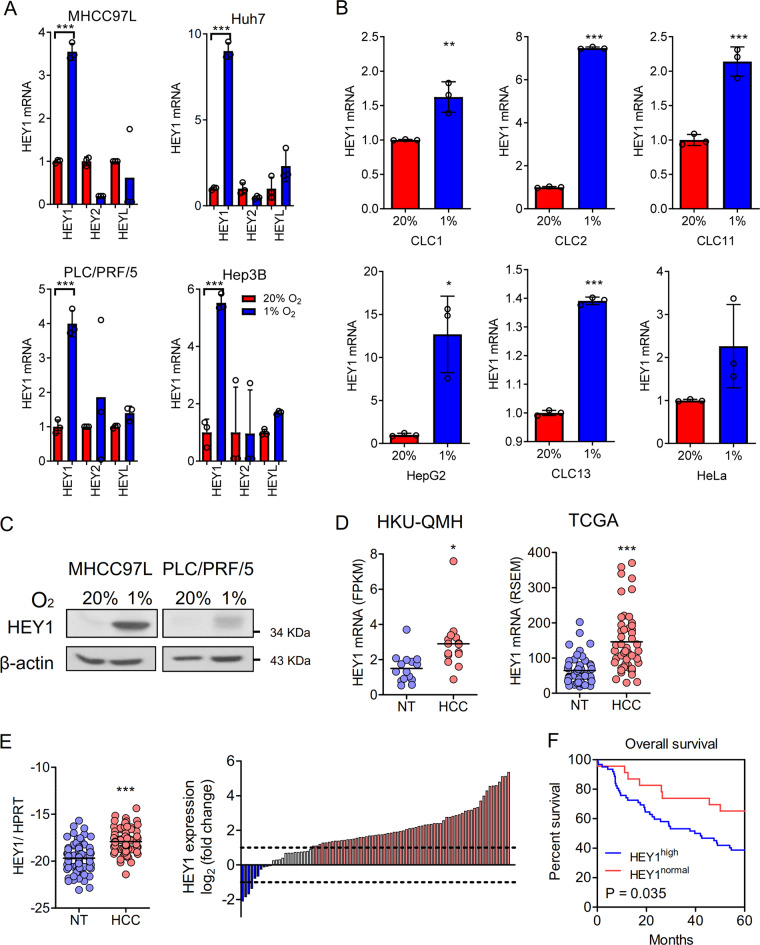
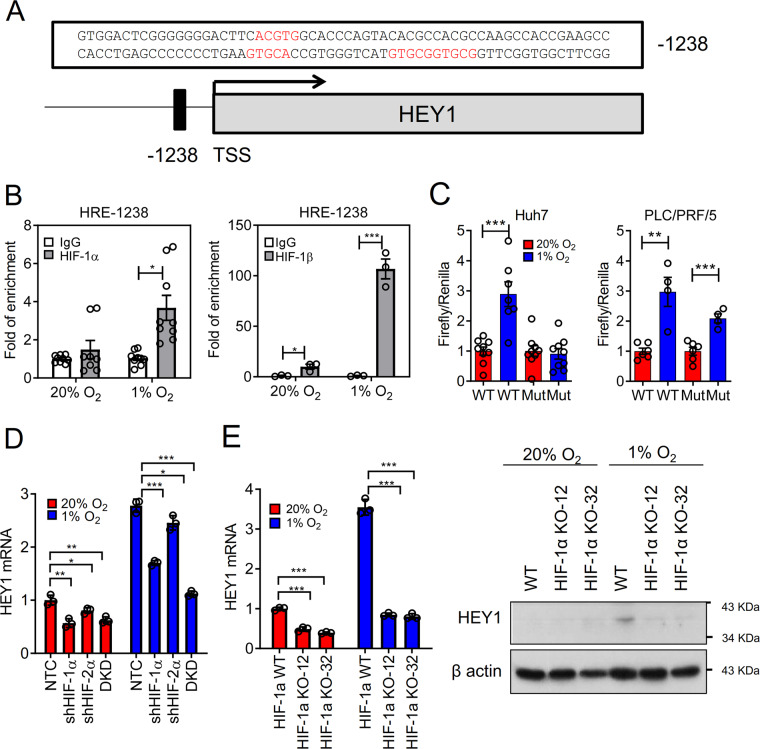
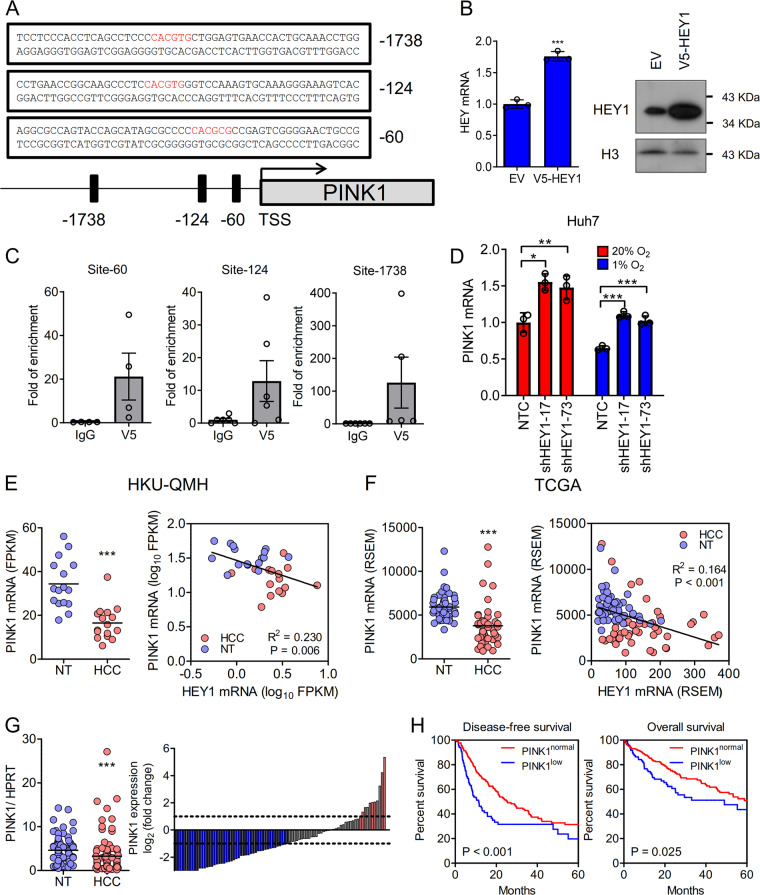
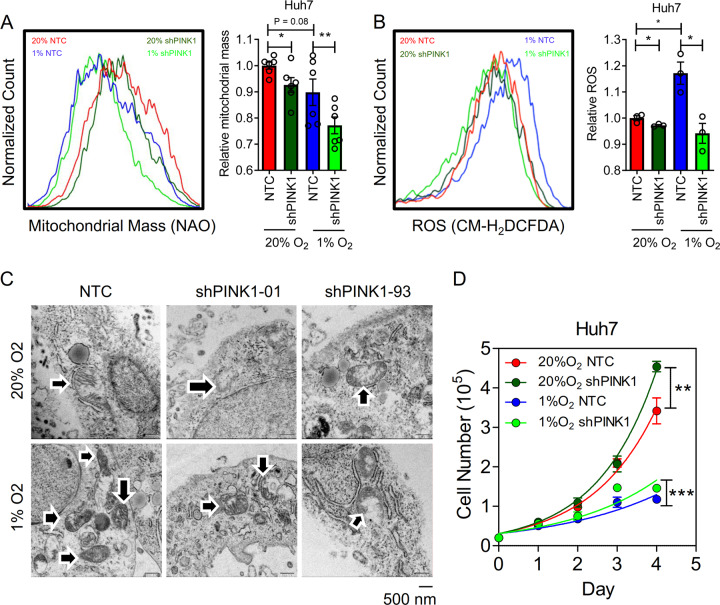
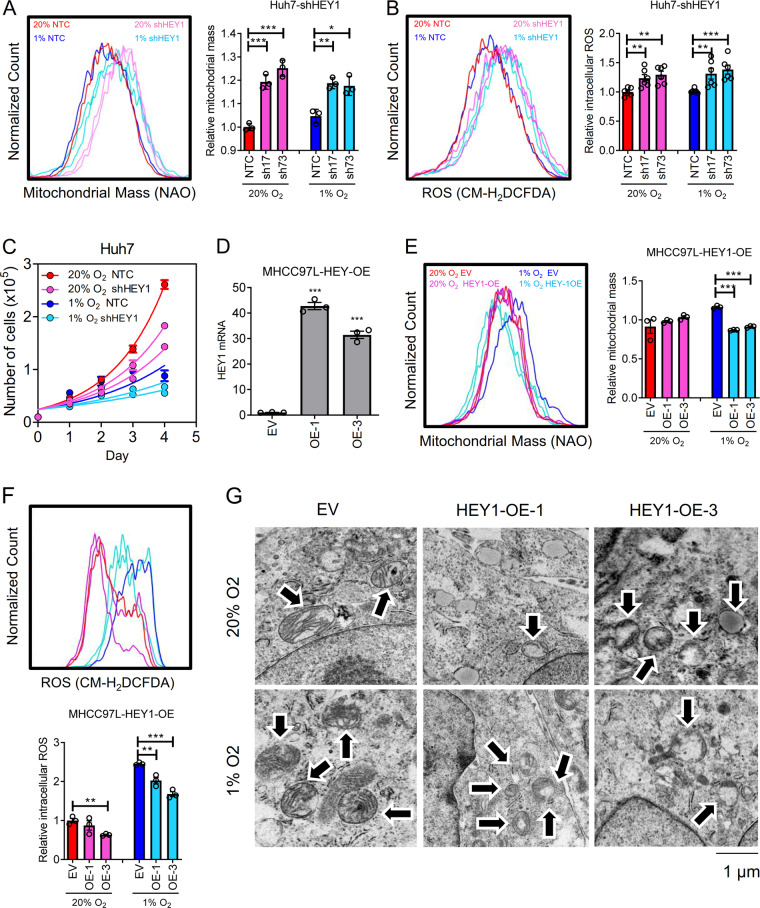
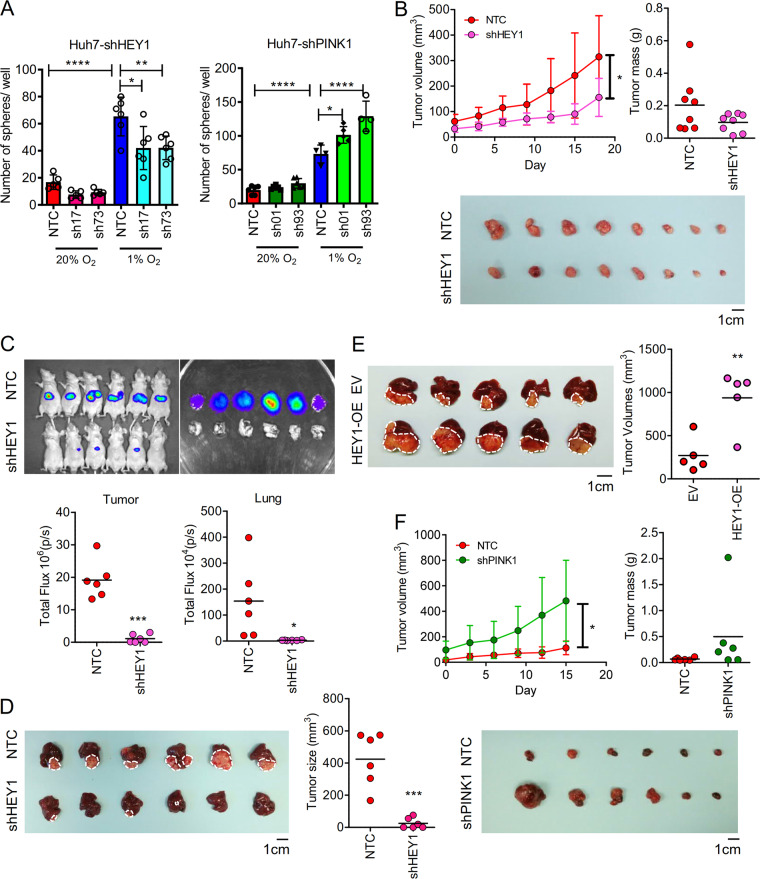
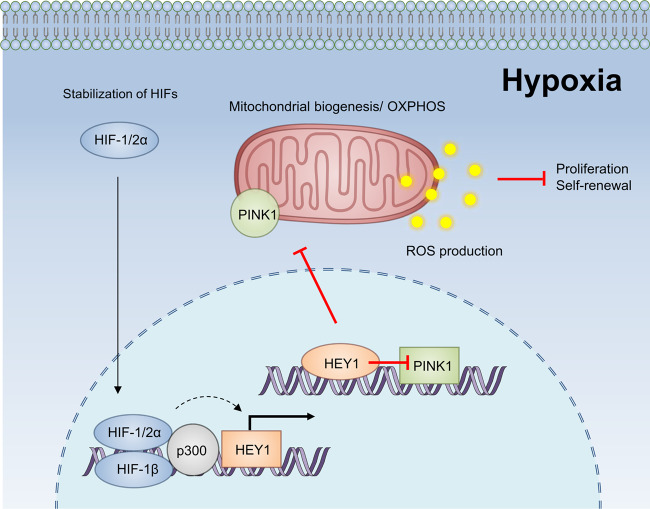
Hypoxia is commonly found in cancers. Hypoxia, due to the lack of oxygen (O 2) as the electron recipient, causes inefficient electron transfer through the electron transport chain at the mitochondria leading to accumulation of reactive oxygen species (ROS) which could create irreversible cellular damages. Through hypoxia-inducible factor 1 (HIF-1) which elicits various molecular events, cells are able to overcome low O 2. Knowledge about the new molecular mechanisms governed by HIF-1 is important for new therapeutic interventions targeting hypoxic tumors. Using hepatocellular carcinoma (HCC) as a model, we revealed that the HIF-1 and the Notch signaling pathways cross-talk to control mitochondrial biogenesis of cancer cells to maintain REDOX balance. From transcriptome sequencing, we found that HEY1, a transcriptional repressor, in the NOTCH pathway was consistently induced by hypoxia in HCC cell lines. We identified a strong hypoxia response element (HRE) in HEY1 by chromatin immunoprecipitation (ChIP) and luciferase reporter assays. Transcriptome and ChIP sequencing further identified PINK1, a gene essential for mitochondrial biogenesis, as a novel transcriptional target of HEY1. HCC cells with HEY1 knockdown re-expressed PINK1. HEY1 and PINK1 expressions inversely correlated in human HCC samples. Overexpression of HEY1 and under-expression of PINK1 were detected in human HCC and associated with poor clinical outcomes. Functionally, we found that overexpression of HEY1 or knockdown of PINK1 consistently reduced mitochondrial cristae, mitochondrial mass, oxidative stress level, and increased HCC growth.
Overview
The claims and statistics of this paper haven’t been checked yet.
Free: it reads the open-access text and checks the first 5 claims that cite a source we can check. Create a free account to check every claim.
Integrity signals
Registry
Cites
Statistics
Figures
Verification
Claims the paper makes
The claims and statistics of this paper haven’t been checked yet.
Free: it reads the open-access text and checks the first 5 claims that cite a source we can check. Create a free account to check every claim.
Claims other papers make about this one
Each is checked against this paper’s own text: does it say what the citing paper says it does?
The cited source says what the claim attributes to it.
In the citing paper
“In this regard, HIF-1α activation induces expression of less active ETC complex 1 and IV subunits, thus decelerating electron transfer through the ETC, whereas both HIF-1α and HIF-2α drive transcriptional programs that suppress genes involved in mitochondrial biogenesis such as PGC1β and PINK1 [42–44].”
From The HIF Axes in Cancer - Angiogenesis, Metabolism and Immune-Modulation (2025) · cites this paper as [42]
Self-check
Percentages, sums and reported differences re-computed from the paper’s own numbers.
The self-check needs the paper’s full text.
Citations
Cites
1 retracted
Mitochondrial Autophagy Is an HIF-1-dependent Adaptive Metabolic Response to Hypoxia
Zhang, H., Bosch-Marce, M., Shimoda, L. A., Tan, Y. S., Baek, J. H., Wesley, J. B., Gonzalez, F. J., & Semenza, G. L. (2008) · Journal of Biological Chemistry · doi:10.1074/jbc.m800102200 · Cited by 1,601
RetractedTrapnell, C., Williams, B. A., Pertea, G., Mortazavi, A., Kwan, G., van Baren, M. J., Salzberg, S. L., Wold, B. J., & Pachter, L. (2010) · Nature Biotechnology · doi:10.1038/nbt.1621 · Cited by 15,556
Sorafenib in advanced hepatocellular carcinoma
Llovet, J. M., Ricci, S., Mazzaferro, V., Hilgard, P., Gane, E., Blanc, J.-F., de Oliveira, A. C., Santoro, A., Raoul, J.-L., Forner, A., et al. (2008) · New England Journal of Medicine · doi:10.1056/nejmoa0708857 · Cited by 13,097
Wang, G. L., Jiang, B. H., Rue, E. A., & Semenza, G. L. (1995) · Proceedings of the National Academy of Sciences · doi:10.1073/pnas.92.12.5510 · Cited by 6,212
A New Era of Systemic Therapy for Hepatocellular Carcinoma with Regorafenib and Lenvatinib
Kudo, M. (2017) · Liver Cancer · doi:10.1159/000462153 · Cited by 5,936
Cheng, A.-L., Kang, Y.-K., Chen, Z., Tsao, C.-J., Qin, S., Kim, J. S., Luo, R., Feng, J., Ye, S., Yang, T.-S., et al. (2009) · The Lancet Oncology · doi:10.1016/s1470-2045(08)70285-7 · Cited by 5,832
Sorafenib in Advanced Hepatocellular Carcinoma
정, 재. (2008) · Cited by 5,586
El-Khoueiry, A. B., Sangro, B., Yau, T., Crocenzi, T. S., Kudo, M., Hsu, C., Kim, T.-Y., Choo, S.-P., Trojan, J., Welling, T. H., et al. (2017) · The Lancet · doi:10.1016/s0140-6736(17)31046-2 · Cited by 4,280
Kim, J.-W., Tchernyshyov, I., Semenza, G. L., & Dang, C. V. (2006) · Cell Metabolism · doi:10.1016/j.cmet.2006.02.002 · Cited by 3,905
Hypoxia-inducible factors in physiology and medicine
Semenza, G. L. (2012) · Cell · doi:10.1016/j.cell.2012.01.021 · Cited by 3,645
Cited by
Items 101–194 of 194
Alarcón, J. F., Artigues, M., Rodriguez-Camenforte, N., Sitia, G., Guerra‐Rebollo, M., Borrós, S., & Fornaguera, C. (2025) · Biomaterials · doi:10.1016/j.biomaterials.2025.123164 · Cited by 8
Effects of hypoxia stress on the milk synthesis in bovine mammary epithelial cells
Jin, Y., Liu, Z., Yang, Z., Fang, L., Zhao, F., & Liu, H. (2025) · Journal of Animal Science and Biotechnology/Journal of animal science and biotechnology · doi:10.1186/s40104-025-01174-0 · Cited by 8
The emerging role of hypoxia and environmental factors in inflammatory bowel disease
Villareal, L., & Xue, X. (2024) · Toxicological Sciences · doi:10.1093/toxsci/kfae004 · Cited by 11
Lee, S., Lim, J., & Kwak, B. (2025) · Biomedicine & Pharmacotherapy · doi:10.1016/j.biopha.2025.118597 · Cited by 8
Liu, R., Fu, J., Li, S., Gu, M., Li, L., Xu, L., Yu, J., Zhang, T., & Chen, L. (2026) · Food Chemistry · doi:10.1016/j.foodchem.2026.147974 · Cited by 8
Guo, D.-Z., Huang, A., Wang, Y.-P., Cao, Y., Fan, J., Yang, X.-R., & Zhou, J. (2021) · Journal of Clinical and Translational Hepatology · doi:10.14218/jcth.2020.00152 · Cited by 7
Mojoudi, M., Taggart, M. S., Kharga, A., Chen, H., Dinicu, A. T., Wilks, B. T., Markmann, J. F., Toner, M., Tessier, S. N., Yeh, H., et al. (2024) · Heliyon · doi:10.1016/j.heliyon.2024.e29519 · Cited by 8
“…causing critical damage to cellular components including DNA, proteins and lipids [6]; lack of oxygen delivery during ischemia leads to increased production and accumulation of reactive oxygen species (ROS), which can in turn trigger apoptosis and an arrest of the cell cycle upon reperfusion [7].”
BackgroundFu, C.-L., Zhao, Z., & Zhang, Q. (2024) · Hepatobiliary & pancreatic diseases international · doi:10.1016/j.hbpd.2024.08.004 · Cited by 8
Cui, X., Wang, X., Wen, J., Li, X., Li, N., Zhao, B., Zhao, B., Wu, X., & Miao, J. (2022) · Stem Cell Research & Therapy · doi:10.3390/cells11193126 · Cited by 11
Khemiri, I., Tebbji, F., Burgain, A., & Sellam, A. (2024) · FEMS Yeast Research · doi:10.1093/femsyr/foae018 · Cited by 7
Twigger, S. A., Domínguez, B., Porto, V., Hacker, L., Chalmers, A. J., Breckenridge, R. A., Treder, M., Sedgwick, A. C., Domínguez, F., & Hammond, E. M. (2024) · Redox Biology · doi:10.1016/j.redox.2024.103326 · Cited by 8
“Where described, increased ROS levels under hypoxic conditions are thought to originate from complex I/III of the mitochondrial electron transport chain, the NADPH oxidase enzyme family and iron release from the Fenton reaction [14 – 16].”
BackgroundVillagómez, F. R., Lang, J., Núñez-Avellaneda, D., Behbakht, K., Dimmick, H. L., Webb, P. G., Nephew, K. P., Neville, M. C., Woodruff, E. R., & Bitler, B. G. (2024) · Cancer Research Communications · doi:10.1158/2767-9764.crc-24-0558 · Cited by 8
Shen, D., Qi, C., Hu, P., Li, J., & Shen, Y. (2025) · Reproductive Sciences · doi:10.1007/s43032-025-01827-5 · Cited by 6
Lemos, I., Freitas-Dias, C., Hipólito, A., Ramalho, J. S., Cartenì, F., Gonçalves, L. G., Mazzoleni, S., & Serpa, J. (2025) · Metabolites · doi:10.3390/metabo15040227 · Cited by 5
Wang, T., Chou, L., Shen, Y., Lin, N.-C., Shih, Y.-H., & Shieh, T. (2025) · Journal of Photochemistry and Photobiology B Biology · doi:10.1016/j.jphotobiol.2025.113165 · Cited by 8
Non-invasive PET/MR Imaging in an Orthotopic Mouse Model of Hepatocellular Carcinoma
Tan, K. V., Yang, X., Chan, C. Y., Shi, J., Chang, H., Chiu, K. W.-H., & Man, K. (2022) · Journal of Visualized Experiments · doi:10.3791/63958 · Cited by 5
Alves, J. L., Reis, P. M., Quinta-Ferreira, R. M., Quinta-Ferreira, M. E., & Matias, C. M. (2024) · Neurochemistry International · doi:10.1016/j.neuint.2024.105882 · Cited by 4
“Because there is still some oxygen in the cell, this, in turn, leads to the production of a significant amount of reactive oxygen species (ROS) (Chiu et al., 2019; Thomas and Ashcroft, 2019; Yang et al., 2023; Park et al., 2024).”
Huang, H., Zhu, G., Shi, R., Li, Y., Zhang, Z., Xu, S., Chen, C., Cao, P., Pan, Z., Zhang, H., et al. (2022) · Journal of Cancer · doi:10.7150/jca.70725 · Cited by 4
“Hypoxia is an important microenvironmental factor in LUAD, which drives the proliferation, metastasis, invasion and other aggressive characteristics of many tumors [13, 14].”
BackgroundSelf-citationYu, Z., Luo, J., An, W., Wei, H., Song, A., Mao, Y., Li, M., He, L., Xiao, F., Gao, Q., et al. (2025) · Cellular Signalling · doi:10.1016/j.cellsig.2025.111772 · Cited by 6
GRK6 Depletion Induces HIF Activity in Lung Adenocarcinoma
Yao, S., Ertay, A., Zhou, Y., Yao, L., Hill, C. N., Chen, J., Guan, Y., Sun, H., Ewing, R. M., Liu, Y., et al. (2021) · Frontiers in Oncology · doi:10.3389/fonc.2021.654812 · Cited by 5
“Hypoxia is one of the typical features of the tumour microenvironment that increases the aggressiveness of different tumours such as lung cancer (37), colorectal cancer (38), hepatocellular carcinoma (39) and oesophageal squamous cell carcinoma (40).”
BackgroundChi, W., Fu, J., Martyniuk, C. J., Wang, J., & Zhou, L. (2022) · Journal of Molecular Evolution · doi:10.1007/s00239-023-10138-9 · Cited by 5
Mitochondrial-Based Nanomedicine in Treatment of Liver Cancer
Kevin, M., Varadharajan, S., Kumar, P., Swaminathan, S., & Dharshini, R. (2025) · Molecular Biotechnology · doi:10.1007/s12033-025-01523-4 · Cited by 4
“Given the role of ROS in signalling and neoplastic transformation, as well as the need for mitochondria to adapt to harsh conditions like hypoxia and nutrient depletion, this targeted delivery methods are crucial for addressing the challenges of cancer treatment [16, 18].”
Liu, Y., Shen, B., Huang, T., Wang, J., & Jiang, J. (2023) · PLoS ONE · doi:10.1371/journal.pone.0288013 · Cited by 4
“It has been found that in HCC, hypoxia accelerates the aggressiveness of HCC cells through hypoxia-induced Sonic Hedgehog signaling pathway, epithelial-to-mesenchymal transition [6], and regulating the mitochondrial activity [7].”
BackgroundHypoxic reactivation of Kaposi's sarcoma associated herpesvirus
Singh, R. K., Torne, A. S., & Robertson, E. S. (2024) · Cell Insight · doi:10.1016/j.cellin.2024.100200 · Cited by 3
Expression and regulatory network of miRNAs in head and neck squamous cell carcinoma
Zhao, L., Tian, C., ErBin, X., Du, J., Liang, J., Chen, X., & Chi, W. (2020) · Translational Cancer Research · doi:10.21037/tcr-20-1145 · Cited by 3
“Of them, the HIF-1 signaling pathway, which is a pivotal cancer-related signaling pathway (21,22), and the eight mRNAs included in it [mitogen-activated protein kinase 1 (MAPK1), von Hippel-Lindau tumor suppressor (VHL), RELA proto-oncogene, NF-kB subunit (RELA), calcium/calmodulin dependent protein kinase II delta (C…”
BackgroundANTIHYPOXIC ACTIVITY OF 2,6-DIMETHYLPYRIDINE-N-OXIDE
Vasetska, O. P., Проданчук, М. Г., & Zhminko, P. G. (2022) · Wiadomości Lekarskie · doi:10.36740/wlek202212114 · Cited by 5
Alves, J. L., Quinta-Ferreira, R. M., Quinta-Ferreira, M. E., & Matias, C. M. (2025) · Molecular and Cellular Endocrinology · doi:10.1016/j.mce.2025.112517 · Cited by 5
Demir, Y. D., Ergül, E., Tepeli, D., Demirci, E. K., Pehlivanoğlu, P., & Kehr, N. S. (2025) · ChemistrySelect · doi:10.1002/slct.202405699 · Cited by 2
Nivedya, C., Venkhatesh, P., Rodriguez, B., Le, H., Afolabi, J., Marshall, A., Neikirk, K., Masenga, S. K., Aftab, M., Kazma, L. J., et al. (2025) · Aging advances. · doi:10.4103/agingadv.agingadv-d-25-00013 · Cited by 6
Ventricular assist device unloading reverses microvascular senescence in single ventricle disease
Li, X., Turaga, D., Zhao, Y., Tsai, C.-R., Li, R. G., Morikawa, Y., Tadros, H. J. J., Samee, M. A. H., Adachi, I., & Martin, J. F. (2026) · Nature Cardiovascular Research · doi:10.1038/s44161-026-00790-x · Cited by 4
“…is intrinsic to Hypoxia leads to increased ROS, highly reactive byproducts of oxidative metabolism, particularly at the mitochondrial level 35 because of chemical reduction of oxygen to superoxide by the electron transport chain, which is pronounced when normal electron flow is disrupted,…”
Hypoxia‐Inducible Factors as Guardians of Cancer Stem Cell Fate: Implications for Novel Therapies
Abuhassan, Q., Al‐Ameer, H. J., Ahmed, H. M., Rizaev, J. A., Togaev, A., Salih, R. M., & Adil, M. (2026) · IUBMB Life · doi:10.1002/iub.70092 · Cited by 3
Wang, Y., Feng, J., Liu, Y., & Han, T. (2022) · Computational and Mathematical Methods in Medicine · doi:10.1155/2022/7165851 · Cited by 2
Liu, J., Huang, H., Han, Y., Hua, Y., Li, B.-X., Liu, H., & Chen, J. (2024) · Journal of Cancer · doi:10.7150/jca.91762 · Cited by 2
“Within the tumor microenvironment, hypoxia, characterized by oxygen insufficiency, stands as a hallmark feature common to solid tumors, including LUAD [5, 6].”
BackgroundVarghese, J., Link, B., Wong, B., & Thundathil, J. C. (2024) · Journal of Assisted Reproduction and Genetics · doi:10.1007/s10815-024-03267-7 · Cited by 2
Gopalkrishnan, A., Wang, N. S., Cruz‐Rangel, S., Yassin‐Kassab, A., Shiva, S., Kurukulasuriya, C. E., Monga, S. P., DeBerardinis, R. J., Skinner, H. D., Kiselyov, K. I., et al. (2024) · Molecular Cancer Research · doi:10.1158/1541-7786.mcr-24-0337 · Cited by 2
Shirai, T., Shinkai, H., Tanimura, R., Uemichi, K., Sugiyama, S., Takeda, K., Kitaoka, Y., & Takemasa, T. (2025) · Experimental Physiology · doi:10.1113/ep092922 · Cited by 3
“This hypoxic response drives satellite cells towards a glycolytic phenotype, thereby limiting the extent of mitochondrial biogenesis (Jung et al., 2024; Kung-Chun Chiu et al., 2019;Parraetal.,2017).”
Hypoxia- and lactate metabolism-associated prognostic and therapeutic signature in pancreatic cancer
Zhang, C.-H., Huang, A., Shi, C., Jiang, Z., Yao, H., & Sun, J. (2025) · Discover Oncology · doi:10.1007/s12672-025-02873-w · Cited by 2
“Furthermore, under hypoxic conditions, pyruvate is predominantly converted to lactate via anaerobic glycolysis, leading to lactate accumulation [5].”
Schobert, I. T., & Savic, L. J. (2021) · Cancers · doi:10.3390/cancers13153645 · Cited by 3
Halofuginone prevents outer retinal degeneration in a mouse model of light-induced retinopathy
Miwa, Y., Lee, D., Shoda, C., Jeong, H., Negishi, K., & Kurihara, T. (2024) · PLoS ONE · doi:10.1371/journal.pone.0300045 · Cited by 4
Self-citationBZ-97: A Promising Compound Against Trypanosoma cruzi
Botacio, M. M., Alves-Rosa, M. F., Escala, N., Ng, M., Coronado, L., Carrasco, J., Dorta, D., Pineda, L. M., del Olmo, E., Correa, R., et al. (2024) · Current Trends in Biotechnology and Pharmacy · doi:10.5530/ctbp.2024.2.23 · Cited by 1
Chlamydia trachomatis L2 434/Bu readily activates glycolysis under hypoxia for efficient metabolism
Li, R., Zhang, S., Otsuguro, S., Nagao, M., Matsuda, A., Thapa, J., Okubo, T., Maenaka, K., Higashi, H., & Yamaguchi, H. (2024) · Biochemical and Biophysical Research Communications · doi:10.1016/j.bbrc.2024.150461 · Cited by 1
Reinforcing Stromal Cell Spheroid Through Red‐Light Preconditioning for Advanced Vascularization
Kim, Y., Kim, H., Lee, D., Kim, Y. H., Park, J., Sim, W., Kim, J., Ban, K., Um, S. H., Park, H. J., et al. (2025) · Advanced Science · doi:10.1002/advs.202500788 · Cited by 2
Self-citationMeng, Y., Sun, P., Ren, Y., Li, G., Liu, X., Xu, C., Dong, L., Li, H., Zheng, Z., You, X., et al. (2025) · International Journal of Molecular Sciences · doi:10.3390/ijms26115127 · Cited by 1
“Overexpression of HEY factors has been associated with advanced tumour progression and poor overall survival, and this has been mostly linked to EMT [13].”
InfluentialVargas-Vargas, M. A., González-Montoya, M., Torres‐Isidro, O., Ortiz‐Avila, O., Cortés, E. C., & Cortés‐Rojo, C. (2025) · World Journal of Hepatology · doi:10.4254/wjh.v17.i10.110054 · Cited by 3
Zhao, C., Tang, N., Wang, J., Qu, Y., Tan, L., Song, C., Qiu, X., Liao, Y., Luo, T., Ding, C., et al. (2025) · Journal of Virology · doi:10.1128/jvi.01576-25 · Cited by 2
Wang, M., Pei, S., Wang, R., Liu, S., Hou, Z., & Liu, Z. (2025) · Journal of Ethnopharmacology · doi:10.1016/j.jep.2025.120985 · Cited by 1
Zhu, L., Qi, Z., Fan, Y., Tan, S. N., Chen, H., Liu, K., Zhang, H., Wang, K.-K., & Wang, N. (2025) · Cell Communication and Signaling · doi:10.1186/s12964-025-02604-2 · Cited by 2
Self-citationLi, Z., Qiu, G., Guo, W., Zhao, Y., Du, Y., Li, H., Yang, F., Huang, G., Fu, R., Zou, Y., et al. (2026) · Biomaterials · doi:10.1016/j.biomaterials.2026.124022 · Cited by 1
How telomere attrition protects against cancer
Stuart, A., Zhang, B., Hockemeyer, D. F., & de Lange, T. (2026) · Nature Reviews Genetics · doi:10.1038/s41576-026-01001-w · Cited by 1
Oxidative Stress and Notch Signaling: Implications in Cancer
Kumar, V., Vashishta, M., & Dwarakanath, B. S. R. (2022) · Springer eBooks · doi:10.1007/978-981-15-9411-3_83 · Cited by 2
Wei, X., Yang, M., Pan, B., Zhang, X., Lin, H., Li, W., Shu, W., Wang, K., Khan, A. R., Zhang, X., et al. (2022) · Hepatology Communications · doi:10.1002/hep4.1952 · Cited by 1
“[16– 18] Moreover, HIF1 is a particularly crucial protein for shifting the metabolic program from oxidative phosphorylation to glycolysis, and its expression was up- regulated in SMMS7721 cells with OS- 9 overexpression in our study.[16] The potential role of HIF1α in the barrier- modulation function of OS- 9 was dete…”
BackgroundXu, J., Gao, S.-H., Xin, M.-Y., Chen, W., Wang, K.-K., Liu, W., Yan, X., Peng, S., & Ren, Y.-M. (2023) · High Altitude Medicine & Biology · doi:10.1089/ham.2022.0003 · Cited by 2
VEGF Gene Expression and Angiogenesis in the Chorioallantoic Membrane: the Role of Cloprostenol
Abdullah, N. K., Shindala, M. K., & Mustafa, N. G. (2023) · Egyptian Journal of Veterinary Science · doi:10.21608/ejvs.2023.183294.1420 · Cited by 2
Hypoxia in Drug Resistance and Radioresistance
Chang, K., Lin, I., & Cheung, C. H. A. (2023) · Springer eBooks · doi:10.1007/978-981-99-0313-9_19 · Cited by 1
Allahveisi, A., Afradiasbagharani, P., Bazrafkan, M., Kafaeinezhad, R., & Hosseini, E. (2023) · Middle East Fertility Society Journal · doi:10.1186/s43043-023-00156-4 · Cited by 1
“Hypoxia is produced by a lack of oxygen (O2) as an electron recipient, which results in reduced electron transmission across the electron transport chain at the mitochondria and an increase in the creation of ROS [63].”
BackgroundDai, Y., Chen, X., Sui, X., Li, Y., Xin, J., Zou, J., Wang, R., & Liu, Z. (2025) · Medicine · doi:10.1097/md.0000000000042665 · Cited by 1
Effects of NRF-1 and PGC-1α Cooperation on HIF-1α and Rat Cardiomyocyte Apoptosis Under HypoxiaPreprint
Niu, N., Li, H., Du, X., Wang, C., Li, J., Yang, J., Liu, C., Yang, S., Zhu, Y., & Zhao, W. (2022) · Research Square · doi:10.21203/rs.3.rs-181724/v4 · Cited by 1
He, Y., Jin, H., Wang, C., Zhang, G., Ma, W., Zhang, J., Xing, J., Zhang, X., Zhang, Y., Dai, H., et al. (2022) · Research Square · doi:10.21203/rs.3.rs-1655265/v1 · Cited by 1
Effects of NRF-1 and PGC-1α Cooperation on HIF-1α and Rat Cardiomyocyte Apoptosis Under HypoxiaPreprint
Niu, N., Li, H., Du, X., Wang, C., Li, J., Yang, J., Liu, C., Yang, S., Zhu, Y., & Zhao, W. (2021) · Research Square · doi:10.21203/rs.3.rs-181724/v1
Oxidative Stress and Notch Signaling: Implications in Cancer
Kumar, V., Vashishta, M., & Dwarakanath, B. S. R. (2021) · Springer eBooks · doi:10.1007/978-981-15-4501-6_83-1
Lima, J. D. C. C. (2020) · Digital Library of Theses and Dissertations (Universidade de São Paulo) · doi:10.11606/t.42.2020.tde-06012021-095737
Lin, Y., Liang, R., Gao, X., He, Z., Lu, L., Luo, M., Li, Q., Wang, X., Li, Y., Wu, G., et al. (2022) · medRxiv · doi:10.1101/2022.02.13.22270882
Mitochondrial metabolism in progression of liver cancer
Bajpai, R. (2022) · Elsevier eBooks · doi:10.1016/b978-0-323-98806-3.00003-9
C/EBP-β LAP regulates chemo-immuno-resistance in hypoxic non-small cell lung cancerPreprint
Salaroglio, I. C., Belisario, D. C., Akman, M., Vecchia, S. L., Godel, M., Anobile, D. P., Ortone, G., Digiovanni, S., Fontana, S., Costamagna, C., et al. (2022) · Research Square · doi:10.21203/rs.3.rs-1503033/v1
Effects of NRF-1 and PGC-1α Cooperation on HIF-1α and Rat Cardiomyocyte Apoptosis Under HypoxiaPreprint
Niu, N., Li, H., Du, X., Wang, C., Li, J., Yang, J., Liu, C., Yang, S., Zhu, Y., & Zhao, W. (2021) · Research Square · doi:10.21203/rs.3.rs-181724/v3 · Cited by 1
Effects of NRF-1 and PGC-1α Cooperation on HIF-1α and Rat Cardiomyocyte Apoptosis Under HypoxiaPreprint
Niu, N., Li, H., Du, X., Wang, C., Li, J., Yang, J., Liu, C., Yang, S., Zhu, Y., & Zhao, W. (2021) · Research Square · doi:10.21203/rs.3.rs-181724/v2
C/EBP-β LAP regulates chemo-immuno-resistance in hypoxic non-small cell lung cancerPreprint
Riganti, C., Salaroglio, I. C., Belisario, D. C., Akman, M., Vecchia, S. L., Godel, M., Anobile, D. P., Ortone, G., Digiovanni, S., Fontana, S., et al. (2022) · Research Square · doi:10.21203/rs.3.rs-1503033/v2
HÜCRE KÜLTÜRÜ ORTAMINDA KARVAKROLÜN KOBALT KLORÜR İLE İNDÜKLENEN KİMYASAL HİPOKSİDEKİ KORUYUCU ROLÜ
Öz, A. (2023) · SDÜ Tıp Fakültesi Dergisi · doi:10.17343/sdutfd.1261969
Biochemical Changes in the Local Onco-Sphere
Saw, P. E., & Song, E. (2023) · Springer eBooks · doi:10.1007/978-981-99-1183-7_8
Network analysis of liver cancer: a system biology approach.
Arjmand, B., Sherafat, S. J., Rezaei–Tavirani, M., Moghadam, M. H., & Abbasi, M. A. (2023) · Gastroenterology and hepatology from bed to bench. · doi:10.22037/ghfbb.v16i2.2514
“showed that HIF/HEY1/PINK1 pathway regulates mitochondrial activity in hepatocellular carcinoma cells (28).”
BackgroundExploring glycolytic adaptations in cancer cells
Matos, B., Howl, J., Jerónimo, C., & Fardilha, M. (2023) · Elsevier eBooks · doi:10.1016/b978-0-323-91704-9.00014-8
Wang, X., Jowsey, W. J., Cheung, C., Seeto, N. E. J., Waller, N. J. E., Chrisp, M. T., Peterson, A. L., Nijagal, B., Fineran, P. C., Cook, G. M., et al. (2023) · bioRxiv (Cold Spring Harbor Laboratory) · doi:10.1101/2023.12.07.570702
Research Progress of HIF-1α in High Altitude Hypoxic Myocardial Injury
杜, 珂. (2024) · Traditional Chinese Medicine · doi:10.12677/tcm.2024.138290
Villagómez, F. R., Lang, J., Núñez-Avellaneda, D., Behbakht, K., Dimmick, H. L., Webb, P. G., Nephew, K. P., Neville, M. C., Woodruff, E. R., & Bitler, B. G. (2024) · bioRxiv (Cold Spring Harbor Laboratory) · doi:10.1101/2024.09.04.611120
Liu, R., Fu, J., Li, S., Gu, M., Li, L., Xu, L., Yu, J., Zhang, D., & Chen, L. (2025) · SSRN Electronic Journal · doi:10.2139/ssrn.5358332
Moon, J. H., Park, M., Lee, H. J., & Lew, H. (2025) · Molecular & Cellular Toxicology · doi:10.1007/s13273-025-00563-w
Li, G., Li, Y., Zhou, J., Tang, S., Guo, H., & Lin, J. (2025) · BMC Medical Genomics · doi:10.1186/s12920-025-02253-x · Cited by 1
“…HIF-1 signaling pathway is closely associated with various aspects of HCC. Activation of the HIF-1 signaling pathway leads to cell proliferation [58] and reduces chemoradiotherapy sensitivity of HCC [59–61], which could account for the poor clinical prognosis of HCC affected by…”
Wang, M., Luan, S., Fan, X., Han, D., & Yuping, Z. H. U. (2025) · Journal of Zhejiang University (Medical Sciences) · doi:10.3724/zdxbyxb-2024-0652
Huang, A., Sun, Z., Hong, H., Yang, Y., Chen, J., Gao, Z., & Gu, J. (2024) · Figshare · doi:10.6084/m9.figshare.26737023
Huang, A., Sun, Z., Hong, H., Yang, Y., Chen, J., Gao, Z., & Gu, J. (2024) · Figshare · doi:10.6084/m9.figshare.26737026
He, Y.-B., Jin, H.-Z., Zhao, J.-L., Wang, C., Ma, W.-R., Xing, J., Zhang, X.-B., Zhang, Y.-Y., Dai, H.-D., Zhao, N.-S., et al. (2024) · Figshare · doi:10.6084/m9.figshare.26555948
Penney, C., Piper, A., Holliday, J., Tincknell, G., Joosse, S. A., Pantel, K., Brungs, D., & Ranson, M. (2026) · Medical Oncology · doi:10.1007/s12032-025-03191-5
Genome-wide DNA methylation changes after 24 hours at high altitude
Frost, S., Pham, K., & Heinrich, E. C. (2026) · Environmental Epigenetics · doi:10.1093/eep/dvag004 · Cited by 1
“ROS have been shown to increase in hypoxic conditions, as insufficient oxygen causes the electron transport chain in mitochondria to misfunction and cause an accumulation of ROS [ 61 ].”
Wong, J. X. N., Leong, K. H., Chan, M. C., & Kong, K. W. (2026) · Molecular Biology · doi:10.1134/s002689332560388x
“Production in HepG2 Cells Given that hypoxia and HIF affect mitochondrial activity in HCC [8], pharmacological activation of HIF may affect cellular oxidative stress and the progression of HCC.”
Cruz, E. Y. H., & Uribe‐Carvajal, S. (2026) · Experimental Cell Research · doi:10.1016/j.yexcr.2026.115026 · Cited by 1
Penugurti, V., Kant, R., & Hsu, C.-C. (2026) · Cells · doi:10.3390/cells15111026 · Cited by 1
Molendijk, A. J., & Koenderman, L. (2026) · Journal of Leukocyte Biology · doi:10.1093/jleuko/qiag068 · Cited by 1
Pharmacological Potential of Selenoproteins in the Regulation of Oxidative Stress in Liver Diseases
Varlamova, E. G. (2026) · Pharmaceutics · doi:10.3390/pharmaceutics18091167
Yadav, S., Kalra, R., Tripathi, G., Sharma, N., Pandey, S., Sharma, V., Bindal, V., Magar, Y., Ahlawat, S., Diwedi, V. P., et al. (2026) · Research Square · doi:10.21203/rs.3.rs-10956360/v1
Metadata
- Authors
- Kung-Chun Chiu, D., Pui-Wah Tse, A., Law, C.-T., Ming-Jing Xu, I., Lee, D., Chen, M., Kit-Ho Lai, R., Wai-Hin Yuen, V., Wing-Sum Cheu, J., Wai-Hung Ho, D., Wong, C.-M., Zhang, H., Ng, I. O.-L., & Chak-Lui Wong, C.
- Affiliations
- University of Hong Kong (HK)
- Venue
- Cell Death & Disease
- Published
- 2019-12-09
- Volume
- 10
- Issue
- 12
- Pages
- 934-934
- ISSN
- 2041-4889 (ISSN-L)
- PMC
- PMC6901483
- OpenAlex
- W2991718894
- Cited by
- 192
- References
- 52
- Citations by year
- 2026: 14 · 2025: 33 · 2024: 38 · 2023: 37 · 2022: 31 · 2021: 26 · 2020: 13
- FWCI
- 5.52
- Type
- journal article
- Language
- en
- Open access
- gold
- doi.org
- Licence
- cc-by
- creativecommons.org/licenses/by/4.0 (tdm)
- creativecommons.org/licenses/by/4.0 (vor)
- Locations
- Cell Death and Disease (publishedVersion, cc-by)
- PubMed Central (publishedVersion, cc-by)
- PubMed (publishedVersion)
- DOAJ (DOAJ: Directory of Open Access Journals) (submittedVersion)
- Funders
- Research Grants Council, University Grants Committee (T12-704/16-R)
- Topics
- Life Sciences › Biochemistry, Genetics and Molecular Biology › Cancer Research › Cancer, Hypoxia, and Metabolism
- Health Sciences › Medicine › Hepatology › Hepatocellular Carcinoma Treatment and Prognosis
- Life Sciences › Biochemistry, Genetics and Molecular Biology › Cancer Research › Cancer, Lipids, and Metabolism
- Keywords
- hypoxia, hepatocellular carcinoma, HIF-1, Hey1, PINK1, Notch signaling, mitochondrial biogenesis, mitochondrial cristae, oxidative stress, reactive oxygen species, hypoxia response element, tumor growth, transcriptional regulation
- MeSH terms
- Endothelial PAS Domain-Containing Protein 1, PTEN-Induced Putative Kinase, Animals, HeLa Cells, Carcinoma, Hepatocellular, Humans, Liver Neoplasms, Male, Mice, Inbred BALB C, Mice, Inbred C57BL, Mice, Nude, Mitochondria, Protein Kinases, Transfection, Cell Hypoxia, Cell Cycle Proteins, Tumor Burden, Mice, Basic Helix-Loop-Helix Proteins, Hypoxia-Inducible Factor 1, alpha Subunit, Hep G2 Cells, Heterografts
About these checks
Registry, retraction, Cites and statistics results are computed, not judged, with one exception: a printed reference that no index lists is read once by a model before it counts as a citation error. Claims are extracted by a model and kept only when their quote appears verbatim in the text; each cited source is then checked, with a model’s help, for whether it says what the claim relies on. Those verdicts can be wrong — read the claim’s quote and the cited source before relying on one.
Statistics and arithmetic are recomputed, not judged.
Confidence bands are shown only for fields calibrated on our annotated test set. None is calibrated yet, so no band is shown.
What counts as a claim ›How we measure confidence ›How we check this ›
Are you an author, or do you see a problem with this page? Request a review
Data sources
Bibliographic data: Semantic Scholar, OpenAlex, Crossref.
Contains information from the Semantic Scholar Academic Graph Datasets, made available under the ODC Attribution License (ODC-BY 1.0).
Semantic Scholar’s data is described in: Kinney, R., et al. (2023). The Semantic Scholar Open Data Platform. arXiv:2301.10140.
