

Hypoxia regulates the mitochondrial activity of hepatocellular carcinoma cells through HIF/HEY1/PINK1 pathway
Open accessThe DOI matches its Crossref record; 53 of the 53 references it cites were found in a registry or an index.
Abstract
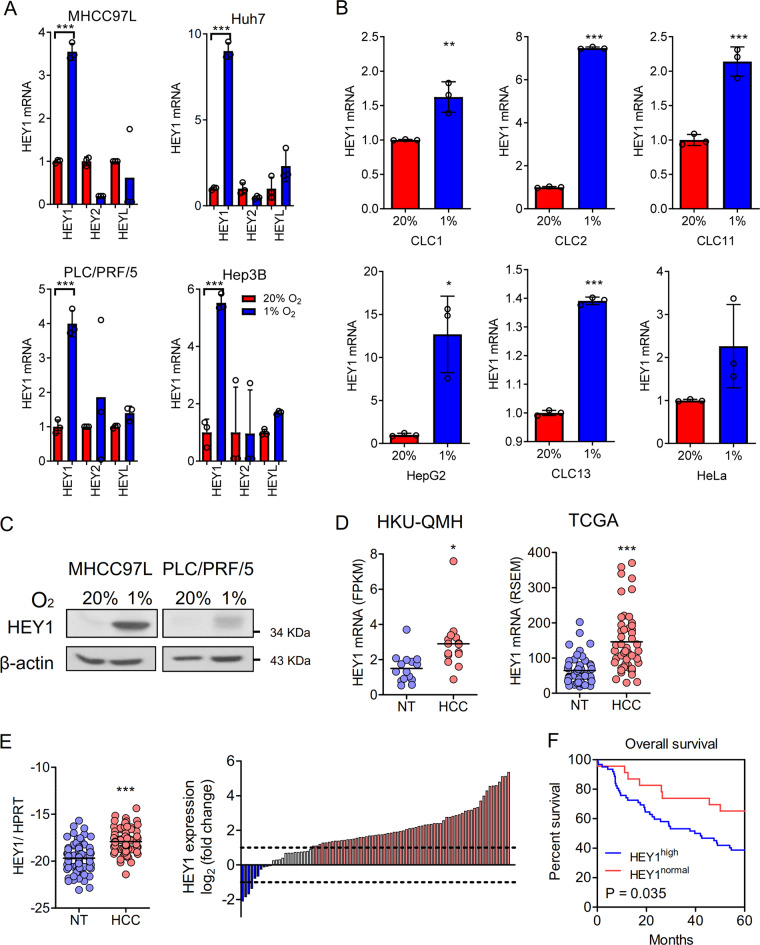
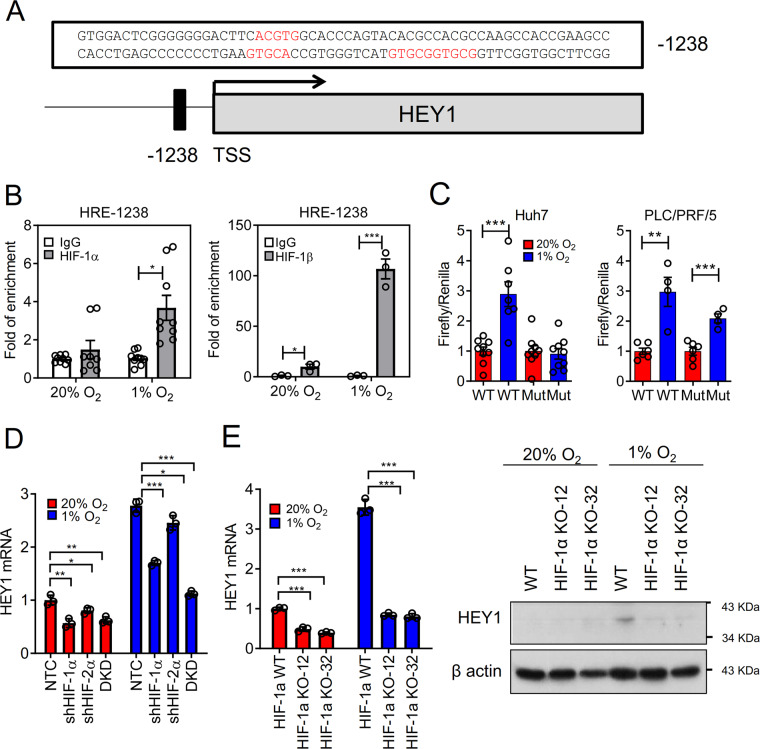
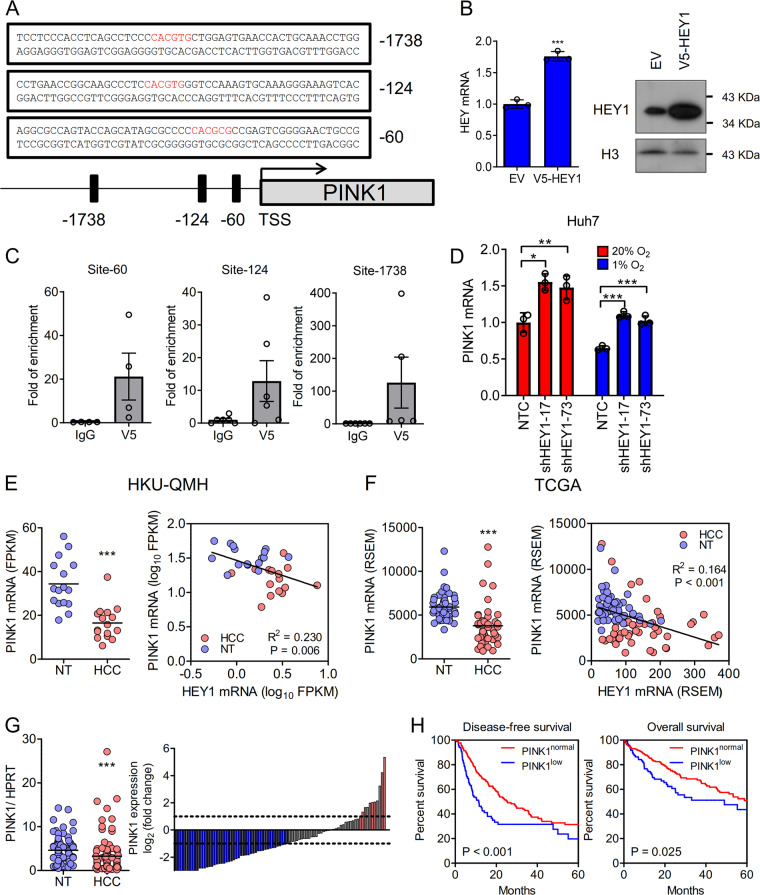
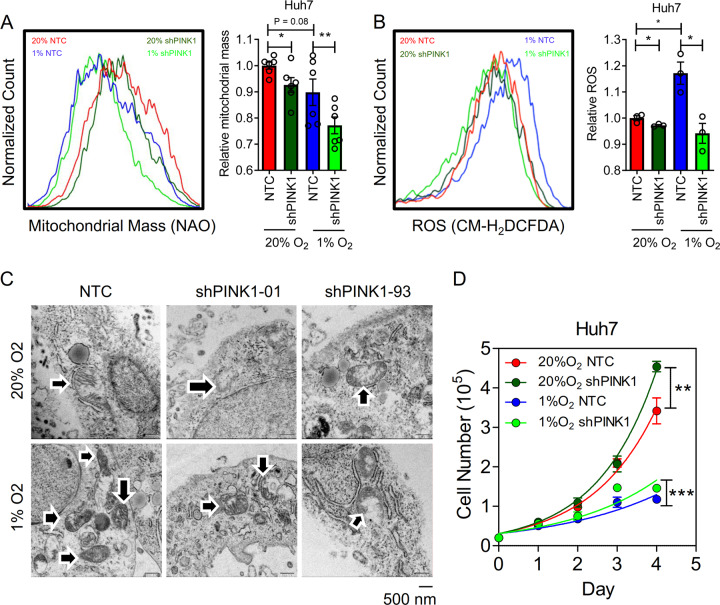
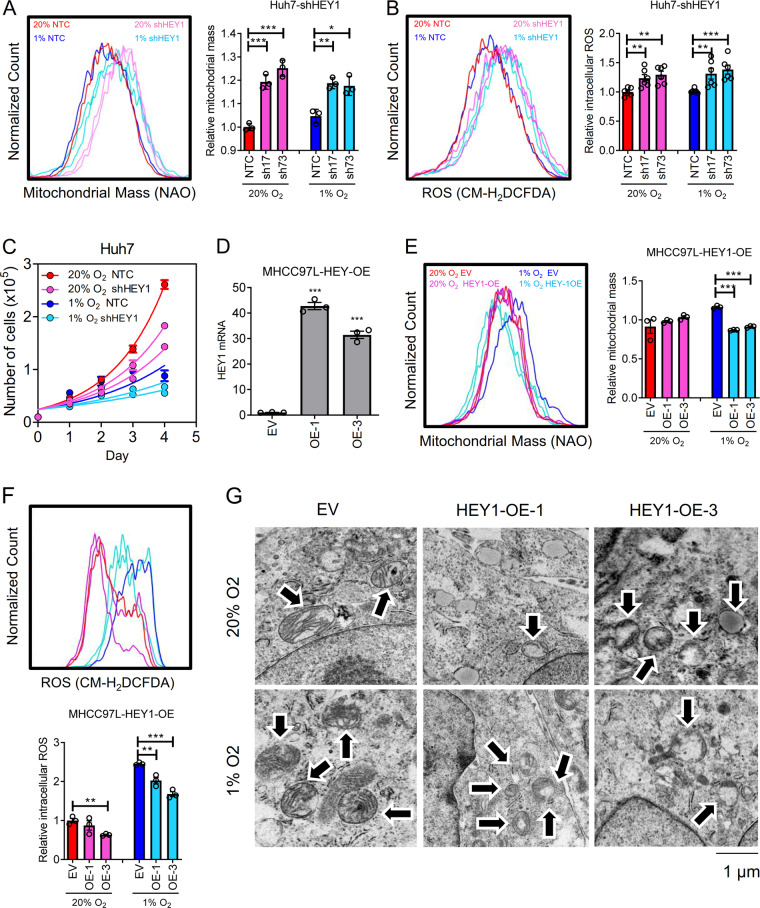
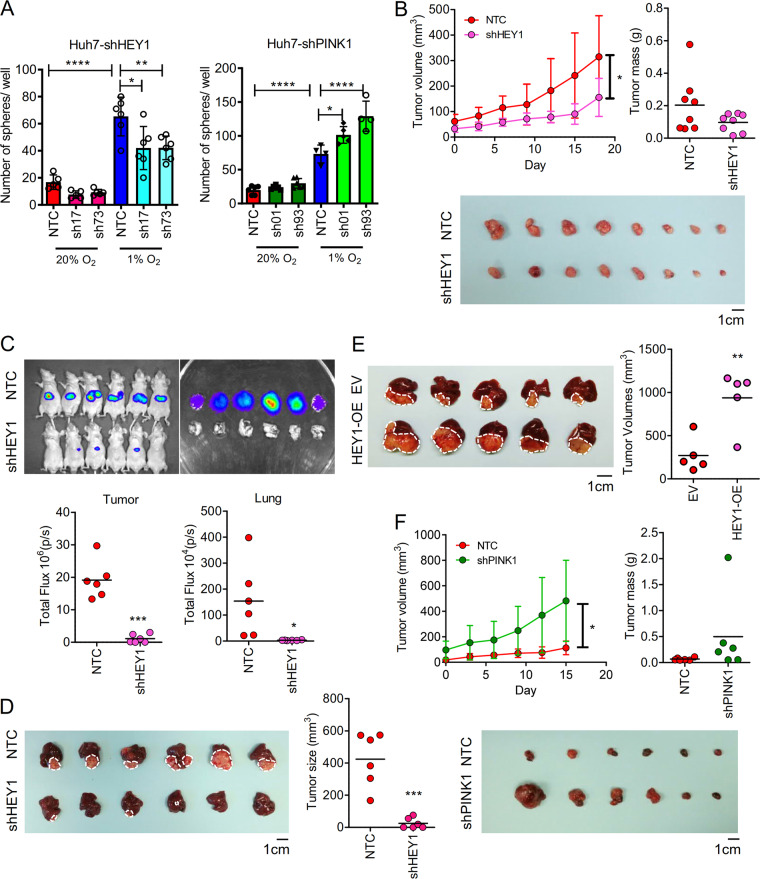
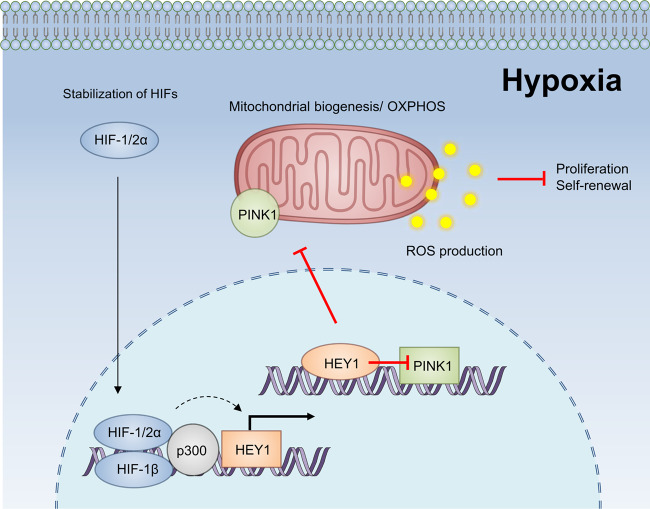
Hypoxia is commonly found in cancers. Hypoxia, due to the lack of oxygen (O 2) as the electron recipient, causes inefficient electron transfer through the electron transport chain at the mitochondria leading to accumulation of reactive oxygen species (ROS) which could create irreversible cellular damages. Through hypoxia-inducible factor 1 (HIF-1) which elicits various molecular events, cells are able to overcome low O 2. Knowledge about the new molecular mechanisms governed by HIF-1 is important for new therapeutic interventions targeting hypoxic tumors. Using hepatocellular carcinoma (HCC) as a model, we revealed that the HIF-1 and the Notch signaling pathways cross-talk to control mitochondrial biogenesis of cancer cells to maintain REDOX balance. From transcriptome sequencing, we found that HEY1, a transcriptional repressor, in the NOTCH pathway was consistently induced by hypoxia in HCC cell lines. We identified a strong hypoxia response element (HRE) in HEY1 by chromatin immunoprecipitation (ChIP) and luciferase reporter assays. Transcriptome and ChIP sequencing further identified PINK1, a gene essential for mitochondrial biogenesis, as a novel transcriptional target of HEY1. HCC cells with HEY1 knockdown re-expressed PINK1. HEY1 and PINK1 expressions inversely correlated in human HCC samples. Overexpression of HEY1 and under-expression of PINK1 were detected in human HCC and associated with poor clinical outcomes. Functionally, we found that overexpression of HEY1 or knockdown of PINK1 consistently reduced mitochondrial cristae, mitochondrial mass, oxidative stress level, and increased HCC growth.
Overview
The claims and statistics of this paper haven’t been checked yet.
Free: it reads the open-access text and checks the first 5 claims that cite a source we can check. Create a free account to check every claim.
Integrity signals
Registry
Cites
Statistics
Figures
Verification
Claims the paper makes
The claims and statistics of this paper haven’t been checked yet.
Free: it reads the open-access text and checks the first 5 claims that cite a source we can check. Create a free account to check every claim.
Claims other papers make about this one
Each is checked against this paper’s own text: does it say what the citing paper says it does?
The cited source says what the claim attributes to it.
In the citing paper
“In this regard, HIF-1α activation induces expression of less active ETC complex 1 and IV subunits, thus decelerating electron transfer through the ETC, whereas both HIF-1α and HIF-2α drive transcriptional programs that suppress genes involved in mitochondrial biogenesis such as PGC1β and PINK1 [42–44].”
From The HIF Axes in Cancer - Angiogenesis, Metabolism and Immune-Modulation (2025) · cites this paper as [42]
Self-check
Percentages, sums and reported differences re-computed from the paper’s own numbers.
The self-check needs the paper’s full text.
Citations
Cites
1 retracted
Mitochondrial Autophagy Is an HIF-1-dependent Adaptive Metabolic Response to Hypoxia
Zhang, H., Bosch-Marce, M., Shimoda, L. A., Tan, Y. S., Baek, J. H., Wesley, J. B., Gonzalez, F. J., & Semenza, G. L. (2008) · Journal of Biological Chemistry · doi:10.1074/jbc.m800102200 · Cited by 1,601
RetractedTrapnell, C., Williams, B. A., Pertea, G., Mortazavi, A., Kwan, G., van Baren, M. J., Salzberg, S. L., Wold, B. J., & Pachter, L. (2010) · Nature Biotechnology · doi:10.1038/nbt.1621 · Cited by 15,556
Sorafenib in advanced hepatocellular carcinoma
Llovet, J. M., Ricci, S., Mazzaferro, V., Hilgard, P., Gane, E., Blanc, J.-F., de Oliveira, A. C., Santoro, A., Raoul, J.-L., Forner, A., et al. (2008) · New England Journal of Medicine · doi:10.1056/nejmoa0708857 · Cited by 13,097
Wang, G. L., Jiang, B. H., Rue, E. A., & Semenza, G. L. (1995) · Proceedings of the National Academy of Sciences · doi:10.1073/pnas.92.12.5510 · Cited by 6,212
A New Era of Systemic Therapy for Hepatocellular Carcinoma with Regorafenib and Lenvatinib
Kudo, M. (2017) · Liver Cancer · doi:10.1159/000462153 · Cited by 5,936
Cheng, A.-L., Kang, Y.-K., Chen, Z., Tsao, C.-J., Qin, S., Kim, J. S., Luo, R., Feng, J., Ye, S., Yang, T.-S., et al. (2009) · The Lancet Oncology · doi:10.1016/s1470-2045(08)70285-7 · Cited by 5,832
Sorafenib in Advanced Hepatocellular Carcinoma
정, 재. (2008) · Cited by 5,586
El-Khoueiry, A. B., Sangro, B., Yau, T., Crocenzi, T. S., Kudo, M., Hsu, C., Kim, T.-Y., Choo, S.-P., Trojan, J., Welling, T. H., et al. (2017) · The Lancet · doi:10.1016/s0140-6736(17)31046-2 · Cited by 4,280
Kim, J.-W., Tchernyshyov, I., Semenza, G. L., & Dang, C. V. (2006) · Cell Metabolism · doi:10.1016/j.cmet.2006.02.002 · Cited by 3,905
Hypoxia-inducible factors in physiology and medicine
Semenza, G. L. (2012) · Cell · doi:10.1016/j.cell.2012.01.021 · Cited by 3,645
Cited by
Notch signaling pathway in cancer: from mechanistic insights to targeted therapies
Shi, Q., Xue, C., Zeng, Y., Yuan, X., Chu, Q., Jiang, S., Wang, J., Zhang, Y., Zhu, D., & Li, L. (2024) · Signal Transduction and Targeted Therapy · doi:10.1038/s41392-024-01828-x · Cited by 401
Mitochondrial oxidative stress in the tumor microenvironment and cancer immunoescape: foe or friend?
Kuo, C.-L., Ponneri Babuharisankar, A., Lin, Y.-C., Lien, H.-W., Lo, Y. K., Chou, H.-Y., Tangeda, V., Cheng, L.-C., Cheng, A. N., & Lee, A. Y.-L. (2022) · Journal of Biomedical Science · doi:10.1186/s12929-022-00859-2 · Cited by 351
Hypoxia, Metabolic Reprogramming, and Drug Resistance in Liver Cancer
Bao, M. H.-R., & Wong, C. C.-L. (2021) · Cells · doi:10.3390/cells10071715 · Cited by 316
“HEY1 overexpression or PINK1 knockdown reduced mitochondrial mass, mitochondrial cristae structure and ROS level in hypoxic HCC cells [49].”
BackgroundInfluentialSelf-citationCrosstalk between mitochondrial biogenesis and mitophagy to maintain mitochondrial homeostasis
Liu, L., Li, Y., Chen, G., & Chen, Q. (2023) · Journal of Biomedical Science · doi:10.1186/s12929-023-00975-7 · Cited by 286
Cancer metabolism and mitochondria: Finding novel mechanisms to fight tumours
Missiroli, S., Perrone, M., Genovese, I., Pinton, P., & Giorgi, C. (2020) · eBioMedicine · doi:10.1016/j.ebiom.2020.102943 · Cited by 251
“Consistent with this view, in several types of cancer, HIF-1 decreases mROS production, promotes tumour growth [26] and facilitates the survival of metastatic cells [27 (cid:1) 29].”
BackgroundHypoxia as a driver of resistance to immunotherapy
Kopecka, J., Salaroglio, I. C., Perez-Ruiz, E., Sarmento-Ribeiro, A. B., Saponara, S., De Las Rivas, J., & Riganti, C. (2021) · Drug Resistance Updates · doi:10.1016/j.drup.2021.100787 · Cited by 246
Riegger, J., Schoppa, A., Ruths, L., Haffner-Luntzer, M., & Ignatius, A. (2023) · Cellular & Molecular Biology Letters · doi:10.1186/s11658-023-00489-y · Cited by 235
“…contrast, HIF-1 was observed to be involved in the reduction of mitochondrial cristae, mitochondrial biogenesis, and oxidative stress levels by induction of Hes-related family BHLH transcription factor with YRPW motif, a negative regulator of PINK1, in the context of hepatocellular carcinoma [78].”
BackgroundTumor hypoxia: From basic knowledge to therapeutic implications
Liao, C., Liu, X., Zhang, C., & Zhang, Q. (2023) · Seminars in Cancer Biology · doi:10.1016/j.semcancer.2022.12.011 · Cited by 223
Hypoxia, endoplasmic reticulum stress and chemoresistance: dangerous liaisons
Akman, M., Belisario, D. C., Salaroglio, I. C., Kopecka, J., Donadelli, M., De Smaele, E., & Riganti, C. (2021) · Journal of Experimental & Clinical Cancer Research · doi:10.1186/s13046-020-01824-3 · Cited by 174
“Indeed the increased rate of mitophagy [121, 122], favored by the up-regulation of the mitophagic Bcl-2/ adenovirus E1B 19-kDa interacting protein 3 (BNIP3) by HIF-1α [127], compensates the lower ATP produced by OXPHOS.”
BackgroundInfluentialThe crosstalk between HIFs and mitochondrial dysfunctions in cancer development
Bao, X., Zhang, J., Huang, G., Yan, J., Xu, C., Dou, Z., Sun, C., & Zhang, H. (2021) · Cell Death & Disease · doi:10.1038/s41419-021-03505-1 · Cited by 152
Altered copper homeostasis underlies sensitivity of hepatocellular carcinoma to copper chelation
Davis, C. I., Gu, X., Kiefer, R. M., Ralle, M., Gade, T. P. F., & Brady, D. C. (2020) · Metallomics · doi:10.1039/d0mt00156b · Cited by 175
Mitochondrial Metabolic Signatures in Hepatocellular Carcinoma
Lee, H.-Y., Nga, H. T., Tian, J., & Yi, H. (2021) · Cells · doi:10.3390/cells10081901 · Cited by 169
“Additionally, HEY1 was demonstrated to be a transcriptional target of HIF-1α and to alleviate ROS production by transcriptionally repressing phosphatase and tensin homolog (PTEN)-induced kinase 1 (PINK1)-associated mitochondrial biogenesis in HCC cells [12].”
BackgroundInfluentialTriggers, cascades, and endpoints: connecting the dots of coral bleaching mechanisms
Helgoe, J., Davy, S. K., Weis, V. M., & Rodríguez‐Lanetty, M. (2024) · Biological reviews/Biological reviews of the Cambridge Philosophical Society · doi:10.1111/brv.13042 · Cited by 171
Hypoxia Dictates Metabolic Rewiring of Tumors: Implications for Chemoresistance
Belisario, D. C., Kopecka, J., Pasino, M., Akman, M., De Smaele, E., Donadelli, M., & Riganti, C. (2020) · Cells · doi:10.3390/cells9122598 · Cited by 133
Hepatocyte TLR4 triggers inter-hepatocyte Jagged1/Notch signaling to determine NASH-induced fibrosis
Yu, J., Zhu, C., Wang, X., Kim, K., Bartolome, A., Dongiovanni, P., Yates, K. P., Valenti, L., Carrer, M., Sadowski, T., et al. (2021) · Science Translational Medicine · doi:10.1126/scitranslmed.abe1692 · Cited by 132
Longo, M., Meroni, M., Paolini, E., Macchi, C., & Dongiovanni, P. (2021) · Metabolism · doi:10.1016/j.metabol.2021.154708 · Cited by 124
Mitochondrial dysfunction: A promising therapeutic target for liver diseases
Chen, P., Yao, L., Yuan, M., Wang, Z., Zhang, Q., Jiang, Y., & Li, L. (2023) · Genes & Diseases · doi:10.1016/j.gendis.2023.101115 · Cited by 154
“76 Excessive mitophagy can cause ATP deficiency and intracellular calcium overload, consequently promoting the degradation of filamentous actin and lamellipodium-based migration and invasion of HCC cells.”
BackgroundROS/RNS as molecular signatures of chronic liver diseases
Che, Z., Zhou, Z., Li, S.-Q., Gao, L., Xiao, J., & Wong, N.-K. (2023) · Trends in Molecular Medicine · doi:10.1016/j.molmed.2023.08.001 · Cited by 110
Hypoxia in Solid Tumors: How Low Oxygenation Impacts the “Six Rs” of Radiotherapy
Rakotomalala, A., Escande, A., Furlan, A., Meignan, S., & Lartigau, E. F. (2021) · Frontiers in Endocrinology · doi:10.3389/fendo.2021.742215 · Cited by 129
“Following the example of PDK1, another mechanism involved in the OXPHOS down-regulation and tumor aggressiveness under hypoxia (1% O2) is the modification of mitochondrial mass and morphology by PINK1 down-regulation through HIF-1-mediated NOTCH signaling activation in hepatocellular carcinoma cells, a cancer type hig…”
BackgroundBeyond energy storage: roles of glycogen metabolism in health and disease
Zhang, H., Ma, J., Tang, K., & Huang, B. (2020) · FEBS Journal · doi:10.1111/febs.15648 · Cited by 89
Self-citationChen, Y., Zhang, J., Zhang, M., Song, Y., Zhang, Y., Fan, S., Ren, S., Fu, L., Zhang, N., Hui, H., et al. (2021) · Clinical and Translational Medicine · doi:10.1002/ctm2.577 · Cited by 82
Praharaj, P. P., Panigrahi, D. P., Bhol, C. S., Patra, S., Mishra, S. R., Mahapatra, K. K., Behera, B. P., Singh, A., Patil, S., & Bhutia, S. K. (2020) · Cancer Letters · doi:10.1016/j.canlet.2020.10.036 · Cited by 84
Identification of a Hypoxia-Associated Signature for Lung Adenocarcinoma
Mo, Z., Yu, L., Cao, Z., Hu, H., Luo, S., & Zhang, S. (2020) · Frontiers in Genetics · doi:10.3389/fgene.2020.00647 · Cited by 96
“…characteristic observed in the tumor microenvironment and drives the aggressiveness of many tumors, such as hepatocellular carcinoma (Kung-Chun Chiu et al., 2019), Frontiers in Genetics | www.frontiersin.org 1 June 2020 | Volume 11 | Article 647 colorectal cancer (Qureshi-Baig et al., 2019),…”
BackgroundMitochondrial Dynamics and Cristae Shape Changes During Metabolic Reprogramming
Kawano, I., Bazila, B., Ježek, P., & Dlasková, A. (2023) · Antioxidants and Redox Signaling · doi:10.1089/ars.2023.0268 · Cited by 86
Hypoxia-inducible factor orchestrates adenosine metabolism to promote liver cancer development
Cheu, J. W.-S., Chiu, D. K.-C., Kwan, K. K.-L., Yang, C., Yuen, V. W.-H., Goh, C. C., Chui, N. N.-Q., Shen, W., Law, C.-T., Li, Q., et al. (2023) · Science Advances · doi:10.1126/sciadv.ade5111 · Cited by 65
Self-citationThe HIF Axes in Cancer - Angiogenesis, Metabolism and Immune-Modulation
Acuña-Pilarte, K., & Koh, M. Y. (2025) · Trends in Biochemical Sciences · doi:10.1016/j.tibs.2025.06.005 · Cited by 64
Du, Y., Wei, N., Ma, R., Jiang, S., & Song, D. (2020) · Frontiers in Oncology · doi:10.3389/fonc.2020.580176 · Cited by 66
Remodeling of Mitochondrial Plasticity: The Key Switch from NAFLD/NASH to HCC
Longo, M., Paolini, E., Meroni, M., & Dongiovanni, P. (2021) · International Journal of Molecular Sciences · doi:10.3390/ijms22084173 · Cited by 65
Huang, A., Sun, Z., Hong, H., Yang, Y., Chen, J., Gao, Z., & Gu, J. F. (2024) · Journal of Translational Medicine · doi:10.1186/s12967-024-05391-5 · Cited by 81
Salaroglio, I. C., Belisario, D. C., Akman, M., Vecchia, S. L., Godel, M., Anobile, D. P., Ortone, G., Digiovanni, S., Fontana, S., Costamagna, C., et al. (2022) · Journal of Experimental & Clinical Cancer Research · doi:10.1186/s13046-022-02447-6 · Cited by 58
“The reduction of oxidative phosphorylation (OXPHOS)-based metabolism and the increased mitophagy, which allows the recovery of ATP and oxide-reductive cofactors, further protect cancer cells from chemotherapy-induced damages [7].”
BackgroundThe Role of Hypoxia and Cancer Stem Cells in Development of Glioblastoma
Shi, T., Zhu, J., Zhang, X., & Mao, X. (2023) · Cancers · doi:10.3390/cancers15092613 · Cited by 57
Hypoxia Signaling in Parkinson’s Disease: There Is Use in Asking “What HIF?”
Pinilla, L. L., Ugun‐Klusek, A., Rutella, S., & Girolamo, L. A. D. (2021) · Biology · doi:10.3390/biology10080723 · Cited by 60
“Low oxygen environments can alter PINK1 expression, reducing mitobiogenesis in tumor cell lines [69] indicating PINK1 expression can be altered as an adaption to change of oxygen levels.”
BackgroundHuang, M., Yang, L., Peng, X., Wei, S., Fan, Q., Yang, S., Li, X., Li, B., Jin, H., Wu, B., et al. (2020) · Journal of Experimental & Clinical Cancer Research · doi:10.1186/s13046-020-01698-5 · Cited by 58
Advances in animal models of Parkinson's disease
He, S., Ru, Q., Chen, L., Xu, G., & Wu, Y. (2024) · Brain Research Bulletin · doi:10.1016/j.brainresbull.2024.111024 · Cited by 61
“The PRKN gene, located on chromosome 6, is susceptible to genetic errors, resulting in mutations, that increase intracellular ROS levels, such mutations are associated with an increased risk of various cancers among carriers (Kung-Chun Chiu et al., 2019; Kitada et al., 2023).”
BackgroundThe emerging multifaceted role of PINK1 in cancer biology
Wang, M., Luan, S., Fan, X., Wang, J., Huang, J., Gao, X., & Han, D. (2022) · Cancer Science · doi:10.1111/cas.15568 · Cited by 50
Role of Oxidative Stress in Metabolic Reprogramming of Brain Cancer
Agrawal, K., Asthana, S., & Kumar, D. (2023) · Cancers · doi:10.3390/cancers15204920 · Cited by 53
Detrimental Roles of Hypoxia-Inducible Factor-1α in Severe Hypoxic Brain Diseases
Choi, Y. K. (2024) · International Journal of Molecular Sciences · doi:10.3390/ijms25084465 · Cited by 51
Glucometabolic Reprogramming in the Hepatocellular Carcinoma Microenvironment: Cause and Effect
Tian, H., Zhu, X., Lv, Y., Jiao, Y., & Wang, G. (2020) · Cancer Management and Research · doi:10.2147/cmar.s258196 · Cited by 44
Hypoxic Characteristic in the Immunosuppressive Microenvironment of Hepatocellular Carcinoma
Mo, Z., Liu, D., Rong, D., & Zhang, S. (2021) · Frontiers in Immunology · doi:10.3389/fimmu.2021.611058 · Cited by 39
“Hypoxia regulates the mitochondrial activity of HCC cells through the hypoxia-inducible factor (HIF)/hes related family bHLH transcription factor with YRPW motif 1/PTEN induced kinase 1 pathway (13).”
BackgroundEMT and Inflammation: Crossroads in HCC
Şengez, B., Carr, B. I., & Alotaibi, H. (2022) · Journal of Gastrointestinal Cancer · doi:10.1007/s12029-021-00801-z · Cited by 42
Schuster, C., Wolpert, N., Moustaïd‐Moussa, N., & Gollahon, L. (2022) · Antioxidants · doi:10.3390/antiox11030591 · Cited by 40
Xu, Y., Lu, J., Tang, Y., Xie, W., Zhang, H., Wang, B., Zhang, S., Hou, W., Zou, C., Jiang, P., et al. (2021) · Cancer Letters · doi:10.1016/j.canlet.2021.12.032 · Cited by 34
Self-citationRetractedMitochondrial metabolism: a predictive biomarker of radiotherapy efficacy and toxicity
Taghizadeh‐Hesary, F., Houshyari, M., & Farhadi, M. R. (2023) · Journal of Cancer Research and Clinical Oncology · doi:10.1007/s00432-023-04592-7 · Cited by 37
Molecular mechanisms of TACE refractoriness: Directions for improvement of the TACE procedure
Li, J., Liu, Y., Zheng, R., Qu, C., & Li, J. (2024) · Life Sciences · doi:10.1016/j.lfs.2024.122540 · Cited by 38
Yuan, H., Xu, R., Li, S., Zheng, M., Tong, Q., Xiang, M., & Zhang, Y. (2025) · MedComm · doi:10.1002/mco2.70121 · Cited by 48
Wang, X., Jowsey, W. J., Cheung, C., Smart, C. J., Klaus, H. R., Seeto, N. E. J., Waller, N. J. E., Chrisp, M. T., Peterson, A. L., Ofori-Anyinam, B., et al. (2024) · Nature Communications · doi:10.1038/s41467-024-54072-w · Cited by 33
“This reduced survivability is consistent with Tn-seq experiments and suggests that, like mitochondria, hypoxic conditions generate transient bursts in oxidative stress within M. tuberculosis 6,53 – 56 .”
The distinct roles of ROS in tumor immunity: from mechanisms to immunotherapeutic applications
Li, J., Huang, C., Tang, P., Wu, R., Wu, Q., & Zhang, C. (2026) · Journal of Hematology & Oncology · doi:10.1186/s13045-026-01780-z · Cited by 42
“This ROS-driven signaling is essential for stabilizing HIF-1α, which rewires tumor metabolism to survive hypoxia and starvation – conditions that typically render Teffs dysfunctional [98].”
Lipid droplets and their interactions with other organelles in liver diseases
Wang, L., Liu, J., Miao, Z., Pan, Q., & Cao, W. (2021) · The International Journal of Biochemistry & Cell Biology · doi:10.1016/j.biocel.2021.105937 · Cited by 34
Li, C., Xu, J., Wang, X., Zhang, C., Yu, Z., Liu, J., Tai, Z., Luo, Z., Yi, X., & Zhong, Z. (2021) · Cell Death Discovery · doi:10.1038/s41420-021-00607-9 · Cited by 30
“expression of HEY1 gene promotes self-renewal of tumor stem cells, especially in liver cancer [33].”
BackgroundFive hypoxia and immunity related genes as potential biomarkers for the prognosis of osteosarcoma
Liu, D., Hu, Z., Jiang, J., Zhang, J., Hu, C., Huang, J., & Wei, Q. (2022) · Scientific Reports · doi:10.1038/s41598-022-05103-3 · Cited by 29
Harnessing bioactive nanomaterials in modulating tumor glycolysis-associated metabolism
Gu, Z., & Yu, C. (2022) · Journal of Nanobiotechnology · doi:10.1186/s12951-022-01740-y · Cited by 24
“Recently, it has been demonstrated that the generation of healthy mitochondria is further repressed under hypoxia via Hes-related family BHLH transcription factor with YRPW motif (HEY) [34].”
BackgroundInfluentialMultifaceted roles of aerobic glycolysis and oxidative phosphorylation in hepatocellular carcinoma
Zhang, Y., Li, W., Bian, Y., Li, Y., & Cong, L. (2023) · PeerJ · doi:10.7717/peerj.14797 · Cited by 34
Che, L., Wu, J., Xu, C.-Y., Cai, Y., Lin, J., Du, Z., Shi, J., Han, T., He, Y.-Q., Lin, Y., et al. (2022) · Biochemical Pharmacology · doi:10.1016/j.bcp.2022.115132 · Cited by 25
Ye, C., Chen, P., Xu, B., Jin, Y., Pan, Y., Wu, T., Du, Y., Mao, J., & Wu, R. (2023) · European journal of medical research · doi:10.1186/s40001-023-01180-w · Cited by 25
“It is easy to understand that ectopic ESCs grow in a hypoxic environment, which leads to restrained oxidative phosphorylation, enhanced glycolytic poise, and reduced mitochondrial biogenesis [29].”
BackgroundRevisiting reactive oxygen species production in hypoxia
Alva, R., Wiebe, J. E., & Stuart, J. A. (2024) · Pflügers Archiv - European Journal of Physiology · doi:10.1007/s00424-024-02986-1 · Cited by 32
“Indeed, in many such studies the actual measurement of ROS is performed under ambient air conditions [1, 10, 30, 43, 73, 89, 90, 97, 99, 100, 134, 150, 159, 191, 193].”
Chen, S., Lu, H., Yin, G., Zhang, X., Meng, D., Yu, W., Wang, L., Liu, H., & Zhang, F. (2024) · Biochimica et Biophysica Acta (BBA) - Molecular and Cell Biology of Lipids · doi:10.1016/j.bbalip.2024.159570 · Cited by 32
Mitochondria in hypoxic pulmonary hypertension, roles and the potential targets
Geng, Y., Hu, Y., Zhang, F., Tuo, Y., Ge, R., & Bai, Z. (2023) · Frontiers in Physiology · doi:10.3389/fphys.2023.1239643 · Cited by 26
FUT11 is a target gene of HIF1α that promotes the progression of hepatocellular carcinoma
Ruan, W., Yang, Y., Yu, Q., Huang, T., Wang, Y., Hua, L., Zeng, Z., & Pan, R. (2021) · Cell Biology International · doi:10.1002/cbin.11675 · Cited by 20
Alva, R., Moradi, F., Liang, P., & Stuart, J. A. (2022) · Biomolecules · doi:10.3390/biom12111684 · Cited by 23
The mitochondrial ribosomal protein mRpL4 regulates Notch signaling
Mo, D., Liu, C., Chen, Y., Cheng, X., Shen, J., Zhao, L., & Zhang, J. (2023) · EMBO Reports · doi:10.15252/embr.202255764 · Cited by 20
“…et al, 1981a,b; Vilkki & Portin, 1987; Landor et al, 2011; Basak et al, 2014; Ludikhuize et al, 2020; Dubal et al, 2022), but only a few mitochondrial proteins are directly regulated by Notch signaling at the transcriptional level (Xu et al, 2015; Lee & Long, 2018; Kung-Chun Chiu et al, 2019).”
BackgroundSpecific cyprinid HIF isoforms contribute to cellular mitochondrial regulation
Chen, J., Guan, L., Zou, M., He, S., Li, D., & Chi, W. (2020) · Scientific Reports · doi:10.1038/s41598-020-74210-w · Cited by 20
Biocompatible nanoreactors of catalase and nanozymes for anticancer therapeutics
Munjal, T., & Dutta, S. (2021) · Nano Select · doi:10.1002/nano.202100040 · Cited by 19
Chemical Hypoxia Induces Pyroptosis in Neuronal Cells by Caspase-Dependent Gasdermin Activation
Park, C. H., Park, J. Y., & Cho, W. G. (2024) · International Journal of Molecular Sciences · doi:10.3390/ijms25042185 · Cited by 18
“Hypoxia induces excessive ROS production through inefficient electron transport to the ETC in the mitochondria due to the lack of electron acceptor oxygen [14].”
BackgroundPan, B., Pan, W., Zheng, L., & Xia, C. (2021) · Evidence-based Complementary and Alternative Medicine · doi:10.1155/2021/5591402 · Cited by 21
“Many studies have reported that inhibition of HIF1A can significantly inhibit the growth of tumors, including HCC [33, 34].”
BackgroundMiR-29a Curbs Hepatocellular Carcinoma Incidence via Targeting of HIF-1α and ANGPT2
Huang, Y., Lian, W., Wang, F., Wang, P., Lin, H., Tsai, M., & Yang, Y. (2022) · International Journal of Molecular Sciences · doi:10.3390/ijms23031636 · Cited by 17
“At the same time, the ANGPT2 showed a positive relationship with liver stiffness [40].”
BackgroundHydroxylation of the NOTCH1 intracellular domain regulates Notch signaling dynamics
Ferrante, F., Giaimo, B. D., Friedrich, T., Sugino, T., Mertens, D., Kugler, S. J., Gahr, B. M., Just, S., Pan, L., Bartkuhn, M., et al. (2022) · Cell Death and Disease · doi:10.1038/s41419-022-05052-9 · Cited by 17
Genome of Laudakia sacra Provides New Insights into High-Altitude Adaptation of Ectotherms
Yan, C., Zhang, Z., Lv, Y., Wang, Z., Jiang, K., & Li, J. (2022) · International Journal of Molecular Sciences · doi:10.3390/ijms231710081 · Cited by 23
Hypoxia Pathways in Parkinson’s Disease: From Pathogenesis to Therapeutic Targets
Gao, Y., Zhang, J., Tang, T., & Liu, Z. (2024) · International Journal of Molecular Sciences · doi:10.3390/ijms251910484 · Cited by 23
“HIF-1 α mitigates oxidative stress through the HEY1/PINK1 pathway, and PINK1 expression can be modulated by changes in oxygen levels, impacting mitochondrial development in tumor cell lines [205].”
BackgroundLi, S., Lin, Y., Gao, X., Zeng, D., Cen, W., Su, Y., Su, J., Zeng, C., Huang, Z., Zeng, H., et al. (2024) · Frontiers in Immunology · doi:10.3389/fimmu.2024.1517312 · Cited by 22
Pink1 promotes cell proliferation and affects glycolysis in breast cancer
Li, J., Xu, X., Huang, H., Li, L., Chen, J., Ding, Y., & Ping, J. (2022) · Experimental Biology and Medicine · doi:10.1177/15353702221082613 · Cited by 20
He, Y., Jin, H., Zhao, J.-L., Wang, C., Ma, W., Xing, J., Zhang, X., Zhang, Y., Dai, H., Zhao, N., et al. (2022) · Molecular Medicine · doi:10.1186/s10020-022-00584-4 · Cited by 25
Unraveling the Triad: Hypoxia, Oxidative Stress and Inflammation in Neurodegenerative Disorders
Dakal, T. C., Choudhary, K., Tiwari, I., Yadav, V., Maurya, P. K., & Sharma, N. K. (2024) · Neuroscience · doi:10.1016/j.neuroscience.2024.06.021 · Cited by 21
Liu, J., Pang, L., Ng, K. T., Chiu, T. L. S., Liu, H., Liu, X., Xu, A., Lo, C., & Man, K. (2020) · Annals of Surgery · doi:10.1097/sla.0000000000004468 · Cited by 19
Role of CELF2 in ferroptosis: Potential targets for cancer therapy (Review)
Li, J., Xian, L., Zhu, Z., Wang, Y., Zhang, W., Zheng, R., Wang, X., & Li, J. (2023) · International Journal of Molecular Medicine · doi:10.3892/ijmm.2023.5291 · Cited by 16
Effects of NRF-1 and PGC-1α cooperation on HIF-1α and rat cardiomyocyte apoptosis under hypoxia
Niu, N., Li, H., Du, X., Wang, C., Li, J., Yang, J., Liu, C., Yang, S., Zhu, Y., & Zhao, W. (2022) · Gene · doi:10.1016/j.gene.2022.146565 · Cited by 18
Qiao, Y., Jiang, X., Li, Y., Wang, K., Chen, R., Liu, J., Du, Y., Sun, L., & Li, J. (2023) · Scientific Reports · doi:10.1038/s41598-023-29718-2 · Cited by 15
Attenuation of ATM signaling by ROS delays replicative senescence at physiological oxygen
Stuart, A., Takai, K., Gabbasova, R. R., Sanford, H., Vinogradova, E. V., & de Lange, T. (2025) · Molecular Cell · doi:10.1016/j.molcel.2025.11.006 · Cited by 15
Redox System and Oxidative Stress-Targeted Therapeutic Approaches in Bladder Cancer
Dugbartey, G. J., Relouw, S., McFarlane, L., & Şener, A. (2024) · Antioxidants · doi:10.3390/antiox13030287 · Cited by 14
Ke, Q., Wang, Y., Deng, Y., Wang, J., Yuan, M., Liang, A., Wang, J., & Gong, Q. (2024) · Translational Cancer Research · doi:10.21037/tcr-23-785 · Cited by 14
Role of mitochondrial quality control in neurodegenerative disease progression
Liu, T., Sun, W., Guo, S., Yuan, Z., Zhu, M., Lu, J., Chen, T., Qu, Y., Feng, C., & Yang, T. (2025) · Frontiers in Cellular Neuroscience · doi:10.3389/fncel.2025.1588645 · Cited by 18
Lin, J., Guo, H., Qin, H., Zhang, X., & Sheng, J. (2024) · Frontiers in Pharmacology · doi:10.3389/fphar.2024.1374988 · Cited by 12
Jacquemin, C., Orch, W. E., Diaz, O., Lalande, A., Aublin‐Gex, A., Jacolin, F., Toesca, J., Si‐Tahar, M., Mathieu, C., Lotteau, V., et al. (2024) · Cellular and Molecular Life Sciences · doi:10.1007/s00018-024-05361-6 · Cited by 14
“Although HEY1 and PINK1 were modulated by hypoxia in Huh7 [64], Molidustat showed no effect on these genes in our experiments.”
Mitochondria’s Role in the Maintenance of Cancer Stem Cells in Hepatocellular Carcinoma
Elhinnawi, M. A., Boushra, M. I., Hussien, D. M., Hussein, F. H., & Abdelmawgood, I. A. (2024) · Stem Cell Reviews and Reports · doi:10.1007/s12015-024-10797-1 · Cited by 14
“Hepatocyte growth factor (HGF) PTEN-induced putative kinase 1 (PINK1), a protein involved in mitochondrial fusion, is downregulated in HCC cells and subsequently decreases mitochondrial mass [38 ].”
Prognostic Modeling of Lung Adenocarcinoma Based on Hypoxia and Ferroptosis-Related Genes
Liu, C., Ruan, Y.-Q., Qu, L., Li, Z., Xie, C., Pan, Y.-Q., Li, H.-F., & Li, D. (2022) · Journal of Oncology · doi:10.1155/2022/1022580 · Cited by 13
Yang, C., Feng, H., & Dai, C. (2022) · Cancer Medicine · doi:10.1002/cam4.4556 · Cited by 12
Jana, S., & Alayash, A. I. (2025) · Antioxidants and Redox Signaling · doi:10.1089/ars.2023.0428 · Cited by 13
Multifaceted roles of mitochondrial dysfunction in diseases: from powerhouses to saboteurs
Prabhu, S. S., Nair, A. S., & Nirmala, S. V. (2023) · Archives of Pharmacal Research · doi:10.1007/s12272-023-01465-y · Cited by 14
“When the mitochondrial membrane depolarizes, an indication of mitochondrial malfunction brought on by several factors such as a shortage of hypoxia, reducing equivalents, and poor electron transport, this route is triggered (Kung-Chun Chiu et al. 2019).”
BackgroundKitada, T., Ardah, M. T., & Haque, M. E. (2023) · International Journal of Molecular Sciences · doi:10.3390/ijms242316734 · Cited by 17
“These cells adapt to hypoxia via hypoxia-inducible factor 1 (HIF-1), which triggers various molecular events [44].”
BackgroundChan, T., Cheng, L., Hsu, C., Yang, P., Liao, T., Hsieh, H., Lin, P., HuangFu, W., Chuu, C., & Tsai, K. K. (2024) · Molecular Oncology · doi:10.1002/1878-0261.13589 · Cited by 11
Fang, H., Zhang, Y., Zhu, L., Lyu, J., & Li, Q. (2024) · Journal of Proteomics · doi:10.1016/j.jprot.2024.105334 · Cited by 11
Cancer stem cells: advances in biology and clinical translation—a Keystone Symposia report
Cable, J., Pei, D., Reid, L. M., Wang, X. W., Bhatia, S., Karras, P., Melenhorst, J. J., Grompe, M., Lathia, J. D., Song, E., et al. (2021) · Annals of the New York Academy of Sciences · doi:10.1111/nyas.14719 · Cited by 11
Self-citationA Review of the Potential Role of CoQ10 in the Treatment of Hepatocellular Carcinoma
Liaghat, M., Yaghoubzad-Maleki, M., Nabi‐Afjadi, M., Fathi, Z., Zalpoor, H., Heidari, N., & Bahreini, E. (2023) · Biochemical Genetics · doi:10.1007/s10528-023-10490-x · Cited by 10
“This abnormal electron flow in the electron transport chain generates large amounts of ROS, causing excessive oxidative stress, lipid peroxidation, mtDNA oxidation and mutation, induction of pro-apoptotic cytokines, and impaired oxidative phosphorylation (Kung-Chun Chiu et al. 2019).”
Zhao, T., Zhou, T., Zhang, C., Liu, Y., Wang, W., Li, C., Xing, L., & Jiang, H. (2023) · Molecular Pharmaceutics · doi:10.1021/acs.molpharmaceut.3c00068 · Cited by 13
Mitochondrial metabolism: A moving target in hepatocellular carcinoma therapy
Komza, M., & Chipuk, J. E. (2024) · Journal of Cellular Physiology · doi:10.1002/jcp.31441 · Cited by 11
“…active in respiration, biosynthesis, and detoxification, HCC cells typically display dramatic decreases in mitochondrial mass, fusion, and OXPHOS, with cell lines showing mitochondrial defects being most invasive (Kung ‐ Chun Chiu et al., 2019; Lee et al., 2015, 2017; Zhang, Li, et al., 2020).”
Role of Hypoxia-Associated Long Noncoding RNAs in Cancer Chemo-Therapy Resistance
Elahi, M. A., Tariq, A., Malik, A., & Zhra, M. (2025) · International Journal of Molecular Sciences · doi:10.3390/ijms26030936 · Cited by 10
Chu, Y., Chen, W., Lin, W.-R., Lai, M. W., & Yeh, C. (2025) · Cell & Bioscience · doi:10.1186/s13578-025-01456-0 · Cited by 12
Choi, S., Heo, J. H., Kim, Y., Hong, J., Lee, S., Oh, T.-G., Park, S., Gu, M., Cho, S., Jin, Y., et al. (2025) · ACS Nano · doi:10.1021/acsnano.5c16943 · Cited by 11
Luo, D., Wang, Y., Zhang, M., Li, H., Zhao, D., Li, H., Chen, X., Jin, C., & Han, B. (2022) · Cell Death and Disease · doi:10.1038/s41419-022-05361-z · Cited by 11
Cancer Metabolism under Limiting Oxygen Conditions
Kim, L. C., Lesner, N. P., & Simon, M. C. (2023) · Cold Spring Harbor Perspectives in Medicine · doi:10.1101/cshperspect.a041542 · Cited by 13
Fujiwara‐Tani, R., Luo, Y., Ogata, R., Fujii, K., Sasaki, T., Sasaki, R., Nishiguchi, Y., Mori, S., Ohmori, H., & Kuniyasu, H. (2025) · International Journal of Molecular Sciences · doi:10.3390/ijms26020664 · Cited by 11
“HIF1 α also suppresses mitochondrial biogenesis and PTEN-induced kinase 1 transcription [70].”
Metadata
- Authors
- Kung-Chun Chiu, D., Pui-Wah Tse, A., Law, C.-T., Ming-Jing Xu, I., Lee, D., Chen, M., Kit-Ho Lai, R., Wai-Hin Yuen, V., Wing-Sum Cheu, J., Wai-Hung Ho, D., Wong, C.-M., Zhang, H., Ng, I. O.-L., & Chak-Lui Wong, C.
- Affiliations
- University of Hong Kong (HK)
- Venue
- Cell Death & Disease
- Published
- 2019-12-09
- Volume
- 10
- Issue
- 12
- Pages
- 934-934
- ISSN
- 2041-4889 (ISSN-L)
- PMC
- PMC6901483
- OpenAlex
- W2991718894
- Cited by
- 192
- References
- 52
- Citations by year
- 2026: 14 · 2025: 33 · 2024: 38 · 2023: 37 · 2022: 31 · 2021: 26 · 2020: 13
- FWCI
- 5.52
- Type
- journal article
- Language
- en
- Open access
- gold
- doi.org
- Licence
- cc-by
- creativecommons.org/licenses/by/4.0 (tdm)
- creativecommons.org/licenses/by/4.0 (vor)
- Locations
- Cell Death and Disease (publishedVersion, cc-by)
- PubMed Central (publishedVersion, cc-by)
- PubMed (publishedVersion)
- DOAJ (DOAJ: Directory of Open Access Journals) (submittedVersion)
- Funders
- Research Grants Council, University Grants Committee (T12-704/16-R)
- Topics
- Life Sciences › Biochemistry, Genetics and Molecular Biology › Cancer Research › Cancer, Hypoxia, and Metabolism
- Health Sciences › Medicine › Hepatology › Hepatocellular Carcinoma Treatment and Prognosis
- Life Sciences › Biochemistry, Genetics and Molecular Biology › Cancer Research › Cancer, Lipids, and Metabolism
- Keywords
- hypoxia, hepatocellular carcinoma, HIF-1, Hey1, PINK1, Notch signaling, mitochondrial biogenesis, mitochondrial cristae, oxidative stress, reactive oxygen species, hypoxia response element, tumor growth, transcriptional regulation
- MeSH terms
- Endothelial PAS Domain-Containing Protein 1, PTEN-Induced Putative Kinase, Animals, HeLa Cells, Carcinoma, Hepatocellular, Humans, Liver Neoplasms, Male, Mice, Inbred BALB C, Mice, Inbred C57BL, Mice, Nude, Mitochondria, Protein Kinases, Transfection, Cell Hypoxia, Cell Cycle Proteins, Tumor Burden, Mice, Basic Helix-Loop-Helix Proteins, Hypoxia-Inducible Factor 1, alpha Subunit, Hep G2 Cells, Heterografts
About these checks
Registry, retraction, Cites and statistics results are computed, not judged, with one exception: a printed reference that no index lists is read once by a model before it counts as a citation error. Claims are extracted by a model and kept only when their quote appears verbatim in the text; each cited source is then checked, with a model’s help, for whether it says what the claim relies on. Those verdicts can be wrong — read the claim’s quote and the cited source before relying on one.
Statistics and arithmetic are recomputed, not judged.
Confidence bands are shown only for fields calibrated on our annotated test set. None is calibrated yet, so no band is shown.
What counts as a claim ›How we measure confidence ›How we check this ›
Are you an author, or do you see a problem with this page? Request a review
Data sources
Bibliographic data: Semantic Scholar, OpenAlex, Crossref.
Contains information from the Semantic Scholar Academic Graph Datasets, made available under the ODC Attribution License (ODC-BY 1.0).
Semantic Scholar’s data is described in: Kinney, R., et al. (2023). The Semantic Scholar Open Data Platform. arXiv:2301.10140.
