

Hypoxia regulates the mitochondrial activity of hepatocellular carcinoma cells through HIF/HEY1/PINK1 pathway
Open accessThe DOI matches its Crossref record; 53 of the 53 references it cites were found in a registry or an index.
Abstract
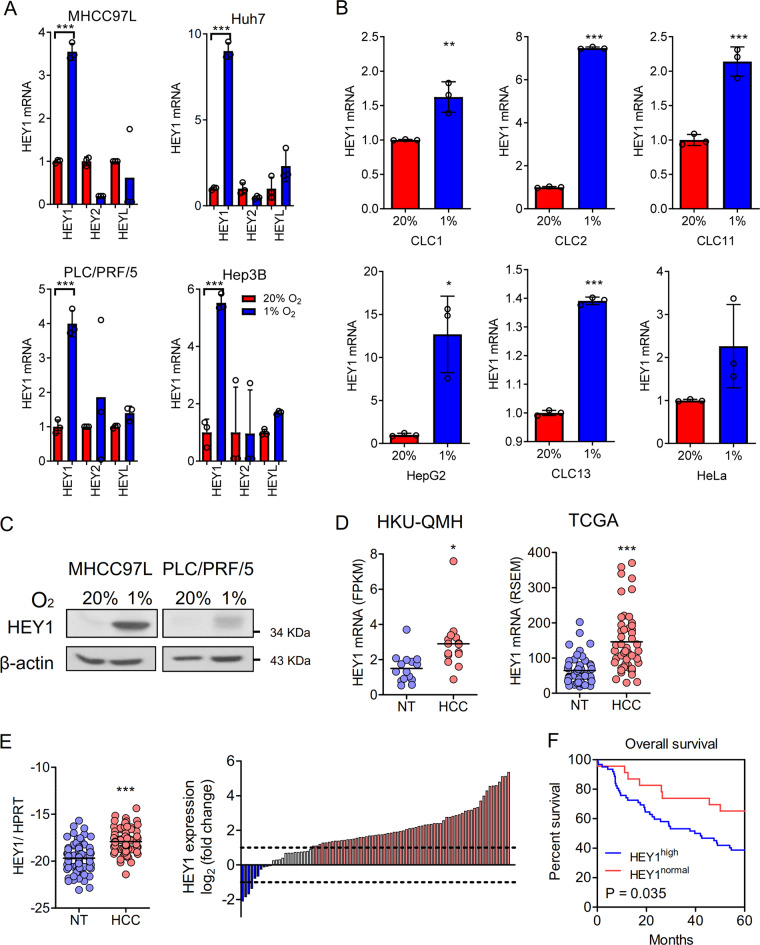
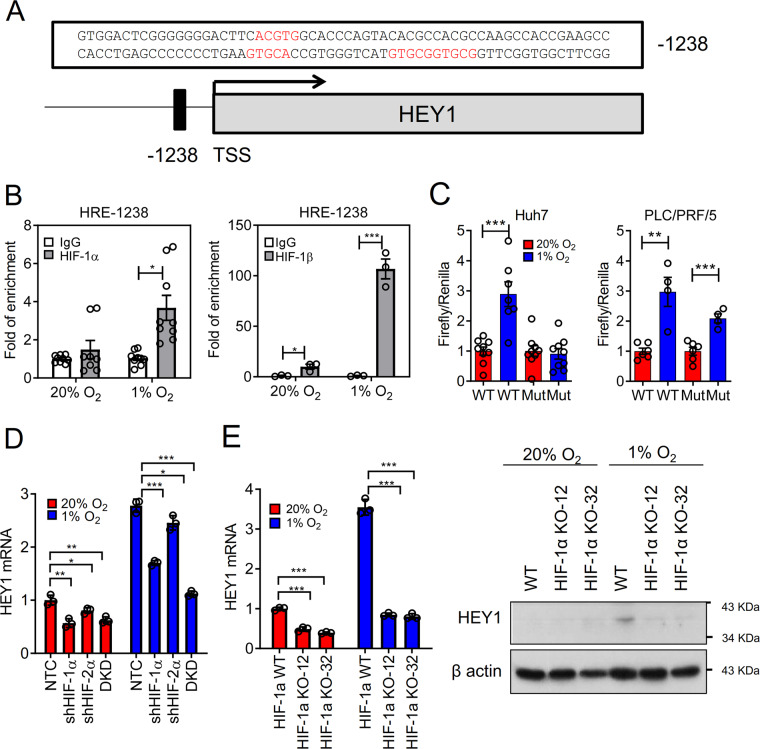
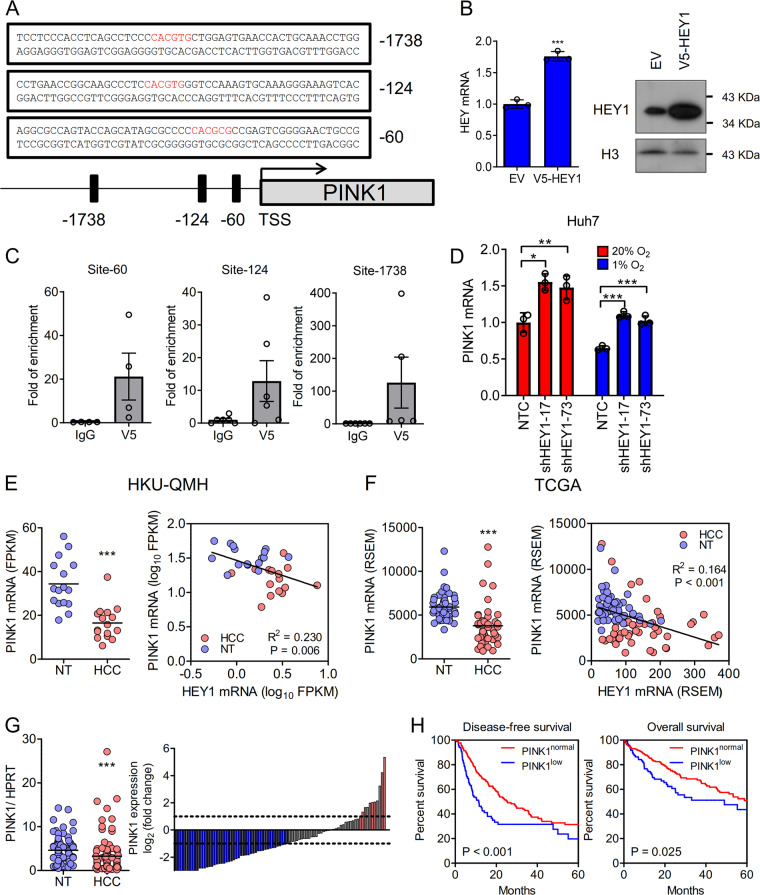
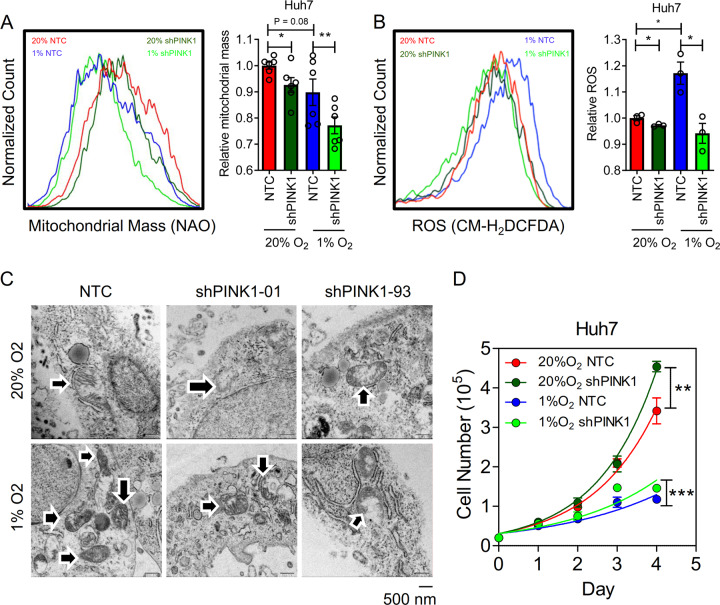
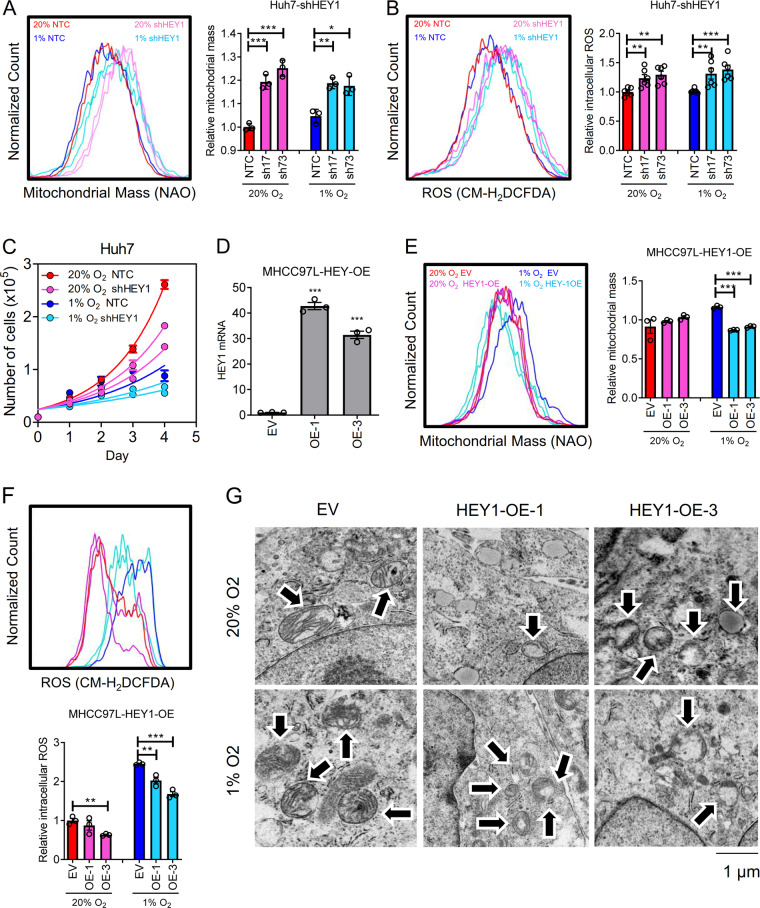
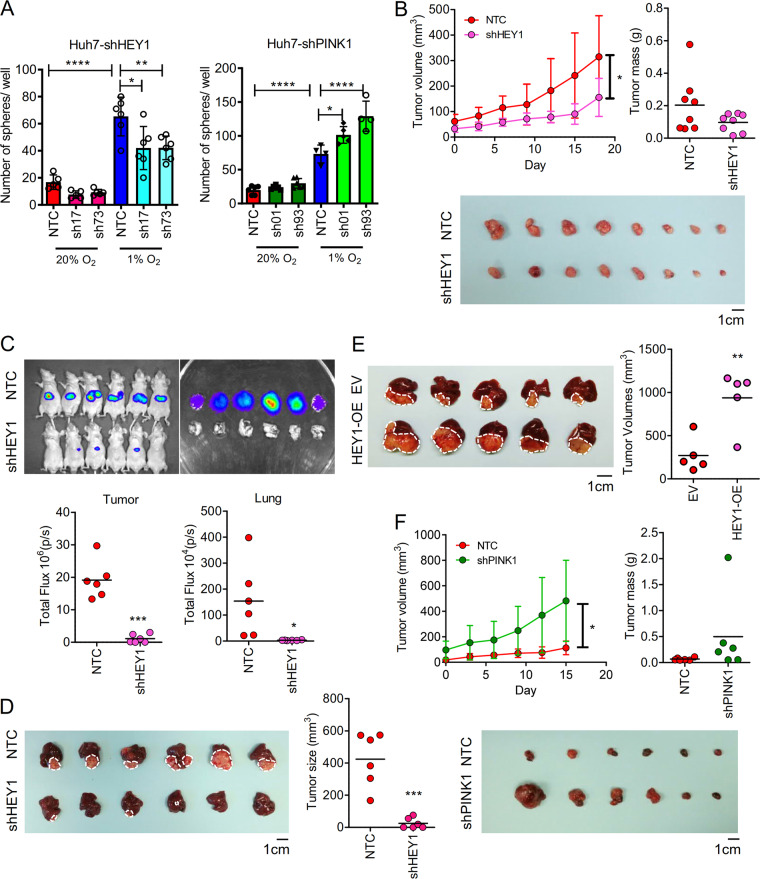
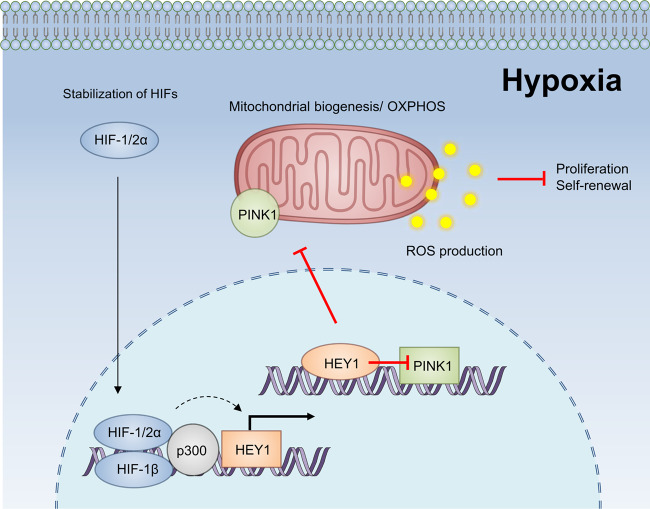
Hypoxia is commonly found in cancers. Hypoxia, due to the lack of oxygen (O 2) as the electron recipient, causes inefficient electron transfer through the electron transport chain at the mitochondria leading to accumulation of reactive oxygen species (ROS) which could create irreversible cellular damages. Through hypoxia-inducible factor 1 (HIF-1) which elicits various molecular events, cells are able to overcome low O 2. Knowledge about the new molecular mechanisms governed by HIF-1 is important for new therapeutic interventions targeting hypoxic tumors. Using hepatocellular carcinoma (HCC) as a model, we revealed that the HIF-1 and the Notch signaling pathways cross-talk to control mitochondrial biogenesis of cancer cells to maintain REDOX balance. From transcriptome sequencing, we found that HEY1, a transcriptional repressor, in the NOTCH pathway was consistently induced by hypoxia in HCC cell lines. We identified a strong hypoxia response element (HRE) in HEY1 by chromatin immunoprecipitation (ChIP) and luciferase reporter assays. Transcriptome and ChIP sequencing further identified PINK1, a gene essential for mitochondrial biogenesis, as a novel transcriptional target of HEY1. HCC cells with HEY1 knockdown re-expressed PINK1. HEY1 and PINK1 expressions inversely correlated in human HCC samples. Overexpression of HEY1 and under-expression of PINK1 were detected in human HCC and associated with poor clinical outcomes. Functionally, we found that overexpression of HEY1 or knockdown of PINK1 consistently reduced mitochondrial cristae, mitochondrial mass, oxidative stress level, and increased HCC growth.
Overview
The claims and statistics of this paper haven’t been checked yet.
Free: it reads the open-access text and checks the first 5 claims that cite a source we can check. Create a free account to check every claim.
Integrity signals
Registry
Cites
Statistics
Figures
Verification
Claims the paper makes
The claims and statistics of this paper haven’t been checked yet.
Free: it reads the open-access text and checks the first 5 claims that cite a source we can check. Create a free account to check every claim.
Claims other papers make about this one
Each is checked against this paper’s own text: does it say what the citing paper says it does?
The cited source says what the claim attributes to it.
In the citing paper
“In this regard, HIF-1α activation induces expression of less active ETC complex 1 and IV subunits, thus decelerating electron transfer through the ETC, whereas both HIF-1α and HIF-2α drive transcriptional programs that suppress genes involved in mitochondrial biogenesis such as PGC1β and PINK1 [42–44].”
From The HIF Axes in Cancer - Angiogenesis, Metabolism and Immune-Modulation (2025) · cites this paper as [42]
Self-check
Percentages, sums and reported differences re-computed from the paper’s own numbers.
The self-check needs the paper’s full text.
Citations
Cites
1 retracted
Mitochondrial Autophagy Is an HIF-1-dependent Adaptive Metabolic Response to Hypoxia
Zhang, H., Bosch-Marce, M., Shimoda, L. A., Tan, Y. S., Baek, J. H., Wesley, J. B., Gonzalez, F. J., & Semenza, G. L. (2008) · Journal of Biological Chemistry · doi:10.1074/jbc.m800102200 · Cited by 1,601
RetractedTrapnell, C., Williams, B. A., Pertea, G., Mortazavi, A., Kwan, G., van Baren, M. J., Salzberg, S. L., Wold, B. J., & Pachter, L. (2010) · Nature Biotechnology · doi:10.1038/nbt.1621 · Cited by 15,556
Sorafenib in advanced hepatocellular carcinoma
Llovet, J. M., Ricci, S., Mazzaferro, V., Hilgard, P., Gane, E., Blanc, J.-F., de Oliveira, A. C., Santoro, A., Raoul, J.-L., Forner, A., et al. (2008) · New England Journal of Medicine · doi:10.1056/nejmoa0708857 · Cited by 13,097
Wang, G. L., Jiang, B. H., Rue, E. A., & Semenza, G. L. (1995) · Proceedings of the National Academy of Sciences · doi:10.1073/pnas.92.12.5510 · Cited by 6,212
A New Era of Systemic Therapy for Hepatocellular Carcinoma with Regorafenib and Lenvatinib
Kudo, M. (2017) · Liver Cancer · doi:10.1159/000462153 · Cited by 5,936
Cheng, A.-L., Kang, Y.-K., Chen, Z., Tsao, C.-J., Qin, S., Kim, J. S., Luo, R., Feng, J., Ye, S., Yang, T.-S., et al. (2009) · The Lancet Oncology · doi:10.1016/s1470-2045(08)70285-7 · Cited by 5,832
Sorafenib in Advanced Hepatocellular Carcinoma
정, 재. (2008) · Cited by 5,586
El-Khoueiry, A. B., Sangro, B., Yau, T., Crocenzi, T. S., Kudo, M., Hsu, C., Kim, T.-Y., Choo, S.-P., Trojan, J., Welling, T. H., et al. (2017) · The Lancet · doi:10.1016/s0140-6736(17)31046-2 · Cited by 4,280
Kim, J.-W., Tchernyshyov, I., Semenza, G. L., & Dang, C. V. (2006) · Cell Metabolism · doi:10.1016/j.cmet.2006.02.002 · Cited by 3,905
Hypoxia-inducible factors in physiology and medicine
Semenza, G. L. (2012) · Cell · doi:10.1016/j.cell.2012.01.021 · Cited by 3,645
Epstein, A. C. R., Gleadle, J. M., McNeill, L. A., Hewitson, K. S., O'Rourke, J., Mole, D. R., Mukherji, M., Metzen, E., Wilson, M. I., Dhanda, A., et al. (2001) · Cell · doi:10.1016/s0092-8674(01)00507-4 · Cited by 3,333
Genome-scale transcriptional activation by an engineered CRISPR-Cas9 complex
Konermann, S., Brigham, M. D., Trevino, A. E., Joung, J., Abudayyeh, O. O., Barcena, C., Hsu, P. D., Habib, N., Gootenberg, J. S., Nishimasu, H., et al. (2015) · Nature · doi:10.1038/nature14136 · Cited by 2,825
Notch signalling: a simple pathway becomes complex
Bray, S. J. (2006) · Nature Reviews Molecular Cell Biology · doi:10.1038/nrm2009 · Cited by 2,620
Cellular and developmental control of O 2 homeostasis by hypoxia-inducible factor 1α
Iyer, N. V., Kotch, L. E., Agani, F., Leung, S. W., Laughner, E., Wenger, R. H., Gassmann, M., Gearhart, J. D., Lawler, A. M., Yu, A. Y., et al. (1998) · Genes & Development · doi:10.1101/gad.12.2.149 · Cited by 2,476
Transcriptional regulation of genes encoding glycolytic enzymes by hypoxia-inducible factor 1.
Semenza, G. L., Roth, P. H., Fang, H. M., & Wang, G. L. (1994) · Journal of Biological Chemistry · doi:10.1016/s0021-9258(17)31580-6 · Cited by 1,897
Semenza, G. L., Jiang, B.-H., Leung, S. W., Passantino, R., Concordet, J.-P., Maire, P., & Giallongo, A. (1996) · Journal of Biological Chemistry · doi:10.1074/jbc.271.51.32529 · Cited by 1,752
Fantin, V. R., St-Pierre, J., & Leder, P. (2006) · Cancer Cell · doi:10.1016/j.ccr.2006.04.023 · Cited by 1,635
HIF-1 Regulates Cytochrome Oxidase Subunits to Optimize Efficiency of Respiration in Hypoxic Cells
Fukuda, R., Zhang, H., Kim, J.-W., Shimoda, L., Dang, C. V., & Semenza, G. L. (2007) · Cell · doi:10.1016/j.cell.2007.01.047 · Cited by 1,225
The genetic landscape of high-risk neuroblastoma
Pugh, T. J., Morozova, O., Attiyeh, E. F., Asgharzadeh, S., Wei, J. S., Auclair, D., Carter, S. L., Cibulskis, K., Hanna, M., Kiezun, A., et al. (2013) · Nature Genetics · doi:10.1038/ng.2529 · Cited by 1,186
Hypoxia requires Notch signaling to maintain the undifferentiated cell state
Gustafsson, M. V., Zheng, X., Pereira, T., Gradin, K., Jin, S., Lundkvist, J., Ruas, J. L., Poellinger, L., Lendahl, U., & Bondesson, M. (2005) · Developmental Cell · doi:10.1016/j.devcel.2005.09.010 · Cited by 1,109
Zhang, H., Gao, P., Fukuda, R., Kumar, G., Krishnamachary, B., Zeller, K. I., Dang, C. V., & Semenza, G. L. (2007) · Cancer Cell · doi:10.1016/j.ccr.2007.04.001 · Cited by 885
Drosophila Parkin requires PINK1 for mitochondrial translocation and ubiquitinates Mitofusin
Ziviani, E., Tao, R. N., & Whitworth, A. J. (2010) · Proceedings of the National Academy of Sciences · doi:10.1073/pnas.0913485107 · Cited by 735
Gandhi, S., Wood-Kaczmar, A., Yao, Z., Plun-Favreau, H., Deas, E., Klupsch, K., Downward, J., Latchman, D. S., Tabrizi, S. J., Wood, N. W., et al. (2009) · Molecular Cell · doi:10.1016/j.molcel.2009.02.013 · Cited by 682
Kim, J.-W., Gao, P., Liu, Y.-C., Semenza, G. L., & Dang, C. V. (2007) · Molecular and Cellular Biology · doi:10.1128/mcb.00440-07 · Cited by 658
What Genetics Tells us About the Causes and Mechanisms of Parkinson's Disease
Corti, O., Lesage, S., & Brice, A. (2011) · Physiological Reviews · doi:10.1152/physrev.00022.2010 · Cited by 611
The mitochondrial protease HtrA2 is regulated by Parkinson's disease-associated kinase PINK1
Plun-Favreau, H., Klupsch, K., Moisoi, N., Gandhi, S., Kjaer, S., Frith, D., Harvey, K., Deas, E., Harvey, R. J., McDonald, N., et al. (2007) · Nature Cell Biology · doi:10.1038/ncb1644 · Cited by 479
Hypoxia-inducible factor 1 is a master regulator of breast cancer metastatic niche formation
Wong, C. C.-L., Gilkes, D. M., Zhang, H., Chen, J., Wei, H., Chaturvedi, P., Fraley, S. I., Wong, C.-M., Khoo, U.-S., Ng, I. O.-L., et al. (2011) · Proceedings of the National Academy of Sciences · doi:10.1073/pnas.1113483108 · Cited by 437
Growth-suppressive effects of BPOZ and EGR2, two genes involved in the PTEN signaling pathway
Unoki, M., & Nakamura, Y. (2001) · Oncogene · doi:10.1038/sj.onc.1204608 · Cited by 381
Tello, D., Balsa, E., Acosta-Iborra, B., Fuertes-Yebra, E., Elorza, A., Ordóñez, Á., Corral-Escariz, M., Soro, I., López-Bernardo, E., Perales-Clemente, E., et al. (2011) · Cell Metabolism · doi:10.1016/j.cmet.2011.10.008 · Cited by 368
Morais, V. A., Haddad, D., Craessaerts, K., De Bock, P.-J., Swerts, J., Vilain, S., Aerts, L., Overbergh, L., Grünewald, A., Seibler, P., et al. (2014) · Science · doi:10.1126/science.1249161 · Cited by 362
PI3Kδ and primary immunodeficiencies
Lucas, C. L., Chandra, A., Nejentsev, S., Condliffe, A. M., & Okkenhaug, K. (2016) · Nature Reviews Immunology · doi:10.1038/nri.2016.93 · Cited by 342
Lau, E. Y. T., Lo, J., Cheng, B. Y. L., Ma, M. K. F., Lee, J. M. F., Ng, J. K. Y., Chai, S., Lin, C. H., Tsang, S. Y., Ma, S., et al. (2016) · Cell Reports · doi:10.1016/j.celrep.2016.04.019 · Cited by 334
Self-citationTransketolase counteracts oxidative stress to drive cancer development
Xu, I. M.-J., Lai, R. K.-H., Lin, S.-H., Tse, A. P.-W., Chiu, D. K.-C., Koh, H.-Y., Law, C.-T., Wong, C.-M., Cai, Z., Wong, C. C.-L., et al. (2016) · Proceedings of the National Academy of Sciences · doi:10.1073/pnas.1508779113 · Cited by 251
Self-citationThe Quest for the 1p36 Tumor Suppressor
Bagchi, A., & Mills, A. A. (2008) · Cancer Research · doi:10.1158/0008-5472.can-07-2095 · Cited by 196
Pink1 disables the anti-fission machinery to segregate damaged mitochondria for mitophagy
Pryde, K. R., Smith, H. L., Chau, K.-Y., & Schapira, A. H. V. (2016) · Journal of Cell Biology · doi:10.1083/jcb.201509003 · Cited by 185
Lee, D., Xu, I. M., Chiu, D. K., Leibold, J., Tse, A. P., Bao, M. H., Yuen, V. W., Chan, C. Y., Lai, R. K., Chin, D. W., et al. (2019) · Hepatology · doi:10.1002/hep.30467 · Cited by 176
Self-citationMei, Y., Zhang, Y., Yamamoto, K., Xie, W., Mak, T. W., & You, H. (2009) · Proceedings of the National Academy of Sciences · doi:10.1073/pnas.0901104106 · Cited by 172
Arena, G., Gelmetti, V, Torosantucci, L., Vignone, D., Lamorte, G., De Rosa, P., Cilia, E., Jonas, E. A., & Valente, E. M. (2013) · Cell Death & Differentiation · doi:10.1038/cdd.2013.19 · Cited by 164
Tufi, R., Gandhi, S., de Castro, I. P., Lehmann, S., Angelova, P. R., Dinsdale, D., Deas, E., Plun-Favreau, H., Nicotera, P., Abramov, A. Y., et al. (2014) · Nature Cell Biology · doi:10.1038/ncb2901 · Cited by 152
Folate cycle enzyme MTHFD1L confers metabolic advantages in hepatocellular carcinoma
Lee, D., Xu, I. M.-J., Chiu, D. K.-C., Lai, R. K.-H., Tse, A. P.-W., Lan Li, L., Law, C.-T., Tsang, F. H.-C., Wei, L. L., Chan, C. Y.-K., et al. (2017) · Journal of Clinical Investigation · doi:10.1172/jci90253 · Cited by 152
Self-citationNg, I. O. L., Lai, E. C. S., Fan, S. T., Ng, M. M. T., & So, M. K. P. (1995) · Cancer · doi:10.1002/1097-0142(19951215)76:12<2443::aid-cncr2820761207>3.0.co;2-f · Cited by 152
Self-citationPINK1 Is a Negative Regulator of Growth and the Warburg Effect in Glioblastoma
Agnihotri, S., Golbourn, B., Huang, X., Remke, M., Younger, S., Cairns, R. A., Chalil, A., Smith, C. A., Krumholtz, S.-L., Mackenzie, D., et al. (2016) · Cancer Research · doi:10.1158/0008-5472.can-15-3079 · Cited by 139
PI3K isoform-selective inhibitors: next-generation targeted cancer therapies
Wang, X., Ding, J., & Meng, L. (2015) · Acta Pharmacologica Sinica · doi:10.1038/aps.2015.71 · Cited by 128
PINK1 deficiency sustains cell proliferation by reprogramming glucose metabolism through HIF1
Requejo-Aguilar, R., López-Fabuel, I., Fernández, E., Martins, L. M., Almeida, Á., & Bolaños, J. P. (2014) · Nature Communications · doi:10.1038/ncomms5514 · Cited by 127
PINK1 Kinase Catalytic Activity Is Regulated by Phosphorylation on Serines 228 and 402
Aerts, L., Craessaerts, K., De Strooper, B., & Morais, V. A. (2015) · Journal of Biological Chemistry · doi:10.1074/jbc.m114.620906 · Cited by 118
Bagga, D., Ashley, J. M., Geffrey, S. P., Wang, H.-J., Barnard, R. J., Korenman, S. G., & Heber, D. (1995) · Cancer · doi:10.1002/1097-0142(19951215)76:12<2565::aid-cncr2820761224>3.0.co;2-b · Cited by 104
Self-citationNDUFA4L2 Fine-tunes Oxidative Stress in Hepatocellular Carcinoma
Lai, R. K.-H., Xu, I. M.-J., Chiu, D. K.-C., Tse, A. P.-W., Wei, L. L., Law, C.-T., Lee, D., Wong, C.-M., Wong, M. P., Ng, I. O.-L., et al. (2016) · Clinical Cancer Research · doi:10.1158/1078-0432.ccr-15-1987 · Cited by 91
Self-citationHeisig, J., Weber, D., Englberger, E., Winkler, A., Kneitz, S., Sung, W.-K. K., Wolf, E., Eilers, M., Chia-Lin, W., & Gessler, M. (2012) · PLoS Genetics · doi:10.1371/journal.pgen.1002728 · Cited by 84
The impact of hypoxia in hepatocellular carcinoma metastasis
Wong, C. C., Kai, A. K., & Ng, I. O. (2013) · Frontiers of Medicine · doi:10.1007/s11684-013-0301-3 · Cited by 80
Self-citationPINK1heterozygous rare variants: prevalence, significance and phenotypic spectrum
Marongiu, R., Ferraris, A., Ialongo, T., Michiorri, S., Soleti, F., Ferrari, F., Elia, A. E., Ghezzi, D., Albanese, A., Altavista, M. C., et al. (2008) · Human Mutation · doi:10.1002/humu.20719 · Cited by 78
Qiu, Z., Zou, K., Zhuang, L., Qin, J., Li, H., Li, C., Zhang, Z., Chen, X., Cen, J., Meng, Z., et al. (2016) · Scientific Reports · doi:10.1038/srep27411 · Cited by 73
Self-citationTsai, P.-I., Course, M. M., Lovas, J. R., Hsieh, C.-H., Babić, M., Zinsmaier, K. E., & Wang, X. (2014) · Scientific Reports · doi:10.1038/srep06962 · Cited by 58
Cakouros, D., Isenmann, S., Hemming, S., Menicanin, D., Camp, E., Zannettino, A. C. W., & Gronthos, S. (2015) · Stem Cells and Development · doi:10.1089/scd.2014.0471 · Cited by 35
Cited by
Notch signaling pathway in cancer: from mechanistic insights to targeted therapies
Shi, Q., Xue, C., Zeng, Y., Yuan, X., Chu, Q., Jiang, S., Wang, J., Zhang, Y., Zhu, D., & Li, L. (2024) · Signal Transduction and Targeted Therapy · doi:10.1038/s41392-024-01828-x · Cited by 401
Mitochondrial oxidative stress in the tumor microenvironment and cancer immunoescape: foe or friend?
Kuo, C.-L., Ponneri Babuharisankar, A., Lin, Y.-C., Lien, H.-W., Lo, Y. K., Chou, H.-Y., Tangeda, V., Cheng, L.-C., Cheng, A. N., & Lee, A. Y.-L. (2022) · Journal of Biomedical Science · doi:10.1186/s12929-022-00859-2 · Cited by 351
Hypoxia, Metabolic Reprogramming, and Drug Resistance in Liver Cancer
Bao, M. H.-R., & Wong, C. C.-L. (2021) · Cells · doi:10.3390/cells10071715 · Cited by 316
“HEY1 overexpression or PINK1 knockdown reduced mitochondrial mass, mitochondrial cristae structure and ROS level in hypoxic HCC cells [49].”
BackgroundInfluentialSelf-citationCrosstalk between mitochondrial biogenesis and mitophagy to maintain mitochondrial homeostasis
Liu, L., Li, Y., Chen, G., & Chen, Q. (2023) · Journal of Biomedical Science · doi:10.1186/s12929-023-00975-7 · Cited by 286
Cancer metabolism and mitochondria: Finding novel mechanisms to fight tumours
Missiroli, S., Perrone, M., Genovese, I., Pinton, P., & Giorgi, C. (2020) · eBioMedicine · doi:10.1016/j.ebiom.2020.102943 · Cited by 251
“Consistent with this view, in several types of cancer, HIF-1 decreases mROS production, promotes tumour growth [26] and facilitates the survival of metastatic cells [27 (cid:1) 29].”
Background
Metadata
- Authors
- Kung-Chun Chiu, D., Pui-Wah Tse, A., Law, C.-T., Ming-Jing Xu, I., Lee, D., Chen, M., Kit-Ho Lai, R., Wai-Hin Yuen, V., Wing-Sum Cheu, J., Wai-Hung Ho, D., Wong, C.-M., Zhang, H., Ng, I. O.-L., & Chak-Lui Wong, C.
- Affiliations
- University of Hong Kong (HK)
- Venue
- Cell Death & Disease
- Published
- 2019-12-09
- Volume
- 10
- Issue
- 12
- Pages
- 934-934
- ISSN
- 2041-4889 (ISSN-L)
- PMC
- PMC6901483
- OpenAlex
- W2991718894
- Cited by
- 192
- References
- 52
- Citations by year
- 2026: 14 · 2025: 33 · 2024: 38 · 2023: 37 · 2022: 31 · 2021: 26 · 2020: 13
- FWCI
- 5.52
- Type
- journal article
- Language
- en
- Open access
- gold
- doi.org
- Licence
- cc-by
- creativecommons.org/licenses/by/4.0 (tdm)
- creativecommons.org/licenses/by/4.0 (vor)
- Locations
- Cell Death and Disease (publishedVersion, cc-by)
- PubMed Central (publishedVersion, cc-by)
- PubMed (publishedVersion)
- DOAJ (DOAJ: Directory of Open Access Journals) (submittedVersion)
- Funders
- Research Grants Council, University Grants Committee (T12-704/16-R)
- Topics
- Life Sciences › Biochemistry, Genetics and Molecular Biology › Cancer Research › Cancer, Hypoxia, and Metabolism
- Health Sciences › Medicine › Hepatology › Hepatocellular Carcinoma Treatment and Prognosis
- Life Sciences › Biochemistry, Genetics and Molecular Biology › Cancer Research › Cancer, Lipids, and Metabolism
- Keywords
- hypoxia, hepatocellular carcinoma, HIF-1, Hey1, PINK1, Notch signaling, mitochondrial biogenesis, mitochondrial cristae, oxidative stress, reactive oxygen species, hypoxia response element, tumor growth, transcriptional regulation
- MeSH terms
- Endothelial PAS Domain-Containing Protein 1, PTEN-Induced Putative Kinase, Animals, HeLa Cells, Carcinoma, Hepatocellular, Humans, Liver Neoplasms, Male, Mice, Inbred BALB C, Mice, Inbred C57BL, Mice, Nude, Mitochondria, Protein Kinases, Transfection, Cell Hypoxia, Cell Cycle Proteins, Tumor Burden, Mice, Basic Helix-Loop-Helix Proteins, Hypoxia-Inducible Factor 1, alpha Subunit, Hep G2 Cells, Heterografts
About these checks
Registry, retraction, Cites and statistics results are computed, not judged, with one exception: a printed reference that no index lists is read once by a model before it counts as a citation error. Claims are extracted by a model and kept only when their quote appears verbatim in the text; each cited source is then checked, with a model’s help, for whether it says what the claim relies on. Those verdicts can be wrong — read the claim’s quote and the cited source before relying on one.
Statistics and arithmetic are recomputed, not judged.
Confidence bands are shown only for fields calibrated on our annotated test set. None is calibrated yet, so no band is shown.
What counts as a claim ›How we measure confidence ›How we check this ›
Are you an author, or do you see a problem with this page? Request a review
Data sources
Bibliographic data: Semantic Scholar, OpenAlex, Crossref.
Contains information from the Semantic Scholar Academic Graph Datasets, made available under the ODC Attribution License (ODC-BY 1.0).
Semantic Scholar’s data is described in: Kinney, R., et al. (2023). The Semantic Scholar Open Data Platform. arXiv:2301.10140.
