

Nr2e3 is a genetic modifier that rescues retinal degeneration and promotes homeostasis in multiple models of retinitis pigmentosa
Open accessThe DOI matches its Crossref record; 106 of the 106 references it cites were found in a registry or an index.
Abstract
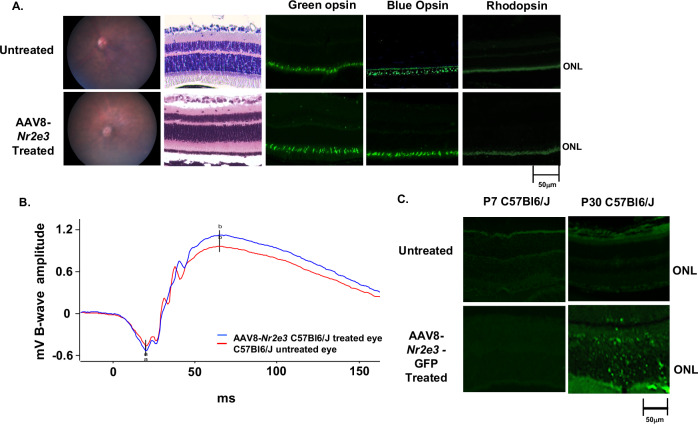
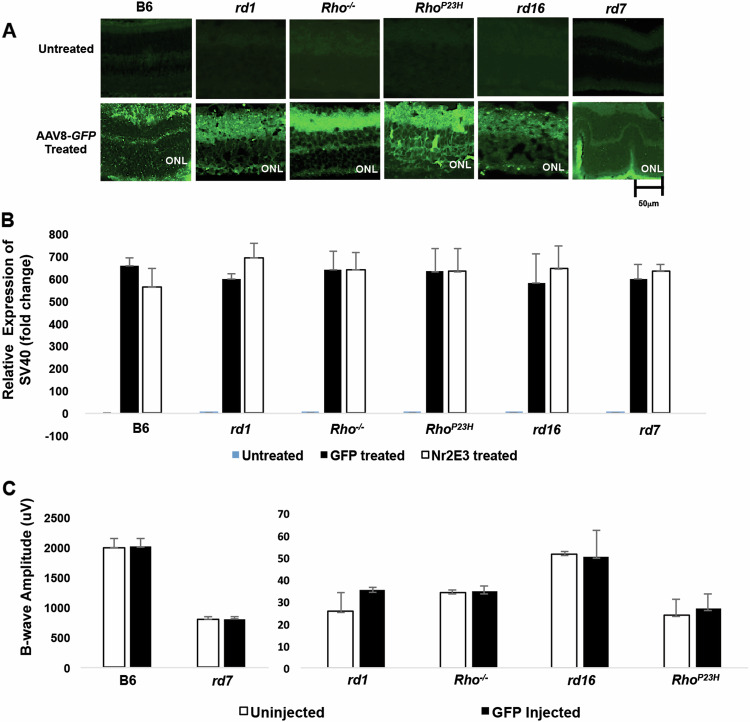
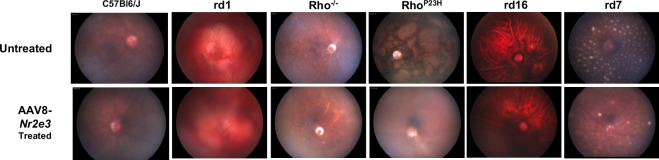
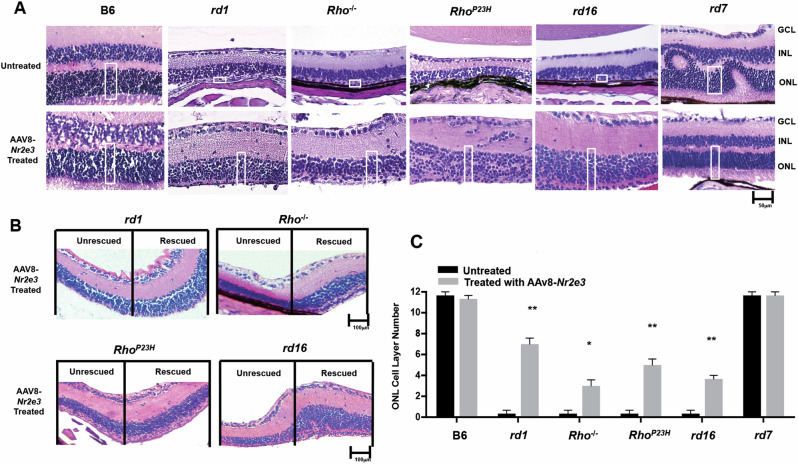
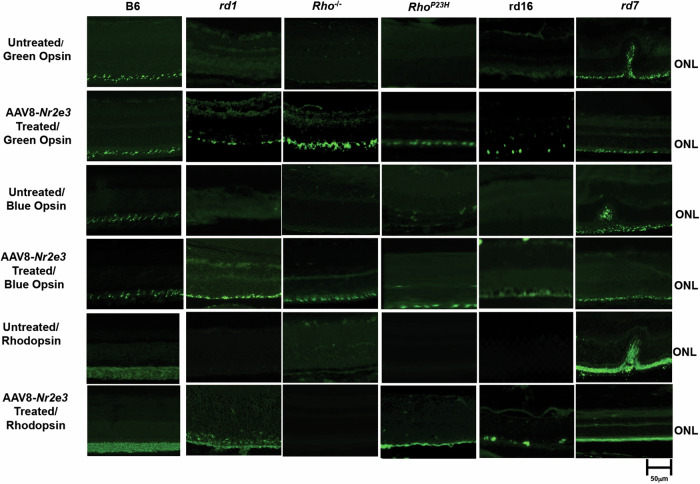
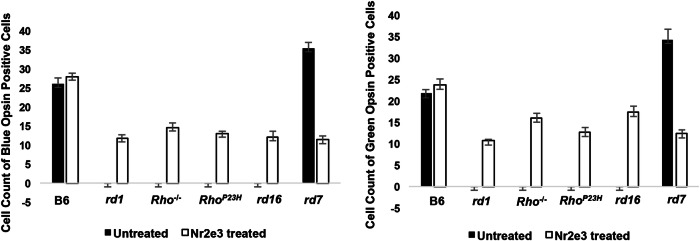
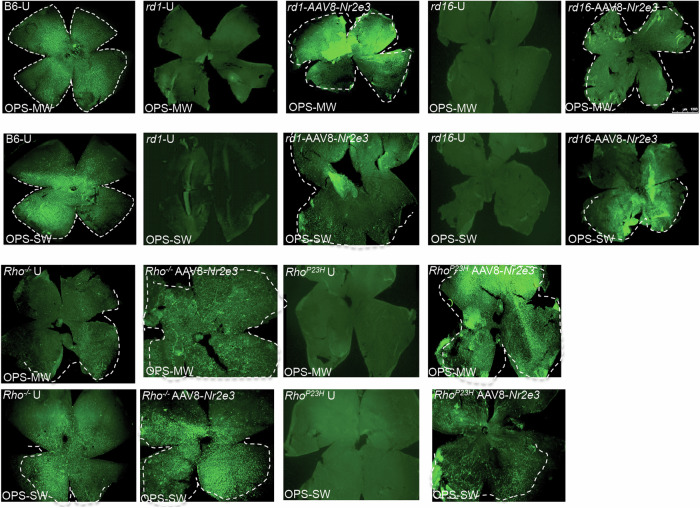
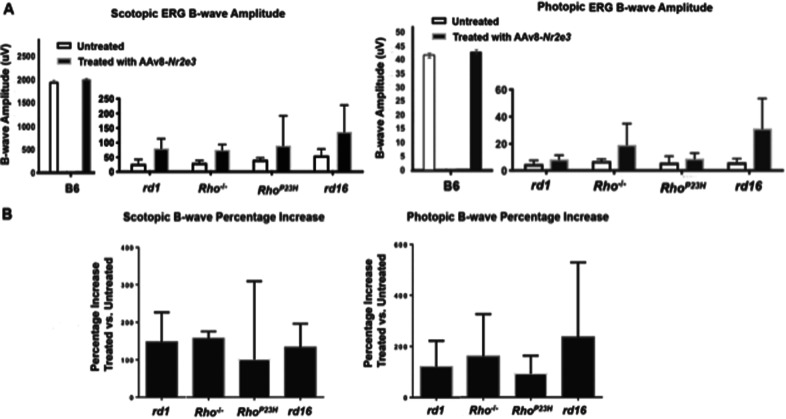
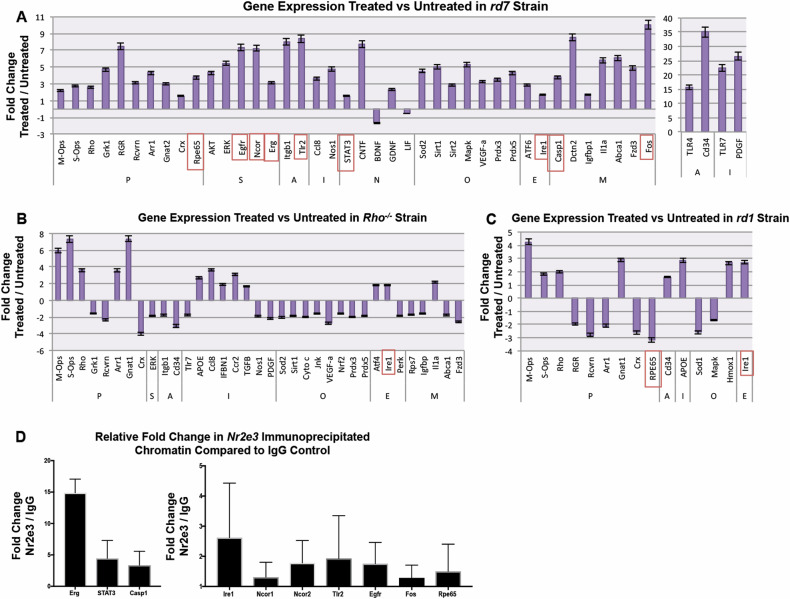
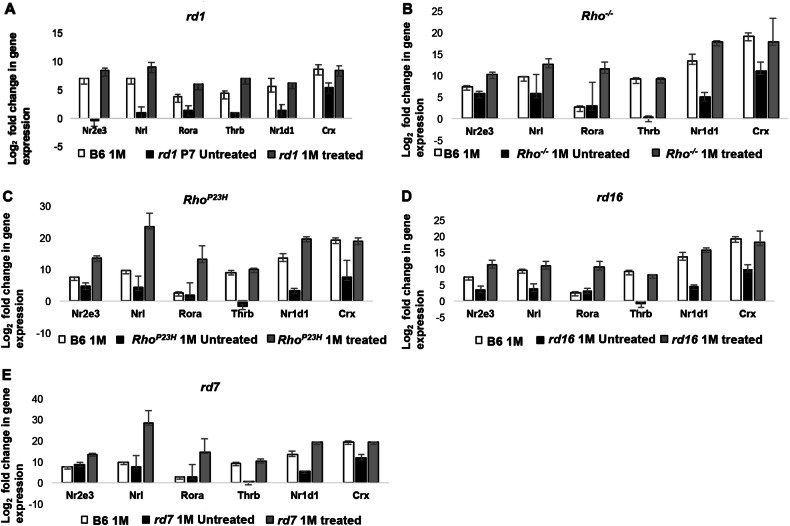
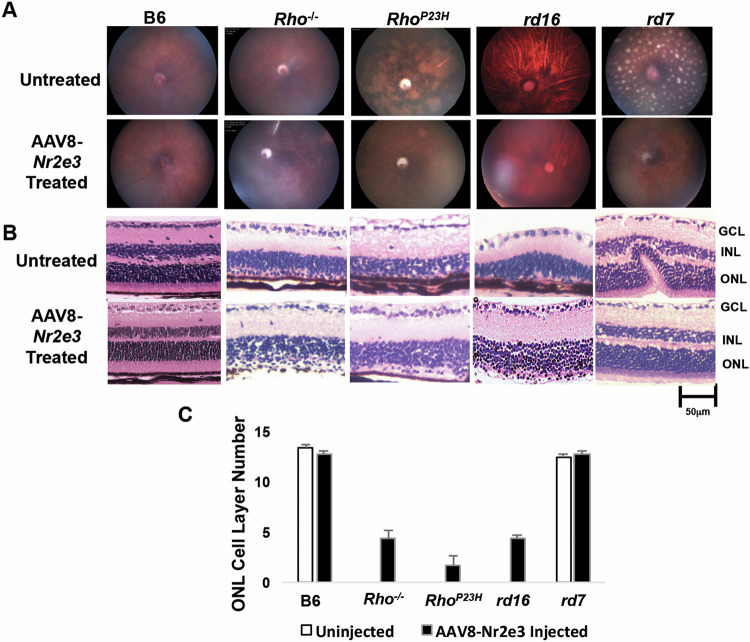
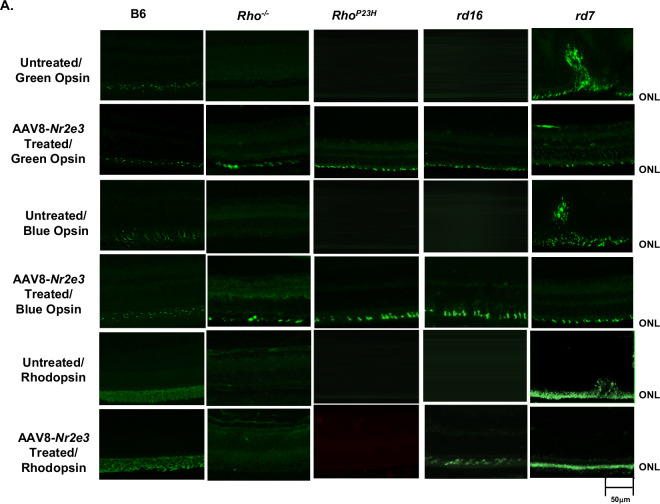
Recent advances in viral vector engineering, as well as an increased understanding of the cellular and molecular mechanism of retinal diseases, have led to the development of novel gene therapy approaches. Furthermore, ease of accessibility and ocular immune privilege makes the retina an ideal target for gene therapies. In this study, the nuclear hormone receptor gene Nr2e3 was evaluated for efficacy as broad-spectrum therapy to attenuate early to intermediate stages of retinal degeneration in five unique mouse models of retinitis pigmentosa (RP). RP is a group of heterogenic inherited retinal diseases associated with over 150 gene mutations, affecting over 1.5 million individuals worldwide. RP varies in age of onset, severity, and rate of progression. In addition, ~40% of RP patients cannot be genetically diagnosed, confounding the ability to develop personalized RP therapies. Remarkably, Nr2e3 administered therapy resulted in reduced retinal degeneration as observed by increase in photoreceptor cells, improved electroretinogram, and a dramatic molecular reset of key transcription factors and associated gene networks. These therapeutic effects improved retinal homeostasis in diseased tissue. Results of this study provide evidence that Nr2e3 can serve as a broad-spectrum therapy to treat multiple forms of RP.
Overview
The claims and statistics of this paper haven’t been checked yet.
Free: it reads the open-access text and checks the first 5 claims that cite a source we can check. Create a free account to check every claim.
Integrity signals
Registry
Cites
Statistics
Figures
Verification
Claims the paper makes
The claims and statistics of this paper haven’t been checked yet.
Free: it reads the open-access text and checks the first 5 claims that cite a source we can check. Create a free account to check every claim.
Claims other papers make about this one
Each is checked against this paper’s own text: does it say what the citing paper says it does?
The source backs part of the claim, not all of it — or backs it for a different population, condition or comparison.
In the citing paper
“Previous studies have shown that modifier genes, such as nuclear hormone receptors, have the potential to “reset” various networks related to retinal disease phenotypes, such as photoreceptor development, phototransduction, metabolism, cone cell development, inflammation, and cell survival, thus restoring the homeostasis in the retina to a healthy state.47,50–53”
From Gene Therapy for Retinal Degenerative Diseases: Progress, Challenges, and Future Directions (2023) · cites this paper as [52]
Experimental — accuracy not yet measuredThe cited source says what the claim attributes to it.
In the citing paper
“Modifier gene therapy has the potential to alter the retinal disease state even in the absence of a genetic diagnosis or in the absence of a gene therapy specific to the mutated gene in one of these patients.47,50–53”
From Gene Therapy for Retinal Degenerative Diseases: Progress, Challenges, and Future Directions (2023) · cites this paper as [52]
Self-check
Percentages, sums and reported differences re-computed from the paper’s own numbers.
The self-check needs the paper’s full text.
Citations
Cites
Yoshida, H., Matsui, T., Yamamoto, A., Okada, T., & Mori, K. (2001) · Cell · doi:10.1016/s0092-8674(01)00611-0 · Cited by 4,039
Mutation of the mouse klotho gene leads to a syndrome resembling ageing
Kuro-o, M., Matsumura, Y., Aizawa, H., Kawaguchi, H., Suga, T., Utsugi, T., Ohyama, Y., Kurabayashi, M., Kaname, T., Kume, E., et al. (1997) · Nature · doi:10.1038/36285 · Cited by 3,837
Russell, S., Bennett, J., Wellman, J. A., Chung, D. C., Yu, Z.-F., Tillman, A., Wittes, J., Pappas, J., Elci, O., McCague, S., et al. (2017) · The Lancet · doi:10.1016/s0140-6736(17)31868-8 · Cited by 1,952
Effect of gene therapy on visual function in Leber’s congenital amaurosis
Bainbridge, J. W. B., Smith, A. J., Barker, S. S., Robbie, S., Henderson, R., Balaggan, K., Viswanathan, A., Holder, G. E., Stockman, A., Tyler, N., et al. (2008) · New England Journal of Medicine · doi:10.1056/nejmoa0802268 · Cited by 1,924 · cited 1×
“Gene therapy has evolved from concept to clinic for various genetic disorders including hematological [2], immunological [3], ocular [4, 5], neuro-degenerative [6], and metabolic disorders [7].”
BackgroundGene therapy restores vision in a canine model of childhood blindness
Acland, G. M., Aguirre, G. D., Ray, J., Zhang, Q., Aleman, T. S., Cideciyan, A. V., Pearce-Kelling, S. E., Anand, V., Zeng, Y., Maguire, A. M., et al. (2001) · Nature Genetics · doi:10.1038/ng0501-92 · Cited by 1,202 · cited 1×
“The most widely accepted success of adeno-associated virus (AAV) vector-mediated ocular gene replacement is for treatment of Leber ’ s congenital amaurosis 2 (LCA2), a rare retinal disease due to mutations in the RPE65 gene [8, 9].”
BackgroundHamel, C. (2006) · Orphanet Journal of Rare Diseases · doi:10.1186/1750-1172-1-40 · Cited by 962
Bowes, C., Li, T., Danciger, M., Baxter, L. C., Applebury, M. L., & Farber, D. B. (1990) · Nature · doi:10.1038/347677a0 · Cited by 852
MacLaren, R. E., Groppe, M., Barnard, A. R., Cottriall, C. L., Tolmachova, T., Seymour, L., Clark, K. R., During, M. J., Cremers, F. P. M., Black, G. C. M., et al. (2014) · The Lancet · doi:10.1016/s0140-6736(13)62117-0 · Cited by 796
The Role of Orphan Nuclear Receptors in the Regulation of Cholesterol Homeostasis
Repa, J. J., & Mangelsdorf, D. J. (2000) · Annual Review of Cell and Developmental Biology · doi:10.1146/annurev.cellbio.16.1.459 · Cited by 759
Dalkara, D., Byrne, L. C., Klimczak, R. R., Visel, M., Yin, L., Merigan, W. H., Flannery, J. G., & Schaffer, D. V. (2013) · Science Translational Medicine · doi:10.1126/scitranslmed.3005708 · Cited by 734
Research works printed but not linked: 3
- Haider NB, Naggert JK, Nishina PM. Excess cone cell proliferation due to lack of a functional NR2E3 causes retinal dysplasia and degeneration in rd7/rd7 mice. Hum Mol Genet. 2001;10:1619–26. 11487564 · DOI · Paper page
- Webber A, Hodor P, Thut C, Petrukhin K. Dual role of Nr2e3 in photoreceptor development and maintenance. Exp Eye Res. 2008;87:35–48. 18547563 · DOI
- Haider NB, Zhang W, Hurd R, Ikeda A, Nystuen AM, Naggert JK, et al. Mapping of genetic modifiers of Nr2e3 rd7/rd7 that suppress retinal degeneration and restore blue cone cells to normal quantity. Mamm Genome. 2008;19:145–54. 18286335 · DOI · Paper page
Cited by
Inherited retinal diseases: Therapeutics, clinical trials and end points—A review
Georgiou, M., Fujinami, K., & Michaelides, M. (2021) · Clinical & Experimental Ophthalmology · doi:10.1111/ceo.13917 · Cited by 171
“NR2E3 may serve as a genetic modifier and therapeutic agent to potentially treat a range of retinal degenerative diseases.(131) In patient-derived iPSCs, correction of NR2E3-associated ESCS has been described using CRISPR-Cas9.”
BackgroundGene Therapy for Retinal Degenerative Diseases: Progress, Challenges, and Future Directions
Drag, S., Dotiwala, F., & Upadhyay, A. K. (2023) · Investigative Opthalmology & Visual Science · doi:10.1167/iovs.64.7.39 · Cited by 145
Self-citationGeorgiou, M., Robson, A. G., Fujinami, K., de Guimarães, T. A. C., Fujinami‐Yokokawa, Y., Varela, M. D., Pontikos, N., Kalitzeos, A. A., Mahroo, O. A., Webster, A. R., et al. (2024) · Progress in Retinal and Eye Research · doi:10.1016/j.preteyeres.2024.101244 · Cited by 138
Gene-agnostic therapeutic approaches for inherited retinal degenerations
John, M. C., Quinn, J., Hu, M. L., Cehajic‐Kapetanovic, J., & Xue, K. (2023) · Frontiers in Molecular Neuroscience · doi:10.3389/fnmol.2022.1068185 · Cited by 43
“The apparent similarity in effects of Nr2e3 overexpression and suppression was attributed to differences in the timing of interventions, with Nr2e3 induced alteration of gene expression profiles of differentiating rods at birth counteracting the effects of the IRD mutations (Moore et al., 2020; Li et al., 2021).”
BackgroundResultTargeting of the NRL Pathway as a Therapeutic Strategy to Treat Retinitis Pigmentosa
Moore, S. M., Skowronska‐Krawczyk, D., & Chao, D. L. (2020) · Journal of Clinical Medicine · doi:10.3390/jcm9072224 · Cited by 31
“Li 2020 PMID 32123325 [81] -wt mice -Pde6β–/-Rho-/-RhoP23H -Cep290-/-Nr2e3-/Subretinal injection of AAV8-Nr2e3 overexpression vector -Injection P0, analysis P30 or P90-P120 -Injection P21, analysis P80-P110 -wt mice: no ERG changes -Pde6β-/-, Rho-/-, RhoP23H, Cep290-/-: partial rescue of scotopic ERG function -wt mice…”
BackgroundMethodInfluentialMonogenic Retinal Diseases Associated With Genes Encoding Phototransduction Proteins: A Review
Wong, W. M., & Mahroo, O. A. (2025) · Clinical and Experimental Ophthalmology · doi:10.1111/ceo.14511 · Cited by 28
Gallego, C., Gonçalves, M. A. F. V., & Wijnholds, J. (2020) · Frontiers in Neuroscience · doi:10.3389/fnins.2020.00838 · Cited by 27
CRISPR-Based Genome Editing as a New Therapeutic Tool in Retinal Diseases
Rasoulinejad, S. A., & Maroufi, F. (2021) · Molecular Biotechnology · doi:10.1007/s12033-021-00345-4 · Cited by 26
Currant, H., Fitzgerald, T. W., Patel, P. J., Khawaja, A. P., Webster, A. R., Mahroo, O. A., & Birney, E. (2023) · PLoS Genetics · doi:10.1371/journal.pgen.1010587 · Cited by 26
“Mutations in this gene are also associated with retinitis pigmentosa in addition to enhanced S-cone syndrome [45].”
BackgroundBigini, F., Hyeon, L. S., Sun, Y. J., Sun, Y., & Mahajan, V. B. (2023) · Vision Research · doi:10.1016/j.visres.2023.108317 · Cited by 31
“and lncRNAs (ROBO1-AS and ROBO2-AS) have been implicated in contributing to retinal degeneration associated with Retinitis Pigmentosa (Appelbaum et al., 2020; Ebermann et al., 2010; Li et al., 2021).”
InfluentialSeeing the Future: A Review of Ocular Therapy
Whalen, M., Akula, M., McNamee, S. M., DeAngelis, M. M., & Haider, N. B. (2024) · Bioengineering · doi:10.3390/bioengineering11020179 · Cited by 21
“Modifier gene therapy is also highly effective for single gene defects, where the primary mutation is the major driver of disease, and other gene networks impact the disease outcome [41].”
BackgroundSelf-citationRetina-directed gene therapy: Achievements and remaining challenges
Biber, J., Gandor, C. L. A., Bećirović, E., & Michalakis, S. (2025) · Pharmacology & Therapeutics · doi:10.1016/j.pharmthera.2025.108862 · Cited by 25
The Future of Nanomaterials Tackling the Challenge of Delivering Nucleic Acids to the Retina
Hurst, J., Adams, F., & Schnichels, S. (2024) · Advanced Functional Materials · doi:10.1002/adfm.202407173 · Cited by 24
Zielińska, A., Eder, P., Karczewski, J., Szalata, M., Hryhorowicz, S., Wielgus, K., Szalata, M., Dobrowolska, A., Atanasov, A. G., Słomski, R., et al. (2023) · Frontiers in Immunology · doi:10.3389/fimmu.2023.1147991 · Cited by 24
“There is also no problem with the derivation of nucleic acids-based vaccine using antigens sequence and choose fragment, generating better immunological response (88, 100, 101).”
BackgroundMethodNuclear Receptor Subfamily 2 Group E Member 3 (NR2E3): Role in Retinal Development and Disease
Toms, M., Ward, N., & Moosajee, M. (2023) · Genes · doi:10.3390/genes14071325 · Cited by 21
“NR2E3 continues to be expressed in the adult retina, and several studies have indicated that it is involved in retinal maintenance [17,25,26].”
BackgroundAkula, M., McNamee, S. M., Love, Z., Nasraty, N., Chan, N. P. M., Whalen, M., Avola, M. O., Olivares, A. M., Leehy, B. D., Jelcick, A. S., et al. (2024) · Gene Therapy · doi:10.1038/s41434-024-00455-z · Cited by 24
Self-citationRipolles‐Garcia, A., Murgiano, L., Ziółkowska, N., Marinho, F. P., Roszak, K. P., Iffrig, S., Aguirre, G. K., & Miyadera, K. (2023) · Human Molecular Genetics · doi:10.1093/hmg/ddad046 · Cited by 15
Gene-agnostic approaches to treating inherited retinal degenerations
Chew, L. A., & Iannaccone, A. (2023) · Frontiers in Cell and Developmental Biology · doi:10.3389/fcell.2023.1177838 · Cited by 17
A Comparative Analysis of Models for AAV-Mediated Gene Therapy for Inherited Retinal Diseases
Alsalloum, A., Gornostal, E. A., Mingaleva, N., Pavlov, R. E., Kuznetsova, E., Antonova, E., Nadzhafova, A., Колотова, Д. Е., Кадышев, В. В., Mityaeva, O. N., et al. (2024) · Cells · doi:10.3390/cells13201706 · Cited by 20
“…of the administered vector reduced retinal degeneration in the Rho P23H+/ − mouse model, and the overexpression of NR2E3 restored homeostatic pathways in this model by enhancing photoreceptor function and survival, specifically through targeting of the endoplasmic reticulum stress pathway [55,56].”
BackgroundPotential therapeutic targets for age-related macular degeneration: The nuclear option
Choudhary, M., & Malek, G. (2022) · Progress in Retinal and Eye Research · doi:10.1016/j.preteyeres.2022.101130 · Cited by 15
“Importantly, PNR administered therapy has been shown to reduce retinal degeneration in preclinical models of retinitis pigmentosa (Cruz et al., 2014; Haider et al., 2008; Li et al., 2021).”
BackgroundSun, C., & Chen, S. (2023) · Frontiers in Molecular Neuroscience · doi:10.3389/fnmol.2023.1134839 · Cited by 13
“Nr2e3 overexpression yields promising rescue results in mouse models of rd1, rd7, rd16, Rho−/−, and RhoP23H (Li et al., 2021): AAV8-Nr2e3 helps to preserve photoreceptor density, promote cell survival at ONL, and enhance ERG responses.”
BackgroundInterspecies Correlations between Human and Mouse NR2E3-Associated Recessive Disease
Iannaccone, A., Brabbit, E., Lopez-Miro, C., Love, Z., Griffiths, V., Kedrov, M., & Haider, N. B. (2021) · Journal of Clinical Medicine · doi:10.3390/jcm10030475 · Cited by 15
“More recently, the rd7 model has also been used to evaluate targeted gene therapy strategies due to its novel similarity in clinical phenotype to human patients with NR2E3-associated retinal degenerations [43].”
MethodSelf-citationGenetic modifiers and phenotypic variability in neuromuscular disorders
Mroczek, M., & Sanchez, M. G. (2020) · Journal of Applied Genetics · doi:10.1007/s13353-020-00580-6 · Cited by 14
“Therapy targeting genetic modifiers has already been introduced to treat several rare diseases, for example targeting Nr2e3 can modify retinal degenerative diseases (Li et al. 2020).”
BackgroundAísa-Marín, I., López-Iniesta, M. J., Navarro, S. M., Lillo, J., Navarro, G., de la Villa, P., & Marfany, G. (2020) · Neurobiology of Disease · doi:10.1016/j.nbd.2020.105122 · Cited by 13
Novel Pathogenic Sequence Variants in NR2E3 and Clinical Findings in Three Patients
Al‐Khuzaei, S., Broadgate, S., Halford, S., Jolly, J. K., Shanks, M. E., Clouston, P., & Downes, S. M. (2020) · Genes · doi:10.3390/genes11111288 · Cited by 12
“Interestingly, a recent study of a mouse model has shown that delivery of NR2E3 to retinal cells stabilises disease progression [50].”
BackgroundThe versatile roles of retinal pigment epithelium in the pathophysiology of retinitis pigmentosa
Ghanawi, H., & Koch, S. (2025) · Progress in Retinal and Eye Research · doi:10.1016/j.preteyeres.2025.101390 · Cited by 14
McNamee, S. M., Chan, N. P., Akula, M., Avola, M. O., Whalen, M., Nystuen, K., Singh, P., Upadhyay, A. K., DeAngelis, M. M., & Haider, N. B. (2024) · Gene Therapy · doi:10.1038/s41434-024-00440-6 · Cited by 10
Self-citationEpigenetic Switches in Retinal Homeostasis and Target for Drug Development
Rajanala, K., & Upadhyay, A. (2024) · International Journal of Molecular Sciences · doi:10.3390/ijms25052840 · Cited by 11
“Nuclear hormone receptor NR2E3 can modulate gene expression levels associated with RP through epigenetic regulation, and the molecular reset mediated by NR2E3 was shown to reduce retinal degeneration in RP mouse models [95].”
BackgroundSelf-citationRekindling Vision: Innovative Strategies for Treating Retinal Degeneration
Khan, I., Ramzan, F., Tayyab, H., & Damji, K. F. (2025) · International Journal of Molecular Sciences · doi:10.3390/ijms26094078 · Cited by 10
Specific photoreceptor cell fate pathways are differentially altered in NR2E3-associated diseases
Aísa-Marín, I., Rovira, Q., Díaz, N., Calvo‐López, L., Vaquerizas, J. M., & Marfany, G. (2024) · Neurobiology of Disease · doi:10.1016/j.nbd.2024.106463 · Cited by 9
Common polymorphic OTC variants can act as genetic modifiers of enzymatic activity
Lopes‐Marques, M., Pacheco, A. R., Peixoto, M. J., Cardoso, A. R., Serrano, C., Amorim, A., Prata, M. J., Cooper, D. N., & Azevedo, L. (2021) · Human Mutation · doi:10.1002/humu.24221 · Cited by 10
Hinsch, V. G., Boye, S. L., & Boye, S. E. (2025) · Human Gene Therapy · doi:10.1089/hum.2024.252 · Cited by 13
Biliverdin regulates NR2E3 and zebrafish retinal photoreceptor development
Connor, B., Titialii-Torres, K. F., Rockenhaus, A. E., Passamonte, S., Morris, A. C., & Lee, Y. (2022) · Scientific Reports · doi:10.1038/s41598-022-11502-3 · Cited by 9
Kolesnikov, A. V., Murphy, D. P., Corbo, J. C., & Kefalov, V. J. (2024) · Proceedings of the National Academy of Sciences · doi:10.1073/pnas.2316118121 · Cited by 8
“On the other hand, Li et al. suggested that overexpression of Nr2e3 slows disease progression in multiple mouse RP models (50).”
BackgroundIn vivo retinal imaging in translational regenerative research
Sher, I., Moverman, D. J., Ketter-Katz, H., Moisseiev, E., & Rotenstreich, Y. (2020) · Annals of Translational Medicine · doi:10.21037/atm-20-4355 · Cited by 6
“Fundus imaging was also used as a gross qualitative estimation of the safety of intraocular injection of viral vectors (41) or cells and for evaluating the potential regenerative effects of various therapies on the retina (42).”
MethodPeavey, J. J., Parmar, V. M., & Malek, G. (2022) · Cells · doi:10.3390/cells11152386 · Cited by 8
“Mutations in PNR have been associated with several forms of retinal degenerations, the receptor is considered to be a broad-spectrum genetic modifier [53], and in partnership with REV-ERBα has been shown to act synergistically in the retina [54].”
BackgroundDing, Y., Chen, L., Xu, J., & Liu, Q. (2024) · Naunyn-Schmiedeberg s Archives of Pharmacology · doi:10.1007/s00210-024-03213-5 · Cited by 7
Narrative review-drug delivery in age-related macular degeneration
Israilevich, R. N., Mahmoudzadeh, R., Salabati, M., & Xu, D. N. (2021) · Annals of Eye Science · doi:10.21037/aes-21-8 · Cited by 6
“21037/aes-21-8 invasive technology, such as optical coherence tomography (OCT), (III) ocular immune privilege reduces the risk of significant host-immune response, (IV) an effective therapeutic dose may be achieved with a smaller quantity of viral vector, and (V) systemic exposure is limited due to anatomical barriers…”
BackgroundModifiers and their impact on inherited retinal diseases: a review
Ford, L. M., & Petersen‐Jones, S. M. (2025) · Ophthalmic Genetics · doi:10.1080/13816810.2024.2445221 · Cited by 5
“Identification of modifiers and understanding their mechanism of action and involved biochemical pathways can lead to new therapeutic approaches able to suppress, reverse, and possibly prevent a variety of diseases (6, 129).”
Enhanced S-cone Syndrome, a Mini-review
Wang, Y., Wong, J., Duncan, J. L., Roorda, A., & Tuten, W. S. (2023) · Advances in experimental medicine and biology · doi:10.1007/978-3-031-27681-1_28 · Cited by 6
Deciphering complexity: TULP1 variants linked to an atypical retinal dystrophy phenotype
Esteve-Garcia, A., Cobos, E., Sau, C., Padró‐Miquel, A., Mora, J. C., Barberán-Martínez, P., Millán, J. M., García‐García, G., & Aguilera, C. (2024) · Frontiers in Genetics · doi:10.3389/fgene.2024.1352063 · Cited by 4
Evaluating therapeutic potential of NR2E3 doses in the rd7 mouse model of retinal degeneration
McNamee, S. M., Akula, M., Love, Z., Nasraty, N., Nystuen, K., Singh, P., Upadhyay, A. K., DeAngelis, M. M., & Haider, N. B. (2024) · Scientific Reports · doi:10.1038/s41598-024-67095-6 · Cited by 4
Self-citationMechanisms of photoreceptor protection upon targeting the Nrl–Nr2e3 pathway
Murphy, D. P., Kolesnikov, A. V., Montana, C. L., Khaja, Z. M., Liu, Y., Kefalov, V. J., & Corbo, J. C. (2025) · Proceedings of the National Academy of Sciences · doi:10.1073/pnas.2500446122 · Cited by 2
“Another recent study suggested that overexpression of Nr2e3 in mouse rods slows disease progression in multiple RP models, including Rho −/− , Rho P23H/+ , and Pde6b rd1/rd1 ( 33 ).”
An Overview on the Genetic Etiology, Testing, and Therapeutic Options for Retinitis Pigmentosa
Srikrupa, N. N., Gnanasekaran, H., Kandeeban, S., Sundaramurthy, S., & Sripriya, S. (2022) · Springer eBooks · doi:10.1007/978-981-16-4247-0_12 · Cited by 4
Inherited retinal dystrophies and orphan designations in the European Union
Moseley, J., Leest, T., Larsson, K., Magrelli, A., & Stoyanova-Beninska, V. V. (2024) · European Journal of Ophthalmology · doi:10.1177/11206721241236214 · Cited by 2
Xie, S., Hu, Y., Jin, J., Fu, L., Zhang, C., Yang, Q., Niu, Y., & Sheng, Z. (2023) · Experimental and Therapeutic Medicine · doi:10.3892/etm.2023.12173 · Cited by 2
“Mutations in the human nr2e3 gene have been reported to cause several retinal degenerative diseases, such as enhanced S‑cone syndrome and retinitis pigmentosa (2).”
Kandoi, S., Martinez, C., Chen, K. X., Mehine, M. M., Mansfield, B. C., Duncan, J. L., & Lamba, D. A. (2023) · eLife · doi:10.7554/elife.90575.1 · Cited by 3
Bhat, M. A., & Goyal, S. (2025) · Stem Cell Reviews and Reports · doi:10.1007/s12015-025-10927-3 · Cited by 1
“…role of genetic modifiers has been exten - sively studied in various diseases, including neuromuscular diseases [62, 63 ], cystic fibrosis [64 ], spinal muscular atrophy (SMA) [65], and retinal diseases [66, 67], where phenotypic variability is often attributed to differences in genetic background.”
Upadhyay, A. K., Drag, S., Singh, P., Rajanala, K., & Arumugham, R. G. (2025) · Frontiers in Medicine · doi:10.3389/fmed.2025.1679619 · Cited by 1
Self-citationPrecision Is Not Enough: When Tools Outpace Translation in Ocular Gene Therapy
Elsayed, M. E. A. A., & MacLaren, R. E. (2026) · Genes · doi:10.3390/genes17030283 · Cited by 1
“This mutation-agnostic strategy offers theoretical advantages for genetically diverse diseases; OCU400 exemplifies this concept, delivering the transcription factor NR2E3 to reprogram photoreceptor homeostasis and promote phenotype stabilisation irrespective of the causative mutation [75].”
Posterior Polar Hemispheric Choroidal Dystrophy: Case Report and Presentation of Genetic Screening
Tabbaa, T., Daroszewski, D., & Sobol, W. M. (2022) · Journal of VitreoRetinal Diseases · doi:10.1177/24741264221080381 · Cited by 1
One transgene, two myopathies: an MTM1 ‘cross gene therapy’ for BIN1 deficiency?
Asgarian, Z., Siam, A., & Counsell, J. R. (2023) · Brain · doi:10.1093/brain/awad310 · Cited by 1
Pinkney, J., Gogna, N., Collin, G. B., Stone, L. V., Krebs, M. P., Naggert, J. K., & Nishina, P. M. (2022) · bioRxiv (Cold Spring Harbor Laboratory) · doi:10.1101/2022.05.07.491049
“Finally, sensitized phenotypic screens in mice provide a 97 powerful approach to identify gene interactions that contribute to ocular disease[28-33].”
BackgroundSztainberg, Y., Teitelbaum, M. D., Buchumenski, I., Porath, H. T., Sharon, D., Banin, E., Karni, R., Levanon, E. Y., & Feiglin, A. (2024) · bioRxiv (Cold Spring Harbor Laboratory) · doi:10.1101/2024.05.01.592034
“Subretinal injection of the virus rescued the phenotype by protecting photoreceptors from further damage 22 .”
BackgroundEsteve-Garcia, A., Aguilera, C., Sau, C., Padró‐Miquel, A., Mora, J. C., & Cobos, E. (2024) · Genes · doi:10.3390/genes15121584 · Cited by 1
INTRAFAMILIAL VARIABILITY OF IMPG1-ASSOCIATED VITELLIFORM DYSTROPHY
Chan, L., Adams, M., Alemán, T. S., & BLOOM, S. M. (2025) · Retinal Cases & Brief Reports · doi:10.1097/icb.0000000000001772
Jin, J., Wang, S., Huang, Y., & Xie, S. (2025) · The FASEB Journal · doi:10.1096/fj.202402980r · Cited by 1
“…NR2E3 delivery promotes retinal homeostasis and attenuates and ameliorates retinal degeneration in multiple animal models (including rd7 mouse) [34]; (2) NR2E3 knockout shifts rods toward a hybrid rod- cone-like phenotype, thereby conferring strong neuroprotective effects on rod and cone…”
Chen, X., Zhang, S., Chen, G., Sun, Y., Lin, L., Xia, Y., Wang, Y., Yan, W., Zheng, X., & Chen, Y. (2025) · Research Square · doi:10.21203/rs.3.rs-7553550/v1
The Genetics of Color Vision and Congenital Color Deficiencies
Hunt, D. M., & Carvalho, L. S. (2026) · Springer series in vision research · doi:10.1007/978-3-032-09457-5_1
Савіна, О. M., & Almeida, D. R. P. (2025) · Archive of Ukrainian Ophthalmology · doi:10.22141/2309-8147.13.3.2025.425
Biological rhythms in retinal development
Bagchi, U. (2022) · theses.fr (ABES) · doi:10.70675/f3adc3caz635bz4f0ezbd7az684aff912e21
The connection between circadian clock impairment and retinal disease
Gegnaw, S. T. (2023) · theses.fr (ABES) · doi:10.70675/96a2aa96za6cez420ez978cz9066584466ff
Antioxidant Strategies for Inherited Retinal Degenerations in the Era of Gene Therapy
Yang, Y., Chen, Q., Zeng, J., Liang, L., Tao, Z., She, K., Ren, C., & Lu, F. (2026) · Antioxidants · doi:10.3390/antiox15101229
“…and optogenetic therapies are largely independent of the specific causative variant and inheritance mode: the former modulates shared downstream disease path-https ways [36], whereas the latter restores light responsiveness in surviving retinal neurons regardless of photoreceptor function [38].”
Retinitis Pigmentosa: A Review of Its Pathogenesis and Emerging Molecular and Cellular Therapies
Tuli, N., Baeshen, M., Echbicheb, M., Kulbay, M., Ayalon, A., Ali, S. K., & Qian, C. X. (2026) · Vision · doi:10.3390/vision10040083
“Genetic modifiers are variants unrelated to the disease-driving mutation that can alter phenotype severity [20,115].”
Ocular Gene Therapy in China: Technological Framework, Clinical Translation, and Future Perspectives
Zhang, D., He, Z., Lu, F., & Yang, Y. (2026) · Human Gene Therapy · doi:10.1177/10430342261495300
Metadata
- Authors
- Li, S., Datta, S., Brabbit, E., Love, Z., Woytowicz, V., Flattery, K., Capri, J., Yao, K., Wu, S., Imboden, M., Upadhyay, A., Arumugham, R., Thoreson, W. B., DeAngelis, M. M., & Haider, N. B.
- Affiliations
- Massachusetts Eye and Ear Infirmary (US)
- Ocugen, Inc. (United States) (US)
- University of Nebraska Medical Center (US)
- Corresponding author
- Haider, Neena B.
- Venue
- Gene Therapy
- Published
- 2020-03-02
- Volume
- 28
- Issue
- 5
- Pages
- 223-241
- ISSN
- 0969-7128 (ISSN-L)
- 1476-5462
- PMC
- PMC7483267
- OpenAlex
- W3009194131
- Cited by
- 68
- References
- 106
- Citations by year
- 2026: 5 · 2025: 13 · 2024: 15 · 2023: 15 · 2022: 7 · 2021: 7 · 2020: 6
- FWCI
- 2.84
- Type
- journal article
- Language
- en
- Update notices
- correction (2024-09-18)
- Open access
- hybrid
- doi.org
- Licence
- cc-by
- creativecommons.org/licenses/by/4.0 (tdm)
- creativecommons.org/licenses/by/4.0 (vor)
- Locations
- Gene Therapy (publishedVersion, cc-by)
- PubMed Central (publishedVersion, cc-by)
- PubMed (publishedVersion)
- DigitalCommons@UNMC (submittedVersion, cc-by)
- Funders
- American Macular Degeneration Foundation
- Research to Prevent Blindness
- Hope For Vision
- Massachusetts Lions Eye Research Fund
- U.S. Department of Health & Human Services | NIH | National Eye Institute (RO1EY017653, RO1EY017653-01A2S1)
- Ocugen INC
- Topics
- Health Sciences › Medicine › Ophthalmology › Retinal Development and Disorders
- Health Sciences › Medicine › Ophthalmology › Retinal Diseases and Treatments
- Life Sciences › Biochemistry, Genetics and Molecular Biology › Molecular Biology › Retinoids in leukemia and cellular processes
- Keywords
- NR2E3, retinitis pigmentosa, retinal degeneration, nuclear receptors, photoreceptors, retinal homeostasis, transcription factors, genetic modifiers, mouse model, electroretinogram
- MeSH terms
- Animals, Disease Models, Animal, Homeostasis, Humans, Photoreceptor Cells, Retina, Retinal Degeneration, Retinitis Pigmentosa, Mice, Orphan Nuclear Receptors
About these checks
Registry, retraction, Cites and statistics results are computed, not judged, with one exception: a printed reference that no index lists is read once by a model before it counts as a citation error. Claims are extracted by a model and kept only when their quote appears verbatim in the text; each cited source is then checked, with a model’s help, for whether it says what the claim relies on. Those verdicts can be wrong — read the claim’s quote and the cited source before relying on one.
Statistics and arithmetic are recomputed, not judged.
Confidence bands are shown only for fields calibrated on our annotated test set. None is calibrated yet, so no band is shown.
What counts as a claim ›How we measure confidence ›How we check this ›
Are you an author, or do you see a problem with this page? Request a review
Data sources
Bibliographic data: Semantic Scholar, OpenAlex, Crossref.
Contains information from the Semantic Scholar Academic Graph Datasets, made available under the ODC Attribution License (ODC-BY 1.0).
Semantic Scholar’s data is described in: Kinney, R., et al. (2023). The Semantic Scholar Open Data Platform. arXiv:2301.10140.
