

Sirt6 deficiency exacerbates podocyte injury and proteinuria through targeting Notch signaling
Open accessThe DOI matches its Crossref record; 52 of the 52 references it cites were found in a registry or an index.
Abstract
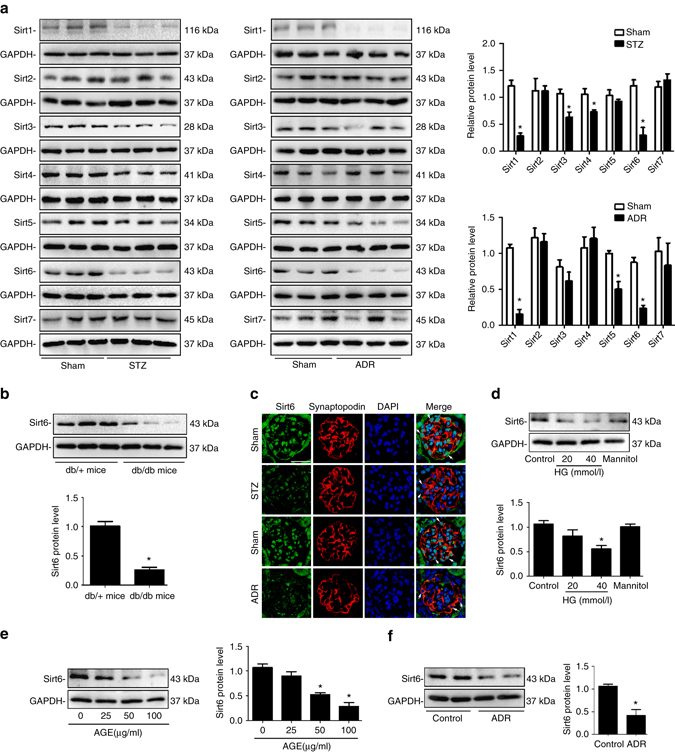
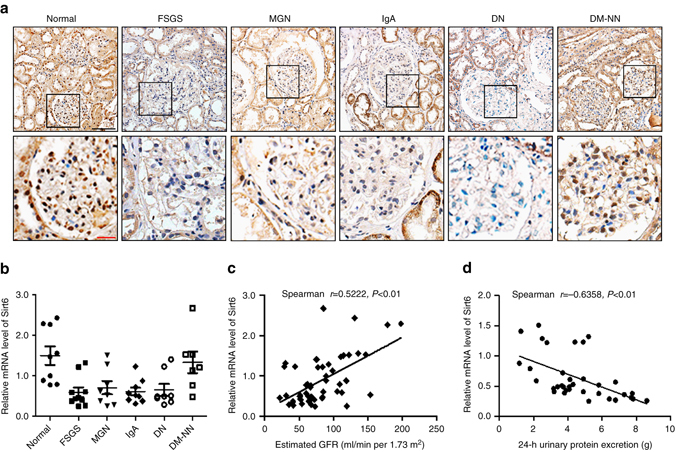
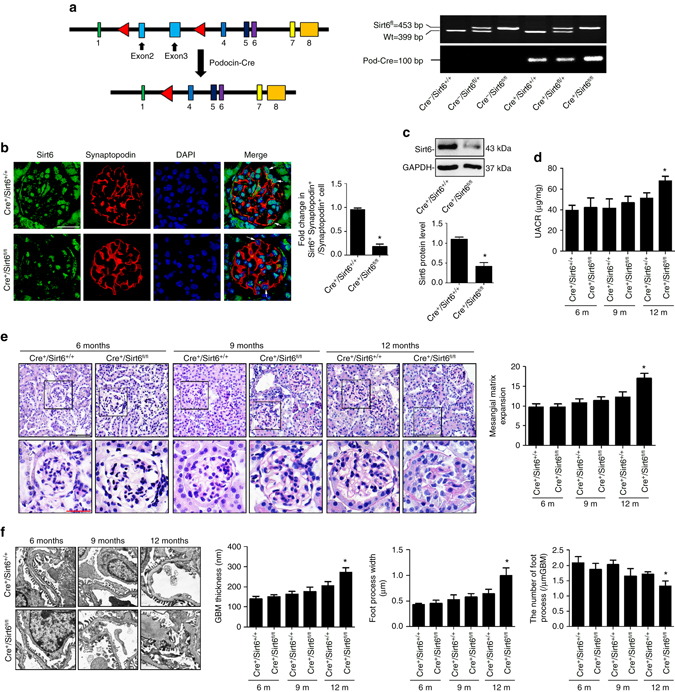
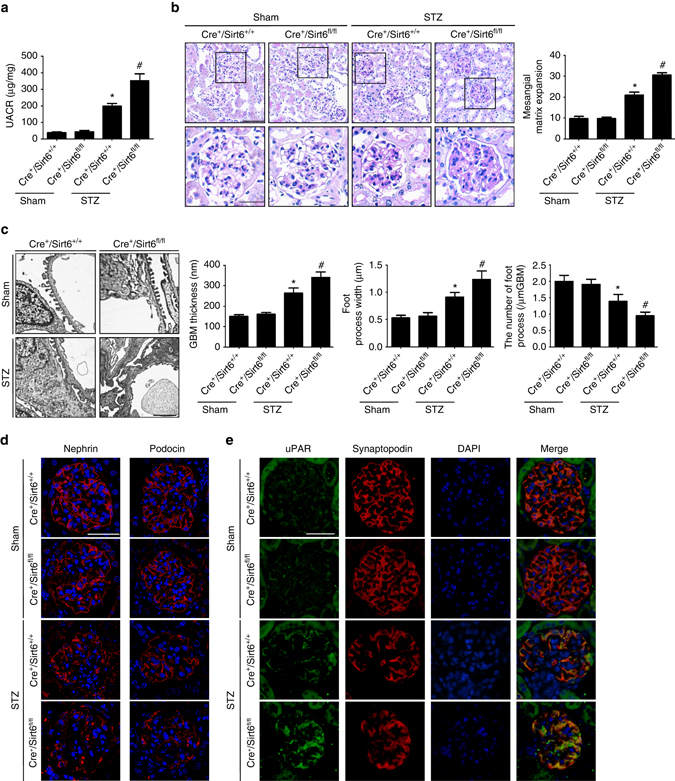
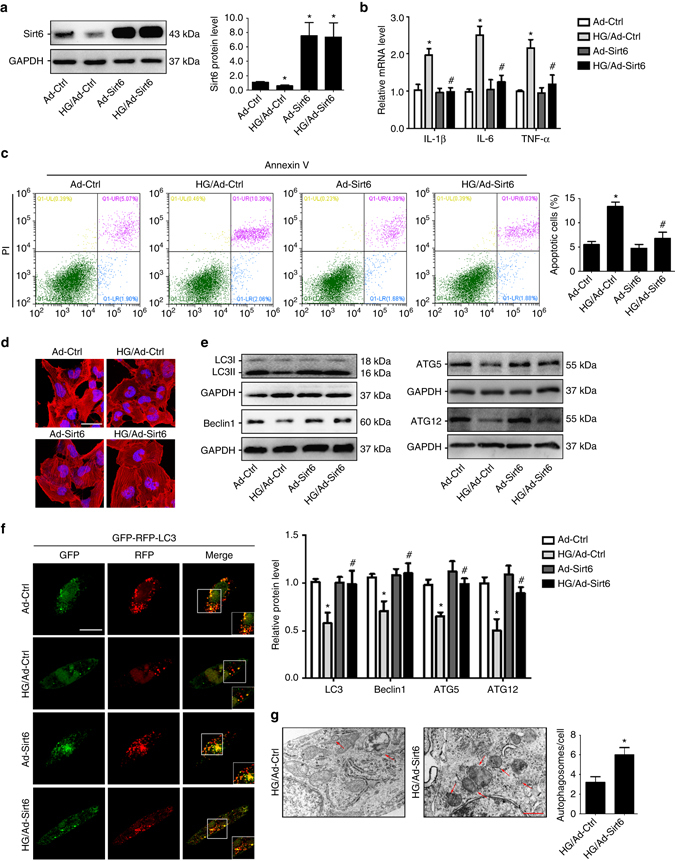
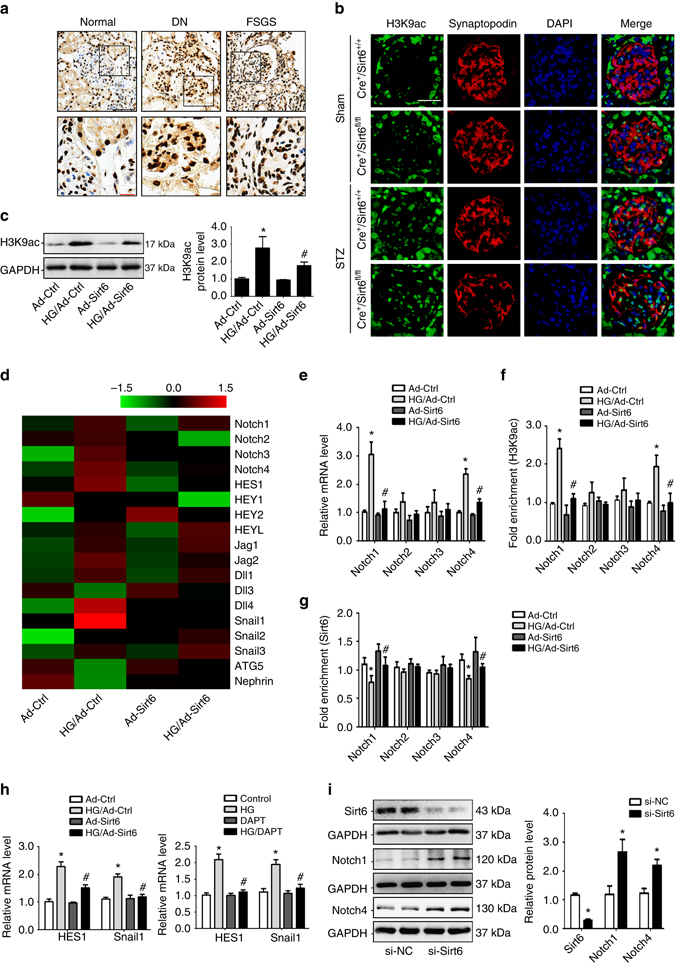
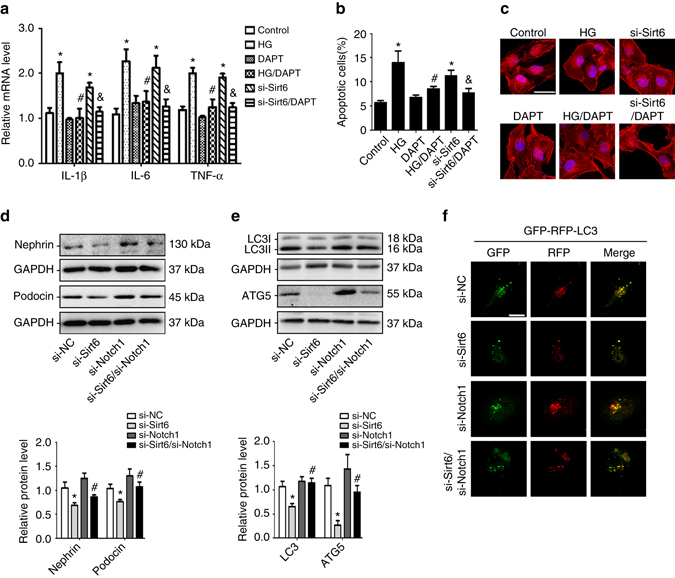
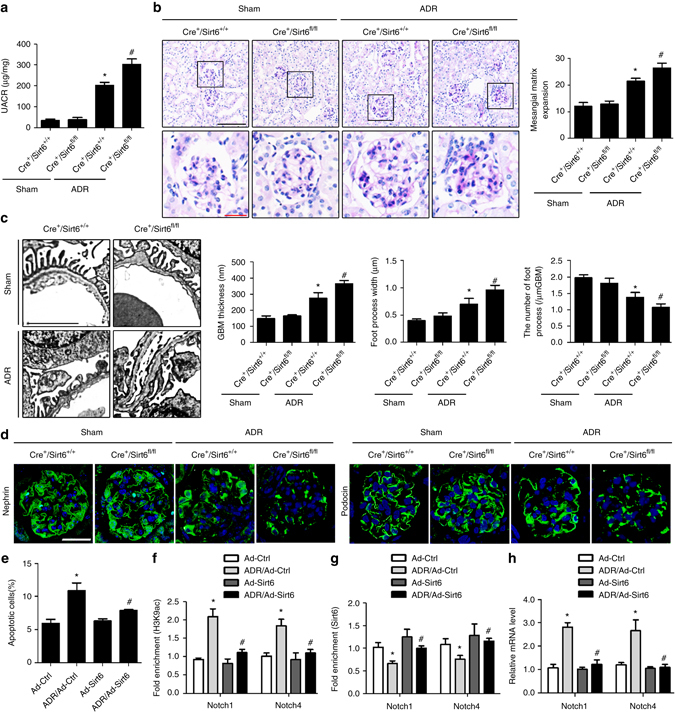
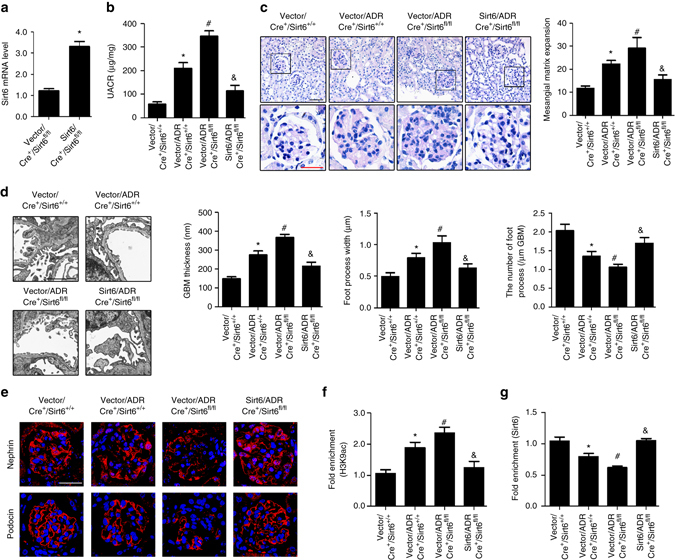
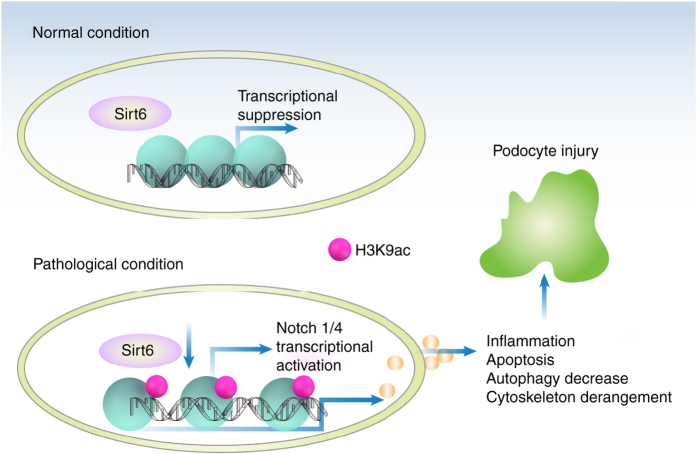
Podocyte injury is a major determinant of proteinuric kidney disease and the identification of potential therapeutic targets for preventing podocyte injury has clinical importance. Here, we show that histone deacetylase Sirt6 protects against podocyte injury through epigenetic regulation of Notch signaling. Sirt6 is downregulated in renal biopsies from patients with podocytopathies and its expression correlates with glomerular filtration rate. Podocyte-specific deletion of Sirt6 exacerbates podocyte injury and proteinuria in two independent mouse models, diabetic nephropathy, and adriamycin-induced nephropathy. Sirt6 has pleiotropic protective actions in podocytes, including anti-inflammatory and anti-apoptotic effects, is involved in actin cytoskeleton maintenance and promotes autophagy. Sirt6 also reduces urokinase plasminogen activator receptor expression, which is a key factor for podocyte foot process effacement and proteinuria. Mechanistically, Sirt6 inhibits Notch1 and Notch4 transcription by deacetylating histone H3K9. We propose Sirt6 as a potential therapeutic target for the treatment of proteinuric kidney disease.
Overview
The claims and statistics of this paper haven’t been checked yet.
Free: it reads the open-access text and checks the first 5 claims that cite a source we can check. Create a free account to check every claim.
Integrity signals
Registry
Cites
Statistics
Figures
Verification
Claims the paper makes
The claims and statistics of this paper haven’t been checked yet.
Free: it reads the open-access text and checks the first 5 claims that cite a source we can check. Create a free account to check every claim.
Claims other papers make about this one
Each is checked against this paper’s own text: does it say what the citing paper says it does?
The source backs part of the claim, not all of it — or backs it for a different population, condition or comparison.
In the citing paper
“Podocyte-specific Sirt6 deletion accelerated podocyte injury and proteinuria in both STZ-induced diabetic mice and db/db mice.”
From Autophagy in kidney homeostasis and disease (2020) · cites this paper as [137]
Experimental — accuracy not yet measuredThe cited source says what the claim attributes to it.
In the citing paper
“Moreover, SIRT6 was decreased in kidney biopsy samples from patients with podocytopathies, including DKD137.”
From Autophagy in kidney homeostasis and disease (2020) · cites this paper as [137]
The cited source says what the claim attributes to it.
In the citing paper
“SIRT6 had an essential role in maintaining autophagy in podocytes treated with high glucose by inhibiting NOTCH signalling through deacetylation of acetylated histone 3 lysine 9 (H3K9ac) at Notch1 and Notch4 promoter sites137.”
From Autophagy in kidney homeostasis and disease (2020) · cites this paper as [137]
Self-check
Percentages, sums and reported differences re-computed from the paper’s own numbers.
The self-check needs the paper’s full text.
Citations
Cites
Rubinsztein, D. C., Mariño, G., & Kroemer, G. (2011) · Cell · doi:10.1016/j.cell.2011.07.030 · Cited by 2,107
Liang, H., Liang, P., Xu, Y., Wu, J., Liang, T., & Xu, X. (2009) · Journal of Neurotrauma · doi:10.1089/neu.2008.0850 · Cited by 1,750
Genomic Instability and Aging-like Phenotype in the Absence of Mammalian SIRT6
Mostoslavsky, R., Chua, K. F., Lombard, D. B., Pang, W. W., Fischer, M. R., Gellon, L., Liu, P., Mostoslavsky, G., Franco, S., Murphy, M. M., et al. (2006) · Cell · doi:10.1016/j.cell.2005.11.044 · Cited by 1,637
Recent progress in the biology and physiology of sirtuins
Finkel, T., Deng, C.-X., & Mostoslavsky, R. (2009) · Nature · doi:10.1038/nature08197 · Cited by 1,484
SIRT6 is a histone H3 lysine 9 deacetylase that modulates telomeric chromatin
Michishita, E., McCord, R. A., Berber, E., Kioi, M., Padilla-Nash, H., Damian, M., Cheung, P., Kusumoto, R., Kawahara, T. L. A., Barrett, J. C., et al. (2008) · Nature · doi:10.1038/nature06736 · Cited by 1,111
Circulating urokinase receptor as a cause of focal segmental glomerulosclerosis
Wei, C., El Hindi, S., Li, J., Fornoni, A., Goes, N., Sageshima, J., Maiguel, D., Karumanchi, S. A., Yap, H.-K., Saleem, M., et al. (2011) · Nature Medicine · doi:10.1038/nm.2411 · Cited by 841
Hartleben, B., Gödel, M., Meyer-Schwesinger, C., Liu, S., Ulrich, T., Köbler, S., Wiech, T., Grahammer, F., Arnold, S. J., Lindenmeyer, M. T., et al. (2010) · Journal of Clinical Investigation · doi:10.1172/jci39492 · Cited by 721
miR-33a/b contribute to the regulation of fatty acid metabolism and insulin signaling
Dávalos, A., Goedeke, L., Smibert, P., Ramírez, C. M., Warrier, N. P., Andreo, U., Cirera-Salinas, D., Rayner, K., Suresh, U., Pastor-Pareja, J. C., et al. (2011) · Proceedings of the National Academy of Sciences · doi:10.1073/pnas.1102281108 · Cited by 715
The Notch signaling pathway: Transcriptional regulation at Notch target genes
Borggrefe, T., & Oswald, F. (2009) · Cellular and Molecular Life Sciences · doi:10.1007/s00018-009-8668-7 · Cited by 661
Modification of kidney barrier function by the urokinase receptor
Wei, C., Möller, C. C., Altintas, M. M., Li, J., Schwarz, K., Zacchigna, S., Xie, L., Henger, A., Schmid, H., Rastaldi, M. P., et al. (2008) · Nature Medicine · doi:10.1038/nm1696 · Cited by 523
Cited by
Items 101–200 of 343
The role of Sirt6 in osteoarthritis and its effect on macrophage polarization
Chen, J., Chen, S., Cai, D., Wang, Q., & Qin, J. (2022) · Bioengineered · doi:10.1080/21655979.2022.2059610 · Cited by 33
“In addition to arthritis, Sirt6 has significant anti-inflammatory properties in various inflammatory disease models, such as proteinosis, steatohepatitis and allergic airway inflammation [38].”
BackgroundFunctioning and mechanisms of PTMs in renal diseases
Liu, Z., Yang, J., Du, M., & Xin, W. (2023) · Frontiers in Pharmacology · doi:10.3389/fphar.2023.1238706 · Cited by 34
“Mitochondrial function is impaired under high-glucose conditions, and the transfection of plasmids overexpressing Sirt6 has been found to protect mitochondrial function and reduce oxidative stress by increasing AMPK phosphorylation (Liu et al., 2017; Fan et al., 2019; Yang et al., 2022a).”
BackgroundXie, L., Wang, Y., & Chen, Z. (2020) · Life Sciences · doi:10.1016/j.lfs.2020.118942 · Cited by 31
Liu, T., Li, Z., & Tian, F. (2021) · Human & Experimental Toxicology · doi:10.1177/09603271211030558 · Cited by 32
“Studies had reported that quercetin-based compounds can activate Sirt6dependent deacetylation through binding to the Sirt6-specific acyl binding channel.28 It was reported that SIRT6 selectively deacetylated H3K9ac and H3K56ac to regulate downstream genes.29 SIRT6 suppressed the transcription of Wnt target genes by in…”
BackgroundInfluentialA new FGF1 variant protects against adriamycin-induced cardiotoxicity via modulating p53 activity
Xiao, M., Tang, Y., Wang, J., Lu, G., Niu, J., Wang, J., Li, J., Liu, Q., Wang, Z., Huang, Z., et al. (2021) · Redox Biology · doi:10.1016/j.redox.2021.102219 · Cited by 32
“Studies have shown that ADR can inhibit the expression of Sirt1/6/7 in renal podocyte cells [33].”
BackgroundSelf-citationWang, J., Ishfaq, M., Fan, Q., Chen, C., & Li, J. (2020) · Frontiers in Pharmacology · doi:10.3389/fphar.2020.01146 · Cited by 31
“Chromatin Immunoprecipitation Assay Cells were cross-linked by 1% formaldehyde and the procedure of chromatin immunoprecipitation (ChIP) was carried out according to the manufacturers’ instructions by using Magna ChIPHiSens Kit (Millipore, Darmstadt, Germany) as described previously (Liu et al., 2017).”
MethodWu, R., Jian, T., Ding, X., Lv, H., Meng, X., Ren, B., Li, J., Chen, J., & Li, W. (2021) · Oxidative Medicine and Cellular Longevity · doi:10.1155/2021/4706410 · Cited by 33
Zhang, Y., Dong, Y., Xiong, Z., Zhu, Z., Gao, F., Wang, T., Man, W., Sun, D., Lin, J. M., Li, T., et al. (2020) · Diabetes Metabolic Syndrome and Obesity · doi:10.2147/dmso.s287287 · Cited by 31
Self-citationNAD+ Homeostasis in Diabetic Kidney Disease
Xu, J., Kitada, M., & Koya, D. (2021) · Frontiers in Medicine · doi:10.3389/fmed.2021.703076 · Cited by 33
Chemical Biology Tools for Protein Lysine Acylation
Xie, Y., Du, S., Liu, Z., Liu, M., Xu, Z., Wang, X., Kee, J. X., Yi, F., Sun, H., & Yao, S. Q. (2022) · Angewandte Chemie International Edition · doi:10.1002/anie.202200303 · Cited by 29
Self-citationSIRT6 Activator UBCS039 Inhibits Thioacetamide-Induced Hepatic Injury In Vitro and In Vivo
Jiao, F., Zhang, Z., Hu, H., Zhang, Y., & Xiong, Y. (2022) · Frontiers in Pharmacology · doi:10.3389/fphar.2022.837544 · Cited by 34
“deficiency increased the levels of pro-inflammatory mediators (TNF-α, IL-6, and IL-1β) in podocytes (Liu et al., 2017).”
BackgroundSelf-citationTauroursodeoxycholic acid ameliorates renal injury induced by COL4A3 mutation
Yu, S., Gu, X., Zheng, Q., Liu, Y., Suhas, T., Du, W., Xie, L., Fang, Z., Zhao, Y., Yang, M., et al. (2024) · Kidney International · doi:10.1016/j.kint.2024.04.015 · Cited by 36
Ni, W., Zhou, H., Ding, H., & Tang, L. (2019) · Journal of Diabetes Investigation · doi:10.1111/jdi.13119 · Cited by 27
Sirt6 attenuates hypoxia‐induced tubular epithelial cell injury via targeting G2/M phase arrest
Gao, Z., Chen, X., Fan, Y., Zhu, K., Shi, M., & Ding, G. (2019) · Journal of Cellular Physiology · doi:10.1002/jcp.29235 · Cited by 32
“…§p < .05 compared with cells transfected with scrambled siRNA under hypoxic conditions. α‐SMA, α‐smooth muscle actin; FN, fibronectin; siRNA, small interfering RNA; TNF‐α, tumor necrosis factor‐α; TEC, tubular epithelial cell progression of glomerular damage (Huang et al., 2017; Liu et al., 2017).”
BackgroundPolydatin Alleviates Septic Myocardial Injury by Promoting SIRT6-Mediated Autophagy
Yuan, X., Chen, G., Guo, D., Xu, L., & Gu, Y.-F. (2020) · Inflammation · doi:10.1007/s10753-019-01153-4 · Cited by 32
Ma, Y., Liu, J., Liu, H., Han, X., Sun, L., & Xu, H. (2022) · International Immunopharmacology · doi:10.1016/j.intimp.2022.108549 · Cited by 28
Epigenetics and endoplasmic reticulum in podocytopathy during diabetic nephropathy progression
Wang, X., Zhao, J., Li, Y., Rao, J., & Xu, G. (2022) · Frontiers in Immunology · doi:10.3389/fimmu.2022.1090989 · Cited by 29
“Podocytopathies were associated with a reduced level of Sirt6 in renal biopsies and a reduced glomerular filtration rate (42).”
BackgroundSelf-citationXu, J., Kitada, M., & Koya, D. (2020) · Biochimica et Biophysica Acta (BBA) - Molecular Basis of Disease · doi:10.1016/j.bbadis.2020.165756 · Cited by 32
Epigenetic Histone Modifications in the Pathogenesis of Diabetic Kidney Disease
Lu, H., Dai, W., & He, L. (2021) · Diabetes Metabolic Syndrome and Obesity · doi:10.2147/dmso.s288500 · Cited by 32
“levels were significantly increased in renal biopsies from patients with DKD.(56) CHIP assays obtained from the”
BackgroundXu, J., Ren, D., Gao, F., Chen, Y., Wu, X. B., Han, Y., Han, Q., Li, L., Wang, X., Tang, W., et al. (2020) · Acta Pharmaceutica Sinica B · doi:10.1016/j.apsb.2020.10.024 · Cited by 28
Self-citationWang, B., Qian, J.-Y., Tang, T., Lin, L.-L., Yu, N., Guo, H., Ni, W., Lv, L.-L., Wen, Y., Li, Z., et al. (2021) · Diabetes · doi:10.2337/db21-0205 · Cited by 28
STING activation promotes inflammatory response and delays skin wound healing in diabetic mice
Feng, Z., Zang, C., Zhang, L., Yin, S., Zhuang, Q., & Wang, X. (2022) · Biochemical and Biophysical Research Communications · doi:10.1016/j.bbrc.2022.04.085 · Cited by 28
Self-citationELABELA/APJ Axis Prevents Diabetic Glomerular Endothelial Injury by Regulating AMPK/NLRP3 Pathway
Chen, Z., Wang, Z., Hu, Y., Lin, H., Li, Y., Kong, J., Zhang, Y., Hu, B., Li, T., Zheng, X., et al. (2023) · Inflammation · doi:10.1007/s10753-023-01882-7 · Cited by 33
“Then, intrarenal transfection was performed as previously described [24, 25].”
BackgroundMethodSelf-citationSirt6 deficiency impairs corneal epithelial wound healing
Hu, X., Zhu, S., Liu, R., Miller, J. D., Merkley, K. H., Tilton, R. G., & Liu, H. (2018) · Aging · doi:10.18632/aging.101513 · Cited by 30
Li, J., Yu, D., Chen, S., Liu, Y., Shi, J., Zhang, J., Wen, P., Wang, Z., Li, J., Guo, W., et al. (2020) · Cell & Bioscience · doi:10.1186/s13578-020-00402-6 · Cited by 26
Self-citationSIRT6 Through the Brain Evolution, Development, and Aging
García-Venzor, A., & Toiber, D. (2021) · Frontiers in Aging Neuroscience · doi:10.3389/fnagi.2021.747989 · Cited by 30
“Rat/Mice Samant et al., 2017; Liu et al., 2021 Prx1, Srx, and Txnip In chondrocytes from old subjects, an increased level of ROS and oxidative stress is found.”
BackgroundSo, K.-Y., Park, B., & Oh, S. (2020) · Cell Biology and Toxicology · doi:10.1007/s10565-020-09528-2 · Cited by 26
“Recent studies have shown Sirt6 involvement in kidney diseases (Liu et al. 2017).”
BackgroundHu, N., Zhang, X., Zhang, X., Guan, Y., He, R., Xue, E., Zhang, X., Deng, W., Yu, J., Wang, W., et al. (2022) · Clinical Science · doi:10.1042/cs20211031 · Cited by 28
“However, excessively activated Notch signaling is harmful and is shown to aggravate renal podocyte injury in mouse models of diabetic and adriamycin-induced nephropathy [44].”
Li, M.-R., Lei, C., Tang, H., Yin, X., Hao, Z., Qiu, Y., Xie, Y., Zeng, J., Su, H., & Zhang, C. (2022) · International Journal of Biological Sciences · doi:10.7150/ijbs.68977 · Cited by 24
“Electron microscopic sample handling and detection were performed using an electron microscopic core as described earlier [20].”
MethodSelf-citationThe Role of Histone Modifications in the Pathogenesis of Diabetic Kidney Disease
Kourtidou, C., & Τζιόμαλος, Κ. (2023) · International Journal of Molecular Sciences · doi:10.3390/ijms24066007 · Cited by 29
Depletion of CUL4B in macrophages ameliorates diabetic kidney disease via miR-194-5p/ITGA9 axis
Jin, S., Song, Y., Li, Z., Jiang, W., Qin, L., Wang, Y., Yu, R., Liu, Y., Diao, Y., Zhang, F., et al. (2023) · Cell Reports · doi:10.1016/j.celrep.2023.112550 · Cited by 30
Self-citationMechanism of progression of diabetic kidney disease mediated by podocyte mitochondrial injury
Su, J., Ye, D., Gao, C., Huang, Q., & Gui, D. (2020) · Molecular Biology Reports · doi:10.1007/s11033-020-05749-0 · Cited by 28
Self-citationProtein phosphatase 2A modulates podocyte maturation and glomerular functional integrity in mice
Zhu, X., Ye, Y., Xu, C., Gao, C., Zhang, Y., Zhou, J., Lin, W., & Mao, J. (2019) · Cell Communication and Signaling · doi:10.1186/s12964-019-0402-y · Cited by 25
Self-citationGu, X., Zhang, S., & Zhang, T. (2021) · Cells · doi:10.3390/cells10040869 · Cited by 26
Dong, Z., Yang, C., Tan, J., Dou, C., & Chen, Y. (2022) · Genes & Diseases · doi:10.1016/j.gendis.2021.12.024 · Cited by 26
“On the one hand, SIRT6 directly mediates deacetylation of H3K9 near the promoters of NF-kB target genes, which significantly restrains transcription.(51,52) On the other hand, IkBa, a NF-kB repressor, combines with NF-kB tightly as a complex in the cytoplasm.”
BackgroundSirtuin Family and Diabetic Kidney Disease
Bian, C., & Ren, H. (2022) · Frontiers in Endocrinology · doi:10.3389/fendo.2022.901066 · Cited by 25
Polydatin Attenuates Cisplatin‐Induced Acute Kidney Injury via SIRT6‐Mediated Autophagy Activation
Li, Z., Zhou, L., Du, Y., Li, H., Feng, L., Li, X., Han, X., & Liu, H. (2022) · Oxidative Medicine and Cellular Longevity · doi:10.1155/2022/9035547 · Cited by 24
“The protective e ff ect of SIRT6 activating autophagy has been proved in di ff erent organ injuries, including I/R injury [39 – 41], diabetes [42 – 45], and sepsis [19, 46, 47].”
Sirtuins in intervertebral disc degeneration: current understanding
Shen, J., Lan, Y., Ji, Z., & Liu, H. (2024) · Molecular Medicine · doi:10.1186/s10020-024-00811-0 · Cited by 27
Modeling epigenetic modifications in renal development and disease with organoids and genome editing
del Pozo, C. H., Garreta, E., Belmonte, J. C. I., & Montserrat, N. (2018) · Disease Models & Mechanisms · doi:10.1242/dmm.035048 · Cited by 23
“…(CBP) Tgfb1, Tgfb3, Ctgf Disease Mouse (Deb et al., 2017) H3K9/14 Repressive Sirt6 (HDAC) Notch1 Notch4 Disease and development Human and mouse (Liu et al., 2017b) H3K9/14 Activating HAT p300 Smad2/3, Sp1 Disease Rat and mouse (Yuan et al., 2013) H3K9/14 Repressive KAP1/SETDB1 (Kearns et al.,…”
BackgroundMechanisms and implications of podocyte autophagy in chronic kidney disease
Njeim, R., Merscher, S., & Fornoni, A. (2024) · American Journal of Physiology-Renal Physiology · doi:10.1152/ajprenal.00415.2023 · Cited by 23
Podocyte FFAR4 deficiency aggravated glomerular diseases and aging
Yin, T., Yang, L., Tang, L., Li, J., Liu, D., Guo, F., Mu, Y., Wu, Q., Feng, Y., Tan, Z., et al. (2025) · Molecular Therapy · doi:10.1016/j.ymthe.2025.05.035 · Cited by 26
Zhu, X., Zou, W., Meng, X., Ji, J., Wang, X., Shu, H., Chen, Y., Pan, D., Wang, K., & Zhou, F. (2022) · Frontiers in Oncology · doi:10.3389/fonc.2022.788496 · Cited by 23
“including anti-inflammatory and anti-apoptotic effects, and promotes autophagy in podocytes (50).”
BackgroundSelf-citationLiu, J., Sun, M., Xia, Y., Cui, X., & Jiang, J. (2022) · Food & Function · doi:10.1039/d2fo00570k · Cited by 21
Epigenetic Regulation of Autophagy: A Path to the Control of Autoimmunity
Hargarten, J. C., & Williamson, P. R. (2018) · Frontiers in Immunology · doi:10.3389/fimmu.2018.01864 · Cited by 23
Shi, W., Huang, Y., Zhao, X., Xie, Z., Dong, W., Li, R., Chen, Y., Li, Z., Wang, W., Ye, Z., et al. (2020) · Biochemical and Biophysical Research Communications · doi:10.1016/j.bbrc.2020.09.121 · Cited by 21
Wang, X., Ji, T., Li, X., Qu, X., & Bai, S. (2021) · Oxidative Medicine and Cellular Longevity · doi:10.1155/2021/5565761 · Cited by 26
“Therefore, we characterized the expression of Sirt6 in HK2 cells induced by HG treatment, which simulated a diabetic environment in vitro [24].”
BackgroundSelf-citationHistone deacetylases and inhibitors in diabetes mellitus and its complications
Wang, L., Bai, Y., Cao, Z., Guo, Z., Lian, Y., Liu, P., Zeng, Y., Lyu, W., & Chen, Q. (2024) · Biomedicine & Pharmacotherapy · doi:10.1016/j.biopha.2024.117010 · Cited by 28
Lei, C., Li, M., Qiu, Y., Xie, Y., Hao, Z., Yin, X., Zhang, Z., Su, H., Yang, L., Lin, J., et al. (2022) · Cell Death and Disease · doi:10.1038/s41419-022-04621-2 · Cited by 22
Self-citationHistone modification in podocyte injury of diabetic nephropathy
Wang, S., Zhang, X., Wang, Q., & Wang, R. (2022) · Journal of Molecular Medicine · doi:10.1007/s00109-022-02247-7 · Cited by 22
“SIRT6 is also a histone deacetylase that involved in podocyte function.”
BackgroundInfluentialZhang, X., Zhao, L., Xiang, S., Sun, Y., Wang, P., Chen, J. J., Teo, B. S.-X., Xie, Z., Zhang, Z., & Xu, J. (2023) · Journal of Ethnopharmacology · doi:10.1016/j.jep.2023.116243 · Cited by 23
Self-citationLiu, H., Wang, S., Gong, L., Shen, Y., Xu, F., Wang, Y., Hu, L., & Zhu, L. (2023) · International Journal of Medical Sciences · doi:10.7150/ijms.80920 · Cited by 22
Ectodomain shedding by ADAM proteases as a central regulator in kidney physiology and disease
Meyer‐Schwesinger, C., Seipold, L., & Säftig, P. (2021) · Biochimica et Biophysica Acta (BBA) - Molecular Cell Research · doi:10.1016/j.bbamcr.2021.119165 · Cited by 23
Research Progress and Direction of Novel Organelle—Migrasomes
Zhang, Y., Zhang, M., Xie, Z., Ding, Y., Huang, J., Yao, J., Lv, Y., & Zuo, J. (2022) · Cancers · doi:10.3390/cancers15010134 · Cited by 21
Self-citationJia, M., Li, L., Chen, R., Du, J., Qiao, Z., Zhou, D., Liu, M., Wang, X., Wu, J., Xie, Y., et al. (2023) · Molecular Therapy · doi:10.1016/j.ymthe.2023.07.008 · Cited by 19
Self-citationXu, C., Liu, X., Zhai, X., Wang, G., Qin, W., Cheng, Z., & Chen, Z. (2023) · Biomedicine & Pharmacotherapy · doi:10.1016/j.biopha.2023.115617 · Cited by 20
Glycolysis in Peritubular Endothelial Cells and Microvascular Rarefaction in CKD
Huang, Y., Cong, A., Li, J., Zhou, Z., Zhou, H., Su, C., Hu, Z., Hou, F. F., & Cao, W. (2024) · Journal of the American Society of Nephrology · doi:10.1681/asn.0000000000000488 · Cited by 22
Self-citationConnexin 43‑autophagy loop in the podocyte injury of diabetic nephropathy
Ji, J., Zhao, Y., Chen, N., Yang, M., Zhu, X., Shi, H., Gan, W., & Zhang, A. (2019) · International Journal of Molecular Medicine · doi:10.3892/ijmm.2019.4335 · Cited by 19
“The critical role of podocyte injury, the characteristic pathological change of dN, in the initiation and progression of DN has been recognized for several years, and impaired autophagy appears to play a key role in podocyte injury (22,23).”
BackgroundSIRT6’s function in controlling the metabolism of lipids and glucose in diabetic nephropathy
Wang, Y., Liu, T., Cai, Y., Liu, W., & Guo, J. (2023) · Frontiers in Endocrinology · doi:10.3389/fendo.2023.1244705 · Cited by 26
IQGAP1 mediates podocyte injury in diabetic kidney disease by regulating nephrin endocytosis
Liu, Y., Su, H., Ma, C., Ji, D., Zheng, X.-L., Wang, P., Zheng, S., Wang, L., Wang, Z., & Xu, D. (2019) · Cellular Signalling · doi:10.1016/j.cellsig.2019.03.009 · Cited by 19
Self-citationMöller, S., Saul, N., Cohen, A. A., Köhling, R., Sender, S., Escobar, H. M., Junghanß, C., Cirulli, F., Berry, A., Antal, P., et al. (2020) · Aging · doi:10.18632/aging.103514 · Cited by 21
Lin, Y., Shao, Z., Zhao, M., Li, J., & Xu, X. (2021) · Biochemical and Biophysical Research Communications · doi:10.1016/j.bbrc.2020.12.030 · Cited by 16
CLEC14A protects against podocyte injury in mice with adriamycin nephropathy
Su, Z., Li, Y., Lv, H., Cui, X., Liu, M., Wang, Z., Zhang, Y., Zhen, J., Tang, W., Wang, X., et al. (2021) · The FASEB Journal · doi:10.1096/fj.202100283r · Cited by 18
Self-citationHasegawa, K., Sakamaki, Y., Tamaki, M., & Wakino, S. (2022) · Scientific Reports · doi:10.1038/s41598-022-18147-2 · Cited by 19
Sirtuins as novel pharmacological targets in podocyte injury and related glomerular diseases
Liu, T., Yang, L., Mao, H., Ma, F., Wang, Y., Shen, L., Li, P., & Zhan, Y. (2022) · Biomedicine & Pharmacotherapy · doi:10.1016/j.biopha.2022.113620 · Cited by 21
Schindler, M., Siegerist, F., Lange, T., Simm, S., Bach, S.-M., Klawitter, M., Gehrig, J., Gul, S., & Endlich, N. (2023) · Journal of the American Society of Nephrology · doi:10.1681/asn.0000000000000235 · Cited by 18
N6-methyladenosine methylation in kidney injury
Wang, Q., Fan, X., Sheng, Q., Yang, M., Zhou, P., Lu, S., Gao, Y., Kong, Z., Shen, N., Lv, Z., et al. (2023) · Clinical Epigenetics · doi:10.1186/s13148-023-01586-7 · Cited by 22
“Sirt6 exerts pleiotropic protective effects on podocytes, including anti-inflammatory effects, by inhibiting the expression of Notch1 and Notch4 [68].”
BackgroundBian, C., Gao, J., Wang, Y., Li, J., Luan, Z., Lu, H., & Ren, H. (2021) · Acta Diabetologica · doi:10.1007/s00592-021-01759-x · Cited by 17
Sirtuin 6 affects glucose reabsorption and gluconeogenesis in type 1 diabetes via FoxO1
Bian, C., Zhang, R., Wang, Y., Li, J., Song, Y., Guo, D., Gao, J., & Ren, H. (2022) · Molecular and Cellular Endocrinology · doi:10.1016/j.mce.2022.111597 · Cited by 18
Han, S., Guo, J., Kong, C., Li, J., Lin, F., Zhu, J., Wang, T., Chen, Q., Liu, Y., Hu, H., et al. (2024) · Clinical and Translational Medicine · doi:10.1002/ctm2.70024 · Cited by 17
Network meta-analysis of mineralocorticoid receptor antagonists for diabetic kidney disease
Wu, Y., Lin, H., Tao, Y., Xu, Y., Chen, J., Jia, Y., & Zheng, Z. (2022) · Frontiers in Pharmacology · doi:10.3389/fphar.2022.967317 · Cited by 19
Epigenetic Risk Profile of Diabetic Kidney Disease in High-Risk Populations
Xu, L., Natarajan, R. D., & Chen, Z. B. (2019) · Current Diabetes Reports · doi:10.1007/s11892-019-1129-2 · Cited by 17
Protein posttranslational modifications in metabolic diseases: basic concepts and targeted therapies
Yang, Y., Wu, J., Zhou, W., Ji, G., & Dang, Y. (2024) · MedComm · doi:10.1002/mco2.752 · Cited by 22
“75 Animal experiments have demonstrated that SIRT3 reduces diabetic neuropathic pain by deacetylating and stabilizing FOXO3a, inhibiting oxidative stress.”
BackgroundGao, Y., Peng, K., Wang, Y., Guo, Y., Zeng, C., Hua, R., Liu, Q., Li, X., Qiu, Y., & Wang, Z. (2023) · Food Science and Human Wellness · doi:10.1016/j.fshw.2023.03.043 · Cited by 14
Self-citationZeng, X., Zhang, Y., Tian, L., Zheng, Y., Zhang, J., & Wu, Z. (2024) · Biochemical and Biophysical Research Communications · doi:10.1016/j.bbrc.2024.149972 · Cited by 16
Self-citationZhang, Z., Huang, H., Tao, Y., Liu, H., & Fan, Y. (2024) · Renal Failure · doi:10.1080/0886022x.2024.2410396 · Cited by 15
“Consistent with previous studies [14,15], Sirt6 expression was decreased in podocytes of db/db mice.”
BackgroundResultCao, Y., Hu, G., Zhang, Q., Ma, L., Wang, J., Li, W., Ge, Y., Cheng, J., Yang, Z., Fu, S., et al. (2021) · Journal of Agricultural and Food Chemistry · doi:10.1021/acs.jafc.0c07613 · Cited by 16
Sinomenine mitigates cisplatin-induced kidney injury by targeting multiple signaling pathways
Potočnjak, I., Šimić, L., Batičić, L., Križan, H., & Domitrović, R. (2022) · Food and Chemical Toxicology · doi:10.1016/j.fct.2022.113538 · Cited by 16
So, K.-Y., Park, B., & Oh, S. (2020) · Cell Biology and Toxicology · doi:10.1007/s10565-020-09554-0 · Cited by 15
Fluoride-Induced Mitochondrial Dysfunction and Approaches for Its Intervention
Kumar, S., Shenoy, S., Swamy, R. S., Ravichandiran, V., & Kumar, N. (2023) · Biological Trace Element Research · doi:10.1007/s12011-023-03720-1 · Cited by 21
“In vitro exposure of podocytes to high glucose levels resulted in SIRT6 suppressing Notch signalling in a way dependent upon dea-cetylation activity, as demonstrated by [73].”
Liu, T., Jin, Q., Yang, L., Mao, H., Ma, F., Wang, Y., Li, P., & Zhan, Y. (2023) · Frontiers in Endocrinology · doi:10.3389/fendo.2023.1142276 · Cited by 21
The many faces of SIRT6 in the retina and retinal pigment epithelium
Cheng, J., Keuthan, C. J., & Esumi, N. (2023) · Frontiers in Cell and Developmental Biology · doi:10.3389/fcell.2023.1244765 · Cited by 14
Chen, L., Tang, Y.-L., Liu, Z.-H., Pan, Y., Jiao, R., & Kong, L. (2021) · European Journal of Pharmacology · doi:10.1016/j.ejphar.2021.174616 · Cited by 15
Yang, J., & Chen, X. (2023) · Immunity Inflammation and Disease · doi:10.1002/iid3.809 · Cited by 17
“SIRT6 is a histidine deacetylase that plays a role in injury‐related diseases induced by inflammation.(29,30) A previous study has showed that SIRT6 has a synergistic effect on SIRT1.”
BackgroundSubramani, P., Nagarajan, N., Mariaraj, S., & Ravikumar, V. (2023) · Cellular Signalling · doi:10.1016/j.cellsig.2023.110629 · Cited by 16
Ji, B., Liu, J., Yin, Y., Xu, H. M., Shen, Q., & Yu, J. (2023) · Cell Death and Disease · doi:10.1038/s41419-023-06124-0 · Cited by 15
Nucleic acid and protein methylation modification in renal diseases
Jin, J., Liu, X., Shao, W., & Meng, X. (2023) · Acta Pharmacologica Sinica · doi:10.1038/s41401-023-01203-6 · Cited by 14
Molecular Challenges and Opportunities in Climate Change-Induced Kidney Diseases
Ceron, E. L., Pherez-Farah, A., Krishnan‐Sivadoss, I., & Guerrero-Beltrán, C. E. (2024) · Biomolecules · doi:10.3390/biom14030251 · Cited by 21
Lu, Q., Hu, X., Hou, Q., Yu, L., Cao, K., Ding, D., Lu, Y., & Dai, C. (2024) · Cellular Signalling · doi:10.1016/j.cellsig.2024.111451 · Cited by 17
Wang, S., Wang, S., Wang, Y., Yu, X., Zhang, J., Yang, Z. R., & Liu, C. (2021) · Neuroscience Letters · doi:10.1016/j.neulet.2021.135750 · Cited by 14
Guo, F., Song, Y., Wu, L., Zhao, Y., Ma, X., Wang, J., Shao, M., Ji, H., Huang, F., Fan, X., et al. (2023) · Biochimica et Biophysica Acta (BBA) - Molecular Basis of Disease · doi:10.1016/j.bbadis.2023.166685 · Cited by 15
Liu, M., Zhang, Y., Zhan, P., Sun, W., Dong, C., Liu, X., Yang, Y., Wang, X., Xie, Y., Gao, C., et al. (2023) · Pharmacological Research · doi:10.1016/j.phrs.2023.107009 · Cited by 13
Self-citationSirt6 Mono‐ADP‐Ribosylates YY1 to Promote Dystrophin Expression for Neuromuscular Transmission
Zhang, W. E., Bai, L., Xu, W., Liu, J., Chen, Y., Lin, W., Lu, H., Wang, B., Luo, B., Peng, G., et al. (2024) · Advanced Science · doi:10.1002/advs.202406390 · Cited by 16
Cai, J., Wang, T., Zhou, Y., Tang, C., Liu, Y. S., & Dong, Z. (2022) · Life Sciences · doi:10.1016/j.lfs.2022.120914 · Cited by 14
A preclinical overview of emerging therapeutic targets for glomerular diseases
Cassis, P., Zoja, C., Perico, L., & Remuzzi, G. (2019) · Expert Opinion on Therapeutic Targets · doi:10.1080/14728222.2019.1626827 · Cited by 12
“On the other hand, Sirt6 overexpression rescued renal injury inmice with ADRinduced nephropathy, and the protective effect of SIRT6 was mediated by the SIRT6-dependent epigenetic regulation of Notch signalling in podocytes [99].”
BackgroundInfluentialInvestigation of epigenetics in kidney cell biology
Li, L. X., Agborbesong, E., Zhang, L., & Li, X. (2019) · Methods in cell biology · doi:10.1016/bs.mcb.2019.04.015 · Cited by 14
Histone Deacetylases Take Center Stage on Regulation of Podocyte Function
Liu, M., Qiao, Z., Zhang, Y., Zhan, P., & Yi, F. (2020) · Kidney Diseases · doi:10.1159/000507117 · Cited by 12
Self-citationUnraveling the epigenetic landscape of glomerular cells in kidney disease
Pereira, B. M. V., Katakia, Y. T., Majumder, S., & Thieme, K. (2021) · Journal of Molecular Medicine · doi:10.1007/s00109-021-02066-2 · Cited by 13
Shen, C., Jiang, Y., Jia, L., He, Y., Liu, Y., & Fang, D. (2023) · Gynecological Endocrinology · doi:10.1080/09513590.2023.2250003 · Cited by 11
“Previous studies have demonstrated that SIRT6 degrades the expression of Notch signaling proteins by deacetylating histone H3K9 [37].”
BackgroundPodocyte senescence: from molecular mechanisms to therapeutics
Zhao, Q., Huang, Y., Fu, N., Cui, C., Peng, X., Kang, H., Xiao, J., & Ke, G. (2024) · Renal Failure · doi:10.1080/0886022x.2024.2398712 · Cited by 15
“Many involved proteins in podocyte disappearance in different clinical settings are also altered during aging [17,27,28].”
Natural products that alleviate depression: The putative role of autophagy
Zhou, Y., Nan, F., Zhang, Q., Xu, W., Fang, S., Liu, K., Zhao, B., Han, H., Xie, X., Qin, C., et al. (2024) · Pharmacology & Therapeutics · doi:10.1016/j.pharmthera.2024.108731 · Cited by 12
Metadata
- Authors
- Liu, M., Liang, K., Zhen, J., Zhou, M., Wang, X., Wang, Z., Wei, X., Zhang, Y., Sun, Y., Zhou, Z., Su, H., Zhang, C., Li, N., Gao, C., Peng, J., & Yi, F.
- Affiliations
- Shandong University (CN)
- Huazhong University of Science and Technology (CN)
- Virginia Commonwealth University (US)
- Corresponding author
- Yi, Fan
- ORCID
- Venue
- Nature Communications
- Published
- 2017-09-04
- Volume
- 8
- Issue
- 1
- Pages
- 413-413
- ISSN
- 2041-1723 (ISSN-L)
- PMC
- PMC5583183
- OpenAlex
- W2752265698
- Cited by
- 343
- References
- 52
- Citations by year
- 2026: 22 · 2025: 40 · 2024: 47 · 2023: 51 · 2022: 56 · 2021: 49 · 2020: 39 · 2019: 26 · 2018: 13
- FWCI
- 19.08
- Type
- journal article
- Language
- en
- Open access
- gold
- doi.org
- Licence
- cc-by
- creativecommons.org/licenses/by/4.0 (tdm)
- creativecommons.org/licenses/by/4.0 (vor)
- Locations
- Nature Communications (publishedVersion, cc-by)
- PubMed Central (publishedVersion, cc-by)
- PubMed (publishedVersion)
- RePEc: Research Papers in Economics (submittedVersion)
- DOAJ (DOAJ: Directory of Open Access Journals) (submittedVersion)
- DOAJ (DOAJ: Directory of Open Access Journals) (submittedVersion, cc-by-sa)
- Funders
- National Natural Science Foundation of China (81400730, 81600570, 81470958, 91642204, 81371317, 81525005)
- National Science Fund for Distinguished Young Scholars (81525005)
- Topics
- Health Sciences › Medicine › Nephrology › Renal Diseases and Glomerulopathies
- Health Sciences › Medicine › Geriatrics and Gerontology › Sirtuins and Resveratrol in Medicine
- Health Sciences › Medicine › Nephrology › Chronic Kidney Disease and Diabetes
- Keywords
- SIRT6, podocyte injury, proteinuria, Notch signaling, Notch1, Notch4, histone deacetylase, epigenetic regulation, diabetic nephropathy, adriamycin nephropathy, uPAR, actin cytoskeleton, autophagy, podocyte apoptosis, podocytopathy, glomerular filtration barrier
- MeSH terms
- Acetylation, Animals, Autophagy, Biopsy, Diabetes Mellitus, Experimental, Diabetic Nephropathies, Doxorubicin, Histones, Humans, Inflammation, Kidney, Lysine, Male, Promoter Regions, Genetic, Proteinuria, Signal Transduction, Down-Regulation, Apoptosis, Gene Deletion, Mice, Knockout, Integrases, Sirtuins, Podocytes, Rats, Receptors, Notch
About these checks
Registry, retraction, Cites and statistics results are computed, not judged, with one exception: a printed reference that no index lists is read once by a model before it counts as a citation error. Claims are extracted by a model and kept only when their quote appears verbatim in the text; each cited source is then checked, with a model’s help, for whether it says what the claim relies on. Those verdicts can be wrong — read the claim’s quote and the cited source before relying on one.
Statistics and arithmetic are recomputed, not judged.
Confidence bands are shown only for fields calibrated on our annotated test set. None is calibrated yet, so no band is shown.
What counts as a claim ›How we measure confidence ›How we check this ›
Are you an author, or do you see a problem with this page? Request a review
Data sources
Bibliographic data: Semantic Scholar, OpenAlex, Crossref.
Contains information from the Semantic Scholar Academic Graph Datasets, made available under the ODC Attribution License (ODC-BY 1.0).
Semantic Scholar’s data is described in: Kinney, R., et al. (2023). The Semantic Scholar Open Data Platform. arXiv:2301.10140.
