

Agonist immunotherapy restores T cell function following MEK inhibition improving efficacy in breast cancer
Open accessThe DOI matches its Crossref record; 66 of the 66 references it cites were found in a registry or an index.
Abstract
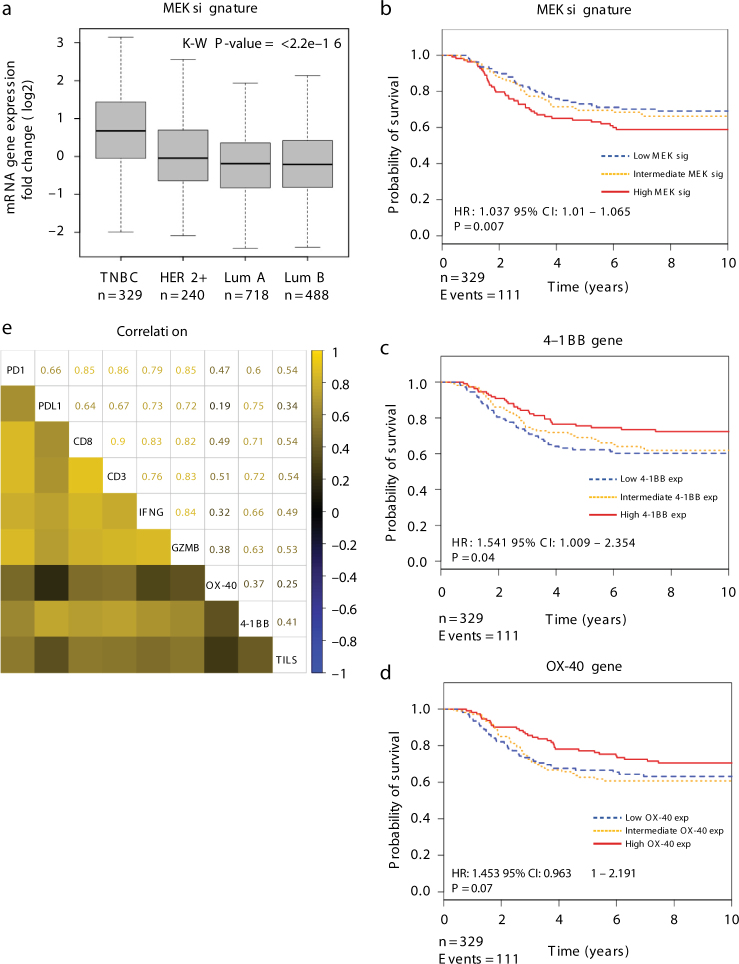
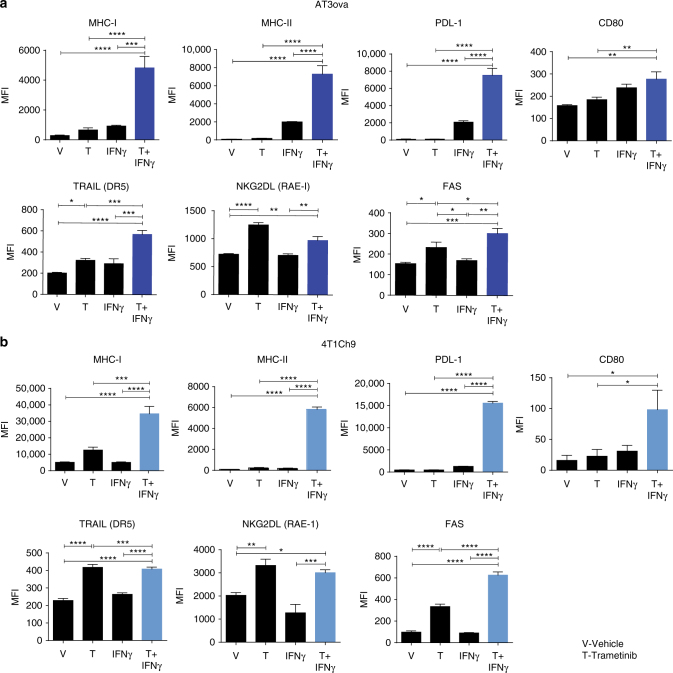
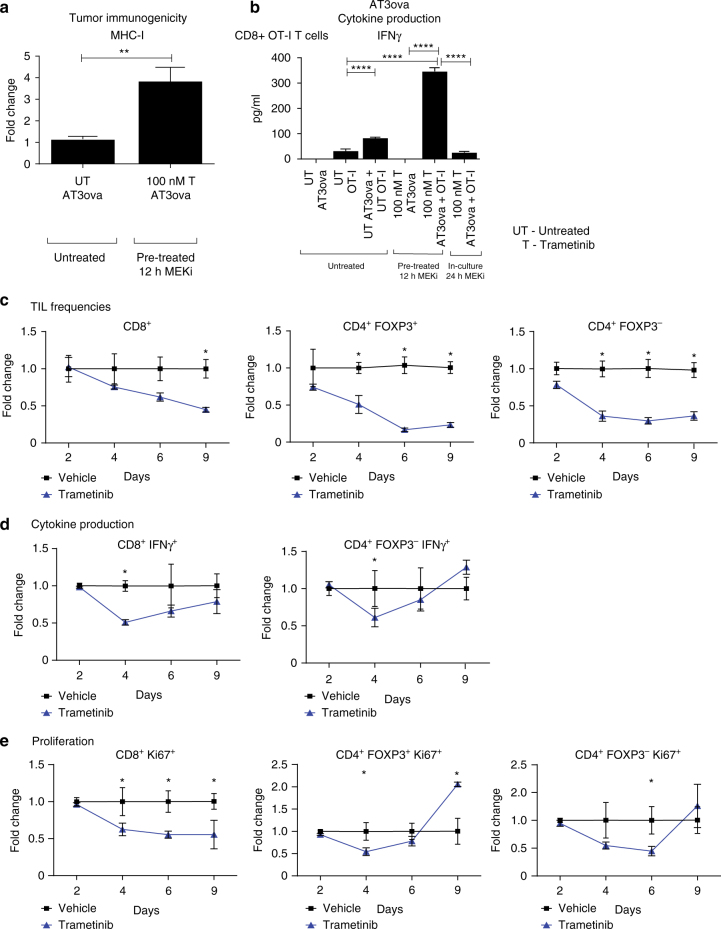
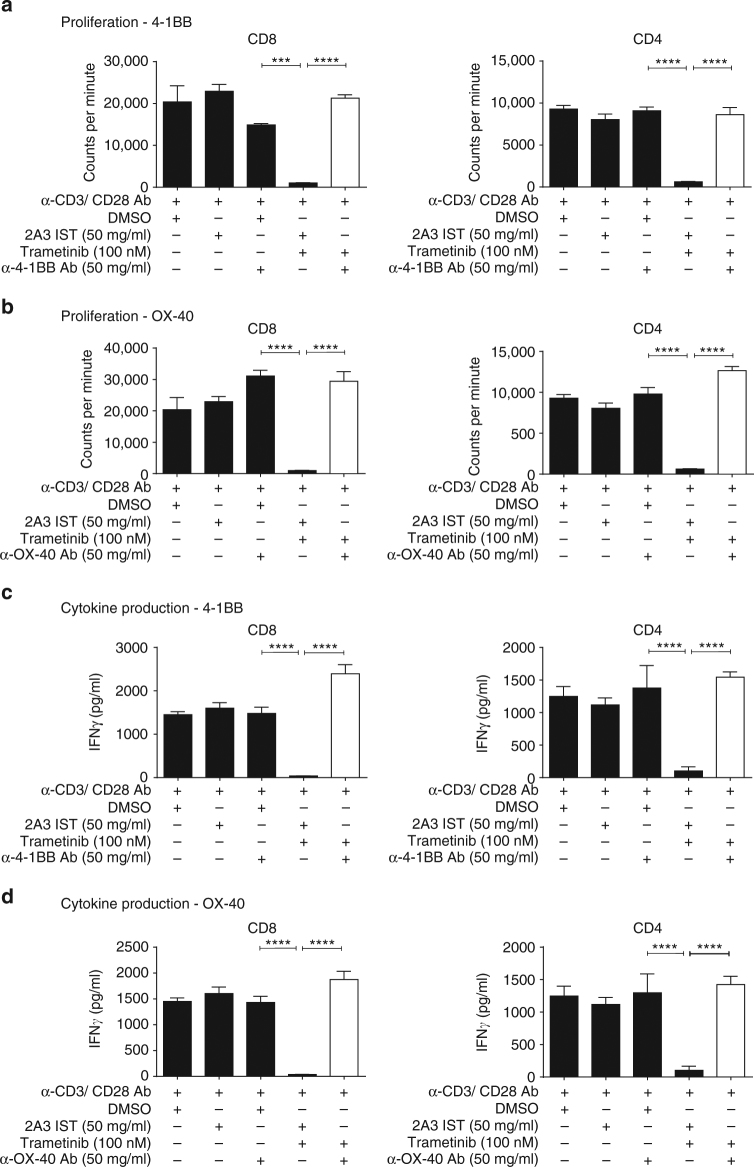
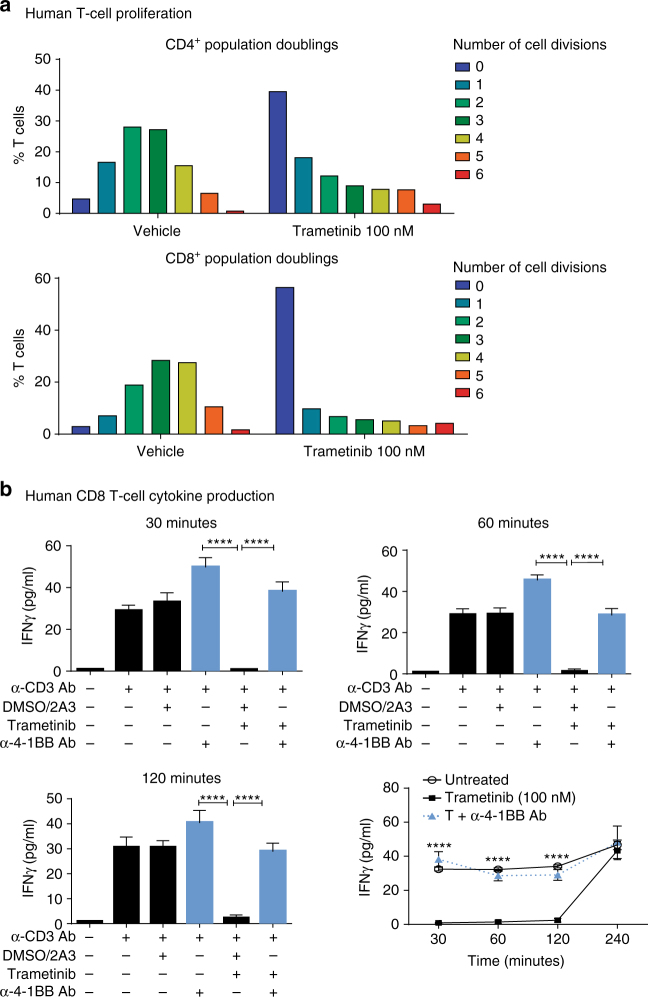
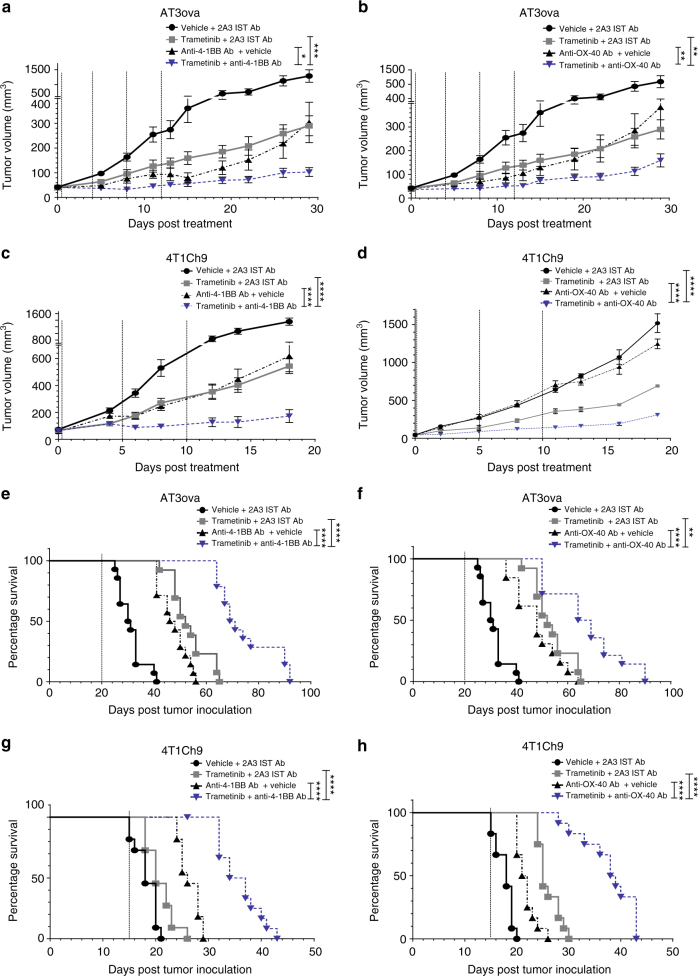
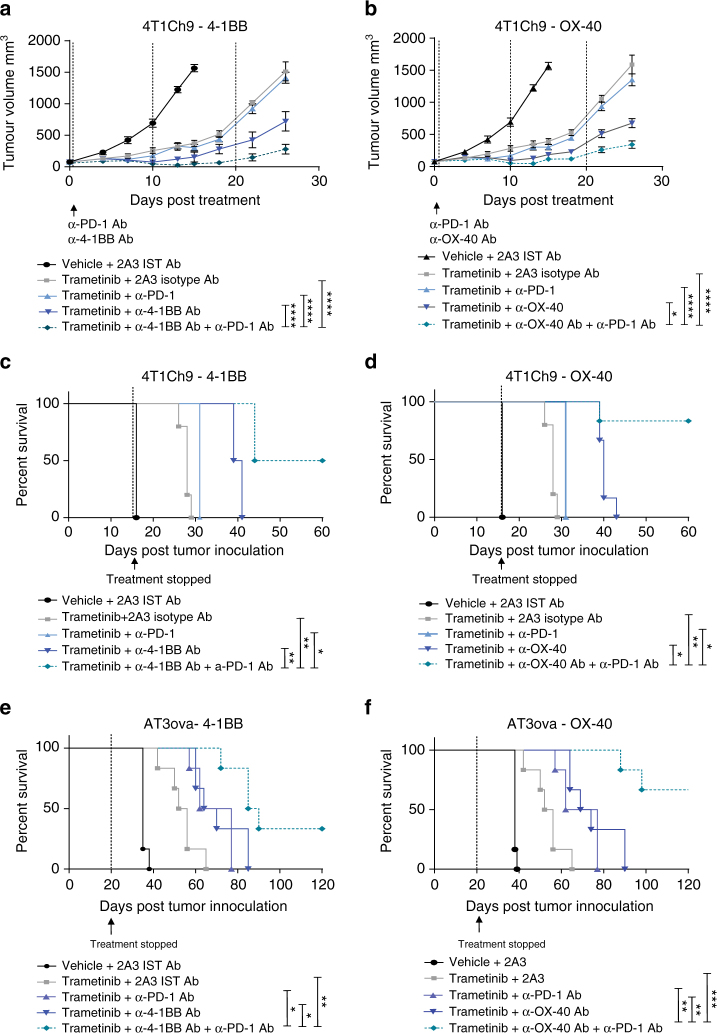
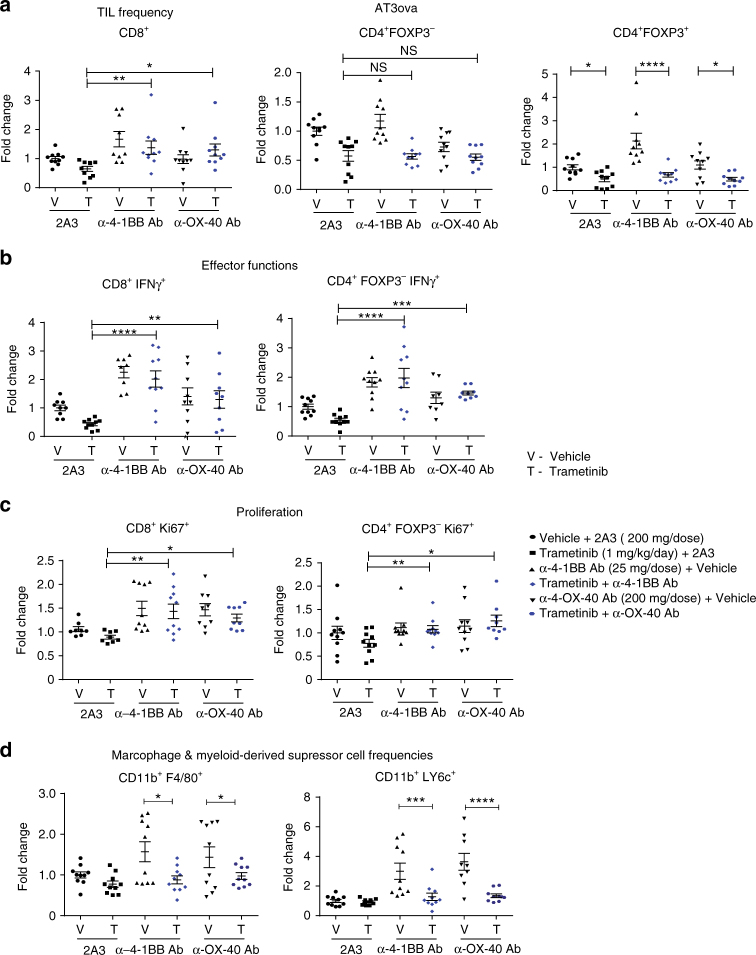
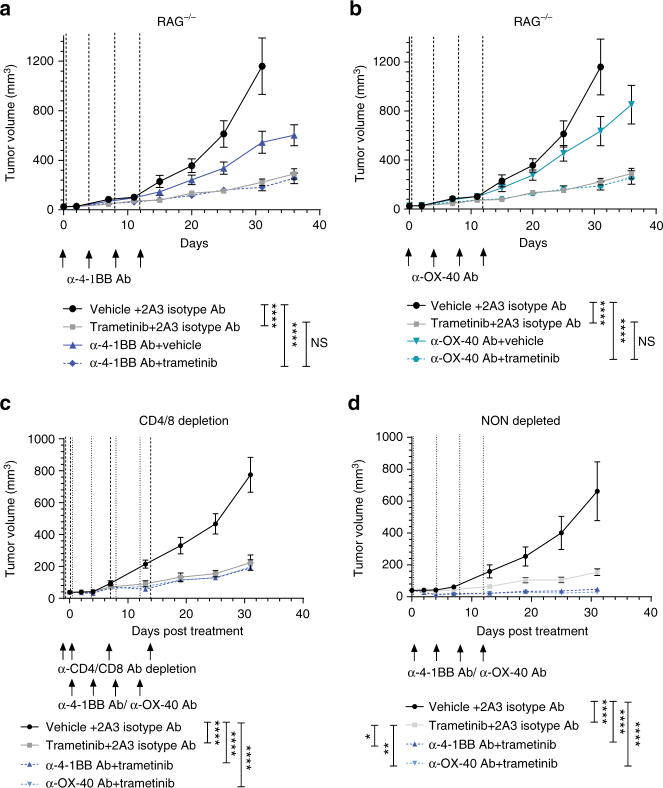
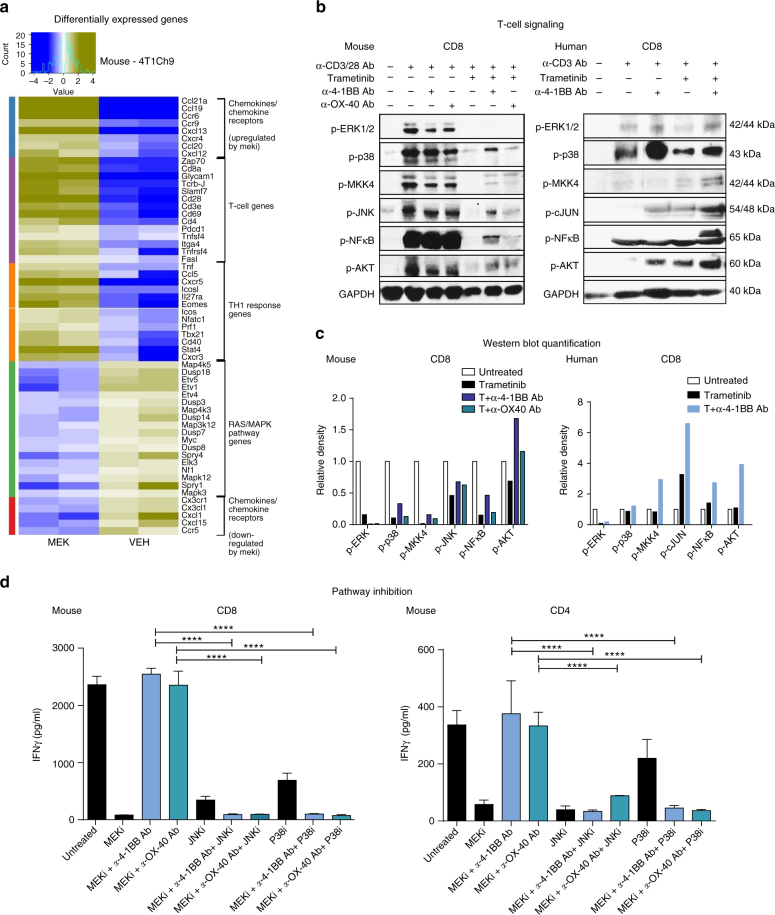
The presence of tumor-infiltrating lymphocytes in triple-negative breast cancers is correlated with improved outcomes. Ras/MAPK pathway activation is associated with significantly lower levels of tumor-infiltrating lymphocytes in triple-negative breast cancers and while MEK inhibition can promote recruitment of tumor-infiltrating lymphocytes to the tumor, here we show that MEK inhibition adversely affects early onset T-cell effector function. We show that α-4-1BB and α-OX-40 T-cell agonist antibodies can rescue the adverse effects of MEK inhibition on T cells in both mouse and human T cells, which results in augmented anti-tumor effects in vivo. This effect is dependent upon increased downstream p38/JNK pathway activation. Taken together, our data suggest that although Ras/MAPK pathway inhibition can increase tumor immunogenicity, the negative impact on T-cell activity is functionally important. This undesirable impact is effectively prevented by combination with T-cell immune agonist immunotherapies resulting in superior therapeutic efficacy.MEK inhibition in breast cancer is associated with increased tumour infiltrating lymphocytes (TILs), however, MAPK activity is required for T cells function. Here the authors show that TILs activity following MEK inhibition can be enhanced by agonist immunotherapy resulting in synergic therapeutic effects.
Overview
The claims and statistics of this paper haven’t been checked yet.
Free: it reads the open-access text and checks the first 5 claims that cite a source we can check. Create a free account to check every claim.
Integrity signals
Registry
Cites
Statistics
Figures
Verification
Claims the paper makes
The claims and statistics of this paper haven’t been checked yet.
Free: it reads the open-access text and checks the first 5 claims that cite a source we can check. Create a free account to check every claim.
Claims other papers make about this one
Each is checked against this paper’s own text: does it say what the citing paper says it does?
The source backs part of the claim, not all of it — or backs it for a different population, condition or comparison.
In the citing paper
“both BRAF and MEK inhibitors (including the FDA-approved agents vemurafenib, dabrafenib, and trametinib) mediate various cancer-cell-dependent immunostimulatory effects”
From Immunomodulation by targeted anticancer agents (2021) · cites this paper as Dushyanthen et al., 2017
Experimental — accuracy not yet measuredThe source backs part of the claim, not all of it — or backs it for a different population, condition or comparison.
In the citing paper
“improved antigen presentation on MHC class I molecules (Dushyanthen et al., 2017; Kang et al., 2019; Liu et al., 2015)”
From Immunomodulation by targeted anticancer agents (2021) · cites this paper as Dushyanthen et al., 2017
Experimental — accuracy not yet measuredIn the citing paper
“the ability of PD-1 or PD-L1 blockers (Liu et al., 2015; Loi et al., 2016) as well as immunostimulatory antibodies targeting TNF receptor superfamily member 4 (TNFRSF4, best known as OX40) or TNFRSF9 (best known as 4-1BB) (Dushyanthen et al., 2017) to improve the therapeutic activity of MEK inhibition in vivo , in syngeneic immunocompetent settings”
From Immunomodulation by targeted anticancer agents (2021) · cites this paper as Dushyanthen et al., 2017
In the citing paper
“loss of antigen presentation, TEFF cell exhaustion, and tumor infiltration by immunosuppressive cells have been commonly observed when tumors progress on KRAS, BRAF, or MEK inhibitors, in both preclinical (Dushyanthen et al., 2017; Liu et al., 2017b) and clinical settings (Frederick et al., 2013; Hugo et al., 2015)”
From Immunomodulation by targeted anticancer agents (2021) · cites this paper as Dushyanthen et al., 2017
Self-check
Percentages, sums and reported differences re-computed from the paper’s own numbers.
The self-check needs the paper’s full text.
Citations
Cites
Fast and accurate short read alignment with Burrows-Wheeler transform
Li, H., & Durbin, R. (2009) · Bioinformatics · doi:10.1093/bioinformatics/btp324 · Cited by 58,607
Subramanian, A., Tamayo, P., Mootha, V. K., Mukherjee, S., Ebert, B. L., Gillette, M. A., Paulovich, A., Pomeroy, S. L., Golub, T. R., Lander, E. S., et al. (2005) · Proceedings of the National Academy of Sciences · doi:10.1073/pnas.0506580102 · Cited by 53,625
limma powers differential expression analyses for RNA-sequencing and microarray studies
Ritchie, M. E., Phipson, B., Wu, D., Hu, Y., Law, C. W., Shi, W., & Smyth, G. K. (2015) · Nucleic Acids Research · doi:10.1093/nar/gkv007 · Cited by 40,458
PD-1 and PD-L1 Immune Checkpoint Blockade to Treat Breast Cancer
Hartkopf, A. D., Taran, F.-A., Wallwiener, M., Walter, C. B., Krämer, B., Grischke, E.-M., & Brucker, S. Y. (2016) · Breast Care · doi:10.1159/000453569 · Cited by 30,845
Cerami, E., Gao, J., Dogrusoz, U., Gross, B. E., Sumer, S. O., Aksoy, B. A., Jacobsen, A., Byrne, C. J., Heuer, M. L., Larsson, E., et al. (2012) · Cancer Discovery · doi:10.1158/2159-8290.cd-12-0095 · Cited by 17,455
Integrative Analysis of Complex Cancer Genomics and Clinical Profiles Using the cBioPortal
Gao, J., Aksoy, B. A., Dogrusoz, U., Dresdner, G., Gross, B., Sumer, S. O., Sun, Y., Jacobsen, A., Sinha, R., Larsson, E., et al. (2013) · Science Signaling · doi:10.1126/scisignal.2004088 · Cited by 15,160
Nishimura, R., Osako, T., Nishiyama, Y., Tashima, R., Nakano, M., Fujisue, M., Toyozumi, Y., & Arima, N. (2013) · Oncology · doi:10.1159/000353099 · Cited by 13,166
Comprehensive molecular portraits of human breast tumours
The Cancer Genome Atlas Network (2012) · Nature · doi:10.1038/nature11412 · Cited by 12,129
A framework for variation discovery and genotyping using next-generation DNA sequencing data
DePristo, M. A., Banks, E., Poplin, R., Garimella, K. V., Maguire, J. R., Hartl, C., Philippakis, A. A., del Angel, G., Rivas, M. A., Hanna, M., et al. (2011) · Nature Genetics · doi:10.1038/ng.806 · Cited by 11,456
Type, Density, and Location of Immune Cells Within Human Colorectal Tumors Predict Clinical Outcome
Galon, J., Costes, A., Sanchez-Cabo, F., Kirilovsky, A., Mlecnik, B., Lagorce-Pagès, C., Tosolini, M., Camus, M., Berger, A., Wind, P., et al. (2006) · Science · doi:10.1126/science.1129139 · Cited by 6,516
Cited by
Mutant BRAF and MEK inhibitors regulate the tumor immune microenvironment via pyroptosis
Erkes, D. A., Cai, W., Sanchez, I. M., Purwin, T. J., Rogers, C., Field, C. O., Berger, A. C., Hartsough, E. J., Rodeck, U., Alnemri, E. S., et al. (2020) · Cancer Discovery · doi:10.1158/2159-8290.cd-19-0672 · Cited by 459
“S3D and S3E), consistent with previous publications suggesting that MEKi inhibits T-cell function (21, 23).”
ResultKato, T., Noma, K., Ohara, T., Kashima, H., Katsura, Y., Sato, H., Komoto, S., Katsube, R., Ninomiya, T., Tazawa, H., et al. (2018) · Clinical Cancer Research · doi:10.1158/1078-0432.ccr-18-0205 · Cited by 367
“However, there are many problems that remain to be solved with regard to T-cell–mediated immunotherapies (11, 12).”
BackgroundMechanisms driving the immunoregulatory function of cancer cells
van Weverwijk, A., & de Visser, K. E. (2023) · Nature Reviews Cancer · doi:10.1038/s41568-022-00544-4 · Cited by 272
El Bairi, K., Haynes, H. R., Blackley, E., Fineberg, S., Shear, J., Turner, S., de Freitas, J. R., Sur, D., Amendola, L. C., Gharib, M., et al. (2021) · npj Breast Cancer · doi:10.1038/s41523-021-00346-1 · Cited by 268
Self-citationImmunomodulation by targeted anticancer agents
Petroni, G., Buqué, A., Zitvogel, L., Kroemer, G., & Galluzzi, L. (2021) · Cancer Cell · doi:10.1016/j.ccell.2020.11.009 · Cited by 212
Rational Cancer Treatment Combinations: An Urgent Clinical Need
Boshuizen, J., & Peeper, D. S. (2020) · Molecular Cell · doi:10.1016/j.molcel.2020.05.031 · Cited by 210
Combined CDK4/6 and PI3Kα Inhibition Is Synergistic and Immunogenic in Triple-Negative Breast Cancer
Teo, Z. L., Versaci, S., Dushyanthen, S., Caramia, F., Savas, P., Mintoff, C. P., Zethoven, M., Virassamy, B., Luen, S. J., McArthur, G. A., et al. (2017) · Cancer Research · doi:10.1158/0008-5472.can-17-2210 · Cited by 196
Self-citationPrebiotic-Induced Anti-tumor Immunity Attenuates Tumor Growth
Li, Y., Elmén, L., Segota, I., Xian, Y., Tinoco, R., Feng, Y., Fujita, Y., Segura Muñoz, R. R., Schmaltz, R., Bradley, L. M., et al. (2020) · Cell Reports · doi:10.1016/j.celrep.2020.01.035 · Cited by 189
“Furthermore, MEKi can promote tumor immunogenicity in preclinical models of triple-negative breast cancer, in which MEKi in combination with either anti-4–1BB or anti-OX-40 agonist antibodies resulted in superior therapeutic efficacy (Dushyanthen et al., 2017).”
Genomics of response to immune checkpoint therapies for cancer: implications for precision medicine
Conway, J. R., Kofman, E., Mo, S. S., Elmarakeby, H., & Van Allen, E. (2018) · Genome Medicine · doi:10.1186/s13073-018-0605-7 · Cited by 165
Targeting oncogene and non-oncogene addiction to inflame the tumour microenvironment
Petroni, G., Buqué, A., Coussens, L. M., & Galluzzi, L. (2022) · Nature Reviews Drug Discovery · doi:10.1038/s41573-022-00415-5 · Cited by 160
At the crossroads of immunotherapy for oncogene-addicted subsets of NSCLC
Otano, I., Ucero, A. C., Zugazagoitia, J., & Paz-Ares, L. G. (2023) · Nature Reviews Clinical Oncology · doi:10.1038/s41571-022-00718-x · Cited by 184
Teh, J. L. F., & Aplin, A. E. (2019) · Clinical Cancer Research · doi:10.1158/1078-0432.ccr-18-1967 · Cited by 156
“Undesirable impacts on T-cell function might potentially be circumvented by agonist immunotherapy, such as OX-40 and 4-1BB (52).”
BackgroundThe expanding role for small molecules in immuno-oncology
Offringa, R., Kötzner, L., Huck, B. R., & Urbahns, K. (2022) · Nature Reviews Drug Discovery · doi:10.1038/s41573-022-00538-9 · Cited by 150
Checkpoint blockade in the treatment of breast cancer: current status and future directions
Wein, L., Luen, S. J., Savas, P. S., Salgado, R., & Loi, S. (2018) · British Journal of Cancer · doi:10.1038/s41416-018-0126-6 · Cited by 127
“Other strategies for further investigation include (1) optimisation of antigen presentation using antibody conjugates such as sacitizimab govitecan (IMMU-132)(55,56) and STING or TLR agonists,(57) and (2) use of agents which activate effector T cells such as OX40 agonists(58) and 4-1BB agonists.(59)”
MethodSelf-citationThe Immune Microenvironment of Breast Cancer Progression
Tower, H., Ruppert, M., & Britt, K. L. (2019) · Cancers · doi:10.3390/cancers11091375 · Cited by 136
“When MEK inhibition was combined with agonist antibodies to activating receptors on T cells, or with anti-PD-1/PD-L1 therapies, survival and tumour size significantly improved in xenograft TNBC models [101,104].”
MethodGunda, V., Gigliotti, B. J., Ndishabandi, D., Ashry, T., McCarthy, M., Zhou, Z., Amin, S., Freeman, G. J., Alessandrini, A., & Parangi, S. (2018) · British Journal of Cancer · doi:10.1038/s41416-018-0296-2 · Cited by 118
“However, triple therapy with BRAFi, MEKi, and immunotherapy is a promising future direction since immunotherapy may counteract the negative immune effects of MEKi.(47) Finally, although we identified M2-polarised TAMs and MDSCs using their phenotypic markers, phenotypic assessment is necessary but not sufficient for c…”
BackgroundYarchoan, M., Cope, L., Ruggieri, A. N., Anders, R. A., Noonan, A. M., Goff, L. W., Goyal, L., Lacy, J., Li, D., Patel, A. K., et al. (2021) · Journal of Clinical Investigation · doi:10.1172/jci152670 · Cited by 113
Tumor-infiltrating CD8+ T cell antitumor efficacy and exhaustion: molecular insights
Kumar, S., Singh, S. K., Rana, B., & Rana, A. (2021) · Drug Discovery Today · doi:10.1016/j.drudis.2021.01.002 · Cited by 120
Brufsky, A., Kim, S. B., Zvirbule, Ž., Eniu, A., Mebis, J., Sohn, J. H., Wongchenko, M., Chohan, S., Amin, R., Yan, Y., et al. (2021) · Annals of Oncology · doi:10.1016/j.annonc.2021.01.065 · Cited by 92
Self-citationOX40 (CD134) and OX40 ligand, important immune checkpoints in cancer
Deng, J., Zhao, S., Zhang, X., Jia, K., Wang, H., Zhou, C., & He, Y. (2019) · OncoTargets and Therapy · doi:10.2147/ott.s214211 · Cited by 96
“ing cancer vaccines or checkpoint inhibitors with different immunotherapeutic agents could augment the anti-tumor effects and get better results in cancer patients.(6,7) Tumor necrosis factor receptor superfamily member 4 (OX40) (CD134) and OX40 ligand (OX40L) (CD134L) (CD252) are on chromosome 1.”
BackgroundWang, H., Li, S., Wang, Q., Jin, Z., Shao, W., Gao, Y., Li, L., Lin, K., Zhu, L., Wang, H., et al. (2021) · Science Advances · doi:10.1126/sciadv.abd7851 · Cited by 95
Two may be better than one: PD-1/PD-L1 blockade combination approaches in metastatic breast cancer
Page, D. B., Bear, H., Prabhakaran, S., Gatti-Mays, M. E., Thomas, A., Cobain, E., McArthur, H., Balko, J. M., Gameiro, S. R., Nanda, R., et al. (2019) · npj Breast Cancer · doi:10.1038/s41523-019-0130-x · Cited by 84
Self-citationBae, J. E., Accardi, F., Hideshima, T., Tai, Y., PRABHALA, R. H., Shambley, A., Wen, K., Rowell, S. M., Richardson, P. G. G., Munshi, N. C., et al. (2021) · Leukemia · doi:10.1038/s41375-021-01301-6 · Cited by 93
Najafi, M., Ahmadi, A., & Mortezaee, K. (2019) · Cell Biology International · doi:10.1002/cbin.11187 · Cited by 91
Baumann, D., Hägele, T., Mochayedi, J., Drebant, J., Vent, C., Blobner, S., Noll, J. H., Nickel, I., Schumacher, C., Boos, S. L., et al. (2020) · Nature Communications · doi:10.1038/s41467-020-15979-2 · Cited by 76
Choi, H., Deng, J., Li, S., Silk, T., Dong, L., Brea, E. J., Houghton, S., Redmond, D., Zhong, H., Boiarsky, J., et al. (2019) · Cell Reports · doi:10.1016/j.celrep.2019.03.066 · Cited by 72
“Moreover, prolonged blockade of TCR signaling by MEKis interferes with effector function and proliferation at the tumor site (Dushyanthen et al., 2017).”
BackgroundLi, R., Wu, K., Yu, L., Xiao, L., Lai, K. P., & Chen, J. (2020) · Briefings in Bioinformatics · doi:10.1093/bib/bbaa141 · Cited by 73
“In addition, MAPK pathway inhibition negatively affects T cell activity in breast cancer, suggesting that MAPK activity is required for T cell function [63].”
BackgroundRocca, A., Braga, L., Volpe, M. C., Maiocchi, S., & Generali, D. (2022) · Cancers · doi:10.3390/cancers14215306 · Cited by 79
Hong, A., Piva, M., Liu, S., Hugo, W., Lomeli, S. H., Zoete, V., Randolph, C. E., Yang, Z., Wang, Y., Lee, J. J., et al. (2021) · Cancer Discovery · doi:10.1158/2159-8290.cd-20-0873 · Cited by 70
Bedognetti, D., Roelands, J. P., Decock, J. V., Wang, E., & Hendrickx, W. (2017) · Emerging Topics in Life Sciences · doi:10.1042/etls20170142 · Cited by 62
Chen, Z., Wen, W., Bao, J., Kuhs, K. A. L., Cai, Q., Long, J., Shu, X., Zheng, W., & Guo, X. (2019) · BMC Medical Genomics · doi:10.1186/s12920-019-0579-3 · Cited by 64
He, Y., Zhang, X., Jia, K., Dziadziuszko, R., Zhao, S., Deng, J., Wang, H., Hirsch, F. R., & Zhou, C. (2019) · Translational Lung Cancer Research · doi:10.21037/tlcr.2019.08.15 · Cited by 57
“Moreover, as a pivotal biomarker expressed in immune system, OX40 also serves as an important marker in associate with MEK, Dectin-1, RORγt+ CD8+ T Cells and other immune modulator in the anti-cancer immunology setting (76-82).”
BackgroundImmunotherapy in Biliary Tract Cancers: Current Standard-of-Care and Emerging Strategies
Lo, J. H.-J., Agarwal, R., Goff, L. W., & Heumann, T. R. (2023) · Cancers · doi:10.3390/cancers15133312 · Cited by 58
Avery, T. Y., Köhler, N., Zeiser, R., Brummer, T., & Ruess, D. A. (2022) · Frontiers in Oncology · doi:10.3389/fonc.2022.931774 · Cited by 54
“Prolonged blockade of TCR signaling by means of MEK inhibition was shown to interfere with effector function and proliferation of T cells at the tumor site (24).”
BackgroundOh, C. Y., Klatt, M. G., Bourne, C. M., Dao, T., Dacek, M. M., Brea, E. J., Mun, S. S., Chang, A. Y., Korontsvit, T., & Scheinberg, D. A. (2019) · Cancer Immunology Research · doi:10.1158/2326-6066.cir-19-0056 · Cited by 49
“Whereas we and others have previously shown that MEK inhibitors also upregulated HLA, these drugs also adversely affect T-cell function (14, 19, 57, 58).”
ResultBaumann, D., Drebant, J., Hägele, T., Burger, L., Serger, C., Lauenstein, C., Dudys, P., Erdmann, G., & Offringa, R. (2021) · Journal for ImmunoTherapy of Cancer · doi:10.1136/jitc-2020-002319 · Cited by 48
Raghavendra, A., Croft, P. K., Vargas, A. C., Smart, C. E., Simpson, P. T., Saunus, J. M., & Lakhani, S. R. (2018) · Histopathology · doi:10.1111/his.13498 · Cited by 49
MEK activation modulates glycolysis and supports suppressive myeloid cells in TNBC
Franklin, D. A., Sharick, J. T., Ericsson, P. I. G., Sanchez, V. M., Dean, P. T., Opalenik, S. R., Cairo, S., Judde, J., Lewis, M. T., Chang, J. C., et al. (2020) · JCI Insight · doi:10.1172/jci.insight.134290 · Cited by 46
“despite its proliferative effects on naive T cells (10, 47).”
BackgroundSelf-citationTuran, T., Kongpachith, S., Halliwill, K. D., Roelands, J. P., Hendrickx, W., Marincola, F. M., Hudson, T. J., Jacob, H. J., Bedognetti, D., Samayoa, J. A., et al. (2020) · British Journal of Cancer · doi:10.1038/s41416-020-01145-4 · Cited by 45
Mitogen-Activated Protein Kinase Inhibitors and T-Cell-Dependent Immunotherapy in Cancer
Kumar, S., Principe, D. R., Singh, S. K., Viswakarma, N., Sondarva, G. V., Rana, B., & Rana, A. (2020) · Pharmaceuticals · doi:10.3390/ph13010009 · Cited by 41
“Early results suggest that this combined approach induces robust antitumor effects mediated predominantly by cytotoxic T lymphocytes [19].”
BackgroundMethodInfluentialEkiz, H. A., Lai, S.-C. A., Gundlapalli, H., Haroun, F., Williams, M. A., & Welm, A. L. (2018) · OncoImmunology · doi:10.1080/2162402x.2018.1480286 · Cited by 39
Tumor and Systemic Immunomodulatory Effects of MEK Inhibition
Dennison, L., Mohan, A. A., & Yarchoan, M. M. (2021) · Current Oncology Reports · doi:10.1007/s11912-020-01008-4 · Cited by 40
“investigated the benefit of combining agonist therapies with theMEK inhibitor trametinib [20].”
BackgroundInfluentialTranslation of cancer immunotherapy from the bench to the bedside
Guo, Q., Huang, F., Gonçalves, C., Rincon, S. V. D., & Miller, W. H. (2019) · Advances in cancer research · doi:10.1016/bs.acr.2019.03.001 · Cited by 43
Hacking, S. M., Yakirevich, E., & Wang, Y. (2022) · Cancers · doi:10.3390/cancers14143469 · Cited by 43
“Recent studies also indicated that TILs predict response to immunotherapy and chemotherapy along with other targeted therapies [48,49].”
BackgroundThe emerging role of immune checkpoint inhibitors for the treatment of breast cancer
Howard, F. M., Villamar, D. M., He, G., Pearson, A. T., & Nanda, R. (2021) · Expert Opinion on Investigational Drugs · doi:10.1080/13543784.2022.1986002 · Cited by 36
Dongye, Z., Wu, X., Wen, Y., Ding, X., Wang, C., Zhao, T., Li, J., & Wu, Y. (2022) · International Immunopharmacology · doi:10.1016/j.intimp.2022.109093 · Cited by 33
Mixed lineage kinase 3 inhibition induces T cell activation and cytotoxicity
Kumar, S., Singh, S. K., Viswakarma, N., Sondarva, G. V., Nair, R. S., Sethupathi, P., Sinha, S. C., Emmadi, R., Hoskins, K. F., Danciu, O. C., et al. (2020) · Proceedings of the National Academy of Sciences · doi:10.1073/pnas.1921325117 · Cited by 37
“The MAPKs or their downstream effectors have been targeted for cancer therapy and are reported to play an important role in host immunity (30, 31).”
BackgroundFranklin, D. A., James, J. L., Axelrod, M. L., & Balko, J. M. (2020) · Cancer Drug Resistance · doi:10.20517/cdr.2019.109 · Cited by 38
“Previous studies have shown that MEKi treatment inhibits naïve T cell activation and this could be bypassed via cotreatment with a T cell agonist such as α-OX-40[26].”
BackgroundSelf-citationSmall-Molecule PROTACs for Cancer Immunotherapy
Liu, Z., Zhang, Y., Xiang, Y., & Kang, X. (2022) · Molecules · doi:10.3390/molecules27175439 · Cited by 31
Alternate NF-κB-Independent Signaling Reactivation of Latent HIV-1 Provirus
Acchioni, C., Remoli, A. L., Marsili, G., Acchioni, M., Nardolillo, I., Orsatti, R., Farcomeni, S., Palermo, E., Perrotti, E., Barreca, M. L., et al. (2019) · Journal of Virology · doi:10.1128/jvi.00495-19 · Cited by 27
“The active form of c-Jun, phosphorylated at Ser63, was also preferentially detected with the combined treatment but with a strong decrease in 2NΔ4 cells compared to control cells (Fig.”
BackgroundInfluentialTeo, Z. L., O’Connor, M. J., Versaci, S., Clarke, K. A., Brown, E., Percy, L. W., Kuykhoven, K. S., Mintoff, C., Savas, P. S., Virassamy, B., et al. (2023) · npj Breast Cancer · doi:10.1038/s41523-023-00568-5 · Cited by 35
Self-citationHan, M. G., Wee, C. W., Kang, M. H., Kim, M. J., Jeon, S. H., & Kim, I. A. (2022) · Cancers · doi:10.3390/cancers14112692 · Cited by 30
Bae, J. E., Samur, M., Richardson, P. G. G., Munshi, N. C., & Anderson, K. C. (2019) · Leukemia · doi:10.1038/s41375-019-0414-z · Cited by 33
Empowering the Potential of CAR-T Cell Immunotherapies by Epigenetic Reprogramming
Alvanou, M., Lysandrou, M., Christofi, P., Psatha, N., Spyridonidis, A., Παπαδοπούλου, Α., & Yannaki, E. (2023) · Cancers · doi:10.3390/cancers15071935 · Cited by 32
Cortesi, A., Gandolfi, F., Arco, F., Chiaro, P. D., Valli, E., Polletti, S., Noberini, R., Gualdrini, F., Attanasio, S., Citron, F., et al. (2024) · Science Advances · doi:10.1126/sciadv.adk5386 · Cited by 29
“Nevertheless, such effects can be counteracted by treatments with various T cell agonists ( 59 ), thus suggesting that immune checkpoint inhibitors may neutralize the negative consequences of disabling the ERK pathway in T cells.”
BackgroundCui, C., Zhang, H., Yang, C., Yin, M., Teng, X., Yang, M., Kong, D., Zhang, J., Peng, W., Chu, Z., et al. (2024) · Cancer Research · doi:10.1158/0008-5472.can-24-0940 · Cited by 28
Heumann, T. R., & Azad, N. S. (2021) · Cancer and Metastasis Reviews · doi:10.1007/s10555-021-09981-3 · Cited by 28
Tomida, A., Yagyu, S., Nakamura, K., Kubo, H., Yamashima, K., Nakazawa, Y., Hosoi, H., & Iehara, T. (2021) · Cancer Science · doi:10.1111/cas.15074 · Cited by 26
Li, Z.-J., He, B., Domenichini, A., Satiaputra, J., Wood, K. H., Lakhiani, D. D., Bashaw, A. A., Nilsson, L. M., Li, J., Bastow, E. R., et al. (2024) · Journal of Clinical Investigation · doi:10.1172/jci179860 · Cited by 29
BRAF and MEK inhibition in melanoma patients enables reprogramming of tumor infiltrating lymphocytes
Peiffer, L., Farahpour, F., Sriram, A., Spassova, I., Hoffmann, D. E., Kubat, L., Stoitzner, P., Gambichler, T., Sucker, A., Ugurel, S., et al. (2020) · Cancer Immunology Immunotherapy · doi:10.1007/s00262-020-02804-4 · Cited by 26
Dennison, L., Ruggieri, A. N., Mohan, A. A., Leatherman, J. M., Cruz, K. A., Woolman, S., Azad, N. S., Lesinski, G. B., Jaffee, E. M., & Yarchoan, M. M. (2021) · Cancer Immunology Research · doi:10.1158/2326-6066.cir-21-0147 · Cited by 26
Directing T-Cell Immune Responses for Cancer Vaccination and Immunotherapy
Smith, P. L., Piadel, K., & Dalgleish, A. G. (2021) · Vaccines · doi:10.3390/vaccines9121392 · Cited by 24
Teh, J. L. F., Erkes, D. A., Cheng, P. F., Tiago, M., Wilski, N. A., Field, C. O., Chervoneva, I., Levesque, M. P., Xu, X., Dummer, R., et al. (2020) · Cancer Immunology Research · doi:10.1158/2326-6066.cir-19-0743 · Cited by 22
“MEKi alone promotes infiltration of CD8þ T cells into the tumor but may impair T-cell priming and effector functions (16).”
BackgroundResultMetabolic and epigenetic orchestration of (CAR) T cell fate and function
Akbari, B., Hosseini, Z., Shahabinejad, P., Ghassemi, S., Mirzaei, H. R., & O’Connor, R. S. (2022) · Cancer Letters · doi:10.1016/j.canlet.2022.215948 · Cited by 22
Selective tubulin-binding drugs induce pericyte phenotype switching and anti-cancer immunity
He, B., Wood, K. H., Li, Z., Ermer, J. A., Li, J., Bastow, E. R., Sakaram, S., Darcy, P. K., Spalding, L. J., Redfern, C., et al. (2025) · EMBO Molecular Medicine · doi:10.1038/s44321-025-00222-6 · Cited by 24
“To assess the stromal effects of these drugs on breast cancer, a C57BL/6 triple negative breast cancer (TNBC) model was employed which expresses the tumor antigen ovalbumin (AT3-OVA) for advanced immunological analyses in conjunction with congenic anti-OVA T cells (Dushyanthen et al, 2017).”
Self-citationFinkelman, B. S., Zhang, H., Hicks, D. G., Rimm, D. L., & Turner, B. M. (2025) · Human Pathology · doi:10.1016/j.humpath.2025.105866 · Cited by 25
Bullock, K. K., & Richmond, A. J. (2024) · Cancers · doi:10.3390/cancers16122189 · Cited by 24
Morante, M., Pandiella, A., Crespo, P., & Herrero, A. (2022) · Biomolecules · doi:10.3390/biom12111562 · Cited by 23
Frazao, A., Rethacker, L., Jeudy, G., Colombo, M., Pasmant, É., Avril, M., Toubert, A., Moins‐Teisserenc, H., Roelens, M., Dalac, S., et al. (2020) · Journal for ImmunoTherapy of Cancer · doi:10.1136/jitc-2019-000275 · Cited by 23
“26 The impact of targeted therapies on the expression of immune regulators may directly influence antitumor immune responses.”
Chen, B., Shi, Y., Zhang, Y., Zhang, D., Lu, X., Xu, Q., Pan, Y., Kankala, R. K., Wang, S., & Chen, A. (2025) · Advanced Functional Materials · doi:10.1002/adfm.202504621 · Cited by 24
Ledys, F., Kalfeist, L., Galland, L., Limagne, E., & Ladoire, S. (2021) · Cancers · doi:10.3390/cancers13235999 · Cited by 21
B7 homolog 3 induces lung metastasis of breast cancer through Raf/MEK/ERK axis
Wang, S., Zhang, X., Ning, H., Dong, S., Wang, G., & Rui-mei, S. (2022) · Breast Cancer Research and Treatment · doi:10.1007/s10549-022-06520-8 · Cited by 15
“1 3 study has also shown that although MEK is over-activated in breast cancer and the degree of activation is negatively correlated with survival time, MEK inhibitor can increase breast cancer immunogenicity and decrease T-cell activity, which stimulates infiltration of the tumor-infiltrating lymphocytes [38].”
BackgroundUnderstanding genetic determinants of resistance to immune checkpoint blockers
Aspeslagh, S., Chabanon, R. M., Champiat, S., & Postel-Vinay, S. C. (2019) · Seminars in Cancer Biology · doi:10.1016/j.semcancer.2019.12.020 · Cited by 17
Turan, T., Kongpachith, S., Halliwill, K. D., Roelands, J. P., Hendrickx, W., Marincola, F. M., Hudson, T. J., Jacob, H. J., Bedognetti, D., Samayoa, J. A., et al. (2020) · British Journal of Cancer · doi:10.1038/s41416-020-01193-w · Cited by 15
Ruggieri, A. N., Yarchoan, M. M., Goyal, S., Liu, Y., Sharon, E., Chen, H. X., Olson, B. M., Paulos, C. M., El‐Rayes, B. F., Maithel, S. K., et al. (2022) · Clinical Cancer Research · doi:10.1158/1078-0432.ccr-22-1123 · Cited by 15
Immune-related adverse events associated with cancer immunotherapy
Kungwankiattichai, S., Desai, A. J., Koppinger, S., & Maziarz, R. T. (2025) · Med · doi:10.1016/j.medj.2025.100800 · Cited by 16
Molecular Changes in Breast Cancer Induced by Radiation Therapy
Sheva, K., Chowdhury, S. R., Kravchenko‐Balasha, N., & Meirovitz, A. (2024) · International Journal of Radiation Oncology*Biology*Physics · doi:10.1016/j.ijrobp.2024.03.019 · Cited by 19
Li, H., Liu, H., Hao, Q., Liu, X., Yao, Y., & Cao, M. (2022) · Frontiers in Immunology · doi:10.3389/fimmu.2022.891175 · Cited by 20
“Tumor-infiltrating lymphocytes (TILs) have been considered as predictive (9, 10) and prognostic (11, 12) biomarkers of immunotherapy in patients undergoing TNBC and HER2 BC treatment.”
BackgroundRinchai, D., Verzoni, E., Huber, V., Cova, A., Squarcina, P., Cecco, L. D., de Braud, F., Ratta, R., Dugo, M., Lalli, L., et al. (2021) · Clinical and Translational Medicine · doi:10.1002/ctm2.434 · Cited by 11
Schirizzi, A., Leonardis, G. D., Lorusso, V., Donghia, R., Rizzo, A., Vallarelli, S., Ostuni, C., Troiani, L., Lolli, I. R., Giannelli, G., et al. (2023) · Cancers · doi:10.3390/cancers15082376 · Cited by 12
Pericyte phenotype switching in cancer
He, B., & Ganß, R. (2025) · Trends in cancer · doi:10.1016/j.trecan.2025.06.005 · Cited by 11
Shi, M., Chen, Y., & Ji, D. (2022) · Future Oncology · doi:10.2217/fon-2022-0061 · Cited by 10
Sun, X., Wang, C.-Q., Mao, Y., Zhang, Z., Cui, J., Dong, X., & Wang, H. (2023) · Clinical Breast Cancer · doi:10.1016/j.clbc.2023.12.011 · Cited by 10
Changes in the Immune Cell Repertoire for the Treatment of Malignant Melanoma
Nakamura, K., & Okuyama, R. (2022) · International Journal of Molecular Sciences · doi:10.3390/ijms232112991 · Cited by 10
Small molecule inhibitors targeting regulatory T cells for cancer treatment
García‐Díaz, N., Wei, Q., & Taskén, K. (2023) · European Journal of Immunology · doi:10.1002/eji.202350448 · Cited by 10
“…GDC-0623 synergizes with an α CD40 antibody to promote dendritic cells maturation and Teffs activation facilitating tumor regression [47], while the combination of trametinib with a T-cell agonist antibody (anti-4-1BB or anti-OX-40) restored the MEKi-mediated suppression of Teff function [48].”
BackgroundImmunotherapy for the treatment of biliary tract cancer: an evolving landscape
Wilbur, H. C., & Azad, N. S. (2024) · Therapeutic Advances in Medical Oncology · doi:10.1177/17588359241235799 · Cited by 9
Harper, T. A., Bacot, S. M., Fennell, C. J., Matthews, R. L., Zhu, C., Yue, P., Benton, A., Friedman, D., Akue, A. D., KuKuruga, M. A., et al. (2021) · International Journal of Molecular Sciences · doi:10.3390/ijms222111848 · Cited by 10
“We then analyzed whether nivolumab-induced activation of the MAPK pathway results in the nivolumab-induced IL-10 production by trametinib, a MEK inhibitor which has been shown to effectively and specifically block activation of the MAPK pathway in T cells [40].”
BackgroundIntermittent MEK inhibition for the treatment of metastatic uveal melanoma
Khan, S. A., Patel, S. P., Shoushtari, A. N., Ambrosini, G., Cremers, S., Lee, S. Y., Franks, L. E., Singh-Kandah, S. V., Hernandez, S., Sender, N., et al. (2022) · Frontiers in Oncology · doi:10.3389/fonc.2022.975643 · Cited by 10
Dong, L., Choi, H., Budhu, S., Schulze, I., Verma, S., Mangarin, L. M. B., Navarro, V. E., Mehanna, N., Khan, J. F., Venkatesh, D., et al. (2024) · Cancer Immunology Research · doi:10.1158/2326-6066.cir-23-0729 · Cited by 7
Hernández‐Prat, A., Rodríguez‐Vida, A., Cardona, L., Qin, M., Arpí-LLucià, O., Soria‐Jiménez, L., Menéndez, S., Quimis, F. G., Galindo, M., Arriola, E., et al. (2024) · Molecular Oncology · doi:10.1002/1878-0261.13699 · Cited by 10
“Similar results have been seen with various targeted therapies like RET and ALK inhibitors [58], EGFR inhibitors [59], CDK4/6 inhibitors [60] and MEK inhibitors [61] which are also able to increase HLA-I.”
MAPK and STAT3 Inhibitors Modulate FoxP3 Expression and Regulatory T Cell Function
García‐Díaz, N., Solli, E., Hajjar, E., Cornillot-Clément, S., Landskron, J., Ahmad, R., Wei, Q., & Taskén, K. (2025) · European Journal of Immunology · doi:10.1002/eji.202451225 · Cited by 8
“Furthermore, small molecules such as MEK inhibitors [20–22] targeting Tregs are supported as good candidates for future combinatorial treatments.”
Liu, Z., Mao, S., Dai, L., Huang, R.-Z., Hu, W., Yu, C., Yang, Y., Cao, G., & Huang, X. (2024) · Bioorganic & Medicinal Chemistry · doi:10.1016/j.bmc.2024.117936 · Cited by 7
Yuan, C., Huang, J., Li, H., Zhai, R., Zhai, J., Fang, X., & Wu, Y. (2023) · Frontiers in Surgery · doi:10.3389/fsurg.2023.1102545 · Cited by 9
“Previous studies have shown that the levels of CD4 and CD8 T lymphocytes are closely related to the clinical characteristics and prognosis of various malignancies, such as pancreatic cancer (4), bladder cancer (5), and breast cancer (6).”
BackgroundTerp, M. G., Gammelgaard, O. L., Vever, H., Gjerstorff, M. F., & Ditzel, H. J. (2021) · Molecular Oncology · doi:10.1002/1878-0261.13046 · Cited by 10
“The negative impact of increased CD73 expression following MEKi exposure on T-cell activation exemplifies the potential clinical problem of MEKi-induced modulation of the TME.”
BackgroundInfluentialBari, S., Muzaffar, J., & Eroglu, Z. (2022) · Therapeutic Advances in Medical Oncology · doi:10.1177/17588359221090306 · Cited by 7
Recent progress in emerging molecular targeted therapies for intrahepatic cholangiocarcinoma
Kim, Y., Song, J., Kim, N., & Sim, T. (2025) · RSC Medicinal Chemistry · doi:10.1039/d4md00881b · Cited by 6
Keshavarz, F., Soltanshahi, M., Ayadilord, M., Mortazavi, F. S., Shabani, M., & Jalali, S. A. (2026) · Cancer Cell International · doi:10.1186/s12935-025-04141-x · Cited by 6
“While the overall immunomodulatory effects remain under clinical investigation, the use of selumetinib to inhibit the MAPK pathway has been shown to potentiate the effects of immunotherapies in specific malignancies by altering immune cell dynamics [34–36].”
Targeting MEK in cancer and beyond: mechanistic insights and therapeutic opportunities
Chan, W. Y., da Silva, I. P., Long, G. V., & Rizos, H. (2026) · The Lancet · doi:10.1016/s0140-6736(26)00199-6 · Cited by 6
Zidan, M. F., Zidan, A. A., Saad, M., El-Shanshory, M. R., Bakry, U., Sobh, A., Abdou, S., & Salem, M. L. (2022) · Human Immunology · doi:10.1016/j.humimm.2022.10.005 · Cited by 5
Chou, M.-Y., & Yang, M. (2025) · Translational Oncology · doi:10.1016/j.tranon.2025.102353 · Cited by 6
“Additionally, since MEK signaling in lymphocytes is crucial for T-cell activation and function, its inhibition has been shown to adversely affect early T-cell effector function [52].”
Metadata
- Authors
- Dushyanthen, S., Teo, Z. L., Caramia, F., Savas, P., Mintoff, C. P., Virassamy, B., Henderson, M. A., Luen, S. J., Mansour, M., Kershaw, M. H., Trapani, J. A., Neeson, P. J., Salgado, R., McArthur, G. A., Balko, J. M., Beavis, P. A., Darcy, P. K., & Loi, S.
- Affiliations
- Peter MacCallum Cancer Centre (AU)
- The University of Melbourne (AU)
- Institut Jules Bordet (BE)
- Vanderbilt University (US)
- Corresponding author
- Beavis, Paul A.
- Darcy, Phillip K.
- Loi, Sherene
- ORCID
- Venue
- Nature Communications
- Published
- 2017-09-19
- Volume
- 8
- Issue
- 1
- Pages
- 606-606
- ISSN
- 2041-1723 (ISSN-L)
- PMC
- PMC5605577
- OpenAlex
- W2754588487
- Cited by
- 124
- References
- 66
- Citations by year
- 2026: 9 · 2025: 13 · 2024: 12 · 2023: 11 · 2022: 19 · 2021: 18 · 2020: 17 · 2019: 14 · 2018: 9 · 2017: 2
- FWCI
- 5.06
- Type
- journal article
- Language
- en
- Open access
- gold
- doi.org
- Licence
- cc-by
- creativecommons.org/licenses/by/4.0 (tdm)
- creativecommons.org/licenses/by/4.0 (vor)
- Locations
- Nature Communications (publishedVersion, cc-by)
- PubMed Central (publishedVersion, cc-by)
- PubMed (publishedVersion)
- Minerva Access (University of Melbourne) (submittedVersion, other-oa)
- RePEc: Research Papers in Economics (submittedVersion)
- Dépôt institutionnel de l'Université libre de Bruxelles (Université Libre de Bruxelles) (submittedVersion, other-oa)
- DOAJ (DOAJ: Directory of Open Access Journals) (submittedVersion, cc-by-sa)
- DOAJ (DOAJ: Directory of Open Access Journals) (submittedVersion)
- Funders
- Breast Cancer Research Foundation
- National Breast Cancer Foundation
- Medical Research Council
- National Health and Medical Research Council (1058388, 1041828)
- Topics
- Health Sciences › Medicine › Oncology › Cancer Immunotherapy and Biomarkers
- Life Sciences › Biochemistry, Genetics and Molecular Biology › Molecular Biology › Melanoma and MAPK Pathways
- Life Sciences › Immunology and Microbiology › Immunology › T-cell and B-cell Immunology
- Keywords
- MEK inhibition, triple-negative breast cancer, tumor-infiltrating lymphocytes, RAS/MAPK pathway, 4-1BB, OX40, T cell effector function, combination immunotherapy, antitumor immunity
- MeSH terms
- Animals, Breast Neoplasms, Female, Humans, Immunotherapy, Pyridones, Pyrimidinones, T-Lymphocytes, Mammary Neoplasms, Animal, T-Lymphocyte Subsets, Lymphocytes, Tumor-Infiltrating, MAP Kinase Signaling System, Cell Line, Tumor, Protein Kinase Inhibitors, MAP Kinase Kinase 1, MAP Kinase Kinase 2, Cell Proliferation, Mice, OX40 Ligand, 4-1BB Ligand, Triple Negative Breast Neoplasms
About these checks
Registry, retraction, Cites and statistics results are computed, not judged, with one exception: a printed reference that no index lists is read once by a model before it counts as a citation error. Claims are extracted by a model and kept only when their quote appears verbatim in the text; each cited source is then checked, with a model’s help, for whether it says what the claim relies on. Those verdicts can be wrong — read the claim’s quote and the cited source before relying on one.
Statistics and arithmetic are recomputed, not judged.
Confidence bands are shown only for fields calibrated on our annotated test set. None is calibrated yet, so no band is shown.
What counts as a claim ›How we measure confidence ›How we check this ›
Are you an author, or do you see a problem with this page? Request a review
Data sources
Bibliographic data: Semantic Scholar, OpenAlex, Crossref.
Contains information from the Semantic Scholar Academic Graph Datasets, made available under the ODC Attribution License (ODC-BY 1.0).
Semantic Scholar’s data is described in: Kinney, R., et al. (2023). The Semantic Scholar Open Data Platform. arXiv:2301.10140.
