

Mutant FUS causes DNA ligation defects to inhibit oxidative damage repair in Amyotrophic Lateral Sclerosis
Open accessThe DOI matches its Crossref record; 67 of the 67 references it cites were found in a registry or an index.
Abstract
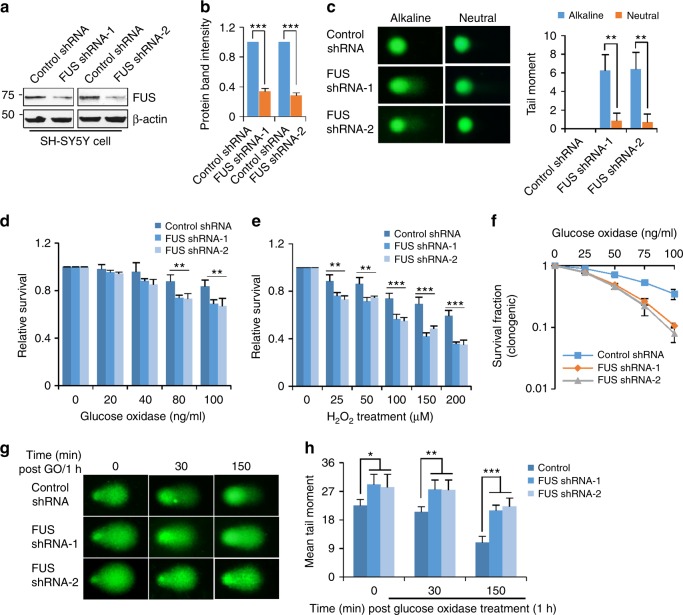
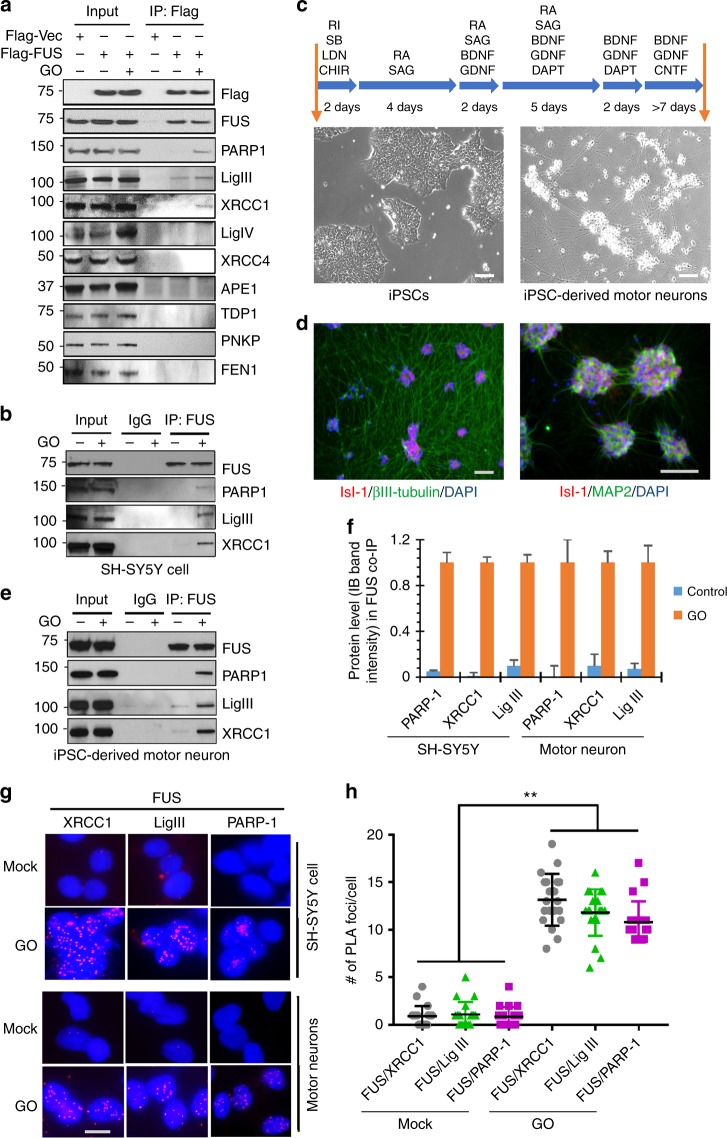
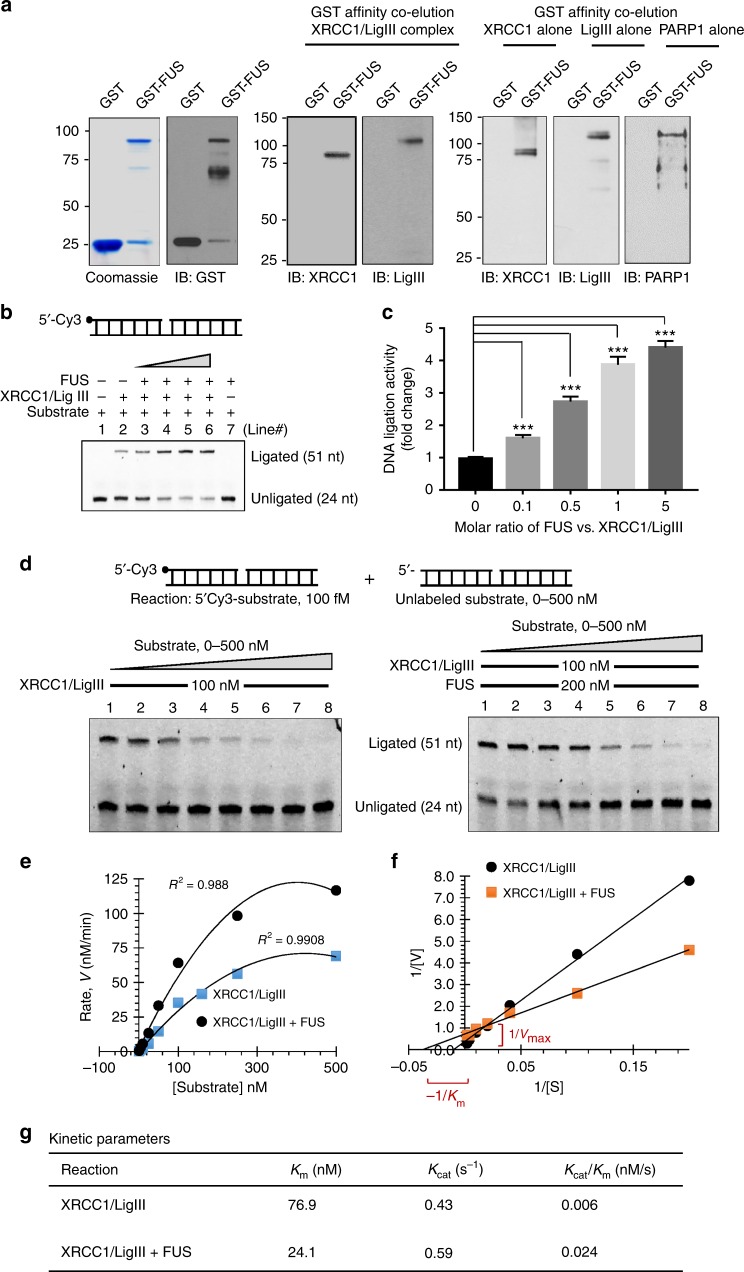
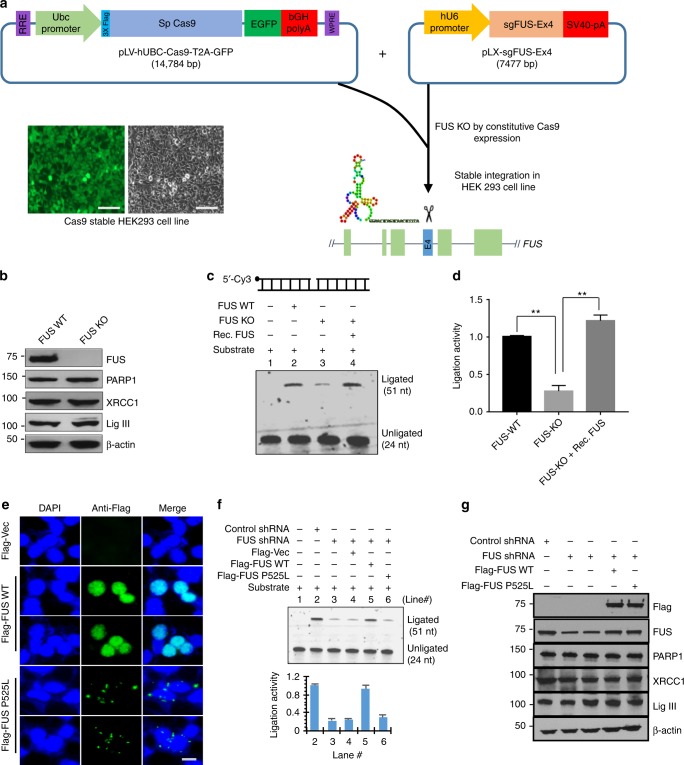
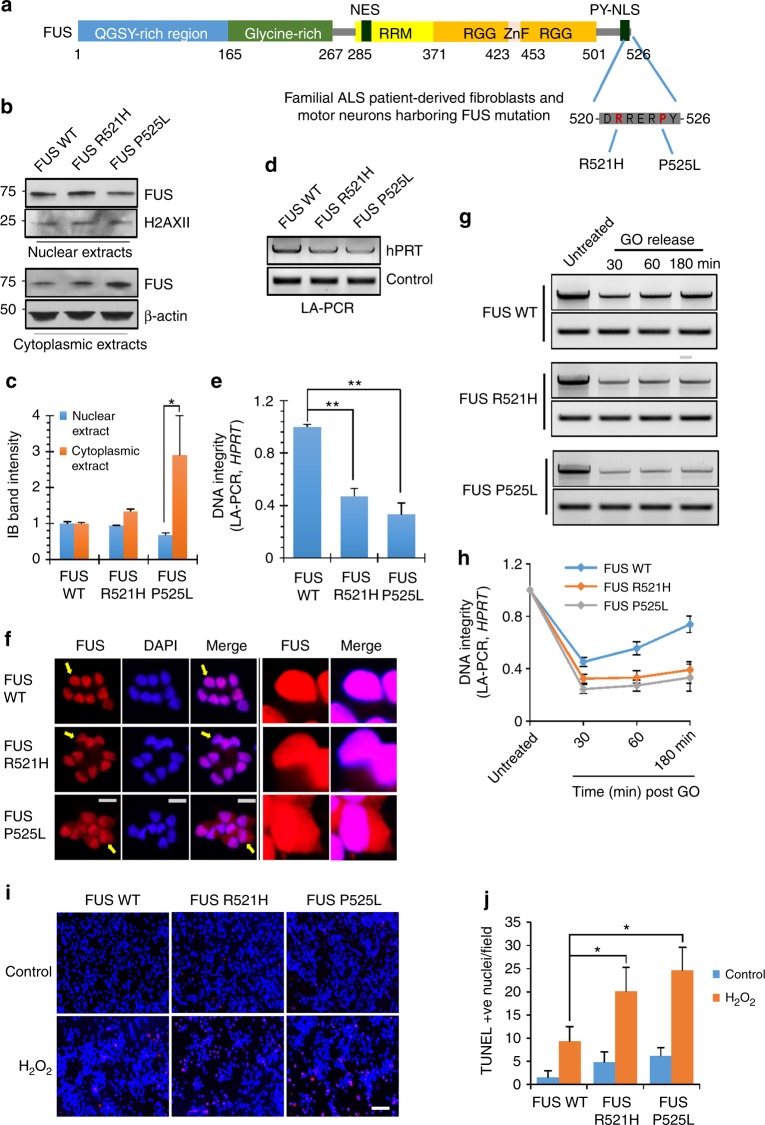
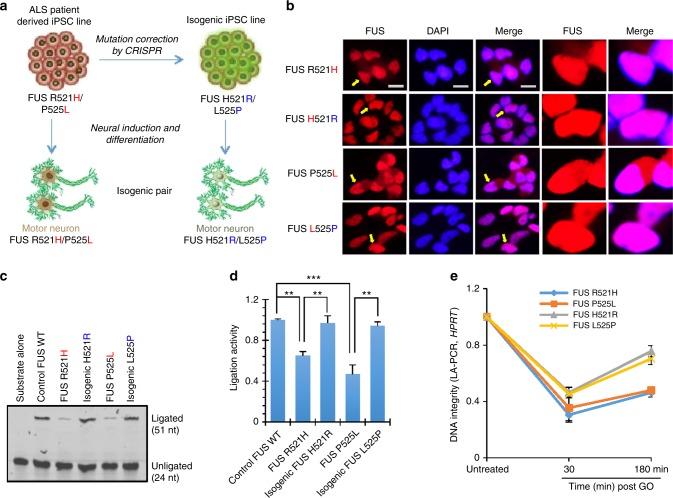
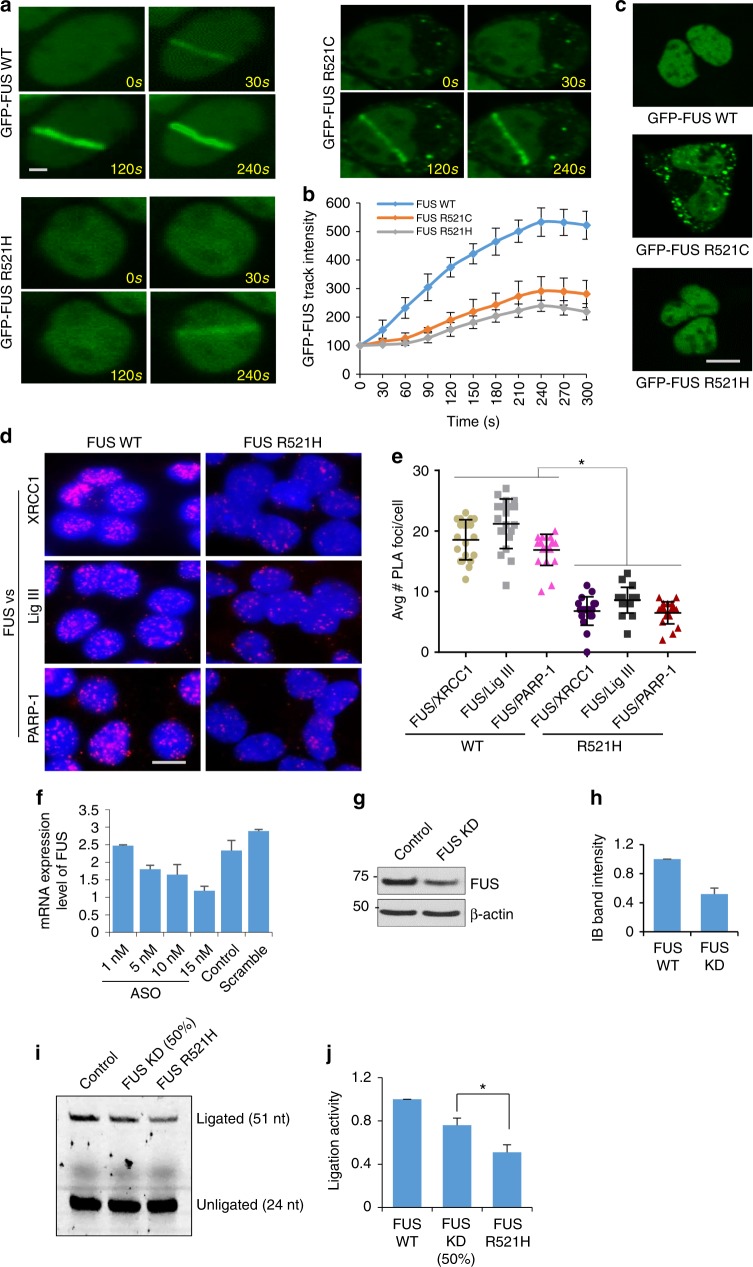
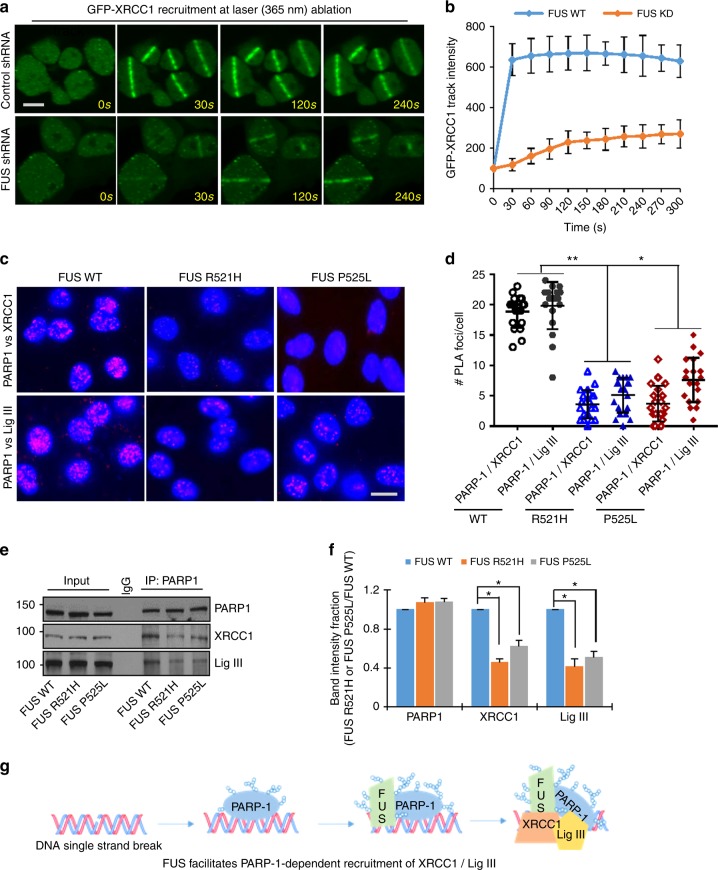
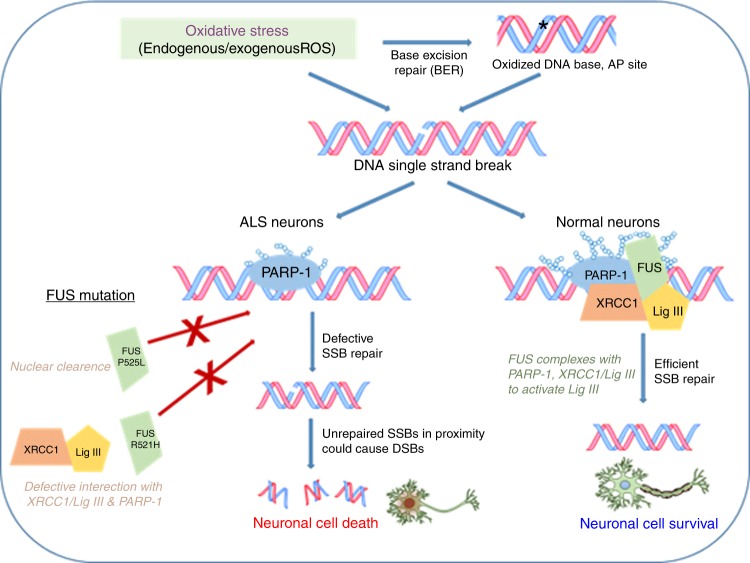
Genome damage and defective repair are etiologically linked to neurodegeneration. However, the specific mechanisms involved remain enigmatic. Here, we identify defects in DNA nick ligation and oxidative damage repair in a subset of amyotrophic lateral sclerosis (ALS) patients. These defects are caused by mutations in the RNA/DNA-binding protein FUS. In healthy neurons, FUS protects the genome by facilitating PARP1-dependent recruitment of XRCC1/DNA Ligase IIIα (LigIII) to oxidized genome sites and activating LigIII via direct interaction. We discover that loss of nuclear FUS caused DNA nick ligation defects in motor neurons due to reduced recruitment of XRCC1/LigIII to DNA strand breaks. Moreover, DNA ligation defects in ALS patient-derived iPSC lines carrying FUS mutations and in motor neurons generated therefrom are rescued by CRISPR/Cas9-mediated correction of mutation. Our findings uncovered a pathway of defective DNA ligation in FUS-linked ALS and suggest that LigIII-targeted therapies may prevent or slow down disease progression.
Overview
The claims and statistics of this paper haven’t been checked yet.
Free: it reads the open-access text and checks the first 5 claims that cite a source we can check. Create a free account to check every claim.
Integrity signals
Registry
Cites
Statistics
Figures
Verification
Claims the paper makes
The claims and statistics of this paper haven’t been checked yet.
Free: it reads the open-access text and checks the first 5 claims that cite a source we can check. Create a free account to check every claim.
Claims other papers make about this one
Each is checked against this paper’s own text: does it say what the citing paper says it does?
The source backs part of the claim, not all of it — or backs it for a different population, condition or comparison.
In the citing paper
“ALS patient iPSC-derived motor neurons with these mutants revealed increased proapoptotic factors, increased oxidative stress, reduced mitochondrial function, and inhibited oxidative damage repair.”
From Utility of iPSC-Derived Cells for Disease Modeling, Drug Development, and Cell Therapy (2022) · cites this paper as [41]
Experimental — accuracy not yet measuredThe cited source says what the claim attributes to it.
In the citing paper
“Fused in sarcoma (FUS) [40,41] and superoxide dismutase 1 (SOD-1) [42,43] are also linked to ALS.”
From Utility of iPSC-Derived Cells for Disease Modeling, Drug Development, and Cell Therapy (2022) · cites this paper as [41]
Self-check
Percentages, sums and reported differences re-computed from the paper’s own numbers.
The self-check needs the paper’s full text.
Citations
Cites
Uttara, B., Singh, A., Zamboni, P., & Mahajan, R. (2009) · Current Neuropharmacology · doi:10.2174/157015909787602823 · Cited by 3,378
A Liquid-to-Solid Phase Transition of the ALS Protein FUS Accelerated by Disease Mutation
Patel, A., Lee, H. O., Jawerth, L., Maharana, S., Jahnel, M., Hein, M. Y., Stoynov, S., Mahamid, J., Saha, S., Franzmann, T. M., et al. (2015) · Cell · doi:10.1016/j.cell.2015.07.047 · Cited by 3,282
Genetic screens in human cells using the CRISPR-Cas9 system
Wang, T., Wei, J. J., Sabatini, D. M., & Lander, E. S. (2014) · Science · doi:10.1126/science.1246981 · Cited by 2,856
Mutations in FUS, an RNA Processing Protein, Cause Familial Amyotrophic Lateral Sclerosis Type 6
Vance, C., Rogelj, B., Hortobágyi, T., De Vos, K. J., Nishimura, A. L., Sreedharan, J., Hu, X., Smith, B., Ruddy, D., Wright, P., et al. (2009) · Science · doi:10.1126/science.1165942 · Cited by 2,564
Mutations in the FUS/TLS Gene on Chromosome 16 Cause Familial Amyotrophic Lateral Sclerosis
Kwiatkowski, T. J., Bosco, D. A., LeClerc, A. L., Tamrazian, E., Vanderburg, C. R., Russ, C., Davis, A., Gilchrist, J., Kasarskis, E. J., Munsat, T., et al. (2009) · Science · doi:10.1126/science.1166066 · Cited by 2,553
Single-strand break repair and genetic disease
Caldecott, K. W. (2008) · Nature Reviews Genetics · doi:10.1038/nrg2380 · Cited by 1,034
TDP-43 and FUS in amyotrophic lateral sclerosis and frontotemporal dementia
Mackenzie, I. R., Rademakers, R., & Neumann, M. (2010) · The Lancet Neurology · doi:10.1016/s1474-4422(10)70195-2 · Cited by 975
Masson, M., Niedergang, C., Schreiber, V., Muller, S., Menissier-de Murcia, J., & de Murcia, G. (1998) · Molecular and Cellular Biology · doi:10.1128/mcb.18.6.3563 · Cited by 910
Gilgun-Sherki, Y., Melamed, E., & Offen, D. (2001) · Neuropharmacology · doi:10.1016/s0028-3908(01)00019-3 · Cited by 838
Poly(ADP-ribosyl)ation by PARP-1: `PAR-laying' NAD+ into a nuclear signal
Kim, M. Y., Zhang, T., & Kraus, W. L. (2005) · Genes & Development · doi:10.1101/gad.1331805 · Cited by 802
Cited by
Items 101–200 of 208
Far, B. F., Akbari, M., Habibi, M. A., Katavand, M., & Nasseri, S. (2025) · Cell Proliferation · doi:10.1111/cpr.70099 · Cited by 29
van Gastel, J., Leysen, H., Santos‐Otte, P., Hendrickx, J. O., Azmi, A., Martin, B., & Maudsley, S. R. (2019) · Aging · doi:10.18632/aging.102528 · Cited by 16
“factors linking oxidative stress to DNA damage management and senescence were found to physically associate with RXFP3 receptorsomes including PRDX6 [65, 66], PCNA [67, 68], FUS [69], RBMX [70], PARP1 [71], PRDX1 [72–74], SOD1 [75, 76], LDHB [77] and YBX1 [78].”
BackgroundHuiting, W., & Bergink, S. (2020) · Genome Instability & Disease · doi:10.1007/s42764-020-00027-6 · Cited by 18
“…the presence of binding partners or post-translational modifications (e.g. ubiquitylation), and environmental conditions affecting solubility (e.g. temperature, salt, pH) (Banani et al. 2017; Hofweber and Dormann 2019; Martin and Mittag 2018; Ruff et al. 2018; Sun et al. 2018; J. Wang et al. 2018).”
BackgroundNogami, M., Ishikawa, M., Doi, A., Sano, O., Sone, T., Akiyama, T., Aoki, M., Nakanishi, A., Ogi, K., Yano, M., et al. (2021) · Neurobiology of Disease · doi:10.1016/j.nbd.2021.105364 · Cited by 16
Kostrzewa, R. M. (2022) · Journal of Neural Transmission · doi:10.1007/s00702-022-02479-4 · Cited by 17
Modafferi, S., Farina, S., Esposito, F., Brandi, O., Salvio, M. D., Valle, I. D., D’Uva, S., Scarian, E., Cicio, G., Riccardi, A., et al. (2025) · Cell Death and Differentiation · doi:10.1038/s41418-025-01530-7 · Cited by 17
“To inhibit ATM and ATR, cells were treated with 5 µM KU60019 and 10 µM VE-821 overnight, respectively.”
Goldstein, O., Inbar, T. C., Kedmi, M., Gana‐Weisz, M., Abramovich, B., Orr‐Urtreger, A., & Drory, V. E. (2022) · Neurology Genetics · doi:10.1212/nxg.0000000000200009 · Cited by 16
“The protein is primarily located in the nucleus and is involved in different functions and pathways such as transcription regulation at the RNA andmicroRNA level as well as DNA repair and cell proliferation.(7,28,29) Dysfunction of FUS in the cytoplasm, especially in the neuron dendritic spines, can cause mRNA destabi…”
BackgroundFUS Microphase Separation: Regulation by Nucleic Acid Polymers and DNA Repair Proteins
Sukhanova, M. V., Anarbaev, R. O., Maltseva, E. A., Pastré, D., & Lavrik, O. I. (2022) · International Journal of Molecular Sciences · doi:10.3390/ijms232113200 · Cited by 14
“in single-strand break repair, undergoes characteristic PAR-dependent accumulation at a DNA lesions [8,33,34].”
BackgroundTDP-43 Epigenetic Facets and Their Neurodegenerative Implications
Gimenez, J., Spalloni, A., Cappelli, S., Ciaiola, F., Orlando, V., Buratti, E., & Longone, P. (2023) · International Journal of Molecular Sciences · doi:10.3390/ijms241813807 · Cited by 16
Increased Vulnerability to Ferroptosis in FUS-ALS
Ismail, M., Großmann, D., & Hermann, A. (2024) · Biology · doi:10.3390/biology13040215 · Cited by 18
“No data exist so far for FUS-ALS, despite the fact that FUS-ALS pathophysiology is particularly characterized by oxidative and mitochondrial damage [31].”
BackgroundKodavati, M. M., Rao, V. H. M., Provasek, V. E., & Hegde, M. L. (2024) · Ageing Research Reviews · doi:10.1016/j.arr.2024.102413 · Cited by 15
Provasek, V. E., Bacolla, A., Rangaswamy, S., Kodavati, M. M., Mitra, J., Yusuf, I. O., Malojirao, V. H., Vasquez, V., Britz, G. W., Li, G., et al. (2025) · Nucleic Acids Research · doi:10.1093/nar/gkaf920 · Cited by 14
“Terminally differentiated neurons were derived from neural progenitor stem cells (NPSCs) (Jackson Lab) WT (JIPSC1000), TDP43-Q331K (JIPSC1066), TDP43-A315T, and TDP43-M337V, according to established methods [ 56 ].”
Lamas, N. J., & Roybon, L. (2021) · Frontiers in Drug Discovery · doi:10.3389/fddsv.2021.773424 · Cited by 12
“, 2016) and have abnormalities in DNA nick ligation and oxidative damage repair (Wang et al., 2018).”
BackgroundBrüge, A., Ponimaskin, E. G., & Labus, J. (2025) · Pharmacological Reviews · doi:10.1016/j.pharmr.2025.100071 · Cited by 14
Transcript errors generate amyloid-like proteins in human cells
Chung, C. S., Kou, Y., Shemtov, S. J., Verheijen, B. M., Flores, I., Love, K., Dosso, A. D., Thorwald, M. A., Liu, Y., Hicks, D., et al. (2024) · Nature Communications · doi:10.1038/s41467-024-52886-2 · Cited by 20
Oxidative Stress in the Pathogenesis of Neurodegenerative Diseases
Jurcău, M. C., Jurcău, A., & Diaconu, R.-G. (2024) · Stresses · doi:10.3390/stresses4040055 · Cited by 21
“Although still under study, the role of FUS mutations appears to derive from their involvement in DNA double-strand repair mechanisms, rendering the cells more vulnerable to oxidative stress via the accumulation of DNA double-strand breaks [139].”
Multi-omics profiling identifies a deregulated FUS-MAP1B axis in ALS/FTD–associated UBQLN2 mutants
Strohm, L., Hu, Z., Suk, Y., Rühmkorf, A., Sternburg, E. L., Gattringer, V., Riemenschneider, H., Berutti, R., Graf, E., Weishaupt, J. H., et al. (2022) · Life Science Alliance · doi:10.26508/lsa.202101327 · Cited by 10
A Review of PARP-1 Inhibitors: Assessing Emerging Prospects and Tailoring Therapeutic Strategies
Ramesh, S., Almeida, S. D., Hammigi, S., Radhakrishna, G. K., Sireesha, G., Theivendren, P., Vellingiri, S., Kunjiappan, S., Ammunje, D. N., & Pavadai, P. (2023) · Drug Research · doi:10.1055/a-2181-0813 · Cited by 14
Zhang, Z., Guo, X., Liu, Y., Ke, P., Meng, Y., Gu, J., Hu, L.-Q., Yuan, Z., Duan, R., Luo, J., et al. (2025) · Free Radical Biology and Medicine · doi:10.1016/j.freeradbiomed.2025.06.012 · Cited by 13
Existing and Emerging Metabolomic Tools for ALS Research
Germeys, C., Vandoorne, T., Bercier, V., & Bosch, L. V. D. (2019) · Genes · doi:10.3390/genes10121011 · Cited by 12
Wang, Y., Liu, L., Chen, H., Yang, Y., Mu, C., Ren, H., Liu, Y., Yu, L., Fang, Q., Wang, G., et al. (2023) · Human Molecular Genetics · doi:10.1093/hmg/ddad163 · Cited by 11
Pal, A., Großmann, D., Glaß, H., Zimyanin, V. L., Günther, R., Catinozzi, M., Boeckers, T. M., Sterneckert, J. L., Storkebaum, E., Petri, S., et al. (2024) · Life Science Alliance · doi:10.26508/lsa.202302535 · Cited by 11
Sukhanova, M. V., Anarbaev, R. O., Naumenko, K. N., Hamon, L., Singatulina, A. S., Pastré, D., & Lavrik, O. I. (2024) · International Journal of Molecular Sciences · doi:10.3390/ijms252212445 · Cited by 10
Szewczyk, B., Zimyanin, V. L., Japtok, J., Held, A., Pal, A., Großmann, D., Glaß, H., Jürs, A. V., Dash, B. P., Bąk, M., et al. (2025) · Cell Reports · doi:10.1016/j.celrep.2025.116113 · Cited by 11
Hao, Z., Wang, R., Ren, H., & Wang, G. (2020) · Neuroscience Bulletin · doi:10.1007/s12264-020-00567-7 · Cited by 14
Involvement of Lipids in the Pathogenesis of Amyotrophic Lateral Sclerosis
Alessenko, A. V., Гутнер, У. А., & Shupik, M. A. (2023) · Life · doi:10.3390/life13020510 · Cited by 15
Pathomechanistic Networks of Motor System Injury in Amyotrophic Lateral Sclerosis
Dey, B., Kumar, A., & Patel, A. B. (2023) · Current Neuropharmacology · doi:10.2174/1570159x21666230824091601 · Cited by 10
“Additionally, mutant FUS impairs the recruitment of the DNA repair complex XRCC1/LIG3 to DNA single-strand breaks (SSBs) following oxidative damage, which impairs the base excision repair (BER) [175].”
BackgroundA targeted approach: Gene and RNA editing for neurodegenerative disease treatment
Huang, C., Zhang, W.-Z., Liao, Y., Hu, T., Li, J., & Wang, C. (2025) · Life Sciences · doi:10.1016/j.lfs.2025.123756 · Cited by 12
Rafiee, M., Rohban, S., Davey, K., Ule, J., & Luscombe, N. M. (2023) · Brain · doi:10.1093/brain/awad046 · Cited by 12
Assoni, A. F., Guerrero, E. N., Wardenaar, R., Oliveira, D., Bakker, P. L., Alves, L. M., Carvalho, V. M., Okamoto, O. K., Zatz, M., & Foijer, F. (2023) · Brain Pathology · doi:10.1111/bpa.13206 · Cited by 10
Provasek, V. E., Kodavati, M. M., Guo, W., Wang, H., Boldogh, I. R., Bosch, L. V. D., Britz, G. W., & Hegde, M. L. (2023) · Cells · doi:10.3390/cells12202461 · Cited by 10
“FUS is an RNA/DNA-binding protein that plays a crucial role in various aspects of RNA metabolism, including transcription, splicing, and transport, in addition to its role in DNA repair [3,4].”
BackgroundMethodThe Molecular Intersection of NEK1, C21ORF2, Cyclin F, and VCP in ALS Pathogenesis
Watanabe, Y., Nakagawa, T., Nakagawa, M., & Nakayama, K. (2025) · Genes · doi:10.3390/genes16040407 · Cited by 10
“Thus, the pathological cytoplasmic mislocalization of TDP-43 and FUS in ALS disrupts nuclear DDR, leading to repair deficiencies [29,30].”
Multiple ways to a dead end: diverse mechanisms by which ALS mutant genes induce cell death
Tsai, Y.-L., & Manley, J. L. (2021) · Cell Cycle · doi:10.1080/15384101.2021.1886661 · Cited by 8
“PARP-1 catalyzes protein poly ADP-ribosylation (PARylation) at DNA damage sites to recruit downstream DDR factors [25,142].”
BackgroundCell-Type-Dependent Recruitment Dynamics of FUS Protein at Laser-Induced DNA Damage Sites
Niu, Y. F., Pal, A., Szewczyk, B., Japtok, J., Naumann, M., Glaß, H., & Hermann, A. (2024) · International Journal of Molecular Sciences · doi:10.3390/ijms25063526 · Cited by 8
“In line with this, recent data also point towards a role of FUS in single-strand break (SSB) repair by promoting adherence of the X-ray repair cross-complementing protein 1 (XRCC1)/ DNA ligase 3 (LIG3) complex to the SSB site downstream of Poly-ADP-ribose (PAR) polymerase 1 (PARP1) [7].”
BackgroundMejzini, R., Caruthers, M. H., Schäfer, B., Kostov, O., Sudheendran, K., Ciba, M., Danielsen, M. B., Wilton, S. D., Akkari, P. A., & Flynn, L. L. (2024) · International Journal of Molecular Sciences · doi:10.3390/ijms25158495 · Cited by 7
“Loss of nuclear FUS in motor neurons has been found to cause DNA nick ligation defects [48].”
BackgroundTherapeutic Approaches to Amyotrophic Lateral Sclerosis from the Lab to the Clinic
Chavda, V. P., Patel, C. A., Modh, D. H., Ertaş, Y. N., Sonak, S. S., Munshi, N. K., Anand, K., Soni, A., & Pande, S. V. (2022) · Current Drug Metabolism · doi:10.2174/1389200223666220310113110 · Cited by 10
Gerovska, D., Noer, J. B., Qin, Y., Ain, Q., Januzi, D., Schwab, M., Witte, O. W., Araúzo-Bravo, M. J., & Kretz, A. (2023) · Cell & Bioscience · doi:10.1186/s13578-023-01116-1 · Cited by 7
“Among them are the C9ORF72 [2–4], SOD1 [5–8], TDP-43 [9–11] and FUS [12–15] genes accounting for ~ 70% of familial ALS (fALS) and ~ 12% of sporadic ALS (sALS) cases.”
BackgroundGerovska, D., Noer, J. B., Qin, Y., Ain, Q., Januzi, D., Schwab, M., Witte, O. W., Araúzo-Bravo, M. J., & Kretz, A. (2023) · doi:10.21203/rs.3.rs-3135955/v1 · Cited by 7
Proteins Associated with Neurodegenerative Diseases: Link to DNA Repair
Khodyreva, S. N., Dyrkheeva, N. S., & Lavrik, O. I. (2024) · Biomedicines · doi:10.3390/biomedicines12122808 · Cited by 8
Lombardi, S., Zilocchi, M., Nicsanu, R., & Barabino, S. M. L. (2025) · DNA repair · doi:10.1016/j.dnarep.2025.103846 · Cited by 7
Roles and therapeutic potential of PARP-1 in neurodegenerative diseases
Liu, C., Lai, F., Zhang, T., Mao, K., Wan, H., & He, Y. T. (2025) · Biochemical Pharmacology · doi:10.1016/j.bcp.2025.117373 · Cited by 8
Joining of DNA breaks- interplay between DNA ligases and poly (ADP-ribose) polymerases
Call, N., & Tomkinson, A. E. (2025) · DNA repair · doi:10.1016/j.dnarep.2025.103843 · Cited by 7
The zinc finger of DNA ligase 3α binds to nucleosomes via an arginine anchor
Nagpal, A., Schaich, M. A., Weaver, T., Roginskaya, V. Y., Sallmyr, A., Leary, L. P., Freudenthal, B., Tomkinson, A. E., & Houten, B. V. (2025) · Nature Communications · doi:10.1038/s41467-025-66320-8 · Cited by 5
Targeting Axonal Transport: A New Therapeutic Avenue for ALS
Guo, W., Fumagalli, L., & Bosch, L. V. D. (2020) · IntechOpen eBooks · doi:10.5772/intechopen.91963 · Cited by 5
“Both DNA damage and distal axonal transport defects have been observed in ALS patients carrying FUS mutations [34, 35].”
BackgroundWang, Z., Yang, H., Han, Y., Teng, J., Kong, X., & Qi, X. (2023) · Medicine · doi:10.1097/md.0000000000036265 · Cited by 6
“Excessive activation of PARP1 has been observed in neurodegenerative diseases such as HD, ALS [47,48] and MS, [49] and inhibiting PARP1 can improve disease symptoms.”
BackgroundHermann, A., Naumann, M., & Laubenthal, J. (2020) · Neural Regeneration Research · doi:10.4103/1673-5374.286963 · Cited by 5
“This is molecularly underpinned by the finding that FUS might be centrally implicated in the PARP1-XRCC1-LIG3 mediated SSB ligation (Wang et al., 2018).”
BackgroundOxidative Stress and Cellular Dysfunction in Neurodegenerative Disease
Singh, A., Kukreti, R., & Kukreti, S. (2021) · Neuromethods · doi:10.1007/978-1-0716-1712-0_6 · Cited by 6
Barry, A., Samuel, S. F., Hosni, I., Moursi, A., Feugere, L., Sennett, C., Deepak, S., Achawal, S., Rajaraman, C., Iles, A., et al. (2023) · Lab on a Chip · doi:10.1039/d3lc00204g · Cited by 8
Obatoclax Rescues FUS-ALS Phenotypes in iPSC-Derived Neurons by Inducing Autophagy
Bautista, C. M. C., Eismann, K., Gentzel, M., Pelucchi, S., Mertens, J., Walters, H., Yun, M. H., & Sterneckert, J. L. (2023) · Cells · doi:10.3390/cells12182247 · Cited by 4
“Each of these processes has been causally linked to neurodegeneration in ALS [51–58].”
BackgroundAn Array SPRi Biosensor for the Determination on PARP-1 in Blood Plasma
Zielińska, Z., Ołdak, Ł., Kacperczyk-Bartnik, J. P., Koc‐Żórawska, E., Żórawski, M., Laudański, P., & Gorodkiewicz, E. (2023) · Biomedicines · doi:10.3390/biomedicines11020602 · Cited by 4
“SIRT-1, involved in the nervous system, is inactivated by PARP-1, which is the basis of the pathogenesis of nervous system diseases and aging [12,13].”
BackgroundLA PRAXIS DE LA INVESTIGACIÓN CUALITATIVA
Palacios, S. (2014) · Editorial UAT · Cited by 4
Kodavati, M. M., Rao, V. H. M., Mitra, J., & Hegde, M. L. (2024) · bioRxiv (Cold Spring Harbor Laboratory) · doi:10.1101/2024.11.25.625276 · Cited by 6
Naumann, M., Wierschin, T. M., Kretschmer, S., Dash, B. P., Held, A., Salzinger, A., Peikert, K., Karlek, A., Glaß, H., Großmann, D., et al. (2026) · Advanced Science · doi:10.1002/advs.202417135 · Cited by 5
“The interacting proteins have been clustered (Markov cluster algorithm (MCL) clustering, inflation = 3) based on their functions and associations to reported as central phenotypes in FUS-ALS, their connection so far remained enigmatic [ 14, 16, 43 ].”
New developments in pre-clinical models of ALS to guide translation
Cock, L. D., Bercier, V., & Bosch, L. V. D. (2024) · International review of neurobiology · doi:10.1016/bs.irn.2024.04.008 · Cited by 5
Targets and Gene Therapy of ALS (Part 1)
Shiryaeva, O. A., Tolochko, C., Alekseeva, T. M., & Dyachuk, V. A. (2025) · International Journal of Molecular Sciences · doi:10.3390/ijms26094063 · Cited by 5
Basic Concepts and Emergent Disease Mechanisms of Amyotrophic Lateral Sclerosis
Sirozh, O., Sáez-Mas, A., Lafarga, V., & Fernández-Capetillo, Ó. (2022) · Elsevier eBooks · doi:10.1016/b978-0-12-821618-7.00266-2 · Cited by 4
Cell-autonomous and non-cell-autonomous effect of TRIM72 on ALS disease progressionPreprint
Zhang, X., He, J., Song, N., Li, X., Wang, W., Hu, Y., Li, Q., Hu, Y., Yin, C., Zhao, P., et al. (2025) · bioRxiv (Cold Spring Harbor Laboratory) · doi:10.1101/2025.01.09.632080 · Cited by 3
Kodavati, M. M., & Hegde, M. L. (2024) · Neuroscience Insights · doi:10.1177/26331055241305151 · Cited by 2
Zhang, Q., Cao, J.-Z., & Zhao, W. (2026) · Acta Pharmacologica Sinica · doi:10.1038/s41401-026-01757-1 · Cited by 2
“Poly (ADP-ribose) (PAR) synthesized by PARP1 provides an electrostatic scaffold that seeds RNA-binding proteins such as FUS and XRCC1, whereas subsequent PAR hydrolysis by PARG dissolves these assemblies and releases repair components [87].”
The role of lipids in the pathogenesis of lateral amyotrophic sclerosis
Alessenko, A. V., Гутнер, У. А., Nebogatikov, V. O., Shupik, M. A., & Ustyugov, A. A. (2020) · S S Korsakov Journal of Neurology and Psychiatry · doi:10.17116/jnevro2020120101108 · Cited by 2
New opportunities for treatment of neurodegenerative disease through the modulation of TDP-43
Apontes, P. (2021) · Elsevier eBooks · doi:10.1016/b978-0-12-820066-7.00008-4 · Cited by 4
Motyer, A., Jackson, S., Yang, B., Harliwong, I., Tian, W., Shiu, W., Shao, Y., Wang, B., McLean, C., Barnett, M. H., et al. (2022) · bioRxiv (Cold Spring Harbor Laboratory) · doi:10.1101/2022.04.30.490132 · Cited by 3
“For neurodegenerative diseases such as motor neurone disease (MND), the argument for a pivotal role is strong, given the involvement of MND genes in DNA damage and its repair (10-13).”
BackgroundThelen, M. P., Wirth, B., & Kye, M. J. (2020) · Research Square · doi:10.21203/rs.3.rs-49251/v1 · Cited by 2
Transcript errors generate a continuous stream of amyloid and prion-like proteins in human cellsPreprint
Chung, C. S., Kou, Y., Shemtov, S. J., Verheijen, B. M., Flores, I., Love, K., Dosso, A. D., Thorwald, M. A., Liu, Y., Toney, R. G., et al. (2023) · bioRxiv (Cold Spring Harbor Laboratory) · doi:10.1101/2023.05.11.540433 · Cited by 2
Mitra, J., Dharmalingam, P., Kodavati, M. M., Guerrero, E. N., Rao, K. S. J., Garruto, R. M., & Hegde, M. L. (2024) · Research Square · doi:10.21203/rs.3.rs-3879966/v2 · Cited by 3
Zimyanin, V. L., Dash, B. P., Großmann, D., Simolka, T., Glaß, H., Verma, R., Khatri, V., Deppmann, C. D., Zunder, E. R., Redemann, S., et al. (2024) · bioRxiv (Cold Spring Harbor Laboratory) · doi:10.1101/2024.11.20.624439 · Cited by 2
Hi-C Data Resolution Improvement Method based on Ensemble Learning
Ai, Z., & Wu, H. (2023) · International Conference on Artificial Intelligence and Smart Energy (ICAIS) · doi:10.1109/icais56108.2023.10073678 · Cited by 1
“Fragment end joining The different incision ends are joined using DNA ligase [7, 8].”
MethodDash, B. P., & Hermann, A. (2025) · Cells · doi:10.3390/cells14181417 · Cited by 1
Yeasmin, A., & Torrente, M. P. (2025) · Biology · doi:10.3390/biology14111556 · Cited by 1
“Owing to its function in DNA repair, mutant FUS results in repair defects such as ligation failure in strand repair [85].”
Zimyanin, V. L., Dash, B. P., Simolka, T., Glaß, H., Pal, A., Haidle, F., Zarnack, K., Verma, R., Khatri, V., Deppmann, C. D., et al. (2026) · Neurobiology of Disease · doi:10.1016/j.nbd.2026.107268 · Cited by 3
“FUS-ALS MNs also accumulated DNA damage, and DNA damage induction was sufficient to induce distal axonal mitochondrial depolarization (Naumann et al., 2018; Wang et al., 2018).”
Ahuja, V., Sahu, B., Khurana, S., Kumari, K., Ganguly, N. K., Gourie‐Devi, M., Verma, S., Dastidar, S. G., & Taneja, V. (2026) · Molecular Neurobiology · doi:10.1007/s12035-026-05736-9 · Cited by 1
Chakraborty, A., Mitra, J., Malojirao, V. H., Kodavati, M. M., Mandal, S. M., Gill, S. K., Sreenivasmurthy, S. G., Vasquez, V., Mankevich, M., Bosch, L. V. D., et al. (2026) · Communications Biology · doi:10.1038/s42003-026-09787-5 · Cited by 2
“The differentiation process followed established protocols with some modi fi cations 65,66 .”
Stress Granules, a Novel Therapeutic Target of FUS-Related Amyotrophic Lateral Sclerosis
周, 钰. (2022) · Hans Journal of Biomedicine · doi:10.12677/hjbm.2022.122007 · Cited by 1
Activation of PARP in secondary brain injury following intracerebral haemorrhage
Zhang, Y., Su, Q., Wu, G., Matei, N., & Zeng, S. (2024) · Brain Hemorrhages · doi:10.1016/j.hest.2024.08.004 · Cited by 2
The Role of TDP-43 in Genome Repair and beyond in Amyotrophic Lateral Sclerosis
Mitra, J., & Hegde, M. L. (2020) · IntechOpen eBooks · doi:10.5772/intechopen.92696 · Cited by 3
Wang, H., & Hegde, M. L. (2020) · IntechOpen eBooks · doi:10.5772/intechopen.92637 · Cited by 2
“The SSBR deficiency due to ALS-linked FUS mutations can be rescued by the correction of those mutations via Crisper/Cas9 technology [50].”
BackgroundMitra, J., Dharmalingam, P., Kodavati, M. M., Guerrero, E. N., Rao, K. S. J., & Hegde, M. L. (2024) · Research Square · doi:10.21203/rs.3.rs-3879966/v1 · Cited by 4
Jutzi, D., Alcalde, J., Hutten, S., Tiryaki, F., Davies, B., Plun‐Favreau, H., Sibley, C. R., Dormann, D., & Ruepp, M. (2026) · bioRxiv (Cold Spring Harbor Laboratory) · doi:10.64898/2026.01.12.699057 · Cited by 1
Pathological Interaction between DNA Repair and Mitochondrial Dysfunction in ALS
Bermúdez-Guzmán, L., & Leal, A. (2020) · IntechOpen eBooks · doi:10.5772/intechopen.90217
“FUS protects the genome by facilitating PARP1-dependent recruitment of XRCC1/DNA ligase IIIα (LigIII) to oxidized genome sites and activating LigIII via direct interaction [88].”
BackgroundEvaluation of stem cell therapies for amyotrophic lateral sclerosis
Gallicchio, V. S., & Crisologo, M. (2020) · Journal of Stem Cell Research & Therapeutics · doi:10.15406/jsrt.2020.06.00136
Evans, K., & Gospodinova, K. (2019) · Faculty Opinions – Post-Publication Peer Review of the Biomedical Literature · doi:10.3410/f.735105591.793560656
A função de proteínas associadas à Esclerose Lateral Amiotrófica em diferentes contextos celulares
Assoni, A. F. (2022) · Digital Library of Theses and Dissertations (Universidade de São Paulo) · doi:10.11606/t.41.2022.tde-02082022-190632
Pal, A., Großmann, D., Glaß, H., Zimyanin, V. L., Günther, R., Catinozzi, M., Boeckers, T. M., Sterneckert, J. L., Storkebaum, E., Petri, S., et al. (2023) · bioRxiv (Cold Spring Harbor Laboratory) · doi:10.1101/2023.09.20.558653
Ishigaki, S. (2023) · Springer eBooks · doi:10.1007/978-981-99-4886-4_14
Restuadi, R., Steyn, F. J., Kabashi, E., Ngo, S. T., Cheng, F., Nabais, M. F., Thompson, M. J., Qi, T., Wu, Y., Henders, A. K., et al. (2022) · Figshare · doi:10.6084/m9.figshare.18666693
CRISPR/Cas9-based genetic engineering for translational research in neurological disorders
Megagiannis, P., Rouleau, G. A., & Zhou, Y. (2024) · Elsevier eBooks · doi:10.1016/b978-0-443-19041-4.00021-2
Bikri, S., Aboussaleh, Y., & Fouad, F. (2024) · Elsevier eBooks · doi:10.1016/b978-0-443-15702-8.00011-7 · Cited by 1
Gluščević, S. V. (2025) · Elsevier eBooks · doi:10.1016/b978-0-443-27333-9.00009-9
Thelen, M. P., Wirth, B., & Kye, M. J. (2020) · Figshare · doi:10.6084/m9.figshare.13481043
Gerovska, D., Noer, J. B., Qin, Y., Ain, Q., Januzi, D., Schwab, M., Witte, O. W., Araúzo-Bravo, M. J., & Kretz, A. (2023) · Figshare · doi:10.6084/m9.figshare.24136299
Gerovska, D., Noer, J. B., Qin, Y., Ain, Q., Januzi, D., Schwab, M., Witte, O. W., Araúzo-Bravo, M. J., & Kretz, A. (2023) · Figshare · doi:10.6084/m9.figshare.24136278
Dittlau, K. S., Terrie, L., Baatsen, P., Kerstens, A., Swert, L. D., Janky, R., Corthout, N., Masrori, P., Damme, P. V., Hyttel, P., et al. (2024) · Figshare · doi:10.6084/m9.figshare.26562262
Gerovska, D., Noer, J. B., Qin, Y., Ain, Q., Januzi, D., Schwab, M., Witte, O. W., Araúzo-Bravo, M. J., & Kretz, A. (2023) · Figshare · doi:10.6084/m9.figshare.24136284
Gerovska, D., Noer, J. B., Qin, Y., Ain, Q., Januzi, D., Schwab, M., Witte, O. W., Araúzo-Bravo, M. J., & Kretz, A. (2023) · Figshare · doi:10.6084/m9.figshare.24136296
Thelen, M. P., Wirth, B., & Kye, M. J. (2020) · Figshare · doi:10.6084/m9.figshare.13481037
Dittlau, K. S., Terrie, L., Baatsen, P., Kerstens, A., Swert, L. D., Janky, R., Corthout, N., Masrori, P., Damme, P. V., Hyttel, P., et al. (2024) · Figshare · doi:10.6084/m9.figshare.25458004
Gerovska, D., Noer, J. B., Qin, Y., Ain, Q., Januzi, D., Schwab, M., Witte, O. W., Araúzo-Bravo, M. J., & Kretz, A. (2023) · Figshare · doi:10.6084/m9.figshare.24136275
Gerovska, D., Noer, J. B., Qin, Y., Ain, Q., Januzi, D., Schwab, M., Witte, O. W., Araúzo-Bravo, M. J., & Kretz, A. (2023) · Figshare · doi:10.6084/m9.figshare.24136293
Restuadi, R., Steyn, F. J., Kabashi, E., Ngo, S. T., Cheng, F., Nabais, M. F., Thompson, M. J., Qi, T., Wu, Y., Henders, A. K., et al. (2022) · Figshare · doi:10.6084/m9.figshare.18666696
Gerovska, D., Noer, J. B., Qin, Y., Ain, Q., Januzi, D., Schwab, M., Witte, O. W., Araúzo-Bravo, M. J., & Kretz, A. (2023) · Figshare · doi:10.6084/m9.figshare.24136287
Metadata
- Authors
- Wang, H., Guo, W., Mitra, J., Hegde, P. M., Vandoorne, T., Eckelmann, B. J., Mitra, S., Tomkinson, A. E., Van Den Bosch, L., & Hegde, M. L.
- Affiliations
- Houston Methodist (US)
- VIB-KU Leuven Center for Brain & Disease Research (BE)
- Texas A&M Health Science Center (US)
- University of New Mexico (US)
- Corresponding author
- Hegde, Muralidhar L.
- ORCID
- Venue
- Nature Communications
- Published
- 2018-09-11
- Volume
- 9
- Issue
- 1
- Pages
- 3683-3683
- ISSN
- 2041-1723 (ISSN-L)
- PMC
- PMC6134028
- OpenAlex
- W2889934668
- Cited by
- 205
- References
- 67
- Citations by year
- 2026: 10 · 2025: 21 · 2024: 30 · 2023: 33 · 2022: 28 · 2021: 24 · 2020: 31 · 2019: 26 · 2018: 1
- FWCI
- 13.92
- Type
- journal article
- Language
- en
- Open access
- gold
- doi.org
- Licence
- cc-by
- creativecommons.org/licenses/by/4.0 (tdm)
- creativecommons.org/licenses/by/4.0 (vor)
- Locations
- Nature Communications (publishedVersion, cc-by)
- Europe PMC (PubMed Central) (publishedVersion, other-oa)
- PubMed Central (publishedVersion, cc-by)
- PubMed (publishedVersion)
- Lirias (submittedVersion, other-oa)
- RePEc: Research Papers in Economics (submittedVersion)
- DOAJ (DOAJ: Directory of Open Access Journals) (submittedVersion)
- DOAJ (DOAJ: Directory of Open Access Journals) (submittedVersion, cc-by-sa)
- Funders
- U.S. Department of Veterans Affairs (I01 BX002466, BX002466)
- Muscular Dystrophy Association (MDA 294842, 294842)
- Arizona State University
- Fonds Wetenschappelijk Onderzoek
- KU Leuven (C14/17/107)
- Vlaamse regering
- National Institutes of Health (BX002466, CA92584, NS088645)
- Houston Methodist Research Institute
- National Cancer Institute (P01CA092584)
- National Institute of Neurological Disorders and Stroke (R01NS088645)
- National Institute of Environmental Health Sciences (R01ES012512)
- Topics
- Health Sciences › Medicine › Clinical Neurology › Amyotrophic Lateral Sclerosis Research
- Life Sciences › Biochemistry, Genetics and Molecular Biology › Molecular Biology › DNA Repair Mechanisms
- Life Sciences › Neuroscience › Cellular and Molecular Neuroscience › Alzheimer's disease research and treatments
- Keywords
- amyotrophic lateral sclerosis, FUS mutations, oxidative DNA damage repair, DNA ligase III, XRCC1, PARP1, motor neurons, genomic damage, neurodegeneration, iPSC-derived motor neurons, CRISPR/Cas9 gene correction
- MeSH terms
- X-ray Repair Cross Complementing Protein 1, Amyotrophic Lateral Sclerosis, Cell Line, DNA, DNA Damage, DNA Repair, Genes, Dominant, Humans, Models, Biological, Mutation, Poly(ADP-ribose) Polymerases, DNA Ligases, Reactive Oxygen Species, Oxidative Stress, RNA-Binding Protein FUS, Gene Knockout Techniques, Induced Pluripotent Stem Cells, CRISPR-Cas Systems
About these checks
Registry, retraction, Cites and statistics results are computed, not judged, with one exception: a printed reference that no index lists is read once by a model before it counts as a citation error. Claims are extracted by a model and kept only when their quote appears verbatim in the text; each cited source is then checked, with a model’s help, for whether it says what the claim relies on. Those verdicts can be wrong — read the claim’s quote and the cited source before relying on one.
Statistics and arithmetic are recomputed, not judged.
Confidence bands are shown only for fields calibrated on our annotated test set. None is calibrated yet, so no band is shown.
What counts as a claim ›How we measure confidence ›How we check this ›
Are you an author, or do you see a problem with this page? Request a review
Data sources
Bibliographic data: Semantic Scholar, OpenAlex, Crossref.
Contains information from the Semantic Scholar Academic Graph Datasets, made available under the ODC Attribution License (ODC-BY 1.0).
Semantic Scholar’s data is described in: Kinney, R., et al. (2023). The Semantic Scholar Open Data Platform. arXiv:2301.10140.
