

Autophagy regulates lipid metabolism through selective turnover of NCoR1
Open accessThe DOI matches its Crossref record; 70 of the 70 references it cites were found in a registry or an index.
Abstract
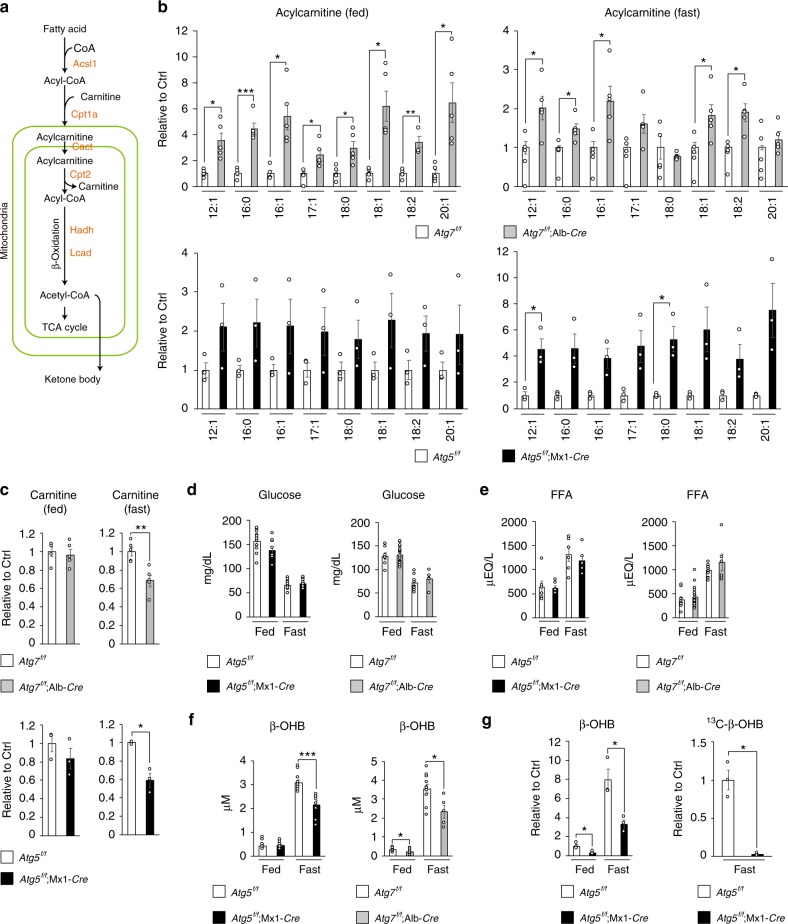
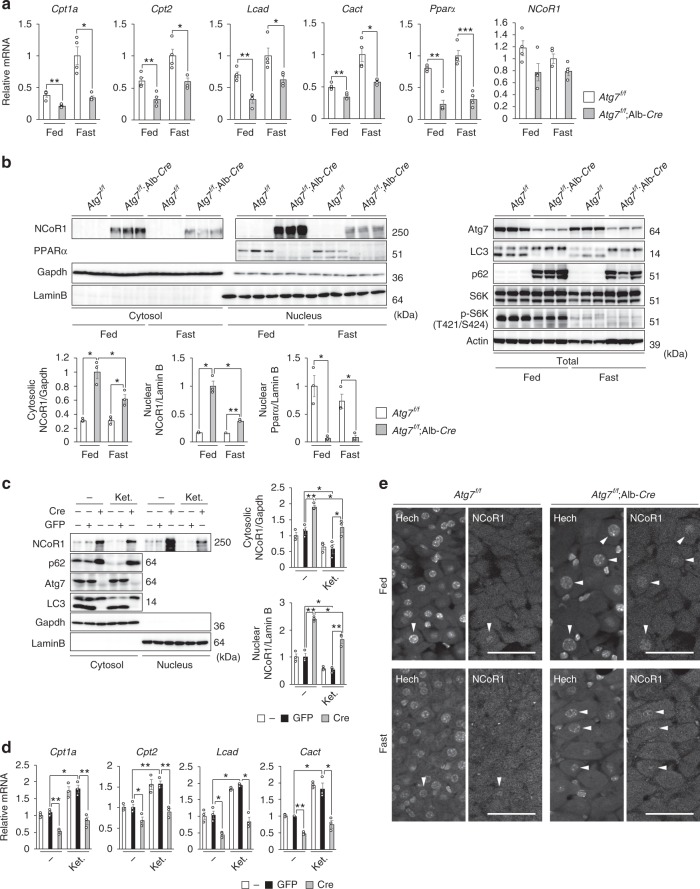
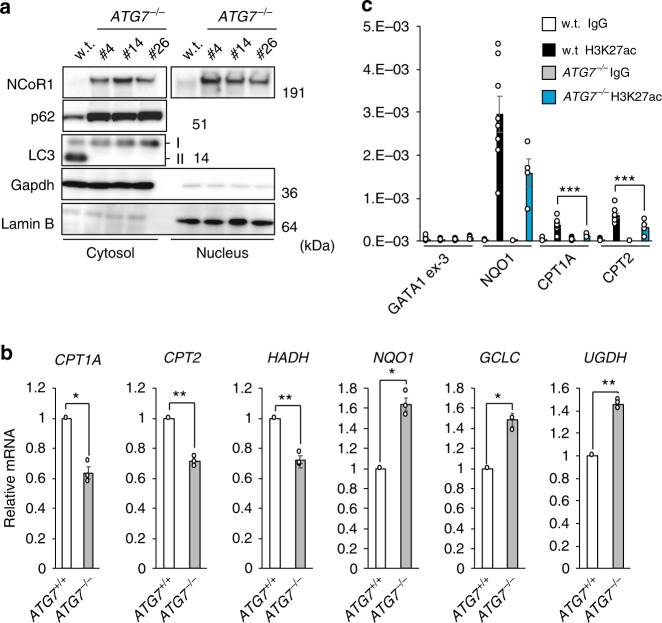
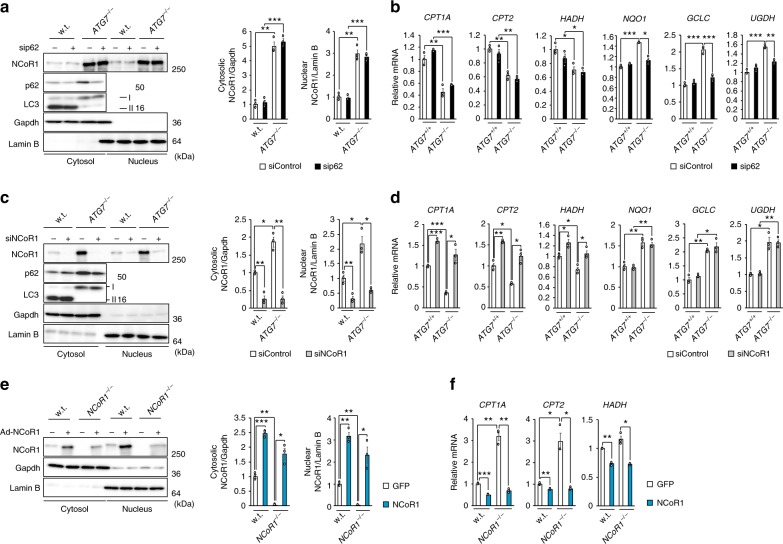
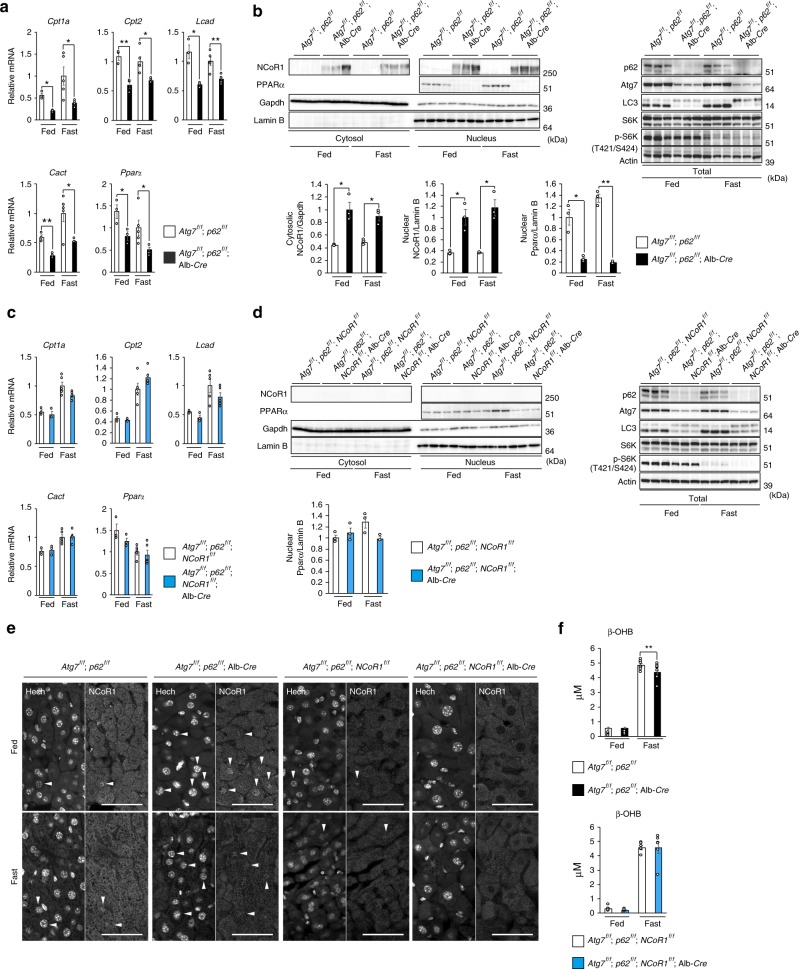
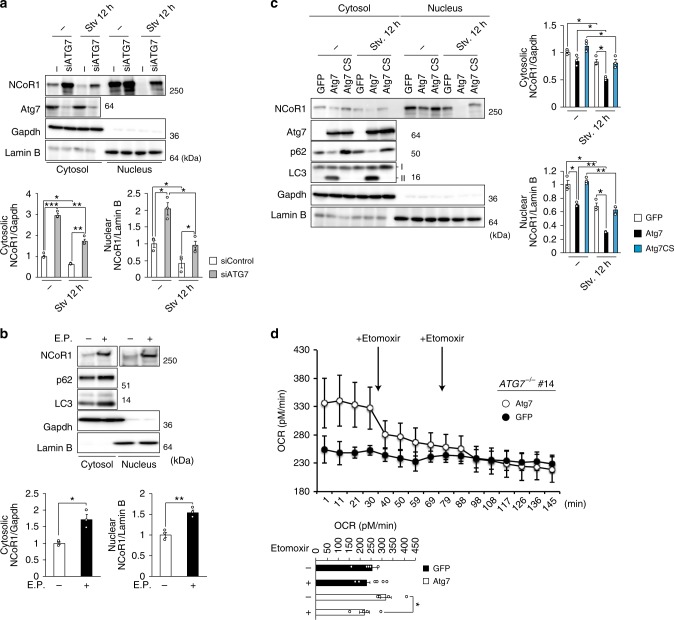
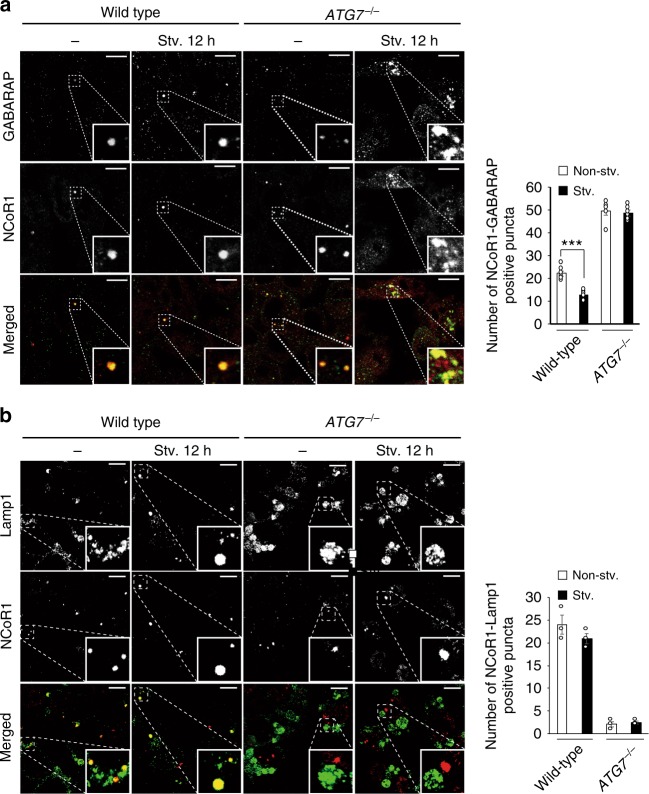
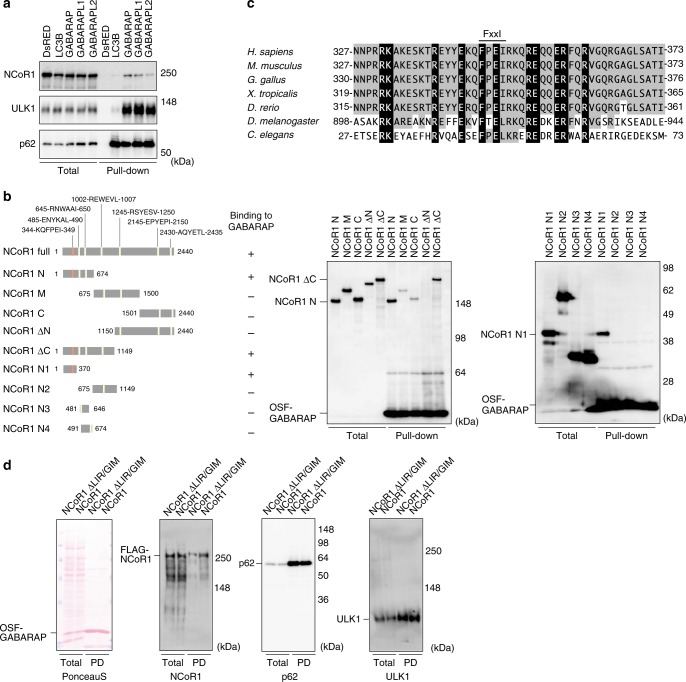
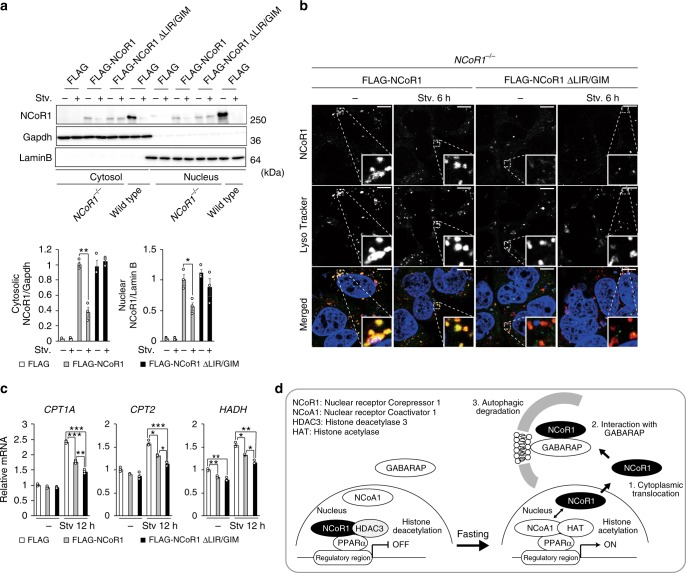
Selective autophagy ensures the removal of specific soluble proteins, protein aggregates, damaged mitochondria, and invasive bacteria from cells. Defective autophagy has been directly linked to metabolic disorders. However how selective autophagy regulates metabolism remains largely uncharacterized. Here we show that a deficiency in selective autophagy is associated with suppression of lipid oxidation. Hepatic loss of Atg7 or Atg5 significantly impairs the production of ketone bodies upon fasting, due to decreased expression of enzymes involved in β-oxidation following suppression of transactivation by PPARα. Mechanistically, nuclear receptor co-repressor 1 (NCoR1), which interacts with PPARα to suppress its transactivation, binds to the autophagosomal GABARAP family proteins and is degraded by autophagy. Consequently, loss of autophagy causes accumulation of NCoR1, suppressing PPARα activity and resulting in impaired lipid oxidation. These results suggest that autophagy contributes to PPARα activation upon fasting by promoting degradation of NCoR1 and thus regulates β-oxidation and ketone bodies production.
Overview
The claims and statistics of this paper haven’t been checked yet.
Free: it reads the open-access text and checks the first 5 claims that cite a source we can check. Create a free account to check every claim.
Integrity signals
Registry
Cites
Statistics
Figures
Verification
Claims the paper makes
The claims and statistics of this paper haven’t been checked yet.
Free: it reads the open-access text and checks the first 5 claims that cite a source we can check. Create a free account to check every claim.
Claims other papers make about this one
Each is checked against this paper’s own text: does it say what the citing paper says it does?
The cited source says what the claim attributes to it.
In the citing paper
“and the suppression of hepatic autophagy correlates with defective ketogenesis linked to the accumulation of the autophagy substrate NCOR1 (nuclear receptor co‐repressor 1), which suppresses the PPARA‐dependent transcriptional program of free FA oxidation (Iershov et al, 2019; Saito et al, 2019).”
From Autophagy in major human diseases (2021) · cites this paper as Saito et al, 2019
In the citing paper
“Hepatocyte‐specific deletion of Atg7 | Marked increase in liver size, linked to increased lipid accumulation and impaired FA oxidation | Singh et al (2009a), Saito et al (2019)”
From Autophagy in major human diseases (2021) · cites this paper as Saito et al (2019)
Self-check
Percentages, sums and reported differences re-computed from the paper’s own numbers.
The self-check needs the paper’s full text.
Citations
Cites
A RAPID METHOD OF TOTAL LIPID EXTRACTION AND PURIFICATION
Bligh, E. G., & Dyer, W. J. (1959) · Canadian Journal of Biochemistry and Physiology · doi:10.1139/o59-099 · Cited by 54,751
Autophagy: Renovation of Cells and Tissues
Mizushima, N., & Komatsu, M. (2011) · Cell · doi:10.1016/j.cell.2011.10.026 · Cited by 6,418
Self-citationPankiv, S., Clausen, T. H., Lamark, T., Brech, A., Bruun, J.-A., Outzen, H., Øvervatn, A., Bjørkøy, G., & Johansen, T. (2007) · Journal of Biological Chemistry · doi:10.1074/jbc.m702824200 · Cited by 4,578
Autophagy regulates lipid metabolism
Singh, R., Kaushik, S., Wang, Y., Xiang, Y., Novak, I., Komatsu, M., Tanaka, K., Cuervo, A. M., & Czaja, M. J. (2009) · Nature · doi:10.1038/nature07976 · Cited by 3,975
Self-citationSuppression of basal autophagy in neural cells causes neurodegenerative disease in mice
Hara, T., Nakamura, K., Matsui, M., Yamamoto, A., Nakahara, Y., Suzuki-Migishima, R., Yokoyama, M., Mishima, K., Saito, I., Okano, H., et al. (2006) · Nature · doi:10.1038/nature04724 · Cited by 3,882
Self-citationLoss of autophagy in the central nervous system causes neurodegeneration in mice
Komatsu, M., Waguri, S., Chiba, T., Murata, S., Iwata, J.-I., Tanida, I., Ueno, T., Koike, M., Uchiyama, Y., Kominami, E., et al. (2006) · Nature · doi:10.1038/nature04723 · Cited by 3,500
Self-citationBjørkøy, G., Lamark, T., Brech, A., Outzen, H., Perander, M., Øvervatn, A., Stenmark, H., & Johansen, T. (2005) · The Journal of Cell Biology · doi:10.1083/jcb.200507002 · Cited by 3,276
The role of autophagy during the early neonatal starvation period
Kuma, A., Hatano, M., Matsui, M., Yamamoto, A., Nakaya, H., Yoshimori, T., Ohsumi, Y., Tokuhisa, T., & Mizushima, N. (2004) · Nature · doi:10.1038/nature03029 · Cited by 2,865
Self-citationThe ubiquitin kinase PINK1 recruits autophagy receptors to induce mitophagy
Lazarou, M., Sliter, D. A., Kane, L. A., Sarraf, S. A., Wang, C., Burman, J. L., Sideris, D. P., Fogel, A. I., & Youle, R. J. (2015) · Nature · doi:10.1038/nature14893 · Cited by 2,774
Impairment of starvation-induced and constitutive autophagy in Atg7 -deficient mice
Komatsu, M., Waguri, S., Ueno, T., Iwata, J., Murata, S., Tanida, I., Ezaki, J., Mizushima, N., Ohsumi, Y., Uchiyama, Y., et al. (2005) · The Journal of Cell Biology · doi:10.1083/jcb.200412022 · Cited by 2,331
Self-citation
Cited by
Items 101–193 of 193
Enyart, D. S., Crocker, C. L., Stansell, J. R., Cutrone, M., Dintino, M. M., Kinsey, S. T., Brown, S. L., & Baumgarner, B. L. (2020) · Physiological Reports · doi:10.14814/phy2.14340 · Cited by 18
“The primary antibody for carnitine palmitoyltransferase-1/2 (CPT-1/2) and the Total OXPHOS Rodent WB Antibody Cocktail (OXPHOS) were purchased from Abcam.”
ResultInfluentialMirrazavi, Z. S., & Behrouz, V. (2024) · Clinical Nutrition · doi:10.1016/j.clnu.2024.01.005 · Cited by 22
Gao, A., Zou, J., Zeng, T., Qin, M., Tang, X., Yi, T., Song, G., Zhong, J., Zeng, Y., Zhou, W., et al. (2025) · Cell Death and Disease · doi:10.1038/s41419-025-07571-7 · Cited by 16
“Autophagy regulates lipid metabolism through selective fl ipping of NCoR1 [23].”
Transcriptional Regulation of Hepatic Autophagy by Nuclear Receptors
Kim, E. Y., & Lee, J. M. (2022) · Cells · doi:10.3390/cells11040620 · Cited by 18
Barahona, I., Rada, P., Calero‐Pérez, S., Grillo-Risco, R., Pereira, L., Soler‐Vázquez, M. C., Laiglesia, L. M., Moreno-Aliaga, M. J., Herrero, L., Serra, D., et al. (2022) · Cell Death and Differentiation · doi:10.1038/s41418-022-01023-x · Cited by 17
The ER-Mitochondria Interface as a Dynamic Hub for T Cell Efficacy in Solid Tumors
Hunt, E. G., Andrews, A. M., Larsen, S. R., & Thaxton, J. E. (2022) · Frontiers in Cell and Developmental Biology · doi:10.3389/fcell.2022.867341 · Cited by 18
Kiani, P., Khodadadi, E. S., Nikdasti, A., Yarahmadi, S., Gheibi, M., Yousefi, Z., Ehtiati, S., Yahyazadeh, S., Shafiee, S. M., Taghizadeh, M., et al. (2025) · Molecular and Cellular Biochemistry · doi:10.1007/s11010-025-05207-0 · Cited by 20
“Therefore, the reduced autophagy inhibits PPARα activity, which in turn impairs lipid oxidation [42, 112, 113].”
Deficiency of GABARAP but Not Its Paralogs Causes Enhanced EGF-Induced EGFR Degradation
Dobner, J., Simons, I. M., Rufinatscha, K., Hänsch, S., Schwarten, M., Weiergräber, O. H., Abdollahzadeh, I., Gensch, T., Bode, J. G., Hoffmann, S., et al. (2020) · Cells · doi:10.3390/cells9051296 · Cited by 13
The essential effect of mTORC1-dependent lipophagy in non-alcoholic fatty liver disease
Tan, X., Huang, X., Lu, Z., Chen, L., Hu, J., Tian, X., & Qiu, Z. (2023) · Frontiers in Pharmacology · doi:10.3389/fphar.2023.1124003 · Cited by 14
“On the other hand, activated PPARα upregulates lipophagy through AMPK/mTOR signaling, decreasing intrahepatic lipid content and stimulating ß-oxidation in the liver and hepatocytes (Martina et al., 2012; Saito et al., 2019; Tong et al., 2019).”
BackgroundBiswas, V. K., Sen, K., Ahad, A., Ghosh, A., Verma, S., Pati, R., Prusty, S., Nayak, S. P., Podder, S., Kumar, D., et al. (2023) · PLoS Biology · doi:10.1371/journal.pbio.3002231 · Cited by 15
Liu, R., Zhang, Y., Liu, M., Shang, Z., Song, S., Zhang, Y., Zhou, Y., & Tu, C. (2024) · The Journal of Nutritional Biochemistry · doi:10.1016/j.jnutbio.2024.109808 · Cited by 14
Rev-erbα exacerbates hepatic steatosis in alcoholic liver diseases through regulating autophagy
Liu, Q., Xu, L., Wu, M., Zhou, Y., Yang, J., Huang, C., Xu, T., Li, J., & Zhang, L. (2021) · Cell & Bioscience · doi:10.1186/s13578-021-00622-4 · Cited by 17
“Moreover, lack of autophagy activity alters fatty liver and liver injury condition caused by alcohol [17].”
BackgroundWang, X., Wang, X., Cong, P., Wu, L., Ma, Y., Wang, Z., Jiang, T., & Xu, J. (2022) · The Journal of Nutritional Biochemistry · doi:10.1016/j.jnutbio.2022.109032 · Cited by 17
Ncor1 Deficiency Promotes Osteoclastogenesis and Exacerbates Periodontitis
Ma, X. X., Meng, X.-Q., Wang, Y., Liu, Y., Shi, X., Shao, S., Duan, S., & Lu, H. (2022) · Journal of Dental Research · doi:10.1177/00220345221116927 · Cited by 14
“It exhibits complex regulatory mechanisms in different diseases such as autism spectrum disorder, type 2 diabetes, and atherosclerosis, depending on its binding to and regulation of different transcription factors in different cell types (Mottis et al. 2013; Saito et al. 2019; Kong et al. 2020; Oppi et al. 2020).”
BackgroundTakada, S., Shinomiya, N., Mao, G., Tsuchiya, H., Koga, T., Komatsu‐Hirota, S., Sou, Y., Abe, M., Ryzhii, E., Suzuki, M., et al. (2025) · EMBO Reports · doi:10.1038/s44319-025-00483-9 · Cited by 17
“The medium was then replaced with fresh medium containing wild-type ATG7 or ATG7 C572S adenovirus (Saito et al, 2019) at a multiplicity of infection (MOI) of 50.”
Self-citationNuclear receptor corepressor 1 deficiency exacerbates asthma by modulating macrophage polarization
Hou, C., Yan, L., Sun, K., Zhou, T., Zou, Y., Xiong, W., & Duan, S. (2023) · Cell Death Discovery · doi:10.1038/s41420-023-01724-3 · Cited by 12
Naguib, M., Tarabay, A., ElSaraf, N., Rashed, L., & Meligy, A. E. (2021) · Medicine · doi:10.1097/md.0000000000026630 · Cited by 13
Nuclear Receptors as Autophagy-Based Antimicrobial Therapeutics
Silwal, P., Paik, S., Jeon, S. M., & Jo, E. (2020) · Cells · doi:10.3390/cells9091979 · Cited by 12
“In addition, autophagy activation leads to PPARα activation by degrading nuclear receptor co-repressor 1 (NCoR1), which interacts with and suppresses the transactivation of PPARα [146].”
BackgroundReal-time monitoring of lipid droplets growth via the fusion with fluorescent dye-labeled adiposomes
Shen, J., Feng, W., Tian, X., Liu, Z., Han, G., Zhang, R., Hu, Z., & Zhang, Z. (2020) · Dyes and Pigments · doi:10.1016/j.dyepig.2020.108653 · Cited by 11
Zappaterra, M., Gioiosa, S., Chillemi, G., Zambonelli, P., & Davoli, R. (2021) · Animals · doi:10.3390/ani11030628 · Cited by 15
“Recent studies highlighted the important role of autophagy in the regulation of lipid metabolism in the liver [61], and our results seem to suggest that some sort of autophagy regulation on lipid metabolism may also exist in muscle.”
BackgroundRabow, Z., Laubach, K., Kong, X., Shen, T., Mohibi, S., Zhang, J., Fiehn, O., & Chen, X. (2022) · Cells · doi:10.3390/cells11162516 · Cited by 13
“Evidence shows that increased levels of PCs and other choline-containing metabolites are associated with oncogenesis [13].”
BackgroundFan, Y., Wang, Z., & He, D. (2022) · Current Neuropharmacology · doi:10.2174/1570159x20666220817140737 · Cited by 12
“In vivo , autophagy can be induced by a variety of cytokines, enzymes, and hormones, such as insulin [110], nitric oxide (NO) [142], interleukin, leptin, and angiogenin [143], and other conditions such as sleep (rapid eye movement sleep) [144], starvation [145] and nutritional deficiency.”
Sirtuins and autophagy in lipid metabolism
Sun, X., Yang, X., Gui, W., Liu, S., & Gui, Q. (2023) · Cell Biochemistry and Function · doi:10.1002/cbf.3860 · Cited by 11
Demianchuk, O., Vatashchuk, M., Gospodaryov, D. V., Hurza, V., Ivanochko, M. V., Derkachov, V., Berezovskyi, V., Lushchak, O. V., Storey, K. B., Bayliak, M. M., et al. (2023) · Biochimica et Biophysica Acta (BBA) - General Subjects · doi:10.1016/j.bbagen.2023.130521 · Cited by 13
Shibayama, Y., Alkhoury, C., Nemazanyy, I., Henneman, N. F., Cagnard, N., Girard, M., Atsumi, T., & Panasyuk, G. (2022) · Acta Physiologica · doi:10.1111/apha.13793 · Cited by 9
Ma, N., Ma, R., Tang, K., Li, X., & He, B. (2020) · Journal of Diabetes Research · doi:10.1155/2020/4326549 · Cited by 13
“Autophagy plays a critical role in lipid metabolism since it shuttles lipid droplets to the lysosome where they are hydrolyzed by lysosomal lipase into FFA and glycerol [25].”
BackgroundZhou, A. L., & Ward, R. E. (2024) · Journal of Dairy Science · doi:10.3168/jds.2024-25235 · Cited by 9
“Excess energy can result in body fat accumulation (Saito et al., 2019, Tysoe, 2024) and eventually lead to obesity (Goetzman et al., 2024).”
BackgroundL-Phenylalanine promotes liver steatosis by inhibiting BNIP3-mediated mitophagy
Sun, Y., Cai, L., Yu, B., Zhang, H., Zhang, Z., Xu, X., Yu, Y., Jiang, L., Chen, C., Xia, F., et al. (2025) · Molecular Medicine · doi:10.1186/s10020-025-01303-5 · Cited by 9
“Evidence suggests that down-regulation of mitophagy can lead to the accumulation of nuclear receptor corepressor 1, which inhibits PPARα activity and leads to impaired lipid oxidative decomposition (Saito et al. 2019).”
1,3-dichloro-2-propanol induced lipid accumulation by blocking autophagy flux in HepG2 cells
Lu, J., Fan, Y., Liu, M., Zhang, Q., & Guan, S. (2021) · Toxicology · doi:10.1016/j.tox.2021.152716 · Cited by 10
Transcriptomic profiles of single-cell autophagy-related genes (ATGs) in lung diseases
Liu, X., Zhang, L., Li, L., Hou, J., Qian, M., Zheng, N., Liu, Y., & Song, Y. (2025) · Cell Biology and Toxicology · doi:10.1007/s10565-025-09990-w · Cited by 10
Bertolini, F., Jørgensen, M. G. P., Henkel, C. V., Dufour, S., & Tomkiewicz, J. (2020) · PLoS ONE · doi:10.1371/journal.pone.0236438 · Cited by 10
“During fasting, the activity of this gene is suppressed by autophagy and allows the Peroxisome Proliferator Activated Receptor Alpha (PPARα) to induce lipid oxidation [84].”
BackgroundKang, N., Tan, J., Yan, S., Lin, L., & Gao, Q. (2024) · Autophagy · doi:10.1080/15548627.2024.2325297 · Cited by 12
Bub1 and Bub3 regulate metabolic adaptation via macrolipophagy in Drosophila
Zhang, Q., Zheng, H., Yang, S., Feng, T., Jie, M., Chen, H., & Jiang, H. (2023) · Cell Reports · doi:10.1016/j.celrep.2023.112343 · Cited by 10
Zakaria, S. S., & Hanafy, S. M. (2025) · Medicina · doi:10.3390/medicina61010139 · Cited by 9
Ferdousmakan, S., Mansourian, D., Asl, F. S. S., Fathi, Z., Maleki‐Sheikhabadi, F., Nabi‐Afjadi, M., & Zalpoor, H. (2025) · Medical Oncology · doi:10.1007/s12032-025-02607-6 · Cited by 10
“In this case, PPARα activation is inhibited and causes PPARα binding to GABARAP proteins to be degraded by autophagy [127].”
Kim, M. J., Nikouee, A., Zou, R., Ren, D., He, Z., Li, J., Wang, L., Djukovic, D., Raftery, D., Purcell, H. J., et al. (2022) · Journal of the American Heart Association · doi:10.1161/jaha.122.025310 · Cited by 8
Zhang, Y., Wang, H., Xu, C., Ye, X., Nan, Y., Hu, X., Fan, J., Wang, X., & Ju, D. (2025) · International Journal of Pharmaceutics · doi:10.1016/j.ijpharm.2025.125291 · Cited by 7
Liu, B., Xia, S., Xiao, W., Yu, X., Zhang, J., Wei, X., Long, W., Shen, B., & Lv, H. (2025) · Archives of Toxicology · doi:10.1007/s00204-024-03955-4 · Cited by 6
“According to the results of previous studies, impaired autophagy has been directly linked to lipid metabolism disorders (Saito et al. 2019).”
Metabolome Characteristics of Liver Autophagy Deficiency under Starvation Conditions in Infancy
Sekiguchi, K., Miyahara, H., Inoue, M., Kiyota, K., Sakai, K., Hanada, T., & Ihara, K. (2021) · Nutrients · doi:10.3390/nu13093026 · Cited by 7
“A previous study of adult mice demonstrated the accumulation of NCoR1 and PPARα reduction in autophagy-deficient liver [14].”
BackgroundShioda, R., Jo‐Watanabe, A., Lee, H., Yasukawa, K., Okuno, T., Suzuki, Y., & Yokomizo, T. (2021) · Biochemical and Biophysical Research Communications · doi:10.1016/j.bbrc.2021.10.028 · Cited by 6
Self-citationKim, E. Y., & Lee, J. M. (2022) · Antioxidants · doi:10.3390/antiox11020370 · Cited by 8
“The Komatsu and Panasyuk laboratories have also reported similar results regarding the impairment of PPARα transactivation by autophagy defects, although their molecular mechanisms are different from ours [58,59].”
ResultTargeting host-specific metabolic pathways—opportunities and challenges for anti-infective therapy
Konaklieva, M. I., & Plotkin, B. J. (2024) · Frontiers in Molecular Biosciences · doi:10.3389/fmolb.2024.1338567 · Cited by 8
“ATP from these substrates is produced by various processes such as, phospholipase selective catabolism, lipolysis, and lipophagy (Saito et al., 2019).”
BackgroundKim, E. Y., & Lee, J. M. (2025) · International Journal of Molecular Sciences · doi:10.3390/ijms26125825 · Cited by 8
“…activation, decreased BW, fat mass, and hepatic steatosis under chow or HFD, diminished fasting-induced ketogenesis due to impaired PPAR α activity [8,226] ERt-Alb-Cre ; Atg7 F/F Severe liver damage induced by GalN/LPS treatment, increased apoptosis via caspase-8 activation and mitochondrial cell…”
InfluentialCorn, K. C., Martello, S. E., Menon, V. K., Britto, L. S., Simmons, K. M., Mohamed, Y. K., Ivanova, Y. I., Ghelmansaraei, A., Weidenbach, S. A., Zhu, T., et al. (2026) · Cell Reports · doi:10.1016/j.celrep.2026.117096 · Cited by 10
Haiquan, H., Huang, Z., Liao, W., Zou, T., Shang, X., & Yu, H. (2023) · Human Cell · doi:10.1007/s13577-023-00950-2 · Cited by 5
“* p < 0.05 vs. ND-treated rats or primary aortic VECs without treatment; # p < 0.05 vs. ND-treated rats treated with oe-LKB1 or primary aortic VECs treated with oe-LKB1. n = 10 and impaired lipid oxidation [43], promoting AS development.”
BackgroundInfluentialKageyama, S., Maejima, Y., Morioka, Y., Escareal, Z. A. K. B., Sato, Y., & Namba, T. (2024) · Biological and Pharmaceutical Bulletin · doi:10.1248/bpb.b24-00477 · Cited by 5
Macrophage Nuclear Receptor Corepressor 1 Deficiency Protects Against Ischemic Stroke in Mice
Shao, S., Chen, Y., Du, L., Liu, Y., Zhu, H., Zhou, L.-J., Liu, T., Lin, W.-Z., Yu, F., Ma, X., et al. (2022) · Journal of Cardiovascular Translational Research · doi:10.1007/s12265-021-10187-9 · Cited by 5
Role of autophagy in liver diseases
Morishita, H., & Komatsu, M. (2022) · Current Opinion in Physiology · doi:10.1016/j.cophys.2022.100594 · Cited by 6
Self-citationNaguib, M., Magdy, M., Yousef, O., Ibrahim, W., & Gharib, D. M. (2023) · Diabetes Metabolic Syndrome and Obesity · doi:10.2147/dmso.s428844 · Cited by 5
“Also, autophagy has important regulatory role in lipid metabolism and autophagy dysfunction is associated with atherogenic lipid profile and development of atherosclerosis.(34) Furthermore, our previous work has demonstrated significant relationship between beclin1 and atherosclerosis and LDL-C, HDL-C, and triglycerid…”
BackgroundRestoration of the ER stress response protein TDAG51 in hepatocytes mitigates NAFLD in mice
Yousof, T. R., Bouchard, C., Alb, M., Lynn, E. G., Lhoták, Š., Jiang, H. L., MacDonald, M. E., Li, H., Byun, J. H., Makda, Y., et al. (2024) · Journal of Biological Chemistry · doi:10.1016/j.jbc.2024.105655 · Cited by 5
TLR4 modulates simvastatin’s impact on HDL cholesterol and glycemic control
Tian, X., & Zhang, P. (2026) · Frontiers in Pharmacology · doi:10.3389/fphar.2025.1655873 · Cited by 6
“Autophagy has emerged as a key facilitator of PPAR α signaling by degrading nuclear corepressors such as NCoR1 and HDAC3 (Iershov et al., 2019; Saito et al., 2019), and SREBP-2 transactivation can itself trigger autophagy (Seo et al., 2011).”
Autophagy as a therapeutic linchpin in metabolic diseases and obesity-associated diabetes
Vakili, O., Klionsky, D. J., Reiter, R. J., Ren, J., Deshpande, A., Ahn, K. S., Cho, W., Hushmandi, K., & Kumar, A. P. (2026) · Autophagy · doi:10.1080/15548627.2026.2636096 · Cited by 10
“Although some findings indicate lipophagy-derived fatty acids may instead support LD biogenesis or modulate β-oxidation enzymes [57,59], autophagy remains essential for LD turnover.”
Metabolic dysfunction-associated steatotic liver disease: pathogenesis and novel treatment options
Ren, R., Liang, X., & Wei, X. (2026) · Molecular Biomedicine · doi:10.1186/s43556-026-00486-5 · Cited by 6
“Under fasting conditions, autophagy degrades the nuclear corepressor NCOR1, thereby enhancing PPARα-mediated transcription of fatty acid oxidation genes [131].”
Direct and maternal reduced balanced protein diet influences the liver transcriptome in chickens
Schroyen, M., Lesuisse, J., Lamberigts, C., Schallier, S., Li, C., Buyse, J. G., & Everaert, N. (2020) · British Journal Of Nutrition · doi:10.1017/s0007114520003785 · Cited by 5
“Upon fasting, it is well established that cells shift their metabolism from glucose to fatty acid oxidation to produce energy and an autophagic degradation of lipid droplets is thought to mobilise TAG during the starvation processes(41,42).”
BackgroundGPR101 loss promotes insulin resistance and diet-induced obesity risk
Garrett, L., Irmler, M., Baljuls, A., Rathkolb, B., Dragano, N. R. V., Gerlini, R., Sanz‐Moreno, A., Aguilar‐Pimentel, J. A., Becker, L., Kraiger, M., et al. (2023) · Neuroscience Applied · doi:10.1016/j.nsa.2023.101126 · Cited by 5
“Nevertheless, GPR101 de fi cient mice exhibited more elongated rami fi ed ARC microglia on HFD compared to CD (Fig.”
Pulliam, A. N., Pybus, A. F., Gaul, D. A., Moore, S. G., Wood, L. B., Fernández, F. M., & LaPlaca, M. C. (2024) · Metabolites · doi:10.3390/metabo14030133 · Cited by 6
“A framework of using known pathophysiologic changes such as those identified in the present study can reveal signaling pathways and advance identification of novel therapeutic targets.”
BackgroundThe effects of fasting diets on nonalcoholic fatty liver disease
Mokhtari, Z., Hosseini, E., Hekmatdoost, A., Haskey, N., Gibson, D. L., & Askari, G. (2022) · Nutrition Reviews · doi:10.1093/nutrit/nuac092 · Cited by 4
Cinnamaldehyde affects lipid droplets metabolism after adipogenic differentiation of C2C12 cells
Liu, Y., Liu, Z., Luo, Q., Sun, Z., Li, N., Zheng, Z., Mu, S., Zhou, X., Yan, J., Sun, C., et al. (2022) · Molecular Biology Reports · doi:10.1007/s11033-022-08101-w · Cited by 4
“Previous studies have found that autophagy contributes to lipid metabolism through LD and TG degradation [3, 4].”
BackgroundAutophagy regulates MK-2206-induced LDL receptor expression and cholesterol efflux pathways
Sundvold, H., & Strøm, T. B. (2025) · PLoS ONE · doi:10.1371/journal.pone.0338076 · Cited by 3
Enhanced insulin signaling via circulating ATG7: A potential therapeutic strategy for diabetes
Guan, Y., Yu, Y., Fu, M., Xu, H., Lee, E., Wang, H., Moreno‐Navarrete, J. M., Deng, C., Li, Y., Song, K., et al. (2025) · Proceedings of the National Academy of Sciences · doi:10.1073/pnas.2503783123 · Cited by 4
“Moreover, ATG7 deficiency has been linked to dysregulated lipid metabolism and reduced ketone body production during fasting (28).”
Fang, Y., Wei, T., Zhang, Z., Li, Y., Yang, M., Chen, H., Wang, Y., Hao, R., Li, Y., Sun, Z., et al. (2026) · Journal of Nanobiotechnology · doi:10.1186/s12951-026-04304-6 · Cited by 6
“Previous studies have shown that NCoR1 can directly interact with GABARAP family proteins on autophagosome membranes to facilitate its recognition, encapsulation into autophagosomes, and subsequent lysosomal degradation [26].”
InfluentialBasal Autophagy Is Necessary for A Pharmacologic PPARα Transactivation
Kim, E. Y., & Lee, J. M. (2022) · Cells · doi:10.3390/cells11040754 · Cited by 3
“Similar results have also been reported by the Komatsu and Panasyuk laboratories in regards to the impairment of PPARα transactivation by autophagy defects, although their molecular mechanisms are distinct from ours [47,48].”
ResultAutophagy controls lipid droplet formation by fine-tuning NCoR1 levelsPreprint
Takahashi, S., Sou, Y., Saito, T., Kuma, A., Yabe, T., Koike, M., Terai, S., Mizushima, N., Waguri, S., & Komatsu, M. (2019) · bioRxiv (Cold Spring Harbor Laboratory) · doi:10.1101/722686 · Cited by 3
“In agreement with previous reports (Iershov et al., 2019; Saito et al., 2019), we found that NCoR1 accumulates in both the nuclear and cytoplasmic fractions prepared from livers of Atg7f/f;Alb-Cre mice (Fig.”
BackgroundMethodResultSelf-citationWang, Y., Diao, P., Aomura, D., Nimura, T., Harada, M., Jia, F., Nakajima, T., Tanaka, N., & Kamijo, Y. (2025) · Nutrients · doi:10.3390/nu17060961 · Cited by 2
“Thus, autophagy can activate PPAR α , whereas insufficient autophagy activity suppresses PPAR α function and FA metabolic ability, contributing to reduced energy production [43,44].”
He, K., Cheng, L., Yang, H., Zhang, C., Shen, L., Liu, Q., Yan, H., Zhao, L., & Yang, S. Y. (2025) · Journal of Agricultural and Food Chemistry · doi:10.1021/acs.jafc.5c09096 · Cited by 2
DEHP disrupts lipid metabolism via autophagy hyperactivation and mitochondrial dysfunction
Yu, S.-Y., Liu, Q., Gu, Y.-H., Han, W.-Z., Han, A.-J., Xiong, J., Li, T.-Z., Hu, Q.-S., Gang, F.-Y., Zhao, C.-Q., et al. (2026) · Autophagy · doi:10.1080/15548627.2026.2668651 · Cited by 4
“The relationship between autophagy activation and lipid metabolism is particularly significant [58,59].”
Shi, X., Li, X., Li, Q., Qi, C., Xia, M.-C., Wang, Z., Chen, Y., Zhou, Z., Wang, Z., & Abliz, Z. (2024) · Microchemical Journal · doi:10.1016/j.microc.2024.110235 · Cited by 5
Microglia nuclear receptor corepressor 1 deficiency alleviates neuroinflammation in mice
Qiu, S., Xian, Z., Chen, J., Huang, P., Wang, H., Wang, H., & Xu, J. (2024) · Neuroscience Letters · doi:10.1016/j.neulet.2024.137643 · Cited by 1
The Alternaria alternata Mip1/RAPTOR Mediates Virulence by Regulating Toxin Production and Autophagy
Huang, Y., Chung, K.-R., & Wu, P. (2025) · Molecular Plant-Microbe Interactions · doi:10.1094/mpmi-12-24-0161-r · Cited by 2
Regulation of Stemness by NR1D2 in Colorectal Cancer
Alonso-García, S., Sánchez-Uceta, P., Moreno-SanJuan, S., Casado, J., Puentes-Pardo, J. D., Khaldy, H., López-Pérez, D., Zurita-Saavedra, M. S., González‐Puga, C., Carazo, Á., et al. (2025) · Biomedicines · doi:10.3390/biomedicines13061500 · Cited by 2
“Autophagy regulates lipid [47] and glucose [48] metabolism in cancer cells.”
Xie, W., Zhang, Y., Sun, F., Luo, W., Yan, Y., & Zhou, J. (2025) · Ecotoxicology and Environmental Safety · doi:10.1016/j.ecoenv.2025.118848 · Cited by 1
Liu, Z., He, Y., & Zhu, W. (2026) · Biochemistry and Cell Biology · doi:10.1139/bcb-2025-0075 · Cited by 1
Burks, E., Copes, J., Nguyen, K., Tawil-Brown, A., & Yan, S. (2026) · Autophagy Reports · doi:10.1080/27694127.2026.2698350 · Cited by 2
“When autophagy is impaired, NCOR1 accumulates, resulting in reduced PPARα activity and diminished hepatic β-oxidation [121].”
Nuclear class 3 PI3K co-activates fasting-specific chromatin remodelling
Henneman, N. F., Kawamura, G., Luo, Y., Dias, C. O., Su, J., Segaloni, A., Nemazanyy, I., Cam, S. L., Rodrigues, C., Kuperwasser, N., et al. (2026) · Nature Cell Biology · doi:10.1038/s41556-026-02030-7 · Cited by 1
“Accumulation of transcriptional repressors in autophagy-deficient cells may partially underly this phenotype 8,9 , yet selective loss of H3K4me3 and RNAPII points to a direct chromatin role for PI3K-3.”
Transcriptional changes impact hepatic proteome in autophagy‐impaired liver
Baral, K., Joshi, S., Lopez, A., Mugon, G., Chanda, A., Chandrasheker, A. A., Hinton, C., Thapa, K., Mercer, A., Spade, L., et al. (2024) · FEBS Open Bio · doi:10.1002/2211-5463.13898 · Cited by 2
“Supporting this notion, many hepatic proteins such as P62/SQSTM1, NcoR1, Cry1, Yap, etc. [6,8,21,22] have been reported to be selective targets of autophagic degradation.”
Molecular Sub-Typing and Exploration of Key Signalling Pathways Involved in Complicating the Disease
Anto, N. P., Muraleedharan, A., & Mittal, R. (2023) · BENTHAM SCIENCE PUBLISHERS eBooks · doi:10.2174/9789815079784123010006 · Cited by 1
S100A11 Overexpression Promotes Fatty Liver Diseases via Increased Autophagy?
Ni, H., Chao, X., & Ding, W. (2020) · Cellular and Molecular Gastroenterology and Hepatology · doi:10.1016/j.jcmgh.2020.11.013 · Cited by 2
“However, autophagy-deficient livers have increased liver injury and inflammation that is associated with many altered adaptive lipid metabolism pathways, including decreased liver X receptor a-mediated lipogenesis and peroxisome proliferator-activated receptor a-mediated lipid oxidation, whereas increased p62-mediated…”
BackgroundMeçe, O., Houbaert, D., Durré, T., Maes, H., Schaaf, M. B. E., More, S., Ganne, M., García‐Caballero, M., Borri, M., Verhoeven, J., et al. (2021) · Research Square · doi:10.21203/rs.3.rs-403701/v1 · Cited by 1
Autophagy–Cholesterol Axis Remodeling Supports Malignant Progression and Chemoresistance in GliomaPreprint
Shojaei, S., Behrooz, A. B., Naghibzadeh, K., Basso, J. L. M., Alizadeh, J., Dehesh, T., Saberi, R., Bhushan, B., Eshraghi, M., Rosa, S. C., et al. (2026) · bioRxiv (Cold Spring Harbor Laboratory) · doi:10.64898/2026.01.06.697885 · Cited by 1
Rare Atg7 Genetic Variants Predispose to Severe Fatty Liver DiseasePreprint
Baselli, G., Pelusi, S., Ciociola, E., Dongiovanni, P., Maggioni, M., Bianco, C., Tavaglione, F., Cespiati, A., Mancina, R. M., Malvestiti, F., et al. (2021) · SSRN Electronic Journal · doi:10.2139/ssrn.3806074
Publications from Juntendo University Graduate School of Medicine, 2019 [6/6]
(2022) · Juntendō Igaku/Juntendo igaku · doi:10.14789/jmj.jmj22-68.2-pl
Lv, X., Tang, W., Ou, S., Yang, F., Wang, W., Duan, X., & Wei, Y. (2024) · Research Square · doi:10.21203/rs.3.rs-4307133/v1
Bai, Y., Tang, Q., Zheng, L., He, J., Wang, W., Li, L., & Yu, J. (2024) · BMC Medical Genomics · doi:10.1186/s12920-024-02047-7
Wang, Z., Wang, C., Fu, Z., Xu, L., Xu, J., Ma, H., Feng, X., Han, W., & Zhang, W. (2025) · SSRN Electronic Journal · doi:10.2139/ssrn.5385773
Cadena-Cruz, J. E., Guamán‐Ortiz, L. M., Romero-Benavides, J. C., Bailón-Moscoso, N., Murillo-Sotomayor, K. E., Ortiz-Guamán, N. V., & Heredia‐Moya, J. (2021) · Figshare · doi:10.6084/m9.figshare.14728652
Liu, Q., Cheng, L., Wang, M., Shen, L., Zhang, C., Mu, J., Hu, Y., Yang, Y., He, K., Yan, H., et al. (2024) · Figshare · doi:10.6084/m9.figshare.26694636
Liu, Q., Xu, L., Wu, M., Zhou, Y., Yang, J., Huang, C., Xu, T., Li, J., & Zhang, L. (2021) · Figshare · doi:10.6084/m9.figshare.14954648
Ghavami, S., Shojaei, S., Behrooz, A. B., Naghibzadeh, K., Basso, J. L. M., Alizadeh, J., Dehesh, T., Saberi, R., Bhushan, B., Eshraghi, M., et al. (2026) · Research Square · doi:10.21203/rs.3.rs-9099402/v1
Class 3 PI3K ensures metabolic fitness through epigenetic control of nuclear gene transcription
Henneman, N. F. (2023) · theses.fr (ABES) · doi:10.70675/252aeb16z3b8bz484ez9636ze61107658da8
Mesnage, R., & Buchinger, V. (2026) · Journal of Nutrition and Metabolism · doi:10.1155/jnme/3190642
“This also induces “lipophagy”, the autophagic degradation of lipid droplets in hepatocytes (KE4) [75, 76].”
ATG5 Engineers Stem Cell Plasticity to Regulate Functional Fitness During Development and Disease
Nazeerulla, F., Banerjee, I., Paul, M. K., & Mukhopadhyay, S. (2026) · Stem Cells and Development · doi:10.1177/15473287261463931
“58 ATG5 thus regulates lipid metabolism in connection to energy generation and lineage-speci fi c cell remodeling.”
Xu, Z., Matsui, C., Septianastiti, M. A., Puspitasari, F., Deng, L., Abe, T., & Shoji, I. (2026) · Microbiology and Immunology · doi:10.1111/1348-0421.70077
Shi, Y., Han, Y., Zhang, H., Zhang, Y., Wei, W., Xu, W., Bao, X., & Lu, C. (2026) · Phytomedicine · doi:10.1016/j.phymed.2026.158653
Metadata
- Authors
- Saito, T., Kuma, A., Sugiura, Y., Ichimura, Y., Obata, M., Kitamura, H., Okuda, S., Lee, H.-C., Ikeda, K., Kanegae, Y., Saito, I., Auwerx, J., Motohashi, H., Suematsu, M., Soga, T., Yokomizo, T., Waguri, S., Mizushima, N., & Komatsu, M.
- Affiliations
- Niigata University (JP)
- Japan Science and Technology Agency (JP)
- Keio University (JP)
- Tohoku University (JP)
- Juntendo University (JP)
- RIKEN Center for Integrative Medical Sciences (JP)
- Jikei University School of Medicine (JP)
- Institute of Medical Science, The University of Tokyo (JP)
- École Polytechnique Fédérale de Lausanne (CH)
- Institute for Advanced Biosciences, Keio University (JP)
- Fukushima Medical University (JP)
- The University of Tokyo (JP)
- Corresponding author
- Komatsu, Masaaki
- ORCID
- Venue
- Nature Communications
- Published
- 2019-04-05
- Volume
- 10
- Issue
- 1
- Pages
- 1567-1567
- ISSN
- 2041-1723 (ISSN-L)
- PMC
- PMC6450892
- OpenAlex
- W2931270080
- Cited by
- 193
- References
- 70
- Citations by year
- 2026: 15 · 2025: 20 · 2024: 21 · 2023: 29 · 2022: 36 · 2021: 30 · 2020: 27 · 2019: 15
- FWCI
- 20.54
- Type
- journal article
- Language
- en
- Open access
- gold
- doi.org
- Licence
- cc-by
- creativecommons.org/licenses/by/4.0 (tdm)
- creativecommons.org/licenses/by/4.0 (vor)
- Locations
- Nature Communications (publishedVersion, cc-by)
- Europe PMC (PubMed Central) (publishedVersion, cc-by)
- PubMed Central (publishedVersion, cc-by)
- PubMed (publishedVersion)
- RePEc: Research Papers in Economics (submittedVersion)
- DOAJ (DOAJ: Directory of Open Access Journals) (submittedVersion, cc-by-sa)
- DOAJ (DOAJ: Directory of Open Access Journals) (submittedVersion)
- Infoscience (Ecole Polytechnique Fédérale de Lausanne) (submittedVersion, cc-by-nc-nd)
- Funders
- National Science Foundation
- Takeda Science Foundation (15H05904)
- Keio University
- École Polytechnique Fédérale de Lausanne
- Schweizerischer Nationalfonds zur Förderung der Wissenschaftlichen Forschung (140780, 31003A)
- Yonsei University
- University of Tokyo
- Japan Society for the Promotion of Science (18H04794, 19K07379, 15H06600, 18H02611, 17J05623, 15H04708, 15H05879, JP25111006, 18H02621, 16H06276, 18F18099, 15H05904, 15H05897)
- Precursory Research for Embryonic Science and Technology
- Topics
- Life Sciences › Biochemistry, Genetics and Molecular Biology › Cell Biology › Autophagy in Disease and Therapy
- Life Sciences › Biochemistry, Genetics and Molecular Biology › Molecular Biology › Peroxisome Proliferator-Activated Receptors
- Life Sciences › Biochemistry, Genetics and Molecular Biology › Biochemistry › Lipid metabolism and biosynthesis
- Keywords
- selective autophagy, NCOR1, PPARα, lipid oxidation, fatty acid beta-oxidation, ketone synthesis, fasting, ATG7, ATG5, hepatic metabolism, nuclear receptor corepressor, protein degradation
- MeSH terms
- Autophagy-Related Protein 5, Autophagy-Related Protein 7, Animals, Autophagy, Fasting, Ketone Bodies, Liver, Oxidation-Reduction, PPAR alpha, Lipid Metabolism, Mice, Nuclear Receptor Co-Repressor 1
About these checks
Registry, retraction, Cites and statistics results are computed, not judged, with one exception: a printed reference that no index lists is read once by a model before it counts as a citation error. Claims are extracted by a model and kept only when their quote appears verbatim in the text; each cited source is then checked, with a model’s help, for whether it says what the claim relies on. Those verdicts can be wrong — read the claim’s quote and the cited source before relying on one.
Statistics and arithmetic are recomputed, not judged.
Confidence bands are shown only for fields calibrated on our annotated test set. None is calibrated yet, so no band is shown.
What counts as a claim ›How we measure confidence ›How we check this ›
Are you an author, or do you see a problem with this page? Request a review
Data sources
Bibliographic data: Semantic Scholar, OpenAlex, Crossref.
Contains information from the Semantic Scholar Academic Graph Datasets, made available under the ODC Attribution License (ODC-BY 1.0).
Semantic Scholar’s data is described in: Kinney, R., et al. (2023). The Semantic Scholar Open Data Platform. arXiv:2301.10140.
