

Genetic studies of accelerometer-based sleep measures yield new insights into human sleep behaviour
Open accessThe DOI matches its Crossref record; 81 of the 83 references it cites were found in a registry or an index.
Abstract
Sleep is an essential human function but its regulation is poorly understood. Using accelerometer data from 85,670 UK Biobank participants, we perform a genome-wide association study of 8 derived sleep traits representing sleep quality, quantity and timing, and validate our findings in 5,819 individuals. We identify 47 genetic associations at P < 5 × 10 −8 , of which 20 reach a stricter threshold of P < 8 × 10 −10 . These include 26 novel associations with measures of sleep quality and 10 with nocturnal sleep duration. The majority of identified variants associate with a single sleep trait, except for variants previously associated with restless legs syndrome. For sleep duration we identify a missense variant (p.Tyr727Cys) in PDE11A as the likely causal variant. As a group, sleep quality loci are enriched for serotonin processing genes. Although accelerometer-derived measures of sleep are imperfect and may be affected by restless legs syndrome, these findings provide new biological insights into sleep compared to previous efforts based on self-report sleep measures.
Overview
The claims and statistics of this paper haven’t been checked yet.
Free: it reads the open-access text and checks the first 5 claims that cite a source we can check. Create a free account to check every claim.
Integrity signals
Registry
Cites
Statistics
Figures
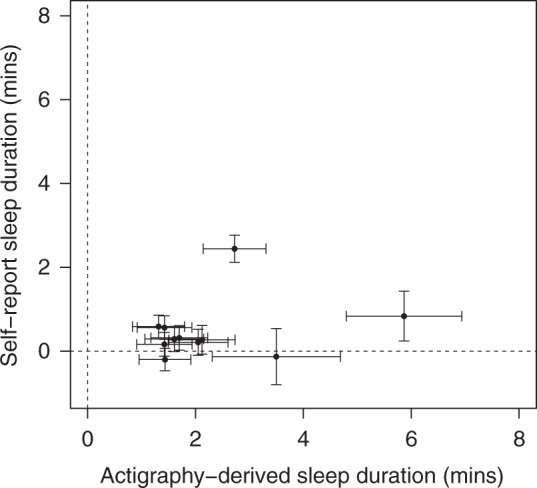
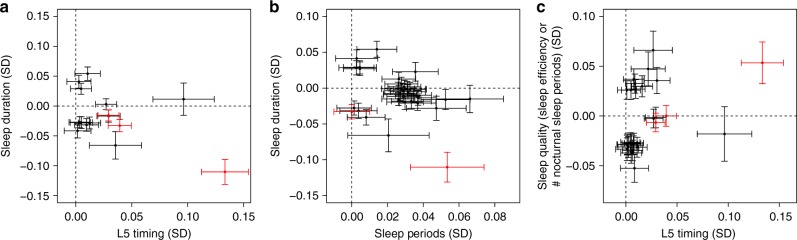
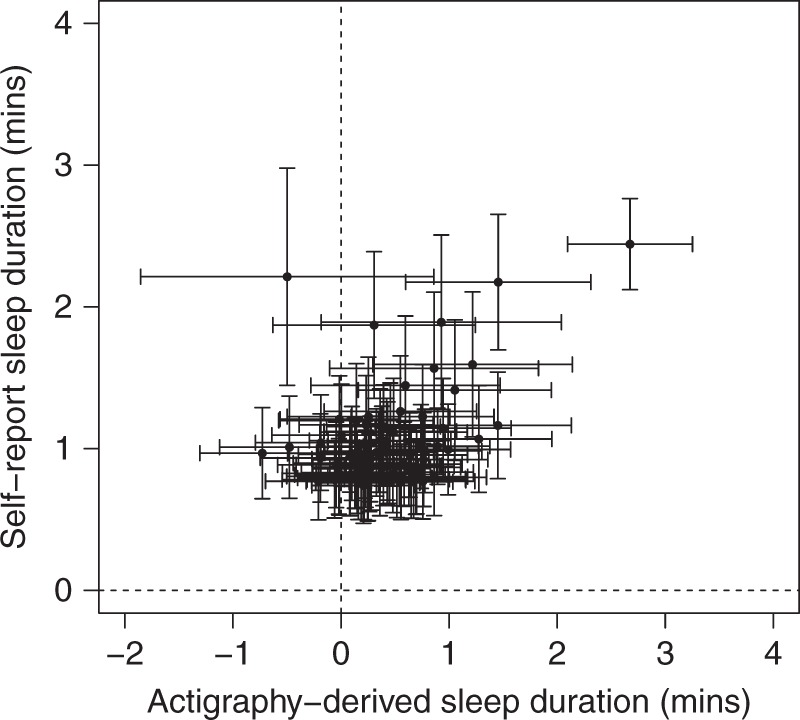
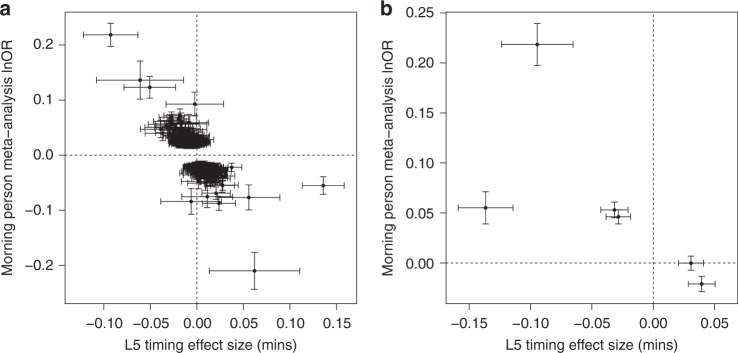
Verification
Claims the paper makes
The claims and statistics of this paper haven’t been checked yet.
Free: it reads the open-access text and checks the first 5 claims that cite a source we can check. Create a free account to check every claim.
Claims other papers make about this one
Each is checked against this paper’s own text: does it say what the citing paper says it does?
In the citing paper
“existing actigraphy-based sleep studies on large health datasets have only focused on the differentiation between sleep and wakefulness4,9–11 without evaluating variations in the stages of sleep.”
From Self-supervised learning of accelerometer data provides new insights for sleep and its association with mortality (2024) · cites this paper as [10]
Self-check
Percentages, sums and reported differences re-computed from the paper’s own numbers.
The self-check needs the paper’s full text.
Citations
Cites
A global reference for human genetic variation
The 1000 Genomes Project Consortium, authors, C., Auton, A., Abecasis, G. R., Steering committee, Altshuler, D. M., Durbin, R. M., Abecasis, G. R., Bentley, D. R., Chakravarti, A., et al. (2015) · Nature · doi:10.1038/nature15393 · Cited by 18,247
Sudlow, C., Gallacher, J., Allen, N., Beral, V., Burton, P., Danesh, J., Downey, P., Elliott, P., Green, J., Landray, M., et al. (2015) · PLOS Medicine · doi:10.1371/journal.pmed.1001779 · Cited by 12,728
Corder, E. H., Saunders, A. M., Strittmatter, W. J., Schmechel, D. E., Gaskell, P. C., Small, G. W., Roses, A. D., Haines, J. L., & Pericak-Vance, M. A. (1993) · Science · doi:10.1126/science.8346443 · Cited by 9,429
Bowden, J., Davey Smith, G., Haycock, P. C., & Burgess, S. (2016) · Genetic Epidemiology · doi:10.1002/gepi.21965 · Cited by 8,922
The UK Biobank resource with deep phenotyping and genomic data
Bycroft, C., Freeman, C., Petkova, D., Band, G., Elliott, L. T., Sharp, K., Motyer, A., Vukcevic, D., Delaneau, O., O’Connell, J., et al. (2018) · Nature · doi:10.1038/s41586-018-0579-z · Cited by 8,876
Molecular signatures database (MSigDB) 3.0
Liberzon, A., Subramanian, A., Pinchback, R., Thorvaldsdóttir, H., Tamayo, P., & Mesirov, J. P. (2011) · Bioinformatics · doi:10.1093/bioinformatics/btr260 · Cited by 7,111
LD Score regression distinguishes confounding from polygenicity in genome-wide association studies
Schizophrenia Working Group of the Psychiatric Genomics Consortium, Bulik-Sullivan, B. K., Loh, P.-R., Finucane, H. K., Ripke, S., Yang, J., Patterson, N., Daly, M. J., Price, A. L., & Neale, B. M. (2015) · Nature Genetics · doi:10.1038/ng.3211 · Cited by 5,559
METAL: fast and efficient meta-analysis of genomewide association scans
Willer, C. J., Li, Y., & Abecasis, G. R. (2010) · Bioinformatics · doi:10.1093/bioinformatics/btq340 · Cited by 5,205
The Genotype-Tissue Expression (GTEx) pilot analysis: Multitissue gene regulation in humans
The GTEx Consortium, Ardlie, K. G., Deluca, D. S., Segrè, A. V., Sullivan, T. J., Young, T. R., Gelfand, E. T., Trowbridge, C. A., Maller, J. B., Tukiainen, T., et al. (2015) · Science · doi:10.1126/science.1262110 · Cited by 5,062
Functional mapping and annotation of genetic associations with FUMA
Watanabe, K., Taskesen, E., van Bochoven, A., & Posthuma, D. (2017) · Nature Communications · doi:10.1038/s41467-017-01261-5 · Cited by 4,083
Cited by
Items 101–200 of 300
Pilarzyk, K., Porcher, L., Capell, W. R., Burbano, S. D., Davis, J., Fisher, J. L., Gorny, N., Petrolle, S., & Kelly, M. P. (2022) · Aging Cell · doi:10.1111/acel.13687 · Cited by 19
“…with major depressive disorder (MDD) (Cabanero et al., 2009; Luo et al., 2009; Wong et al., 2006), suicide risk (Coon et al., 2013), sleep quality (Jones et al., 2019), antidepressant response in patients with MDD (Luo et al., 2009; Wong et al., 2006) (but see (Cabanero et al., 2009; Perlis et…”
Genome-wide association analysis of composite sleep health scores in 413,904 individuals
Goodman, M. O., Faquih, T. O., Paz, V., Nagarajan, P., Lane, J. M., Spitzer, B., Maher, M., Chung, J., Cade, B. E., Purcell, S., et al. (2025) · Communications Biology · doi:10.1038/s42003-025-07514-0 · Cited by 25
“We only reported the genomic locations of the lead SNPs to better organize our results (including reporting allelic information and association estimates) similar to other GWASs (Dashti, Jones et al. 2019, Jones, Lane et al. 2019, Lane, Jones et al. 2019, Wang, Lane et al. 2019).”
Self-citationCircadian clock genes and insomnia: molecular mechanisms and therapeutic implications
Ren, Q., Gu, M., & Xu, F. (2025) · Annals of Medicine · doi:10.1080/07853890.2025.2576643 · Cited by 25
“In addition, genetic variants in clock genes such as PER3 and CRY1 have been linked to changes in sleep patterns and increased susceptibility to sleep disorders [16].”
Associations of Rest‐Activity Rhythm Disturbances With Stroke Risk and Poststroke Adverse Outcomes
Gao, L., Zheng, X., Baker, S. N., Li, P., Scheer, F. A. J. L., Nogueira, R. D. C., & Hu, K. (2024) · Journal of the American Heart Association · doi:10.1161/jaha.123.032086 · Cited by 20
Crinion, S., Morris, D. W., & Lopez, L. M. (2024) · Genes Brain & Behavior · doi:10.1111/gbb.12885 · Cited by 21
“8 Gene set analysis has also been used to identify an enrichment of genes expressed in the cerebellum for all sleep measurements (Table 2), a brain region linked to neuropsychiatric disorders that, when dysfunctional, can lead to changes in sleep – wake cycle.”
BackgroundMethodDai, X., Williams, G. J., Groeger, J. A., Jones, G., Brookes, K. J., Zhou, W., Hua, J., & Du, W. (2024) · Autism · doi:10.1177/13623613241258546 · Cited by 22
Lyu, S., Xing, H., Liu, Y., Girdhar, P., Zhang, K., Yokoi, F., Xiao, R., & Li, Y. (2020) · Journal of Neurochemistry · doi:10.1111/jnc.15177 · Cited by 21
“Furthermore, MEIS1 was found to be associated with sleep duration, efficiency, and timing (Jones et al., 2019), indicating a role of MEIS1 in sleep regulation.”
BackgroundLonger sleep duration may negatively affect renal function
Mazidi, M., Shekoohi, N., Katsiki, N., & Banach, M. (2020) · International Urology and Nephrology · doi:10.1007/s11255-020-02624-6 · Cited by 22
“Further details on this process can be found elsewhere [21].”
BackgroundIschemic Stroke and Sleep: The Linking Genetic Factors
Коростовцева, Л. С. (2021) · Cardiology and Therapy · doi:10.1007/s40119-021-00231-9 · Cited by 17
“BTBD9 [32] Dopaminergic system, circadian”
BackgroundInfluentialThe relationship between autism spectrum and sleep–wake traits
Smidt, S. D. E., Ghorai, A., Taylor, S. C., Gehringer, B. N., Dow, H. C., Langer, A., Rawot, E., Zhang, J., Mitchell, J. A., Rader, D. J., et al. (2021) · Autism Research · doi:10.1002/aur.2660 · Cited by 20
“Numerous studies have used the GGIR algorithm in both children and adults, most notably for the analysis of accelerometer-based sleep–wake measures in the large-scale UK Biobank (Antczak et al., 2021; Dashti et al., 2019; Jones et al., 2019; Knuth et al., 2017; Koopman-Verhoeff et al., 2019).”
MethodVallat, R., Berry, S. E., Tsereteli, N., Pujol, J. C., Khatib, H. A., Valdes, A. M., Delahanty, L. M., Drew, D. A., Chan, A. T., Wolf, J., et al. (2022) · Nature Communications · doi:10.1038/s41467-022-34503-2 · Cited by 18
Silvani, A., Ghorayeb, I., Manconi, M., Li, Y., & Clemens, S. (2022) · Neurotherapeutics · doi:10.1007/s13311-022-01334-4 · Cited by 19
“Recently, BTBD9 has also been associated with sleep duration, timing, and daytime sleepiness [138, 139].”
BackgroundMcDonnell, E., Zipunnikov, V., Schrack, J. A., Goldsmith, J., & Wrobel, J. (2021) · Biological Rhythm Research · doi:10.1080/09291016.2021.1929673 · Cited by 18
“nap times or wakeful rest) showed very little correlation with selfreported chronotype on a scale from “definitely a ‘morning’ person” to “definitely an ‘evening’ person”, suggesting that these other sleep features provide new information beyond the established chronotypes (Jones et al. 2019).”
BackgroundPhysical activity and sleep during the first week of anorexia nervosa inpatient care
Langlet, B. S., Vestermark, F., Stolt, J., Zandian, M., Södersten, P., & Bergh, C. E. K. (2021) · PLoS ONE · doi:10.1371/journal.pone.0260077 · Cited by 17
“3 hours) using the same algorithm [50].”
Skeldon, A. C., Garcia, T. R., Cleator, S. F., della Monica, C., Ravindran, K. K. G., Revell, V. L., & Dijk, D. (2023) · PLoS Computational Biology · doi:10.1371/journal.pcbi.1011743 · Cited by 23
“Understanding of the genetic molecular determinants and correlates of the sleep homeostat, circadian rhythmicity and the effects of light has grown rapidly in the past few decades (e.g. [16,17]).”
BackgroundLin, C., Chen, I., Chuang, H., Wang, Z.-W., Lin, H.-H., & Lin, Y. (2023) · Journal of Medical Internet Research · doi:10.2196/48044 · Cited by 21
“The M10 value is a widely accepted indicator of a person’s overall physical activity level [33,34].”
A zinc oxide resonant nano-accelerometer with ultra-high sensitivity
Xu, P., Wang, D., He, J., Cui, Y., Lu, L., Li, Y., Chen, X., Liu, C., Suo, L., Ren, T., et al. (2024) · Nature Communications · doi:10.1038/s41467-024-49145-9 · Cited by 15
Trends in insomnia research for the next decade: a narrative review
Marques, D. R., Gomes, A. A., Clemente, V., dos Santos, J. M., Serra, J., & de Azevedo, M. H. P. (2020) · Sleep and Biological Rhythms · doi:10.1007/s41105-020-00269-7 · Cited by 20
Hernandez, L. M., Kim, M., Hernandez, C., Thompson, W. K., Fan, C. C., Galván, A., Dapretto, M., Bookheimer, S. Y., Fuligni, A. J., & Gandal, M. J. (2022) · Biological Psychiatry Global Open Science · doi:10.1016/j.bpsgos.2021.12.011 · Cited by 15
Processing of Accelerometry Data with GGIR in Motor Activity Research Consortium for Health
Guo, W., Leroux, A., Shou, H., Cui, L., Kang, S. J., Strippoli, M. F., Preisig, M., Zipunnikov, V., & Merikangas, K. R. (2022) · Journal for the Measurement of Physical Behaviour · doi:10.1123/jmpb.2022-0018 · Cited by 18
Larsen, M., He, F., Kawasawa, Y. I., Berg, A. S., Vgontzas, A. N., Liao, D., Bixler, E. O., & Fernández‐Mendoza, J. (2023) · Clinical Epigenetics · doi:10.1186/s13148-023-01553-2 · Cited by 16
“The sample had an average age of 17 years [13–23], 55.9% were male, and 23.2% identified as a racial/ethnic minority.”
BackgroundInfluentialNarcolepsy type 1: what have we learned from genetics?
Ollila, H. M. (2020) · SLEEP · doi:10.1093/sleep/zsaa099 · Cited by 16
“Indeed, the genetic association studies of population-level sleep traits have identified variants in potassium channels (NKAIN2, KCNH5, and KCNQ5) [72] and dopaminergic (DRD2, SLC6A3) and gabaergic pathways (GABRA2, GABRR1) [73], essentially validating the relevance of these neurotransmitter systems in human sleep reg…”
BackgroundBragantini, D., Sivertsen, B., Gehrman, P., Lydersen, S., & Güzey, I. C. (2019) · BMC Medical Genetics · doi:10.1186/s12881-019-0916-6 · Cited by 14
Self-citationWearable Intelligent Human–Machine Interfaces Ready for Sustainable Edge Computing Systems
Zhu, M., He, S., Chen, T., & Lee, C. (2025) · AI Sensors · doi:10.3390/aisens1020009 · Cited by 17
Di, H., Zhu, Y., Xia, W., Meng, X., Zhang, M., Xu, M., Feng, J., Tian, Q., Yan, H., Cao, S., et al. (2022) · Sleep Medicine · doi:10.1016/j.sleep.2022.03.024 · Cited by 15
Validation of Candidate Sleep Disorder Risk Genes Using Zebrafish
Tran, S., & Prober, D. A. (2022) · Frontiers in Molecular Neuroscience · doi:10.3389/fnmol.2022.873520 · Cited by 15
“, 2018), the validity of self-reported sleep duration data is supported by studies that use wrist-worn accelerometers (Doherty et al., 2018; Dashti et al., 2019; Jones et al., 2019).”
BackgroundSonti, S., & Grant, S. F. A. (2022) · SLEEP · doi:10.1093/sleep/zsac180 · Cited by 14
Sleep Health at the Genomic Level: Six Distinct Factors and Their Relationships With Psychopathology
Morrison, C. L., Winiger, E. A., Rieselbach, M. M., Vetter, C., Wright, K. P., LeBourgeois, M. K., & Friedman, N. P. (2022) · Biological Psychiatry Global Open Science · doi:10.1016/j.bpsgos.2022.07.002 · Cited by 16
“Objective sleep phenotypes were collected via actigraphic data (AX3; Axivity, worn for 7 days) and consisted of sleep midpoint, most active 10 hours of the day, least active 5 hours of the day, sleep efficiency, sleep episodes, diurnal inactivity, and the standard deviation of actigraphy sleep duration (23).”
MethodChakravorty, S., Kember, R. L., Mazzotti, D. R., Dashti, H. S., Toikumo, S., Gehrman, P., & Kranzler, H. R. (2023) · Drug and Alcohol Dependence · doi:10.1016/j.drugalcdep.2023.110912 · Cited by 12
Self-citationSleep disorders causally affect the brain cortical structure: A Mendelian randomization study
Gao, X., Wei, T., Xu, S., Sun, W., Zhang, B., Li, C., Sui, R., Fei, N., Li, Y., Xu, W., et al. (2023) · Sleep Medicine · doi:10.1016/j.sleep.2023.08.013 · Cited by 16
Genomic heterogeneity affects the response to Daylight Saving Time
Tyler, J., Fang, Y., Goldstein, C. A., Forger, D. B., Sen, S., & Burmeister, M. (2021) · Scientific Reports · doi:10.1038/s41598-021-94459-z · Cited by 13
The dihydropyrimidine dehydrogenase gene contributes to heritable differences in sleep in mice
Keenan, B. T., Galante, R. J., Lian, J., Zhang, L., Guo, X., Veatch, O. J., Chesler, E. J., O’Brien, W. T., Svenson, K. L., Churchill, G. A., et al. (2021) · Current Biology · doi:10.1016/j.cub.2021.09.049 · Cited by 16
Sleep behaviors and Parkinson's disease: A bidirectional Mendelian randomization analysis
Ling, Y., Zhu, J., Yan, F., Tse, L. A., Kinra, S., & Jiang, M. (2023) · Behavioural Brain Research · doi:10.1016/j.bbr.2022.114281 · Cited by 15
Daytime sleepiness might increase the risk of ALS: a 2-sample Mendelian randomization study
Zhang, G., Zhang, L., Xia, K., Zhuang, Z., Huang, T., & Fan, D. (2021) · Journal of Neurology · doi:10.1007/s00415-021-10564-z · Cited by 11
“IVs for sleep efficiency and number of sleep episodes were extracted from one GWAS that included accelerometer recordings from 85,670 participants for up to 7 days [15].”
MethodShim, J. Y., Lee, S., Lee, I. H., & Jeong, Y. M. (2021) · Healthcare · doi:10.3390/healthcare9091171 · Cited by 13
“As such, depression and suicidal ideations in middle-aged adults increase with poor sleep quality and lower education levels [16,17,20], and the lower the level of education, the poorer the sleep quality [22].”
BackgroundCorrelations in sleeping patterns and circadian preference between spouses
Richmond, R. C., Howe, L. J., Heilbron, K., Jones, S. E., Liu, J., Aslibekyan, S. W., Auton, A., Babalola, E., Bell, R. K., Bielenberg, J., et al. (2023) · Communications Biology · doi:10.1038/s42003-023-05521-7 · Cited by 14
“time, number of nocturnal sleep episodes, mean daily sleep duration and mean sleep efficiency (36)).”
BackgroundMethodSelf-citationLevine, Z., Kalka, I. N., Kolobkov, D. S., Rossman, H., Godneva, A., Shilo, S., Keshet, A., Weissglas‐Volkov, D., Shor, T., Diament, A., et al. (2023) · Med · doi:10.1016/j.medj.2023.12.001 · Cited by 14
Glycoprotein 2 as a gut gate keeper for mucosal equilibrium between inflammation and immunity
Zhang, Z., Tanaka, I., Nakahashi-Ouchida, R., Ernst, P. B., Kiyono, H., & Kurashima, Y. (2024) · Seminars in Immunopathology · doi:10.1007/s00281-023-00999-z · Cited by 16
“…body mass index (BMI) (rs12597579) [116], type 1 [117] and 2 diabetes (rs117267808) [118], acute myeloid leukemia [119], and sleep quality [120], this study revealed the pleiotropic effects of GP2 variants, suggesting their potential roles in metabolic traits such as type 2 diabetes [63,…”
BackgroundWang, Y., Wen, Q., Luo, S., Tang, L., Zhan, S., Cao, J., Wang, S., & Chen, Q. (2025) · Health Data Science · doi:10.34133/hds.0161 · Cited by 16
“…shift work or night shift work [ 18 ]; (b) those who reported using sleep medications, antidepressants, antipsychotics, or anxiolytics at baseline [ 18 ]; (c) those whose accelerome-ter-wearing period included a daylight-saving time change or who woke up in the afternoon on an average day [ 23 ,…”
InfluentialHatoum, A. S., Winiger, E. A., Morrison, C. L., Johnson, E. C., & Agrawal, A. (2022) · Addiction Biology · doi:10.1111/adb.13184 · Cited by 15
“active earlier or later in the day(23)).(64) Diurnal inactivity can be conceptualised as a sleep problem due to increased naps/rest/inactivity that are a compensatory behaviour for nonrestful sleep.”
BackgroundGenetics of sleep medication purchases suggests causality from sleep problems to psychiatric traits
Broberg, M. E., Helaakoski, V., Kiiskinen, T., Paunio, T., Jones, S. E., Mars, N., Lane, J. M., FinnGen, Saxena, R., & Ollila, H. M. (2023) · SLEEP · doi:10.1093/sleep/zsad279 · Cited by 14
“Furthermore, GWASs of sleep quality have also demonstrated significant heritability of sleep patterns based on accelerometer data at 0.1 [18] and genetic correlation between insomnia (self-reported) and depression ( r g = 0.5), neuroticism ( r g = 0.5), and negative correlation to overall…”
BackgroundInfluentialSelf-citationSbornova, I., van der Sande, E., Milosavljevic, S., Amurrio, E., Burbano, S. D., Das, P., Helen, H., Fisher, J. L., Kargbo, P., Patel, J., et al. (2023) · Cells · doi:10.3390/cells12242839 · Cited by 11
“Interestingly, the effects of the Y727C variant that are linked to reduced myopia risk and increased sleep quality [14,16] are quite distinct from that of the nearby M878V variant that is linked to high-risk suicide [48] but not myopia or sleep [14,16].”
BackgroundInfluentialWendt, A. T., Bielemann, R. M., Wehrmeister, F. C., Ricardo, L. I. C., Müller, W. D. A., Machado, A. K. F., da Cruz, M. F., Bertoldi, A. D., Brage, S., Ekelund, U., et al. (2024) · PLoS ONE · doi:10.1371/journal.pone.0298031 · Cited by 12
Lamichhane, D. K., Ha, E., Bakian, A. V., Hong, Y.-C., Lee, D., Park, M., Song, S., Kim, S., Park, H., Kim, W., et al. (2024) · Environmental Epidemiology · doi:10.1097/ee9.0000000000000329 · Cited by 10
Levy, I., Szarek, E., Maria, A. G., Starrost, M., Sierra, M. D. L. L., Faucz, F. R., & Stratakis, C. A. (2020) · Molecular and Cellular Endocrinology · doi:10.1016/j.mce.2020.111071 · Cited by 11
A genome-wide association study for melatonin secretion
Liu, P., Chuang, G., Hsiung, C., Yang, W., Ku, H.-C., Lin, Y.-C., Chen, Y.-S., Huang, Y., Lin, C.-H., Li, W., et al. (2022) · Scientific Reports · doi:10.1038/s41598-022-12084-w · Cited by 11
The impact of Mendelian sleep and circadian genetic variants in a population setting
Weedon, M. N., Jones, S. E., Lane, J. M., Lee, J., Ollila, H. M., Dawes, A., Tyrrell, J., Beaumont, R. N., Partonen, T., Merikanto, I., et al. (2022) · PLoS Genetics · doi:10.1371/journal.pgen.1010356 · Cited by 10
“Sleep midpoint was estimated as the mid-point of the sleep period time window used to define sleep duration[21].”
BackgroundMethodInfluentialSelf-citationRatcliffe, A., Zhai, B., Guan, Y., Jackson, D., & Sneyd, J. R. (2020) · Anaesthesia · doi:10.1111/anae.15267 · Cited by 12
Sirignano, L., Streit, F., Frank, J., Zillich, L., Witt, S. H., Rietschel, M., & Foo, J. C. (2022) · Scientific Reports · doi:10.1038/s41598-022-19720-5 · Cited by 13
Iakunchykova, O. P., Pan, M., Amlien, I. K., Roe, J. M., Walhovd, K. B., Fjell, A. M., Chen, C., Benros, M. E., & Wang, Y. (2024) · Brain Behavior & Immunity - Health · doi:10.1016/j.bbih.2024.100754 · Cited by 11
Grydeland, H., Sederevičius, D., Wang, Y., Bartrés‐Faz, D., Bertram, L., Dobričić, V., Düzel, S., Ebmeier, K. P., Lindenberger, U., Nyberg, L. H., et al. (2021) · SLEEP · doi:10.1093/sleep/zsab110 · Cited by 9
“As the sleep efficiency PGSs stem from a GWAS using activity monitors [45], the inclusion of objective sleep measures could shed further light on the relative contribution of sleep genetics and sleep behavior.”
BackgroundMethodInfluentialMijalkov, M., Veréb, D., Jamialahmadi, O., Canal-García, A., Gómez-Ruiz, E., Dídac Vidal-piñeiro, A., Romeo, S., Volpe, G., & Pereira, J. B. (2023) · Network Neuroscience · doi:10.1162/netn_a_00286 · Cited by 11
“…sleep efficiency, diastolic blood pressure, development, and vulnerability to neurodegenerative diseases (Elliott et al., 2018; Foo et al., 2021b; Jones et al., 2019), showed an association with the majority of functional connectivity measures, including multilayer and multiplex clustering, as…”
BackgroundGenetics of Circadian and Sleep Measures in Adults: Implications for Sleep Medicine
Yamazaki, E. M., & Goel, N. (2020) · Current Sleep Medicine Reports · doi:10.1007/s40675-020-00165-z · Cited by 11
Sleep traits causally affect epigenetic age acceleration: a Mendelian randomization study
Zhao, W., Yu, S., Xu, Y., Liao, H., Chen, D., Lu, T., Ren, Z., Ge, L., Liu, J., & Sun, J. (2025) · Scientific Reports · doi:10.1038/s41598-024-84957-1 · Cited by 12
“The GWAS for 13 sleep-related traits was obtained by searching PubMed 24–31 .”
Health risks and genetic architecture of objectively measured multidimensional sleep health
Zhang, S., Zhang, M., Yuan, Y., Li, Z., Li, X., & Li, X. (2025) · Nature Communications · doi:10.1038/s41467-025-62338-0 · Cited by 17
“…applying data quality control procedures recommended by the UK Biobank accelerometer working group and following data processing approaches used in previous studies based on UK Biobank accelerometry data, a total of 85,233 participants were retained for the fi nal analysis 67,68 (Supplementary Fig.”
Does EGFR Signaling Mediate Orexin System Activity in Sleep Initiation?
Kniazkina, M., & Dyachuk, V. A. (2023) · International Journal of Molecular Sciences · doi:10.3390/ijms24119505 · Cited by 9
Chuang, H., Lin, C., Lee, L., Chang, H., She, G.-J., & Lin, Y. (2024) · Journal of Medical Internet Research · doi:10.2196/50149 · Cited by 10
“These are widely recognized indicators of a person’s circadian activity patterns [22,23].”
BackgroundZhu, Y., Bi, Y., & Zhu, T. (2024) · Brain and Behavior · doi:10.1002/brb3.3596 · Cited by 11
“…sleep-related phenotypes, including self-reported traits such as insomnia (Lane et al., 2019), chronotype (Jones et al., 2019), morning person (Jones et al., 2019), sleep duration (Dashti et al., 2019), and short sleep duration (Dashti et al., 2019), as well as estimates derived from…”
Didikoğlu, A., Maharani, A., Canal, M. M., Pendleton, N., & Payton, A. (2020) · Mechanisms of Ageing and Development · doi:10.1016/j.mad.2020.111253 · Cited by 9
Tometich, D. B., Hoogland, A. I., Small, B. J., Janelsins, M. C., Bryant, C., Rodriguez, Y., Gonzalez, B. D., Li, X., Bulls, H. W., James, B. W., et al. (2023) · Cancers · doi:10.3390/cancers15153882 · Cited by 7
“For sleep, data were excluded if the average sleep time was <3 or >12 h per night as these values were likely errors [25].”
MethodChen, I., Lin, C., She, G.-J., Chang, H., Chuang, H., Chen, T., & Lin, Y. (2025) · Depression and Anxiety · doi:10.1155/da/2617282 · Cited by 7
“These are widely recognized indicators of a person ’ s circadian activity patterns [35, 36].”
Liang, H., Wu, C., Lin, C., Chang, H., Lin, Y., Chen, S.-Y., & Hsu, W.-C. (2024) · Journal of Medical Internet Research · doi:10.2196/49530 · Cited by 11
“These are widely recognized indicators of a person’s circadian activity patterns [36,37].”
Liu, H., Zhang, Z., He, Y., Ding, L., Wu, T., Wang, Y., & Ma, W. (2024) · Nature and Science of Sleep · doi:10.2147/nss.s491216 · Cited by 7
What have we learned about sleep from selective breeding strategies?
Harbison, S. T. (2022) · SLEEP · doi:10.1093/sleep/zsac147 · Cited by 7
Lyu, S., Xing, H., Liu, Y., Girdhar, P., Yokoi, F., & Li, Y. (2022) · Neuroscience · doi:10.1016/j.neuroscience.2022.10.008 · Cited by 8
Association between circadian physical activity patterns and mortality in the UK Biobank
Stein, M. J., Baurecht, H., Sedlmeier, A. M., Konzok, J., Bohmann, P., Fontvieille, E., Peruchet‐Noray, L., Bowden, J., Friedenreich, C. M., Fervers, B., et al. (2023) · International Journal of Behavioral Nutrition and Physical Activity · doi:10.1186/s12966-023-01508-z · Cited by 12
“However, these associations may be confounded by occupation [36], lifestyle factors [37], or genetics [38].”
BackgroundGlycoprotein 2 in health and disease: lifting the veil
Lin, Y., Nakatochi, M., Sasahira, N., Ueno, M., Egawa, N., Adachi, Y., & Kikuchi, S. (2021) · Genes and Environment · doi:10.1186/s41021-021-00229-8 · Cited by 7
Gubin, D. G. (2024) · Royal Society of Chemistry eBooks · doi:10.1039/bk9781839167553-00536 · Cited by 7
Mendelian randomization in SLEEP: avoiding pitfalls with MR-SLEEP guidelines
Evans, D. S., Pack, A. I., Gozal, D., & Stone, K. L. (2025) · SLEEP · doi:10.1093/sleep/zsaf054 · Cited by 7
“Sources of gIVs of validated or objectively measured sleep or circadian rhythm traits/ disorders include GWAS of obstructive sleep apnea traits [30, 31], accelerometer-based sleep duration and sleep efficiency [32], restless legs syndrome [33], and narcolepsy [34].”
Wearable magnetic induction-based approach toward 3D motion tracking
Golestani, N., & Moghaddam, M. (2021) · Scientific Reports · doi:10.1038/s41598-021-98346-5 · Cited by 9
Multivariate genome-wide association study of sleep health demonstrates unity and diversity
Morrison, C. L., Winiger, E. A., Wright, K. P., & Friedman, N. P. (2023) · SLEEP · doi:10.1093/sleep/zsad320 · Cited by 7
Clinical utility of self-reported sleep duration and insomnia symptoms in type 2 diabetes prediction
Wright, A. K., Huang, T., Carr, M., Premdayal, A. D., Saluja, S., Dashti, H. S., Anderson, S. G., Ray, D. W., Jones, S. E., Wood, A. R., et al. (2025) · Diabetologia · doi:10.1007/s00125-025-06503-6 · Cited by 9
“…self-reported sleep duration in UKB participants was largely concordant with objec-tive measures obtained from activity-monitor devices and showed modest correlation with accelerometer-derived sleep duration, even though these data were collected approximately 6 years after self-reported data [33].”
Self-citationAssessment of physical activity patterns in patients with rheumatoid arthritis using the UK Biobank
Hamy, V., Creagh, A. P., & Garcia‐Gancedo, L. (2025) · PLoS ONE · doi:10.1371/journal.pone.0319908 · Cited by 5
“…timing of the least-active 5 hours (L5) and the most-active 10 hours (M10)), duration and variability of nocturnal and diurnal sleep episodes [43] along with summary statistics of the number of movement episodes (periods within the night-time lying down window not labeled as sleep by the HAR…”
Monitoring ocular discomfort using a wrist-mounted electronic logger
Read, M., Navascues‐Cornago, M., Keir, N. J., Maldonado‐Codina, C., & Morgan, P. B. (2020) · Contact Lens and Anterior Eye · doi:10.1016/j.clae.2020.02.010 · Cited by 5
Plante, D. T., Papale, L. A., Madrid, A., Cook, J. D., Prairie, M. L., & Alisch, R. S. (2021) · SLEEP · doi:10.1093/sleep/zsab108 · Cited by 5
Accelerometer-based analyses of animal sleep patterns
Watanabe, Y. Y., & Rutz, C. (2022) · eLife · doi:10.7554/elife.77349 · Cited by 5
A GRU-Based Model for Detecting Common Accidents of Construction Workers
Dzeng, R., Watanabe, K., Hsueh, H.-H., & Fu, C.-K. (2024) · Sensors · doi:10.3390/s24020672 · Cited by 8
“Jones et al. [5] used the accelerometer data of 85,670 participants from the UK Biobank and performed a genome-wide association study of eight derived sleep traits representing sleep quality, quantity, and timing.”
MethodData-driven modelling approach to circadian temperature rhythm profiles in free-living conditions
Lipsanen, J. O., Kuula, L., Elovainio, M. J., Partonen, T., & Pesonen, A. (2021) · Scientific Reports · doi:10.1038/s41598-021-94522-9 · Cited by 7
Olivares, G. H., Núñez-Villegas, F., Candia, N., Oróstica, K., González-Ramírez, M. C., Vega-Macaya, F., Zúñiga, N., Molina, C. F., Oliva, C., Mackay, T. F. C., et al. (2023) · SLEEP · doi:10.1093/sleep/zsad016 · Cited by 6
pyActigraphy: open-source python package for actigraphy data visualisation and analysisPreprint
Hammad, G. H., Reyt, M., Beliy, N., Baillet, M., Deantoni, M., Lesoinne, A., Muto, V., & Schmidt, C. (2020) · bioRxiv (Cold Spring Harbor Laboratory) · doi:10.1101/2020.12.03.400226 · Cited by 5
Chuang, H., Lin, Y., Lee, L.-A., Chang, H., She, G.-J., & Lin, C. (2024) · Sleep Medicine · doi:10.1016/j.sleep.2024.07.025 · Cited by 4
Tchio, C. I. M., Williams, J. S., Taylor, H. A., Ollila, H. M., & Saxena, R. (2025) · SLEEP Advances · doi:10.1093/sleepadvances/zpaf030 · Cited by 4
Self-citationGenetic versus stress and mood determinants of sleep in the Amish
Bruce, H. A., Kochunov, P., Chiappelli, J., Savransky, A., Carino, K., Sewell, J., Marshall, W., Kvarta, M. D., McMahon, F. J., Ament, S. A., et al. (2021) · American Journal of Medical Genetics Part B Neuropsychiatric Genetics · doi:10.1002/ajmg.b.32840 · Cited by 5
“…for insomnia (Hammerschlag et al., 2017; Lane et al., 2017), although most significant findings in one study typically fail to replicate in others (Dashti et al., 2019; Doherty et al., 2018; Gottlieb et al., 2015; Jansen et al., 2019; Jones et al., 2019; Kalmbach et al., 2017; Stein et al., 2018).”
BackgroundSleep and lifestyle in young adult monozygotic twin pairs discordant for body mass index
Berntzen, B. J., Paavonen, E. J., Rissanen, A., Kaprio, J. A., & Pietiläinen, K. H. (2021) · Sleep Health · doi:10.1016/j.sleh.2021.04.002 · Cited by 4
Using human genetics to understand the phenotypic association between chronotype and breast cancer
Wu, X., Yang, C., Zou, Y., Jones, S. E., Zhao, X., Zhang, L., Han, Z., Hao, Y., Xiao, J., Xiao, C., et al. (2023) · Journal of Sleep Research · doi:10.1111/jsr.13973 · Cited by 5
Self-citationMediators of the association between depression and migraine: a mendelian randomization study
Li, Y., Luo, G., Zhou, L., Wang, X., Liu, H., Zhang, Y., & Yan, M. (2024) · Frontiers in Genetics · doi:10.3389/fgene.2024.1326817 · Cited by 5
Yang, H., Hou, C., Chen, W., Zeng, Y., Qu, Y., Sun, Y., Hu, Y., Tang, X., & Song, H. (2024) · Phenomics · doi:10.1007/s43657-023-00144-8 · Cited by 4
“…to environmental and lifestyle factors, genetic background has been demonstrated to play an important role in the formation of sleep-related traits (Jones et al. 2019; Wang et al. 2019), as well as many major diseases [e.g., CVD (Nikpay et al. 2015; NINDS Stroke Genetics Network (SiGN) and…”
Liu, J., Richmond, R. C., Anderson, E. L., Bowden, J., Barry, C.-J. S., Dashti, H. S., Daghlas, I., Lane, J. M., Kyle, S. D., Vetter, C., et al. (2024) · Scientific Reports · doi:10.1038/s41598-024-58007-9 · Cited by 6
“We conducted two sets of 2SMR analyses with the SNP—exposure associations for both of these analyses obtained from the relevant GWAS 16,18,21,22 as used for 1SMR, and the SNP—HbA1c associations were obtained from two different sources: (1) SNP–HbA1c associations were estimated in UKB participants…”
BackgroundMethodResultInfluentialSelf-citationHabitual Sleep Duration, Daytime Napping, and Dietary Intake: A Mendelian Randomization Study
Alimenti, K., Chen, A., Saxena, R., & Dashti, H. S. (2021) · Current Developments in Nutrition · doi:10.1093/cdn/nzab019 · Cited by 4
“Future studies should also consider variants identified from GWASs for objective sleep measures, which so far have a too limited number of variants and modest sample sizes in their replication cohorts to allow 2-sample MR (46).”
BackgroundSelf-citationThe zebrafish mutant dreammist implicates sodium homeostasis in sleep regulation
(2020) · doi:10.1101/2020.11.18.388736 · Cited by 4
Bias and mean squared error in Mendelian randomization with invalid instrumental variables
Deng, L., Fu, S., & Yu, K. F. (2023) · Genetic Epidemiology · doi:10.1002/gepi.22541 · Cited by 4
“We obtained the summary data on SNPs association with WHR (after adjusting for body mass index) from Shungin et al. (2015), and the summary data on SNPs association with each sleep behavior from Jones et al. (2019).”
MethodWang, D.-S., Zhang, H., Wu, S.-H., Qian, Z. M., McMillin, S. E., Bingheim, E., Tan, W., Huang, W., Zhou, P., Liu, R.-Q., et al. (2024) · Epidemiology · doi:10.1097/ede.0000000000001719 · Cited by 4
“1–4 Previous research has made substantial advances in understanding the genetic factors related to sleep 5–7 and emerging studies have provided empirical evidence linking environmental factors to sleep-related outcomes.”
BackgroundSu, P., Taniike, M., Ohno, Y., & Mohri, I. (2024) · Clocks & Sleep · doi:10.3390/clockssleep6040046 · Cited by 3
Mendelian randomization study of sleep traits and risk of colorectal cancer
Dimopoulou, O., Fuller, H., Richmond, R. C., Bouras, E., Hayes, B., Dimou, N. L., Murphy, N., Brenner, H., Gsur, A., Marchand, L. L., et al. (2025) · Scientific Reports · doi:10.1038/s41598-024-83693-w · Cited by 6
“…is most active earlier or later in the day (1 variant); sleep midpoint (1 variant)], insomnia [number of sleep episodes (21 variants)] and sleep duration [actigraphy nocturnal sleep duration (11 variants); sleep efficiency (5 variants); diurnal inactivity (2 variants)] as described elsewhere 46 .”
Rahimi-Eichi, H., Baker, J. T., Fjell, A. M., & Buckner, R. L. (2025) · SLEEP Advances · doi:10.1093/sleepadvances/zpaf079 · Cited by 6
“Combining actigraphy data with genotyping could potentially help identify genetic markers associated with sleep resilience or susceptibility to sleep disturbances, which may be predictive of cognitive decline [53, 54].”
Minami, Y., Yuan, Y., & Ueda, H. R. (2022) · Journal of Biological Rhythms · doi:10.1177/07487304221075002 · Cited by 3
Haapasalo, H. K., Häggqvist, I.-M., Joronen, H., Nikkola, V., Huotari‐Orava, R., Ylianttila, L., Kautiainen, H., Snellman, E., Pasternack, R., & Partonen, T. (2022) · Journal of Investigative Dermatology · doi:10.1016/j.jid.2022.01.021 · Cited by 3
Walker, B., Gibson, J., Jackson, C., Blaikley, J., Jones, S. E., Rutter, M. K., & Sutton, M. (2024) · Chronobiology International · doi:10.1080/07420528.2024.2441192 · Cited by 5
“These exposures were derived from accelerometer data using the open-source GGIR algorithm (Jones et al. 2019; van Hees et al. 2018).”
Self-citationChan, I. N., Nouraie, S. M., Chan, S. Y., & Kelly, N. J. (2025) · SLEEP · doi:10.1093/sleep/zsaf209 · Cited by 3
“Notably,the strongest associations with total sleep identifiedinthisstudyalignwithpreviouswearable-basedreports [19, 23].”
Multi-ancestry genome-wide gene-sleep interactions identify novel loci for blood pressurePreprint
Wang, H., Noordam, R., Cade, B. E., Schwander, K., Winkler, T. W., Lee, J., Sung, Y. J., Bentley, A. R., Manning, A. K., Aschard, H., et al. (2020) · bioRxiv (Cold Spring Harbor Laboratory) · doi:10.1101/2020.05.29.123505 · Cited by 3
Self-citation
Metadata
- Authors
- Jones, S. E., van Hees, V. T., Mazzotti, D. R., Marques-Vidal, P., Sabia, S., van der Spek, A., Dashti, H. S., Engmann, J., Kocevska, D., Tyrrell, J., Beaumont, R. N., Hillsdon, M., Ruth, K. S., Tuke, M. A., Yaghootkar, H., Sharp, S. A., Ji, Y., Harrison, J. W., Freathy, R. M., Murray, A., Luik, A. I., Amin, N., Lane, J. M., Saxena, R., Rutter, M. K., Tiemeier, H., Kutalik, Z., Kumari, M., Frayling, T. M., Weedon, M. N., Gehrman, P. R., & Wood, A. R.
- Affiliations
- University of Exeter (GB)
- University of Pennsylvania (US)
- Centre Hospitalier Universitaire Vaudois (CH)
- Broad Institute (US)
- University College London (GB)
- Erasmus MC (NL)
- Brigham and Women's Hospital (US)
- Manchester Academic Health Science Centre (GB)
- Harvard University (US)
- SIB Swiss Institute of Bioinformatics (CH)
- Corresponding author
- Weedon, Michael N.
- Wood, Andrew R.
- ORCID
- Jones, Samuel E.
- van Hees, Vincent T.
- Mazzotti, Diego R.
- Marques-Vidal, Pedro
- Dashti, Hassan S.
- Engmann, Jorgen
- Kocevska, Desana
- Tyrrell, Jessica
- Beaumont, Robin N.
- Hillsdon, Melvyn
- Ruth, Katherine S.
- Tuke, Marcus A.
- Yaghootkar, Hanieh
- Sharp, Seth A.
- Ji, Yingjie
- Harrison, Jamie W.
- Freathy, Rachel M.
- Murray, Anna
- Luik, Annemarie I.
- Amin, Najaf
- Lane, Jacqueline M.
- Saxena, Richa
- Rutter, Martin K.
- Tiemeier, Henning
- Kutalik, Zoltán
- Frayling, Timothy M.
- Weedon, Michael N.
- Gehrman, Philip R.
- Wood, Andrew R.
- Venue
- Nature Communications
- Published
- 2019-04-05
- Volume
- 10
- Issue
- 1
- Pages
- 1585-1585
- ISSN
- 2041-1723 (ISSN-L)
- PMC
- PMC6451011
- OpenAlex
- W2921442124
- Cited by
- 300
- References
- 78
- Citations by year
- 2026: 32 · 2025: 43 · 2024: 54 · 2023: 43 · 2022: 37 · 2021: 41 · 2020: 34 · 2019: 11
- FWCI
- 36.11
- Type
- journal article
- Language
- en
- Open access
- gold
- doi.org
- Licence
- cc-by
- creativecommons.org/licenses/by/4.0 (tdm)
- creativecommons.org/licenses/by/4.0 (vor)
- Locations
- Nature Communications (publishedVersion, cc-by)
- Europe PMC (PubMed Central) (publishedVersion, cc-by)
- PubMed Central (publishedVersion, cc-by)
- PubMed (publishedVersion)
- Pure Amsterdam UMC (publishedVersion, cc-by)
- Research Explorer (The University of Manchester) (publishedVersion, cc-by)
- EUR Research Repository (Erasmus University Rotterdam) (publishedVersion, other-oa)
- SERVAL (Université de Lausanne) (publishedVersion, cc-by)
- IRIS (submittedVersion, cc-by)
- EUR Research Repository (Erasmus University Rotterdam) (submittedVersion, other-oa)
- RePub (Erasmus University Rotterdam) (submittedVersion, other-oa)
- DOAJ (DOAJ: Directory of Open Access Journals) (submittedVersion, cc-by-sa)
- DOAJ (DOAJ: Directory of Open Access Journals) (submittedVersion)
- UCL Discovery (University College London) (submittedVersion)
- Open Research Exeter (University of Exeter) (submittedVersion, cc-by)
- Amsterdam UMC (VU Amsterdam) - Institutional Repository (submittedVersion, other-oa)
- Data Archiving and Networked Services (DANS) (submittedVersion, other-oa)
- Funders
- National Science Foundation (33CS30-139468, 33CS30-148401, 33CSCO-122661)
- GlaxoSmithKline (33CSCO-122661, 33CS30-139468 and 33CS30-148401, 33CSCO-122661, grants 33CSCO-122661, 33CS30-139468 and 33CS30-148401, 33CS30-148401, 33CS30-139468)
- Wellcome Trust (104150/Z/14/Z, 104150, WT097835MF)
- Diabetes Research and Wellness Foundation
- British Heart Foundation (R01 AG013196, R01AG034454, RG/16/11/32334, K013351, R024227, RG/13/2/30098)
- Diabetes UK (K013351, WT097835MF, 17/0005594)
- University College London
- European Commission (R024227, R01AG034454, 633666)
- Schweizerischer Nationalfonds zur Förderung der Wissenschaftlichen Forschung (148401, 30098, 122661, 33CSCO, 33CS30, 139468)
- ZonMw (050-060-810)
- Ministerie van Volksgezondheid, Welzijn en Sport
- Nederlandse Organisatie voor Wetenschappelijk Onderzoek (050.060.810, 16434, 911-03-012, 175.010.2005.011)
- Ministerio de Economía y Competitividad
- Université de Lausanne
- Chinese Society of Clinical Oncology
- National Institutes of Health (R024227)
- Medical Research Council (MR/M005070/1, MR/R024227, MR/P012167/1, K013351, MR/S011676/1, R024227, MR/R024227/1, R024227/1, R01AG034454, MRC K013351, WT097835MF)
- National Institute on Aging (R01AG034454, R01AG013196)
- National Heart, Lung, and Blood Institute (R01HL143790, K01HL136884)
- National Institute of Diabetes and Digestive and Kidney Diseases (R01DK105072, R01DK107859)
- FP7 Ideas: European Research Council (323195)
- Topics
- Social Sciences › Psychology › Experimental and Cognitive Psychology › Sleep and related disorders
- Life Sciences › Biochemistry, Genetics and Molecular Biology › Genetics › Genetic Associations and Epidemiology
- Life Sciences › Neuroscience › Endocrine and Autonomic Systems › Circadian rhythm and melatonin
- Keywords
- sleep, sleep quality, sleep duration, sleep timing, accelerometer-measured sleep, genome-wide association study, restless legs syndrome, PDE11A, genetic loci, UK Biobank
- MeSH terms
- Circadian Rhythm, Humans, Serotonin, Sleep, Sleep Wake Disorders, Polysomnography, Polymorphism, Single Nucleotide, Waist-Hip Ratio, Accelerometry
About these checks
Registry, retraction, Cites and statistics results are computed, not judged, with one exception: a printed reference that no index lists is read once by a model before it counts as a citation error. Claims are extracted by a model and kept only when their quote appears verbatim in the text; each cited source is then checked, with a model’s help, for whether it says what the claim relies on. Those verdicts can be wrong — read the claim’s quote and the cited source before relying on one.
Statistics and arithmetic are recomputed, not judged.
Confidence bands are shown only for fields calibrated on our annotated test set. None is calibrated yet, so no band is shown.
What counts as a claim ›How we measure confidence ›How we check this ›
Are you an author, or do you see a problem with this page? Request a review
Data sources
Bibliographic data: Semantic Scholar, OpenAlex, Crossref.
Contains information from the Semantic Scholar Academic Graph Datasets, made available under the ODC Attribution License (ODC-BY 1.0).
Semantic Scholar’s data is described in: Kinney, R., et al. (2023). The Semantic Scholar Open Data Platform. arXiv:2301.10140.
