

Genetic studies of accelerometer-based sleep measures yield new insights into human sleep behaviour
Open accessThe DOI matches its Crossref record; 83 of the 83 references it cites were found in a registry or an index.
Abstract
Sleep is an essential human function but its regulation is poorly understood. Using accelerometer data from 85,670 UK Biobank participants, we perform a genome-wide association study of 8 derived sleep traits representing sleep quality, quantity and timing, and validate our findings in 5,819 individuals. We identify 47 genetic associations at P < 5 × 10 −8 , of which 20 reach a stricter threshold of P < 8 × 10 −10 . These include 26 novel associations with measures of sleep quality and 10 with nocturnal sleep duration. The majority of identified variants associate with a single sleep trait, except for variants previously associated with restless legs syndrome. For sleep duration we identify a missense variant (p.Tyr727Cys) in PDE11A as the likely causal variant. As a group, sleep quality loci are enriched for serotonin processing genes. Although accelerometer-derived measures of sleep are imperfect and may be affected by restless legs syndrome, these findings provide new biological insights into sleep compared to previous efforts based on self-report sleep measures.
Overview
The claims and statistics of this paper haven’t been checked yet.
Free: it reads the open-access text and checks the first 5 claims that cite a source we can check. Create a free account to check every claim.
Integrity signals
Registry
Cites
Statistics
Figures
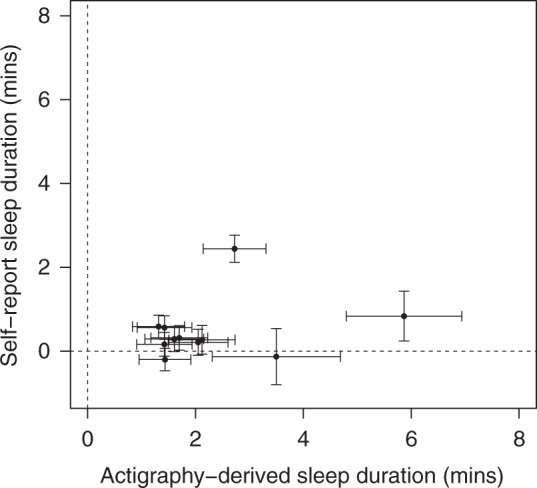
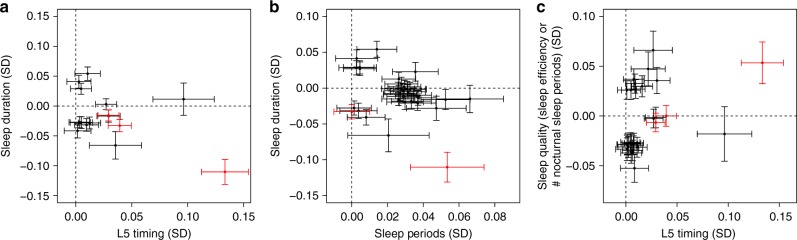
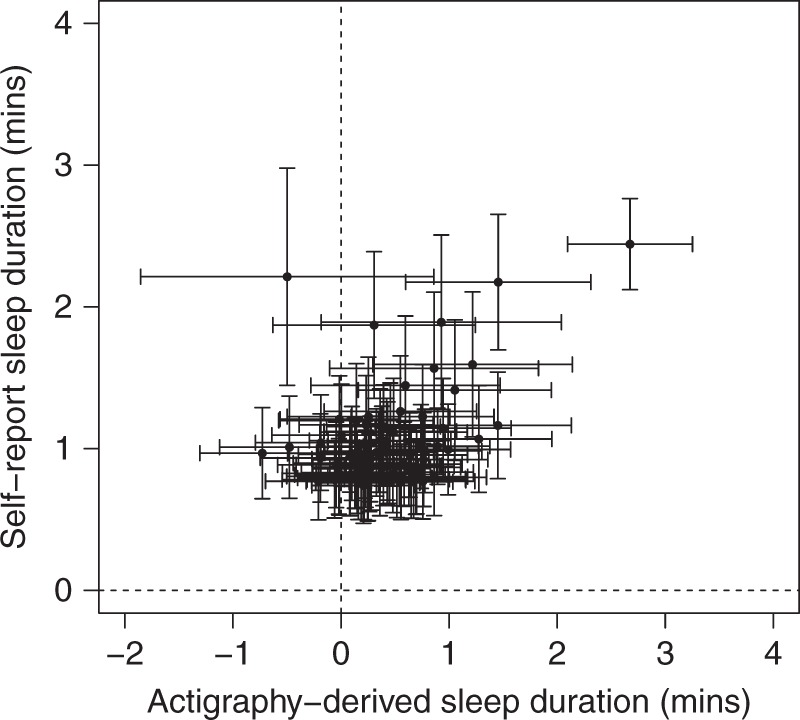
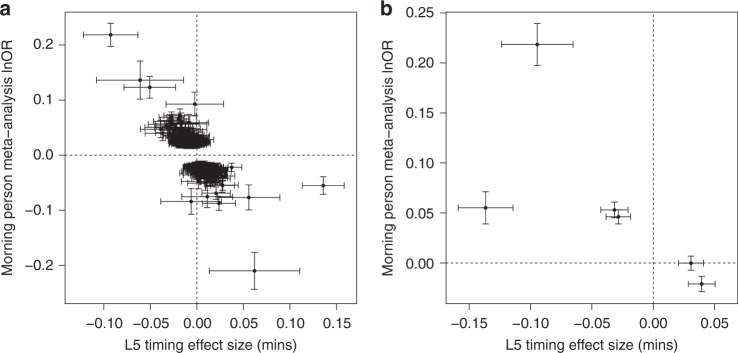
Verification
Claims the paper makes
The claims and statistics of this paper haven’t been checked yet.
Free: it reads the open-access text and checks the first 5 claims that cite a source we can check. Create a free account to check every claim.
Claims other papers make about this one
Each is checked against this paper’s own text: does it say what the citing paper says it does?
In the citing paper
“existing actigraphy-based sleep studies on large health datasets have only focused on the differentiation between sleep and wakefulness4,9–11 without evaluating variations in the stages of sleep.”
From Self-supervised learning of accelerometer data provides new insights for sleep and its association with mortality (2024) · cites this paper as [10]
Self-check
Percentages, sums and reported differences re-computed from the paper’s own numbers.
The self-check needs the paper’s full text.
Citations
Cites
A global reference for human genetic variation
The 1000 Genomes Project Consortium, authors, C., Auton, A., Abecasis, G. R., Steering committee, Altshuler, D. M., Durbin, R. M., Abecasis, G. R., Bentley, D. R., Chakravarti, A., et al. (2015) · Nature · doi:10.1038/nature15393 · Cited by 18,247
Sudlow, C., Gallacher, J., Allen, N., Beral, V., Burton, P., Danesh, J., Downey, P., Elliott, P., Green, J., Landray, M., et al. (2015) · PLOS Medicine · doi:10.1371/journal.pmed.1001779 · Cited by 12,728
Corder, E. H., Saunders, A. M., Strittmatter, W. J., Schmechel, D. E., Gaskell, P. C., Small, G. W., Roses, A. D., Haines, J. L., & Pericak-Vance, M. A. (1993) · Science · doi:10.1126/science.8346443 · Cited by 9,429
Bowden, J., Davey Smith, G., Haycock, P. C., & Burgess, S. (2016) · Genetic Epidemiology · doi:10.1002/gepi.21965 · Cited by 8,922
The UK Biobank resource with deep phenotyping and genomic data
Bycroft, C., Freeman, C., Petkova, D., Band, G., Elliott, L. T., Sharp, K., Motyer, A., Vukcevic, D., Delaneau, O., O’Connell, J., et al. (2018) · Nature · doi:10.1038/s41586-018-0579-z · Cited by 8,876
Molecular signatures database (MSigDB) 3.0
Liberzon, A., Subramanian, A., Pinchback, R., Thorvaldsdóttir, H., Tamayo, P., & Mesirov, J. P. (2011) · Bioinformatics · doi:10.1093/bioinformatics/btr260 · Cited by 7,111
LD Score regression distinguishes confounding from polygenicity in genome-wide association studies
Schizophrenia Working Group of the Psychiatric Genomics Consortium, Bulik-Sullivan, B. K., Loh, P.-R., Finucane, H. K., Ripke, S., Yang, J., Patterson, N., Daly, M. J., Price, A. L., & Neale, B. M. (2015) · Nature Genetics · doi:10.1038/ng.3211 · Cited by 5,559
METAL: fast and efficient meta-analysis of genomewide association scans
Willer, C. J., Li, Y., & Abecasis, G. R. (2010) · Bioinformatics · doi:10.1093/bioinformatics/btq340 · Cited by 5,205
The Genotype-Tissue Expression (GTEx) pilot analysis: Multitissue gene regulation in humans
The GTEx Consortium, Ardlie, K. G., Deluca, D. S., Segrè, A. V., Sullivan, T. J., Young, T. R., Gelfand, E. T., Trowbridge, C. A., Maller, J. B., Tukiainen, T., et al. (2015) · Science · doi:10.1126/science.1262110 · Cited by 5,062
Functional mapping and annotation of genetic associations with FUMA
Watanabe, K., Taskesen, E., van Bochoven, A., & Posthuma, D. (2017) · Nature Communications · doi:10.1038/s41467-017-01261-5 · Cited by 4,083
Cited by
Heart Disease and Stroke Statistics—2023 Update: A Report From the American Heart Association
Tsao, C. W., Aday, A. W., Almarzooq, Z. I., Anderson, C. A. M., Arora, P., Avery, C. L., Baker-Smith, C. M., Beaton, A. Z., Boehme, A. K., Buxton, A. E., et al. (2023) · Circulation · doi:10.1161/cir.0000000000001123 · Cited by 8,300
Martin, S. S., Aday, A. W., Almarzooq, Z. I., Anderson, C. A. M., Arora, P., Avery, C. L., Baker-Smith, C. M., Barone Gibbs, B., Beaton, A. Z., Boehme, A. K., et al. (2024) · Circulation · doi:10.1161/cir.0000000000001209 · Cited by 2,800
Martin, S. S., Aday, A. W., Allen, N. B., Almarzooq, Z. I., Anderson, C. A. M., Arora, P., Avery, C. L., Baker-Smith, C. M., Bansal, N., Beaton, A. Z., et al. (2025) · Circulation · doi:10.1161/cir.0000000000001303 · Cited by 1,080
Migueles, J. H., Rowlands, A. V., Huber, F., Sabia, S., & van Hees, V. T. (2019) · Journal for the Measurement of Physical Behaviour · doi:10.1123/jmpb.2018-0063 · Cited by 955
Self-citationAssociation of sleep duration in middle and old age with incidence of dementia
Sabia, S., Fayosse, A., Dumurgier, J., van Hees, V. T., Paquet, C., Sommerlad, A., Kivimäki, M., Dugravot, A., & Singh-Manoux, A. (2021) · Nature Communications · doi:10.1038/s41467-021-22354-2 · Cited by 628
Self-citationEstimating sleep parameters using an accelerometer without sleep diary
van Hees, V. T., Sabia, S., Jones, S. E., Wood, A. R., Anderson, K. N., Kivimäki, M., Frayling, T. M., Pack, A. I., Bucan, M., Trenell, M. I., et al. (2018) · Scientific Reports · doi:10.1038/s41598-018-31266-z · Cited by 554
Self-citationKocevska, D., Lysen, T. S., Dotinga, A., Koopman-Verhoeff, M. E., Luijk, M. P. C. M., Antypa, N., Biermasz, N. R., Blokstra, A., Brug, J., Burk, W. J., et al. (2020) · Nature Human Behaviour · doi:10.1038/s41562-020-00965-x · Cited by 473
Self-citationObjectives, design and main findings until 2020 from the Rotterdam Study
Ikram, M. A., Brusselle, G., Ghanbari, M., Goedegebure, A., Ikram, M. K., Kavousi, M., Kieboom, B. C. T., Klaver, C. C. W., de Knegt, R. J., Luik, A. I., et al. (2020) · European Journal of Epidemiology · doi:10.1007/s10654-020-00640-5 · Cited by 452
Self-citationGenetic determinants of daytime napping and effects on cardiometabolic health
Dashti, H. S., Daghlas, I., Lane, J. M., Huang, Y., Udler, M. S., Wang, H., Ollila, H. M., Jones, S. E., Kim, J., Wood, A. R., et al. (2021) · Nature Communications · doi:10.1038/s41467-020-20585-3 · Cited by 446
Self-citationGWAS identifies 14 loci for device-measured physical activity and sleep duration
Doherty, A., Smith-Byrne, K., Ferreira, T., Holmes, M. V., Holmes, C., Pulit, S. L., & Lindgren, C. M. (2018) · Nature Communications · doi:10.1038/s41467-018-07743-4 · Cited by 408
Palaniappan, L. P., Allen, N. B., Almarzooq, Z. I., Anderson, C. A. M., Arora, P., Avery, C. L., Baker-Smith, C. M., Bansal, N., Currie, M. E., Earlie, R. S., et al. (2026) · Circulation · doi:10.1161/cir.0000000000001412 · Cited by 242
Choi, K. W., Stein, M. B., Nishimi, K. M., Ge, T., Coleman, J. R. I., Chen, C.-Y., Ratanatharathorn, A., Zheutlin, A. B., Dunn, E. C., 23andMe Research Team, et al. (2020) · American Journal of Psychiatry · doi:10.1176/appi.ajp.2020.19111158 · Cited by 236
“future studies with more detailed sleep-related phenotypes (39).”
BackgroundWang, H., Lane, J. M., Jones, S. E., Dashti, H. S., Ollila, H. M., Wood, A. R., van Hees, V. T., Brumpton, B., Winsvold, B. S., Kantojärvi, K., et al. (2019) · Nature Communications · doi:10.1038/s41467-019-11456-7 · Cited by 237
Self-citationGenetics of circadian rhythms and sleep in human health and disease
Lane, J. M., Qian, J., Mignot, E., Redline, S., Scheer, F. A. J. L., & Saxena, R. (2023) · Nature Reviews Genetics · doi:10.1038/s41576-022-00519-z · Cited by 236
Self-citationA wearable motion capture device able to detect dynamic motion of human limbs
Liu, S., Zhang, J., Zhang, Y., & Zhu, R. (2020) · Nature Communications · doi:10.1038/s41467-020-19424-2 · Cited by 200
Strausz, S., Ruotsalainen, S., Ollila, H. M., Karjalainen, J., Kiiskinen, T., Reeve, M., Kurki, M., Mars, N., Havulinna, A. S., Luonsi, E., et al. (2021) · European Respiratory Journal · doi:10.1183/13993003.03091-2020 · Cited by 194
Li, Y., Sahakian, B. J., Kang, J., Langley, C., Zhang, W., Xie, C., Xiang, S., Yu, J., Cheng, W., & Feng, J. (2022) · Nature Aging · doi:10.1038/s43587-022-00210-2 · Cited by 178
Electronic Skin for Health Monitoring Systems: Properties, Functions, and Applications
Yang, X., Chen, W., Fan, Q., Chen, J., Chen, Y., Lai, F., & Liu, H. (2024) · Advanced Materials · doi:10.1002/adma.202402542 · Cited by 175
Golestani, N., & Moghaddam, M. (2020) · Nature Communications · doi:10.1038/s41467-020-15086-2 · Cited by 173
“The marker pairs of (2,9), (3,4), (4,5), (10,11), (11,12), (6,7), (7,8), (13,14), (14,15) define two ends of the torso, left arm, left hand, left thigh, left leg, right arm, right hand, right thigh, and right leg, respectively.”
BackgroundRichmond, R. C., Anderson, E. L., Dashti, H. S., Jones, S. E., Lane, J. M., Strand, L. B., Brumpton, B., Rutter, M. K., Wood, A. R., Straif, K., et al. (2019) · BMJ · doi:10.1136/bmj.l2327 · Cited by 149
Self-citationSmart Wearable Systems for Health Monitoring
Deng, Z., Guo, L., Chen, X., & Wu, W. (2023) · Sensors · doi:10.3390/s23052479 · Cited by 175
“Developing high-performance wearable movement-monitoring systems plays an essential role in action recognition, motor function assessment, and dexterous human–machine interaction, which is significant for rehabilitation and intelligent prosthetics [10,199,200].”
BackgroundGenetics of the human circadian clock and sleep homeostat
Ashbrook, L. H., Krystal, A. D., Fu, Y.-H., & Ptáček, L. J. (2020) · Neuropsychopharmacology · doi:10.1038/s41386-019-0476-7 · Cited by 123
“Four large GWAS published in the last 4 years found loci near the PER2, FBXL13, RGS16, and AK5 genes [28, 40, 41, 43].”
BackgroundSleep classification from wrist-worn accelerometer data using random forests
Sundararajan, K., Georgievska, S., te Lindert, B. H. W., Gehrman, P. R., Ramautar, J., Mazzotti, D. R., Sabia, S., Weedon, M. N., van Someren, E. J. W., Ridder, L., et al. (2021) · Scientific Reports · doi:10.1038/s41598-020-79217-x · Cited by 106
Self-citationHeritability of sleep duration and quality: A systematic review and meta-analysis
Kocevska, D., Barclay, N. L., Bramer, W. M., Gehrman, P., & Someren, E. J. W. V. (2021) · Sleep Medicine Reviews · doi:10.1016/j.smrv.2021.101448 · Cited by 120
“8% for self-reported sleep duration [5] to 19% for sleep duration estimated with actigraphy [6].”
BackgroundSelf-citationNikbakhtian, S., Reed, A. B., Obika, B. D., Morelli, D., Cunningham, A. C., Aral, M., & Plans, D. (2021) · European Heart Journal - Digital Health · doi:10.1093/ehjdh/ztab088 · Cited by 112
Sleep, major depressive disorder, and Alzheimer disease: A Mendelian randomization study
Huang, J., Zuber, V., Matthews, P. M., Elliott, P., Tzoulaki, J., & Dehghan, A. (2020) · Neurology · doi:10.1212/wnl.0000000000010463 · Cited by 82
“Genetic associations of accelerometer-based sleep-related phenotypes were obtained from a GWAS among 85,670 individuals of the UK Biobank.16 We focused on 4 accelerometer-based sleep-related phenotypes in this study: number of sleep episodes, sleep duration, L5 timing, and sleep efficiency.”
InfluentialNoordam, R., Bos, M. M., Wang, H., Winkler, T. W., Bentley, A. R., Kilpeläinen, T. O., de Vries, P. S., Sung, Y. J., Schwander, K., Cade, B. E., et al. (2019) · Nature Communications · doi:10.1038/s41467-019-12958-0 · Cited by 83
Self-citationTsereteli, N., Vallat, R., Fernandez-Tajes, J., Delahanty, L. M., Ordovas, J. M., Drew, D. A., Valdes, A. M., Segata, N., Chan, A. T., Wolf, J., et al. (2022) · Diabetologia · doi:10.1007/s00125-021-05608-y · Cited by 82
“A set of filtering conditions consistent with the practices of typical sleep analysis was applied to remove entries with invalid sleep data [21].”
MethodpyActigraphy: Open-source python package for actigraphy data visualization and analysis
Hammad, G. H., Reyt, M., Beliy, N., Baillet, M., Deantoni, M., Lesoinne, A., Muto, V., & Schmidt, C. (2021) · PLoS Computational Biology · doi:10.1371/journal.pcbi.1009514 · Cited by 92
“[8, 9]) but they could also be crucial for understanding public health issues such as the impact of daylight time saving changes or chronic sleep deprivation.”
BackgroundGenetically Proxied Diurnal Preference, Sleep Timing, and Risk of Major Depressive Disorder
Daghlas, I., Lane, J. M., Saxena, R., & Vetter, C. (2021) · JAMA Psychiatry · doi:10.1001/jamapsychiatry.2021.0959 · Cited by 90
“Ethical Approval All contributingGWAS studies sought informed consent from their studyparticipants.(10,16,17)Weusedpublicly available, deidentified, summary-level genetic associationdata,which, per the US code of federal regulations (45 CFR 46.”
BackgroundMethodSelf-citationKatori, M., Shi, S., Ode, K. L., Tomita, Y., & Ueda, H. R. (2022) · Proceedings of the National Academy of Sciences · doi:10.1073/pnas.2116729119 · Cited by 75
Ferguson, A., Lyall, L. M., Ward, J., Strawbridge, R. J., Cullen, B., Graham, N., Niedzwiedz, C. L., Johnston, K. J. A., MacKay, D., Biello, S. M., et al. (2018) · EBioMedicine · doi:10.1016/j.ebiom.2018.08.004 · Cited by 70
Factors Affecting the Quality of Sleep in Children
Fadzil, A. (2021) · Children · doi:10.3390/children8020122 · Cited by 95
Dashti, H. S., Redline, S. S., & Saxena, R. (2018) · SLEEP · doi:10.1093/sleep/zsy247 · Cited by 72
Self-citationGenetics of Sleep and Insights into Its Relationship with Obesity
Dashti, H. S., & Ordovás, J. M. (2021) · Annual Review of Nutrition · doi:10.1146/annurev-nutr-082018-124258 · Cited by 77
Self-citationFit‐for‐Purpose Biometric Monitoring Technologies: Leveraging the Laboratory Biomarker Experience
Godfrey, A., Vandendriessche, B., Bakker, J. P., Fitzer‐Attas, C., Gujar, N., Hobbs, M., Liu, Q., Northcott, C. A., Parks, V., Wood, W. A., et al. (2021) · Clinical and Translational Science · doi:10.1111/cts.12865 · Cited by 60
“The work was subsequently used to examine genomewide associations from > 85,000 UK Biobank participants.(77) Ongoing pragmatic challenges include difficulties differentiating naps from daytime sedentary periods, and sleep from motionless wakefulness common in insomnia.”
Anderson, E. L., Richmond, R. C., Jones, S. E., Hemani, G., Wade, K. H., Dashti, H. S., Lane, J. M., Wang, H., Saxena, R., Brumpton, B., et al. (2021) · International Journal of Epidemiology · doi:10.1093/ije/dyaa183 · Cited by 58
Self-citationEcological and social pressures interfere with homeostatic sleep regulation in the wild
Loftus, J., Harel, R., Nuñez, C., & Crofoot, M. (2022) · eLife · doi:10.7554/elife.73695 · Cited by 63
Chest-Worn Inertial Sensors: A Survey of Applications and Methods
Rahmani, M. H., Berkvens, R., & Weyn, M. (2021) · Sensors · doi:10.3390/s21082875 · Cited by 62
“These IMUs enable the smart wristbands to not only track activities but also measure sleep parameters such as sleep time and efficiency [8–10].”
BackgroundCircadian Rest–Activity Rhythms, Delirium Risk, and Progression to Dementia
Gao, L., Li, P., Gaykova, N., Zheng, X., Gao, C., Lane, J. M., Saxena, R., Scheer, F. A. J. L., Rutter, M. K., Akeju, O., et al. (2023) · Annals of Neurology · doi:10.1002/ana.26617 · Cited by 60
“Data collection and quality checks were performed based on prior work with actigraphy in older adults(8,10,11) and established criteria from the UK Biobank.(16) We excluded 11,018 records (10.”
MethodInfluentialSelf-citationSleep Duration Patterns in Early to Middle Adulthood and Subsequent Risk of Type 2 Diabetes in Women
Baden, M. Y., Hu, F. B., Vetter, C., Schernhammer, E. S., Redline, S. S., & Huang, T. (2020) · Diabetes Care · doi:10.2337/dc19-2371 · Cited by 60
“patterns, which may provide further insights into the mechanisms leading to diabetes development (2,34,35).”
BackgroundBMAL1 loss in oligodendroglia contributes to abnormal myelination and sleep
Rojo, D., Cengio, L. D., Badner, A., Kim, S., Sakai, N., Greene, J. J., Dierckx, T., Mehl, L. C., Eisinger, E. C., Ransom, J., et al. (2023) · Neuron · doi:10.1016/j.neuron.2023.08.002 · Cited by 54
Self-citationPalermo, J., Chesi, A., Zimmerman, A. J., Sonti, S., Pahl, M. C., Lasconi, C., Brown, E., Pippin, J. A., Wells, A. D., Doldur-Balli, F., et al. (2023) · Science Advances · doi:10.1126/sciadv.abq0844 · Cited by 49
“This study also provides a framework for interrogation of the large number of results emerging from other GWAS of sleep and circadian phenotypes ( 66 – 68 ).”
Self-citationValidation of an automated sleep detection algorithm using data from multiple accelerometer brands
Plekhanova, T., Rowlands, A. V., Davies, M. J., Hall, A. P., Yates, T., & Edwardson, C. L. (2023) · Journal of Sleep Research · doi:10.1111/jsr.13760 · Cited by 45
“This algorithm is available as part of an open-source software which combines sleep and activity data over the 24-h day, can be applied to raw accelerometer data irrespective of accelerometer brand, and is now widely used in the research community (Jones et al., 2019; Wendt et al., 2020).”
MethodPahl, M. C., Doege, C. A., Hodge, K. M., Littleton, S. H., Leonard, M. E., Lu, S., Rausch, R., Pippin, J. A., Rosa, M. C. D., Basak, A., et al. (2021) · Nature Communications · doi:10.1038/s41467-021-27001-4 · Cited by 53
O’Loughlin, J., Casanova, F., Jones, S. E., Hagenaars, S. P., Beaumont, R. N., Freathy, R. M., Watkins, E. R., Vetter, C., Rutter, M. K., Cain, S. W., et al. (2021) · Molecular Psychiatry · doi:10.1038/s41380-021-01157-3 · Cited by 44
Self-citationRecent Progress in Wearable Self‐Powered Biomechanical Sensors: Mechanisms and Applications
Zhang, S., Lin, X., Wan, J., Xu, C., & Han, M. (2024) · Advanced Materials Technologies · doi:10.1002/admt.202301895 · Cited by 44
Yuan, H., Plekhanova, T., Walmsley, R., Reynolds, A. C., Maddison, K. J., Bucan, M., Gehrman, P., Rowlands, A., Ray, D. W., Bennett, D., et al. (2024) · npj Digital Medicine · doi:10.1038/s41746-024-01065-0 · Cited by 40
“…6.8±0.9 5.3±0.9 1.5±0.6 81.7±8.4 Second most deprived 16,566 (25.0) 6.8±0.9 5.3±0.9 1.5±0.6 81.5±8.6 Most deprived (> − 0.2) 16,567 (25.0) 6.7±1.0 5.2±0.9 1.5±0.6 81.1±8.9 BMI 18.5, underweight 396 (0.6) 6.9±0.9 5.3±0.9 1.6±0.7 83.1±8.9 18.5 – 24.9, normal 26,787 (40.4) 6.9±0.9 5.3±0.9 8 – 10).”
InfluentialSelf-citationEvolutionarily conserved regulation of sleep by epidermal growth factor receptor signaling
Lee, D. A., Liu, J., Hong, Y. K., Lane, J. M., Hill, A. J., Hou, S., Wang, H., Oikonomou, G., Pham, U., Engle, J., et al. (2019) · Science Advances · doi:10.1126/sciadv.aax4249 · Cited by 43
Self-citationHabitual sleep disturbances and migraine: a Mendelian randomization study
Daghlas, I., Vgontzas, A., Guo, Y., Chasman, D. I., & Saxena, R. (2020) · Annals of Clinical and Translational Neurology · doi:10.1002/acn3.51228 · Cited by 43
“Genetic variants that associate with sleep traits in these GWAS also strongly associate with corresponding objective measures of sleep.(21)”
BackgroundSelf-citationHaghayegh, S., Gao, C., Sugg, E., Zheng, X., Yang, H., Saxena, R., Rutter, M. K., Weedon, M. N., Ibáñez, A. M., Bennett, D. A., et al. (2024) · JMIR Public Health and Surveillance · doi:10.2196/55211 · Cited by 45
Self-citationCullell, N., Cárcel‐Márquez, J., Gallego-Fábrega, C., Muiño, E., Llucià‐Carol, L., Lledós, M., Uscamaita, K. E., Krupiński, J., & Fernández‐Cadenas, I. (2021) · Neurobiology of Aging · doi:10.1016/j.neurobiolaging.2021.05.008 · Cited by 41
Fatima, Y., Bucks, R. S., Mamun, A. A., Skinner, I., Rosenzweig, I., Leschziner, G., & Skinner, T. C. (2020) · Sleep Medicine · doi:10.1016/j.sleep.2020.10.020 · Cited by 38
Izmailova, E. S., McLean, L., Hather, G., Merberg, D., Homsy, J. G., Cantor, M., Volfson, D., Bhatia, G., Perakslis, E. D., Benko, C., et al. (2019) · Clinical and Translational Science · doi:10.1111/cts.12673 · Cited by 38
Lyall, L. M., Sangha, N., Zhu, X., Lyall, D. M., Ward, J., Strawbridge, R. J., Cullen, B., & Smıth, D. J. (2023) · Journal of Affective Disorders · doi:10.1016/j.jad.2023.04.138 · Cited by 47
Sleep duration: A review of genome-wide association studies (GWAS) in adults from 2007 to 2020
Garfield, V. (2020) · Sleep Medicine Reviews · doi:10.1016/j.smrv.2020.101413 · Cited by 38
Li, A., Luo, H., Zhu, Y., Zhang, Z., Liu, B., Kan, H., Jia, H., Wu, Z., Guo, Y., & Chen, R. (2025) · Nature Communications · doi:10.1038/s41467-025-57781-y · Cited by 52
“Fourth,althoughanincreasingnumberofstudies utilized accelerometers to objectively record sleep duration, it is important to note that data from both self-reporting 22 and accelerometers 23 could not capture diverse sleep components.”
Neuropeptide VF neurons promote sleep via the serotonergic raphe
Lee, D. A., Oikonomou, G., Cammidge, T., Andreev, A., Hong, Y. K., Hurley, H., & Prober, D. A. (2020) · eLife · doi:10.7554/elife.54491 · Cited by 35
“, 2019) and 5-HT signaling (Dashti et al., 2019; Jones et al., 2019; Lane et al., 2019; Lane et al., 2017) have been implicated by genome-wide association studies in human sleep traits and sleep disorders.”
Holm, A., Possovre, M.-L., Bandarabadi, M., Moseholm, K. F., Justinussen, J. L., Bozic, I., Lemcke, R., Arribat, Y., Amati, F., Silahtaroglu, A., et al. (2022) · Proceedings of the National Academy of Sciences · doi:10.1073/pnas.2112225119 · Cited by 35
“Previously published data were used for this work (38, 39, 40).”
Kang, S. J., Leroux, A., Guo, W., Dey, D., Strippoli, M. F., Di, J., Vaucher, J., Marques-Vidal, P. M., Vollenweider, P., Preisig, M., et al. (2024) · JAMA Psychiatry · doi:10.1001/jamapsychiatry.2024.1321 · Cited by 35
Self-citationBrady, E. M., Hall, A. P., Baldry, E. L., Chatterjee, S., Daniels, L. J., Edwardson, C. L., Khunti, K., Patel, M., Henson, J. J., Rowlands, A. V., et al. (2019) · BMJ Open · doi:10.1136/bmjopen-2018-027773 · Cited by 32
Genetically proxied morning chronotype was associated with a reduced risk of prostate cancer
Sun, X., Ye, D., Jiang, M., Qian, Y., & Mao, Y. (2021) · SLEEP · doi:10.1093/sleep/zsab104 · Cited by 33
Sleep Irregularity, Circadian Disruption, and Cardiometabolic Disease Risk
Huang, T. (2025) · Circulation Research · doi:10.1161/circresaha.125.325613 · Cited by 46
Wu, W., Wang, W., Gu, Y., Xie, Y., Liu, X., Chen, X., Zhang, Y., & Tan, X. (2019) · Journal of Psychosomatic Research · doi:10.1016/j.jpsychores.2019.109848 · Cited by 39
The Role of Circadian Rhythms and Sleep in Anorexia Nervosa
Wilcox, H., Paz, V., Saxena, R., Winkelman, J. W., Garfield, V., & Dashti, H. S. (2024) · JAMA Network Open · doi:10.1001/jamanetworkopen.2023.50358 · Cited by 33
Self-citationHayes, B., Robinson, T., Kar, S., Ruth, K. S., Tsilidis, K. K., Frayling, T. M., Murray, A., Martin, R. M., Lawlor, D. A., & Richmond, R. C. (2022) · PLoS Genetics · doi:10.1371/journal.pgen.1009887 · Cited by 34
“For example, to improve the robustness of the findings in this study, it would be interesting to investigate the effect of morning-preference on breast cancer subtypes using more objective measures of chronotype, such as L5 timing [68].”
BackgroundSelf-citationNo phenotypic or genotypic evidence for a link between sleep duration and brain atrophy
Fjell, A. M., Sørensen, Ø., Wang, Y., Amlien, I. K., Baaré, W. F. C., Bartrés-Faz, D., Bertram, L., Boraxbekk, C.-J., Brandmaier, A. M., Demuth, I., et al. (2023) · Nature Human Behaviour · doi:10.1038/s41562-023-01707-5 · Cited by 29
Sleep Variability, Sleep Irregularity, and Nighttime Blood Pressure Dipping
Xu, Y., Barnes, V. A., Harris, R. A., Altvater, M., Williams, C. F., Norland, K., Looney, J. C., Crandall, R. H., Su, S., & Wang, X. (2023) · Hypertension · doi:10.1161/hypertensionaha.123.21497 · Cited by 34
Establishing causal relationships between sleep and adiposity traits using Mendelian randomization
Hayes, B., Vabistsevits, M., Martin, R. M., Lawlor, D. A., Richmond, R. C., & Robinson, T. (2023) · Obesity · doi:10.1002/oby.23668 · Cited by 29
“To improve the robustness of the findings in this study, it would be interesting to investigate the associations found using polygenic risk scores, in which multiple genetic IVs are combined into a single univariate score, as well as objective measures that correspond to self-report sleep traits, such as accelerometer…”
BackgroundKeenan, B. T., Galante, R. J., Lian, J., Šimeček, P., Gatti, D. M., Zhang, L., Lim, D. C., Svenson, K. L., Churchill, G. A., & Pack, A. I. (2020) · SLEEP · doi:10.1093/sleep/zsz278 · Cited by 32
“3% for sleep-related variables [16] and between 10% and 21% for sleep and activity behaviors [15].”
BackgroundRecent advances in understanding the genetics of sleep
Jan, M., O’Hara, B. F., & Franken, P. (2020) · F1000Research · doi:10.12688/f1000research.22028.1 · Cited by 28
Genomic perspectives on the circadian clock hypothesis of psychiatric disorders
von Schantz, M., Leocádio-Miguel, M. A., McCarthy, M. J., Papiol, S., & Landgraf, D. (2020) · Advances in genetics · doi:10.1016/bs.adgen.2020.11.005 · Cited by 30
Mitochondria’s role in sleep: Novel insights from sleep deprivation and restriction studies
Beaupre, L. M., Brown, G. M., Braganza, N., Kennedy, J. L., & Gonçalves, V. F. (2021) · The World Journal of Biological Psychiatry · doi:10.1080/15622975.2021.1907723 · Cited by 30
“…the rapidly evolving wearable-sleep technology, which makes collecting sleep data on large samples feasible, we believe that largerscale studies with more objective sleep measures will help to better understand the biology of sleep in humans, including the role of mitochondria (Jones et al. 2019).”
BackgroundRahimi-Eichi, H., Coombs, G., Bustamante, C. M. V., Onnela, J.-P. “., Baker, J. T., & Buckner, R. L. (2021) · JMIR mhealth and uhealth · doi:10.2196/29849 · Cited by 30
“Several of the devices, in order to save memory and battery, provide preprocessed, 1-minute averaged acceleration data [6,32-35], whereas others provide continuous high-frequency data [36-38].”
BackgroundMazzotti, D. R., Haendel, M. A., McMurry, J. A., Smith, C. J., Buysse, D. J., Roenneberg, T., Penzel, T., Purcell, S., Redline, S. S., Zhang, Y., et al. (2022) · SLEEP · doi:10.1093/sleep/zsac002 · Cited by 28
Self-citationWeston, G., Zilanawala, A., Webb, E. A., Carvalho, L. A., & McMunn, A. (2024) · BMC Public Health · doi:10.1186/s12889-024-17762-0 · Cited by 34
“…questionnaires, such as the Pittsburgh Sleep Quality Index (PSQI) [25], because they are practical for use in large samples, are good proxies for actigraphy (activity monitors), and do not necessitate the complex requirements of polysomnography (collection of physiologic data during sleep) [26].”
BackgroundData Analytics in Physical Activity Studies With Accelerometers: Scoping Review
Liang, Y.-T., Wang, C., & Hsiao, C. (2024) · Journal of Medical Internet Research · doi:10.2196/59497 · Cited by 25
“These summary metrics effectively capture and quantify the characteristics of AI and circadian rhythms, enhancing the understanding of their relation to health and behavior [37,462].”
Starreveld, D. E. J., Daniels, L. A., Kieffer, J. M., Valdimarsdottir, H. B., de Geus, J., Lanfermeijer, M., van Someren, E. J. W., Habers, G. E. A., Bosch, J. A., Janus, C. P. M., et al. (2021) · Cancers · doi:10.3390/cancers13194948 · Cited by 25
Is Short Sleep Bad for the Brain? Brain Structure and Cognitive Function in Short Sleepers
Fjell, A. M., Sørensen, Ø., Wang, Y., Amlien, I. K., Baaré, W. F. C., Bartrés‐Faz, D., Boraxbekk, C., Brandmaier, A. M., Demuth, I., Drevon, C. A., et al. (2023) · Journal of Neuroscience · doi:10.1523/jneurosci.2330-22.2023 · Cited by 32
The Role of BTBD9 in the Cerebellum, Sleep-like Behaviors and the Restless Legs Syndrome
Lyu, S., Xing, H., DeAndrade, M. P., Pérez, P. D., Yokoi, F., Febo, M., Walters, A. S., & Li, Y. (2020) · Neuroscience · doi:10.1016/j.neuroscience.2020.05.021 · Cited by 27
Morning diurnal preference and food intake: a Mendelian randomization study
Dashti, H. S., Chen, A., Daghlas, I., & Saxena, R. (2020) · American Journal of Clinical Nutrition · doi:10.1093/ajcn/nqaa219 · Cited by 28
“In order to scale MR effects to a more clinically meaningful scale, we used genetic associations from a GWAS of accelerometerderived sleep midpoint (hours) conducted in the UK Biobank (n = 85,502) (38).”
MethodSelf-citationLi, X., & Zhao, H. (2020) · PLoS Genetics · doi:10.1371/journal.pgen.1009089 · Cited by 27
“…using self-reported measures and device-based measures with a heuristic algorithm inferring posture changes and possible sleep behaviors based on variance in the estimated z-axis angle, and information such as sleep duration, sleep midpoint and sleep quality were used as traits in GWAS [16, 17].”
InfluentialGuo, L., Li, Z., Hu, W., Liu, T., Zheng, Y., Yuan, M., Dai, Y., Ning, R., Zhu, Y., Tao, K., et al. (2021) · Journal of Materials Chemistry A · doi:10.1039/d1ta08727d · Cited by 24
Public health impact of poor sleep on COVID-19, influenza and upper respiratory infections
Jones, S. E., Maisha, F. I., Strausz, S. J., Cade, B. E., Tervi, A. M., Helaakoski, V., Broberg, M. E., Lammi, V., FinnGen, Lane, J. M., et al. (2022) · Sleep Medicine · doi:10.1016/j.sleep.2022.05.369 · Cited by 26
Self-citationHu, J., Lu, J., Lu, Q., Weng, W., Guan, Z., & Wang, Z. (2023) · Communications Biology · doi:10.1038/s42003-023-05397-7 · Cited by 26
“Summary-level data for accelerometer-based sleep traits were obtained from ~85,000 individuals of European ancestry from the UK Biobank () 42 .”
Goodman, M. O., Dashti, H. S., Lane, J. M., Windred, D. P., Burns, A. C., Jones, S. E., Sofer, T., Purcell, S., Zhu, X., Ollila, H. M., et al. (2023) · Journal of the American Heart Association · doi:10.1161/jaha.122.030568 · Cited by 24
“Accelerometry data collection, 23,24 processing, 25,26 and validation against polysomnography 26 has been described previously.”
Self-citationWang, S., Wang, K., Chen, X., & Lin, S. (2024) · Frontiers in Endocrinology · doi:10.3389/fendo.2023.1325538 · Cited by 27
Multi-ancestry genome-wide gene–sleep interactions identify novel loci for blood pressure
Wang, H., Noordam, R., Cade, B. E., Schwander, K., Winkler, T. W., Lee, J., Sung, Y. J., Bentley, A. R., Manning, A. K., Aschard, H., et al. (2021) · Molecular Psychiatry · doi:10.1038/s41380-021-01087-0 · Cited by 23
Self-citationZhou, F., Liu, Z., Guo, Y., & Xu, H. (2021) · Journal Of Clinical Periodontology · doi:10.1111/jcpe.13483 · Cited by 22
Yao, Y., Jia, Y., Wen, Y., Cheng, B., Cheng, S., Liu, L., Yang, X., Meng, P., Chen, Y., Li, C., et al. (2022) · Nature and Science of Sleep · doi:10.2147/nss.s326818 · Cited by 23
“For example, a large-scale GWAS estimated from accelerometer data identified 47 genetic associations at P < 5 × 10 across seven traits representing sleep duration, quality and timing, suggesting a polygenic model of inheritance.(17) The largest GWAS published to date of selfreported daytime napping identified 123 loci…”
BackgroundLiu, Y., Li, D., Hou, Y., & Wang, Z. L. (2022) · Advanced Materials Technologies · doi:10.1002/admt.202200746 · Cited by 21
Madrid‐Valero, J. J., & Gregory, A. M. (2023) · Sleep Medicine Reviews · doi:10.1016/j.smrv.2023.101769 · Cited by 29
“Jones et al. [85], also identi fi ed 26 genetic variants associated with sleep quality (21 were associated with the number of nocturnal sleep episodes and 5 were associated with sleep ef fi ciency).”
InfluentialExome sequencing identifies genes associated with sleep-related traits
Fei, C.-J., Li, Z.-Y., Ning, J., Yang, L., Wu, B., Kang, J., Liu, W., He, X., You, J., Chen, S.-D., et al. (2024) · Nature Human Behaviour · doi:10.1038/s41562-023-01785-5 · Cited by 27
“4d,e and Supplementary Table 19).”
Stronger Associations Between Sleep and Mental Health in Adults with Autism: A UK Biobank Study
Henderson, L. M., Clair, M. S., Knowland, V. C. P., van Rijn, E., Walker, S., & Gaskell, M. G. (2021) · Journal of Autism and Developmental Disorders · doi:10.1007/s10803-021-05382-1 · Cited by 24
Clustering Accelerometer Activity Patterns from the UK Biobank Cohort
Clark, S., Lomax, N., Morris, M. A., Pontin, F. L., & Birkin, M. H. (2021) · Sensors · doi:10.3390/s21248220 · Cited by 21
“These included studies into: functional fitness, measured through walking pace [12] or grip strength [13]; cardio vascular disease [14,15] and heart failure [16]; cancer generally [17] and specifically breast cancer [18]; mental health [19] including psychiatric conditions [20,21] and depression and anxiety [22]; mort…”
BackgroundSaidi, O., Peyrel, P., Sordo, G. C. D., Gabriel, B. M., Maso, F., Doré, É., & Duché, P. (2023) · SLEEP · doi:10.1093/sleep/zsad099 · Cited by 24
Selection of genetic instruments in Mendelian randomisation studies of sleep traits
Paz, V., Dashti, H. S., Burgess, S., & Garfield, V. (2023) · Sleep Medicine · doi:10.1016/j.sleep.2023.10.036 · Cited by 26
Self-citationFan, L., Zhao, J., Hu, Y., Zhang, J., Wang, X., Wang, F., Wu, M., & Lin, T. (2024) · Journal of the American Medical Informatics Association · doi:10.1093/jamia/ocae224 · Cited by 22
Evolutionary and morphological patterns underlying carnivoran body shape diversity
Law, C. J. (2020) · Evolution · doi:10.1111/evo.14143 · Cited by 20
Dashti, H. S., Vetter, C., Lane, J. M., Smith, M. C., Wood, A. R., Weedon, M. N., Rutter, M. K., Garaulet, M., Scheer, F. A. J. L., & Saxena, R. (2019) · Diabetes · doi:10.2337/db19-0606 · Cited by 19
“Details on quality control and data processing have been described previously (17,18).”
MethodSelf-citation
Metadata
- Authors
- Jones, S. E., van Hees, V. T., Mazzotti, D. R., Marques-Vidal, P., Sabia, S., van der Spek, A., Dashti, H. S., Engmann, J., Kocevska, D., Tyrrell, J., Beaumont, R. N., Hillsdon, M., Ruth, K. S., Tuke, M. A., Yaghootkar, H., Sharp, S. A., Ji, Y., Harrison, J. W., Freathy, R. M., Murray, A., Luik, A. I., Amin, N., Lane, J. M., Saxena, R., Rutter, M. K., Tiemeier, H., Kutalik, Z., Kumari, M., Frayling, T. M., Weedon, M. N., Gehrman, P. R., & Wood, A. R.
- Affiliations
- University of Exeter (GB)
- University of Pennsylvania (US)
- Centre Hospitalier Universitaire Vaudois (CH)
- Broad Institute (US)
- University College London (GB)
- Erasmus MC (NL)
- Brigham and Women's Hospital (US)
- Manchester Academic Health Science Centre (GB)
- Harvard University (US)
- SIB Swiss Institute of Bioinformatics (CH)
- Corresponding author
- Weedon, Michael N.
- Wood, Andrew R.
- ORCID
- Jones, Samuel E.
- van Hees, Vincent T.
- Mazzotti, Diego R.
- Marques-Vidal, Pedro
- Dashti, Hassan S.
- Engmann, Jorgen
- Kocevska, Desana
- Tyrrell, Jessica
- Beaumont, Robin N.
- Hillsdon, Melvyn
- Ruth, Katherine S.
- Tuke, Marcus A.
- Yaghootkar, Hanieh
- Sharp, Seth A.
- Ji, Yingjie
- Harrison, Jamie W.
- Freathy, Rachel M.
- Murray, Anna
- Luik, Annemarie I.
- Amin, Najaf
- Lane, Jacqueline M.
- Saxena, Richa
- Rutter, Martin K.
- Tiemeier, Henning
- Kutalik, Zoltán
- Frayling, Timothy M.
- Weedon, Michael N.
- Gehrman, Philip R.
- Wood, Andrew R.
- Venue
- Nature Communications
- Published
- 2019-04-05
- Volume
- 10
- Issue
- 1
- Pages
- 1585-1585
- ISSN
- 2041-1723 (ISSN-L)
- PMC
- PMC6451011
- OpenAlex
- W2921442124
- Cited by
- 300
- References
- 78
- Citations by year
- 2026: 32 · 2025: 43 · 2024: 54 · 2023: 43 · 2022: 37 · 2021: 41 · 2020: 34 · 2019: 11
- FWCI
- 36.11
- Type
- journal article
- Language
- en
- Open access
- gold
- doi.org
- Licence
- cc-by
- creativecommons.org/licenses/by/4.0 (tdm)
- creativecommons.org/licenses/by/4.0 (vor)
- Locations
- Nature Communications (publishedVersion, cc-by)
- Europe PMC (PubMed Central) (publishedVersion, cc-by)
- PubMed Central (publishedVersion, cc-by)
- PubMed (publishedVersion)
- Pure Amsterdam UMC (publishedVersion, cc-by)
- Research Explorer (The University of Manchester) (publishedVersion, cc-by)
- EUR Research Repository (Erasmus University Rotterdam) (publishedVersion, other-oa)
- SERVAL (Université de Lausanne) (publishedVersion, cc-by)
- IRIS (submittedVersion, cc-by)
- EUR Research Repository (Erasmus University Rotterdam) (submittedVersion, other-oa)
- RePub (Erasmus University Rotterdam) (submittedVersion, other-oa)
- DOAJ (DOAJ: Directory of Open Access Journals) (submittedVersion, cc-by-sa)
- DOAJ (DOAJ: Directory of Open Access Journals) (submittedVersion)
- UCL Discovery (University College London) (submittedVersion)
- Open Research Exeter (University of Exeter) (submittedVersion, cc-by)
- Amsterdam UMC (VU Amsterdam) - Institutional Repository (submittedVersion, other-oa)
- Data Archiving and Networked Services (DANS) (submittedVersion, other-oa)
- Funders
- National Science Foundation (33CS30-139468, 33CS30-148401, 33CSCO-122661)
- GlaxoSmithKline (33CSCO-122661, 33CS30-139468 and 33CS30-148401, 33CSCO-122661, grants 33CSCO-122661, 33CS30-139468 and 33CS30-148401, 33CS30-148401, 33CS30-139468)
- Wellcome Trust (104150/Z/14/Z, 104150, WT097835MF)
- Diabetes Research and Wellness Foundation
- British Heart Foundation (R01 AG013196, R01AG034454, RG/16/11/32334, K013351, R024227, RG/13/2/30098)
- Diabetes UK (K013351, WT097835MF, 17/0005594)
- University College London
- European Commission (R024227, R01AG034454, 633666)
- Schweizerischer Nationalfonds zur Förderung der Wissenschaftlichen Forschung (148401, 30098, 122661, 33CSCO, 33CS30, 139468)
- ZonMw (050-060-810)
- Ministerie van Volksgezondheid, Welzijn en Sport
- Nederlandse Organisatie voor Wetenschappelijk Onderzoek (050.060.810, 16434, 911-03-012, 175.010.2005.011)
- Ministerio de Economía y Competitividad
- Université de Lausanne
- Chinese Society of Clinical Oncology
- National Institutes of Health (R024227)
- Medical Research Council (MR/M005070/1, MR/R024227, MR/P012167/1, K013351, MR/S011676/1, R024227, MR/R024227/1, R024227/1, R01AG034454, MRC K013351, WT097835MF)
- National Institute on Aging (R01AG034454, R01AG013196)
- National Heart, Lung, and Blood Institute (R01HL143790, K01HL136884)
- National Institute of Diabetes and Digestive and Kidney Diseases (R01DK105072, R01DK107859)
- FP7 Ideas: European Research Council (323195)
- Topics
- Social Sciences › Psychology › Experimental and Cognitive Psychology › Sleep and related disorders
- Life Sciences › Biochemistry, Genetics and Molecular Biology › Genetics › Genetic Associations and Epidemiology
- Life Sciences › Neuroscience › Endocrine and Autonomic Systems › Circadian rhythm and melatonin
- Keywords
- sleep, sleep quality, sleep duration, sleep timing, accelerometer-measured sleep, genome-wide association study, restless legs syndrome, PDE11A, genetic loci, UK Biobank
- MeSH terms
- Circadian Rhythm, Humans, Serotonin, Sleep, Sleep Wake Disorders, Polysomnography, Polymorphism, Single Nucleotide, Waist-Hip Ratio, Accelerometry
About these checks
Registry, retraction, Cites and statistics results are computed, not judged, with one exception: a printed reference that no index lists is read once by a model before it counts as a citation error. Claims are extracted by a model and kept only when their quote appears verbatim in the text; each cited source is then checked, with a model’s help, for whether it says what the claim relies on. Those verdicts can be wrong — read the claim’s quote and the cited source before relying on one.
Statistics and arithmetic are recomputed, not judged.
Confidence bands are shown only for fields calibrated on our annotated test set. None is calibrated yet, so no band is shown.
What counts as a claim ›How we measure confidence ›How we check this ›
Are you an author, or do you see a problem with this page? Request a review
Data sources
Bibliographic data: Semantic Scholar, OpenAlex, Crossref.
Contains information from the Semantic Scholar Academic Graph Datasets, made available under the ODC Attribution License (ODC-BY 1.0).
Semantic Scholar’s data is described in: Kinney, R., et al. (2023). The Semantic Scholar Open Data Platform. arXiv:2301.10140.
