

The DOI matches its Crossref record; 59 of the 60 references it cites were found in a registry or an index.
Multifunctional CRISPR-Cas9 with engineered immunosilenced human T cell epitopes
Open accessPublished version of a preprint
Abstract
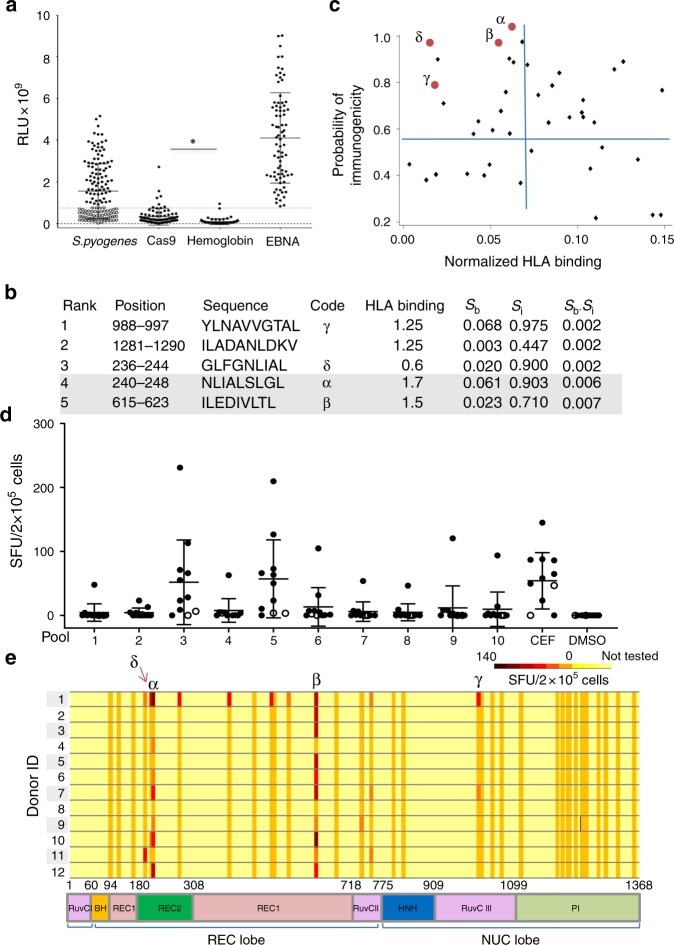
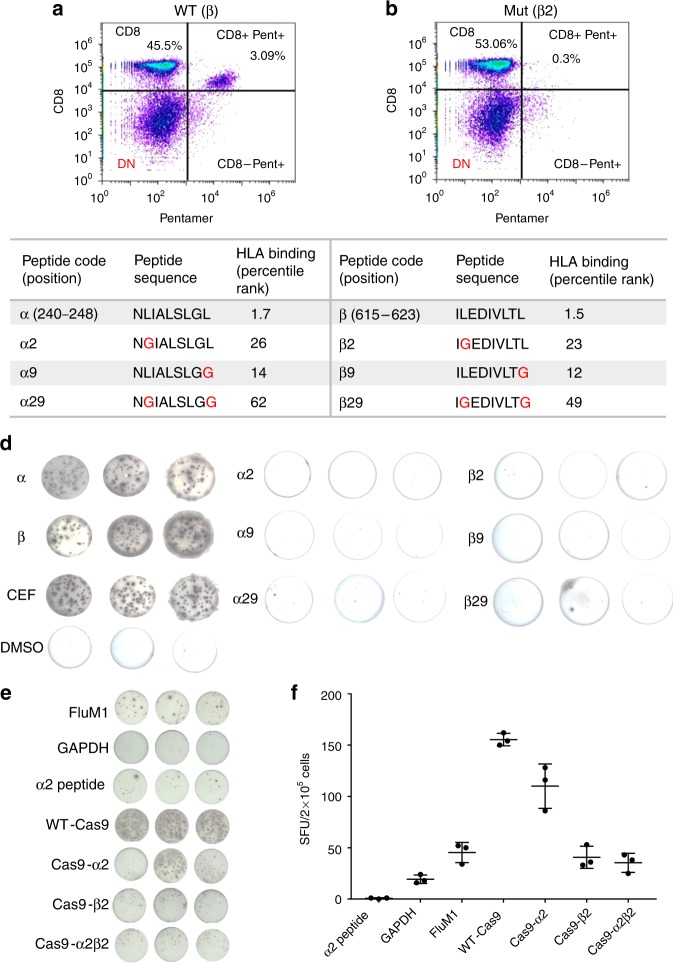
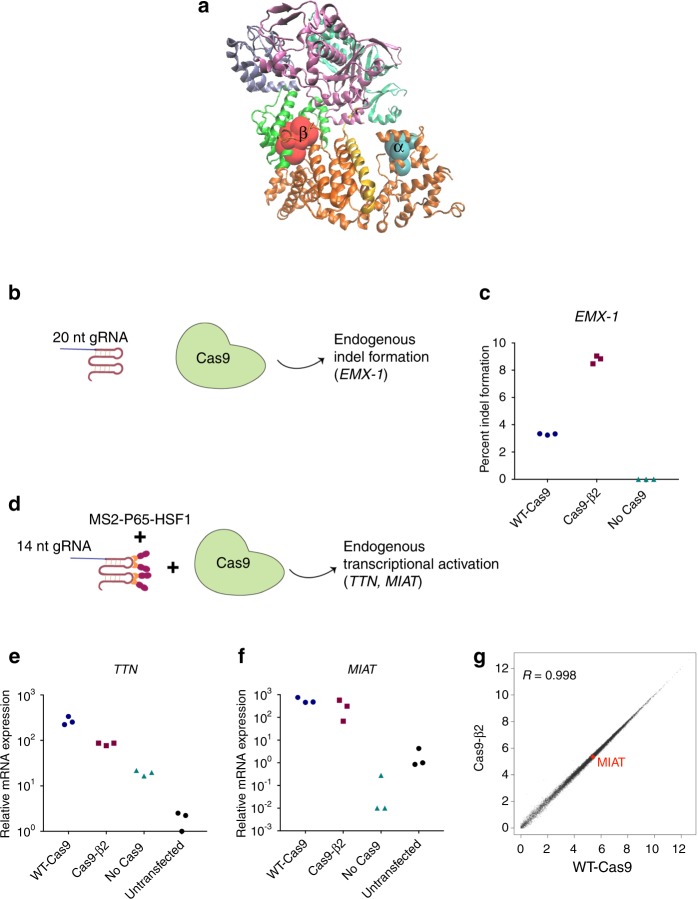
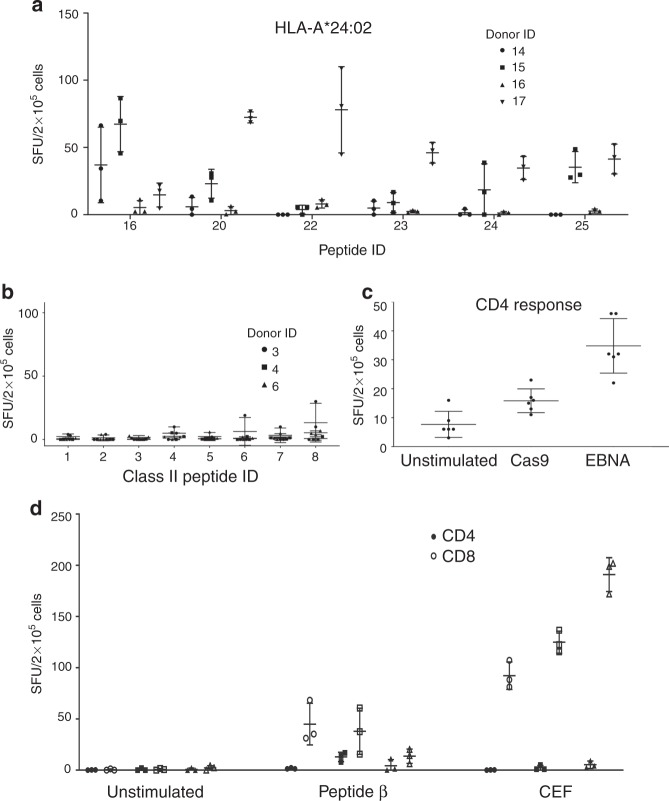
The CRISPR-Cas9 system has raised hopes for developing personalized gene therapies for complex diseases. Its application for genetic and epigenetic therapies in humans raises concerns over immunogenicity of the bacterially derived Cas9 protein. Here we detect antibodies to Streptococcus pyogenes Cas9 (SpCas9) in at least 5% of 143 healthy individuals. We also report pre-existing human CD8+T cell immunity in the majority of healthy individuals screened. We identify two immunodominant SpCas9 T cell epitopes for HLA-A*02:01 using an enhanced prediction algorithm that incorporates T cell receptor contact residue hydrophobicity and HLA binding and evaluated them by T cell assays using healthy donor PBMCs. In a proof-of-principle study, we demonstrate that Cas9 protein can be modified to eliminate immunodominant epitopes through targeted mutation while preserving its function and specificity. Our study highlights the problem of pre-existing immunity against CRISPR-associated nucleases and offers a potential solution to mitigate the T cell immune response.
Overview
The claims and statistics of this paper haven’t been checked yet.
Run the check — free, no account needed. It reads the open-access text and checks the sources it cites.
Integrity signals
Registry
Cites
Statistics
Figures
Verification
Claims the paper makes
The claims and statistics of this paper haven’t been checked yet.
Run the check — free, no account needed. It reads the open-access text and checks the sources it cites.
Claims other papers make about this one
Each is checked against this paper’s own text: does it say what the citing paper says it does?
In the citing paper
“This finding demonstrated that Cas9 proteins can be modified to eliminate immunodominant epitopes through targeted mutations while preserving its function and specificity (Figure 2) [96].”
From Immune responses to gene editing by viral and non-viral delivery vectors used in retinal gene therapy (2022) · cites this paper as [96]
In the citing paper
“When SpCas9 with mutations in the selected epitopes was delivered to healthy donor B-cell APCs, the measured T-cell response had significantly decreased.”
From Immune responses to gene editing by viral and non-viral delivery vectors used in retinal gene therapy (2022) · cites this paper as [96]
In the citing paper
“Furthermore, a high prevalence of preexisting cellular immunity against Cas9 (Cas9-reactive T-cells) has also been identified2–4.”
From Investigation of Cas9 Antibodies in the Human Eye (2022) · cites this paper as [2]
In the citing paper
“some studies have found preexisting serum α-Cas9 to be present in only 2.5–10% of large human cohorts1,2.”
From Investigation of Cas9 Antibodies in the Human Eye (2022) · cites this paper as [2]
In the citing paper
“multiple groups have reported high frequencies (>60% of patients) of Cas9 reactive T-cells in humans2–4.”
From Investigation of Cas9 Antibodies in the Human Eye (2022) · cites this paper as [2]
Self-check
Percentages, sums and reported differences re-computed from the paper’s own numbers.
The self-check needs the paper’s full text.
Citations
Cites
VMD: visual molecular dynamics
Humphrey, W., Dalke, A., & Schulten, K. (1996) · Journal of Molecular Graphics · doi:10.1016/0263-7855(96)00018-5 · Cited by 66,952
STAR: ultrafast universal RNA-seq aligner
Dobin, A., Davis, C. A., Schlesinger, F., Drenkow, J., Zaleski, C., Jha, S., Batut, P., Chaisson, M., & Gingeras, T. R. (2013) · Bioinformatics · doi:10.1093/bioinformatics/bts635 · Cited by 51,709
Robinson, M. D., McCarthy, D. J., & Smyth, G. K. (2010) · Bioinformatics · doi:10.1093/bioinformatics/btp616 · Cited by 41,364
Trapnell, C., Roberts, A., Goff, L. A., Pertea, G. M., Kim, D., Kelley, D. R., Pimentel, H., Salzberg, S. L., Rinn, J. L., & Pachter, L. S. (2012) · Nature Protocols · doi:10.1038/nprot.2012.016 · Cited by 12,145
Non-viral vectors for gene-based therapy
Yin, H., Kanasty, R. L., Eltoukhy, A. A., Vegas, A. J., Dorkin, J. R., & Anderson, D. G. (2014) · Nature Reviews Genetics · doi:10.1038/nrg3763 · Cited by 3,123
The global burden of group A streptococcal diseases
Carapetis, J. R., Steer, A. C., Mulholland, E. K., & Weber, M. (2005) · The Lancet Infectious Diseases · doi:10.1016/s1473-3099(05)70267-x · Cited by 3,001
Gene Therapy of Human Severe Combined Immunodeficiency (SCID)-X1 Disease
Cavazzana, M., Hacein‐Bey‐Abina, S., Basile, G. D. S., Gross, F., Yvon, E. S., Nusbaum, P., Selz, F., Hue, C., Dogniaux, S., Casanova, J., et al. (2000) · Science · doi:10.1126/science.288.5466.669 · Cited by 2,685
SYFPEITHI: database for MHC ligands and peptide motifs
Rammensee, H., Bachmann, J., Emmerich, N., Bachor, O. A., & Stevanović, S. (1999) · Immunogenetics · doi:10.1007/s002510050595 · Cited by 2,316
Crystal structure of Cas9 in complex with guide RNA and target DNA
Nishimasu, H., Ran, F. A., Hsu, P. D., Konermann, S., Shehata, S. I., Dohmae, N., Ishitani, R., Zhang, F., & Nureki, O. (2014) · Cell · doi:10.1016/j.cell.2014.02.001 · Cited by 2,306
Manno, C. S., Pierce, G. F., Arruda, V. R., Glader, B., Ragni, M., Rasko, J. J. E., Ozelo, M. C., Hoots, K., Blatt, P., Konkle, B., et al. (2006) · Nature Medicine · doi:10.1038/nm1358 · Cited by 2,163
Cited by
Sorted by citations
CRISPR-engineered T cells in patients with refractory cancer
Stadtmauer, E. A., Fraietta, J. A., Davis, M. M., Cohen, A. D., Weber, K. L., Lancaster, E., Mangan, P. A., Kulikovskaya, I., Gupta, M., Chen, F., et al. (2020) · Science · doi:10.1126/science.aba7365 · Cited by 1,478
Past, present, and future of CRISPR genome editing technologies
Pacesa, M., Pelea, O., & Jinek, M. (2024) · Cell · doi:10.1016/j.cell.2024.01.042 · Cited by 609
Long-term evaluation of AAV-CRISPR genome editing for Duchenne muscular dystrophy
Nelson, C. E., Wu, Y., Gemberling, M. P., Oliver, M. L., Waller, M. A., Bohning, J. D., Robinson-Hamm, J. N., Bulaklak, K., Rivera, R. M. C., Collier, J. H., et al. (2019) · Nature Medicine · doi:10.1038/s41591-019-0344-3 · Cited by 444
CRISPR in cancer biology and therapy
Katti, A., Diaz, B. J., Caragine, C. M., Sanjana, N. E., & Dow, L. E. (2022) · Nature reviews. Cancer · doi:10.1038/s41568-022-00441-w · Cited by 457
CRISPR activation and interference screens decode stimulation responses in primary human T cells
Schmidt, R. L. J., Steinhart, Z., Layeghi, M., Freimer, J. W., Bueno, R., Nguyen, V. Q., Blaeschke, F., Ye, C., & Marson, A. (2022) · Science · doi:10.1126/science.abj4008 · Cited by 316
CRISPR technologies and the search for the PAM-free nuclease
Collias, D., & Beisel, C. L. (2021) · Nature Communications · doi:10.1038/s41467-020-20633-y · Cited by 304
Nidhi, S., Anand, U., Olekšák, P., Tripathi, P., Lal, J. A., Thomas, G., Kuča, K., & Tripathi, V. S. (2021) · International Journal of Molecular Sciences · doi:10.3390/ijms22073327 · Cited by 310
Delivery of CRISPR-Cas tools for in vivo genome editing therapy: Trends and challenges
Taha, E. A., Lee, J., & Hotta, A. (2022) · Journal of Controlled Release · doi:10.1016/j.jconrel.2022.01.013 · Cited by 259
AAV-CRISPR Gene Editing Is Negated by Pre-existing Immunity to Cas9
Li, A., Tanner, M. R., Lee, C. M., Hurley, A. E., De Giorgi, M., Jarrett, K. E., Davis, T. H., Doerfler, A. M., Bao, G., Beeton, C., et al. (2020) · Molecular Therapy · doi:10.1016/j.ymthe.2020.04.017 · Cited by 230
Immunogenicity of Cas9 Protein
Mehta, A., & Merkel, O. M. (2019) · Journal of Pharmaceutical Sciences · doi:10.1016/j.xphs.2019.10.003 · Cited by 192
Zhang, B. (2020) · Journal of Cellular Physiology · doi:10.1002/jcp.30064 · Cited by 191
Multidimensional control of therapeutic human cell function with synthetic gene circuits
Li, H.-S., Israni, D. V., Gagnon, K. A., Gan, K. A., Raymond, M. H., Sander, J. D., Roybal, K. T., Joung, J. K., Wong, W. W., & Khalil, A. S. (2022) · Science · doi:10.1126/science.ade0156 · Cited by 187
Applications and challenges of CRISPR-Cas gene-editing to disease treatment in clinics
Liu, W., Li, L., Jiang, J., Wu, M., & Lin, P. (2021) · Precision Clinical Medicine · doi:10.1093/pcmedi/pbab014 · Cited by 196
Hakim, C. H., Kumar, S. R. P., Pérez-López, D. O., Wasala, N. B., Zhang, D., Yue, Y., Teixeira, J., Pan, X., Zhang, K., Million, E. D., et al. (2021) · Nature Communications · doi:10.1038/s41467-021-26830-7 · Cited by 175
CAR-T Regulatory (CAR-Treg) Cells: Engineering and Applications
Arjomandnejad, M., Kopec, A. L., & Keeler, A. M. (2022) · Biomedicines · doi:10.3390/biomedicines10020287 · Cited by 154
CRISPR-Cas-mediated transcriptional modulation: The therapeutic promises of CRISPRa and CRISPRi
Bendixen, L., Jensen, T. I., & Bak, R. O. (2023) · Molecular Therapy · doi:10.1016/j.ymthe.2023.03.024 · Cited by 150
Transgenic mice for in vivo epigenome editing with CRISPR-based systems
Gemberling, M. P., Siklenka, K., Rodriguez, E., Eisinger, K. R. T., Barrera, A., Liu, F., Kantor, A., Li, L., Cigliola, V., Hazlett, M. F., et al. (2021) · Nature Methods · doi:10.1038/s41592-021-01207-2 · Cited by 155
Immunogenicity of CRISPR therapeutics—Critical considerations for clinical translation
Ewaisha, R., & Anderson, K. S. (2023) · Frontiers in Bioengineering and Biotechnology · doi:10.3389/fbioe.2023.1138596 · Cited by 153
Self-citationApplications and developments of gene therapy drug delivery systems for genetic diseases
Pan, X., Veroniaina, H., Su, N., Sha, K., Jiang, F., Wu, Z., & Qi, X. (2021) · Asian Journal of Pharmaceutical Sciences · doi:10.1016/j.ajps.2021.05.003 · Cited by 149
Advances in CRISPR/Cas-based Gene Therapy in Human Genetic Diseases
Wu, S., Li, Q.-C., Yin, C., Xue, W., & Song, C. (2020) · Theranostics · doi:10.7150/thno.43360 · Cited by 145
Moreno, A. M., Palmer, N. D., Alemán, F., Chen, G., Pla, A., Jiang, N. J., Chew, W. L., Law, M., & Mali, P. (2019) · Nature Biomedical Engineering · doi:10.1038/s41551-019-0431-2 · Cited by 132
The NIH Somatic Cell Genome Editing program
Saha, K., Sontheimer, E. J., Brooks, P. J., Dwinell, M. R., Gersbach, C. A., Liu, D. R., Murray, S. A., Tsai, S. Q., Wilson, R. C., Anderson, D. G., et al. (2021) · Nature · doi:10.1038/s41586-021-03191-1 · Cited by 127
Self-citationDesign of highly functional genome editors by modelling CRISPR–Cas sequences
Ruffolo, J. A., Nayfach, S., Gallagher, J. P., Bhatnagar, A., Beazer, J., Hussain, R., Russ, J., Yip, J., Hill, E., Pačesa, M., et al. (2025) · Nature · doi:10.1038/s41586-025-09298-z · Cited by 233
CRISPR-Based Gene Therapies: From Preclinical to Clinical Treatments
Laurent, M., Geoffroy, M., Pavani, G., & Guiraud, S. (2024) · Cells · doi:10.3390/cells13100800 · Cited by 126
Correction of muscular dystrophies by CRISPR gene editing
Chemello, F., Bassel‐Duby, R., & Olson, E. N. (2020) · Journal of Clinical Investigation · doi:10.1172/jci136873 · Cited by 108
CRISPR-Cas9 gene editing of hepatitis B virus in chronically infected humanized mice
Stone, D., Long, K. R., Loprieno, M. A., Feelixge, H. S. D. S., Kenkel, E. J., Liley, R. M., Rapp, S., Roychoudhury, P., Nguyen, T., Stensland, L., et al. (2020) · Molecular Therapy — Methods & Clinical Development · doi:10.1016/j.omtm.2020.11.014 · Cited by 98
Ahmadi, S. E., Soleymani, M., Shahriyary, F., Amirzargar, M. R., Mahya, O., Fattahi, D., & Safa, M. (2023) · Cancer Gene Therapy · doi:10.1038/s41417-023-00597-z · Cited by 97
Next-Generation CRISPR Technologies and Their Applications in Gene and Cell Therapy
C., M. A. Z., & Gaj, T. (2020) · Trends in biotechnology · doi:10.1016/j.tibtech.2020.10.010 · Cited by 99
CRISPR/Cas9 Landscape: Current State and Future Perspectives
Tyumentsev, A. I., Tyumentsev, A. I., & Акимкин, В. Г. (2023) · International Journal of Molecular Sciences · doi:10.3390/ijms242216077 · Cited by 98
Design of highly functional genome editors by modeling the universe of CRISPR-Cas sequences
Ruffolo, J. A., Nayfach, S., Gallagher, J., Bhatnagar, A., Beazer, J., Hussain, R., Russ, J., Yip, J., Hill, E., Pacesa, M., et al. (2024) · doi:10.1101/2024.04.22.590591 · Cited by 90
Dubey, A. K., Gupta, V. K., Kujawska, M., Orive, G., Kim, N., Li, C.-Z., Mishra, Y. K., & Kaushik, A. K. (2022) · Journal of nanostructure in chemistry · doi:10.1007/s40097-022-00472-7 · Cited by 88
Engineering Gene Therapy: Advances and Barriers
Shahryari, A., Burtscher, I., Nazari, Z., & Lickert, H. (2021) · Advanced Therapeutics · doi:10.1002/adtp.202100040 · Cited by 87
Toward the correction of muscular dystrophy by gene editing
Olson, E. N. (2021) · Proceedings of the National Academy of Sciences · doi:10.1073/pnas.2004840117 · Cited by 83
CRISPR Therapeutics for Duchenne Muscular Dystrophy
Erkut, E. J. N., & Yokota, T. (2022) · International Journal of Molecular Sciences · doi:10.3390/ijms23031832 · Cited by 82
Application of CRISPR/Cas9 gene editing technique in the study of cancer treatment
Jiang, C., Meng, L., Yang, B., & Luo, X. (2019) · Clinical Genetics · doi:10.1111/cge.13589 · Cited by 83
Modulating gene regulation to treat genetic disorders
Matharu, N. K., & Ahituv, N. (2020) · Nature Reviews Drug Discovery · doi:10.1038/s41573-020-0083-7 · Cited by 79
Gene Editing by Extracellular Vesicles
Kostyushev, D. S., Kostyusheva, A., Brezgin, S., Vv, S., Volchkova, E. V., Lukashev, A. N., & Chulanov, V. (2020) · International Journal of Molecular Sciences · doi:10.3390/ijms21197362 · Cited by 75
CRISPR-Cas System: An Approach With Potentials for COVID-19 Diagnosis and Therapeutics
Kumar, P., Malik, Y. S., Ganesh, B., Rahangdale, S., Saurabh, S., Natesan, S., Srivastava, A., Sharun, K., Yatoo, M. I., Tiwari, R., et al. (2020) · Frontiers in Cellular and Infection Microbiology · doi:10.3389/fcimb.2020.576875 · Cited by 76
CRISPR/Cas9 ribonucleoprotein-mediated genome and epigenome editing in mammalian cells
Bloomer, H., Khirallah, J., Li, Y., & Xu, Q. (2021) · Advanced Drug Delivery Reviews · doi:10.1016/j.addr.2021.114087 · Cited by 75
RNA-targeting CRISPR systems from metagenomic discovery to transcriptomic engineering
Smargon, A. A., Shi, Y. J., & Yeo, G. W.-M. (2020) · Nature Cell Biology · doi:10.1038/s41556-019-0454-7 · Cited by 64
Pre-existing adaptive immunity to the RNA-editing enzyme Cas13d in humans
Tang, X.-Z. E., Tan, S. X., Hoon, S. S., & Yeo, G. W.-M. (2022) · Nature Medicine · doi:10.1038/s41591-022-01848-6 · Cited by 67
Zinsli, L. V., Stierlin, N., Loessner, M. J., & Schmelcher, M. (2021) · Computational and Structural Biotechnology Journal · doi:10.1016/j.csbj.2020.12.024 · Cited by 63
CRISPR-Based Synthetic Transcription Factors In Vivo: The Future of Therapeutic Cellular Programming
Pandelakis, M., Delgado, E., & Ebrahimkhani, M. R. (2020) · Cell Systems · doi:10.1016/j.cels.2019.10.003 · Cited by 63
Self-citationCas9-directed immune tolerance in humans—a model to evaluate regulatory T cells in gene therapy?
Wagner, D. L., Peter, L., & Schmueck-Henneresse, M. (2021) · Gene Therapy · doi:10.1038/s41434-021-00232-2 · Cited by 63
Functional Features and Current Applications of the RNA‐Targeting Type VI CRISPR‐Cas Systems
Perčulija, V., Lin, J., Zhang, B., & Ouyang, S. (2021) · Advanced Science · doi:10.1002/advs.202004685 · Cited by 60
Effect of CRISPR/Cas9-Edited PD-1/PD-L1 on Tumor Immunity and Immunotherapy
Xu, Y., Chen, C., Guo, Y., Hu, S., & Sun, Z. (2022) · Frontiers in Immunology · doi:10.3389/fimmu.2022.848327 · Cited by 66
Lee, J., Lee, J. Y., Song, D. W., Bae, H. S., Doo, H. M., Yu, H. S., Lee, K. J., Kim, H. K., Hwang, H., Kwak, G., et al. (2019) · Nucleic Acids Research · doi:10.1093/nar/gkz1070 · Cited by 57
Batra, R., Nelles, D. A., Roth, D., Krach, F., Nutter, C. A., Tadokoro, T., Thomas, J. D., Sznajder, Ł. J., Blue, S. M., Gutierrez, H. L., et al. (2020) · Nature Biomedical Engineering · doi:10.1038/s41551-020-00607-7 · Cited by 57
Biology and applications of CRISPR–Cas12 and transposon-associated homologs
Wu, W. Y., Adiego-Pérez, B., & John van der, O. O. S. T. (2024) · Nature Biotechnology · doi:10.1038/s41587-024-02485-9 · Cited by 58
Ren, D., Fisson, S., Dalkara, D., & Ail, D. (2022) · Pharmaceutics · doi:10.3390/pharmaceutics14091973 · Cited by 52
Clinical applications of CRISPR‐based genome editing and diagnostics
Foss, D. V., Hochstrasser, M. L., & Wilson, R. C. (2019) · Transfusion · doi:10.1111/trf.15126 · Cited by 51
Xu, L. M., Lau, Y. S., Gao, Y., Bailin, P. L., & Han, R. (2019) · Molecular Therapy · doi:10.1016/j.ymthe.2019.05.001 · Cited by 51
Genome editing in the mouse brain with minimally immunogenic Cas9 RNPs
Stahl, E. C., Sabo, J. K., Kang, M. H., Allen, R., Applegate, E., Kim, S., Kwon, Y., Seth, A., Lemus, N., Salinas-Rios, V., et al. (2023) · Molecular Therapy · doi:10.1016/j.ymthe.2023.06.019 · Cited by 51
CRISPR activation for SCN2A-related neurodevelopmental disorders
Tamura, S., Nelson, A. D., Spratt, P. W. E., Hamada, E. C., Zhou, X., Kyoung, H., Li, Z., Arnould, C., Barskyi, V., Krupkin, B., et al. (2025) · Nature · doi:10.1038/s41586-025-09522-w · Cited by 52
Translating CRISPR-Cas Therapeutics: Approaches and Challenges
Tay, L. S., Palmer, N. D., Panwala, R., Chew, W. L., & Mali, P. (2020) · The CRISPR Journal · doi:10.1089/crispr.2020.0025 · Cited by 43
CRISPR/Cas9-Mediated Genome Editing in Cancer Therapy
Ding, S., Liu, J., Han, X., & Tang, M. (2023) · International Journal of Molecular Sciences · doi:10.3390/ijms242216325 · Cited by 51
Immunity to Cas9 as an Obstacle to Persistent Genome Editing
Gough, V., & Gersbach, C. A. (2020) · Molecular Therapy · doi:10.1016/j.ymthe.2020.05.007 · Cited by 41
Engineered stem cells by emerging biomedical stratagems
Wang, J., Zhang, X., Chen, H., Ren, H., Zhou, M., & Zhao, Y. (2024) · Science Bulletin · doi:10.1016/j.scib.2023.12.006 · Cited by 37
Non-viral siRNA delivery to T cells: Challenges and opportunities in cancer immunotherapy
Hoeck, J. V., Braeckmans, K., Smedt, S. C. D., & Raemdonck, K. (2022) · Biomaterials · doi:10.1016/j.biomaterials.2022.121510 · Cited by 37
Haworth, R., & Sharpe, M. E. (2020) · Toxicologic Pathology · doi:10.1177/0192623320918241 · Cited by 39
Gene therapy for genetic diseases: challenges and future directions
Beibei, Q. I. E., Tuo, J., Chen, F., Ding, H., & Lyu, L. (2025) · MedComm · doi:10.1002/mco2.70091 · Cited by 38
Haley, R. M., Padilla, M. S., El-Mayta, R. D., Joseph, R. A., Weber, J. A., Figueroa‐Espada, C. G., Mukalel, A. J., Ricciardi, A. S., Palanki, R., Geisler, H. C., et al. (2025) · ACS Nano · doi:10.1021/acsnano.4c16617 · Cited by 38
Engineering Cas9 for human genome editing
Slaymaker, I. M., & Gaudelli, N. M. (2021) · Current Opinion in Structural Biology · doi:10.1016/j.sbi.2021.03.004 · Cited by 34
Gene editing for dyslipidemias: New tools to “cut” lipids
Stankov, S. G., & Cuchel, M. (2023) · Atherosclerosis · doi:10.1016/j.atherosclerosis.2023.01.010 · Cited by 34
The AKR1B1 inhibitor epalrestat suppresses the progression of cervical cancer
Ji, J., Xu, M., Qian, T., Zhu, S., Jiang, F., Liu, Z.-X., Xu, W., Zhou, J., & Xiao, M. (2020) · Molecular Biology Reports · doi:10.1007/s11033-020-05685-z · Cited by 33
Bisserier, M., Sun, X., Fazal, S., Turnbull, I. C., Bonnet, S., & Hadri, L. (2022) · Cells · doi:10.3390/cells11060984 · Cited by 36
Chen, G., Wei, T., Yang, H., Li, G., & Li, H. (2022) · Cells · doi:10.3390/cells11192964 · Cited by 33
Zahedipour, F., Zahedipour, F., Zamani, P., Jaafari, M. R., & Sahebkar, A. (2024) · Virus Research · doi:10.1016/j.virusres.2024.199314 · Cited by 34
Naeem, M., Hazafa, A., Bano, N., Ali, R., Farooq, M., Razak, S. I. A., Lee, T. Y., & Devaraj, S. (2023) · Life Sciences · doi:10.1016/j.lfs.2023.121409 · Cited by 32
Robust genome and cell engineering via in vitro and in situ circularized RNAs
Tong, M., Palmer, N. D., Dailamy, A., Kumar, A., Khaliq, H., Han, S., Finburgh, E. N., Wing, M. K., Hong, C., Xiang, Y., et al. (2024) · Nature Biomedical Engineering · doi:10.1038/s41551-024-01245-z · Cited by 32
Tang, S., Chen, X., Tong, X., & Zhu, L. (2025) · International Journal of Medical Sciences · doi:10.7150/ijms.112724 · Cited by 31
Singsuksawat, E., Onnome, S., Posiri, P., Suphatrakul, A., Srisuk, N., Nantachokchawapan, R., Praneechit, H., Sae-kow, C., Chidpratum, P., Sa‐ngiamsuntorn, K., et al. (2020) · Molecular Therapy — Methods & Clinical Development · doi:10.1016/j.omtm.2021.04.014 · Cited by 30
Investigation of Cas9 Antibodies in the Human Eye
Toral, M. A., Charlesworth, C. T., Ng, B., Chemudupati, T., Homma, S., Nakauchi, H., Bassuk, A. G., Porteus, M. H., & Mahajan, V. B. (2022) · Nature Communications · doi:10.1038/s41467-022-28674-1 · Cited by 28
“To further address our findings that (1) the prevalence of α-Cas9 is reduced in vitreous fluid relative to serum, and (2) higher serum antibody levels predict higher vitreous fluid antibody levels, mice were immunized against ovalbumin (positive control), SpCas9, or SaCas9 via intramuscular injections of emulsified mi…”
BackgroundEngineering a New Generation of Gene Editors: Integrating Synthetic Biology and AI Innovations
Chia, B. S., Seah, S., Wang, B., Shen, K., Srivastava, D., & Chew, W. L. (2025) · ACS Synthetic Biology · doi:10.1021/acssynbio.4c00686 · Cited by 31
Applications of CRISPR technologies in transplantation
Kuscu, C., Kuscu, C., Bajwa, A., Eason, J. D., Maluf, D. G., & Mas, V. R. (2020) · American Journal of Transplantation · doi:10.1111/ajt.16095 · Cited by 28
Gene editing prospects for treating inherited retinal diseases
Benati, D., Patrizi, C., & Recchia, A. (2019) · Journal of Medical Genetics · doi:10.1136/jmedgenet-2019-106473 · Cited by 28
Peeling back the layers of immunogenicity in Cas9-based genomic medicine
Stigzelius, V., Cavallo, A. L., Chandode, R. K., & Nitsch, R. (2025) · Molecular Therapy · doi:10.1016/j.ymthe.2025.06.045 · Cited by 30
Immunity and Viral Infections: Modulating Antiviral Response via CRISPR–Cas Systems
Brezgin, S., Kostyusheva, A., Олеговна, Б. Е., Volchkova, E. V., Gegechkori, V., Gordeychuk, I. V., Glebe, D., Kostyushev, D. S., & Chulanov, V. (2021) · Viruses · doi:10.3390/v13071373 · Cited by 27
Cas9-derived peptides presented by MHC Class II that elicit proliferation of CD4+ T-cells
Simhadri, V. L., Hopkins, L., McGill, J. R., Duke, B. R., Mukherjee, S., Zhang, K., & Sauna, Z. E. (2021) · Nature Communications · doi:10.1038/s41467-021-25414-9 · Cited by 29
Automated high-throughput genome editing platform with an AI learning in situ prediction model
Li, S., An, J., Li, Y., Zhu, X., Zhao, D., Wang, L., Sun, Y., Yang, Y., Bi, C., Zhang, X., et al. (2022) · Nature Communications · doi:10.1038/s41467-022-35056-0 · Cited by 26
Farzanehpour, M., Miri, A., Alvanegh, A. G., & Gouvarchinghaleh, H. E. (2023) · Biochemical Pharmacology · doi:10.1016/j.bcp.2023.115555 · Cited by 27
Application of CRISPR-Cas9-Mediated Genome Editing for the Treatment of Myotonic Dystrophy Type 1
Marsh, S., Hanson, B., Wood, M. J. A., Varela, M. A., & Roberts, T. C. (2020) · Molecular Therapy · doi:10.1016/j.ymthe.2020.10.005 · Cited by 29
Godbole, N., Quinn, A., Carrión, F., Pelosi, E., & Salomón, C. (2023) · Seminars in Cancer Biology · doi:10.1016/j.semcancer.2023.10.002 · Cited by 25
Engineering Cas9: next generation of genomic editors
Kovalev, M. A., Davletshin, A. I., & Karpov, D. S. (2024) · Applied Microbiology and Biotechnology · doi:10.1007/s00253-024-13056-y · Cited by 29
Exploring the potential of cell-derived vesicles for transient delivery of gene editing payloads
Leandro, K., Rufino‐Ramos, D., Breyne, K., Ianni, E. D., Lopes, S., Nobre, R. J., Kleinstiver, B. P., Perdigão, P. R. L., Breakefield, X. O., & de Almeida, L. P. (2024) · Advanced Drug Delivery Reviews · doi:10.1016/j.addr.2024.115346 · Cited by 27
CRISPR/Cas9 gene editing: a novel strategy for fighting drug resistance in respiratory disorders
Hussen, B. M., Najmadden, Z. B., Abdullah, S. R., Rasul, M. F., Mustafa, S. A., Ghafouri‐Fard, S., & Taheri, M. N. (2024) · Cell Communication and Signaling · doi:10.1186/s12964-024-01713-8 · Cited by 28
Applications of CRISPR‐Cas9 in gynecological cancer research
Zhang, W., Liu, Y., Zhou, X., Zhao, R., & Wang, H. (2020) · Clinical Genetics · doi:10.1111/cge.13717 · Cited by 23
AAV-based CRISPR-Cas9 genome editing: Challenges and engineering opportunities
Kabadi, A. M., Mejía‐Guerra, M. K., Graef, J. D., Khan, S. Z., Walton, E. M., Wang, X., Gersbach, C. A., & Potter, R. A. (2023) · Current Opinion in Biomedical Engineering · doi:10.1016/j.cobme.2023.100517 · Cited by 22
You can't keep a bad idea down: Dark history, death, and potential rebirth of eugenics
Liscum, M., & Garcia, M. L. (2021) · The Anatomical Record · doi:10.1002/ar.24849 · Cited by 26
Yashooa, R. K., Nabi, A. Q., Smail, S. W., Azeez, S. S., Nooh, W. A., Mustafa, S. A., Al-Farha, A. A.-B., Capitanio, N., & Shekha, M. S. (2026) · Frontiers in Neurology · doi:10.3389/fneur.2025.1737468 · Cited by 21
In Vivo Hematopoietic Stem Cell Genome Editing: Perspectives and Limitations
Psatha, N., Paschoudi, K., Παπαδοπούλου, Α., & Yannaki, E. (2022) · Genes · doi:10.3390/genes13122222 · Cited by 24
Applications of CRISPR Cas-9 in Ovarian Cancer Research
Sherazi, S. A. M., Rafique, F., Haris, M., Arshad, A., Qaiser, H., Uzair, M., & Arshad, M. M. U. D. (2023) · Protein and Peptide Letters · doi:10.2174/0929866530666230607104453 · Cited by 20
Advances in Recombinant Adeno-Associated Virus Vectors for Neurodegenerative Diseases
Li, L., Vasan, L., Kartono, B., Clifford, K. P., Attarpour, A., Sharma, R., Mandrozos, M., Kim, A., Zhao, W., Belotserkovsky, A., et al. (2023) · Biomedicines · doi:10.3390/biomedicines11102725 · Cited by 19
Alayoubi, A. M., Khawaji, Z. Y., Mohammed, M. A., & Mercier, F. (2023) · Annals of Hematology · doi:10.1007/s00277-023-05457-2 · Cited by 24
Jalil, S., Keskinen, T., Juutila, J., Sartori-Maldonado, R., Euro, L., Suomalainen, A., Lapatto, R., Kuuluvainen, E., Hietakangas, V., Otonkoski, T., et al. (2024) · The American Journal of Human Genetics · doi:10.1016/j.ajhg.2024.03.004 · Cited by 18
New Directions in Pulmonary Gene Therapy
Vu, A., & McCray, P. B. (2020) · Human Gene Therapy · doi:10.1089/hum.2020.166 · Cited by 19
Shen, X., Lin, Q., Liang, Z., Wang, J., Yang, X., Liang, Y., Liang, H., Pan, H., Yang, J., Zhu, Y., et al. (2022) · The CRISPR Journal · doi:10.1089/crispr.2021.0142 · Cited by 16
Genetic Approaches for the Treatment of Facioscapulohumeral Muscular Dystrophy
Lim, K. R. Q., & Yokota, T. (2021) · Frontiers in Pharmacology · doi:10.3389/fphar.2021.642858 · Cited by 16
CRISPR delivery systems for organ-specific targeting: Advances and challenges
Du, J., Wu, Q., Liu, C., Wang, N., & Gong, C. (2025) · Precision medicine and engineering. · doi:10.1016/j.preme.2025.100048 · Cited by 20
FSHD Therapeutic Strategies: What Will It Take to Get to Clinic?
Himeda, C. L., & Jones, P. L. (2022) · Journal of Personalized Medicine · doi:10.3390/jpm12060865 · Cited by 18
Metadata
- Authors
- Ferdosi, S. R., Ewaisha, R., Moghadam, F., Krishna, S., Park, J. G., Ebrahimkhani, M. R., Kiani, S., & Anderson, K. S.
- Affiliations
- Arizona State University (US)
- Mayo Clinic (US)
- Corresponding author
- Kiani, Samira
- Anderson, Karen S.
- ORCID
- Venue
- Nature Communications
- Published
- 2019-04-23
- Volume
- 10
- Issue
- 1
- Pages
- 1842-1842
- ISSN
- 2041-1723 (ISSN-L)
- PMC
- PMC6478683
- OpenAlex
- W2950183003
- Cited by
- 204
- References
- 60
- Citations by year
- 2026: 17 · 2025: 36 · 2024: 23 · 2023: 31 · 2022: 31 · 2021: 26 · 2020: 27 · 2019: 12
- FWCI
- 7.94
- Type
- journal article
- Language
- en
- Open access
- gold
- doi.org
- Locations
- Nature Communications (publishedVersion, cc-by)
- bioRxiv (Cold Spring Harbor Laboratory) (acceptedVersion, cc-by-nc-nd)
- Europe PMC (PubMed Central) (publishedVersion, cc-by)
- PubMed Central (publishedVersion, cc-by)
- PubMed (publishedVersion)
- RePEc: Research Papers in Economics (submittedVersion)
- DOAJ (DOAJ: Directory of Open Access Journals) (submittedVersion)
- DOAJ (DOAJ: Directory of Open Access Journals) (submittedVersion, cc-by-sa)
- Funders
- Massachusetts General Hospital
- Defense Advanced Research Projects Agency (D16AP00047)
- National Institute of Biomedical Imaging and Bioengineering (R01EB024562)
- Topics
- Life Sciences › Biochemistry, Genetics and Molecular Biology › Molecular Biology › CRISPR and Genetic Engineering
- Life Sciences › Biochemistry, Genetics and Molecular Biology › Molecular Biology › vaccines and immunoinformatics approaches
- Health Sciences › Medicine › Oncology › CAR-T cell therapy research
- Keywords
- CRISPR/Cas9, SpCas9, T cell epitopes, CD8+ T cell immunity, HLA-A*0201, epitope prediction, immunogenicity, gene therapy, personalized gene therapy
- MeSH terms
- CRISPR-Associated Protein 9, Antibodies, Bacterial, Antigen-Presenting Cells, Humans, Lymphocyte Activation, Streptococcus pyogenes, HLA-A Antigens, Genetic Therapy, Mutagenesis, CD8-Positive T-Lymphocytes, Epitope Mapping, Epitopes, T-Lymphocyte, Precision Medicine, HEK293 Cells, Cell Engineering, Healthy Volunteers
About these checks
Registry, retraction, Cites and statistics results are computed, not judged, with one exception: a printed reference that no index lists is read once by a model before it counts as a citation error. Claims are extracted by a model and kept only when their quote appears verbatim in the text; each cited source is then checked, with a model’s help, for whether it says what the claim relies on. Those verdicts can be wrong — read the claim’s quote and the cited source before relying on one.
Statistics and arithmetic are recomputed, not judged.
Confidence bands are shown only for fields calibrated on our annotated test set. None is calibrated yet, so no band is shown.
What counts as a claim ›How we measure confidence ›How we check this ›
Are you an author, or do you see a problem with this page? Request a review
