

Bacteroides fragilis polysaccharide A induces IL-10 secreting B and T cells that prevent viral encephalitis
Open accessThe DOI matches its Crossref record; 71 of the 71 references it cites were found in a registry or an index.
Abstract
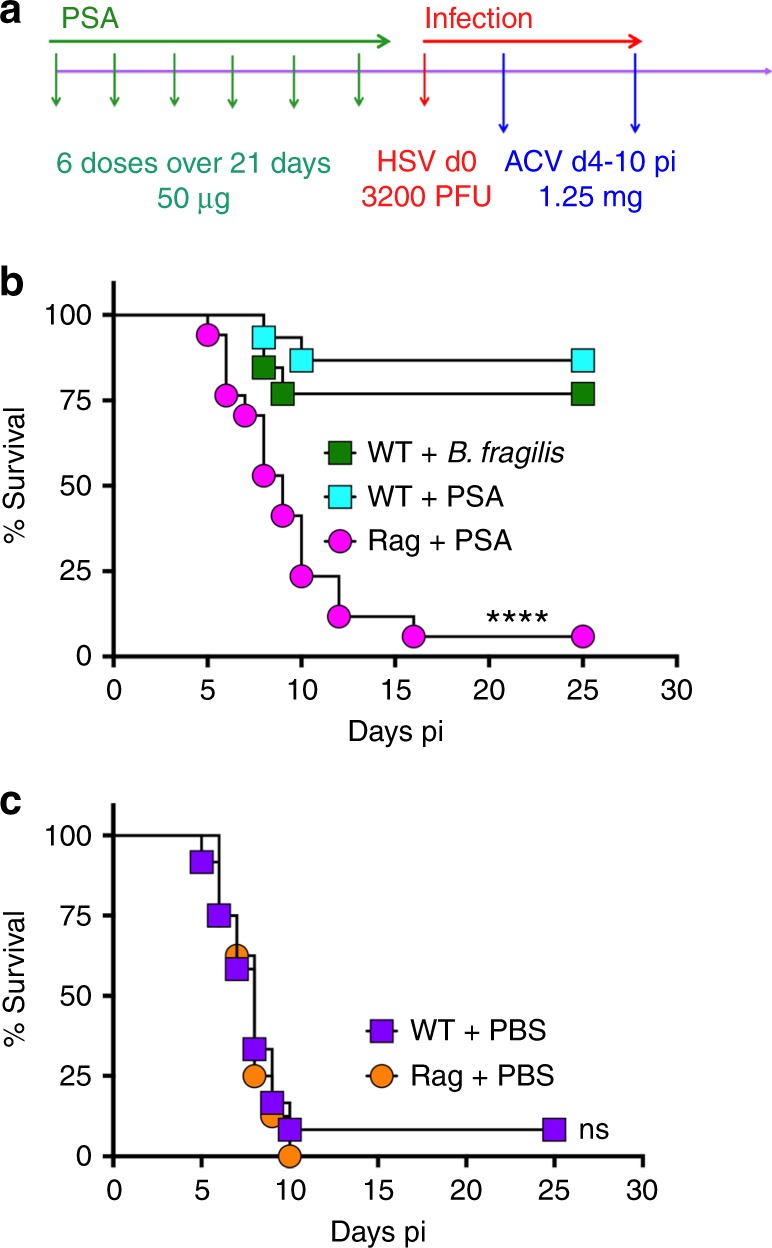
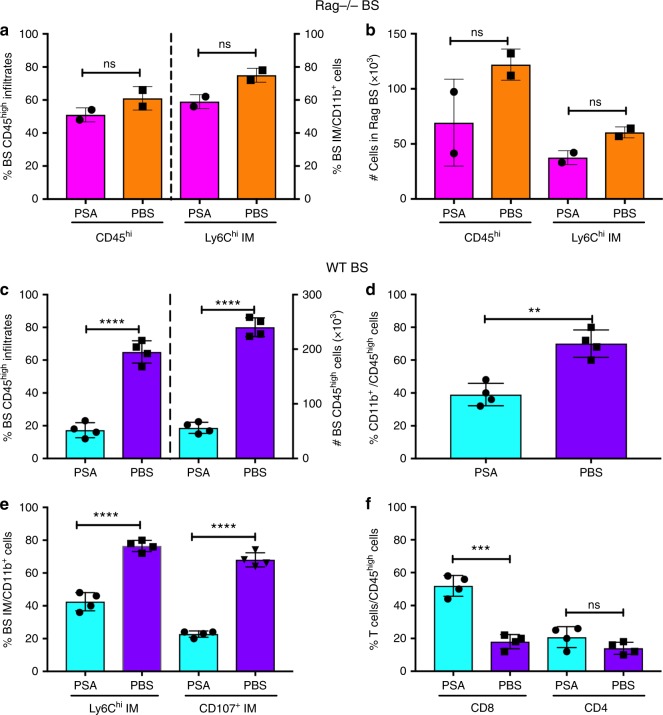
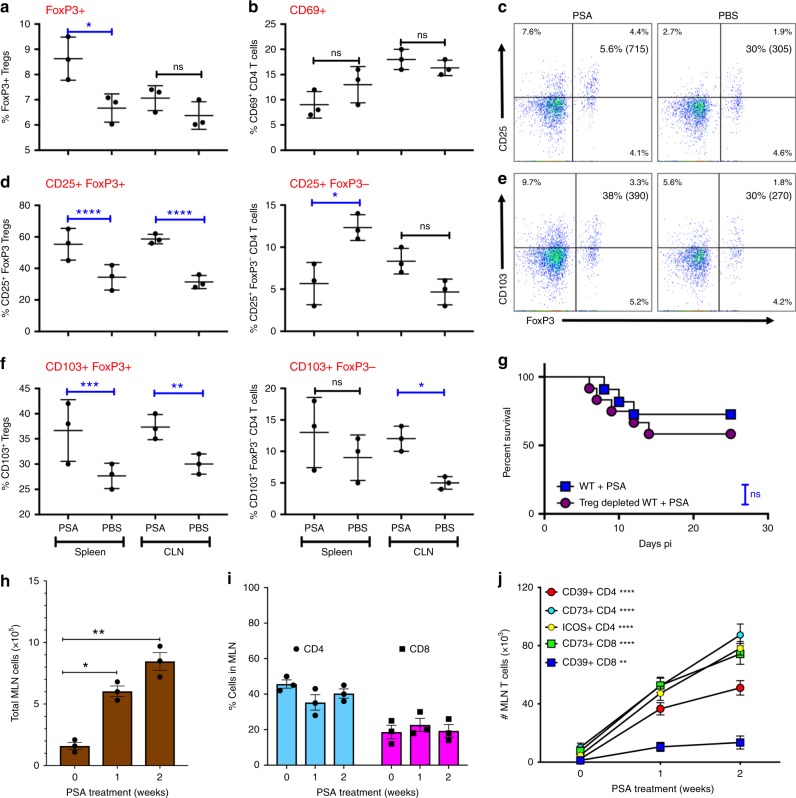
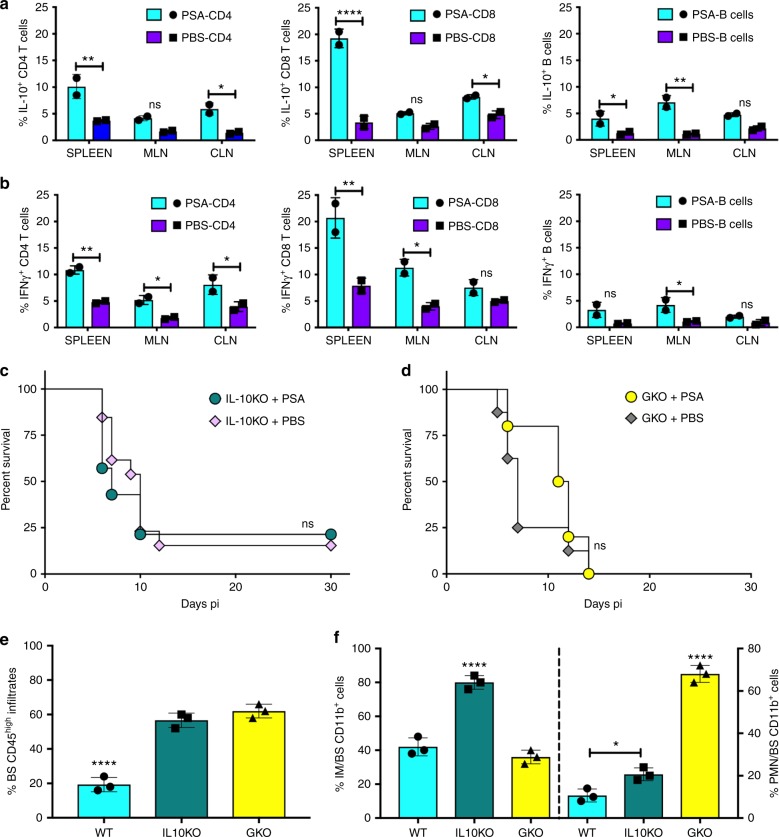
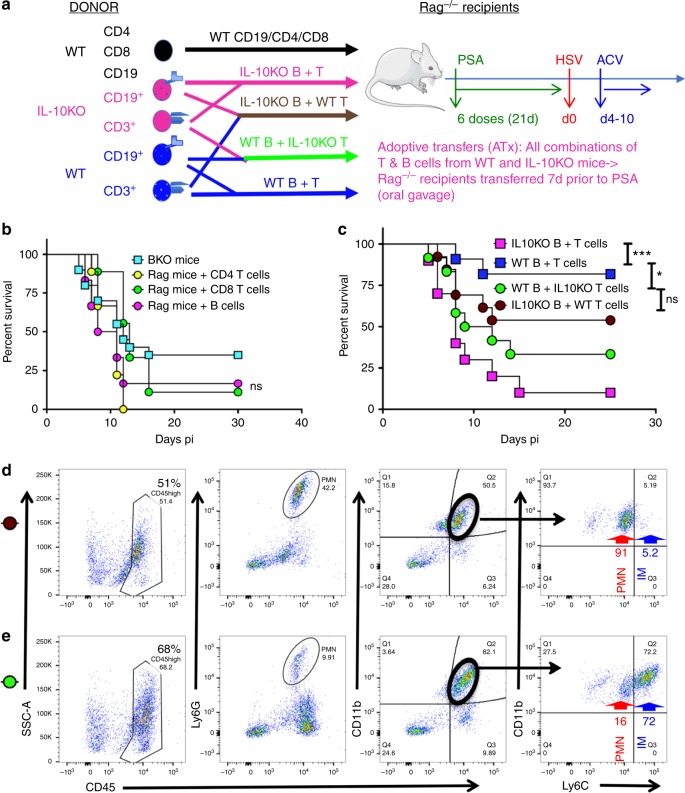
The gut commensal Bacteroides fragilis or its capsular polysaccharide A (PSA) can prevent various peripheral and CNS sterile inflammatory disorders. Fatal herpes simplex encephalitis (HSE) results from immune pathology caused by uncontrolled invasion of the brainstem by inflammatory monocytes and neutrophils. Here we assess the immunomodulatory potential of PSA in HSE by infecting PSA or PBS treated 129S6 mice with HSV1, followed by delayed Acyclovir (ACV) treatment as often occurs in the clinical setting. Only PSA-treated mice survived, with dramatically reduced brainstem inflammation and altered cytokine and chemokine profiles. Importantly, PSA binding by B cells is essential for induction of regulatory CD4 + and CD8 + T cells secreting IL-10 to control innate inflammatory responses, consistent with the lack of PSA mediated protection in Rag −/− , B cell- and IL-10-deficient mice. Our data reveal the translational potential of PSA as an immunomodulatory symbiosis factor to orchestrate robust protective anti-inflammatory responses during viral infections.
Overview
The claims and statistics of this paper haven’t been checked yet.
Free: it reads the open-access text and checks the first 5 claims that cite a source we can check. Create a free account to check every claim.
Integrity signals
Registry
Cites
Statistics
Figures
Verification
Claims the paper makes
The claims and statistics of this paper haven’t been checked yet.
Free: it reads the open-access text and checks the first 5 claims that cite a source we can check. Create a free account to check every claim.
Claims other papers make about this one
Each is checked against this paper’s own text: does it say what the citing paper says it does?
The cited source says what the claim attributes to it.
In the citing paper
“Polysaccharide A (PSA) produced by the commensal Bacteroides fragilis is another well-studied example of a single molecule promoting symbiosis and host immune system education.57–59”
From Interaction between microbiota and immunity in health and disease (2020) · cites this paper as [59]
Self-check
Percentages, sums and reported differences re-computed from the paper’s own numbers.
The self-check needs the paper’s full text.
Citations
Cites
Revised Estimates for the Number of Human and Bacteria Cells in the Body
Sender, R., Fuchs, S., & Milo, R. (2016) · PLOS Biology · doi:10.1371/journal.pbio.1002533 · Cited by 5,425
The Human Intestinal Microbiome in Health and Disease
Lynch, S. V., & Pedersen, O. (2016) · New England Journal of Medicine · doi:10.1056/nejmra1600266 · Cited by 3,637
An Immunomodulatory Molecule of Symbiotic Bacteria Directs Maturation of the Host Immune System
Mazmanian, S. K., Liu, C. H., Tzianabos, A. O., & Kasper, D. L. (2005) · Cell · doi:10.1016/j.cell.2005.05.007 · Cited by 2,910
Self-citationA microbial symbiosis factor prevents intestinal inflammatory disease
Mazmanian, S. K., Round, J. L., & Kasper, D. L. (2008) · Nature · doi:10.1038/nature07008 · Cited by 2,340
Self-citationRound, J. L., & Mazmanian, S. K. (2010) · Proceedings of the National Academy of Sciences · doi:10.1073/pnas.0909122107 · Cited by 2,233
Self-citationThe Toll-like receptor 2 pathway establishes colonization by a commensal of the human microbiota
Round, J. L., Lee, S. M., Li, J., Tran, G., Jabri, B., Chatila, T. A., & Mazmanian, S. K. (2011) · Science · doi:10.1126/science.1206095 · Cited by 1,604
Self-citationShen, P., Roch, T., Lampropoulou, V., O’Connor, R. A., Stervbo, U., Hilgenberg, E., Ries, S., Dang, V. D., Jaimes, Y., Daridon, C., et al. (2014) · Nature · doi:10.1038/nature12979 · Cited by 1,048
Use of axenic animals in studying the adaptation of mammals to their commensal intestinal microbiota
Smith, K., McCoy, K. D., & Macpherson, A. J. (2007) · Seminars in Immunology · doi:10.1016/j.smim.2006.10.002 · Cited by 785
Mining the Human Gut Microbiota for Immunomodulatory Organisms
Geva-Zatorsky, N., Sefik, E., Kua, L., Pasman, L., Tan, T. G., Ortiz-Lopez, A., Yanortsang, T. B., Yang, L., Jupp, R., Mathis, D., et al. (2017) · Cell · doi:10.1016/j.cell.2017.01.022 · Cited by 762
Gable, M. S., Sheriff, H., Dalmau, J., Tilley, D. H., & Glaser, C. A. (2012) · Clinical Infectious Diseases · doi:10.1093/cid/cir1038 · Cited by 733
Cited by
Interaction between microbiota and immunity in health and disease
Zheng, D., Liwinski, T., & Elinav, E. (2020) · Cell Research · doi:10.1038/s41422-020-0332-7 · Cited by 3,947
Gut Bacteroides species in health and disease
Zafar, H., & Saier, M. H. (2021) · Gut Microbes · doi:10.1080/19490976.2020.1848158 · Cited by 1,233
“in a murine model.(159) This condition is caused by the herpes simplex virus 1 (HSV 1), and a review of past research on this type of pathogenesis indicates that during infection, immune pathology may lead to the uncontrolled dissemination of inflammatory neutrophils and monocytes into the brainstem.”
BackgroundInflammatory bowel diseases (IBD) and the microbiome-searching the crime scene for clues
Lee, M., & Chang, E. B. (2021) · Gastroenterology · doi:10.1053/j.gastro.2020.09.056 · Cited by 645
Cullin, N., Azevedo Antunes, C., Straussman, R., Stein-Thoeringer, C. K., & Elinav, E. (2021) · Cancer Cell · doi:10.1016/j.ccell.2021.08.006 · Cited by 578
Polyphenols and Their Impact on the Prevention of Neurodegenerative Diseases and Development
Grabska-Kobyłecka, I., Szpakowski, P., Król, A., Książek-Winiarek, D., Kobyłecki, A., Głąbiński, A., & Nowak, D. (2023) · Nutrients · doi:10.3390/nu15153454 · Cited by 273
Relationships Between Vitamin D, Gut Microbiome, and Systemic Autoimmunity
Yamamoto, E. A., & Jørgensen, T. N. (2020) · Frontiers in Immunology · doi:10.3389/fimmu.2019.03141 · Cited by 256
“Induction of regulatory T cells (Treg) was shown to be dependent on IL-10-producing B cells, and protected against herpes encephalitis (29).”
BackgroundZhang, Y., Chen, R., Zhang, D., Qi, S., & Liu, Y. (2023) · Biomedicine & Pharmacotherapy · doi:10.1016/j.biopha.2023.114295 · Cited by 198
Ageing of the gut microbiome: Potential influences on immune senescence and inflammageing
Conway, J., & A Duggal, N. (2021) · Ageing Research Reviews · doi:10.1016/j.arr.2021.101323 · Cited by 188
Roles of intestinal bacteroides in human health and diseases
Wang, C., Zhao, J., Zhang, H., Lee, Y.-K., Zhai, Q., & Chen, W. (2021) · Critical Reviews in Food Science and Nutrition · doi:10.1080/10408398.2020.1802695 · Cited by 164
Host/microbiota interactions in health and diseases—Time for mucosal microbiology!
Daniel, N., Lécuyer, E., & Chassaing, B. (2021) · Mucosal Immunology · doi:10.1038/s41385-021-00383-w · Cited by 165
Next-generation probiotics: a promising approach towards designing personalized medicine
Singh, T. P., & Natraj, B. H. (2021) · Critical Reviews in Microbiology · doi:10.1080/1040841x.2021.1902940 · Cited by 138
“Polysaccharide A (PSA) is found as an effector component, produced by particular strains of Bact. fragilis, which possess immunoregulatory functions (Troy and Kasper 2010) and may help prevent viral encephalitis (Ramakrishna et al. 2019) and ameliorate inflammationrelated diseases (Lukiw 2016).”
BackgroundWang, C., Xiao, Y., Yu, L., Tian, F., Zhao, J., Zhang, H., Chen, W., & Zhai, Q. (2021) · Journal of Advanced Research · doi:10.1016/j.jare.2021.06.012 · Cited by 159
“Moreover, capsular polysaccharide A (PSA) could help induce Tregs differentiation in the intestine and thus promote secretion of anti-inflammatory cytokine IL-10 to reduce local inflammation [18,19].”
BackgroundProbiotics and gut microbiome − Prospects and challenges in remediating heavy metal toxicity
Arun, K. B., Madhavan, A., Sindhu, R., Emmanual, S., Binod, P., Pugazhendhi, A., Sirohi, R., Rajasekharan, R., Awasthi, M. K., Gnansounou, E., et al. (2021) · Journal of Hazardous Materials · doi:10.1016/j.jhazmat.2021.126676 · Cited by 154
Genetic circuit design automation for the gut resident species Bacteroides thetaiotaomicron
Taketani, M., Zhang, J., Zhang, S., Triassi, A. J., Huang, Y.-J., Griffith, L. G., & Voigt, C. A. (2020) · Nature Biotechnology · doi:10.1038/s41587-020-0468-5 · Cited by 129
Targeting the gut to treat multiple sclerosis
Ghezzi, L., Cantoni, C., Pinget, G. V., Zhou, Y., & Piccio, L. M. (2021) · Journal of Clinical Investigation · doi:10.1172/jci143774 · Cited by 122
“Polysaccharide A, from the capsule of the human commensal Bacteroides fragilis, has been described as a powerful immune cell activator that induced clonal CD4+ T cell expansion (33) and IL-10 secretion in T and B cells (34, 35).”
BackgroundRegulation of common neurological disorders by gut microbial metabolites
Park, J., & Kim, C. H. (2021) · Experimental & Molecular Medicine · doi:10.1038/s12276-021-00703-x · Cited by 136
Gut microbiota-mediated immunomodulation in tumor
Liu, X., Chen, Y., Zhang, S., & Dong, L. (2021) · Journal of Experimental & Clinical Cancer Research · doi:10.1186/s13046-021-01983-x · Cited by 112
“flammatory responses in the central nervous system [49].”
BackgroundGut microbiota and immunity relevance in eubiosis and dysbiosis
Al-Rashidi, H. E. (2022) · Saudi Journal of Biological Sciences · doi:10.1016/j.sjbs.2021.10.068 · Cited by 105
TLR2 and TLR4 in Parkinson’s disease pathogenesis: The environment takes a toll on the gut
Gorecki, A. M., Anyaegbu, C. C., & Anderton, R. S. (2021) · Translational Neurodegeneration · doi:10.1186/s40035-021-00271-0 · Cited by 103
“Conversely, TLR2 activation by polysaccharide A from Bacteroides fragilis causes an anti-inflammatory response in B cells with interleukin 10 (IL-10) production [43], indicating a complex immunoregulatory role of TLR2 in response to various pathogens that are often present in the gut or endogenous factors that are imp…”
BackgroundSansores‐España, L. D., Melgar‐Rodríguez, S., Sagredo-Olivares, K., Cafferata, E. A., Martínez-Aguilar, V. M., Vernal, R., Paula-Lima, A. C., & Díaz‐Zúñiga, J. (2021) · Frontiers in Aging · doi:10.3389/fragi.2021.781582 · Cited by 120
“Curiously, the lipopolysaccharide (LPS) of Bacteroides fragilis and Clostridium spp can stimulate the production of IL-10 and regulate the Treg response, favoring the re-composition of gut microbiota by the local immune-suppression (Atarashi et al., 2013; Ramakrishna et al., 2019).”
BackgroundIntestinal Delivery of Probiotics: Materials, Strategies, and Applications
Li, C., Wang, Z., Xiao, H., & Wu, F. (2024) · Advanced Materials · doi:10.1002/adma.202310174 · Cited by 118
A single strain of Bacteroides fragilis protects gut integrity and reduces GVHD
Sofi, M. H., Wu, Y., Ticer, T., Schutt, S., Bastian, D., Choi, H.-J., Tian, L., Mealer, C., Liu, C., Westwater, C., et al. (2021) · JCI Insight · doi:10.1172/jci.insight.136841 · Cited by 94
Investiture of next generation probiotics on amelioration of diseases – Strains do matter
Lin, T.-L., Shu, C.-C., Lai, W.-F., Tzeng, C.-M., Lai, H.-C., & Lu, C.-C. (2019) · Medicine in Microecology · doi:10.1016/j.medmic.2019.100002 · Cited by 93
Wang, J., Qie, J., Zhu, D., Zhang, X., Zhang, Q., Xu, Y., Wang, Y., Mi, K., Pei, Y., Liu, Y., et al. (2022) · Gut Microbes · doi:10.1080/19490976.2022.2107288 · Cited by 91
“fragilis strains can induce the induction of regulatory CD4+ and CD8 + T cells secreting IL-10 to control innate inflammatory responses and mediate beneficial anti-inflammatory effects on inflammatory bowel disease.(36,37) Taken together, the result indicated enriched B.”
BackgroundNext‐Generation Probiotics: Microflora Intervention to Human Diseases
Zhang, H., Duan, Y., Cai, F., Cao, D., Wang, L., Qiao, Z., Hong, Q., Li, N., Zheng, Y., Su, M., et al. (2022) · BioMed Research International · doi:10.1155/2022/5633403 · Cited by 109
“PSA induces the secretion of IL-10-speci fi c T and B cells to limit the in fl ammatory response in the brain and reduce the mortality in mice [80].”
Immunomodulatory potential of polysaccharides derived from plants and microbes: A narrative review
Sindhu, R. K., Goyal, A., Das, J., Neha, Choden, S., & Kumar, P. (2021) · Carbohydrate Polymer Technologies and Applications · doi:10.1016/j.carpta.2021.100044 · Cited by 102
Roslund, M. I., Parajuli, A., Hui, N., Puhakka, R., Grönroos, M., Soininen, L., Nurminen, N., Oikarinen, S., Cinek, O., Kramná, L., et al. (2022) · Ecotoxicology and Environmental Safety · doi:10.1016/j.ecoenv.2022.113900 · Cited by 106
Amato, K. R., Mallott, E. K., McDonald, D. T., Dominy, N. J., Goldberg, T. L., Lambert, J. E., Swedell, L., Metcalf, J. L., Gomez, A. M., Britton, G. A. O., et al. (2019) · Genome biology · doi:10.1186/s13059-019-1807-z · Cited by 95
The gut microbiota mediates protective immunity against tuberculosis via modulation of lncRNA
Yang, F., Yang, Y., Chen, L., Zhang, Z., Liu, L., Zhang, C., Mai, Q., Chen, Y., Chen, Z., Lin, T., et al. (2022) · Gut Microbes · doi:10.1080/19490976.2022.2029997 · Cited by 94
“fragilis have been shown to inhibit inflammation and infection by pathogenic bacteria and support cancer therapy via microbe-host immune interactions.(34,60) Other views also suggest that B.”
BackgroundDong, T. S., & Mayer, E. A. (2024) · Cellular and Molecular Gastroenterology and Hepatology · doi:10.1016/j.jcmgh.2024.01.024 · Cited by 93
“31 The priming effect of the gut microbiome on the neuroimmune system recently was shown by Fitzpatrick et al. 32 Under normal conditions, both mouse and human meninges harbor IgA-secreting plasma cells.”
BackgroundNext-Generation Probiotics and Chronic Diseases: A Review of Current Research and Future Directions
Tiwari, A. K., Krisnawati, D. I., Susilowati, E., Mutalik, C., & Kuo, T. (2024) · Journal of Agricultural and Food Chemistry · doi:10.1021/acs.jafc.4c08702 · Cited by 97
Messengers From the Gut: Gut Microbiota-Derived Metabolites on Host Regulation
Li, C., Liang, Y., & Qiao, Y. (2022) · Frontiers in Microbiology · doi:10.3389/fmicb.2022.863407 · Cited by 109
Colleselli, K., Stierschneider, A., & Wiesner, C. (2023) · International Journal of Molecular Sciences · doi:10.3390/ijms241512464 · Cited by 102
Padhi, P., Worth, C., Zenitsky, G. D., Jin, H., Sambamurti, K., Anantharam, V., Kanthasamy, A., & Kanthasamy, A. G. (2022) · Frontiers in Neuroscience · doi:10.3389/fnins.2022.836605 · Cited by 87
Farsi, Y., Tahvildari, A., Arbabi, M., Vazife, F., Sechi, L. A., Bonjar, A. H. S., Jamshidi, P. K., Nasiri, M. J., & Mirsaeidi, M. S. (2022) · Frontiers in Cellular and Infection Microbiology · doi:10.3389/fcimb.2022.804644 · Cited by 83
Hamjane, N., Mechita, M. B., Nourouti, N. G., & Barakat, A. (2023) · Microvascular Research · doi:10.1016/j.mvr.2023.104601 · Cited by 101
Clostridium sporogenes -derived metabolites protect mice against colonic inflammation
Krause, F. F., Mangold, K., Ruppert, A.-L., Leister, H., Hellhund, A., Krol, A. L., Pesek, J., Watzer, B., Winterberg, S., Raifer, H., et al. (2024) · Gut Microbes · doi:10.1080/19490976.2024.2412669 · Cited by 85
“51,52 Similarly, Enterobacter ludwigii was reported to exhibit protective effects during the intestinal inflammation through choline-mediated immune responses.”
BackgroundMucormycosis in COVID-19 pandemic: Risk factors and linkages
Kumar, M., Sarma, D. K., Shubham, S., Kumawat, M., Verma, V., Singh, B., Nagpal, R., & Tiwari, R. (2021) · Current Research in Microbial Sciences · doi:10.1016/j.crmicr.2021.100057 · Cited by 88
“…the well-studied commensal genus Bacteroides fragilis, promote symbiosis and host immune system education by producing Polysaccharide A (Ramakrishna et al., 2019), thus playing a vital role in the progression and maturation of intestinal mucosal immunity (Chung et al., 2012) and…”
BackgroundLukiw, W. J. (2020) · Frontiers in Cellular and Infection Microbiology · doi:10.3389/fcimb.2020.00022 · Cited by 75
“fragilis can switch from an abundant beneficial microbe and commensal microorganism to a highly neurotoxic one (Ramakrishna et al., 2019); and (viii) perhaps most importantly, if medical researchers along with neurologists and dieticians could devise a strategy, perhaps through “personalized medicine,” that promotes t…”
BackgroundWang, J., Ishfaq, M., & Li, J. (2021) · Food & Function · doi:10.1039/d1fo00055a · Cited by 75
To resist and persist: Important factors in the pathogenesis of Bacteroides fragilis
Yekani, M., Baghi, H. B., Naghili, B., Vahed, S. Z., Sóki, J., & Memar, M. Y. (2020) · Microbial Pathogenesis · doi:10.1016/j.micpath.2020.104506 · Cited by 83
Understanding Immune Responses to Viruses—Do Underlying Th1/Th2 Cell Biases Predict Outcome?
Howard, F. H. N., Kwan, A., Winder, N., Mughal, A., Collado‐Rojas, C., & Muthana, M. (2022) · Viruses · doi:10.3390/v14071493 · Cited by 80
“Indeed, an increased mortality to respiratory viral infection was reported following a reduction in diversity in the gastrointestinal tract associated with dysregulated Treg populations within the lung and intestine [47].”
BackgroundWang, J., Hou, Y., Mu, L., Yang, M., & Ai, X. (2024) · International Immunopharmacology · doi:10.1016/j.intimp.2024.113570 · Cited by 83
Role of Characteristic Components of Humulus lupulus in Promoting Human Health
Lin, M., Xiang, D., Chen, X., & Huo, H. (2019) · Journal of Agricultural and Food Chemistry · doi:10.1021/acs.jafc.9b03780 · Cited by 82
Glycan-mediated molecular interactions in bacterial pathogenesis
Lee, S., Inzerillo, S., Lee, G. Y., Bosire, E. M., Mahato, S. K., & Song, J. (2021) · Trends in Microbiology · doi:10.1016/j.tim.2021.06.011 · Cited by 64
Outlook on next-generation probiotics from the human gut
Filippis, F. D., Esposito, A., & Ercolini, D. (2022) · Cellular and Molecular Life Sciences · doi:10.1007/s00018-021-04080-6 · Cited by 75
“SCFAs have an anti-inflammatory, anti-carcinogenic and immunomodulatory activity, it is an energy source for the colonocytes, and it can improve the metabolic syndrome [46, 82].”
BackgroundInfluentialHe, Q., Niu, M., Bi, J., Du, N., Liu, S., Yang, K., Li, H., Yao, J., Du, Y., & Duan, Y. (2023) · Scientific Reports · doi:10.1038/s41598-023-42481-8 · Cited by 74
“IL-10 is an anti-inflammatory cytokine, IL-10 knockout mice could spontaneously develop colonic inflammation, which is accompanied by increased intestinal permeability and various pro-inflammatory cytokines 41,42 .”
Clickable polysaccharides for biomedical applications: A comprehensive review
Yazdi, M. K., Sajadi, S. M., Seidi, F., Rabiee, N., Fatahi, Y., Rabiee, M., D., M. D. C., Zarrintaj, P., Formela, K., Saeb, M. R., et al. (2022) · Progress in Polymer Science · doi:10.1016/j.progpolymsci.2022.101590 · Cited by 73
Glowacki, R. W. P., & Martens, E. C. (2020) · Journal of Bacteriology · doi:10.1128/jb.00481-20 · Cited by 66
Ma, R., Hu, X., Zhang, X., Wang, W., Sun, J., Su, Z., & Zhu, C. (2022) · Frontiers in Cellular and Infection Microbiology · doi:10.3389/fcimb.2022.1003033 · Cited by 57
“…mediators produced by the bacterial inflammatory response can upregulate DC-Sting by enhancing DCs to engulf bacteria via targeting C-type lectin (CTL), which is specific in the recognition and capture of pathogens by DCs and the subsequent generation of effector T cell (Ramakrishna et al., 2019).”
BackgroundDirect and Indirect Evidence of Effects of Bacteroides spp. on Obesity and Inflammation
Wu, L., Park, S., & Kim, H. (2023) · International Journal of Molecular Sciences · doi:10.3390/ijms25010438 · Cited by 55
Gouda, N. A., Alshammari, S. O., Abourehab, M. A. S., Alshammari, Q. A., & Elkamhawy, A. (2023) · Inflammopharmacology · doi:10.1007/s10787-023-01366-y · Cited by 66
“Capsular PSA is a natural substance that helps keep the peripheral nervous system and/or central nervous system free of inflammation (Maz-manian et al. 2008; Ramakrishna et al. 2019).”
BackgroundNext-Generation Probiotics and Their Metabolites in COVID-19
Gautier, T., Gall‐David, S. L., Sweidan, A., Tamanai‐Shacoori, Z., Jolivet‐Gougeon, A., Loréal, O., & Bousarghin, L. (2021) · Microorganisms · doi:10.3390/microorganisms9050941 · Cited by 61
“In a study analyzing Herpes simplex infection in a murine model, it was observed that the PSA-treated mice exhibited high survival rates as compared to controls, and decreased levels of inflammation [55].”
BackgroundYin, R., Wang, T., Sun, J., Dai, H., Zhang, Y., Liu, N., & Liu, H. (2024) · Advanced Science · doi:10.1002/advs.202405781 · Cited by 80
Li, F., Wang, Y., Song, X., Wang, Z., Jia, J., Qing, S., Huang, L., Wang, S., Wang, S., Ren, Z., et al. (2022) · Gut Microbes · doi:10.1080/19490976.2022.2096989 · Cited by 57
Enhancing Regulatory T Cells to Treat Inflammatory and Autoimmune Diseases
Fiyouzi, T., Pelaez-Prestel, H. F., Reyes-Manzanas, R., Lafuente, E. M., & Reche, P. A. (2023) · International Journal of Molecular Sciences · doi:10.3390/ijms24097797 · Cited by 68
Gut microbiota and metabolites in the pathogenesis of endocrine disease
Fenneman, A. C., Rampanelli, E., Yin, Y. S., Ames, J., Blaser, M. J., Fliers, E., & Nieuwdorp, M. (2020) · Biochemical Society Transactions · doi:10.1042/bst20190686 · Cited by 62
Qu, S., Gao, Y., Ma, J., & Yan, Q. (2023) · Biomedicine & Pharmacotherapy · doi:10.1016/j.biopha.2023.115773 · Cited by 56
Ertürk-Hasdemir, D., Ochoa‐Repáraz, J., Kasper, D. L., & Kasper, L. H. (2021) · Frontiers in Immunology · doi:10.3389/fimmu.2021.662807 · Cited by 59
González, L. A., Melo-González, F., Sebastián, V. P., Vallejos, O. P., Noguera, L. P., Suazo, I. D., Schultz, B. M., Manosalva, A. H., Peñaloza, H. F., Soto, J. A., et al. (2021) · Frontiers in Immunology · doi:10.3389/fimmu.2021.638917 · Cited by 60
“pneumoniae, but recently it has been reported for polysaccharide A present in the capsule of Bacteroides fragilis (57, 58).”
BackgroundMa, S., Satitsuksanoa, P., Jansen, K., Cevhertas, L., van de Veen, W., & Akdiş, M. (2020) · Immunological Reviews · doi:10.1111/imr.12937 · Cited by 48
Evaluation of the Effects of Different Bacteroides vulgatus Strains against DSS-Induced Colitis
Li, S., Wang, C., Zhang, C., Luo, Y., Cheng, Q., Yu, L., & Sun, Z. (2021) · Journal of Immunology Research · doi:10.1155/2021/9117805 · Cited by 51
“Bacteroides, one of the most abundant genera in the mammalian colon, has been a primary candidate for next-generation probiotics and has attracted considerable attention due to its role in the prevention of a series of metabolic disorders, including obesity [1, 2], diarrhea [3], viral encephalitis [4], and enteritis […”
BackgroundEribo, O. A., du Plessis, N., & Chegou, N. N. (2021) · Infection and Immunity · doi:10.1128/iai.00321-21 · Cited by 50
“B. fragilis and PSA are widely reported to induce both pro-and anti-inflammatory processes and cytokines in normal and disease states, some of which are involved in the TB immune response, such as IL-10 and IFN-g.”
BackgroundInfluentialGut microbiota: a promising new target in immune tolerance
Almansour, N., Al‐Rashed, F., Choudhry, K., Alqaderi, H. E., Sindhu, S. T. A. K., Al‐Mulla, F., & Ahmad, R. (2025) · Frontiers in Immunology · doi:10.3389/fimmu.2025.1607388 · Cited by 59
Wang, C., Li, S., Hong, K., Yu, L., Tian, F., Zhao, J., Zhang, H., Chen, W., & Zhai, Q. (2021) · Food & Function · doi:10.1039/d1fo00875g · Cited by 47
T Cells in Preterm Infants and the Influence of Milk Diet
Sproat, T., Payne, R., Embleton, N. D., Berrington, J. E., & Hambleton, S. (2020) · Frontiers in Immunology · doi:10.3389/fimmu.2020.01035 · Cited by 44
Qu, D., Sun, F., Feng, S., Yu, L., Tian, F., Zhang, H., Chen, W., & Zhai, Q. (2022) · Food & Function · doi:10.1039/d1fo03073f · Cited by 46
Abenavoli, L., Scarlata, G. G. M., Scarpellini, E., Boccuto, L., Spagnuolo, R., Tilocca, B., Roncada, P., & Luzza, F. (2023) · Medicina · doi:10.3390/medicina59030594 · Cited by 47
Álvarez‐González, C. A., Jones, M. B., Hambor, J., & Cobb, B. A. (2020) · Frontiers in Immunology · doi:10.3389/fimmu.2020.556813 · Cited by 43
“fragilis which are known to provide strong systemic immunologic benefit under homeostatic circumstances (7, 9, 11, 18, 22, 25), while causing inflammation if they breach the normal gut compartment (6, 10, 17).”
BackgroundMin, F., Hu, J., Huang, T., Huang, Y., Nie, S., Xiong, T., & Xie, M. (2023) · Food and Chemical Toxicology · doi:10.1016/j.fct.2023.113662 · Cited by 40
Hsieh, S. A., Porter, N. T., Donermeyer, D. L., Horvath, S. C., Strout, G. W., Saunders, B. T., Zhang, N., Zinselmeyer, B. H., Martens, E. C., Stappenbeck, T. S., et al. (2020) · The Journal of Immunology · doi:10.4049/jimmunol.1901206 · Cited by 46
Beneficial and Detrimental Effects of Regulatory T Cells in Neurotropic Virus Infections
Ciurkiewicz, M., Herder, V., & Beineke, A. (2020) · International Journal of Molecular Sciences · doi:10.3390/ijms21051705 · Cited by 41
“This observation supports the idea that combinatorial treatment of an immunomodulatory compound and antiviral drug may be an effective treatment strategy for viral inflammatory diseases [110] .”
BackgroundAvenues within the gut-liver-brain axis linking chronic liver disease and symptoms
Nguyen, H. H., & Swain, M. G. (2023) · Frontiers in Neuroscience · doi:10.3389/fnins.2023.1171253 · Cited by 44
“Similarly, gut microbiotadriven changes in local intestinal B cell cytokine production has also been implicated in attenuating CNS viral infections (Ramakrishna et al., 2019).”
BackgroundChang, Z., Xu, X., Xu, Y., Wei, X., Yang, G., Guo, P., Jia, J., Chen, Y., Song, X., Zheng, Y., et al. (2025) · Journal of Agricultural and Food Chemistry · doi:10.1021/acs.jafc.5c05587 · Cited by 42
Self-citationIn sickness and health: Effects of gut microbial metabolites on human physiology
Glowacki, R. W. P., & Martens, E. C. (2020) · PLOS Pathogens · doi:10.1371/journal.ppat.1008370 · Cited by 36
“In the process, they have fortuitously synthesized chemical structures that interact with the host epithelium and immune system (Fig 1), providing additional advantages during colonization and also opportunities for researchers to exploit these molecules for potential drug development [47].”
BackgroundYan, S., Yu, L., Tian, F., Zhao, J., Chen, W., Chen, H., & Zhai, Q. (2023) · Food & Function · doi:10.1039/d3fo03867j · Cited by 36
Huang, Y., Cao, J., Zhu, M., Wang, Z., Jin, Z., & Xiong, Z. (2024) · Microbiology Spectrum · doi:10.1128/spectrum.03393-23 · Cited by 40
“NTBF was reported to enhance the development of mucosal immunity and exert a suppressive effect on colitis, lupus nephritis, and viral encephalitis (14–16).”
BackgroundHealey, G. R., Celiberto, L. S., Lee, S. M., & Jacobson, K. (2020) · Nutrients · doi:10.3390/nu12103204 · Cited by 40
“Additionally, members of the Bacteroidetes phylum have been shown to induce the expansion of regulatory T cells and the production of anti-inflammatory cytokines such as IL-10 via the expression of polysaccharide A [91,92].”
BackgroundGut microbiota shape B cell in health and disease settings
Yu, B., Wang, L., & Chu, Y. (2021) · Journal of Leukocyte Biology · doi:10.1002/jlb.1mr0321-660r · Cited by 38
Balan, I. S., Boero, G., Chéry, S. L., McFarland, M. H., Lopez, A. G., & Morrow, A. L. (2024) · Life · doi:10.3390/life14050582 · Cited by 44
Li, D., Pan, Y., Xia, X., Liang, J., Liu, F., Dou, H., & Hou, Y. (2020) · European Journal of Pharmacology · doi:10.1016/j.ejphar.2020.173421 · Cited by 35
Bacterial-Induced Blood Pressure Reduction: Mechanisms for the Treatment of Hypertension via the Gut
Cookson, T. A. (2021) · Frontiers in Cardiovascular Medicine · doi:10.3389/fcvm.2021.721393 · Cited by 41
“fragilis is widely accepted to express it and can utilize PSA to interact with other microbes and host cells (134).”
BackgroundImmunological consequences of microbiome-based therapeutics
Alam, M. Z., Maslanka, J. R., & Abt, M. C. (2023) · Frontiers in Immunology · doi:10.3389/fimmu.2022.1046472 · Cited by 43
Hwang, S., Jo, M., Hong, J.-E., Park, C. O., Lee, C.-G., Yun, M., & Rhee, K. (2019) · International Journal of Molecular Sciences · doi:10.3390/ijms20184560 · Cited by 37
“fragilis shape and limit inflammation to the mutual benefit of host and bacterium [5].”
BackgroundNovel potential therapeutic targets of alopecia areata
Xu, W., Wan, S., Xie, B., & Song, X. (2023) · Frontiers in Immunology · doi:10.3389/fimmu.2023.1148359 · Cited by 40
“Bacteroides fragilis surface polysaccharide A binds to toll-like receptor 2 on dendritic cells, inducing T reg cells to generate the anti-inflammatory cytokine IL-10 and promoting immunological tolerance (121).”
BackgroundDong, X., Zhang, J., Li, W., Li, Y., Jia, L., Liu, Z., Fu, W., & Zhang, A. (2024) · Pharmaceutical Biology · doi:10.1080/13880209.2024.2345080 · Cited by 37
“Meanwhile, Bacteroides fragilis could regulate the subsets of CD4 + and CD8 + T cells and immunosuppressive cytokines to suppress inflammation (Ramakrishna et al. 2019).”
Wang, X., Ye, C., Xun, T., Mo, L., Tong, Y. Q., Ni, W., Huang, S., Liu, B., Zhan, X., & Yang, X. (2021) · Frontiers in Pharmacology · doi:10.3389/fphar.2021.663325 · Cited by 37
Yin, R., Wang, T., Dai, H., Han, J., Sun, J., Liu, N., Dong, W., Jin, Z., & Liu, H. (2023) · Protein & Cell · doi:10.1093/procel/pwad016 · Cited by 37
“by stimulating IL-10 in the colonic DCs and IL-6 in the peripheral blood-derived DCs of healthy individuals (Durant et al., 2020).”
BackgroundQiao, Y., Tang, X., Liu, Z., Ocansey, D. K. W., Zhou, M., Shang, A., & Mao, F. (2024) · Pharmaceuticals · doi:10.3390/ph17050607 · Cited by 35
“Several studies have demonstrated the anti-inflammatory properties of Bacteroidetes [68,69], and inhibiting this species could lead to intestinal inflammation.”
BackgroundHuang, J., Wu, T., Zhong, Y., Huang, J., Kang, Z.-P., Zhou, B.-G., Zhao, H., & Liu, D. (2022) · Phytotherapy Research · doi:10.1002/ptr.7656 · Cited by 34
“Therefore, MyD88 is considered to be involved in but not critical to Breg cell development (Ramakrishna et al., 2019).”
BackgroundEffect of different delivery modes on intestinal microbiota and immune function of neonates
Lai, C., Huang, L., Wang, Y., Huang, C., Luo, Y., Qin, X., & Zeng, J. (2024) · Scientific Reports · doi:10.1038/s41598-024-68599-x · Cited by 45
Interkingdom signaling between gastrointestinal hormones and the gut microbiome
Zhao, X., Qiu, Y., Liang, L., & Fu, X. (2025) · Gut Microbes · doi:10.1080/19490976.2025.2456592 · Cited by 34
Wang, Y., Hosomi, K., Shimoyama, A., Yoshii, K., Yamaura, H., Nagatake, T., Nishino, T., Kiyono, H., Fukase, K., & Kunisawa, J. (2020) · Vaccines · doi:10.3390/vaccines8030395 · Cited by 36
“Bacterial components, such as polysaccharide and lipopolysaccharide (LPS), are well known to show activating effects on host immune responses [13,14]; therefore, they have been considered as vaccine adjuvants [15,16].”
BackgroundThe Emerging World of Microbiome in Autoimmune Disorders: Opportunities and Challenges
Mangalam, A. K., Yadav, M., & Yadav, R. (2021) · Indian Journal of Rheumatology · doi:10.4103/injr.injr_210_20 · Cited by 32
“[103,107] Thus, all these studies highlight the ability of B. fragilis to perform immunomodulatory function and its potential as a therapeutic agent to treat inflammatory autoimmune diseases.”
Zhang, K., Peng, P., Huang, J., Chen, M., Liu, F., Zhu, C., Lu, Q., Wang, M., & Lin, C. (2023) · Journal of Ethnopharmacology · doi:10.1016/j.jep.2023.117301 · Cited by 29
Gut Bacteroides act in a microbial consortium to cause susceptibility to severe malaria
Mandal, R. K., Mandal, A., Denny, J. E., Namazi, R., John, C. C., & Schmidt, N. W. (2023) · Nature Communications · doi:10.1038/s41467-023-42235-0 · Cited by 31
“Additionally, Bacteroides species play a role in the stimulation, development, and homeostasis of the immune system and the prevention of bacterial and viral infections 35,39,40 .”
Xu, B., Fu, Y., Yin, N., Qin, W., Huang, Z., Xiao, W., Huang, H., Mei, Q., Fan, J., Zeng, Y., et al. (2024) · American Journal of Physiology-Gastrointestinal and Liver Physiology · doi:10.1152/ajpgi.00303.2023 · Cited by 39
The microbiome in graft-versus-host disease: a tale of two ecosystems
Samarkhazan, H. S., Nouri, S., Maleknia, M., & Aghaei, M. (2025) · Journal of Translational Medicine · doi:10.1186/s12967-025-06797-5 · Cited by 31
“This interaction activates downstream phosphoinositide 3-kinase (PI3K) signaling, leading to the inactivation of glycogen synthase kinase 3β (GSK3β) and subsequent induction of cAMP response element binding protein (CREB)-depen- dent anti-inflammatory gene expression [69, 70].”
Health Impact and Therapeutic Manipulation of the Gut Microbiome
Daliri, E. B., Ofosu, F. K., Chelliah, R., Lee, B. H., & Oh, D. (2020) · Microarrays · doi:10.3390/ht9030017 · Cited by 28
“The cell surface of Bacteroides fragilis possesses surface polysaccharide A, which binds to Toll‐like receptor 2 on dendritic cells to induce IL‐10 by regulatory T cell production [90,91] and enhance immune tolerance [92].”
BackgroundLatif, M. B., Raja, R., Kessler, P., & Sen, G. C. (2020) · Journal of Virology · doi:10.1128/jvi.01717-19 · Cited by 27
“HSV-1 causes a range of diseases, including herpes keratitis, herpes labialis, and herpes encephalitis, which can be fatal (18).”
Background
Metadata
- Authors
- Ramakrishna, C., Kujawski, M., Chu, H., Li, L., Mazmanian, S. K., & Cantin, E. M.
- Affiliations
- City Of Hope National Medical Center (US)
- California Institute of Technology (US)
- Corresponding author
- Ramakrishna, Chandran
- Cantin, Edouard M.
- Venue
- Nature Communications
- Published
- 2019-05-14
- Volume
- 10
- Issue
- 1
- Pages
- 2153-2153
- ISSN
- 2041-1723 (ISSN-L)
- PMC
- PMC6517419
- OpenAlex
- W2945318499
- Cited by
- 284
- References
- 71
- Citations by year
- 2026: 24 · 2025: 44 · 2024: 42 · 2023: 47 · 2022: 42 · 2021: 45 · 2020: 29 · 2019: 8
- FWCI
- 12.39
- Type
- journal article
- Language
- en
- Open access
- gold
- doi.org
- Licence
- cc-by
- creativecommons.org/licenses/by/4.0 (tdm)
- creativecommons.org/licenses/by/4.0 (vor)
- Locations
- Nature Communications (publishedVersion, cc-by)
- PubMed Central (publishedVersion, cc-by)
- PubMed (publishedVersion)
- CaltechAUTHORS (California Institute of Technology) (submittedVersion, cc-by)
- RePEc: Research Papers in Economics (submittedVersion)
- DOAJ (DOAJ: Directory of Open Access Journals) (submittedVersion, cc-by-sa)
- DOAJ (DOAJ: Directory of Open Access Journals) (submittedVersion)
- Funders
- California Institute of Technology
- Servier
- Genentech
- Medical Research Council
- National Institute of Diabetes and Digestive and Kidney Diseases (R00DK110534, K99DK110534)
- Topics
- Life Sciences › Immunology and Microbiology › Immunology › T-cell and B-cell Immunology
- Health Sciences › Medicine › Infectious Diseases › Herpesvirus Infections and Treatments
- Life Sciences › Neuroscience › Neurology › Vagus Nerve Stimulation Research
- Keywords
- Bacteroides fragilis, polysaccharide A, herpes simplex encephalitis, herpes simplex virus type 1, IL-10, regulatory T cells, regulatory B cells, gut commensals, immunomodulation, brainstem inflammation, anti-inflammatory response, symbiosis, Rag1-deficient mice, IL-10-deficient mice
- MeSH terms
- Gastrointestinal Microbiome, Host Microbial Interactions, Acyclovir, Animals, Antiviral Agents, B-Lymphocytes, Bacteroides fragilis, Chlorocebus aethiops, Disease Models, Animal, Female, Humans, Male, Polysaccharides, Bacterial, Symbiosis, T-Lymphocytes, Vero Cells, Interleukin-10, Herpesvirus 1, Human, Mice, Knockout, Encephalitis, Herpes Simplex, Mice
About these checks
Registry, retraction, Cites and statistics results are computed, not judged, with one exception: a printed reference that no index lists is read once by a model before it counts as a citation error. Claims are extracted by a model and kept only when their quote appears verbatim in the text; each cited source is then checked, with a model’s help, for whether it says what the claim relies on. Those verdicts can be wrong — read the claim’s quote and the cited source before relying on one.
Statistics and arithmetic are recomputed, not judged.
Confidence bands are shown only for fields calibrated on our annotated test set. None is calibrated yet, so no band is shown.
What counts as a claim ›How we measure confidence ›How we check this ›
Are you an author, or do you see a problem with this page? Request a review
Data sources
Bibliographic data: Semantic Scholar, OpenAlex, Crossref.
Contains information from the Semantic Scholar Academic Graph Datasets, made available under the ODC Attribution License (ODC-BY 1.0).
Semantic Scholar’s data is described in: Kinney, R., et al. (2023). The Semantic Scholar Open Data Platform. arXiv:2301.10140.
