

Bacteroides fragilis polysaccharide A induces IL-10 secreting B and T cells that prevent viral encephalitis
Open accessThe DOI matches its Crossref record; 71 of the 71 references it cites were found in a registry or an index.
Abstract
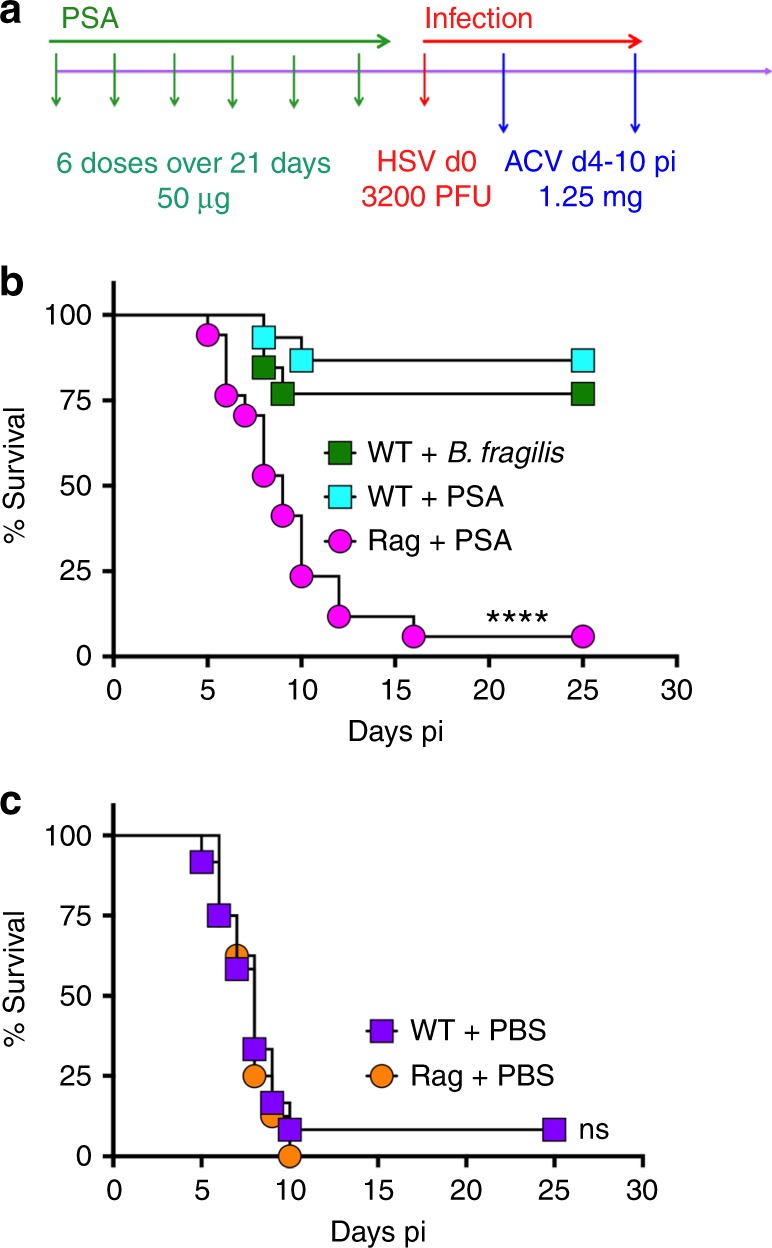
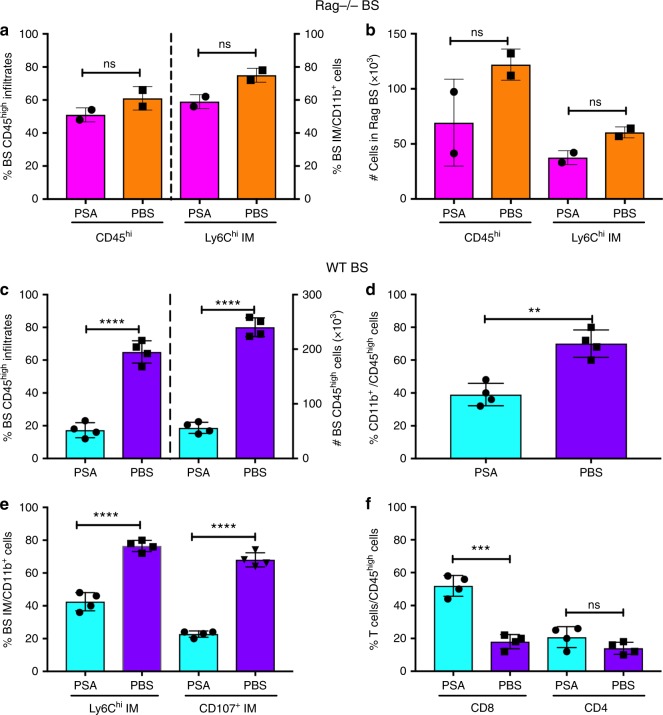
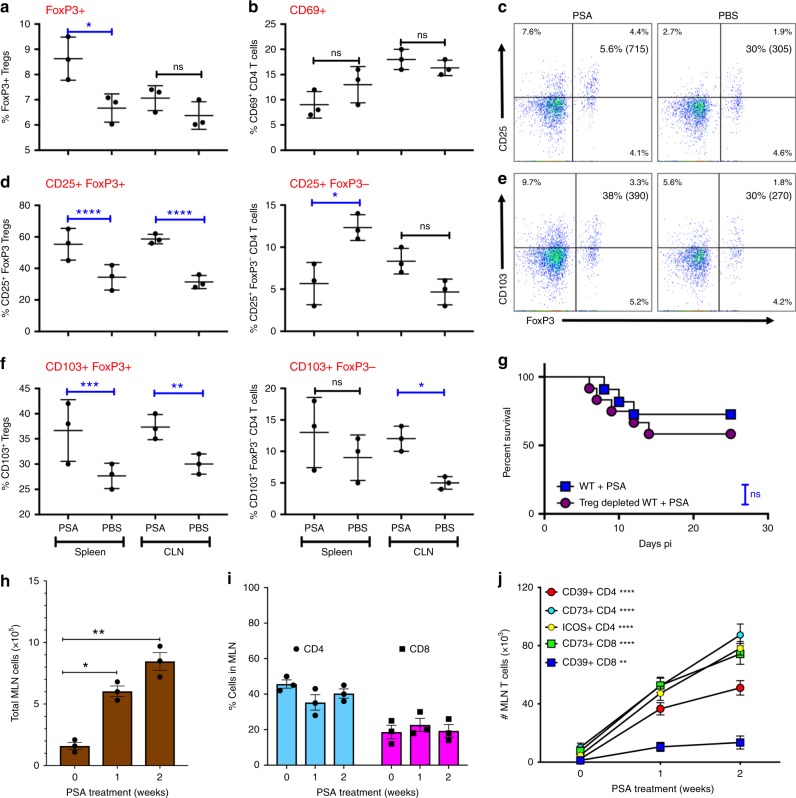
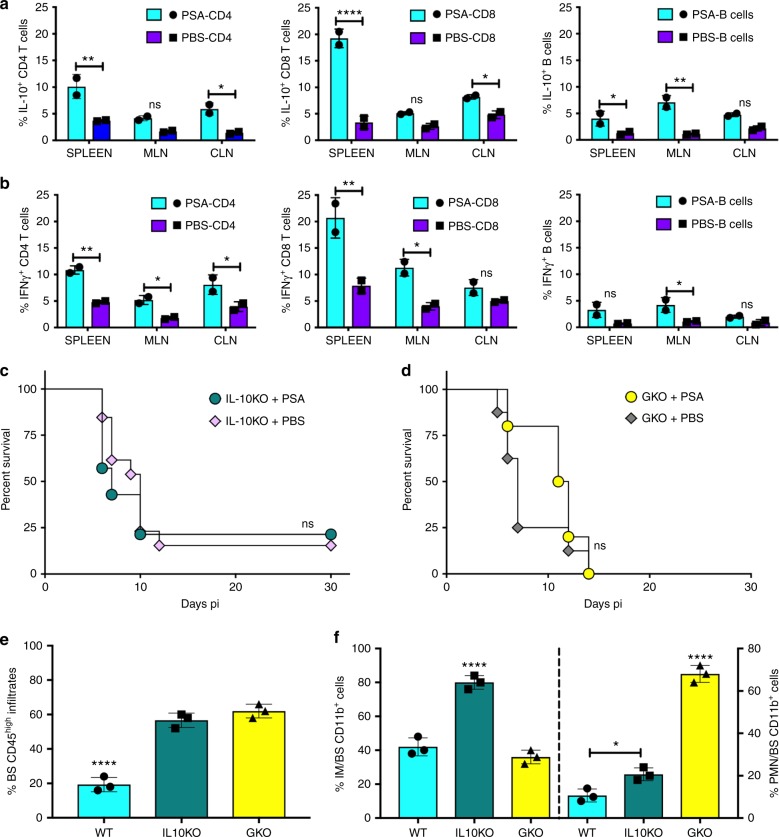
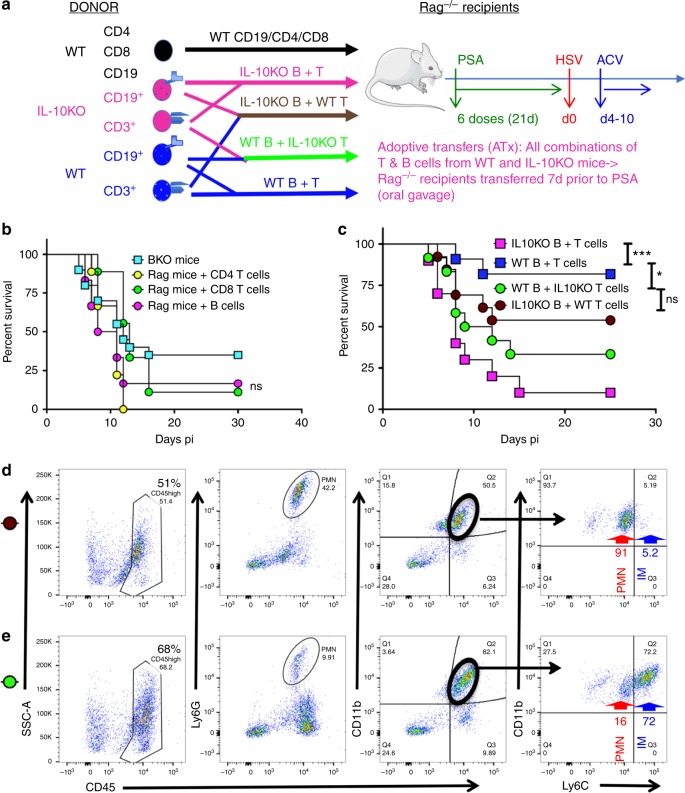
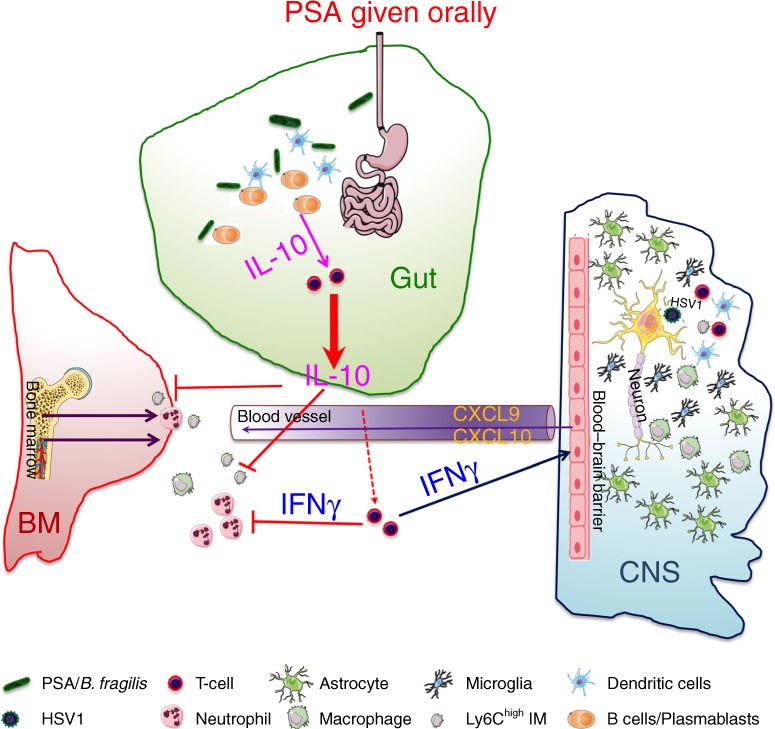
The gut commensal Bacteroides fragilis or its capsular polysaccharide A (PSA) can prevent various peripheral and CNS sterile inflammatory disorders. Fatal herpes simplex encephalitis (HSE) results from immune pathology caused by uncontrolled invasion of the brainstem by inflammatory monocytes and neutrophils. Here we assess the immunomodulatory potential of PSA in HSE by infecting PSA or PBS treated 129S6 mice with HSV1, followed by delayed Acyclovir (ACV) treatment as often occurs in the clinical setting. Only PSA-treated mice survived, with dramatically reduced brainstem inflammation and altered cytokine and chemokine profiles. Importantly, PSA binding by B cells is essential for induction of regulatory CD4 + and CD8 + T cells secreting IL-10 to control innate inflammatory responses, consistent with the lack of PSA mediated protection in Rag −/− , B cell- and IL-10-deficient mice. Our data reveal the translational potential of PSA as an immunomodulatory symbiosis factor to orchestrate robust protective anti-inflammatory responses during viral infections.
Overview
The claims and statistics of this paper haven’t been checked yet.
Free: it reads the open-access text and checks the first 5 claims that cite a source we can check. Create a free account to check every claim.
Integrity signals
Registry
Cites
Statistics
Figures
Verification
Claims the paper makes
The claims and statistics of this paper haven’t been checked yet.
Free: it reads the open-access text and checks the first 5 claims that cite a source we can check. Create a free account to check every claim.
Claims other papers make about this one
Each is checked against this paper’s own text: does it say what the citing paper says it does?
The cited source says what the claim attributes to it.
In the citing paper
“Polysaccharide A (PSA) produced by the commensal Bacteroides fragilis is another well-studied example of a single molecule promoting symbiosis and host immune system education.57–59”
From Interaction between microbiota and immunity in health and disease (2020) · cites this paper as [59]
Self-check
Percentages, sums and reported differences re-computed from the paper’s own numbers.
The self-check needs the paper’s full text.
Citations
Cites
Revised Estimates for the Number of Human and Bacteria Cells in the Body
Sender, R., Fuchs, S., & Milo, R. (2016) · PLOS Biology · doi:10.1371/journal.pbio.1002533 · Cited by 5,425
The Human Intestinal Microbiome in Health and Disease
Lynch, S. V., & Pedersen, O. (2016) · New England Journal of Medicine · doi:10.1056/nejmra1600266 · Cited by 3,637
An Immunomodulatory Molecule of Symbiotic Bacteria Directs Maturation of the Host Immune System
Mazmanian, S. K., Liu, C. H., Tzianabos, A. O., & Kasper, D. L. (2005) · Cell · doi:10.1016/j.cell.2005.05.007 · Cited by 2,910
Self-citationA microbial symbiosis factor prevents intestinal inflammatory disease
Mazmanian, S. K., Round, J. L., & Kasper, D. L. (2008) · Nature · doi:10.1038/nature07008 · Cited by 2,340
Self-citationRound, J. L., & Mazmanian, S. K. (2010) · Proceedings of the National Academy of Sciences · doi:10.1073/pnas.0909122107 · Cited by 2,233
Self-citationThe Toll-like receptor 2 pathway establishes colonization by a commensal of the human microbiota
Round, J. L., Lee, S. M., Li, J., Tran, G., Jabri, B., Chatila, T. A., & Mazmanian, S. K. (2011) · Science · doi:10.1126/science.1206095 · Cited by 1,604
Self-citationShen, P., Roch, T., Lampropoulou, V., O’Connor, R. A., Stervbo, U., Hilgenberg, E., Ries, S., Dang, V. D., Jaimes, Y., Daridon, C., et al. (2014) · Nature · doi:10.1038/nature12979 · Cited by 1,048
Use of axenic animals in studying the adaptation of mammals to their commensal intestinal microbiota
Smith, K., McCoy, K. D., & Macpherson, A. J. (2007) · Seminars in Immunology · doi:10.1016/j.smim.2006.10.002 · Cited by 785
Mining the Human Gut Microbiota for Immunomodulatory Organisms
Geva-Zatorsky, N., Sefik, E., Kua, L., Pasman, L., Tan, T. G., Ortiz-Lopez, A., Yanortsang, T. B., Yang, L., Jupp, R., Mathis, D., et al. (2017) · Cell · doi:10.1016/j.cell.2017.01.022 · Cited by 762
Gable, M. S., Sheriff, H., Dalmau, J., Tilley, D. H., & Glaser, C. A. (2012) · Clinical Infectious Diseases · doi:10.1093/cid/cir1038 · Cited by 733
Cited by
Items 101–200 of 284
Factors Affecting the Tissue Damaging Consequences of Viral Infections
Sumbria, D., Berber, E., & Rouse, B. T. (2019) · Frontiers in Microbiology · doi:10.3389/fmicb.2019.02314 · Cited by 28
Chen, H., Li, H., & Liu, Z. (2020) · Therapeutic Advances in Gastroenterology · doi:10.1177/1756284820935188 · Cited by 32
Wenger, M., Grosse-Kathoefer, S., Kraiem, A., Pelamatti, E., Nunes, N. N. D. S., Pointner, L., & Aglas, L. (2023) · Frontiers in Molecular Biosciences · doi:10.3389/fmolb.2023.1204025 · Cited by 31
“This TLR5-mediated prophylactic effect depended on a different location of TLR ligand versus allergen application, and resulted in the generation of Tregs and tolerogenic DCs (Shim et al., 2016).”
BackgroundInfluentialCapsular polysaccarides of probiotics and their immunomodulatory roles
Li, J., Feng, S., Yu, L., Zhao, J., Tian, F., Chen, W., & Zhai, Q. (2022) · Food Science and Human Wellness · doi:10.1016/j.fshw.2022.04.003 · Cited by 26
D’Anca, M., Buccellato, F. R., Tartaglia, G. M., FABBRO, M. D., Muti, P. C., Scarpini, E. A., Galimberti, D., & Ghezzi, L. (2023) · Applied Sciences · doi:10.3390/app13105881 · Cited by 28
Chronic SARS-CoV-2, a Cause of Post-acute COVID-19 Sequelae (Long-COVID)?
O’Donnell, J. S., & Chappell, K. J. (2021) · Frontiers in Microbiology · doi:10.3389/fmicb.2021.724654 · Cited by 25
“, 2016), and Bacteroides fragilis, important for secretion of type I IFNs by gut-associated immune cells (critical for antigen presentation, T cell activation, and control of viral spread in the gut) (Ramakrishna et al., 2019).”
BackgroundFernández-Cantos, M. V., Babu, A. F., Hanhineva, K., & Kuipers, O. P. (2024) · Microbiological Research · doi:10.1016/j.micres.2024.127700 · Cited by 25
Zhang, L., Zhou, T., Zhang, Y., Xu, X., Li, Y., Wei, K.-X., He, J., Ding, N., Zhou, H., & Liu, Y. (2020) · Evidence-based Complementary and Alternative Medicine · doi:10.1155/2020/9017854 · Cited by 22
“It has been reported that species of Desulfovibrio has the ability to reduce several toxic metals such as uranium, chromium, and iron [41], Desulfovibrio has the potential to generate energy (ATP) through electron transfer-coupled phosphorylation [42], and Bacteroides is the producer of butyric acid, induces IL-10 sec…”
BackgroundAssociation of lung-intestinal microecology and lung cancer therapy
Kong, L., Chen, X.-Y., Lu, X., Caiyin, Q., & Yang, D. (2023) · Chinese Medicine · doi:10.1186/s13020-023-00742-8 · Cited by 22
“Protein fragments and cell wall components of dead or surviving bacteria will enter the chyle pool through the intestinal lymphatic system, and then enter the lungs through the blood circulation to activate adaptive immunity, leading to the differentiation and activation of T cells, as well as the activation of macrop…”
BackgroundImpact of the Microbiota on Viral Infections
Campbell, D. E., Li, Y., Ingle, H., & Baldridge, M. T. (2023) · Annual Review of Virology · doi:10.1146/annurev-virology-111821-115754 · Cited by 23
An update on the effects of food-derived active peptides on the intestinal microecology
Mu, J., Lin, Q., & Liang, Y. (2022) · Critical Reviews in Food Science and Nutrition · doi:10.1080/10408398.2022.2094889 · Cited by 24
“The genome of all micro-organisms in the gut is collectively called the microbiome, and it is 100 times larger than the human genome (Ramakrishna et al. 2019).”
BackgroundHow Toll-like receptors influence Parkinson’s disease in the microbiome–gut–brain axis
Zhang, Z., Liu, Z., Lv, A., & Fan, C. (2023) · Frontiers in Immunology · doi:10.3389/fimmu.2023.1154626 · Cited by 27
Fiorenza, S., & Turtle, C. J. (2021) · Immunometabolism · doi:10.20900/immunometab20210004 · Cited by 22
Aldriwesh, M. G., Alotibi, R. S., Alqurainy, N., Alrabiah, S., Arafah, A. M., Alghoribi, M. F., & Ajina, R. (2025) · Gut Microbes · doi:10.1080/19490976.2025.2607076 · Cited by 24
Novel Phocaeicola Strain Ameliorates Dextran Sulfate Sodium-induced Colitis in Mice
Sun, Z., Jiang, X., Wang, B., Tian, F., Zhang, H., & Yu, L. (2022) · Current Microbiology · doi:10.1007/s00284-022-03054-6 · Cited by 21
“fragilis NCTC9343 is a species of Bacteroidaceae, and its role in alleviating IBD has been extensively evaluated [34, 35].”
BackgroundHoffman, K. R., Brownell, Z., Doyle, W. J., & Ochoa‐Repáraz, J. (2022) · Journal of Autoimmunity · doi:10.1016/j.jaut.2022.102957 · Cited by 23
Cameron, G., Nguyen, T. A. T., Ciula, M., Williams, S. J., & Godfrey, D. I. (2023) · Chemical Science · doi:10.1039/d3sc02124f · Cited by 21
Bacteria-immune cells dialog and the homeostasis of the systems
Guzman-Bautista, E. R., Suzuki, K., Asami, S., & Fagarasan, S. (2020) · Current Opinion in Immunology · doi:10.1016/j.coi.2020.05.010 · Cited by 22
A Gut Feeling: The Importance of the Intestinal Microbiota in Psychiatric Disorders
Ochoa‐Repáraz, J., Ramelow, C. C., & Kasper, L. H. (2020) · Frontiers in Immunology · doi:10.3389/fimmu.2020.510113 · Cited by 24
Protective role of colitis in inflammatory arthritis via propionate-producing Bacteroides in the gut
Shon, H., Kim, Y., Kim, K.-S., Choi, J.-O., Cho, S., An, S., Park, S.-H., Cho, Y., Park, J., Seo, S., et al. (2023) · Frontiers in Immunology · doi:10.3389/fimmu.2023.1064900 · Cited by 22
“fragilis, another Bacteroides species, induces IL-10-secreting T cells (23).”
BackgroundItano, A. A., Maslin, D., Ramani, K., Mehraei, G., Carpenter, N., Cormack, T. A., Saghari, M., Moerland, M., Troy, E. B., Caffry, W., et al. (2023) · Frontiers in Medicine · doi:10.3389/fmed.2023.1070433 · Cited by 21
“Bacterial surface structures, such as capsular Polysaccharide A from Bacteroides fragilis have been previously described and shown to modulate local immune cell responses as well as systemic inflammatory responses (5, 6).”
BackgroundDifferences in gut microbiota structure in patients with stages 4-5 chronic kidney disease.
Wu, R., Ruan, X., Ruan, D., Zhang, J., Wang, H.-L., Zeng, Q.-Z., Lu, T., Gan, Y., Luo, J.-W., & Wu, J. (2021) · PubMed · Cited by 18
Cutuli, D., Giacovazzo, G., Decandia, D., & Coccurello, R. (2022) · Frontiers in Psychiatry · doi:10.3389/fpsyt.2022.1010169 · Cited by 19
Lacunza, E., Fink, V. I., Salas, M. E., Canzoneri, R., Naipauer, J., Williams, S. L., Coso, O. A., Sued, O. G., Cahn, P. E., Mesri, E. A., et al. (2023) · npj Biofilms and Microbiomes · doi:10.1038/s41522-023-00413-4 · Cited by 20
“B fragilis has been shown to exert potent immunomodulatory activity to protect against a lethal viral neuroin fl ammatory disease 42 .”
Winds of change a tale of: asthma and microbiome
Galeana-Cadena, D., Gómez-García, I. A., López-Salinas, K. G., Irineo‐Moreno, V., Jiménez-Juárez, F., Tapia-García, A. R., Boyzo-Cortes, C. A., Matías-Martínez, M. B., Jiménez-Álvarez, L. A., Zúñiga, J., et al. (2023) · Frontiers in Microbiology · doi:10.3389/fmicb.2023.1295215 · Cited by 21
“Neonatal dendritic cells (DCs) exhibit adult levels of the immunoregulatory cytokine IL-10 when stimulated with lipopolysaccharides (LPS) from the maternal microbiome, but they are less proficient in promoting T helper 1 (Th1) cell differentiation due to delayed IL-12 production.”
BackgroundMicrobiota Signals during the Neonatal Period Forge Life-Long Immune Responses
Phillips-Farfán, B. V., Gómez‐Chávez, F., Medina-Torres, E. A., Vargas-Villavicencio, J. A., Carvajal, K., & Camacho, L. (2021) · International Journal of Molecular Sciences · doi:10.3390/ijms22158162 · Cited by 23
Microbiota, IgA and Multiple Sclerosis
Boussamet, L., Rajoka, M. S. R., & Berthelot, L. (2022) · Microorganisms · doi:10.3390/microorganisms10030617 · Cited by 21
“On the other hand, polysaccharide (PSA) arising from Bacteroides fragilis colonization activates anti-inflammatory genes in TLR1-TLR2-dependent way and drives naive CD4 T cell and B cells toward regulatory phenotypes (IL-10 and IL-12-producing cells) [28,29], attenuating inflammation.”
BackgroundHMOs Impact the Gut Microbiome of Children and Adults Starting from Low Predicted Daily Doses
Bajic, D., Wiens, F., Wintergerst, E., Deyaert, S., Baudot, A., & den Abbeele, P. V. (2024) · Metabolites · doi:10.3390/metabo14040239 · Cited by 19
“In contrast, 6 ′ SL specifically increased other health-related species such as Phocaeicola dorei for adults [55,56] and Bacteroides fragilis for children [57–59].”
BackgroundLuu, M., Krause, F. F., Monning, H., Wempe, A., Leister, H., Mainieri, L., Staudt, S., Ziegler-Martin, K., Mangold, K., Kappelhoff, N., et al. (2024) · Mucosal Immunology · doi:10.1016/j.mucimm.2024.09.003 · Cited by 18
Enteric Nervous System and Its Relationship with Neurological Diseases
Bartolomé, M. J. L., López-Marco, L., Monzón, M., & Santander, S. (2024) · Journal of Clinical Medicine · doi:10.3390/jcm13185579 · Cited by 20
“This antigen is a potent activator of immune cells, capable of inducing clonal expansion of CD4+ T cells and increased secretion of IL-10 in T and B lymphocytes, and its immunomodulatory and protective role in the development of MS has been described [37,38,40].”
BackgroundApplications of bacteriophages in precision engineering of the human gut microbiome
Kuang, X., Shen, J., Zheng, L., Duan, Y., Ma, Y., Leung, E. L., & Dai, L. (2025) · Engineering Microbiology · doi:10.1016/j.engmic.2025.100189 · Cited by 21
“Although B. fragilis is a key beneficial component of the human gut microbiota [ 46 ], ETBF, which is capable of producing B. fragilis toxin (BFT), is associated with the progression of CRC [ 47 ].”
Herpes simplex virus infection, Acyclovir and IVIG treatment all independently cause gut dysbiosis
Ramakrishna, C., Mendonca, S., Ruegger, P. M., Kim, J. H., Borneman, J., & Cantin, E. M. (2020) · PLoS ONE · doi:10.1371/journal.pone.0237189 · Cited by 19
“More relevantly, the capsular polysaccharide A (PSA) from Bacteroides fragilis reduced HSV-associated mortality in mice by dramatically reducing immune-mediated inflammation [72].”
BackgroundSelf-citationZhang, Y., Wang, B., Yang, Y., Meng, J., Zhang, M., Li, Y., Dong, B., Zhang, Y., Liu, B., Yang, D. H., et al. (2025) · iMeta · doi:10.1002/imt2.70061 · Cited by 15
“As a key commensal microorganism essential for maintaining intestinal barrier integrity and immune modulation, B. fragilis depletion may serve as both a biomarker and functional mediator of PDCoV pathogenesis [36, 37].”
Liu, Y., Tong, B., Wang, S., Li, G., Tan, Y., Yu, H., Yang, K., & Yu, Y. (2021) · Aquaculture Reports · doi:10.1016/j.aqrep.2021.100697 · Cited by 15
Cao, X., Guo, X., Fang, X., Ru, S., & Li, E. (2022) · Molecules · doi:10.3390/molecules27113641 · Cited by 15
“Bacteroides can produce eight capsular polysaccharides, the beneficial effects of capsular polysaccharides included stimulation, development, and homeostasis of the immune system [32], and prevention of bacterial and viral infections [33].”
BackgroundHost microbiome in tuberculosis: disease, treatment, and immunity perspectives
Pant, A., Das, B., & Arimbasseri, G. A. (2023) · Frontiers in Microbiology · doi:10.3389/fmicb.2023.1236348 · Cited by 21
Role of respiratory system microbiota in development of lung cancer and clinical application
Li, B., Wang, D., Zhang, C., Wang, Y., Huang, Z., Yang, L., Yang, H., Liang, N., Li, S., & Liu, Z. (2024) · iMeta · doi:10.1002/imt2.232 · Cited by 18
Is it time for microbiome-based therapies in viral infections?
Sadiq, F. A. (2020) · Virus Research · doi:10.1016/j.virusres.2020.198203 · Cited by 19
Gut microbiome changes in anti-N-methyl-D-aspartate receptor encephalitis patients
Jingya, W., Zhang, X., Yang, F., Shi, X., Wang, X., Chen, R., Du, F., Shi, M., & Jiang, W. (2022) · BMC Neurology · doi:10.1186/s12883-022-02804-0 · Cited by 15
“These bacteria can reportedly regulate human immune function and are beneficial in prevention of peripheral and central nervous system sterile inflammatory disorders, such as experimental allergic encephalomyelitis and herpes simplex encephalitis [17].”
BackgroundZhou, X., Tian, Y., Liu, L., Ge, L., Zhang, H., Liang, Y., Wang, X., & Hu, Y. (2022) · Aquaculture · doi:10.1016/j.aquaculture.2022.738788 · Cited by 14
Yang, Y., Zhou, X., Jia, G., Zhao, H., Li, Y., Cao, J., Guan, Z., & Zhao, R. (2024) · Food Bioscience · doi:10.1016/j.fbio.2024.104926 · Cited by 15
Xia, K., Gao, R., Wu, X., Sun, J., Wan, J., Wu, T., Fichna, J., Yin, L., & Chen, C. (2022) · Frontiers in Cellular and Infection Microbiology · doi:10.3389/fcimb.2022.864944 · Cited by 24
“In addition, Bacteroidetes can produce polysaccharide A (PSA), which has anti-inflammatory effects, inducing Treg cells to release interleukin (IL)-10 to protect the intestinal barrier (Ramakrishna et al., 2019).”
BackgroundThe Role of Intestinal Microbiota and Immune System Interactions in Autoimmune Diseases
Yurtseven, B., Aydemir, E., & Ayaz, F. (2025) · ImmunoTargets and Therapy · doi:10.2147/itt.s569016 · Cited by 26
Chen, S., Xue, X., Zhang, H., Huang, X., Lin, X., He, J., Chen, L., Luo, S., & Gao, J. (2024) · Phytomedicine · doi:10.1016/j.phymed.2024.156000 · Cited by 14
Advancing vaccine technology through the manipulation of pathogenic and commensal bacteria
Lloren, K. K. S., Senevirathne, A., & Lee, J. H. (2024) · Materials Today Bio · doi:10.1016/j.mtbio.2024.101349 · Cited by 21
Reens, A. L., Cabral, D. J., Liang, X., Norton, J. E., Therien, A. G., Hazuda, D. J., & Swaminathan, G. (2021) · Frontiers in Immunology · doi:10.3389/fimmu.2021.643255 · Cited by 17
“It is also clear that the microbiome broadly affects the immune system, as has been well-documented in studies of infectious disease and immune function (5, 6, 230, 232, 235, 246, 247).”
BackgroundEffects of Cortex Phellodendri extract on post‐weaning piglets diarrhoea
Xu, X., Pan, Y., Xu, B., Yan, Y., Yin, B., Wang, Y., Hu, S., & Ma, L. (2020) · Veterinary Medicine and Science · doi:10.1002/vms3.304 · Cited by 13
“Bacteroides can provide antigens that induce regulatory T cells to generate anti-inflammatory cytokines to protect commensal gut microbiota (Ramakrishna et al., 2019).”
BackgroundSantos, S. J. D., Shukla, I., Hill, J. E., Money, D., The Maternal Microbiome Legacy Project Team, Money, D., Hill, J. E., Joseph, K. S. J., van Schalkwyk, J. E., Albert, A., et al. (2023) · Microbiology Spectrum · doi:10.1128/spectrum.00614-23 · Cited by 16
Emerging nanotherapeutic strategies targeting gut-X axis against diseases
Sun, A., Liu, H., Sun, M., Yang, W., Liu, J., Lin, Y., Shi, X., Sun, J. Y., & Liu, L. (2023) · Biomedicine & Pharmacotherapy · doi:10.1016/j.biopha.2023.115577 · Cited by 14
Zhang, Q., Liu, Y., Tang, R., Kong, S., Lv, D., Li, H., Yang, H., & Lin, L. (2024) · Carbohydrate Polymer Technologies and Applications · doi:10.1016/j.carpta.2024.100567 · Cited by 14
Microbiome modulation of antigen presentation in tolerance and inflammation
He, Y., Mohapatra, G., Asokan, S., Nobs, S. P., & Elinav, E. (2024) · Current Opinion in Immunology · doi:10.1016/j.coi.2024.102471 · Cited by 13
Hussain, A. (2025) · International Journal of Biological Macromolecules · doi:10.1016/j.ijbiomac.2025.142802 · Cited by 12
Park, J., Lee, S. R., Dhennezel, C., Taylor, N., Dame, A., Kadoki, M., Pishchany, G., Graham, D. B., Xavier, R. J., & Seyedsayamdost, M. R. (2025) · Proceedings of the National Academy of Sciences · doi:10.1073/pnas.2514071122 · Cited by 17
“Previous studies have demonstrated a role for B. fragilis polysaccharides in guiding the maturation of the developing immune system ( 33 , 34 ).”
Piazzesi, A., & Putignani, L. (2022) · Frontiers in Microbiology · doi:10.3389/fmicb.2022.958346 · Cited by 14
Karandikar, K., Bhonde, G., Palav, H. C., Padwal, V., Velhal, S., Pereira, J., Meshram, H., Goel, A., Shah, I., Patel, V. V., et al. (2023) · Microbes and Infection · doi:10.1016/j.micinf.2023.105165 · Cited by 11
Zhang, S., Chau, H.-T., Tun, H. M., Huang, F., Wong, D. K.-H., Mak, L., Yuen, M., & Seto, W. (2024) · EBioMedicine · doi:10.1016/j.ebiom.2024.105101 · Cited by 11
“35 In one study, Flavonifractor plautii , a bacterial taxon enriched in c-Bacteroides , was found to increase mRNA expression of IFN-γ and IL-10 in splenocytes.”
BackgroundPark, Y., Ahn, J. B., Kim, D. H., Park, I. S., Son, M., Kim, J. H., Woo, H. J., Kim, S. W., & Cheon, J. H. (2024) · International Journal of Molecular Sciences · doi:10.3390/ijms25126697 · Cited by 18
Pathmanathan, S. G., Lawley, B., McConnell, M. A., Baird, M. A., & Tannock, G. W. (2019) · Anaerobe · doi:10.1016/j.anaerobe.2019.102112 · Cited by 11
Gautier, T., Oliviero, N., Ferron, S., Pogam, P. L., Gall‐David, S. L., Sauvager, A., Leroyer, P., Cannie, I., Dion, S., Sweidan, A., et al. (2022) · Frontiers in Microbiology · doi:10.3389/fmicb.2022.1023315 · Cited by 12
Choy, C. T., Siu, P. L. K., Zhou, J., Wong, C. H., Lee, Y. W., Chan, H. W., Tsui, J. C. C., Lo, C. J. Y., Loo, S. K. F., & Tsui, S. K. (2023) · Microorganisms · doi:10.3390/microorganisms11092175 · Cited by 11
“The bacterial polysaccharide produced by B. fragilis is known to exert anti-inflammatory properties via inducing IL-10 secretion, balancing Th1/Th2 populations, and modulating systemic T cell deficiencies [84–86].”
BackgroundThe microbiome and immune system development
Coker, M. O., & Madan, J. C. (2020) · Elsevier eBooks · doi:10.1016/b978-0-12-820602-7.00003-9 · Cited by 11
The Interplay of Genital Herpes with Cellular Processes: A Pathogenesis and Therapeutic Perspective
Borase, H. P., & Shukla, D. (2023) · Viruses · doi:10.3390/v15112195 · Cited by 13
“, x FOR PEER REVIEW In a mouse model of HSV-1 infection, PSA upregulated IL-10, preventing brainstem inflammation [94] (Figure 3).”
BackgroundSaba, J., Flores, K., Marshall, B., Engstrom, M. D., Peng, Y., Garje, A. S., Comstock, L. E., & Landick, R. C. (2024) · Nature Communications · doi:10.1038/s41467-024-55215-9 · Cited by 16
“This bet-hedging strategy generates Bacteroides populations with great surface variability that protect from phage 3 – 5 and mediate immune modulation, bio fi lm formation, antibiotic resistance, and in fl ammation 6 – 11 .”
Yu, L., Guo, Q., Gu, X., Wang, Z., Li, J., Wang, X., Xu, Z., Wang, Y., Zhang, Y., Zhang, Y., et al. (2025) · British Journal of Cancer · doi:10.1038/s41416-025-03105-2 · Cited by 14
“We anticipate that the ongoing clinical research on neoadjuvant radiotherapy and immunotherapy in patients with MSS-CRC will provide robust and comprehensive clinical evidence to support our fi ndings.”
Wei, Q., Wang, D., Wei, K., Xu, B., & Xu, J. (2024) · Fishes · doi:10.3390/fishes9030091 · Cited by 9
Metabolic adaptation orchestrates tissue context‐dependent behavior in regulatory T cells
Wang, H., Lu, C., & Ho, P. (2020) · Immunological Reviews · doi:10.1111/imr.12844 · Cited by 10
Tang, C., Wu, Y., Tao, Q., Zeng, C., & Chen, Y. (2024) · Journal of Pharmaceutical Analysis · doi:10.1016/j.jpha.2024.101121 · Cited by 8
Wang, X., Xiong, K., Huang, F., Huang, J., Liu, Q., Duan, N., Ruan, H., Jiang, H., Zhu, Y., Lin, L., et al. (2022) · Frontiers in Immunology · doi:10.3389/fimmu.2022.1018567 · Cited by 10
“fragilis to the bloodstream or surrounding tissues results in clinically significant infection (15).”
BackgroundTu, A. B., Krishna, G., Smith, K. R., & Lewis, J. S. (2024) · Annual Review of Biomedical Engineering · doi:10.1146/annurev-bioeng-110122-014306 · Cited by 8
Alteration of the Gut Microbiota in Pigs Infected with African Swine Fever Virus
Ko, Y.-S., Tark, D., Moon, S.-H., Kim, D.-M., Lee, T. G., Bae, D.-Y., Sunwoo, S.-Y., Oh, Y., & Cho, H.-S. (2023) · Veterinary Sciences · doi:10.3390/vetsci10050360 · Cited by 10
“For example, B. fragilis expresses the capsular polysaccharide A (PSA) to induce CD4+ T-cell-dependent immune response and activates immunomodulatory IL-10, exhibiting anti-inflammatory effects during herpes simplex encephalitis [48,49].”
BackgroundHarriman, R., & Lewis, J. S. (2021) · Acta Biomaterialia · doi:10.1016/j.actbio.2021.05.045 · Cited by 9
Natural products: Harnessing the power of gut microbiota for neurological health
Cheng, H., Liu, J., Zhang, D., Wu, J., Wu, J., Zhou, Y., Tan, Y., Feng, W., & Peng, C. Y. (2024) · Phytomedicine · doi:10.1016/j.phymed.2024.156019 · Cited by 7
Demystifying the role of postbiotics in inflammation mediated metabolic disorders: an updated review
Doke, R. R., Chande, K., Dingare, S. H., Vinchurkar, K., & Singh, S. K. (2025) · Food Science and Biotechnology · doi:10.1007/s10068-025-01952-6 · Cited by 13
Sang, Y., Nahashon, S. N., & Webby, R. J. (2025) · Vaccines · doi:10.3390/vaccines13080837 · Cited by 9
“Furthermore, polysaccharide A (PSA) derived from Bacteroides fragilis has been implicated in correcting Th1/Th2 imbalances via TLR2 signaling, which reduces post-vaccination inflammation while preserving CD8 + cytotoxicity against heterosubtypic influenza strains [18,23,24].”
Rational bioengineering of polysaccharide in designing of microbiome modulation
Moon, J. H., Kim, K. H., Kim, Y., & Son, S. (2025) · Trends in biotechnology · doi:10.1016/j.tibtech.2025.08.014 · Cited by 12
Yoon, S. E., Kang, W., Cho, J., Cho, H. J., Chalita, M., Oh, H., Hyun, D., Han, S. H., Kim, H., Sung, H., et al. (2025) · Blood Advances · doi:10.1182/bloodadvances.2025016858 · Cited by 7
“16-18 Such effects contribute to a more balanced immune environment, potentially enhancing CAR T-cell function and yielding improved treatment outcomes.”
Wang, L., Chen, S., Cai, X. T., Zheng, Y., Zheng, C., & Yao, Y. (2026) · Frontiers in Endocrinology · doi:10.3389/fendo.2025.1720484 · Cited by 12
Role of the gut microbiome in multiple sclerosis: From etiology to therapeutics
Shahi, S. K., Yadav, M., Ghimire, S., & Mangalam, A. K. (2022) · International review of neurobiology · doi:10.1016/bs.irn.2022.06.001 · Cited by 9
Cang, W., Li, X., Tang, J., Ying, W., Mu, D., Wu, C., Shi, H., Shi, L., Wu, J., & Wu, R. (2024) · Foods · doi:10.3390/foods13050735 · Cited by 11
Ye, H., Pan, J., Cai, X., Yin, Z., Li, L., Gong, E., Xu, C., Zheng, H., Cao, Z., Chen, E., et al. (2022) · Experimental and Therapeutic Medicine · doi:10.3892/etm.2022.11445 · Cited by 10
Self-citationGut commensal microbiota drive tailored macrophage responses
Jones, J. P., García-Martínez, K. Y., Lee, Y.-Y., Rhee, M. W., Nath, R. R., Takahashi, S., Grodner, B., Vlaminck, I. D., Leifer, C. A., & Brito, I. (2025) · Cell Reports · doi:10.1016/j.celrep.2025.116157 · Cited by 8
Pawłowska, N., Durda, M., Cofta, S., Springer, D., & Szwed, A. (2025) · Genes · doi:10.3390/genes16091049 · Cited by 10
“Certain Bacteroides species produce polysaccharide A, a substance that induces regulatory T cells in the intestines and thereby exerts immunomodulatory and inflammatory response-inhibiting effects [18].”
Wang, M., Su, H., & Liu, J. (2025) · Acta Biochimica et Biophysica Sinica · doi:10.3724/abbs.2025231 · Cited by 7
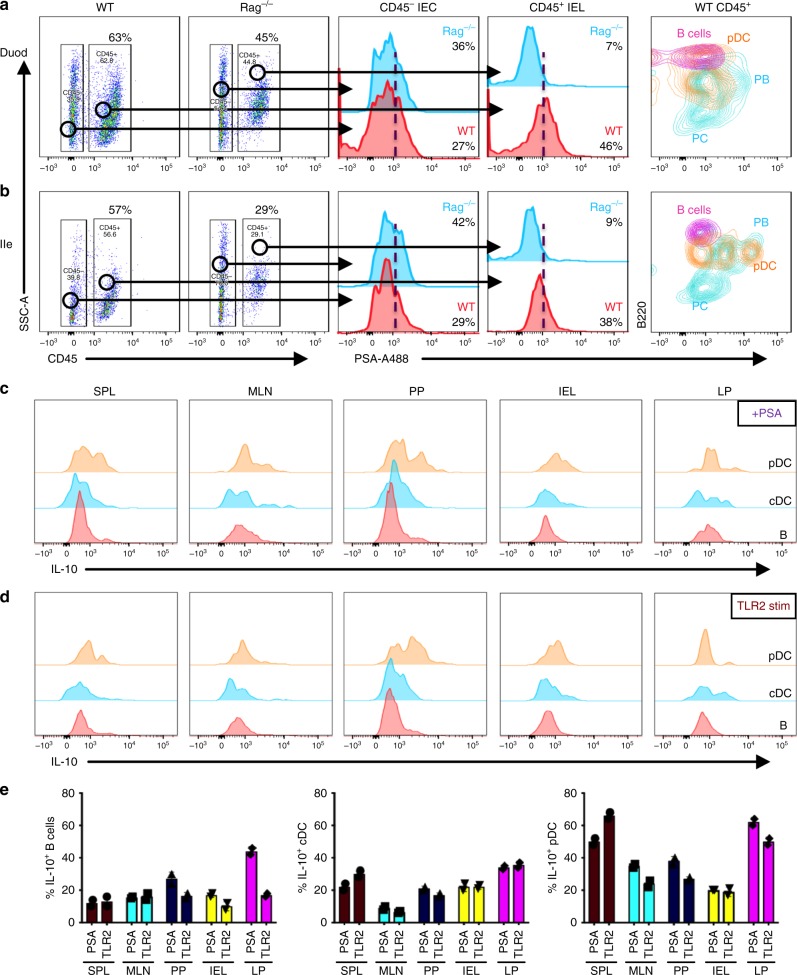
“Interestingly, duodenal and ileal pDCs and B - cell plasma blasts bind PSA with the highest intensity, indicating a nonredundant role for pDCs in mediating PSA - mediated immune tolerance [140].”
Lee, S., Lee, Y. S., Lee, H., Yu, J., Kim, K. O., Kim, T.-Y., Lee, S.-H., Qiao, Y., KIM, S., & Kweon, M. (2026) · Gut Microbes · doi:10.1080/19490976.2025.2611603 · Cited by 8
“56,57 Our results extend this paradigm by showing that Bifi-94 promotes IL-10 production in B cells through TLR2-dependent MAPK activation.”
Gastric microbiota-mediated immune remodelling in gastric cancer
Gao, J., Lau, H. C.-H., Fuhler, G. M., & Yu, J. (2026) · Gut · doi:10.1136/gutjnl-2026-338505 · Cited by 9
“35 Similarly, L. johnsonii can directly decrease the expression of retinoic acid receptor-related orphan receptor gamma t (ROR-γ t) and IL-17A to contract the pro-tumourigenic T helper (Th) 17 cell population, while simultaneously expanding FOXP3 + CD25 + Tregs and increasing IL-10 transcription.”
Ziegler, S., Bereswill, S., & Heimesaat, M. M. (2022) · European Journal of Microbiology and Immunology · doi:10.1556/1886.2022.00017 · Cited by 6
Jamali, F., Mousavi, S., Rad, A. H., Meshkini, A., Alikhah, H., Houshyar, J., Moghadam, S. K., Yaghoubi, S. M., Asghari, K. M., Ilkhchi, M. T., et al. (2025) · Probiotics and Antimicrobial Proteins · doi:10.1007/s12602-025-10513-6 · Cited by 8
“They induce the secretion of the anti-inflammatory cytokine IL-10, which helps to inhibit inflammation and protect intestinal epithelial cells from damage [110].”
Enteric viruses seize their immunomodulatory niche
Campbell, D. E., & Baldridge, M. T. (2021) · Cell Host & Microbe · doi:10.1016/j.chom.2021.05.007 · Cited by 6
Probiotics and prebiotics in the suppression of autoimmune diseases
Giri, P. S., Shah, F., & Dwivedi, M. (2021) · Elsevier eBooks · doi:10.1016/b978-0-12-823733-5.00019-2 · Cited by 8
Changes in antioxidant capacity and gut microbiota in mice after intake of camel milk
Wang, J., Ren, W., Liu, S., Li, Z., Zeng, Y., Meng, J., & Yao, X. (2025) · Frontiers in Cellular and Infection Microbiology · doi:10.3389/fcimb.2025.1621031 · Cited by 6
Bashiardes, S., Heinemann, M., Adlung, L., Valdés‐Mas, R., Mahdi, J. A., Nobs, S. P., Tuganbaev, T., Yamada, T., Horn, M., Mor, U., et al. (2026) · Nature Microbiology · doi:10.1038/s41564-025-02253-8 · Cited by 6
Wen, X., Ye, X., Yang, X., RuJin, J., Qian, C., & Wang, X. (2022) · Clinical & Translational Oncology · doi:10.1007/s12094-022-02995-5 · Cited by 5
Hidden Partner of Immunity: Microbiome as an Innovative Companion in Immunotherapy
Kim, P., Joe, S., Kim, H., Jeong, H., Park, S., Song, J., Kim, W., & Lee, Y. G. (2025) · International Journal of Molecular Sciences · doi:10.3390/ijms26020856 · Cited by 6
Lessons from next generation influenza vaccines for inflammatory disease therapies
Zimmerman, D. H., Carambula, R. E., Ciemielewski, J. C., & Rosenthal, K. S. (2019) · International Immunopharmacology · doi:10.1016/j.intimp.2019.105729 · Cited by 5
Vers une nouvelle problématique du savoir sur le développement
Hammouda, H. B. (1997) · Alternatives sud · Cited by 5
Saba, J., Flores, K., Marshall, B., Engstrom, M. D., Peng, Y., Garje, A. S., Comstock, L. E., & Landick, R. C. (2024) · bioRxiv (Cold Spring Harbor Laboratory) · doi:10.1101/2024.06.21.599965 · Cited by 5
The Role of Beneficial Microbiota in COVID-19: Insights from Key Bacterial Genera
Rampelotto, P. H., Taufer, C. R., & da Silva, J. (2025) · Microorganisms · doi:10.3390/microorganisms13051029 · Cited by 5
“Bacteroides fragilis , for example, produces polysaccharide A, which can enhance the immune response and protect against viral encephalitis in mice [51].”
Immunotherapeutic potential of “Breg-Treg” vs “Th9-Th17” cell axis in post-menopausal osteoporosis
Bhardwaj, A., Sapra, L., & Srivastava, R. K. (2025) · International Reviews of Immunology · doi:10.1080/08830185.2025.2601515 · Cited by 5
“PSA further induces the production of IL-10 from the Bregs [118].”
Zhang, J., Liu, Y., & Zhao, K. (2026) · Behavioural Brain Research · doi:10.1016/j.bbr.2026.116268 · Cited by 6
Ramadan, Y. N., Bukhari, S. Q., Alatawi, Z., Oriquat, G., Ellah, N. H. A., Mohamedosman, E. H. A., Ahmed, R., & Hetta, H. F. (2026) · International Journal of Molecular Sciences · doi:10.3390/ijms27115009 · Cited by 6
“Under homeostatic conditions, non-toxigenic strains expressing polysaccharide A (PSA) contribute to immune regulation and intestinal tolerance through modulation of host T-cell responses and anti-inflammatory signaling pathways [103–106].”
Metadata
- Authors
- Ramakrishna, C., Kujawski, M., Chu, H., Li, L., Mazmanian, S. K., & Cantin, E. M.
- Affiliations
- City Of Hope National Medical Center (US)
- California Institute of Technology (US)
- Corresponding author
- Ramakrishna, Chandran
- Cantin, Edouard M.
- Venue
- Nature Communications
- Published
- 2019-05-14
- Volume
- 10
- Issue
- 1
- Pages
- 2153-2153
- ISSN
- 2041-1723 (ISSN-L)
- PMC
- PMC6517419
- OpenAlex
- W2945318499
- Semantic Scholar
- 7b3d9020097e177d983a115fb465f126757e56c8
- Cited by
- 284
- References
- 71
- Citations by year
- 2026: 24 · 2025: 44 · 2024: 42 · 2023: 47 · 2022: 42 · 2021: 45 · 2020: 29 · 2019: 8
- FWCI
- 12.39
- Type
- journal article
- Language
- en
- Open access
- gold
- doi.org
- Licence
- cc-by
- creativecommons.org/licenses/by/4.0 (tdm)
- creativecommons.org/licenses/by/4.0 (vor)
- Locations
- Nature Communications (publishedVersion, cc-by)
- PubMed Central (publishedVersion, cc-by)
- PubMed (publishedVersion)
- CaltechAUTHORS (California Institute of Technology) (submittedVersion, cc-by)
- RePEc: Research Papers in Economics (submittedVersion)
- DOAJ (DOAJ: Directory of Open Access Journals) (submittedVersion, cc-by-sa)
- DOAJ (DOAJ: Directory of Open Access Journals) (submittedVersion)
- Funders
- California Institute of Technology
- Servier
- Genentech
- Medical Research Council
- National Institute of Diabetes and Digestive and Kidney Diseases (R00DK110534, K99DK110534)
- Topics
- Life Sciences › Immunology and Microbiology › Immunology › T-cell and B-cell Immunology
- Health Sciences › Medicine › Infectious Diseases › Herpesvirus Infections and Treatments
- Life Sciences › Neuroscience › Neurology › Vagus Nerve Stimulation Research
- Keywords
- Bacteroides fragilis, polysaccharide A, herpes simplex encephalitis, herpes simplex virus type 1, IL-10, regulatory T cells, regulatory B cells, gut commensals, immunomodulation, brainstem inflammation, anti-inflammatory response, symbiosis, Rag1-deficient mice, IL-10-deficient mice
- MeSH terms
- Gastrointestinal Microbiome, Host Microbial Interactions, Acyclovir, Animals, Antiviral Agents, B-Lymphocytes, Bacteroides fragilis, Chlorocebus aethiops, Disease Models, Animal, Female, Humans, Male, Polysaccharides, Bacterial, Symbiosis, T-Lymphocytes, Vero Cells, Interleukin-10, Herpesvirus 1, Human, Mice, Knockout, Encephalitis, Herpes Simplex, Mice
About these checks
Registry, retraction, Cites and statistics results are computed, not judged, with one exception: a printed reference that no index lists is read once by a model before it counts as a citation error. Claims are extracted by a model and kept only when their quote appears verbatim in the text; each cited source is then checked, with a model’s help, for whether it says what the claim relies on. Those verdicts can be wrong — read the claim’s quote and the cited source before relying on one.
Statistics and arithmetic are recomputed, not judged.
Confidence bands are shown only for fields calibrated on our annotated test set. None is calibrated yet, so no band is shown.
What counts as a claim ›How we measure confidence ›How we check this ›
Are you an author, or do you see a problem with this page? Request a review
Data sources
Bibliographic data: Semantic Scholar, OpenAlex, Crossref.
Contains information from the Semantic Scholar Academic Graph Datasets, made available under the ODC Attribution License (ODC-BY 1.0).
Semantic Scholar’s data is described in: Kinney, R., et al. (2023). The Semantic Scholar Open Data Platform. arXiv:2301.10140.
