

Establishing microbial composition measurement standards with reference frames
Open accessThe DOI matches its Crossref record; 58 of the 58 references it cites were found in a registry or an index.
Abstract
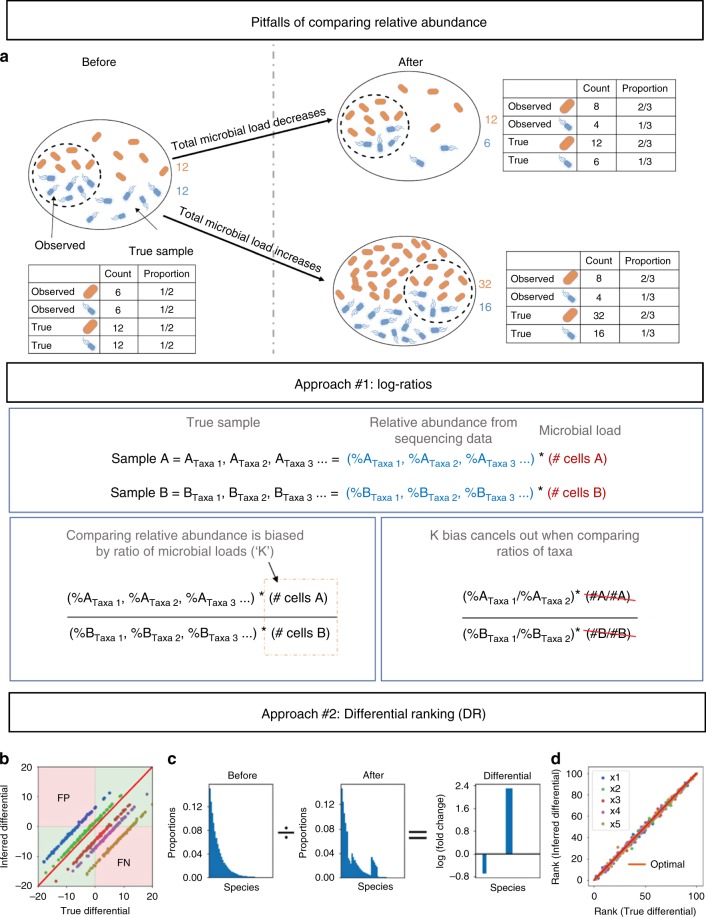
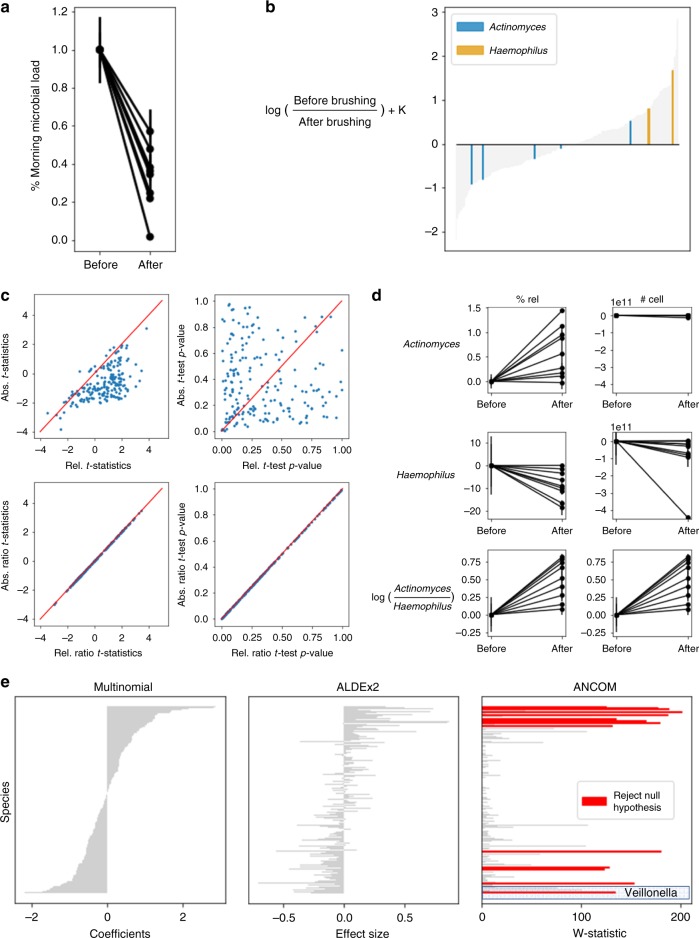
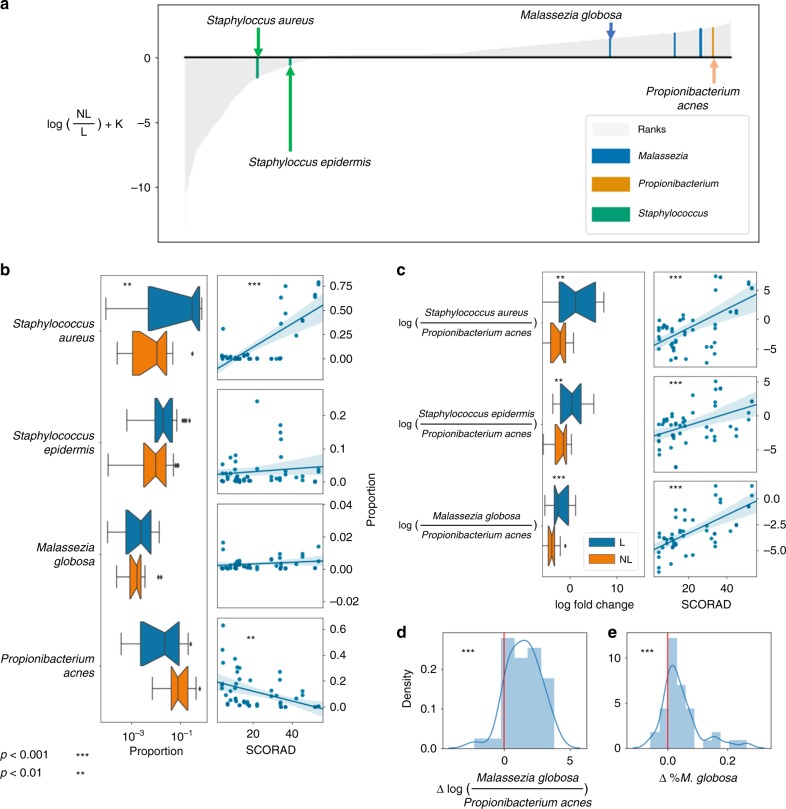
Differential abundance analysis is controversial throughout microbiome research. Gold standard approaches require laborious measurements of total microbial load, or absolute number of microorganisms, to accurately determine taxonomic shifts. Therefore, most studies rely on relative abundance data. Here, we demonstrate common pitfalls in comparing relative abundance across samples and identify two solutions that reveal microbial changes without the need to estimate total microbial load. We define the notion of “reference frames”, which provide deep intuition about the compositional nature of microbiome data. In an oral time series experiment, reference frames alleviate false positives and produce consistent results on both raw and cell-count normalized data. Furthermore, reference frames identify consistent, differentially abundant microbes previously undetected in two independent published datasets from subjects with atopic dermatitis. These methods allow reassessment of published relative abundance data to reveal reproducible microbial changes from standard sequencing output without the need for new assays.
Overview
The claims and statistics of this paper haven’t been checked yet.
Free: it reads the open-access text and checks the first 5 claims that cite a source we can check. Create a free account to check every claim.
Integrity signals
Registry
Cites
Statistics
Figures
Verification
Claims the paper makes
The claims and statistics of this paper haven’t been checked yet.
Free: it reads the open-access text and checks the first 5 claims that cite a source we can check. Create a free account to check every claim.
Claims other papers make about this one
Each is checked against this paper’s own text: does it say what the citing paper says it does?
In the citing paper
“A recent approach called differential ranking is robust to the choice of the alr reference feature, and ranks produced from relative abundances are identical to the ranks of absolute abundances66,67.”
From Longitudinal gut microbiome changes in immune checkpoint blockade-treated advanced melanoma (2024) · cites this paper as [67]
Self-check
Percentages, sums and reported differences re-computed from the paper’s own numbers.
The self-check needs the paper’s full text.
Citations
Cites
Moderated estimation of fold change and dispersion for RNA-seq data with DESeq2
Love, M. I., Huber, W., & Anders, S. (2014) · Genome Biology · doi:10.1186/s13059-014-0550-8 · Cited by 95,106
QIIME allows analysis of high-throughput community sequencing data
Caporaso, J. G., Kuczynski, J., Stombaugh, J., Bittinger, K., Bushman, F. D., Costello, E. K., Fierer, N., Peña, A. G., Goodrich, J. K., Gordon, J. I., et al. (2010) · Nature Methods · doi:10.1038/nmeth.f.303 · Cited by 34,887
Self-citationNaïve Bayesian Classifier for Rapid Assignment of rRNA Sequences into the New Bacterial Taxonomy
Wang, Q., Garrity, G. M., Tiedje, J. M., & Cole, J. R. (2007) · Applied and Environmental Microbiology · doi:10.1128/aem.00062-07 · Cited by 19,885
TensorFlow: A system for large-scale machine learning
Abadi, M., Barham, P., Chen, J., Chen, Z., Davis, A., Dean, J., Devin, M., Ghemawat, S., Irving, G., Isard, M., et al. (2016) · arXiv (Cornell University) · doi:10.48550/arxiv.1605.08695 · Cited by 11,822
Ecological Diversity and Its Measurement
Magurran, A. E. (1988) · Springer eBooks · doi:10.1007/978-94-015-7358-0 · Cited by 10,879
The Statistical Analysis of Compositional Data
Aitchison, J. (1982) · Journal of the Royal Statistical Society Series B: Statistical Methodology · doi:10.1111/j.2517-6161.1982.tb01195.x · Cited by 3,405
Microbiome Datasets Are Compositional: And This Is Not Optional
Gloor, G. B., Macklaim, J. M., Pawlowsky-Glahn, V., & Egozcue, J. J. (2017) · Frontiers in Microbiology · doi:10.3389/fmicb.2017.02224 · Cited by 3,044
Inferring Correlation Networks from Genomic Survey Data
Friedman, J., & Alm, E. J. (2012) · PLoS Computational Biology · doi:10.1371/journal.pcbi.1002687 · Cited by 2,706
Differential abundance analysis for microbial marker-gene surveys
Paulson, J. N., Stine, O. C., Bravo, H. C., & Pop, M. (2013) · Nature Methods · doi:10.1038/nmeth.2658 · Cited by 2,428
Analysis of composition of microbiomes: a novel method for studying microbial composition
Mandal, S., Van Treuren, W., White, R. A., Eggesbø, M., Knight, R., & Peddada, S. D. (2015) · Microbial Ecology in Health & Disease · doi:10.3402/mehd.v26.27663 · Cited by 1,942
Self-citation
Research works printed but not linked: 2
- Lovell D Taylor J Zwart A Helliwell C Caution! compositions! can constraints on omics data lead analyses astray CSIRO 2010 1 44
- Gonzalez A Qiita: rapid, web-enabled microbiome meta-analysis Nat. Methods 2018 15 796 798 10.1038/s41592-018-0141-9 30275573 PMC6235622 · DOI · Paper page
Cited by
Items 101–200 of 668
Verburgt, C. M., Dunn, K. A., Ghiboub, M., Lewis, J. D., Wine, E., Boneh, R. S., Gerasimidis, K., Shamir, R., Penny, S. L., Pinto, D. M., et al. (2022) · Journal of Crohn s and Colitis · doi:10.1093/ecco-jcc/jjac105 · Cited by 66
Time of sample collection is critical for the replicability of microbiome analyses
Allaband, C., Lingaraju, A., Ramos, S. F., Kumar, T., Javaheri, H., Tiu, M. D., Machado, A. C. D., Richter, R. A., Elijah, E. O., Haddad, G. G., et al. (2024) · Nature Metabolism · doi:10.1038/s42255-024-01064-1 · Cited by 66
“Though the microbiome of the large and small intestine are quite different 40 , the diurnal dynamics of the latter has only recently been characterized 11,33,41 .”
InfluentialSelf-citationMajor Depressive Disorder and gut microbiota – Association not causation. A scoping review
Łoniewski, I., Misera, A., Skonieczna-Żydecka, K., Kaczmarczyk, M., Kaźmierczak-Siedlecka, K., Misiak, B., Marlicz, W., & Samochowiec, J. (2021) · Progress in Neuro-Psychopharmacology and Biological Psychiatry · doi:10.1016/j.pnpbp.2020.110111 · Cited by 61
Bornbusch, S. L., Greene, L. K., Rahobilalaina, S., Calkins, S., Rothman, R. S., Clarke, T. A., LaFleur, M., & Drea, C. M. (2022) · Animal Microbiome · doi:10.1186/s42523-022-00176-x · Cited by 68
“To identify microbes enriched in specific groups of samples, we used differential abundance analyses via Analysis of Compositions of Microbiomes (ANCOM) and songbird software [140] in QIIME2, paired with visualization through Qurro [141].”
MethodBrill, B., Amir, A., & Heller, R. (2022) · The Annals of Applied Statistics · doi:10.1214/22-aoas1607 · Cited by 67
“The human salivary microbiome is another microbiome ecology in the human body that experiences large changes in absolute load; for example, the salivary microbial load is reduced by 50% following teeth brushing (Morton et al. (2019)).”
BackgroundInfluentialConceptual strategies for characterizing interactions in microbial communities
Kodera, S. M., Das, P., Gilbert, J. A., & Lutz, H. L. (2022) · iScience · doi:10.1016/j.isci.2022.103775 · Cited by 64
“Centered log-ratios (clr) of the geometric mean are now widely used as an approach to examine the differential proportions of microbial taxa (Morton et al., 2019).”
MethodRothschild, D., Leviatan, S., Hanemann, A., Cohen, Y., Weissbrod, O., & Segal, E. (2022) · PLOS ONE · doi:10.1371/journal.pone.0265756 · Cited by 59
Tierney, B. T., Tan, Y., Kostic, A. D., & Patel, C. J. (2021) · Nature Communications · doi:10.1038/s41467-021-23029-8 · Cited by 65
Synchrony and idiosyncrasy in the gut microbiome of wild baboons
Björk, J. R., Dasari, M. R., Roche, K., Grieneisen, L., Gould, T. J., Grenier, J., Yotova, V., Gottel, N., Jansen, D., Gesquiere, L. R., et al. (2022) · Nature Ecology & Evolution · doi:10.1038/s41559-022-01773-4 · Cited by 63
Ruan, X., Luo, J., Zhang, P., & Howell, K. S. (2022) · npj Biofilms and Microbiomes · doi:10.1038/s41522-022-00343-7 · Cited by 63
Harrison, J. G., Calder, W. J., Shastry, V., & Buerkle, C. A. (2020) · Molecular Ecology Resources · doi:10.1111/1755-0998.13128 · Cited by 63
“By converting information from each feature into a ratio, both ALR and CLR 573 avoid the sub-composition incoherence problem (Morton et al. 2019).”
MethodHuang, S., Jiang, S., Huo, D., Allaband, C., Estaki, M., Cantu, V., Belda-Ferre, P., Vázquez-Baeza, Y., Zhu, Q., Ma, C., et al. (2021) · Microbiome · doi:10.1186/s40168-021-01102-0 · Cited by 61
“In light of the compositionality nature of microbiome data [46], we conducted the centered log-ratio (CLR) transformation for raw relative abundance profiles with R package “zcomposition” prior to downstream differential abundance analyses.”
MethodSelf-citationHigh-fat diet and estrogen modulate the gut microbiota in a sex-dependent manner in mice
Hases, L., Stepanauskaitė, L., Birgersson, M., Brusselaers, N., Schuppe‐Koistinen, I., Archer, A., Engstrand, L. G., & Williams, C. (2023) · Communications Biology · doi:10.1038/s42003-022-04406-5 · Cited by 62
Mysonhimer, A. R., Cannavale, C. N., Bailey, M. A., Khan, N. A., & Holscher, H. D. (2023) · Journal of Nutrition · doi:10.1016/j.tjnut.2023.02.015 · Cited by 63
Targeting Gut Microbiota to Treat Hypertension: A Systematic Review
Palmu, J., Lahti, L., & Niiranen, T. (2021) · International Journal of Environmental Research and Public Health · doi:10.3390/ijerph18031248 · Cited by 61
“[43] In addition to appropriate statistical methodology, flow cytometry could be used to estimate the cell counts (while not total microbial load) improving the interpretation of 16S rRNA sequenced data in particular [44,45].”
MethodInfluentialPelloquin, B., Kristan, M., Edi, C., Meiwald, A., Clark, E., Jeffries, C. L., Walker, T., Dada, N., & Messenger, L. A. (2021) · Microbiology Spectrum · doi:10.1128/spectrum.00157-21 · Cited by 59
“Analysis of Composition of Microbiome method (ANCOM) was used to complement Songbird analysis, and this was computed using the composition plugin[74] with all parameters set to default.”
MethodInfluentialVitamin B12 is a limiting factor for induced cellular plasticity and tissue repair
Kovatcheva, M., Melendez, E., Chondronasiou, D., Pietrocola, F., Bernad, R., Caballe, A., Junza, A., Capellades, J., Holguín-Horcajo, A., Prats, N., et al. (2023) · Nature Metabolism · doi:10.1038/s42255-023-00916-6 · Cited by 58
Gut microbes and the liver circadian clock partition glucose and lipid metabolism
Frazier, K., Manzoor, S. S., Carroll, K., DeLeon, O., Miyoshi, S., Miyoshi, J., George, M. S., Tan, A., Chrisler, E. A., Izumo, M., et al. (2023) · Journal of Clinical Investigation · doi:10.1172/jci162515 · Cited by 59
“In addition to the eJTK oscillation analysis, we also examined log ratios, which are not sensitive to microbial load and rely on more reproducible reference frames (35, 36).”
MethodCryptosporidium parvum Infection Depletes Butyrate Producer Bacteria in Goat Kid Microbiome
Mammeri, M., Obregón, D., Chevillot, A., Polack, B., Julien, C., Pollet, T., Cabezas‐Cruz, A., & Adjou, K. T. (2020) · Frontiers in Microbiology · doi:10.3389/fmicb.2020.548737 · Cited by 56
Gaire, T. N., Scott, H. M., Noyes, N. R., Ericsson, A. C., Tokach, M. D., Menegat, M. B., Vinasco, J., Roenne, B., Ray, T., Nagaraja, T. G., et al. (2023) · Animal Microbiome · doi:10.1186/s42523-022-00222-8 · Cited by 56
Lindner, B. G., Gerhardt, K., Feistel, D. J., Rodriguez‐R, L. M., Hatt, J. K., & Konstantinidis, K. T. (2023) · International Journal of Food Microbiology · doi:10.1016/j.ijfoodmicro.2023.110488 · Cited by 57
van Rijssel, S. Q., Veen, G. F., Koorneef, G. J., Bakx‐Schotman, J. M. T., ten Hooven, F. C., Geisen, S., & van der Putten, W. H. (2022) · Molecular Ecology · doi:10.1111/mec.16571 · Cited by 56
EMPress Enables Tree-Guided, Interactive, and Exploratory Analyses of Multi-omic Data Sets
Cantrell, K., Fedarko, M. W., Rahman, G., McDonald, D. T., Yang, Y., Zaw, T., González, A., Janssen, S., Estaki, M., Haiminen, N., et al. (2021) · mSystems · doi:10.1128/msystems.01216-20 · Cited by 55
“, features that decreased least from toothbrushing, for example, primary metabolizers such as Actinomyces that are rooted at the base of the biofilm) (18).”
BackgroundMethodInfluentialSelf-citationMicrobial Functional Diversity Correlates with Species Diversity along a Temperature Gradient
Ruhl, I. A., Sheremet, A., Smirnova, A. V., Sharp, C. E., Grasby, S. E., Strous, M., & Dunfield, P. F. (2022) · mSystems · doi:10.1128/msystems.00991-21 · Cited by 55
Discovery of disease-adapted bacterial lineages in inflammatory bowel diseases
Kumbhari, A., Cheng, T. N. H., Ananthakrishnan, A. N., Kochar, B., Burke, K. E., Shannon, K., Lau, H., Xavier, R. J., & Smillie, C. S. (2024) · Cell Host & Microbe · doi:10.1016/j.chom.2024.05.022 · Cited by 54
The Translational Landscape of SARS-CoV-2-infected Cells Reveals Suppression of Innate Immune Genes
Puray-Chavez, M., Lee, N., Tenneti, K., Wang, Y., Vuong, H. R., Liu, Y., Horani, A., Huang, T., Gunsten, S. P., Case, J. B., et al. (2022) · mBio · doi:10.1128/mbio.00815-22 · Cited by 37
Key Challenges in Plant Microbiome Research in the Next Decade
Fadiji, A. E., Adeniji, A. A., Lanrewaju, A. A., Adedayo, A. A., Chukwuneme, C. F., Nwachukwu, B. C., Aderibigbe, J., & Omomowo, I. O. (2025) · Microorganisms · doi:10.3390/microorganisms13112546 · Cited by 56
“…Microbial Communities and host phenotypes (SIAMCAT) for cross-validated association modeling [49], Songbird for compositional differential ranking [50], mmvec for learning microbe–metabolite embeddings [51], and Model-based Integration of Metabolite Observations and Species Abundances 2 (MIMOSA2)…”
Heiss, B. E., Ehrlich, A. M., Maldonado-Gómez, M. X., Taft, D. H., Larke, J. A., Goodson, M. L., Slupsky, C. M., Tancredi, D. J., Raybould, H. E., & Mills, D. A. (2021) · Gut Microbes · doi:10.1080/19490976.2021.1986666 · Cited by 53
“001; Figure 2d).(29) During persistence of B.”
Methodredbiom: a Rapid Sample Discovery and Feature Characterization System
McDonald, D., Kaehler, B., Gonzalez, A., DeReus, J., Ackermann, G., Marotz, C., Huttley, G., & Knight, R. (2019) · mSystems · doi:10.1128/msystems.00215-19 · Cited by 49
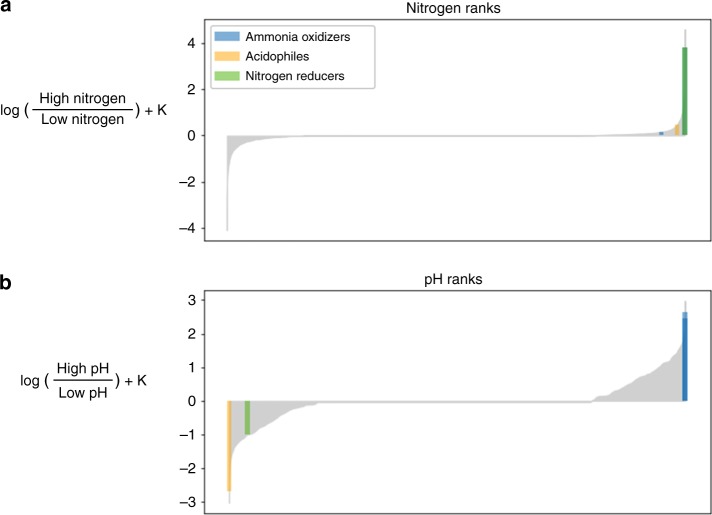
“To test the search capability, we obtained sOTUs from a novel differential abundance method (12) in which five sOTUs were observed to strongly associate with high-pH soils and five with low-pH soils (see Table S1 in the supplemental material), in a reanalysis of a study by Ramirez et al. (13).”
MethodSelf-citationIntermittent Hypoxia and Hypercapnia Alter Diurnal Rhythms of Luminal Gut Microbiome and Metabolome
Allaband, C., Lingaraju, A., Martino, C., Russell, B., Tripathi, A., Poulsen, O., Dantas Machado, A. C., Zhou, D., Xue, J., Elijah, E., et al. (2021) · mSystems · doi:10.1128/msystems.00116-21 · Cited by 50
“By using log ratios for these analyses, we remove the biases created by the total feature load and can calculate false discovery rates using previously established methods (56, 57).”
BackgroundMethodInfluentialSelf-citationBilal, M., Achard, C. S., Barbé, F., Chevaux, E., Ronholm, J., & Zhao, X. (2021) · Microorganisms · doi:10.3390/microorganisms9091899 · Cited by 52
“The relative abundance of microbiota between NC and other the treatments at the family and genus levels at days 7, 14, 28, and 42 was generated and ranked through Songbird software [25].”
MethodAssociation of the gut microbiome and metabolome with wheeze frequency in childhood asthma
Lee‐Sarwar, K. A., Dedrick, S., Momeni, B., Kelly, R. S., Zeiger, R. S., O’Connor, G. T., Sandel, M. T., Bacharier, L. B., Beigelman, A., Laranjo, N., et al. (2022) · Journal of Allergy and Clinical Immunology · doi:10.1016/j.jaci.2022.02.005 · Cited by 51
Diet Quality and the Fecal Microbiota in Adults in the American Gut Project
Baldeon, A. D., McDonald, D. T., González, A., Knight, R. D., & Holscher, H. D. (2023) · Journal of Nutrition · doi:10.1016/j.tjnut.2023.02.018 · Cited by 51
Self-citationNonalcoholic Steatohepatitis and HCC in a Hyperphagic Mouse Accelerated by Western Diet
Ganguly, S., Muench, G. A., Shang, L., Rosenthal, S. B., Rahman, G., Wang, R., Wang, Y., Kwon, H. C., Diomino, A. M., Kisseleva, T., et al. (2021) · Cellular and Molecular Gastroenterology and Hepatology · doi:10.1016/j.jcmgh.2021.05.010 · Cited by 50
“To elucidate the association of specific microbial taxa with diet and genotype, multinomial regression was performed using Songbird (UCSD).(50)”
MethodInfluentialSelf-citationThe human respiratory tract microbial community structures in healthy and cystic fibrosis infants
Pust, M., Wiehlmann, L., Davenport, C., Rudolf, I., Dittrich, A., & Tümmler, B. (2020) · npj Biofilms and Microbiomes · doi:10.1038/s41522-020-00171-7 · Cited by 50
Ciocan, D. M., Cassard, A., Becquemont, L., Verstuyft, C., Voican, C. S., Asmar, K. E., Colle, R., David, D. J. P., Trabado, S., Fève, B., et al. (2021) · Journal of Psychiatry and Neuroscience · doi:10.1503/jpn.200159 · Cited by 52
Bailey, M. J., Holzhausen, E. A., Morgan, Z. E. M., Naik, N. C., Shaffer, J. P., Liang, D., Chang, H. H., Sarnat, J. A., Sun, S., Berger, P. K., et al. (2022) · Gut Microbes · doi:10.1080/19490976.2022.2105096 · Cited by 50
“1) were used to calculate and examine the differential ranks of sOTUs associated with AAP exposure.(84,85) Briefly, Songbird accounts for the compositional nature of microbiome data and uses a multinomial regression model to estimate differential rankings for features based on their abundances with respect to model va…”
MethodLeMay‐Nedjelski, L., Butcher, J., Ley, S. H., Asbury, M. R., Hanley, A. J., Kiss, A., Unger, S. L., Copeland, J. K., Wang, P. W., Zinman, B., et al. (2020) · BMC Microbiology · doi:10.1186/s12866-020-01901-9 · Cited by 49
Determinants and Interactions of Oral Bacterial and Fungal Microbiota in Healthy Chinese Adults
Cheung, M. K., Chan, J. Y. K., Wong, M. C. S., Wong, P. Y., Lei, P., Cai, L., Lan, L., Ho, W. C. S., Yeung, A. C. M., Chan, P. K. S., et al. (2022) · Microbiology Spectrum · doi:10.1128/spectrum.02410-21 · Cited by 50
“For metadata variables showing significant difference in beta diversity, differentially abundant ASVs were identified using the compositionality-aware q2-Songbird plugin (24) in QIIME2 2019.”
MethodGoh, C. E., Bohn, B., Marotz, C., Molinsky, R., Roy, S., Paster, B. J., Chen, C., Rosenbaum, M., Yuzefpolskaya, M., Colombo, P. C., et al. (2022) · Journal of the American Heart Association · doi:10.1161/jaha.121.023038 · Cited by 43
Self-citationOtto-Dobos, L. D., Grant, C. V., Lahoud, A. A., Wilcox, O. R., Strehle, L. D., Loman, B. R., Adarkwah Yiadom, S., Seng, M. M., Halloy, N. R., Russart, K. L. G., et al. (2024) · Brain, Behavior, and Immunity · doi:10.1016/j.bbi.2024.05.039 · Cited by 48
Initial Mapping of the New York City Wastewater Virome
Gulino, K. M., Rahman, J. A., Badri, M. H., Morton, J. T., Bonneau, R., & Ghedin, E. (2020) · mSystems · doi:10.1128/msystems.00876-19 · Cited by 49
“was performed using multinomial regression available from the songbird package (83).”
Self-citationThe environmental microbiome, allergic disease, and asthma
Kelly, M. S., Bunyavanich, S., Phipatanakul, W., & Lai, P. S. (2022) · The Journal of Allergy and Clinical Immunology: In Practice · doi:10.1016/j.jaip.2022.06.006 · Cited by 47
Cairns, J., Jokela, R., Becks, L., Mustonen, V., & Hiltunen, T. (2020) · Nature Ecology & Evolution · doi:10.1038/s41559-020-1272-9 · Cited by 47
Type I IFNs and CD8 T cells increase intestinal barrier permeability after chronic viral infection
Labarta-Bajo, L., Nilsen, S. P., Humphrey, G., Schwartz, T., Sanders, K., Swafford, A. D.-E., Knight, R. D., Turner, J. R., & Zúñiga, E. I. (2020) · The Journal of Experimental Medicine · doi:10.1084/jem.20192276 · Cited by 47
Self-citationShen, J., McFarland, A. G., Blaustein, R. A., Rose, L. J., Perry-Dow, K. A., Moghadam, A. A., Hayden, M. K., Young, V. B., & Hartmann, E. M. (2022) · Microbiome · doi:10.1186/s40168-022-01412-x · Cited by 45
“Such pitfalls include but are not limited to lack of unique connections between biological interpretations and experimental observations and unreliable comparisons across samples [14, 26, 27].”
BackgroundHouse dust microbiota in relation to adult asthma and atopy in a US farming population
Lee, M. K., Wyss, A. B., Carnes, M. U., Richards, M., Parks, C. G., Freeman, L. E. B., Thorne, P. S., Umbach, D. M., Azcárate-Peril, M. A., Peddada, S., et al. (2020) · Journal of Allergy and Clinical Immunology · doi:10.1016/j.jaci.2020.06.013 · Cited by 45
Jaimes, J. D. C., Slavíčková, A., Hurych, J., Cinek, O., Nichols, B., Vodolánová, L., Černý, K., & Havlík, J. (2021) · PLoS ONE · doi:10.1371/journal.pone.0247378 · Cited by 45
“Due to the controversial nature of differential abundance analysis in microbiome research [31, 32] and that no statistical method can fully capture biological phenomena, differential abundance testing was carried out using two techniques: 1) analysis of composition of microbiomes (ANCOM), which has been shown to provi…”
MethodA transomic cohort as a reference point for promoting a healthy human gut microbiome
Jie, Z., Liang, S., Ding, Q., Li, F., Tang, S., Wang, D., Lin, Y., Chen, P., Cai, K., Qiu, X., et al. (2021) · Medicine in Microecology · doi:10.1016/j.medmic.2021.100039 · Cited by 45
“We use mmvec [26,27] to re-rank and highlight the associations selected by average rank methods (see methods 2.17), which account for the composition effect.”
MethodInfluentialIntestinal α1-2-Fucosylation Contributes to Obesity and Steatohepatitis in Mice
Zhou, R., Llorente, C., Cao, J., Zaramela, L. S., Zeng, S.-L., Gao, B., Li, S., Welch, R. D., Huang, F., Qi, L., et al. (2021) · Cellular and Molecular Gastroenterology and Hepatology · doi:10.1016/j.jcmgh.2021.02.009 · Cited by 44
“For comparisons of relative abundance, a log-ratio of counts was compared using the Kegg Onthology K02781 (carbohydrate metabolism) as the reference frame.(70) Data represent means ± SEM.”
MethodSelf-citationBlanco-Fuertes, M., Correa‐Fiz, F., López-Serrano, S., Sibila, M., & Aragón, V. (2022) · Scientific Reports · doi:10.1038/s41598-022-07382-2 · Cited by 44
Lee, S. M., Dong, T. S., Krause-Sorio, B., Siddarth, P., Milillo, M. M., Lagishetty, V., Datta, T., Aguilar-Faustino, Y., Jacobs, J. P., & Lavretsky, H. (2022) · International Psychogeriatrics · doi:10.1017/s1041610221000120 · Cited by 43
synDNA—a Synthetic DNA Spike-in Method for Absolute Quantification of Shotgun Metagenomic Sequencing
Zaramela, L. S., Tjuanta, M., Moyne, O., Neal, M. J., & Zengler, K. (2022) · mSystems · doi:10.1128/msystems.00447-22 · Cited by 43
“less of whether the data are relative or absolute (6, 7, 9).”
BackgroundSelf-citationA Guide to Dietary Pattern–Microbiome Data Integration
Choi, Y., Hoops, S., Thoma, C. J., & Johnson, A. J. (2022) · Journal of Nutrition · doi:10.1093/jn/nxac033 · Cited by 43
Alterations in gut microbiota of esophageal squamous cell carcinoma patients
Cheung, M. K., Yue, G. G., Lauw, S., Li, C. S. Y., Yung, M. Y., Ng, S. C., Yip, H. C., Kwan, H. S., Chiu, P. W. Y., & Lau, C. B. (2022) · Journal of Gastroenterology and Hepatology · doi:10.1111/jgh.15941 · Cited by 43
The maternal prenatal and offspring early‐life gut microbiome of childhood asthma phenotypes
Lee‐Sarwar, K. A., Chen, Y., Chen, Y. Y., Kozyrskyj, A. L., Mandhane, P. J., Turvey, S. E., Subbarao, P., Bisgaard, H. F., Stokholm, J., Chawes, B., et al. (2022) · Allergy · doi:10.1111/all.15516 · Cited by 43
Giliberti, R., Cavaliere, S., Mauriello, I. E., Ercolini, D., & Pasolli, E. (2022) · PLoS Computational Biology · doi:10.1371/journal.pcbi.1010066 · Cited by 41
“Although it is out of the scope of the present study to perform a comprehensive evaluation of available statistical tests, further investigation taking into account alternatives including methodologies that can deal with compositional issues [53,54] is warranted.”
BackgroundWang, X., Wang, Z., Chen, F., Zhang, Z., Fang, J., Xing, L., Zeng, J., Zhang, Q., Liu, H., Liu, W., et al. (2024) · The Science of The Total Environment · doi:10.1016/j.scitotenv.2024.171418 · Cited by 41
Lundberg, D. S., Ayutthaya, P. P. N., Strauß, A., Shirsekar, G. S., Lo, W., Lahaye, T., & Weigel, D. (2021) · eLife · doi:10.7554/elife.66186 · Cited by 41
Anorexia nervosa and microbiota: systematic review and critical appraisal
García, N., & Gutiérrez, E. (2023) · Eating and Weight Disorders - Studies on Anorexia Bulimia and Obesity · doi:10.1007/s40519-023-01529-4 · Cited by 41
“Thus, an absolute abundance cannot be inferred since the total number of reads per sample provided by the sequencing platforms reflect a technical artifact, unrelated to an actual biological composition [69, 71].”
BackgroundInfluentialBenchmarking differential abundance analysis methods for correlated microbiome sequencing data
Yang, L., & Chen, J. (2023) · Briefings in Bioinformatics · doi:10.1093/bib/bbac607 · Cited by 40
Schweickart, A., Batra, R., Neth, B. J., Martino, C., Shenhav, L., Zhang, A. R., Shi, P., Karu, N., Huynh, K., Meikle, P. J., et al. (2024) · npj Metabolic Health and Disease · doi:10.1038/s44324-024-00016-3 · Cited by 40
“Microbes,food features,andmetaboliteswereorderedbythelog-ratiooftheirrelative abundancesinobjectivelynormalcognitiontomildcognitiveimpairment orMMKDtoAHADindividuals,respectively 93,94 and the top and bottom ten features were examined more closely 21 .”
BackgroundSelf-citationMarotz, C. A., Morton, J. T., Navarro, P., Coker, J. K. C., Belda‐Ferre, P., Knight, R. D., & Zengler, K. (2021) · mSystems · doi:10.1128/msystems.01182-20 · Cited by 42
“differential ranking with the tool songbird (5).”
BackgroundMethodInfluentialSelf-citationБалмасова, И. П., Olekhnovich, E. I., Klimina, K. M., Korenkova, A. A., Vakhitova, M. T., Babaev, E. A., Ovchinnikova, L. A., Lomakin, Y. A., Smirnov, I. V., Tsarev, V. N., et al. (2021) · Pathogens · doi:10.3390/pathogens10050504 · Cited by 40
“The Songbird approach [36] implemented in the QIIME2 framework [37] was used to discover biomarkers significantly discriminating the experimental groups.”
BackgroundMethodBioinformatic approaches for studying the microbiome of fermented food
Walsh, L. H., Coakley, M., Walsh, A. M., O’Toole, P. W., & Cotter, P. D. (2022) · Critical Reviews in Microbiology · doi:10.1080/1040841x.2022.2132850 · Cited by 41
“To assess overall differences between the groups, differential abundance testing was performed using the statistical tool songbird (Morton et al. 2019) which ranks taxa that have changed the most between groups.”
MethodOcean Acidification Induces Changes in Virus–Host Relationships in Mediterranean Benthic Ecosystems
Tangherlini, M., Corinaldesi, C., Ape, F., Greco, S., Romeo, T., Andaloro, F., & Danovaro, R. (2021) · Microorganisms · doi:10.3390/microorganisms9040769 · Cited by 39
“To circumvent these biases, we utilized the multinomial regression approach provided by the Songbird QIIME2 plugin [52] using samples from the C1 cluster as a reference to infer differentially abundant prokaryotic families in target clusters C2 and C3.”
MethodBaker, J. L. (2023) · FEMS Microbiology Reviews · doi:10.1093/femsre/fuad051 · Cited by 40
Salido, R. A., Zhao, H. N., McDonald, D. T., Mannochio-Russo, H., Zuffa, S., Oles, R. E., Aron, A. T., Abiead, Y. E., Farmer, S., González, A., et al. (2025) · Cell · doi:10.1016/j.cell.2025.01.039 · Cited by 40
Self-citationModulation of the gut microbiome with nisin
O’Reilly, C., Grimaud, G. M., Coakley, M., O’Connor, P. M., Mathur, H., Peterson, V. L., O’Donovan, C. M., Lawlor, P. G., Cotter, P. D., Stanton, C., et al. (2023) · Scientific Reports · doi:10.1038/s41598-023-34586-x · Cited by 40
The recovery of the microbial community after plaque removal depends on periodontal health status
Li, X., Yu, C., Zhang, B., Shan, X., Mao, W., Zhang, Z., Wang, C., Jin, X., Wang, J., & Zhao, H. (2023) · npj Biofilms and Microbiomes · doi:10.1038/s41522-023-00441-0 · Cited by 39
“…based on the exclusion of low abundance bacteria (abundance greater than 5 and present in at least 10 samples) at the genus level, LDA score greater than 2.0 was considered signi fi cantly different, and using songbird, ALDEx2 and ANCOM-BC analysis at the genus level in qiime2 (2023.2) 31 – 34 .”
InfluentialDeCandia, A. L., Brenner, L. J., King, J. L., & vonHoldt, B. M. (2020) · Molecular Ecology · doi:10.1111/mec.15325 · Cited by 38
“Differences in relative abundance may represent biologically-relevant signals or statistical relicts of study design, sampling scheme, or analysis of compositional data (Morton et al., 2019).”
BackgroundMahnert, A., Verseux, C., Schwendner, P., Koskinen, K., Kumpitsch, C., Blohs, M., Wink, L., Brunner, D., Goessler, T., Billi, D., et al. (2021) · Microbiome · doi:10.1186/s40168-020-00959-x · Cited by 38
“Differential abundance and composition of features was determined with balances in gneiss [61], ancom [62] and feature rankings (feature differentials and loadings) available from aldex2 [63], songbird [64] and deicode [65] were partly visualized in qurro [66].”
MethodLearning sparse log-ratios for high-throughput sequencing data
Gordon-Rodriguez, E., Quinn, T. P., & Cunningham, J. P. (2021) · Bioinformatics · doi:10.1093/bioinformatics/btab645 · Cited by 37
Jurelevicius, D. D. A., Cotta, S. R., Montezzi, L. F., Dias, A. C. F., Mason, O. U., Picão, R. C., Jansson, J. K., & Seldin, L. (2020) · Environmental Pollution · doi:10.1016/j.envpol.2020.115757 · Cited by 38
Montero, B. K., Wasimuddin, Schwensow, N., Gillingham, M. A. F., Ratovonamana, Y. R., Rakotondranary, S. J., Corman, V. M., Drosten, C., Ganzhorn, J. U., & Sommer, S. (2021) · PLoS Pathogens · doi:10.1371/journal.ppat.1009675 · Cited by 39
“Evidence of an indirect effect of the MHC on parasite resistance 145 We then used log-ratios, a suitable method for examining differences in abundance using 146 compositional data [40], to estimate differences in relative abundance of the ASV’s 147 associated to MHC variability (MHC motifs and functional diversity) ac…”
BackgroundMethodInfluentialMjaaseth, U. N., Norris, J. C., Aardema, N. D. J., Bunnell, M. L., Ward, R. E., Hintze, K. J., & Cho, C. E. (2021) · Nutrients · doi:10.3390/nu13124510 · Cited by 37
“Log-fold differentials were generated using the Songbird plugin [36], whereby the formula included diet and sex with RV-valued samples as a reference to learn the differentials.”
MethodDeveloping whole cell standards for the microbiome field
Sergaki, C., Anwar, S., Fritzsche, M., Mate, R., Francis, R. J., MacLellan‐Gibson, K., Logan, A., & Amos, G. C. A. (2022) · Microbiome · doi:10.1186/s40168-022-01313-z · Cited by 37
“From the starting point of collecting a human microbiome sample, until the end point of having a profile of the microbial community, there are multiple steps that can each introduce bias into the results [6, 7, 18, 49, 52].”
BackgroundMyers, T. D., Bouslimani, A., Huang, S. W., Hansen, S., Clavaud, C., Azouaoui, A., Ott, A., Guéniche, A., Bouez, C., Zheng, Q., et al. (2024) · Frontiers in Aging · doi:10.3389/fragi.2023.1304705 · Cited by 40
Self-citationDairy consumption and physical fitness tests associated with fecal microbiome in a Chinese cohort
Jie, Z., Liang, S., Ding, Q., Li, F., Sun, X., Lin, Y., Chen, P., Cai, K., Wang, X., Zhang, T., et al. (2021) · Medicine in Microecology · doi:10.1016/j.medmic.2021.100038 · Cited by 36
“We use mmvec [25,26] to re-rank and highlight associations picked up by average ranks methods (see methods 2.”
MethodYu, J., Tang, S. N., & Lee, P. K. H. (2023) · Environmental Science & Technology · doi:10.1021/acs.est.2c08116 · Cited by 36
Feng, Z., Xie, X., PeiDong, W., Chen, M., Qin, Y., Zhou, Y., Zhu, H., & Yao, Q. (2023) · Microbiological Research · doi:10.1016/j.micres.2023.127447 · Cited by 35
Cerumen microbial community shifts between healthy and otitis affected dogs
Borriello, G., Paradiso, R., Catozzi, C., Brunetti, R., Roccabianca, P., Riccardi, M. G., Cecere, B., Lecchi, C., Fusco, G., Ceciliani, F., et al. (2020) · PLoS ONE · doi:10.1371/journal.pone.0241447 · Cited by 37
“groups of taxa arranged in a hierarchical tree thus identifying taxa that differ in relative abundance [35,36].”
Nutrient pollution alters the gut microbiome of a territorial reef fish
Degregori, S., Casey, J. M., & Barber, P. H. (2021) · Marine Pollution Bulletin · doi:10.1016/j.marpolbul.2021.112522 · Cited by 35
Brila, I., Lavrinienko, A., Tukalenko, E., Ecke, F., Rodushkin, I., Kallio, E. R. K., Mappes, T., & Watts, P. C. (2021) · The Science of The Total Environment · doi:10.1016/j.scitotenv.2021.148224 · Cited by 35
Zhang, S., Xia, X., Xin, Y., Li, X., Wang, J., Yu, L., Li, C., McDowell, W. H., Tan, Q., & Yang, Z. (2023) · Journal of Hydrology · doi:10.1016/j.jhydrol.2023.130253 · Cited by 36
Early microbial markers of periodontal and cardiometabolic diseases in ORIGINS
Marotz, C. A., Molinsky, R. L., Martino, C., Bohn, B., Roy, S. S., Rosenbaum, M., Desvarieux, M., yuzefpolskaya, M., Paster, B. J., Jacobs, D. R., et al. (2022) · npj Biofilms and Microbiomes · doi:10.1038/s41522-022-00289-w · Cited by 34
Self-citationHaskey, N., Ye, J., Estaki, M., Verdugo‐Meza, A., Barnett, J. A., Yousefi, M., Birnie, B. W., Gruenheid, S., Ghosh, S., & Gibson, D. L. (2022) · Gut Microbes · doi:10.1080/19490976.2022.2055441 · Cited by 34
Kang, J. T. L., Teo, J. J. Y., Bertrand, D., Ng, A. H. Q., Ravikrishnan, A., Yong, M., Ng, O. T., Marimuthu, K., Chen, S. L., Chng, K. R., et al. (2022) · Nature Microbiology · doi:10.1038/s41564-022-01221-w · Cited by 34
Sepich‐Poore, G. D., Guccione, C., Laplane, L., Pradeu, T., Curtius, K., & Knight, R. (2022) · BioEssays · doi:10.1002/bies.202100252 · Cited by 33
Self-citationThe community ecology perspective of omics data
Jurburg, S. D., Buscot, F., Chatzinotas, A., Chaudhari, N. M., Clark, A. T., Garbowski, M., Grenié, M., Hom, E. F. Y., Karakoç, C., Marr, S., et al. (2022) · Microbiome · doi:10.1186/s40168-022-01423-8 · Cited by 34
Jin, D.-M., Morton, J. T., & Bonneau, R. (2024) · mSystems · doi:10.1128/msystems.00295-24 · Cited by 31
“…due to our choice of reference frame, we assume that the average microbe is not changed between the case-control cohorts, but if there is a significantly altered microbial load between the cohorts, that could lead to false positives or false negatives in the differential abundance results (76).”
BackgroundSelf-citationInvasive freshwater snails form novel microbial relationships
Bankers, L., Dahan, D., Neiman, M., Adrian‐Tucci, C., Frost, C. L., Hurst, G. D. D., & King, K. C. (2020) · Evolutionary Applications · doi:10.1111/eva.13158 · Cited by 32
Bay, V., Gillespie, A. V., Ganda, E., Evans, N. J., Carter, S. D., Lenzi, L., Lucaci, A. O., Haldenby, S. T., Barden, M., Griffiths, B. E., et al. (2023) · Microbiome · doi:10.1186/s40168-022-01440-7 · Cited by 32
“Because of the limitations of response screening as a method for analysing compositional data [18], data were also analysed using the Songbird package for multinomial regression in QIIME 2 to rank differential abundance of OTUs in the foot-health groups of primary interest (HtHt and HtIn) for comparison.”
MethodCruz, G. N. F., Christoff, A. P., & de Oliveira, L. F. V. (2021) · Frontiers in Microbiology · doi:10.3389/fmicb.2021.638231 · Cited by 32
Otto, L., Strehle, L. D., Loman, B. R., Seng, M. M., Sardesai, S. D., Williams, N. O., Gatti-Mays, M. E., Stover, D. G., Sudheendra, P. K., Wesolowski, R., et al. (2024) · npj Breast Cancer · doi:10.1038/s41523-024-00707-6 · Cited by 31
“0.3andQurrowereusedfordifferentialmodelingof microbialtaxaoverchemotherapytreatmentattheASVlevel 44,45 .”
Steichen, S. A., Gao, S., Waller, P. M., & Brown, J. K. (2020) · Microbial Biotechnology · doi:10.1111/1751-7915.13591 · Cited by 31
“…biomass productivity, temperature, precipitation, solar radiation and wind speed were used as inputs to build a multinomial regression model based on the Multinomial function in Tensorflow (https://github.com/biocore/songbird/tree/9ed4ede 40d8bd8188e93b71d1300c5a1a0a19320; Morton et al., 2019).”
MethodInfluentialPartners for life: building microbial consortia for the future
Rapp, K. M., Jenkins, J. P., & Betenbaugh, M. J. (2020) · Current Opinion in Biotechnology · doi:10.1016/j.copbio.2020.10.001 · Cited by 32
Effects of Clinical Wastewater on the Bacterial Community Structure from Sewage to the Environment
Verburg, I., van Veelen, H. P. J., Waar, K., Rossen, J. W. A., Friedrich, A. W., Leal, L. H., García-Cobos, S., & Schmitt, H. (2021) · Microorganisms · doi:10.3390/microorganisms9040718 · Cited by 31
Impact of gastrointestinal surgery upon the gut microbiome: A systematic review
Tarazi, M., Jamel, S., Mullish, B. H., Markar, S. R., & Hanna, G. B. (2021) · Surgery · doi:10.1016/j.surg.2021.10.014 · Cited by 33
Gupta, S., Plugge, C. M., Klok, J. B. M., & Muyzer, G. (2022) · Applied Microbiology and Biotechnology · doi:10.1007/s00253-022-11771-y · Cited by 31
Metadata
- Authors
- Morton, J. T., Marotz, C., Washburne, A., Silverman, J., Zaramela, L. S., Edlund, A., Zengler, K., & Knight, R.
- Affiliations
- University of California San Diego (US)
- Montana State University (US)
- Duke University (US)
- J. Craig Venter Institute (US)
- Corresponding author
- Zengler, Karsten
- Knight, Rob
- ORCID
- Venue
- Nature Communications
- Published
- 2019-06-20
- Volume
- 10
- Issue
- 1
- Pages
- 2719-2719
- ISSN
- 2041-1723 (ISSN-L)
- PMC
- PMC6586903
- OpenAlex
- W2951061751
- Cited by
- 613
- References
- 56
- Citations by year
- 2026: 31 · 2025: 60 · 2024: 83 · 2023: 87 · 2022: 124 · 2021: 122 · 2020: 96 · 2019: 10
- FWCI
- 29.77
- Type
- journal article
- Language
- en
- Open access
- gold
- doi.org
- Licence
- cc-by
- creativecommons.org/licenses/by/4.0 (tdm)
- creativecommons.org/licenses/by/4.0 (vor)
- Locations
- Nature Communications (publishedVersion, cc-by)
- PubMed Central (publishedVersion, cc-by)
- PubMed (publishedVersion)
- eScholarship (California Digital Library) (submittedVersion, cc-by)
- RePEc: Research Papers in Economics (submittedVersion)
- DOAJ (DOAJ: Directory of Open Access Journals) (submittedVersion)
- DOAJ (DOAJ: Directory of Open Access Journals) (submittedVersion, cc-by-sa)
- eScholarship (California Digital Library) (submittedVersion)
- Funders
- National Science Foundation (GRFP DGE-1144086, DBI-1565057)
- U.S. Department of Health & Human Services | NIH | National Institute of Dental and Craniofacial Research (1F31DE028478)
- Alfred P. Sloan Foundation (G-2017-9838)
- Janssen Pharmaceuticals (20175015)
- Topics
- Life Sciences › Biochemistry, Genetics and Molecular Biology › Molecular Biology › Gut microbiota and health
- Health Sciences › Dentistry › Periodontics › Oral microbiology and periodontitis research
- Life Sciences › Biochemistry, Genetics and Molecular Biology › Molecular Biology › Genomics and Phylogenetic Studies
- Keywords
- reference frames, relative abundance, differential abundance, microbiota composition, compositional data, oral microbiota, atopic dermatitis, reproducibility, false positives
- MeSH terms
- Data Analysis, Bacteria, Computer Simulation, Dermatitis, Atopic, Feasibility Studies, Humans, Models, Biological, Reference Standards, RNA, Ribosomal, 16S, Saliva, Soil Microbiology, Metagenome, Bacterial Load, High-Throughput Nucleotide Sequencing, Microbiota, Healthy Volunteers, Datasets as Topic
About these checks
Registry, retraction, Cites and statistics results are computed, not judged, with one exception: a printed reference that no index lists is read once by a model before it counts as a citation error. Claims are extracted by a model and kept only when their quote appears verbatim in the text; each cited source is then checked, with a model’s help, for whether it says what the claim relies on. Those verdicts can be wrong — read the claim’s quote and the cited source before relying on one.
Statistics and arithmetic are recomputed, not judged.
Confidence bands are shown only for fields calibrated on our annotated test set. None is calibrated yet, so no band is shown.
What counts as a claim ›How we measure confidence ›How we check this ›
Are you an author, or do you see a problem with this page? Request a review
Data sources
Bibliographic data: Semantic Scholar, OpenAlex, Crossref.
Contains information from the Semantic Scholar Academic Graph Datasets, made available under the ODC Attribution License (ODC-BY 1.0).
Semantic Scholar’s data is described in: Kinney, R., et al. (2023). The Semantic Scholar Open Data Platform. arXiv:2301.10140.
