

Structural bases of IMiD selectivity that emerges by 5-hydroxythalidomide
Open accessThe DOI matches its Crossref record; 57 of the 57 references it cites were found in a registry or an index.
Abstract
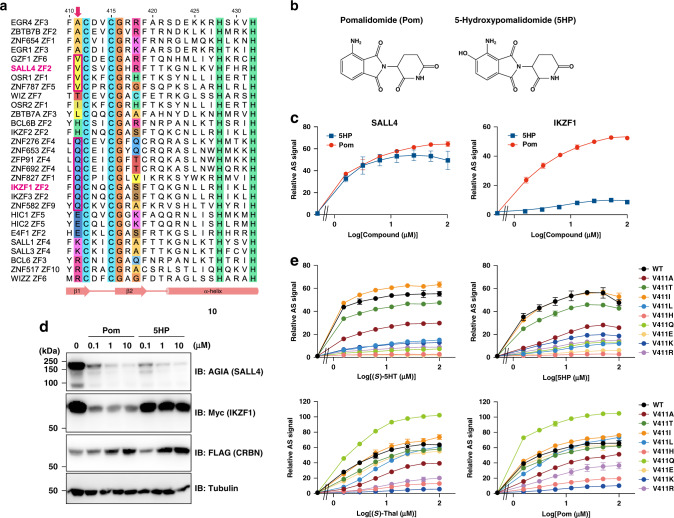
Thalidomide and its derivatives exert not only therapeutic effects as immunomodulatory drugs (IMiDs) but also adverse effects such as teratogenicity, which are due in part to different C2H2 zinc-finger (ZF) transcription factors, IKZF1 (or IKZF3) and SALL4, respectively. Here, we report the structural bases for the SALL4-specific proteasomal degradation induced by 5-hydroxythalidomide, a primary thalidomide metabolite generated by the enzymatic activity of cytochrome P450 isozymes, through the interaction with cereblon (CRBN). The crystal structure of the metabolite-mediated human SALL4-CRBN complex and mutagenesis studies elucidate the complex formation enhanced by the interaction between CRBN and an additional hydroxy group of ( S )-5-hydroxythalidomide and the variation in the second residue of β-hairpin structure that underlies the C2H2 ZF-type neo-morphic substrate (neosubstrate) selectivity of 5-hydroxythalidomide. These findings deepen our understanding of the pharmaceutical action of IMiDs and provide structural evidence that the glue-type E3 ligase modulators cause altered neosubstrate specificities through their metabolism.
Overview
The claims and statistics of this paper haven’t been checked yet.
Free: it reads the open-access text and checks the first 5 claims that cite a source we can check. Create a free account to check every claim.
Integrity signals
Registry
Cites
Statistics
Figures
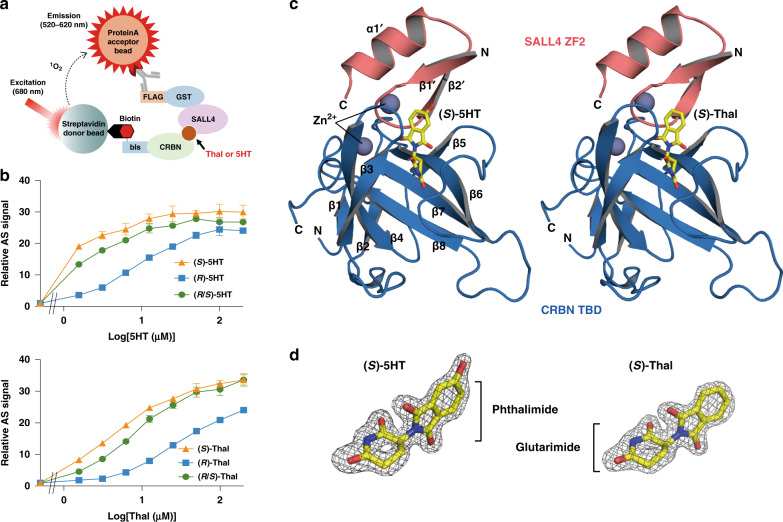
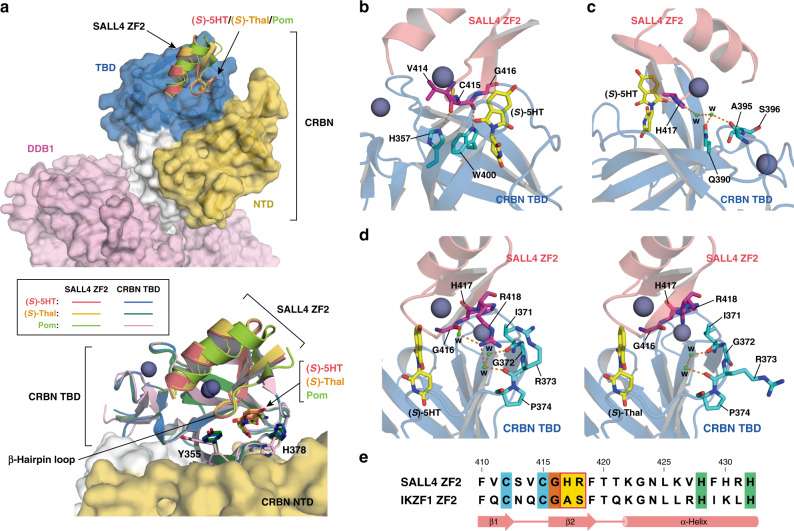
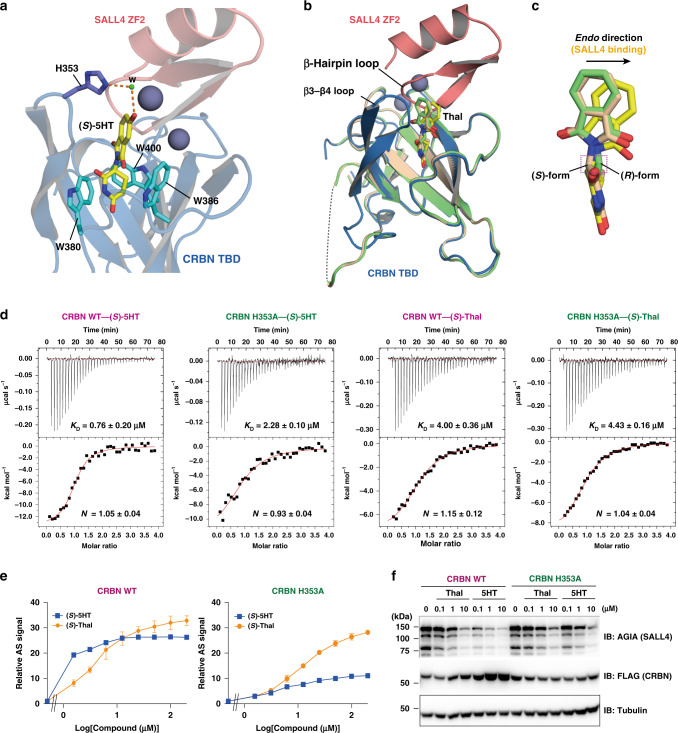
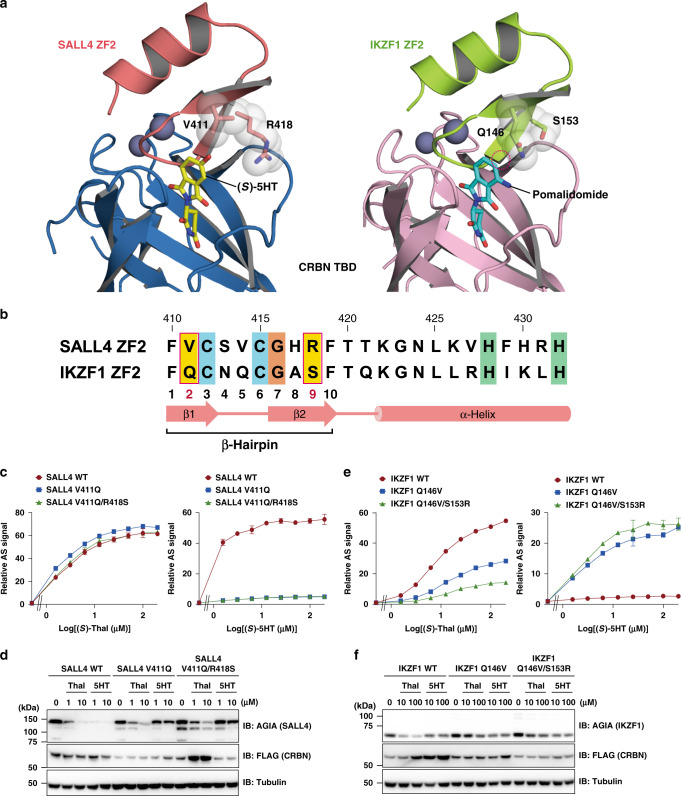
Verification
Claims the paper makes
The claims and statistics of this paper haven’t been checked yet.
Free: it reads the open-access text and checks the first 5 claims that cite a source we can check. Create a free account to check every claim.
Claims other papers make about this one
Each is checked against this paper’s own text: does it say what the citing paper says it does?
The source backs part of the claim, not all of it — or backs it for a different population, condition or comparison.
In the citing paper
“It was reported that 5-hydroxythalidomide, a metabolite of thalidomide, targets the ZFC1 of SALL4 to Cereblon (Furihata et al, 2020).”
From Targeting transcription factors through an IMiD independent zinc finger domain (2025) · cites this paper as Furihata et al, 2020
Experimental — accuracy not yet measuredThe cited source says what the claim attributes to it.
In the citing paper
“Using a combination of crystallography of the ZFC4 DNA binding regions with AlphaFold2, we predicted and demonstrated that SH6 binding to SALL4A and SALL4B differed from the previously reported thalidomide binding site (i.e., cerebelon-SALL4A interface)”
From Targeting transcription factors through an IMiD independent zinc finger domain (2025) · cites this paper as Furihata et al, 2020
Experimental — accuracy not yet measuredThe cited source says what the claim attributes to it.
In the citing paper
“These compounds, collectively known as immunomodulatory drugs (IMiDs), can promote the degradation of a host of cellular proteins by extending the subpar interfaces they form with CRBN, the substrate receptor of the CUL4-RBX1-DDB1 (CRL4) ubiquitin ligase complex9–20.”
From Defining molecular glues with a dual-nanobody cannabidiol sensor (2022) · cites this paper as [18]
Self-check
Percentages, sums and reported differences re-computed from the paper’s own numbers.
The self-check needs the paper’s full text.
Citations
Cites
Coot : model-building tools for molecular graphics
Emsley, P., & Cowtan, K. (2004) · Acta Crystallographica Section D Biological Crystallography · doi:10.1107/s0907444904019158 · Cited by 30,571
Phaser crystallographic software
McCoy, A. J., Grosse-Kunstleve, R. W., Adams, P. D., Winn, M. D., Storoni, L. C., & Read, R. J. (2007) · Journal of Applied Crystallography · doi:10.1107/s0021889807021206 · Cited by 20,612
Kabsch, W. (2010) · Acta Crystallographica Section D Biological Crystallography · doi:10.1107/s0907444909047337 · Cited by 16,463
MolProbity : all-atom structure validation for macromolecular crystallography
Chen, V. B., Arendall, W. B., Headd, J. J., Keedy, D. A., Immormino, R. M., Kapral, G. J., Murray, L. W., Richardson, J. S., & Richardson, D. C. (2010) · Acta Crystallographica Section D Biological Crystallography · doi:10.1107/s0907444909042073 · Cited by 14,115
How good are my data and what is the resolution?
Evans, P. R., & Murshudov, G. N. (2013) · Acta Crystallographica Section D Biological Crystallography · doi:10.1107/s0907444913000061 · Cited by 4,697
PHENIX : building new software for automated crystallographic structure determination
Adams, P. D., Grosse-Kunstleve, R. W., Hung, L.-W., Ioerger, T. R., McCoy, A. J., Moriarty, N. W., Read, R. J., Sacchettini, J. C., Sauter, N. K., & Terwilliger, T. C. (2002) · Acta Crystallographica Section D Biological Crystallography · doi:10.1107/s0907444902016657 · Cited by 4,361
Antitumor Activity of Thalidomide in Refractory Multiple Myeloma
Singhal, S., Mehta, J., Desikan, R., Ayers, D., Roberson, P., Eddlemon, P., Munshi, N., Anaissie, E., Wilson, C., Dhodapkar, M., et al. (1999) · New England Journal of Medicine · doi:10.1056/nejm199911183412102 · Cited by 2,575
Identification of a Primary Target of Thalidomide Teratogenicity
Ito, T., Ando, H., Suzuki, T., Ogura, T., Hotta, K., Imamura, Y., Yamaguchi, Y., & Handa, H. (2010) · Science · doi:10.1126/science.1177319 · Cited by 2,136
Lenalidomide Causes Selective Degradation of IKZF1 and IKZF3 in Multiple Myeloma Cells
Krönke, J., Udeshi, N. D., Narla, A., Grauman, P., Hurst, S. N., McConkey, M., Svinkina, T., Heckl, D., Comer, E., Li, X., et al. (2014) · Science · doi:10.1126/science.1244851 · Cited by 1,879
The Myeloma Drug Lenalidomide Promotes the Cereblon-Dependent Destruction of Ikaros Proteins
Lu, G., Middleton, R. E., Sun, H., Naniong, M., Ott, C. J., Mitsiades, C. S., Wong, K.-K., Bradner, J. E., & Kaelin, W. G. (2014) · Science · doi:10.1126/science.1244917 · Cited by 1,583
Cited by
PROTACs: past, present and future
Li, K., & Crews, C. M. (2022) · Chemical Society Reviews · doi:10.1039/d2cs00193d · Cited by 869
Targeted protein degradation: from mechanisms to clinic
Tsai, J. M., Nowak, R. P., Ebert, B. L., & Fischer, E. S. (2024) · Nature Reviews Molecular Cell Biology · doi:10.1038/s41580-024-00729-9 · Cited by 438
“In fact, a number of variations on this concept exist that lead to different biological and clinical effects.”
Recent Developments in PROTAC‐Mediated Protein Degradation: From Bench to Clinic
Hu, Z., & Crews, C. M. (2022) · ChemBioChem · doi:10.1002/cbic.202100270 · Cited by 231
Ubiquitin ligases: guardians of mammalian development
Cruz Walma, D. A., Chen, Z., Bullock, A. N., & Yamada, K. M. (2022) · Nature Reviews Molecular Cell Biology · doi:10.1038/s41580-021-00448-5 · Cited by 211
Molecular glues for protein-protein interactions: Progressing toward a new dream
Konstantinidou, M., & Arkin, M. R. (2024) · Cell Chemical Biology · doi:10.1016/j.chembiol.2024.04.002 · Cited by 187
From Thalidomide to Rational Molecular Glue Design for Targeted Protein Degradation
Oleinikovas, V., Gainza, P., Ryckmans, T., Fasching, B., & Thomä, N. H. (2024) · Annual Review of Pharmacology and Toxicology · doi:10.1146/annurev-pharmtox-022123-104147 · Cited by 178
Haven't got a glue: Protein surface variation for the design of molecular glue degraders
Kozicka, Z., & Thomä, N. H. (2021) · Cell Chemical Biology · doi:10.1016/j.chembiol.2021.04.009 · Cited by 170
Yamamoto, J., Ito, T., Yamaguchi, Y., & Handa, H. (2022) · Chemical Society Reviews · doi:10.1039/d2cs00116k · Cited by 158
Defining molecular glues with a dual-nanobody cannabidiol sensor
Cao, S., Kang, S., Mao, H., Yao, J., Gu, L., & Zheng, N. (2022) · Nature Communications · doi:10.1038/s41467-022-28507-1 · Cited by 125
Yamanaka, S., Murai, H., Saito, D., Abe, G., Tokunaga, E., Iwasaki, T., Takahashi, H., Takeda, H., Suzuki, T., Shibata, N., et al. (2021) · The EMBO Journal · doi:10.15252/embj.2020105375 · Cited by 89
“An unstable arene oxide (epoxide) produced from 5-hydroxythalidomide may cause developmental disorders (Gordon et al , 1981; Fort et al , 2000).”
Self-citationYamanaka, S., Horiuchi, Y., Matsuoka, S., Kido, K., Nishino, K., Maeno, M., Shibata, N., Kosako, H., & Sawasaki, T. (2022) · Nature Communications · doi:10.1038/s41467-021-27818-z · Cited by 86
Self-citationRui, H., Ashton, K. S., Min, J., Wang, C. W., & Potts, P. R. (2023) · RSC Chemical Biology · doi:10.1039/d2cb00207h · Cited by 94
CRISPR Screen Reveals BRD2/4 Molecular Glue-like Degrader via Recruitment of DCAF16
Shergalis, A. G., Marin, V. L., Rhee, D. Y., Senaweera, S., McCloud, R. L., Ronau, J. A., Hutchins, C. W., McLoughlin, S., Woller, K. R., Warder, S. E., et al. (2023) · ACS Chemical Biology · doi:10.1021/acschembio.2c00747 · Cited by 73
Lenalidomide derivatives and proteolysis-targeting chimeras for controlling neosubstrate degradation
Yamanaka, S., Furihata, H., Yanagihara, Y., Taya, A., Nagasaka, T., Usui, M., Nagaoka, K., Shoya, Y., Nishino, K., Yoshida, S., et al. (2023) · Nature Communications · doi:10.1038/s41467-023-40385-9 · Cited by 73
“Sourcedataareprovidedas a Source data fi le. thalidomide and its derivatives alter neosubstrate selectivity by metabolism, and the 5-hydroxyl metabolite selectively and strongly induces protein degradation of SALL4 10,35 .”
InfluentialSelf-citationIto, T., Yamaguchi, Y., & Handa, H. (2021) · Cell Chemical Biology · doi:10.1016/j.chembiol.2021.04.012 · Cited by 58
Unveiling the hidden interactome of CRBN molecular glues
Baek, K., Metivier, R. J., Roy Burman, S. S., Bushman, J. W., Yoon, H., Lumpkin, R. J., Ryan, J. K., Abeja, D. M., Lakshminarayan, M., Yue, H., et al. (2025) · Nature Communications · doi:10.1038/s41467-025-62099-w · Cited by 61
“…we sought to establish a computational screening pipeline to score the compatibility of targets for recruitment to CRBN. Structural studies on IMiD-mediated CRBN neo-substrates, both natural and designed, have established the common G-loop motif that is recognized by the CRBN-IMiD complex 12,61 .”
Targeted Protein Degradation for Infectious Diseases: from Basic Biology to Drug Discovery
Espinoza-Chávez, R. M., Salerno, A., Liuzzi, A., Ilari, A., Milelli, A., Uliassi, E., & Bolognesi, M. L. (2022) · ACS Bio & Med Chem Au · doi:10.1021/acsbiomedchemau.2c00063 · Cited by 55
Design of a Cereblon construct for crystallographic and biophysical studies of protein degraders
Kroupova, A., Spiteri, V. A., Rutter, Z. J., Furihata, H., Darren, D., Ramachandran, S., Chakraborti, S., Haubrich, K., Pethe, J., Gonzales, D., et al. (2024) · Nature Communications · doi:10.1038/s41467-024-52871-9 · Cited by 47
“Thirdly, the HB domain was completely removed in constructs 11 – 15 to contain only the TBD and Lon domains connected by an assortment of fl exible linkers and the C366S mutation previously introduced to improve crystallization of the TBD domain 44 .”
Self-citationRoutes to molecular glue degrader discovery
Liu, Y., Bai, J., Li, D., & Cang, Y. (2025) · Trends in Biochemical Sciences · doi:10.1016/j.tibs.2024.12.006 · Cited by 57
Structural rationalization of GSPT1 and IKZF1 degradation by thalidomide molecular glue derivatives
Nowak, R. P., Che, J., Ferrao, S., Kong, N. R., Liu, H., Zerfas, B. L., & Jones, L. H. (2023) · RSC Medicinal Chemistry · doi:10.1039/d2md00347c · Cited by 39
Matyskiela, M. E., Zhu, J., Baughman, J. M., Clayton, T., Slade, M., Wong, H. K., Danga, K., Zheng, X., Labow, M., LeBrun, L., et al. (2020) · ACS Chemical Biology · doi:10.1021/acschembio.0c00674 · Cited by 44
Somsen, B. A., Schellekens, R. J. C., Verhoef, C. J. A., Arkin, M. R., Ottmann, C., Cossar, P. J., & Brunsveld, L. (2023) · Journal of the American Chemical Society · doi:10.1021/jacs.2c12781 · Cited by 45
Identification and selectivity profiling of small-molecule degraders via multi-omics approaches
Scholes, N. S., Mayor-Ruiz, C., & Winter, G. E. (2021) · Cell Chemical Biology · doi:10.1016/j.chembiol.2021.03.007 · Cited by 41
Molecular glue degraders: exciting opportunities for novel drug discovery
Lemaitre, T., Cornu, M., Schwalen, F., Since, M., Kieffer, C., & Voisin-Chiret, A. S. (2024) · Expert Opinion on Drug Discovery · doi:10.1080/17460441.2024.2306845 · Cited by 36
“Furthermore, it induces more stronger degradation of SALL4 than thalido-mide [54].”
BackgroundEmert-Sedlak, L. A., Tice, C. M., Shi, H., Alvarado, J. J., Shu, S. T., Reitz, A. B., & Smithgall, T. E. (2024) · Cell Chemical Biology · doi:10.1016/j.chembiol.2024.02.004 · Cited by 36
Cereblon neo-substrate binding mimics the recognition of the cyclic imide degron
Heim, C., Spring, A.-K., Kirchgäßner, S., Schwarzer, D., & Hartmann, M. D. (2023) · Biochemical and Biophysical Research Communications · doi:10.1016/j.bbrc.2023.01.051 · Cited by 25
Thalidomide interaction with inflammation in idiopathic pulmonary fibrosis
Dsouza, N. N., Alampady, V., Baby, K., Maity, S., Byregowda, B. H., & Nayak, Y. (2023) · Inflammopharmacology · doi:10.1007/s10787-023-01193-1 · Cited by 32
An engineered cereblon optimized for high-throughput screening and molecular glue discovery
Bailey, H., Eisert, J., Kazi, R. S., Gerhartz, J., Pieńkowska, D. E., Dressel, I., Vollrath, J., Kondratov, I. S., Matviiuk, T., Tolmachova, N. A., et al. (2024) · Cell chemical biology · doi:10.1016/j.chembiol.2024.11.002 · Cited by 28
Wang, L., Li, F., Ma, X., Cang, Y., & Bai, F. (2022) · Journal of Chemical Information and Modeling · doi:10.1021/acs.jcim.2c01033 · Cited by 24
Ma, X., Leon, B., Ornelas, E., Dovala, D., Tandeske, L., Luu, C., Pardee, G., Widger, S., Solomon, J. M., Beckwith, R. E. J., et al. (2023) · Scientific Reports · doi:10.1038/s41598-023-48606-3 · Cited by 21
“Human CRBN constructs were prepared as previously described 11 .”
MethodVargesson, N., Hooper, G., Giddins, G. E. B., Hunter, A., Stirling, P., & Lam, W. (2023) · Journal of Hand Surgery (European Volume) · doi:10.1177/17531934231177425 · Cited by 23
“While thalidomide itself induced the formation of a CRBN-Ikaros complex only; with Ikaros underpinning the drug’s immunomodulatory actions (Furihata et al., 2020).”
Molecular glues evolve from serendipity to rational design
Shrivastav, P., Singh, R., & Wiemer, A. J. (2025) · Trends in Pharmacological Sciences · doi:10.1016/j.tips.2025.10.013 · Cited by 22
Yamashita, M., Ogawa, C., Zhang, B., Kobayashi, T., Nomura, A., Barker, C. S., Zou, C., Yamanaka, S., Hayashi, K., Shinkai, Y., et al. (2024) · Nature Communications · doi:10.1038/s41467-024-54308-9 · Cited by 18
“A recent study showed that 5-hydroxylation of POM (5-OH-POM) alters the substrate speci fi city of CRL4 CRBN , effectively preventing Ikaros degradation in in vitro experiments 24 .”
Self-citationUnveiling the hidden interactome of CRBN molecular glues with chemoproteomicsPreprint
Baek, K., Metivier, R. J., Burman, S. S. R., Bushman, J. W., Yoon, H., Lumpkin, R. J., Abeja, D. M., Lakshminarayan, M., Yue, H., Ojeda, S., et al. (2024) · bioRxiv (Cold Spring Harbor Laboratory) · doi:10.1101/2024.09.11.612438 · Cited by 17
Molecular glue degrader for tumor treatment
Hu, Y., Yan, Y., Wang, J., Hou, J., & Lin, Q. (2024) · Frontiers in Oncology · doi:10.3389/fonc.2024.1512666 · Cited by 19
Zhou, Q., Wang, W., & Deng, C. (2025) · Molecular Neurobiology · doi:10.1007/s12035-025-04838-0 · Cited by 21
“In recent years, new substrates, such as IKZF1, IKZF3, casein kinase 1α (CK1α), GSPT1, and SALL4, have been successfully targeted for ubiquitination and degradation through binding with IMiD and CRBN [130].”
Functional mapping of the 14-3-3 hub protein as a guide to design 14-3-3 molecular glues
Somsen, B. A., Craenmehr, F. W. B., Liu, W.-H. W., Koops, A. A., Pennings, M. A. M., Visser, E. J., Ottmann, C., Cossar, P. J., & Brunsveld, L. (2022) · Chemical Science · doi:10.1039/d2sc04662h · Cited by 15
Hsueh, S., Parekh, P., Batsaikhan, B., Vargesson, N., Tweedie, D., Luo, W., Patel, C., Liu, D., McDevitt, R. A., Baig, A. M., et al. (2025) · Journal of Biomedical Science · doi:10.1186/s12929-025-01150-w · Cited by 10
“In each case the RMSD values were low ( 0.2 Å), providing an indication of close replication of previously reported dockings [40, 60, 61].”
InfluentialPerspectives on the Development of First-in-Class Protein Degraders
Rambacher, K. M., Calabrese, M. F., & Yamaguchi, M. (2021) · Future Medicinal Chemistry · doi:10.4155/fmc-2021-0033 · Cited by 11
Kodytková, A., Dušátková, P., Amaratunga, S. A., Plachý, L., Průhová, Š., & Lebl, J. (2023) · Hormone Research in Paediatrics · doi:10.1159/000531452 · Cited by 13
An updated review on the role of small molecules in mediating protein degradation
Wu, Z., Li, Y., Dong, J., & Qin, J. (2025) · European Journal of Medicinal Chemistry · doi:10.1016/j.ejmech.2025.117370 · Cited by 12
Thalidomide-induced limb malformations: an update and reevaluation
Collins, M. D., & Scott, W. J. (2025) · Archives of Toxicology · doi:10.1007/s00204-024-03930-z · Cited by 10
Lin, C.-Y., Yu, C.-J., Shen, C., Liu, C., Chao, T., Huang, C., Tseng, L., & Lai, J. (2022) · Medical Oncology · doi:10.1007/s12032-022-01812-x · Cited by 12
“This groundbreaking finding not only uncovered the long sought-for mechanism of thalidomide in multiple myeloma [45], but also elucidated the IKZF1/3-CRBN degradation pathway.”
BackgroundTargeting transcription factors through an IMiD independent zinc finger domain
Liu, B. H., Liu, M., Radhakrishnan, S., Dai, M.-Y., Jaladanki, C. K., Gao, C., Tang, J. P., Kumari, K., Go, M. L., Vu, K. A. L., et al. (2025) · EMBO Molecular Medicine · doi:10.1038/s44321-025-00241-3 · Cited by 8
“It was reported that 5-hydroxythalido-mide, a metabolite of thalidomide, targets the ZFC1 of SALL4 to Cereblon (Furihata et al, 2020).”
The contribution of cyclic imide stereoisomers on cereblon-dependent activity
Amako, Y., Ichikawa, S., Lloyd, H. C., Payne, N. C., Lin, Z., Boghossian, A. S., Rees, M. G., Ronan, M. M., Roth, J. A., Zhu, Q., et al. (2025) · Chemical Science · doi:10.1039/d5sc01371b · Cited by 10
“16 20 These reports indicate that ( R )-thalidomide weakly engages CRBN 17 and can recruit SALL4 in vitro , 18 however, whether the stereoisomers of other derivatives engage CRBN and in uence the overall degradation outcome is unexamined in the context of monofunctional or bifunctional degraders…”
Drugging the undruggable: Chemical and biological insights into molecular glues in the pipeline
Metwally, K. A., Yahya, G., & Abo-Dya, N. E. (2025) · European Journal of Medicinal Chemistry · doi:10.1016/j.ejmech.2025.118132 · Cited by 10
Orthogonal IMiD-Degron Pairs Induce Selective Protein Degradation in Cells
Brennan, P. J., Saunders, R. E., Spanou, M., Singleton, S. E., Serafini, M. T., Sun, L., Heger, G., Konopacka, A., Beveridge, R. D. D., Taylor, C. C., et al. (2025) · ACS Chemical Biology · doi:10.1021/acschembio.5c00751 · Cited by 10
Ba, X., Dehghany, M., Mortensen, D. S., & Holmberg‐Douglas, N. (2026) · RSC Medicinal Chemistry · doi:10.1039/d5md00886g · Cited by 10
Dong, W., Akasaka, I., Komiyama, A., Nakamura, T., Mizoguchi, N., Nawaji, T., Ikushiro, S., Kobayashi, M., & Teraoka, H. (2023) · Pharmaceuticals · doi:10.3390/ph16030368 · Cited by 8
“Recently, Miyagawa and co-workers reported specific formation of an SALL4-CRBN complex and SALL4-specific degradation by 5-hydroxythalidomide, a major metabolite of thalidomide, but not by thalidomide, in humans and rabbits, while thalidomide induced the formation of an IKZF1–CRBN complex [28].”
BackgroundXu, G., Havens, C. G., Deng, Q., Lowenstein, C. L., Samanta, D., Vidal, B., Behshad, E., Russell, M. R., Orth, P., Rice, C., et al. (2025) · Journal of Medicinal Chemistry · doi:10.1021/acs.jmedchem.5c00223 · Cited by 7
Methods to Study the Molecular Mechanism and Drive the Design of Protein Degraders
Crowe, C., & Ciulli, A. (2026) · Chemical Reviews · doi:10.1021/acs.chemrev.5c00800 · Cited by 6
Chiral Inversion of Thalidomide During Crystal Growth by Sublimation
Kira, M., Shiga, Y., Nakagawa, K., Matsumoto, A., Tokita, K., Terasawa, Y., Zhang, K., Tsutao, K., Nakanishi, T., Yoshida, S., et al. (2024) · Crystal Growth & Design · doi:10.1021/acs.cgd.3c01030 · Cited by 7
Self-citationLessons from natural molecular glue degraders
Cao, S. (2024) · Biochemical Society Transactions · doi:10.1042/bst20230836 · Cited by 6
Guo, S., Liu, J., Zheng, H., & Wu, X. (2026) · Biomedicines · doi:10.3390/biomedicines14040835 · Cited by 7
Revisiting the antiangiogenic mechanisms of fluorinated thalidomide derivatives
Sievers, J., Voget, R., Lu, F., Garchitorena, K. M., Ng, Y. L. D., Chau, C. H., Steinebach, C., Figg, W. D., Krönke, J., & Gütschow, M. (2024) · Bioorganic & Medicinal Chemistry Letters · doi:10.1016/j.bmcl.2024.129858 · Cited by 5
E3Docker: a docking server for potential E3 binder discovery
Yan, K., He, W., Pang, M., Lu, X., Chen, Z., Piao, L., Zhang, H., Wang, Y., Chang, S., & Kong, R. (2025) · Nucleic Acids Research · doi:10.1093/nar/gkaf391 · Cited by 5
“7BQU [ 32 ], the crystal structure of CRBN in complex with SALL4 and ( S )-thalidomide, was selected as receptor for docking.”
Sugiyama, S., Yamada, K., Denda, M., Yamanaka, S., Ozawa, S., Morishita, R., & Sawasaki, T. (2022) · Scientific Reports · doi:10.1038/s41598-022-14872-w · Cited by 8
Self-citationNayek, U., Ahamed, S. I. B., Hussain, U. H. M., Unnikrishnan, M. K., & Salam, A. A. A. (2022) · Computational Biology and Chemistry · doi:10.1016/j.compbiolchem.2022.107776 · Cited by 6
GATS tag system is compatible with biotin labelling methods for protein analysis
Yamada, K., Soga, F., Tokunaga, S., Nagaoka, H., Ozawa, T., Kishi, H., Takashima, E., & Sawasaki, T. (2023) · Scientific Reports · doi:10.1038/s41598-023-36858-y · Cited by 5
Self-citationKhuzhakhmetova, L. R., Ananeva, A., Kantin, G. P., Dar’in, D. V., Bunev, A. S., Ebeling, S., Herrmann, A., Hartmann, M. D., Kalinin, S., & Bakulina, O. (2025) · Mendeleev Communications · doi:10.71267/mencom.7543 · Cited by 3
Safety considerations for cereblon-recruiting targeted protein degraders
Garside, H., Aslamkhan, A. G., Daniels, D. L., Datta, K., Pedersen, M. E., Hukkanen, R. R., Jones, L. H., Ketter, N., Lahoti, T. S., Loberg, L. I., et al. (2026) · Nature Reviews Drug Discovery · doi:10.1038/s41573-026-01426-2 · Cited by 11
Yamada, K., Yamanaka, S., Yamakoshi, H., Kohyama, A., Iwabuchi, Y., Kosako, H., & Sawasaki, T. (2025) · Communications Biology · doi:10.1038/s42003-025-08761-x · Cited by 7
“Thalidomide and its derivatives function as molecular glue and induce neosubstrates 39,40 .”
Self-citationSmith, D. A. (2024) · Xenobiotica · doi:10.1080/00498254.2024.2366302 · Cited by 4
“…sALL4 is disrupted both by thalidomide and 5-hydroxythalidomide (Kodytková et al. 2024). in studies looking at the binding site (described above) the additional hydroxyl function in 5-hydroxythalidomide is optimal for binding, indicating it may be important in teratogenicity (Furihata et al. 2020).”
Structure-guided design of a truncated heterobivalent chemical probe degrader of IRE1α
Zerfas, B. L., Liu, Y., Che, J., Donovan, K. A., Hatcher, J. M., Huerta, F., Metivier, R. J., Nowak, R. P., Ragosta, L., Tsang, T., et al. (2025) · RSC Medicinal Chemistry · doi:10.1039/d5md00028a · Cited by 5
Zhao, B., Cui, W., Huang, W., Han, Z., Chen, Z., Cheng, P., & Shi, W. (2025) · Chinese Chemical Letters · doi:10.1016/j.cclet.2025.111975 · Cited by 2
GlueFinder: A Data-Driven Framework for the Rational Discovery of Molecular Glues
Skolnick, J., Srinivasan, B., & Zhou, H. (2026) · Journal of Chemical Information and Modeling · doi:10.1021/acs.jcim.5c03232 · Cited by 3
“The complete ligand set is provided in the Supporting Information.”
Small-molecule degron mimetics for targeted protein degradation
Liu, X. (2025) · Essays in Biochemistry · doi:10.1042/ebc20253026 · Cited by 3
“This mechanism underlies both the therapeutic efficacy of IMiDs in diseases like multiple myeloma and del(5q) myelodysplastic syndrome, and their teratogenicity [52–58].”
Modeling the Structures of Ternary Complexes Mediated by Molecular Glues
Drummond, M. L. (2024) · Wiley eBooks · doi:10.1002/9783527840748.ch22 · Cited by 4
Engineering CRBN for rapid identification of next generation bindersPreprint
Bailey, H., Eisert, J., Vollrath, J., Leibrock, E.-M., Kondratov, I. S., Matviiuk, T., Tolmachova, N. A., Langer, J. D., Wegener, A. A., Sorrell, F. J., et al. (2024) · bioRxiv (Cold Spring Harbor Laboratory) · doi:10.1101/2024.01.18.576231 · Cited by 3
Conrad, D. N., Phong, K. T., Korotkevich, E., McGinnis, C. S., Zhu, Q., Chow, E. D., & Gartner, Z. J. (2025) · bioRxiv (Cold Spring Harbor Laboratory) · doi:10.1101/2025.02.14.638353 · Cited by 3
Deng, Z., Ai, H., Shi, Q., Liang, J., He, Z., Zheng, J., Li, H., Zhang, L., He, W., Tao, S., et al. (2025) · bioRxiv (Cold Spring Harbor Laboratory) · doi:10.1101/2025.06.08.658527 · Cited by 2
Spectral decomposition of human BCL2 bonded to a PROTAC
Nauta, W. J., de Graaf, C., Meul, Y., Vissenberg, K., Schoenaers, S., & Cunha, A. V. (2025) · The Journal of Chemical Physics · doi:10.1063/5.0288378 · Cited by 1
Understanding the Role of H-Bonds in the Stability of Molecular Glue-Induced Ternary Complexes
Blanco-Gabella, P., Ivanova, V., Serrano‐Morrás, Á., Fuchs, J. E., & Juárez‐Jiménez, J. (2026) · Journal of Chemical Information and Modeling · doi:10.1021/acs.jcim.5c02718 · Cited by 2
Won, H.-J., Baek, S. M., Lee, M. H., Park, J. H., Shin, J., Yang, Y., Jang, Y. H., Inn, K., & Kim, N. (2026) · European Journal of Organic Chemistry · doi:10.1002/ejoc.202501208 · Cited by 3
The synthetic landscape of cereblon (CRBN) binders: from thalidomide to emerging chemotypes
Rafael, S., Sánchez, C., Whelan, R., Harris, C., Verdaguer, X., Mayor‐Ruiz, C., & Riéra, A. (2026) · Chemical Society Reviews · doi:10.1039/d6cs00247a · Cited by 2
Proteome-wide identification of the druggable CRBN interactome
Galli, P., Xiao, S., Meng, Y., Hanzl, A., Bendel, A. M., Baur, R., Aguirre, J. D., Díaz-Rovira, A. M., Stammnitz, M. R., Kempf, G., et al. (2026) · Nature Biotechnology · doi:10.1038/s41587-026-03237-7 · Cited by 3
Levashova, E., Bischof, L., Bunev, A. S., Sapegin, A., Grygor'eva, O., Kudinov, A. Y., Ebeling, S., Tatarinov, I., Dar’in, D. V., Kantin, G. P., et al. (2025) · European Journal of Medicinal Chemistry · doi:10.1016/j.ejmech.2025.118235 · Cited by 1
Targeted protein degradation using thalidomide and its derivatives
Yamanaka, S. (2024) · Translational and Regulatory Sciences · doi:10.33611/trs.2024-007
Self-citationThe next frontier in drug discovery: Unveiling the pharmacological potential of proximity inducers
Holmberg‐Douglas, N., Keenan, K. N., de Turiso, F. G.-L., Chekler, E. P., Shanmugasundaram, V., Riggs, J. R., & Zapf, C. W. (2025) · Elsevier eBooks · doi:10.1016/b978-0-443-29808-0.00018-2
Progress on molecular glue degraders
Chen, J., Deng, Z., Li, H., & Liu, L. (2026) · Scientia Sinica Chimica · doi:10.1360/ssc-2025-0228
Mapping the latent CRBN-molecular glue degrader interactomePreprint
Galli, P., Xiao, S., Meng, Y., Hanzl, A., Bendel, A. M., Aguirre, J. D., Díaz-Rovira, A. M., Stammnitz, M. R., Kempf, G., Kater, L., et al. (2025) · bioRxiv (Cold Spring Harbor Laboratory) · doi:10.64898/2025.12.02.691773
Molecular Glue Degraders Redefining Targeted Therapies From Discovery to Therapeutic Applications
Wen, J., Yu, J., Wen, W., & Jiang, B. (2026) · MedComm – Oncology · doi:10.1002/mog2.70058
Adamlje, B., Tomašič, T., Steinebach, C., Ebeling, S., Herrmann, A., Hartmann, M. D., Horner, J. L., Bhadresha, K. P., Chau, C. H., Figg, W. D., et al. (2026) · ChemMedChem · doi:10.1002/cmdc.70360
“Docking studies were performed using a high-resolution structure of cereblon in complex with thalidomide (PDB entry: 7BQU) [48].”
Martín, V., Andjelkovic, M., Barrientos, C., León, Í., & Tuñón, I. (2026) · ACS Omega · doi:10.1021/acsomega.6c06210
Xue, Y., Ali, S., Chen, H., & Zhou, J. (2026) · Journal of Medicinal Chemistry · doi:10.1021/acs.jmedchem.6c01988 · Cited by 1
Jang, S., Shin, S., Jeong, Y., An, Y., Han, Y., Kim, H. S., & Lim, D. (2026) · International Journal of Biological Macromolecules · doi:10.1016/j.ijbiomac.2026.154428
Single-Atom Modification Enables Reversal of Degradation Selectivity between NSD2 and GSPT1
Shen, W., Liu, Y., Liu, L., Liu, Y., Zhang, Y., Chen, Y., Wang, L., Zhou, Z., Zhang, A., Shen, H., et al. (2026) · Journal of Medicinal Chemistry · doi:10.1021/acs.jmedchem.6c01678
Recent discoveries of CRBN-binding molecular glue degraders: Focus on protein kinases
Hwang, I., & Hur, W. (2026) · Bioorganic & Medicinal Chemistry · doi:10.1016/j.bmc.2026.118821
BindingDB (2025) · UC San Diego · doi:10.7270/q20k2f7r
Metadata
- Authors
- Furihata, H., Yamanaka, S., Honda, T., Miyauchi, Y., Asano, A., Shibata, N., Tanokura, M., Sawasaki, T., & Miyakawa, T.
- Affiliations
- The University of Tokyo (JP)
- Ehime University (JP)
- Nagoya Institute of Technology (JP)
- Corresponding author
- Tanokura, Masaru
- Sawasaki, Tatsuya
- Miyakawa, Takuya
- ORCID
- Venue
- Nature Communications
- Published
- 2020-09-14
- Volume
- 11
- Issue
- 1
- Pages
- 4578-4578
- ISSN
- 2041-1723 (ISSN-L)
- PMC
- PMC7490372
- OpenAlex
- W3085433450
- Cited by
- 89
- References
- 56
- Citations by year
- 2026: 15 · 2025: 27 · 2024: 16 · 2023: 13 · 2022: 11 · 2021: 6 · 2020: 1
- FWCI
- 2.51
- Type
- journal article
- Language
- en
- Open access
- gold
- doi.org
- Licence
- cc-by
- creativecommons.org/licenses/by/4.0 (tdm)
- creativecommons.org/licenses/by/4.0 (vor)
- Locations
- Nature Communications (publishedVersion, cc-by)
- PubMed (publishedVersion)
- RePEc: Research Papers in Economics (submittedVersion)
- DOAJ (DOAJ: Directory of Open Access Journals) (submittedVersion, cc-by-sa)
- Funders
- MEXT | Japan Society for the Promotion of Science (JP17J0844)
- Topics
- Life Sciences › Biochemistry, Genetics and Molecular Biology › Molecular Biology › Protein Degradation and Inhibitors
- Life Sciences › Biochemistry, Genetics and Molecular Biology › Molecular Biology › Ubiquitin and proteasome pathways
- Life Sciences › Biochemistry, Genetics and Molecular Biology › Structural Biology › Enzyme Structure and Function
- Keywords
- immunomodulators, SALL4, cereblon, C2H2 zinc finger transcription factor, proteasomal degradation, E3 ubiquitin ligase, cytochrome P450 metabolism, drug selectivity, teratogenicity
- MeSH terms
- Protein Domains, Amino Acid Sequence, Humans, Immunologic Factors, Protein Binding, Stereoisomerism, Substrate Specificity, Thalidomide, Transcription Factors, Structural Homology, Protein, Ubiquitin-Protein Ligases, Adaptor Proteins, Signal Transducing, HEK293 Cells
About these checks
Registry, retraction, Cites and statistics results are computed, not judged, with one exception: a printed reference that no index lists is read once by a model before it counts as a citation error. Claims are extracted by a model and kept only when their quote appears verbatim in the text; each cited source is then checked, with a model’s help, for whether it says what the claim relies on. Those verdicts can be wrong — read the claim’s quote and the cited source before relying on one.
Statistics and arithmetic are recomputed, not judged.
Confidence bands are shown only for fields calibrated on our annotated test set. None is calibrated yet, so no band is shown.
What counts as a claim ›How we measure confidence ›How we check this ›
Are you an author, or do you see a problem with this page? Request a review
Data sources
Bibliographic data: Semantic Scholar, OpenAlex, Crossref.
Contains information from the Semantic Scholar Academic Graph Datasets, made available under the ODC Attribution License (ODC-BY 1.0).
Semantic Scholar’s data is described in: Kinney, R., et al. (2023). The Semantic Scholar Open Data Platform. arXiv:2301.10140.
