

Thalidomide and its metabolite 5‐hydroxythalidomide induce teratogenicity via the cereblon neosubstrate PLZF
Open accessPublished version of a preprint
The DOI matches its Crossref record; 59 of the 60 references it cites were found in a registry or an index.
Abstract
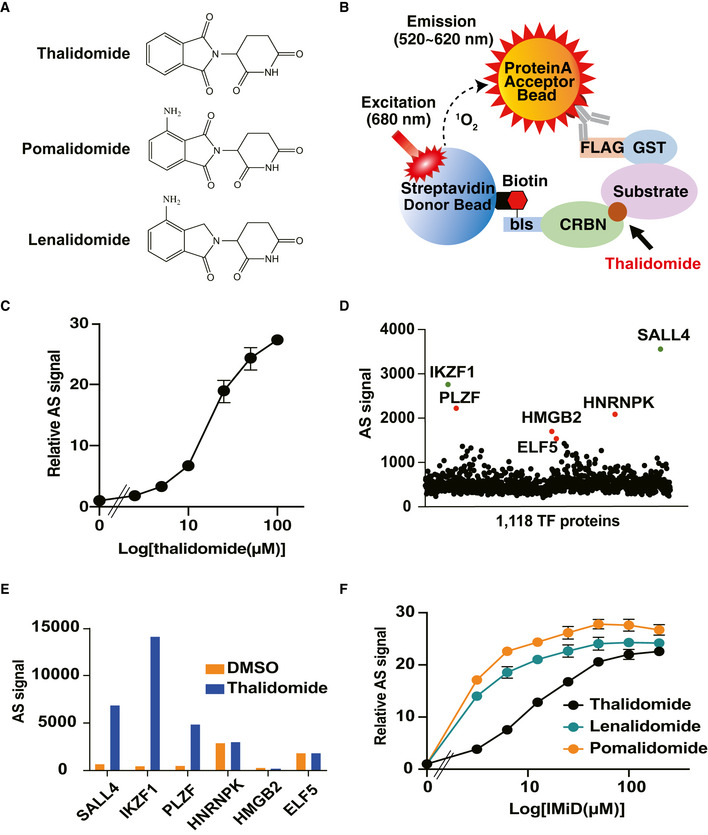
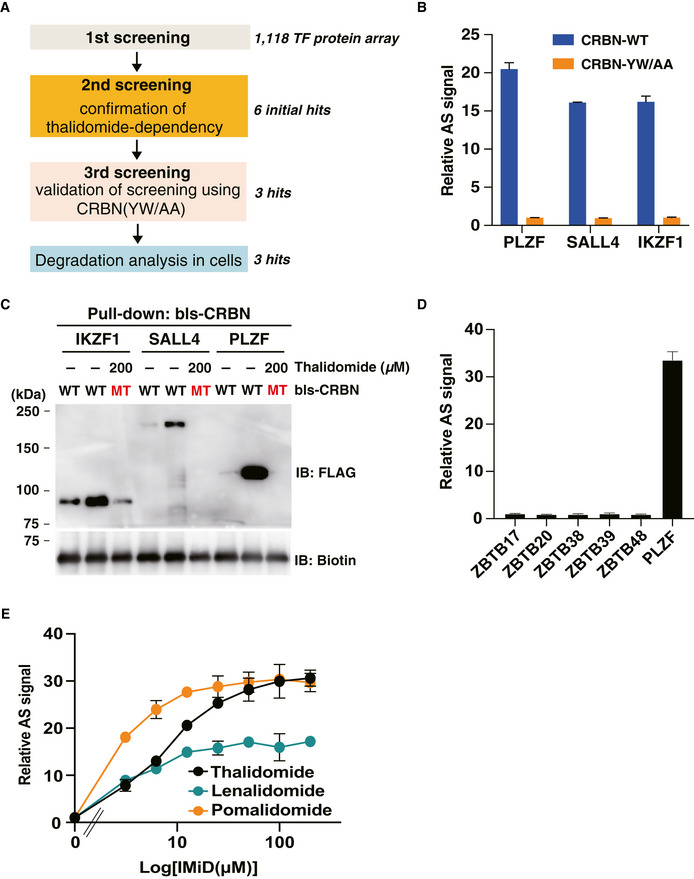
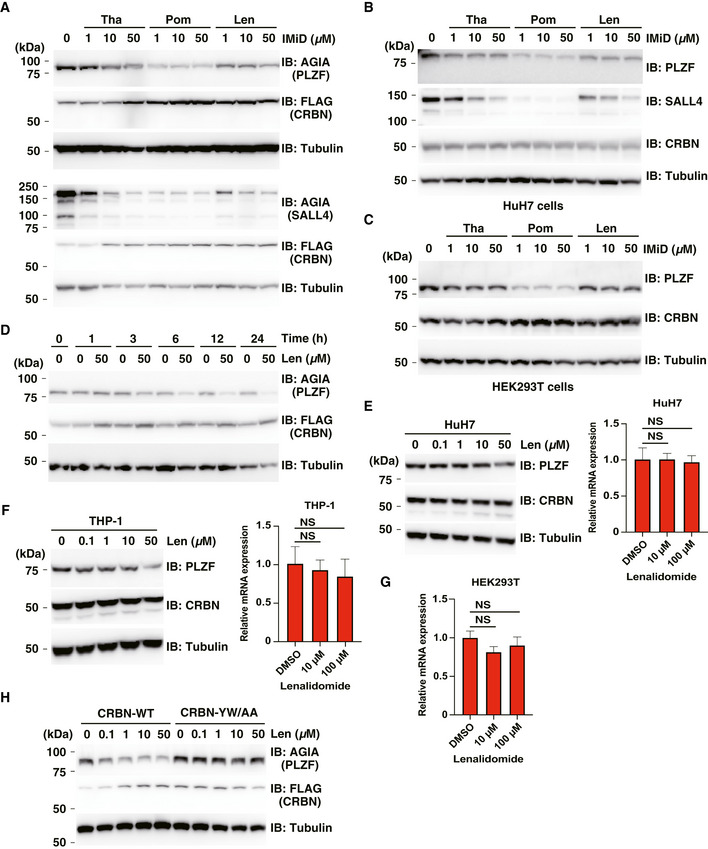
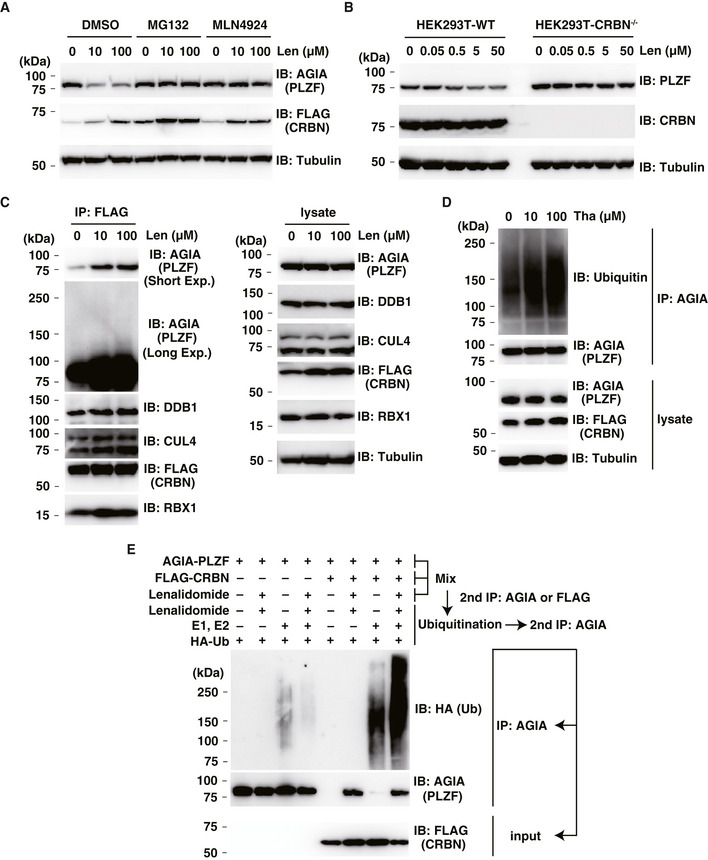
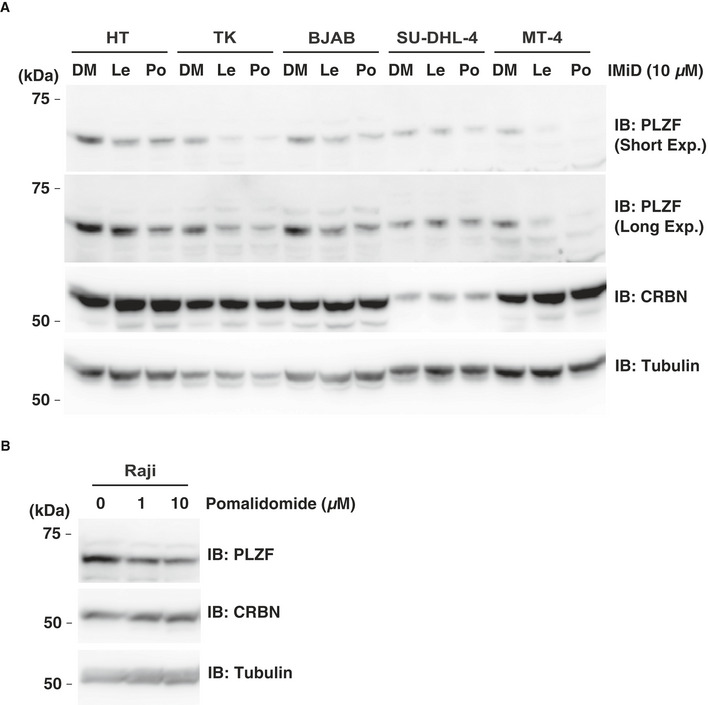
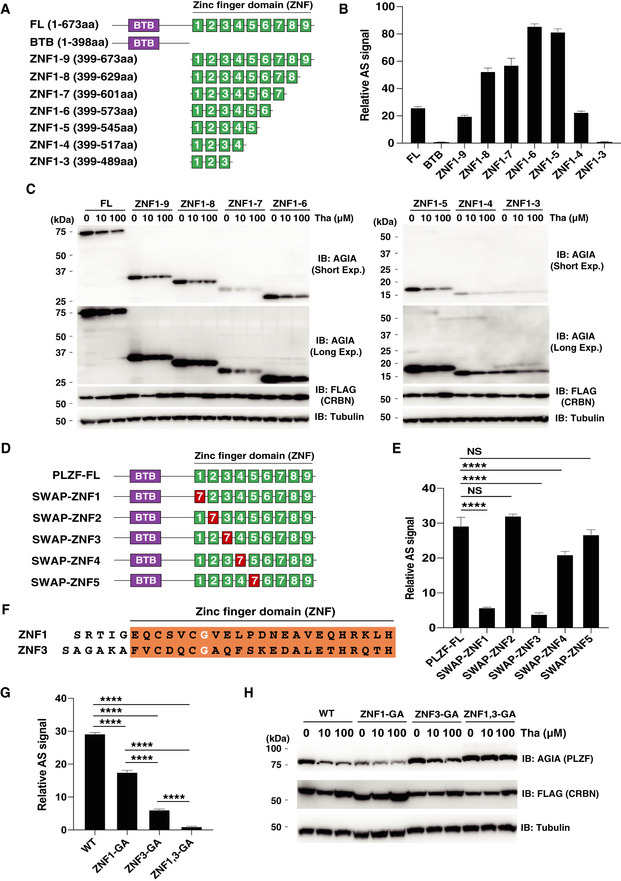
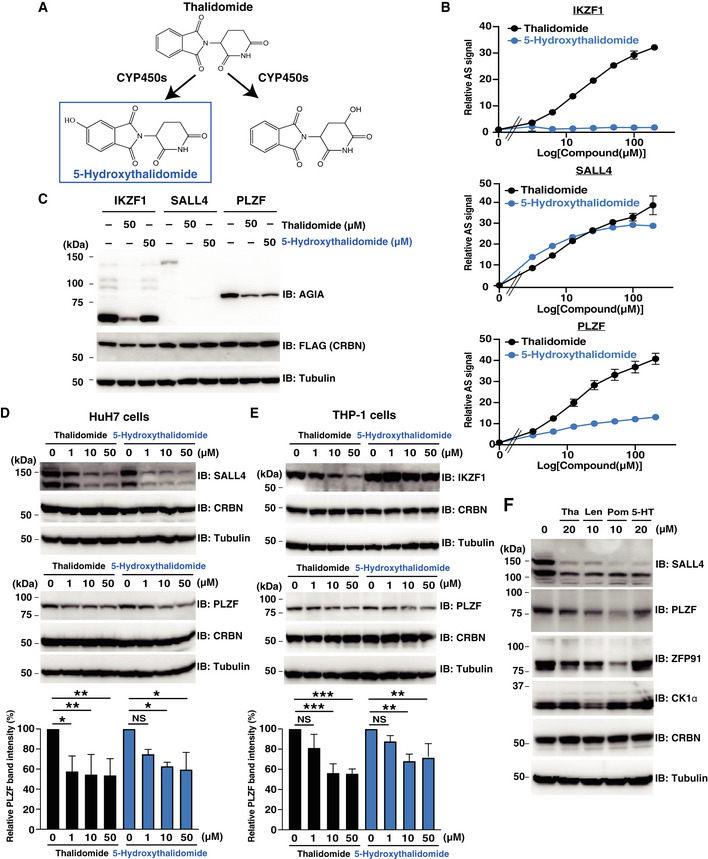
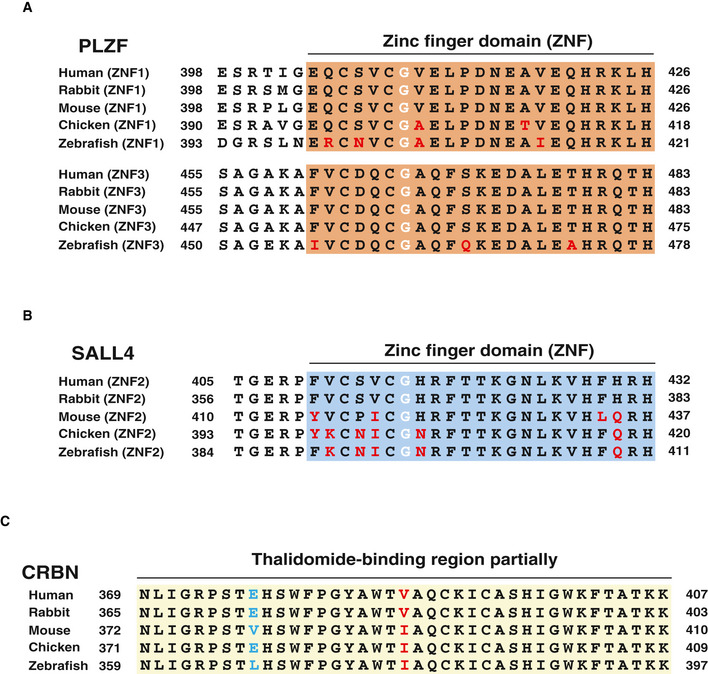
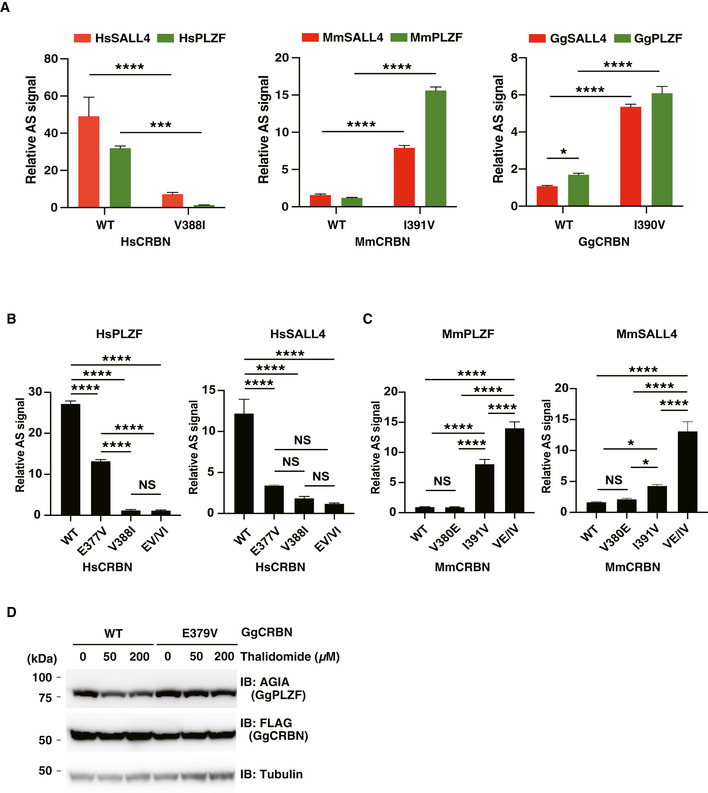
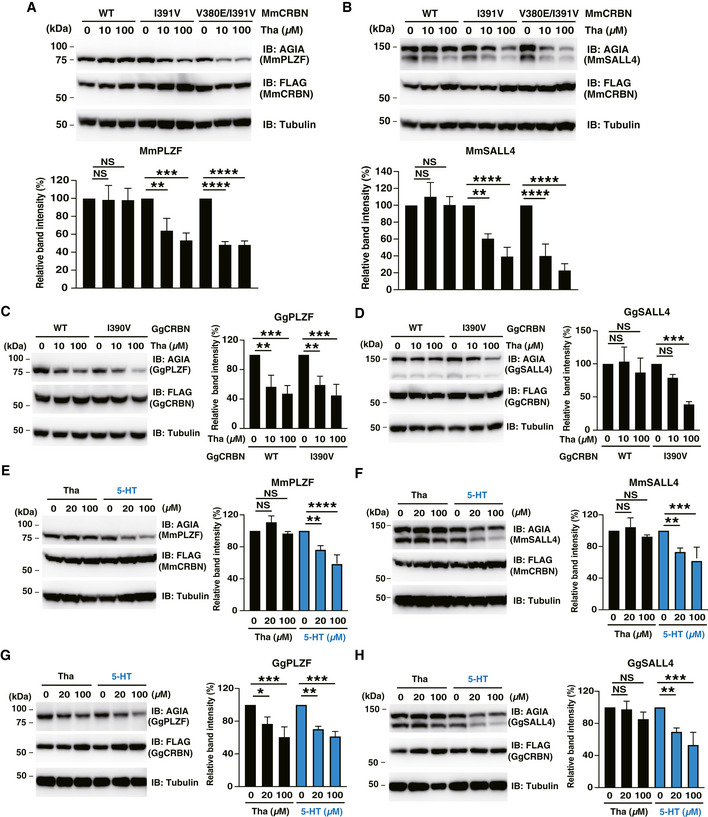
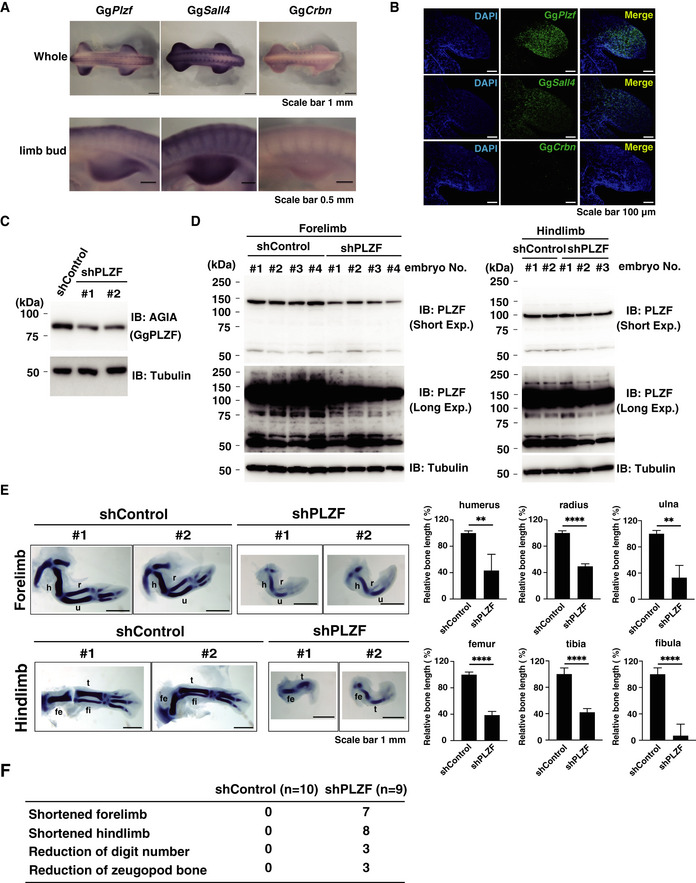
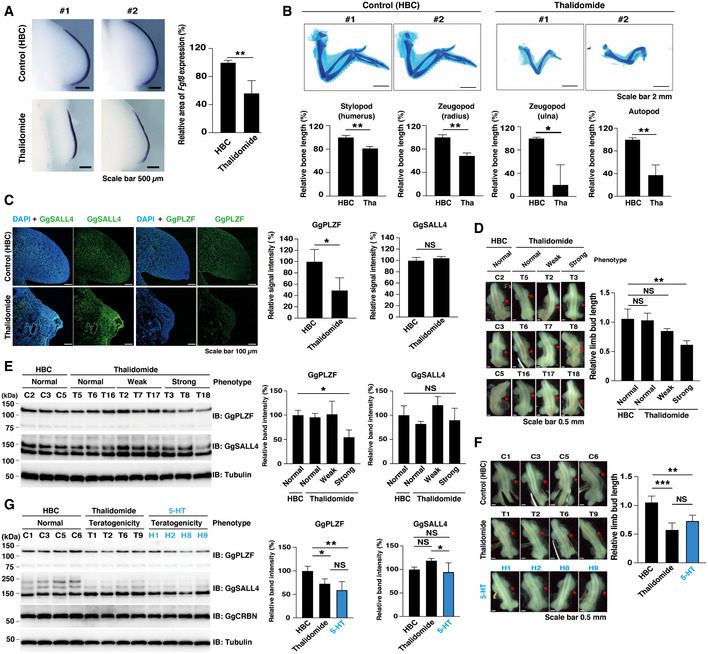
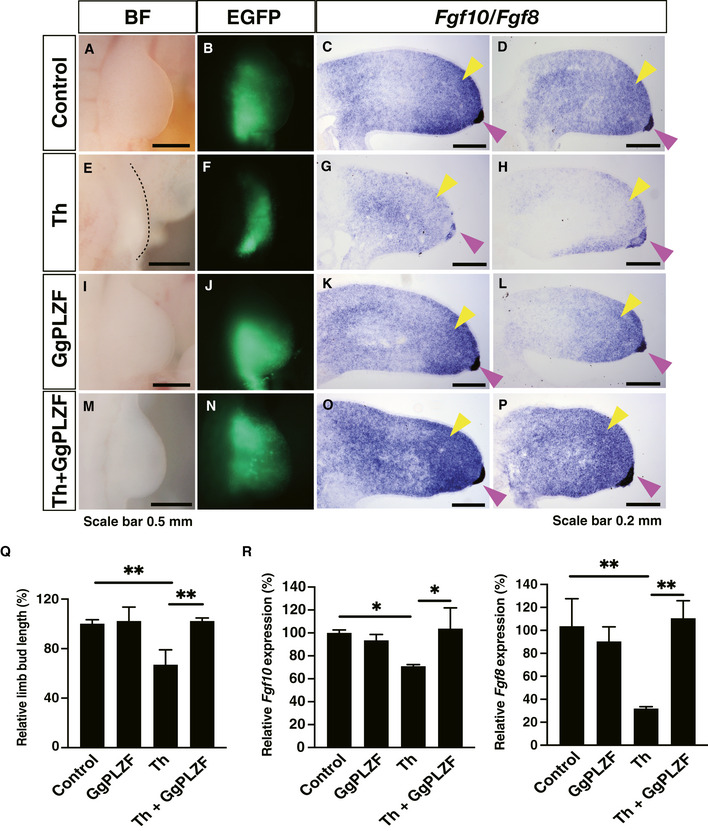
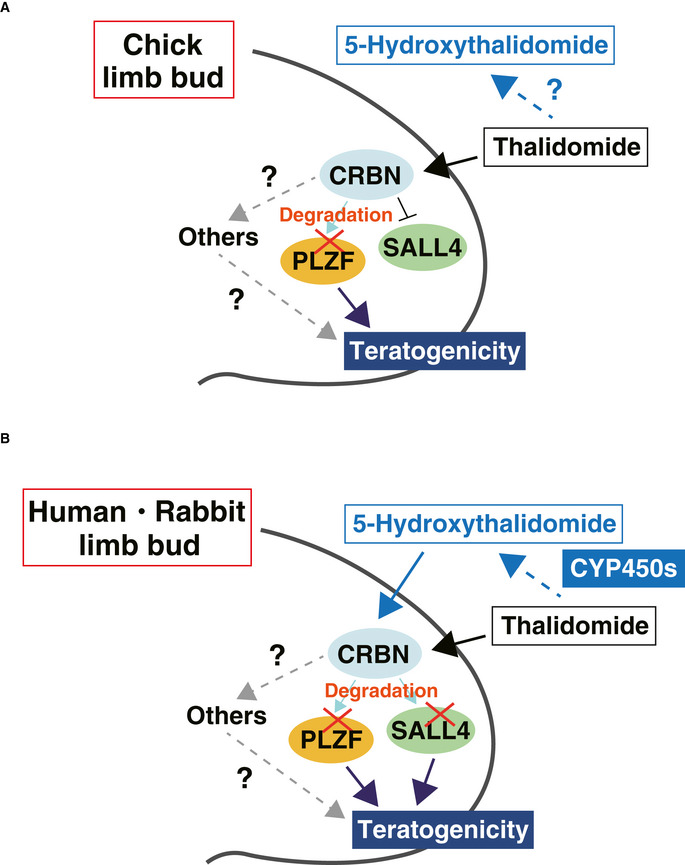
Abstract Thalidomide induces cereblon (CRBN)-dependent degradation of proteins. Human cytochrome P450s are thought to provide two monohydroxylated metabolites from thalidomide, and the metabolites are also considered to be involved in thalidomide effects. However, it remains unclear. We report that human PLZF/ZBTB16 is a target protein of CRBN with thalidomide and its derivatives, and that 5-hydroxythalidomide has high potential for degrading PLZF. Using a human transcription factor protein array produced by a wheat cell-free protein synthesis system, PLZF was found to bind to CRBN with thalidomide. PLZF is degraded by the CRL4 CRBN complex with thalidomide and its derivatives. Mutagenesis analysis revealed that both 1st and 3rd zinc finger domains conserved in vertebrates are recognized for thalidomide-dependent binding and degradation by CRBN. In chicken limbs, knockdown of Plzf induced skeletal abnormalities, and Plzf was degraded after thalidomide or 5-hydroxythalidomide treatment. Our findings suggest that PLZF is a pivotal substrate involving thalidomide-induced teratogenesis.
Overview
The claims and statistics of this paper haven’t been checked yet.
Free: it reads the open-access text and checks the first 5 claims that cite a source we can check. Create a free account to check every claim.
Integrity signals
Registry
Cites
Statistics
Figures
Verification
Claims the paper makes
The claims and statistics of this paper haven’t been checked yet.
Free: it reads the open-access text and checks the first 5 claims that cite a source we can check. Create a free account to check every claim.
Claims other papers make about this one
Each is checked against this paper’s own text: does it say what the citing paper says it does?
The source backs part of the claim, not all of it — or backs it for a different population, condition or comparison.
In the citing paper
“thalidomide-induced degradation of SAll4, and to some extent PlZF and p63 (Asatsuma-Okumura et al. 2019;yamanaka et al. 2021), was confirmed as the root cause of the teratogenic deformities affecting thousands of babies (Matyskiela et al. 2018).”
From From serendipity to strategy: molecular glue degraders in cancer therapeutics (2025) · cites this paper as Yamanaka et al. 2021
Experimental — accuracy not yet measured
Self-check
Percentages, sums and reported differences re-computed from the paper’s own numbers.
The self-check needs the paper’s full text.
Citations
Cites
A series of normal stages in the development of the chick embryo
Hamburger, V., & Hamilton, H. L. (1951) · Journal of Morphology · doi:10.1002/jmor.1050880104 · Cited by 12,234
Identification of a Primary Target of Thalidomide Teratogenicity
Ito, T., Ando, H., Suzuki, T., Ogura, T., Hotta, K., Imamura, Y., Yamaguchi, Y., & Handa, H. (2010) · Science · doi:10.1126/science.1177319 · Cited by 2,136 · cited 2×
“Recently, humanised-CYP3A mice, but not WT controls, were reported to show modest abnormal limb development in embryo culture, albeit not in vivo , after treatment with thalidomide (Kazuki et al , 2016), suggesting that CYP3A-dependent thalidomide metabolites might induce teratogenesis.”
Self-citationLenalidomide Causes Selective Degradation of IKZF1 and IKZF3 in Multiple Myeloma Cells
Krönke, J., Udeshi, N. D., Narla, A., Grauman, P., Hurst, S. N., McConkey, M., Svinkina, T., Heckl, D., Comer, E., Li, X., et al. (2014) · Science · doi:10.1126/science.1244851 · Cited by 1,879 · cited 3×
“These include IKZF1 (Kr € onke et al , 2014; Lu et al , 2014), IKZF3 (Kr € onke et al , 2014; Lu et al , 2014) and SALL4 (Donovan et al , 2018; Matyskiela et al , 2018).”
The Myeloma Drug Lenalidomide Promotes the Cereblon-Dependent Destruction of Ikaros Proteins
Lu, G., Middleton, R. E., Sun, H., Naniong, M., Ott, C. J., Mitsiades, C. S., Wong, K.-K., Bradner, J. E., & Kaelin, W. G. (2014) · Science · doi:10.1126/science.1244917 · Cited by 1,583 · cited 4×
“These include IKZF1 (Kr € onke et al , 2014; Lu et al , 2014), IKZF3 (Kr € onke et al , 2014; Lu et al , 2014) and SALL4 (Donovan et al , 2018; Matyskiela et al , 2018).”
InfluentialA Human Protein Atlas for Normal and Cancer Tissues Based on Antibody Proteomics
Uhlén, M., Björling, E., Agaton, C., Szigyarto, C. A.-K., Amini, B., Andersen, E., Andersson, A.-C., Angelidou, P., Asplund, A., Asplund, C., et al. (2005) · Molecular & Cellular Proteomics · doi:10.1074/mcp.m500279-mcp200 · Cited by 1,540
Structure of the DDB1–CRBN E3 ubiquitin ligase in complex with thalidomide
Fischer, E. S., Böhm, K., Lydeard, J. R., Yang, H., Stadler, M. B., Cavadini, S., Nagel, J., Serluca, F., Acker, V., Lingaraju, G. M., et al. (2014) · Nature · doi:10.1038/nature13527 · Cited by 1,141
Hideshima, T., Chauhan, D., Shima, Y., Raje, N., Davies, F. E., Tai, Y.-T., Treon, S. P., Lin, B., Schlossman, R. L., Richardson, P., et al. (2000) · Blood · doi:10.1182/blood.v96.9.2943 · Cited by 875 · cited 10×
“CRBN is a key molecule for thalidomide-induced teratogenesis (Ito et al , 2010).”
InfluentialLenalidomide induces ubiquitination and degradation of CK1α in del(5q) MDS
Krönke, J., Fink, E. C., Hollenbach, P. W., MacBeth, K. J., Hurst, S. N., Udeshi, N. D., Chamberlain, P. P., Mani, D. R., Man, H. W., Gandhi, A. K., et al. (2015) · Nature · doi:10.1038/nature14610 · Cited by 863 · cited 3×
“For example, the degradation of CK1 a protein by CRL4 CRBN was reportedly enabled by lenalidomide, but not by thalidomide or pomalidomide (Kr € onke et al , 2015), although the CK1 a -CRBN interaction was observed with thalidomide, lenalidomide and pomalidomide (Pet-zold et al , 2016).”
The Transcription Factor PLZF Directs the Effector Program of the NKT Cell Lineage
Savage, A. K., Constantinides, M. G., Han, J., Picard, D., Martin, E., Li, B., Lantz, O., & Bendelac, A. (2008) · Immunity · doi:10.1016/j.immuni.2008.07.011 · Cited by 716
A novel cereblon modulator recruits GSPT1 to the CRL4CRBN ubiquitin ligase
Matyskiela, M. E., Lu, G., Ito, T., Pagarigan, B., Lu, C.-C., Miller, K., Fang, W., Wang, N.-Y., Nguyen, D., Houston, J., et al. (2016) · Nature · doi:10.1038/nature18611 · Cited by 701 · cited 3×
“This alteration induces the ubiquitination and degradation of binding proteins, such as Ikaros (IKZF1) (Kr € onke et al , 2014; Lu et al , 2014), casein kinase I (Kr € onke et al , 2015), GSPT1 (Matyskiela et al , 2016) and SALL4 (Donovan et al , 2018; Matyskiela et al , 2018).”
Research works printed but not linked: 1
- Beckman R, Kampf HH (1961) Zur quantitativen Bestimmung und zum qualitativen Nachweis von N‐phthalyl‐glutaminsauremid (thalidomide). Arzneimittelforschung 11: 45– 47 13688557
Cited by
Multi-chamber cardioids unravel human heart development and cardiac defects
(2023) · doi:10.1016/j.cell.2023.10.030 · Cited by 205
Prenatal Environment and Neurodevelopmental Disorders
Doi, M., Usui, N., & Shimada, S. (2022) · Frontiers in Endocrinology · doi:10.3389/fendo.2022.860110 · Cited by 207
“reported that CRBN degrades Zbtb16 and Sall4 resulting in limb teratogenicity in chick embryos (34).”
BackgroundHaven't got a glue: Protein surface variation for the design of molecular glue degraders
Kozicka, Z., & Thomä, N. H. (2021) · Cell Chemical Biology · doi:10.1016/j.chembiol.2021.04.009 · Cited by 170
Yamamoto, J., Ito, T., Yamaguchi, Y., & Handa, H. (2022) · Chemical Society Reviews · doi:10.1039/d2cs00116k · Cited by 158
Delivering on the promise of protein degraders
O’Brien, M. N., Luthra, S. A., Brown, M. F., & Bartlett, D. W. (2023) · Nature Reviews Drug Discovery · doi:10.1038/s41573-023-00652-2 · Cited by 114
Metadata
- Authors
- Yamanaka, S., Murai, H., Saito, D., Abe, G., Tokunaga, E., Iwasaki, T., Takahashi, H., Takeda, H., Suzuki, T., Shibata, N., Tamura, K., & Sawasaki, T.
- Affiliations
- Ehime University (JP)
- Tohoku University (JP)
- Nagoya Institute of Technology (JP)
- Nagoya University (JP)
- Corresponding author
- Sawasaki, Tatsuya
- ORCID
- Venue
- The EMBO Journal
- Published
- 2021-01-20
- Volume
- 40
- Issue
- 4
- Pages
- e105375-e105375
- ISSN
- 0261-4189 (ISSN-L)
- 1460-2075
- PMC
- PMC7883055
- OpenAlex
- W3123177844
- Cited by
- 89
- References
- 60
- Citations by year
- 2026: 8 · 2025: 22 · 2024: 12 · 2023: 17 · 2022: 15 · 2021: 12
- FWCI
- 4.47
- Type
- journal article
- Language
- en
- Open access
- hybrid
- doi.org
- Licence
- cc-by-nc-nd
- creativecommons.org/licenses/by-nc-nd/4.0/ (tdm)
- creativecommons.org/licenses/by-nc-nd/4.0/ (vor)
- Locations
- The EMBO Journal (publishedVersion, cc-by-nc-nd)
- bioRxiv (Cold Spring Harbor Laboratory) (acceptedVersion)
- PubMed Central (publishedVersion, cc-by-nc-nd)
- PubMed (publishedVersion)
- Funders
- Japan Agency for Medical Research and Development (JP19am0101077)
- Takeda Science Foundation
- MEXT | Japan Society for the Promotion of Science (JP16H06579, JP17J08477, JP16H04729, JP19H03218, JP17H06112, JP18H02446, JP18H04811, JP18H04756, JP20H05024)
- Topics
- Life Sciences › Biochemistry, Genetics and Molecular Biology › Molecular Biology › Protein Degradation and Inhibitors
- Health Sciences › Medicine › Pediatrics, Perinatology and Child Health › Pharmacological Effects and Toxicity Studies
- Life Sciences › Biochemistry, Genetics and Molecular Biology › Molecular Biology › Developmental Biology and Gene Regulation
- Keywords
- teratogenicity, cereblon, PLZF, ZBTB16, ubiquitin ligase, protein degradation, limb malformations, chick embryo, SALL4, zinc finger, embryonic development
- MeSH terms
- Promyelocytic Leukemia Zinc Finger Protein, Animals, Chick Embryo, Humans, Substrate Specificity, Teratogens, Thalidomide, Transcription Factors, Ubiquitin-Protein Ligases, Adaptor Proteins, Signal Transducing, Mice, Cytochrome P-450 CYP3A, Proteolysis, Teratogenesis
About these checks
Registry, retraction, Cites and statistics results are computed, not judged, with one exception: a printed reference that no index lists is read once by a model before it counts as a citation error. Claims are extracted by a model and kept only when their quote appears verbatim in the text; each cited source is then checked, with a model’s help, for whether it says what the claim relies on. Those verdicts can be wrong — read the claim’s quote and the cited source before relying on one.
Statistics and arithmetic are recomputed, not judged.
Confidence bands are shown only for fields calibrated on our annotated test set. None is calibrated yet, so no band is shown.
What counts as a claim ›How we measure confidence ›How we check this ›
Are you an author, or do you see a problem with this page? Request a review
How to cite
Cite CoChat for the checks on this page, and the paper for its own findings.
- This page
- CoChat. (2026). Citation check: Thalidomide and its metabolite 5‐hydroxythalidomide induce teratogenicity via the cereblon neosubstrate PLZF. https://app.cochat.ai/papers/10.15252/embj.2020105375
- The paper
- Yamanaka, S., Murai, H., Saito, D., Abe, G., Tokunaga, E., Iwasaki, T., Takahashi, H., Takeda, H., Suzuki, T., Shibata, N., Tamura, K., & Sawasaki, T. (2021). Thalidomide and its metabolite 5‐hydroxythalidomide induce teratogenicity via the cereblon neosubstrate PLZF. The EMBO Journal. https://doi.org/10.15252/embj.2020105375
Data sources
Bibliographic data: Semantic Scholar, OpenAlex, Crossref.
Contains information from the Semantic Scholar Academic Graph Datasets, made available under the ODC Attribution License (ODC-BY 1.0).
Semantic Scholar’s data is described in: Kinney, R., et al. (2023). The Semantic Scholar Open Data Platform. arXiv:2301.10140.
