

The DOI matches its Crossref record; 148 of the 148 references it cites were found in a registry or an index.
Real-world stress resilience is associated with the responsivity of the locus coeruleus
Open accessAbstract
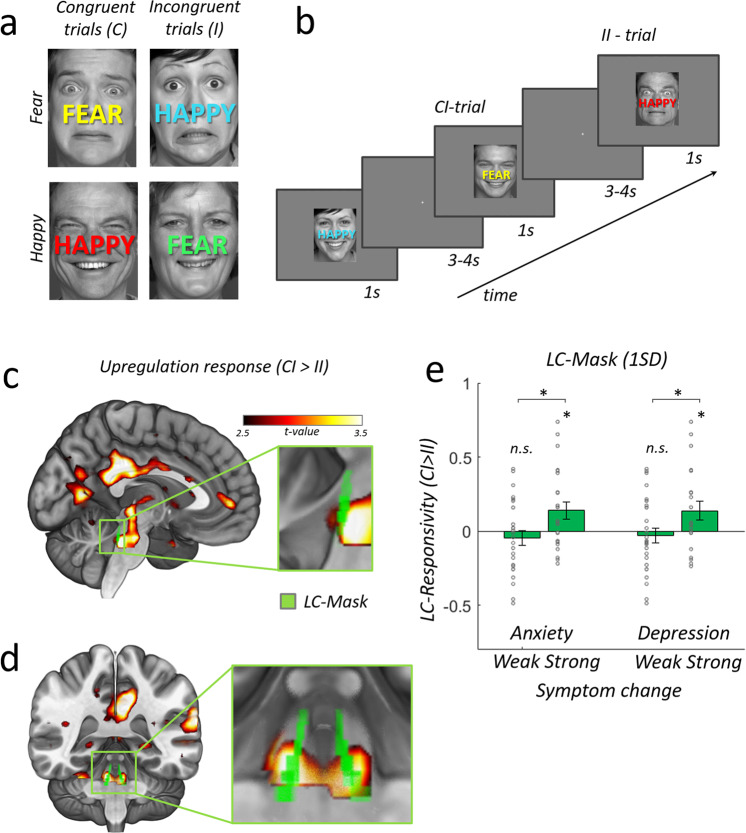
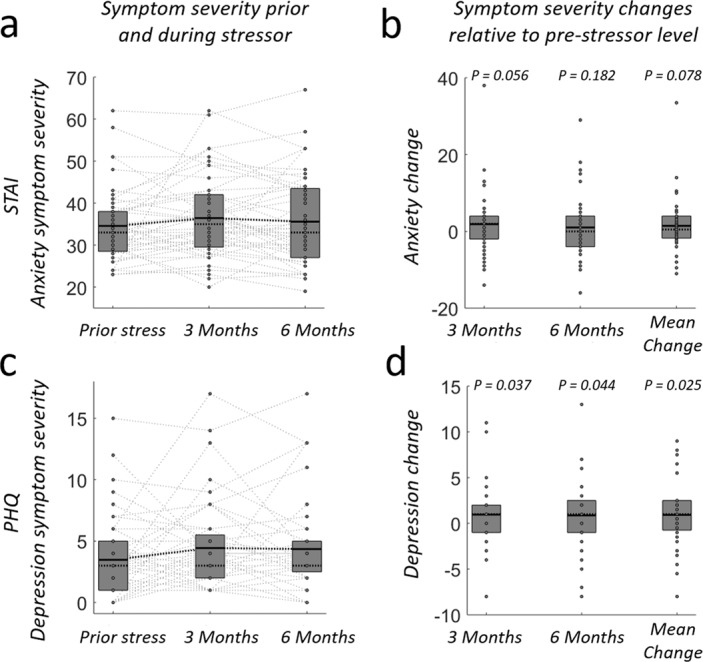
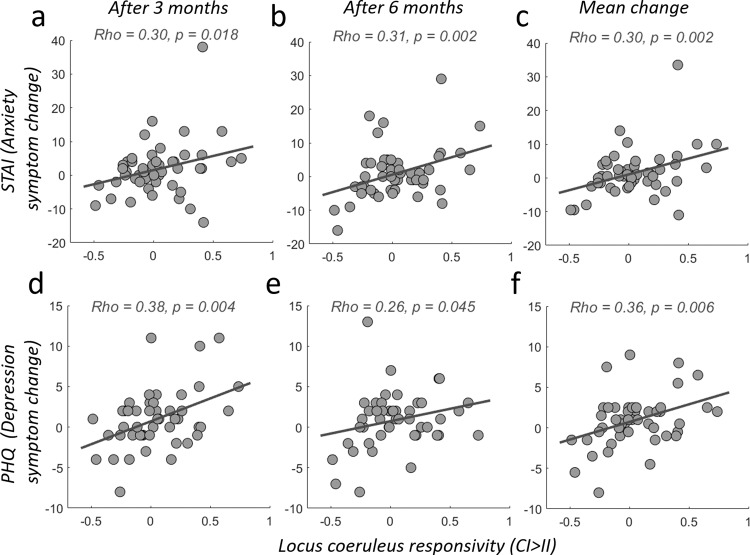
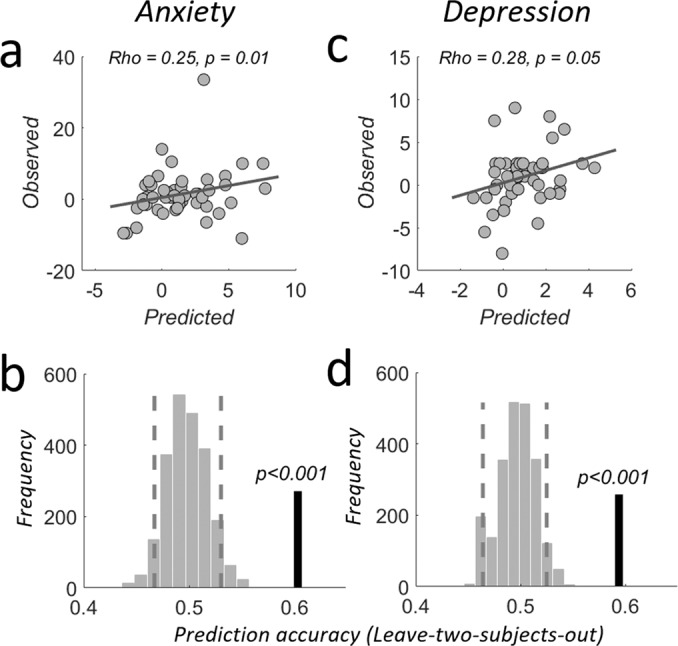
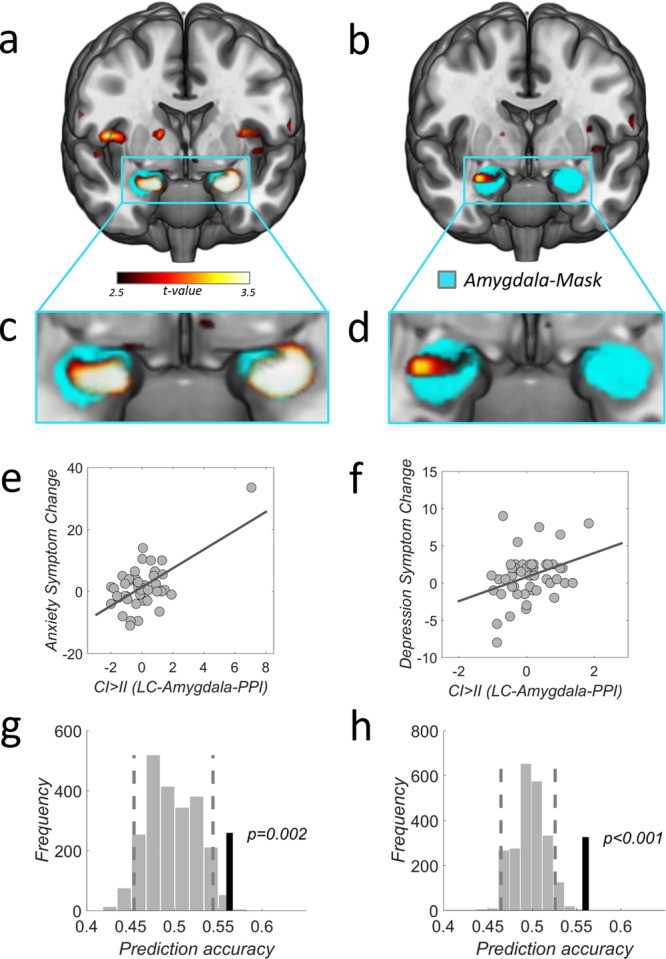
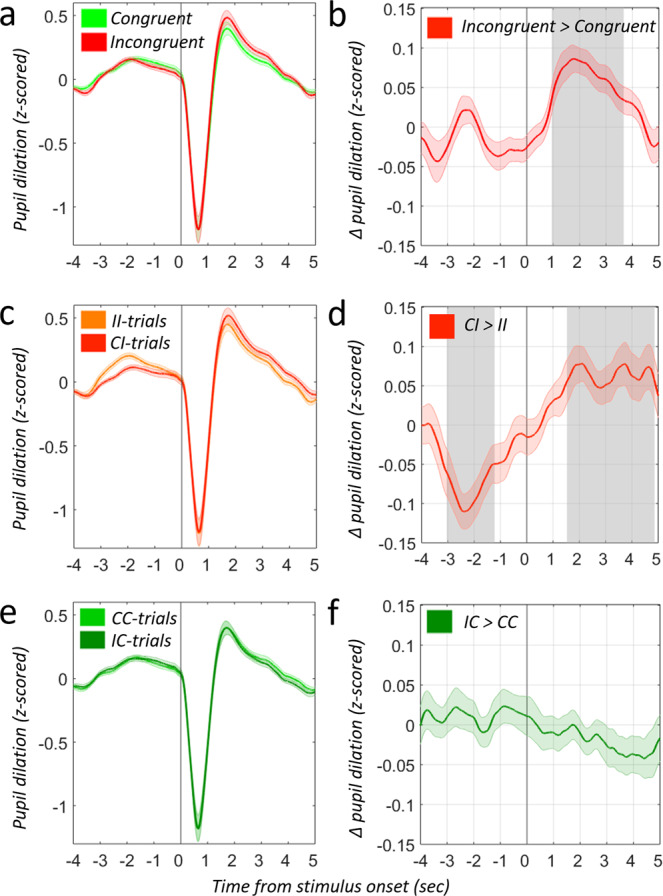
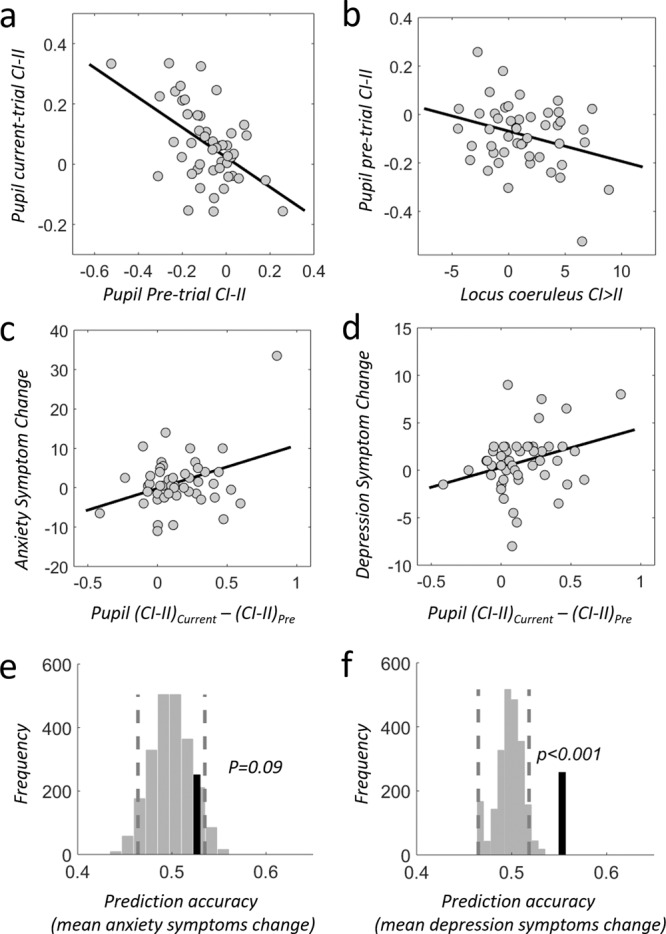
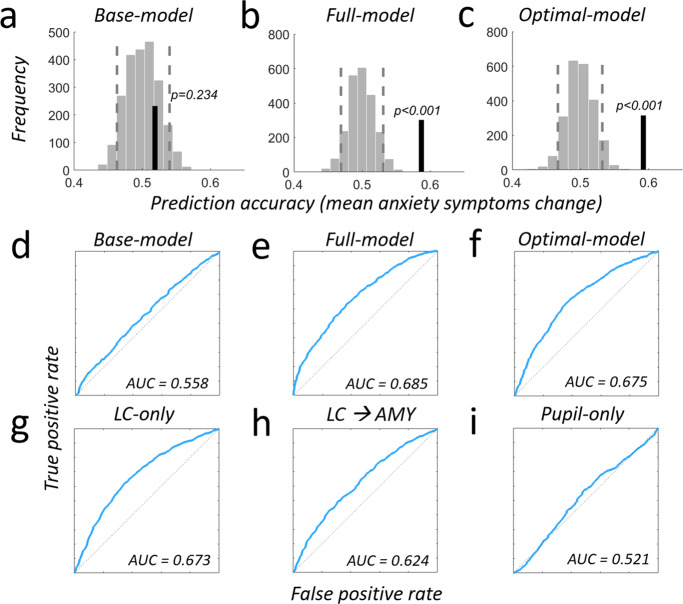
Individuals may show different responses to stressful events. Here, we investigate the neurobiological basis of stress resilience, by showing that neural responsitivity of the noradrenergic locus coeruleus (LC-NE) and associated pupil responses are related to the subsequent change in measures of anxiety and depression in response to prolonged real-life stress. We acquired fMRI and pupillometry data during an emotional-conflict task in medical residents before they underwent stressful emergency-room internships known to be a risk factor for anxiety and depression. The LC-NE conflict response and its functional coupling with the amygdala was associated with stress-related symptom changes in response to the internship. A similar relationship was found for pupil-dilation, a potential marker of LC-NE firing. Our results provide insights into the noradrenergic basis of conflict generation, adaptation and stress resilience.
Overview
The claims and statistics of this paper haven’t been checked yet.
Run the check — free, no account needed. It reads the open-access text and checks the sources it cites.
Integrity signals
Registry
Cites
Statistics
Figures
Verification
Claims the paper makes
The claims and statistics of this paper haven’t been checked yet.
Run the check — free, no account needed. It reads the open-access text and checks the sources it cites.
Claims other papers make about this one
Each is checked against this paper’s own text: does it say what the citing paper says it does?
The cited source says what the claim attributes to it.
In the citing paper
“As stressful events are inherently highly emotional (Southwick et al., 2011) and can increase vulnerability to psychopathology (Grueschow et al., 2021), the ability to regulate emotions may be a critically important factor in determining stress resilience (Barzilay et al., 2020; Kaldewaij et al., 2021) and mental wellbeing (Satchit et al., 2011; Silton et al., 2020).”
From Mindfulness-Based Stress Reduction Increases Mental Wellbeing and Emotion Regulation During the First Wave of the COVID-19 Pandemic: A Synchronous Online Intervention Study (2021) · cites this paper as Grueschow et al., 2021
Self-check
Percentages, sums and reported differences re-computed from the paper’s own numbers.
The self-check needs the paper’s full text.
Citations
Cites
Spitzer, R. L. (1999) · JAMA · doi:10.1001/jama.282.18.1737 · Cited by 9,802
Conflict monitoring and cognitive control
Botvinick, M. M., Braver, T. S., Barch, D. M., Carter, C. S., & Cohen, J. D. (2001) · Psychological Review · doi:10.1037/0033-295x.108.3.624 · Cited by 7,351
Aston-Jones, G., & Cohen, J. D. (2005) · Annual Review of Neuroscience · doi:10.1146/annurev.neuro.28.061604.135709 · Cited by 4,472
The reorienting system of the human brain: from environment to theory of mind
Corbetta, M., Patel, G., & Shulman, G. L. (2008) · Neuron · doi:10.1016/j.neuron.2008.04.017 · Cited by 3,889
Conflict monitoring and anterior cingulate cortex: an update
Botvinick, M. M., Cohen, J. D., & Carter, C. S. (2004) · Trends in Cognitive Sciences · doi:10.1016/j.tics.2004.10.003 · Cited by 3,623
State-Trait Anxiety Inventory for Adults
Spielberger, C. D. (2012) · PsycTESTS Dataset · doi:10.1037/t06496-000 · Cited by 3,479
Etkin, A., & Wager, T. D. (2007) · American Journal of Psychiatry · doi:10.1176/appi.ajp.2007.07030504 · Cited by 3,391
Neural regulation of endocrine and autonomic stress responses
Ulrich-Lai, Y. M., & Herman, J. P. (2009) · Nature Reviews Neuroscience · doi:10.1038/nrn2647 · Cited by 3,318
Anterior Cingulate Conflict Monitoring and Adjustments in Control
Kerns, J. G., Cohen, J. D., MacDonald, A. W., Cho, R. Y., Stenger, V. A., & Carter, C. S. (2004) · Science · doi:10.1126/science.1089910 · Cited by 2,891
Foa, E. B., Cashman, L., Jaycox, L., & Perry, K. (1997) · Psychological Assessment · doi:10.1037/1040-3590.9.4.445 · Cited by 2,709
Research works printed but not linked: 7
- Laeng, B., Orbo, M., Holmlund, T. & Miozzo, M. Pupillary Stroop effects. Cogn. Process 12, 13–21 (2011). · DOI
- van Steenbergen, H. & Band, G. P. Pupil dilation in the Simon task as a marker of conflict processing. Front. Hum. Neurosci. 7, 215 (2013). · DOI
- van der Wel, P. & van Steenbergen, H. Pupil dilation as an index of effort in cognitive control tasks: a review. Psychon. Bull. Rev. 25, 2005–2015 (2018). · DOI
- Loewenfeld, I. The Pupil: Anatomy, Physiology, and Clinical Applications (Iowa State University Press, 1991).
- Beatty, J. & Lucero-Wagoner, B. in Handbook of Psychophysiology (ed Tassinary, L.G., Cacioppo, J.T. Berntson, G.) 142–162 (Cambridge University Press, 2000).
- Buddeberg-Fischer, B., Klaghofer, F. C. & Buddeberg, C. Stress at work and well-being in junior residents. Z. Psychosomatische Med. Psychotherapie 51, 163–178 (2005).
- Buddeberg-Fischer, B., Stamm, M., Buddeberg, C. & Klaghofer, R. Anxiety and depression in residents—Results of a Swiss longitudinal study. Z. Psychosomatishce Med. Psychotherapie 55, 37–50 (2009).
Cited by
Sorted by citations
Egroo, M. V., Koshmanova, E., Vandewalle, G., & Jacobs, H. I. L. (2022) · Sleep Medicine Reviews · doi:10.1016/j.smrv.2022.101592 · Cited by 146
Neurobiology and systems biology of stress resilience
Kalisch, R., Russo, S. J., & Müller, M. B. (2024) · Physiological Reviews · doi:10.1152/physrev.00042.2023 · Cited by 149
Neural contributors to trauma resilience: a review of longitudinal neuroimaging studies
Roeckner, A. R., Oliver, K. I., Lebois, L. A. M., van Rooij, S. J. H., & Stevens, J. S. (2021) · Translational Psychiatry · doi:10.1038/s41398-021-01633-y · Cited by 103
Neurobehavioral meaning of pupil size
Grujic, N., Polanía, R., & Burdakov, D. (2024) · Neuron · doi:10.1016/j.neuron.2024.05.029 · Cited by 108
Ehrenberg, A. J., Kelberman, M. A., Liu, K. Y., Dahl, M. J., Weinshenker, D., Falgàs, N., Dutt, S., Mather, M., Ludwig, M., Betts, M. J., et al. (2023) · Alzheimer s & Dementia · doi:10.1002/alz.12937 · Cited by 74
Sanilevici, M., Reuveni, O., Lev-Ari, S., Golland, Y., & Levit-Binnun, N. (2021) · Frontiers in Psychology · doi:10.3389/fpsyg.2021.720965 · Cited by 54
Shi, L., Liu, M., Zhang, L., & Tian, Y. (2022) · Angewandte Chemie International Edition · doi:10.1002/anie.202117125 · Cited by 53
Impact of Acute and Chronic Psychosocial Stress on Vascular Inflammation
Hinterdobler, J., Schunkert, H., Kessler, T., & Sager, H. B. (2021) · Antioxidants and Redox Signaling · doi:10.1089/ars.2021.0153 · Cited by 56
“Still, possible behavioral intervention strategies may target coping mechanisms in particularly stress-susceptible individuals (52, 185) or provide external support strategies in both chronic stress and acute stress.”
BackgroundWienke, C., Grueschow, M., Haghikia, A., & Zaehle, T. (2023) · Journal of Neuroscience · doi:10.1523/jneurosci.0452-23.2023 · Cited by 52
The role of the locus coeruleus in shaping adaptive cortical melodies
Wainstein, G., Müller, E. J., Taylor, N. L., Munn, B., & Shine, J. M. (2022) · Trends in Cognitive Sciences · doi:10.1016/j.tics.2022.03.006 · Cited by 47
Pupil-linked arousal with very light exercise: pattern of pupil dilation during graded exercise
Kuwamizu, R., Yamazaki, Y., Aoike, N., Ochi, G., Suwabe, K., & Soya, H. (2022) · The Journal of Physiological Sciences · doi:10.1186/s12576-022-00849-x · Cited by 49
Stress circuitry: mechanisms behind nervous and immune system communication that influence behavior
Tong, R. L., Kahn, U. N., Grafe, L. A., Hitti, F. L., Fried, N. T., & Corbett, B. F. (2023) · Frontiers in Psychiatry · doi:10.3389/fpsyt.2023.1240783 · Cited by 44
“Locus coeruleus activity correlates with stress and stress vulnerability as it predicts anxiety and depression scores (48).”
BackgroundKelberman, M. A., Anderson, C. R., Chlan, E., Rorabaugh, J. M., McCann, K. E., & Weinshenker, D. (2022) · Journal of Alzheimer s Disease · doi:10.3233/jad-215546 · Cited by 42
“LC postmortem integrity and tangle load [42, 43] and BOLD activation/functional connectivity [44–48] have also been implicated in cognitive reserve and/or behavioral abnormalities, highlighting a central role for the LC in their dysregulation.”
Slavova, D., Ortiz, V., Blaise, M., Bairachnaya, M., Giros, B., & Isingrini, E. (2024) · Neuroscience & Biobehavioral Reviews · doi:10.1016/j.neubiorev.2024.105925 · Cited by 40
“Simultaneously acquired pupil-dilation measures, associated with LC-NE firing, corroborate LC responsivity as a reliable predictor for stress-related psychopathology and provide insights into the noradrenergic basis of conflict generation and adaptation (Grueschow et al., 2021).”
BackgroundFunctional Coupling of the Locus Coeruleus Is Linked to Successful Cognitive Control
Grueschow, M., Kleim, B., & Ruff, C. C. (2022) · Brain Sciences · doi:10.3390/brainsci12030305 · Cited by 34
“A recent human imaging study tested these observations using psychophysiological interaction analysis during cognitive control, as we have employed here, and showed that the functional connectivity between LC-NE and amygdala is a crucial predictor for increases in anxiety and depression symptoms after prolonged exposu…”
BackgroundMethodPupil dilation predicts individual self-regulation success across domains
Maier, S. U., & Grueschow, M. (2021) · Scientific Reports · doi:10.1038/s41598-021-93121-y · Cited by 35
He, H., Hong, L., & Sajda, P. (2023) · PLoS Computational Biology · doi:10.1371/journal.pcbi.1011081 · Cited by 30
“The tSNR in the LC is above the standard cut-offs (tSNR > 30) [92].”
BackgroundChang, Y., Yep, R., & Wang, C. (2024) · Psychophysiology · doi:10.1111/psyp.14726 · Cited by 28
“We used a version of the emotional face–word Stroop task similar to that used by Grueschow et al. (2021), which we have described in detail previously (Chang et al., 2023).”
Melnychuk, M. C., Robertson, I. H., Plini, E. R. G., & Dockree, P. M. (2021) · Brain Sciences · doi:10.3390/brainsci11101324 · Cited by 36
Branchi, I. (2022) · Neuroscience & Biobehavioral Reviews · doi:10.1016/j.neubiorev.2022.104678 · Cited by 27
“It is important to emphasize that, though also biological processes are fundamental, resilience is mainly promoted via behavioral changes that, in turn, produce important brain modifications (Grueschow et al., 2021; Kalisch et al., 2017; Kalisch et al., 2015).”
BackgroundThe Role of Beta-Adrenergic Receptors in Depression and Resilience
Zhang, H., Cui, M., Cao, J., & Han, M. (2022) · Biomedicines · doi:10.3390/biomedicines10102378 · Cited by 26
Spatiotemporal Dynamics of Stress-Induced Network Reconfigurations Reflect Negative Affectivity
Kühnel, A., Czisch, M., Sämann, P. G., Brückl, T. M., Spoormaker, V. I., Erhardt, A., Grandi, N. C., Ziebula, J., Elbau, I., Namendorf, T., et al. (2022) · Biological Psychiatry · doi:10.1016/j.biopsych.2022.01.008 · Cited by 24
Neurophysiological dynamics for psychological resilience: A view from the temporal axis
Watanabe, N., & Takeda, M. (2021) · Neuroscience Research · doi:10.1016/j.neures.2021.11.004 · Cited by 24
“Using these schemes, researchers are trying to establish better behavioral and neurophysiological markers to evaluate individual differences in psychological resilience (Grueschow et al., 2021; Kaldewaij et al., 2021; Walker et al., 2017).”
BackgroundNeuromelanin-sensitive MRI for mechanistic research and biomarker development in psychiatry
Wengler, K., Trujillo, P., Cassidy, C., & Horga, G. (2024) · Neuropsychopharmacology · doi:10.1038/s41386-024-01934-y · Cited by 18
Pate, B. S., Bouknight, S. J., Harrington, E. N., Mott, S., Augenblick, L. M., Smiley, C. E., Morgan, C. G., Calatayud, B. M., Martínez-Muñiz, G. A., Thayer, J. F., et al. (2022) · Brain Behavior and Immunity · doi:10.1016/j.bbi.2023.01.011 · Cited by 18
Linking tonic and phasic pupil responses to P300 amplitude in an emotional face‐word Stroop task
Chang, Y., Chen, H., Barquero, C., Tsai, H.-J., Liang, W., Hsu, C., Muggleton, N. G., & Wang, C. (2023) · Psychophysiology · doi:10.1111/psyp.14479 · Cited by 15
Transcutaneous vagus nerve stimulation boosts accuracy during perceptual decision-making
Su, S., Vanvoorden, T., Denmat, P. L., Zénon, A., Braconnier, C., & Duqué, J. (2025) · Brain stimulation · doi:10.1016/j.brs.2025.04.020 · Cited by 18
“Dysfunctions in LC-NE activity have been implicated in the etiology of attention-deficit/hyperactivity disorder (ADHD) [4], anxiety [5], depression [6], and the cognitive decline in Alzheimer ’ s and Parkinson ’ s diseases [7,8].”
Nahvi, R. J., Tanelian, A., Nwokafor, C., Godino, A., Parise, E. M., Estill, M. S., Shen, L., Nestler, E. J., & Sabban, E. L. (2022) · Behavioural Brain Research · doi:10.1016/j.bbr.2022.114162 · Cited by 18
Nguyen, K., Liang, W., Juan, C.-H., & Wang, C. (2022) · International Journal of Psychophysiology · doi:10.1016/j.ijpsycho.2022.03.011 · Cited by 14
Locus coeruleus signal intensity and emotion regulation in agitation in Alzheimer’s disease
Liu, K. Y., Betts, M. J., Hämmerer, D., Düzel, E., Mather, M., Roiser, J. P., Schneider, A., Spottke, A. E., Rostamzadeh, A., Schott, B. H., et al. (2024) · Brain Communications · doi:10.1093/braincomms/fcae457 · Cited by 14
Heyen, J. M., Weigl, N., Müller, M., Müller, S., Eberle, U., Manoliu, A., Vetter, S., Brown, A. D., Berger, T., & Kleim, B. (2021) · JMIR Formative Research · doi:10.2196/28055 · Cited by 14
“In a previous study on frontline medical workers, we found that lower activation of the arousal system, indexed by activation of the arousal system during an emotion regulation task, was associated with increased resilience during subsequent stressful medical work [55].”
BackgroundPresbyopia developed earlier during the COVID-19 pandemic
Negishi, K., & Ayaki, M. (2021) · PLoS ONE · doi:10.1371/journal.pone.0259142 · Cited by 14
“A recent investigation using fMRI and pupillometry in medical residents found neural responsitivity of the noradrenergic locus coeruleus and associated pupil responses are related to changes in anxiety and depression in response to prolonged real-life stress [35].”
BackgroundDai, M., Guo, Z., Chen, J., Liu, H., Li, J., Zhu, M., Liu, J., Wei, F., Wang, L., & Liu, X. (2023) · Experimental Gerontology · doi:10.1016/j.exger.2023.112252 · Cited by 13
“We hypothesize that the different brain areas are related to cognition and emotion (Shibata et al., 2007; Grueschow et al., 2021; Del Cerro et al., 2020; Serra et al., 2018).”
BackgroundMethodInfluentialAn integrative framework of conflict and control
Becker, D., Bijleveld, E., Braem, S., Fröber, K., Götz, F. J., Kleiman, T., Körner, A., Pfister, R., Reiter, A. M. F., Saunders, B., et al. (2024) · Trends in Cognitive Sciences · doi:10.1016/j.tics.2024.07.002 · Cited by 22
Noradrenergic modulation of stress resilience
Zhai, X., Zhou, D., Han, Y., Han, M., & Zhang, H. (2022) · Pharmacological Research · doi:10.1016/j.phrs.2022.106598 · Cited by 14
Mir, F. A., Jha, S. K., & Nehs, C. J. (2025) · Neuroscience & Biobehavioral Reviews · doi:10.1016/j.neubiorev.2025.106442 · Cited by 17
Xiang, F., Zhang, L., Ye, Y., Xiong, C., Zhang, Y., Hu, Y. P., Du, J., Zhou, Y., Deng, Q., & Li, X. (2024) · IEEE Journal of Biomedical and Health Informatics · doi:10.1109/jbhi.2024.3390390 · Cited by 12
“Pupil dilation can serve as a potential indi-2168-2194 cator of LC-NE discharge [18], suggesting its potential as a predictor of resilience in populations affected by stress [19].”
BackgroundDepression and metabolic connectivity: insights into the locus coeruleus, HF-rTMS, and anxiety
Wu, G., & Baeken, C. (2024) · Translational Psychiatry · doi:10.1038/s41398-024-03171-9 · Cited by 13
“Disruptions in norepinephrine transmission from the LC have indeed been implicated in various stress-induced disorders, encompassing both anxiety and MDD [11].”
BackgroundLoss of mitochondrial enzyme GPT2 causes early neurodegeneration in locus coeruleus
Baytaş, O., Kauer, J. A., & Morrow, E. M. (2022) · Neurobiology of Disease · doi:10.1016/j.nbd.2022.105831 · Cited by 11
“LC dysfunction has been noted in psychiatric disorders, including anxiety, depression, attention-deficit hyperactivity disorder and addiction (Aston-Jones et al., 1999; Grueschow et al., 2021; Guitart et al., 1992; Klimek et al., 1997; Morris et al., 2020; Nestler and Aghajanian, 1997; Yamamoto et al., 2014).”
Trauma and the default mode network: review and exploratory study
Chan, A., Harvey, P. D., Hernandez-Cardenache, R., Alperin, N. J., Lee, S. H., Hunt, C., Petersen, N., Northoff, G., Robertson, N., Ouyang, J., et al. (2024) · Frontiers in Behavioral Neuroscience · doi:10.3389/fnbeh.2024.1499408 · Cited by 13
Resilience and robustness: from sub-organismal responses to communities
Vitousek, M. N., Taff, C. C., & Williamson, J. L. (2025) · Trends in Ecology & Evolution · doi:10.1016/j.tree.2025.03.001 · Cited by 10
Li, X., Yeh, C., & Bello, N. T. (2021) · Nutritional Neuroscience · doi:10.1080/1028415x.2021.1968103 · Cited by 10
“LC in the stress response, and this could serve as one possible explanation for the involvement of LC in obesity and opioid withdrawal [30,31].”
BackgroundNuamah, J. K. (2024) · International Journal of Psychophysiology · doi:10.1016/j.ijpsycho.2024.112325 · Cited by 9
Early Chronic Stress Induced Changes within the Locus Coeruleus in Sporadic Alzheimer’s Disease
Minné, D., Marnewick, J. L., & Engel-Hills, P. C. (2023) · Current Alzheimer Research · doi:10.2174/1567205020666230811092956 · Cited by 10
Pupil-linked Arousal Signals in the Midbrain Superior Colliculus
Wang, C., White, B. J., & Munoz, D. P. (2022) · Journal of Cognitive Neuroscience · doi:10.1162/jocn_a_01863 · Cited by 7
“, velocity increase—dilation; velocity decrease—constriction) closely couples with changes in brain states and neural activity across various brain regions including the LC (Grueschow et al., 2021; Yüzgeç, Prsa, Zimmermann, & Huber, 2018; Joshi, Li, Kalwani, & Gold, 2016; Reimer et al., 2014, 2016; McGinley et al., 20…”
Duesman, S. J., Shetty, S., Patel, S., Ogale, N., Mohamed, F., Sparman, N. Z. R., Rajbhandari, P., & Rajbhandari, A. K. (2022) · Frontiers in Behavioral Neuroscience · doi:10.3389/fnbeh.2022.995573 · Cited by 9
“Given that LC is sexually dimorphic in morphology and regulates stress-associated behavioral changes, we predicted that LC mediates long-lasting metabolic consequences to severe stressors, thereby acting as a switch for arousal and energy mobilization in humans and animals in a sexually dimorphic manner (Cannon, 1932;…”
BackgroundWu, G., & Baeken, C. (2024) · European Psychiatry · doi:10.1192/j.eurpsy.2024.1769 · Cited by 7
“Pharmaceutical treatments that inhibit NE reuptake are designed to increase synaptic NE levels and thereby alleviate depressive symptoms [8], and they have also been shown to induce structural and functional changes in the brain, particularly in regions connected to the LC [9].”
Jiang, L., Zhao, J., Xia, M., Song, Y., Cao, H., Wang, Y., Huang, S., Zhang, Q., Huang, H., Luo, Y., et al. (2025) · Translational Psychiatry · doi:10.1038/s41398-025-03682-z · Cited by 7
Pak, V., & Hashmi, J. A. (2023) · Network Neuroscience · doi:10.1162/netn_a_00328 · Cited by 10
Stergiou, M., Robles‐Pérez, J. J., Rey‐Mota, J., Tornero-Aguilera, J. F., & Clemente‐Suárez, V. J. (2023) · Healthcare · doi:10.3390/healthcare12010082 · Cited by 7
“…surpassed reductions observed in other high-stress, real-life scenarios such as air traffic control, known for its significant responsibility load [37], and physically demanding activities such as high-speed exercise [38] or maximal cycling tests to exhaustion [39], both marked by intense…”
BackgroundUsing Task-Evoked Pupillary Response to Predict Clinical Performance during a Simulation Training
Mauriz, E., Caloca-Amber, S., & Casares, A. M. V. (2023) · Healthcare · doi:10.3390/healthcare11040455 · Cited by 15
“Therefore, noradrenergic arousal can facilitate cognitive control [27,28] by inducing changes in pupil size during the cognitive processing of complex visual tasks [23,29–31].”
BackgroundShi, L., Liu, M., Zhang, L., & Tian, Y. (2022) · Angewandte Chemie · doi:10.1002/ange.202117125 · Cited by 6
The therapeutic potential of early exercise in Alzheimer's disease: Focus on the brain-spleen axis
Wang, T., Feng, L., & Tian, Z. (2025) · Ageing Research Reviews · doi:10.1016/j.arr.2025.102980 · Cited by 6
Hibma, J. L., Munson, L. M., Jones, J. D., Nye, T. M., Koutmou, K. S., & Simmons, L. A. (2026) · Nucleic Acids Research · doi:10.1093/nar/gkaf1531 · Cited by 5
Nguyen, T. T., Hashiguchi, K., Waschek, J. A., Miyata, A., & Kambe, Y. (2024) · Neurochemistry International · doi:10.1016/j.neuint.2024.105879 · Cited by 5
Neural correlates of conflict adaptation predict daily stress reactivity
Lin, L., Schwabe, L., Wang, X., Zhan, L., & Zhang, L. (2023) · Psychophysiology · doi:10.1111/psyp.14279 · Cited by 7
Joshi, S. (2023) · PsyArXiv (OSF Preprints) · doi:10.31234/osf.io/bqwte · Cited by 5
Kim, A. J., Morales, S., Senior, J. A., & Mather, M. (2025) · Neurobiology of Aging · doi:10.1016/j.neurobiolaging.2025.11.008 · Cited by 7
Calabro, R., Lyu, Y., & Leong, Y. C. (2022) · Cerebral Cortex · doi:10.1093/cercor/bhac452 · Cited by 7
van Hooijdonk, C. F. M., Voulgaropoulou, S. D., Podrzaj, L., Wolvekamp, D., van Amelsvoort, T., & Leibold, N. K. (2024) · Neuroscience Applied · doi:10.1016/j.nsa.2024.104087 · Cited by 5
“Stress resilience is related to the activity of the LC (Grueschow et al., 2021), suggesting that the NE system may contribute to stress-related problems.”
Tutunji, R., Krentz, M., Kogias, N., de Voogd, L. D., Krause, F., Vassena, E., & Hermans, E. J. (2023) · bioRxiv (Cold Spring Harbor Laboratory) · doi:10.1101/2023.03.28.534537 · Cited by 4
“These studies have shown increased SN activation to be predictive of later mental health outcomes as well 38,59 .”
BackgroundLiu, J., Wang, X., Chen, Z., Zeng, Z., Lai, J., & Jiang, M. (2025) · IEEE Transactions on Circuits and Systems I Regular Papers · doi:10.1109/tcsi.2025.3622672 · Cited by 3
“Grueschow and Arnsten have identified the locus coeruleus as the decisive contributor to FFR initiation [2], [32].”
Becher, M. K., Knox, T. J., Wilson, K., Kromer, L. F., & Mocchetti, I. (2026) · European Journal of Neuroscience · doi:10.1111/ejn.70441 · Cited by 4
“…NE system has many functions, including long-term synaptic plasticity (Hansen and Manahan-Vaughan 2015), control of local blood flow and energy homeostasis (Bekar et al. 2012), the sleep cycle (Kjaerby et al. 2022), attention (Aston-Jones et al. 2000) and stress responses (Grueschow et al. 2021).”
Lee, Y., Chang, Y., Barquero, C., Wu, C., Chao, S., Chen, D. Y. T., Chen, J., Cherng, Y., & Wang, C. (2025) · Journal of Geriatric Psychiatry and Neurology · doi:10.1177/08919887251334999 · Cited by 3
Hong, L., He, H., & Sajda, P. (2022) · bioRxiv (Cold Spring Harbor Laboratory) · doi:10.1101/2022.08.22.504728 · Cited by 4
Xiao, X., Hammond, C. J., Salmeron, B. J., Wang, D., Gu, H., Zhai, T., Murray, L., Quam, A., Hill, J., Nguyen, H., et al. (2024) · medRxiv · doi:10.1101/2024.06.13.24308906 · Cited by 3
Paracuellos-Ayala, I., Caruana, G., Ortega, M. M. R., Hagerman, R. J., Wang, J., Rodríguez‐Revenga, L., & Elias-Mas, A. (2025) · International Journal of Molecular Sciences · doi:10.3390/ijms26094402 · Cited by 2
“Other less representative tracts include the coeruleo-cerebellar tract, which is involved in stress-related noradrenergic modulation [50].”
Xiao, X., Hammond, C. J., Salmeron, B. J., Wang, D., Gu, H., Zhai, T., Murray, L., Quam, A., Hill, J., Nguyen, H., et al. (2025) · JAMA Network Open · doi:10.1001/jamanetworkopen.2025.33136 · Cited by 2
Hyper-scanning and hyper-pursuit define eye movement biomarkers of anxiety disorders
Zhang, D., Li, Y. C., Xu, L., Xu, Y., Liu, X., Zheng, W., Hong, Y., Zhao, J., Wei, Y., Cui, H., et al. (2026) · The British Journal of Psychiatry · doi:10.1192/bjp.2026.10626 · Cited by 2
“24 Furthermore, additional components, including pupillary variability (PC4), blink activity (PC5) and microsaccade instability (PC6), were correlated with HAM-A scores.”
Stress-related cognitive dysfunction as a problem of neuromodulatory regulation
Ericson, M. O. (2026) · Neuroscience & Biobehavioral Reviews · doi:10.1016/j.neubiorev.2026.106757 · Cited by 2
Prével, A., Hoofs, V., & Krebs, R. M. (2021) · Royal Society Open Science · doi:10.1098/rsos.202002 · Cited by 2
“More recently, the locus coeruleus-norepinephrine system has been linked to the allocation of cognitive control [74,75].”
BackgroundWardhani, I. K., Janssen, B. H., & Boehler, C. N. (2022) · Acta Psychologica · doi:10.1016/j.actpsy.2022.103532 · Cited by 2
Abivardi, A., Korn, C. W., Rojkov, I., Gerster, S., Hurlemann, R., & Bach, D. R. (2023) · Scientific Reports · doi:10.1038/s41598-023-41357-1 · Cited by 2
Pakkhesal, S., Shakouri, M., Mosaddeghi-Heris, R., Kiani-Nasab, S., Salehi, N., Sharafi, A., & Ahmadalipour, A. (2025) · Pharmacology & Therapeutics · doi:10.1016/j.pharmthera.2025.108799 · Cited by 3
Kim, A. J., Nguyen, K., Tian, Y., & Mather, M. (2025) · Psychology and Aging · doi:10.1037/pag0000930 · Cited by 1
The curve of control: Non-monotonic effects of task difficulty on cognitive control (PREPRINT)Preprint
Bognar, M., Gyurkovics, M., Aczél, B., & van Steenbergen, H. (2023) · doi:10.31234/osf.io/ywup9 · Cited by 2
Transcutaneous Vagus Nerve Stimulation Boosts Post-Error Accuracy During Perceptual Decision-MakingPreprint
Su, S., Vanvoorden, T., Denmat, P. L., Zénon, A., Braconnier, C., & Duqué, J. (2024) · bioRxiv (Cold Spring Harbor Laboratory) · doi:10.1101/2024.10.21.619457 · Cited by 2
“Dysfunctions in LC-NE activity have been implicated in the etiology of attention-deficit/hyperactivity disorder (ADHD) [4], anxiety [5], depression [6], and the cognitive decline in Alzheimer’s and Parkinson ’ s diseases [7, 8].”
BackgroundTutunji, R., Krentz, M., Kogias, N., de Voogd, L. D., Krause, F., Vassena, E., & Hermans, E. J. (2025) · eLife · doi:10.7554/elife.102574 · Cited by 2
Emotional conflict affects microsaccade dynamics in the emotional face–word Stroop task
Chang, Y., Lin, C., Barquero, C., & Wang, C. (2025) · Annals of the New York Academy of Sciences · doi:10.1111/nyas.15342 · Cited by 1
“9 Therefore, a comparison between the CI and II conditions (two-tailed) was also performed.”
InfluentialYang, Y. T., Hu, X., Kohn, N., Yan, L., Duan, H., & Wu, J. (2025) · Journal of Affective Disorders · doi:10.1016/j.jad.2025.119965 · Cited by 1
The infraslow fluctuation of sigma power during sleep in young individuals with schizophrenia
Dimitriades, M. E., Schumacher, E., Arudchelvam, J., Fattinger, S., Kurth, S., Pugin, F., Wehrle, F. M., Jaramillo, V., Volk, C., Leach, S., et al. (2025) · Schizophrenia Research · doi:10.1016/j.schres.2025.09.029 · Cited by 3
Meine, L. E., McPherson, E. B. A., Schmutz, J. B., Ruff, C. C., Käser, L., Bohacek, J., Hare, T. A., Krauthammer, M. O., Mansuy, I. M., Mateescu, B., et al. (2025) · Communications Medicine · doi:10.1038/s43856-025-01084-2 · Cited by 1
“Moreobjectivemeasuresofstressreactivity(e.g. 73 ) or assessment during stressor exposure may prevent biases and provide more relevant information.”
The role of the salience network in adolescent impulsivity using memory tasks and neuroimaging
Kim, J.-C., Song, K. S., Kim, J.-Y., Hu, M., Kim, J. I., Choi, I. Y., Kim, T. M., Kim, D., & Chun, J. (2025) · Communications Medicine · doi:10.1038/s43856-025-01212-y · Cited by 1
“Given the known relationship of the LC with pupil dilation 62,63 , future studies could explore the use of pupilometry as a noninvasive bio-marker for assessing impulsivity.”
Showemimo, O., Snyder, A. E., Tariq, A., Bingaman, S. S., Arnold, A. C., Paul, A., Ploski, J. E., & Silberman, Y. (2026) · Molecular and Cellular Neuroscience · doi:10.1016/j.mcn.2025.104069 · Cited by 1
Imhof, J., Raschle, N. M., Wenderoth, N., & Meissner, S. N. (2026) · Translational Psychiatry · doi:10.1038/s41398-026-03937-3 · Cited by 1
“However, one study found that LC responses during an emotional con fl ict task predict an individual ’ s resilience to developing anxiety and depression symptoms under prolonged occupational stressors [36].”
Todorova, I., Neubauer, P. R., & Bast, N. (2026) · JMIR Research Protocols · doi:10.2196/89237 · Cited by 1
“In a seminal study with healthy humans, LC-NE phasic responsivity and functional coupling with the amygdala during a neurocognitive task predicted internalizing symptoms following stress-inducing life events [2].”
Stress, stress systems, and Alzheimer's disease
Eberly, S. G., Phumsatitpong, C., Munro, C. E., Neylan, T. C., Kaufer, D., & Ehrenberg, A. J. (2026) · Alzheimer s & Dementia · doi:10.1002/alz.71542 · Cited by 1
Subtype-resolved norepinephrine imaging with an engineered α1D-adrenergic receptor indicator
Rohner, V., Kagiampaki, Z., Bohne, P., Klein, A. R., Sönmez, L., Wasielewski, L. M., Bhat, M. A., Reiner, A., Mark, M. D., & Patriarchi, T. (2026) · Cell Reports Methods · doi:10.1016/j.crmeth.2026.101536 · Cited by 1
Zhao, W., Li, P., Yao, D., Qin, Y. F., & Liu, T. (2026) · International Journal of Clinical and Health Psychology · doi:10.1016/j.ijchp.2026.100713 · Cited by 1
“Pupil diameter has been widely used as an indirect index of activity in the locus coeruleus-norepinephrine (LC – NE) system (Grueschow et al., 2021; Joshi, Li, Kalwani & Gold, 2016) and is sensitive to changes in arousal, cognitive effort, and task difficulty (Faller, Cummings, Saproo & Sajda,…”
Hong, L., He, H., & Sajda, P. (2023) · International Conference on Affective Computing and Intelligent Interaction Workshops and Demos (ACIIW) · doi:10.1109/aciiw59127.2023.10388080 · Cited by 1
“…from this study can therefore yield insights for both nonclinical and clinical research, as successful orienting allows us to timely avoid danger and reap rewards, whereas impaired orienting can impede a spectrum of daily activities (for instance in populations with autism or depression [31-34]).”
BackgroundAssessing response to stressful emotions: a controlled crossover study using pupillometry
Noronha, A. C., Mendes, F. C., Carvalho, P., Fonseca, A. M., Paciência, I., & Moreira, A. M. (2025) · Porto Biomedical Journal · doi:10.1097/j.pbj.0000000000000279 · Cited by 1
Tutunji, R., Krentz, M., Kogias, N., de Voogd, L. D., Krause, F., Vassena, E., & Hermans, E. J. (2025) · eLife · doi:10.7554/elife.102574.1 · Cited by 2
The Infraslow Fluctuation of Sigma Power During Sleep in Young Individuals with SchizophreniaPreprint
Dimitriades, M. E., Schumacher, E., Arudchelvam, J., Fattinger, S., Kurth, S., Pugin, F., Wehrle, F. M., Jaramillo, V., Volk, C., Leach, S., et al. (2025) · bioRxiv (Cold Spring Harbor Laboratory) · doi:10.1101/2025.04.23.650209 · Cited by 1
“…noradrenergic firing during wake have been found and contextualized in pathophysiological stress-response models such as Post-Traumatic Stress or Major Depression Disorders could be of particular interest (Goddard et al., 2010; Grueschow et al., 2021; Naegeli et al., 2018; O’Donnell et al., 2004).”
Arava, M., Sivankutty, I., Kim, J. H., An, Z., Hilal, N., Matsui, E., Sahu, D., Cai, C., Behrsing, H., Gerlovin, K., et al. (2026) · Disease Models & Mechanisms · doi:10.1101/2025.04.22.649643 · Cited by 1
Slavova, D., Greffion, V., Granjon, L., Gois, S. D., Blaise, M., Giros, B., & Isingrini, E. (2025) · bioRxiv (Cold Spring Harbor Laboratory) · doi:10.1101/2025.10.11.681820 · Cited by 1
Kelberman, M. A., Anderson, C. R., Chlan, E., Rorabaugh, J. M., McCann, K. E., & Weinshenker, D. (2021) · bioRxiv (Cold Spring Harbor Laboratory) · doi:10.1101/2021.10.30.466530
Xu, Z., Ren, J., Jing, X., Mo, Z., Li, Z., Zhao, Y., Wang, R., Wu, Z., Jiang, X.-T., Tian, Y., et al. (2023) · bioRxiv (Cold Spring Harbor Laboratory) · doi:10.1101/2023.12.14.571615
AKBAŞ, N., & Taner, B. (2023) · Dokuz Eylül Üniversitesi Sosyal Bilimler Enstitüsü Dergisi · doi:10.16953/deusosbil.1359839
Kim, A. J., Nguyen, K., & Mather, M. (2024) · bioRxiv (Cold Spring Harbor Laboratory) · doi:10.1101/2024.05.06.592619 · Cited by 2
Pupillary response to cognitive control in depression-prone individuals
Liu, Z., Wang, Z., Cao, B., & Li, F. (2024) · International Journal of Psychophysiology · doi:10.1016/j.ijpsycho.2024.112426
Metadata
- Authors
- Grueschow, M., Stenz, N., Thörn, H., Ehlert, U., Breckwoldt, J., Brodmann Maeder, M., Exadaktylos, A. K., Bingisser, R., Ruff, C. C., & Kleim, B.
- Affiliations
- University of Zurich (CH)
- University Hospital of Bern (CH)
- University Hospital of Basel (CH)
- Corresponding author
- Grueschow, Marcus
- Kleim, Birgit
- ORCID
- Venue
- Nature Communications
- Published
- 2021-04-15
- Volume
- 12
- Issue
- 1
- Pages
- 2275-2275
- ISSN
- 2041-1723 (ISSN-L)
- PMC
- PMC8050280
- OpenAlex
- W3155821888
- Cited by
- 116
- References
- 147
- Citations by year
- 2026: 18 · 2025: 31 · 2024: 18 · 2023: 18 · 2022: 20 · 2021: 11
- FWCI
- 10.72
- Type
- journal article
- Language
- en
- Open access
- gold
- doi.org
- Locations
- Nature Communications (publishedVersion, cc-by)
- PubMed Central (publishedVersion, cc-by)
- PubMed (publishedVersion)
- Zurich Open Repository and Archive (University of Zurich) (acceptedVersion, cc-by)
- RePEc: Research Papers in Economics (submittedVersion)
- Bern Open Repository and Information System (University of Bern) (submittedVersion, cc-by)
- DOAJ (DOAJ: Directory of Open Access Journals) (submittedVersion, cc-by-sa)
- Zurich Open Repository and Archive (University of Zurich) (submittedVersion, cc-by)
- Zurich Open Repository and Archive (University of Zurich)
- Funders
- Richard-Büchner-Foundation
- Schweizerischer Nationalfonds zur Förderung der Wissenschaftlichen Forschung (PZ00P1_126597, PZ00P1_150812)
- Topics
- Life Sciences › Neuroscience › Behavioral Neuroscience › Stress Responses and Cortisol
- Life Sciences › Neuroscience › Cellular and Molecular Neuroscience › Neurotransmitter Receptor Influence on Behavior
- Life Sciences › Neuroscience › Cognitive Neuroscience › Neural and Behavioral Psychology Studies
- Keywords
- stress resilience, locus coeruleus, noradrenergic system, pupil dilation, amygdala, emotional conflict, anxiety, depression, medical residents, functional connectivity
- MeSH terms
- Occupational Stress, Adult, Amygdala, Anxiety, Depression, Emergency Service, Hospital, Female, Humans, Internship and Residency, Locus Coeruleus, Magnetic Resonance Imaging, Male, Predictive Value of Tests, Risk Factors, Students, Medical, Resilience, Psychological, Young Adult, Connectome
About these checks
Registry, retraction, Cites and statistics results are computed, not judged, with one exception: a printed reference that no index lists is read once by a model before it counts as a citation error. Claims are extracted by a model and kept only when their quote appears verbatim in the text; each cited source is then checked, with a model’s help, for whether it says what the claim relies on. Those verdicts can be wrong — read the claim’s quote and the cited source before relying on one.
Statistics and arithmetic are recomputed, not judged.
Confidence bands are shown only for fields calibrated on our annotated test set. None is calibrated yet, so no band is shown.
What counts as a claim ›How we measure confidence ›How we check this ›
Are you an author, or do you see a problem with this page? Request a review
