

A genome-scale metabolic model of Saccharomyces cerevisiae that integrates expression constraints and reaction thermodynamics
Open accessPublished version of a preprint
The DOI matches its Crossref record; 69 of the 69 references it cites were found in a registry or an index.
Abstract
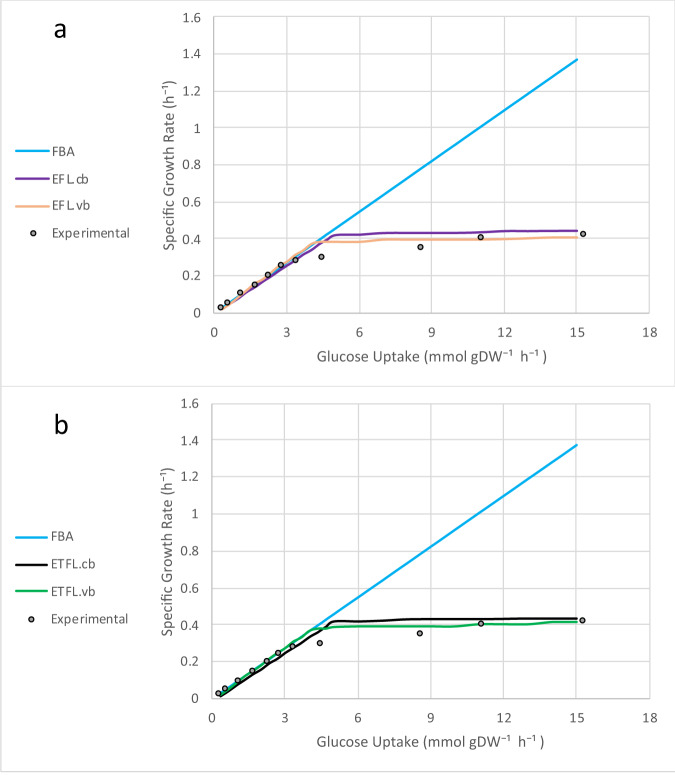
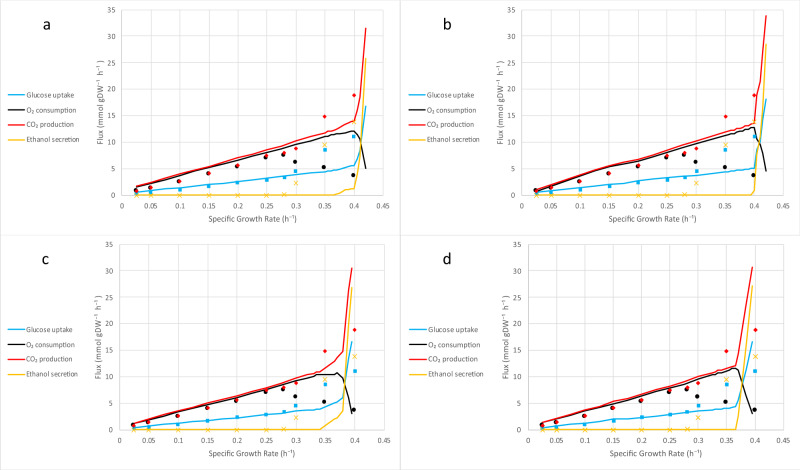
Eukaryotic organisms play an important role in industrial biotechnology, from the production of fuels and commodity chemicals to therapeutic proteins. To optimize these industrial systems, a mathematical approach can be used to integrate the description of multiple biological networks into a single model for cell analysis and engineering. One of the most accurate models of biological systems include Expression and Thermodynamics FLux (ETFL), which efficiently integrates RNA and protein synthesis with traditional genome-scale metabolic models. However, ETFL is so far only applicable for E. coli . To adapt this model for Saccharomyces cerevisiae , we developed yETFL, in which we augmented the original formulation with additional considerations for biomass composition, the compartmentalized cellular expression system, and the energetic costs of biological processes. We demonstrated the ability of yETFL to predict maximum growth rate, essential genes, and the phenotype of overflow metabolism. We envision that the presented formulation can be extended to a wide range of eukaryotic organisms to the benefit of academic and industrial research.
Overview
The claims and statistics of this paper haven’t been checked yet.
Free: it reads the open-access text and checks the first 5 claims that cite a source we can check. Create a free account to check every claim.
Integrity signals
Registry
Cites
Statistics
Figures
Verification
Claims the paper makes
The claims and statistics of this paper haven’t been checked yet.
Free: it reads the open-access text and checks the first 5 claims that cite a source we can check. Create a free account to check every claim.
Claims other papers make about this one
Each is checked against this paper’s own text: does it say what the citing paper says it does?
The cited source says what the claim attributes to it.
In the citing paper
“k cat values are also important parameters in other resource allocation models such as proteome-constrained GEMs 51-53 and metabolism/macromolecular-expression models 7,54,55 .”
From Deep learning-based kcat prediction enables improved enzyme-constrained model reconstruction (2022) · cites this paper as [54]
Self-check
Percentages, sums and reported differences re-computed from the paper’s own numbers.
The self-check needs the paper’s full text.
Citations
Cites
KEGG: Kyoto Encyclopedia of Genes and Genomes
Kanehisa, M. (2000) · Nucleic Acids Research · doi:10.1093/nar/28.1.27 · Cited by 37,077 · cited 2×
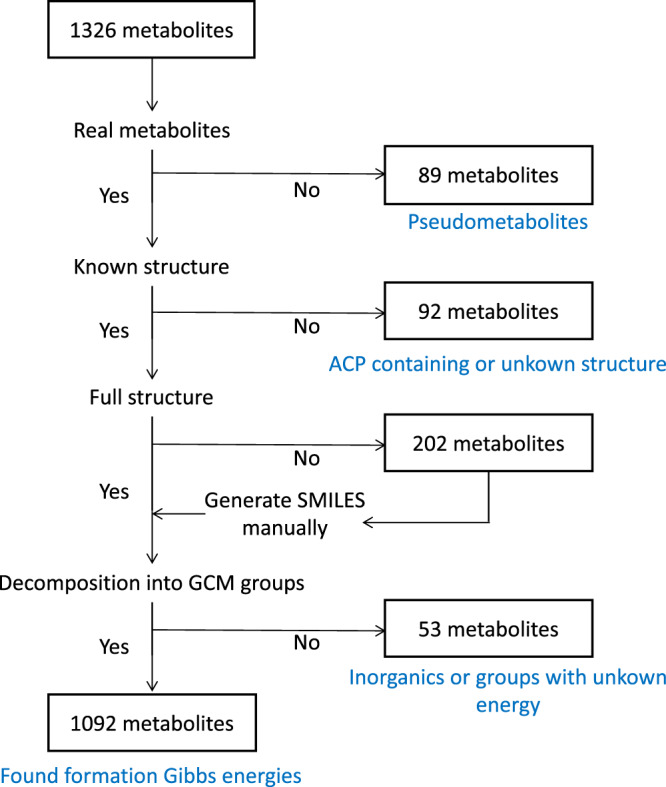
“Abbreviations: ACP: Acyl Carrier Protein; GCM: Group Contribution Method; SMILES: Simplified Molecular Input Line Entry System. mRNA, Peptide, and Protein Data The sequences for the peptides and mRNAs were obtained from the KEGG database39.”
MethodKEGG: Kyoto Encyclopedia of Genes and Genomes
Ogata, H., Goto, S., Sato, K., Fujibuchi, W., Bono, H., & Kanehisa, M. (1999) · Nucleic Acids Research · doi:10.1093/nar/27.1.29 · Cited by 31,232
Understanding the Warburg Effect: The Metabolic Requirements of Cell Proliferation
Vander Heiden, M. G., Cantley, L. C., & Thompson, C. B. (2009) · Science · doi:10.1126/science.1160809 · Cited by 16,197
Double-slit photoelectron interference in strong-field ionization of the neon dimer
Kunitski, M., Eicke, N., Huber, P., Köhler, J., Zeller, S., Voigtsberger, J., Schlott, N., Henrichs, K., Sann, H., Trinter, F., et al. (2019) · Nature Communications · doi:10.1038/s41467-018-07882-8 · Cited by 8,162
Double-slit photoelectron interference in strong-field ionization of the neon dimer
Kunitski, M., Eicke, N., Huber, P., Köhler, J., Zeller, S., Voigtsberger, J., Schlott, N., Henrichs, K., Sann, H., Trinter, F., et al. (2019) · Institutional Repository of Leibniz Universität Hannover (Leibniz Universität Hannover) · doi:10.15488/5174 · Cited by 8,161
Escherichia Coli and Salmonella: Typhimurium Cellular and Molecular Biology
Neidhardt, F. C., Ingraham, J. L., Low, K. B., Magasanik, B., Schaechter, M., & Umbarger, H. E. (1987) · Cited by 4,480
Escherichia Coli and Salmonella: Typhimurium Cellular and Molecular Biology
Neidhardt, F. C., & Ingraham, J. L. (1987) · Medical Entomology and Zoology · Cited by 4,089
What is flux balance analysis?
Orth, J. D., Thiele, I., & Palsson, B. Ø. (2010) · Nature Biotechnology · doi:10.1038/nbt.1614 · Cited by 3,903
THE GROWTH OF BACTERIAL CULTURES
Monod, J. (1949) · Annual Review of Microbiology · doi:10.1146/annurev.mi.03.100149.002103 · Cited by 3,707
Caspi, R., Billington, R., Ferrer, L., Foerster, H., Fulcher, C. A., Keseler, I. M., Kothari, A., Krummenacker, M., Latendresse, M., Mueller, L. A., et al. (2016) · Nucleic Acids Research · doi:10.1093/nar/gkv1164 · Cited by 3,395
Research works printed but not linked: 1
- Oftadeh et al. A genome-scale metabolic model of Saccharomyces cerevisiae that integrates expression constraints and reaction thermodynamics. Zenodo, 10.5281/zenodo.5095273 (2021). PMC8352978 34373465 · DOI
Cited by
Deep learning-based kcat prediction enables improved enzyme-constrained model reconstruction
Li, F., Yuan, L., Lu, H., Li, G., Chen, Y., Engqvist, M. K. M., Kerkhoven, E. J., & Nielsen, J. (2022) · Nature Catalysis · doi:10.1038/s41929-022-00798-z · Cited by 466
“Nonetheless, k cat values are also important parameters in other resource allocation models such as proteome-constrained GEMs 51–53 and metabolism/macromolecular-expression models 7,54,55 .”
BackgroundMitochondrial ATP generation is more proteome efficient than glycolysis
Shen, Y., Dinh, H. V., Cruz, E. R., Chen, Z., Bartman, C. R., Xiao, T., Call, C. M., Ryseck, R.-P., Pratas, J., Weilandt, D., et al. (2024) · Nature Chemical Biology · doi:10.1038/s41589-024-01571-y · Cited by 116
Wang, Z., Wang, S., He, Q., Yang, X., Zhao, B., Zhang, H., & Deng, Y. (2025) · ISME Communications · doi:10.1093/ismeco/ycaf133 · Cited by 102
Li, F., Chen, Y., Qi, Q., Wang, Y., Yuan, L., Huang, M., Elsemman, I. E., Feizi, A., Kerkhoven, E. J., & Nielsen, J. (2022) · Nature Communications · doi:10.1038/s41467-022-30689-7 · Cited by 105
“Similar to the metabolic-expression (ME) model for Escherichia coli 18 and S. cerevisiae 19 , protein expression, translation, folding, and degradation were subsequentially added for all proteins in the model.”
MethodResultLi, F., Chen, Y., Qi, Q., Wang, Y., Yuan, L., Huang, M., Elsemman, I. E., Feizi, A., Kerkhoven, E. J., & Nielsen, J. (2021) · doi:10.1101/2021.10.16.464630 · Cited by 91
Machine learning for metabolic pathway optimization: A review
Cheng, Y., Bi, X., Xu, Y., Liu, Y., Li, J., Du, G., Lv, X., & Liu, L. (2023) · Computational and Structural Biotechnology Journal · doi:10.1016/j.csbj.2023.03.045 · Cited by 88
“Typical examples of multiscale models include thermodynamic constraint GEMs [43,44], enzymatic constraint GEMs [21,45], and multiomics-integrated GEMs [46].”
BackgroundYeast9: a consensus genome-scale metabolic model for S. cerevisiae curated by the community
Zhang, C., Sánchez, B. J., Li, F., Eiden, C. W. Q., Scott, W. T., Liebal, U. W., Blank, L. M., Mengers, H. G., Anton, M., Rangel, A. E. T., et al. (2024) · Molecular Systems Biology · doi:10.1038/s44320-024-00060-7 · Cited by 88
“%) were gathered from the yETFL model (Oftadeh et al, 2021).”
InfluentialGustafsson, J., Anton, M., Roshanzamir, F., Jörnsten, R. J., Kerkhoven, E. J., Robinson, J. L., & Nielsen, J. (2023) · Proceedings of the National Academy of Sciences · doi:10.1073/pnas.2217868120 · Cited by 76
“Genome-scale metabolic models (GEMs) have been extensively used to further our understanding of metabolism in both unicellular organisms such as yeast and bacteria (1–3) and multicellular species such as humans (4–6).”
MethodGenome-scale metabolic network models: from first-generation to next-generation
Ye, C., Wei, X., Shi, T., Sun, X., Xu, N., Gao, C., & Zou, W. (2022) · Applied Microbiology and Biotechnology · doi:10.1007/s00253-022-12066-y · Cited by 72
Genome-scale modeling of yeast metabolism: retrospectives and perspectives
Chen, Y., Li, F., & Nielsen, J. (2022) · FEMS Yeast Research · doi:10.1093/femsyr/foac003 · Cited by 68
“Recently another fine-grained model for S. cerevisiae was published, named yETFL (Oftadeh et al. 2021), which was constructed using Yeast8 based on the ETFL formulation (Salvy and Hatzi-manikatis 2020).”
Gong, Z., Chen, J., Jiao, X., Gong, H., Pan, D., Liu, L., Zhang, Y., & Tan, T. (2024) · Biotechnology Advances · doi:10.1016/j.biotechadv.2024.108319 · Cited by 68
Choudhury, S., Narayanan, B., Moret, M., Hatzimanikatis, V., & Miskovic, L. (2024) · Nature Catalysis · doi:10.1038/s41929-024-01220-6 · Cited by 67
“14 and 16).”
Metabolic systems biology and multi-omics of cyanobacteria: Perspectives and future directions
Pathania, R., Srivastava, A., Srivastava, S., & Shukla, P. (2022) · Bioresource Technology · doi:10.1016/j.biortech.2021.126007 · Cited by 51
Machine learning for the advancement of genome-scale metabolic modeling
Kundu, P., Beura, S., Mondal, S., Das, A. K., & Ghosh, A. (2024) · Biotechnology Advances · doi:10.1016/j.biotechadv.2024.108400 · Cited by 57
Integration of metabolomics and other omics: from microbes to microbiome
Go, D., Yeon, G.-H., Park, S. J., Lee, Y., Koh, H. G., Koo, H., Kim, K. H., Jin, Y., Sung, B. H., & Kim, J. (2024) · Applied Microbiology and Biotechnology · doi:10.1007/s00253-024-13384-z · Cited by 57
Metz, T., Chang, C., Gautam, V., Anjum, A., Tian, S., Wang, F., Colby, S., Nuñez, J., Blumer, M., Edison, A. S., et al. (2024) · Analytical Chemistry · doi:10.1021/acs.analchem.4c04060 · Cited by 55
From microbiome composition to functional engineering, one step at a time
Burz, S. D., Čaušević, S., Co, A. D., Dmitrijeva, M., Engel, P., Garrido‐Sanz, D., Greub, G., Hapfelmeier, S., Hardt, W., Hatzimanikatis, V., et al. (2023) · Microbiology and Molecular Biology Reviews · doi:10.1128/mmbr.00063-23 · Cited by 53
“Additional layers of information can be added to GEMs, including but not limited to thermodynamic constraints (177), gene expression (178, 179), regulation (180, 181), kinetic rate law expressions (182), and various types of omics data, to make GEMs context-and application-specific.”
BackgroundSelf-citationOftadeh, O., & Vassily Hatzimanikatis, A. (2024) · Metabolic Engineering · doi:10.1016/j.ymben.2024.06.005 · Cited by 51
Self-citationChabhadiya, S., Acharya, D., Mangrola, A. V., Shah, R., & Pithawala, E. A. (2024) · Biotechnology Notes · doi:10.1016/j.biotno.2024.07.001 · Cited by 48
“92,97 Research on Pseudomonas aeruginosa has elucidated the roles of RhlA and RhlB in rhamnolipid biosynthesis, demonstrating their independent functions rather than forming a RhlAB heterodimer complex.”
BackgroundModeling lignin biosynthesis: a pathway to renewable chemicals
Rao, X., & Barros, J. (2023) · Trends in Plant Science · doi:10.1016/j.tplants.2023.09.011 · Cited by 46
Multiscale models quantifying yeast physiology: towards a whole-cell model
Lu, H., Kerkhoven, E. J., & Nielsen, J. (2021) · Trends in biotechnology · doi:10.1016/j.tibtech.2021.06.010 · Cited by 46
Engineered yeast for efficient de novo synthesis of 7‐dehydrocholesterol
Qu, L., Xiu, X., Sun, G., Zhang, C., Yang, H., Liu, Y., Li, J., Du, G., Lv, X., & Liu, L. (2022) · Biotechnology and Bioengineering · doi:10.1002/bit.28055 · Cited by 46
“…the relationships among genomes, metabolic reactions, and proteins, enabling the analysis of complex metabolic networks and regulatory mechanisms of industrial microorganisms; and it also lays a foundation for the targeted modification of microorganisms (Brümmer et al., 2010; Oftadeh et al., 2021).”
BackgroundMathematical modeling of proteome constraints within metabolism
Chen, Y., & Nielsen, J. (2021) · Current Opinion in Systems Biology · doi:10.1016/j.coisb.2021.03.003 · Cited by 44
Free-energy transduction in chemical reaction networks: From enzymes to metabolism
Wachtel, A., Rao, R., & Esposito, M. (2022) · The Journal of Chemical Physics · doi:10.1063/5.0091035 · Cited by 43
Model-driven insights into the effects of temperature on metabolism
Wendering, P., & Nikoloski, Z. (2023) · Biotechnology Advances · doi:10.1016/j.biotechadv.2023.108203 · Cited by 38
Malcı, K., Santibáñez, R., Jonguitud‐Borrego, N., Santoyo‐Garcia, J. H., Kerkhoven, E. J., & Rios‐Solis, L. (2023) · Microbial Cell Factories · doi:10.1186/s12934-023-02251-7 · Cited by 34
Construction of Multiscale Genome-Scale Metabolic Models: Frameworks and Challenges
Bi, X., Liu, Y., Li, J., Du, G., Lv, X., & Liu, L. (2022) · Biomolecules · doi:10.3390/biom12050721 · Cited by 33
“Therefore, yETFL can capture the Crabtree effect only by integrating experimental data [105,106].”
BackgroundKerkhoven, E. J. (2022) · Current Opinion in Microbiology · doi:10.1016/j.mib.2022.102168 · Cited by 32
Flux balance analysis of metabolic networks for efficient engineering of microbial cell factories
Sen, P. (2022) · Biotechnology and Genetic Engineering Reviews · doi:10.1080/02648725.2022.2152631 · Cited by 28
“However, suitable strategies were adopted to reduce the MINLP to MILP problem without compromising the prediction accuracy (Oftadeh et al., 2021; Salvy & Hatzimanikatis, 2020).”
InfluentialModel validation and selection in metabolic flux analysis and flux balance analysis
Kaste, J. A. M., & Shachar‐Hill, Y. (2023) · Biotechnology Progress · doi:10.1002/btpr.3413 · Cited by 28
Comparative study of two Saccharomyces cerevisiae strains with kinetic models at genome-scale
Hu, M., Dinh, H. V., Shen, Y., Suthers, P. F., Foster, C., Call, C. M., Ye, X., Pratas, J., Fatma, Z., Zhao, H., et al. (2023) · Metabolic Engineering · doi:10.1016/j.ymben.2023.01.001 · Cited by 28
et i Bsu1209: A comprehensive multiscale metabolic model for Bacillus subtilis
Bi, X., Cheng, Y., Xu, X., Lv, X., Liu, Y., Li, J., Du, G., Chen, J., Ledesma‐Amaro, R., & Liu, L. (2023) · Biotechnology and Bioengineering · doi:10.1002/bit.28355 · Cited by 27
“These results show that the multiscale model Although tools for building multiconstraints models have been developed, such as ETGEM (Yang et al., 2021) and ETFL (Oftadeh et al., 2021), nonexperts still need to spend a substantial amount of time learning different programming languages and toolkits.”
The Dawn of High-Throughput and Genome-Scale Kinetic Modeling: Recent Advances and Future Directions
Toumpe, I., Choudhury, S., Hatzimanikatis, V., & Mišković, L. (2025) · ACS Synthetic Biology · doi:10.1021/acssynbio.4c00868 · Cited by 26
Schroeder, W. L., Suthers, P. F., Willis, T. C., Mooney, E. J., & Maranas, C. D. (2024) · Metabolites · doi:10.3390/metabo14070365 · Cited by 26
“Models using the ETFL framework are solved via MILP, in all cases assuming maximization of growth rate of wild-type strains, which results in a single metabolic state [21,71].”
BackgroundMethodInfluentialChowdhury, N. B., Alsiyabi, A., & Saha, R. (2022) · Microbiology Spectrum · doi:10.1128/spectrum.01463-22 · Cited by 25
“tabolism of Saccharomyces cerevisiae (34), and multiscale phenotype, enzyme abundance,”
BackgroundBlázquez, B., León, D. S., Rojas, A., Tortajada, M., & Nogales, J. (2023) · International Journal of Molecular Sciences · doi:10.3390/ijms24087091 · Cited by 24
“subtilis are far away, in term of completeness and predictive potential, from equivalent models of other well-known and widely used microbial cell factories such as Escherichia coli [29], Pseudomonas putida [30], and Saccharomyces cerevisiae [47].”
BackgroundEvaluating proteome allocation of Saccharomyces cerevisiae phenotypes with resource balance analysis
Dinh, H. V., & Maranas, C. D. (2023) · Metabolic Engineering · doi:10.1016/j.ymben.2023.04.009 · Cited by 23
The return of metabolism: biochemistry and physiology of glycolysis
Grüning, N., Agostini, F., Caldana, C., Hartl, J., Heinemann, M., Keller, M. A., Krüsemann, J. L., Lamperti, C., Linster, C. L., Lindner, S. N., et al. (2025) · Biological reviews/Biological reviews of the Cambridge Philosophical Society · doi:10.1111/brv.70104 · Cited by 23
Lu, J., Bi, X., Liu, Y., Lv, X., Li, J., Du, G., & Liu, L. (2022) · Systems Microbiology and Biomanufacturing · doi:10.1007/s43393-022-00117-4 · Cited by 22
Poorinmohammad, N., & Kerkhoven, E. J. (2021) · Biotechnology and Bioengineering · doi:10.1002/bit.27859 · Cited by 21
New insights in metabolism modelling to decipher plant–microbe interactions
Blonde, C., Caddeo, A., Nasser, W., Reverchon, S., Peyraud, R., & Haichar, F. E. Z. (2025) · New Phytologist · doi:10.1111/nph.70063 · Cited by 19
MVML-MPI: Multi-View Multi-Label Learning for Metabolic Pathway Inference
Liu, X., Yang, H., Ai, C., Ding, Y., Guo, F., & Tang, J. (2023) · Briefings in Bioinformatics · doi:10.1093/bib/bbad393 · Cited by 18
Pareto optimal metabolic engineering for the growth‐coupled overproduction of sustainable chemicals
Amaradio, M. N., Ojha, V., Jansen, G., Gulisano, M., Costanza, J., & Nicosia, G. (2022) · Biotechnology and Bioengineering · doi:10.1002/bit.28103 · Cited by 17
“To adapt this model for S. cerevisiae, Oftadeh et al. (2021) developed yETFL, in which they increase the original formulation with supplementary considerations for biomass composition, the compartmentalized cellular expression system, and the energetic costs of biological processes.”
MethodCostello, W. N., Xiao, Y., Mentink-Vigier, F., Kragelj, J., & Frederick, K. K. (2024) · Journal of Biomolecular NMR · doi:10.1007/s10858-024-00436-9 · Cited by 16
“…limit for a single carbonyl site in mammalian cells is an order of magnitude lower than that for yeast because the protein density of the mammalian cells is lower than that of yeast (Milo 2013) and the relative abundance of the amino acids differs (Dietmair et al. 2012; Oftadeh et al. 2021).”
Costello, W. N., Xiao, Y., Mentink-Vigier, F., Kragelj, J., & Frederick, K. K. (2023) · doi:10.1101/2023.02.20.529239 · Cited by 16
Nielsen, J. (2025) · Yeast · doi:10.1002/yea.70009 · Cited by 15
“In this cycle, advanced genome‐scale metabolic models mentioned above are being used, both for the identification of new design strategies (Domenzain et al. 2025) and for analysis of strains when they are being tested (Oftadeh et al. 2021).”
Suthers, P. F., & Maranas, C. D. (2022) · Biotechnology Progress · doi:10.1002/btpr.3276 · Cited by 14
“Typically GSM models, including the one used in the current work, have been reconstructed with charges on metabolites determined at a single neutral pH value across the model and with constant ATP maintenance values,(64) although some models have included physicochemical specification differences between pH5 and 8.(65…”
MethodTowards the construction of a virtual yeast
Qian, L., Zhou, Z., Zhou, P., Dong, Z., Zhang, X., Dai, Z., Gao, Z., Sun, S., Roy, K. R., Wang, S., et al. (2026) · Nature · doi:10.1038/s41586-026-10574-9 · Cited by 13
Malina, C., Bartolomeo, F. D., Kerkhoven, E. J., & Nielsen, J. (2021) · iScience · doi:10.1016/j.isci.2021.103294 · Cited by 12
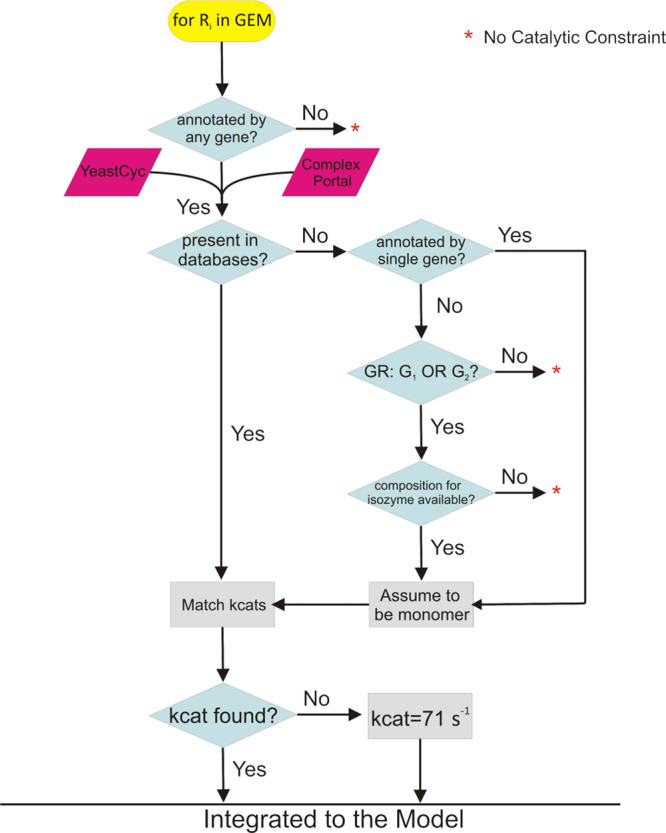
“In a recent study, in which a model of metabolism and gene expression in yeast was reconstructed (Oftadeh et al., 2021), carrier proteins were incorporated in the model using the average k cat of metabolic enzymes, corresponding to 70.9 s (cid:1) 1 (Sa´nchez et al., 2017).”
MethodInfluentialSjöberg, G., Reķēna, A., Fornstad, M., Lahtvee, P., & van Maris, A. J. A. (2024) · Metabolic Engineering · doi:10.1016/j.ymben.2024.01.007 · Cited by 11
Xie, T., Chen, M., Nielsen, J., & Xia, J. (2022) · FEMS Yeast Research · doi:10.1093/femsyr/foac030 · Cited by 11
Hassani, L., Moosavi, M. R., Setoodeh, P., & Zare, H. (2024) · Microbial Cell Factories · doi:10.1186/s12934-023-02277-x · Cited by 11
“Genome-scale metabolic network reconstructions (GENREs) [16] and their relevant mathematical representatives (genome-scale metabolic models (GEMs)) have been developed for numerous microorganisms (e.g., Escherichia coli [17– 20], Pseudomonas putida [21, 22], and Saccharomyces cerevisiae [23–26]).”
BackgroundInspecting the Solution Space of Genome-Scale Metabolic Models
Loghmani, S. B., Veith, N., Sahle, S., Bergmann, F., Olivier, B. G., & Kummer, U. (2022) · Metabolites · doi:10.3390/metabo12010043 · Cited by 11
Emergence of Orchestrated and Dynamic Metabolism of Saccharomyces cerevisiae
Nguyen, V., Li, Y., & Lu, T. (2024) · ACS Synthetic Biology · doi:10.1021/acssynbio.3c00542 · Cited by 10
Precise metabolic modeling in post-omics era: accomplishments and perspectives
Kong, Y., Chen, H., Huang, X., Chang, L., Yang, B. K., & Chen, W. (2024) · Critical Reviews in Biotechnology · doi:10.1080/07388551.2024.2390089 · Cited by 10
“Moreover, several essential factors (e.g., the cost of protein synthesis by ribosome and substrate turnover number) have been overlooked, which biases the model prediction [13].”
Optimizing VLP production in gene therapy: Opportunities and challenges for in silico modeling
Zehetner, L., Széliová, D., Kraus, B., Graninger, M., Zanghellini, J., & Bort, J. A. H. (2023) · Biotechnology Journal · doi:10.1002/biot.202200636 · Cited by 9
Improving metabolic engineering design with enzyme-thermo optimization
Xu, W., Cai, J., Wu, W., Yuan, Q., Mao, Z., & Ma, H. (2025) · Metabolic Engineering · doi:10.1016/j.ymben.2025.05.009 · Cited by 9
Proteome capacity constraints favor respiratory ATP generationPreprint
Shen, Y., Dinh, H. V., Cruz, E. R., Call, C. M., Baron, H., Ryseck, R.-P., Pratas, J., Subramanian, A. M., Fatma, Z., Weilandt, D., et al. (2022) · bioRxiv (Cold Spring Harbor Laboratory) · doi:10.1101/2022.08.10.503479 · Cited by 9
Li, Y., Lai, Y.-H., & Lu, T. (2025) · ACS Synthetic Biology · doi:10.1021/acssynbio.4c00803 · Cited by 7
Kumar, S. P., & Bhatt, N. (2025) · iScience · doi:10.1016/j.isci.2025.113005 · Cited by 7
“11 TICs in metabolic networks can lead GEMs to predict phenotypes that are thermodynamically infeasible.”
Vanoni, M., Palumbo, P. J., Papa, F., Busti, S., Gotti, L., Wortel, M. T., Teusink, B., Orlandi, I., Pessina, A., Airoldi, C., et al. (2025) · PLoS Computational Biology · doi:10.1371/journal.pcbi.1013296 · Cited by 7
Characterising the metabolic rewiring of extremely slow growing Komagataella phaffii
Coltman, B. L., Rebnegger, C., Gasser, B., & Zanghellini, J. (2024) · Microbial Biotechnology · doi:10.1111/1751-7915.14386 · Cited by 7
Evolution and applications of genome-scale metabolic models in yeast systems biology studies
He, X., & Lu, H. (2025) · FEMS Yeast Research · doi:10.1093/femsyr/foaf045 · Cited by 6
“For example, using the expression and thermodynamics-enabled flux (ETFL) approach (Salvy et al. 2020 ), Oftadeh et al. ( 2021 ) developed an ME model for yeast, named yETFL.”
Wu, P., Yuan, Q., Cheng, T., Han, Y., Zhao, W., Liao, X., Wang, L., Cai, J., He, Q., Guo, Y., et al. (2023) · Frontiers in Microbiology · doi:10.3389/fmicb.2023.1277847 · Cited by 6
Advancements and challenges in the bioproduction of raspberry ketone by precision fermentation
Gao, P., Sun, H., Ledesma‐Amaro, R., Marcellin, E., & Peng, H. (2025) · Future Foods · doi:10.1016/j.fufo.2025.100606 · Cited by 5
Wang, H., Zhang, M., Zhang, C., He, S., Liao, W., Zhu, R., Zhou, Y. J., & Lu, H. (2026) · Fundamental Research · doi:10.1016/j.fmre.2026.07.008 · Cited by 5
Motamedian, E., Baumanis, M. R., Daugavietis, J. E., Berzina, I., Shvirksts, K., Dāce, E., Liepiņš, J., & Stalidzāns, E. (2024) · Process Safety and Environmental Protection · doi:10.1016/j.psep.2024.06.094 · Cited by 5
Khan, G. A., Sanford, C., & Trinh, C. (2025) · Biotechnology Advances · doi:10.1016/j.biotechadv.2025.108738 · Cited by 4
Tang, W., Lin, S., Deng, Y., Guo, G., Chen, G., & Hao, T. (2025) · Water Research X · doi:10.1016/j.wroa.2025.100379 · Cited by 4
Integrative Thermodynamic Strategies in Microbial Metabolism
Bekker, M., & Ebenhöh, O. (2025) · International Journal of Molecular Sciences · doi:10.3390/ijms262210921 · Cited by 3
Integration of Metabolomics and Flux Balance Analysis: Applications and Challenges
Abdi, G., Patil, N., Jain, M., & Barwant, M. M. (2024) · Springer eBooks · doi:10.1007/978-981-99-8401-5_10 · Cited by 2
Deep learning-driven automatic reconstruction of genome-scale metabolic networksPreprint
Liu, X., Yang, H., Ai, C., Ding, Y., Tang, J., & Guo, F. (2023) · Research Square · doi:10.21203/rs.3.rs-2605759/v1 · Cited by 2
Enzyme-constrained genome-scale metabolic model of Rhodotorula toruloides
Reķēna, A. (2021) · DSpace repository (University of Tartu) · Cited by 2
Chitpin, J. G., & Perkins, T. J. (2023) · Journal of Theoretical Biology · doi:10.1016/j.jtbi.2023.111632 · Cited by 1
Metabolic flux and resource balance in the oleaginous yeast Rhodotorula toruloides
Mooney, E. J., Suthers, P. F., Schroeder, W. L., Dinh, H. V., Li, X., Shen, Y., Xiao, T., Call, C. M., Baron, H., Subramanian, A. M., et al. (2025) · Metabolic Engineering · doi:10.1016/j.ymben.2025.11.012 · Cited by 1
Systems biology of yeast metabolism
Nielsen, J. (2026) · FEMS Yeast Research · doi:10.1093/femsyr/foag026 · Cited by 1
“Oftadeh et al. ( 2021 ) therefore introduced a simplified formulation of these models, the so-called ETFL formulation, that significantly improved the applicability and also enabled introduction of thermodynamic constraints.”
Rangel, A. E. T., García, A. C., Malina, C., Siewers, V., & Kerkhoven, E. J. (2026) · Scientific Reports · doi:10.1038/s41598-026-58495-x · Cited by 1
Saghaleyni, R. (2021) · Chalmers Research (Chalmers University of Technology) · Cited by 1
Valenzuela, L. F., François, P., & Skotheim, J. M. (2025) · eLife · doi:10.7554/elife.105265 · Cited by 1
Valenzuela, L. F., François, P., & Skotheim, J. M. (2025) · eLife · doi:10.7554/elife.105265.2 · Cited by 1
Baghdassarian, H., Giusto, P. D., Tibocha‐Bonilla, J. D., Armingol, E., Gopalakrishnan, S., Dworkin, L. A., Yang, L. M., & Lewis, N. E. (2026) · bioRxiv (Cold Spring Harbor Laboratory) · doi:10.64898/2026.05.30.728988 · Cited by 1
“…1,40,41 and mammalian GEMs of metabolism and the secretory pathway 5,18 , and (4) a formulation for unicellular eukaryotes by the yeast ETFL model 42 , which represents expression costs as primarily length-parameterized capacity constraints rather than explicit stoichiometric reactions, giving…”
Kalendra, D. M., Morken, J. P., & Fawcett, A. (2022) · Wiley eBooks · doi:10.1002/047084289x.rn00591.pub2
Saccharomyces cerevisiae as a model for the identification of modifier genes of paraquat toxicity
Rubilar Espinoza, J. C. (2024) · doi:10.52611/11447/9388
Valenzuela, L. F., François, P., & Skotheim, J. M. (2025) · eLife · doi:10.1101/2024.11.29.626097
“…to lead to important complementary insights regarding the regulation of cell growth and proliferation (Segr`e et al. 2005; He et al. 2010; Orth et al. 2010; Kacser et al. 1973; Szathm´ary 1993; Dykhuizen et al. 1987; Vienne et al. 2023; Karr et al. 2012; Oftadeh et al. 2021; Kryazhimskiy 2021).”
Valenzuela, L. F., François, P., & Skotheim, J. M. (2025) · eLife · doi:10.7554/elife.105265.1
Regulation of the branched-chain amino acid pathway and its crosstalk to carbon metabolism in yeastPreprint
Escalera‐Fanjul, X., Bolaji, O., Drotleff, B., DeLuna, A., Alexandrov, T., & Klipp, E. (2025) · bioRxiv (Cold Spring Harbor Laboratory) · doi:10.1101/2025.05.05.652184
Selecting methods for draft GEM generation in multicellular eukaryotes: a comparative analysis
Jiménez, N. E., Espinoza, M., Mejías, S., Mendoza, S. N., Segovia, I., Salgado, J. C., Conca, C., & Gerdtzen, Z. P. (2026) · BMC Bioinformatics · doi:10.1186/s12859-026-06455-7
“While these automated approaches have been successfully applied for generating draft GEMs, their primary focus has been on prokaryotes and unicellular eukaryotes such as S. cerevisiae (32) and Y. lipolytica (33).”
Engineering Interventions in Fungal Cell Factories
Enuh, B. M., Altıntaş, Ö. E., Yaman, B. N., Çelik, P. A., & Çabuk, A. (2025) · Fungal biology · doi:10.1007/978-3-032-06478-3_3
Nguyen, L. K., Hoang, D. T., & Jouannic, S. (2025) · International review of cytology · doi:10.1016/bs.ircmb.2025.11.007
Hassani, L., Moosavi, M. R., Setoodeh, P., & Zare, H. (2024) · Figshare · doi:10.6084/m9.figshare.26674092
Hassani, L., Moosavi, M. R., Setoodeh, P., & Zare, H. (2024) · Figshare · doi:10.6084/m9.figshare.26674095
Malcı, K., Santibáñez, R., Jonguitud‐Borrego, N., Santoyo‐Garcia, J. H., Kerkhoven, E. J., & Rios‐Solis, L. (2024) · Figshare · doi:10.6084/m9.figshare.26647212
Development of an algorithm for adaptive and dynamic modelling of multiple metabolic models
Martínez, M. J. R. (2023) · Archivo Digital UPM (Universidad Politécnica de Madrid)
Constraint-based modeling of yeast metabolism and protein secretion
Li, F. (2021) · Chalmers Research (Chalmers University of Technology)
Zhang, J., Xing, W., Hou, Y., Liu, J., Ren, N., Ma, H., Wang, A., Yuan, Q., & Huang, C. (2026) · SSRN Electronic Journal · doi:10.2139/ssrn.6065120
Biothermodynamic analysis of Mycoplasma pathogen-host interactions
Popovic, M. E., Tadić, V. M., & Pavlović, M. P. (2026) · Thermal Science · doi:10.2298/tsci260105042p
Zhou, Q., Yan, X., Wu, Y., He, Q., & Yang, S. (2026) · Bioresource Technology · doi:10.1016/j.biortech.2026.134731
Cai, F., Zhang, S., Dai, Y., Zhao, Z., Fu, X., Kang, Q., Shi, Y., Wang, Z., & Bai, L. (2026) · Cell Reports Methods · doi:10.1016/j.crmeth.2026.101426
Zhang, C., Lu, S., & Lu, H. (2026) · Current Opinion in Systems Biology · doi:10.1016/j.coisb.2026.100606
Kikani, B. A., Andhare, P., Sonavane, B., Dube, S., Desai, C., & Madamwar, D. (2026) · Systems Microbiology and Biomanufacturing · doi:10.1007/s43393-026-00535-8
“Interestingly, the ETFL/ yETFL (Expression and Thermodynamics Flux) method was used to integrate multi-omics data to predict genetic and metabolic regulatory mechanisms to suggest accurate strain improvement strategies (Oftadeh et al. 2021).”
Metadata
- Authors
- Oftadeh, O., Salvy, P., Masid, M., Curvat, M., Miskovic, L., & Hatzimanikatis, V.
- Affiliations
- École Polytechnique Fédérale de Lausanne (CH)
- Venue
- Nature Communications
- Published
- 2021-08-09
- Volume
- 12
- Issue
- 1
- Pages
- 4790-4790
- ISSN
- 2041-1723 (ISSN-L)
- PMC
- PMC8352978
- OpenAlex
- W3189700398
- Cited by
- 99
- References
- 66
- Citations by year
- 2026: 13 · 2025: 23 · 2024: 21 · 2023: 19 · 2022: 17 · 2021: 6
- FWCI
- 4.94
- Type
- journal article
- Language
- en
- Open access
- gold
- doi.org
- Licence
- cc-by
- creativecommons.org/licenses/by/4.0 (tdm)
- creativecommons.org/licenses/by/4.0 (vor)
- Locations
- Nature Communications (publishedVersion, cc-by)
- bioRxiv (Cold Spring Harbor Laboratory) (acceptedVersion, cc-by-nc-nd)
- PubMed Central (publishedVersion, cc-by)
- PubMed (publishedVersion)
- RePEc: Research Papers in Economics (submittedVersion)
- DOAJ (DOAJ: Directory of Open Access Journals) (submittedVersion, cc-by-sa)
- Infoscience (Ecole Polytechnique Fédérale de Lausanne) (submittedVersion, cc-by-nc-nd)
- Funders
- National Science Foundation
- European Commission (814408, 675585, HORIZON2020, 722287)
- École Polytechnique Fédérale de Lausanne
- Schweizerischer Nationalfonds zur Förderung der Wissenschaftlichen Forschung (188623, 200021)
- Topics
- Life Sciences › Biochemistry, Genetics and Molecular Biology › Molecular Biology › Microbial Metabolic Engineering and Bioproduction
- Life Sciences › Biochemistry, Genetics and Molecular Biology › Molecular Biology › Gene Regulatory Network Analysis
- Life Sciences › Biochemistry, Genetics and Molecular Biology › Molecular Biology › Fungal and yeast genetics research
- Keywords
- Saccharomyces cerevisiae, genome-scale metabolic models, reaction thermodynamics, biomass composition, energetic cost, maximum growth rate, essential genes, overflow metabolism
- MeSH terms
- Biotechnology, Computer Simulation, Escherichia coli, Glucose, Models, Biological, Phenotype, Saccharomyces cerevisiae, Thermodynamics, Gene Expression Regulation, Fungal, Genome, Biomass, Metabolic Networks and Pathways, Metabolic Engineering
About these checks
Registry, retraction, Cites and statistics results are computed, not judged, with one exception: a printed reference that no index lists is read once by a model before it counts as a citation error. Claims are extracted by a model and kept only when their quote appears verbatim in the text; each cited source is then checked, with a model’s help, for whether it says what the claim relies on. Those verdicts can be wrong — read the claim’s quote and the cited source before relying on one.
Statistics and arithmetic are recomputed, not judged.
Confidence bands are shown only for fields calibrated on our annotated test set. None is calibrated yet, so no band is shown.
What counts as a claim ›How we measure confidence ›How we check this ›
Are you an author, or do you see a problem with this page? Request a review
Data sources
Bibliographic data: Semantic Scholar, OpenAlex, Crossref.
Contains information from the Semantic Scholar Academic Graph Datasets, made available under the ODC Attribution License (ODC-BY 1.0).
Semantic Scholar’s data is described in: Kinney, R., et al. (2023). The Semantic Scholar Open Data Platform. arXiv:2301.10140.
