

Randomized controlled trial for time-restricted eating in healthy volunteers without obesity
Open accessThe DOI matches its Crossref record; 77 of the 77 references it cites were found in a registry or an index.
Abstract
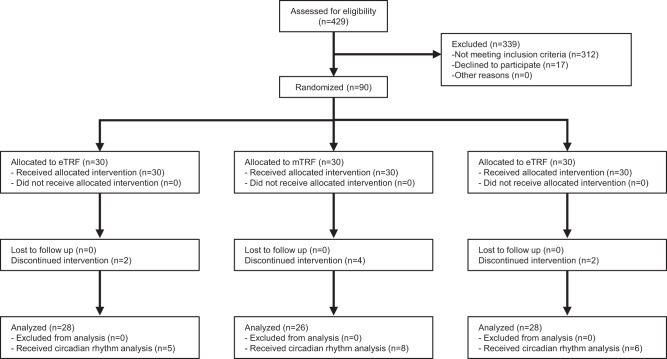
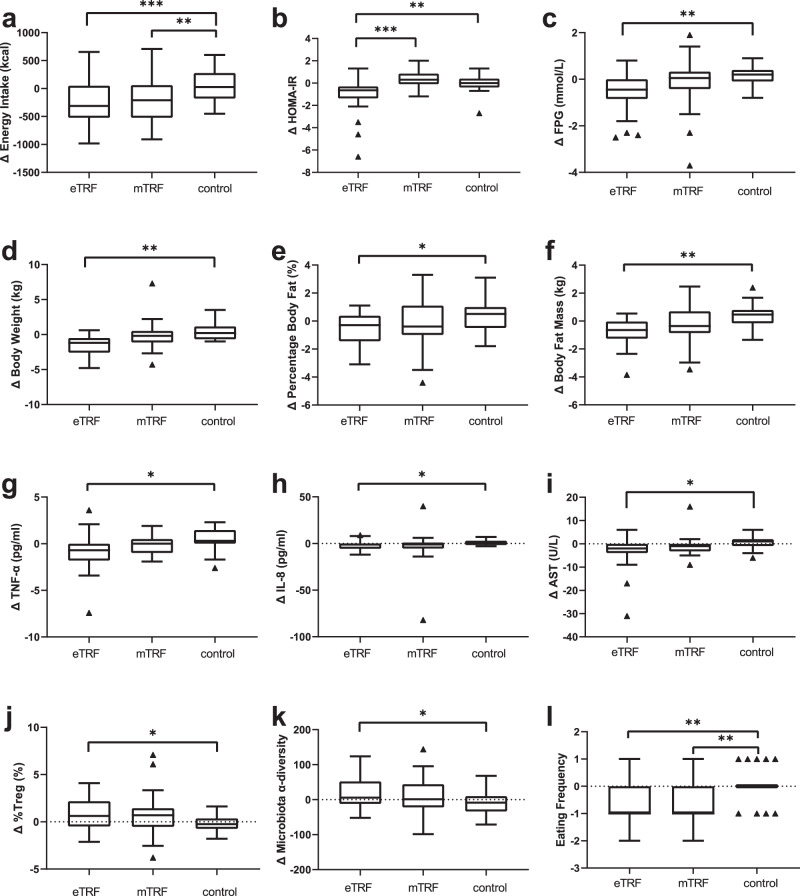
Time-restricted feeding (TRF) improves metabolic health. Both early TRF (eTRF, food intake restricted to the early part of the day) and mid-day TRF (mTRF, food intake restricted to the middle of the day) have been shown to have metabolic benefits. However, the two regimens have yet to be thoroughly compared. We conducted a five-week randomized trial to compare the effects of the two TRF regimens in healthy individuals without obesity (ChiCTR2000029797). The trial has completed. Ninety participants were randomized to eTRF (n=30), mTRF (n=30), or control groups (n=30) using a computer-based random-number generator. Eighty-two participants completed the entire five-week trial and were analyzed (28 in eTRF, 26 in mTRF, 28 in control groups). The primary outcome was the change in insulin resistance. Researchers who assessed the outcomes were blinded to group assignment, but participants and care givers were not. Here we show that eTRF was more effective than mTRF at improving insulin sensitivity. Furthermore, eTRF, but not mTRF, improved fasting glucose, reduced total body mass and adiposity, ameliorated inflammation, and increased gut microbial diversity. No serious adverse events were reported during the trial. In conclusion, eTRF showed greater benefits for insulin resistance and related metabolic parameters compared with mTRF. Clinical Trial Registration URL: http://www.chictr.org.cn/showproj.aspx?proj=49406 .
Overview
The claims and statistics of this paper haven’t been checked yet.
Free: it reads the open-access text and checks the first 5 claims that cite a source we can check. Create a free account to check every claim.
Integrity signals
Registry
Cites
Statistics
Figures
Verification
Claims the paper makes
The claims and statistics of this paper haven’t been checked yet.
Free: it reads the open-access text and checks the first 5 claims that cite a source we can check. Create a free account to check every claim.
Claims other papers make about this one
Each is checked against this paper’s own text: does it say what the citing paper says it does?
The source backs part of the claim, not all of it — or backs it for a different population, condition or comparison.
In the citing paper
“Furthermore, TRE demonstrates beneficial effects on cardiovascular metabolic parameters [87, 90] and lipid profiles [76, 83, 87].”
From Comparing caloric restriction regimens for effective weight management in adults: a systematic review and network meta-analysis (2024) · cites this paper as [76]
Experimental — accuracy not yet measuredThe source backs part of the claim, not all of it — or backs it for a different population, condition or comparison.
In the citing paper
“Fasting may affect weight control by altering the composition of the gut microbiota [76, 96]”
From Comparing caloric restriction regimens for effective weight management in adults: a systematic review and network meta-analysis (2024) · cites this paper as [76]
Experimental — accuracy not yet measured
Self-check
Percentages, sums and reported differences re-computed from the paper’s own numbers.
The self-check needs the paper’s full text.
Citations
Cites
Matthews, D. R., Hosker, J. P., Rudenski, A. S., Naylor, B. A., Treacher, D. F., & Turner, R. C. (1985) · Diabetologia · doi:10.1007/bf00280883 · Cited by 31,502
Search and clustering orders of magnitude faster than BLAST
Edgar, R. C. (2010) · Bioinformatics · doi:10.1093/bioinformatics/btq461 · Cited by 20,826
Metagenomic biomarker discovery and explanation
Segata, N., Izard, J., Waldron, L., Gevers, D., Miropolsky, L., Garrett, W. S., & Huttenhower, C. (2011) · Genome Biology · doi:10.1186/gb-2011-12-6-r60 · Cited by 16,192
Structure, function and diversity of the healthy human microbiome
The Human Microbiome Project Consortium (2012) · Nature · doi:10.1038/nature11234 · Cited by 11,726
Predictive functional profiling of microbial communities using 16S rRNA marker gene sequences
Langille, M. G. I., Zaneveld, J., Caporaso, J. G., McDonald, D., Knights, D., Reyes, J. A., Clemente, J. C., Burkepile, D. E., Vega Thurber, R. L., Knight, R., et al. (2013) · Nature Biotechnology · doi:10.1038/nbt.2676 · Cited by 9,116
Richness of human gut microbiome correlates with metabolic markers
Le Chatelier, E., Nielsen, T., Qin, J., Prifti, E., Hildebrand, F., Falony, G., Almeida, M., Arumugam, M., Batto, J.-M., Kennedy, S., et al. (2013) · Nature · doi:10.1038/nature12506 · Cited by 4,662
Inflammatory Mechanisms in Obesity
Gregor, M. F., & Hotamisligil, G. S. (2011) · Annual Review of Immunology · doi:10.1146/annurev-immunol-031210-101322 · Cited by 3,754
Damiola, F., Le Minh, N., Preitner, N., Kornmann, B., Fleury-Olela, F., & Schibler, U. (2000) · Genes & Development · doi:10.1101/gad.183500 · Cited by 2,394
Feuerer, M., Herrero, L., Cipolletta, D., Naaz, A., Wong, J., Nayer, A., Lee, J., Goldfine, A. B., Benoist, C., Shoelson, S., et al. (2009) · Nature Medicine · doi:10.1038/nm.2002 · Cited by 2,145
PANDAseq: paired-end assembler for Illumina sequences
Masella, A. P., Bartram, A. K., Truszkowski, J. M., Brown, D. G., & Neufeld, J. D. (2012) · BMC Bioinformatics · doi:10.1186/1471-2105-13-31 · Cited by 2,132
Research works printed but not linked: 3
- Moro T Effects of eight weeks of time-restricted feeding (16/8) on basal metabolism, maximal strength, body composition, inflammation, and cardiovascular risk factors in resistance-trained males J. Transl. Med. 2016 14 1 10 27737674 PMC5064803 · DOI · Paper page
- Briseño-Bass P Chávez-Pérez R López-Zendejas M Prevalence of hepatic steatosis and its relation to liver function tests and lipid profile in patients at medical check-up Rev. Gastroenterol. Mex. 2019 84 290 295 30292582
- Yang, Y. X., Wang, G. & Pan, X. China Food Composition (Peking University Medical Press, 2009).
Cited by
Items 101–200 of 319
Črešnovar, T., Habe, B., Pražnikar, Z. J., & Petelin, A. (2023) · Nutrients · doi:10.3390/nu15234911 · Cited by 17
“It is not yet clear whether differences occur when food intake is restricted to the early or late part of the day [8].”
BackgroundMena-Hernández, D. R., Jiménez-Domínguez, G., Méndez, J. D., Olvera‐Hernández, V., Martínez‐López, M. C., Guzmán‐Priego, C. G., Reyes-López, Z., Ramos-García, M., Juárez‐Rojop, I. E., Zavaleta-Toledo, S. S., et al. (2024) · Nutrients · doi:10.3390/nu16142187 · Cited by 17
“Similarly, Xie et al. reported a decrease in the HOMA-IR index after 16 h of fasting with an eating window between 06:00 and 15:00 [15].”
BackgroundResultInfluentialBruno, J., Walker, J. M., Nasserifar, S., Upadhyay, D., Ronning, A., Vanegas, S. M., Popp, C. J., Barua, S., & Alemán, J. O. (2024) · iScience · doi:10.1016/j.isci.2024.111501 · Cited by 17
“18,30,57,58 Our study design is unique in that, in addition to specifying feeding windows, we also delineated differences in daily calorie distribution between the two arms, a concept that is referred to as calorie compression.”
Wagh, V. V., & Jain, K. (2010) · Ethnobotanical Leaflets · Cited by 17
Chrononutrition: Potential, Challenges, and Application in Managing Obesity
Fuad, S. A., Ginting, R. P., & Lee, M.-W. (2025) · International Journal of Molecular Sciences · doi:10.3390/ijms26115116 · Cited by 16
“…Variable (light exposure, chronotype, stress) Clock gene oscillation [13,192,197] Frequently reported Rarely reported Limiting factors [13,190,192,195–197] Nocturnal model; limited translation Poor adherence, high variability As one of the most widely studied chrononutrition strategies in animal…”
InfluentialEffect of time-restricted eating regimen on weight loss is mediated by gut microbiome
Huang, C., Liu, D., Yang, S., Huang, Y., Wei, X., Zhang, P., Lin, J., Xu, B., Liu, Y., Guo, D., et al. (2024) · iScience · doi:10.1016/j.isci.2024.110202 · Cited by 16
Self-citationA detective story of intermittent fasting effect on immunity
Ma, R. (2024) · Immunology · doi:10.1111/imm.13829 · Cited by 16
“Subjects undergoing 8-h TRF for 4 – 5 weeks witnessed an increase in faecal microbial richness ( α -diversity), compared to those on a regular diet [181, 193].”
Does time‐restricted eating add benefits to calorie restriction? A systematic review
Ezzati, A., McLaren, C., Bohlman, C., Tamargo, J. A., Lin, Y., & Anton, S. D. (2024) · Obesity · doi:10.1002/oby.23984 · Cited by 16
“…only 3 days/week; therefore, these superior effects also may be attributed to improved insulin sensitivity and insulin secretion or delayed gastric emptying [29,42] as a result of the longer fasting hours [43,44] in the iTRE group and/or the early eating plan during the TRE intervention [40,45].”
BackgroundLi, J., Yu, K., Sui, X., Deng, H., Leng, Y., & Liu, T. (2025) · Frontiers in Nutrition · doi:10.3389/fnut.2025.1678482 · Cited by 15
A National Study Exploring the Association between Fasting Duration and Mortality among the Elderly
Zhang, Z., Zhao, H., Tao, Z., Jiang, M., & Pu, J. (2024) · Nutrients · doi:10.3390/nu16132018 · Cited by 16
Self-citationZhang, Z., Kong, A. P. S., Wong, V. W., & Hui, X. H. (2025) · Cell & Bioscience · doi:10.1186/s13578-025-01406-w · Cited by 16
“Animals or Individuals who practice long-term IF have a fecal microbiota that is significantly more diverse than that of those who consume ad libitum diet [21, 23, 45, 47, 51, 54, 55, 60, 75, 76, 78, 89, 91, 95, 96].”
Meal Timing and Sleeping Energy Metabolism
Yoshitake, R., Park, I., Ogata, H., & Omi, N. (2023) · Nutrients · doi:10.3390/nu15030763 · Cited by 16
“Furthermore, early time-restricted eating improved fasting glucose, reduced total body mass and adiposity, ameliorated inflammation, and increased gut microbial diversity com-pared with midday time-restricted eating [35].”
BackgroundInfluentialLin, X., Wang, S., & Huang, J. (2024) · Frontiers in Nutrition · doi:10.3389/fnut.2023.1307736 · Cited by 14
“TRE may have some benefits for healthy individuals, especially early TRE (25–27).”
BackgroundSepúlveda, B., Marín, A., Burrows, R. A., Sepúlveda-Peñaloza, A., & Chamorro, R. (2024) · Current Nutrition Reports · doi:10.1007/s13668-024-00532-0 · Cited by 16
The influence of time-restricted eating/feeding on Alzheimer’s biomarkers and gut microbiota
Gasmi, M., Hardiany, N. S., van der Merwe, M., Martins, I. J., Sharma, A., & Williams‐Hooker, R. (2024) · Nutritional Neuroscience · doi:10.1080/1028415x.2024.2359868 · Cited by 14
“Research has shown that TRE/TRF may induce an improvement in proinflammatory cytokines [60,61] in mice or humans.”
Miladi, S., Driss, T., Ameur, R., Miladi, S. C., Miladi, S. J., Najjar, M. F., Neffati, F., & Hammouda, O. (2025) · Nutrients · doi:10.3390/nu17010169 · Cited by 14
“Earlier studies examined how TRE might affect body composition [11] and metabolic health markers [12].”
Yun, N., Nah, J., Lee, M. N., Wu, D., & Pae, M. (2023) · Nutrients · doi:10.3390/nu15112617 · Cited by 14
“For instance, time-restricted eating to the early part of the day was shown to improve fasting glucose and ameliorate inflammation markers in healthy subjects, but not in those under eating restricted to the middle of the day [44].”
BackgroundBailey, C. P., Boyd, P., Shams‐White, M., Czajkowski, S. M., Nebeling, L. C., Reedy, J., & O’Connor, S. G. (2023) · Journal of the Academy of Nutrition and Dietetics · doi:10.1016/j.jand.2023.12.006 · Cited by 14
Zambuzzi, W. F., Ferreira, M. R., Wang, Z., & Peppelenbosch, M. P. (2025) · Biology · doi:10.3390/biology14060669 · Cited by 13
“In healthy volunteers, even moderate intermittent fasting (9 h per diem in a so-called early time-restricted feeding design involving fasting between 6:00 h to 15:00 h) lowered blood glucose levels by approximately 10% to 25% [101].”
Effects of intermittent fasting on brain health via the gut–brain axis
Zhao, Z., Geng, W., Gao, Y. L., Liu, Y., Nie, S., & Yin, Q. (2025) · Frontiers in Nutrition · doi:10.3389/fnut.2025.1696733 · Cited by 13
“TRF, typically involving 8–12 h feeding windows, primarily affects the circadian rhythms of the gut microbiota and enhances the microbial diversity without significant caloric restriction (36).”
Wang, H., Li, Q., Xu, R., Su, Y., & Zhu, W. (2023) · Frontiers in Microbiology · doi:10.3389/fmicb.2023.1162482 · Cited by 13
Chen, Y., Li, X., Yang, M., Wang, L., Lv, X., Shen, K., Wu, H., & Lu, Q. (2023) · Experimental Dermatology · doi:10.1111/exd.14932 · Cited by 13
“7,29 Similarly, in our psoriasis-like mouse model experiment, we reached a similar conclusion: TRF induced weight loss without altering food consumption levels and reduced serum triglyceride levels, thereby potentially contributing to improving disease severity.”
BackgroundDietary approaches for controlling cancer by limiting the Warburg effect: a review
Shimi, G. (2023) · Nutrition Reviews · doi:10.1093/nutrit/nuad130 · Cited by 13
Yoshimura, E., Hamada, Y., Hatanaka, M., Nanri, H., Nakagata, T., Matsumoto, N., Shimoda, S., Tanaka, S., Miyachi, M., & Hatamoto, Y. (2022) · Diabetes Research and Clinical Practice · doi:10.1016/j.diabres.2022.110231 · Cited by 14
Lu, X., Fan, Z., Liu, A., Liu, R., Lou, X., & Hu, J. (2022) · Nutrients · doi:10.3390/nu14173617 · Cited by 12
“It is reported that a mild time-restricted eating (TRE), especially those focused on the early part of the day [49], could improve blood glucose control and insulin sensitivity [14,15].”
BackgroundJeong, S., Lee, H., Jung, S., Kim, J. Y., & Park, S. (2023) · Epidemiology and Health · doi:10.4178/epih.e2023087 · Cited by 12
“Research has indicated that consuming energy in the early time of the day may be beneficial in preventing insulin resistance and obesity compared to consuming energy in the late time [10].”
BackgroundHua, Z., Yang, S., Li, J., Sun, Y., Liao, Y., Song, S., Cheng, S., Li, Z., Ze, L., Li, D., et al. (2024) · Diabetes Obesity and Metabolism · doi:10.1111/dom.16092 · Cited by 12
“56 eTRF also reduced overall weight, improved fasting glucose, reduced inflammation and increased gut microbiota diversity, findings not observed in the mTRF group.”
InfluentialSelf-citationEffect of Intermittent Fasting on Immune Parameters and Intestinal Inflammation
Haasis, E., Bettenburg, A., & Lorentz, A. (2024) · Nutrients · doi:10.3390/nu16223956 · Cited by 12
“The comparison of early TRE (6 a.m.–3 p.m.) (eTRE) and mid-day TRE (11 a.m.–8 p.m.) (mTRE) revealed a significant reduction in TNF-α and IL-8 in the serum of the participants who took part in the eTRE, but not in the serum of participants from the mTRE group [69].”
InfluentialChen, S., Zhang, X., Kortas, J. A., & Liu, H. (2025) · Frontiers in Nutrition · doi:10.3389/fnut.2025.1664412 · Cited by 11
Ezzati, A., Rosenkranz, S. K., & Horne, B. D. (2022) · Nutrients · doi:10.3390/nu14204299 · Cited by 12
“, 2022 [75] China 5 weeks 82 healthy adults RCT: 1.”
Zaman, A., Grau, L., Jeffers, R., Steinke, S. C., Catenacci, V. A., Cornier, M., Rynders, C. A., & Thomas, E. A. (2023) · Obesity Science & Practice · doi:10.1002/osp4.702 · Cited by 12
“57 The discrepancy in the results between these three studies may have been due to the large variability in time windows used in the TRE arms.”
ResultJung, I., Ahima, R. S., & Kim, S. F. (2024) · International Journal of Molecular Sciences · doi:10.3390/ijms25031390 · Cited by 12
“Many studies have shown that TRF has beneficial metabolic effects such as improved insulin sensitivity, reduced hepatic steatosis and hyperlipidemia, and amelioration of oxidative stress and inflammation [44–46].”
BackgroundZhou, Y., Guo, X., Liu, Z., Sun, D., Liang, Y., Shen, H., Li, X., Mu, J., Liu, J., Cao, G., et al. (2024) · Journal of the International Society of Sports Nutrition · doi:10.1080/15502783.2024.2369613 · Cited by 11
“…that the improvement in total body mass, insulin resistance, fasting glucose, adiposity, inflammation, and gut microbial diversity was better in the early TRE (food intake restricted to the early part of the day) than in the middle TRE (food intake restricted to the middle of the day) [51].”
BackgroundZheng, Y., Wang, J., Liu, M., Zhou, X., Lin, X., Liang, Q., Yang, J., Zhang, M., Chen, Z., Li, M., et al. (2024) · BMC Medicine · doi:10.1186/s12916-024-03595-6 · Cited by 11
“Second, in line with the findings of other TRE trials [51, 53, 54], participants in the TRE group spontaneously reduced their daily carbohydrate intake by approximately 4.6%, and the exact daily iodine intake of all participants was obscure.”
ResultInfluentialBeaumont, A., Farías, R., Fernandez, W., Lizama, C., González, J., Villar, A., Varady, K. A., Peirano, P. D., & Chamorro, R. (2025) · Clinical Nutrition · doi:10.1016/j.clnu.2025.04.028 · Cited by 11
Billingsley, H. (2023) · Diabetes/Metabolism Research and Reviews · doi:10.1002/dmrr.3633 · Cited by 12
“In comparison to habitual diet control, TRE has demonstrated greater weight loss (~1.6–3.0 kg) in some trials 16–21 but not others (Table 3).”
BackgroundInfluentialMao, L., Liu, A., & Zhang, X. (2024) · Current Nutrition Reports · doi:10.1007/s13668-024-00569-1 · Cited by 10
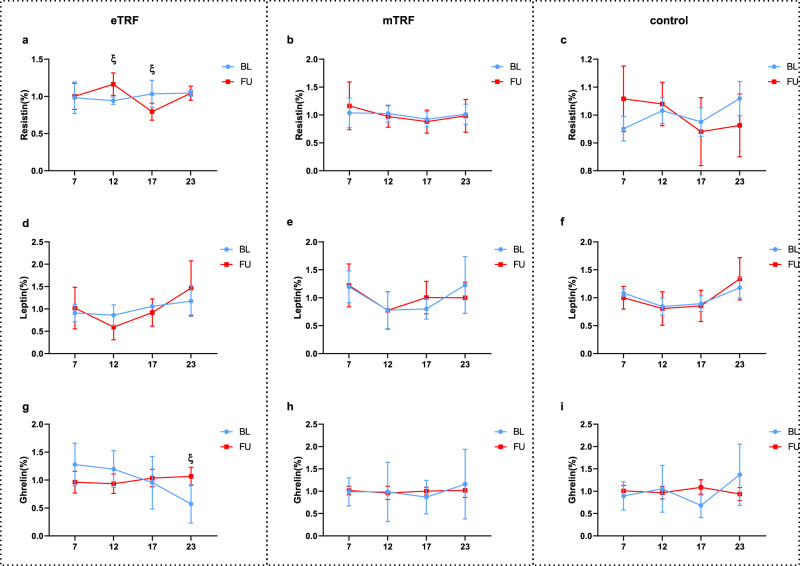
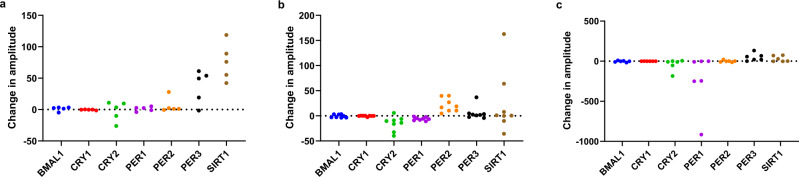
“A recent RCT led by Xie Z et al. [59]indicated that eTRF (involving a feeding window from 6:00 to 15:00) might enhance daily rhythms in human clock genes.”
Habe, B., Črešnovar, T., Petelin, A., Kenig, S., Mohorko, N., & Pražnikar, Z. J. (2025) · Nutrition & Metabolism · doi:10.1186/s12986-025-00984-3 · Cited by 11
“A further study [67] observed a significant reduction in AST only in the eTRE group, while no differences in mean changes in ALT were found between the eTRE, lTRE, and ER groups.”
Time-restricted feeding extends healthspan in both sexes and lifespan in male C57BL/6 J mice
Iiams, S. E., Skinner, N. J., Wight‐Carter, M., Acosta-Rodríguez, V. A., Green, C. B., & Takahashi, J. S. (2026) · Nature Aging · doi:10.1038/s43587-026-01129-8 · Cited by 11
“However, few studies have examined the benefits of TRF/TRE under typical metabolic conditions without diet-or genetically induced obesity 36–38 , and even fewer have compared impacts between the sexes 39 .”
Circadian clock and temporal meal pattern
Li, X., & Sun, Z. (2022) · Medical Review · doi:10.1515/mr-2022-0021 · Cited by 10
Zeng, X., Xie, S., Jiang, F., Li, X., Li, M., Zhang, T., Zhang, Y., Rao, S., Mo, Y., Zhang, H., et al. (2023) · British Journal Of Nutrition · doi:10.1017/s0007114523000818 · Cited by 11
“Second, in previous studies, TRE was reported to be associated with reduced fasting glucose and improved insulin sensitivity and lipid metabolism (27 – 29) , which play an essential role in the occurrence and progression of NAFLD (30,31) .”
MethodSelf-citationKarras, S. Ν., Koufakis, T., Popovic, D. S., Adamidou, L., Karalazou, P., Thisiadou, K., Zebekakis, P. E., Makedou, K., & Kotsa, K. (2023) · Nutrients · doi:10.3390/nu15245058 · Cited by 10
“Although it has been a field of intense medical research in the last decade, a limited number of studies have investigated its impact on adipokine levels in humans, mostly showing no significant effects [28].”
BackgroundJohnson, S. L., Murray, G., Kriegsfeld, L., Manoogian, E., Mason, L., Allen, J. D., Berk, M., Panda, S., Rajgopal, N., Gibson, J. C., et al. (2024) · BMC Psychiatry · doi:10.1186/s12888-024-05790-4 · Cited by 7
“Two small studies have shown TRE-related shifts in the circadian rhythm of clock gene expression [12, 13].”
BackgroundTime-Restricted Eating: Effects on Body Weight and Cardiometabolic Health
Peterson, C. M. (2024) · Springer eBooks · doi:10.1007/978-3-031-49622-6_4 · Cited by 10
Lee, H. A., Moon, H., Kim, Y., Lee, J. K., Lee, H. A., & Kim, H. Y. (2025) · Clinical Gastroenterology and Hepatology · doi:10.1016/j.cgh.2024.06.051 · Cited by 9
Habe, B., Črešnovar, T., Hladnik, M., Pražnikar, J., Kenig, S., Bandelj, D., Mohorko, N., Petelin, A., & Pražnikar, Z. J. (2025) · Nutrients · doi:10.3390/nu17142284 · Cited by 9
Chronic mistimed feeding results in renal fibrosis and disrupted circadian blood pressure rhythms
Benjamin, J. I., Pati, P., Luong, T., Liu, X., Miguel, C. D., Pollock, J. S., & Pollock, D. M. (2024) · American Journal of Physiology-Renal Physiology · doi:10.1152/ajprenal.00047.2024 · Cited by 9
Fu, W., Yang, K., Tang, R., Wang, J., Liu, Y., Liu, G., Lu, R., Zhang, W., Zhuo, L., Yang, J., et al. (2025) · Clinical Nutrition · doi:10.1016/j.clnu.2025.08.002 · Cited by 9
Kavanagh, K., Bashore, A. C., Davis, M. A., Jorgensen, M. J., McLouth, C. J., Beavers, D. P., & Parks, J. S. (2022) · Obesity · doi:10.1002/oby.23564 · Cited by 9
“In TRF clinical trials, small nonsignificant changes in HDL-C have been observed, but in one trial, small improvements were observed in the morning but they were no longer present when measures were repeated in the evening [6, 8, 24].”
BackgroundMonda, A., Casillo, M., Allocca, S., Moscatelli, F., Marra, M. L., Monda, V., Maio, G. D., Vasco, P., Monda, M., Polito, R., et al. (2026) · Nutrients · doi:10.3390/nu18020238 · Cited by 8
“For instance, levels of plasma Orexin-A were found to be significantly lower in obese compared to lean individuals, suggesting its involvement in human energy metabolism and fat accumulation [4–7].”
Time matters: circadian genetics and the molecular logic of human health and disease
Kuo, T. T., Wang, J., & Kay, S. A. (2026) · Nature Reviews Genetics · doi:10.1038/s41576-026-00962-2 · Cited by 8
Li, Q., Tan, D., Xiong, S., Zheng, H., Li, L., Yu, K., Su, Y., & Zhu, W. (2024) · Food Research International · doi:10.1016/j.foodres.2024.115186 · Cited by 8
Effect of chrono-nutrition–based dietary intervention on metabolic disease
Chen, Y. (2024) · Precision Nutrition · doi:10.1097/pn9.0000000000000076 · Cited by 8
“[72] Another study showed that eTRE was more effective than mid-day time-restricted eating (mTRE) at improving insulin sensitivity, reducing total body mass and fat mass. [73] More studies are needed for more effective TRE regimens in regulating metabolic related parameters.”
InfluentialYe, Y., Zhang, M., Lin, Z., & Tang, L. (2022) · Diabetes Metabolic Syndrome and Obesity · doi:10.2147/dmso.s376409 · Cited by 8
“This result is consistent with the latest findings from healthy non-obese volunteers showing that 16:8 IF was more beneficial when food was consumed between 06:00 and 15:00 (ie, early eating) vs 11:00 and 20:00 (midday eating).(22) Another study found that 12 weeks of TRE with a mealtime between 12:00 and 08:00 did no…”
ResultSelf-citationNutrition and Gut Microbiota–Immune System Interplay in Chronic Diseases
Reis, F., Ferreira, L. M. R., Ortega, E., & Viana, S. (2025) · Nutrients · doi:10.3390/nu17081330 · Cited by 8
Precision nutrition for the prevention and management of inflammatory bowel disease
Chen, J., Dan, L., Wellens, J., Jairath, V., Yanai, H. A., Khalili, H., Danese, S., Peyrin‐Biroulet, L., Wang, X., Li, X., et al. (2026) · Nature Reviews Gastroenterology & Hepatology · doi:10.1038/s41575-026-01213-9 · Cited by 7
“A study in 90 healthy volunteers demonstrated that time-restricted eating and intermittent fasting can mitigate inflammation and reshape the gut microbiota 134 .”
Miao, Y., Zhang, L., Zhang, D., Feng, M., Zhang, C., Zhao, T., Song, H., Zhong, X., Jiang, Z., Li, L., et al. (2024) · European Journal of Nutrition · doi:10.1007/s00394-024-03345-7 · Cited by 7
“Cell experiments show that the active form of vitamin D [1,25(OH) 2 D 3 ] can regulate the expression of intestinal calcium channel (CaT1), increase the absorption rate of intestinal calcium transport, and play a key role in maintaining calcium homeostasis [17].”
Haganes, K. L., Hawley, J. A., Lydersen, S., & Moholdt, T. T. (2025) · Scientific Reports · doi:10.1038/s41598-025-95743-y · Cited by 7
“While shorter and earlier TRE windows offer greater weight loss and cardiometabolic benefits, they are often less compatible with everyday life schedules, limiting long-term sustainability 53–55 .”
Wei, C., Xu, X., Zhang, J., Wang, X., Han, T., Zhang, Y., Pan, S., Zhu, M., Li, R., Lou, F., et al. (2025) · Nature Communications · doi:10.1038/s41467-025-58937-6 · Cited by 7
Huo, L., Li, Y., Fu, Y., Yang, Z., Jia, L., Li, C., & Zhang, B. (2025) · ALPHA PSYCHIATRY · doi:10.31083/ap44384 · Cited by 7
“We designed a 50-day TRE regimen, which has shown benefits for both metabolic health [18] and mental health [19].”
Scoping review of obesity interventions: Research frontiers and publication status
Zhang, L., Dai, S., Chen, Y. A., Jin, T., Li, W., Wang, W., Pu, J. Y., Jia, P., Zhao, L., & Sun, X. (2024) · iScience · doi:10.1016/j.isci.2024.109240 · Cited by 8
Integrative insights into cerebrometabolic disease: Understanding, management, and future prospects
Yan, G., Zhang, X., Liu, Y., Guo, P., Liu, Y., Li, X., Yong, V. W., & Xue, M. (2024) · Journal of Neurorestoratology · doi:10.1016/j.jnrt.2024.100107 · Cited by 7
Time-Restricted Eating and Bone Health: A Systematic Review with Meta-Analysis
Fernández‐Rodríguez, R., Garrido‐Miguel, M., Bizzozero‐Peroni, B., Goñi, V. D., Rodríguez‐Gutiérrez, E., Guzmán‐Pavón, M. J., Meseguer-Henarejos, A. B., & Torres-Costoso, A. I. (2024) · Nutrients · doi:10.3390/nu16060876 · Cited by 6
Intermittent fasting and cardiovascular disease: A scoping review of the evidence
Sebastian, S. A., Shah, Y., & Arsene, C. (2024) · Disease-a-Month · doi:10.1016/j.disamonth.2024.101778 · Cited by 6
Ranjbar, M., Shab‐Bidar, S., Mohammadi, H., & Djafarian, K. (2024) · Nutrition Reviews · doi:10.1093/nutrit/nuae070 · Cited by 6
Quang, D. T., Di, K. N., Cu, L. L., Hoa, H. N. T., Quynh, V. T., Ngoc, Q. P., & Thi, T. B. (2025) · PLoS ONE · doi:10.1371/journal.pone.0314685 · Cited by 7
Aktaş, H., ATAKAN, M. M., Aktitiz, S., Ergün, Z., Koşar, Ş. N., Astorino, T. A., & Turnagöl, H. H. (2025) · Clinical Nutrition · doi:10.1016/j.clnu.2025.04.022 · Cited by 6
Sun, Y., Liu, Y., Ye, W., Lebaka, V. R., Venkatrayulu, C., Li, W., & Korivi, M. (2025) · International Journal of Behavioral Nutrition and Physical Activity · doi:10.1186/s12966-025-01812-w · Cited by 6
“Regarding health status, four studies were conducted on healthy people [40, 46, 48, 52], eleven studies were conducted on individuals with overweight or obesity [12, 21, 23, 24, 39, 41, 42, 44, 45, 50, 51], two studies were conducted on adults with metabolic syndrome [43, 54], two studies were…”
InfluentialSelf-citationWong, P.-S., Wan, K., Dai, Z., Yu, A. P., Wong, S. H., & Poon, E. T. (2025) · Nutrition Reviews · doi:10.1093/nutrit/nuaf206 · Cited by 6
Sleep-Aligned Extended Overnight Fasting Improves Nighttime and Daytime Cardiometabolic Function
Grimaldi, D., Reid, K., Abbott, S. M., Knutson, K. L., & Zee, P. C. (2026) · Arteriosclerosis Thrombosis and Vascular Biology · doi:10.1161/atvbaha.125.323355 · Cited by 6
Billingsley, H., St‐Onge, M., Alonso, W., Kirkman, D. L., Kim, Y., & Carbone, S. (2023) · Nutrition Metabolism and Cardiovascular Diseases · doi:10.1016/j.numecd.2023.10.013 · Cited by 6
Time‐restricted eating affects human adipose tissue fat mobilization
Zambrano, C., González‐Alvarado, E., Salmerón, D., Ruiz‐Ojeda, F. J., Luján, J., Scheer, F. A. J. L., & Garaulet, M. (2024) · Obesity · doi:10.1002/oby.24057 · Cited by 7
“…suggests that TRE enhances lipolysis and fat breakdown compared with a regular eating pattern with meals every 4 h during the day and fasting during the nighttime, which might be linked to improved insulin sensitivity and reduced adiposity, as has been seen in previous clinical trials [ 12,36,37].”
Dietary restriction in senolysis and prevention and treatment of disease
Aminzadeh-Gohari, S., Kofler, B., & Herzog, C. M. S. (2022) · Critical Reviews in Food Science and Nutrition · doi:10.1080/10408398.2022.2153355 · Cited by 6
“A recent study in humans investigating the effects of restricting feeding to 8 h either in the morning or the middle of the day found that only “early”, but not “mid-day”, time-restricted feeding produced beneficial effects on insulin sensitivity (Xie et al. 2022).”
BackgroundZhao, W., Liu, Z., Fan, Z., Wu, Y., Lou, X., Liu, A., & Lu, X. (2023) · European Journal of Nutrition · doi:10.1007/s00394-022-03079-4 · Cited by 6
“Since an early supper could achieve a mild GR and an improved insulin sensitivity even in case of a high carbohydrate diet, as shown in the present study, the normal weight people may manage their blood glucose level by choosing an early supper rather than skipping their supper [51].”
BackgroundBaheti, B., Liu, X., Wang, M., Zhang, C., Dong, X., Kang, N., Li, L., Li, X., Yu, S., Hou, J., et al. (2023) · Nutrients · doi:10.3390/nu15061348 · Cited by 6
“Besides, some recent studies focusing on early timerestricted eating patterns (eTRE) illustrated that consuming food at earlier times of the day (dinner was not eaten) and extending the length of the night fast could produce metabolic health improvements, including weight loss, improved insulin sensitivity, fasting in…”
BackgroundIs the timing of eating relevant for weight loss?
Flanagan, A. (2025) · Proceedings of The Nutrition Society · doi:10.1017/s0029665124007547 · Cited by 5
“A 5-week trial by Xie et al. (61) compared an eTRE (06.00 – 15.00) and midday TRE (mTRE; 12.00 – 20.00) against a control group with a habitual daily eating window of > 8 h. Compared to the control group, the eTRE group lost 1 · 6 kg ( ± 1 · 4 kg) while the mTRE group lost 0 · 2 kg ( ± 2 · 2 kg), despite relatively es…”
InfluentialControversies and Perspectives of Time-Qualified Dietary Interventions
Lotti, S., Gallosti, S., Amicis, R. S. D., Bertoli, S., Colombini, B., Mazzoccoli, G., & Dinu, M. (2025) · Nutrients · doi:10.3390/nu17243894 · Cited by 6
“…while isocaloric TRE reduced body weight, it failed to provide additional benefits on glucose homeostasis or lipid profiles compared to a control diet, suggesting that without an improvement in diet quality or substantial weight loss, timing alone is insufficient to drive metabolic health [89].”
Circadian Alignment Through Time-Restricted Feeding: Implications for Health and Longevity
Iiams, S. E., Skinner, N. J., Green, C. B., & Takahashi, J. S. (2026) · Annual Review of Nutrition · doi:10.1146/annurev-nutr-112525-011241 · Cited by 6
Hamsho, M., Shkorfu, W., Terzi, M., Ranneh, Y., Varady, K. A., & Fadel, A. (2026) · Frontiers in Nutrition · doi:10.3389/fnut.2026.1887087 · Cited by 6
“The included studies were conducted in China (11, 12, 14, 21, 24, 37–41), United States (18, 42–46), Poland (47–49), Tunisia (22, 50), Iran (51, 52), Turkey (53, 54), Australia (55, 56), Germany (13), Spain (15), Czech Republic (57), Greece (16), Slovenia (20), Taiwan (58), Canada (59), Mexico…”
Wang, Z., Pu, R., Zhang, J., & Yang, G. (2024) · Journal of Periodontology · doi:10.1002/jper.24-0079 · Cited by 5
Li, M., Huang, J., Du, S., Sun, K., Chen, J., & Guo, F. (2024) · British Journal Of Nutrition · doi:10.1017/s0007114524001739 · Cited by 5
The Effect of Time-Restricted Eating on Sleep: A Systematic Review and Meta-analysis
Jin, X., Li, T., Xu, X., & Rong, S. (2025) · Nutrition Reviews · doi:10.1093/nutrit/nuaf051 · Cited by 5
Yang, Z., Li, X., Li, D., Wang, C., Song, Y., Ren, J., Li, K., & Chen, H. (2022) · Food & Function · doi:10.1039/d2fo02374a · Cited by 5
Menon, R. V., & Varghese, J. (2026) · Journal of Experimental Biology · doi:10.1242/jeb.250507 · Cited by 4
Wu, H., Shi, Y., Wang, Z., Wei, Z., Chong, C., 熊化忠, Wang, Z., & Ren, J. (2026) · Frontiers in Medicine · doi:10.3389/fmed.2025.1701888 · Cited by 4
“These changes cannot be explained solely by weight loss (34).”
Los, J., Broeders, W., Bahrar, H., Bulut, O. P., Bekkering, S., den Boeft, A., Sumpter, N. A., Cetinyurek‐Yavuz, A., Hol, I. H., Netea, M. G., et al. (2026) · Journal of the American Heart Association · doi:10.1161/jaha.125.048092 · Cited by 5
“22,23 The study did not interfere otherwise with the normal care of the patients.”
Lin, C., & Chen, C. (2024) · Nutrients · doi:10.3390/nu16121946 · Cited by 4
“Collectively, TRF can be considered a potential countermeasure for the prevention and treatment of obesity and metabolic disorders and the restoration of circadian rhythm; it may also have anti-aging effects in humans [20,21].”
BackgroundCui, R., Wei, Y., Liu, J., & Wang, G. (2024) · Diabetes Research and Clinical Practice · doi:10.1016/j.diabres.2024.111788 · Cited by 4
Johnson, S. L., Murray, G., Manoogian, E. N. C., Mason, L., Allen, J. D., Berk, M., Panda, S., Rajgopal, N. A., Gibson, J. C., Bower, C. D., et al. (2024) · BMC Psychiatry · doi:10.1186/s12888-024-06157-5 · Cited by 4
Bernabé, B. P., Oliveira, M. L., Wolf, P. G., McLeod, A., Gabel, K., Cares, K., Robinson, N., DiPiazza, B., Varady, K. A., & Tussing-Humphreys, L. M. (2025) · Endocrinology and Metabolism Clinics of North America · doi:10.1016/j.ecl.2024.10.007 · Cited by 4
Yin, J., Gu, M., Zhou, Y., Wang, Y., Zhang, M., Yang, Y., Cai, Y., He, S., & Peng, D. (2025) · Depression and Anxiety · doi:10.1155/da/5544651 · Cited by 4
“…attenuate the negative consequences of sleep disruption in rodents [41, 42], enhance neuronal function and autophagy in drosophila [43], reduce levels of in fl ammation [44, 45] and oxidative stress [14, 46, 47], increase the abundance of gut fl ora [48, 49], and promote weight loss [50] in humans.”
Ni, C. S., & Li, J. (2023) · Heliyon · doi:10.1016/j.heliyon.2023.e22814 · Cited by 5
“Interestingly, although not tested in patients with cancer, clinical practice in other conditions showed that the effects of TRE on metabolic response may be better when food intake is restricted to the middle of the day than to the late afternoon or evening periods [68,69].”
BackgroundPotential preventive effects of time-restricted eating on cancer
Fang, R., Yan, L., & Liao, Z. (2023) · journal of nutritional oncology · doi:10.1097/jn9.0000000000000004 · Cited by 5
Calorie Restriction with or without Time-Restricted Eating in Weight Loss. Reply.
Liu, D., & Zhang, H. (2022) · PubMed · doi:10.1056/nejmc2207023 · Cited by 3
Time-restricted eating in Alzheimer's disease: TREAD pilot trial design
Racette, S. B., Gunning, J. A., Eagan, D. E., Zaniletti, I., Smith, T. L., DeCuna, C. J., Hettiwatte, Y. S., Demeke, M. T., Khan, N. A., Aliskevich, E. L., et al. (2025) · Contemporary Clinical Trials Communications · doi:10.1016/j.conctc.2025.101564 · Cited by 3
Effects of time restricted feeding on sleep: A systematic review and meta-analysis
Lima, G. S., Vallim, J. R. D. S., Marques, C. G., dos Santos, R. V. T., Jahrami, H., Vazquez, D. G., Tufik, S., Pires, G. N., & D’Almeida, V. (2025) · Chronobiology International · doi:10.1080/07420528.2025.2577859 · Cited by 3
“It has also been shown that eTRF can help synchronize genetic clock rhythms and consequently improve insulin resistance resulting in weight reduction (Jamshed et al. 2019; Xie et al. 2022).”
Liu, S., Zhang, F., Wang, Y., Zhuo, K., & Zhao, Y. (2026) · Cells · doi:10.3390/cells15020193 · Cited by 3
Time-Restricted Eating and Symptom Severity in Irritable Bowel Syndrome: Results from a Pilot Study
Clausen, M. T., Sverdrup, H., Brevik, A., Molin, M., & Zinöcker, M. K. (2026) · Nutrients · doi:10.3390/nu18050765 · Cited by 3
Li, X., Guo, X., Zhou, Y., Cao, G., Chen, M., & Mu, J. (2025) · Journal of the International Society of Sports Nutrition · doi:10.1080/15502783.2025.2513943 · Cited by 3
“REV-ERBα inhibits fatty acid synthesis and increases acetyl-CoA carboxylase phosphorylation, while Per2 antagonizes PPARγ-driven lipogenesis, collectively improving lipid profiles [26].”
Metadata
- Authors
- Xie, Z., Sun, Y., Ye, Y., Hu, D., Zhang, H., He, Z., Zhao, H., Yang, H., & Mao, Y.
- Affiliations
- Chinese Academy of Medical Sciences & Peking Union Medical College (CN)
- Corresponding author
- Yang, Huayu
- Mao, Yilei
- Venue
- Nature Communications
- Published
- 2022-02-22
- Volume
- 13
- Issue
- 1
- Pages
- 1003-1003
- ISSN
- 2041-1723 (ISSN-L)
- PMC
- PMC8864028
- OpenAlex
- W4213105658
- Semantic Scholar
- efb9c9add571793e7e132061ec70c88fdfd63897
- Cited by
- 276
- References
- 75
- Citations by year
- 2026: 38 · 2025: 71 · 2024: 76 · 2023: 59 · 2022: 31
- FWCI
- 36.65
- Type
- journal article
- Language
- en
- Open access
- gold
- doi.org
- Licence
- cc-by
- creativecommons.org/licenses/by/4.0 (tdm)
- creativecommons.org/licenses/by/4.0 (vor)
- Locations
- Nature Communications (publishedVersion, cc-by)
- PubMed Central (publishedVersion, cc-by)
- PubMed (publishedVersion)
- RePEc: Research Papers in Economics (submittedVersion)
- DOAJ (DOAJ: Directory of Open Access Journals) (submittedVersion, cc-by-sa)
- Funders
- Chinese Academy of Medical Sciences (CIFMS No.2016-I2M-1-001)
- Topics
- Health Sciences › Medicine › Physiology (medical) › Dietary Effects on Health
- Health Sciences › Medicine › Public Health, Environmental and Occupational Health › Nutritional Studies and Diet
- Health Sciences › Medicine › Physiology (medical) › Diet and metabolism studies
- Keywords
- time-restricted feeding, insulin resistance, insulin sensitivity, fasting blood glucose, body mass, adiposity, inflammation, gut microbiota diversity, metabolic health, healthy volunteers
- MeSH terms
- Fasting, Glucose, Humans, Insulin Resistance, Obesity, Healthy Volunteers
About these checks
Registry, retraction, Cites and statistics results are computed, not judged, with one exception: a printed reference that no index lists is read once by a model before it counts as a citation error. Claims are extracted by a model and kept only when their quote appears verbatim in the text; each cited source is then checked, with a model’s help, for whether it says what the claim relies on. Those verdicts can be wrong — read the claim’s quote and the cited source before relying on one.
Statistics and arithmetic are recomputed, not judged.
Confidence bands are shown only for fields calibrated on our annotated test set. None is calibrated yet, so no band is shown.
What counts as a claim ›How we measure confidence ›How we check this ›
Are you an author, or do you see a problem with this page? Request a review
Data sources
Bibliographic data: Semantic Scholar, OpenAlex, Crossref.
Contains information from the Semantic Scholar Academic Graph Datasets, made available under the ODC Attribution License (ODC-BY 1.0).
Semantic Scholar’s data is described in: Kinney, R., et al. (2023). The Semantic Scholar Open Data Platform. arXiv:2301.10140.
