

ASGARD is A Single-cell Guided Pipeline to Aid Repurposing of Drugs
Open accessThe DOI matches its Crossref record; 82 of the 82 references it cites were found in a registry or an index; 31 of the 72 sources its claims cite were checked for support.
Abstract
Single-cell RNA sequencing technology has enabled in-depth analysis of intercellular heterogeneity in various diseases. However, its full potential for precision medicine has yet to be reached. Towards this, we propose A Single-cell Guided Pipeline to Aid Repurposing of Drugs (ASGARD) that defines a drug score to recommend drugs by considering all cell clusters to address the intercellular heterogeneity within each patient. ASGARD shows significantly better average accuracy on single-drug therapy compared to two bulk-cell-based drug repurposing methods. We also demonstrated that it performs considerably better than other cell cluster-level predicting methods. In addition, we validate ASGARD using the drug response prediction method TRANSACT with Triple-Negative-Breast-Cancer patient samples. We find that many top-ranked drugs are either approved by the Food and Drug Administration or in clinical trials treating corresponding diseases. In conclusion, ASGARD is a promising drug repurposing recommendation tool guided by single-cell RNA-seq for personalized medicine. ASGARD is free for educational use at https://github.com/lanagarmire/ASGARD.
Overview
CoChat Summary
TL;DR
ASGARD is a single-cell RNA-seq-guided drug repurposing pipeline that defines a multi-cluster drug score to account for intercellular heterogeneity within patients. It reports higher drug/compound prediction AUCs than bulk-based and other single-cell-based repurposing methods across breast cancer, leukemia, and COVID-19 datasets.
Key findings
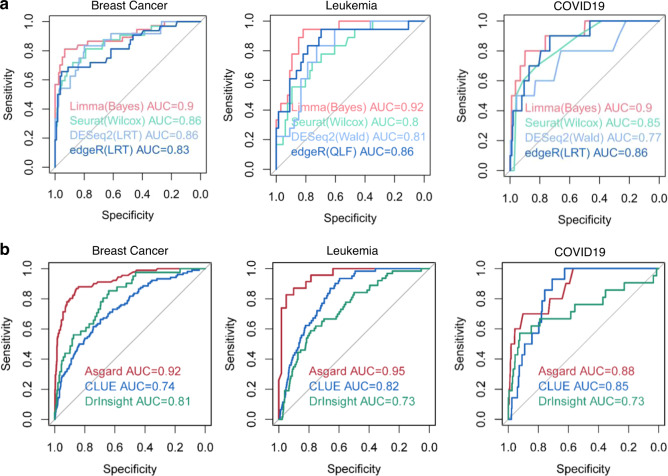
- ASGARD’s multi-cluster drug/compound AUCs were 0.92 for breast cancer, 0.95 for leukemia, and 0.88 for COVID-19, compared with CLUE (0.74, 0.82, 0.85) and DrInsight (0.81, 0.73, 0.73).
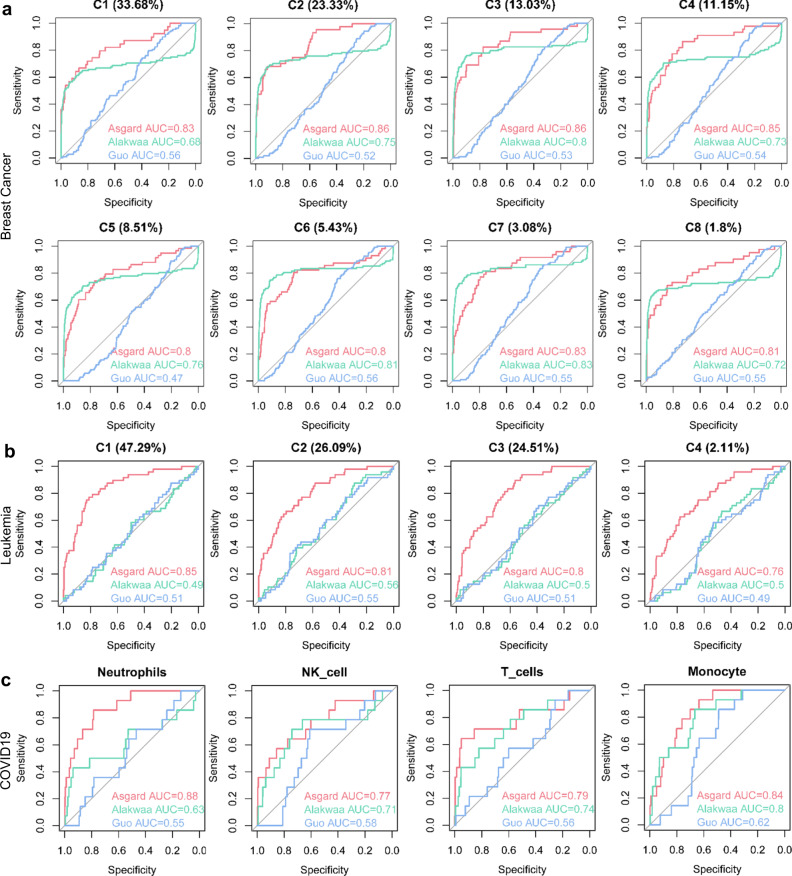
- At the single-cluster level, ASGARD had higher average AUCs than Alakwaa’s and Guo’s pipelines: breast cancer 0.83 vs 0.76 and 0.54; leukemia 0.81 vs 0.51 and 0.52; COVID-19 0.82 vs 0.72 and 0.58.
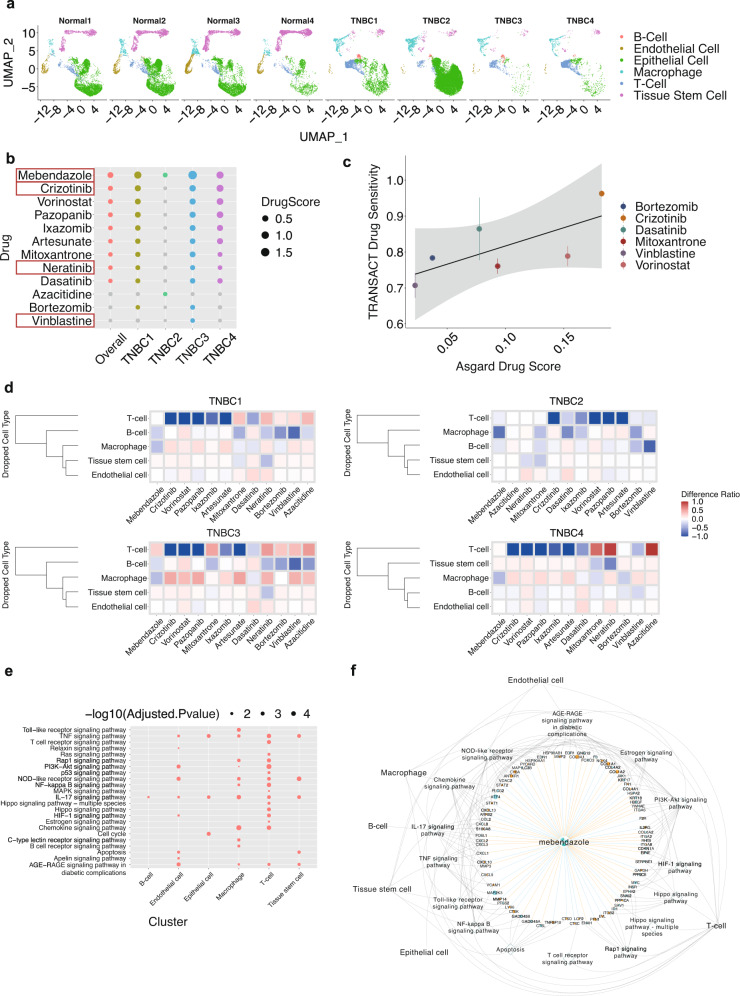
- In applications, ASGARD predicted 11 drugs for advanced metastatic breast cancer PDX models, with fostamatinib top-ranked and colchicine second; in TNBC patient samples it predicted 13 drugs, including mebendazole, crizotinib, neratinib, and vinblastine overlapping with PDX predictions.
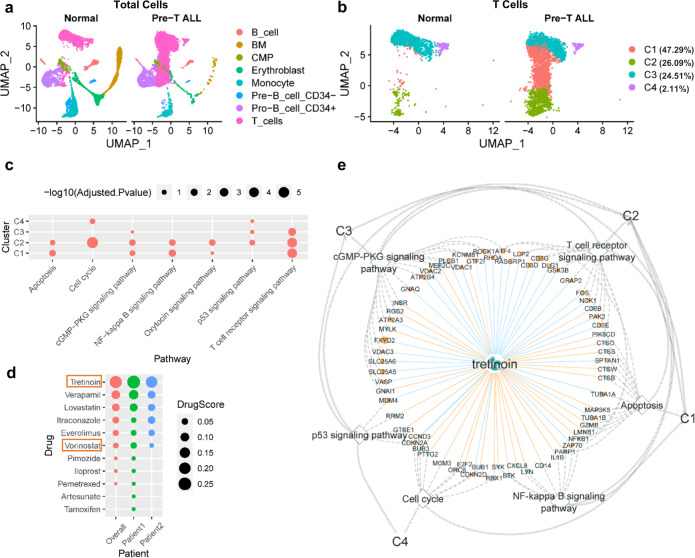
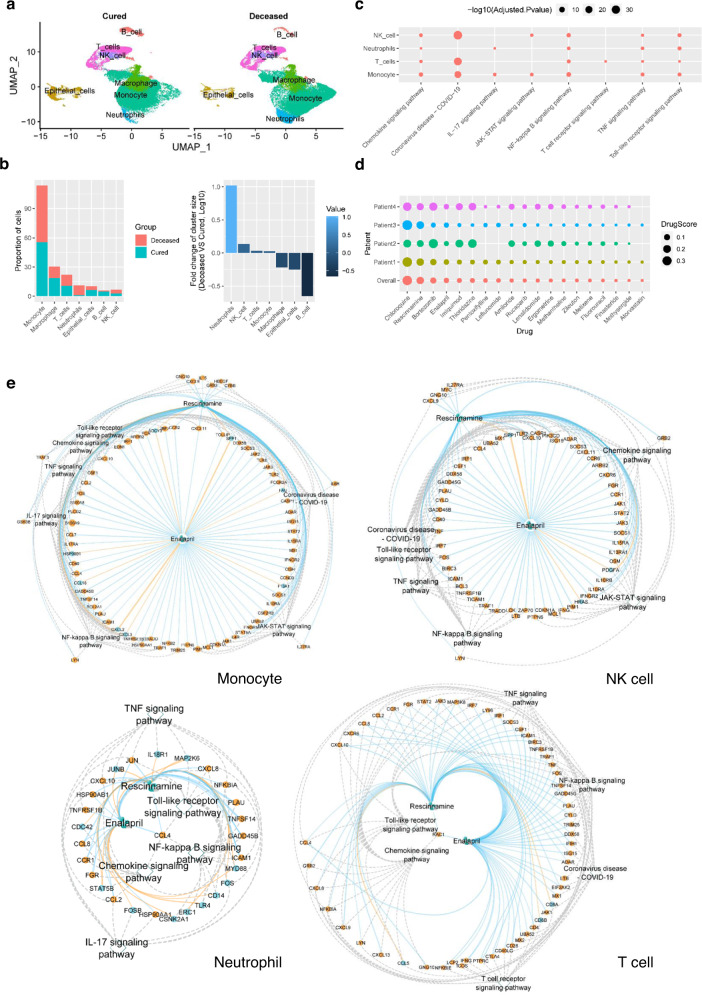
- For Pre-T ALL, the top candidate was tretinoin, an FDA-approved leukemia treatment; for severe COVID-19, rescinnamine (2nd) and enalapril (4th) were predicted, both ACE inhibitors.
Methods
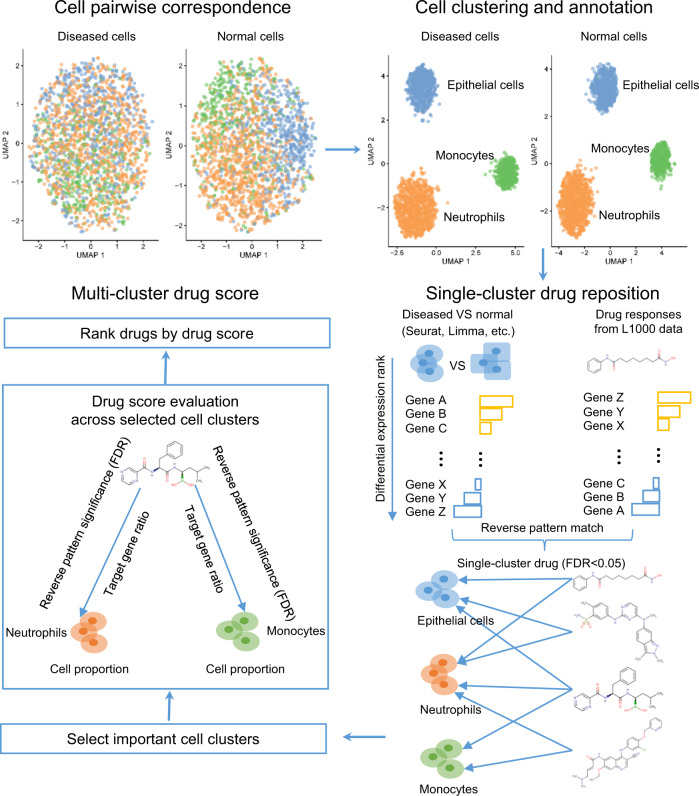
- ASGARD pairs diseased and normal cell clusters using “anchor” genes, imports differentially expressed genes (adjusted P-value < 0.05) from user-selected methods such as Limma, Seurat, DESeq2, or edgeR, and identifies drugs reversing expression patterns using LINCS L1000 drug response data, DrInsight, outlier-sum statistics, and Kolmogorov–Smirnov tests with Benjamini–Hochberg FDR adjustment.
- The drug score combines cell type proportion, single-cluster FDR significance, and the ratio of reversed significantly deregulated genes across selected clusters; ASGARD also provides a standardized drug score and Fisher’s combined P-value.
- Data included GEO scRNA-seq datasets: GSE161529 (4 TNBC patients, 4 controls), GSE123926 and GSE113197 (advanced metastatic TNBC PDX and normal breast epithelial cells), GSE132509 (2 Pre-T ALL patients, 3 controls), and GSE145926/GSE158055 (15 severe COVID-19 patients: 4 deceased, 11 cured). Evaluation used ROC/AUC with FDA-approved drugs and advanced clinical/animal-validated compounds as positives, plus simulation data based on GSE123926 and GSE113197.
Limitations
- The paper states that the best controls are normal tissues from the same patients, followed by matched patients without the disease, but such normal samples may be difficult to obtain; early-stage disease samples or tissues of relevant origin may be substitutes.
- The drug reference uses LINCS L1000 responses collected from 98 cell lines; the authors recommend tissue-specific drug references and, if unavailable, identifying a cell line whose baseline expression is most similar to control samples after adjusting for cell line vs. primary tissue differences.
- The paper notes sparsity and heterogeneity in single-cell data can cause false discoveries of differentially expressed genes, and DE method choice affected downstream AUC performance. Evident from the text: validation is largely computational/in silico and retrospective, with TRANSACT comparison limited to drugs in the GDSC dataset.
Model-written summary. Check it against the paper before relying on it.
Integrity signals
Registry
Cites
Statistics
Figures
Verification
Claims the paper makes
14 Valid · 2 Not valid · 26 Not checked · 81 Own results and interpretations
The cited sources support only part of this claim — read each source’s verdict below.
In the paper
“However, in heterogeneous diseases caused by multiple types of cells, efficient drugs should be able to address multiple cell clusters20.”
§ ASGARD is A Single-cell Guided Pipeline to Aid Repurposing of Drugs > Introduction
What the sources say
- Partly supportedcites [20] He B Combination therapeutics in complex diseases J. Cell. Mol. Med. 2016 20 2231 2240 10.1111/jcmm.12930 27605177 PMC5134672 sourceExperimental — accuracy not yet measured
In the section 'Combination therapeutics and drugs with multiple targets', our copy states that multi-target drugs 'might overcome molecular heterogeneity within or between patients diagnosed with complex diseases' and would therefore have a better chance of successful clinical development, and that redundant pathways (e.g. SMAD1/5/8 downstream of BMP) are 'optimally inhibited by multiple drugs'. So the source does support the general idea that heterogeneous complex diseases call for agents hitting multiple entities. However, the heterogeneity it describes is molecular (targets, pathways, patient molecular profiles), not cellular: no passage in our copy frames heterogeneous disease as 'caused by multiple types of cells' or argues that efficient drugs must address multiple 'cell clusters' (searched: cell clusters, cell types/subpopulations driving disease, single-cell clustering). That cellular framing is the citing authors' own and is not attributable to this review. (LLM, conf=0.72)
plainstates a possible cause- Asserted: passes — The authors put it forward as true.
- Checkable: unclear — It is unclear whether it could be checked against evidence.
- Load-bearing: passes — The paper’s conclusions depend on it.
- Based: passes — The paper gives a reason why it holds.
- Partly supported
The cited sources support only part of this claim — read each source’s verdict below.
In the paper
“However, its full potential for precision medicine has not been fulfilled14,15.”
§ ASGARD is A Single-cell Guided Pipeline to Aid Repurposing of Drugs > Introduction
What the sources say
- Partly supportedcites [14] Lähnemann D Eleven grand challenges in single-cell data science Genome Biol. 2020 21 31 10.1186/s13059-020-1926-6 32033589 PMC7007675 sourceExperimental — accuracy not yet measured
Our copy supports the general thrust — the Introduction states the opportunities of sc-seq are 'enormous' and 'only now' possible, and the whole paper frames eleven unresolved grand challenges with open problems, i.e. promise not yet realised. But the phrase 'precision medicine' does not occur in our copy (exact-phrase search returned only semantic neighbours), and the only patient-specific/clinical passage (Challenges in single-cell genomics, Fig. 4) ties future patient-specific treatments to scDNA-seq of tumour subclones — 'it is only within this evolutionary model that more efficient and more patient-specific treatments can be developed' — not to scRNA-seq. So the scRNA-seq-for-precision-medicine specificity of the claim is not stated by this source. (LLM, conf=0.68)
- Not checked yetcites [15] Garmire, L. X., Yuan, G.-C., Fan, R., Yeo, G. W. & Quackenbush, J. SINGLE CELL ANALYSIS, WHAT IS IN THE FUTURE? in Pacific Symposium on Biocomputing 2019. p.332–337 (WORLD SCIENTIFIC, 2018). source
plain- Asserted: passes — The authors put it forward as true.
- Checkable: passes — It can be checked against evidence.
- Load-bearing: passes — The paper’s conclusions depend on it.
- Based: passes — The paper gives a reason why it holds.
- Partly supported
The cited sources support only part of this claim — read each source’s verdict below.
In the paper
“The shared target genes and pathways in corresponding cells were previously shown related to death from COVID-1957–60.”
§ ASGARD is A Single-cell Guided Pipeline to Aid Repurposing of Drugs > Results > Drug repurposing for severe patients with coronavirus disease 2019 (COVID-19)
What the sources say
- Partly supportedcites [57] Bao C Natural killer cells associated with SARS-CoV-2 viral RNA shedding, antibody response and mortality in COVID-19 patients Exp. Hematol. Oncol. 2021 10 5 10.1186/s40164-021-00199-1 33504359 PMC7839286 sourceExperimental — accuracy not yet measured
The Abstract reports that lower natural killer (NK) cell counts correlate with worse survival in COVID-19 patients. Its Fig. 2 caption describes NK-cell mechanisms, but neither passage links shared target genes or pathways in corresponding cells to death, so that specific attribution is unsupported. (LLM, conf=0.82)
- Partly supportedcites [58] Vanderbeke L Monocyte-driven atypical cytokine storm and aberrant neutrophil activation as key mediators of COVID-19 disease severity Nat. Commun. 2021 12 4117 10.1038/s41467-021-24360-w 34226537 PMC8257697 sourceExperimental — accuracy not yet measured
The Results section on neutrophil extracellular trap formation links altered neutrophil gene expression to severe COVID-19, and the disturbed immuno-regulation section reports a cell-death-related pathway enriched in critical patients. Neither passage shows that the target genes or pathways are associated with patients dying from COVID-19; the reported comparisons are primarily by disease severity, not survival. (LLM, conf=0.84)
- Could not verifycites [59] Swadling L Maini MK T cells in COVID-19 - united in diversity Nat. Immunol. 2020 21 1307 1308 10.1038/s41590-020-0798-y 32895541 sourceExperimental — accuracy not yet measured
The Abstract discusses SARS-CoV-2-specific T-cell responses in mild and severe COVID-19, and the figure caption compares those responses by disease severity. Neither passage links shared target genes or pathways in corresponding cells to death from COVID-19; searches for that phrase and for mortality-related gene pathways found no such passage in our copy. (LLM, conf=0.76)
- Partly supportedcites [60] Ondracek AS Lang IM Neutrophil extracellular traps as prognostic markers in COVID-19: a welcome piece to the puzzle Arterioscler. Thromb. Vasc. Biol. 2021 41 995 998 10.1161/ATVBAHA.120.315633 33955780 PMC7837687 sourceExperimental — accuracy not yet measured
The main text (page unavailable in our copy) reports that higher circulating NET levels are associated with COVID-19 mortality and discusses NET-related coagulation and thrombosis in lethal cases. It does not identify shared target genes or show that pathways in corresponding cells are related to death. (LLM, conf=0.78)
plainstates an association- Asserted: passes — The authors put it forward as true.
- Checkable: passes — It can be checked against evidence.
- Load-bearing: passes — The paper’s conclusions depend on it.
- Based: passes — The paper gives a reason why it holds.
- Partly supported
The cited sources support only part of this claim — read each source’s verdict below.
In the paper
“The population of neutrophil, NK cell, T cell, and monocyte increased in deceased severe COVID patients compared to the cured ones, suggesting the important role of these four types of cells in COVID-19-related death57–60 (Fig. 6b).”
§ ASGARD is A Single-cell Guided Pipeline to Aid Repurposing of Drugs > Results > Drug repurposing for severe patients with coronavirus disease 2019 (COVID-19)
What the sources say
- Partly supportedcites [57] Bao C Natural killer cells associated with SARS-CoV-2 viral RNA shedding, antibody response and mortality in COVID-19 patients Exp. Hematol. Oncol. 2021 10 5 10.1186/s40164-021-00199-1 33504359 PMC7839286 sourceExperimental — accuracy not yet measured
The Results passages in our copy (indexed under Abstract; no page given) associate NK-cell counts and lymphocytopenia with survival, supporting a role for these cells in COVID-19 mortality. They do not establish that all four named cell populations were increased in deceased patients compared with cured patients. For NK cells, the reported direction is the opposite: lower counts were associated with worse survival. (LLM, conf=0.86)
- Partly supportedcites [58] Vanderbeke L Monocyte-driven atypical cytokine storm and aberrant neutrophil activation as key mediators of COVID-19 disease severity Nat. Commun. 2021 12 4117 10.1038/s41467-021-24360-w 34226537 PMC8257697 sourceExperimental — accuracy not yet measured
The Discussion identifies pro-inflammatory classical monocytes as a key determinant of severe COVID-19, and the Results link hyperactivated neutrophils to severe disease. But the paper compares mild-moderate with critical illness, not deceased with cured patients; its Results also report no significant difference in T-helper or cytotoxic T-cell counts between severity groups and do not establish that all four cell populations increase in patients who die. (LLM, conf=0.88)
- Partly supportedcites [59] Swadling L Maini MK T cells in COVID-19 - united in diversity Nat. Immunol. 2020 21 1307 1308 10.1038/s41590-020-0798-y 32895541 sourceExperimental — accuracy not yet measured
The discussion labeled Abstract in our copy reports stronger T-cell responses after severe COVID-19 and says T cells can contribute to immunopathology. It does not establish a role for T cells in COVID-19-related death, compare deceased patients with cured patients, or address neutrophils, NK cells, and monocytes in that comparison. The paper also says whether stronger CD4+ T-cell responses contribute to severity, rather than reflect it, remains uncertain. (LLM, conf=0.85)
- Partly supportedcites [60] Ondracek AS Lang IM Neutrophil extracellular traps as prognostic markers in COVID-19: a welcome piece to the puzzle Arterioscler. Thromb. Vasc. Biol. 2021 41 995 998 10.1161/ATVBAHA.120.315633 33955780 PMC7837687 sourceExperimental — accuracy not yet measured
The main text (page not specified) reports that neutrophil extracellular traps occur in lethal COVID-19 cases and that higher circulating levels are associated with mortality. It does not report increased populations of neutrophils, NK cells, T cells, and monocytes in deceased patients compared with cured patients, or link all four cell types to death. (LLM, conf=0.86)
hedgedstates an association- Asserted: passes — The authors put it forward as true.
- Checkable: passes — It can be checked against evidence.
- Load-bearing: passes — The paper’s conclusions depend on it.
- Based: passes — The paper gives a reason why it holds.
- Partly supported
The cited sources support only part of this claim — read each source’s verdict below.
In the paper
“All these genes and pathways were previously shown to have significance in the pathogenesis of Pre-T ALL52–54.”
§ ASGARD is A Single-cell Guided Pipeline to Aid Repurposing of Drugs > Results > Drug repurposing for precursor T cell acute lymphoblastic leukemia (Pre-T ALL)
What the sources say
- Partly supportedcites [52] Sawai CM Therapeutic targeting of the cyclin D3:CDK4/6 complex in T cell leukemia Cancer Cell 2012 22 452 465 10.1016/j.ccr.2012.09.016 23079656 PMC3493168 sourceExperimental — accuracy not yet measured
The Introduction (page unavailable) links cyclin D3 and Notch signaling to the development of T-cell acute lymphoblastic leukemia, and the Results describe a Notch-driven model of that disease. But the citing sentence does not identify what “all these genes and pathways” refers to, so this source cannot establish the claim for every item in that group. (LLM, conf=0.82)
- Not checked yetcites [53] Nagata K Ohtani K Nakamura M Sugamura K Activation of endogenous c-fos proto-oncogene expression by human T-cell leukemia virus type I-encoded p40tax protein in the human T-cell line, Jurkat J. Virol. 1989 63 3220 3226 10.1128/jvi.63.8.3220-3226.1989 2501514 PMC250891 source
- Partly supportedcites [54] Raetz EA Teachey DT T-cell acute lymphoblastic leukemia Hematol. Am. Soc. Hematol. Educ. Program 2016 2016 580 588 10.1182/asheducation-2016.1.580 PMC6142501 27913532 sourceExperimental — accuracy not yet measured
The Introduction (page not provided) identifies numerous potential oncogenic drivers and dysregulated pathways in T-ALL, which it describes as arising from T-cell precursors. But the citing sentence does not identify which genes and pathways “all these” refers to, so the source cannot verify that every one is covered; it also notes that genetic profiles vary by subtype. (LLM, conf=0.78)
plainstates an association- Asserted: passes — The authors put it forward as true.
- Checkable: passes — It can be checked against evidence.
- Load-bearing: unclear — It is unclear whether the paper’s conclusions depend on it.
- Based: passes — The paper gives a reason why it holds.
- Partly supported
69 more claims · 2 with their cited sources checked
Create a free account to see all 123 claims and to verify the 41 references still open.
- It may state two separate claims as one. 36
- Probably not a substantial claim. 22
- The quote only partly states this claim. 1
Claims other papers make about this one
Each is checked against this paper’s own text: does it say what the citing paper says it does?
In the citing paper
“Based on differential expression tests and order statistics, ASGARD [33] performs drug repurposing by creating a dependable drug score for repurposing drugs by using consistently differentially expressed genes as inputs to identify drugs that can significantly reverse their expression levels based on the L1000 drug response dataset.”
From A mini-review on perturbation modelling across single-cell omic modalities (2024) · cites this paper as [33]
Self-check
Percentages, sums and reported differences re-computed from the paper’s own numbers.
Each contradiction between two passages listed here was confirmed by an independent check.
Rated minor: it would not touch a result — a value no result rests on, a p-value that stays on the same side of the significance level, or a conflict that is clerical, resolved elsewhere in the paper, or outside its own findings.
In the paper
§ ASGARD is A Single-cell Guided Pipeline to Aid Repurposing of Drugs > Results > Drug repurposing for severe patients with coronavirus disease 2019 (COVID-19)
“Monocyte is the largest T cell population in both deceased and cured severe COVID-19 patients (Fig. 6b).”
§ ASGARD is A Single-cell Guided Pipeline to Aid Repurposing of Drugs > Results > Drug repurposing for severe patients with coronavirus disease 2019 (COVID-19)
“The population of neutrophil, NK cell, T cell, and monocyte increased in deceased severe COVID patients compared to the cured ones”
Rated minor: it would not touch a result — a value no result rests on, a p-value that stays on the same side of the significance level, or a conflict that is clerical, resolved elsewhere in the paper, or outside its own findings.
In the paper
§ ASGARD is A Single-cell Guided Pipeline to Aid Repurposing of Drugs > Results > Comparing ASGARD to bulk-cell based repurposing methods
“Seurat (Wilcox test) and edgeR perform similarly overall, where edgeR has slightly higher AUC (0.83–0.86) than Seurat (0.80–8.86).”
§ ASGARD is A Single-cell Guided Pipeline to Aid Repurposing of Drugs > Results > Comparing ASGARD to bulk-cell based repurposing methods
“The Limma (Bayes) method yields the best AUC in all three datasets ranging from (0.90-0.92)”
Rated minor: it would not touch a result — a value no result rests on, a p-value that stays on the same side of the significance level, or a conflict that is clerical, resolved elsewhere in the paper, or outside its own findings.
In the paper
§ ASGARD is A Single-cell Guided Pipeline to Aid Repurposing of Drugs > Discussion
“A case report showed the TNBC patient harboring the ALK fusion mutation had a dramatic response to crizotinib treatment69.”
§ ASGARD is A Single-cell Guided Pipeline to Aid Repurposing of Drugs > References
“69. Lo-Coco F Retinoic acid and arsenic trioxide for acute promyelocytic leukemia N. Engl. J. Med. 2013 369 111 121 10.1056/NEJMoa1300874 23841729”
Rated minor: it would not touch a result — a value no result rests on, a p-value that stays on the same side of the significance level, or a conflict that is clerical, resolved elsewhere in the paper, or outside its own findings.
In the paper
§ ASGARD is A Single-cell Guided Pipeline to Aid Repurposing of Drugs > Discussion
“Seurat, a method widely used in single-cell studies, has the 2nd best AUCs in general.”
§ ASGARD is A Single-cell Guided Pipeline to Aid Repurposing of Drugs > Results > Comparing ASGARD to bulk-cell based repurposing methods
“Seurat (Wilcox test) and edgeR perform similarly overall, where edgeR has slightly higher AUC (0.83–0.86) than Seurat (0.80–8.86).”
Citations
Cites
Moderated estimation of fold change and dispersion for RNA-seq data with DESeq2
Love, M. I., Huber, W., & Anders, S. (2014) · Genome Biology · doi:10.1186/s13059-014-0550-8 · Cited by 95,106
limma powers differential expression analyses for RNA-sequencing and microarray studies
Ritchie, M. E., Phipson, B., Wu, D., Hu, Y., Law, C. W., Shi, W., & Smyth, G. K. (2015) · Nucleic Acids Research · doi:10.1093/nar/gkv007 · Cited by 40,458
Comprehensive Integration of Single-Cell Data
Stuart, T., Butler, A., Hoffman, P., Hafemeister, C., Papalexi, E., Mauck, W. M., Hao, Y., Stoeckius, M., Smibert, P., & Satija, R. (2019) · Cell · doi:10.1016/j.cell.2019.05.031 · Cited by 15,453
pROC: an open-source package for R and S+ to analyze and compare ROC curves
Robin, X., Turck, N., Hainard, A., Tiberti, N., Lisacek, F., Sanchez, J.-C., & Müller, M. (2011) · BMC Bioinformatics · doi:10.1186/1471-2105-12-77 · Cited by 13,697
voom: precision weights unlock linear model analysis tools for RNA-seq read counts
Law, C. W., Chen, Y., Shi, W., & Smyth, G. K. (2014) · Genome Biology · doi:10.1186/gb-2014-15-2-r29 · Cited by 6,155
Lamb, J., Crawford, E. D., Peck, D., Modell, J. W., Blat, I. C., Wrobel, M. J., Lerner, J., Brunet, J.-P., Subramanian, A., Ross, K. N., et al. (2006) · Science · doi:10.1126/science.1132939 · Cited by 5,257
McCarthy, D. J., Chen, Y., & Smyth, G. K. (2012) · Nucleic Acids Research · doi:10.1093/nar/gks042 · Cited by 5,195
Aran, D., Looney, A. P., Liu, L., Wu, E., Fong, V., Hsu, A., Chak, S., Naikawadi, R. P., Wolters, P. J., Abate, A. R., et al. (2019) · Nature Immunology · doi:10.1038/s41590-018-0276-y · Cited by 4,984
Drug repurposing: progress, challenges and recommendations
Pushpakom, S., Iorio, F., Eyers, P. A., Escott, K. J., Hopper, S., Wells, A., Doig, A., Guilliams, T., Latimer, J., McNamee, C., et al. (2019) · Nature Reviews Drug Discovery · doi:10.1038/nrd.2018.168 · Cited by 4,718
Yang, W., Soares, J., Greninger, P., Edelman, E. J., Lightfoot, H., Forbes, S., Bindal, N., Beare, D., Smith, J. A., Thompson, I. R., et al. (2012) · Nucleic Acids Research · doi:10.1093/nar/gks1111 · Cited by 4,051
Tumour heterogeneity and resistance to cancer therapies
Dagogo-Jack, I., & Shaw, A. T. (2018) · Nature Reviews Clinical Oncology · doi:10.1038/nrclinonc.2017.166 · Cited by 3,846 · cited 3×
“Preprocessing steps remove the following cells from the dataset: (1) epithelial cells from breast cancer PDXs and healthy breast tissues with fewer than 200 unique genes, (2) PBMC cells from Article https://doi.”
BackgroundMethodA Next Generation Connectivity Map: L1000 Platform and the First 1,000,000 Profiles
Subramanian, A., Narayan, R., Corsello, S. M., Peck, D. D., Natoli, T. E., Lu, X., Gould, J., Davis, J. F., Tubelli, A. A., Asiedu, J. K., et al. (2017) · Cell · doi:10.1016/j.cell.2017.10.049 · Cited by 3,515
Single-cell landscape of bronchoalveolar immune cells in patients with COVID-19
Liao, M., Liu, Y., Yuan, J., Wen, Y., Xu, G., Zhao, J., Cheng, L., Li, J., Wang, X., Wang, F., et al. (2020) · Nature Medicine · doi:10.1038/s41591-020-0901-9 · Cited by 2,614
An inflammatory cytokine signature predicts COVID-19 severity and survival
Del Valle, D. M., Kim-Schulze, S., Huang, H.-H., Beckmann, N. D., Nirenberg, S., Wang, B., Lavin, Y., Swartz, T. H., Madduri, D., Stock, A., et al. (2020) · Nature Medicine · doi:10.1038/s41591-020-1051-9 · Cited by 2,605
Retinoic Acid and Arsenic Trioxide for Acute Promyelocytic Leukemia
Lo-Coco, F., Avvisati, G., Vignetti, M., Thiede, C., Orlando, S. M., Iacobelli, S., Ferrara, F., Fazi, P., Cicconi, L., Di Bona, E., et al. (2013) · New England Journal of Medicine · doi:10.1056/nejmoa1300874 · Cited by 1,611
The SIDER database of drugs and side effects
Kuhn, M., Letunic, I., Jensen, L. J., & Bork, P. (2016) · Nucleic Acids Research · doi:10.1093/nar/gkv1075 · Cited by 1,451
Bayesian approach to single-cell differential expression analysis
Kharchenko, P. V., Silberstein, L., & Scadden, D. T. (2014) · Nature Methods · doi:10.1038/nmeth.2967 · Cited by 1,348
Eleven grand challenges in single-cell data science
Lähnemann, D., Köster, J., Szczurek, E., McCarthy, D. J., Hicks, S. C., Robinson, M. D., Vallejos, C. A., Campbell, K. R., Beerenwinkel, N., Mahfouz, A., et al. (2020) · Genome Biology · doi:10.1186/s13059-020-1926-6 · Cited by 1,327
Confronting false discoveries in single-cell differential expression
Squair, J. W., Gautier, M., Kathe, C., Anderson, M. A., James, N. D., Hutson, T. H., Hudelle, R., Qaiser, T., Matson, K. J. E., Barraud, Q., et al. (2021) · doi:10.1101/2021.03.12.435024 · Cited by 1,086
The Drug Repurposing Hub: a next-generation drug library and information resource
Corsello, S. M., Bittker, J. A., Liu, Z., Gould, J., McCarren, P., Hirschman, J. E., Johnston, S. E., Vrcic, A., Wong, B., Khan, M., et al. (2017) · Nature Medicine · doi:10.1038/nm.4306 · Cited by 1,015
COVID-19 immune features revealed by a large-scale single-cell transcriptome atlas
Ren, X., Wen, W., Fan, X., Hou, W., Su, B., Cai, P., Li, J., Liu, Y., Tang, F., Zhang, F., et al. (2021) · Cell · doi:10.1016/j.cell.2021.01.053 · Cited by 865
Self-citationSaura, C., Oliveira, M., Feng, Y.-H., Dai, M.-S., Chen, S.-W., Hurvitz, S. A., Kim, S.-B., Moy, B., Delaloge, S., Gradishar, W., et al. (2020) · Journal of Clinical Oncology · doi:10.1200/jco.20.00147 · Cited by 604
Single-cell analysis tools for drug discovery and development
Heath, J. R., Ribas, A., & Mischel, P. S. (2016) · Nature Reviews Drug Discovery · doi:10.1038/nrd.2015.16 · Cited by 473
Pal, B., Chen, Y., Vaillant, F., Capaldo, B. D., Joyce, R., Song, X., Bryant, V. L., Penington, J. S., Di Stefano, L., Tubau Ribera, N., et al. (2021) · The EMBO Journal · doi:10.15252/embj.2020107333 · Cited by 469
Targeting the PI3K/AKT/mTOR pathway in triple-negative breast cancer: a review
Costa, R. L. B., Han, H. S., & Gradishar, W. J. (2018) · Breast Cancer Research and Treatment · doi:10.1007/s10549-018-4697-y · Cited by 439
Causes of death and comorbidities in hospitalized patients with COVID-19
Elezkurtaj, S., Greuel, S., Ihlow, J., Michaelis, E. G., Bischoff, P., Kunze, C. A., Sinn, B. V., Gerhold, M., Hauptmann, K., Ingold-Heppner, B., et al. (2021) · Scientific Reports · doi:10.1038/s41598-021-82862-5 · Cited by 413
The potential and controversy of targeting STAT family members in cancer
Verhoeven, Y., Tilborghs, S., Jacobs, J., De Waele, J., Quatannens, D., Deben, C., Prenen, H., Pauwels, P., Trinh, X. B., Wouters, A., et al. (2020) · Seminars in Cancer Biology · doi:10.1016/j.semcancer.2019.10.002 · Cited by 409
Profiling human breast epithelial cells using single cell RNA sequencing identifies cell diversity
Nguyen, Q. H., Pervolarakis, N., Blake, K., Ma, D., Davis, R. T., James, N., Phung, A. T., Willey, E., Kumar, R., Jabart, E., et al. (2018) · Nature Communications · doi:10.1038/s41467-018-04334-1 · Cited by 379
Intratumoral heterogeneity and clonal evolution in liver cancer
Losic, B., Craig, A. J., Villacorta-Martin, C., Martins-Filho, S. N., Akers, N., Chen, X., Ahsen, M. E., von Felden, J., Labgaa, I., DʹAvola, D., et al. (2020) · Nature Communications · doi:10.1038/s41467-019-14050-z · Cited by 363
T-cell acute lymphoblastic leukemia
Raetz, E. A., & Teachey, D. T. (2016) · Hematology · doi:10.1182/asheducation-2016.1.580 · Cited by 317
Genomic Heterogeneity as a Barrier to Precision Medicine in Gastroesophageal Adenocarcinoma
Pectasides, E., Stachler, M. D., Derks, S., Liu, Y., Maron, S., Islam, M., Alpert, L., Kwak, H., Kindler, H., Polite, B., et al. (2018) · Cancer Discovery · doi:10.1158/2159-8290.cd-17-0395 · Cited by 307
Albendazole and Mebendazole as Anti-Parasitic and Anti-Cancer Agents: an Update
Chai, J.-Y., Jung, B.-K., & Hong, S.-J. (2021) · The Korean Journal of Parasitology · doi:10.3347/kjp.2021.59.3.189 · Cited by 286
Power analysis and sample size estimation for RNA-Seq differential expression
Ching, T., Huang, S., & Garmire, L. X. (2014) · RNA · doi:10.1261/rna.046011.114 · Cited by 263
Self-citationHeterogeneity in Colorectal Cancer: A Challenge for Personalized Medicine?
Molinari, C., Marisi, G., Passardi, A., Matteucci, L., De Maio, G., & Ulivi, P. (2018) · International Journal of Molecular Sciences · doi:10.3390/ijms19123733 · Cited by 262
Vanderbeke, L., Van Mol, P., Van Herck, Y., De Smet, F., Humblet-Baron, S., Martinod, K., Antoranz, A., Arijs, I., Boeckx, B., Bosisio, F. M., et al. (2021) · Nature Communications · doi:10.1038/s41467-021-24360-w · Cited by 247
Nagata, K., Ohtani, K., Nakamura, M., & Sugamura, K. (1989) · Journal of Virology · doi:10.1128/jvi.63.8.3220-3226.1989 · Cited by 239
Caprio, F. Z., & Sorond, F. A. (2019) · Medical Clinics of North America · doi:10.1016/j.mcna.2018.10.001 · Cited by 219
Hue, S., Beldi-Ferchiou, A., Bendib, I., Surenaud, M., Fourati, S., Frapard, T., Rivoal, S., Razazi, K., Carteaux, G., Delfau-Larue, M.-H., et al. (2020) · American Journal of Respiratory and Critical Care Medicine · doi:10.1164/rccm.202005-1885oc · Cited by 196
Therapeutic Targeting of the Cyclin D3:CDK4/6 Complex in T Cell Leukemia
Sawai, C. M., Freund, J., Oh, P., Ndiaye-Lobry, D., Bretz, J. C., Strikoudis, A., Genesca, L., Trimarchi, T., Kelliher, M. A., Clark, M., et al. (2012) · Cancer Cell · doi:10.1016/j.ccr.2012.09.016 · Cited by 183
Outlier sums for differential gene expression analysis
Tibshirani, R., & Hastie, T. (2007) · Biostatistics · doi:10.1093/biostatistics/kxl005 · Cited by 174
Sasidharan Nair, V., Toor, S. M., Ali, B. R., & Elkord, E. (2018) · Expert Opinion on Therapeutic Targets · doi:10.1080/14728222.2018.1471137 · Cited by 159
Harnessing big ‘omics’ data and AI for drug discovery in hepatocellular carcinoma
Chen, B., Garmire, L., Calvisi, D. F., Chua, M.-S., Kelley, R. K., & Chen, X. (2020) · Nature Reviews Gastroenterology & Hepatology · doi:10.1038/s41575-019-0240-9 · Cited by 154
Self-citationEvaluation of Cell Type Annotation R Packages on Single-Cell RNA-Seq Data
Huang, Q., Liu, Y., Du, Y., & Garmire, L. X. (2021) · Genomics, Proteomics & Bioinformatics · doi:10.1016/j.gpb.2020.07.004 · Cited by 149
Self-citationMerino, D., Weber, T. S., Serrano, A., Vaillant, F., Liu, K., Pal, B., Di Stefano, L., Schreuder, J., Lin, D., Chen, Y., et al. (2019) · Nature Communications · doi:10.1038/s41467-019-08595-2 · Cited by 145
Powerful p-value combination methods to detect incomplete association
Yoon, S., Baik, B., Park, T., & Nam, D. (2021) · Scientific Reports · doi:10.1038/s41598-021-86465-y · Cited by 129
Cherry, C., Maestas, D. R., Han, J., Andorko, J. I., Cahan, P., Fertig, E. J., Garmire, L. X., & Elisseeff, J. H. (2021) · Nature Biomedical Engineering · doi:10.1038/s41551-021-00770-5 · Cited by 120
Self-citationShinde, A., Hardy, S. D., Kim, D., Akhand, S. S., Jolly, M. K., Wang, W.-H., Anderson, J. C., Khodadadi, R. B., Brown, W. S., George, J. T., et al. (2019) · Cancer Research · doi:10.1158/0008-5472.can-18-2636 · Cited by 115
Combination therapeutics in complex diseases
He, B., Lu, C., Zheng, G., He, X., Wang, M., Chen, G., Zhang, G., & Lu, A. (2016) · Journal of Cellular and Molecular Medicine · doi:10.1111/jcmm.12930 · Cited by 112
Self-citationFostamatinib for the treatment of chronic immune thrombocytopenia
Connell, N. T., & Berliner, N. (2019) · Blood · doi:10.1182/blood-2018-11-852491 · Cited by 108
Heterogeneity of Alzheimer’s disease: consequence for drug trials?
Devi, G., & Scheltens, P. (2018) · Alzheimer's Research & Therapy · doi:10.1186/s13195-018-0455-y · Cited by 102
Ling, B., Watt, K., Banerjee, S., Newsted, D., Truesdell, P., Adams, J., Sidhu, S. S., & Craig, A. W. B. (2017) · Oncotarget · doi:10.18632/oncotarget.17702 · Cited by 92
Caron, M., St-Onge, P., Sontag, T., Wang, Y. C., Richer, C., Ragoussis, J., Sinnett, D., & Bourque, G. (2020) · Scientific Reports · doi:10.1038/s41598-020-64929-x · Cited by 88
Detecting heterogeneity in single-cell RNA-Seq data by non-negative matrix factorization
Zhu, X., Ching, T., Pan, X., Weissman, S. M., & Garmire, L. (2017) · PeerJ · doi:10.7717/peerj.2888 · Cited by 86
Self-citationUsing single‐cell multiple omics approaches to resolve tumor heterogeneity
Ortega, M. A., Poirion, O., Zhu, X., Huang, S., Wolfgruber, T. K., Sebra, R., & Garmire, L. X. (2017) · Clinical and Translational Medicine · doi:10.1186/s40169-017-0177-y · Cited by 81
Self-citationT cells in COVID-19 — united in diversity
Swadling, L., & Maini, M. K. (2020) · Nature Immunology · doi:10.1038/s41590-020-0798-y · Cited by 77
Bower, J. J., Vance, L. D., Psioda, M., Smith-Roe, S. L., Simpson, D. A., Ibrahim, J. G., Hoadley, K. A., Perou, C. M., & Kaufmann, W. K. (2017) · npj Breast Cancer · doi:10.1038/s41523-017-0009-7 · Cited by 76
Mourragui, S. M. C., Loog, M., Vis, D. J., Moore, K., Manjón, A. G., van de Wiel, M. A., Reinders, M. J. T., & Wessels, L. F. A. (2021) · Proceedings of the National Academy of Sciences · doi:10.1073/pnas.2106682118 · Cited by 57
Lv, X., He, C., Huang, C., Hua, G., Wang, Z., Remmenga, S. W., Rodabough, K. J., Karpf, A. R., Dong, J., Davis, J. S., et al. (2017) · Molecular Cancer Therapeutics · doi:10.1158/1535-7163.mct-16-0626 · Cited by 53
Sominsky, L., Walker, D. W., & Spencer, S. J. (2020) · Brain, Behavior, and Immunity · doi:10.1016/j.bbi.2020.03.016 · Cited by 52
Breaking the paradigm: Dr Insight empowers signature-free, enhanced drug repurposing
Chan, J., Wang, X., Turner, J. A., Baldwin, N. E., & Gu, J. (2019) · Bioinformatics · doi:10.1093/bioinformatics/btz006 · Cited by 50
Zeng, B., Glicksberg, B. S., Newbury, P., Chekalin, E., Xing, J., Liu, K., Wen, A., Chow, C., & Chen, B. (2021) · Nature Protocols · doi:10.1038/s41596-020-00430-z · Cited by 48
Bao, C., Tao, X., Cui, W., Hao, Y., Zheng, S., Yi, B., Pan, T., Young, K. H., & Qian, W. (2021) · Experimental Hematology & Oncology · doi:10.1186/s40164-021-00199-1 · Cited by 47
Ayoub, N., Al-Shami, K., Alqudah, M. A. Y., & Mhaidat, N. (2017) · OncoTargets and Therapy · doi:10.2147/ott.s148604 · Cited by 38
Jing, B., Jin, J., Xiang, R., Liu, M., Yang, L., Tong, Y., Xiao, X., Lei, H., Liu, W., Xu, H., et al. (2018) · Cell Death & Disease · doi:10.1038/s41419-018-0679-6 · Cited by 38
Self-citationRepurposing Didanosine as a Potential Treatment for COVID-19 Using Single-Cell RNA Sequencing Data
Alakwaa, F. M. (2020) · mSystems · doi:10.1128/msystems.00297-20 · Cited by 38
Novel Colchicine Derivatives and their Anti-cancer Activity
Johnson, L., Goping, I. S., Rieger, A., Mane, J. Y., Huzil, T., Banerjee, A., Luduena, R., Hassani, B., Winter, P., & Tuszynski, J. A. (2017) · Current Topics in Medicinal Chemistry · doi:10.2174/1568026617666170104143618 · Cited by 33
Prediction of repurposed drugs for treating lung injury in COVID-19
He, B., & Garmire, L. (2020) · F1000Research · doi:10.12688/f1000research.23996.2 · Cited by 33
Self-citationSiddiqi, T., Frankel, P., Beumer, J. H., Kiesel, B. F., Christner, S., Ruel, C., Song, J. Y., Chen, R., Kelly, K. R., Ailawadhi, S., et al. (2020) · Leukemia & Lymphoma · doi:10.1080/10428194.2019.1672052 · Cited by 30
Drug discovery in traditional Chinese medicine: From herbal fufang to combinatory drugs
He, B. H., Lu, C. C., Wang, M., Zheng, G., Chen, G., Jiang, M., He, X., Bian, Z., Zhang, G., & Lü, A. (2015) · HKBU Institutional Repository (Hong Kong Baptist University) · Cited by 28
Self-citationPrediction of repurposed drugs for treating lung injury in COVID-19
He, B., & Garmire, L. X. (2020) · F1000Research · doi:10.12688/f1000research.23996.1 · Cited by 27
Self-citationGao, M., Chen, G., Wang, H., Xie, B., Hu, L., Kong, Y., Yang, G., Tao, Y., Han, Y., Wu, X., et al. (2016) · Oncotarget · doi:10.18632/oncotarget.8667 · Cited by 23
Neutrophil Extracellular Traps as Prognostic Markers in COVID-19: A Welcome Piece to the Puzzle
Ondracek, A. S., & Lang, I. M. (2021) · Arteriosclerosis, Thrombosis, and Vascular Biology · doi:10.1161/atvbaha.120.315633 · Cited by 20
Thomas, X., Anglaret, B., Thiebaut, A., Belhabri, A., Treille-Ritouet, D., Fiere, D., & Archimbaud, E. (1997) · Annals of Hematology · doi:10.1007/s002770050342 · Cited by 19
First-Line and Salvage Therapy of Metastatic Breast Cancer with Mitomycin/Vinblastine
Sedlacek, S. M. (2009) · Oncology · doi:10.1159/000227243 · Cited by 17
Wang, Z., Guo, K., Gao, P., Pu, Q., Wu, M., Li, C., & Hur, J. (2020) · arXiv · doi:10.48550/arxiv.2005.07856 · Cited by 9
New drug: Neratinib for breast cancer
(2019) · Australian Prescriber · doi:10.18773/austprescr.2019.074 · Cited by 4
Smith, B. D., Hsu, Y.-H., Flores, R., Gagea, M., Craig, S. L., & Hung, M. (2018) · PubMed · Cited by 3
SINGLE CELL ANALYSIS, WHAT IS IN THE FUTURE?
Garmire, L. X., Yuan, G.-C., Fan, R., Yeo, G. W., & Quackenbush, J. (2018) · Biocomputing 2019 · doi:10.1142/9789813279827_0030 · Cited by 2
Self-citationlanagarmire/Single-cell-drug-repositioning: Single cell drug repositioning
HeBingHB, & Garmire Group (2023) · Zenodo (CERN European Organization for Nuclear Research) · doi:10.5281/zenodo.7613981 · Cited by 2
Tretinoin in the treatment of acute promyelocytic leukemia.
Wm, W. (1996) · PubMed · Cited by 1
lanagarmire/Asgard: ASGARD: A Single-cell Guided Pipeline to Aid Repurposing of Drugs
HeBingHB, & Garmire Group (2023) · Zenodo (CERN European Organization for Nuclear Research) · doi:10.5281/zenodo.7582789 · Cited by 1
Intercellular signaling dynamics from a single cell atlas of the biomaterials response
Cherry, C., Maestas, D. R., Han, J., Andorko, J. I., Cahan, P., Fertig, E. J., Garmire, L. X., & Elisseeff, J. H. (2020) · doi:10.1101/2020.07.24.218537
Self-citation
Research works printed but not linked: 3
- Farooq, M. & Patel, S. P. Fulvestrant. In StatPearls (2020). 32809689
- Vorinostat. in LiverTox: Clinical and Research Information on Drug-Induced Liver Injury (National Institute of Diabetes and Digestive and Kidney Diseases, 2020). 31643176
- Mourragui, S. et al. Predicting patient response with models trained on cell lines and patient-derived xenografts by nonlinear transfer learning. Proc. Natl. Acad. Sci.118, e2106682118 (2021) PMC8670522 34873056 · DOI
Cited by
Applications of Artificial Intelligence in Drug Repurposing
Wan, Z., Sun, X., Li, Y., Chu, T., Hao, X., Cao, Y., & Zhang, P. (2025) · Advanced Science · doi:10.1002/advs.202411325 · Cited by 129
Self-citationActive learning framework leveraging transcriptomics identifies modulators of disease phenotypes
DeMeo, B., Nesbitt, C., Miller, S. A., Burkhardt, D. B., Lipchina, I., Fu, D., Holderrieth, P., Kim, D., Kolchenko, S., Szałata, A., et al. (2025) · Science · doi:10.1126/science.adi8577 · Cited by 90
“More broadly, identifying disease signatures is a rapidly developing field, and the most recent methods focus on differential expression between cell states ( 24 ), as we do here.”
A mini-review on perturbation modelling across single-cell omic modalities
Gavriilidis, G. I., Vasileiou, V., Orfanou, A., Ishaque, N., & Psomopoulos, F. (2024) · Computational and Structural Biotechnology Journal · doi:10.1016/j.csbj.2024.04.058 · Cited by 54
“Based on differential expression tests and order statistics, ASGARD [33] performs drug repurposing by creating a dependable drug score for repurposing drugs by using consistently differentially expressed genes as inputs to identify drugs that can significantly reverse their expression levels based…”
BackgroundThe FOXP3+ Pro-Inflammatory T Cell: A Potential Therapeutic Target in Crohn’s Disease
Kosinsky, R. L., Gonzalez, M. M., Saul, D., Barros, L. L., Sagstetter, M. R., Fedyshyn, Y., Nair, A., Sun, Z., Hamdan, F. H., Gibbons, H. R., et al. (2024) · Gastroenterology · doi:10.1053/j.gastro.2024.01.007 · Cited by 53
Advances in single-cell omics: Transformative applications in basic and clinical research
Inayatullah, M., Dwivedi, A. K., & Tiwari, V. K. (2025) · Current Opinion in Cell Biology · doi:10.1016/j.ceb.2025.102548 · Cited by 48
Metadata
- Authors
- He, B., Xiao, Y., Liang, H., Huang, Q., Du, Y., Li, Y., Garmire, D., Sun, D., & Garmire, L. X.
- Affiliations
- University of Michigan (US)
- Corresponding author
- Garmire, Lana X.
- Venue
- Nature Communications
- Published
- 2023-02-22
- Volume
- 14
- Issue
- 1
- Pages
- 993-993
- ISSN
- 2041-1723 (ISSN-L)
- PMC
- PMC9945835
- OpenAlex
- W4321479839
- Semantic Scholar
- 4e4ddfada622cc6fd761d59837baa4154f6968c3
- Cited by
- 57
- References
- 80
- Citations by year
- 2026: 12 · 2025: 20 · 2024: 14 · 2023: 11
- FWCI
- 8.16
- Type
- journal article
- Language
- en
- Open access
- gold
- doi.org
- Licence
- cc-by
- creativecommons.org/licenses/by/4.0 (tdm)
- creativecommons.org/licenses/by/4.0 (vor)
- Locations
- Nature Communications (publishedVersion, cc-by)
- PubMed Central (publishedVersion, cc-by)
- PubMed (publishedVersion)
- RePEc: Research Papers in Economics (submittedVersion)
- DOAJ (DOAJ: Directory of Open Access Journals) (submittedVersion, cc-by-sa)
- Funders
- National Institutes of Health
- National Cancer Institute (T32CA140044)
- National Institute of Environmental Health Sciences (LM012373, K01ES025434)
- U.S. National Library of Medicine (R01LM012907, HD084633, LM012373, R01LM012373)
- Eunice Kennedy Shriver National Institute of Child Health and Human Development (R01HD084633)
- Topics
- Life Sciences › Pharmacology, Toxicology and Pharmaceutics › Drug Discovery › Computational Drug Discovery Methods
- Life Sciences › Biochemistry, Genetics and Molecular Biology › Molecular Biology › Single-cell and spatial transcriptomics
- Life Sciences › Biochemistry, Genetics and Molecular Biology › Molecular Biology › Gene expression and cancer classification
- Keywords
- drug repurposing, single-cell RNA sequencing, intercellular heterogeneity, cell clusters, drug recommendation, precision medicine, triple-negative breast cancer, drug response prediction
- MeSH terms
- Pharmaceutical Preparations, Humans, Precision Medicine, Drug Repositioning
About these checks
Registry, retraction, Cites and statistics results are computed, not judged, with one exception: a printed reference that no index lists is read once by a model before it counts as a citation error. Claims are extracted by a model and kept only when their quote appears verbatim in the text; each cited source is then checked, with a model’s help, for whether it says what the claim relies on. Those verdicts can be wrong — read the claim’s quote and the cited source before relying on one.
The claim verdicts this report counts are experimental: their accuracy is not yet measured.
A language model drew the claims from the paper on 2026-10-05, under version 3 of the claim definition (model deepseek-v4.1-flash, prompt extract-v3).
A second model labelled each claim on 2026-10-05 (model jev-1.13-20260917, definition revision gold-guideline-v0.2).
Cited sources are checked with a language model’s help (qwen3.8-omni-flash and gpt-6-sol).
Statistics and arithmetic are recomputed, not judged.
Confidence bands are shown only for fields calibrated on our annotated test set. None is calibrated yet, so no band is shown.
What counts as a claim ›How we measure confidence ›How we check this ›
Are you an author, or do you see a problem with this page? Request a review
Data sources
Bibliographic data: Semantic Scholar, OpenAlex, Crossref.
Contains information from the Semantic Scholar Academic Graph Datasets, made available under the ODC Attribution License (ODC-BY 1.0).
Semantic Scholar’s data is described in: Kinney, R., et al. (2023). The Semantic Scholar Open Data Platform. arXiv:2301.10140.
