

A microfluidic platform integrating functional vascularized organoids-on-chip
Open accessPublished version of a preprint
The DOI matches its Crossref record; 65 of the 65 references it cites were found in a registry or an index.
Abstract
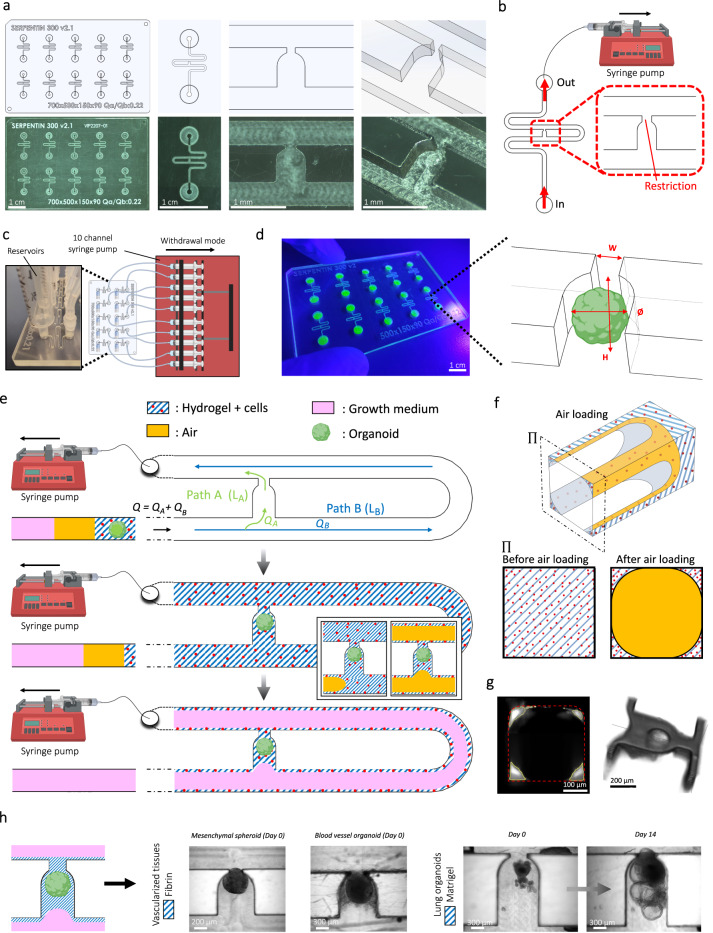
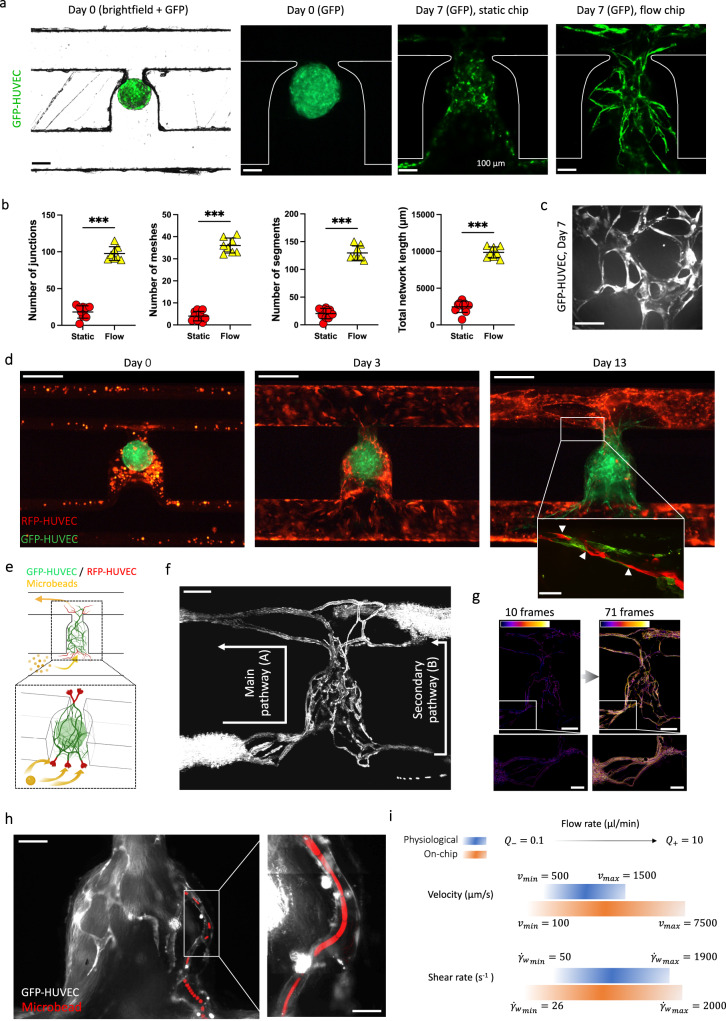
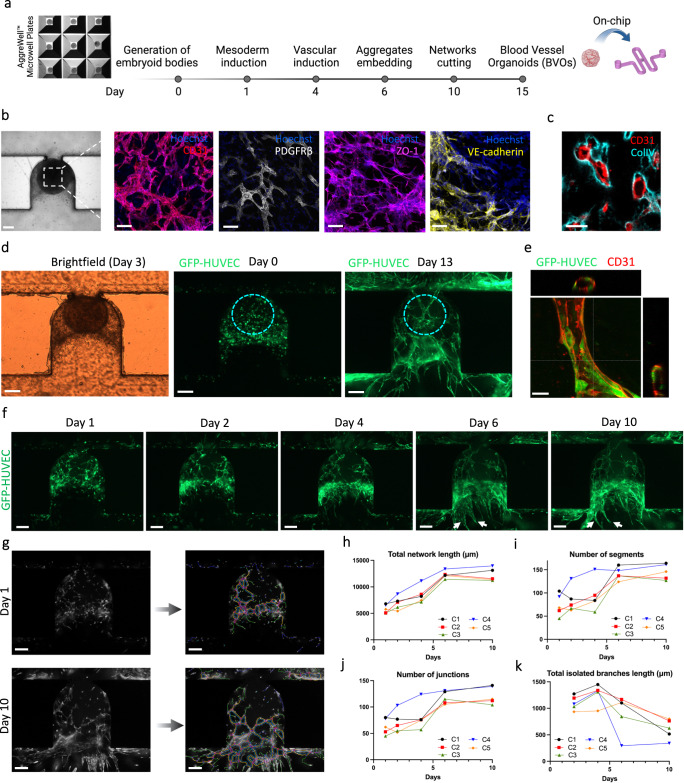
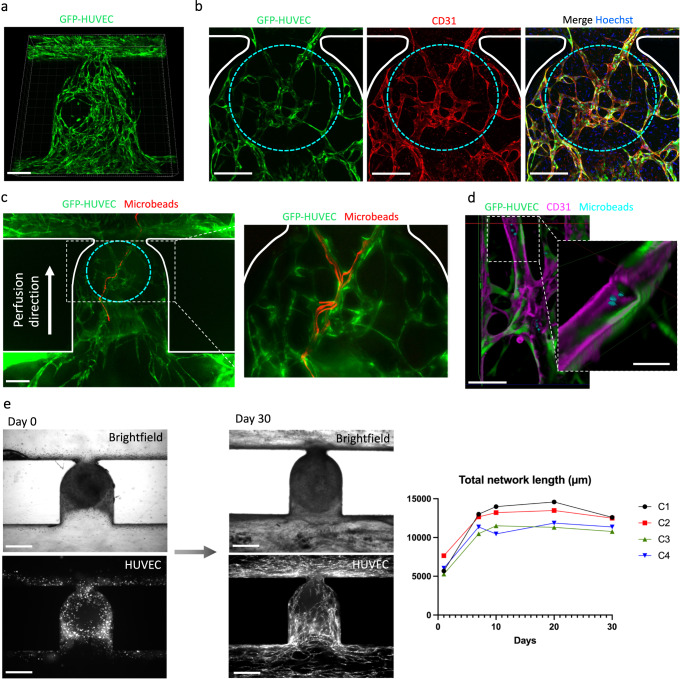
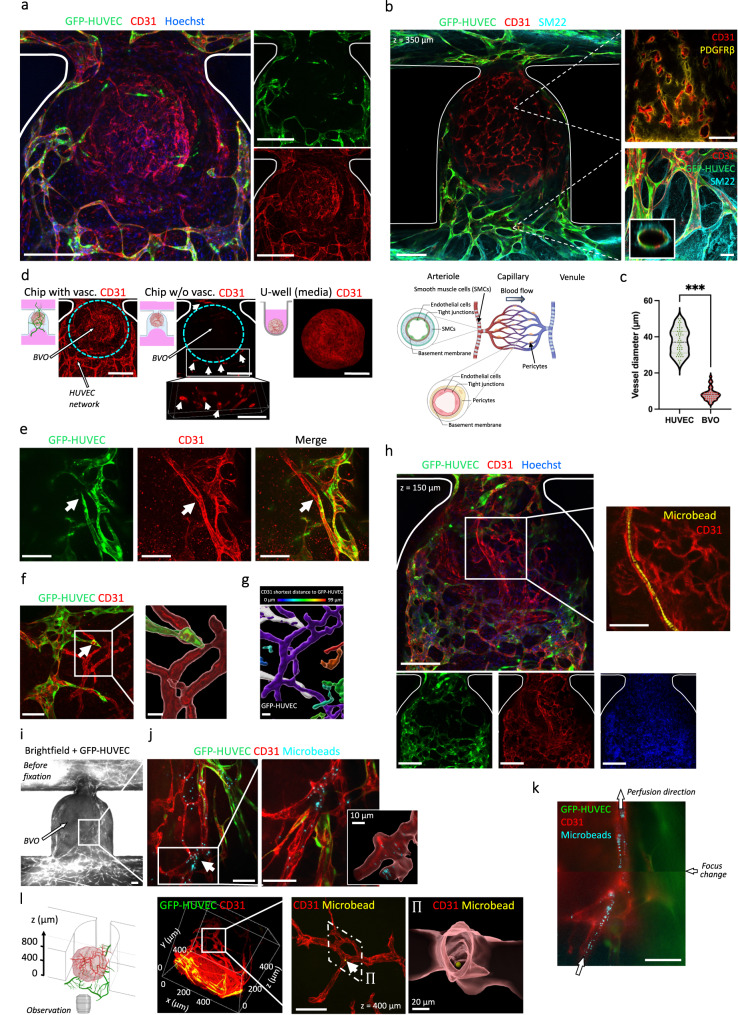
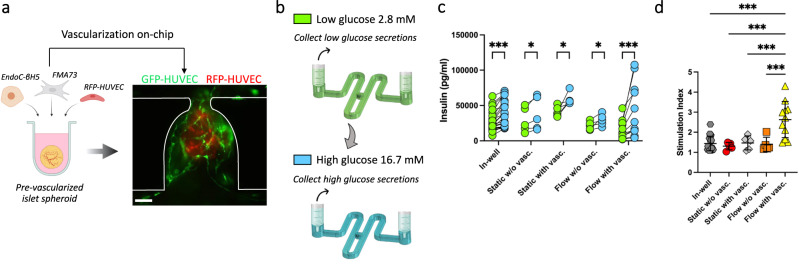
The development of vascular networks in microfluidic chips is crucial for the long-term culture of three-dimensional cell aggregates such as spheroids, organoids, tumoroids, or tissue explants. Despite rapid advancement in microvascular network systems and organoid technologies, vascularizing organoids-on-chips remains a challenge in tissue engineering. Most existing microfluidic devices poorly reflect the complexity of in vivo flows and require complex technical set-ups. Considering these constraints, we develop a platform to establish and monitor the formation of endothelial networks around mesenchymal and pancreatic islet spheroids, as well as blood vessel organoids generated from pluripotent stem cells, cultured for up to 30 days on-chip. We show that these networks establish functional connections with the endothelium-rich spheroids and vascular organoids, as they successfully provide intravascular perfusion to these structures. We find that organoid growth, maturation, and function are enhanced when cultured on-chip using our vascularization method. This microphysiological system represents a viable organ-on-chip model to vascularize diverse biological 3D tissues and sets the stage to establish organoid perfusions using advanced microfluidics.
Overview
The claims and statistics of this paper haven’t been checked yet.
Free: it reads the open-access text and checks the first 5 claims that cite a source we can check. Create a free account to check every claim.
Integrity signals
Registry
Cites
Statistics
Figures
Verification
Claims the paper makes
The claims and statistics of this paper haven’t been checked yet.
Free: it reads the open-access text and checks the first 5 claims that cite a source we can check. Create a free account to check every claim.
Self-check
Percentages, sums and reported differences re-computed from the paper’s own numbers.
The self-check needs the paper’s full text.
Citations
Cites
Ultrastructural Characterization of the Lower Motor System in a Mouse Model of Krabbe Disease
Cappello, V., Marchetti, L., Parlanti, P., Landi, S., Tonazzini, I., Cecchini, M., Piazza, V., & Gemmi, M. (2016) · Scientific Reports · doi:10.1038/s41598-016-0001-8 · Cited by 13,097
Limb proportions show developmental plasticity in response to embryo movement
Pollard, A. S., Charlton, B. G., Hutchinson, J. R., Gustafsson, T., McGonnell, I. M., Timmons, J. A., & Pitsillides, A. A. (2017) · Scientific Reports · doi:10.1038/srep41926 · Cited by 2,364
An in vivo model of functional and vascularized human brain organoids
Mansour, A. A., Gonçalves, J. T., Bloyd, C. W., Li, H., Fernandes, S., Quang, D., Johnston, S., Parylak, S. L., Jin, X., & Gage, F. H. (2018) · Nature Biotechnology · doi:10.1038/nbt.4127 · Cited by 1,211
Extracellular matrix remodelling: the role of matrix metalloproteinases
Stamenkovic, I. (2003) · The Journal of Pathology · doi:10.1002/path.1400 · Cited by 1,140 · cited 1×
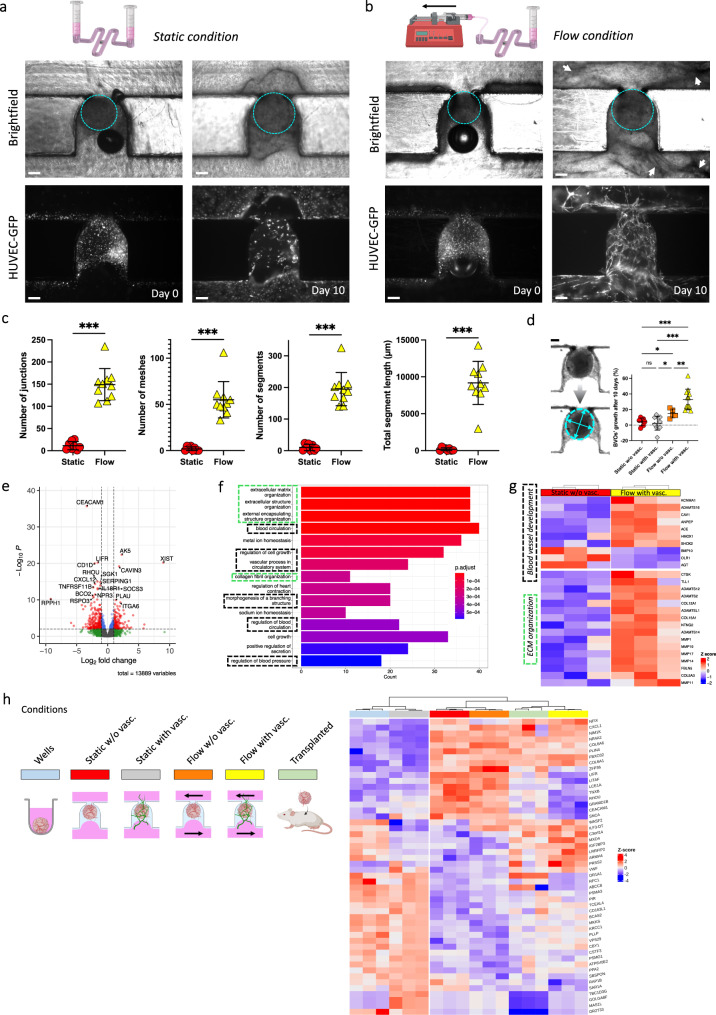
“Moreover, genes of the metalloproteinase family, involved in ECM remodeling 35 , were found to be upregulated under fl ow conditions (Fig.”
Advances in organ-on-a-chip engineering
Zhang, B., Korolj, A., Lai, B. F. L., & Radisic, M. (2018) · Nature Reviews Materials · doi:10.1038/s41578-018-0034-7 · Cited by 1,017
Aminopeptidase N is a receptor for tumor-homing peptides and a target for inhibiting angiogenesis.
Pasqualini, R., Koivunen, E., Kain, R., Lahdenranta, J., Sakamoto, M., Stryhn, A., Ashmun, R., Shapiro, L., Arap, W., & Ruoslahti, E. I. (2000) · PubMed · Cited by 970
Engineering of human brain organoids with a functional vascular-like system
Cakir, B., Xiang, Y., Tanaka, Y., Kural, M. H., Parent, M., Kang, Y.-J., Chapeton, K., Patterson, B., Yuan, Y., He, C.-S., et al. (2019) · Nature Methods · doi:10.1038/s41592-019-0586-5 · Cited by 942
Flow-enhanced vascularization and maturation of kidney organoids in vitro
Homan, K. A., Gupta, N., Kroll, K. T., Kolesky, D. B., Skylar-Scott, M., Miyoshi, T., Mau, D., Valerius, M. T., Ferrante, T., Bonventre, J. V., et al. (2019) · Nature Methods · doi:10.1038/s41592-019-0325-y · Cited by 939
Engineering of functional, perfusable 3D microvascular networks on a chip
Kim, S., Lee, H., Chung, M., & Jeon, N. L. (2013) · Lab on a Chip · doi:10.1039/c3lc41320a · Cited by 872
Human blood vessel organoids as a model of diabetic vasculopathy
Wimmer, R. A., Leopoldi, A., Aichinger, M., Wick, N., Hantusch, B., Novatchkova, M., Taubenschmid, J., Hämmerle, M., Esk, C., Bagley, J. A., et al. (2019) · Nature · doi:10.1038/s41586-018-0858-8 · Cited by 803 · cited 3×
“We have previously reported the generation of such organoids 17 and demon-stratedtheirphysiologicalrelevancethroughthemodellingofdiabetic vasculopathybothinvitroandinvivo 3 .”
Self-citation
Research works printed but not linked: 1
- Carpentier, G., Martinelli, M., Courty, J. & Gascone, I. Angiogenesis analyzer for ImageJ. 4th ImageJ User and Developer Conference proceedings. (pp. 198-201). https://imagej.nih.gov/ij/macros/toolsets/Angiogenesis%20Analyzer.txt (2012).
Cited by
Thorel, L., Perréard, M., Florent, R., Divoux, J., Coffy, S., Vincent, A., Gaggioli, C., Guasch, G., Gidrol, X., Weiswald, L.-B., et al. (2024) · Experimental & Molecular Medicine · doi:10.1038/s12276-024-01272-5 · Cited by 236
Self-citationBioengineering methods for vascularizing organoids
Nwokoye, P. N., & Abilez, O. J. (2024) · Cell Reports Methods · doi:10.1016/j.crmeth.2024.100779 · Cited by 189
Papamichail, L., Koch, L. S., Veerman, D., Broersen, K., & van der Meer, A. D. (2025) · Frontiers in Bioengineering and Biotechnology · doi:10.3389/fbioe.2025.1515340 · Cited by 120
Developing fibrin-based biomaterials/scaffolds in tissue engineering
Li, S., Dan, X., Chen, H., Li, T., Liu, B., Ju, Y., Li, Y., Lei, L., & Fan, X. (2024) · Bioactive Materials · doi:10.1016/j.bioactmat.2024.08.006 · Cited by 107
“Quintard et al. [115] loaded fibroblasts and HUVECs in fibrin hydrogels and introduced them into a pre-designed microfluidic device, thereby facilitating the generation of vascular networks around vascular organoids and contributing to the efficient, gentle and controlled perfusion of vascular…”
BackgroundBlood Vessel Organoids for Development and Disease
Salewskij, K., & Penninger, J. M. (2023) · Circulation Research · doi:10.1161/circresaha.122.321768 · Cited by 111
Self-citationYao, Q., Cheng, S., Pan, Q., Yu, J., Cao, G., Li, L., & Cao, H. (2024) · MedComm · doi:10.1002/mco2.735 · Cited by 123
“For example, Abdulla and Quintard 128,129 developed a 3D microfluidic brain organoid platform featuring dynamic fluid perturbations and integrated functional vascularized organoid chips, thereby enhancing organoid growth, maturation, and function.”
BackgroundDu, Y., Wang, Y., Bao, Q., Xu, X., Xu, C., Wang, S., Liu, Q., Liu, F., Zeng, Y., Wang, Y., et al. (2024) · Advanced Materials · doi:10.1002/adma.202412815 · Cited by 112
From Organ-on-a-Chip to Human-on-a-Chip: A Review of Research Progress and Latest Applications
Huang, Y., Liu, T., Huang, Q., & Wang, Y. (2024) · ACS Sensors · doi:10.1021/acssensors.4c00004 · Cited by 110
3D tumor cultures for drug resistance and screening development in clinical applications
Peng, Z., Lv, X., Sun, H., Zhao, L., & Huang, S. (2025) · Molecular Cancer · doi:10.1186/s12943-025-02281-2 · Cited by 88
“Several studies have developed automated microfluidic platforms that integrate organoids with microfluidic technologies, facilitating high-throughput culture, modulation, and analysis of organoids under dynamic conditions [100, 101].”
Gong, L., Zhang, Y., Zhu, Y., Lee, U., Luo, A. C., Li, X., Wang, X., Chen, D., Pu, W. T., Lin, R., et al. (2025) · Cell stem cell · doi:10.1016/j.stem.2025.05.014 · Cited by 81
Kimura, H., Nishikawa, M., Kutsuzawa, N., Tokito, F., Kobayashi, T., Kurniawan, D. A., Shioda, H., Cao, W., Shinha, K., Nakamura, H., et al. (2024) · Drug Metabolism and Pharmacokinetics · doi:10.1016/j.dmpk.2024.101046 · Cited by 67
Engineering next generation vascularized organoids
Werschler, N., Quintard, C., Nguyen, S., & Penninger, J. M. (2024) · Atherosclerosis · doi:10.1016/j.atherosclerosis.2024.118529 · Cited by 69
Self-citationFrom organoids to organoids-on-a-chip: Current applications and challenges in biomedical research
Liu, K., Chen, X., Fan, Z., Ren, F., Liu, J., & Hu, B. (2025) · Chinese Medical Journal · doi:10.1097/cm9.0000000000003535 · Cited by 61
“[77,78] In addition, bioprinting methods can be used to seed various vascular cells within channels, subsequently creating perfusable vascular structures for organoid culture.”
The extracellular matrix in solid tumor immunotherapy
Cho, Y., & Doh, J. (2024) · Trends in Immunology · doi:10.1016/j.it.2024.07.009 · Cited by 59
Hu, Y., Zhu, T., Cui, H., & Cui, H. (2024) · Advanced Healthcare Materials · doi:10.1002/adhm.202403762 · Cited by 58
Cancer-on-a-chip for precision cancer medicine
Liu, L., Wang, H., Chen, R., Song, Y., Wei, W., Baek, D. S. H., Gillin, M., Kurabayashi, K., & Chen, W. (2025) · Lab on a Chip · doi:10.1039/d4lc01043d · Cited by 52
Advances in large-scale electrophysiology with high-density microelectrode arrays
Schröter, M. S., Cardes, F., Bui, C.-V. H., Dodi, L. D., Gänswein, T., Bartram, J., Sadiraj, L., Hornauer, P., Kumar, S. S., Pascual-Garcia, M., et al. (2025) · Lab on a Chip · doi:10.1039/d5lc00058k · Cited by 55
Vascularised organoids: Recent advances and applications in cancer research
Zhou, R., Brislinger, D., Fuchs, J., Lyons, A., Langthaler, S., Hauser, C. A. E., & Baumgartner, C. (2025) · Clinical and Translational Medicine · doi:10.1002/ctm2.70258 · Cited by 41
“Quintard et al. 115 demonstrated that vascularised organoids cultured under flow conditions exhibit mature endothelial networks, enhanced ECM remodelling, higher growth rates, and RNA profiles closely resembling those of in vivo transplanted organoids (Figure 4C).”
Organoids meet microfluidics: recent advancements, challenges, and future of organoids-on-chip
Chauhdari, T., Zaidi, S. A., Su, J., & Ding, Y. (2025) · In vitro models · doi:10.1007/s44164-025-00086-7 · Cited by 46
“The integration of organoids with microfluidic systems has led to the development of organoids-on-chip models, which offer an enhanced in vitro platform [18].”
Kim, D., Youn, J., Kim, J., Lee, J., Yoon, J., & Kim, D. S. (2026) · npj Biomedical Innovations. · doi:10.1038/s44385-025-00054-6 · Cited by 53
“…improved electrophysiological function, contractile performance, and tissue organization, while perfusable organoid-on-chip hybrids integrating microvascular channels or endothelialized circuits provide controlled fl ow and shear stress that sustain long-term functionality and viability 24,183,184 .”
Organoid-based tissue engineering for advanced tissue repair and reconstruction
Hsiung, N., Ju, Y., Yang, K. C., Pu, Y., Zeng, W., Zhao, H., Zou, P., Ye, J., Yi, K., & Wang, X. (2025) · Materials Today Bio · doi:10.1016/j.mtbio.2025.102093 · Cited by 56
“The microfluidic platform developed by Quin-tard et al. [217] supports mesenchymal and pancreatic islet endothelial networks derived from pluripotent stem cell differentiation, maintaining cultures for over 30 days.”
Cai, H., Wang, D., Zhao, Y., & Yang, C. (2026) · Biosensors · doi:10.3390/bios16020104 · Cited by 41
“Beyond cancer, microfluidic organ-on-a-chip models of tissues (lung, liver, heart, etc.) are being personalized with patient-derived cells (for instance, induced pluripotent stem cell-derived organoids) to study disease and treatment [117].”
Shuai, Y., Zheng, M., Kundu, S. C., Mao, C., & Yang, M. (2024) · Advanced Healthcare Materials · doi:10.1002/adhm.202401458 · Cited by 36
Brain organoids-on-chip for neural diseases modeling: History, challenges and trends
Zhang, H., Huang, N., Bian, S., & Sawan, M. (2025) · Journal of Pharmaceutical Analysis · doi:10.1016/j.jpha.2025.101323 · Cited by 37
“However, translating such vascular integration to brain orga-noids faces unique hurdles, including the neuron-endothelial co-culture requirements and long-term stability [95,96].”
Tumor organoids in immunotherapy: from disease modeling to translational research
Si, Q., Tao, S., Wu, J., Ma, J., Li, Z. Y., Feng, X., Song, J., Kong, T., & Zhou, Z. (2025) · Journal for ImmunoTherapy of Cancer · doi:10.1136/jitc-2025-011733 · Cited by 32
A Vascularized Multilayer Chip Reveals Shear Stress-Induced Angiogenesis in Diverse Fluid Conditions
Yue, T., Yang, H. Y., Wang, Y., Jiang, N., Yin, H., Lu, X., Liu, N., & Xu, Y. (2025) · Cyborg and Bionic Systems · doi:10.34133/cbsystems.0207 · Cited by 34
“Many current microfluidic chips utilized the self-organized vascularization method to establish microvascular networks, by controlling the fluid gradient, changing the interstitial flow rate, or changing the concentration of growth factors [ 19 , 20 ].”
Yang, H., Niu, S., Guo, M., & Xue, Y. (2024) · Environmental Pollution · doi:10.1016/j.envpol.2024.124934 · Cited by 31
Organoids in skin wound healing
Wang, Z., Zhao, F., Lang, H., Ren, H., Zhang, Q., Huang, X., He, C., Xu, C., Tan, C., Ma, J., et al. (2025) · Burns & Trauma · doi:10.1093/burnst/tkae077 · Cited by 30
“In a recent study, one team developed a microfluidic platform that connects the vascular network to organoids and improves the growth and maturation of 3D vascular organoids produced with human-induced pluripotent SCs [111].”
Hu, W., Wang, Y., Han, J., Zhang, W., Chen, J., Li, X., & Wang, L. (2025) · Biomaterials Science · doi:10.1039/d4bm01273a · Cited by 30
Voitiuk, K., Seiler, S. T., de Melo, M. P., Geng, J., van der Molen, T., Hernandez, S., Schweiger, H. E., Sevetson, J. L., Parks, D. F., Robbins, A., et al. (2025) · Internet of Things · doi:10.1016/j.iot.2025.101671 · Cited by 35
Human Organoids and Their Application in Tumor Models, Disease Modeling, and Tissue Engineering
Song, S., Liu, Z., Wang, Y., & Gong, B. (2025) · Medicine Bulletin · doi:10.1002/mdb2.70001 · Cited by 33
Dissecting endothelial cell heterogeneity with new tools
Zhong, J., Gao, R., Zhang, X., Yang, J., Liu, Y., Ma, J., & Chen, Q. (2025) · Cell Regeneration · doi:10.1186/s13619-025-00223-3 · Cited by 30
Vascularised Brain Organoids: Engineering Strategies and Neurobiological Applications
Song, Y., Jo, H., Jeong, S., Kim, I., & Lee, S. S. (2026) · Cell Proliferation · doi:10.1111/cpr.70161 · Cited by 27
“…and oxygen delivery and promote maturation, such as co-culturing with endothelial cells (ECs) [19–23], ectopic expression of vascular transcription factors like Ets Variant 2 ( ETV2 ) [18, 22], transplantation into host animals [24–26], and integration with advanced microfluidic platforms [27–29].”
The Convergence of Artificial Intelligence and Microfluidics in Drug Research and Development
Qiao, D., Li, H., Zhang, X., Chen, X., Jiang, Z., Zou, J., Zhao, D., Zhu, W., Qian, X. H., & Li, H. (2025) · Engineering · doi:10.1016/j.eng.2025.07.025 · Cited by 25
Organoid-driven nanomedicine platform development
Wang, J., Wang, F., Jiang, Y., Bai, L., Chen, X. S., & Su, J. (2025) · Biomaterials · doi:10.1016/j.biomaterials.2025.123611 · Cited by 28
Self-citation3D bioprinting bone/cartilage organoids: construction, applications, and challenges
Gao, D., Li, R., Pan, J., Li, C., Zhang, W., Qin, L., & Lai, Y. (2025) · Journal of Orthopaedic Translation · doi:10.1016/j.jot.2025.08.008 · Cited by 31
Immune organoid for cancer immunotherapy
Wang, X., Wang, W., & Sun, Z. (2025) · Acta Pharmaceutica Sinica B · doi:10.1016/j.apsb.2025.04.031 · Cited by 27
Recent Advances and Future Perspectives in Vascular Organoids and Vessel-on-Chip
Cheruku, G. R., Wilson, C. V., Raviendran, S., & Xiao, Q. (2024) · Organoids · doi:10.3390/organoids3030014 · Cited by 25
Advances in organoid-on-a-chip for recapitulation of human physiological events
Park, B. J., Park, J., Han, S., Kwon, T., Sung, J. Y., Kim, J., Safarkhani, M., Min, K.-H., Lee, E.-H., Kang, S., et al. (2025) · Materials Today · doi:10.1016/j.mattod.2025.02.002 · Cited by 23
Organoids/organs-on-chips towards biomimetic human artificial skin
Huang, Y., Wu, X., Xu, Y., Yang, N., Xi, P., Wang, Y., Zhu, Y., & Chen, X. (2025) · Burns & Trauma · doi:10.1093/burnst/tkaf029 · Cited by 28
“As a result, microfluidic devices are not only powerful tools for elucidating the fundamental mechanisms of vascular development,but also serve as experimental platforms for modeling vascular diseases and conducting drug screening under physiologically relevant conditions [116, 117].”
Generation of vascularized retinal organoids containing microglia based on a PDMS microwell platform
Chen, H., Liang, Y., Sun, X., Xiong, W., Yang, T., Liang, Y., Ye, X., Li, X., Wang, W., Gu, J., et al. (2025) · Science Advances · doi:10.1126/sciadv.ady6410 · Cited by 25
“Recently, some researchers fused VOs with tissue organoids in parafilm, low-adhesion plates, or organoids on chip to generate vascularized or-ganoids ( 19 , 20 , 23 ).”
Vascularizing organoids-on-chip for perfused and personalized models
Menzani, B., Gea, P. D., Gidrol, X., & Tubbs, E. (2026) · Lab on a Chip · doi:10.1039/d5lc00890e · Cited by 23
Self-citationThe Future of Biohybrid Regenerative Bioelectronics
Carnicer‐Lombarte, A., Malliaras, G. G., & Barone, D. G. (2024) · Advanced Materials · doi:10.1002/adma.202408308 · Cited by 25
Harnessing Organoid Platforms for Nanoparticle Drug Development
Chen, L., Luo, X., Zhang, J., Zhang, J., Yang, C., & Zhao, Y. (2025) · Drug Design Development and Therapy · doi:10.2147/dddt.s530999 · Cited by 21
“34 This overcomes some of the main challenges associated with TME modeling, tissue-tissue interactions, and multiorgan communications by reducing experimental variation compared with static cultures.”
High-Precision Microfluidic Impedance Sensing for Pretreatment and Detection of Multiple Mycotoxins
Sun, Z., Chen, L., Wu, Z., Jiang, X., Zhao, F., Guo, W., Guo, Y., Yu, Q., Zou, X., & Yang, N. (2025) · Analytical Chemistry · doi:10.1021/acs.analchem.5c00437 · Cited by 19
Cuenca, M. V., Bulut, M., Mummery, C. L., & Orlova, V. V. (2025) · Current Opinion in Biomedical Engineering · doi:10.1016/j.cobme.2025.100586 · Cited by 23
Chen, Y., Liu, S., Chen, Y., Wang, M., Liu, Y., Qu, Z., Du, L., & Wu, C. (2025) · Biosensors · doi:10.3390/bios15090557 · Cited by 22
“This article also describes a microfluidic platform designed for the construction of functional vascularized organoids [28].”
Plesselova, S., Calar, K., Axemaker, H., Sahly, E., Bhagia, A., Faragher, J. L., Fink, D. M., & de la Puente, P. (2024) · Cellular and Molecular Bioengineering · doi:10.1007/s12195-024-00817-y · Cited by 21
Microvascularization in 3D Human Engineered Tissue and Organoids
Shin, Y. J., Safina, D., Zheng, Y. Y., & Levenberg, S. (2025) · Annual Review of Biomedical Engineering · doi:10.1146/annurev-bioeng-103023-115236 · Cited by 25
Organoids: A new frontier in precision medicine and engineering
Gao, Q., Wu, Y., Mao, Y., Chen, X., Geng, Z., & Su, J. (2025) · Precision medicine and engineering. · doi:10.1016/j.preme.2025.100049 · Cited by 20
Organoids in drug development: from predictive models to regulatory integration
Song, X., Chen, X., Chen, Q., Wang, H., Zhang, T., Liao, M. Z., Liu, C., Yu, H., Hao, Y., Gu, G., et al. (2026) · Drug Discovery Today · doi:10.1016/j.drudis.2026.104608 · Cited by 21
Advances and applications of organ-on-a-chip technology
Kong, J. S., Kim, J., Jang, J., & Cho, D.-W. (2026) · Cell Reports Methods · doi:10.1016/j.crmeth.2026.101361 · Cited by 20
Microfluidics and Organoids, the Power Couple of Developmental Biology and Oncology Studies
Hetzel, L. A., Ali, A., Corbo, V., & Hankemeier, T. (2023) · International Journal of Molecular Sciences · doi:10.3390/ijms241310882 · Cited by 19
Ma, D., & Zhang, H. (2025) · Neuroscience · doi:10.1016/j.neuroscience.2025.11.018 · Cited by 21
Vasudevan, J., Vijayakumar, R., Reales‐Calderón, J. A., Lam, M. S. Y., Ow, J. R., Aw, J., Tan, D., Tan, A. T., Bertoletti, A., Adriani, G., et al. (2025) · Biomaterials · doi:10.1016/j.biomaterials.2025.123175 · Cited by 16
Guo, F., Lv, Q., Zhao, J., Wang, J., Chen, J., Yu, N., Hong, W., Lu, Y., & Yang, G. (2025) · Colloids and Surfaces B Biointerfaces · doi:10.1016/j.colsurfb.2025.114969 · Cited by 15
Self-citationHuang, T. H., Huang, W. T., & Bian, Q. (2025) · Journal of Controlled Release · doi:10.1016/j.jconrel.2025.114222 · Cited by 14
Nasiri, R., Madadelahi, M., Nikmaneshi, M. R., Gökçe, B., Bijarchi, M. A., Shah, S., Tirpáková, Z., Gastel, D. V., Taebnia, N., de Barros, N. R., et al. (2025) · Biomaterials · doi:10.1016/j.biomaterials.2025.123739 · Cited by 19
Robotics-assisted modular assembly of bioactive soft materials for enhanced organ fabrication
Kang, D., Hong, S. J., Kim, S. J., Choi, H., Kim, K., & Jang, J. (2024) · Virtual and Physical Prototyping · doi:10.1080/17452759.2024.2390484 · Cited by 17
“To overcome these challenges, tissue engineering strategies are being developed to embed vascular networks that enhance the vascularisation of the engineered tissues [37–41].”
A 3D Bio-Printed-Based Model for Pancreatic Ductal Adenocarcinoma
Godier, C., Baka, Z., Lamy, L., Gribova, V., Marchal, P., Lavall�e, P., Gaffet, É., Bezdetnaya, L., & Alem, H. (2024) · Diseases · doi:10.3390/diseases12090206 · Cited by 16
Tumor organoids in cancer medicine: from model systems to natural compound screening
Cong, R., Lu, C., Li, X., Xu, Z., Wang, Y., & Sun, S. (2025) · Pharmaceutical Biology · doi:10.1080/13880209.2025.2458149 · Cited by 17
“Though recently Quintard et al. (2024) achieved the development of functional vascularized OoCs.”
Hong, C., & Lyu, S. (2025) · International Journal of Molecular Sciences · doi:10.3390/ijms26157247 · Cited by 19
“Recent innovations include perfus-able vascular networks that maintain functionality for up to 30 days, as demonstrated by Quintard et al., who achieved long-term perfusion at 1 µ L/min in their 10-channel cyclic olefin copolymer (COC) system [235].”
Zhu, G., Shi, X., Jiang, Y., Zhang, W., Guo, L., Pei, G., Liu, Y., Tang, D., Wang, C., & Sun, Z. (2025) · Communications Biology · doi:10.1038/s42003-025-09390-0 · Cited by 16
Advances and Challenges in Human 3D Solid Tumor Models
Natesh, N. R., & Varghese, S. (2025) · Advanced Functional Materials · doi:10.1002/adfm.202419912 · Cited by 15
Kidney Fibrosis In Vitro and In Vivo Models: Path Toward Physiologically Relevant Humanized Models
Addario, G., Moroni, L., & Mota, C. (2025) · Advanced Healthcare Materials · doi:10.1002/adhm.202403230 · Cited by 16
Nasiri, R., Sankaranthi, A., & Pratx, G. (2025) · Trends in biotechnology · doi:10.1016/j.tibtech.2025.07.002 · Cited by 17
Tubbs, E., Mehanović, M., Lopes, M., Quintard, C., Combe, S., Pirlian, C., Armanet, M., Domet, T., Sabatier, J., Granziera, S., et al. (2025) · Cell Reports · doi:10.1016/j.celrep.2025.116378 · Cited by 16
Self-citationGuelfi, S., Gopalan, K. S., Maene, P., Robbert, D. J., Pallarés-Moratalla, C., Vella, G., Nobis, M., Mourão, L., Bourdely, P., van der Veer, B. K., et al. (2025) · Science Advances · doi:10.1126/sciadv.ady4738 · Cited by 14
Limasale, Y. D. P., Fusenig, M., Samulowitz, M., Atallah, P., Sievers, J., Dennison, N. R., Freudenberg, U., Friedrichs, J., & Werner, C. (2024) · Advanced Functional Materials · doi:10.1002/adfm.202411475 · Cited by 13
Miao, X., Chen, T., Lang, Z., Wu, Y., Wu, X., Zhu, Z., & Xu, R. X. (2025) · Journal of Materials Chemistry B · doi:10.1039/d4tb02047b · Cited by 13
Liao, Y., Chai, D., Wang, Q., Wang, X., Yong, Q., Cheng, Z., Zhang, C., Zhang, D., Liu, B., Liu, R., et al. (2025) · Materials Horizons · doi:10.1039/d4mh01174k · Cited by 14
Skowronek, D., Pilz, R. A., Saenko, V. V., Mellinger, L., Singer, D., Ribback, S., Weise, A., Claaßen, K., Büttner, C., Brockmann, E. M., et al. (2025) · Angiogenesis · doi:10.1007/s10456-025-09985-5 · Cited by 13
Zhao, Y., Wu, Y., Islam, K., Paul, R., Zhou, Y., Qin, X., Li, Q., & Liu, Y. (2024) · ACS Applied Materials & Interfaces · doi:10.1021/acsami.4c00391 · Cited by 25
Guo, Y., Wang, Z., Zhang, X., Li, J., Gao, S., Lv, Y., & Ouyang, L. (2025) · Small · doi:10.1002/smll.202501594 · Cited by 11
Jiao, Y., Lu, S., Zhang, J., & Zhen, J. (2025) · Frontiers in Bioengineering and Biotechnology · doi:10.3389/fbioe.2025.1629608 · Cited by 15
Ramesan, S. P., Poonacha, J. B., Pathirana, D., Merkt, S. J., Maaß, C., Hasenauer, J., & Reckzeh, E. S. (2026) · Trends in biotechnology · doi:10.1016/j.tibtech.2026.01.009 · Cited by 22
Guan, H., Zhao, S., Fang, X., Miao, R., Zhang, Y., Zhang, Y., & Tian, J. (2025) · Biomedicine & Pharmacotherapy · doi:10.1016/j.biopha.2025.118445 · Cited by 13
Biocompatible Ink Optimization Enables Functional Volumetric Bioprinting With Xolography
Brauer, E., Balciunaite, A., Kollert, M. R., Weihs, J., Knecht, R. S., Behncke, R. Y., Quach, S., König, N. F., Badolato, A., Monestier, S., et al. (2025) · Advanced Materials · doi:10.1002/adma.202512058 · Cited by 13
Tumor immune organoids in immunotherapy resistance and drug screening
Zhang, M., Li, L., Pu, H., Yan, W., Zhang, X., Guo, X., Zhao, Y., Meng, Q., & Yin, M. (2026) · Drug Resistance Updates · doi:10.1016/j.drup.2026.101360 · Cited by 12
Kesharwani, A., Tani, S., Nishikawa, M., Sakai, Y., Okada, H., Ohba, S., Chung, U., & Hojo, H. (2024) · Regenerative Therapy · doi:10.1016/j.reth.2024.11.018 · Cited by 12
Current progress of in vitro vascular models on microfluidic chips
Wang, R., Zhang, H., Li, S., Yan, P., Shao, S., Liu, B., & Li, N. (2025) · Biofabrication · doi:10.1088/1758-5090/adb182 · Cited by 9
“Compared to traditional models, this model significantly was improved in terms of construction efficiency, scalability, and robustness [69].”
Corredera, I. G., Amato, G., Moya‐Rull, D., Garreta, E., & Montserrat, N. (2025) · Kidney International · doi:10.1016/j.kint.2025.01.043 · Cited by 10
Epidermal and dermal cell-composed organospheres to assess microplastic-induced skin toxicity
Yunxia, H., Nicolas, G. M., Cai, Y., Dai, X., & Ma, S. (2025) · Biomaterials · doi:10.1016/j.biomaterials.2025.123513 · Cited by 13
Female Reproductive Tract Organoids: Applications from Physiology to Pathology
Wang, X., Yang, D., & Peng, H. (2025) · Biomolecules · doi:10.3390/biom15070925 · Cited by 11
“For example, the integration of FRT organoids with microfluidics [245,246] or 3D bioprinting [247–249] can be explored to enhance physiological relevance.”
Sharma, K., Habibey, R., Ribeiro, M. M., Cui, B., Siwicki, R. A., Striebel, J., Pawlick, J. S., Zorn, J., Utz, L., Renner, M., et al. (2026) · Cell stem cell · doi:10.1016/j.stem.2025.12.013 · Cited by 12
Li, J., Li, Y., Song, G., Wang, H., Zhang, Q., Wang, M., Zhao, M., Wang, B., Zhu, H., Ranzhi, L., et al. (2024) · Materials Today Bio · doi:10.1016/j.mtbio.2024.101396 · Cited by 13
A microfluidic twin islets-on-chip device for on-line electrophysiological monitoring
Lallouet, M., Olçomendy, L., Gaitan, J., Montiège, K., Monchablon, M., Pirog, A., Chapeau, D., Puginier, E., Renaud, S., Raoux, M., et al. (2025) · Lab on a Chip · doi:10.1039/d4lc00967c · Cited by 9
Kowalski, W. J., Vatti, S., Sakamoto, T., Li, W., Odutola, S. R., Liu, C., Chen, G., Boehm, M., & Mukouyama, Y. (2025) · Scientific Reports · doi:10.1038/s41598-025-91826-y · Cited by 13
“Additional approaches for establishing flow within organoids have been demonstrated in vitro with EC-lined microchannels and 3D printing 62,63 .”
Leniz, I. V., Bakouche, M.-T., Astigarraga, M., Husson, F., Zaldua, A. M., Gemini, L., Vilas‐Vilela, J. L., & Etxeberria, L. (2025) · Polymers · doi:10.3390/polym17091289 · Cited by 9
“Among them, the use of COC material is widely extended for microfluidic applications due to its low autofluorescence, strong chemical resistance and low drug absorption, and it is also reported to be a cost-effective material for the mass production of microfluidic devices [10,11].”
Advances in 3D bioprinting of functional biomaterials for neural tissue engineering
Li, S., Xianyu, M., Zhong, Z., & Li, C. (2025) · Tissue and Cell · doi:10.1016/j.tice.2025.103024 · Cited by 13
Advancing organ-on-chip systems: the role of microfluidics in neuro-cardiac research
Ferreira, M. J., Colombani, S., Bernardin, A. A., Lacampagne, A., Pasquié, J., Costa, P. F., Charlot, B., & Méli, A. C. (2025) · Current Research in Pharmacology and Drug Discovery · doi:10.1016/j.crphar.2025.100227 · Cited by 13
“This concerns not only the maintenance and cultivation of these cell clusters, but also electrophysiology techniques (Phouphetlinthong et al., 2023), with the ever-important challenge of vascularizing these organoids (Quintard et al., 2024).”
Wu, Y. Q., Mei, R., Zhou, Y., Qi, J., Chen, H., & Jiang, X. (2025) · ACS Nano · doi:10.1021/acsnano.5c08827 · Cited by 11
Tomatis, F., Angiolillo, S., Maniou, E., Gagliano, O., & Elvassore, N. (2025) · Current Opinion in Biomedical Engineering · doi:10.1016/j.cobme.2025.100630 · Cited by 11
Magnetic nanochains-enhanced finger-actuated microfluidic biosensor for rapid Salmonella detection
Li, G., Jia, K., Shao, Y., Lin, J., & Wang, Y. (2025) · Biosensors and Bioelectronics · doi:10.1016/j.bios.2025.118221 · Cited by 9
Barua, R., Das, D., & Biswas, N. (2025) · Biomicrofluidics · doi:10.1063/5.0268362 · Cited by 10
Bisconti, F., Abreu, H., Nguyen, T. D., Stolfi, F., Corbezzolo, N., Gigli, G., Raineri, D., Cappellano, G., Polini, A., Gervaso, F., et al. (2025) · Frontiers in Immunology · doi:10.3389/fimmu.2025.1712796 · Cited by 10
Torchia, E., Sante, M. D., Horda, B., Mihajlovic, M., Zimmermann, J., Pezzotti, M., Cimetta, E., Gabriele, S., Auricchio, F., Lind, J. U., et al. (2025) · Communications Engineering · doi:10.1038/s44172-025-00575-3 · Cited by 10
Organoids in Dynamic Culture: Microfluidics and 3D Printing Technologies
Su, X., Wang, M., Yuan, R., Guo, L., Han, Y., Huang, C., Li, A., Kaplan, D. L., & Wang, X. (2025) · ACS Biomaterials Science & Engineering · doi:10.1021/acsbiomaterials.4c02245 · Cited by 13
Dissecting infant leukemia developmental origins with a hemogenic gastruloid model
Ragusa, D., Suen, C.-W. W., Torregrosa-Cortés, G., Pastorino, F., Johns, A., Cicirò, Y., Dijkhuis, L., van den Brink, S., Cilli, M., Byrne, C., et al. (2025) · eLife · doi:10.7554/elife.102324.3 · Cited by 10
Utilizing Nanomaterials in Microfluidic Devices for Disease Detection and Treatment
Tian, Z., Fu, Y., Dang, Z., Guo, T., Li, W., & Zhang, J. (2025) · Nanomaterials · doi:10.3390/nano15060434 · Cited by 10
“With ongoing research progress, various organ chips have been created using microfluidic technology to replicate the physiological environment of the human body [10,11], including brain chips [12], vascular chips [13], and tumor chips [14].”
Metadata
- Authors
- Quintard, C., Tubbs, E., Jonsson, G., Jiao, J., Wang, J., Werschler, N., Laporte, C., Pitaval, A., Bah, T.-S., Pomeranz, G., Bissardon, C., Kaal, J., Leopoldi, A., Long, D. A., Blandin, P., Achard, J.-L., Battail, C., Hagelkruys, A., Navarro, F., Fouillet, Y., Penninger, J. M., & Gidrol, X.
- Affiliations
- University of British Columbia (CA)
- Commissariat à l'Énergie Atomique et aux Énergies Alternatives (FR)
- Institute of Molecular Biotechnology (AT)
- University College London (GB)
- Institut polytechnique de Grenoble (FR)
- Corresponding author
- Penninger, Josef M.
- Gidrol, Xavier
- ORCID
- Venue
- Nature Communications
- Published
- 2024-02-16
- Volume
- 15
- Issue
- 1
- Pages
- 1452-1452
- ISSN
- 2041-1723 (ISSN-L)
- PMC
- PMC10873332
- OpenAlex
- W4391010423
- Cited by
- 387
- References
- 63
- Citations by year
- 2026: 188 · 2025: 155 · 2024: 42
- FWCI
- 42.28
- Type
- journal article
- Language
- en
- Open access
- gold
- doi.org
- Licence
- cc-by
- creativecommons.org/licenses/by/4.0 (tdm)
- creativecommons.org/licenses/by/4.0 (vor)
- Locations
- Nature Communications (publishedVersion, cc-by)
- bioRxiv (Cold Spring Harbor Laboratory) (acceptedVersion, cc-by)
- PubMed Central (publishedVersion, cc-by)
- PubMed (publishedVersion)
- HAL (submittedVersion, cc-by)
- UCL Discovery (University College London) (submittedVersion, cc-by)
- HAL (submittedVersion, other-oa)
- RePEc: Research Papers in Economics (submittedVersion)
- DOAJ (DOAJ: Directory of Open Access Journals) (submittedVersion)
- Funders
- Faculty of Medicine, University of British Columbia
- Medizinische Universität Wien
- Vienna Science and Technology Fund
- Österreichischen Akademie der Wissenschaften
- Gouvernement du Canada | Canadian Institutes of Health Research
- Topics
- Physical Sciences › Engineering › Biomedical Engineering › 3D Printing in Biomedical Research
- Physical Sciences › Engineering › Biomedical Engineering › Microfluidic and Capillary Electrophoresis Applications
- Health Sciences › Medicine › Surgery › Tissue Engineering and Regenerative Medicine
- Keywords
- vascularization, microfluidic perfusion, blood vessel organoids, pluripotent stem cells, organ-on-a-chip, microvascular networks, 3D cell culture
- MeSH terms
- Endothelium, Islets of Langerhans, Organoids, Tissue Engineering, Microfluidics
About these checks
Registry, retraction, Cites and statistics results are computed, not judged, with one exception: a printed reference that no index lists is read once by a model before it counts as a citation error. Claims are extracted by a model and kept only when their quote appears verbatim in the text; each cited source is then checked, with a model’s help, for whether it says what the claim relies on. Those verdicts can be wrong — read the claim’s quote and the cited source before relying on one.
Statistics and arithmetic are recomputed, not judged.
Confidence bands are shown only for fields calibrated on our annotated test set. None is calibrated yet, so no band is shown.
What counts as a claim ›How we measure confidence ›How we check this ›
Are you an author, or do you see a problem with this page? Request a review
Data sources
Bibliographic data: Semantic Scholar, OpenAlex, Crossref.
Contains information from the Semantic Scholar Academic Graph Datasets, made available under the ODC Attribution License (ODC-BY 1.0).
Semantic Scholar’s data is described in: Kinney, R., et al. (2023). The Semantic Scholar Open Data Platform. arXiv:2301.10140.
