

Engineered exosomes with KrasG12D specific siRNA in pancreatic cancer: a phase I study with immunological correlates
Open accessThe DOI matches its Crossref record; 42 of the 42 references it cites were found in a registry or an index.
Abstract
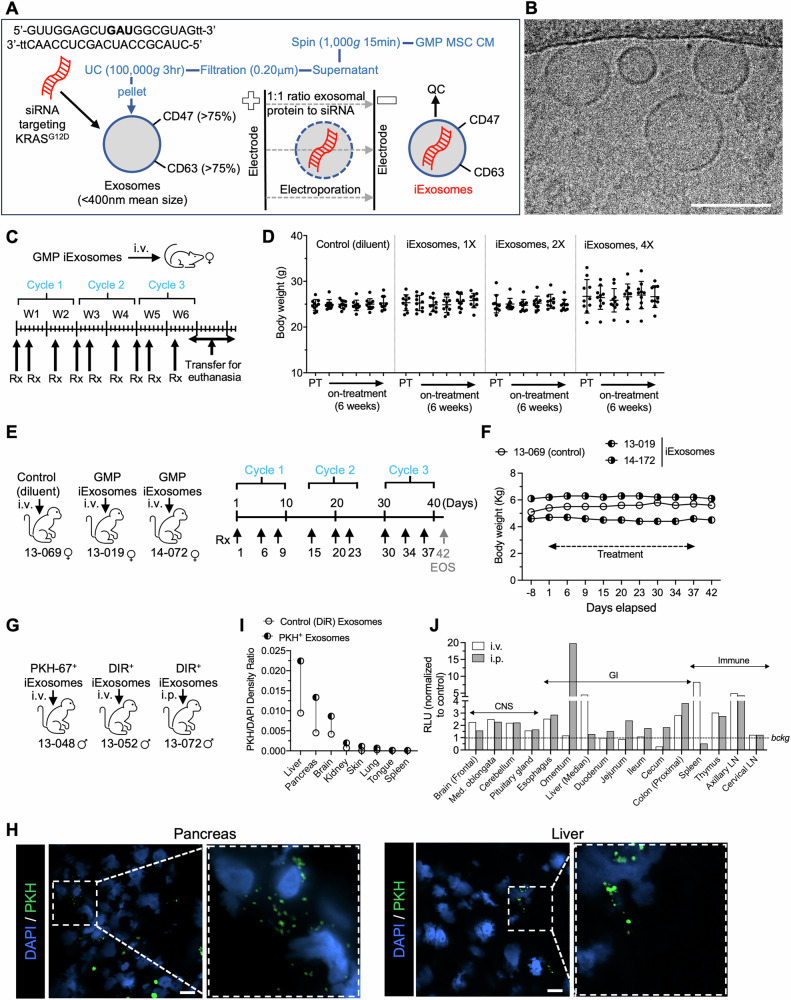
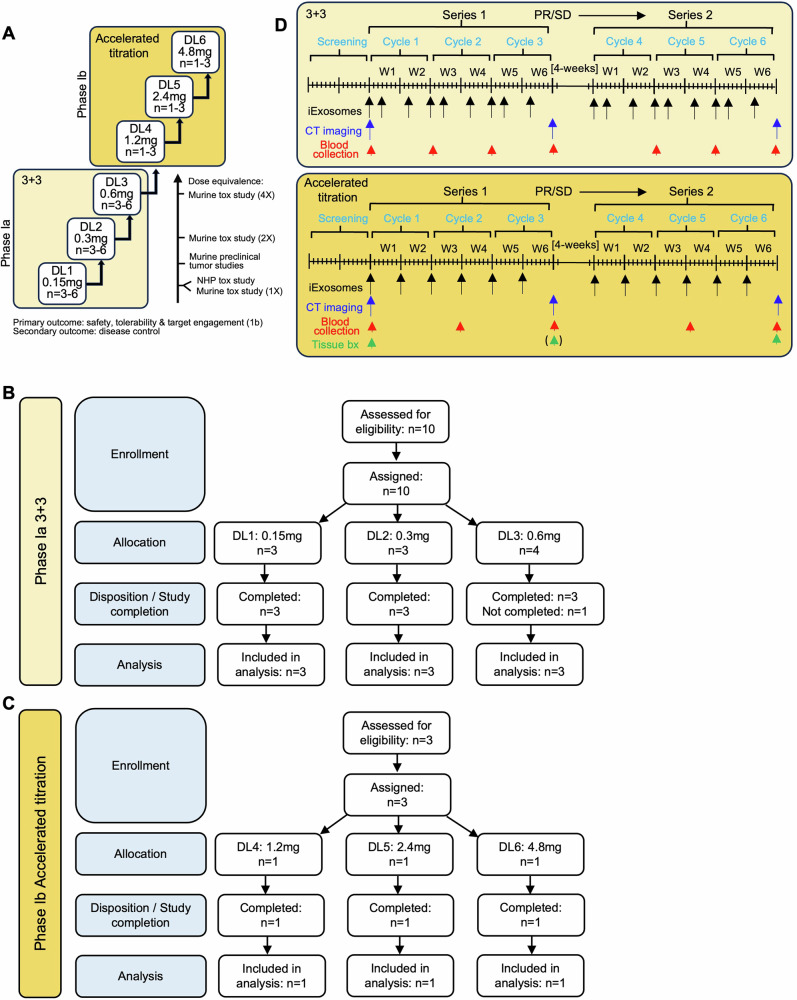
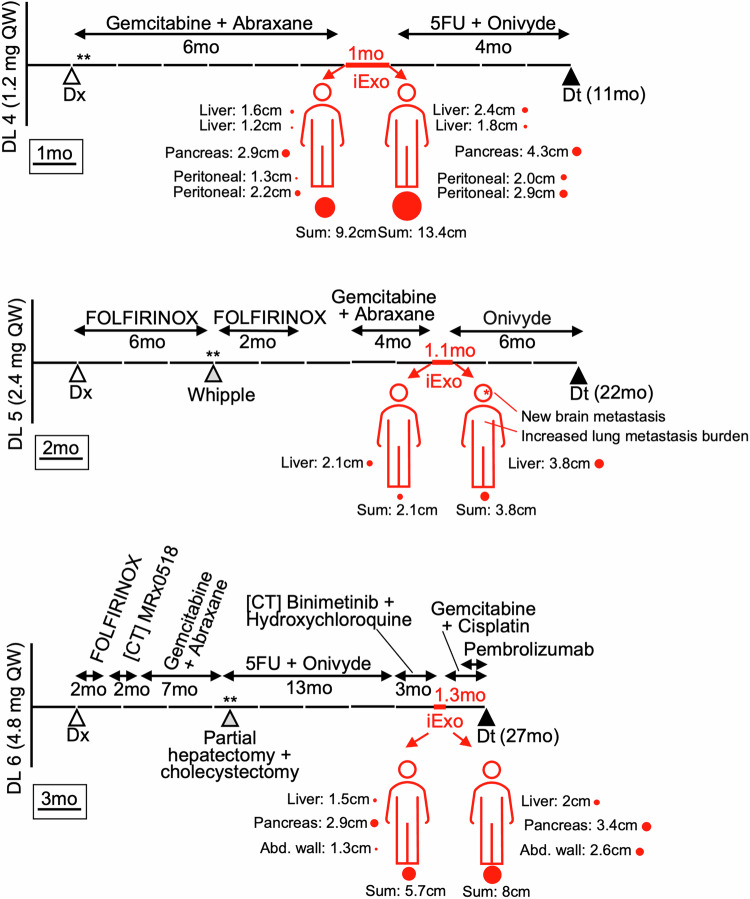
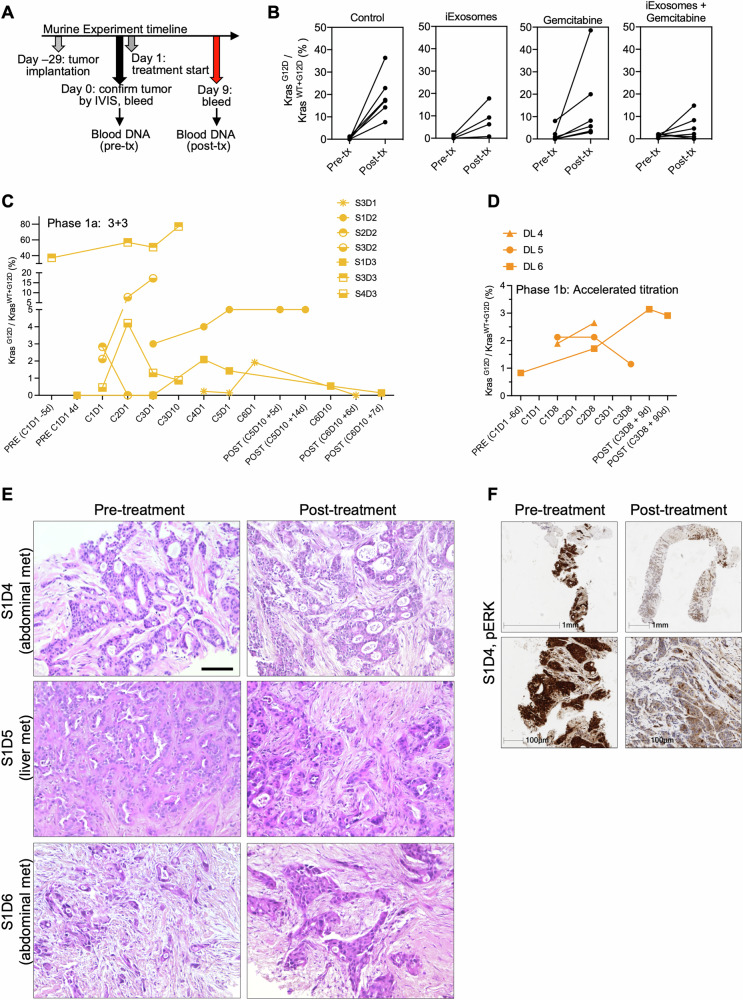
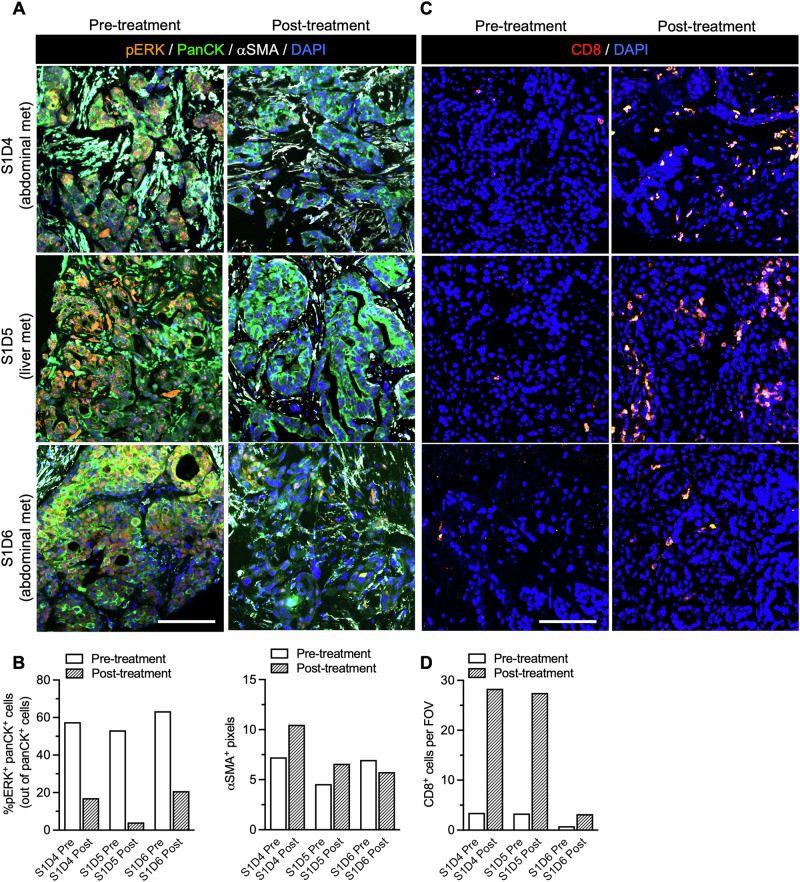
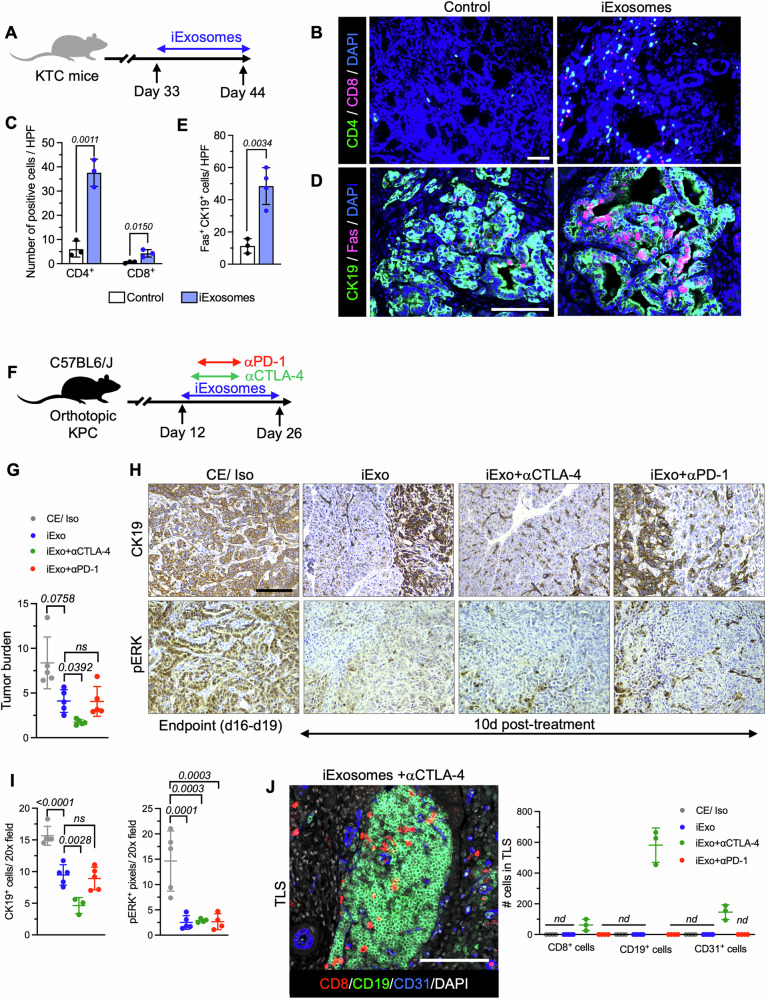
Oncogenic KRAS is amongst the key genetic drivers for initiation and maintenance of pancreatic ductal adenocarcinoma (PDAC). Here, we show that engineered exosomes with KrasG12D specific siRNA (iExoKrasG12D) reveal a biodistribution in pancreas with negligible toxicity in preclinical studies in mice and Rhesus macaques. Clinical testing of iExoKrasG12D in the iEXPLORE (iExoKrasG12D in Pancreatic Cancer) Phase I study employed a non-randomized single-arm classical 3 + 3 dose escalation design (Phase Ia), followed by an accelerated titration design (Phase Ib) (NCT03608631). The primary outcomes included safety, tolerability and target engagement, and the secondary outcomes aimed to assess disease control. Patients with advanced metastatic disease were enrolled after failure of multiple lines of therapy. iExoKrasG12D therapy was well-tolerated: the primary outcomes were met with iExoKrasG12D showing no dose-limiting toxicity. The maximum tolerated dose was not reached even at the highest dose. In some cases, iExoKrasG12D therapy was associated with stable disease response (secondary outcome). Downregulation of KRASG12D DNA and suppression of phospho-Erk was documented together with an increase in intratumoral CD8+ T cells following treatment. The CD8+ T cell recruitment priming by iExoKrasG12D informed on potential efficacy of immune checkpoint therapy and lead to validation testing in preclinical PDAC models. Combination therapy of iExoKrasG12D and anti-CTLA-4 antibodies, but not anti-PD1, revealed robust pre-clinical anti-tumor efficacy via FAS mediated CD8+ T cell anti-tumor activity. This first-in-human, precision medicine clinical trial and supporting preclinical functional studies offer new insights into priming of immunotherapy by oncogenic Kras inhibitor for future opportunistic combination therapy for PDAC patients. iExoKrasG12D are engineered exosomes for the delivery of siRNA targeting KRASG12D. Here the authors describe the results of a phase I trial of iExoKrasG12D in patients with metastatic pancreatic cancer, reporting safety and clinical activity, as well as immunological correlates informing on tumor immune microenvironment reprograming and future combination with immune checkpoint inhibitors.’
Overview
The claims and statistics of this paper haven’t been checked yet.
Free: it reads the open-access text and checks the first 5 claims that cite a source we can check. Create a free account to check every claim.
Integrity signals
Registry
Cites
Statistics
Figures
Verification
Claims the paper makes
The claims and statistics of this paper haven’t been checked yet.
Free: it reads the open-access text and checks the first 5 claims that cite a source we can check. Create a free account to check every claim.
Claims other papers make about this one
Each is checked against this paper’s own text: does it say what the citing paper says it does?
The cited source says what the claim attributes to it.
In the citing paper
“Additional emerging modalities include RNA-targeted therapeutics, antisense oligonucleotides, siRNA-based suppression [65,66], neoantigen vaccines [67,68], and adoptive T-cell therapies targeting mutant KRAS-derived epitopes [69,70].”
From Precision Targeting of KRAS-Mutant Cancers: Beyond G12C Toward G12D and Pan-RAS Therapeutic Strategies (2026) · cites this paper as [66]
Self-check
Percentages, sums and reported differences re-computed from the paper’s own numbers.
The self-check needs the paper’s full text.
Citations
Cites
The biology , function , and biomedical applications of exosomes
Kalluri, R., & LeBleu, V. S. (2020) · Science · doi:10.1126/science.aau6977 · Cited by 10,770
Self-citationSiegel, R. L., Kratzer, T. B., Giaquinto, A. N., Sung, H., & Jemal, A. (2025) · CA: A Cancer Journal for Clinicians · doi:10.3322/caac.21871 · Cited by 3,060
EMAN2: An extensible image processing suite for electron microscopy
Tang, G., Peng, L., Baldwin, P. R., Mann, D. S., Jiang, W., Rees, I., & Ludtke, S. J. (2007) · Journal of Structural Biology · doi:10.1016/j.jsb.2006.05.009 · Cited by 2,994
Self-citationÖzdemir, B. C., Pentcheva-Hoang, T., Carstens, J. L., Zheng, X., Wu, C.-C., Simpson, T. R., Laklai, H., Sugimoto, H., Kahlert, C., Novitskiy, S. V., et al. (2014) · Cancer Cell · doi:10.1016/j.ccr.2014.04.005 · Cited by 2,681
Self-citationExosomes facilitate therapeutic targeting of oncogenic KRAS in pancreatic cancer
Kamerkar, S., LeBleu, V. S., Sugimoto, H., Yang, S., Ruivo, C. F., Melo, S. A., Lee, J. J., & Kalluri, R. (2017) · Nature · doi:10.1038/nature22341 · Cited by 2,639
Self-citationPreinvasive and invasive ductal pancreatic cancer and its early detection in the mouse
Hingorani, S. R., Petricoin, E. F., Maitra, A., Rajapakse, V., King, C., Jacobetz, M. A., Ross, S., Conrads, T. P., Veenstra, T. D., Hitt, B. A., et al. (2003) · Cancer Cell · doi:10.1016/s1535-6108(03)00309-x · Cited by 2,471
Self-citationPancreatic cancer genomes reveal aberrations in axon guidance pathway genes
Initiative, A. P. C. G., Biankin, A. V., Waddell, N., Kassahn, K. S., Gingras, M.-C., Muthuswamy, L. B., Johns, A. L., Miller, D. K., Wilson, P. J., Patch, A.-M., et al. (2012) · Nature · doi:10.1038/nature11547 · Cited by 2,058
Self-citationOncogenic Kras maintains pancreatic tumors through regulation of anabolic glucose metabolism
Ying, H., Kimmelman, A. C., Lyssiotis, C. A., Hua, S., Chu, G. C., Fletcher-Sananikone, E., Locasale, J. W., Son, J., Zhang, H., Coloff, J. L., et al. (2012) · Cell · doi:10.1016/j.cell.2012.01.058 · Cited by 2,043
Tertiary lymphoid structures in the era of cancer immunotherapy
Sautès-Fridman, C., Petitprez, F., Calderaro, J., & Fridman, W. H. (2019) · Nature reviews. Cancer · doi:10.1038/s41568-019-0144-6 · Cited by 1,884 · cited 1×
“…including B cells, CD8 + T cells, a newly developing vasculature with endothelial venules and antigen presenting cells 24 – 26 , is frequently associated with favorable responses to immunotherapy in the context of cancers such as melanoma, non-small cell lung carcinomas and better prognosis 25,26 .”
The biology and function of exosomes in cancer
Kalluri, R. (2016) · Journal of Clinical Investigation · doi:10.1172/jci81135 · Cited by 1,849
Self-citation
Cited by
80 years of extracellular vesicles: from discovery to clinical translation
Li, Q., Ding, Y., Shi, Y., Qiu, C., Lei, L., Li, S., Zhu, Z., Zheng, J., Qin, C., Wang, K., et al. (2026) · Extracellular Vesicles and Circulating Nucleic Acids · doi:10.20517/evcna.2025.161 · Cited by 88
The status of extracellular vesicles as drug carriers and therapeutics
Chaudhari, A. P., Budayr, O. M., Bonacquisti, E. E., Kussatz, C. C., Bannon, M. S., Law, K. J., Liu, Y., Bolton, M. L., Glassman, P. M., Huang, L., et al. (2026) · Nature Reviews Bioengineering · doi:10.1038/s44222-026-00405-x · Cited by 63
Bioengineering of extracellular vesicles with scaffold proteins for drug delivery
Zhang, C., Wu, Y., Wang, Y., Yao, C., Ma, M., Li, J., & Wu, Q. (2026) · Journal of Nanobiotechnology · doi:10.1186/s12951-026-04142-6 · Cited by 22
“…clinical studies, such as those involving siRNA-loaded EVs, employed total EV protein content and defined stoichiometry between vesicles and nucleic acid payloads as pragmatic release metrics, highlighting the need for mechanism-informed yet operationally feasible quantitation strategies [350].”
Cui, J., Jiang, K., Li, W., Ni, S., Zong, H., Du, J., He, Y., Liu, Z., Kong, G., Zhang, Y., et al. (2026) · Nature Medicine · doi:10.1038/s41591-026-04538-9 · Cited by 16
“Preclinical studies have similarly demonstrated that suppression of oncogenic KRAS leads to decreased circulating mutant KRAS DNA levels, correlating with tumor response 32 .”
KRAS-targeted therapies in cancer: novel approaches and overcoming resistance
Tang, D., Kroemer, G., & Kang, R. (2025) · BMJ Oncology · doi:10.1136/bmjonc-2025-000946 · Cited by 16
KRAS Inhibition in Pancreatic Ductal Adenocarcinoma
Pradeep, R., Isbeih, N. J., Abraham, F. F., Noori, E., Yeung, Z. P., & Kundranda, M. N. (2026) · Journal of Clinical Medicine · doi:10.3390/jcm15020873 · Cited by 9
“Exosome-based delivery of KRASG12D siRNA (iExoKRASG12D) achieves pancreas localization with benign safety in nonhuman primates and shows feasibility in a Phase I trial, supporting biologically “stealth” carriers for hard-to-reach PDAC sites [98].”
Baena, J. C., Cabrera-Salcedo, S. C., Suárez, Y. C., Biancha‐Vasco, J. M., Ríos-Serna, L. J., García-Mantilla, M. D., Estrada, M., Hincapie, J. S. V., Toro-Pedroza, A., García-Robledo, J. E., et al. (2026) · Journal of Nanobiotechnology · doi:10.1186/s12951-026-04089-8 · Cited by 10
“…exosomes as delivery systems for KRASG12D-specific siRNA in metastatic pancreatic ductal adenocarcinoma, demonstrating excellent tolerability and safety in Phase Ia/Ib following systemic administration of iExoKrasG12D derived from allogeneic bone marrow mesenchymal stromal cells [9, 185].”
Advances in oligonucleotide therapeutics: recent bench-side progress in ASO, siRNA, and aptamer
Li, Y., Ding, F., Zhu, L., Feng, H., & Zhang, C. (2026) · Materials Today · doi:10.1016/j.mattod.2026.103204 · Cited by 8
Zhang, L., Tian, J., Li, Q., Li, N., Song, D., Shi, X., & Duan, S. (2026) · Coordination Chemistry Reviews · doi:10.1016/j.ccr.2026.217860 · Cited by 6
Canestrale, A. R., Kholia, S., Dimuccio, V., & Sanchez, M. B. H. (2025) · Journal of Personalized Medicine · doi:10.3390/jpm16010001 · Cited by 7
“So far, engineering strategies like CD47 display, which prolong systemic circulation, have shown promise in early studies [182], although long-term safety data remain limited.”
Liu, Q., He, L., Wu, X., & Pan, X. (2026) · Frontiers in Immunology · doi:10.3389/fimmu.2026.1748591 · Cited by 7
Extracellular vesicle-based delivery systems for nucleic acid therapeutics
Zhang, X., Liu, X., Zhou, Q., & Yao, K. (2026) · Molecular Therapy — Nucleic Acids · doi:10.1016/j.omtn.2026.102870 · Cited by 6
“132 Despite these promising developments, several engineering challenges must be addressed for the successful clinical application of EVs for nucleic acid delivery, particularly when compared with synthetic nanocarriers.”
siRNA Nanoparticle Delivery Strategies and Clinical Trial Advances in Tumor Therapy
Wang, P., Gong, J., Xu, Y., & Xia, X. (2026) · International Journal of Molecular Sciences · doi:10.3390/ijms27073032 · Cited by 4
Exo-nanomaterials in cancer immunotherapy: reprogramming the tumor immune microenvironment
Fang, W., Qiu, E., Liu, R., Wang, S., Wang, T., & Wang, Y. (2026) · Frontiers in Immunology · doi:10.3389/fimmu.2025.1764525 · Cited by 4
Boudreault, J., Rahimirad, S., Wang, N., Yan, G., Lima, L. C., Poulet, S., Dai, M., Ali, S., & Lebrun, J. J. (2026) · Molecular Cancer · doi:10.1186/s12943-026-02587-9 · Cited by 5
Neuro-tumor-immune crosstalk in pancreatic cancer: Mechanisms and therapeutic insights
Jin, J., He, B., Wang, X., Zhang, Y., You, H., Mo, S., Guo, D., & Shi, S. (2026) · Biochimica et Biophysica Acta (BBA) - Reviews on Cancer · doi:10.1016/j.bbcan.2026.189575 · Cited by 5
Exosomes serve as natural nanocarriers targeting cancer stem cells to advance precision oncology
AlRamadneh, T. N., Aditya, F. A., Abdulsahib, W. K., Jasim, I. K., Malathi, H., Nayak, P. P., Anand, D. A., Mukherjee, G., Sinha, A., & Hayitova, M. (2026) · Discover Oncology · doi:10.1007/s12672-026-04748-0 · Cited by 5
“…most clinical development focuses on (i) exosomes/EVs as biomarkers for noninvasive diagnosis and monitoring, and (ii) engineered exosomes derived from controlled producer cells (e.g., MSCs or HEK-derived systems) as delivery vehicles rather than using tumor/CSC exosomes themselves [122].”
Chen, J., Gu, Z., Hua, K., Zhang, Y., Shen, F., Zhang, M., Zhou, G., & Ding, J. (2026) · Journal of Ovarian Research · doi:10.1186/s13048-026-02093-y · Cited by 4
Cui, X.-T., Li, C.-L., Zhong, X., Liu, Y.-K., Liu, S.-G., & Wang, Z. (2026) · Gene · doi:10.1016/j.gene.2026.150063 · Cited by 4
Extracellular vesicle therapeutics in Alzheimer’s disease: mechanisms, progress, and prospects
Fang, Y., Hao, X., & Fang, B. (2026) · Extracellular Vesicles and Circulating Nucleic Acids · doi:10.20517/evcna.2025.158 · Cited by 3
Tiny Messengers, Actionable Targets: sEV-Driven Epigenetic Changes in Cancer
Verma, N., Arora, S., & Croghan, K. (2026) · Targets · doi:10.3390/targets4030030 · Cited by 6
Karabiber, A., Zhou, Y. J., Mittelstädt, A., Hansen, F. J., Litau, M., Kuchenreuther, I., Mazurie, J., Clausen, F.-N., Klöckner, S., Czubayko, F., et al. (2026) · Cells · doi:10.3390/cells15050411 · Cited by 2
“Exosomes are increasingly recognized as mediators of tumor–immune crosstalk and systemic inflammation, and their cargo may reflect disease state more accurately than soluble plasma proteins [18–21].”
Chen, M., Wang, W., Jie, D., & Gu, L. (2026) · Critical Reviews in Oncology/Hematology · doi:10.1016/j.critrevonc.2026.105234 · Cited by 3
Systemic health impact of cancer-associated extracellular vesicles and particles
Wang, G., Lucotti, S., Bojmar, L., Tobias, G. C., Piszczatowski, R. T., Dror, S., Zhang, H., & Lyden, D. C. (2026) · Nature reviews. Cancer · doi:10.1038/s41568-026-00952-w · Cited by 2
Dovaizem, N. L., Rebolledo, L. P., Ha, A. T., Chammas, R. J., Andrade, L. N. D. S., & Afonin, K. A. (2026) · ACS Nano Medicine · doi:10.1021/acsnanomed.6c00004 · Cited by 2
Huang, Y., Hoagstrom, K. V., Mundry, C. S., Hu, T., Jensen-Smith, H. C., Wragge, J., Le, P., Baniya, A., McAndrews, K. L., Caffrey, T. C., et al. (2026) · Cancer Letters · doi:10.1016/j.canlet.2026.218411 · Cited by 3
Self-citationDutta, K., Savard, A., Reshke, R., Taylor, J. A., Armitage, B., Silva, N. M. L. E., Wu, J., Duli, E., Poudel, B., Bellana, K., et al. (2026) · Cell Biomaterials · doi:10.1016/j.celbio.2026.100424 · Cited by 1
Azhar, M. A., Alshehri, E., Assiri, A. M., Broering, D. C., Yaqinuddin, A., & Mir, T. A. (2026) · BioMedical Engineering OnLine · doi:10.1186/s12938-026-01557-y · Cited by 3
“Oncology exosomes are being studied as vehicles for drug delivery, as well as for cancer vaccines and immune modulators [185].”
Advances in nucleic acid delivery using nanocarriers for gene therapy in cancer: A narrative review
Davari, M., Salarizadeh, N., Hushmandi, K., Ghaleh, H. E. G., Asoodeh, A., & Nazarpour, V. (2026) · Critical Reviews in Oncology/Hematology · doi:10.1016/j.critrevonc.2026.105367 · Cited by 2
Contreras, C., & Ariza‐Donado, A. (2026) · International Journal of Molecular Sciences · doi:10.3390/ijms27125541 · Cited by 3
“Although this does not mean that it is already an established therapy, it does indicate that engineered EV-based platforms, including products described as exosome-based in the original studies, are now being evaluated as genuine clinical systems for siRNA delivery [23].”
Wang, Y., Zhang, Y., Wang, X., Zhao, W., Li, Q., Zhou, M., Liu, Y., Yi, X., He, J. I., Li, Y. P., et al. (2026) · Molecular Cancer · doi:10.1186/s12943-026-02712-8 · Cited by 2
“Correlative analyses further showed a reduction in KRAS G12D DNA, inhibition of p-ERK signaling, and increased CD8 ⁺ T cell infiltration in tumor sites [281].”
Extracellular vesicles: Navigating new frontiers in glioblastoma therapy
Mendonca, N. C., Liu, L., Chen, K., & Shah, K. (2026) · Neurotherapeutics · doi:10.1016/j.neurot.2026.e01036 · Cited by 1
Exosomes as next-generation drug carriers: Transforming cancer therapy
Arif, Y., Moholkar, D. N., Kandimalla, R., Aqil, F., & Gupta, R. C. (2026) · Journal of Controlled Release · doi:10.1016/j.jconrel.2026.115265 · Cited by 2
Decoding the uptake pathway of nanoparticles in tumor cells: mechanisms, developments and challenges
Chen, Z., Zhou, L., Li, S., & Zhang, X. (2026) · Advances in Colloid and Interface Science · doi:10.1016/j.cis.2026.104054 · Cited by 1
Kano, Y. (2026) · International Journal of Molecular Sciences · doi:10.3390/ijms27135796
“Additional emerging modalities include RNA-targeted therapeutics, antisense oligonucleotides, siRNA-based suppression [65,66], neoantigen vaccines [67,68], and adoptive T-cell therapies targeting mutant KRAS-derived epitopes [69,70].”
Ren, Y.-F., Shao, B., Wang, H.-D., Jiang, H., Chen, Q., Sun, C., Xiao, Y.-Y., Li, Y., Yang, G.-M., Liu, X., et al. (2025) · Nanomedicine · doi:10.1080/17435889.2025.2592969 · Cited by 1
Clinical Translation and New Indications for Exosome Therapy
Mahdipour, M. (2025) · West Kazakhstan Regenerative Medicine Journal · doi:10.4103/wkrj.wkrj_5_26
Emerging concepts, hot topics, and open questions in today’s pancreatic cancer research
Keber, C. U., Schmitt, M., Visekruna, A., Brichkina, A. I., von Strandmann, E. P., Bartsch, J. W., Huber, M., Bauer, U., Gress, T. M., & Lauth, M. (2026) · Biochimica et Biophysica Acta (BBA) - Reviews on Cancer · doi:10.1016/j.bbcan.2026.189614
Nagaraju, G. P., Sarvesh, S., & El‐Rayes, B. F. (2026) · Cancer Letters · doi:10.1016/j.canlet.2026.218617
Rearming mesenchymal stem cells with engineering strategies to combat cancer
Yu, T., Jin, S., Xu, R., Zhang, Y., & Wang, X. (2026) · Frontiers in Immunology · doi:10.3389/fimmu.2026.1845224 · Cited by 1
“The tumor-tropic behavior of MSCs and MSC-derived EVs provides a mechanistic basis for localizing effector modules within dif fi cult-to-treat lesions, as supported by preclinical studies including oncolytic virus delivery in ovarian cancer and EV-based KRAS targeting in pancreatic cancer (203, 229).”
Characterizing the Fate of Anti‐CS1 Nanobody Displaying Extracellular Vesicles in Multiple Myeloma
Coster, M. D., Hyka, L., Cock, S. D., Meeussen, S., Wang, Z., Tu, C., Hernot, S., Devoogdt, N., David, G., Veirman, K. D., et al. (2026) · Journal of Extracellular Vesicles · doi:10.1002/jev2.70325
Mesenchymal stem cell-derived exosomes as engineered nanocarriers for cancer stem cell targeting
Bhoi, S., Patil, V. V., Patil, N., Pawar, R., & Patil, G. (2026) · Next research. · doi:10.1016/j.nexres.2026.102059
Zhou, X., Chen, S., & Liang, J. (2026) · Discover Oncology · doi:10.1007/s12672-026-05523-x
“The threshold of TME modulation required for synergistic tumour regression with CAR-T cells has not yet been prospectively defined [15].”
InfluentialLee, M., Park, K., Kim, J., Hyun, K., Sathiyaseelan, A., & Park, S. (2026) · International Journal of Molecular Sciences · doi:10.3390/ijms27146298 · Cited by 1
“Several studies have utilized the electroporation method for the preparation of siRNA-loaded exosomes [47,48].”
From Uptake to Therapeutic Function in Engineered Exosome Delivery Systems
Li, Y., Jin, L., Gao, P., Li, M., Zhao, Z., Jiang, J., An, M., & Li, F. (2026) · Research · doi:10.34133/research.1389 · Cited by 1
“In vivo studies of engineered exosome-mediated Kras G12D siRNA delivery and CRISPR/Cas9 delivery further linked gene knockdown or editing-related outcomes with antitumor activity [ 145 , 146 ].”
El‐Sehrawy, A. A. M. A., Hussein, H. Y., Nematov, O. N., Baig, M. R., Patel, D. N., Nayak, P. P., Alkayyat, S., Bainsal, N., Singh, G., & Basunduwah, T. S. (2026) · DARU Journal of Pharmaceutical Sciences · doi:10.1007/s40199-026-00631-z
“These early results support the feasibility of exosome-mediated siRNA delivery, providing critical proof-of-concept data and informing dose selection, scheduling, and biomarker evaluation for future trials in KRAS-driven pancreatic cancer [ 178 ].”
Biomimetic delivery systems for overcoming drug resistance in gastrointestinal cancers
Wu, G., Li, A.-X., Gu, Y.-W., Cheng, X.-L., Mao, R.-C., Wang, X.-J., He, M.-Y., Chai, Q., Li, F.-N., Liu, H., et al. (2026) · Drug Resistance Updates · doi:10.1016/j.drup.2026.101465
Kalluri, V. S., Che, S. P. Y., Conner, M., Diaz, B. A. M., Yarlagadda, A., Church, K. A., Chronopoulos, A., Vázquez-Arreguín, K., Sugimoto, H., & Kalluri, R. (2026) · bioRxiv (Cold Spring Harbor Laboratory) · doi:10.64898/2026.08.10.744066
“We recently reported on the safety profile of bone marrow derived EVs engineered to deliver therapeutic siRNA payload against oncogene Kras G12D in patients with advanced pancreatic cancer 26 .”
InfluentialSelf-citationJin, S., Zhang, Z., Liang, F., Yang, Y., Lü, A., & Liang, C. (2026) · Biomarker Research · doi:10.1186/s40364-026-00981-5
“Target engagement was supported by decreased KRAS (G12D) DNA signal, suppression of phospho-ERK, and increased intratumoral CD8 + T-cell infiltration after treatment [279].”
Malla, R. R., & Nagaraju, G. P. (2026) · Biochemical Pharmacology · doi:10.1016/j.bcp.2026.118390
RNA interference-based therapeutics as next generation drugs
Vaishnavi, S., Mesa, C., & Ellipilli, S. (2026) · Proceedings of the Indian National Science Academy · doi:10.1007/s43538-026-00908-6
Abuhassan, Q., Abdulsahib, W. K., Abdal-Wahab, S. T., Malathi, H., Panigrahi, R., Janney, J. B., Sharma, V., Sinha, A., & Sultanov, R. (2026) · Cancer Treatment and Research Communications · doi:10.1016/j.ctarc.2026.101404
Xu, J., Li, Z., Liu, D., Zhao, L., & Li, Y. (2026) · Extracellular Vesicles and Circulating Nucleic Acids · doi:10.20517/evcna.2026.85
Yang, M., Tian, M., Wang, J., Ma, Z., Chen, R., & Ben, X. (2026) · Frontiers in Cell and Developmental Biology · doi:10.3389/fcell.2026.1934352 · Cited by 3
“Engineered EVs carrying KRASG12D-targeting siRNA have entered first-in-human evaluation (Kalluri et al., 2025).”
Lu, L., Qiu, Y., Wu, J., Dou, W., Yang, J., & Zhang, B. (2026) · Pharmaceutics · doi:10.3390/pharmaceutics18091108
“A phase I study evaluated allogeneic bone marrow mesenchymal stromal cell-derived exosomes carrying KRASˆG12D -specific siRNA in patients with metastatic pancreatic cancer [78].”
Pantazaka, E., Sivvas, G., Papadimitriou, Ε., & Mikelis, C. M. (2026) · British Journal of Pharmacology · doi:10.1111/bph.70616
AI‐Driven Rational Design of Nanotherapeutics for Pancreatic Ductal Adenocarcinoma
Choo, S., Chae, K., Lee, J., Kim, I., & Lee, S. S. (2026) · Medicinal Research Reviews · doi:10.1002/med.70105
Varshan, G. S. A., & Namasivayam, S. K. R. (2026) · Nanomedicine Nanotechnology Biology and Medicine · doi:10.1016/j.nano.2026.103020 · Cited by 1
Pancreatic ductal adenocarcinoma: The Vision of Heracles
Reyes, C. M., Goetz, M. R., Algül, H., Dogruoez, A., Falcomatà, C., Gaida, M. M., Görgülü, K., Gültekin, Y., Gürçınar, İ. H., Hasselluhn, M. C., et al. (2026) · Cancer Cell · doi:10.1016/j.ccell.2026.07.014
Self-citationLi, Y., Li, Y., Fan, J., San, Z.-Q., & Ye, J. (2026) · Frontiers in Immunology · doi:10.3389/fimmu.2026.1900936
“Editing and cellular programs contribute target-engagement, distribution, and early safety data (97, 101, 104), while nanocarrier studies add quantitative distribution and early clinical feasibility (112, 119, 120).”
Abbasi, P., AfsharManesh, A., Rezaei, S., Mozdi, M., Shakeri, P., Nasab, N. K., Zaeifi, D., Jamialahmadi, K., & Oskuee, R. K. (2026) · Drug Delivery and Translational Research · doi:10.1007/s13346-026-02222-6
Engineered nanomaterials for siRNA therapy against tumor metastasis
Cai, Y., Li, Y., Fu, Y., Wang, F., Liu, X., Zhang, P., Li, Y., & Haiqiang, C. (2026) · Chemical Engineering Journal · doi:10.1016/j.cej.2026.182349
RNA therapeutics: current status and future directions
Yang, B., Sedano, M. J., Perez, K. L., Vijayaraghavan, M., Reid, V. A., Yallapu, M. M., Chauhan, S. C., Dhandayuthapani, S., Ramos, E., & Gadad, S. S. (2026) · Signal Transduction and Targeted Therapy · doi:10.1038/s41392-026-03032-5 · Cited by 1
“…de fi ciency (NCT05043181), 412 MSCs-derived exosomes encapsulating KRAS G12D -targeting siRNA for pancreatic cancer patients with KRAS G12D mutation (NCT03608631), 413 and MSCs-derived exosomes enriched with neuroprotective miR-124 for treating patients with acute ischemic stroke (NCT03384433).”
Wang, J., Xiang, Z., Zhu, H., Zhu, H., & Wang, J. (2026) · Biochimica et Biophysica Acta (BBA) - Reviews on Cancer · doi:10.1016/j.bbcan.2026.189725
Xu, B., Wei, D., Tao, K., & Wang, Y. (2026) · Pharmaceutics · doi:10.3390/pharmaceutics18101305
“…KRAS G12D -targeting siRNA-loaded exosomes were well tolerated and showed exploratory evidence of KRAS-https pathway modulation and increased intratumoral CD8 + T-cell infiltration; complementary preclinical findings suggested enhanced antitumor activity when combined with CTLA-4 blockade [98].”
Wang, Y., Su, S., Zahra, K., Sang, R., Molloy, M. P., Hutvágner, G., & Deng, W. (2026) · bioRxiv (Cold Spring Harbor Laboratory) · doi:10.64898/2026.10.15.759489
“Previous KRAS RNAi studies have largely focused on pancreatic cancer models or individual KRAS variants, with more recent approaches mainly targeting G12V[18, 25, 26].”
tsRNAs in HCC: Biology, liquid biopsy and therapy
Hong, Y., Qin, S., Xu, S., Wu, J., Xu, K., 邓庆宁, Li, X., & Ju, S. (2026) · Biochemical and Biophysical Research Communications · doi:10.1016/j.bbrc.2026.154749
Advancing exosome research through artificial intelligence: Advancements and applications
Chadha, S. (2026) · Journal of Pharmacology and Experimental Therapeutics · doi:10.1016/j.jpet.2026.105047
Exosomes in Cancer: The Biology, Function, Diagnosis, and Therapy
Wu, J., Wu, L., Yang, K., Xie, K., Lu, T., Huang, T., Wan, D., Song, T., & Zhang, L. (2026) · MedComm · doi:10.1002/mco2.71074
Research and application progress of siRNA nano-delivery systems in gliomas
He, M., Sun, F., Wu, L., Gao, Y., Wang, W., Dong, J., & Yan, J. (2026) · Journal of drug targeting · doi:10.1080/1061186x.2026.2756480
Epigenetic messengers: extracellular vesicles at the interface of cancer communication
Duffy, K. E., McGee, M. M., & Perry, A. S. (2026) · Cancer and Metastasis Reviews · doi:10.1007/s10555-026-10395-2
“Therapeutic efforts targeting EVs currently fall into two broad categories: blocking pathogenic tumour-EV signalling and using EVs as delivery vehicles. were engineered to deliver KRAS G12D-specific siRNA [94].”
Metadata
- Authors
- Kalluri, V. S., Smaglo, B. G., Mahadevan, K. K., Kirtley, M. L., McAndrews, K. M., Mendt, M., Yang, S., Maldonado, A. S., Sugimoto, H., Salvatierra, M. E., Solis Soto, L. M., Haymaker, C., Finch, R., Gagea, M., Fluty, A. C., Ludtke, S. J., Jack Lee, J., Jain, A. K., Varadhachary, G., Shroff, R. T., Maitra, A., Shpall, E., Pant, S., & Kalluri, R.
- Affiliations
- The University of Texas MD Anderson Cancer Center (US)
- Baylor College of Medicine (US)
- University of Arizona Cancer Center (US)
- Corresponding author
- Kalluri, Valerie S.
- ORCID
- Kalluri, Valerie S.
- Smaglo, Brandon G.
- Mahadevan, Krishnan K.
- Kirtley, Michelle L.
- McAndrews, Kathleen M.
- Mendt, Mayela
- Yang, Sujuan
- Sugimoto, Hikaru
- Salvatierra, Maria E.
- Solis Soto, Luisa M.
- Haymaker, Cara
- Gagea, Mihai
- Fluty, Adam C.
- Ludtke, Steven J.
- Jack Lee, J.
- Jain, Abhinav K.
- Shroff, Rachna T.
- Maitra, Anirban
- Shpall, Elizabeth
- Pant, Shubham
- Kalluri, Raghu
- Venue
- Nature Communications
- Published
- 2025-09-30
- Volume
- 16
- Issue
- 1
- Pages
- 8696-8696
- ISSN
- 2041-1723 (ISSN-L)
- PMC
- PMC12485160
- OpenAlex
- W4414651339
- Cited by
- 70
- References
- 41
- Citations by year
- 2026: 66 · 2025: 4
- FWCI
- 20.92
- Type
- journal article
- Language
- en
- Open access
- gold
- doi.org
- Licence
- cc-by-nc-nd
- creativecommons.org/licenses/by-nc-nd/4.0 (tdm)
- creativecommons.org/licenses/by-nc-nd/4.0 (vor)
- Locations
- Nature Communications (publishedVersion, cc-by-nc-nd)
- Europe PMC (PubMed Central) (publishedVersion, cc-by-nc-nd)
- PubMed (publishedVersion)
- PubMed Central (publishedVersion, cc-by-nc-nd)
- Digital Commons-TMC (Texas Medical Center) (submittedVersion)
- DOAJ (DOAJ: Directory of Open Access Journals) (submittedVersion, cc-by-sa)
- Funders
- Cancer Prevention and Research Institute of Texas (RP190602)
- National Institutes of Health (1r35gm151999-01)
- University of Texas MD Anderson Cancer Center
- National Cancer Institute (R35CA263815)
- National Institute of General Medical Sciences (R35GM151999, R01GM080139)
- Topics
- Life Sciences › Biochemistry, Genetics and Molecular Biology › Molecular Biology › Extracellular vesicles in disease
- Life Sciences › Biochemistry, Genetics and Molecular Biology › Molecular Biology › RNA Interference and Gene Delivery
- Health Sciences › Medicine › Oncology › Pancreatic and Hepatic Oncology Research
- Keywords
- engineered exosomes, siRNA delivery, KRAS G12D, pancreatic ductal adenocarcinoma, exosome biodistribution, CD8+ T cells, tumor immune microenvironment, precision medicine, metastatic pancreatic cancer, safety and tolerability
- MeSH terms
- Aged, Animals, Female, Humans, Male, Middle Aged, Pancreatic Neoplasms, Proto-Oncogene Proteins p21(ras), CD8-Positive T-Lymphocytes, Carcinoma, Pancreatic Ductal, RNA, Small Interfering, Cell Line, Tumor, Mice, Exosomes
About these checks
Registry, retraction, Cites and statistics results are computed, not judged, with one exception: a printed reference that no index lists is read once by a model before it counts as a citation error. Claims are extracted by a model and kept only when their quote appears verbatim in the text; each cited source is then checked, with a model’s help, for whether it says what the claim relies on. Those verdicts can be wrong — read the claim’s quote and the cited source before relying on one.
Statistics and arithmetic are recomputed, not judged.
Confidence bands are shown only for fields calibrated on our annotated test set. None is calibrated yet, so no band is shown.
What counts as a claim ›How we measure confidence ›How we check this ›
Are you an author, or do you see a problem with this page? Request a review
Data sources
Bibliographic data: Semantic Scholar, OpenAlex, Crossref.
Contains information from the Semantic Scholar Academic Graph Datasets, made available under the ODC Attribution License (ODC-BY 1.0).
Semantic Scholar’s data is described in: Kinney, R., et al. (2023). The Semantic Scholar Open Data Platform. arXiv:2301.10140.
