

How does hormesis impact biology, toxicology, and medicine?
Open accessThe DOI matches its Crossref record; 76 of the 76 references it cites were found in a registry or an index.
Abstract
Hormesis refers to adaptive responses of biological systems to moderate environmental or self-imposed challenges through which the system improves its functionality and/or tolerance to more severe challenges. The past two decades have witnessed an expanding recognition of the concept of hormesis, elucidation of its evolutionary foundations, and underlying cellular and molecular mechanisms, and practical applications to improve quality of life. To better inform future basic and applied research, we organized and re-evaluated recent hormesis-related findings with the intent of incorporating new knowledge of biological mechanisms, and providing fundamental insights into the biological, biomedical and risk assessment implications of hormesis. As the literature on hormesis is expanding rapidly into new areas of basic and applied research, it is important to provide refined conceptualization of hormesis to aid in designing and interpreting future studies. Here, we establish a working compartmentalization of hormesis into ten categories that provide an integrated understanding of the biological meaning and applications of hormesis.
Overview
The claims and statistics of this paper haven’t been checked yet.
Free: it reads the open-access text and checks the first 5 claims that cite a source we can check. Create a free account to check every claim.
Integrity signals
Registry
Cites
Statistics
Figures
Verification
Claims the paper makes
The claims and statistics of this paper haven’t been checked yet.
Free: it reads the open-access text and checks the first 5 claims that cite a source we can check. Create a free account to check every claim.
Claims other papers make about this one
Each is checked against this paper’s own text: does it say what the citing paper says it does?
The cited source says what the claim attributes to it.
In the citing paper
“A crucial component of allostasis is hormesis, a biphasic response where mild stress exposure enhances physiological defenses, fostering resilience74,75.”
From Resilience and brain health in global populations (2025) · cites this paper as [74]
Self-check
Percentages, sums and reported differences re-computed from the paper’s own numbers.
The self-check needs the paper’s full text.
Citations
Cites
Preconditioning with ischemia: a delay of lethal cell injury in ischemic myocardium.
Murry, C. E., Jennings, R. B., & Reimer, K. A. (1986) · Circulation · doi:10.1161/01.cir.74.5.1124 · Cited by 7,812
Andrews, S. C., Robinson, A. K., & Rodríguez-Quiñones, F. (2003) · FEMS Microbiology Reviews · doi:10.1016/s0168-6445(03)00055-x · Cited by 2,702
Mattson, M. P. (2008) · Ageing Research Reviews · doi:10.1016/j.arr.2007.08.007 · Cited by 1,253
Self-citationAdaptive Response of Human Lymphocytes to Low Concentrations of Radioactive Thymidine
Olivieri, G., Bodycote, J., & Wolff, S. (1984) · Science · doi:10.1126/science.6695170 · Cited by 824 · cited 1×
“Another important factor in the evolution of this concept was the highly visible commentaries on the topic in the journal Science by Leonard Sagan(67) and Sheldon Wolff,(68) whose laboratory discovered the adaptive response in radiation.(38) Continuing progress in the assessment of hormesis would occur throughout the…”
BackgroundCalabrese, V., Cornelius, C., Dinkova-Kostova, A. T., Calabrese, E. J., & Mattson, M. P. (2010) · Antioxidants & Redox Signaling · doi:10.1089/ars.2009.3074 · Cited by 796
Self-citationCalabrese, E. J., & Baldwin, L. A. (2002) · Human & Experimental Toxicology · doi:10.1191/0960327102ht217oa · Cited by 752
Self-citationCalabrese, E. J., Bachmann, K. A., Bailer, A. J., Bolger, P. M., Borak, J., Cai, L., Cedergreen, N., Cherian, M. G., Chiueh, C. C., Clarkson, T. W., et al. (2007) · Toxicology and Applied Pharmacology · doi:10.1016/j.taap.2007.02.015 · Cited by 750
Self-citationCALABRESE, E., & BLAIN, R. (2005) · Toxicology and Applied Pharmacology · doi:10.1016/j.taap.2004.06.023 · Cited by 557
Self-citationUnderstanding the Cellular and Molecular Mechanisms of Physical Activity-Induced Health Benefits
Neufer, P. D., Bamman, M. M., Muoio, D. M., Bouchard, C., Cooper, D. M., Goodpaster, B. H., Booth, F. W., Kohrt, W. M., Gerszten, R. E., Mattson, M. P., et al. (2015) · Cell Metabolism · doi:10.1016/j.cmet.2015.05.011 · Cited by 478
Self-citationMattson, M. P., & Wan, R. (2005) · The Journal of Nutritional Biochemistry · doi:10.1016/j.jnutbio.2004.12.007 · Cited by 469
Self-citation
Research works printed but not linked: 3
- Luckey T. D. (ed.). Hormesis with Ionizing Radiation (CRC Press, Inc., 1980).
- Luckey T. D. (ed.). Radiation Hormesis (CRC Press, Inc., 1991).
- Calabrese E. J. (ed.) Biological Effects of Low Level Exposures to Chemicals and Radiation (Lewis Publishers, 1992).
Cited by
Items 101–200 of 637
Ferulic acid and hormesis: Biomedical and environmental implications
Calabrese, E. J., Agathokleous, E., & Calabrese, V. (2021) · Mechanisms of Ageing and Development · doi:10.1016/j.mad.2021.111544 · Cited by 45
Self-citationResilience and brain health in global populations
Udeh-Momoh, C. T., Migeot, J., Blackmon, K., Mielke, M. M., Melloni, M., Cox, L., Yaffe, K., Santamaria-Garcia, H., Stern, Y., & Ibanez, A. (2025) · Nature Medicine · doi:10.1038/s41591-025-03846-w · Cited by 42
“A crucial component of allostasis is hormesis, a biphasic response where mild stress exposure enhances physiological defenses, fostering resilience 74,75 .”
Environmental hormesis in living systems: The role of hormetic trade-offs
Erofeeva, E. A. (2023) · The Science of The Total Environment · doi:10.1016/j.scitotenv.2023.166022 · Cited by 42
Short-term effects of different fire severities on soil properties and Pinus halepensis regeneration
Romeo, F., Marziliano, P. A., Turrión, M.-B., & Muscolo, A. (2019) · Journal of Forestry Research · doi:10.1007/s11676-019-00884-2 · Cited by 43
Jin, M., Dang, J., Paudel, Y. N., Wang, X., Wang, B., Wang, L., Li, P., Sun, C., & Liu, K. (2021) · The Science of The Total Environment · doi:10.1016/j.scitotenv.2021.145963 · Cited by 44
Calabrese, E. J. (2021) · Environmental Research · doi:10.1016/j.envres.2021.111025 · Cited by 45
Self-citationOshri, A. (2022) · Review of General Psychology · doi:10.1177/10892680221142020 · Cited by 44
Resilience integrates concepts in aging research
Promislow, D., Anderson, R. M., Scheffer, M., Crespi, B. J., DeGregori, J. V., Harris, K., Natterson-Horowitz, B., Levine, M. E., Riolo, M. A., Schneider, D. S., et al. (2022) · iScience · doi:10.1016/j.isci.2022.104199 · Cited by 46
“Hormesis is a phenomenon where exposure to a small nonlethal stressor can lead to a protective response (Calabrese and Mattson, 2017; Mattson, 2008).”
BackgroundCalabrese, E. J. (2022) · Chemico-Biological Interactions · doi:10.1016/j.cbi.2022.110064 · Cited by 44
“When the responses reflect the enlargement of the prostate gland, the enhanced proliferation of tumor cells or other undesirable responses, it has been viewed as potentially harmful [163,165].”
BackgroundSelf-citationGarcía-Martínez, B. I., Ruíz-Ramos, M., Pedraza‐Chaverrí, J., Santiago‐Osorio, E., & Mendoza-Núñez, V. M. (2022) · Molecules · doi:10.3390/molecules27165232 · Cited by 43
Mind body medicine: a modern bio-psycho-social model forty-five years after Engel
Fricchione, G. L. (2023) · BioPsychoSocial Medicine · doi:10.1186/s13030-023-00268-3 · Cited by 41
“Enhancing and extending biological performance, health and resilience Biological fitness appears to improve as a function of repeated exposures to optimized hormetic stress stimuli applied at rhythmic intervals [33].”
BackgroundSun, T., Ji, C., Li, F., & Wu, H. (2024) · Environmental Science & Technology · doi:10.1021/acs.est.4c00686 · Cited by 41
Sun, H., Zheng, M., Song, J., Huang, S., Pan, Y., Gong, R., & Lin, Z. (2018) · The Science of The Total Environment · doi:10.1016/j.scitotenv.2018.12.006 · Cited by 40
Meng, J., Lv, Z., Sun, C., Qiao, X., & Chen, C. (2020) · The FASEB Journal · doi:10.1096/fj.202000136r · Cited by 42
Thoré, E. S. J., Hooreweghe, F. V., Philippe, C., Brendonck, L., & Pinceel, T. (2021) · Aquatic Toxicology · doi:10.1016/j.aquatox.2021.105743 · Cited by 42
Nitric oxide, hormesis and plant biology
Calabrese, E. J., & Agathokleous, E. (2022) · The Science of The Total Environment · doi:10.1016/j.scitotenv.2022.161299 · Cited by 40
Self-citationThe role of energy source or substrate in microbial hormesis
Tang, L., Zhou, Y., Zhang, Y., & Sun, H. (2022) · Current Opinion in Toxicology · doi:10.1016/j.cotox.2021.12.001 · Cited by 39
Calabrese, E. J. (2020) · Molecules · doi:10.3390/molecules25112719 · Cited by 40
Self-citationWard, R. D., Tran, J. S., Banta, A. B., Bacon, E. E., Rose, W. E., & Peters, J. M. (2023) · mBio · doi:10.1128/mbio.02051-23 · Cited by 43
“Our finding that knockdown gradients of essential genes treated with antibiotics can mimic hormetic effects seen in dose-response curves (45) has implications for modeling conditional phenotypes of essential genes and dosing of combination therapies.”
BackgroundAgathokleous, E., Anav, A., Araminienė, V., Marco, A. D., Domingos, M., Kitao, M., Koike, T., Manning, W. J., Paoletti, E., Saitanis, C. J., et al. (2018) · Environmental Pollution · doi:10.1016/j.envpol.2018.12.046 · Cited by 38
Self-citationCo-carcinogenic effects of vitamin E in prostate
Vivarelli, F., Canistro, D., Cirillo, S., Papi, A., Spisni, E., Vornoli, A., Croce, C. M. D., Longo, V. G., Franchi, P., Filippi, S., et al. (2019) · Scientific Reports · doi:10.1038/s41598-019-48213-1 · Cited by 37
Floris, I., Appel, K., Rose, T., & Lejeune, B. (2018) · Journal of Inflammation Research · doi:10.2147/jir.s174326 · Cited by 36
“24,25 Hormesis can have a wide range of biological implications and it has been applied to immune-related responses, hence, it could be exploited to improve therapeutic strategies and clinical outcomes.”
Progress in progestin-based therapies for neurological disorders
Sitruk-Ware, R. L., Bonsack, B., Brinton, R. D., Schumacher, M., Kumar, N., Lee, J.-Y., Castelli, V., Corey, S., Coats, A. B., Sadanandan, N., et al. (2020) · Neuroscience & Biobehavioral Reviews · doi:10.1016/j.neubiorev.2020.12.007 · Cited by 38
Muñoz-Vargas, M. Á., López-Jaramillo, J., González‐Gordo, S., Paradela, A., Palma, J. M., & Corpas, F. J. (2023) · Antioxidants and Redox Signaling · doi:10.1089/ars.2022.0222 · Cited by 55
“This observed redox adaptation processes of the LCD and DCD could be cataloged as a hormesis phenomenon that allows to improve its functionality in response to redox changes in the surrounding cellular environment of these enzymes (Calabrese and Mattson, 2017; Calabrese et al., 2010).”
BackgroundKim, J. H., Moon, N., Ji, E. S., & Moon, H. (2023) · Environmental Science and Pollution Research · doi:10.1007/s11356-023-29292-0 · Cited by 38
“According to this concept, substances that are toxic at high doses can sometimes be beneficial at low doses (Calabrese and Mattson 2017).”
BackgroundIonizing Radiation and Translation Control: A Link to Radiation Hormesis?
Kabilan, U., Graber, T. E., Alain, T., & Klokov, D. Y. (2020) · International Journal of Molecular Sciences · doi:10.3390/ijms21186650 · Cited by 37
Integrative computational approach identifies drug targets in CD4+ T-cell-mediated immune disorders
Puniya, B. L., Amin, R., Lichter, B., MOORE, R. E., Ciurej, A., Bennett, S. J., Shah, A. R., Barberis, M., & Helikar, T. (2021) · npj Systems Biology and Applications · doi:10.1038/s41540-020-00165-3 · Cited by 37
Lysosomes, Autophagy, and Hormesis in Cell Physiology, Pathology, and Age-Related Disease
Moore, M. N. (2020) · Dose-Response · doi:10.1177/1559325820934227 · Cited by 34
“Hormesis is a biphasic dose–response to an environmental agent or condition characterized by low dose stimulation with beneficial effect and a high dose inhibitory with harmful effect.(1,2) Hormesis is induced by mild physiological stress caused by a variety of stressors including toxic metals, organic xenobiotics, ph…”
BackgroundUllman, D. (2021) · Dose-Response · doi:10.1177/15593258211022983 · Cited by 44
“After much reluctance, hormesis concept has now become well established in biomedical science as a genuine phenomenon of nature.(113) Similarly, it seems, it may soon accept homeopathy as a system of nanomedicine, though more investigations with independent replication must be conducted for more widespread acceptance…”
BackgroundJacques, C., Floris, I., & Lejeune, B. (2021) · International Journal of Molecular Sciences · doi:10.3390/ijms22136717 · Cited by 34
“The “hormesis” concept may underpin the cellular adaptation to these ultra-low cell responses, as this notion has been applied to a broad spectrum of independent cellular functions such as proliferation, DNA repair, antioxidant response or autophagy for instance [106].”
BackgroundPruimboom, L., & Muskiet, F. A. J. (2018) · Medical Hypotheses · doi:10.1016/j.mehy.2018.08.002 · Cited by 35
Lee, H.-J., Han, Y., An, J. M., Kang, E. A., Park, Y. J., Cha, J.-Y., & Hahm, K. B. (2018) · Expert Review of Anticancer Therapy · doi:10.1080/14737140.2018.1524299 · Cited by 34
Predicting low-concentration effects of pesticides
Liess, M., Henz, S., & Knillmann, S. (2019) · Scientific Reports · doi:10.1038/s41598-019-51645-4 · Cited by 35
Vecchio, A. D., Tenore, G., Luzi, M. C., Palaia, G., Mohsen, A., Pergolini, D., & Romeo, U. (2021) · Healthcare · doi:10.3390/healthcare9020134 · Cited by 40
Hormetic responses in arbuscular mycorrhizal fungi
Jakobsen, I., Munkvold, L., & Rosendahl, S. (2021) · Soil Biology and Biochemistry · doi:10.1016/j.soilbio.2021.108299 · Cited by 33
“logical plasticity and mechanisms involved have been documented in many cases (Calabrese and Mattson, 2017).”
BackgroundHormesis and adult adipose-derived stem cells
Calabrese, E. J. (2021) · Pharmacological Research · doi:10.1016/j.phrs.2021.105803 · Cited by 34
Self-citationNeurodegenerative disorders, metabolic icebergs, and mitohormesis
Phillips, M. C. L., & Picard, M. A. (2024) · Translational Neurodegeneration · doi:10.1186/s40035-024-00435-8 · Cited by 33
“Although human studies demonstrate there may be no safe level for some industrial toxins [173], a non-linear dose–response is also observed, consistent with the activation of mitohormesis [166, 174].”
ResultAgathokleous, E., Kitao, M., & Calabrese, E. J. (2018) · Environmental Pollution · doi:10.1016/j.envpol.2018.04.031 · Cited by 32
“…than 10-82 fold in dose range (Agathokleous, 2018; Agathokleous et al., 2018; Calabrese, 2011, 2013, 2014, 83 2017c; Calabrese & Blain, 2009; 2011; Calabrese & Mattson, 2011, 2017; Cedergreen et al., 84 2007; Hasmi et al., 2014; Kim et al., 2018; Poschenrieder et al., 2013, Vargas-Hernandez et…”
BackgroundSelf-citationAlcohol consumption in later life and reaching longevity: the Netherlands Cohort Study
van den Brandt, P. A., & Brandts, L. (2020) · Age and Ageing · doi:10.1093/ageing/afaa003 · Cited by 32
“A possible beneficial effect of light-moderate alcohol intake on longevity (with inverted J-shaped dose-response on longevity) may also be related to hormesis [32, 33].”
BackgroundCalabrese, E. J., & Agathokleous, E. (2020) · Environmental Research · doi:10.1016/j.envres.2020.109559 · Cited by 32
Self-citationPeng, H., Wu, C.-Y., Hsiao, Y.-C., Martel, J., Ke, P., Chiu, C., Liau, J.-C., Chang, I.-T., Su, Y.-H., Ko, Y., et al. (2021) · Aging · doi:10.18632/aging.203068 · Cited by 34
“This dose response may have been overlooked in previous studies, possibly due to the large range of concentrations needed to observe the opposite effects [15].”
BackgroundSechman, A., Grzegorzewska, A. K., Grzesiak, M., Kozubek, A., Katarzyńska‐Banasik, D., Kowalik, K., & Hrabia, A. (2019) · Domestic Animal Endocrinology · doi:10.1016/j.domaniend.2019.07.006 · Cited by 31
Activation of the Nrf2 Pathway as a Therapeutic Strategy for ALS Treatment
Arslanbaeva, L. R., & Bisaglia, M. (2022) · Molecules · doi:10.3390/molecules27051471 · Cited by 32
Oxidative stress links response to lead and Acyrthosiphon pisum in Pisum sativum L.
Woźniak, A., Bednarski, W., Dancewicz, K., Gabryś, B., Borowiak-Sobkowiak, B., Bocianowski, J., Samardakiewicz, S., Rucińska-Sobkowiak, R., & Morkunas, I. (2019) · Journal of Plant Physiology · doi:10.1016/j.jplph.2019.152996 · Cited by 42
Human dental pulp stem cells and hormesis
Calabrese, E. J., Agathokleous, E., Dhawan, G., Kapoor, R., & Calabrese, V. (2021) · Ageing Research Reviews · doi:10.1016/j.arr.2021.101540 · Cited by 32
Self-citationMeta-analytic evidence for the anti-aging effect of hormesis on Caenorhabditis elegans
Sun, T., Wu, H., Cong, M., Zhan, J., & Li, F. (2020) · Aging · doi:10.18632/aging.102773 · Cited by 33
Li, H., Huang, X., & Zhan, A. (2020) · Frontiers in Physiology · doi:10.3389/fphys.2020.00094 · Cited by 39
Nguyen, L. T., Zajíčková, M., Mašátová, E., Matoušková, P., & Skálová, L. (2021) · Veterinary Research · doi:10.1186/s13567-021-00980-4 · Cited by 29
“The ATP level is modulated by many factors, and an elevation in ATP can also reflect a stress response [24].”
BackgroundPal, K., Raghuram, G. V., Dsouza, J., Shinde, S., Jadhav, V., Shaikh, A., Rane, B., Tandel, H., Kondhalkar, D., Chaudhary, S., et al. (2022) · Scientific Reports · doi:10.1038/s41598-022-21388-w · Cited by 29
Cho, B., Kim, T., Huh, Y.-J., Lee, J., & Lee, Y. (2019) · International Journal of Molecular Sciences · doi:10.3390/ijms20205208 · Cited by 31
Gut microbiota regulates exercise-induced hormetic modulation of cognitive function
Cintado, E., Muela, P., Rodriguez, L., Alcaide, I., Tezanos, P., Vlčková, K., Valderrama, B., Bastiaanssen, T. F. S., Rodríguez-Muñoz, M., CEBALLOS, M. L. D., et al. (2025) · EBioMedicine · doi:10.1016/j.ebiom.2025.105876 · Cited by 29
Sun, T., Ji, C., Li, F., & Wu, H. (2022) · The Science of The Total Environment · doi:10.1016/j.scitotenv.2022.153295 · Cited by 28
Rocha, S., Corvo, M. L., Freitas, M., & Fernandes, E. G. R. (2024) · International Journal of Pharmaceutics · doi:10.1016/j.ijpharm.2024.124441 · Cited by 27
Targeting Wnt signaling pathway by polyphenols: implication for aging and age-related diseases
Dana, P. M., Sadoughi, F., Mansournia, M. A., Mirzaei, H., Asemi, Z., & Yousefi, B. (2021) · Biogerontology · doi:10.1007/s10522-021-09934-x · Cited by 28
Berkel, Ç., & Çaçan, E. (2021) · Biogerontology · doi:10.1007/s10522-021-09941-y · Cited by 27
Koivisto, A., Paulsen, G., Paur, I., Garthe, I., Tønnessen, E., Raastad, T., Bastani, N. E., Hallén, J., Blomhoff, R., & Bøhn, S. K. (2018) · Scandinavian Journal of Medicine and Science in Sports · doi:10.1111/sms.13212 · Cited by 30
Kishimoto, Y., Johnson, J. E., Fang, W., Halpern, J., Marosi, K., Liu, D., Geisler, J. G., & Mattson, M. P. (2019) · Neurobiology of Aging · doi:10.1016/j.neurobiolaging.2019.09.011 · Cited by 29
Self-citationBrose, R. D., Lehrmann, E., Zhang, Y., Reeves, R. H., Smith, K. D., & Mattson, M. P. (2018) · Neurobiology of Aging · doi:10.1016/j.neurobiolaging.2018.08.021 · Cited by 38
“We found that HU pretreatment protects primary hippocampal neurons against multiple insults involved in Aβ toxicity, results consistent with a hormesis-based mechanism that upregulates multiple adaptive cellular stress response pathways (Calabrese and Mattson, 2017).”
BackgroundSelf-citationSmoke-water commonly induces hormetic dose responses in plants
Calabrese, E. J., & Agathokleous, E. (2020) · The Science of The Total Environment · doi:10.1016/j.scitotenv.2020.142776 · Cited by 26
Self-citationRattan, S. I. S. (2018) · Elsevier eBooks · doi:10.1016/b978-0-12-814253-0.00018-8 · Cited by 26
Lee, D., & Jacobs, D. R. (2018) · Journal of Clinical Epidemiology · doi:10.1016/j.jclinepi.2018.12.005 · Cited by 26
Gómez‐Sierra, T., Medina‐Campos, O. N., Solano, J. D., Ibarra‐Rubio, M. E., & Pedraza‐Chaverrí, J. (2020) · Molecules · doi:10.3390/molecules25194442 · Cited by 28
Calabrese, E. J., Calabrese, V., & Giordano, J. (2021) · Ageing Research Reviews · doi:10.1016/j.arr.2021.101273 · Cited by 26
Self-citationVo, T. T. T., Huynh, T. D., Wang, C., Lai, K.-H., Lin, Z., Lin, W., Chen, Y., Peng, T., Wu, H., & Lee, I. (2022) · Antioxidants · doi:10.3390/antiox11081619 · Cited by 27
Oshri, A., Cui, Z., Owens, M. M., Carvalho, C., & Sweet, L. H. (2022) · Neuropsychologia · doi:10.1016/j.neuropsychologia.2022.108354 · Cited by 28
Thermal priming and bleaching hormesis in the staghorn coral, Acropora cervicornis (Lamarck 1816)
Martell, H. A. (2022) · Journal of Experimental Marine Biology and Ecology · doi:10.1016/j.jembe.2022.151820 · Cited by 25
Dietary hormesis: beyond nutrition and energy supply
Wang, Y., & Wang, Z. (2025) · npj Science of Food · doi:10.1038/s41538-025-00518-4 · Cited by 25
Environmental risk thresholds and prediction models of Cd in Chinese agricultural soils
Yu, L., Chen, S., Wang, J., Qin, L., Sun, X., Zhang, X., & Wang, M. (2023) · The Science of The Total Environment · doi:10.1016/j.scitotenv.2023.167773 · Cited by 24
Bordalo, D., Leite, C., Almeida, Â., Soares, A. M. V. M., Pretti, C., & Freitas, R. (2020) · Sustainability · doi:10.3390/su12176852 · Cited by 23
Heat-induced longevity in budding yeast requires respiratory metabolism and glutathione recycling
Musa, M., Perić, M., Dib, P. B., Sobočanec, S., Šarić, A., Lovrić, A., Rudan, M., Nikolić, A., Milošević, I., Vlahoviček, K., et al. (2018) · Aging · doi:10.18632/aging.101560 · Cited by 28
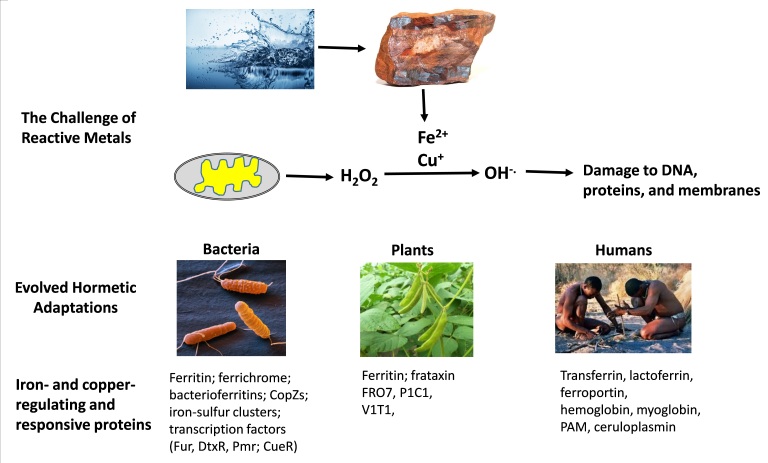
“Some of the stressors, like iron and oxygen, were eventually incorporated into the cellular pathways due to their chemical properties [1, 2].”
BackgroundHoney bee queen health is unaffected by contact exposure to pesticides commonly found in beeswax
McAfee, A., Milone, J. P., Metz, B. N., McDermott, E., Foster, L. J., & Tarpy, D. R. (2021) · Scientific Reports · doi:10.1038/s41598-021-94554-1 · Cited by 23
Lévêque, C., Mrakic‐Sposta, S., Lafère, P., Vezzoli, A., Germonpré, P., Beer, A., Mievis, S., Virgili, F., Lambrechts, K., Theunissen, S., et al. (2022) · International Journal of Molecular Sciences · doi:10.3390/ijms24010664 · Cited by 25
Molecular mechanisms regulating lifespan and environmental stress responses
Kishimoto, S., Uno, M., & Nishida, E. (2018) · Inflammation and Regeneration · doi:10.1186/s41232-018-0080-y · Cited by 24
Calabrese, E. J., Agathokleous, E., Kapoor, R., Kozumbo, W. J., & Rattan, S. I. S. (2019) · Chemico-Biological Interactions · doi:10.1016/j.cbi.2019.108844 · Cited by 23
Self-citationGonzaléz‐Paramás, A. M., Brighenti, V., Bertoni, L., Marcelloni, L., Ayuda‐Durán, B., González‐Manzano, S., Pellati, F., & Santos‐Buelga, C. (2020) · Antioxidants · doi:10.3390/antiox9060509 · Cited by 26
Ghosh, A., Agrawal, M., & Agrawal, S. B. (2020) · Journal of Hazardous Materials · doi:10.1016/j.jhazmat.2020.124968 · Cited by 24
Phukan, T., Rai, A. N., & Syiem, M. B. (2019) · Ecotoxicology and Environmental Safety · doi:10.1016/j.ecoenv.2019.05.074 · Cited by 22
Adverse cardiovascular effects of long-term exposure to diethyl phthalate in the rat aorta
Mariana, M., Lorigo, M., Feiteiro, J., Castelo-Branco, M., Soares, A. M. V. M., & Cairrão, E. (2023) · Chemosphere · doi:10.1016/j.chemosphere.2023.139904 · Cited by 23
Hormetic Effects of Mixtures of Dimethachlone and Prochloraz on Sclerotinia sclerotiorum
Zhang, R., Zhang, Y., Xu, Q., Li, J., & Zhu, F. (2018) · Plant Disease · doi:10.1094/pdis-06-18-1071-re · Cited by 22
Mothersill, C. E., & Seymour, C. B. (2019) · International Journal of Radiation Biology · doi:10.1080/09553002.2019.1589016 · Cited by 22
“…large body of evidence supporting hormetic effects not only from radiation but from virtually any substance or physical agent known (Calabrese 2010; Calabrese and Mattson 2017) and indeed everyday life confirms that what is harmful or poisonous in high doses can be beneficial or necessary for life…”
BackgroundStoichiometric Ecotoxicology for a Multisubstance World
Peace, A., Frost, P. C., Wagner, N. D., Danger, M., Accolla, C., Antczak, P., Brooks, B. W., Costello, D. M., Everett, R. A., Flores, K., et al. (2021) · BioScience · doi:10.1093/biosci/biaa160 · Cited by 25
Biological Prescience: The Role of Anticipation in Organismal Processes
Deans, C. (2021) · Frontiers in Physiology · doi:10.3389/fphys.2021.672457 · Cited by 28
“Today, hormesis has been documented in a diversity of taxa, from bacteria to humans, and documented for thousands of different compounds and physiological endpoints (Calabrese et al., 1999, 2008; Calabrese and Baldwin, 2003; Calabrese and Mattson, 2017).”
BackgroundMacrophage polarization induced by quinolone antibiotics at environmental residue level
Lang, L., Zhang, Y., Yang, A., Dong, J., Li, W., & Zhang, G. (2022) · International Immunopharmacology · doi:10.1016/j.intimp.2022.108596 · Cited by 21
Hormesis and immunity: A review
CSABA, G. (2018) · Acta Microbiologica et Immunologica Hungarica · doi:10.1556/030.65.2018.036 · Cited by 21
Pandelides, Z., Thornton, C., Lovitt, K. G., Faruque, A. S., Whitehead, A. P., Willett, K. L., & Ashpole, N. M. (2020) · GeroScience · doi:10.1007/s11357-020-00175-3 · Cited by 23
“…(reviewed in: Haugen et al., 2015), and the effects can be detrimental by increasing the risk of disease (Richardson et al., 2006; Zawia and Basha, 2005), or beneficial by increasing resilience to agerelated dysfunction (Calabrese and Mattson, 2017; Gidday, 2015; Hodges and Ashpole, 2019).”
BackgroundBiphasic effect of abscisic acid on plants: an hormetic viewpoint
Agathokleous, E., Kitao, M., & Calabrese, E. J. (2018) · Botany · doi:10.1139/cjb-2018-0076 · Cited by 21
Self-citationExtreme Heat Event Alters BVOC Responses to Elevated Ozone: From Physiology to Emission Patterns
Li, S., Yuan, X., Li, S., Zhou, Y., Wang, S., Zhang, K., Agathokleous, E., Blande, J. D., & Feng, Z. (2025) · Environmental Science & Technology · doi:10.1021/acs.est.5c01132 · Cited by 20
Oxytocin, Vasopressin and Stress: A Hormetic Perspective
Nazarloo, H. P., Kingsbury, M. A., Lamont, H., Dale, C. V., Nazarloo, P., Davis, J. M., Porges, E. C., Cuffe, S. P., & Carter, C. S. (2025) · Current Issues in Molecular Biology · doi:10.3390/cimb47080632 · Cited by 20
“These patterns of biphasic response align with the principles of hormesis, where moderate stress-induced signaling promotes long-term adaptive capacity, but excess burden tips physiological systems into maladaptation [85].”
InfluentialIndividual and Combined Effects of Manganese and Chromium on a Freshwater Chlorophyceae
Alho, L. D. O. G., Gebara, R. C., Mansano, A. D. S., Rocha, G. S., & Melão, M. D. G. G. (2022) · Environmental Toxicology and Chemistry · doi:10.1002/etc.5285 · Cited by 20
“Through this adaptation, the organism or system improves its ability and/or tolerance to deal with more serious challenges (E. J. Calabrese & Mattson, 2017).”
BackgroundGolubev, D., Platonova, E. Y., Zemskaya, N. V., Шевченко, О. Г., Shaposhnikov, M. V., Nekrasova, P., Patov, S. A., Ibragimova, U. M., Valuisky, N., Borisov, A. V., et al. (2023) · Biogerontology · doi:10.1007/s10522-023-10083-6 · Cited by 21
“That’s why understanding the complex dose–response relationship of toxins becomes important in identifying the optimal dosage that maximizes benefits while minimizing potential harm (Calabrese and Mattson 2017).”
Mitochondrial Toxins and Healthy Lifestyle Meet at the Crossroad of Hormesis
Lee, Y., & Lee, D. (2019) · Diabetes & Metabolism Journal · doi:10.4093/dmj.2019.0143 · Cited by 20
Kazakova, O. B., Lopatina, T. V., Giniyatullina, G. V., Mioc, M., & Şoica, C. (2020) · Bioorganic Chemistry · doi:10.1016/j.bioorg.2020.104209 · Cited by 20
Kooman, J. P., Stenvinkel, P., Shiels, P. G., Feelisch, M., Canaud, B., & Kotanko, P. (2020) · American Journal of Physiology-Renal Physiology · doi:10.1152/ajprenal.00540.2020 · Cited by 20
Hitchler, M. J., & Domann, F. E. (2021) · Free Radical Biology and Medicine · doi:10.1016/j.freeradbiomed.2021.01.008 · Cited by 20
Silva, C. O., Simões, T., Félix, R., Soares, A. M. V. M., Barata, C., Novais, S. C., & Lemos, M. F. L. (2021) · Biology · doi:10.3390/biology10030223 · Cited by 24
Zachleder, V., Kselíková, V., Ivanov, I. N., Bialevich, V., Vítová, M., Ota, S., Takeshita, T., Kawano, S., & Bišová, K. (2021) · Cells · doi:10.3390/cells10071806 · Cited by 19
The repeated bout effect evokes the training-induced skeletal muscle cellular memory
Calvo‐Rubio, M., Garcia-Dominguez, E., Tamayo-Torres, E., Soto-Rodriguez, S., González, G. O., Ferrucci, L., de Cabo, R., & Gómez‐Cabrera, M. C. (2024) · Free Radical Biology and Medicine · doi:10.1016/j.freeradbiomed.2024.09.047 · Cited by 25
Calabrese, E. J., Pressman, P., Hayes, A. W., Baldwin, L., Agathokleous, E., Kapoor, H., Dhawan, G., Kapoor, R., & Calabrese, V. (2025) · Mechanisms of Ageing and Development · doi:10.1016/j.mad.2025.112065 · Cited by 19
Self-citationCosmic Ionizing Radiation: A DNA Damaging Agent That May Underly Excess Cancer in Flight Crews
Toprani, S. M., Scheibler, C., Mordukhovich, I., McNeely, E., & Nagel, Z. D. (2024) · International Journal of Molecular Sciences · doi:10.3390/ijms25147670 · Cited by 21
“This could reflect the healthy worker effect [21] but would also be consistent with a radio-adaptive response that has been proposed to underlie radiation hormesis [151] and has been observed in other settings [91,152].”
ResultJegede, O., Hale, B. A., & Siciliano, S. D. (2019) · Environmental Toxicology and Chemistry · doi:10.1002/etc.4369 · Cited by 19
“Another potential mechanism could be that adaptations can be transferred to subsequent generations by epigenetic mechanisms that can be observed under unstressed conditions (Calabrese and Mattson 2017).”
Background
Metadata
- Authors
- Calabrese, E. J., & Mattson, M. P.
- Affiliations
- University of Massachusetts Amherst (US)
- Johns Hopkins University (US)
- Corresponding author
- Calabrese, Edward J.
- Venue
- npj Aging and Mechanisms of Disease
- Published
- 2017-09-15
- Volume
- 3
- Issue
- 1
- Pages
- 13-13
- ISSN
- 2056-3973 (ISSN-L)
- PMC
- PMC5601424
- OpenAlex
- W2756086301
- Cited by
- 593
- References
- 76
- Citations by year
- 2026: 110 · 2025: 67 · 2024: 63 · 2023: 60 · 2022: 63 · 2021: 75 · 2020: 65 · 2019: 43 · 2018: 46 · 2017: 1
- FWCI
- 6.44
- Type
- journal article
- Language
- en
- Update notices
- correction (2023-03-31)
- Open access
- gold
- doi.org
- Licence
- cc-by
- creativecommons.org/licenses/by/4.0 (tdm)
- creativecommons.org/licenses/by/4.0 (vor)
- Locations
- npj Aging and Mechanisms of Disease (publishedVersion, cc-by)
- PubMed Central (publishedVersion, cc-by)
- PubMed (publishedVersion)
- DOAJ (DOAJ: Directory of Open Access Journals) (submittedVersion, cc-by-sa)
- Funders
- ExxonMobil Foundation
- U.S. Air Force
- National Institute on Aging
- Topics
- Health Sciences › Medicine › Radiology, Nuclear Medicine and Imaging › Effects of Radiation Exposure
- Life Sciences › Biochemistry, Genetics and Molecular Biology › Aging › Genetics, Aging, and Longevity in Model Organisms
- Life Sciences › Biochemistry, Genetics and Molecular Biology › Molecular Biology › Genomics, phytochemicals, and oxidative stress
- Keywords
- hormesis, adaptive response, dose-response relationship, evolutionary biology, cellular and molecular mechanisms, risk assessment, toxicology, medicine
About these checks
Registry, retraction, Cites and statistics results are computed, not judged, with one exception: a printed reference that no index lists is read once by a model before it counts as a citation error. Claims are extracted by a model and kept only when their quote appears verbatim in the text; each cited source is then checked, with a model’s help, for whether it says what the claim relies on. Those verdicts can be wrong — read the claim’s quote and the cited source before relying on one.
Statistics and arithmetic are recomputed, not judged.
Confidence bands are shown only for fields calibrated on our annotated test set. None is calibrated yet, so no band is shown.
What counts as a claim ›How we measure confidence ›How we check this ›
Are you an author, or do you see a problem with this page? Request a review
Data sources
Bibliographic data: Semantic Scholar, OpenAlex, Crossref.
Contains information from the Semantic Scholar Academic Graph Datasets, made available under the ODC Attribution License (ODC-BY 1.0).
Semantic Scholar’s data is described in: Kinney, R., et al. (2023). The Semantic Scholar Open Data Platform. arXiv:2301.10140.
