

How does hormesis impact biology, toxicology, and medicine?
Open accessThe DOI matches its Crossref record; 76 of the 76 references it cites were found in a registry or an index.
Abstract
Hormesis refers to adaptive responses of biological systems to moderate environmental or self-imposed challenges through which the system improves its functionality and/or tolerance to more severe challenges. The past two decades have witnessed an expanding recognition of the concept of hormesis, elucidation of its evolutionary foundations, and underlying cellular and molecular mechanisms, and practical applications to improve quality of life. To better inform future basic and applied research, we organized and re-evaluated recent hormesis-related findings with the intent of incorporating new knowledge of biological mechanisms, and providing fundamental insights into the biological, biomedical and risk assessment implications of hormesis. As the literature on hormesis is expanding rapidly into new areas of basic and applied research, it is important to provide refined conceptualization of hormesis to aid in designing and interpreting future studies. Here, we establish a working compartmentalization of hormesis into ten categories that provide an integrated understanding of the biological meaning and applications of hormesis.
Overview
The claims and statistics of this paper haven’t been checked yet.
Free: it reads the open-access text and checks the first 5 claims that cite a source we can check. Create a free account to check every claim.
Integrity signals
Registry
Cites
Statistics
Figures
Verification
Claims the paper makes
The claims and statistics of this paper haven’t been checked yet.
Free: it reads the open-access text and checks the first 5 claims that cite a source we can check. Create a free account to check every claim.
Claims other papers make about this one
Each is checked against this paper’s own text: does it say what the citing paper says it does?
The cited source says what the claim attributes to it.
In the citing paper
“A crucial component of allostasis is hormesis, a biphasic response where mild stress exposure enhances physiological defenses, fostering resilience74,75.”
From Resilience and brain health in global populations (2025) · cites this paper as [74]
Self-check
Percentages, sums and reported differences re-computed from the paper’s own numbers.
The self-check needs the paper’s full text.
Citations
Cites
Preconditioning with ischemia: a delay of lethal cell injury in ischemic myocardium.
Murry, C. E., Jennings, R. B., & Reimer, K. A. (1986) · Circulation · doi:10.1161/01.cir.74.5.1124 · Cited by 7,812
Andrews, S. C., Robinson, A. K., & Rodríguez-Quiñones, F. (2003) · FEMS Microbiology Reviews · doi:10.1016/s0168-6445(03)00055-x · Cited by 2,702
Mattson, M. P. (2008) · Ageing Research Reviews · doi:10.1016/j.arr.2007.08.007 · Cited by 1,253
Self-citationAdaptive Response of Human Lymphocytes to Low Concentrations of Radioactive Thymidine
Olivieri, G., Bodycote, J., & Wolff, S. (1984) · Science · doi:10.1126/science.6695170 · Cited by 824 · cited 1×
“Another important factor in the evolution of this concept was the highly visible commentaries on the topic in the journal Science by Leonard Sagan(67) and Sheldon Wolff,(68) whose laboratory discovered the adaptive response in radiation.(38) Continuing progress in the assessment of hormesis would occur throughout the…”
BackgroundCalabrese, V., Cornelius, C., Dinkova-Kostova, A. T., Calabrese, E. J., & Mattson, M. P. (2010) · Antioxidants & Redox Signaling · doi:10.1089/ars.2009.3074 · Cited by 796
Self-citationCalabrese, E. J., & Baldwin, L. A. (2002) · Human & Experimental Toxicology · doi:10.1191/0960327102ht217oa · Cited by 752
Self-citationCalabrese, E. J., Bachmann, K. A., Bailer, A. J., Bolger, P. M., Borak, J., Cai, L., Cedergreen, N., Cherian, M. G., Chiueh, C. C., Clarkson, T. W., et al. (2007) · Toxicology and Applied Pharmacology · doi:10.1016/j.taap.2007.02.015 · Cited by 750
Self-citationCALABRESE, E., & BLAIN, R. (2005) · Toxicology and Applied Pharmacology · doi:10.1016/j.taap.2004.06.023 · Cited by 557
Self-citationUnderstanding the Cellular and Molecular Mechanisms of Physical Activity-Induced Health Benefits
Neufer, P. D., Bamman, M. M., Muoio, D. M., Bouchard, C., Cooper, D. M., Goodpaster, B. H., Booth, F. W., Kohrt, W. M., Gerszten, R. E., Mattson, M. P., et al. (2015) · Cell Metabolism · doi:10.1016/j.cmet.2015.05.011 · Cited by 478
Self-citationMattson, M. P., & Wan, R. (2005) · The Journal of Nutritional Biochemistry · doi:10.1016/j.jnutbio.2004.12.007 · Cited by 469
Self-citationThe Frequency of U-Shaped Dose Responses in the Toxicological Literature
Calabrese, E. J. (2001) · Toxicological Sciences · doi:10.1093/toxsci/62.2.330 · Cited by 436
Self-citationEnergy intake and exercise as determinants of brain health and vulnerability to injury and disease
Mattson, M. P. (2012) · Cell Metabolism · doi:10.1016/j.cmet.2012.08.012 · Cited by 434
Self-citationThe hormesis database: The occurrence of hormetic dose responses in the toxicological literature
Calabrese, E. J., & Blain, R. B. (2011) · Regulatory Toxicology and Pharmacology · doi:10.1016/j.yrtph.2011.06.003 · Cited by 426
Self-citationThe Hormetic Dose-Response Model Is More Common than the Threshold Model in Toxicology
Calabrese, E. J. (2003) · Toxicological Sciences · doi:10.1093/toxsci/71.2.246 · Cited by 418
Self-citationCalabrese, E. J. (2013) · Critical Reviews in Toxicology · doi:10.3109/10408444.2013.808172 · Cited by 380 · cited 2×
“This criticism has now been effectively addressed as hundreds of hormetic dose–response studies have published mechanisms down to the receptor and cell-signaling pathway.(9) However, of further importance was the realization that the quantitative features of the hormetic dose response was not affected by its underlyin…”
BackgroundSelf-citationMechanisms of copper homeostasis in bacteria
Argüello, J. M., Raimunda, D., & Padilla-Benavides, T. (2013) · Frontiers in Cellular and Infection Microbiology · doi:10.3389/fcimb.2013.00073 · Cited by 297
Charting the travels of copper in eukaryotes from yeast to mammals
Nevitt, T., Öhrvik, H., & Thiele, D. J. (2012) · Biochimica et Biophysica Acta (BBA) - Molecular Cell Research · doi:10.1016/j.bbamcr.2012.02.011 · Cited by 289 · cited 1×
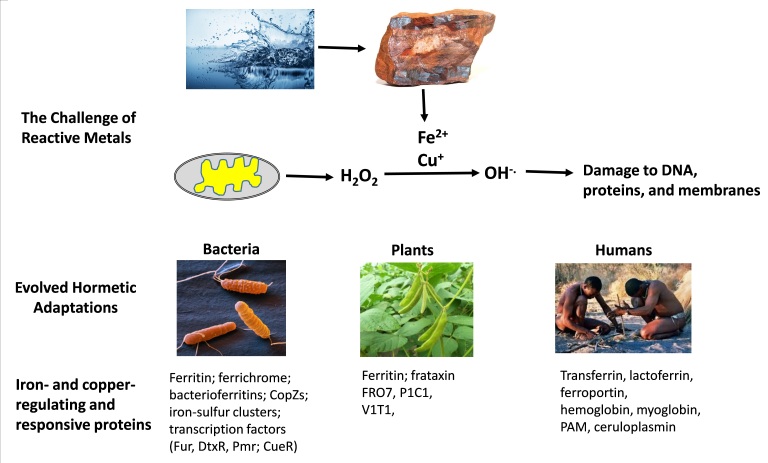
“, hemoglobin in red blood cells and myoglobin in muscle cells), and chaperone and transport proteins that shuttle the metals from the blood into various organs.(22) In humans, the ‘hormetic zones’ for iron and copper have been established, and dysregulation of iron and copper homeostasis are involved in a wide range o…”
BackgroundCalabrese, E. J. (2008) · British Journal of Clinical Pharmacology · doi:10.1111/j.1365-2125.2008.03243.x · Cited by 262 · cited 1×
“For example, biphasic dose responses of anxiolytic(52) and anti-seizure(53) drugs have been frequently reported during various stages of preclinical studies.(11) The hormetic data from these studies were used to select doses for testing during clinical trials.”
BackgroundSelf-citationHormesis provides a generalized quantitative estimate of biological plasticity
Calabrese, E. J., & Mattson, M. P. (2011) · Journal of Cell Communication and Signaling · doi:10.1007/s12079-011-0119-1 · Cited by 258
Self-citationRaefsky, S. M., & Mattson, M. P. (2017) · Free Radical Biology and Medicine · doi:10.1016/j.freeradbiomed.2016.11.045 · Cited by 257
Self-citationPhysical Activity and Exercise After Stroke: Review of Multiple Meaningful Benefits
Saunders, D. H., Greig, C. A., & Mead, G. E. (2014) · Stroke · doi:10.1161/strokeaha.114.004311 · Cited by 252
Radiation hormesis: its historical foundations as a biological hypothesis
Calabrese, E. J., & Baldwin, L. A. (2000) · Human & Experimental Toxicology · doi:10.1191/096032700678815602 · Cited by 248
Self-citationCalabrese, E. J. (2016) · Pharmacological Research · doi:10.1016/j.phrs.2015.12.021 · Cited by 241
Self-citationCalabrese, E. J. (2016) · Pharmacological Research · doi:10.1016/j.phrs.2015.12.020 · Cited by 219
Self-citationCalabrese, E. J., Baldwin, L. A., & Holland, C. D. (1999) · Risk Analysis · doi:10.1023/a:1006977728215 · Cited by 205
Self-citationHormesis as a biological hypothesis.
Calabrese, E. J., & Baldwin, L. A. (1998) · Environmental Health Perspectives · doi:10.1289/ehp.98106s1357 · Cited by 202
Self-citationThe Dose Determines the Stimulation (and Poison): Development of A Chemical Hormesis Database
Calabrese, E. J., & Baldwin, L. A. (1997) · International Journal of Toxicology · doi:10.1080/109158197226874 · Cited by 200
Self-citationPark, K. M., Byun, J.-Y., Kramers, C., Kim, J. I., Huang, P. L., & Bonventre, J. V. (2003) · Journal of Biological Chemistry · doi:10.1074/jbc.m301778200 · Cited by 199 · cited 2×
“Park et al.(61) reported that the protection induced via ischemia preconditioning in the BALB/c mouse kidney remained quite significant even after 12 weeks.”
BackgroundCardioprotection by remote ischemic conditioning and its signal transduction
Kleinbongard, P., Skyschally, A., & Heusch, G. (2017) · Pflügers Archiv - European Journal of Physiology · doi:10.1007/s00424-016-1922-6 · Cited by 192
Calabrese, E. J. (2013) · Environmental Pollution · doi:10.1016/j.envpol.2013.07.046 · Cited by 190
Self-citationKishimoto, S., Uno, M., Okabe, E., Nono, M., & Nishida, E. (2017) · Nature Communications · doi:10.1038/ncomms14031 · Cited by 182 · cited 2×
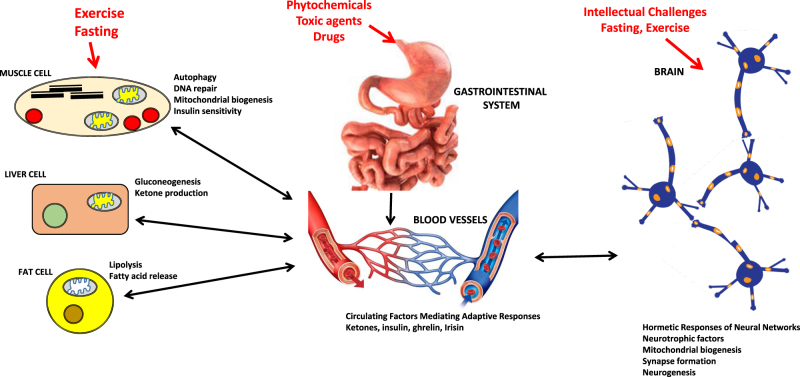
“Formation and retention of such memories can be considered a hormetic response, with the involved nerve cell circuits being subjected to excitatory stress that signals enduring structural and biochemical changes in the synaptic connections of those neurons.64, 65 Interestingly, a case for extending the resilient pheno…”
BackgroundSuperior pattern processing is the essence of the evolved human brain
Mattson, M. P. (2014) · Frontiers in Neuroscience · doi:10.3389/fnins.2014.00265 · Cited by 166
Self-citationLee, J., Jo, D., Park, D., Chung, H. Y., & Mattson, M. P. (2014) · Pharmacological Reviews · doi:10.1124/pr.113.007757 · Cited by 161
Self-citationRegulating Subcellular Metal Homeostasis: The Key to Crop Improvement
Bashir, K., Rasheed, S., Kobayashi, T., Seki, M., & Nishizawa, N. K. (2016) · Frontiers in Plant Science · doi:10.3389/fpls.2016.01192 · Cited by 148
Calabrese, E. J., Baldwin, L. A., & Holland, C. D. (1999) · Risk Analysis · doi:10.1111/j.1539-6924.1999.tb00404.x · Cited by 148
Self-citationExercise, Energy Intake, Glucose Homeostasis, and the Brain
van Praag, H., Fleshner, M., Schwartz, M. W., & Mattson, M. P. (2014) · The Journal of Neuroscience · doi:10.1523/jneurosci.2814-14.2014 · Cited by 147
Self-citationHormesis Outperforms Threshold Model in National Cancer Institute Antitumor Drug Screening Database
Calabrese, E. J., Staudenmayer, J. W., Stanek, E. J., & Hoffmann, G. R. (2006) · Toxicological Sciences · doi:10.1093/toxsci/kfl098 · Cited by 146
Self-citationHormesis/preconditioning mechanisms, the nervous system and aging
Arumugam, T. V., Gleichmann, M., Tang, S., & Mattson, M. P. (2006) · Ageing Research Reviews · doi:10.1016/j.arr.2006.03.003 · Cited by 142
Self-citationViewpoint: Mechanisms of Action and Therapeutic Potential of Neurohormetic Phytochemicals
Mattson, M. P., Son, T. G., & Camandola, S. (2007) · Dose-Response · doi:10.2203/dose-response.07-004.mattson · Cited by 137
Self-citationAn Assessment of Anxiolytic Drug Screening Tests: Hormetic Dose Responses Predominate
Calabrese, E. J. (2008) · Critical Reviews in Toxicology · doi:10.1080/10408440802014238 · Cited by 132
Self-citationRepetitive hypoxia extends endogenous neurovascular protection for stroke
Stowe, A. M., Altay, T., Freie, A. B., & Gidday, J. M. (2011) · Annals of Neurology · doi:10.1002/ana.22367 · Cited by 130
Cellular and System Biology of Memory: Timing, Molecules, and Beyond
Korte, M., & Schmitz, D. (2016) · Physiological Reviews · doi:10.1152/physrev.00010.2015 · Cited by 125
Cohen, M. V., & Downey, J. M. (2014) · British Journal of Pharmacology · doi:10.1111/bph.12903 · Cited by 122
Hormesis Predicts Low-Dose Responses Better Than Threshold Models
Calabrese, E. J., Stanek, E. J., Nascarella, M. A., & Hoffmann, G. R. (2008) · International Journal of Toxicology · doi:10.1080/10915810802503735 · Cited by 112
Self-citationA quantitatively‐based methodology for the evaluation of chemical hormesis
Calabrese, E. J., & Baldwin, L. A. (1997) · Human and Ecological Risk Assessment An International Journal · doi:10.1080/10807039709383710 · Cited by 111
Self-citationComments on the article ‘Defining hormesis’, by EJ Calabrese and LA Baldwin
Upton, A. C. (2002) · Human & Experimental Toxicology · doi:10.1191/0960327102ht222oa · Cited by 107
A model of two functionally antagonistic receptor populations activated by the same agonist
Szabadi, E. (1977) · Journal of Theoretical Biology · doi:10.1016/0022-5193(77)90390-3 · Cited by 106
DNP, mitochondrial uncoupling, and neuroprotection: A little dab'll do ya
Geisler, J. G., Marosi, K., Halpern, J., & Mattson, M. P. (2017) · Alzheimer's & Dementia · doi:10.1016/j.jalz.2016.08.001 · Cited by 100
Self-citationChallenging Oneself Intermittently to Improve Health
Mattson, M. P. (2014) · Dose-Response · doi:10.2203/dose-response.14-028.mattson · Cited by 98
Self-citationIron: Effect of Overload and Deficiency
Hider, R. C., & Kong, X. (2013) · Metal ions in life sciences · doi:10.1007/978-94-007-7500-8_8 · Cited by 93
Intermittent Fasting Improves Functional Recovery after Rat Thoracic Contusion Spinal Cord Injury
Jeong, M.-A., Plunet, W., Streijger, F., Lee, J. H. T., Plemel, J. R., Park, S., Lam, C. K., Liu, J., & Tetzlaff, W. (2011) · Journal of Neurotrauma · doi:10.1089/neu.2010.1609 · Cited by 84
Clinical Application of Preconditioning and Postconditioning to Achieve Neuroprotection
Dezfulian, C., Garrett, M. C., & Gonzalez, N. R. (2012) · Translational Stroke Research · doi:10.1007/s12975-012-0224-3 · Cited by 82
On Radiation, Paradigms, and Hormesis
Sagan, L. A. (1989) · Science · doi:10.1126/science.2669125 · Cited by 80
Resveratrol Preconditioning Induces a Novel Extended Window of Ischemic Tolerance in the Mouse Brain
Koronowski, K. B., Dave, K. R., Saul, I., Camarena, V., Thompson, J. W., Neumann, J. T., Young, J. I., & Pérez‐Pinzón, M. A. (2015) · Stroke · doi:10.1161/strokeaha.115.009876 · Cited by 79
Are Radiation-Induced Effects Hormetic?
Wolff, S. M. (1989) · Science · doi:10.1126/science.2762808 · Cited by 75
Calabrese, E. J., & Baldwin, L. A. (2002) · Regulatory Toxicology and Pharmacology · doi:10.1006/rtph.2001.1529 · Cited by 63
Self-citationModels to explain dose-response relationships that exhibit a downturn phase
Pliška, V. (1994) · Trends in Pharmacological Sciences · doi:10.1016/0165-6147(94)90145-7 · Cited by 50
Modulation of the Epileptic Seizure Threshold: Implications of Biphasic Dose Responses
Calabrese, E. J. (2008) · Critical Reviews in Toxicology · doi:10.1080/10408440802014261 · Cited by 49
Self-citationEvidence for hormesis in mutagenicity dose–response relationships
Calabrese, E. J., Stanek, E. J., & Nascarella, M. A. (2011) · Mutation Research/Genetic Toxicology and Environmental Mutagenesis · doi:10.1016/j.mrgentox.2011.04.006 · Cited by 40 · cited 1×
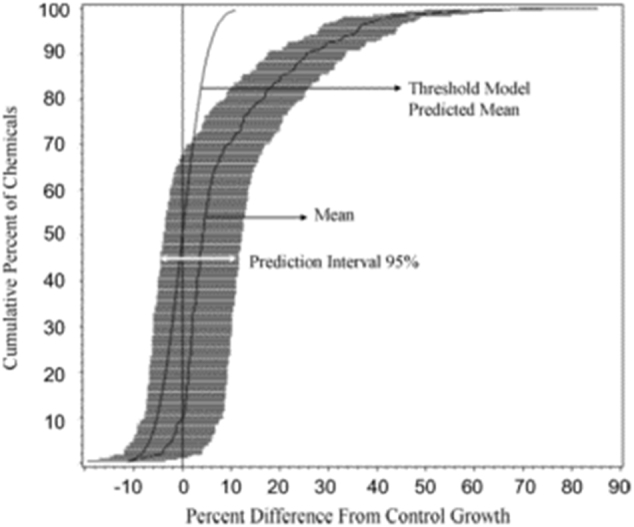
“, 253), showing the symmetry of the random responses above and below the average value.(29) Thus, there are responses greater than and less than the control average, but when combined they equal 100%.”
BackgroundSelf-citationExtending Injury- and Disease-Resistant CNS Phenotypes by Repetitive Epigenetic Conditioning
Gidday, J. M. (2015) · Frontiers in Neurology · doi:10.3389/fneur.2015.00042 · Cited by 35
How prevalent is chemical hormesis in the natural and experimental worlds?
Mushak, P. (2012) · The Science of The Total Environment · doi:10.1016/j.scitotenv.2012.11.028 · Cited by 33
Biological effects of low level exposures
Calabrese, E. J. (1996) · Human & Experimental Toxicology · doi:10.1177/096032719601500113 · Cited by 32
Self-citationCalabrese, E. J. (2008) · Toxicology and Applied Pharmacology · doi:10.1016/j.taap.2008.01.024 · Cited by 28 · cited 1×
“However, additive and synergic effects can occur at low response levels as studied in the case of memory enhancing drugs.(58) Stimulatory responses from such hormetic interactions become progressively less effective as the 30–60% ceiling response is approached.”
BackgroundSelf-citationCancer risk assessment: Optimizing human health through linear dose–response models
Calabrese, E. J., Shamoun, D. Y., & Hanekamp, J. C. (2015) · Food and Chemical Toxicology · doi:10.1016/j.fct.2015.04.023 · Cited by 27
Self-citationDefining, explaining and understanding hormesis
Kitchin, K. T. (2002) · Human & Experimental Toxicology · doi:10.1191/0960327102ht220oa · Cited by 27
Defining hormesis: comments on Calabrese and Baldwin (2002)
Chapman, P. M. (2002) · Human & Experimental Toxicology · doi:10.1191/0960327102ht218oa · Cited by 26
Postconditioning signalling in the heart: mechanisms and translatability
Bice, J. S., & Baxter, G. F. (2014) · British Journal of Pharmacology · doi:10.1111/bph.12976 · Cited by 25
A model of non-exclusive binding of agonist and antagonist on g-protein coupled receptors
Järv, J. (1995) · Journal of Theoretical Biology · doi:10.1006/jtbi.1995.0166 · Cited by 21
Limits to chemical hormesis as a dose–response model in health risk assessment
Mushak, P. (2012) · The Science of The Total Environment · doi:10.1016/j.scitotenv.2012.11.017 · Cited by 19
Defining hormesis: the necessary tool to clarify experimentally the low dose–response relationship
Carelli, G., & Iavicoli, I. (2002) · Human & Experimental Toxicology · doi:10.1191/0960327102ht219oa · Cited by 18
Calabrese, E. J. (1996) · Regulatory Toxicology and Pharmacology · doi:10.1006/rtph.1996.0080 · Cited by 16
Self-citationPinzon, P. (2016) · Journal of Neurology and Neuromedicine · doi:10.29245/2572.942x/2016/2.1021 · Cited by 15
The Integration of LNT and Hormesis for Cancer Risk Assessment Optimizes Public Health Protection
Calabrese, E. J., Shamoun, D. Y., & Hanekamp, J. C. (2016) · Health Physics · doi:10.1097/hp.0000000000000382 · Cited by 15
Self-citationAn alternative model for bell-shaped concentration-response curves
Järv, J. (1994) · Trends in Pharmacological Sciences · doi:10.1016/0165-6147(94)90023-x · Cited by 10
Invited response to definition of hormesis (EJ Calabrese and LA Baldwin)
Pickrell, J., & Oehme, F. W. (2002) · Human & Experimental Toxicology · doi:10.1191/0960327102ht221oa · Cited by 7
Calabrese, E. J. (1998) · Environmental Health Perspectives · doi:10.1289/ehp.106-1533266 · Cited by 4
Self-citation
Research works printed but not linked: 3
- Luckey T. D. (ed.). Hormesis with Ionizing Radiation (CRC Press, Inc., 1980).
- Luckey T. D. (ed.). Radiation Hormesis (CRC Press, Inc., 1991).
- Calabrese E. J. (ed.) Biological Effects of Low Level Exposures to Chemicals and Radiation (Lewis Publishers, 1992).
Cited by
The Continuum of Aging and Age-Related Diseases: Common Mechanisms but Different Rates
Franceschi, C., Garagnani, P., Morsiani, C., Conte, M., Santoro, A., Grignolio, A., Monti, D., Capri, M., & Salvioli, S. (2018) · Frontiers in Medicine · doi:10.3389/fmed.2018.00061 · Cited by 945
Gut barrier disruption and chronic disease
Martel, J., Chang, S.-H., Ko, Y.-F., Hwang, T.-L., Young, J. D., & Ojcius, D. M. (2022) · Trends in Endocrinology & Metabolism · doi:10.1016/j.tem.2022.01.002 · Cited by 514
Review of light parameters and photobiomodulation efficacy: dive into complexity
Zein, R., Selting, W., & Hamblin, M. R. (2018) · Journal of Biomedical Optics · doi:10.1117/1.jbo.23.12.120901 · Cited by 461
Crewe, C., Funcke, J.-B., Li, S., Joffin, N., Gliniak, C. M., Ghaben, A. L., An, Y. A., Sadek, H. A., Gordillo, R., Akgul, Y., et al. (2021) · Cell Metabolism · doi:10.1016/j.cmet.2021.08.002 · Cited by 458
The integration of inflammaging in age-related diseases
Fulop, T., Witkowski, J. M., Olivieri, F., & Larbi, A. (2018) · Seminars in Immunology · doi:10.1016/j.smim.2018.09.003 · Cited by 348
Metadata
- Authors
- Calabrese, E. J., & Mattson, M. P.
- Affiliations
- University of Massachusetts Amherst (US)
- Johns Hopkins University (US)
- Corresponding author
- Calabrese, Edward J.
- Venue
- npj Aging and Mechanisms of Disease
- Published
- 2017-09-15
- Volume
- 3
- Issue
- 1
- Pages
- 13-13
- ISSN
- 2056-3973 (ISSN-L)
- PMC
- PMC5601424
- OpenAlex
- W2756086301
- Cited by
- 593
- References
- 76
- Citations by year
- 2026: 110 · 2025: 67 · 2024: 63 · 2023: 60 · 2022: 63 · 2021: 75 · 2020: 65 · 2019: 43 · 2018: 46 · 2017: 1
- FWCI
- 6.44
- Type
- journal article
- Language
- en
- Update notices
- correction (2023-03-31)
- Open access
- gold
- doi.org
- Licence
- cc-by
- creativecommons.org/licenses/by/4.0 (tdm)
- creativecommons.org/licenses/by/4.0 (vor)
- Locations
- npj Aging and Mechanisms of Disease (publishedVersion, cc-by)
- PubMed Central (publishedVersion, cc-by)
- PubMed (publishedVersion)
- DOAJ (DOAJ: Directory of Open Access Journals) (submittedVersion, cc-by-sa)
- Funders
- ExxonMobil Foundation
- U.S. Air Force
- National Institute on Aging
- Topics
- Health Sciences › Medicine › Radiology, Nuclear Medicine and Imaging › Effects of Radiation Exposure
- Life Sciences › Biochemistry, Genetics and Molecular Biology › Aging › Genetics, Aging, and Longevity in Model Organisms
- Life Sciences › Biochemistry, Genetics and Molecular Biology › Molecular Biology › Genomics, phytochemicals, and oxidative stress
- Keywords
- hormesis, adaptive response, dose-response relationship, evolutionary biology, cellular and molecular mechanisms, risk assessment, toxicology, medicine
About these checks
Registry, retraction, Cites and statistics results are computed, not judged, with one exception: a printed reference that no index lists is read once by a model before it counts as a citation error. Claims are extracted by a model and kept only when their quote appears verbatim in the text; each cited source is then checked, with a model’s help, for whether it says what the claim relies on. Those verdicts can be wrong — read the claim’s quote and the cited source before relying on one.
Statistics and arithmetic are recomputed, not judged.
Confidence bands are shown only for fields calibrated on our annotated test set. None is calibrated yet, so no band is shown.
What counts as a claim ›How we measure confidence ›How we check this ›
Are you an author, or do you see a problem with this page? Request a review
Data sources
Bibliographic data: Semantic Scholar, OpenAlex, Crossref.
Contains information from the Semantic Scholar Academic Graph Datasets, made available under the ODC Attribution License (ODC-BY 1.0).
Semantic Scholar’s data is described in: Kinney, R., et al. (2023). The Semantic Scholar Open Data Platform. arXiv:2301.10140.
