

Genomic and immune heterogeneity are associated with differential responses to therapy in melanoma
Open accessThe DOI matches its Crossref record; 48 of the 48 references it cites were found in a registry or an index.
Abstract
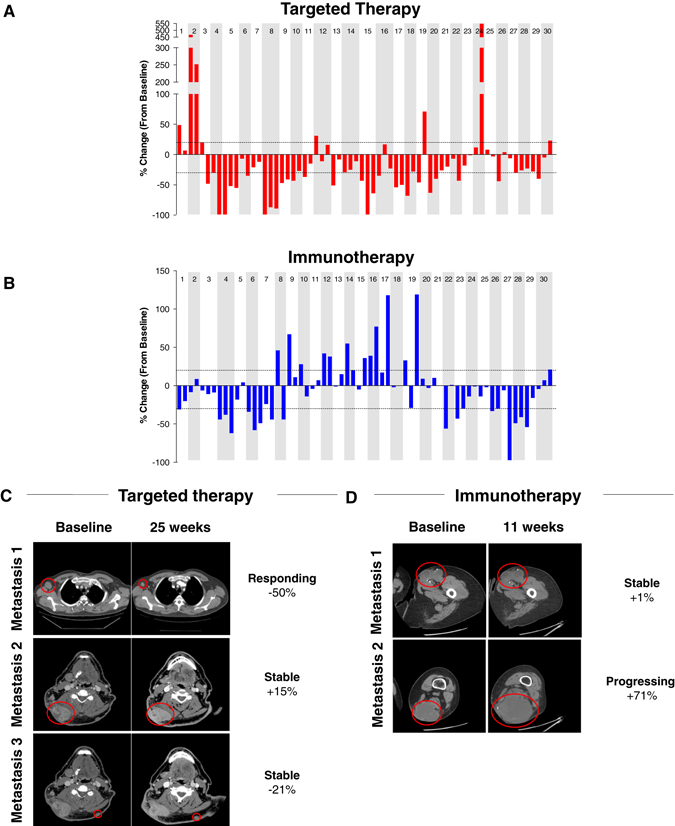
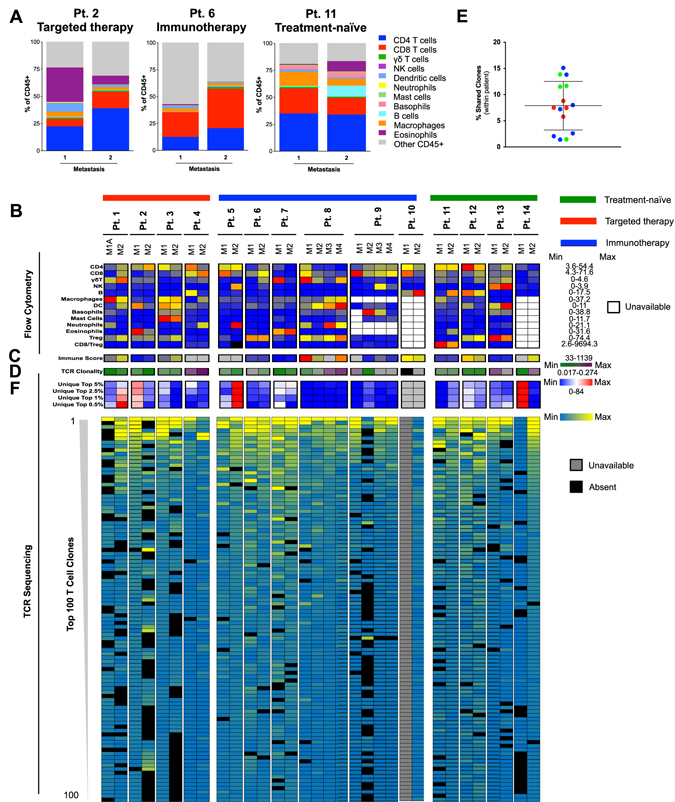
Abstract Appreciation for genomic and immune heterogeneity in cancer has grown though the relationship of these factors to treatment response has not been thoroughly elucidated. To better understand this, we studied a large cohort of melanoma patients treated with targeted therapy or immune checkpoint blockade (n = 60). Heterogeneity in therapeutic responses via radiologic assessment was observed in the majority of patients. Synchronous melanoma metastases were analyzed via deep genomic and immune profiling, and revealed substantial genomic and immune heterogeneity in all patients studied, with considerable diversity in T cell frequency, and few shared T cell clones (<8% on average) across the cohort. Variables related to treatment response were identified via these approaches and through novel radiomic assessment. These data yield insight into differential therapeutic responses to targeted therapy and immune checkpoint blockade in melanoma, and have key translational implications in the age of precision medicine.
Overview
The claims and statistics of this paper haven’t been checked yet.
Free: it reads the open-access text and checks the first 5 claims that cite a source we can check. Create a free account to check every claim.
Integrity signals
Registry
Cites
Statistics
Figures
Verification
Claims the paper makes
The claims and statistics of this paper haven’t been checked yet.
Free: it reads the open-access text and checks the first 5 claims that cite a source we can check. Create a free account to check every claim.
Claims other papers make about this one
Each is checked against this paper’s own text: does it say what the citing paper says it does?
The source backs part of the claim, not all of it — or backs it for a different population, condition or comparison.
In the citing paper
“This has also been observed in other cancer types such as melanoma”
From Hallmarks of response, resistance, and toxicity to immune checkpoint blockade (2021) · cites this paper as Reuben et al., 2017
Experimental — accuracy not yet measured
Self-check
Percentages, sums and reported differences re-computed from the paper’s own numbers.
The self-check needs the paper’s full text.
Citations
Cites
PD-1 and PD-L1 Immune Checkpoint Blockade to Treat Breast Cancer
Hartkopf, A. D., Taran, F.-A., Wallwiener, M., Walter, C. B., Krämer, B., Grischke, E.-M., & Brucker, S. Y. (2016) · Breast Care · doi:10.1159/000453569 · Cited by 30,845
New response evaluation criteria in solid tumours: revised RECIST guideline (version 1.1)
Eisenhauer, E. A., Therasse, P., Bogaerts, J., Schwartz, L. H., Sargent, D., Ford, R., Dancey, J., Arbuck, S., Gwyther, S., Mooney, M., et al. (2009) · European Journal of Cancer · doi:10.1016/j.ejca.2008.10.026 · Cited by 29,534 · cited 1×
“20 This protocol was approved by the Institutional Review Board.”
Textural Features for Image Classification
Haralick, R. M., Shanmugam, K., & Dinstein, I. (1973) · IEEE Transactions on Systems, Man, and Cybernetics · doi:10.1109/tsmc.1973.4309314 · Cited by 22,886
Improved Survival with Ipilimumab in Patients with Metastatic Melanoma
Hodi, F. S., O'Day, S. J., McDermott, D. F., Weber, R. W., Sosman, J. A., Haanen, J. B., Gonzalez, R., Robert, C., Schadendorf, D., Hassel, J. C., et al. (2010) · New England Journal of Medicine · doi:10.1056/nejmoa1003466 · Cited by 15,155
Safety, activity, and immune correlates of anti–PD-1 antibody in cancer
Topalian, S. L., Hodi, F. S., Brahmer, J. R., Gettinger, S. N., Smith, D. C., McDermott, D. F., Powderly, J. D., Carvajal, R. D., Sosman, J. A., Atkins, M. B., et al. (2012) · New England Journal of Medicine · doi:10.1056/nejmoa1200690 · Cited by 12,628 · cited 1×
“2, 3 However, responses are heterogeneous and are not always durable.”
Signatures of mutational processes in human cancer
Initiative, A. P. C. G., Alexandrov, L. B., ICGC Breast Cancer Consortium, ICGC MMML-Seq Consortium, PedBrain, I., Nik-Zainal, S., Wedge, D. C., Aparicio, S. A. J. R., Behjati, S., Biankin, A. V., et al. (2013) · Nature · doi:10.1038/nature12477 · Cited by 9,660 · cited 2×
“21, 22 Mutations in driver genes such as BRAF were also detected in 5/14 of patients (36%), as expected, and conserved across synchronous metastases, in-line with previous reports (Supplementary Fig.”
Radiomics: Images Are More than Pictures, They Are Data
Gillies, R. J., Kinahan, P. E., & Hricak, H. (2016) · Radiology · doi:10.1148/radiol.2015151169 · Cited by 8,421
Intratumor Heterogeneity and Branched Evolution Revealed by Multiregion Sequencing
Gerlinger, M., Rowan, A. J., Horswell, S., Larkin, J., Endesfelder, D., Gronroos, E., Martinez, P., Matthews, N., Stewart, A., Tarpey, P., et al. (2012) · New England Journal of Medicine · doi:10.1056/nejmoa1113205 · Cited by 7,774 · cited 5×
“5, 6, 8, 9 However, the relationship between genomic and immune heterogeneity and link to tumor growth and response to therapy has not been extensively studied.”
InfluentialImproved survival with vemurafenib in melanoma with BRAF V600E mutation
Chapman, P. B., Hauschild, A., Robert, C., Haanen, J. B., Ascierto, P., Larkin, J., Dummer, R., Garbe, C., Testori, A., Maio, M., et al. (2011) · New England Journal of Medicine · doi:10.1056/nejmoa1103782 · Cited by 7,720
PD-1 blockade induces responses by inhibiting adaptive immune resistance
Tumeh, P. C., Harview, C. L., Yearley, J. H., Shintaku, I. P., Taylor, E. J. M., Robert, L., Chmielowski, B., Spasic, M., Henry, G., Ciobanu, V., et al. (2014) · Nature · doi:10.1038/nature13954 · Cited by 6,609 · cited 1×
“35, 40 To better understand the relationship of the observed heterogeneous clinical responses with molecular and immune features within synchronous meta-static tumors, we performed an integrated analysis of genomic and immune features studied in our cohort as they relate to therapeutic response.”
Cited by
The evolving landscape of biomarkers for checkpoint inhibitor immunotherapy
Havel, J. J., Chowell, D., & Chan, T. A. (2019) · Nature Reviews Cancer · doi:10.1038/s41568-019-0116-x · Cited by 2,286
Hallmarks of response, resistance, and toxicity to immune checkpoint blockade
Morad, G., Helmink, B. A., Sharma, P., & Wargo, J. A. (2021) · Cell · doi:10.1016/j.cell.2021.09.020 · Cited by 1,648
Self-citationClinical implications of intratumor heterogeneity: challenges and opportunities
Ramón y Cajal, S., Sesé, M., Capdevila, C., Aasen, T., De Mattos-Arruda, L., Diaz-Cano, S. J., Hernández-Losa, J., & Castellví, J. (2020) · Journal of Molecular Medicine · doi:10.1007/s00109-020-01874-2 · Cited by 514
Jiménez-Sánchez, A., Memon, D., Pourpe, S., Veeraraghavan, H., Li, Y., Vargas, H. A., Gill, M. B., Park, K. J., Zivanovic, O., Konner, J., et al. (2017) · Cell · doi:10.1016/j.cell.2017.07.025 · Cited by 458
“…of synchronous resected metastases with differential progression in patients withmelanoma has shown that intra-patient metastases present not only genetic heterogeneity but also immune-infiltration heterogeneity of immune cell types and T cell clonality between samples (Reuben et al., 2017).”
BackgroundPrimary and Acquired Resistance to Immune Checkpoint Inhibitors in Metastatic Melanoma
Gide, T. N., Wilmott, J. S., Scolyer, R. A., & Long, G. V. (2018) · Clinical Cancer Research · doi:10.1158/1078-0432.ccr-17-2267 · Cited by 454
“Similarly, a positive correlation was observed between a higher mutational load and increased CD8þ T-cell infiltration (39).”
BackgroundUVB-Induced Tumor Heterogeneity Diminishes Immune Response in Melanoma
Wolf, Y., Bartok, O., Patkar, S., Eli, G. B., Cohen, S., Litchfield, K., Levy, R., Jiménez-Sánchez, A., Trabish, S., Lee, J. S., et al. (2019) · Cell · doi:10.1016/j.cell.2019.08.032 · Cited by 380
“…that intratumor heterogeneity (ITH), manifested by the distribution of clonal versus sub-clonal mutations and neoantigens (McGranahan and Swanton, 2017; Spranger, 2016), may influence immune surveillance (McDonald et al., 2019; McGranahan et al., 2016; Reuben et al., 2017; Rosenthal et al., 2019).”
Intratumor and Intertumor Heterogeneity in Melanoma
Grzywa, T. M., Paskal, W., & Włodarski, P. K. (2017) · Translational Oncology · doi:10.1016/j.tranon.2017.09.007 · Cited by 299
“[201] established that heterogeneous response to targeted therapy and immune checkpoint blockade is observed in the majority of patients.”
BackgroundInfluentialApplying high-dimensional single-cell technologies to the analysis of cancer immunotherapy
Gohil, S. H., Iorgulescu, J. B., Braun, D. A., Keskin, D. B., & Livak, K. J. (2021) · Nature Reviews Clinical Oncology · doi:10.1038/s41571-020-00449-x · Cited by 282
Tissue-resident memory T cells at the center of immunity to solid tumors
Amsen, D., van Gisbergen, K. P. J. M., Hombrink, P., & van Lier, R. A. W. (2018) · Nature Immunology · doi:10.1038/s41590-018-0114-2 · Cited by 278
Precision medicine and radiogenomics in breast cancer: new approaches toward diagnosis and treatment
Pinker, K., Chin, J., Melsaether, A. N., Morris, E. A., & Moy, L. (2018) · Radiology · doi:10.1148/radiol.2018172171 · Cited by 275
Promises and challenges of adoptive T-cell therapies for solid tumours
Morotti, M., Albukhari, A., Alsaadi, A., Artibani, M., Brenton, J. D., Curbishley, S. M., Dong, T., Dustin, M. L., Hu, Z., McGranahan, N., et al. (2021) · British Journal of Cancer · doi:10.1038/s41416-021-01353-6 · Cited by 269
“Analysis of synchronous metastases in patients with melanoma has revealed not only genetic heterogeneity but also immune-infiltration heterogeneity in terms of different immune cell types and T-cell clonality between different sites in the same patient.(152)”
BackgroundPandit-Taskar, N., Postow, M. A., Hellmann, M. D., Harding, J. J., Barker, C. A., O’Donoghue, J. A., Ziolkowska, M., Ruan, S., Lyashchenko, S. K., Tsai, F., et al. (2020) · Journal of Nuclear Medicine · doi:10.2967/jnumed.119.229781 · Cited by 257
“Additionally, tumor biopsies assess only the single site of sampled disease, which may be problematic given immunologic heterogeneity among multiple tumors within an individual patient (19).”
BackgroundJiménez-Sánchez, A., Cybulska, P., Mager, K. L., Koplev, S., Cast, O., Couturier, D.-L., Memon, D., Selenica, P., Nikolovski, I., Mazaheri, Y., et al. (2020) · Nature Genetics · doi:10.1038/s41588-020-0630-5 · Cited by 243
Mechanisms of immune activation and regulation: lessons from melanoma
Kalaora, S., Nagler, A., Wargo, J. A., & Samuels, Y. (2022) · Nature Reviews Cancer · doi:10.1038/s41568-022-00442-9 · Cited by 240
“(TiLs). in a melanoma mouse model 20 , which could explain the link between tumour heterogeneity and patient survival 21–23 .”
BackgroundDong, L.-Q., Peng, L.-H., Ma, L.-J., Liu, D.-B., Zhang, S., Luo, S.-Z., Rao, J.-H., Zhu, H.-W., Yang, S.-X., Xi, S.-J., et al. (2020) · Journal of Hepatology · doi:10.1016/j.jhep.2019.12.014 · Cited by 232
Molecular Markers and Targets in Melanoma
Teixido, C., Castillo, P., Martinez-Vila, C., Arance, A., & Alos, L. (2021) · Cells · doi:10.3390/cells10092320 · Cited by 219
TRACERx consortium, Joshi, K., de Massy, M. R., Ismail, M., Reading, J. L., Uddin, I., Woolston, A., Hatipoglu, E., Oakes, T., Rosenthal, R., et al. (2019) · Nature Medicine · doi:10.1038/s41591-019-0592-2 · Cited by 213
Huang, C., Clayton, E. A., Matyunina, L. V., McDonald, L. D., Benigno, B. B., Vannberg, F., & McDonald, J. F. (2018) · Scientific Reports · doi:10.1038/s41598-018-34753-5 · Cited by 193
Capasso, A., Lang, J., Pitts, T. M., Jordan, K. R., Lieu, C. H., Davis, S. L., Diamond, J. R., Kopetz, S., Barbee, J., Peterson, J., et al. (2019) · Journal for ImmunoTherapy of Cancer · doi:10.1186/s40425-019-0518-z · Cited by 180
“Although some of these studies analyzed the TILs themselves [45, 47], others were restricted to characterizing immune cells in patient blood, in which significant differences were only”
BackgroundResultTumor matrix remodeling and novel immunotherapies: the promise of matrix-derived immune biomarkers
Mushtaq, M. U., Papadas, A., Pagenkopf, A., Flietner, E., Morrow, Z., Chaudhary, S. G., & Asimakopoulos, F. (2018) · Journal for ImmunoTherapy of Cancer · doi:10.1186/s40425-018-0376-0 · Cited by 165
IFNγ-activated dermal lymphatic vessels inhibit cytotoxic T cells in melanoma and inflamed skin
Lane, R. S., Femel, J., Breazeale, A. P., Loo, C. P., Thibault, G., Kaempf, A., Mori, M., Tsujikawa, T., Chang, Y. H., & Lund, A. W. (2018) · Journal of Experimental Medicine · doi:10.1084/jem.20180654 · Cited by 165
“Consideration of these tissue-specific effects may provide critical insight into the heterogeneous responses observed across tissue and tumor sites (Reuben et al., 2017) and may provide unique biomarkers of therapeutic response and consequently new local targets for clinical intervention.”
BackgroundSmalley, I., Chen, Z., Phadke, M., Li, J., Yu, X., Wyatt, C., Evernden, B., Messina, J. L., Sarnaik, A., Sondak, V. K., et al. (2021) · Clinical Cancer Research · doi:10.1158/1078-0432.ccr-21-1694 · Cited by 161
“Melanoma is a heterogeneous disease, with differences in the speed of tumor progression and therapeutic responses frequently observed between different metastatic sites within the same patient (11, 39).”
BackgroundImpact of l-Arginine Metabolism on Immune Response and Anticancer Immunotherapy
Kim, S.-H., Roszik, J., Grimm, E. A., & Ekmekçioglu, S. (2018) · Frontiers in Oncology · doi:10.3389/fonc.2018.00067 · Cited by 169
“Inflammation and immune evasion are hallmarks of cancer progression, as evidenced by the fact that cancer patients with fewer immune cells in their biopsied tissues have poorer responses to immunotherapies (3).”
BackgroundThe Impact of Heterogeneity on Single-Cell Sequencing
Goldman, S. L., MacKay, M., Afshinnekoo, E., Melnick, A. M., Wu, S., & Mason, C. E. (2019) · Frontiers in Genetics · doi:10.3389/fgene.2019.00008 · Cited by 138
The abscopal effect 67 years later: from a side story to center stage
Demaria, S., & Formenti, S. C. (2020) · British Journal of Radiology · doi:10.1259/bjr.20200042 · Cited by 149
Abbas, H. A., Hao, D., Tomczak, K. J., Barrodia, P., Im, J. S., Reville, P. K., Alaniz, Z., Wang, W., Wang, R., Wang, F., et al. (2021) · Nature Communications · doi:10.1038/s41467-021-26282-z · Cited by 135
Kalaora, S., Wolf, Y., Feferman, T., Barnea, E., Greenstein, E., Reshef, D., Tirosh, I., Reuben, A., Patkar, S., Levy, R., et al. (2018) · Cancer Discovery · doi:10.1158/2159-8290.cd-17-1418 · Cited by 106
Roper, N., Gao, S., Maity, T. K., Banday, A. R., Zhang, X., Venugopalan, A., Cultraro, C. M., Patidar, R., Sindiri, S., Brown, A.-L., et al. (2019) · Cell Reports · doi:10.1016/j.celrep.2019.02.028 · Cited by 97
“Nonetheless, only a subset of patients responds and multiple metastases within a given patient may respond differently because of immune heterogeneity (Reuben et al., 2017).”
BackgroundToward a comprehensive view of cancer immune responsiveness: a synopsis from the SITC workshop
Society for Immunotherapy of Cancer (SITC) Cancer Immune Responsiveness Task Force and Working Groups, Bedognetti, D., Ceccarelli, M., Galluzzi, L., Lu, R., Palucka, K., Samayoa, J., Spranger, S., Warren, S., Wong, K.-K., et al. (2019) · Journal for ImmunoTherapy of Cancer · doi:10.1186/s40425-019-0602-4 · Cited by 88
“Mixed responses are common in ICI-treated patients and are largely attributed to somatic tumor genomic heterogeneity [69].”
BackgroundPhenotype Switching and the Melanoma Microenvironment; Impact on Immunotherapy and Drug Resistance
Hossain, S. M., & Eccles, M. R. (2023) · International Journal of Molecular Sciences · doi:10.3390/ijms24021601 · Cited by 103
“Targeted therapy and immune checkpoint inhibitors (ICI) are the major treatment options for metastatic melanoma [8,9].”
BackgroundThe oligometastatic spectrum in the era of improved detection and modern systemic therapy
Katipally, R. R., Pitroda, S. P., Juloori, A., Chmura, S. J., & Weichselbaum, R. R. (2022) · Nature Reviews Clinical Oncology · doi:10.1038/s41571-022-00655-9 · Cited by 97
Wu, W., Liu, Y., Zeng, S., Han, Y., & Shen, H. (2021) · Journal of Hematology & Oncology · doi:10.1186/s13045-021-01166-3 · Cited by 89
Cho, H.-H., Kim, H., Nam, S. Y., Lee, J. E., Han, B., Ko, E. Y., Choi, J. S., Park, H., & Ko, E. S. (2022) · Cancers · doi:10.3390/cancers14081858 · Cited by 85
T-Cell Receptor Repertoire Sequencing in the Era of Cancer Immunotherapy
Frank, M. L., Lu, K. J., Erdogan, C., Han, Y., HU, J. L., Wang, T., Heymach, J. V., Zhang, J. J., & Reuben, A. (2022) · Clinical Cancer Research · doi:10.1158/1078-0432.ccr-22-2469 · Cited by 85
Comparative immunologic characterization of autoimmune giant cell myocarditis with ipilimumab
Reuben, A., de Macêdo, M. P., McQuade, J. L., Joon, A. Y., Ren, Z., Calderone, T. L., Conner, B., Wani, K., Cooper, Z. A., Tawbi, H. A., et al. (2017) · OncoImmunology · doi:10.1080/2162402x.2017.1361097 · Cited by 74
“Together our analyses demonstrate that heterogeneous immune responses can occur in normal tissues with checkpoint inhibitor therapy, as has been observed in synchronous metastatic tumors.(21)”
BackgroundMHC Class I Deficiency in Solid Tumors and Therapeutic Strategies to Overcome It
Shklovskaya, E., & Rizos, H. (2021) · International Journal of Molecular Sciences · doi:10.3390/ijms22136741 · Cited by 78
Hiltbrunner, S., Cords, L., Kasser, S., Freiberger, S. N., Kreutzer, S., Toussaint, N. C., Grob, L., Opitz, I., Messerli, M., Zoche, M., et al. (2023) · Nature Communications · doi:10.1038/s41467-023-40745-5 · Cited by 91
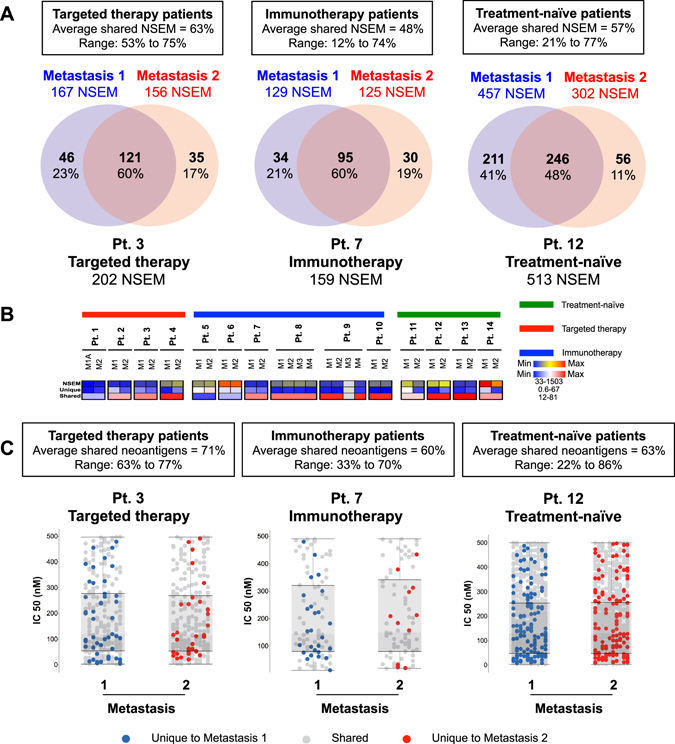
“…across different metastases and primary tumors and metastases share often their genomic background 110 while in general different metastases from the same patient have up to a 50 – 60% genomic overlap of the analyzed genes and a rather large heterogeneity in different immune cell in fi ltrates 111 .”
BackgroundTreatment resistance in urothelial carcinoma: an evolutionary perspective
Vlachostergios, P. J., & Faltas, B. M. (2018) · Nature Reviews Clinical Oncology · doi:10.1038/s41571-018-0026-y · Cited by 64
Wieland, A., Kamphorst, A. O., Adsay, V. N., Masor, J. J., Sarmiento, J. M., Nasti, T. H., Darko, S. W., Douek, D. C., Xue, Y., Curran, W. J., et al. (2018) · Cancer Immunology Immunotherapy · doi:10.1007/s00262-018-2228-7 · Cited by 67
“Synchronous melanoma metastases may have unique neoantigens and TCR clones [22].”
Blise, K. E., Sivagnanam, S., Banik, G. L., Coussens, L. M., & Goecks, J. (2022) · npj Precision Oncology · doi:10.1038/s41698-022-00253-z · Cited by 67
Ng, M. F., Simmons, J. L., & Boyle, G. M. (2022) · Cancers · doi:10.3390/cancers14123030 · Cited by 72
“Notably, intertumoural heterogeneity was observed in 33 tumour samples from 15 patients, where only ~50% non-synonymous exonic mutations were shared between synchronous metastases [35].”
BackgroundInfluentialCurrent Panorama and Challenges for Neoadjuvant Cancer Immunotherapy
Benítez, J. C., Remón, J., & Besse, B. (2020) · Clinical Cancer Research · doi:10.1158/1078-0432.ccr-19-3255 · Cited by 60
“New patterns of response, such as discordant responses in primary tumor versus lymph nodes metastases, are reported and potentially explained by genomic and immune heterogeneity as only 60% of neoantigens and 48% of tumor mutational burden (TMB) are shared in synchronous metastatic sites (55, 56).”
BackgroundIntratumor Heterogeneity and Antitumor Immunity Shape One Another Bidirectionally
Wolf, Y., & Samuels, Y. (2022) · Clinical Cancer Research · doi:10.1158/1078-0432.ccr-21-1355 · Cited by 53
“A pan-cancer analysis, for example, showed better survival and ICB response in patients with low heterogeneity (25), as was demonstrated also for lung cancer (24), melanoma (21, 57), breast cancer (58, 59), ccRCC (60), and ovarian cancer (61).”
BackgroundPerfusion MR Imaging of Breast Cancer: Insights Using “Habitat Imaging”
Gillies, R. J., & Balagurunathan, Y. (2018) · Radiology · doi:10.1148/radiol.2018180271 · Cited by 52
Marín‐Jiménez, J. A., Capasso, A., Lewis, M. S., Bagby, S. M., Hartman, S. J., Shulman, J., Navarro, N. M., Yu, H., Rivard, C. J., Wang, X., et al. (2021) · Frontiers in Immunology · doi:10.3389/fimmu.2021.607282 · Cited by 46
“The importance of CD4 T cells in a tumor immune response is gaining acceptance (108), and clinical trials and syngeneic mouse model studies have similarly identified distinct immune correlates (53, 54, 94, 109, 110).”
BackgroundGuo, Y., Li, T., Gong, B., Hu, Y., Wang, S., Yang, L., & Zheng, C. (2024) · Advanced Science · doi:10.1002/advs.202408069 · Cited by 62
Technical Note: An IBEX adaption toward image biomarker standardization
Bettinelli, A., Branchini, M., Monte, F. D., Scaggion, A., & Paiusco, M. (2020) · Medical Physics · doi:10.1002/mp.13956 · Cited by 48
Ostojić, J., Yoon, Y.-S., Sonntag, T., Nguyen, B., Vaughan, J. M., Shokhirev, M. N., & Montminy, M. (2021) · Cell Reports · doi:10.1016/j.celrep.2021.109136 · Cited by 41
Mirizio, E., Tabib, T., Wang, X., Chen, W., Liu, C., Lafyatis, R., Jacobe, H. T., & Torok, K. S. (2020) · Arthritis Research & Therapy · doi:10.1186/s13075-020-02343-4 · Cited by 41
“Analysis at this level of complexity has been difficult to overcome and many technologies have evolved with differing levels of granularity [1 – 3].”
BackgroundApplication of T cell receptor (TCR) repertoire analysis for the advancement of cancer immunotherapy
Joshi, K., Milighetti, M., & Chain, B. (2021) · Current Opinion in Immunology · doi:10.1016/j.coi.2021.07.006 · Cited by 48
Jorge, N. A. N., da Cruz, J. G. V., Pretti, M. A. M., Bonamino, M., Possik, P. A., & Boroni, M. (2020) · Journal of Translational Medicine · doi:10.1186/s12967-020-02235-w · Cited by 40
“The observed variation in treatment efficacy has been related to heterogeneity in the composition of immune cells among individual tumors as well as the tumor mutation burden and expression of immune checkpoint molecules, but these factors alone cannot accurately predict a successful outcome of patients treated with i…”
BackgroundLin, Z., Meng, X., Wen, J., Corral, J. M., Andreev, D., Kachler, K., Schett, G. A., Chen, X., & Bözec, A. (2020) · Frontiers in Oncology · doi:10.3389/fonc.2020.596493 · Cited by 38
The Emerging Role of Surgery for Patients With Advanced Melanoma Treated With Immunotherapy
Puza, C. J., Bressler, E. S., Terando, A. M., Howard, J. H., Brown, M. C., Hanks, B. A., Salama, A. K. S., & Beasley, G. M. (2018) · Journal of Surgical Research · doi:10.1016/j.jss.2018.11.045 · Cited by 36
Single-Cell Analysis in Immuno-Oncology
Christodoulou, M., & Zaravinos, A. (2023) · International Journal of Molecular Sciences · doi:10.3390/ijms24098422 · Cited by 38
Ferroptosis as a promising therapeutic strategy for melanoma
Ta, N., Jiang, X., Zhang, Y., & Wang, H. (2023) · Frontiers in Pharmacology · doi:10.3389/fphar.2023.1252567 · Cited by 41
“Immune checkpoint inhibitors (ICI) and targeted therapy are the mainstay for the treatment of metastatic MM (Reuben et al., 2017), while surgical resection is the major treatment option for the localized melanoma (Tyrell et al.”
BackgroundDifferences in Tumor Immune Microenvironment in Metastatic Sites of Breast Cancer
Lee, H., Na, K. J., & Choi, H. (2021) · Frontiers in Oncology · doi:10.3389/fonc.2021.649004 · Cited by 43
“Notably, as the cellular composition of TIME can vary across tumor types and is regarded as a key predictive biomarker for immunotherapy (18, 19), a comprehensive understanding of TIME according to the metastatic site has a clinical implication with regard to tumor-specific immunotherapy (20).”
BackgroundNarang, S., Kim, D., Aithala, S. P., Heimberger, A. B., Ahmed, S., Rao, D., Rao, G., & Rao, A. U. K. (2017) · Oncotarget · doi:10.18632/oncotarget.20643 · Cited by 36
“In broader context, the increased immune influx increases tumor heterogeneity features [31] which are likely reflected in image-derived textural diversity [36].”
BackgroundZeng, Z., Li, J., Zhang, J., Li, Y., Liu, X., Chen, J., Huang, Z., Wu, Q., Gong, Y. Q., & Xie, C. (2021) · Journal of Translational Medicine · doi:10.1186/s12967-021-03002-1 · Cited by 50
Andrews, M. C., Reuben, A., Gopalakrishnan, V., & Wargo, J. A. (2018) · Frontiers in Immunology · doi:10.3389/fimmu.2018.00946 · Cited by 35
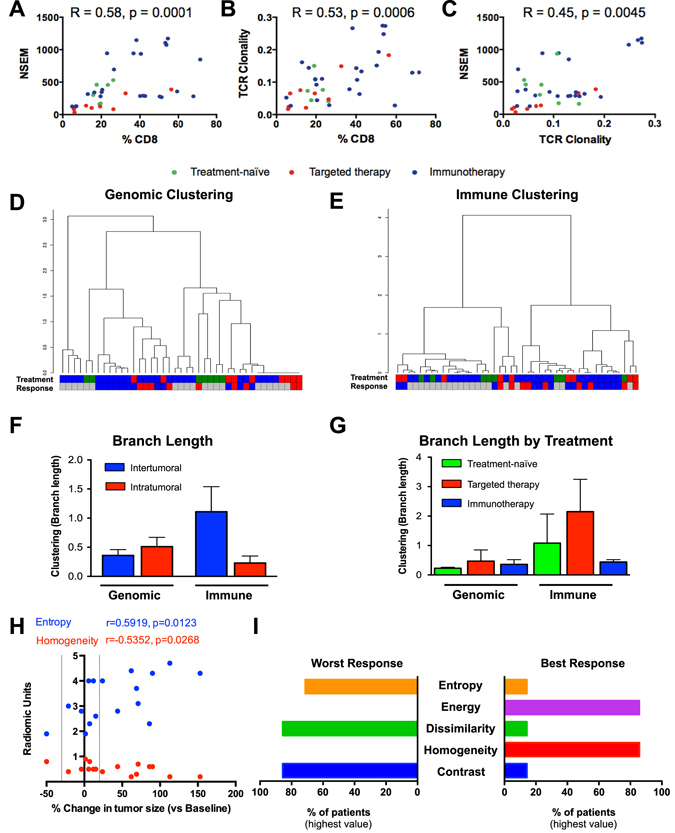
“In a recent melanoma study, prior therapy did not affect genomic inter-tumor heterogeneity whereas immune heterogeneity was more limited in patients previously treated with checkpoint blockade (52).”
BackgroundLee, C., DiNatale, R. G., Chowell, D., Krishna, C., Makarov, V., Valero, C., Vuong, L. H., Lee, M., Weiss, K. L., Hoen, D., et al. (2021) · Molecular Cancer Research · doi:10.1158/1541-7786.mcr-21-0053 · Cited by 36
Multiparametric MRI of early tumor response to immune checkpoint blockade in metastatic melanoma
Lau, D., McLean, M. A., Priest, A. N., Gill, A. B., Scott, F., Patterson, I., Carmo, B., Riemer, F., Kaggie, J. D., Frary, A. J., et al. (2021) · Journal for ImmunoTherapy of Cancer · doi:10.1136/jitc-2021-003125 · Cited by 31
Lesion-level heterogeneity of radiologic progression in patients treated with pembrolizumab
Topp, B. G., Thiagarajan, K., de Alwis, D. P., Snyder, A., & Hellmann, M. D. (2021) · Annals of Oncology · doi:10.1016/j.annonc.2021.09.006 · Cited by 35
Next-generation sequencing: unraveling genetic mechanisms that shape cancer immunotherapy efficacy
Halima, A., Vuong, W., & Chan, T. A.-T. (2022) · Journal of Clinical Investigation · doi:10.1172/jci154945 · Cited by 38
Oh, M. S., Abascal, J. W., Rennels, A. K., Salehi‐Rad, R., Dubinett, S. M., & Liu, B. (2025) · Cancers · doi:10.3390/cancers17061027 · Cited by 38
“In terms of clinical impact, high ITH has been associated with reduced T cell infiltration and worse patient outcomes in multiple tumor types, including breast cancer [122], ovarian cancer [123], hepatocellular carcinoma [101,124], and melanoma [115,125].”
Mitra, A., Andrews, M. C., Roh, W., De Macedo, M. P., Hudgens, C. W., Carapeto, F., Singh, S., Reuben, A., Wang, F., Mao, X., et al. (2020) · Nature Communications · doi:10.1038/s41467-020-15538-9 · Cited by 27
“Resection of midline ventral abdominal wall mass (2) Resection of R gluteal intramuscular mass (3) 2008 2009 2010 2011 2012 2013 2016 2014 2015 2017 2018 1”
BackgroundTasaki, M., YAMASHITA, M., Arai, Y., Nakamura, T., & Nakao, S. (2021) · Cancer Immunology Immunotherapy · doi:10.1007/s00262-021-02947-y · Cited by 25
Dart, S., Cook, A., Millward, M., McDonnell, A. M., Chin, W. L., Hakeem, M. U., Meniawy, T. M., & Bowyer, S. E. (2021) · Scientific Reports · doi:10.1038/s41598-021-93479-z · Cited by 27
Resistance mechanisms in melanoma to immuneoncologic therapy with checkpoint inhibitors
Fenton, S. E., Sosman, J. A., & Chandra, S. (2019) · Cancer Drug Resistance · doi:10.20517/cdr.2019.28 · Cited by 37
“Increased mutational load is associated with an increase in neoantigens with increased response to checkpoint inhibitors, but only if there is an associated increase in CD8+ T cell activation and infiltration([60,64-66]).”
BackgroundKanwar, N., Balde, Z., Nair, R., Dawe, M., Chen, S., Maganti, M., Atenafu, E. G., Manolescu, S., Wei, C., Mao, A., et al. (2021) · Cancer Research · doi:10.1158/0008-5472.can-21-1079 · Cited by 24
“Few studies have investigated the relationship between these two features in detail, and most research on the immune response has been in other cancer types (39, 40).”
BackgroundRemón, J., Menis, J., Lévy, A., Ruysscher, D. D., & Hendriks, L. E. L. (2021) · Translational Lung Cancer Research · doi:10.21037/tlcr-20-1065 · Cited by 19
“In advanced melanoma patients treated with ICI, heterogeneity in therapeutic responses via radiologic assessment was observed in the majority of patients as synchronous metastases only shared 60% of neoantigens (79).”
BackgroundGide, T. N., da Silva, I. P., Quek, C. Y. J., Ferguson, P. M., Batten, M., Shang, P., Ahmed, T., Menzies, A. M., Carlino, M. S., Saw, R. P. M., et al. (2021) · Cancers · doi:10.3390/cancers13133186 · Cited by 23
“Significant genomic heterogeneity was also observed in all patients (n = 15) with multiple melanoma metastases [39], and gene expression signatures were found to vary from a primary melanoma to the corresponding metastasis [40].”
BackgroundMagnetic nanoparticles in theranostics of malignant melanoma
Shevtsov, M. A., Kaesler, S., Posch, C., Multhoff, G., & Biedermann, T. (2021) · EJNMMI Research · doi:10.1186/s13550-021-00868-6 · Cited by 21
Cancer research in the era of immunogenomics
Wolf, Y., & Samuels, Y. (2018) · ESMO Open · doi:10.1136/esmoopen-2018-000475 · Cited by 22
“64 Intratumour heterogeneity (ITH) 65 has been suggested to be another, if not better, predictor of an antitumour immune response, as low tumour heterogeneity was shown to predict response to checkpoint blockade, 51 66 and pan-cancer analyses also support this notion.”
BackgroundAdvancements and Challenges in Personalized Therapy for BRAF-Mutant Melanoma: A Comprehensive Review
Shebrain, A., Idris, O. A., Jawad, A., Zhang, T., & Xing, Y. (2024) · Journal of Clinical Medicine · doi:10.3390/jcm13185409 · Cited by 20
“However, immune and genomic factors were found to be closely related based on the positive correlation between mutational burden and CD8+ T-cell infiltration and the greater response of clonal T cells [20].”
BackgroundSkin Cancer Research Goes Digital: Looking for Biomarkers within the Droplets
Dobre, E.-G., Constantin, C., & Neagu, M. T. (2022) · Journal of Personalized Medicine · doi:10.3390/jpm12071136 · Cited by 20
Shi, H., Tian, H., Zhu, T., Liao, Q., Liu, C. X., Yuan, P., Li, Y., Yang, J., Zong, C., Jia, S., et al. (2024) · Cell Discovery · doi:10.1038/s41421-024-00683-y · Cited by 24
“Melanoma is a heterogeneous disease, with differences in therapeutic strategies at different sites and different stages 44 .”
Levy, R., Regev, T. A., Paes, W., Gumpert, N., Shvefel, S. C., Bartok, O., Dayan-Rubinov, M., Alon, M., Shmueli, M. D., Levin, Y., et al. (2023) · Molecular & Cellular Proteomics · doi:10.1016/j.mcpro.2023.100519 · Cited by 21
Alessandrino, F., Gujrathi, R., Nassar, A. H., Alzaghal, A. A., Ravi, A., McGregor, B. A., Sonpavde, G., & Shinagare, A. B. (2019) · European Urology Oncology · doi:10.1016/j.euo.2019.02.002 · Cited by 19
Coy, H., Douek, M. L., Ruchalski, K. L., Kim, G. H. J., Gutiérrez, A., Patel, M. K., Sai, V., Margolis, D., Kaplan, A., Brown, M. S., et al. (2019) · Radiology · doi:10.1148/radiol.2019182922 · Cited by 17
Rožanc, J., Sakellaropoulos, T., Antoranz, A., Guttà, C., Podder, B., Vetma, V., Rufo, N., Agostinis, P., Pliaka, V., Sauter, T., et al. (2018) · Cell Death and Differentiation · doi:10.1038/s41418-018-0210-8 · Cited by 19
Zhan, H., Wang, H., Pan, B., Lu, J., Xiao, K., Lai, J., Chen, Z., Jie, K., Chen, S., Li, H., et al. (2025) · Nature Communications · doi:10.1038/s41467-025-63377-3 · Cited by 25
“Data acquisition was performed with an LSRII Fortessa cytometer (BD Biosciences, San Jose, CA), with 1×10 5 events recorded per sample.”
InfluentialHigh-Dimensional Single-Cell Transcriptomics in Melanoma and Cancer Immunotherapy
Quek, C. Y. J., Bai, X., Long, G. V., Scolyer, R. A., & Wilmott, J. S. (2021) · Genes · doi:10.3390/genes12101629 · Cited by 16
Varghese, B. A., Cen, S., Zahoor, H., Siddiqui, I., Aron, M., Sali, A., Rhie, S. K., Lei, X., Rivas, M., Liu, D. H., et al. (2022) · European Journal of Radiology Open · doi:10.1016/j.ejro.2022.100440 · Cited by 15
Cammarata, A., Marino, J., Atia, M. N., Durán, H., & Glisoni, R. J. (2025) · Biomaterials Science · doi:10.1039/d5bm00253b · Cited by 15
Xu, Y., Xu, W., Shi, S.-N., Yang, X., Ren, Y.-R., Zhuang, X.-Y., Qu, Y., Zhang, H., & Zhang, X.-F. (2020) · Journal of Cancer · doi:10.7150/jca.46902 · Cited by 17
Modulation of Type I Interferon Responses to Influence Tumor-Immune Cross Talk in PDAC
Cattolico, C., Bailey, P., & Barry, S. T. (2022) · Frontiers in Cell and Developmental Biology · doi:10.3389/fcell.2022.816517 · Cited by 18
Chen, S., Xie, D., Li, Z., Wang, J., Hu, Z., & Zhou, D. (2024) · Communications Biology · doi:10.1038/s42003-024-06460-7 · Cited by 13
“Theseresultswerealsoconsistent withtheclinicalobservationsthatheterogeneoustumorshaveaworse responsetoimmunotherapy 15,28,34 .”
BackgroundMethodInfluentialEffet abscopal : mythe ou réalité ?
Mirjolet, C., & Truc, G. (2021) · Cancer/Radiothérapie · doi:10.1016/j.canrad.2021.07.002 · Cited by 16
Interrogating Epigenome toward Personalized Approach in Cutaneous Melanoma
Dobre, E.-G., Constantin, C., Costache, M., & Neagu, M. T. (2021) · Journal of Personalized Medicine · doi:10.3390/jpm11090901 · Cited by 16
“diagnosis and prognosis rely on assessing clinicopathological variables that do not consider CM genomic and immune heterogeneity [10,11].”
BackgroundQin, S. S., Han, B. J., Williams, A. R., Jackson, K. M., Jewell, R., Chacon, A. C., Lord, E. M., Linehan, D. C., Kim, M., Reuben, A., et al. (2021) · Cancers · doi:10.3390/cancers13102293 · Cited by 11
“Studies have 194 identified lesion-specific mutations between melanoma metastases within the same patient and 195 correlated this intertumoral difference to heterogeneous TIME or mixed-response to systemic 196 treatments[4].”
BackgroundMethodInfluentialNon-hematopoietic Control of Peripheral Tissue T Cell Responses: Implications for Solid Tumors
Lane, R. S., & Lund, A. W. (2018) · Frontiers in Immunology · doi:10.3389/fimmu.2018.02662 · Cited by 12
“Extension of mechanisms elucidated during normal tissue responses to tumors will provide critical insight into the heterogeneity of T cell recruitment and retention in synchronous metastases in patients (162); may provide novel strategies to”
BackgroundHuman TCR repertoire in cancer
Chen, L., Hu, Y., Zheng, B., Luo, L., & Su, Z. (2024) · Cancer Medicine · doi:10.1002/cam4.70164 · Cited by 14
Nabors, B., Lamb, L. S., Goswami, T., Rochlin, K. M., & Youngblood, S. L. (2024) · Frontiers in Immunology · doi:10.3389/fimmu.2024.1299044 · Cited by 14
Molecular Classifiers in Skin Cancers: Challenges and Promises
Azimi, A., & Fernández‐Peñas, P. (2023) · Cancers · doi:10.3390/cancers15184463 · Cited by 10
Functional genomics: paving the way for more successful cancer immunotherapy
Ajina, R., Zamalin, D., & Weiner, L. M. (2018) · Briefings in Functional Genomics · doi:10.1093/bfgp/ely017 · Cited by 13
“In fact, the number of TCR clones could be associated with mutational burden, and thus may contribute to differential response to immunotherapy [93].”
BackgroundLiu, J., West, H., McGee, H. M., Williams, T. M., Lee, P. P., & Amini, A. (2023) · Neoplasia · doi:10.1016/j.neo.2023.100914 · Cited by 12
Chen, R., Li, J., Fujimoto, J., Hong, L., Hu, X., Quek, K., Tang, M., Mitra, A., Behrens, C., Chow, C.-W. B., et al. (2022) · Journal of Experimental & Clinical Cancer Research · doi:10.1186/s13046-022-02361-x · Cited by 10
The good, the (not so) bad and the ugly of immune homeostasis in melanoma
Duarte, J. D. G., Woods, K., Andrews, M. C., & Behren, A. (2018) · Immunology and Cell Biology · doi:10.1111/imcb.12001 · Cited by 11
“substantial intratumoral genomic and immune heterogeneity.(47) For example, it may be essential to concurrently enhance antigen presentation, induce cancer cell death and induce the activation of cellular effector functions, while reversing immunosuppression.”
BackgroundMejbel, H. A., Arudra, S. K. C., Pradhan, D., Torres-Cabala, C. A., Nagarajan, P., Tetzlaff, M. T., Curry, J. L., Ivan, D. S., Duose, D. Y., Luthra, R., et al. (2019) · Cancers · doi:10.3390/cancers11111714 · Cited by 9
Implication of 99mTc-sum IL-2 SPECT/CT in immunotherapy by imaging of tumor-infiltrating T cells
Gao, Y., Luo, Q., Sun, Z., Gao, H., Yu, Y., Sun, Y., Ma, X., Han, C., Shi, J., & Wang, F. (2023) · Journal for ImmunoTherapy of Cancer · doi:10.1136/jitc-2022-005925 · Cited by 9
Metadata
- Authors
- Reuben, A., Spencer, C. N., Prieto, P. A., Gopalakrishnan, V., Reddy, S. M., Miller, J. P., Mao, X., De Macedo, M. P., Chen, J., Song, X., Jiang, H., Chen, P.-L., Beird, H. C., Garber, H. R., Roh, W., Wani, K., Chen, E., Haymaker, C., Forget, M.-A., Little, L. D., Gumbs, C., Thornton, R. L., Hudgens, C. W., Chen, W.-S., Austin-Breneman, J., Sloane, R. S., Nezi, L., Cogdill, A. P., Bernatchez, C., Roszik, J., Hwu, P., Woodman, S. E., Chin, L., Tawbi, H., Davies, M. A., Gershenwald, J. E., Amaria, R. N., Glitza, I. C., Diab, A., Patel, S. P., Hu, J., Lee, J. E., Grimm, E. A., Tetzlaff, M. T., Lazar, A. J., Wistuba, I. I., Clise-Dwyer, K., Carter, B. W., Zhang, J., Futreal, P. A., Sharma, P., Allison, J. P., Cooper, Z. A., & Wargo, J. A.
- Affiliations
- The University of Texas MD Anderson Cancer Center (US)
- Corresponding author
- Wargo, Jennifer A.
- ORCID
- Reuben, Alexandre
- Spencer, Christine N.
- Prieto, Peter A.
- Gopalakrishnan, Vancheswaran
- Reddy, Sangeetha M.
- Miller, John P.
- Chen, Jiong
- Song, Xingzhi
- Jiang, Hong
- Chen, Pei-Ling
- Beird, Hannah C.
- Garber, Haven R.
- Roh, Whijae
- Wani, Khalida
- Chen, Eveline
- Haymaker, Cara
- Little, Latasha D.
- Gumbs, Curtis
- Hudgens, Courtney W.
- Chen, Wei-Shen
- Austin-Breneman, Jacob
- Sloane, Robert Szczepaniak
- Nezi, Luigi
- Cogdill, Alexandria P.
- Bernatchez, Chantale
- Roszik, Jason
- Hwu, Patrick
- Woodman, Scott E.
- Tawbi, Hussein
- Davies, Michael A.
- Gershenwald, Jeffrey E.
- Amaria, Rodabe N.
- Diab, Adi
- Patel, Sapna P.
- Hu, Jianhua
- Lee, Jeffrey E.
- Grimm, Elizabeth A.
- Tetzlaff, Michael T.
- Lazar, Alexander J.
- Wistuba, Ignacio I.
- Clise-Dwyer, Karen
- Carter, Brett W.
- Zhang, Jianhua
- Futreal, P. Andrew
- Sharma, Padmanee
- Allison, James P.
- Cooper, Zachary A.
- Wargo, Jennifer A.
- Venue
- npj Genomic Medicine
- Published
- 2017-04-07
- Volume
- 2
- Issue
- 1
- ISSN
- 2056-7944 (ISSN-L)
- PMC
- PMC5557036
- OpenAlex
- W2604777432
- Cited by
- 166
- References
- 48
- Citations by year
- 2026: 6 · 2025: 9 · 2024: 10 · 2023: 19 · 2022: 14 · 2021: 49 · 2020: 17 · 2019: 16 · 2018: 19 · 2017: 6
- FWCI
- 6.95
- Type
- journal article
- Language
- en
- Open access
- gold
- doi.org
- Licence
- cc-by
- creativecommons.org/licenses/by/4.0 (tdm)
- creativecommons.org/licenses/by/4.0 (vor)
- Locations
- npj Genomic Medicine (publishedVersion, cc-by)
- PubMed Central (publishedVersion, cc-by)
- PubMed (publishedVersion)
- DOAJ (DOAJ: Directory of Open Access Journals) (submittedVersion, cc-by-sa)
- Funders
- Cancer Prevention and Research Institute of Texas (P30 CA16672, R1204, R1205)
- Melanoma Research Alliance
- Parker Institute for Cancer Immunotherapy
- National Institutes of Health (CA-16 672, CA093459)
- University of Texas MD Anderson Cancer Center (#CA16672, P30CA 16672, P50CA093459)
- National Cancer Institute (CA-16672, U54CA163125, T32CA163185, K08CA160692, T32CA009599, P30CA016672, P01CA163222, P50CA093459)
- Topics
- Health Sciences › Medicine › Oncology › Cancer Immunotherapy and Biomarkers
- Health Sciences › Medicine › Oncology › Cutaneous Melanoma Detection and Management
- Life Sciences › Biochemistry, Genetics and Molecular Biology › Molecular Biology › Melanoma and MAPK Pathways
- Keywords
- melanoma, genomic heterogeneity, immune heterogeneity, treatment response, targeted therapy, immune checkpoint blockade, synchronous metastases, T cell frequency, T cell clones, precision medicine
About these checks
Registry, retraction, Cites and statistics results are computed, not judged, with one exception: a printed reference that no index lists is read once by a model before it counts as a citation error. Claims are extracted by a model and kept only when their quote appears verbatim in the text; each cited source is then checked, with a model’s help, for whether it says what the claim relies on. Those verdicts can be wrong — read the claim’s quote and the cited source before relying on one.
Statistics and arithmetic are recomputed, not judged.
Confidence bands are shown only for fields calibrated on our annotated test set. None is calibrated yet, so no band is shown.
What counts as a claim ›How we measure confidence ›How we check this ›
Are you an author, or do you see a problem with this page? Request a review
Data sources
Bibliographic data: Semantic Scholar, OpenAlex, Crossref.
Contains information from the Semantic Scholar Academic Graph Datasets, made available under the ODC Attribution License (ODC-BY 1.0).
Semantic Scholar’s data is described in: Kinney, R., et al. (2023). The Semantic Scholar Open Data Platform. arXiv:2301.10140.
