

Local sleep-like events during wakefulness and their relationship to decreased alertness in astronauts on ISS
Open accessThe DOI matches its Crossref record; 43 of the 43 references it cites were found in a registry or an index.
Abstract
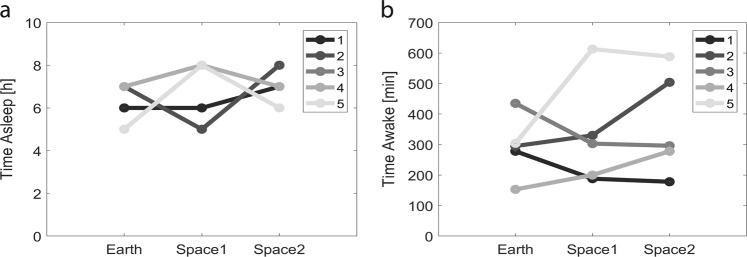
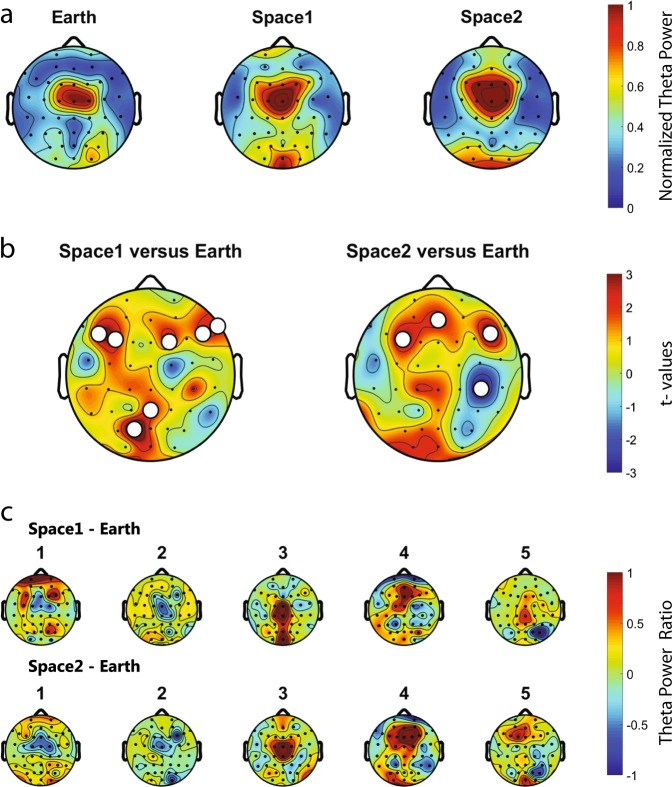
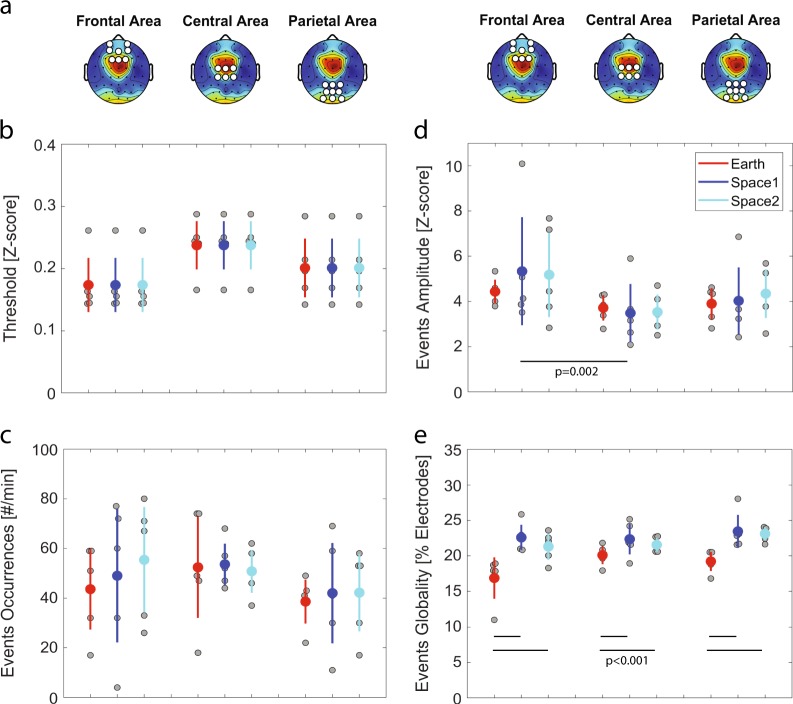
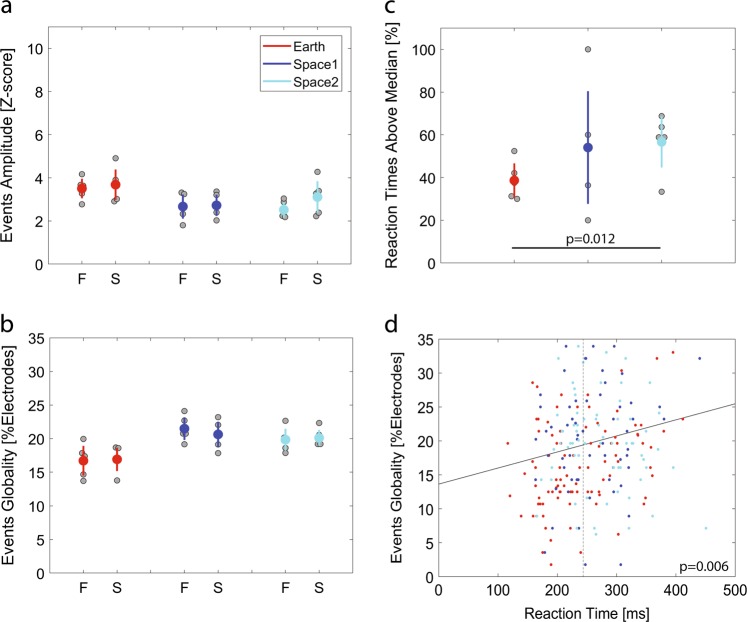
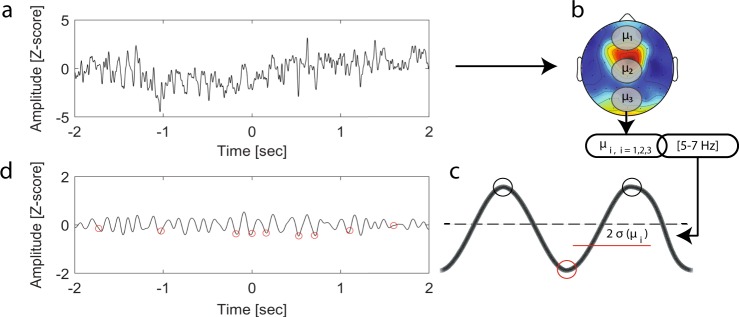
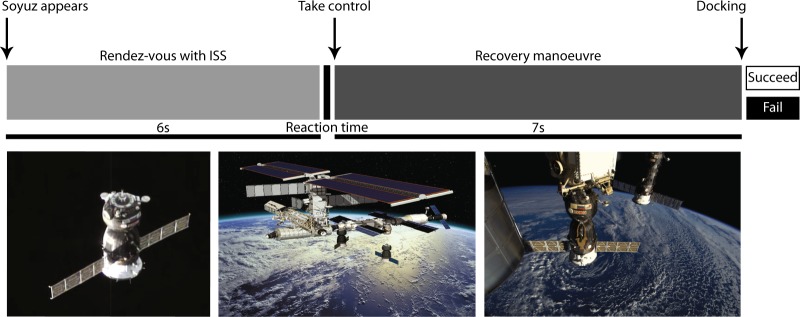
Adequate sleep quantity and quality is required to maintain vigilance, cognitive and learning processes. A decrease of sleep quantity preflight and on the International Space Station (ISS) has been reported. Recent counter-measures have been implemented to better regulate sleep opportunities on ISS. In our study, astronauts were allocated enough time for sleep the night before the recordings. However, for proper sleep recovery, the quality of sleep is also critical. Unfortunately, data on sleep quality have yet to be acquired from the ISS. Here, we investigate sleep pressure markers during wakefulness in five astronauts throughout their 6-month space mission by the mean of electroencephalographic recordings. We show a global increase of theta oscillations (5–7 Hz) on the ISS compared to on Earth before the mission. We also show that local sleep-like events, another marker of sleep pressure, are more global in space (p < 0.001). By analysing the performances of the astronauts during a docking simulation, we found that local sleep-like events are more global when reaction times are slower (R2 = 0.03, p = 0.006) and there is an increase of reaction times above 244 ms after 2 months in space (p = 0.012). Our analyses provide first evidence for increased sleep pressure in space and raise awareness on possible impacts on visuomotor performances in space.
Overview
The claims and statistics of this paper haven’t been checked yet.
Free: it reads the open-access text and checks the first 5 claims that cite a source we can check. Create a free account to check every claim.
Integrity signals
Registry
Cites
Statistics
Figures
Verification
Claims the paper makes
The claims and statistics of this paper haven’t been checked yet.
Free: it reads the open-access text and checks the first 5 claims that cite a source we can check. Create a free account to check every claim.
Claims other papers make about this one
Each is checked against this paper’s own text: does it say what the citing paper says it does?
The source backs part of the claim, not all of it — or backs it for a different population, condition or comparison.
In the citing paper
“Furthermore, sleep quality might be impacted by external factors such as confinement, work overload, chronic stress, hypercapnia, light and noise disturbances, temperature, and low back pain [1].”
From Sleep disruption, use of sleep-promoting medication and circadian desynchronization in spaceflight crewmembers: Evidence in low-Earth orbit and concerns for future deep-space exploration missions (2023) · cites this paper as [1]
Experimental — accuracy not yet measured
Self-check
Percentages, sums and reported differences re-computed from the paper’s own numbers.
The self-check needs the paper’s full text.
Citations
Cites
Delorme, A., & Makeig, S. (2004) · Journal of Neuroscience Methods · doi:10.1016/j.jneumeth.2003.10.009 · Cited by 24,371
Van Dongen, H. P. A., Maislin, G., Mullington, J. M., & Dinges, D. F. (2003) · Sleep · doi:10.1093/sleep/26.2.117 · Cited by 3,173
Tononi, G., & Cirelli, C. (2014) · Neuron · doi:10.1016/j.neuron.2013.12.025 · Cited by 2,356
Huber, R., Felice Ghilardi, M., Massimini, M., & Tononi, G. (2004) · Nature · doi:10.1038/nature02663 · Cited by 1,854
Self-citationDelorme, A., Sejnowski, T., & Makeig, S. (2007) · NeuroImage · doi:10.1016/j.neuroimage.2006.11.004 · Cited by 1,759
The two‐process model of sleep regulation: a reappraisal
Borbély, A. A., Daan, S., Wirz‐Justice, A., & Deboer, T. (2016) · Journal of Sleep Research · doi:10.1111/jsr.12371 · Cited by 1,577
Dijk, D., & Czeisler, C. (1995) · The Journal of Neuroscience · doi:10.1523/jneurosci.15-05-03526.1995 · Cited by 1,356
The sleep slow oscillation as a traveling wave
Massimini, M., Huber, R., Ferrarelli, F., Hill, S., & Tononi, G. (2004) · The Journal of Neuroscience · doi:10.1523/jneurosci.1318-04.2004 · Cited by 1,221
Self-citationMaximizing sensitivity of the Psychomotor Vigilance Test (PVT) to sleep loss
Basner, M., & Dinges, D. F. (2011) · Sleep · doi:10.1093/sleep/34.5.581 · Cited by 958
Vyazovskiy, V. V., Olcese, U., Hanlon, E. C., Nir, Y., Cirelli, C., & Tononi, G. (2011) · Nature · doi:10.1038/nature10009 · Cited by 865
Cited by
Microgravity Effects on the Human Brain and Behavior: Dysfunction and Adaptive Plasticity
Hupfeld, K. E., McGregor, H. R., Reuter‐Lorenz, P. A., & Seidler, R. D. (2020) · Neuroscience & Biobehavioral Reviews · doi:10.1016/j.neubiorev.2020.11.017 · Cited by 113
Spatio-temporal properties of sleep slow waves and implications for development
Timofeev, I., Schoch, S. F., LeBourgeois, M. K., Huber, R., Riedner, B. A., & Kurth, S. (2020) · Current Opinion in Physiology · doi:10.1016/j.cophys.2020.01.007 · Cited by 83
“66% increase of electrodes involved in a sleep-like event [69]).”
BackgroundMethodSelf-citationWilley, J. S., Britten, R. A., Blaber, E. A., Tahimic, C. G. T., Chancellor, J., Mortreux, M., Sanford, L. D., Kubik, A. J., Delp, M. D., & Mao, X. W. (2021) · Journal of Environmental Science and Health Part C · doi:10.1080/26896583.2021.1885283 · Cited by 79
“[8] Petit G, Cebolla AM, Fattinger S, et al.”
BackgroundZivi, P., Gennaro, L. D., & Ferlazzo, F. (2020) · Frontiers in Neuroscience · doi:10.3389/fnins.2020.00851 · Cited by 55
“One recent study conducted on the ISS investigated sleep events during wake (Petit et al., 2019).”
BackgroundInfluentialThe current state and future trends of space nutrition from a perspective of astronauts' physiology
Bychkov, A., Reshetnikova, P., Bychkova, E., Podgorbunskikh, E., & Koptev, V. (2021) · International Journal of Gastronomy and Food Science · doi:10.1016/j.ijgfs.2021.100324 · Cited by 44
Wadhwa, A., Moreno‐Villanueva, M., Crucian, B. E., & Wu, H. (2024) · Immunity & Ageing · doi:10.1186/s12979-024-00449-w · Cited by 47
Britten, R. A., Wellman, L. L., & Sanford, L. D. (2021) · Neuroscience & Biobehavioral Reviews · doi:10.1016/j.neubiorev.2021.01.027 · Cited by 40
Flynn‐Evans, E. E., Kirkley, C., Young, M., Bathurst, N., Gregory, K. B., Vogelpohl, V., End, A., Hillenius, S., Pecena, Y., & Márquez, J. J. (2020) · Scientific Reports · doi:10.1038/s41598-020-71929-4 · Cited by 32
Impact of different ground-based microgravity models on human sensorimotor system
Saveko, A. A., Bekreneva, M. P., Ponomarev, I. I., Zelenskaya, I., Riabova, A., Shigueva, T. A., Kitov, V. V., Sheli, N. A., Nosikova, I., Rukavishnikov, I. V., et al. (2023) · Frontiers in Physiology · doi:10.3389/fphys.2023.1085545 · Cited by 42
“Such an increase in local sleep-like episodes may be caused by increased sleep pressure (Petit et al., 2019), which is apparently not typical for DI conditions.”
BackgroundBritten, R. A., Duncan, V. D., Fesshaye, A. S., Wellman, L. L., Fallgren, C. M., & Sanford, L. D. (2019) · International Journal of Radiation Biology · doi:10.1080/09553002.2019.1694190 · Cited by 29
“Recent work also has reported evidence of increased sleep pressure (greater theta activity in the EEG and more local sleep events during waking) in astronauts on the ISS (Petit et al. 2019).”
BackgroundSleep Fragmentation Exacerbates Executive Function Impairments Induced by Low Doses of Si Ions
Britten, R. A., Fesshaye, A. S., Duncan, V. D., Wellman, L. L., & Sanford, L. D. (2020) · Radiation Research · doi:10.1667/rade-20-00080.1 · Cited by 27
“It is therefore not surprising that seven of the 10 tasks in the ‘‘fit-for-duty’’ performance battery used to evaluate International Space Station (ISS) astronauts (4, 5) assess some aspect of executive function.”
BackgroundBarkaszi, I., Ehmann, B., Tölgyesi, B., Balázs, L., & Altbäcker, A. (2022) · Frontiers in Physiology · doi:10.3389/fphys.2022.1008508 · Cited by 27
Monitoring the Impact of Spaceflight on the Human Brain
Dinatolo, M. F., & Cohen, L. Y. (2022) · Life · doi:10.3390/life12071060 · Cited by 25
Brauns, K., Friedl-Werner, A., Maggioni, M. A., Gunga, H., & Stahn, A. C. (2021) · Frontiers in Physiology · doi:10.3389/fphys.2021.638669 · Cited by 22
Altered sleep spindles and slow waves during space shuttle missions
Koller, D. P., Kasanin, V., Flynn‐Evans, E. E., Sullivan, J. P., Dijk, D., Czeisler, C. A., & Barger, L. K. (2021) · npj Microgravity · doi:10.1038/s41526-021-00177-1 · Cited by 20
Brain potential responses involved in decision-making in weightlessness
Cebolla, A. M., Petieau, M., Palmero‐Soler, E., & Cheron, G. A. (2022) · Scientific Reports · doi:10.1038/s41598-022-17234-8 · Cited by 21
Self-citationEmotion Regulation Failures Are Preceded by Local Increases in Sleep-like Activity
Avvenuti, G., Bertelloni, D., Lettieri, G., Ricciardi, E., Cecchetti, L., Pietrini, P., & Bernardi, G. (2021) · Journal of Cognitive Neuroscience · doi:10.1162/jocn_a_01753 · Cited by 21
Puyvelde, M. V., Rietjens, G. J., Helmhout, P. H., Maîresse, O., Cutsem, J. V., & Pattyn, N. (2022) · Journal of Applied Physiology · doi:10.1152/japplphysiol.00130.2021 · Cited by 19
Albornoz-Miranda, M., Parrao, D., & Taverne, M. (2023) · Sleep Medicine: X · doi:10.1016/j.sleepx.2023.100080 · Cited by 17
Effects of spaceflight on the EEG alpha power and functional connectivity
Pusil, S. A., Zegarra-Valdivia, J. A., Cuesta, P., Laohathai, C., Cebolla, A. M., Haueisen, J., Fiedler, P., Funke, M. E., Maestú, F., & Cheron, G. A. (2023) · Scientific Reports · doi:10.1038/s41598-023-34744-1 · Cited by 18
Self-citationAlterations in the activity and sleep of Drosophila melanogaster under simulated microgravity
Zhang, H., Wang, Y., Zhang, Z., Zhang, L., Tang, C., Sun, B., Jiang, Z., Ding, B., & Cai, P. (2021) · npj Microgravity · doi:10.1038/s41526-021-00157-5 · Cited by 13
Changes of EEG beta band power and functional connectivity during spaceflight: a retrospective study
Quivira‐Lopesino, A., Sevilla-García, M. A., Cuesta, P., Pusil, S. A., Bruña, R., Fiedler, P., Cebolla, A. M., Cheron, G. A., Funke, M. E., & Maestú, F. (2025) · Scientific Reports · doi:10.1038/s41598-025-96897-5 · Cited by 12
“The dataset was collected as part of the NEUROSPAT study (AO-2004, 118) 10,15,16,43 , which involved five male astronauts with an average age of 54.2 ± 2.6 years.”
InfluentialSelf-citationvan den Berg, N., Michaud, X., Pattyn, N., & Simonelli, G. (2023) · Current Psychiatry Reports · doi:10.1007/s11920-022-01407-3 · Cited by 11
Changes to human sleep architecture during long‐duration spaceflight
Piltch, O., Flynn‐Evans, E. E., Young, M., & Stickgold, R. (2024) · Journal of Sleep Research · doi:10.1111/jsr.14345 · Cited by 11
“Further support that SWS may be affected during space-flight comes from studies that show global increases in theta power and local sleep-like events during waking (Petit et al., 2019), which are signatures of increased sleep pressure (Finelli et al., 2000).”
Li, Z., Wu, J., Zhao, T., Wei, Y., Xu, Y., Liu, Z., Li, X., & Chen, X. (2024) · Frontiers in Cellular Neuroscience · doi:10.3389/fncel.2024.1296205 · Cited by 13
“…a wide range of challenges from the external environment to lifestyle: GCR exposure, microgravity, isolation and stress exposure, circadian rhythm disruption, sleep disorders, and malnutrition (Gemignani et al., 2014; Petit et al., 2019; Baba et al., 2020; Kodaira et al., 2021; Desai et al., 2022).”
BackgroundZhang, P., Sun, C., Liu, Z., & Zhou, Q. (2023) · SLEEP · doi:10.1093/sleep/zsad243 · Cited by 11
Sleep and Core Body Temperature Alterations Induced by Space Radiation in Rats
Sanford, L. D., Adkins, A. M., Boden, A. F., Gotthold, J. D., Harris, R. D., Shuboni‐Mulligan, D. D., Wellman, L. L., & Britten, R. A. (2023) · Life · doi:10.3390/life13041002 · Cited by 8
Beyond the lab coat: methodological challenges in space life sciences
Puyvelde, M. V., van den Berg, N., Stas, L., Savieri, P., Corluy, H. C., Cutsem, J. V., Neyt, X., Simonelli, G., & Pattyn, N. (2025) · Frontiers in Physiology · doi:10.3389/fphys.2025.1663701 · Cited by 5
Circadian disruption in astronauts: Causes, molecular mechanisms, and neurocognitive consequences
Tomaraei, S. N., Ahmed, M., & Nami, M. (2025) · Chronobiology International · doi:10.1080/07420528.2025.2569695 · Cited by 5
“Petit et al. (2019) reported that astronauts aboard the International Space Station (ISS) experienced “local sleep-like events” during waking hours, indicative of heightened sleep drive.”
Zhang, P., Yan, J., Liu, Z., Yu, H., Zhao, R. Z., & Zhou, Q. (2022) · Communications Biology · doi:10.1038/s42003-022-04018-z · Cited by 6
Sommariva, S., Romoli, G., Vallarino, E., Fino, L. D., Sorrentino, A., Amantini, G. S., Sannita, W. G., Piana, M., & Narici, L. (2022) · Life Sciences in Space Research · doi:10.1016/j.lssr.2022.07.005 · Cited by 5
Flynn‐Evans, E. E., Braun, A. M., & Jansen, R. A. (2024) · Sleep Medicine Clinics · doi:10.1016/j.jsmc.2024.10.003 · Cited by 4
Impeded frontal-occipital communications during Go/Nogo tasks in humans owing to mental workload
Zhang, P., Yan, J., Liu, Z., & Zhou, Q. (2022) · Behavioural Brain Research · doi:10.1016/j.bbr.2022.114182 · Cited by 3
Sleep-Monitoring Technology Progress and Its Application in Space
Zhang, C., Chen, Y., Fan, Z., Xin, B., Wu, B., & Lv, K. (2023) · Aerospace Medicine and Human Performance · doi:10.3357/amhp.6249.2023 · Cited by 3
Assessing Cognitive Capacity by P3 During a Complex Manual Control Task
Johannes, B. W., Bubeev, J. A., Kotrovskaya, T. I., Bronnikov, S., Piechowski, S., Elmenhorst, E., Rittweger, J., Jordan, J., & Gaillard, A. W. K. (2020) · Journal of Psychophysiology · doi:10.1027/0269-8803/a000260 · Cited by 3
Effects of Spaceflight on the Nervous System
Kourtidou‐Papadeli, C. (2022) · Springer eBooks · doi:10.1007/978-3-030-05526-4_49 · Cited by 4
Sevilla-García, M. A., Quivira‐Lopesino, A., Cuesta, P., Pusil, S. A., Bruña, R., Fiedler, P., Maestú, F., Cebolla, A. M., Cheron, G. A., Brauns, K., et al. (2025) · Scientific Reports · doi:10.1038/s41598-025-26291-8 · Cited by 3
“These analogs, such as head-down tilt bed rest (HDBR) 28–32 , parabolic flights 8,9 , or extreme environments like Antarctica 10 or deep-sea habitats 33 , are designed to mimic aspects like microgravity, isolation, or confined spaces.”
Self-citationMuhammad, A., Wang, Y., & Wang, H. (2026) · Journal of Space Safety Engineering · doi:10.1016/j.jsse.2026.02.008 · Cited by 5
Time in Space: Advances in the Study of Circadian Rhythms under Microgravity
Guo, J., Gan, X.-H., & Ma, H. (2021) · Chinese Journal of Space Science · doi:10.11728/cjss2021.01.145 · Cited by 2
Success Stories: Incremental Progress and Scientific Breakthroughs in Life Science Research
Ruyters, G., Braun, M., & Stang, K. M. (2021) · SpringerBriefs in space life sciences · doi:10.1007/978-3-030-74022-1_3 · Cited by 2
Garcia-Gomez, J. M. (2020) · arXiv (Cornell University) · doi:10.48550/arxiv.2010.07029 · Cited by 3
“in 2019 [19] studied the relationship of sleep pressure EEG markers during wakefulness in astronauts throughout 6-month space mission.”
India’s Manned Spaceflight: Incisive Perspectives on the Vigilance of the Crew During the Mission
Pandi-Perumal, S. R. (2020) · Sleep and Vigilance · doi:10.1007/s41782-020-00112-6 · Cited by 1
Effects of Spaceflight on the Nervous System
Kourtidou‐Papadeli, C. (2021) · Springer eBooks · doi:10.1007/978-3-319-50909-9_49-1 · Cited by 1
[Effects of Extreme Environments on Human Sleep].
Bai, Y., Sun, X., Wen, Q., Wu, J., Zou, J., & Wang, H. (2024) · PubMed Central · doi:10.12182/20240760402 · Cited by 1
Sleep issues in aviation and space
Flynn‐Evans, E. E., Lamp, A. C. M., & Hilditch, C. J. (2022) · Elsevier eBooks · doi:10.1016/b978-0-12-822963-7.00315-7 · Cited by 2
Petit, G., Abeln, V., Summerer, L., Schneider, S., & Huber, R. (2019) · bioRxiv (Cold Spring Harbor Laboratory) · doi:10.1101/516567
Self-citationCaswell, G. M. (2024) · International Journal of Geriatrics and Gerontology · doi:10.29011/2577-0748.100075
Sleep–Wake Cycle in a Female Crew During an Earth-Based Martian Analogue Mission
Conejo-González, C., Muñoz-Ferrer, A., Vicente, I., Núñez, A., & Abad, J. (2024) · Archivos de Bronconeumología · doi:10.1016/j.arbres.2024.05.034
“Sleep deprivation, particularly REM sleep reduction and circadian rhythms disturbances, can impair alertness and performance [11,12].”
BackgroundXerfan, E. M. S., Tempaku, P. F., Tufik, S., & Andersen, M. L. (2024) · Journal of Sleep Research · doi:10.1111/jsr.14312
The Posterior Dominant Rhythm Remains Within Normal Limits in the Microgravity Environment
Kokkinos, V., Koupparis, A. M., Fekete, T., Privman, E., Avin, O., Almagor, O., Shriki, O., & Hadanny, A. (2024) · Brain Sciences · doi:10.3390/brainsci14121194 · Cited by 1
“…during space missions and parabolic flights in humans [39,40], as well as in primates in orbit [41], including investigations of the sleep state [42,43] and simulated conditions [44–47], only a handful of them have attempted to establish EEG biomarkers in a quantitative manner [48–51], with the…”
Piechowski, S. (2023) · elib (German Aerospace Center) · doi:10.13154/294-10495
Recent advancements in space food: A comprehensive review
Singh, A., Yadav, P., & Singh, A. (2025) · Environment Conservation Journal · doi:10.36953/ecj.36462025
Deep space exploration: Sleep and circadian rhythms in heart and brain function
Liu, Z., & Wang, E. (2026) · Sleep Medicine Reviews · doi:10.1016/j.smrv.2026.102343
Ballard, J. M., Chiguru, R., Deeb, M. B., Swatsburg, R. B., Lau, A. Y., Davis, G. H., Demiri, M., Keller, J. T., Nourachi, B., Shihadeh, T. A. A., et al. (2026) · International Journal of Molecular Sciences · doi:10.3390/ijms27177689
Metadata
- Authors
- Petit, G., Cebolla, A. M., Fattinger, S., Petieau, M., Summerer, L., Cheron, G., & Huber, R.
- Affiliations
- European Space Agency (FR)
- Université Libre de Bruxelles (BE)
- University Children's Hospital Zurich (CH)
- University of Zurich (CH)
- Corresponding author
- Huber, Reto
- Venue
- npj Microgravity
- Published
- 2019-05-02
- Volume
- 5
- Issue
- 1
- Pages
- 10-10
- ISSN
- 2373-8065 (ISSN-L)
- PMC
- PMC6497715
- OpenAlex
- W2942608881
- Cited by
- 52
- References
- 43
- Citations by year
- 2026: 3 · 2025: 4 · 2024: 9 · 2023: 7 · 2022: 9 · 2021: 9 · 2020: 9 · 2019: 2
- FWCI
- 4.97
- Type
- journal article
- Language
- en
- Open access
- gold
- doi.org
- Licence
- cc-by
- creativecommons.org/licenses/by/4.0 (tdm)
- creativecommons.org/licenses/by/4.0 (vor)
- Locations
- npj Microgravity (publishedVersion, cc-by)
- Europe PMC (PubMed Central) (publishedVersion, cc-by)
- PubMed Central (publishedVersion, cc-by)
- PubMed (publishedVersion)
- Zurich Open Repository and Archive (University of Zurich) (acceptedVersion, cc-by)
- Dépôt institutionnel de l'Université libre de Bruxelles (Université Libre de Bruxelles) (submittedVersion, other-oa)
- Zurich Open Repository and Archive (University of Zurich) (submittedVersion, cc-by)
- Zurich Open Repository and Archive (University of Zurich)
- Funders
- Universität Zürich (Clinical Research Priority Program Sleep and Health)
- Luxembourg Government: LuxYGT Programme
- European Space Agency (Ariadna study 17-9701)
- Topics
- Health Sciences › Medicine › Physiology (medical) › Spaceflight effects on biology
- Social Sciences › Psychology › Experimental and Cognitive Psychology › Sleep and Work-Related Fatigue
- Life Sciences › Neuroscience › Cognitive Neuroscience › Sleep and Wakefulness Research
- Keywords
- sleep pressure, astronauts, International Space Station, theta oscillations, sleep quality, alertness, visuomotor performance, reaction time, docking simulation, long-duration spaceflight, sustained attention
About these checks
Registry, retraction, Cites and statistics results are computed, not judged, with one exception: a printed reference that no index lists is read once by a model before it counts as a citation error. Claims are extracted by a model and kept only when their quote appears verbatim in the text; each cited source is then checked, with a model’s help, for whether it says what the claim relies on. Those verdicts can be wrong — read the claim’s quote and the cited source before relying on one.
Statistics and arithmetic are recomputed, not judged.
Confidence bands are shown only for fields calibrated on our annotated test set. None is calibrated yet, so no band is shown.
What counts as a claim ›How we measure confidence ›How we check this ›
Are you an author, or do you see a problem with this page? Request a review
Data sources
Bibliographic data: Semantic Scholar, OpenAlex, Crossref.
Contains information from the Semantic Scholar Academic Graph Datasets, made available under the ODC Attribution License (ODC-BY 1.0).
Semantic Scholar’s data is described in: Kinney, R., et al. (2023). The Semantic Scholar Open Data Platform. arXiv:2301.10140.
