

Interpretable video-based tracking and quantification of parkinsonism clinical motor states
Open accessPublished version of a preprint
The DOI matches its Crossref record; 70 of the 70 references it cites were found in a registry or an index.
Abstract
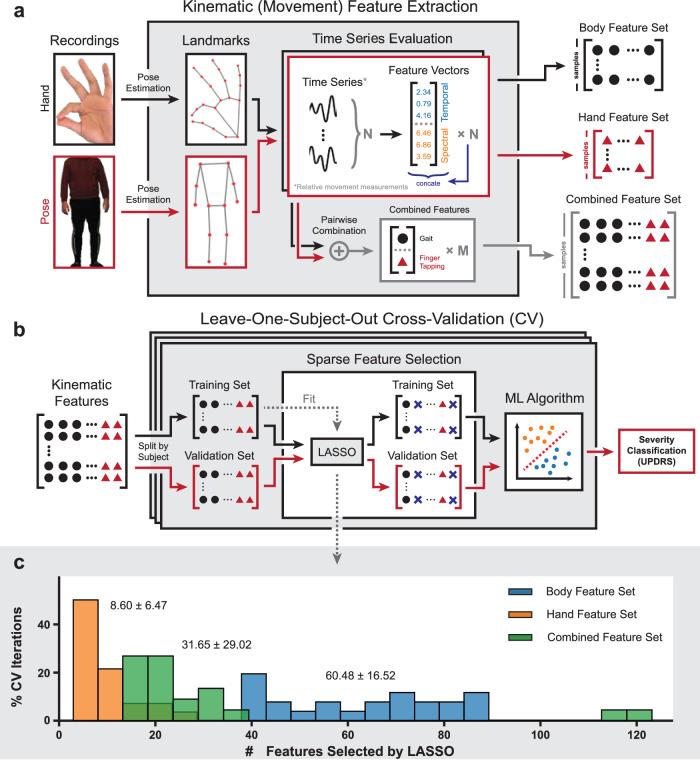
Quantification of motor symptom progression in Parkinson’s disease (PD) patients is crucial for assessing disease progression and for optimizing therapeutic interventions, such as dopaminergic medications and deep brain stimulation. Cumulative and heuristic clinical experience has identified various clinical signs associated with PD severity, but these are neither objectively quantifiable nor robustly validated. Video-based objective symptom quantification enabled by machine learning (ML) introduces a potential solution. However, video-based diagnostic tools often have implementation challenges due to expensive and inaccessible technology, and typical “black-box” ML implementations are not tailored to be clinically interpretable. Here, we address these needs by releasing a comprehensive kinematic dataset and developing an interpretable video-based framework that predicts high versus low PD motor symptom severity according to MDS-UPDRS Part III metrics. This data driven approach validated and robustly quantified canonical movement features and identified new clinical insights, not previously appreciated as related to clinical severity, including pinkie finger movements and lower limb and axial features of gait. Our framework is enabled by retrospective, single-view, seconds-long videos recorded on consumer-grade devices such as smartphones, tablets, and digital cameras, thereby eliminating the requirement for specialized equipment. Following interpretable ML principles, our framework enforces robustness and interpretability by integrating (1) automatic, data-driven kinematic metric evaluation guided by pre-defined digital features of movement, (2) combination of bi-domain (body and hand) kinematic features, and (3) sparsity-inducing and stability-driven ML analysis with simple-to-interpret models. These elements ensure that the proposed framework quantifies clinically meaningful motor features useful for both ML predictions and clinical analysis.
Overview
The claims and statistics of this paper haven’t been checked yet.
Free: it reads the open-access text and checks the first 5 claims that cite a source we can check. Create a free account to check every claim.
Integrity signals
Registry
Cites
Statistics
Figures
Verification
Claims the paper makes
The claims and statistics of this paper haven’t been checked yet.
Free: it reads the open-access text and checks the first 5 claims that cite a source we can check. Create a free account to check every claim.
Claims other papers make about this one
Each is checked against this paper’s own text: does it say what the citing paper says it does?
The check wasn’t confident either way, so it gives no verdict — never disputed.
In the citing paper
“PENSIEVE-AI uses an image-based deep learning model to detect mild cognitive impairment (MCI) and dementia based on touch-screen tablet drawing tasks,60”
From Review of Artificial Intelligence for Clinical Use in Alzheimer's Disease and Related Dementias (2026) · cites this paper as [60]
Experimental — accuracy not yet measuredThe check wasn’t confident either way, so it gives no verdict — never disputed.
In the citing paper
“Further studies show promise of AI applications in optimizing cognitive test administration and scoring across diverse cultures and health literacy levels.59,60”
From Review of Artificial Intelligence for Clinical Use in Alzheimer's Disease and Related Dementias (2026) · cites this paper as [60]
Experimental — accuracy not yet measured
Self-check
Percentages, sums and reported differences re-computed from the paper’s own numbers.
The self-check needs the paper’s full text.
Citations
Cites
Breiman, L. (2001) · Machine Learning · doi:10.1023/a:1010933404324 · Cited by 133,538 · cited 1×
“…seven different ML algorithms: (1) linear discriminant analysis (LDA) 62 ; (2) logistic regression (LR) 63 ; (3) support vector machine (SVM) 64 ; (4) random forest (RF) 65 ; (5) adaptive-boosted trees (AdaBoost; AB) 66 ; (6) K-nearestneighbors(KNN) 67 ; and, (7) Gaussian naive Bayes (GNB) 68 .”
Regression shrinkage and selection via the lasso
Tibshirani, R. (1996) · Journal of the Royal Statistical Society Series B: Statistical Methodology · doi:10.1111/j.2517-6161.1996.tb02080.x · Cited by 51,482
Feature Pyramid Networks for Object Detection
Lin, T.-Y., Dollar, P., Girshick, R., He, K., Hariharan, B., & Belongie, S. (2017) · 2017 IEEE Conference on Computer Vision and Pattern Recognition (CVPR) · doi:10.1109/cvpr.2017.106 · Cited by 30,939 · cited 1×
“For the “ on ” state, participants were given a standard morning dose of Levodopa medication and evaluated one hour later.”
BackgroundData Structures for Statistical Computing in Python
McKinney, W. (2010) · Proceedings of the Python in Science Conference · doi:10.25080/majora-92bf1922-00a · Cited by 11,032 · cited 1×
“For the gait task, participantswere instructed to walk towardand away from the camera fora minimum of 10 meters (30 feet) each way.”
MethodFrom local explanations to global understanding with explainable AI for trees
Lundberg, S. M., Erion, G., Chen, H., DeGrave, A., Prutkin, J. M., Nair, B., Katz, R., Himmelfarb, J., Bansal, N., & Lee, S.-I. (2020) · Nature Machine Intelligence · doi:10.1038/s42256-019-0138-9 · Cited by 10,551 · cited 1×
“Weperforma comprehensivekinematicfeaturestabilityanalysistoidentifyconserved featuresacrossensembleofmodels 32 – 34 and feature contributions to model outputs via tree SHAP (Shapley Additive exPlanations) analysis 35 .”
MethodGoetz, C. G., Tilley, B. C., Shaftman, S. R., Stebbins, G. T., Fahn, S., Martinez‐Martin, P., Poewe, W., Sampaio, C., Stern, M. B., Dodel, R., et al. (2008) · Movement Disorders · doi:10.1002/mds.22340 · Cited by 7,536 · cited 1×
“Clinical signs such as fi nger tapping slowness and decrement(bradykinesia)withintheMDS-UPDRShavebeendiscoveredby clinicalheuristicsandcodi fi ed by expert consensus, precluding well-vali-dated, objective, data-driven and quanti fi able assessment of patients.”
BackgroundHearst, M. A., Dumais, S. T., Osuna, E., Platt, J., & Scholkopf, B. (1998) · IEEE Intelligent Systems and their Applications · doi:10.1109/5254.708428 · Cited by 7,243 · cited 8×
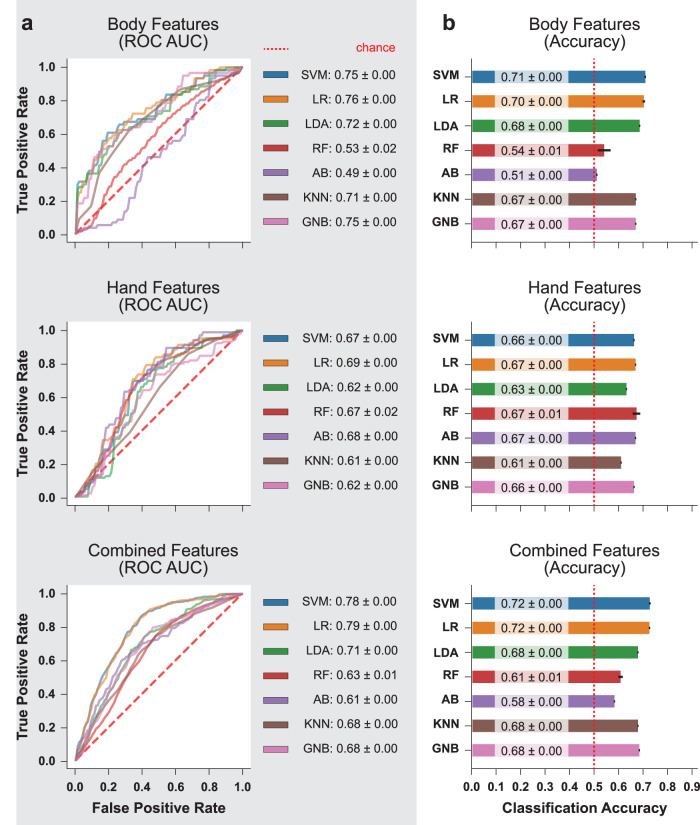
“In terms of classi fi cation accuracy, SVM and LR achieved an average accuracy of 72%, with LDA, KNN, and GNB following closely at 68%.”
InfluentialOpenPose: Realtime Multi-Person 2D Pose Estimation Using Part Affinity Fields
Cao, Z., Hidalgo, G., Simon, T., Wei, S.-E., & Sheikh, Y. (2021) · IEEE Transactions on Pattern Analysis and Machine Intelligence · doi:10.1109/tpami.2019.2929257 · Cited by 5,536
DeepLabCut: markerless pose estimation of user-defined body parts with deep learning
Mathis, A., Mamidanna, P., Cury, K. M., Abe, T., Murthy, V. N., Mathis, M. W., & Bethge, M. (2018) · Nature Neuroscience · doi:10.1038/s41593-018-0209-y · Cited by 5,187
Multimodal Machine Learning: A Survey and Taxonomy
Baltrusaitis, T., Ahuja, C., & Morency, L.-P. (2019) · IEEE Transactions on Pattern Analysis and Machine Intelligence · doi:10.1109/tpami.2018.2798607 · Cited by 5,018
Bloem, B. R., Okun, M. S., & Klein, C. (2021) · The Lancet · doi:10.1016/s0140-6736(21)00218-x · Cited by 3,920
Adams, J. L., Dinesh, K., Xiong, M., Tarolli, C. G., Sharma, S., Sheth, N., Aranyosi, A. J., Zhu, W., Goldenthal, S., Biglan, K. M., et al. (2017) · Digital Biomarkers · doi:10.1159/000479018 · Cited by 3,171
A Short Introduction to Boosting
Freund, Y., & Schapire, R. E. (1999) · Cited by 3,155
Diagnosis and Treatment of Parkinson Disease: A Review
Armstrong, M. J., & Okun, M. S. (2020) · JAMA · doi:10.1001/jama.2019.22360 · Cited by 2,924
Definitions, methods, and applications in interpretable machine learning
Murdoch, W. J., Singh, C., Kumbier, K., Abbasi-Asl, R., & Yu, B. (2019) · Proceedings of the National Academy of Sciences · doi:10.1073/pnas.1900654116 · Cited by 2,167 · cited 1×
“FollowinginterpretableMLprinciples 30,31 ,ourprimary contribution is to enforce model robustness and interpretability by integrating (1) automatic, data-driven kinematic metric evaluation guided by pre-de fi ned digital features of movement, (2) combination of bi-domain…”
MethodSelf-citation(2013) · Europe PMC (PubMed Central) · Cited by 2,089
Linear discriminant analysis: A detailed tutorial
Tharwat, A., Gaber, T., Ibrahim, A., & Hassanien, A. E. (2017) · AI Communications · doi:10.3233/aic-170729 · Cited by 1,072
MediaPipe: A framework for building perception pipelines
Lugaresi, C., Tang, J., Nash, H., McClanahan, C., Uboweja, E., Hays, M., Zhang, F., Chang, C.-L., Yong, M. G., Lee, J., et al. (2019) · arXiv · doi:10.48550/arxiv.1906.08172 · Cited by 1,043 · cited 7×
“More recently, advancements in machine learning (ML) and computer vision have yielded accessible solutions for extracting kinematic information at key anatomical positions from video data without the needforphysicalmarkersystems 14 – 17 .”
InfluentialA Brief Review of Nearest Neighbor Algorithm for Learning and Classification
Taunk, K., De, S., Verma, S., & Swetapadma, A. (2019) · 2019 International Conference on Intelligent Computing and Control Systems (ICCS) · doi:10.1109/iccs45141.2019.9065747 · Cited by 816 · cited 1×
“Considering the common unilateral development of PD symptoms, we needed to retain both left and right-sided body features.”
BackgroundDeepPoseKit, a software toolkit for fast and robust animal pose estimation using deep learning
Graving, J. M., Chae, D., Naik, H., Li, L., Koger, B., Costelloe, B. R., & Couzin, I. D. (2019) · eLife · doi:10.7554/elife.47994 · Cited by 547
BlazePose: On-device Real-time Body Pose tracking
Bazarevsky, V., Grishchenko, I., Raveendran, K., Zhu, T., Zhang, F., & Grundmann, M. (2020) · arXiv · doi:10.48550/arxiv.2006.10204 · Cited by 475 · cited 1×
“The MDD-UPDRS uses an ordinal scale ranging from 0 to 132, where higher values indicate greatermotorimpairment.”
MethodClassification with correlated features: unreliability of feature ranking and solutions
Toloşi, L., & Lengauer, T. (2011) · Bioinformatics · doi:10.1093/bioinformatics/btr300 · Cited by 445
Toward clinical digital phenotyping: a timely opportunity to consider purpose, quality, and safety
Huckvale, K., Venkatesh, S., & Christensen, H. (2019) · npj Digital Medicine · doi:10.1038/s41746-019-0166-1 · Cited by 433 · cited 1×
“Unfortunately, due to device expenses and technical limitations, embodiments of these quanti fi - cation systems have yet to be regularly adopted into clinical practice for PD assessment 11 – 13 .”
BackgroundMachine Learning for the Diagnosis of Parkinson's Disease: A Review of Literature
Mei, J., Desrosiers, C., & Frasnelli, J. (2021) · Frontiers in Aging Neuroscience · doi:10.3389/fnagi.2021.633752 · Cited by 401 · cited 1×
“Thishasthepotentialtosupport chronicsymptomtrackinginordertomonitornaturalisticmotor fl uctua-tions over time toward personalized optimization of therapy.”
BackgroundLogistic Regression in Medical Research
Schober, P., & Vetter, T. R. (2021) · Anesthesia & Analgesia · doi:10.1213/ane.0000000000005247 · Cited by 395 · cited 1×
“…fi cation performances were evaluated using seven different ML algorithms: (1) linear discriminant analysis (LDA) 62 ; (2) logistic regression (LR) 63 ; (3) support vector machine (SVM) 64 ; (4) random forest (RF) 65 ; (5) adaptive-boosted trees (AdaBoost; AB) 66 ; (6) K-nearestneighbors(KNN) 67…”
Parkinson's disease severity levels and MDS-Unified Parkinson's Disease Rating Scale
Martínez-Martín, P., Rodríguez-Blázquez, C., Alvarez, M., Arakaki, T., Arillo, V. C., Chaná, P., Fernández, W., Garretto, N., Martínez-Castrillo, J. C., Rodríguez-Violante, M., et al. (2015) · Parkinsonism & Related Disorders · doi:10.1016/j.parkreldis.2014.10.026 · Cited by 360 · cited 1×
“In terms of wake time spent with dyskinesias (MDS-UPDRS 4.1 score), seven reported less than 25% of their waking day (score = 1) and three reported between 25% to 50% of their waking day (score = 2).”
BackgroundInfluentialDeep Learning-Based Parkinson’s Disease Classification Using Vocal Feature Sets
Gunduz, H. (2019) · IEEE Access · doi:10.1109/access.2019.2936564 · Cited by 360 · cited 1×
“Thisapproach has been mirrored in other PD studies to protect against data leakage and ensure unbiased results 36,37 .”
ResultRealtime Multi-Person 2D Pose Estimation using Part Affinity FieldsPreprint
Cao, Z., Simon, T., Wei, S.-E., & Sheikh, Y. A. (2016) · arXiv (Cornell University) · doi:10.48550/arxiv.1611.08050 · Cited by 322 · cited 1×
“Thesecomputervisionsolutionshave the potential to address the shortcomings of existing methods, signi fi cantly enhance diagnostic accuracy, and open new avenues for optimizing personalized medical therapy in PD 18 – 22 .”
BackgroundEspay, A. J., Hausdorff, J. M., Sánchez‐Ferro, Á., Klucken, J., Merola, A., Bonato, P., Paul, S. S., Horak, F. B., Vizcarra, J. A., Mestre, T. A., et al. (2019) · Movement Disorders · doi:10.1002/mds.27671 · Cited by 321 · cited 1×
“However, to date, many video-based diagnostic tools have implementation challenges of expensive and inaccessible technology, often requiring multi-camera setups, pristine video collection protocols, or additional sensors that are infeasible for conventional use.”
BackgroundDeep brain stimulation: Preoperative issues
Lang, A. E., Houeto, J.-L., Krack, P., Kubu, C., Lyons, K. E., Moro, E., Ondo, W., Pahwa, R., Poewe, W., Tröster, A. I., et al. (2006) · Movement Disorders · doi:10.1002/mds.20955 · Cited by 308 · cited 1×
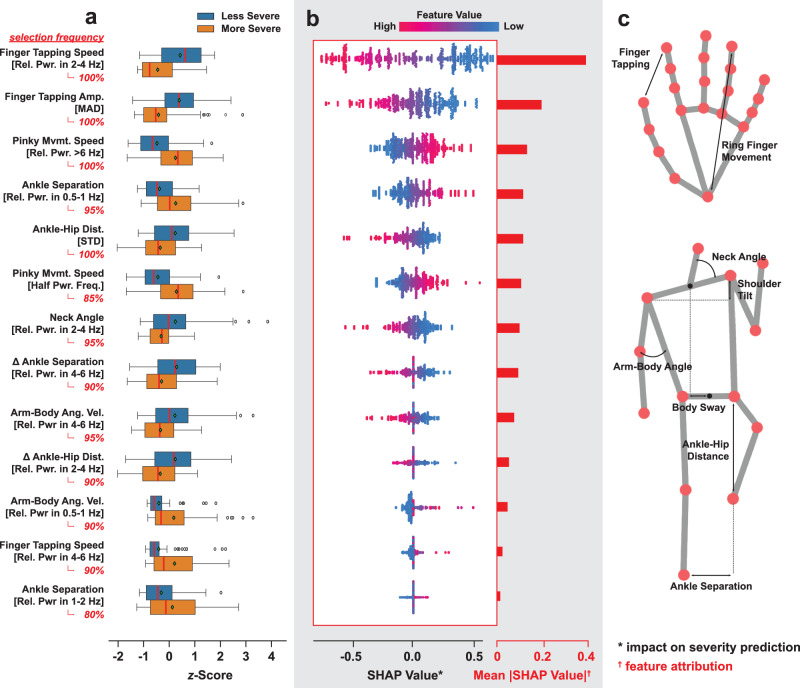
“Many fi ndingspresentedherein are also consistent with the current understandings of PD motor characteristics at lower vs. higher PD severity states in general 39,51,52 .”
ResultPredicting Severity Of Parkinson’s Disease Using Deep Learning
Grover, S., Bhartia, S., Akshama, Yadav, A., & K.R., S. (2018) · Procedia Computer Science · doi:10.1016/j.procs.2018.05.154 · Cited by 237 · cited 1×
“The main assessment metric used in this study for measuring motor symptom severity was the MDS-UPDRS Part III score 22,55 .”
MethodLonini, L., Dai, A., Shawen, N., Simuni, T., Poon, C., Shimanovich, L., Daeschler, M., Ghaffari, R., Rogers, J. A., & Jayaraman, A. (2018) · npj Digital Medicine · doi:10.1038/s41746-018-0071-z · Cited by 209 · cited 1×
“In this study, we address these needs by (1) publicly releasing a comprehensive kinematics dataset from 31 patients all with parkinsonism, and (2) developing a video-based framework to automatically predict PD motor symptom high versus low severity according to the MDS-UPDRS Part III…”
MethodMeasuring Parkinson's disease over time: The real‐world within‐subject reliability of the MDS‐UPDRS
Evers, L. J. W., Krijthe, J. H., Meinders, M. J., Bloem, B. R., & Heskes, T. M. (2019) · Movement Disorders · doi:10.1002/mds.27790 · Cited by 199 · cited 1×
“Many fi ndingspresentedherein are also consistent with the current understandings of PD motor characteristics at lower vs. higher PD severity states in general 39,51,52 .”
ResultHypokinesia without decrement distinguishes progressive supranuclear palsy from Parkinson's disease
Ling, H., Massey, L. A., Lees, A. J., Brown, P., & Day, B. L. (2012) · Brain · doi:10.1093/brain/aws038 · Cited by 176 · cited 1×
“2) 42 .”
Multi-modality machine learning predicting Parkinson’s disease
Makarious, M. B., Leonard, H. L., Vitale, D., Iwaki, H., Sargent, L., Dadu, A., Violich, I., Hutchins, E., Saffo, D., Bandres-Ciga, S., et al. (2022) · npj Parkinson's Disease · doi:10.1038/s41531-022-00288-w · Cited by 158
Characterizing advanced Parkinson’s disease: OBSERVE-PD observational study results of 2615 patients
Fasano, A. A., Fung, V. S. C., Lopiano, L., Elibol, B., Геннадьевна, С. И., Seppi, K., Takáts, A., Onuk, K., Parra, J. C., Bergmann, L., et al. (2019) · BMC Neurology · doi:10.1186/s12883-019-1276-8 · Cited by 134 · cited 1×
“Parkinson ’ s disease (PD) is a common neurodegenerative disorder characterized by progressive motor symptoms (e.g., bradykinesia, rest tremor, rigidity, postural instability) that can be disabling and signi fi cantly impair quality of life 1 – 3 .”
BackgroundPes, B., Dessì, N., & Angioni, M. (2016) · Information Fusion · doi:10.1016/j.inffus.2016.10.001 · Cited by 126
Vision-based assessment of parkinsonism and levodopa-induced dyskinesia with pose estimation
Li, M. H., Mestre, T. A., Fox, S. H., & Taati, B. (2018) · Journal of NeuroEngineering and Rehabilitation · doi:10.1186/s12984-018-0446-z · Cited by 123 · cited 1×
“Duringrecording,participants wereinstructedtoperform fi nger-tapping and gait tasks as described in MDS-UPDRSsections3.”
MethodStability of Feature Selection Algorithms
Kalousis, A., Prados, J., & Hilario, M. (2006) · Proceedings · doi:10.1109/icdm.2005.135 · Cited by 121
Continuous home monitoring of Parkinson’s disease using inertial sensors: A systematic review
Sica, M., Tedesco, S., Crowe, C., Kenny, L., Moore, K., Timmons, S., Barton, J., O’Flynn, B., & Komaris, D.-S. (2021) · PLOS ONE · doi:10.1371/journal.pone.0246528 · Cited by 108 · cited 1×
“A truly valuable video-based solution for tracking PD motor symptom progression would need to be affordable, accessible, automated, transparent, and able to obtain rich and clinically relevant metrics for holistic evaluation of PD symptoms 28,29 .”
BackgroundA Clinically Interpretable Computer-Vision Based Method for Quantifying Gait in Parkinson’s Disease
Rupprechter, S., Morinan, G., Peng, Y., Foltynie, T., Sibley, K. G., Weil, R. S., Leyland, L., Baig, F., Morgante, F., Gilron, R., et al. (2021) · Sensors · doi:10.3390/s21165437 · Cited by 96 · cited 1×
“…increasingtheburdenofvideoacquisitionandmissingtheopportunityto integratedifferentdomains(e.g.,bodyposture,handmovement,facial expression),whichhasthepotentialtosigni fi cantly increase the accuracy and robustness of ML predictions 23 – 26 .”
BackgroundVideo-Based Analyses of Parkinson’s Disease Severity: A Brief Review
Sibley, K. G., Girges, C., Hoque, M. E., & Foltynie, T. (2021) · Journal of Parkinson s Disease · doi:10.3233/jpd-202402 · Cited by 86
An integrated biometric voice and facial features for early detection of Parkinson’s disease
Lim, W. S., Chiu, S.-I., Wu, M.-C., Tsai, S.-F., Wang, P.-H., Lin, K., Chen, Y., Peng, P.-L., Chen, Y.-Y., Jang, J. R., et al. (2022) · npj Parkinson's Disease · doi:10.1038/s41531-022-00414-8 · Cited by 82 · cited 1×
“MediaPipe,aswellasalternativessuchasDeepLabCutand OpenPose,havebeenadoptedforaccurateextractionofkinematicdata fromvideorecordingsforclinicalanalysisofPD 24,58 – 60 .”
Güney, G., Jansen, T. S., Dill, S., Schulz, J. B., Dafotakis, M., Antink, C. H., & Braczynski, A. K. (2022) · Sensors · doi:10.3390/s22207992 · Cited by 73
Morinan, G., Dushin, Y., Sarapata, G., Rupprechter, S., Peng, Y., Girges, C., Salazar, M., Milabo, C., Sibley, K. G., Foltynie, T., et al. (2023) · npj Parkinson s Disease · doi:10.1038/s41531-023-00454-8 · Cited by 71 · cited 3×
“A truly valuable video-based solution for tracking PD motor symptom progression would need to be affordable, accessible, automated, transparent, and able to obtain rich and clinically relevant metrics for holistic evaluation of PD symptoms 28,29 .”
BackgroundLee, S.-H., Kim, B. J., Han, M., Park, T. H., Lee, K. B., Lee, B. C., Yu, K., Oh, M. S., Cha, J., Kim, D., et al. (2019) · BMC Neurology · doi:10.1186/s12883-019-1237-2 · Cited by 67
Movement science needs different pose tracking algorithms
Seethapathi, N., Wang, S., Saluja, R., Blohm, G., & Kording, K. P. (2019) · arXiv · doi:10.48550/arxiv.1907.10226 · Cited by 64 · cited 1×
“Out-of-the-box pose estimation by Media-Pipemayalso,butnotalways,besuboptimalforsubjectsunderpathological conditions 47 – 49 .”
Computer-Vision Based Diagnosis of Parkinson’s Disease via Gait: A Survey
Kour, N., Sunanda, S., & Arora, S. (2019) · IEEE Access · doi:10.1109/access.2019.2949744 · Cited by 62 · cited 1×
“Therefore, they lacked the technical simplicity offered by our framework 50 .”
Cordato, N. J., Halliday, G. M., Caine, D., & Morris, J. G. L. (2006) · Movement Disorders · doi:10.1002/mds.20779 · Cited by 58 · cited 1×
“The group with high motor symptom severity included patients diagnosed as having PSP, a neurodegenerative disorder with similar Parkinsonian motor symptoms to PD but with more rapid progression 40,41 .”
BackgroundPang, Y., Christenson, J., Jiang, F., Lei, T. C., Rhoades, R., Kern, D. S., Thompson, J. A., & Liu, C. (2020) · Journal of Neuroscience Methods · doi:10.1016/j.jneumeth.2019.108576 · Cited by 57
Comparison of gait in progressive supranuclear palsy, Parkinson’s disease and healthy older adults
Egerton, T., Williams, D. R., & Iansek, R. (2012) · BMC Neurology · doi:10.1186/1471-2377-12-116 · Cited by 53 · cited 1×
“The group with high motor symptom severity included patients diagnosed as having PSP, a neurodegenerative disorder with similar Parkinsonian motor symptoms to PD but with more rapid progression 40,41 .”
BackgroundMachine Learning–Based Automatic Rating for Cardinal Symptoms of Parkinson Disease
Park, K. W., Lee, E., Lee, J. S., Jeong, J., Choi, N., Jo, S., Jung, M.-A., Yeon, J., Kang, D., Lee, J., et al. (2021) · Neurology · doi:10.1212/wnl.0000000000011654 · Cited by 52 · cited 1×
“Thesecomputervisionsolutionshave the potential to address the shortcomings of existing methods, signi fi cantly enhance diagnostic accuracy, and open new avenues for optimizing personalized medical therapy in PD 18 – 22 .”
Hand tremor detection in videos with cluttered background using neural network based approaches
Wang, X., Garg, S., Tran, S. N., Bai, Q., & Alty, J. (2021) · Health Information Science and Systems · doi:10.1007/s13755-021-00159-3 · Cited by 51
Dentamaro, V., Impedovo, D., & Pirlo, G. (2020) · IEEE Access · doi:10.1109/access.2020.3032202 · Cited by 50 · cited 2×
“Duringrecording,participants wereinstructedtoperform fi nger-tapping and gait tasks as described in MDS-UPDRSsections3.”
MethodVideo-Based Activity Recognition for Automated Motor Assessment of Parkinson's Disease
Sarapata, G., Dushin, Y., Morinan, G., Ong, J., Budhdeo, S., Kainz, B., & O'Keeffe, J. (2023) · IEEE Journal of Biomedical and Health Informatics · doi:10.1109/jbhi.2023.3298530 · Cited by 49 · cited 1×
“A truly valuable video-based solution for tracking PD motor symptom progression would need to be affordable, accessible, automated, transparent, and able to obtain rich and clinically relevant metrics for holistic evaluation of PD symptoms 28,29 .”
BackgroundPrediction of the Levodopa Challenge Test in Parkinson’s Disease Using Data from a Wrist-Worn Sensor
Khodakarami, H., Ricciardi, L., Contarino, M. F., Pahwa, R., Lyons, K. E., Geraedts, V. J., Morgante, F., Leake, A., Paviour, D. C., Angelis, A. D., et al. (2019) · Sensors · doi:10.3390/s19235153 · Cited by 48 · cited 1×
“More recently, advancements in machine learning (ML) and computer vision have yielded accessible solutions for extracting kinematic information at key anatomical positions from video data without the needforphysicalmarkersystems 14 – 17 .”
BackgroundValidation of the PD home diary for assessment of motor fluctuations in advanced Parkinson’s disease
Löhle, M., Bremer, A., Gandor, F., Timpka, J., Odin, P., Ebersbach, G., & Storch, A. (2022) · npj Parkinson s Disease · doi:10.1038/s41531-022-00331-w · Cited by 46 · cited 1×
“These approaches are limited by high assessment variance, imperfect recall, and recency bias 7 .”
BackgroundSmartphone video nystagmography using convolutional neural networks: ConVNG
Friedrich, M. U., Schneider, E., Bürklein, M., Taeger, J., Hartig, J., Volkmann, J., Peach, R. L., & Zeller, D. (2022) · Journal of Neurology · doi:10.1007/s00415-022-11493-1 · Cited by 46
Habets, J., Herff, C., Kubben, P., Kuijf, M. L., Temel, Y., Evers, L. J. W., Bloem, B. R., Starr, P. A., Gilron, R., & Little, S. J. (2021) · Sensors · doi:10.3390/s21237876 · Cited by 44 · cited 1×
“More recently, advancements in machine learning (ML) and computer vision have yielded accessible solutions for extracting kinematic information at key anatomical positions from video data without the needforphysicalmarkersystems 14 – 17 .”
BackgroundSelf-citationA Perspective on Wearable Sensor Measurements and Data Science for Parkinson’s Disease
Matias, R., Paixão, V., Bouça, R., & Ferreira, J. J. (2017) · Frontiers in Neurology · doi:10.3389/fneur.2017.00677 · Cited by 38
Jha, A., Menozzi, E., Oyekan, R., Latorre, A., Mulroy, E., Schreglmann, S. R., Stamate, C., Daskalopoulos, I., Küppers, S., Luchini, M. U., et al. (2020) · npj Parkinson s Disease · doi:10.1038/s41531-020-00135-w · Cited by 36 · cited 1×
“Thisapproach has been mirrored in other PD studies to protect against data leakage and ensure unbiased results 36,37 .”
ResultSelf‐Report versus Clinician Examination in Early Parkinson's Disease
Zolfaghari, S., Thomann, A. E., Lewandowski, N., Trundell, D., Lipsmeier, F., Pagano, G., Taylor, K. I., & Postuma, R. B. (2021) · Movement Disorders · doi:10.1002/mds.28884 · Cited by 32 · cited 1×
“These approaches are limited by high assessment variance, imperfect recall, and recency bias 7 .”
BackgroundLuengos, I. S., Lucas‐Jiménez, O., Ojeda, N., Peña, J., Gómez‐Esteban, J. C., Gómez‐Beldarrain, M. Á., Vázquez-Picón, R., Foncea, N., & Ibarretxe‐Bilbao, N. (2022) · Quality of Life Research · doi:10.1007/s11136-022-03187-y · Cited by 31
Camera-based objective measures of Parkinson’s disease gait features
van Kersbergen, J., Otte, K., de Vries, N. M., Bloem, B. R., Röhling, H. M., Mansow‐Model, S., van der Kolk, N. M., Overeem, S., Zinger, S., & van Gilst, M. M. (2021) · BMC Research Notes · doi:10.1186/s13104-021-05744-z · Cited by 14
Structural Compression of Convolutional Neural Networks with Applications in Interpretability
Abbasi-Asl, R., & Yu, B. (2021) · Frontiers in Big Data · doi:10.3389/fdata.2021.704182 · Cited by 13 · cited 1×
“FollowinginterpretableMLprinciples 30,31 ,ourprimary contribution is to enforce model robustness and interpretability by integrating (1) automatic, data-driven kinematic metric evaluation guided by pre-de fi ned digital features of movement, (2) combination of bi-domain…”
MethodSelf-citationCluster Stability SelectionPreprint
Faletto, G., & Bien, J. (2022) · arXiv (Cornell University) · doi:10.48550/arxiv.2201.00494 · Cited by 13 · cited 1×
“ThedistributionofMDS-UPDRSPartIIIscoresofourcohort doesnotcovertheentirescorespace(0to132points),whichcouldbiasthe classi fi cation performances and feature fi ndings reported.”
BackgroundMulti-Stage Prototype Learning for Interpretable Time Series ClassificationPreprint
Kalisetti, B., Wang, V., Ghosal, G. R., Bijanzadeh, M., & Abbasi-Asl, R. (2021) · arXiv (Cornell University) · doi:10.48550/arxiv.2106.09636 · Cited by 13 · cited 1×
“ThedistributionofMDS-UPDRSPartIIIscoresofourcohort doesnotcovertheentirescorespace(0to132points),whichcouldbiasthe classi fi cation performances and feature fi ndings reported.”
BackgroundSelf-citationVisual perceptive deep learning for smartphone video-based tremor analysis: VIPER-TremorPreprint
Friedrich, M. U., Roenn, A.-J., Palmisano, C., Alty, J., Paschen, S., Deuschl, G., Ip, C. W., Volkmann, J., Muthuraman, M., Peach, R. L., et al. (2023) · Research Square · doi:10.21203/rs.3.rs-3692906/v1 · Cited by 3
Diurnal Step Count Patterns in Progressive Multiple Sclerosis (P3-3.011)
Navani, D., Block, V. J., Cree, B., & Abbasi-Asl, R. (2023) · Neurology · doi:10.1212/wnl.0000000000203185 · Cited by 2 · cited 1×
“Unfortunately, due to device expenses and technical limitations, embodiments of these quanti fi - cation systems have yet to be regularly adopted into clinical practice for PD assessment 11 – 13 .”
BackgroundSelf-citationParkinsonism of uncertain clinical significance (PUCS): A proposed new diagnostic entity
Zitser, J., Brown, E. G., Ostrem, J. L., Tanner, C. M., Rowe, J. B., Nguyen, V. K., Rosen, H. J., Geschwind, M. D., & Bledsoe, I. O. (2023) · Journal of the Neurological Sciences · doi:10.1016/j.jns.2023.120696 · Cited by 1 · cited 1×
“Seven patients were later determined to have Progressive Supranuclear Palsy (PSP) and one patient did not meet clear diagnostic criteria and was classi fi ed as PUCS (Parkinsonism of uncertain clinical signi fi cance) 38 .”
BackgroundSelf-citation
Research works printed but not linked: 1
- Hand, D. J. & Yu, K. Idiot’s Bayes? Not so stupid after all? Int Stat. Rev. 69, 385–398 (2001).
Cited by
Computer Vision in Clinical Neurology: A Review
Friedrich, M. U., Relton, S. D., Wong, D., & Alty, J. (2025) · JAMA Neurology · doi:10.1001/jamaneurol.2024.5326 · Cited by 34
Video‐Based Data‐Driven Models for Diagnosing Movement Disorders: Review and Future Directions
Martínez‐García‐Peña, R., Koens, L. H., Azzopardi, G., & Tijssen, M. A. J. (2025) · Movement Disorders · doi:10.1002/mds.30327 · Cited by 26
“Separate cameras can target speci fi c body regions (such as hands in PD 23 and head in dystonia) 58 for focused analysis.”
di Biase, L., Pecoraro, P. M., & Bugamelli, F. (2025) · Sensors · doi:10.3390/s25206373 · Cited by 24
“Deng and colleagues [132] analyzed smartphone/tablet videos to quantify motor severity and treatment state in parkinsonism.”
Virameteekul, S., Shin, C., Hirczy, S. S., Sarva, H., Paul, S. S., Maetzler, W., Mirelman, A., Schneider, R. B., Hausdorff, J. M., Vizcarra, J. A., et al. (2025) · Movement Disorders · doi:10.1002/mds.70097 · Cited by 14
Digital Technologies for Symptom Monitoring in Parkinson Disease
Chunga, N., Reddy, V., Barbosa, W., & Adams, J. (2026) · Current Neurology and Neuroscience Reports · doi:10.1007/s11910-026-01481-7 · Cited by 13
“Novel machine learning frameworks are also being developed to assess single-view and seconds-long videos (e.g., finger tap - ping) captured on consumer-grade devices—like tablets and smartphones—to classify motor severity in PD [41].”
Metadata
- Authors
- Deng, D., Ostrem, J. L., Nguyen, V., Cummins, D. D., Sun, J., Pathak, A., Little, S., & Abbasi-Asl, R.
- Affiliations
- University of California, San Francisco (US)
- Google (United States) (US)
- Corresponding author
- Little, Simon
- Abbasi-Asl, Reza
- ORCID
- Venue
- npj Parkinson's Disease
- Published
- 2024-06-25
- Volume
- 10
- Issue
- 1
- Pages
- 122-122
- ISSN
- 2373-8057 (ISSN-L)
- PMC
- PMC11199701
- OpenAlex
- W4399999456
- Cited by
- 25
- References
- 70
- Citations by year
- 2026: 11 · 2025: 13 · 2024: 1
- FWCI
- 6.69
- Type
- journal article
- Language
- en
- Open access
- gold
- doi.org
- Licence
- cc-by
- creativecommons.org/licenses/by/4.0 (tdm)
- creativecommons.org/licenses/by/4.0 (vor)
- Locations
- npj Parkinson s Disease (publishedVersion, cc-by)
- medRxiv (acceptedVersion, cc-by-nc-nd)
- PubMed Central (publishedVersion, cc-by)
- PubMed (publishedVersion)
- eScholarship (California Digital Library) (submittedVersion, cc-by)
- DOAJ (DOAJ: Directory of Open Access Journals) (submittedVersion)
- Funders
- UCSF Innovation Ventures
- Topics
- Health Sciences › Medicine › Clinical Neurology › Parkinson's Disease Mechanisms and Treatments
- Health Sciences › Health Professions › Health Information Management › Artificial Intelligence in Healthcare
- Health Sciences › Health Professions › Physical Therapy, Sports Therapy and Rehabilitation › Balance, Gait, and Falls Prevention
- Keywords
- Parkinson's disease, parkinsonism, motor impairment severity, model interpretability, kinematic parameters, MDS-UPDRS III, gait, axial symptoms, smartphone-based assessment, disease progression
About these checks
Registry, retraction, Cites and statistics results are computed, not judged, with one exception: a printed reference that no index lists is read once by a model before it counts as a citation error. Claims are extracted by a model and kept only when their quote appears verbatim in the text; each cited source is then checked, with a model’s help, for whether it says what the claim relies on. Those verdicts can be wrong — read the claim’s quote and the cited source before relying on one.
Statistics and arithmetic are recomputed, not judged.
Confidence bands are shown only for fields calibrated on our annotated test set. None is calibrated yet, so no band is shown.
What counts as a claim ›How we measure confidence ›How we check this ›
Are you an author, or do you see a problem with this page? Request a review
Data sources
Bibliographic data: Semantic Scholar, OpenAlex, Crossref.
Contains information from the Semantic Scholar Academic Graph Datasets, made available under the ODC Attribution License (ODC-BY 1.0).
Semantic Scholar’s data is described in: Kinney, R., et al. (2023). The Semantic Scholar Open Data Platform. arXiv:2301.10140.
