

The DOI matches its Crossref record; 85 of the 86 references it cites were found in a registry or an index.
Vaccines for human fungal diseases: close but still a long way to go
Open accessAbstract
Despite the substantial global burden of human fungal infections, there are no approved fungal vaccines to protect at risk individuals. Here, we review the progress that has been made and the challenges that lie ahead in the quest towards efficacious fungal vaccines. In mouse studies, protection has been achieved with vaccines directed against fungal pathogens, including species of Candida, Cryptococcus , and Aspergillus , that most commonly cause life-threatening human disease. Encouraging results have been obtained with vaccines composed of live-attenuated and killed fungi, crude extracts, recombinant subunit formulations, and nucleic acid vaccines. Novel adjuvants that instruct the immune system to mount the types of protective responses needed to fight mycotic infections are under development. Candidate vaccines include those that target common antigens expressed on multiple genera of fungi thereby protecting against a broad range of mycoses. Encouragingly, three vaccines have reached human clinical trials. Still, formidable obstacles must be overcome before we will have fungal vaccines licensed for human use.
Overview
The claims and statistics of this paper haven’t been checked yet.
Run the check — free, no account needed. It reads the open-access text and checks the sources it cites.
Integrity signals
Registry
Cites
Statistics
Figures
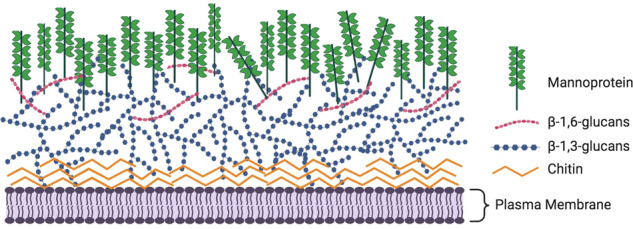
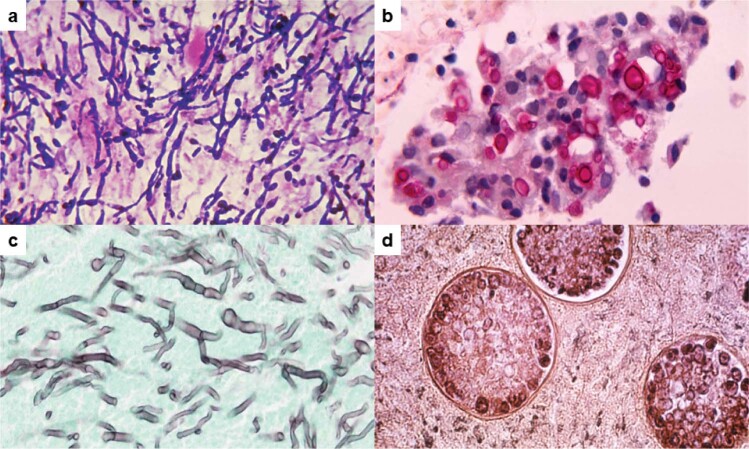
Verification
Claims the paper makes
The claims and statistics of this paper haven’t been checked yet.
Run the check — free, no account needed. It reads the open-access text and checks the sources it cites.
Claims other papers make about this one
Each is checked against this paper’s own text: does it say what the citing paper says it does?
The cited source says what the claim attributes to it.
In the citing paper
“However, no fungal vaccine has been approved for humans [17,41].”
From The Emerging Fungal Pathogen Candida auris Induces IFNγ to Colonize the Skin (2025) · cites this paper as [17]
Self-check
Percentages, sums and reported differences re-computed from the paper’s own numbers.
The self-check needs the paper’s full text.
Citations
Cites
Hidden Killers: Human Fungal Infections
Brown, G. D., Denning, D. W., Gow, N. A. R., Levitz, S. M., Netea, M. G., & White, T. C. (2012) · Science Translational Medicine · doi:10.1126/scitranslmed.3004404 · Cited by 4,284
Self-citationOf Mice and Not Men: Differences between Mouse and Human Immunology
Mestas, J., & Hughes, C. C. W. (2004) · The Journal of Immunology · doi:10.4049/jimmunol.172.5.2731 · Cited by 3,822
Global and Multi-National Prevalence of Fungal Diseases-Estimate Precision
Bongomin, F., Gago, S., Oladele, R., & Denning, D. (2017) · Journal of Fungi · doi:10.3390/jof3040057 · Cited by 2,953
Defining trained immunity and its role in health and disease
Netea, M. G., Domínguez-Andrés, J., Barreiro, L. B., Chavakis, T., Divangahi, M., Fuchs, E., Joosten, L. A. B., van der Meer, J. W. M., Mhlanga, M. M., Mulder, W. J. M., et al. (2020) · Nature Reviews Immunology · doi:10.1038/s41577-020-0285-6 · Cited by 2,690
Global burden of disease of HIV-associated cryptococcal meningitis: an updated analysis
Rajasingham, R., Smith, R. M., Park, B. J., Jarvis, J. N., Govender, N. P., Chiller, T. M., Denning, D. W., Loyse, A., & Boulware, D. R. (2017) · The Lancet Infectious Diseases · doi:10.1016/s1473-3099(17)30243-8 · Cited by 1,861
The Fungal Cell Wall: Structure, Biosynthesis, and Function
Gow, N. A. R., Latge, J.-P., & Munro, C. A. (2017) · Microbiology Spectrum · doi:10.1128/microbiolspec.funk-0035-2016 · Cited by 1,423
The Fungal Cell Wall: Candida, Cryptococcus, and Aspergillus Species
Garcia-Rubio, R., de Oliveira, H. C., Rivera, J., & Trevijano-Contador, N. (2020) · Frontiers in Microbiology · doi:10.3389/fmicb.2019.02993 · Cited by 917
Global burden of recurrent vulvovaginal candidiasis: a systematic review
Denning, D. W., Kneale, M., Sobel, J. D., & Rautemaa-Richardson, R. (2018) · The Lancet Infectious Diseases · doi:10.1016/s1473-3099(18)30103-8 · Cited by 639
The how’s and what’s of vaccine reactogenicity
Hervé, C., Laupèze, B., Giudice, G. D., Didierlaurent, A. M., & Silva, F. T. D. (2019) · npj Vaccines · doi:10.1038/s41541-019-0132-6 · Cited by 514
Aspergillus fumigatus morphology and dynamic host interactions
van de Veerdonk, F. L., Gresnigt, M. S., Romani, L., Netea, M. G., & Latgé, J.-P. (2017) · Nature Reviews Microbiology · doi:10.1038/nrmicro.2017.90 · Cited by 490
Research works printed but not linked: 3
- Rizzo, J. et al. New insights into Cryptococcus extracellular vesicles suggest a new structural model and an antifungal vaccine strategy. Preprint at bioRxiv https://doi.org/10.1101/2020.08.17.253716 (2020). · DOI
- Hester, M. M. et al. Protection of mice against experimental cryptococcosis using glucan particle-based vaccines containing novel recombinant antigens. Vaccine https://doi.org/10.1016/j.vaccine.2019.10.051 (2019). · DOI
- Levitz, S. M. Aspergillus vaccines: Hardly worth studying or worthy of hard study? Med. Mycol. 55, 103–108 (2017). · DOI
Cited by
Sorted by citations
Tackling the emerging threat of antifungal resistance to human health
Fisher, M. C., Alastruey-Izquierdo, A., Berman, J., Bicanic, T., Bignell, E. M., Bowyer, P., Bromley, M., Brüggemann, R., Garber, G., Cornely, O. A., et al. (2022) · Nature Reviews Microbiology · doi:10.1038/s41579-022-00720-1 · Cited by 1,179
Architecture of the dynamic fungal cell wall
Gow, N. A. R., & Lenardon, M. D. (2023) · Nature Reviews Microbiology · doi:10.1038/s41579-022-00796-9 · Cited by 447
Immune responses to human fungal pathogens and therapeutic prospects
Lionakis, M. S., Drummond, R. A., & Hohl, T. M. (2023) · Nature Reviews Immunology · doi:10.1038/s41577-022-00826-w · Cited by 379
Candida albicans and Candida glabrata : global priority pathogens
Katsipoulaki, M., Stappers, M. H. T., Malavia-Jones, D., Brunke, S., Hube, B., & Gow, N. A. R. (2024) · Microbiology and Molecular Biology Reviews · doi:10.1128/mmbr.00021-23 · Cited by 180
Emerging Antifungal Targets and Strategies
Ivanov, M., Ćirić, A., & Stojković, D. (2022) · International Journal of Molecular Sciences · doi:10.3390/ijms23052756 · Cited by 160
The pathobiology of human fungal infections
Brown, G. D., Ballou, E. R., Bates, S., Bignell, E., Borman, A. M., Brand, A., Brown, A. J. P., Coelho, C., Cook, P. C., Farrer, R. A., et al. (2024) · Nature Reviews Microbiology · doi:10.1038/s41579-024-01062-w · Cited by 169
Current trends, limitations and future research in the fungi?
Hyde, K. D., Baldrián, P., Chen, Y., Chethana, K. W. T., de Hoog, S., Doilom, M., de Farias, A. R. G., Gonçalves, M. F. M., Gonkhom, D., Gui, H., et al. (2024) · Fungal Diversity · doi:10.1007/s13225-023-00532-5 · Cited by 144
Fungal impacts on Earth’s ecosystems
Case, N. T., Gurr, S. J., Fisher, M. C., Blehert, D. S., Boone, C. M., Casadevall, A., Chowdhary, A., Cuomo, C. A., Currie, C. R., Denning, D. W., et al. (2025) · Nature · doi:10.1038/s41586-024-08419-4 · Cited by 127
Immunity to Invasive Fungal Diseases
Casadevall, A. (2022) · Annual Review of Immunology · doi:10.1146/annurev-immunol-101220-034306 · Cited by 125
Advancements and challenges in antifungal therapeutic development
Puumala, E., Fallah, S., Robbins, N., & Cowen, L. E. (2024) · Clinical Microbiology Reviews · doi:10.1128/cmr.00142-23 · Cited by 128
Vanreppelen, G., Wuyts, J., Dijck, P. V., & Vandecruys, P. (2023) · Journal of Fungi · doi:10.3390/jof9020171 · Cited by 115
Fungal Drug Response and Antimicrobial Resistance
Osset-Trénor, P., Pascual‐Ahuir, A., & Proft, M. (2023) · Journal of Fungi · doi:10.3390/jof9050565 · Cited by 108
Assessing global fungal threats to humans
Xu, J. (2022) · mLife · doi:10.1002/mlf2.12036 · Cited by 99
Díaz-Dinamarca, D. A., Salazar, M. L., Castillo, B. N., Manubens, A., Vasquez, A. E., Salazar, F., & Becker, M. I. (2022) · Pharmaceutics · doi:10.3390/pharmaceutics14081671 · Cited by 75
Understanding the mechanisms of resistance to azole antifungals in Candida species
Li, Y., Hind, C. K., Furner-Pardoe, J., Sutton, J. M., & Rahman, K. M. (2025) · JAC-Antimicrobial Resistance · doi:10.1093/jacamr/dlaf106 · Cited by 70
The future of fungi: threats and opportunities
Case, N. T., Berman, J. G., Blehert, D. S., Cramer, R. A., Cuomo, C. A., Currie, C. R., Ene, I. V., Fisher, M. C., Fritz‐Laylin, L. K., Gerstein, A. C., et al. (2022) · G3 Genes Genomes Genetics · doi:10.1093/g3journal/jkac224 · Cited by 57
Advances in the design and delivery of RNA vaccines for infectious diseases
Lokras, A. G., Bobak, T. R., Baghel, S. S., Sebastiani, F., & Foged, C. (2024) · Advanced Drug Delivery Reviews · doi:10.1016/j.addr.2024.115419 · Cited by 52
Satała, D., Gonzalez‐Gonzalez, M., Smolarz, M., Surowiec, M., Kulig, K., Wronowska, E., Zawrotniak, M., Kozik, A., Rąpała‐Kozik, M., & Karkowska‐Kuleta, J. (2022) · Frontiers in Cellular and Infection Microbiology · doi:10.3389/fcimb.2021.765942 · Cited by 40
Public Health Research Priorities for Fungal Diseases: A Multidisciplinary Approach to Save Lives
Smith, D. J., Gold, J. A. W., Benedict, K., Wu, K., Lyman, M., Jordan, A., Medina, N., Lockhart, S. R., Sexton, D. J., Chow, N. A., et al. (2023) · Journal of Fungi · doi:10.3390/jof9080820 · Cited by 42
Immunotherapies against human bacterial and fungal infectious diseases: A review
Qadri, H., Shah, A. H., Alkhanani, M., Almilaibary, A., & Mir, M. A. (2023) · Frontiers in Medicine · doi:10.3389/fmed.2023.1135541 · Cited by 39
RetractedT cell responses to control fungal infection in an immunological memory lens
Sharma, J., Mudalagiriyappa, S., & Nanjappa, S. G. (2022) · Frontiers in Immunology · doi:10.3389/fimmu.2022.905867 · Cited by 39
Antibacterial and antifungal activities of medicinal plant species and endophytes
Ahmadi, S. (2022) · Cellular Molecular and Biomedical Reports · doi:10.55705/cmbr.2022.340532.1042 · Cited by 35
Sharma, K., Parmanu, P. K., & Sharma, M. (2024) · Archives of Microbiology · doi:10.1007/s00203-023-03824-1 · Cited by 36
Pathophysiological microenvironments in oral candidiasis
Jørgensen, M. R. (2024) · Apmis · doi:10.1111/apm.13412 · Cited by 42
History and Perspective of Immunotherapy for Pythiosis
Yolanda, H., & Krajaejun, T. (2021) · Vaccines · doi:10.3390/vaccines9101080 · Cited by 37
New antifungal strategies and drug development against WHO critical priority fungal pathogens
Li, Y., Liu, Y., Jiang, Y., Yang, Y., Ni, W., Zhang, W., & Tan, L. (2025) · Frontiers in Cellular and Infection Microbiology · doi:10.3389/fcimb.2025.1662442 · Cited by 38
Specht, C. A., Homan, E. J., Lee, C. K., Mou, Z., Gomez, C. L., Hester, M. M., Abraham, A., Rus, F., Ostroff, G. R., & Levitz, S. M. (2022) · mBio · doi:10.1128/mbio.03367-21 · Cited by 32
Self-citationHarnessing the Immune Response to Fungal Pathogens for Vaccine Development
Rivera, A., Lodge, J. K., & Xue, C. (2022) · Annual Review of Microbiology · doi:10.1146/annurev-micro-041020-111511 · Cited by 36
Nanomaterial-based therapeutics for enhanced antifungal therapy
Liu, F., Chen, Y., Huang, Y., Jin, Q., & Ji, J. (2024) · Journal of Materials Chemistry B · doi:10.1039/d4tb01484g · Cited by 33
Martín‐Cruz, L., Angelina, A., Baydemir, İ., Bulut, O. P., Subiza, J. L., Netea, M. G., Domínguez‐Andrés, J., & Palomares, Ó. (2022) · Frontiers in Immunology · doi:10.3389/fimmu.2022.1066383 · Cited by 32
Haq, I. U., Maryam, S., Shyntum, D. Y., Khan, T. A., & Li, F. (2024) · Journal of Industrial Microbiology & Biotechnology · doi:10.1093/jimb/kuae018 · Cited by 30
Opportunistic mycoses in COVID-19 patients/survivors: Epidemic inside a pandemic
Bhotla, H. K., Balasubramanian, B., Meyyazhagan, A., Pushparaj, K., Easwaran, M., Pappuswamy, M., Robert, A. A., Arumugam, V. A., Tsibizova, V. I., Al-Falih, A. M., et al. (2021) · Journal of Infection and Public Health · doi:10.1016/j.jiph.2021.10.010 · Cited by 32
George, M. E., Gaitor, T. T., Cluck, D. B., Henao‐Martínez, A. F., Sells, N. R., & Chastain, D. B. (2025) · Therapeutic Advances in Infectious Disease · doi:10.1177/20499361251313841 · Cited by 37
Fungal Vaccine Development: State of the Art and Perspectives Using Immunoinformatics
Inácio, M. M., Moreira, A. L. E., Cruz-Leite, V. R. M., Mattos, K., Silva, L. O. S., Venturini, J., Ruiz, O. H., Ribeiro‐Dias, F., Weber, S. S., Soares, C. M. D. A., et al. (2023) · Journal of Fungi · doi:10.3390/jof9060633 · Cited by 33
Fernandes, C. M., Normile, T. G., Fabri, J. H. T. M., Brauer, V. S., Araújo, G. R. D. S., Frasés, S., Nimrichter, L., Malavazi, I., & Poeta, M. D. (2022) · mBio · doi:10.1128/mbio.02328-22 · Cited by 28
Honorato, L., Bonilla, J. J. A., Valdez, A. F., Frases, S., Araújo, G. R. D. S., Sabino, A. L. R. D. N., da Silva, N. M., Ribeiro, L., Ferreira, M. D. S., Kornetz, J., et al. (2024) · mSphere · doi:10.1128/msphere.00467-24 · Cited by 28
Wang, R., Oliveira, L. V. N., Lourenco, D., Gomez, C. L., Lee, C. K., Hester, M. M., Mou, Z., Ostroff, G. R., Specht, C. A., & Levitz, S. M. (2023) · npj Vaccines · doi:10.1038/s41541-023-00606-0 · Cited by 26
Self-citationWhat’s New in Cryptococcus gattii: From Bench to Bedside and Beyond
Beardsley, J., Dao, A., Keighley, C., Garnham, K., Halliday, C. L., Chen, S. C.-A., & Sorrell, T. C. (2022) · Journal of Fungi · doi:10.3390/jof9010041 · Cited by 28
Pimienta, D. A., Mosquera, F. E. C., Velasco, I. P., Rodas, M. G., Oñate-Garzón, J., & Liscano, Y. (2022) · Journal of Fungi · doi:10.3390/jof9010042 · Cited by 27
Akhtar, N., Singh, A., Upadhyay, A. K., & Mannan, M. A.-U. (2022) · Journal of Genetic Engineering and Biotechnology · doi:10.1186/s43141-022-00415-3 · Cited by 28
Advancing Vaccine Strategies against Candida Infections: Exploring New Frontiers
Kaur, G., Chawla, S., Kumar, P., & Singh, R. (2023) · Vaccines · doi:10.3390/vaccines11111658 · Cited by 26
Prospects for anti-Candida therapy through targeting the cell wall: A mini-review
Ahmadipour, S., Field, R. A., & Miller, G. J. (2021) · The Cell Surface · doi:10.1016/j.tcsw.2021.100063 · Cited by 24
Old and new strategies in therapy and diagnosis against fungal infections
Vanzolini, T., & Magnani, M. (2024) · Applied Microbiology and Biotechnology · doi:10.1007/s00253-023-12884-8 · Cited by 24
Legume Plant Peptides as Sources of Novel Antimicrobial Molecules Against Human Pathogens
Lima, R. M., Rathod, B. B., Tiricz, H., Howan, D. H. O., Bouni, M. A. A., Jenei, S., Tímár, E., Endré, G., Tóth, G. K., & Kondorosi, É. (2022) · Frontiers in Molecular Biosciences · doi:10.3389/fmolb.2022.870460 · Cited by 23
Normile, T. G., & Poeta, M. D. (2022) · Frontiers in Immunology · doi:10.3389/fimmu.2022.868523 · Cited by 22
Novel Strategies for Preventing Fungal Infections—Outline
Agbadamashi, D. J., & Price, C. L. (2025) · Pathogens · doi:10.3390/pathogens14020126 · Cited by 21
Silva, V. K. A., Bhattacharya, S., Oliveira, N. K., Savitt, A. G., Zamith‐Miranda, D., Nosanchuk, J. D., & Fries, B. C. (2022) · mBio · doi:10.1128/mbio.00190-22 · Cited by 20
Khatuntseva, E. A., & Nifantiev, N. E. (2022) · International Journal of Biological Macromolecules · doi:10.1016/j.ijbiomac.2022.07.137 · Cited by 20
The remarkable complexity of the brain microbiome in health and diseasePreprint
Hu, X., McKenzie, C.-A., Smith, C., Haas, J., & Lathe, R. (2023) · bioRxiv (Cold Spring Harbor Laboratory) · doi:10.1101/2023.02.06.527297 · Cited by 20
Galgiani, J. N., Shubitz, L. F., Orbach, M. J., Mandel, M. A., Powell, D. A., Klein, B. S., Robb, E. J., Ohkura, M., Seka, D. J., Tomasiak, T. M., et al. (2022) · Journal of Fungi · doi:10.3390/jof8080838 · Cited by 19
Vaccine development for pathogenic fungi: current status and future directions
Chechi, J. L., da Costa, F. A. C., Figueiredo, J., de Souza, C. M., Valdez, A. F., Zamith‐Miranda, D., Camara, A. C., Taborda, C. P., & Nosanchuk, J. D. (2023) · Expert Review of Vaccines · doi:10.1080/14760584.2023.2279570 · Cited by 23
The Emerging Fungal Pathogen Candida auris Induces IFNγ to Colonize the Skin
Das, D., Ganesh, S. M., Mishra, A., Netea, M. G., & Thangamani, S. (2025) · PLOS Pathogens · doi:10.1371/journal.ppat.1013114 · Cited by 18
The challenges of the genome-based identification of antifungal resistance in the clinical routine
Alastruey‐Izquierdo, A., & Martín-Galiano, A. J. (2023) · Frontiers in Microbiology · doi:10.3389/fmicb.2023.1134755 · Cited by 18
Specht, C. A., Wang, R., Oliveira, L. V. N., Hester, M. M., Gomez, C., Mou, Z., Carlson, D., Lee, C. K., Hole, C. R., Lam, W. C., et al. (2024) · mBio · doi:10.1128/mbio.01746-24 · Cited by 18
Self-citationNanovaccines to combat drug resistance: the next-generation immunisation
Manju, K., Raj, S. N., Ranjini, H. K., Nayaka, S. C., Ashwini, P., Satish, S., Prasad, M. N. N., Chouhan, R. S., & Baker, S. (2023) · Future Journal of Pharmaceutical Sciences · doi:10.1186/s43094-023-00515-y · Cited by 16
Advanced Situation with Recombinant Toxins: Diversity, Production and Application Purposes
Efremenko, E. N., Aslanli, A., & Lyagin, I. (2023) · International Journal of Molecular Sciences · doi:10.3390/ijms24054630 · Cited by 14
Non-Canonical Host Intracellular Niche Links to New Antimicrobial Resistance Mechanism
Kember, M., Grandy, S. L., Raudonis, R., & Cheng, Z. (2022) · Pathogens · doi:10.3390/pathogens11020220 · Cited by 17
Wang, R., Oliveira, L. V. N., Hester, M. M., Carlson, D., Christensen, D., Specht, C. A., & Levitz, S. M. (2024) · PLoS Pathogens · doi:10.1371/journal.ppat.1012220 · Cited by 13
Self-citationHester, M. M., Oliveira, L. V. N., Wang, R., Mou, Z., Lourenco, D., Ostroff, G. R., Specht, C. A., & Levitz, S. M. (2022) · Frontiers in Immunology · doi:10.3389/fimmu.2022.1015586 · Cited by 13
Self-citationAdvances in fungal vaccine development: Progress in the face of emerging challenges
Moses, M., Huang, X., Xue, X., & Chen, C. (2025) · iScience · doi:10.1016/j.isci.2025.114091 · Cited by 13
Gressler, A. E., Volke, D., Firacative, C., Schnabel, C. L., Müller, U., Krizsan, A., Schulze, B., Brock, M., Brombacher, F., Escandón, P., et al. (2021) · Frontiers in Immunology · doi:10.3389/fimmu.2021.709695 · Cited by 12
The hidden threat: Unveiling the rise of antifungal drug resistance
Chaudhary, R., & Thakur, Z. (2025) · Microbial Pathogenesis · doi:10.1016/j.micpath.2025.108068 · Cited by 12
Davis, M. J., Martin, R. E., Pinheiro, G., Hoke, E. S., Moyer, S., Ueno, K., Rodriguez‐Gil, J. L., Mallett, M. A., Khillan, J. S., Pavan, W. J., et al. (2023) · mBio · doi:10.1128/mbio.02123-23 · Cited by 11
Overcoming amphotericin B resistance in Candida auris using the antiemetic drug rolapitant
Salama, E. A., Elgammal, Y., Utturkar, S. M., Lanman, N. A., Hazbun, T. R., & Seleem, M. N. (2024) · Antimicrobial Agents and Chemotherapy · doi:10.1128/aac.00556-24 · Cited by 11
Wang, Y., Wang, K., Rivera, A., & Xue, C. (2023) · Microbiology Spectrum · doi:10.1128/spectrum.04955-22 · Cited by 11
Costa‐Barbosa, A., Pacheco, M. I., Carneiro, C., Botelho, C., Gomes, A. C., Oliveira, M. E. C. D. R., Collins, T., Vilanova, M., Pais, C., Correia, A., et al. (2023) · Biomedicine & Pharmacotherapy · doi:10.1016/j.biopha.2023.115362 · Cited by 10
Meng, F., Liu, X., Duan, H., Li, C., Hu, Y., Peng, X., Zhao, G., & Lin, J. (2024) · ACS Infectious Diseases · doi:10.1021/acsinfecdis.3c00454 · Cited by 10
Recent advances in the clinical development of antifungal vaccines: a narrative review
Alapan, D., Bisweswar, O., Prasenjit, S., Prasanjit, D., & Bandyopadhyay, A. (2024) · Frontiers in Tropical Diseases · doi:10.3389/fitd.2024.1446477 · Cited by 10
Global, Regional, and National Burden of Pulmonary Fungal Infections 1990–2021
Xia, Y., Jiang, W., Zhu, X., Pan, B., Chen, T., Wang, Y., Liao, W., & Pan, W. (2025) · American Journal of Respiratory and Critical Care Medicine · doi:10.1164/rccm.202410-2076oc · Cited by 11
Oliveira, L. V. N., Hargarten, J. C., Wang, R., Carlson, D., Park, Y., Specht, C. A., Williamson, P. R., & Levitz, S. M. (2025) · Journal of Infection · doi:10.1016/j.jinf.2025.106521 · Cited by 10
Self-citationImmune evasion by Cryptococcus gattii in vaccinated mice coinfected with C. neoformans
Hester, M. M., Carlson, D., Lodge, J. K., Levitz, S. M., & Specht, C. A. (2024) · Frontiers in Immunology · doi:10.3389/fimmu.2024.1356651 · Cited by 8
Self-citationGarvey, M., Kremer, T. A., & Rowan, N. J. (2025) · Journal of Applied Microbiology · doi:10.1093/jambio/lxaf005 · Cited by 9
Vernel-Pauillac, F., Laurent‐Winter, C., Fiette, L., Janbon, G., Aimanianda, V., & Dromer, F. (2024) · mBio · doi:10.1128/mbio.02733-24 · Cited by 7
Human–Fungal Pathogen Interactions from the Perspective of Immunoproteomics Analyses
Wangsanut, T., & Pongpom, M. (2024) · International Journal of Molecular Sciences · doi:10.3390/ijms25063531 · Cited by 7
Day, T., & Sobel, J. D. (2025) · Clinical Microbiology Reviews · doi:10.1128/cmr.00020-25 · Cited by 6
Infection caused by Candida auris: state of the art
Marena, G. D., Carvalho, G. C., Monazzi, L., Maschio-Lima, T., Almeida, M. D., Silva, J. D., Fortunato, G., Araújo, V., Venancio, D. C. V., Chang, M., et al. (2022) · Mycosphere · doi:10.5943/mycosphere/13/1/10 · Cited by 6
Understanding the genetic basis of immune responses to fungal infection
Gonçalves, S. M., Cunha, C., & Carvalho, A. (2022) · Expert Review of Anti-infective Therapy · doi:10.1080/14787210.2022.2063839 · Cited by 6
They shall not grow mold: Soldiers of innate and adaptive immunity to fungi
Woodring, T. S., Deepe, G. S., Levitz, S. M., Wüthrich, M., & Klein, B. S. (2022) · Seminars in Immunology · doi:10.1016/j.smim.2022.101673 · Cited by 8
Self-citationZhu, F., Zhou, Z., Ma, S., Xu, Y., Tan, C., Yang, H., Zhang, P., Qin, R., Luo, Y., Pinhua, P., et al. (2024) · International Immunopharmacology · doi:10.1016/j.intimp.2024.112242 · Cited by 6
Fungal endocarditis: microbial insights, diagnostic and therapeutic challenges in the modern era
Edpuganti, S. (2025) · Exploration of Cardiology · doi:10.37349/ec.2025.101264 · Cited by 7
Elalouf, A., & Yaniv-Rosenfeld, A. (2023) · Journal of Genetic Engineering and Biotechnology · doi:10.1186/s43141-023-00560-3 · Cited by 5
Elalouf, A., Maoz, H., & Yaniv‐Rosenfeld, A. (2024) · Pharmaceutics · doi:10.3390/pharmaceutics16080983 · Cited by 5
Recombinant Yeast-Based Vaccines: Importance and Applications
Kumar, R. (2025) · Infectious Disease Reports · doi:10.3390/idr17050118 · Cited by 4
Krónikus mucocutan candidiasis
Hon-Balla, B., & Erdös, M. (2022) · Orvosi Hetilap · doi:10.1556/650.2022.32409 · Cited by 4
Challenges to Implementing a Vaccine for Coccidioidomycosis
Barker, B. M., Thompson, G. R., & Ampel, N. M. (2024) · Open Forum Infectious Diseases · doi:10.1093/ofid/ofae095 · Cited by 4
Current Updates on Pathogenesis, Systemic Therapy, and Treatment of Invasive Fungal Infections
Singh, S. K., & Pancholi, S. S. (2024) · Current Drug Targets · doi:10.2174/0113894501337502241015121015 · Cited by 4
Latin American Plants against Microorganisms
Cuevas-Cianca, S. I., Romero-Castillo, C., Gálvez-Romero, J. L., Sánchez-Arreola, E., Juárez, Z. N., & Hernández, L. R. (2023) · Plants · doi:10.3390/plants12233997 · Cited by 6
Functionalization of rod-shaped plant viruses for biomedical applications
Qian, W. N., Li, Z., Han, J., Tian, Y., & Niu, Z. (2025) · Nanoscale · doi:10.1039/d4nr05354k · Cited by 3
How post-translational modifications in pathogenic fungi inform pathogenesis and immune responses
Sahu, S. R., Specht, C. A., & Levitz, S. M. (2026) · PLoS Pathogens · doi:10.1371/journal.ppat.1014162 · Cited by 3
Self-citationAdvances in Dendritic-Cell-Based Vaccines against Respiratory Fungal Infections
Kulkarni, N. A., & Nanjappa, S. G. (2024) · Vaccines · doi:10.3390/vaccines12090981 · Cited by 3
mGem: Progress on the development of conjugate vaccines for Cryptococcus neoformans infections
Stempinski, P. R., Santos, S. R. D., & Casadevall, A. (2026) · mBio · doi:10.1128/mbio.03538-25 · Cited by 2
Wüthrich, M., Okaa, U. J., Taira, C. L., Dias, L. D. S., & Klein, B. S. (2026) · mBio · doi:10.1128/mbio.00505-26 · Cited by 2
Why have we neglected fungal infections?
Greener, M. (2022) · Prescriber · doi:10.1002/psb.2008 · Cited by 2
The evaluation of a novel multi-epitope vaccine against human papillomavirus and Candida albicans
Ahmadifar, F., Balali, E., Khadivi, R., Hashemi, M., & Jebali, A. (2025) · Journal of Genetic Engineering and Biotechnology · doi:10.1016/j.jgeb.2025.100489 · Cited by 2
Invasive Mykosen – Innovative Therapien
Mellinghoff, S. C., Cornely, O. A., Mammadova, P., Sprute, R., & Stemler, J. (2024) · DMW - Deutsche Medizinische Wochenschrift · doi:10.1055/a-2132-9240 · Cited by 2
Sarkar, R., Adhikary, K., Banerjee, A., Ganguly, K., Sarkar, R., Mohanty, S., Dhua, R., Bhattacharya, K., Ahuja, D., Pal, S., et al. (2024) · Heliyon · doi:10.1016/j.heliyon.2024.e35835 · Cited by 2
RetractedKumar, S., Meena, A., & Narang, T. K. (2025) · Cosmoderma · doi:10.25259/csdm_204_2024 · Cited by 1
Comprehensive review of fungal pathogenesis and antifungal therapeutics
Neog, B. R., Das, J., Das, B., Pathak, K., Sahariah, M., Saikia, R., & Sahariah, J. J. (2025) · Discover Medicine · doi:10.1007/s44337-025-00297-7 · Cited by 3
The Changing Face of Candida in Southeast Asia
Espiritu, L. M., Capule, P. R. D., Casulla, L. Y., Yu, P. K., Carascal, M. B., Ombao, D. J. N., Notarte, K. I., Guerrero, J. J. G., & Chaturvedi, V. P. (2025) · Springer eBooks · doi:10.1007/978-981-95-2640-6_6 · Cited by 1
Carlson, D., Wang, R., Hastings, Z., Oliveira, L. V. N., Hester, M. M., Rodriguez, N., Pedersen, G. K., Tenor, J. L., Perfect, J. R., Specht, C. A., et al. (2025) · Journal of Fungi · doi:10.3390/jof11120886 · Cited by 1
Self-citation
Metadata
- Authors
- Oliveira, L. V. N., Wang, R., Specht, C. A., & Levitz, S. M.
- Affiliations
- University of Massachusetts Chan Medical School (US)
- Corresponding author
- Levitz, Stuart M.
- Venue
- npj Vaccines
- Published
- 2021-03-03
- Volume
- 6
- Issue
- 1
- Pages
- 33-33
- ISSN
- 2059-0105 (ISSN-L)
- PMC
- PMC7930017
- OpenAlex
- W3134624653
- Cited by
- 135
- References
- 86
- Citations by year
- 2026: 12 · 2025: 25 · 2024: 31 · 2023: 23 · 2022: 40 · 2021: 4
- FWCI
- 2.87
- Type
- journal article
- Language
- en
- Open access
- gold
- doi.org
- Locations
- npj Vaccines (publishedVersion, cc-by)
- PubMed Central (publishedVersion, cc-by)
- PubMed (publishedVersion)
- eScholarship@UMassChan (submittedVersion, cc-by)
- DOAJ (DOAJ: Directory of Open Access Journals) (submittedVersion, cc-by-sa)
- Funders
- Division of Intramural Research, National Institute of Allergy and Infectious Diseases (AI125045)
- Topics
- Health Sciences › Medicine › Infectious Diseases › Antifungal resistance and susceptibility
- Health Sciences › Medicine › Infectious Diseases › Fungal Infections and Studies
- Life Sciences › Immunology and Microbiology › Immunology › Immune responses and vaccinations
- Keywords
- fungal vaccines, human fungal infections, Candida, Cryptococcus, Aspergillus, recombinant subunit vaccine, nucleic acid vaccines, vaccine adjuvants, clinical trials, vaccine development
About these checks
Registry, retraction, Cites and statistics results are computed, not judged, with one exception: a printed reference that no index lists is read once by a model before it counts as a citation error. Claims are extracted by a model and kept only when their quote appears verbatim in the text; each cited source is then checked, with a model’s help, for whether it says what the claim relies on. Those verdicts can be wrong — read the claim’s quote and the cited source before relying on one.
Statistics and arithmetic are recomputed, not judged.
Confidence bands are shown only for fields calibrated on our annotated test set. None is calibrated yet, so no band is shown.
What counts as a claim ›How we measure confidence ›How we check this ›
Are you an author, or do you see a problem with this page? Request a review
