

Biologically informed deep learning to query gene programs in single-cell atlases
Open accessPublished version of a preprint
The DOI matches its Crossref record; 121 of the 124 references it cites were found in a registry or an index.
Abstract
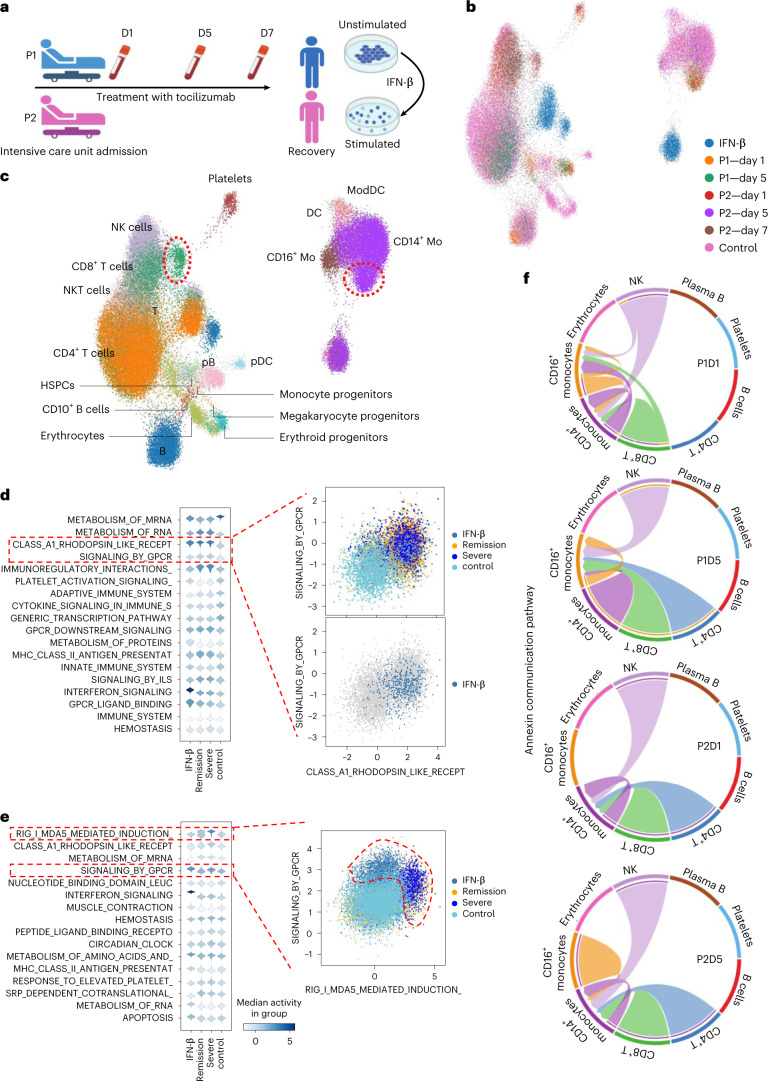
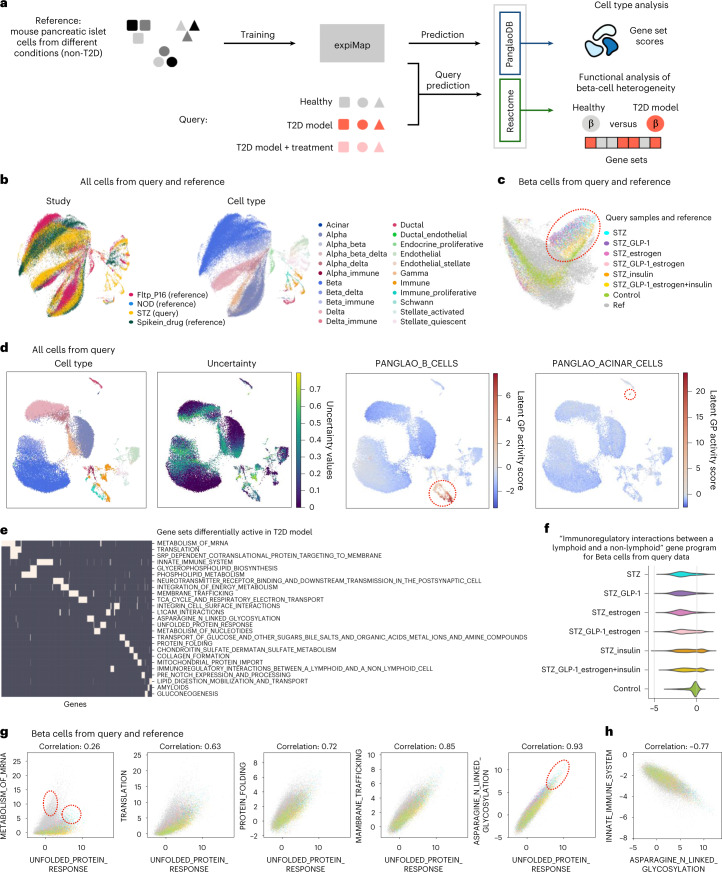
The increasing availability of large-scale single-cell atlases has enabled the detailed description of cell states. In parallel, advances in deep learning allow rapid analysis of newly generated query datasets by mapping them into reference atlases. However, existing data transformations learned to map query data are not easily explainable using biologically known concepts such as genes or pathways. Here we propose expiMap, a biologically informed deep-learning architecture that enables single-cell reference mapping. ExpiMap learns to map cells into biologically understandable components representing known ‘gene programs’. The activity of each cell for a gene program is learned while simultaneously refining them and learning de novo programs. We show that expiMap compares favourably to existing methods while bringing an additional layer of interpretability to integrative single-cell analysis. Furthermore, we demonstrate its applicability to analyse single-cell perturbation responses in different tissues and species and resolve responses of patients who have coronavirus disease 2019 to different treatments across cell types.
Overview
The claims and statistics of this paper haven’t been checked yet.
Free: it reads the open-access text and checks the first 5 claims that cite a source we can check. Create a free account to check every claim.
Integrity signals
Registry
Cites
Statistics
Figures
Verification
Claims the paper makes
The claims and statistics of this paper haven’t been checked yet.
Free: it reads the open-access text and checks the first 5 claims that cite a source we can check. Create a free account to check every claim.
Claims other papers make about this one
Each is checked against this paper’s own text: does it say what the citing paper says it does?
The source backs part of the claim, not all of it — or backs it for a different population, condition or comparison.
In the citing paper
“While multiple deep learning methods have been developed to integrate biological pathway information with neural network architectures [116,166], these methods are still limited by the predefined pathway annotations.”
From Challenges in AI-driven Biomedical Multimodal Data Fusion and Analysis (2025) · cites this paper as [166]
Experimental — accuracy not yet measuredThe cited source says what the claim attributes to it.
In the citing paper
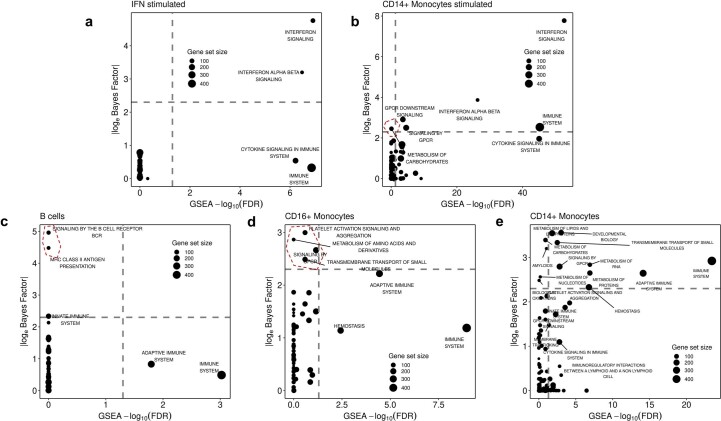
“expiMap can be more specific in retrieving biological pathways (in the form of GPs) that emerge as deregulated in a perturbation query dataset compared to the healthy reference atlas, outperforming traditional GSEA, which is prone to more generic enrichments.”
From A mini-review on perturbation modelling across single-cell omic modalities (2024) · cites this paper as [60]
The cited source says what the claim attributes to it.
In the citing paper
“For instance, Lotfollahi et al. introduced expiMap, which used biological domain databases to learn cellular gene programs and was designed for inferring de novo gene programs, which enables more efficient cellular annotation and querying of new single-cell datasets [166].”
From Challenges in AI-driven Biomedical Multimodal Data Fusion and Analysis (2025) · cites this paper as [166]
In the citing paper
“expiMap designates biological processes in normal and disease states when mapping the new queries to the atlas while maintaining comparable integration performance to relevant state-of-the-art tools.”
From A mini-review on perturbation modelling across single-cell omic modalities (2024) · cites this paper as [60]
In the citing paper
“expiMap can also learn new GPs not previously included in the reference atlas specific to the perturbed query dataset.”
From A mini-review on perturbation modelling across single-cell omic modalities (2024) · cites this paper as [60]
1 more claim about this paper
Create a free account to see every claim other papers make about this one.
Self-check
Percentages, sums and reported differences re-computed from the paper’s own numbers.
The self-check needs the paper’s full text.
Citations
Cites
Vaswani, A., Shazeer, N., Parmar, N., Uszkoreit, J., Jones, L., Gomez, A. N., Kaiser, L., & Polosukhin, I. (2017) · arXiv · doi:10.48550/arxiv.1706.03762 · Cited by 120,404
Subramanian, A., Tamayo, P., Mootha, V. K., Mukherjee, S., Ebert, B. L., Gillette, M. A., Paulovich, A., Pomeroy, S. L., Golub, T. R., Lander, E. S., et al. (2005) · Proceedings of the National Academy of Sciences · doi:10.1073/pnas.0506580102 · Cited by 53,625
Highly accurate protein structure prediction with AlphaFold
Jumper, J., Evans, R., Pritzel, A., Green, T., Figurnov, M., Ronneberger, O., Tunyasuvunakool, K., Bates, R., Žídek, A., Potapenko, A., et al. (2021) · Nature · doi:10.1038/s41586-021-03819-2 · Cited by 43,764
Robinson, M. D., McCarthy, D. J., & Smyth, G. K. (2010) · Bioinformatics · doi:10.1093/bioinformatics/btp616 · Cited by 41,364
limma powers differential expression analyses for RNA-sequencing and microarray studies
Ritchie, M. E., Phipson, B., Wu, D., Hu, Y., Law, C. W., Shi, W., & Smyth, G. K. (2015) · Nucleic Acids Research · doi:10.1093/nar/gkv007 · Cited by 40,458
Auto-Encoding Variational Bayes
Kingma, D. P., & Welling, M. (2013) · arXiv · doi:10.48550/arxiv.1312.6114 · Cited by 20,067
Integrated analysis of multimodal single-cell data
Hao, Y., Hao, S., Andersen-Nissen, E., Mauck, W. M., Zheng, S., Butler, A., Lee, M. J., Wilk, A. J., Darby, C., Zagar, M., et al. (2020) · doi:10.1101/2020.10.12.335331 · Cited by 15,508
Fast, sensitive and accurate integration of single-cell data with Harmony
Korsunsky, I., Millard, N., Fan, J., Slowikowski, K., Zhang, F., Wei, K., Baglaenko, Y., Brenner, M., Loh, P.-R., & Raychaudhuri, S. (2019) · Nature Methods · doi:10.1038/s41592-019-0619-0 · Cited by 10,488
SCANPY: large-scale single-cell gene expression data analysis
Wolf, F. A., Angerer, P., & Theis, F. J. (2018) · Genome Biology · doi:10.1186/s13059-017-1382-0 · Cited by 8,881
Self-citationInference and analysis of cell-cell communication using CellChat
Jin, S., Guerrero-Juarez, C. F., Zhang, L., Chang, I., Ramos, R., Kuan, C.-H., Myung, P., Plikus, M. V., & Nie, Q. (2021) · Nature Communications · doi:10.1038/s41467-021-21246-9 · Cited by 8,409
Research works printed but not linked: 6
- Sohn, K., Lee, H. & Yan, X. Learning structured output representation using deep conditional generative models. in Advances in Neural Information Processing Systems, Vol. 28 (eds Cortes, C., Lawrence, N., Lee, D., Sugiyama, M. & Garnett, R.) (Curran Associates, 2015).
- Ainsworth, S. K., Foti, N. J., Lee, A. K. C. & Fox, E. B. oi-VAE: output interpretable VAEs for nonlinear group factor analysis. In Proc. 35th International Conference on Machine Learning (eds Dy, J. & Krause, A.) Vol. 80, 119–128 (PMLR, 2018).
- Yu, Y. On decomposing the proximal map. In Proc. 26th International Conference on Neural Information Processing Systems Vol. 1, 91–99 (Curran Associates, 2013).
- Kang, H. M. et al. Multiplexed droplet single-cell RNA-sequencing using natural genetic variation. Nat. Biotechnol.36, 89–94 (2018). PMC5784859 29227470 · DOI · Paper page
- Franzén O Gan L-M Björkegren J PanglaoDB: a web server for exploration of mouse and human single-cell RNA sequencing data Database J. Biol. Databases Curation 2019 2019 46 PMC6450036 30951143
- Hao Y Integrated analysis of multimodal single-cell data Cell 2021 184 3573 3587.e29 10.1016/j.cell.2021.04.048 34062119 PMC8238499 · doi:10.1016/j.cell.2021.04.048 · Paper page
Cited by
Improved reconstruction of single-cell developmental potential with CytoTRACE 2
Kang, M., Gulati, G. S., Brown, E. L., Qi, Z., Avagyan, S., Armenteros, J. J. A., Gleyzer, R., Zhang, W., Steen, C. B., D’Silva, J. P., et al. (2025) · Nature Methods · doi:10.1038/s41592-025-02857-2 · Cited by 229
Deep learning applications in single-cell genomics and transcriptomics data analysis
Erfanian, N., Heydari, A. A., Feriz, A. M., Iañez, P., Derakhshani, A., Ghasemigol, M., Farahpour, M., Razavi, S. M., Nasseri, S., Safarpour, H., et al. (2023) · Biomedicine & Pharmacotherapy · doi:10.1016/j.biopha.2023.115077 · Cited by 140
“Not reported [89] N. Erfanian et al. have also highlighted the need for better computational methods which can facilitate the analysis of large and complex scRNA-seq datasets.”
Quantitative characterization of cell niches in spatially resolved omics data
Birk, S., Bonafonte-Pardàs, I., Feriz, A. M., Boxall, A. R., Agirre, E., Memi, F., Maguza, A., Yadav, A., Armingol, E., Fan, R., et al. (2025) · Nature Genetics · doi:10.1038/s41588-025-02120-6 · Cited by 143
“To make embeddings interpretable, NicheCompass incorporates domain knowledge of intercellular and intracellular interaction pathways 37–42 to define spatial gene programs, with each embedding dimension incentivized to represent the activity of a specific program 43 (Fig.”
Self-citationSupervised discovery of interpretable gene programs from single-cell data
Kunes, R., Walle, T., Land, M., Nawy, T., & Pe’er, D. (2023) · Nature Biotechnology · doi:10.1038/s41587-023-01940-3 · Cited by 116
“This is despite the fact that the Spectra model was complicated by including 16 new factors, while we did not add any new factors for expiMap 9 .”
InfluentialCausal identification of single-cell experimental perturbation effects with CINEMA-OT
Dong, M., Wang, B., Wei, J., de O. Fonseca, A. H., Perry, C. J., Frey, A., Ouerghi, F., Foxman, E. F., Ishizuka, J. J., Dhodapkar, R. M., et al. (2023) · Nature Methods · doi:10.1038/s41592-023-02040-5 · Cited by 94
“e: ChemCPA [62], expiMap [63]) to achieve causally-meaningful extrapolation for unseen perturbation effects remains a promising future direction to explore.”
BackgroundDeep learning in spatially resolved transcriptomics: a comprehensive technical view
Zahedi, R., Ghamsari, M. R. E., Argha, A., MacPhillamy, C., Beheshti, A., Alizadehsani, R., Lovell, N. H., Lotfollahi, M., & Alinejad‐Rokny, H. (2024) · Briefings in Bioinformatics · doi:10.1093/bib/bbae082 · Cited by 94
“The authors plotted UMAP for visualizing the latent feature vector and found that the latent feature can separate the tumour and non-tumour spots, which can be leveraged in clustering and cell-type composition.”
Self-citationDemocratizing knowledge representation with BioCypher
Lobentanzer, S., Aloy, P., Baumbach, J., Bohár, B., Carey, V. J., Charoentong, P., Danhauser, K., Doğan, T., Dréo, J., Dunham, I., et al. (2023) · Nature Biotechnology · doi:10.1038/s41587-023-01848-y · Cited by 94
Causal machine learning for single-cell genomics
Tejada-Lapuerta, A., Bertin, P., Bauer, S., Aliee, H., Bengio, Y., & Theis, F. J. (2025) · Nature Genetics · doi:10.1038/s41588-025-02124-2 · Cited by 104
“For instance, latent variables can be linked to known biological pathways on the basis of the set of genes they are most dependent on 66 .”
Self-citationThe future of rapid and automated single-cell data analysis using reference mapping
Lotfollahi, M., Hao, Y., Theis, F. J., & Satija, R. (2024) · Cell · doi:10.1016/j.cell.2024.03.009 · Cited by 86
Self-citationChallenges in AI-driven Biomedical Multimodal Data Fusion and Analysis
Liu, J., Cen, X., Yi, C., Wang, F.-A., Ding, J., Cheng, J., Wu, Q., Gai, B., Zhou, Y., He, R., et al. (2025) · Genomics, Proteomics & Bioinformatics · doi:10.1093/gpbjnl/qzaf011 · Cited by 75
“For instance, Lotfollahi et al. introduced expiMap, which used biological domain databases to learn cellular gene programs and was designed for inferring de novo gene programs, which enables more efficient cellular annotation and querying of new single-cell datasets [166].”
Schäfer, P. S. L., Dimitrov, D., Villablanca, E. J., & Sáez-Rodríguez, J. (2024) · Nature Immunology · doi:10.1038/s41590-024-01768-2 · Cited by 80
“To address the generalistic nature of gene sets, new computational approaches are emerging that leverage the large variability of single-cell gene expression profiles to modify gene sets such that they better explain the observed variance in specific contexts 100–102 .”
Considerations for building and using integrated single-cell atlases
Hrovatin, K., Sikkema, L., Shitov, V. A., Heimberg, G., Shulman, M., Oliver, A. J., Mueller, M. F., Ibarra, I. L., Wang, H., Ramírez-Suástegui, C., et al. (2024) · Nature Methods · doi:10.1038/s41592-024-02532-y · Cited by 76
“The former not only saves time during preprocessing, but annotating rather than removing low-quality droplets could also enable automated quality control of new datasets mapped onto the atlas via label transfer 97 .”
Self-citationBoyeau, P., Regier, J., Gayoso, A., Jordan, M. I., Lopez, R., & Yosef, N. (2023) · Proceedings of the National Academy of Sciences · doi:10.1073/pnas.2209124120 · Cited by 60
A mini-review on perturbation modelling across single-cell omic modalities
Gavriilidis, G. I., Vasileiou, V., Orfanou, A., Ishaque, N., & Psomopoulos, F. (2024) · Computational and Structural Biotechnology Journal · doi:10.1016/j.csbj.2024.04.058 · Cited by 54
Predicting cell morphological responses to perturbations using generative modeling
Palma, A., Theis, F. J., & Lotfollahi, M. (2025) · Nature Communications · doi:10.1038/s41467-024-55707-8 · Cited by 41
“However, it is relevant to note that alternative options are available for the perturbation embeddings such as representations extracted from pre-trained models [41], information from knowledge bases [42, 43] or fully-trainable embeddings [44].”
Self-citationDoncevic, D., & Herrmann, C. (2023) · Bioinformatics · doi:10.1093/bioinformatics/btad387 · Cited by 51
“The recently published expiMap model, based on a VAE with an interpretable latent space, can also predict drug response and learn new relationships based on prior knowledge, such as pathway structure (Lotfollahi et al. 2023).”
MethodInamo, J., Keegan, J., Griffith, A. M., Ghosh, T., Horisberger, A., Howard, K., Pulford, J. F., Murzin, E., Hancock, B. L., Dominguez, S. T., et al. (2025) · Journal of Clinical Investigation · doi:10.1172/jci185217 · Cited by 53
“Advances in computational integration algorithms facilitated the cross-institution, cross-tissue, and cross-disease analyses, revealing underlying shared mechanisms and pathways in immune-mediated diseases (47, 49, 55, 108–111).”
Integrating single-cell RNA-seq datasets with substantial batch effects
Hrovatin, K., Moinfar, A. A., Zappia, L., Parikh, S., Tejada-Lapuerta, A., Lengerich, B. J., Kellis, M., & Theis, F. J. (2025) · BMC Genomics · doi:10.1186/s12864-025-12126-3 · Cited by 52
“…integration can be achieved via multiple extensions of cVAE models, including Kullback– Leibler divergence (KL) regularization strength tuning [30], batch distributions alignment approaches [31–33] (with latent space adversarial learning [34–36] being the prime example), and latent space…”
Self-citationQuan, P., Li, X., Si, Y., Sun, L., Ding, F. F., Fan, Y., Liu, H., Wei, C., Li, R., Zhao, X. L., et al. (2024) · Cell Communication and Signaling · doi:10.1186/s12964-024-01590-1 · Cited by 49
“In this study, we employed the Geneformer tool to investigate key genes associated with the transition of microglia with high IFN-I scores to those with low IFN-I scores within the PD group [25–27].”
MethodInferring pattern-driving intercellular flows from single-cell and spatial transcriptomics
Almet, A. A., Tsai, Y., Watanabe, M., & Nie, Q. H. (2024) · Nature Methods · doi:10.1038/s41592-024-02380-w · Cited by 46
Designing interpretable deep learning applications for functional genomics: a quantitative analysis
van Hilten, A., Katz, S., Saccenti, E., Niessen, W. J., & Roshchupkin, G. V. (2024) · Briefings in Bioinformatics · doi:10.1093/bib/bbae449 · Cited by 44
Reliable interpretability of biology-inspired deep neural networks
(2023) · doi:10.1038/s41540-023-00310-8 · Cited by 37
Reliable interpretability of biology-inspired deep neural networks
Esser-Skala, W., & Fortelny, N. (2023) · doi:10.1101/2023.07.17.549297 · Cited by 37
Interpretable deep learning in single-cell omics
Wagle, M. M., Long, S., Chen, C., Liu, C., & Yang, P. (2024) · Bioinformatics · doi:10.1093/bioinformatics/btae374 · Cited by 37
“…large scRNA-seq reference atlases and subsequently identifies gene programs that are associated with cell types and cell states in query datasets (Lotfollahi et al. 2023). pmVAE trains multiple variational autoencoders, each incorporating prior information of a pathway module for detecting…”
BackgroundMethodA spectrum of explainable and interpretable machine learning approaches for genomic studies
Conard, A. M., DenAdel, A., & Crawford, L. A. (2023) · Wiley Interdisciplinary Reviews Computational Statistics · doi:10.1002/wics.1617 · Cited by 41
“A similar model called the “ explainable programmable mapper ” (expiMap) by Lotfollahi et al. (2023) also uses a linear decoder while incorporating biological annotations.”
InfluentialErfanian, N., Nasseri, S., Feriz, A. M., Safarpour, H., & Namaei, M. H. (2023) · Scientific Reports · doi:10.1038/s41598-023-50047-x · Cited by 33
MetalinksDB: a flexible and contextualizable resource of metabolite-protein interactions
Farr, E., Dimitrov, D., Schmidt, C., Türei, D., Lobentanzer, S., Dugourd, A. J. F., & Sáez-Rodríguez, J. (2024) · Briefings in Bioinformatics · doi:10.1093/bib/bbae347 · Cited by 32
“Beyond the use of cell–cell communication, MetalinksDB is set to stream-line general metabolite-estimation tasks, enhancing emerging deep-learning and flux-based metabolic models [53, 54, 61].”
Cao, X., Huang, Y., You, Z., Shang, X., Hu, L., Hu, P., & Huang, Z.-A. (2024) · Genome biology · doi:10.1186/s13059-024-03357-w · Cited by 35
“…bringing the total to 20 for this comparison in the series of PBMC experiments, which include sciBet [32], scGPT [33], scANVI [34], expiMap [35] with treeArches [36], scPoli [37], simple linear SVM, Seurat [38], scBert [39], scClassify [40], scType [41], scTyper [7], CellAnn [42], and the…”
MethodUnifying multi-sample network inference from prior knowledge and omics data with CORNETO
Rodríguez-Mier, P., Garrido‐Rodríguez, M., Gábor, A., & Sáez-Rodríguez, J. (2025) · Nature Machine Intelligence · doi:10.1038/s42256-025-01069-9 · Cited by 34
“CORNETO bridges data-driven methods 25,26 and traditional PKN-based approaches, which typically focus on individual samples, such as flux balance analysis (FBA), sparse FBA (sFBA), iMAT (Integrative Metabolic Analysis Tool) for metabolic networks 27 , CAR-NIVAL (CAusal Reasoning for Network…”
PAUSE: principled feature attribution for unsupervised gene expression analysis
Janizek, J. D., Spiro, A. E., Çelik, S., Blue, B. W., RUSSELL, J. C., Lee, T.-I., Kaeberlin, M., & Lee, S. (2023) · Genome biology · doi:10.1186/s13059-023-02901-4 · Cited by 29
“This restriction is encoded either as a hard constraint using sparse masks across layers [22], or as a soft constraint using regularization [20] (see the “Model architectures” section for more details).”
BackgroundMethodInfluentialInterpretation, extrapolation and perturbation of single cells
Dimitrov, D., Schrod, S., Rohbeck, M., & Stegle, O. (2026) · Nature Reviews Genetics · doi:10.1038/s41576-025-00920-4 · Cited by 39
Molecular causality in the advent of foundation models
Lobentanzer, S., Rodríguez-Mier, P., Bauer, S., & Sáez-Rodríguez, J. (2024) · Molecular Systems Biology · doi:10.1038/s44320-024-00041-w · Cited by 30
“…make a tradeoff between those extremes, which is why they have been found to be useful in systems biology, where data are currently scarce (AlQuraishi and Sorger, 2021; Nilsson et al, 2022; Faure et al, 2023; Roohani et al, 2023; Fortelny and Bock, 2020; Lotfollahi et al, 2023; Yuan et al, 2021).”
BackgroundA deep learning framework for in silico screening of anticancer drugs at the single-cell level
Zhang, P., Wang, X., Cen, X., Zhang, Q., Fu, Y., Mei, Y., Wang, X., Wang, R., Wang, J., Ouyang, H., et al. (2024) · National Science Review · doi:10.1093/nsr/nwae451 · Cited by 25
Moinfar, A. A., & Theis, F. J. (2024) · bioRxiv (Cold Spring Harbor Laboratory) · doi:10.1101/2024.11.06.622266 · Cited by 24
Self-citationVisible neural networks for multi-omics integration: a critical review
Selby, D., Jakhmola, R., Sprang, M., Großmann, G., Raki, H., Maani, N., Pavliuk, D., Ewald, J., & Vollmer, S. J. (2025) · Frontiers in Artificial Intelligence · doi:10.3389/frai.2025.1595291 · Cited by 26
The cellular substrate of evolutionary novelty
Parker, J., & Pennell, M. W. (2025) · Current Biology · doi:10.1016/j.cub.2025.04.014 · Cited by 24
Single‐Cell and Spatial Multiomics: Applications for Diseases
Li, W., Chen, C., Zhu, X., & Zhang, C. (2025) · MedComm · doi:10.1002/mco2.70553 · Cited by 20
Spatial Transcriptomics of the Respiratory System
Megas, S., Wilbrey-Clark, A., Maartens, A. P., Teichmann, S. A., & Meyer, K. B. (2024) · Annual Review of Physiology · doi:10.1146/annurev-physiol-022724-105144 · Cited by 20
A dynamical perspective: moving towards mechanism in single-cell transcriptomics
Maizels, R. J. (2024) · Philosophical Transactions of the Royal Society B Biological Sciences · doi:10.1098/rstb.2023.0049 · Cited by 18
“Single-cell analysis is already moving towards interpretability and higher-level representations, with work on inferring ‘ gene modules ’ for RNA velocity analysis [50]; ‘ gene programmes ’ for cell type analysis [110] or reference mapping [111]; and ‘ meta-cells ’ for clustering [115].”
BackgroundInference of drug off-target effects on cellular signaling using interactome-based deep learning
Meimetis, N., Lauffenburger, D. A., & Nilsson, A. (2024) · iScience · doi:10.1016/j.isci.2024.109509 · Cited by 18
The lipidomic architecture of the mouse brain
Bassini, L. F., Schede, H. H., Capolupo, L., Alieh, L. H. A., Kaysudu, I., Venturi, F., Hochgerner, H., Valente, A., Droin, C., Banos, D. T., et al. (2026) · Nature · doi:10.1038/s41586-026-11050-0 · Cited by 18
“We trained the model on brain 1, enriching each pixel with interpretable lipid programmes 33 (Fig.”
Genetic Studies Through the Lens of Gene Networks
Subirana-Granés, M., Hoffman, J., Zhang, H., Akirtava, C., Nandi, S., Fotso, K., & Pividori, M. (2025) · Annual Review of Biomedical Data Science · doi:10.1146/annurev-biodatasci-103123-095355 · Cited by 14
“To overcome this, interpretable VAE models like the Pathway Module VAE (pmVAE) (74), expiMap (75), and VEGA (12) integrate biological pathway information into the decoder, which improves interpretability, thus making these approaches function as linear dimensionality reduction methods ( Figure 3b ).”
MethodBiases in machine-learning models of human single-cell data
Willem, T., Shitov, V. A., Luecken, M. D., Kilbertus, N., Bauer, S., Piraud, M., Buyx, A., & Theis, F. J. (2025) · Nature Cell Biology · doi:10.1038/s41556-025-01619-8 · Cited by 15
Self-citationWang, F., Yi, C., Chen, J., He, R., Liu, J., & Li, Y. (2025) · Nature Communications · doi:10.1038/s41467-025-64227-y · Cited by 14
Deep learning models will shape the future of stem cell research
Ouyang, J. F., Chothani, S. P., & Rackham, O. J. L. (2023) · Stem Cell Reports · doi:10.1016/j.stemcr.2022.11.007 · Cited by 14
Explainable modeling of single-cell perturbation data using attention and sparse dictionary learning
Xu, Y., Fleming, S., Tegtmeyer, M., McCarroll, S. A., & Babadi, M. (2025) · Cell Systems · doi:10.1016/j.cels.2025.101245 · Cited by 16
Jiang, X., Zhou, R., Jiang, F., Yan, Y., Zhang, Z., & Wang, J. (2024) · Frontiers in Oncology · doi:10.3389/fonc.2024.1401496 · Cited by 12
“The RF and LightGBM models calculated the gene importance and identi fi ed the top 50 most important genes (24), separately (Supplementary Table S3).”
BioM2: biologically informed multi-stage machine learning for phenotype prediction using omics data
Zhang, S., Li, P., Wang, S., Zhu, J., Huang, Z., Cai, F., Freidel, S., Ling, F., Schwarz, E., & Chen, J. (2024) · Briefings in Bioinformatics · doi:10.1093/bib/bbae384 · Cited by 13
de Weerd, H. A., Guala, D., Gustafsson, M., Synnergren, J., Tegner, J. N., Lubovac-Pilav, Z., & Magnusson, R. (2024) · Patterns · doi:10.1016/j.patter.2024.101093 · Cited by 11
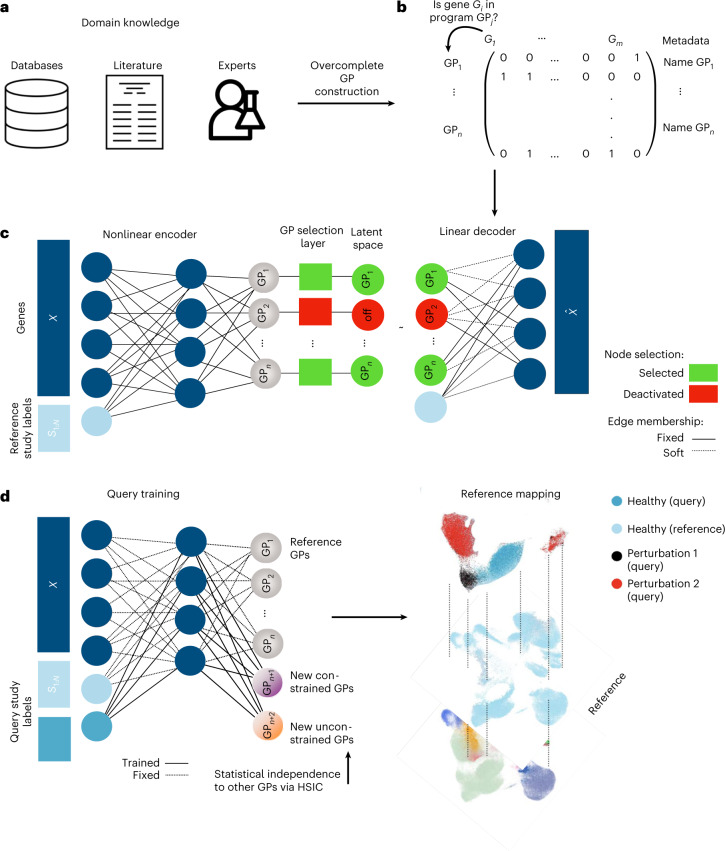
“In a notable study by Lotfollahi et al., 55 single-cell data were mapped using a nonlinear encoder paired with a linear decoder and a biologically informed latent space to interpret gene processes.”
NeMO Analytics: a compendium of transcriptomic data for the exploration of neocortical development
Sonthalia, S., Herb, B. R., Adkins, R. S., Orvis, J., Liu, J., Liao, X., Yu, Q., Mato-Blanco, X., Casella, A. M., Liu, J., et al. (2026) · Nature Neuroscience · doi:10.1038/s41593-026-02204-4 · Cited by 10
“These are many and include: ExpiMap 82 , scArches 83 , treeArches 84 , scGAD 74 , BEENE 85 , Symphony 86 , scMC 87 , SIMS 88 , scCross 89 , scBOL 90 , MIDAS 91 , scPML 92 , scMRA 93 , CIForm 94 , ABC 95 , MOFA 96,97 , transfer learning for scRNA-seq clustering 98 and a new review of reference mapping 99 .”
MOFA-FLEX: A Factor Model Framework for Integrating Omics Data with Prior KnowledgePreprint
Qoku, A., Rohbeck, M., Walter, F. C., Kats, I., Stegle, O., & Buettner, F. (2025) · bioRxiv (Cold Spring Harbor Laboratory) · doi:10.1101/2025.11.03.686250 · Cited by 11
Cell Decoder: decoding cell identity with multi-scale explainable deep learning
Zhu, J., Zhang, Z., Xiang, Y., Xie, B., Dong, X., Xie, L., Zhou, P., Yao, R., Yang, L., Li, Y., et al. (2025) · Genome biology · doi:10.1186/s13059-025-03832-y · Cited by 10
Gundogdu, P., Alamo, I., Nepomuceno-Chamorro, I. A., Dopazo, J., & Loucera, C. (2023) · Biology · doi:10.3390/biology12040579 · Cited by 3
Hodgson, L. M., Li, Y., Iturria‐Medina, Y., Stratton, J. A., Wolf, G., Krishnaswamy, S., Bennett, D. A., & Bzdok, D. (2024) · Communications Biology · doi:10.1038/s42003-024-06273-8 · Cited by 8
“While some variants do anchor the non-linear embedding to biological pathway information to enhance interpretability 13,14 , this latent space is still not extracted by con-ditioningonaprovideddiseasephenotype.”
BackgroundZhang, Y., Ming, W., Yu, B., Wang, L., Lu, K., Xu, L., Ni, Y., Deng, R., & Chen, D. (2025) · Cell Genomics · doi:10.1016/j.xgen.2025.101105 · Cited by 10
“Notably, when benchmarked against specialized program-learning methods (Spectra, 7 expiMap, 8 and cNMF 76 ), SSpMosaic demonstrated superior biological fidelity in two critical dimensions.”
Davidson, N. R., Zhang, F., & Greene, C. S. (2025) · PLoS Computational Biology · doi:10.1371/journal.pcbi.1012742 · Cited by 9
“These methods can be directly trained to capture a specific source of variation 29–35 or post-hoc-interpreted after training 36–40 .”
C-ziptf: stable tensor factorization for zero-inflated multi-dimensional genomics data
Chafamo, D., Shanmugam, V., & Tokcan, N. (2024) · BMC Bioinformatics · doi:10.1186/s12859-024-05886-4 · Cited by 6
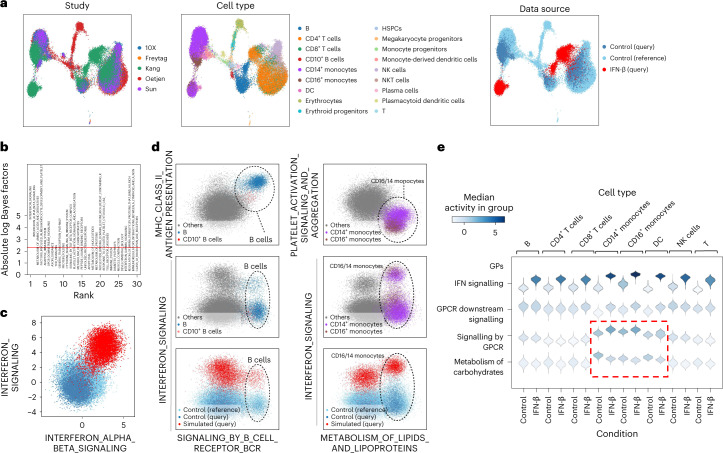
“These findings align with previous studies that have reported a monocyte-specific response to IFN-β stimulation [53].”
ResultFeng, G., Qin, X. Y., Zhang, J., Huang, W., Zhang, Y., Cui, W., Yao, C., Li, S., Liu, W., Tian, Y., et al. (2026) · Advanced Science · doi:10.1002/advs.202508697 · Cited by 6
“Recent studies, such as those using Spectra [ 47 ] and expiMap [ 48 ], have demonstrated the feasibility of perturbation prediction at the gene program level.”
AutoTransOP: translating omics signatures without orthologue requirements using deep learning
Meimetis, N., Pullen, K. M., Zhu, D. Y., Nilsson, A., Hoang, T. N., Magliacane, S., & Lauffenburger, D. A. (2024) · npj Systems Biology and Applications · doi:10.1038/s41540-024-00341-9 · Cited by 8
“Autoencoders have been used in several tasks in biology, including analyzing high dimensional data 21,22 , denoising single-cell RNA sequencing data 23 – 25 , deciphering the hierarchical structure of transcriptomic pro fi les 26,27 , and predicting gene expression caused by various stimuli 28 – 30 .”
Jeong, K., Choi, J., & Kim, K. (2026) · iScience · doi:10.1016/j.isci.2026.115284 · Cited by 6
“7 Several methods have focused on improving cell type identification and clustering accuracy through advanced deep learning architectures, particularly addressing the challenges of rare cell populations.”
Representing and extracting knowledge from single-cell data
Mihai, I. S., Chafle, S., & Henriksson, J. (2023) · Biophysical Reviews · doi:10.1007/s12551-023-01091-4 · Cited by 6
Liu, B., Rosenhahn, B., Illig, T., & DeLuca, D. S. (2024) · PLoS Computational Biology · doi:10.1371/journal.pcbi.1011198 · Cited by 6
Barkmann, F., Yates, J., Czyż, P., Kraft, A., Glettig, M. C., Beerenwinkel, N., & Boeva, V. (2025) · Cancer Research · doi:10.1158/0008-5472.can-25-0940 · Cited by 6
Biologically Interpretable VAE with Supervision for Transcriptomics Data Under Ordinal PerturbationsPreprint
Niyakan, S., Yoon, B.-J., Qian, X., & Luo, X. (2024) · bioRxiv (Cold Spring Harbor Laboratory) · doi:10.1101/2024.03.28.587231 · Cited by 6
“…2014) have shown their capabilities in unraveling biological insights from large and heterogeneous perturbation-induced gene expression profiles due to their model flexibility while keeping necessary changes to the inference procedure relatively minimal (Kana et al., 2023; Lotfollahi et al., 2023).”
BackgroundEmpowering scientific discovery with explainable small domain-specific and large language models
Yu, H., Wang, Y., Cheng, T., Yan, Y., Dawson, K. A., Li, S. F. Y., Zheng, Y., & Jin, Y. (2025) · Artificial Intelligence Review · doi:10.1007/s10462-025-11365-w · Cited by 5
“2 B), researchers created expiMap (Lotfollahi et al. 2023 ), a deep learning architecture that integrates domain knowledge from databases, articles, and expert insights to construct a binary matrix of “gene programs”.”
InfluentialTarget discovery and drug design in the era of artificial intelligence
Fleming, P., & Ivanov, A. A. (2026) · Medicinal Chemistry Research · doi:10.1007/s00044-026-03562-1 · Cited by 5
“Variational autoencoders (VAEs) have similarly been applied to learn biologically meaningful representations from large transcriptomic compendia, enabling downstream inference and prediction tasks relevant to target discovery [46, 47].”
scARE: Attribution Regularization for Single Cell Representation LearningPreprint
İnecik, K., & Theis, F. J. (2023) · bioRxiv (Cold Spring Harbor Laboratory) · doi:10.1101/2023.07.05.547784 · Cited by 4
“While biologically informed deep learning is an active research area (Lotfollahi et al., 2023; Qoku & Buettner, 2023; Conard et al., 2023; Janizek et al., 2023), a method is currently lacking that enables robust and flexible manipulation of an autoencoder model’s behavior in order to enhance the…”
BackgroundSelf-citationBiologically Informed Variational Inference Enables Interpretable Cell Phenotyping and DiscoveryPreprint
Arnoldt, L., zu Belzen, J. U., Herrmann, L., Nguyen, K., Ishaque, N., Theis, F. J., Wild, B., & Eils, R. (2025) · bioRxiv (Cold Spring Harbor Laboratory) · doi:10.1101/2025.06.10.657924 · Cited by 4
“Recent unimodal models such as VEGA (Seninge et al. 2021), expiMap (Lotfollahi et al. 2023), and scNET (Sheinin et al. 2025) incorporate domain knowledge but stop short of modeling structured regulatory hierarchies, offer limited interpretability for small-effect-size signals such as genetic…”
Self-citationInterpretable Causal Representation Learning for Biological Data in the Pathway SpacePreprint
de la Fuente, J., Lehmann, R., Ruiz-Arenas, C., Voges, J., Marín-Goñi, I., Martinez‐de‐Morentin, X., Gómez-Cabrero, D., Ochoa, I., Tegner, J. N., Lagani, V., et al. (2025) · arXiv (Cornell University) · doi:10.48550/arxiv.2506.12439 · Cited by 6
“…et al., 2023), by performing pathway enrichment analysis on linear gene embeddings (Zhao et al., 2021), or by modifying the VAE architecture to mirror user-provided gene-pathway maps (Seninge et al., 2021; Gut et al., 2021; Lotfollahi et al., 2023; Niyakan et al., 2024; Ruiz-Arenas et al., 2024a).”
Guo, Q., Yuan, M., Zhang, L., & Deng, M. (2024) · Briefings in Bioinformatics · doi:10.1093/bib/bbae305 · Cited by 5
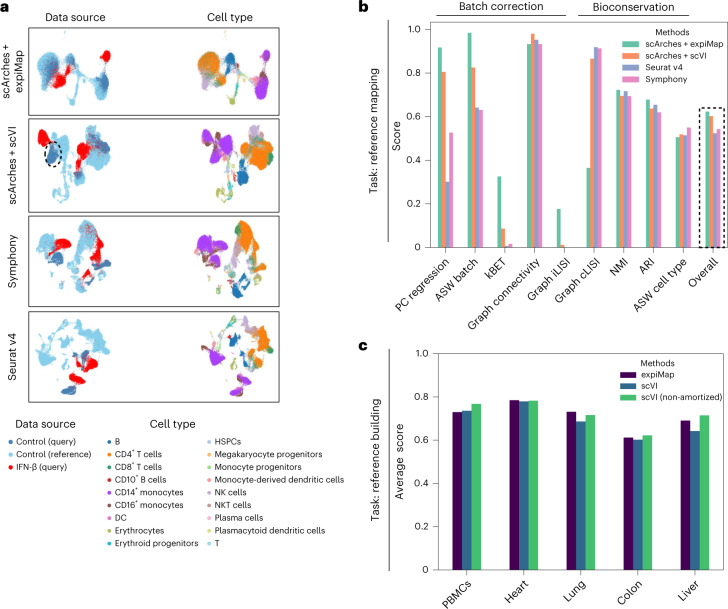
“The competing methods include Seurat [1], Single R [20], scMAP [3], scArches [8], Symphony [4], Liger [9] and expiMap [21].”
MethodEnrichment Analysis and Deep Learning in Biomedical Ontology: Applications and Advancements
Fu, H., Liu, Y., Zhang, M., & Yang, H. (2025) · Chinese Medical Sciences Journal · doi:10.24920/004464 · Cited by 3
Paylar, B., Längkvist, M., Jaß, J., & Olsson, P. (2023) · Biology · doi:10.3390/biology12050692 · Cited by 3
“The work by [28] utilized a rule-based evolutionary machine learning system for classification of microarray cancer datasets and biologically-constrained architecture [29,30].”
MethodKion-Crosby, W., & Barquist, L. (2024) · Bioinformatics Advances · doi:10.1093/bioadv/vbae066 · Cited by 3
“A number of studies have explored architecture choices in VAEs, but only by examination of the test score from held-out data on eukaryotic data sets (Lotfollahi et al. 2020, 2023, Lotfollahi et al. , 2021, Chow et al. 2022).”
BackgroundMethodLi, H., Cui, L., Zhou, M., Zou, Q., Zhao, Y., Lin, H., Liang, Y., Kow, A. W. C., & Wang, G. (2025) · Molecular Therapy — Nucleic Acids · doi:10.1016/j.omtn.2025.102696 · Cited by 3
Joas, M. J., Jurenaite, N., Praščević, D., Scherf, N., & Ewald, J. (2025) · Nature Computational Science · doi:10.1038/s43588-025-00916-4 · Cited by 5
Identification of cell types, states and programs by learning gene set representationsPreprint
Hediyeh-zadeh, S., Whitfield, H. J., Kharbanda, M., Curion, F., Bhuva, D. D., Theis, F. J., & Davis, M. J. (2023) · bioRxiv (Cold Spring Harbor Laboratory) · doi:10.1101/2023.09.08.556842 · Cited by 3
Self-citationLucarelli, D., Parikh, S., Jiménez, S., Schneeweis, C., Ngandiri, D. A., Putze, P., Šket, T., Wellappili, D., Gölling, V., Kuerbanjiang, M., et al. (2026) · bioRxiv (Cold Spring Harbor Laboratory) · doi:10.64898/2026.03.19.712924 · Cited by 3
Self-citationLaGrACE: estimating gene program dysregulation with latent regulatory network
Jia, M., Mao, H., Zhou, M., Chen, Y., & Benos, P. V. (2025) · Molecular Systems Biology · doi:10.1038/s44320-025-00115-3 · Cited by 2
“Examples of such methods include Spectra (Kunes et al, 2023), expiMap (Lotfollahi et al, 2023), Pathi fi er (Drier et al, 2013), and ssGSEA (Barbie et al, 2009).”
scSpecies: enhancement of network architecture alignment in comparative single-cell studies
Schächter, C., Treppner, M., Hackenberg, M., Raum, H., Boedecker, J., & Binder, H. (2025) · Genome biology · doi:10.1186/s13059-025-03866-2 · Cited by 2
Supervised deep learning with gene functional annotation for cell classification
Lin, Z.-X., Gao, Y.-Y., & Sun, W. (2026) · PLoS Computational Biology · doi:10.1371/journal.pcbi.1014327
Metadata-guided feature disentanglement for functional genomics
Rakowski, A., Monti, R., Huryn, V., Lemanczyk, M., Ohler, U., & Lippert, C. (2024) · Bioinformatics · doi:10.1093/bioinformatics/btae403 · Cited by 3
“In the context of biomedical applications, DRL models demonstrate increased explainability, robustness, and better generalization (Schreiber et al. 2020, Yang et al. 2022, Lotfollahi et al. 2023).”
Robust Bayesian Tensor Factorization with Zero-Inflated Poisson Model and Consensus AggregationPreprint
Chafamo, D., Shanmugam, V., & Tokcan, N. (2023) · arXiv (Cornell University) · doi:10.48550/arxiv.2308.08060 · Cited by 2
“These findings align with previous studies that have reported a Monocyte-specific response to IFN-β stimulation [30].”
ResultCell-Level Pathway Scoring Comparison with a Biologically Constrained Variational Autoencoder
Gundogdu, P., Payá‐Milans, M., Álamo-Álvarez, I., Nepomuceno-Chamorro, I. A., Dopazo, J., & Loucera, C. (2023) · Lecture notes in computer science · doi:10.1007/978-3-031-42697-1_5 · Cited by 1
Quantifying stability via count splitting to guide model selection in RNA velocity analyses
Li, Y., Wei, Z., Chen, Y., & Lin, K. (2026) · Bioinformatics Advances · doi:10.1093/bioadv/vbag104 · Cited by 1
“We consider these two distinct gene sets since prior work has shown that analyzing too many genes across diverse pathways could obscure the biological process of interest (Lotfollahi et al. 2023, Ranek et al. 2024).”
Implications From the Analogous Relationship Between Evolutionary and Learning Processes
Leong, J. C. K., Imaizumi, M., Innan, H., & Irie, N. (2025) · BioEssays · doi:10.1002/bies.70027 · Cited by 1
Friedrich, V. D., Neier, K. E., Müller, K., Fogal, B., Loncová, Z., Rade, M., Shoaib, M., Koehl, U., Hoyt, K., Pande, P., et al. (2025) · Frontiers in Immunology · doi:10.3389/fimmu.2025.1603716 · Cited by 1
A sequence knowledge-guided deep learning method for single-cell multi-omics translation
Zhao, M., Li, J., Jiang, Y., Yan, J., Tang, X., Liang, C., Tang, J., & Guo, F. (2026) · Genome biology · doi:10.1186/s13059-026-04070-6 · Cited by 1
A distinct effector B cell population drives autoantibody production in SARS-CoV-2 infection
Yuan, D., Li, S., Zhang, R., Ng, R. H., Su, Y., Lan, L., Shome, M., Smith, B., Troisch, P., Xie, J., et al. (2026) · Immunity · doi:10.1016/j.immuni.2026.08.002 · Cited by 2
scGO: interpretable deep neural network for cell status annotation and disease diagnosis
Wu, Y., Xu, P., Wang, L., Liu, S., Hou, Y., Lu, H. J., Hu, P., Li, X., & Yu, X. (2024) · Briefings in Bioinformatics · doi:10.1093/bib/bbaf018 · Cited by 1
“Knowledge-based neural networks, such as P-net [39], KPNN [40],expiMAP [41],dCell [42],GOWDL [43],and Elektrum [44],have demonstrated their capability to enhance interpretability and provide biologically meaningful insights across various domains of biological and medical research.”
Enhancement of Network Architecture Alignment in Comparative Single-Cell StudiesPreprint
Schächter, C., Treppner, M., Hackenberg, M., Raum, H., Boedecker, J., & Binder, H. (2024) · Qeios · doi:10.32388/d37aff · Cited by 1
Martínez-Enguita, D., Hillerton, T., Åkesson, J., Jörnsten, R. J., & Gustafsson, M. (2025) · bioRxiv (Cold Spring Harbor Laboratory) · doi:10.1101/2025.10.13.681970 · Cited by 1
Hierarchical classification of immune cell transcriptomes at population-scalePreprint
Beltz, C., Qiu, Z., Sadowski, L., Kraske, J. A., Aggarwal, A., Quintanal-Villalonga, À., Manoj, P., Littbarski, A., Bajaj, S., Meškauskaitė, B., et al. (2026) · bioRxiv (Cold Spring Harbor Laboratory) · doi:10.64898/2026.05.30.728980 · Cited by 1
TOTEM: A web TOol for Tissue-EnrichMent analysis on gene listsPreprint
Coleto‐Alcudia, V., Lozano‐Elena, F., Vera, G., Betegón‐Putze, I., Gupta, A., Efroni, I., & Caño‐Delgado, A. I. (2024) · bioRxiv (Cold Spring Harbor Laboratory) · doi:10.1101/2024.04.04.588116
Learning Human T Cell Behaviors Through Generative AI Embeddings of T Cell ReceptorsPreprint
Chen, D. G., Su, Y., & Heath, J. R. (2025) · bioRxiv (Cold Spring Harbor Laboratory) · doi:10.1101/2025.06.16.660016 · Cited by 1
Kirkham, D., Masina, R., Sammut, S., Mukherjee, S., & Rueda, O. M. (2025) · bioRxiv (Cold Spring Harbor Laboratory) · doi:10.1101/2025.07.21.662350 · Cited by 1
“This issue has previously been approached in the context of reference mapping for single-cell RNASeq by allowing the combined use of prior knowledge and interactions learned from data in predictive models[8].”
Integrated transcriptomic and functional modeling reveals AKT and mTOR synergy in colorectal cancer
Dulęba, M., Zimoląg, E., Szuszkiewicz, J., Serocki, M., Szklarczyk, J., Dracz, O., Kurzejamski, A., Więckowska, I., Chmiel, M., Lipert, B. A., et al. (2025) · Scientific Reports · doi:10.1038/s41598-025-08649-0
“To investigate transcriptomic differences at the gene set level between the two clusters, we employed the explainable programmable mapper (ExpiMap) model 47 .”
Advances in single-cell perturbation modeling
Qi, X., Zhao, L., Chen, R., & Zhao, Y. C. (2025) · Chinese Science Bulletin (Chinese Version) · doi:10.1360/csb-2025-0682
A critical evaluation of Gene Ontology priors in biologically-informed neural networksPreprint
Verlaan, T., Lieftinck, M., Mwine, W., & Reinders, M. J. T. (2025) · bioRxiv (Cold Spring Harbor Laboratory) · doi:10.1101/2025.11.06.686983
“…instead, BINNs yield task-agnostic representations that are interpretable independently of any specific prediction target, and can subsequently be applied to diverse downstream tasks including classification, drug response prediction, and in silico modelling of gene perturbation effects 12–14 .”
Zhang, G., Lin, W., Guo, L., Li, Z., Xiang, Y., Wang, L., & Yan, X. (2025) · Biogerontology · doi:10.1007/s10522-025-10352-6
“However, research on in-depth mechanisms, especially on the correlations between molecules, remains scarce (Lotfollahi et al. 2023).”
Automating the Annotation of Data through Machine Learning and Semantic Technologies
Pigott-Dix, L. A. K. (2023) · UEA Digital Repository (University of East Anglia) · Cited by 1
Metadata
- Authors
- Lotfollahi, M., Rybakov, S., Hrovatin, K., Hediyeh-zadeh, S., Talavera-López, C., Misharin, A. V., & Theis, F. J.
- Affiliations
- Wellcome Sanger Institute (GB)
- Helmholtz Munich (DE)
- Walter and Eliza Hall Institute of Medical Research (AU)
- Northwestern University (US)
- Corresponding author
- Theis, Fabian J.
- ORCID
- Venue
- Nature Cell Biology
- Published
- 2023-02-02
- Volume
- 25
- Issue
- 2
- Pages
- 337-350
- ISSN
- 1465-7392 (ISSN-L)
- 1476-4679
- PMC
- PMC9928587
- OpenAlex
- W4318981406
- Cited by
- 100
- References
- 123
- Citations by year
- 2026: 11 · 2025: 32 · 2024: 35 · 2023: 20
- FWCI
- 8.73
- Type
- journal article
- Language
- en
- Open access
- hybrid
- doi.org
- Licence
- cc-by
- creativecommons.org/licenses/by/4.0 (tdm)
- creativecommons.org/licenses/by/4.0 (vor)
- Locations
- Nature Cell Biology (publishedVersion, cc-by)
- bioRxiv (Cold Spring Harbor Laboratory) (acceptedVersion, cc-by-nc-nd)
- PubMed Central (publishedVersion, cc-by)
- PubMed (publishedVersion)
- PuSH - Publication Server of Helmholtz Zentrum München (submittedVersion, cc-by)
- Funders
- Joachim Herz Stiftung
- European Commission (874656, HORIZON2020)
- Bundesministerium für Bildung und Forschung (01IS18036B, 01IS18036A)
- Helmholtz Artificial Intelligence Cooperation Unit (ZT-I-PF-5-01)
- National Institute on Aging (P01AG049665)
- National Heart, Lung, and Blood Institute (R01HL153312)
- Topics
- Life Sciences › Biochemistry, Genetics and Molecular Biology › Molecular Biology › Single-cell and spatial transcriptomics
- Life Sciences › Biochemistry, Genetics and Molecular Biology › Molecular Biology › Gene Regulatory Network Analysis
- Life Sciences › Biochemistry, Genetics and Molecular Biology › Molecular Biology › Gene expression and cancer classification
- Keywords
- gene programs, single-cell atlas, interpretability, deep learning, cell-type resolution, cross-species comparison
- MeSH terms
- Deep Learning, COVID-19, Humans, Single-Cell Analysis
About these checks
Registry, retraction, Cites and statistics results are computed, not judged, with one exception: a printed reference that no index lists is read once by a model before it counts as a citation error. Claims are extracted by a model and kept only when their quote appears verbatim in the text; each cited source is then checked, with a model’s help, for whether it says what the claim relies on. Those verdicts can be wrong — read the claim’s quote and the cited source before relying on one.
Statistics and arithmetic are recomputed, not judged.
Confidence bands are shown only for fields calibrated on our annotated test set. None is calibrated yet, so no band is shown.
What counts as a claim ›How we measure confidence ›How we check this ›
Are you an author, or do you see a problem with this page? Request a review
Data sources
Bibliographic data: Semantic Scholar, OpenAlex, Crossref.
Contains information from the Semantic Scholar Academic Graph Datasets, made available under the ODC Attribution License (ODC-BY 1.0).
Semantic Scholar’s data is described in: Kinney, R., et al. (2023). The Semantic Scholar Open Data Platform. arXiv:2301.10140.
