

LIANA+ provides an all-in-one framework for cell–cell communication inference
Open accessThe DOI matches its Crossref record; 124 of the 125 references it cites were found in a registry or an index.
Abstract
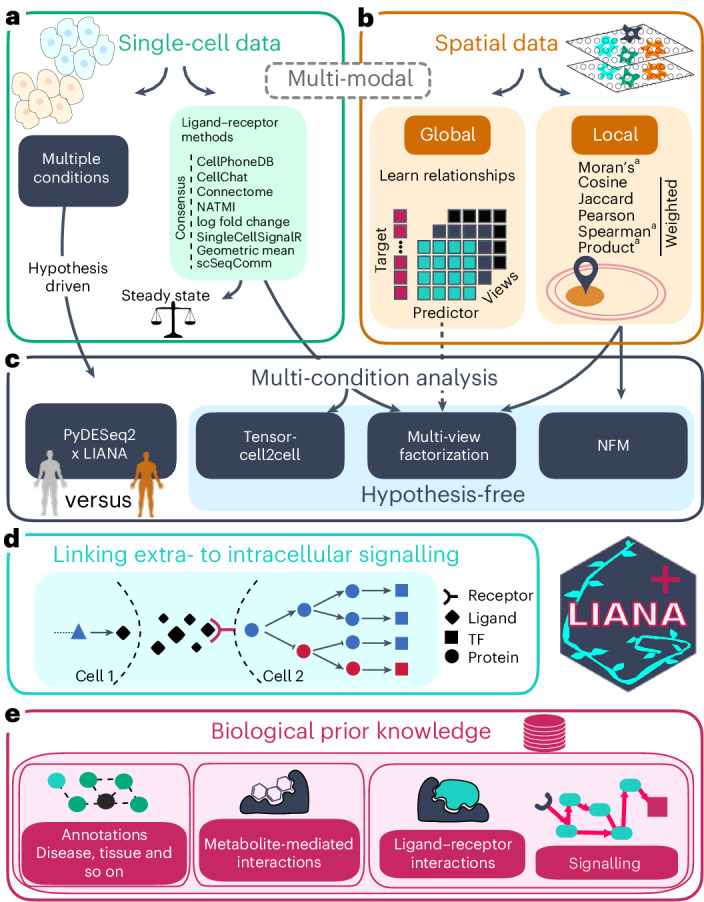
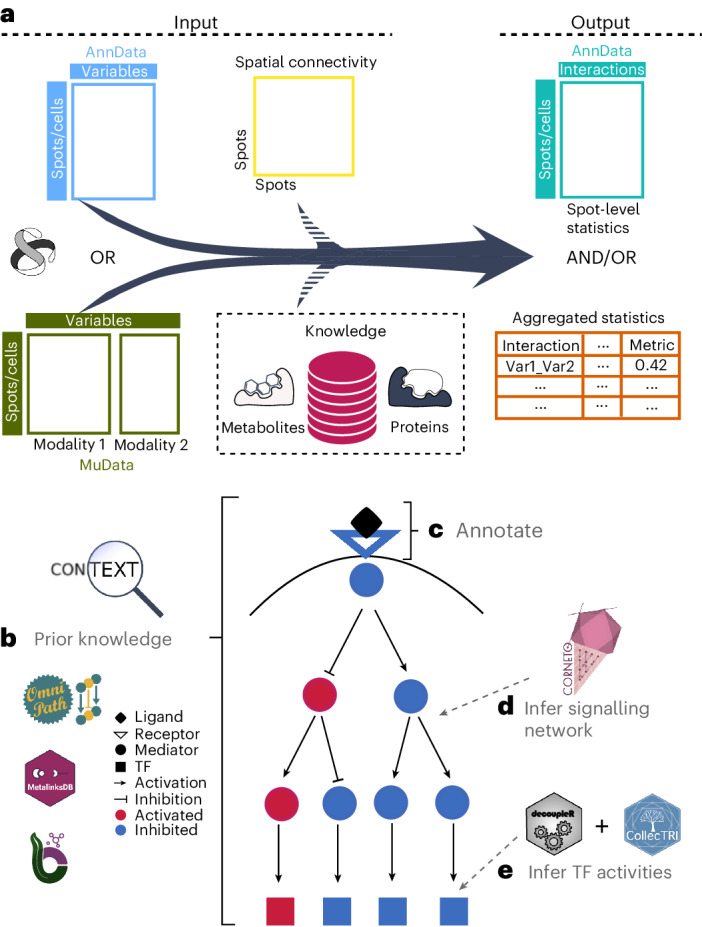
The growing availability of single-cell and spatially resolved transcriptomics has led to the development of many approaches to infer cell–cell communication, each capturing only a partial view of the complex landscape of intercellular signalling. Here we present LIANA+, a scalable framework built around a rich knowledge base to decode coordinated inter- and intracellular signalling events from single- and multi-condition datasets in both single-cell and spatially resolved data. By extending and unifying established methodologies, LIANA+ provides a comprehensive set of synergistic components to study cell–cell communication via diverse molecular mediators, including those measured in multi-omics data. LIANA+ is accessible at https://github.com/saezlab/liana-py with extensive vignettes ( https://liana-py.readthedocs.io/ ) and provides an all-in-one solution to intercellular communication inference.
Overview
The claims and statistics of this paper haven’t been checked yet.
Free: it reads the open-access text and checks the first 5 claims that cite a source we can check. Create a free account to check every claim.
Integrity signals
Registry
Cites
Statistics
Figures
Verification
Claims the paper makes
The claims and statistics of this paper haven’t been checked yet.
Free: it reads the open-access text and checks the first 5 claims that cite a source we can check. Create a free account to check every claim.
Self-check
Percentages, sums and reported differences re-computed from the paper’s own numbers.
The self-check needs the paper’s full text.
Citations
Cites
Moderated estimation of fold change and dispersion for RNA-seq data with DESeq2
Love, M. I., Huber, W., & Anders, S. (2014) · Genome Biology · doi:10.1186/s13059-014-0550-8 · Cited by 95,106 · cited 5×
“Then we estimated TF activities using the Wald statistics from PyDeSeq2 with univariate linear regression 81 and CollecTRI 80 .”
InfluentialScikit-learn: Machine Learning in Python
Pedregosa, F., Varoquaux, G., Gramfort, A., Michel, V., Thirion, B., Grisel, O., Blondel, M., Müller, A., Nothman, J., Louppe, G., et al. (2012) · arXiv · doi:10.48550/arxiv.1201.0490 · Cited by 71,016 · cited 1×
“By default, models are based on random forests 84 and can capture complex non-linear relationships.”
Cytoscape: A software Environment for integrated models of biomolecular interaction networks
Shannon, P., Markiel, A., Ozier, O., Baliga, N. S., Wang, J. T., Ramage, D., Amin, N., Schwikowski, B., & Ideker, T. (2003) · Genome Research · doi:10.1101/gr.1239303 · Cited by 51,888 · cited 1×
“Then the acyclic subnetworks obtained by each iteration were concatenated, such that edges from any solution were kept, and the network union was visualized with CytoScape 91 .”
SciPy 1.0: fundamental algorithms for scientific computing in Python
Virtanen, P., Gommers, R., Oliphant, T. E., Haberland, M., Reddy, T., Cournapeau, D., Burovski, E., Peterson, P., Weckesser, W., Bright, J., et al. (2020) · Nature Methods · doi:10.1038/s41592-019-0686-2 · Cited by 38,430 · cited 1×
“For linear models, which were used throughout this manuscript, we calculate the ordinary least squares t -statistics of the estimated parameters under the zero value null hypothesis 83 .”
SciPy 1.0: fundamental algorithms for scientific computing in Python
Virtanen, P., Gommers, R., Oliphant, T. E., Haberland, M., Reddy, T., Cournapeau, D., Burovski, E., Peterson, P., Weckesser, W., Bright, J., et al. (2019) · Apollo - University of Cambridge Repository · doi:10.17863/cam.64134 · Cited by 10,460
Inference and analysis of cell-cell communication using CellChat
Jin, S., Guerrero-Juarez, C. F., Zhang, L., Chang, I., Ramos, R., Kuan, C.-H., Myung, P., Plikus, M. V., & Nie, Q. (2021) · Nature Communications · doi:10.1038/s41467-021-21246-9 · Cited by 8,409 · cited 5×
“Most curation efforts have focused on annotating ligand– receptor interactions 19,21 , and additional prior knowledge efforts are needed in particular for the inference of CCC beyond protein-mediated events.”
InfluentialCellular and molecular mechanisms of fibrosis
Wynn, T. (2008) · The Journal of Pathology · doi:10.1002/path.2277 · Cited by 4,495 · cited 1×
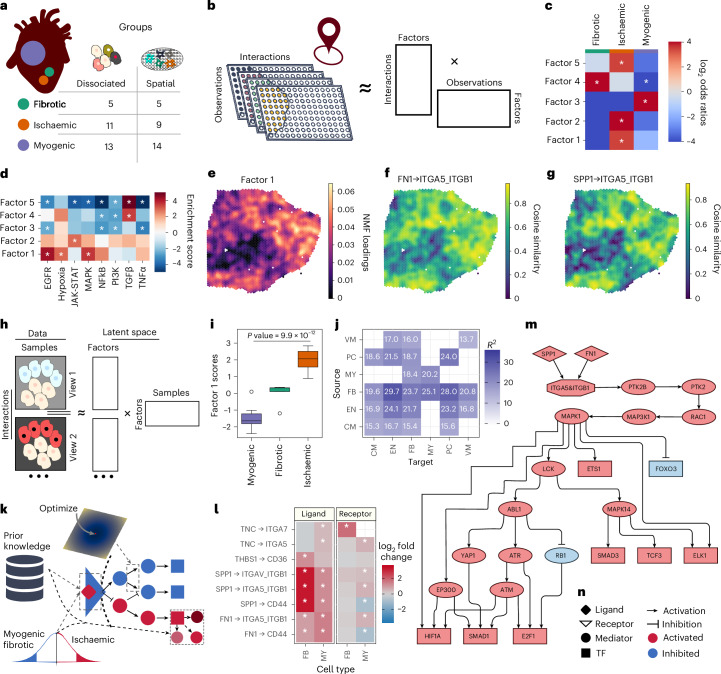
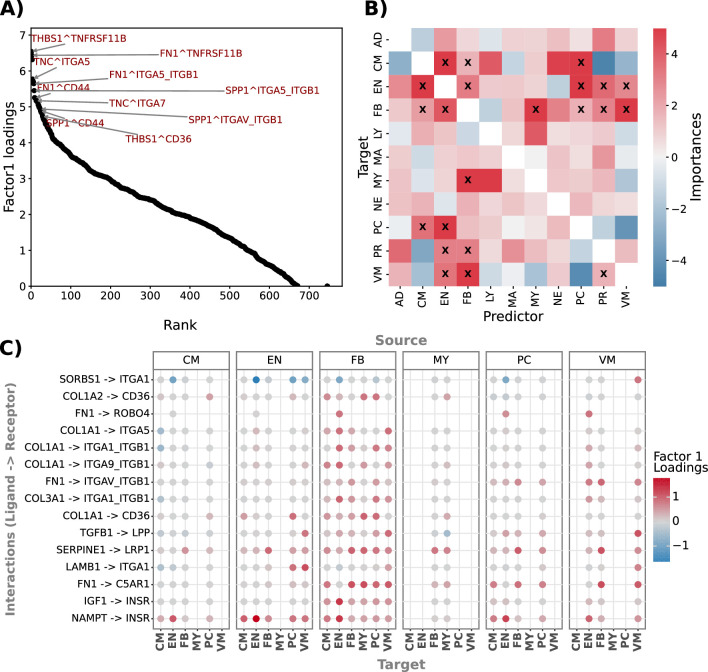
“Moreover, we noted that interactions in both the ischaemia-associated factor 4 and the fibrosis-associated factor 5 were enriched in transforming growth factor (TGF)-β signalling—a well-known driver of fibrosis 52 .”
Efremova, M., Vento-Tormo, M., Teichmann, S. A., & Vento-Tormo, R. (2020) · Nature Protocols · doi:10.1038/s41596-020-0292-x · Cited by 3,449 · cited 2×
“Most curation efforts have focused on annotating ligand– receptor interactions 19,21 , and additional prior knowledge efforts are needed in particular for the inference of CCC beyond protein-mediated events.”
D 1 and D 2 Dopamine Receptor-regulated Gene Expression of Striatonigral and Striatopallidal Neurons
Gerfen, C. R., Engber, T. M., Mahan, L. C., Susel, Z., Chase, T. N., Monsma, F. J., & Sibley, D. R. (1990) · Science · doi:10.1126/science.2147780 · Cited by 2,967 · cited 1×
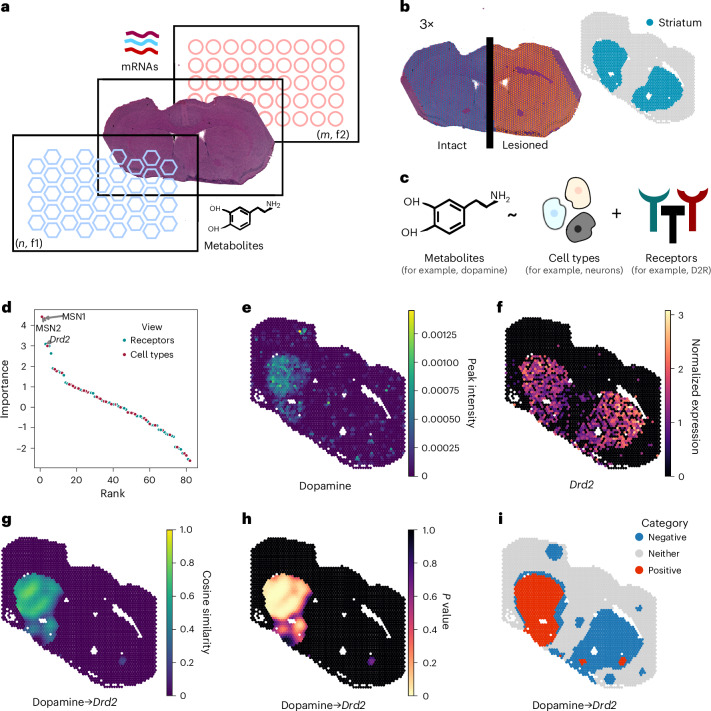
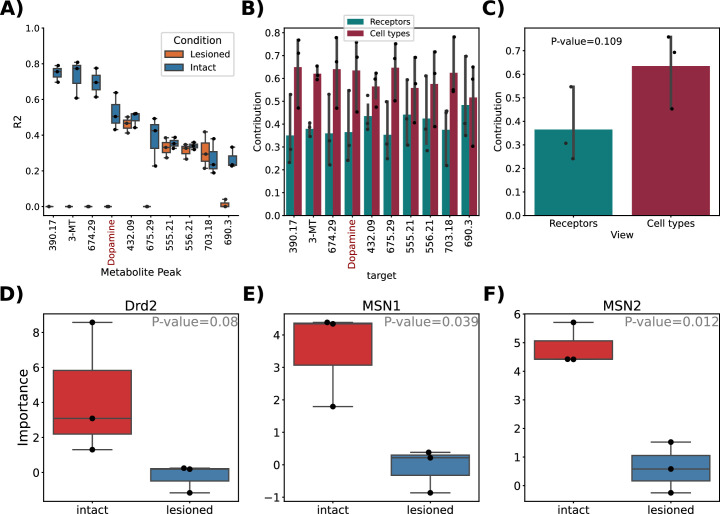
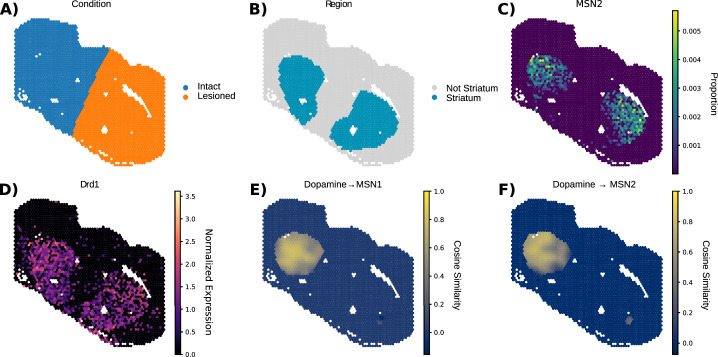
“Our analysis additionally hinted at an anticipated asymmetry following uni-hemispheric lesion 38 : while the interaction between D2R and dopamine was present in the intact hemisphere (Fig.”
Molecular Architecture of the Mouse Nervous System
Zeisel, A., Hochgerner, H., Lönnerberg, P., Johnsson, A., Memic, F., van der Zwan, J., Häring, M., Braun, E., Borm, L. E., La Manno, G., et al. (2018) · Cell · doi:10.1016/j.cell.2018.06.021 · Cited by 2,552
Research works printed but not linked: 1
- Saarenpää, S. et al. Spatial metatranscriptomics resolves host–bacteria–fungi interactomes. Nat. Biotechnol.10.1038/s41587-023-01979-2 (2023). PMC11392817 37985875 · DOI
Cited by
High-definition spatial transcriptomic profiling of immune cell populations in colorectal cancer
Oliveira, M. F. D., Romero, J. P., Chung, M., Williams, S. R., Gottscho, A. D., Gupta, A., Pilipauskas, S. E., Mohabbat, S., Raman, N., Sukovich, D. J., et al. (2025) · Nature Genetics · doi:10.1038/s41588-025-02193-3 · Cited by 321
Single-cell integration reveals metaplasia in inflammatory gut diseases
Oliver, A. J., Huang, N., Bartolomé-Casado, R., Li, R., Koplev, S., Nilsen, H. R., Moy, M. R., Çakır, B., Polański, K., Gudiño, V., et al. (2024) · Nature · doi:10.1038/s41586-024-07571-1 · Cited by 144
Self-citationCell type mapping reveals tissue niches and interactions in subcortical multiple sclerosis lesions
Lerma-Martin, C., Badia-i-Mompel, P., Ramirez Flores, R. O., Sekol, P., Schäfer, P. S. L., Riedl, C. J., Hofmann, A., Thäwel, T., Wünnemann, F., Ibarra-Arellano, M. A., et al. (2024) · Nature Neuroscience · doi:10.1038/s41593-024-01796-z · Cited by 76
Self-citationMEBOCOST maps metabolite-mediated intercellular communications using single-cell RNA-seq
Zheng, R., Zhang, Y., Tsuji, T., Gao, X., Shamsi, F., Wagner, A., Yosef, N., Cui, K., Chen, H., Kiebish, M. A., et al. (2025) · Nucleic Acids Research · doi:10.1093/nar/gkaf569 · Cited by 79
New horizons at the interface of artificial intelligence and translational cancer research
Yates, J., & Allen, E. M. V. (2025) · Cancer Cell · doi:10.1016/j.ccell.2025.03.018 · Cited by 63
Gutgesell, R. M., Khalil, A., Liśkiewicz, A., Maity‐Kumar, G., Novikoff, A., Grandl, G., Liśkiewicz, D., Coupland, C., Karaoglu, E., Akindehin, S., et al. (2025) · Nature Metabolism · doi:10.1038/s42255-025-01294-x · Cited by 62
Multicellular factor analysis of single-cell data for a tissue-centric understanding of disease
Ramirez Flores, R. O., Lanzer, J. D., Dimitrov, D., Velten, B., & Saez-Rodriguez, J. (2023) · eLife · doi:10.7554/elife.93161 · Cited by 44
Self-citationCesaro, G., Nagai, J. S., Nicolò, G., Chiodi, A., Tussardi, G., Klöker, V., Musumarra, C. V., Mosca, E., Costa, I. G., Camillo, B. D., et al. (2025) · Briefings in Bioinformatics · doi:10.1093/bib/bbaf280 · Cited by 60
Marteau, V., Nemati, N., Handler, K., Raju, D., Kirchmair, A., Rieder, D., Soto, E. K., Fotakis, G., de Lange, G., Carollo, S., et al. (2026) · Cancer Cell · doi:10.1016/j.ccell.2025.12.003 · Cited by 61
Targeting modulated vascular smooth muscle cells in atherosclerosis via FAP-directed immunotherapy
Amrute, J., Jung, I., Yamawaki, T., Lin, W.-L., Bredemeyer, A. L., Diekmann, J., Hayat, S., Zhang, X., Wakefield, D. L., Luo, X., et al. (2026) · Science · doi:10.1126/science.adx1736 · Cited by 47
Plummer, J., Dezem, F. S., Cook, D. P., Park, J., Zhang, L., Liu, Y., Marção, M., DuBose, H., Arjumand, W., Wise, K., et al. (2025) · Nature Biotechnology · doi:10.1038/s41587-025-02811-9 · Cited by 64
“Nonetheless, ongoing development aims to improve segmentation algorithms 26,29–33 , with promising advances in pixel-based, segmentation-free models 34,35 , that learn tissue features directly from tissue images, bypassing traditional reliance on cell membrane or nuclei markers 34,36–39 .”
Lopes, M. B., Coletti, R., Duranton, F., Glorieux, G., Campos, M. A. J., Klein, J., Ley, M., Perco, P., Sampri, A., & Tur‐Sinai, A. (2025) · PROTEOMICS · doi:10.1002/pmic.202400108 · Cited by 44
Melton, R. L., Jiménez, S., Elison, W. S., Tucciarone, L., Howell, A., Wang, G., Berti, D. A., Beebe, E., Miller, M., Zeng, C., et al. (2025) · Science Advances · doi:10.1126/sciadv.ady0080 · Cited by 38
“Next, we identified spatially coexpressed LR pairs using the Moran’s I score in Liana + ( 32 ).”
InfluentialAdvances in single-cell omics: Transformative applications in basic and clinical research
Inayatullah, M., Dwivedi, A. K., & Tiwari, V. K. (2025) · Current Opinion in Cell Biology · doi:10.1016/j.ceb.2025.102548 · Cited by 48
Mitochondrial NNT Promotes Diastolic Dysfunction in Cardiometabolic HFpEF
Pepin, M. E., Konrad, P. J. M., Nazir, S., Bazgir, F., Maack, C., Nickel, A. G., Gorham, J., Hohl, M., Schreiter, F. C., Dewenter, M., et al. (2025) · Circulation Research · doi:10.1161/circresaha.125.326154 · Cited by 37
Spatial omics enters the microscopic realm: opportunities and challenges
Si, Y., Lee, J. S., Jun, G., Kang, H. M., & Lee, J. H. (2025) · Trends in Genetics · doi:10.1016/j.tig.2025.05.002 · Cited by 34
Wünnemann, F., Sicklinger, F., Bestak, K., Nimo, J., Thiemann, T., Amrute, J., Nordbeck, M., Hartmann, N., Ibarra-Arellano, M. A., Tanevski, J., et al. (2025) · Nature Cardiovascular Research · doi:10.1038/s44161-025-00717-y · Cited by 44
“44).”
Self-citationOmniPath: integrated knowledgebase for multi-omics analysis
Türei, D., Schaul, J., Palacio‐Escat, N., Bohár, B., Bai, Y., Ceccarelli, F., Çevrim, E., Daley, M., Darcan, M., Dimitrov, D., et al. (2025) · Nucleic Acids Research · doi:10.1093/nar/gkaf1126 · Cited by 46
“Integrating a multitude of resources in a uniform format opens the way towards their benchmarking, as it is done, for example, in NetworkCommons [ 10 ] to evaluate the performance of network inference methods.”
Self-citationCell type and cell signalling innovations underlying mammalian pregnancy
Stadtmauer, D. J., Basanta, S., Maziarz, J. D., Cole, A. G., Dagdas, G., Smith, G. R., van Breukelen, F., Pavličev, M., & Wagner, G. P. (2025) · Nature Ecology & Evolution · doi:10.1038/s41559-025-02748-x · Cited by 31
Cold and hot fibrosis define clinically distinct cardiac pathologies
Miyara, S., Adler, M., Umansky, K. B., Häußler, D., Bassat, E., Divinsky, Y., Elkahal, J., Kain, D., Lendengolts, D., Flores, R. O. R., et al. (2025) · Cell Systems · doi:10.1016/j.cels.2025.101198 · Cited by 39
“We next validated the relevance of TIMP1 in human cold fibrosis following MI using LIANA+, 76 an algorithm that decodes signaling events from transcriptomics datasets.”
CD206+ macrophages facilitate wound healing through interactions with Gpnmbhi fibroblasts
Honda, A., Koike, H., Dohi, T., Toyohara, E., Hayakawa, S., Tobe, K., Manabe, I., Ogawa, R., & Oishi, Y. (2025) · EMBO Reports · doi:10.1038/s44319-025-00496-4 · Cited by 23
“Then potential interactions between the fi broblast and macrophage populations were analyzed using LIANA + (Dimitrov et al, 2024; Dimitrov et al, 2022) (Fig.”
Unifying multi-sample network inference from prior knowledge and omics data with CORNETO
Rodríguez-Mier, P., Garrido‐Rodríguez, M., Gábor, A., & Sáez-Rodríguez, J. (2025) · Nature Machine Intelligence · doi:10.1038/s42256-025-01069-9 · Cited by 34
“…biological processes, such as combining FBA with gene regulation 52–54 , further integrating FBA with signalling and metabolic networks, extending beyond current approaches to causal signal-metabolic network integration 55 or enhancing models of cell– cell communication in spatial contexts 56 .”
Differentiating visceral sensory ganglion organoids from induced pluripotent stem cells
Ahn, K., Park, H.-S., Choi, S., Lee, H.-J., Choi, H., Hong, S. B., Han, J., Han, J. W., Ahn, J.-C., Song, J., et al. (2024) · Nature Methods · doi:10.1038/s41592-024-02455-8 · Cited by 21
“Cell-to-cell communication analysis 39 between HCO and VSN identified HTR2C as being involved with CALM1 (Extended Data Fig.”
InfluentialSingle-cell spatial transcriptomic analysis of human skin anatomy
Restrepo, P., Wilder, A., Houser, A. E., Sandhu, H. S., Jimenez, A. V. R., Hren, M. G., Gill, R., Kazmi, A., Chen, L., Nigro, A. R., et al. (2026) · Nature Genetics · doi:10.1038/s41588-026-02552-8 · Cited by 34
Lanzer, J. D., Flores, R. O. R., Liñares-Blanco, J., Steier, M., Rangrez, A. Y., Frey, N., & Sáez-Rodríguez, J. (2025) · Nature Communications · doi:10.1038/s41467-025-62219-6 · Cited by 24
“1.2 R-package 75 to compare the expression pattern across cell states and HF status.”
InfluentialMachine learning to dissect perturbations in complex cellular systems
Monfort‐Lanzas, P., Rungger, K., Madersbacher, L., & Hackl, H. (2025) · Computational and Structural Biotechnology Journal · doi:10.1016/j.csbj.2025.02.028 · Cited by 24
“It can infer receptor-ligand interactions from ST data in an unsupervised manner or from scRNA-seq data across multiple conditions [68].”
Dip, S. A., Mallick, D., Shuvo, U. A., Soumma, S. B., Rafsani, F., Paul, B. K., Moumi, N. A., Ahmed, S., & Zhang, L. (2026) · Briefings in Bioinformatics · doi:10.1093/bib/bbag110 · Cited by 25
“…[74] extends this framework with multimodal reasoning and memory, integrating scRNA-seq, MERFISH, and Visium data through Scanpy, LIANA + [75], CellChat [76], and marker databases to support niche annotation and ligand–receptor analysis; fine-grained subtype resolution remains…”
Liao, X., Kang, L., Peng, Y., Chai, X., Xie, P., Lin, C., Ji, H., Jiao, Y., & Liu, J. (2024) · Nature Communications · doi:10.1038/s41467-024-55146-5 · Cited by 14
“After prioritizing the genes associated with inferred latent time from SDEvelo, we performed cell-cell communicationanalyseswithLIANAusingthePython liana packageto infer the ligand-receptor interactions 41 .”
Learning tissue representation by identification of persistent local patterns in spatial omics data
Tanevski, J., Vulliard, L., Ibarra-Arellano, M. A., Schapiro, D., Hartmann, F. J., & Sáez-Rodríguez, J. (2025) · Nature Communications · doi:10.1038/s41467-025-59448-0 · Cited by 21
“…by estimation of the activities of higher level biological processes, such as pathways 40 , or capturing a subset of relevant molecules like receptor expression in the intraview and ligand expression in the paraview aiming at capturing spatially informed cell-cell communication patterns 41 .”
Self-citationWilliams, E. C., Franzén, L., Lindvall, M. O., Hamm, G. R., Oag, S., Majumder, M. M., Denholm, J., Hamidinekoo, A., Morlanes, J. E., Vicari, M., et al. (2026) · Nature Communications · doi:10.1038/s41467-025-68003-w · Cited by 21
“Such interoperability is essential to access existing and upcoming downstream analysis options that require matching spatial coordinates and observations 28,29,33 – 35 .”
Loft, A., Rydbirk, R., Gammelmark, E., Hauwaert, E. L. V., Wernberg, C. W., Møller, A. F., Dam, T. V., Hassan, M. N., Maniyadath, B., Nielsen, R., et al. (2026) · Nature Metabolism · doi:10.1038/s42255-025-01433-4 · Cited by 18
“LIANA+ 55 was used to perform cell–cell interaction analyses, and LIANA and Tensor-cell2cell 88 were combined to decipher cell–cell communication across multiple samples 56 .”
Integrating model systems and genomic insights to decipher mechanisms of cancer metastasis
Leung, M. M., Swanton, C., & McGranahan, N. (2025) · Nature Reviews Genetics · doi:10.1038/s41576-025-00825-2 · Cited by 18
“This can be achieved through computational-based predictions of cell–cell communication from single-cell transcriptomic data by deriving receptor–ligand interactions 132,134 .”
A single-cell time-series atlas of endothelial cell embryonic development
Lin, L., Zhong, J., Jiang, F., Wang, Y.-X., Ma, L.-Y., Yang, J., Li, Y.-Y., Gao, R., Feng, H., Cai, B., et al. (2026) · Cell · doi:10.1016/j.cell.2026.01.002 · Cited by 18
Cellular and Spatial Drivers of Unresolved Injury and Functional Decline in the Human KidneyPreprint
Lake, B. B., Ferreira, R. M., Hansen, J., Menon, R., Basta, J. M., Thiessen‐Philbrook, H., Reinert, S., Fallegger, R., Lagwankar, A. K., Chen, X., et al. (2025) · bioRxiv (Cold Spring Harbor Laboratory) · doi:10.1101/2025.09.26.678707 · Cited by 29
Self-citationManiar, D., Keenum, M. C., Vantucci, C. E., Guyer, T., Chatterjee, P., Leguineche, K., Cheung, K., Guldberg, R. E., & Roy, K. (2025) · Bone Research · doi:10.1038/s41413-025-00444-x · Cited by 13
“30,31 These fi ndings highlight the pivotal role of Mono/Mac cell interactions, especially with stromal cells, in perpetuating chronic in fl ammation and fi brosis potentially contributing to impaired healing outcomes following polytrauma.”
Ji, B., Wang, X., Qiao, D., Xu, L., & Peng, S. (2024) · Big Data Mining and Analytics · doi:10.26599/bdma.2024.9020056 · Cited by 19
Mapping the tumor immune landscape: single-cell RNA sequencing in cancer immunotherapy
Huang, Y., Zhang, M., & Gao, Q. (2025) · Cancer Letters · doi:10.1016/j.canlet.2025.218012 · Cited by 15
Gameiro, J. G., Hintschich, C. A., Dekeyser, A., Hox, V., Schwob, J. E., Holbrook, E. H., Fornazieri, M. A., & Lin, B. (2025) · Cell Reports Methods · doi:10.1016/j.crmeth.2025.101055 · Cited by 13
“52,53 Not surprisingly, we found that HBCs and GBCs had many predicted interactions that included Notch, Wnt, Semaphorin, and Neure-gulin pathways (Figures 4H and 4I), suggesting that the two stem cell populations form a bi-directional niche.”
A spatiotemporal cancer cell trajectory underlies glioblastoma heterogeneity
de Jong, G., Memi, F., Gracia, T., Lazareva, O., Gould, O., Solomou, G., Aivazidis, A., Dave, M., Zhang, Q., Jensen, M., et al. (2026) · Nature · doi:10.1101/2025.05.13.653495 · Cited by 11
New Insights and Implications of Cell–Cell Interactions in Developmental Biology
Wu, G., Liang, Y., Xi, Q., & Zuo, Y. (2025) · International Journal of Molecular Sciences · doi:10.3390/ijms26093997 · Cited by 9
“…BulkSignalR [171], PyMINEr [172], CrossTalkeR [173], stMLnet [174] Comparative evaluation of cell communication tools ESICCC/CCCbank [92], LIANA [91], LIANA+ [93] Analysis platform InterCellar [175], TALKIEN [176] Analyze cell communication under various conditions MOFAcell [177], DIALOGUE [178]”
Mapping biology in space: from spatial transcriptomics platforms to analytical tools and databases
Guo, Z., Wu, R., Li, W., Yang, K., Ying, X., Alinejad-Rokny, H., & Ye, Y. (2026) · Science Bulletin · doi:10.1016/j.scib.2026.01.034 · Cited by 12
Li, L., Wang, T., Liang, Z., Yu, H., Ma, S., Yu, L., & Huang, Y. (2026) · Nature Communications · doi:10.1038/s41467-026-70528-7 · Cited by 15
“Moreover, LIANA+ was introduced as a user-friendly framework to integrate multiple existing methods for CCC analysis 11 .”
Building multiscale models with PhysiBoSS, an agent-based modeling tool
Ruscone, M., Checcoli, A., Heiland, R. W., Barillot, E., Macklin, P., Calzone, L., & Noël, V. (2024) · Briefings in Bioinformatics · doi:10.1093/bib/bbae509 · Cited by 10
Raghavan, V., Zheng, Y., Li, Y., & Ding, J. (2025) · Genome Research · doi:10.1101/gr.279771.124 · Cited by 24
“We undertook a comprehensive benchmarking of CellAgentChat against nine prominent CCI inference methods with the help of the LIANA+ benchmark (Dimitrov et al. 2024): CellPhoneDB (v5) (Efremova et al. 2020), CellChat (v2) (Jin et al. 2021, 2025), NICH-ES (Raredon et al. 2023), COMMOT (Cang et al.…”
Advancing liver metabolic zonation with single-cell and spatial omics
Fujimoto, M., & Tanaka, T. (2025) · Endocrine Journal · doi:10.1507/endocrj.ej25-0140 · Cited by 8
“Fur‐ thermore, LIANA+ integrates spatial transcriptomics and metabolomics by incorporating multiple analytical tools (CellPhoneDBv2, CellChat, NATMI, Connectome, SingleCellSignalR, iTALK, CytoTalk) to reduce bias and enhance prediction accuracy [41].”
Zhang, C., Tan, L., Zheng, K., Xu, Y., Wan, J., Wu, J., Wang, C., Pin, G., & Feng, Y. (2025) · Frontiers in Immunology · doi:10.3389/fimmu.2025.1699134 · Cited by 8
Иванович, Г. И., Podshivalova, E. S., Chechekhin, V. I., Zubritskiy, A. V., Matrosova, A. A., Sergeev, N. A., Samsonova, M. D., Dvoryanchikov, Y. V., Nikonova, T. V., Bondarenko, E. V., et al. (2025) · JCI Insight · doi:10.1172/jci.insight.199050 · Cited by 8
Pereira, M. F., Finazzi, V., Rizzuti, L., Aprile, D., Aiello, V., Mollica, L., Riva, M., Soriani, C., Dossena, F., Shyti, R., et al. (2025) · Molecular Psychiatry · doi:10.1038/s41380-025-02929-x · Cited by 11
“To model the expression patterns of receptors and ligands, we combined tools such as LIANA [47] and tensor-cell2cell [48] (see Methods), which are able to translate into cell-cell communication events the information of which receptors and ligands are expressed in each cell and in each cell type.”
Pareja-Lorente, E., & Aloy, P. (2025) · Genome biology · doi:10.1186/s13059-025-03677-5 · Cited by 7
“Indeed, in agreement with previous studies [32], when comparing the results of such methods, we find almost perfect correlations between the cell–cell contacts predicted in the different niches, where the cell composition is quite different.”
Hao, Q., Zhou, T. Y., Yan, H., Ren, Z., Mao, W., Huang, L., Chen, Y.-Y., Wang, Y., Xiao, M., He, Y., et al. (2026) · Molecular Cancer · doi:10.1186/s12943-025-02548-8 · Cited by 10
“More-over, by incorporating the broader TME cell repertoire, we conducted robust intercellular interaction analyses with well-established bioinformatic analysis [93, 94] and subsequent experimental validation, gaining valuable insights into how DNT subsets interact with other immune compartments.”
The Heterogeneity and Function of Stromal Cells in the Tumor Microenvironment
Wang, X., Li, S., Xue, Y., Liang, X., Ma, X., Zhang, K., & Wang, Y. (2026) · Research · doi:10.34133/research.1183 · Cited by 10
“The functional output of a given pathway (for example, TGF-β between CAFs and cancer cells) depends critically on spatial context, timing, and cellular composition, motivating computational frameworks that integrate single-cell and spatial measurements to infer context-aware communication [ 174 ].”
Vuong, L. H., Cornish, A. E., Pfeil, J. Q., Khandwala, Y. S., Jiang, H., Zheng, D. X. T., Mascareno, E. A., Rittenhouse, N., Rappold, P. M., Leibold, J., et al. (2026) · Cancer Cell · doi:10.1016/j.ccell.2026.05.007 · Cited by 7
CausalCCC: a web server to explore intracellular causal pathways enabling cell–cell communication
Dupuis, L., Debeaupuis, O., Simon, F., & Isambert, H. (2025) · Nucleic Acids Research · doi:10.1093/nar/gkaf404 · Cited by 7
“First, the L-R links of interest between sender and receiver populations are retrieved using internally computed L-R pairs using LIANA+ [ 23 ] (including CellphoneDBv5 [ 4 ], Connec-tome [ 8 ], SingleCellSignalR [ 12 ], NATMI [ 13 ], and Log2FC [ 23 ]).”
Rebboah, E., Weber, R., Abdollahzadeh, E., Swarna, N. P., Sullivan, D. K., Trout, D. E., Reese, F., Liang, H. Y., Filimban, G., Mahdipoor, P., et al. (2025) · Cell Genomics · doi:10.1016/j.xgen.2025.101108 · Cited by 11
“This cluster comprises 3,863 nuclei, representing 86% of total NZO KCs. 74 In our data-set, all KC clusters except cluster 27, which is CAST specific, expressed Mrc1 but lacked Esam expression, suggesting that they do not match the described KC2 profile (Figure S9A).”
Mapping and reprogramming human tissue microenvironments with MintFlowPreprint
Akbarnejad, A., Steele, L., Jafree, D. J., Birk, S., Sallese, M. R., Rademaker, K., Boxall, A. R., Rumney, B. M., Tudor, C. L., Patel, M. J., et al. (2025) · bioRxiv (Cold Spring Harbor Laboratory) · doi:10.1101/2025.06.24.661094 · Cited by 10
“For ccRCC, cell-cell communication was imputed using LIANA+ 79 in "rank aggregate" mode, incorporating multiple ligand–receptor prediction algorithms, including CellPhoneDB, NATMI and CellChat.”
An integrated single cell and spatial omics atlas of human prenatal developmentPreprint
Webb, S., Rose, A., Xu, C., Steele, L., Ando‐Kuri, M., Stephenson, E., İnecik, K., Jafree, D. J., Foster, A. R., Basurto-Lozada, D., et al. (2026) · bioRxiv (Cold Spring Harbor Laboratory) · doi:10.64898/2026.03.30.714220 · Cited by 8
Yang, H., Dungan, M. E., Madhu, B., Beyries, K. A., Wang, X., Kilpatrick, R., Chen, B., Oh, S., Berkowitz, M., Smith, D. G., et al. (2026) · Gut · doi:10.1136/gutjnl-2025-337343 · Cited by 5
Lopez, D. E. R., Tyson, D. R., & Hong, T. (2025) · Cell Communication and Signaling · doi:10.1186/s12964-025-02405-7 · Cited by 8
“As a first step, we used subtype labels provided by the original data producers [21, 30, 31] to classify cells along epithelial and mesenchymal axes.”
Molecular tools for decoding multicellular systems: from mechanisms to medicine
Li, J., Guo, W., Zou, P., Chu, C., Wu, J., Guo, Z., Huang, Y., Yang, J., & Chen, P. R. (2025) · National Science Review · doi:10.1093/nsr/nwaf473 · Cited by 9
“Recent advances in unsupervised machine learning methods have shown promise by clustering cells based not only on cell type but also on spatial proximity and predicted interaction partners [101 ].”
Convergent flow-mediated mesenchymal force drives embryonic foregut constriction and splitting
Yan, R., Hoffmann, L. A., Oikonomou, P., Li, D., Lee, C., Gill, H. K., Mongera, A., Nerurkar, N. L., Mahadevan, L., & Tabin, C. J. (2025) · Nature Communications · doi:10.1038/s41467-025-65644-9 · Cited by 6
“LIANA framework (https://github. com/saezlab/liana-py) 62,63 was used to analyze potential ligand-receptor communication pathways between the dorsal epithelium and the dorsal mesenchymal cell types.”
The Virtual Biotech: A multi-agent AI framework for therapeutic discovery and development
Zhang, H. G., Eckmann, P., Miao, J., Mahon, A. B., & Zou, J. (2026) · Science · doi:10.1126/science.aeg6779 · Cited by 6
Koelsch, N. J., Mirshahi, F., Aqbi, H. F., Seneshaw, M., Idowu, M. O., Olex, A. L., Sanyal, A. J., & Manjili, M. H. (2025) · Liver International · doi:10.1111/liv.70110 · Cited by 8
“These consensus metrics are generated in LIANA across all methods using Robust Rank Aggregation [23], which can be interpreted as probabilistic distributions for interactions that are more highly ranked [21, 22].”
Dissecting the enhancer gene regulatory network in early Drosophila spermatogenesis
y Sanchez, P. V. N., Sekhar, P. S., Yildirim, K., Lange, T., Kreplin, L. Z., Boopathy, V. M., de Souza, S. R., Dammer, K., Ibberson, D., Wang, Q., et al. (2025) · Nature Communications · doi:10.1038/s41467-025-62046-9 · Cited by 7
“We applied the LIANA+ package 72 with a curated list of Drosophila ligand-receptor pairs 73 to infer signaling networks from gene expression data.”
InfluentialMcCown, P. J., Boys, C., Datta, S., Nair, V., Otto, E. A., Fermin, D., Hartman, J., Annese, F., Alakwaa, F., Latt, K. Z., et al. (2025) · medRxiv · doi:10.1101/2025.09.12.25335572 · Cited by 7
Ngassam, B. T., Niu, H., Pang, S., Shydlouskaya, V., & Andrews, T. S. (2026) · Frontiers in Bioinformatics · doi:10.3389/fbinf.2025.1715821 · Cited by 5
Cell–cell interactions as predictive and prognostic markers for drug responses in cancer
Lu, X., Tan, X., Kim, E. J., Jin, X., Donovan, M. L., Cruz, J. L. G., Xiong, Z., Perez, M. R. B. D. L. R. B., Gong, J., Monkman, J. H., et al. (2025) · Genome Medicine · doi:10.1186/s13073-025-01518-5 · Cited by 7
Liu, P., Maezono, S. E. B., Lin, W., Yeow, Y. L., Liu, Y.-Y., Hisham, Y., Hou, R., Ramilowski, J. A., & Forrest, A. R. R. (2025) · Nucleic Acids Research · doi:10.1093/nar/gkaf1108 · Cited by 14
“…receptor interaction database, connectomeDB [ 10 , 12 ], incorporating new pairs extracted from five published resources (LIANA + consensus [ 22 ], CellPhoneDB v5 [ 13 ], CellChatDB v2 [ 21 ], ICELLNET v2 [ 20 ], and CellTalkDB (human and mouse) [ 19 ]), along with an expanded set of…”
InfluentialBenchmarking porcine pancreatic ductal organoids for drug screening applications
Karampelias, C., Yang, K., Farkas, F. J., Sterr, M., den Bosch, M. M. V., Renner, S., Fuß, J., von Toerne, C., Franzenburg, S., Kin, T., et al. (2025) · EMBO Molecular Medicine · doi:10.1038/s44321-025-00330-3 · Cited by 6
“Ligand receptor interactions were inferred using the LIANA (Dimitrov et al, 2024) framework using the rank_aggregate function.”
Zhou, H., McCarthy, F., Kim, T. H., Warren, W. C., & Zhang, G. (2025) · Poultry Science · doi:10.1016/j.psj.2025.106240 · Cited by 7
“To investigate the intercellular crosstalk and latter downstream signaling pathways in receiver cells we deployed the LIANA + package on integrated scRNAseq and snRNAseq data (Dimitrov et al., 2024).”
Chu, N. T. L., Dregval, O. A., Zaman, F., Li, L., Tian, X., Liu, X., Trompet, D., Zhou, B., Heinonen, J., Ohlsson, C., et al. (2026) · Science Translational Medicine · doi:10.1126/scitranslmed.adw3590 · Cited by 7
RIDDEN: Data-driven inference of receptor activity from transcriptomic data
Barsi, S., Varga, E., Dimitrov, D., Sáez-Rodríguez, J., Hunyady, L., & Szalai, B. (2025) · PLoS Computational Biology · doi:10.1371/journal.pcbi.1013188 · Cited by 4
“We used NicheNet [10] to calculate ligand activity scores based on the transcriptomic response of cells to cytokine perturbations from the Immune Dictionary [13,15].”
Self-citationSpaceBF: spatial coexpression analysis using Bayesian fused approaches in spatial omics datasets
Seal, S., & Neelon, B. (2026) · GigaScience · doi:10.1093/gigascience/giag006 · Cited by 10
“We do not include LIANA + [ 104 ] or Voyager [ 117 ], as the former essentially wraps SpatialDM and the latter directly applies Lee’s L .”
Celik, C., Withnell, E., Shi, P., Chu, T. M., Labbadia, J. P., & Secrier, M. (2025) · bioRxiv (Cold Spring Harbor Laboratory) · doi:10.1101/2025.01.08.632014 · Cited by 4
Mechanobiological Specialization of Choroid Plexus Macrophages Defined by Titin ExpressionPreprint
Bhatta, S., Grzybowski, A., Ortiz, G., & DiStasio, M. (2026) · bioRxiv (Cold Spring Harbor Laboratory) · doi:10.64898/2026.01.20.700716 · Cited by 4
Xue, Z., Xuan, H., Lau, K. H., Su, Y., Wegener, M., Li, K., Turner, L., Adams, M., Shi, X., & Wen, H. (2025) · Nature Communications · doi:10.1038/s41467-025-57926-z · Cited by 4
“4.0 69,70 .”
InfluentialDecrypting cancer's spatial code: from single cells to tissue niches
Celik, C., Shi, P., Withnell, E., Lam, H. W., & Secrier, M. (2025) · Molecular Oncology · doi:10.1002/1878-0261.70100 · Cited by 5
ParTIpy: a scalable framework for archetypal analysis and Pareto task inference
Schäfer, P. S. L., Zimmermann, L., Burmedi, P. L., Walfisch, A., Goldenberg, N., Yonassi, S., Tamar, E. S., Adler, M., Tanevski, J., Flores, R. O. R., et al. (2026) · Molecular Systems Biology · doi:10.1038/s44320-026-00209-6 · Cited by 4
“…division of labor, we infer potential signaling between archetypes by integrating their characteristic expression pro fi les with ligand – receptor databases (Dimitrov et al, 2024, 2022), following the work fl ow adapted from (Adler et al, 2023) (see Appendix Supplementary Methods Section 4.3).”
InfluentialSelf-citationSrivastava, A., Shaik, N., Lu, Y., Chan, M., Diallo, A., Zavras, J. P., Han, S., Punshon, T., Jackson, B. P., Vahdat, L. T., et al. (2025) · Metallomics · doi:10.1093/mtomcs/mfaf034 · Cited by 5
“We used a multivariable predictive modeling approach with the MISTy package to evaluate how well transcriptomic, cellular, and pathway activity variations explain the spatial distribution of elements within the tumor microenvironment [ 71 ].”
SC-framework: A robust and FAIR semi-interactive environment for single-cell resolution datasets
Schultheis, H., Detleffsen, J., Wiegandt, R., Bentsen, M. S., Alayoubi, Y., Valente, G. T., Keßler, M. F., Bruns, B., Mirza, D., Usanayo, A., et al. (2026) · iScience · doi:10.1016/j.isci.2026.116631 · Cited by 5
Intercellular Communication Guides the Prediction of Intracellular Gene Regulatory Relationships
Zhou, Z., Li, Z., Xie, Y., Zhuo, L., Wang, R., Yao, X., Hu, H., & Fu, X. (2026) · Journal of Chemical Information and Modeling · doi:10.1021/acs.jcim.5c02558 · Cited by 4
Lish, A. M., & Young‐Pearse, T. L. (2026) · Current Opinion in Neurobiology · doi:10.1016/j.conb.2026.103165 · Cited by 3
Armingol, E., Larsen, R. O., Gale, L., Cequeira, M., Baghdassarian, H., & Lewis, N. E. (2026) · Bioinformatics · doi:10.1093/bioinformatics/btaf667 · Cited by 12
“Recent efforts incorporate metabolite ligands for inferring CCC from single-cell transcriptomics (Dimitrov et al. 2024, Zhang et al. 2024, Troul � e et al. 2025, Zheng et al. 2025).”
Elhossiny, A. M., Kadiyala, P., Okoye, J. O., Hiraki, H. L., Procario, M. C., Giridharan, T., Watkoske, H. R., Ruckert, M. T., Wang, J., Griffith, B. D., et al. (2026) · Cancer Discovery · doi:10.1158/2159-8290.cd-25-2001 · Cited by 9
“We applied LIANA + ligand–receptor (LR) analysis (51) and observed that TLS domains uniquely show high interaction of CCL19 , CCL5 , and CCL19 with their cognate receptors CCR7 and CCR4 (Fig.”
Lu, Y., Han, S., Srivastava, A., Shaik, N., Chan, M., Diallo, A., Kumar, N., Paruchuri, N., Deosthali, H., Ravikumar, V., et al. (2024) · Bioinformatics Advances · doi:10.1093/bioadv/vbaf001 · Cited by 4
Diagnosing Autoimmune Hepatitis: Histological Correlations and Emerging Technologies
Cazzaniga, G., Bolis, F., Caime, C., Piazza, R., Žigutytė, L., Kather, J. N., Pagni, F., Invernizzi, P., Carbone, M., & Gerussi, A. (2025) · Liver International · doi:10.1111/liv.70377 · Cited by 4
“…these complex computational approaches is often to isolate spatially defined niches where specific cell types tend to be enriched [103, 104] and characterise cell–cell cross-talk leveraging both the transcriptional information as well as the cell–cell niche physical proximity [105–107] (Figure 2).”
Dunkenberger, L., Li, D. Y., Karakikes, I., & Quertermous, T. (2025) · Trends in Cell Biology · doi:10.1016/j.tcb.2025.05.001 · Cited by 4
Advancing cell–cell communication analysis from single-cell genomics data
Pinheiro‐de‐Sousa, I., & Petsalaki, E. (2025) · Nature Protocols · doi:10.1038/s41596-025-01140-0 · Cited by 2
Heezen, L. G. M., Mao, Q., Nicolau, S., Novella-Rausell, C., van der Weerd, J., Kueckelhaus, J., Nath, R. G., Díaz‐Manera, J., Kan, H. E., Niks, E. H., et al. (2026) · The Journal of Pathology · doi:10.1002/path.70067 · Cited by 4
“LIANA+ (lianapy version 0.1.8; [49]) was used to compute cell-cell communication (CCC) scores between cell types surrounding adipose tissue.”
InfluentialSong, X., Chávez, J., Ma, W., Fu, W., Shin, S. C., Wang, P., & Yuan, G. (2025) · Genome biology · doi:10.1186/s13059-025-03762-9 · Cited by 5
Xin, Y., Jin, Y., Qian, C., Blackshaw, S., & Qian, J. X. (2025) · Cell Reports Methods · doi:10.1016/j.crmeth.2025.101217 · Cited by 3
Brain-derived neurotrophic factor supports pericyte and vascular homeostasis in the aging brain
Luo, Q., Quan, W., Cao, Q., Scheffel, C., Hao, W., Yang, J., Furihata, T., Peng, G., Tang, Z., & Liu, Y. (2025) · Acta Neuropathologica Communications · doi:10.1186/s40478-025-02181-y · Cited by 4
The Role of Metabolites in Cell–Cell Communication: A Review of Databases and Computational Tools
Song, Q., Liu, Z., & Liu, S. (2025) · Cells · doi:10.3390/cells15010049 · Cited by 2
“To infer CCC events, the group launched LIANA+, a comprehensive framework containing multiple existing inference algorithms [18].”
Decoding Human Placental Cellular and Molecular Responses to Obesity and Fetal Growth
Jiang, H., Derisoud, E., Parreira, D., Taebnia, N., Jannig, P. R., Shafagh, R. Z., Zhao, A., Li, C., Ortíz, M., Maliqueo, M. A., et al. (2026) · Advanced Science · doi:10.1002/advs.202509691 · Cited by 5
Distinct radial glia subtypes regulate midbrain dopaminergic neuron development
Ásgrímsdóttir, E. S., Bassini, L. F., Sun, T., Pastor, C. P., Cervo, P. R. D. V., Gyllborg, D., Lee, K., Grigsby, C. L., Jude, B., Abaurre, C., et al. (2026) · Nature Neuroscience · doi:10.1038/s41593-026-02200-8 · Cited by 7
“Further information on research design is available in the Nature Portfolio Reporting Summary linked to this article. b , e , Pairwise UpSet plots comparing predictions from our CellChat analysis of the mouse ( b ) and human ( e ) VM using different combinations of inference methods with either our merged database or…”
InfluentialFetal inflammatory signals regulate maternal investment during marsupial pregnancy
Stadtmauer, D. J., Maziarz, J. D., Griffith, O. W., & Wagner, G. P. (2026) · PLoS Biology · doi:10.1371/journal.pbio.3003670 · Cited by 4
“Using single-cell transcriptomes from the 13.5 dpc pregnant uterus [11], we inferred ligand-receptor communication from fetal syncytial knot cells to maternal cell types using LIANA+ [22] (S2 Data).”
InfluentialDecoding the immune–tumor synapse for data-driven design of next-generation immunotherapies
van Rossum, I., van Spriel, A. B., & van Mierlo, G. (2026) · Trends in Immunology · doi:10.1016/j.it.2025.12.009 · Cited by 3
Bianchi, R., Kunz, L., Hosse, R. J., Brydon, M., Amorim, A., Schwalie, P. C., Speziale, D., Varol, A., Appelt, B., Drozdowicz, E., et al. (2026) · Clinical Cancer Research · doi:10.1158/1078-0432.ccr-25-4402 · Cited by 3
Developmental chronology of mouse embryo from 2-cell stage through birth
Cao, S., Lin, L., Feng, H., Chen, P., Wu, G., Cai, B., Pan, M., Shen, Q., Chen, H., Zhai, X., et al. (2026) · Nature Cell Biology · doi:10.1038/s41556-026-01971-3 · Cited by 4
A categorization of spatial transcriptomics methods for cell–cell communication analysis
Fischer, Z., Imkeller, K., Schulz, M. H., & Baumgarten, N. (2026) · Trends in Genetics · doi:10.1016/j.tig.2026.07.004 · Cited by 2
Wu, Y., Su, H., & Cui, Y. (2026) · Briefings in Bioinformatics · doi:10.1093/bib/bbag477 · Cited by 3
“Early CCC modeling approaches were developed using bulk RNA-seq [ 16] data by associating LR activity across samples [ 17, 18], and later evolved with single-cell RNA sequencing (scRNA-seq) [ 19] to resolve communication between defined cell types [ 20, 21].”
Metadata
- Authors
- Dimitrov, D., Schäfer, P. S. L., Farr, E., Rodriguez-Mier, P., Lobentanzer, S., Badia-i-Mompel, P., Dugourd, A., Tanevski, J., Ramirez Flores, R. O., & Saez-Rodriguez, J.
- Affiliations
- Heidelberg University (DE)
- ORCID
- Venue
- Nature Cell Biology
- Published
- 2024-09
- Volume
- 26
- Issue
- 9
- Pages
- 1613-1622
- ISSN
- 1465-7392 (ISSN-L)
- 1476-4679
- PMC
- PMC11392821
- OpenAlex
- W4402135155
- Cited by
- 263
- References
- 94
- Citations by year
- 2026: 161 · 2025: 91 · 2024: 10
- FWCI
- 35.29
- Type
- journal article
- Language
- en
- Open access
- hybrid
- doi.org
- Licence
- cc-by
- creativecommons.org/licenses/by/4.0 (tdm)
- creativecommons.org/licenses/by/4.0 (vor, 1 d)
- Locations
- Nature Cell Biology (publishedVersion, cc-by)
- PubMed Central (publishedVersion, cc-by)
- PubMed (publishedVersion)
- Funders
- Pfizer
- European Commission (HORIZON2020, 860329, 965193, 951773)
- Deutsche Forschungsgemeinschaft (SFB1550, SPP 2395, CRC/SFB 1550)
- Topics
- Life Sciences › Biochemistry, Genetics and Molecular Biology › Molecular Biology › Single-cell and spatial transcriptomics
- Life Sciences › Biochemistry, Genetics and Molecular Biology › Molecular Biology › Gene Regulatory Network Analysis
- Life Sciences › Biochemistry, Genetics and Molecular Biology › Molecular Biology › Bioinformatics and Genomic Networks
- Keywords
- intercellular communication, lianas, single-cell transcriptomics, spatial transcriptomics, multi-omics integration, knowledge base
- MeSH terms
- Animals, Cell Communication, Humans, Software, Signal Transduction, Computational Biology, Gene Expression Profiling, Single-Cell Analysis, Transcriptome
About these checks
Registry, retraction, Cites and statistics results are computed, not judged, with one exception: a printed reference that no index lists is read once by a model before it counts as a citation error. Claims are extracted by a model and kept only when their quote appears verbatim in the text; each cited source is then checked, with a model’s help, for whether it says what the claim relies on. Those verdicts can be wrong — read the claim’s quote and the cited source before relying on one.
Statistics and arithmetic are recomputed, not judged.
Confidence bands are shown only for fields calibrated on our annotated test set. None is calibrated yet, so no band is shown.
What counts as a claim ›How we measure confidence ›How we check this ›
Are you an author, or do you see a problem with this page? Request a review
Data sources
Bibliographic data: Semantic Scholar, OpenAlex, Crossref.
Contains information from the Semantic Scholar Academic Graph Datasets, made available under the ODC Attribution License (ODC-BY 1.0).
Semantic Scholar’s data is described in: Kinney, R., et al. (2023). The Semantic Scholar Open Data Platform. arXiv:2301.10140.
