

LIANA+ provides an all-in-one framework for cell–cell communication inference
Open accessThe DOI matches its Crossref record; 124 of the 125 references it cites were found in a registry or an index.
Abstract
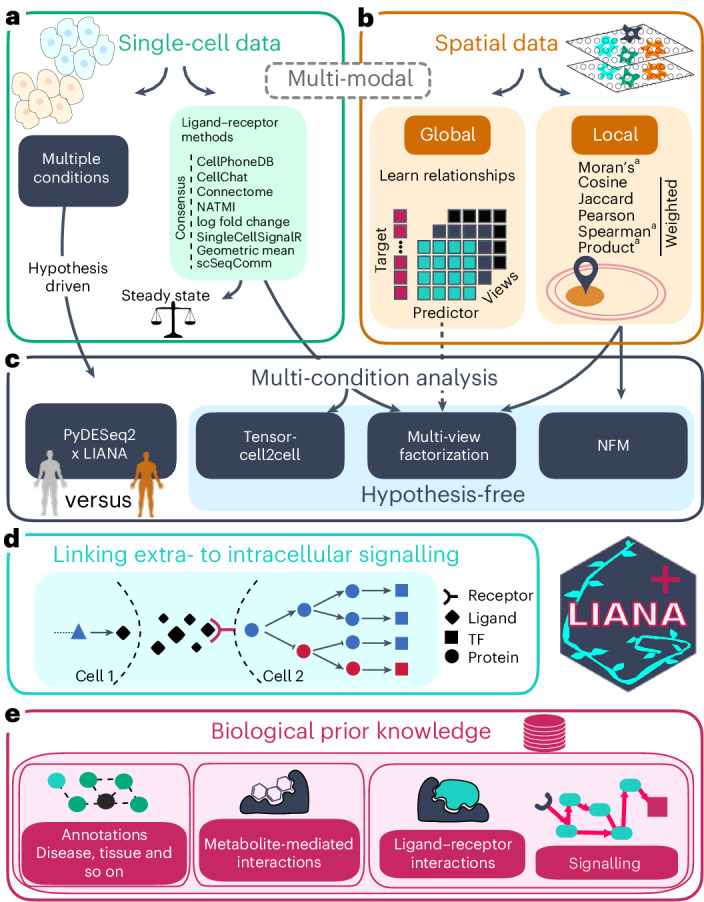
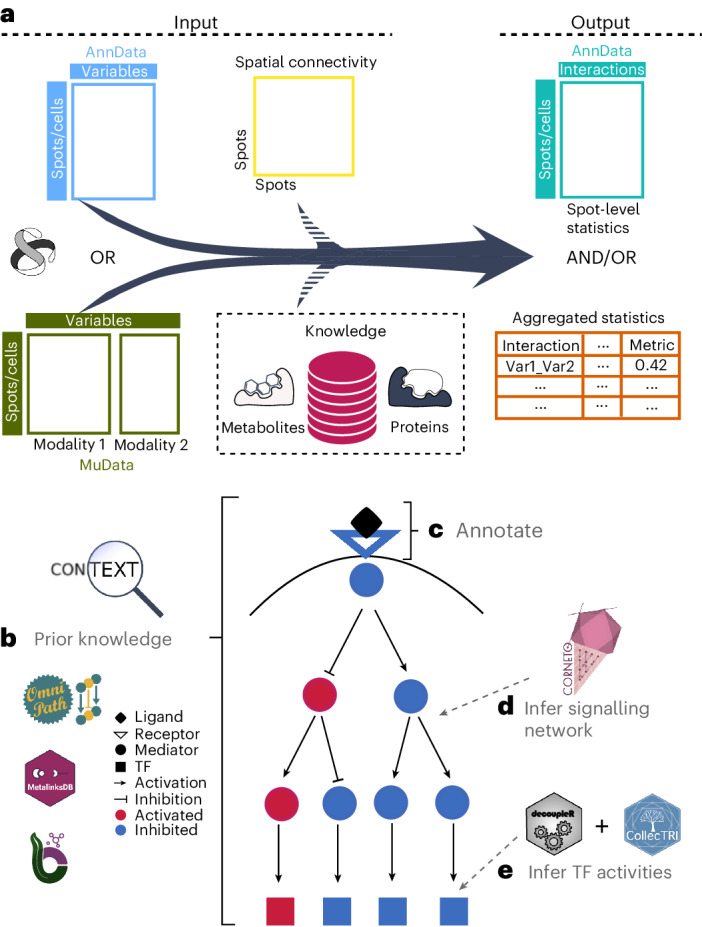
The growing availability of single-cell and spatially resolved transcriptomics has led to the development of many approaches to infer cell–cell communication, each capturing only a partial view of the complex landscape of intercellular signalling. Here we present LIANA+, a scalable framework built around a rich knowledge base to decode coordinated inter- and intracellular signalling events from single- and multi-condition datasets in both single-cell and spatially resolved data. By extending and unifying established methodologies, LIANA+ provides a comprehensive set of synergistic components to study cell–cell communication via diverse molecular mediators, including those measured in multi-omics data. LIANA+ is accessible at https://github.com/saezlab/liana-py with extensive vignettes ( https://liana-py.readthedocs.io/ ) and provides an all-in-one solution to intercellular communication inference.
Overview
The claims and statistics of this paper haven’t been checked yet.
Free: it reads the open-access text and checks the first 5 claims that cite a source we can check. Create a free account to check every claim.
Integrity signals
Registry
Cites
Statistics
Figures
Verification
Claims the paper makes
The claims and statistics of this paper haven’t been checked yet.
Free: it reads the open-access text and checks the first 5 claims that cite a source we can check. Create a free account to check every claim.
Self-check
Percentages, sums and reported differences re-computed from the paper’s own numbers.
The self-check needs the paper’s full text.
Citations
Cites
Moderated estimation of fold change and dispersion for RNA-seq data with DESeq2
Love, M. I., Huber, W., & Anders, S. (2014) · Genome Biology · doi:10.1186/s13059-014-0550-8 · Cited by 95,106 · cited 5×
“Then we estimated TF activities using the Wald statistics from PyDeSeq2 with univariate linear regression 81 and CollecTRI 80 .”
InfluentialScikit-learn: Machine Learning in Python
Pedregosa, F., Varoquaux, G., Gramfort, A., Michel, V., Thirion, B., Grisel, O., Blondel, M., Müller, A., Nothman, J., Louppe, G., et al. (2012) · arXiv · doi:10.48550/arxiv.1201.0490 · Cited by 71,016 · cited 1×
“By default, models are based on random forests 84 and can capture complex non-linear relationships.”
Cytoscape: A software Environment for integrated models of biomolecular interaction networks
Shannon, P., Markiel, A., Ozier, O., Baliga, N. S., Wang, J. T., Ramage, D., Amin, N., Schwikowski, B., & Ideker, T. (2003) · Genome Research · doi:10.1101/gr.1239303 · Cited by 51,888 · cited 1×
“Then the acyclic subnetworks obtained by each iteration were concatenated, such that edges from any solution were kept, and the network union was visualized with CytoScape 91 .”
SciPy 1.0: fundamental algorithms for scientific computing in Python
Virtanen, P., Gommers, R., Oliphant, T. E., Haberland, M., Reddy, T., Cournapeau, D., Burovski, E., Peterson, P., Weckesser, W., Bright, J., et al. (2020) · Nature Methods · doi:10.1038/s41592-019-0686-2 · Cited by 38,430 · cited 1×
“For linear models, which were used throughout this manuscript, we calculate the ordinary least squares t -statistics of the estimated parameters under the zero value null hypothesis 83 .”
SciPy 1.0: fundamental algorithms for scientific computing in Python
Virtanen, P., Gommers, R., Oliphant, T. E., Haberland, M., Reddy, T., Cournapeau, D., Burovski, E., Peterson, P., Weckesser, W., Bright, J., et al. (2019) · Apollo - University of Cambridge Repository · doi:10.17863/cam.64134 · Cited by 10,460
Inference and analysis of cell-cell communication using CellChat
Jin, S., Guerrero-Juarez, C. F., Zhang, L., Chang, I., Ramos, R., Kuan, C.-H., Myung, P., Plikus, M. V., & Nie, Q. (2021) · Nature Communications · doi:10.1038/s41467-021-21246-9 · Cited by 8,409 · cited 5×
“Most curation efforts have focused on annotating ligand– receptor interactions 19,21 , and additional prior knowledge efforts are needed in particular for the inference of CCC beyond protein-mediated events.”
InfluentialCellular and molecular mechanisms of fibrosis
Wynn, T. (2008) · The Journal of Pathology · doi:10.1002/path.2277 · Cited by 4,495 · cited 1×
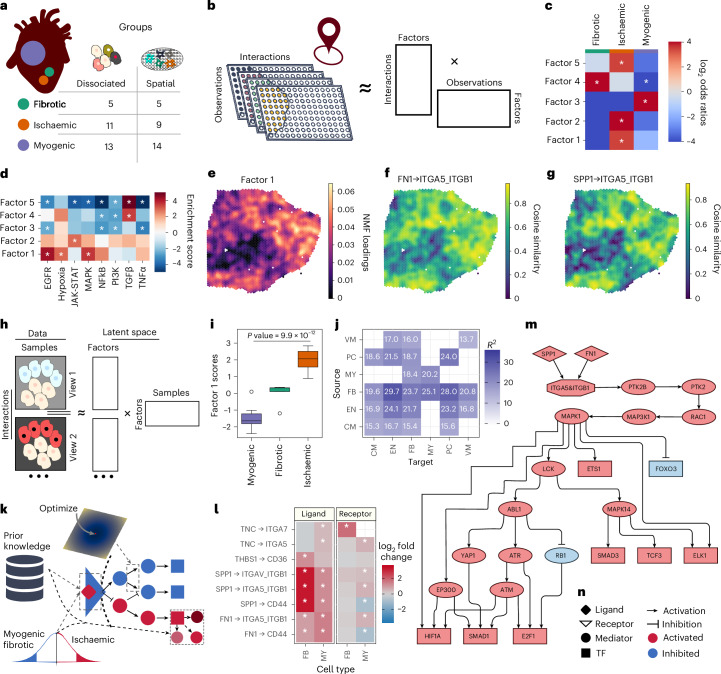
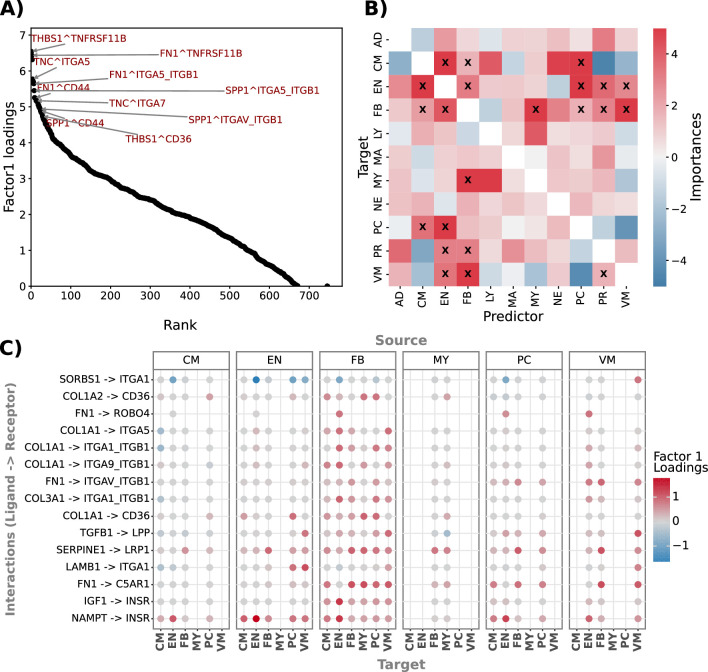
“Moreover, we noted that interactions in both the ischaemia-associated factor 4 and the fibrosis-associated factor 5 were enriched in transforming growth factor (TGF)-β signalling—a well-known driver of fibrosis 52 .”
Efremova, M., Vento-Tormo, M., Teichmann, S. A., & Vento-Tormo, R. (2020) · Nature Protocols · doi:10.1038/s41596-020-0292-x · Cited by 3,449 · cited 2×
“Most curation efforts have focused on annotating ligand– receptor interactions 19,21 , and additional prior knowledge efforts are needed in particular for the inference of CCC beyond protein-mediated events.”
D 1 and D 2 Dopamine Receptor-regulated Gene Expression of Striatonigral and Striatopallidal Neurons
Gerfen, C. R., Engber, T. M., Mahan, L. C., Susel, Z., Chase, T. N., Monsma, F. J., & Sibley, D. R. (1990) · Science · doi:10.1126/science.2147780 · Cited by 2,967 · cited 1×
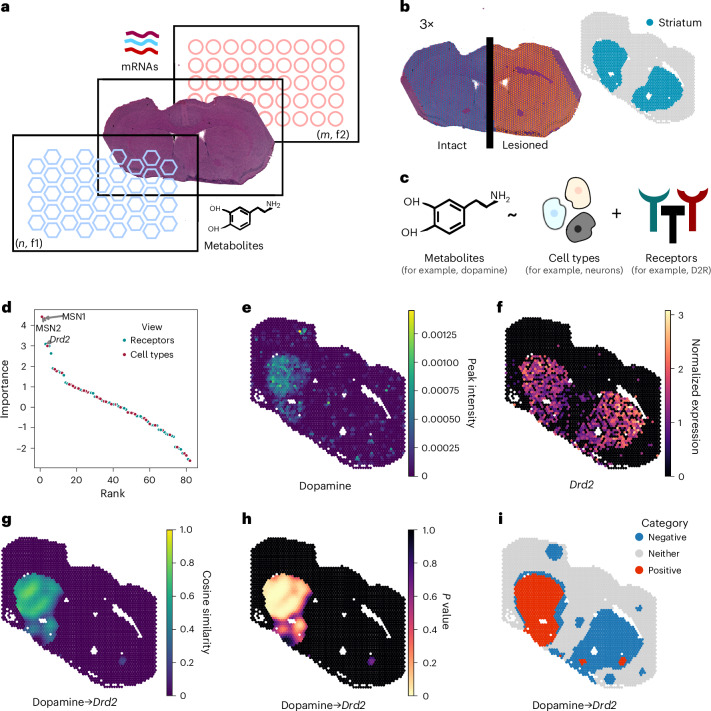
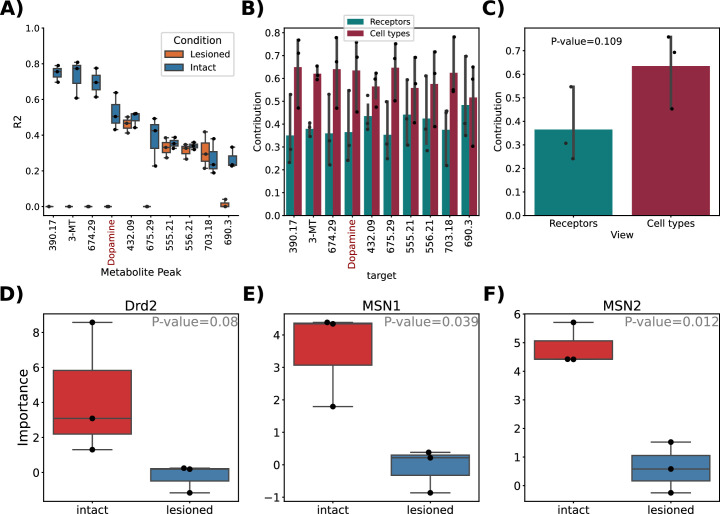
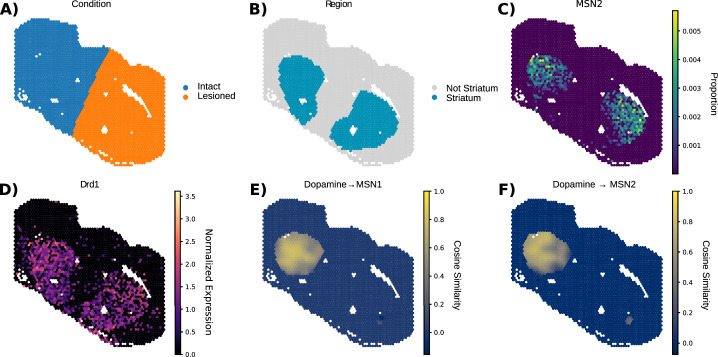
“Our analysis additionally hinted at an anticipated asymmetry following uni-hemispheric lesion 38 : while the interaction between D2R and dopamine was present in the intact hemisphere (Fig.”
Molecular Architecture of the Mouse Nervous System
Zeisel, A., Hochgerner, H., Lönnerberg, P., Johnsson, A., Memic, F., van der Zwan, J., Häring, M., Braun, E., Borm, L. E., La Manno, G., et al. (2018) · Cell · doi:10.1016/j.cell.2018.06.021 · Cited by 2,552
Research works printed but not linked: 1
- Saarenpää, S. et al. Spatial metatranscriptomics resolves host–bacteria–fungi interactomes. Nat. Biotechnol.10.1038/s41587-023-01979-2 (2023). PMC11392817 37985875 · DOI
Cited by
Items 201–262 of 262
Deng, Y., Chen, M., Gao, P., Luo, R., Li, Z., & Yao, Y. (2026) · Journal of Translational Medicine · doi:10.1186/s12967-026-08033-0 · Cited by 2
“CCC is driven by various mediators including protein-mediated interactions, metabolite-mediated interactions, and host–microbiome interactions [14].”
Decoding Multicellular Communication Motifs from Spatial Transcriptomics with ALARMISTPreprint
Fan, J., Hood, J. C., Strong, J., Quinn, J. F., Dai, Y., Teamlab, D. S., Schein, A., Yu, K. K. H., & Tansey, W. (2026) · bioRxiv (Cold Spring Harbor Laboratory) · doi:10.64898/2026.05.21.726986
“Among the 20 discovered motifs (Supplementary Figures 15, 16, 17), two involved multicellular coordination between macrophages and tumor subtypes.”
El‐Ghazawi, K., Aberra, Y. T., Veeramasu, Y., Fares, W. A., Isakson, B. E., Sontheimer, H. W., Eyo, U. B., & PEIRCE, S. M. (2026) · Communications Biology · doi:10.1038/s42003-026-10446-y
Nuclear proteome reveals microtubule-associated protein regulating fate and disease
Merino, F., Miranda, L., Kumar, A., Li, Y., Sundaramoorthy, D. K., Merl‐Pham, J., Schentarra, E.-M., Steinek, C., Pravatà, V. M., Kittock, C. M., et al. (2026) · Cell · doi:10.1016/j.cell.2026.05.019
Сергеевна, Ч. Е., Shcherbakova, L. N., Vigovskiy, M. A., Ильдарович, Т. А., Logunov, D. Y., Tychinin, D. I., Svetlichnyy, D. V., Kulebyakin, K. Y., Tkachuk, V., & Chechekhin, V. I. (2026) · Nucleic Acids Research · doi:10.1093/nar/gkag612
“5.0) [ 23 ].”
InfluentialPapageorgopoulou, M., Adair, E., Fancy, N. N., Avot, B., Boulger, S. L., Wülfing, M. S., & Matthews, P. M. (2026) · bioRxiv (Cold Spring Harbor Laboratory) · doi:10.64898/2026.06.18.733103
Parikh, S., Strobl, D. C., Jiménez, S., Beckmann, J., Arnoldt, L., Roellin, E., Vandenbempt, V., Sterr, M., Aije, M., Vu, H. T. H., et al. (2026) · bioRxiv (Cold Spring Harbor Laboratory) · doi:10.64898/2026.06.22.733853 · Cited by 1
Zhao, J., Shan, X., Wang, G., Chu, T., Lin, C., Chang, R., & Zhao, H. (2026) · bioRxiv (Cold Spring Harbor Laboratory) · doi:10.64898/2026.06.22.733860 · Cited by 1
“Many existing methods detect LRIs using statistics derived from bivariate Moran’s I [19, 21].”
Mitsuhashi, H., Rao, H. R., Amadei, S. S., Chawla, A., Davoli, M. A., Mechawar, N., Turecki, G., & Nagy, C. (2026) · bioRxiv (Cold Spring Harbor Laboratory) · doi:10.64898/2026.07.02.735636 · Cited by 1
“…examined cell–cell communica_on across cor_cal layers using LIANA+. Specifically, we iden_fied spa_ally co-localized ligand– receptor, which reflects local cell-cell communica_on, and applied non-nega_ve matrix factoriza_on (NMF) to iden_fy coordinated signaling programs across slides (Figure 5A) 24 .”
Lawrence, T., Mocsonokyova, E., Barde, A. M., Módos, D., Dumas, M., Korcsmáros, T., & Gul, L. (2026) · Briefings in Bioinformatics · doi:10.1093/bib/bbag355 · Cited by 1
“However, their narrow scope overlooks the hundreds of metabolites not studied as extracellular signalling molecules [ 180, 185] ( Table 2).”
Hurtado, M., & Pancaldi, V. (2026) · bioRxiv (Cold Spring Harbor Laboratory) · doi:10.64898/2026.06.30.735682
Chen, X., Zhou, D., Lin, Y., Lin, W., Xie, Z., Chen, L., Liu, L., & Sun, Y. (2026) · Journal of Translational Medicine · doi:10.1186/s12967-026-08567-3
“…states because they showed the strongest positive or negative associations with BSK. By-sample ligand-receptor analysis used the locked cell-level object prepared for LIANA [30] together with the pre-computed BSK sample ranking to define BSK-high and BSK-low groups (4 and 5 samples, respectively).”
Synthetic developmental engineering of human liver organogenesis
Taheri, M. N., Xiang, Y., & Ebrahimkhani, M. R. (2026) · Development · doi:10.1242/dev.205040
Tian, Z., He, L., & Zhang, X. (2026) · Frontiers in Immunology · doi:10.3389/fimmu.2026.1870393
“These analyses provide the fi rst layer of prioritization, but they are most informative when followed by graph-based or communication models that ask which interactions may be driving a given niche or response-associated pattern (28, 29).”
Zhang, M., Wang, N., Liu, X., Wang, Y., & Cui, Y. (2026) · Colloids and Surfaces B Biointerfaces · doi:10.1016/j.colsurfb.2026.116005
SpatialJEPA: JEPA-inspired graph-context distillation for spatially aware multiomics integrationPreprint
Mann‐Krzisnik, D., & Li, Y. (2026) · bioRxiv (Cold Spring Harbor Laboratory) · doi:10.64898/2026.07.21.739810
“3g, [12]).”
Le, J. T., Kim, E. K., Srivastava, V., Nakagawa, R. M., Phong, K. T., Childree, G., Moser, B., Goga, A., & Gartner, Z. J. (2026) · bioRxiv (Cold Spring Harbor Laboratory) · doi:10.64898/2026.08.01.742267
“To determine whether crosstalk was altered between epithelial and stromal compartments, we inferred ligand-receptor interactions per sample with LIANA 57–63 and applied the Tensor-cell2cell 64 unsupervised tensor decomposition framework to recover communication programs across Exp and Ctrl samples ( Supplemental Fig.”
InfluentialTfh dysfunction is associated with poor responses to HBV vaccinationPreprint
Chen, H. M., Severa, E., Yao, X., Williams, T., Sinha, R., Monteiro, C., Tuen, M., Dubensky, T. B., Koralov, S. B., Nowosad, C. R., et al. (2026) · bioRxiv (Cold Spring Harbor Laboratory) · doi:10.64898/2026.07.30.741822
Jia, P., Chu, L., Ren, Z., Cui, H., & Shao, B. (2026) · bioRxiv (Cold Spring Harbor Laboratory) · doi:10.64898/2026.08.02.741948
Chen, L. (2026) · Research Square · doi:10.21203/rs.3.rs-10605560/v1
Spatial and functional specialization of human splenic innate lymphoid cells
Colpitts, S. J., Jegatheeswaran, S., Mashhouri, S., Hagerman, A., El-Maklizi, M., Murshed, H., Mak, M. L., Reid, K. T., Murphy, J. M., Mathews, J. A., et al. (2026) · Nature Communications · doi:10.1038/s41467-026-76100-7
TTN+ macrophages are enriched in the human choroid plexus in Alzheimer’s disease
Bhatta, S., Grzybowski, A., Ortiz, G., & DiStasio, M. (2026) · Cell Reports · doi:10.1016/j.celrep.2026.117859
“Cell interaction analysis: Cell-cell communication was inferred using LIANA, 28 which provides consensus scoring across multiple ligand-receptor inference algorithms to ensure robustness to model-specific biases.”
Obwegs, D., Oschwald, A., Koetter, L. M., Crisand, C., Doerr, S., Bruder, K., Runge, S., Ghanem, N., Fuchs, V., Eckert, M., et al. (2026) · Science Advances · doi:10.1126/sciadv.aec9180
Pfeil, J. Q., Hui, S., Stueckmann, D., Zhang, X., Martin, L., Komisarenko, M., Meens, J., Gorman, J. L., Murphy, J. M., Mak, M. L., et al. (2026) · bioRxiv (Cold Spring Harbor Laboratory) · doi:10.64898/2026.08.17.744644
Madasu, C., Sirupangi, T., Herrera, G. J., Bohren, K. M., Sharma, K. L., Tan, Z., Ta, H. M., Yuan, F., Palaniappan, M., Clementi, C., et al. (2026) · Proceedings of the National Academy of Sciences · doi:10.1073/pnas.2607561123
“…impacted endometriotic stromal cell communication with immune cells, we integrated bulk RNAseq datasets from endometriotic stromal cells (Dataset S4) with single cell RNA - sequencing from the Human Endometrial Cell Atlas (HECA) by calculating interaction scores using the LIANA framework (18, 19).”
Scalera, M., Santis, E. D., Rossi, F., Meneghetti, N., Fard, L. A. N., Miglionico, P., Raimondi, F., Flori, A., Pasqualetti, M., Menichetti, L., et al. (2026) · bioRxiv (Cold Spring Harbor Laboratory) · doi:10.64898/2026.08.26.747200
Ling, H., Qiu, P., & Hu, Y. (2026) · International Journal of Molecular Sciences · doi:10.3390/ijms27177920
“7.3) [65], which integrates a consensus of multiple ligand–receptor inference methods.”
InfluentialSerezani, A. P. M., Bazzano, J. M. R., Pascoalino, B. D., da Silva, L., Dietrich, A., Taylor, C. J., Sherrill, T. P., Vannan, A., Calvi, C. L., Ericsson, P. I. G., et al. (2026) · JCI Insight · doi:10.1172/jci.insight.203080 · Cited by 1
“…most common cell interactions between the different populations of T cells and epithelial cells, we used LIANA (ligand-receptor analysis framework) (31), a computational tool designed to identify interactions between secreted or cell membrane ligands and plasma membrane receptors across 2…”
Host TLR4 activation by tenascin-C is associated with MMP14-dependent glioma invasion
Haneke, H., Efe, I. E., Dzaye, O., Kettenmann, H., & Yalçın, F. (2026) · Frontiers in Oncology · doi:10.3389/fonc.2026.1915071
“8.1) (42, 43).”
InfluentialVeltri, A. J., Wells, A. J., Baus, M., Mathur, S. K., & Samarasinghe, A. E. (2026) · Journal of Leukocyte Biology · doi:10.1093/jleuko/qiag120 · Cited by 1
Yasmeen, E., Riaz, M., Saleem, B., Alameri, G., & Gururani, M. A. (2026) · Frontiers in Plant Science · doi:10.3389/fpls.2026.1881910
Tumor-associated osteoclasts converge on a matrix-sulfation program across human bone tumors
Lei, M., Chang, S., Lei, N., Zhang, Z., & Luo, C. (2026) · Frontiers in Cell and Developmental Biology · doi:10.3389/fcell.2026.1914698
Advancing the Deciphering of Host-Microbe Crosstalk with Spatial Omics: A Mini-Review
Chen, R., Huang, S., & Sun, H.-X. (2026) · Current Microbiology · doi:10.1007/s00284-026-05149-w
Fincke, V. E., Loßner, M., Kunstreich, M., Reitsam, N. G., Sax, I., Mucha, M., Dorn, F., Helmschrott, L. C., Ramirez, M. D. H., Dintner, S., et al. (2026) · Nature Communications · doi:10.1038/s41467-026-77225-5
“The Liana+ implemented function was used to get progeny annotation 70,71 .”
A transcription factor regulatory atlas for activity inference and perturbation prediction
Sugimoto, H., Tsuyuzaki, K., Zou, Z., Oki, S., Ohta, T., & Kawakami, E. (2026) · Nucleic Acids Research · doi:10.1093/nar/gkag897
“…were obtained via LIANA [ 64 , 65 ], including HPMR [ 66 ], Guide to Pharmacology [ 67 ], ICELLNET [ 68 ], CellCall [ 61 ], CellPhoneDB [ 69 ], EM-BRACE [ 70 ], CellChatDB [ 71 ], ConnectomeDB [ 72 ], iTALK [ 73 ], LRdB [ 74 ], CellTalkDB [ 75 ], Cellinker [ 76 ], and a consensus collection [ 64 ].”
The role of spatial transcriptomics in exploring the tumor microenvironment in neuroblastoma
Zobel, M. J., Riccardi, C., McKenney, S., & Asgharzadeh, S. (2026) · Biochemical Pharmacology · doi:10.1016/j.bcp.2026.118474
A single-cell atlas and Shiny-based framework for murine lung injury and remodeling
Wang, Q., Li, J., Moos, P. J., & Venosa, A. (2026) · Frontiers in Bioinformatics · doi:10.3389/fbinf.2026.1886929
“…tool with other murine models of pulmonary disease; 2) incorporation of spatial transcriptomics datasets by implementing advanced tools like LIANA+ (Dimitrov et al., 2024); 3) refinement of the machine learning models for automated annotation and biomarker discovery; and 4) extrapolation and…”
Liu, X., Xia, L., Sheng, J., Cao, X., & Wang, K. (2026) · Frontiers in Immunology · doi:10.3389/fimmu.2026.1949243
“In ovarian cancer, however, the cellular organization, receptor distribution, and clinical signi fi cance of this network remain incompletely understood. scRNA-seq and computational communication analysis now make it possible to investigate immune – parenchymal signaling at cellular resolution (16).”
Perin, L., Liu, Y.-Y., Brent, G. A., & Milanesi, A. (2026) · Cells · doi:10.3390/cells15191743
Semeraro, R., & Magi, A. (2026) · World Congress on Medical Physics and Biomedical Engineering, September 7 - 12, 2009, Munich, Germany · doi:10.1007/978-3-032-37739-5_56
Jang, J.-Y., Lee, Y. B., Park, H.-S., Hong, N., Kook, H., Jung, H. J., Kim, J., & Ahn, J. (2026) · Allergy Asthma and Immunology Research · doi:10.4168/aair.2026.18.5.761
“Receptor-ligand analysis and transcription factor network visualization were performed with Liana+ 26 and decoupler.”
Sex-stratified adipose-liver circuits in human MASLDPreprint
Koning, M., Hu, I. M., Kovynev, A., Landgraaf, R. G., Bahmani, A. H. A., Baars, D., Milutinović, D. V., Veličković, N. A., Franken, R. J., Acherman, Y. I. Z., et al. (2026) · bioRxiv (Cold Spring Harbor Laboratory) · doi:10.64898/2026.09.24.754015
“20,54 For the liver, route-family panels were restricted to prespecified hepatocyte, LSEC, myeloid and lymphoid source-target routes representing the principal parenchymal, endothelial and immune interactions.”
Kalpazidou, S., Moysidou-Tsiorva, P., Özbaykent, B., Balcioglu, E., Richter, M., Shelton, E., Frischmann, M., Spalevic, J., Harter, P. N., Delbridge, C., et al. (2026) · bioRxiv (Cold Spring Harbor Laboratory) · doi:10.64898/2026.09.29.755236
Tan, W., Chokkakula, S., & Huang, H. (2026) · Research Square · doi:10.21203/rs.3.rs-10699536/v1
Resolving cell–cell interaction networks and their molecular logic in complex tissues
Tang, L., Tian, K., Fu, X., Xu, Y., Wu, J., Zhang, J., Wang, X.-W., Ye, C., Wu, Q., Wu, W., et al. (2026) · Nature Methods · doi:10.1038/s41592-026-03237-0
“By performing LIANA-based ligand–receptor analysis 50 on cells within the same clumps (Methods), we uncovered highly specific local communication networks.”
Artificial intelligence in osteoarthritis and osteoporosis: implications for management and research
Fairley, J. L., Kapoor, M., & Sharma, D. (2026) · Best Practice & Research Clinical Rheumatology · doi:10.1016/j.berh.2026.102209
Hong, S., Park, S., Kim, S., Park, Y. I., Lee, J. S., Kang, M., Lee, J., Hemberg, M., Kim, S. E., & Kim, K. (2026) · Science Advances · doi:10.1126/sciadv.aeh2362
“Ligand-receptor pairs were obtained from the LIANA ( 93 ) resource and reformatted into gene sets, with each pair treated as a functional unit.”
Cell-Cell Communication Patterns in Alzheimer’s Disease Differ by Cortical LayerPreprint
Dai, Q., Murphy, M., Lyu, J., Tang, S., Hu, J., Tasaki, S., Wang, Y., Bennett, D. A., Menon, V., Jager, P. L. D., et al. (2026) · medRxiv · doi:10.64898/2026.10.05.26364776
Rahman, A., Rahman, A., Mostafa, S., & Islam, M. T. (2026) · Proceedings - IEEE Symposium on Computer-Based Medical Systems · doi:10.1109/cbms69103.2026.00204
Huo, M., Xue, Z., Sheng, Y., & Li, S. (2026) · Frontiers in Materials · doi:10.3389/fmats.2026.1969087
Malignant and stromal partial EMT programmes and cetuximab outcome in head and neck cancerPreprint
Alkhatib, D. Z. R., Lunetto, S., Chakraborty, P., Jolly, M. K., Philpott, M. P., Biddle, A., Youssef, G., & Han, N. (2026) · bioRxiv (Cold Spring Harbor Laboratory) · doi:10.64898/2026.10.09.757840
Wang, Z., Zeng, L., Sun, X., Li, M., Li, R., & Zeng, F. (2026) · bioRxiv (Cold Spring Harbor Laboratory) · doi:10.64898/2026.10.11.758385
“CellChat mass-action scoring was implemented in LIANA+ 1.4.0 with CellChatDB [25,26].”
InfluentialNetwork Biology: Current Status, Applications, Challenges, and Future Prospects
Li, X., Zhang, L., Ding, Y., Li, K., Chang, S., Pei, L., Li, Z., & Chen, Z. (2026) · MedComm · doi:10.1002/mco2.71065 · Cited by 2
“Methods such as SCENIC and SCENIC + infer transcription-factor-centered regulons and enhancer-driven regulatory programs [ 13, 14 ], whereas ligand– receptor frameworks such as LIANA + estimate communication among defined cell populations [ 44 ].”
García-Prieto, C. A., Musulén, E., Grases, D., Dávalos, V., Ferrer, G., Perez‐Mies, B., Caniego-Casas, T., Palacios, J., Saenz-Sardà, X., Englund, E., et al. (2026) · Nature Communications · doi:10.1038/s41467-026-78188-3 · Cited by 1
“To analyze intercellular communication events, we looked for potential ligand-receptor interactions (LRI) on our Visium ST slides using LIANA+ 30,31 .”
InfluentialSpatial Transcriptomics Analysis of Ewing Sarcoma
Luo, H., Grünewald, T. G. P., & Gerstung, M. (2026) · Methods in molecular biology · doi:10.1007/978-1-0716-5587-0_30
Donor-Resolved Analysis of HES1-Associated Fibroblast States in Systemic Sclerosis
shenyi, F., Huang, L., & Wang, M. (2026) · Biomedicines · doi:10.3390/biomedicines14102360
“Candidate JAG1/DLL4–NOTCH2/NOTCH3 routes were assessed using donor-resolved LIANA+, spatial COMMOT and shared-mask-edge Xenium contact tests [24,25].”
Choi, S., Chung, H., Jeong, S., Oh, M., Lee, H. J., Gong, G., Kim, H. J., & Jeong, B.-K. (2026) · Research Square · doi:10.21203/rs.3.rs-11129445/v1
Ding, J., Samvelian, D. A., Ying, Z., Diamante, G., Ahn, I. S., Palafox-Sánchez, V., Wang, S. S.-M., Gómez‐Pinilla, F., & Yang, X. (2026) · iScience · doi:10.1016/j.isci.2026.117920
Artificial intelligence assisted genomic profiling of ovarian cancer liver metastases
Louxun, S., Li, Z., & Chen, S. (2026) · Frontiers in Genetics · doi:10.3389/fgene.2026.2004540
Phenotype-cloud reorganization shapes cancer progression and therapeutic adaptationPreprint
Zhang, Y., Ji, J., Gao, M., Zhang, Y., Wu, Z., Wu, C., Wang, J., Jia, H., Yang, Y., Liang, L., et al. (2026) · bioRxiv (Cold Spring Harbor Laboratory) · doi:10.64898/2026.10.20.760393
Yoo, S., Lee, K., Seo, J., Choi, H. K., Kim, S., Chang, J., Shim, Y., Kim, J., Won, J., & Park, S. (2026) · Signal Transduction and Targeted Therapy · doi:10.1038/s41392-026-02794-2
“36 Spatial connectivity was fi rst determined by limiting neighbors to a 100 μm bandwidth with a Gaussian kernel.”
Ding, T., Li, W., Yi, Y., Fan, X., Tan, J., Han, A., & Tang, Y. (2026) · International Journal of Molecular Sciences · doi:10.3390/ijms27219604
Metadata
- Authors
- Dimitrov, D., Schäfer, P. S. L., Farr, E., Rodriguez-Mier, P., Lobentanzer, S., Badia-i-Mompel, P., Dugourd, A., Tanevski, J., Ramirez Flores, R. O., & Saez-Rodriguez, J.
- Affiliations
- Heidelberg University (DE)
- ORCID
- Venue
- Nature Cell Biology
- Published
- 2024-09
- Volume
- 26
- Issue
- 9
- Pages
- 1613-1622
- ISSN
- 1465-7392 (ISSN-L)
- 1476-4679
- PMC
- PMC11392821
- OpenAlex
- W4402135155
- Cited by
- 263
- References
- 94
- Citations by year
- 2026: 161 · 2025: 91 · 2024: 10
- FWCI
- 35.29
- Type
- journal article
- Language
- en
- Open access
- hybrid
- doi.org
- Licence
- cc-by
- creativecommons.org/licenses/by/4.0 (tdm)
- creativecommons.org/licenses/by/4.0 (vor, 1 d)
- Locations
- Nature Cell Biology (publishedVersion, cc-by)
- PubMed Central (publishedVersion, cc-by)
- PubMed (publishedVersion)
- Funders
- Pfizer
- European Commission (HORIZON2020, 860329, 965193, 951773)
- Deutsche Forschungsgemeinschaft (SFB1550, SPP 2395, CRC/SFB 1550)
- Topics
- Life Sciences › Biochemistry, Genetics and Molecular Biology › Molecular Biology › Single-cell and spatial transcriptomics
- Life Sciences › Biochemistry, Genetics and Molecular Biology › Molecular Biology › Gene Regulatory Network Analysis
- Life Sciences › Biochemistry, Genetics and Molecular Biology › Molecular Biology › Bioinformatics and Genomic Networks
- Keywords
- intercellular communication, lianas, single-cell transcriptomics, spatial transcriptomics, multi-omics integration, knowledge base
- MeSH terms
- Animals, Cell Communication, Humans, Software, Signal Transduction, Computational Biology, Gene Expression Profiling, Single-Cell Analysis, Transcriptome
About these checks
Registry, retraction, Cites and statistics results are computed, not judged, with one exception: a printed reference that no index lists is read once by a model before it counts as a citation error. Claims are extracted by a model and kept only when their quote appears verbatim in the text; each cited source is then checked, with a model’s help, for whether it says what the claim relies on. Those verdicts can be wrong — read the claim’s quote and the cited source before relying on one.
Statistics and arithmetic are recomputed, not judged.
Confidence bands are shown only for fields calibrated on our annotated test set. None is calibrated yet, so no band is shown.
What counts as a claim ›How we measure confidence ›How we check this ›
Are you an author, or do you see a problem with this page? Request a review
Data sources
Bibliographic data: Semantic Scholar, OpenAlex, Crossref.
Contains information from the Semantic Scholar Academic Graph Datasets, made available under the ODC Attribution License (ODC-BY 1.0).
Semantic Scholar’s data is described in: Kinney, R., et al. (2023). The Semantic Scholar Open Data Platform. arXiv:2301.10140.
